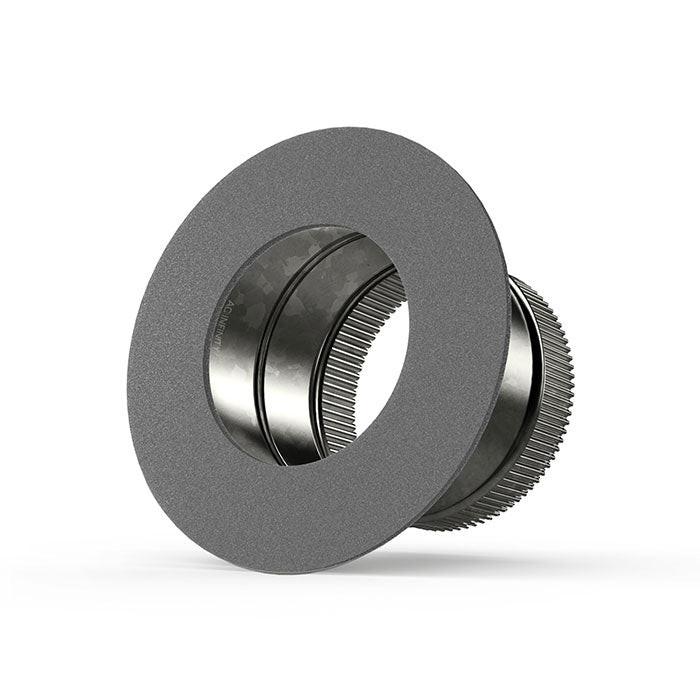
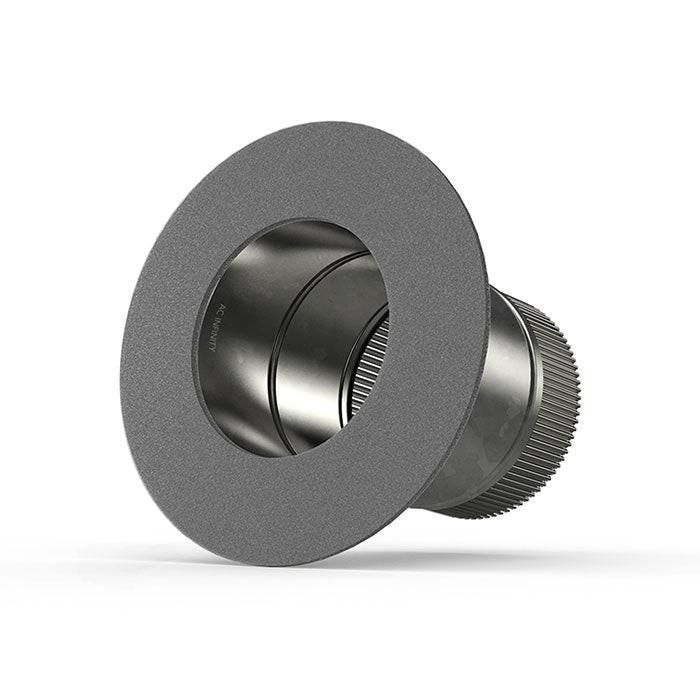
Duct Flanges & Duct Collars for Inline Fan Installation
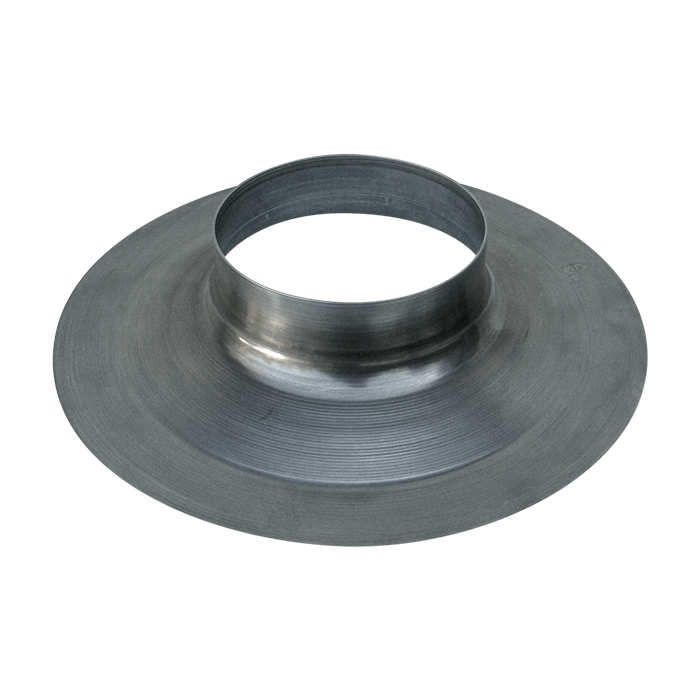
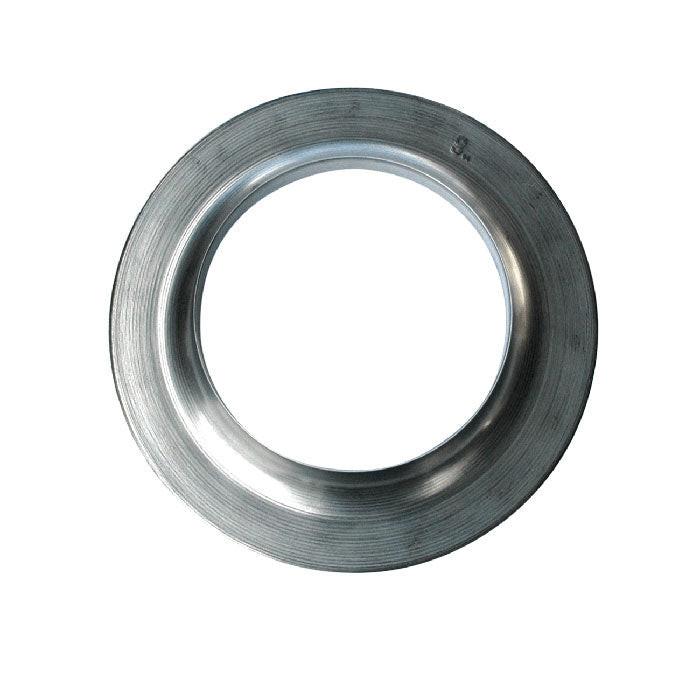
Duct flanges and duct collars are the connection hardware that joins flexible ducting to inline fans, carbon filters, grow tent ports, and wall exhaust openings - providing a mechanical transition between the round sheet metal housing of fans and filter bodies and the flexible aluminum duct that runs between them. A properly fitted flange creates a secure, airtight connection that does not pull free under the suction pressure of the fan or the tension of the duct run. An improvised connection - flex duct slipped directly over a fan housing without a flange and held with tape alone - pulls free under load, creates air leaks, and reduces system performance.
Flange Types
Standard duct spigot flanges are the most common format - a short cylindrical stub that slips inside the flex duct ID, with a collar that bears against the duct end and provides a foil-tape sealing surface. These are the flanges pre-installed on most inline fans and carbon filters. When the built-in flanges on a fan or filter are damaged or when custom connections are needed (connecting to a grow tent port of a different diameter, connecting to rigid duct, or adding a branch takeoff), replacement and extension flanges provide the needed geometry. Duct collars for wall penetrations provide a finished, reinforced connection through a wall opening where flex duct passes from inside to outside the growing space. Browse our complete inline fans collection and flexible ducting collection.
Sealing & Hose Clamps
Foil tape around the flange-to-duct joint is the minimum sealing requirement for low-pressure grow room ventilation. For higher-pressure applications (multiple inline fans in series, long duct runs, air-cooled reflector systems) supplement foil tape with a worm-gear hose clamp over the flex duct at the flange insertion point for a mechanically secure, pull-out-resistant connection. Fast shipping.
Duct Flanges FAQ
What is a duct flange and when do I need one?
A duct flange is a fitting that creates a secure, standardized connection point between a fan, filter, or tent port and the flexible duct. You need a replacement or additional flange when: the built-in flange on a fan or filter is damaged; you are connecting to a tent port or wall opening that does not have a built-in flange; you are transitioning between rigid duct and flex duct; or when the existing connection keeps pulling free or leaking air despite foil tape.
What size flange do I need?
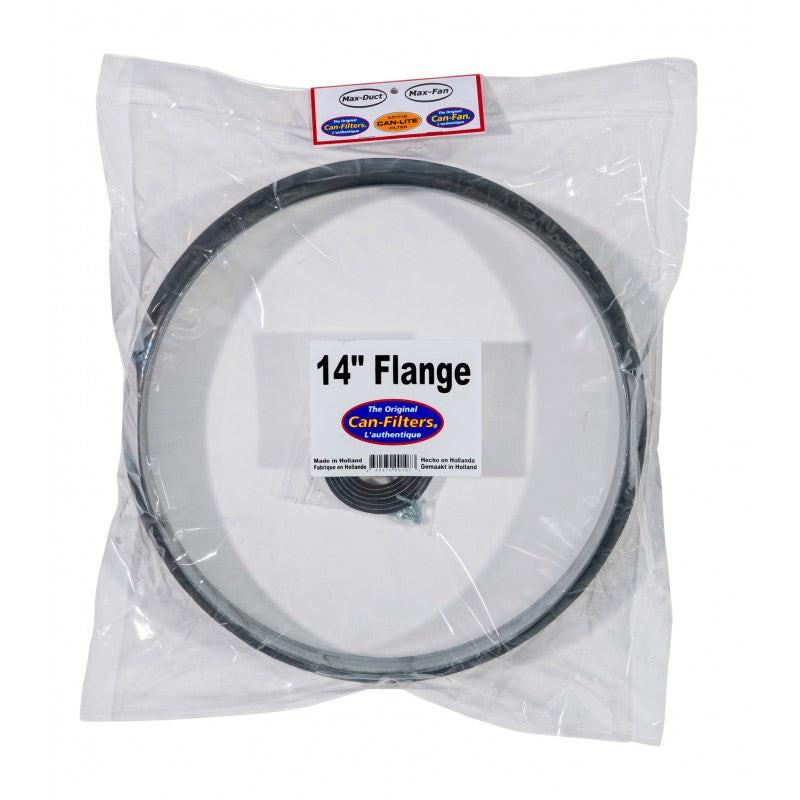
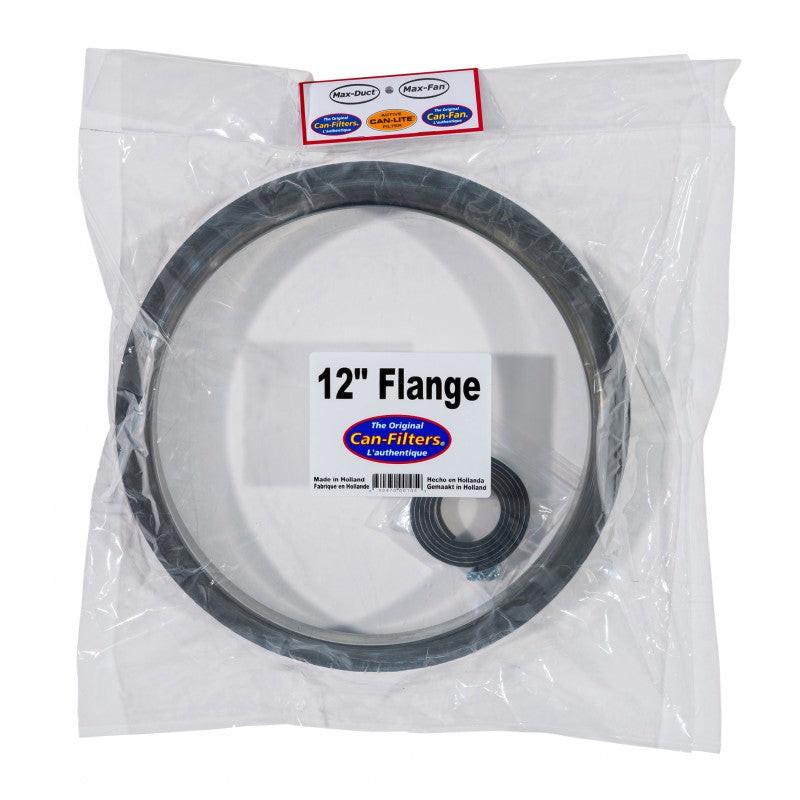
Match the flange diameter to the duct diameter and the fan/filter port diameter. Standard grow room sizes: 4-inch, 6-inch, 8-inch, and 10-inch. The flange slip-in diameter must match the duct ID - a 6-inch flange connects to 6-inch ID flex duct. If the fan port and the duct are different diameters, you need a reducer fitting between them, not a single flange. Verify both the fan port size and the duct diameter before ordering a flange.
How do I connect flex duct to a flange securely?
Slip the flex duct end over the flange spigot until the duct end seats against the flange collar. Wrap aluminum foil tape completely around the connection point - two full wraps of 2-inch foil tape provide a strong seal. For connections under significant tension from the duct weight or at high-pressure points in the system, add a worm-gear hose clamp (Jubilee clip) over the flex duct at the flange spigot position. Tighten the hose clamp until the duct is firmly held but not cut or deformed by the clamp band.
Do I need flanges for grow tent duct ports?
Most grow tent duct ports are fabric openings with sewn reinforcement but no rigid flange fitting. The flex duct slips through the port and is supported by the port fabric. For airtight connections with positive pull-out resistance at tent ports, add a rigid duct collar to the port opening - most tent port diameters accept standard 4-inch or 6-inch duct collars that provide a rigid surface for foil tape sealing and a mechanical stop against pull-out.
What is the difference between a flange and a reducer?
A flange (or duct collar or spigot) provides a connection point between two duct sections or between a duct and a fan/filter housing of the same diameter - it does not change the duct size. A reducer transitions between two different duct diameters - it has a different diameter at each end. If you are connecting a 6-inch fan to 6-inch duct, you need a 6-inch flange. If you are connecting a 6-inch fan to 4-inch duct, you need a 6-to-4-inch reducer.