Insect Repellents for Plants & Growing Environments
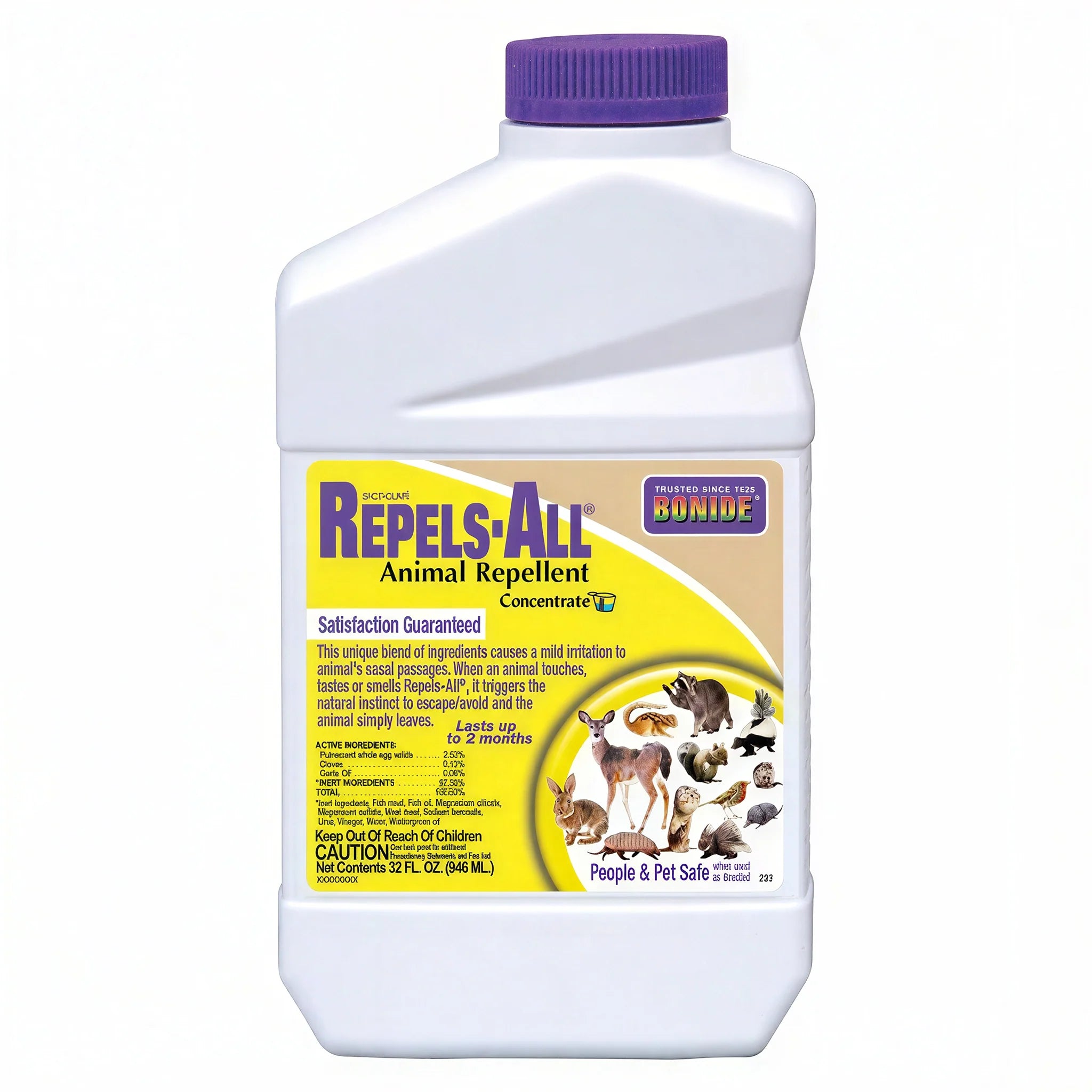
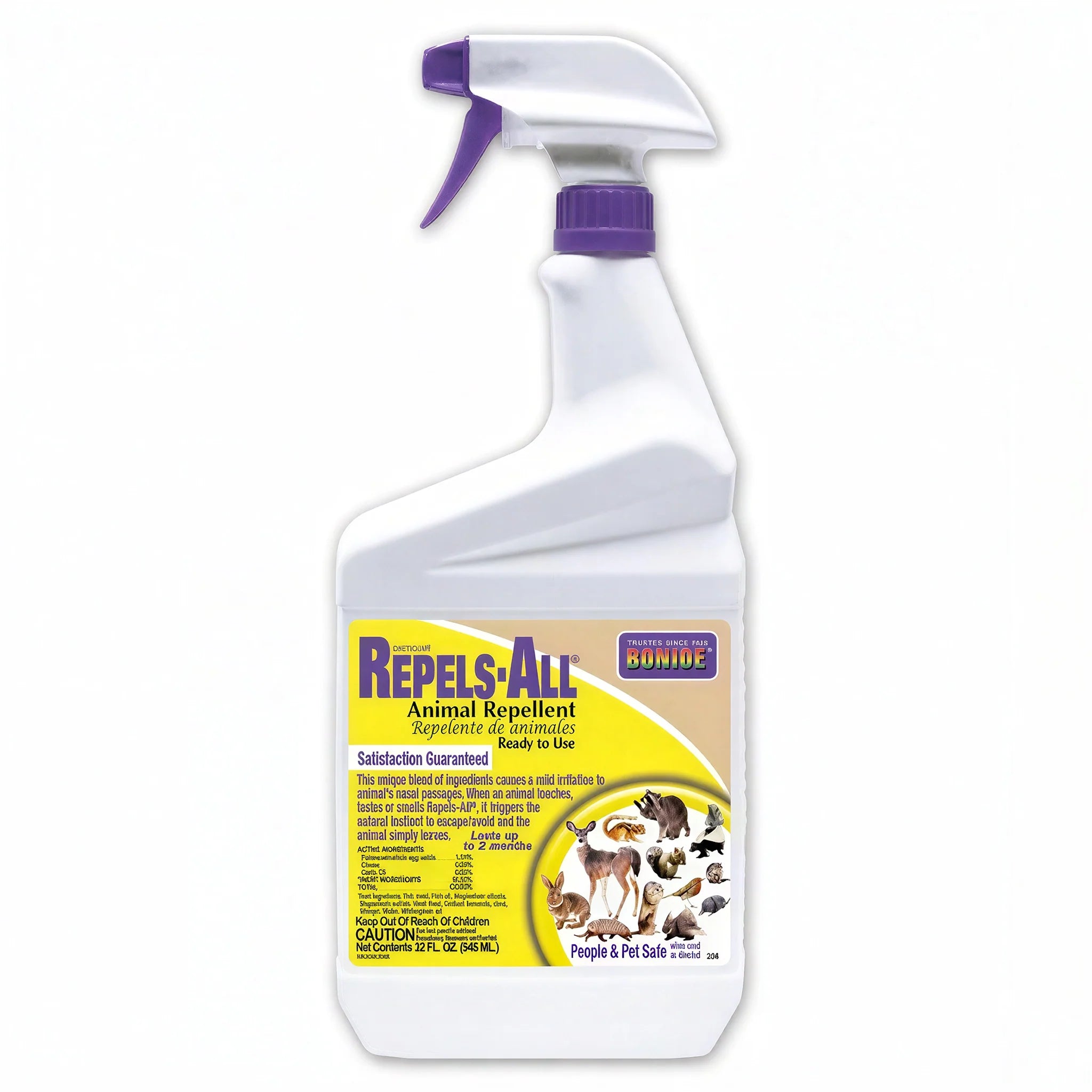
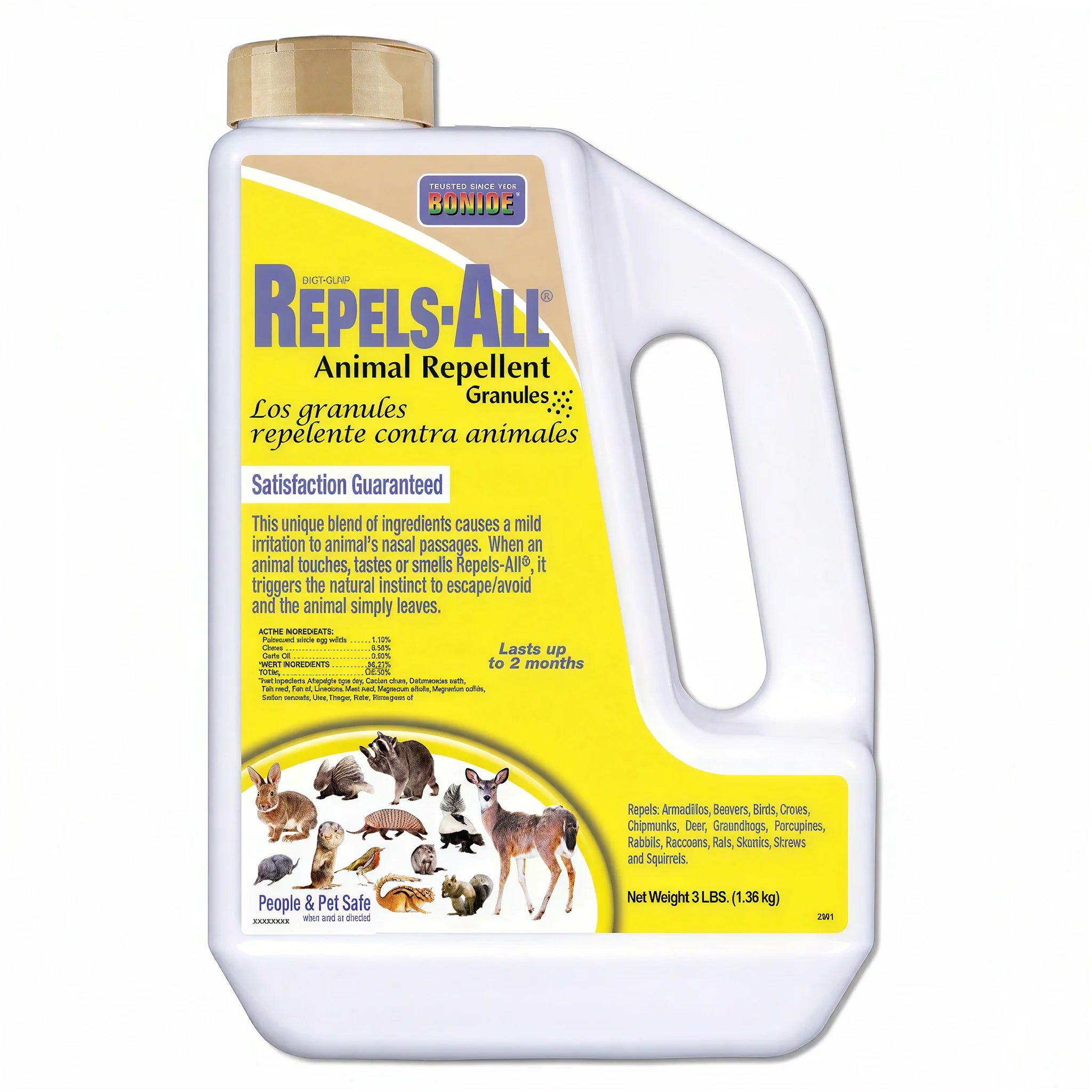
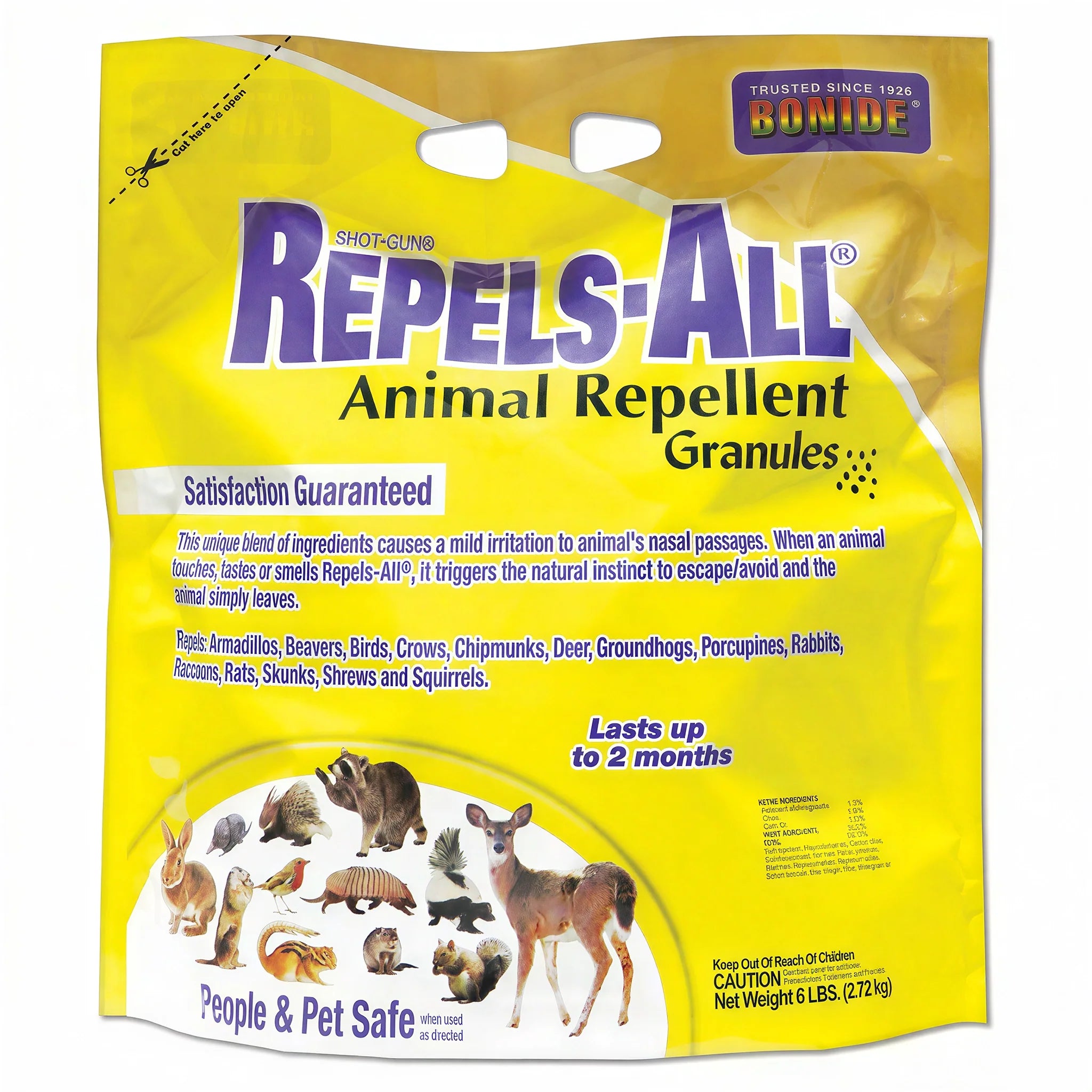
Insect repellent products deter pest insects from settling, feeding, and reproducing on treated plants by creating conditions that are aversive or physically uncomfortable for target pests - without necessarily killing them on contact. Repellents are most effective as preventive measures applied before pest populations establish, creating a treated zone that pests avoid. They complement but do not replace contact insecticides and biological controls in a complete IPM program; repellents reduce the initial pest load and reinfestation pressure while other control methods address established populations.
Repellent Mechanisms
Plant-derived essential oil repellents (rosemary oil, peppermint oil, clove oil, thyme oil) work through volatile aromatic compounds that interfere with pest insect chemoreception - the olfactory signals pests use to locate host plants. Applied to plant surfaces, these compounds mask the plant volatiles that attract pests. Sticky barrier products (Tanglefoot and similar formulations) create a physical adhesive barrier on container rims and plant stakes that physically prevents crawling insects (ants, shore flies, fungus gnats) from accessing the plant. Reflective mulches and surfaces disorient flying insects by disrupting their visual orientation cues. Kaolin clay applications create an inert particle barrier on plant surfaces that is abrasive and irritating to soft-bodied insects that attempt to feed. Neem oil products have both repellent and insecticidal activity through azadirachtin content.
Application Frequency
Most plant-based repellents require regular reapplication - essential oil volatiles dissipate within 3-7 days under growing room conditions, and repellents are washed from surfaces by irrigation and humidity. Establish a consistent weekly application schedule for repellents used as part of a preventive IPM program. Increase frequency during periods of high pest pressure or when pest monitoring indicates new pest activity in the facility. Browse our full insecticides and miticides collection for contact treatment options alongside repellents. Fast shipping.
Insect Repellents FAQ
Do plant-based insect repellents actually work?
Plant-derived essential oil repellents provide genuine but time-limited pest deterrence when applied correctly and consistently. Research confirms that compounds like eugenol (clove), thymol (thyme), and linalool (lavender) reduce pest settling behavior on treated plants versus untreated controls in laboratory and greenhouse settings. The real-world limitation is reapplication frequency - essential oils evaporate within days in warm growing environments, and sporadic application provides less reliable deterrence than a consistent weekly program. Think of repellents as reducing pest immigration pressure rather than eliminating existing infestations.
What is a sticky barrier and how does it work?
Sticky barriers use a non-drying adhesive compound applied to a band around the base of containers, plant stakes, bench legs, or other surfaces that pests must cross to reach plants. The adhesive catches crawling insects - particularly ants (which farm aphids and protect them from predators), fungus gnats, and shore flies - physically preventing them from climbing to plant surfaces. Tanglefoot is the most commonly used commercial formulation. Apply as a band around the relevant surface and refresh when the adhesive becomes covered with trapped insects and debris. Sticky barriers address crawling pest access; flying insects are not deterred.
How often should I apply insect repellent sprays to my plants?
Weekly application is the standard schedule for essential oil and plant-extract repellent programs in growing environments. Many volatile repellents lose effectiveness within 3-5 days under warm, well-ventilated growing room conditions as the active compounds volatilize. Apply in the evening or during the dark period when lights are off - foliar spray applications during the light period with high-intensity lighting can cause phytotoxicity from the combination of oil residues and intense light. Adjust frequency based on pest monitoring results - increase to twice-weekly if pest pressure is high.
Can insect repellents replace pesticide applications?
Repellents alone are rarely sufficient as the sole pest management tool in a producing grow room. They are most valuable as a preventive component of a layered IPM program that also includes: monitoring (sticky traps) to detect problems early; physical exclusion (screened intakes, clean room entry practices) to prevent new introductions; biological control (beneficial insects) for ongoing population suppression; and targeted pesticide applications when pest populations exceed acceptable thresholds. Repellents reduce the frequency and necessity of pesticide applications by lowering background pest pressure, but they do not substitute for the other IPM layers.
Are plant-based insect repellents safe for edible crops?
Most plant-derived essential oil repellents (rosemary, peppermint, thyme, clove) have GRAS (Generally Recognized as Safe) status for food contact and are approved for use on edible crops up to and including harvest day in many formulations. Verify the specific product's label for pre-harvest interval (PHI) and approved crop list before applying to edible crops. OMRI-listed repellent products have been reviewed for compliance with organic food production standards. Kaolin clay is also labeled for edible crops and washes off produce before consumption.