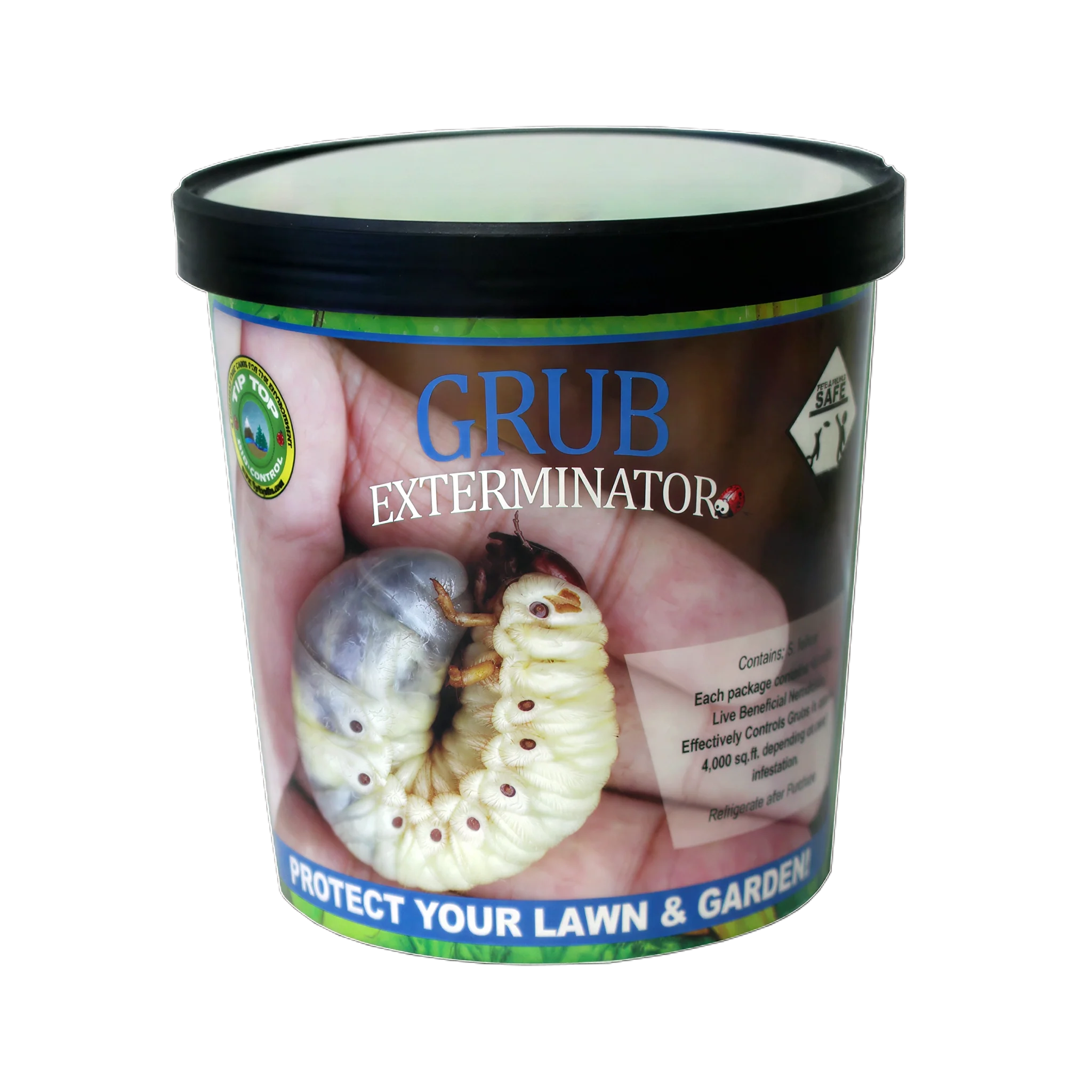
Beneficial Insects for Biological Pest Control
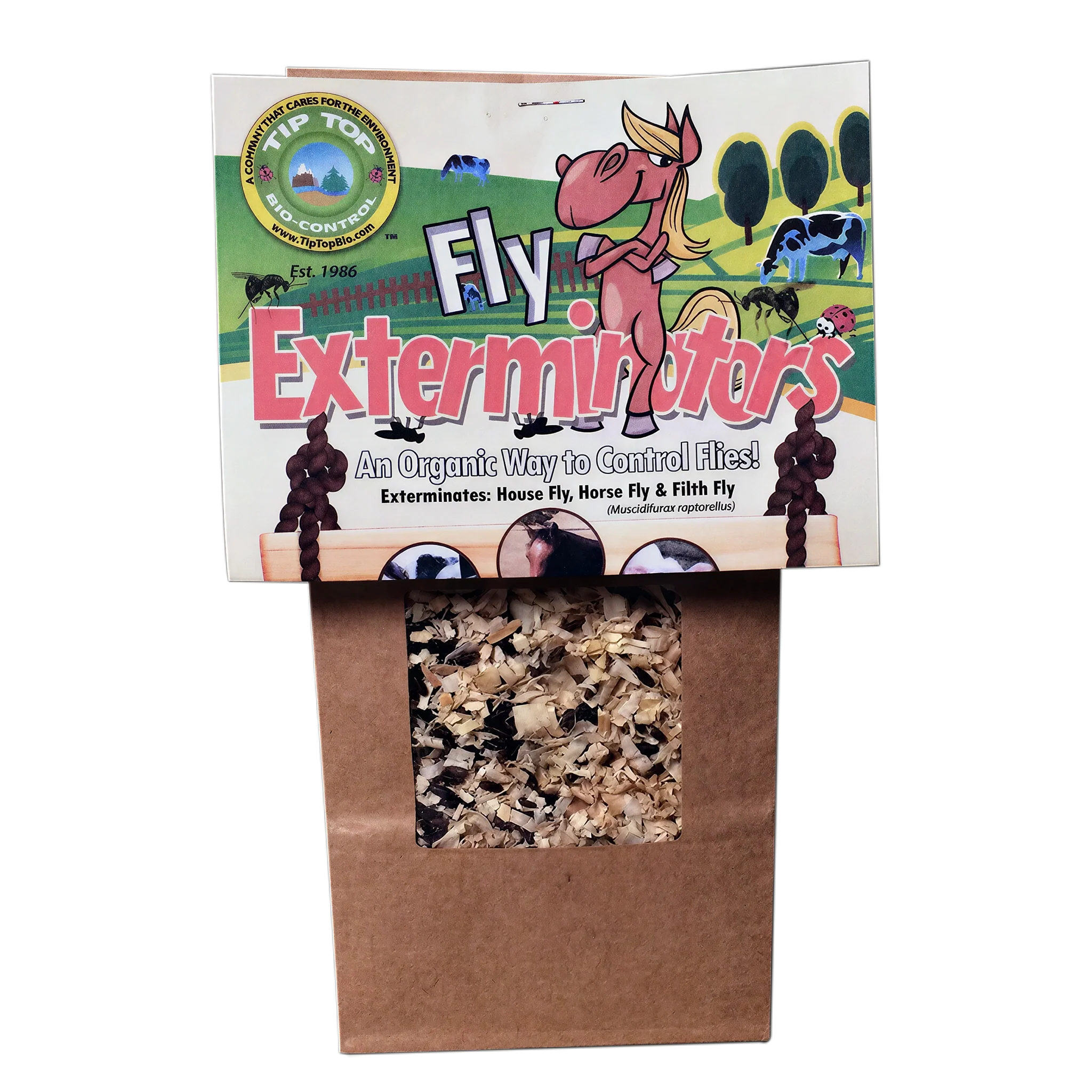
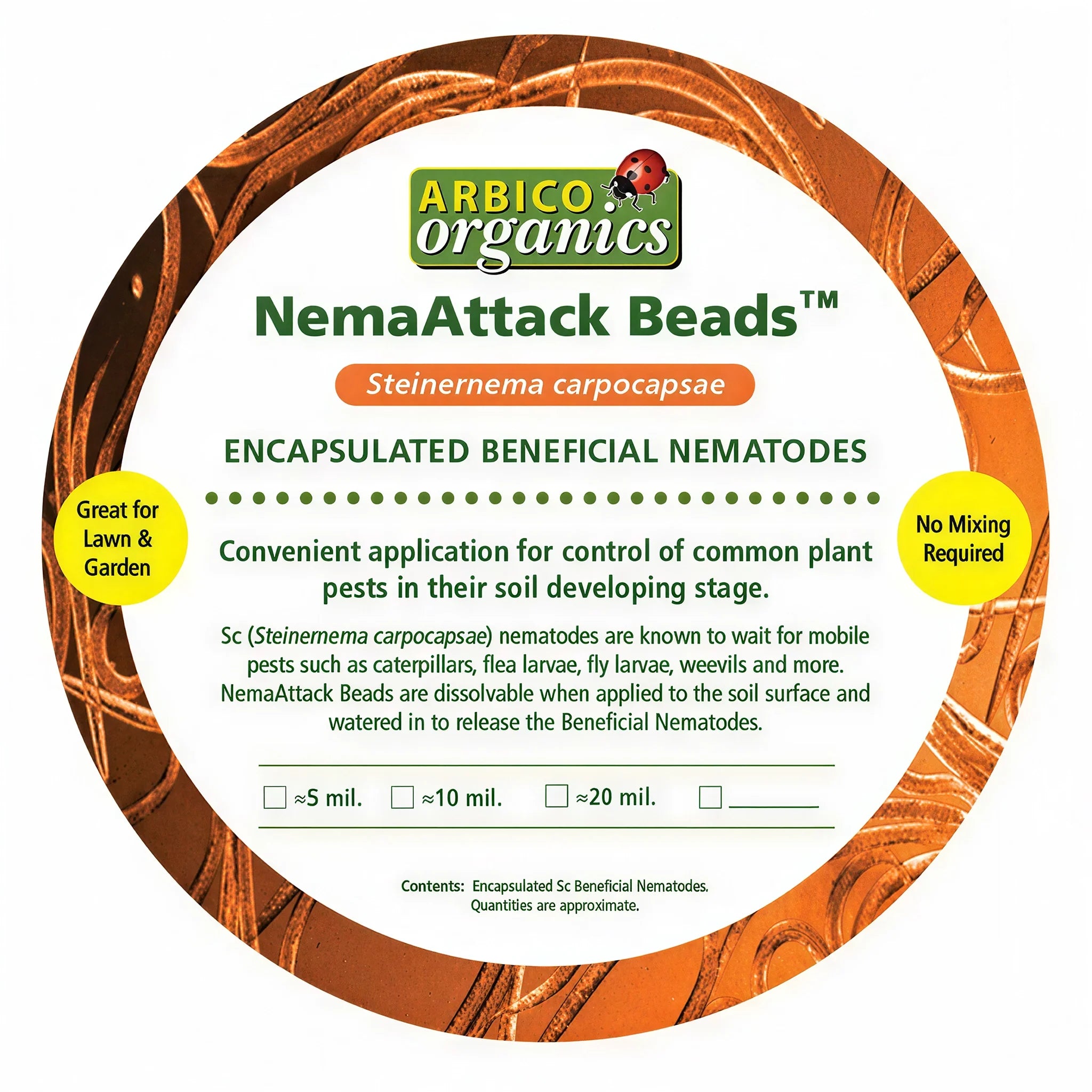
Beneficial insects are natural predators, parasitoids, and competitors of pest insects and mites - living organisms introduced to a growing environment to suppress pest populations through biological rather than chemical mechanisms. Biological control with beneficial insects is a cornerstone of integrated pest management (IPM) programs in commercial greenhouse production and is increasingly standard practice in indoor growing operations where repeated pesticide applications create resistance in pest populations, leave residues on crops, and disrupt the growing environment. Once established, a healthy population of beneficial insects provides ongoing suppression that chemical pesticides do not - beneficial insects continue reproducing and hunting while chemical residues degrade.
Key Beneficial Insects & Their Targets
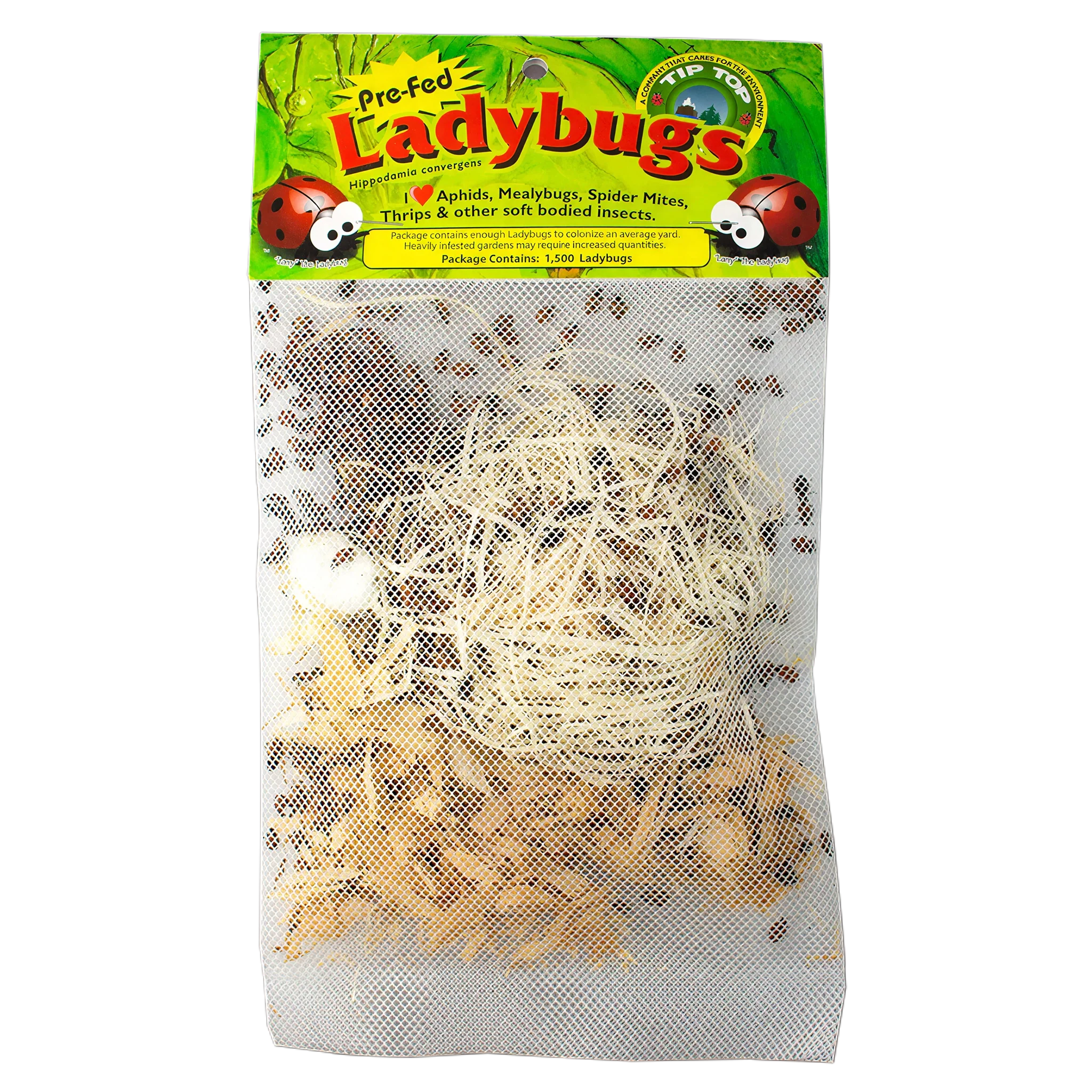
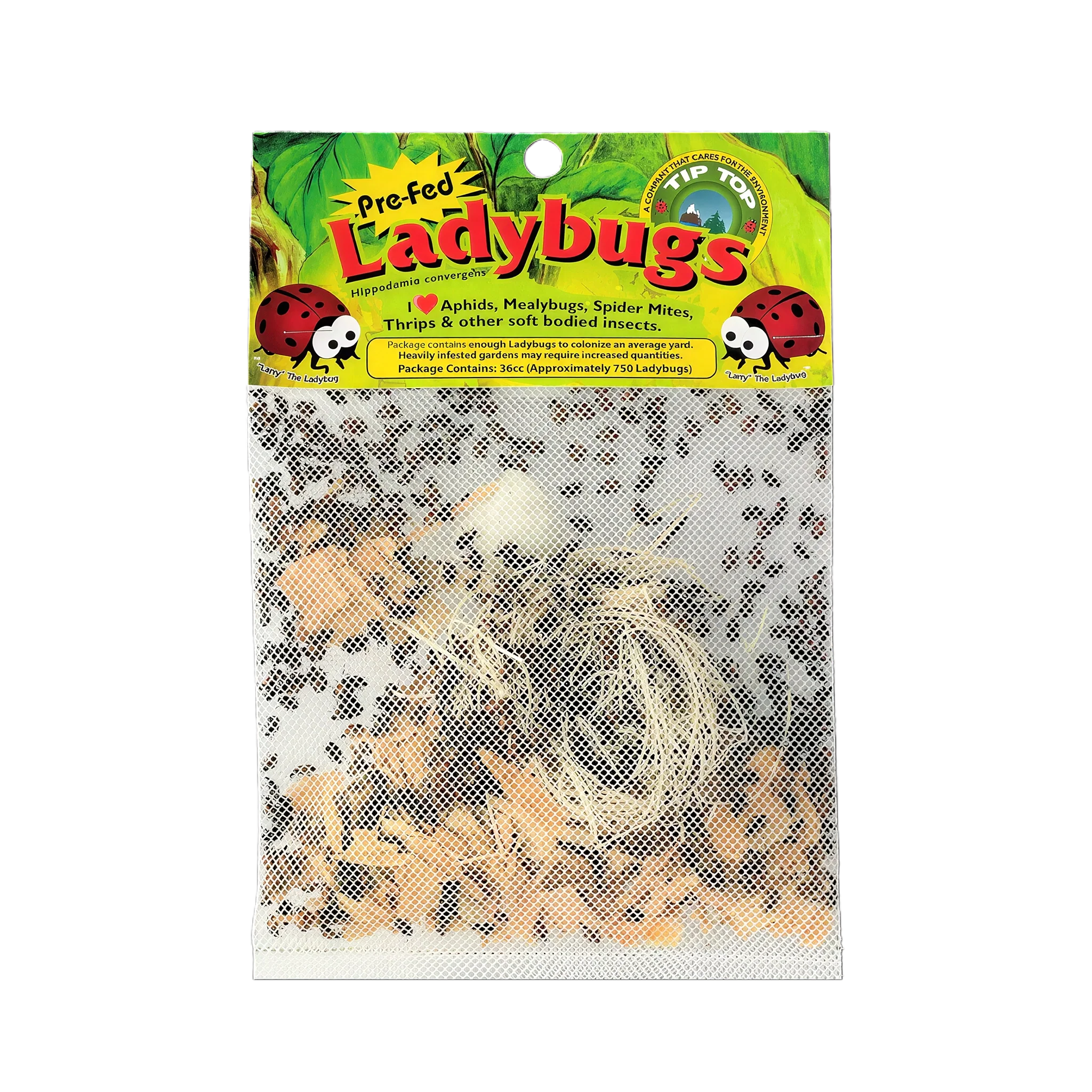
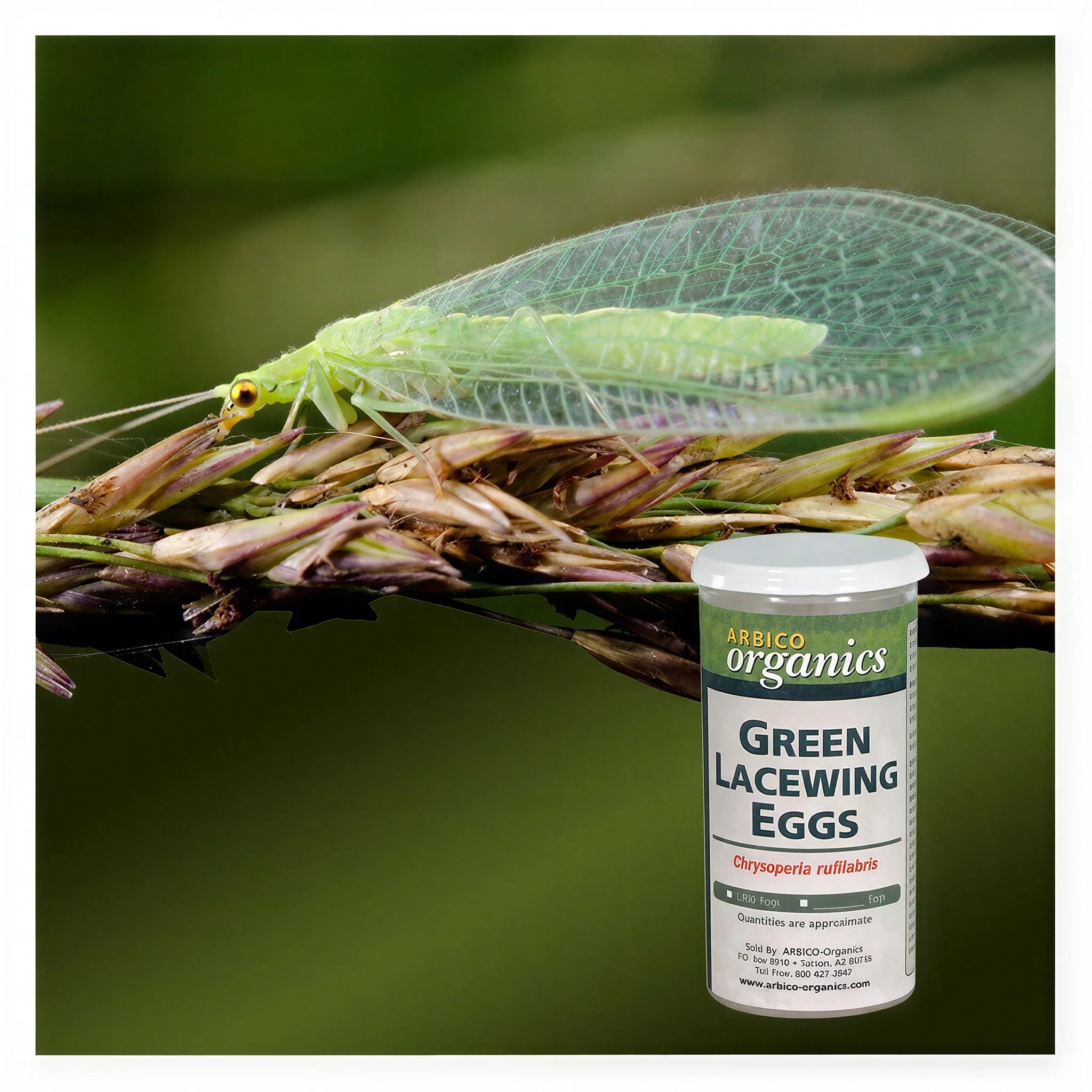
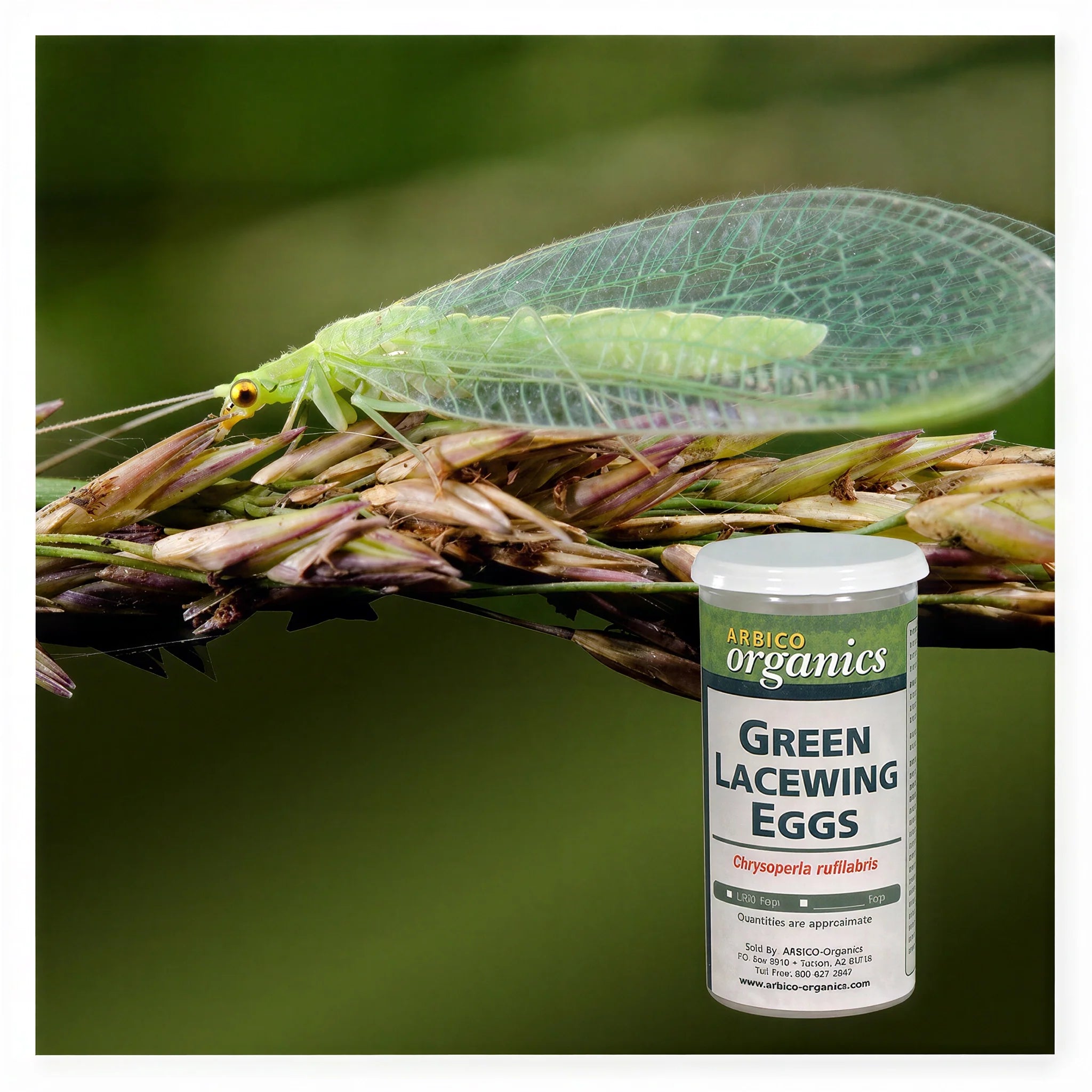
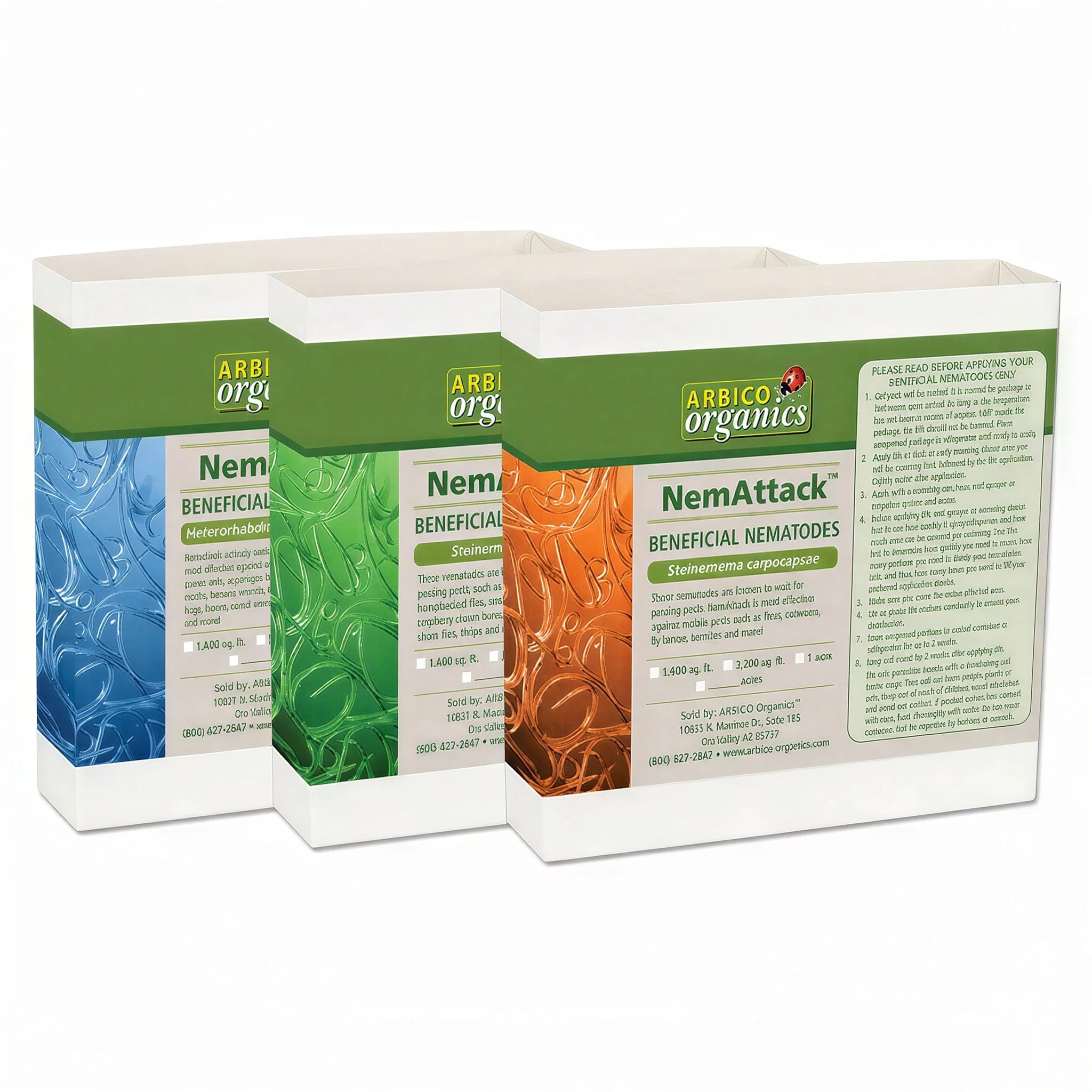
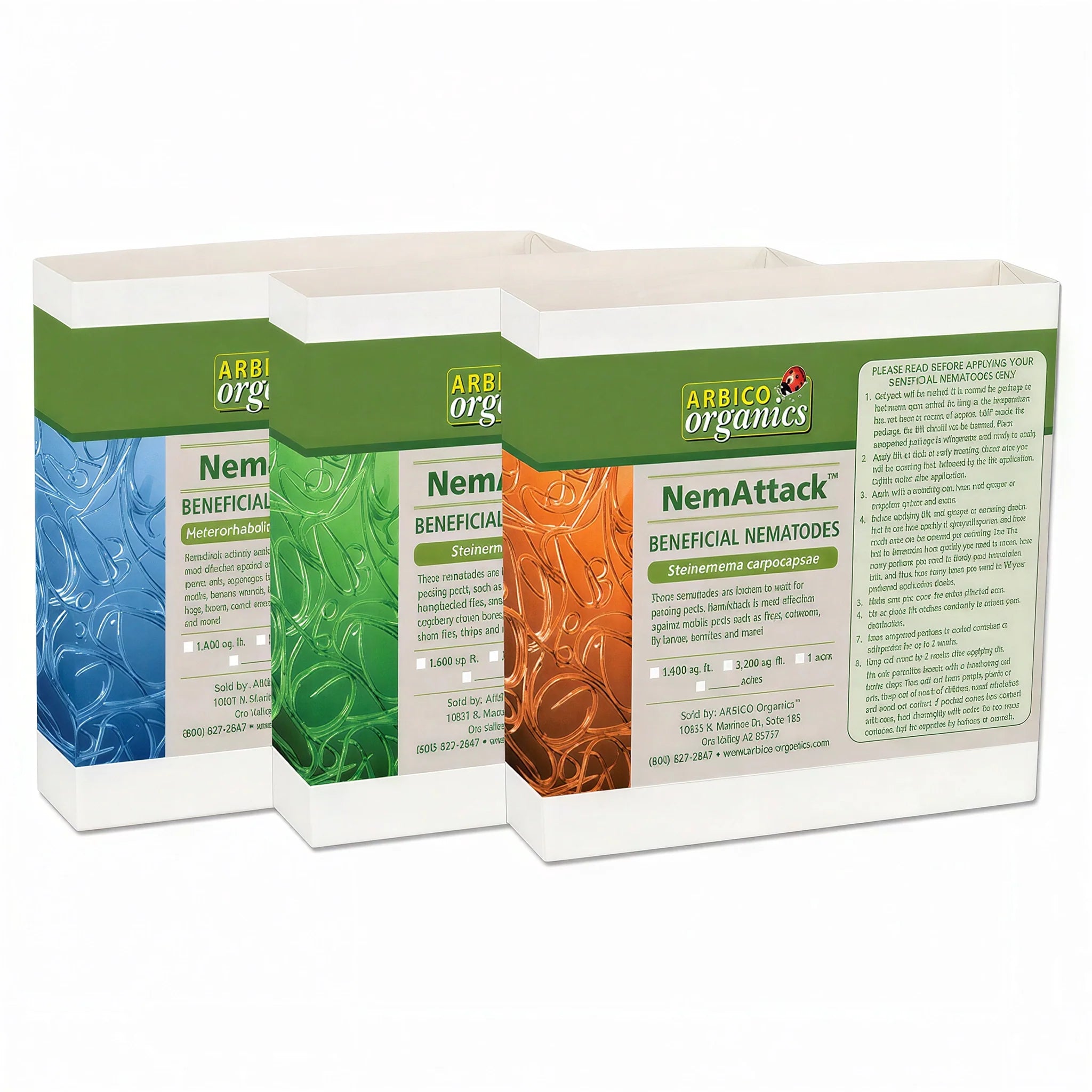
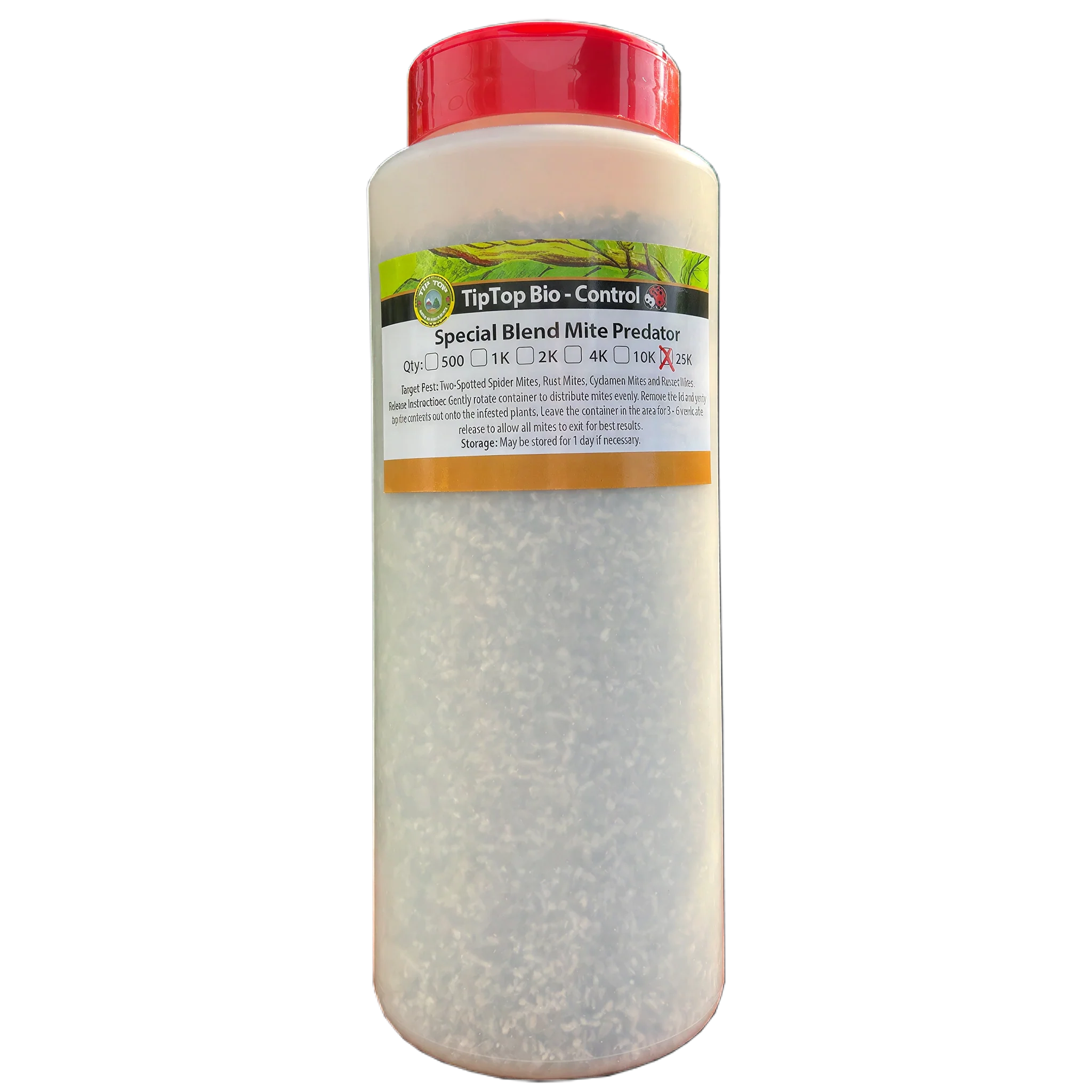
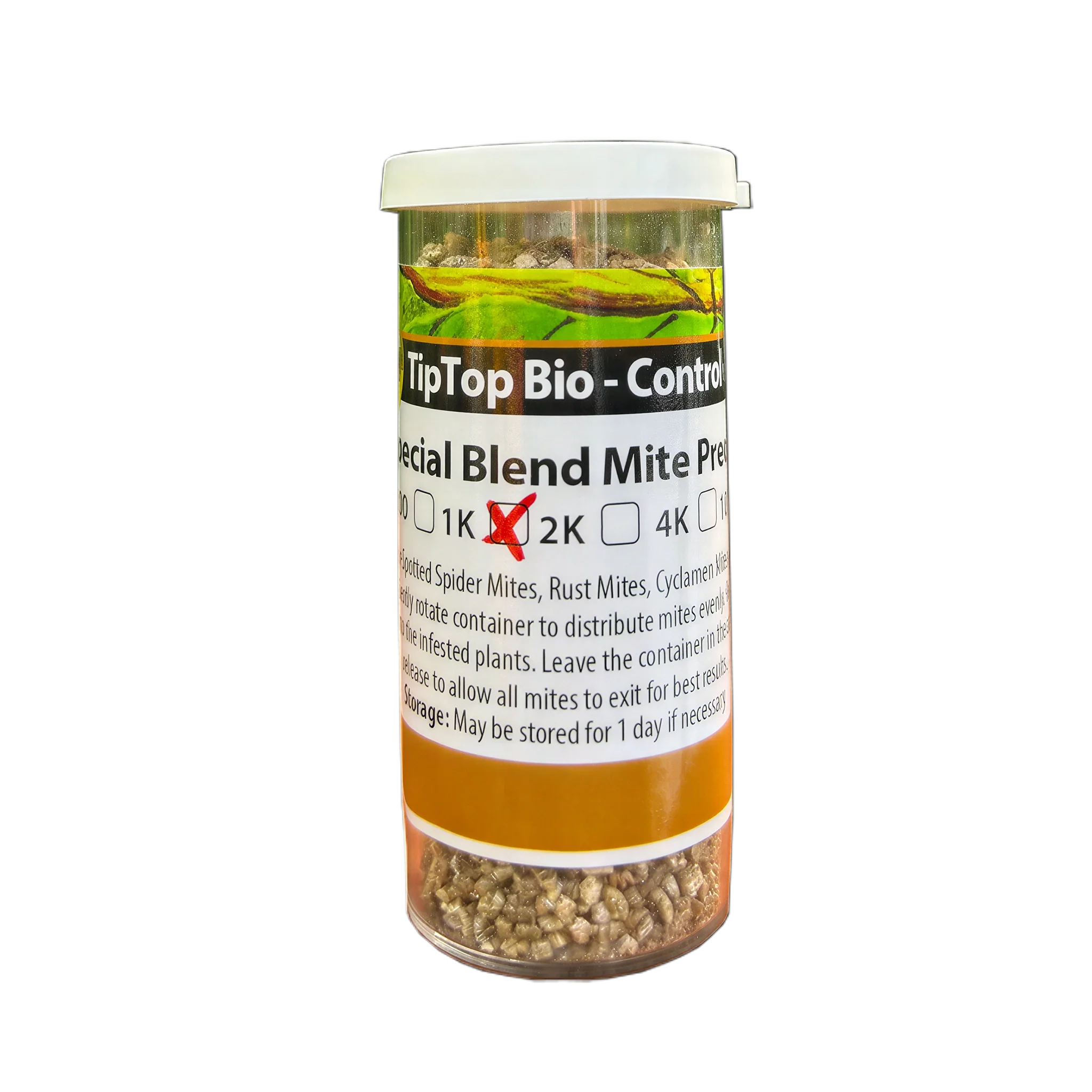
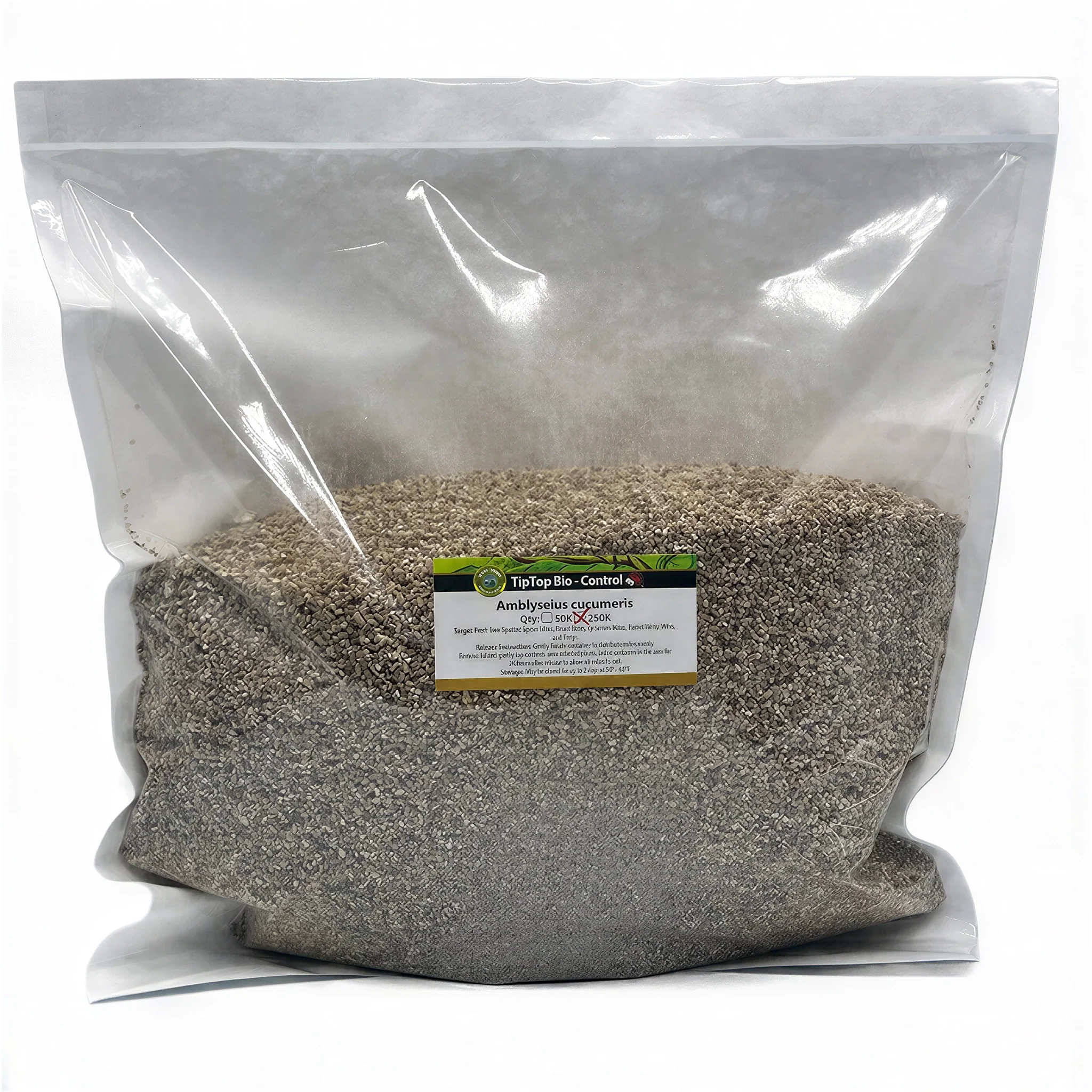
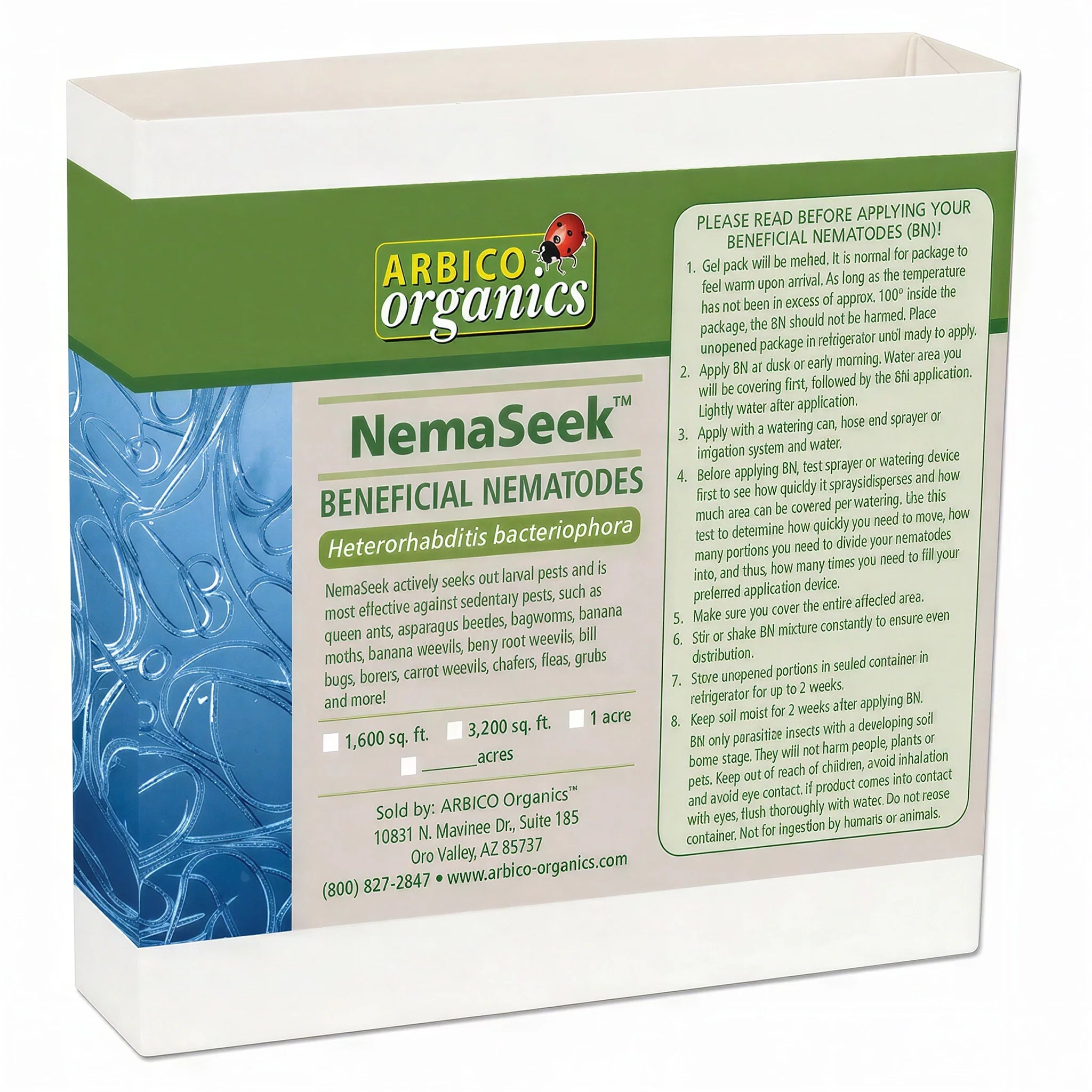
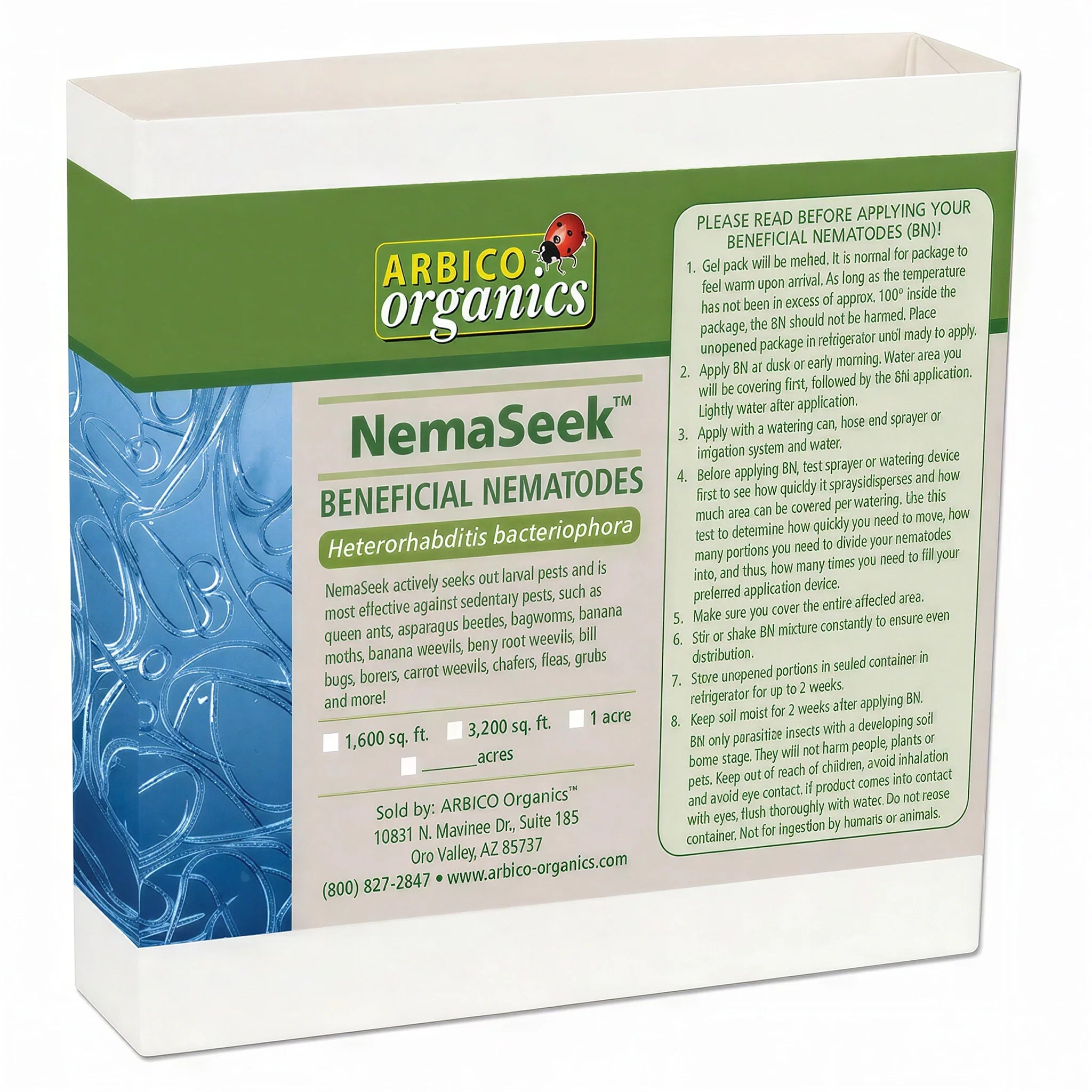
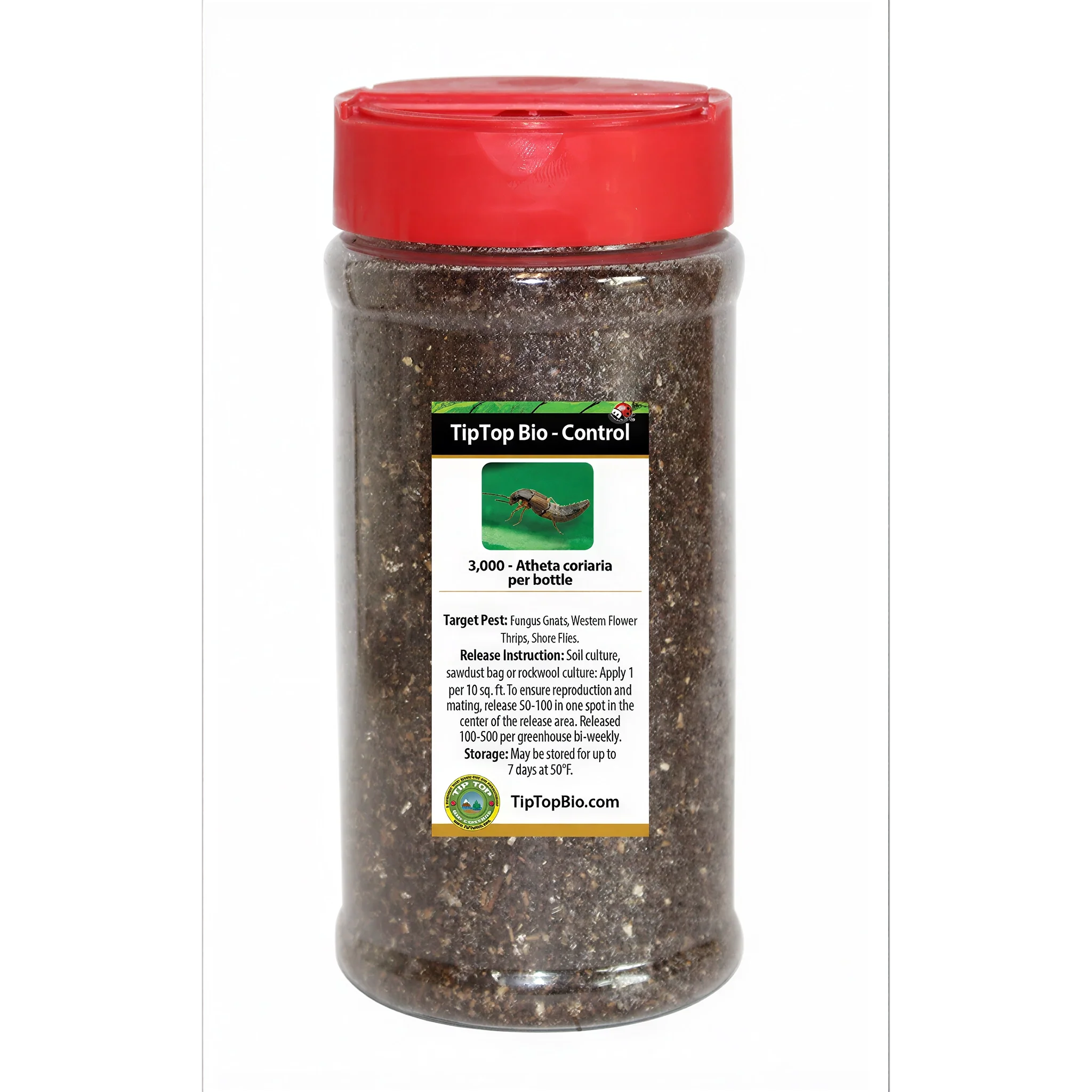
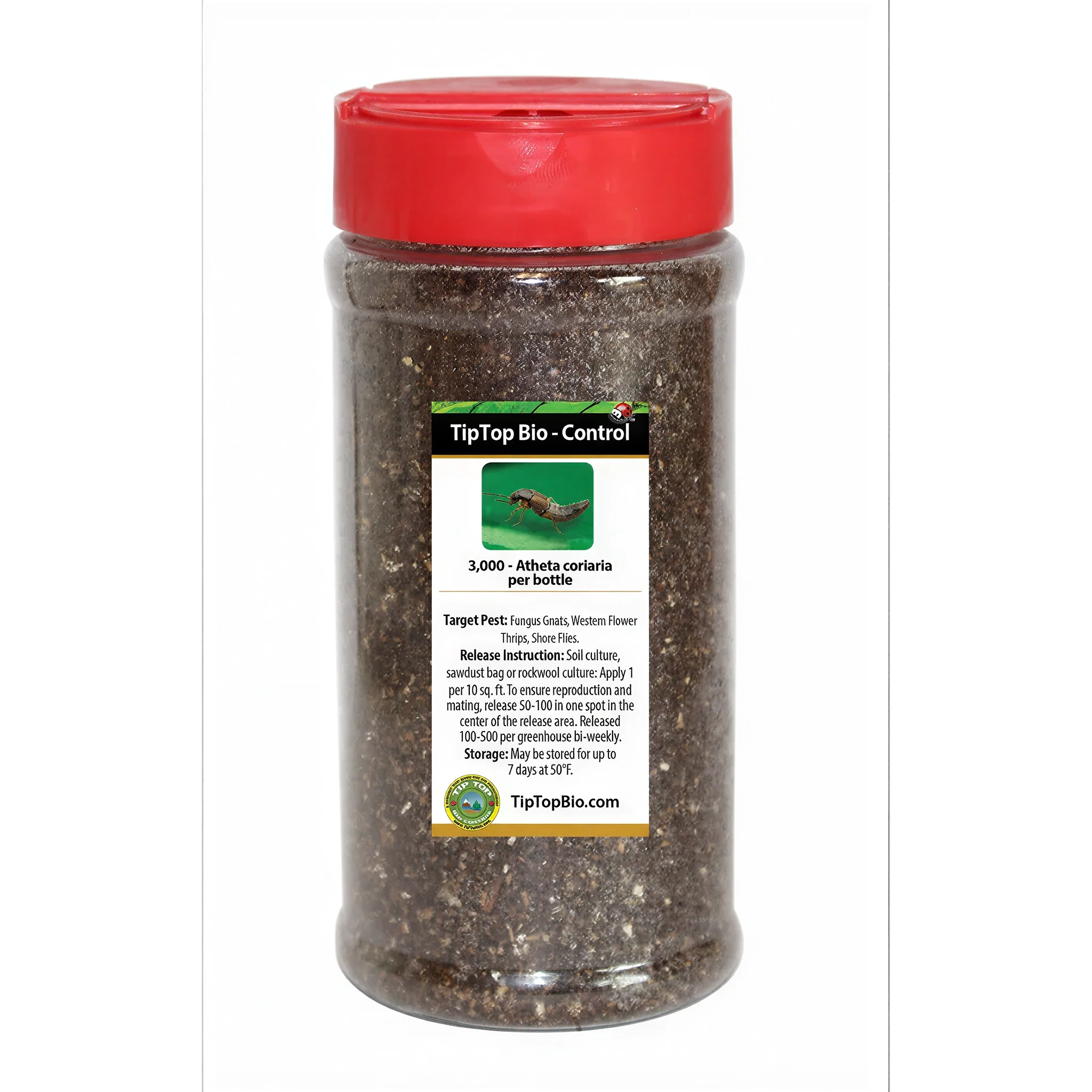
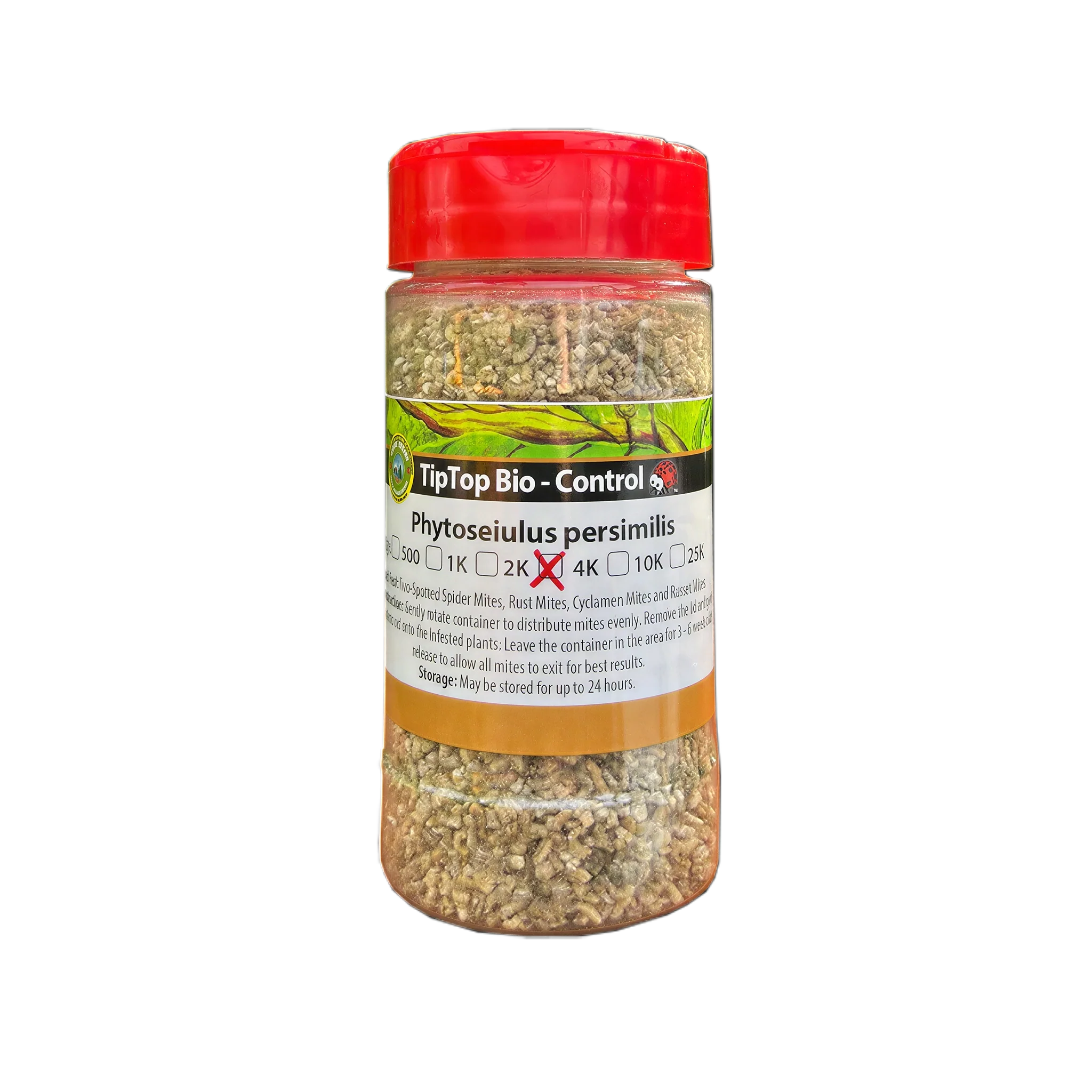
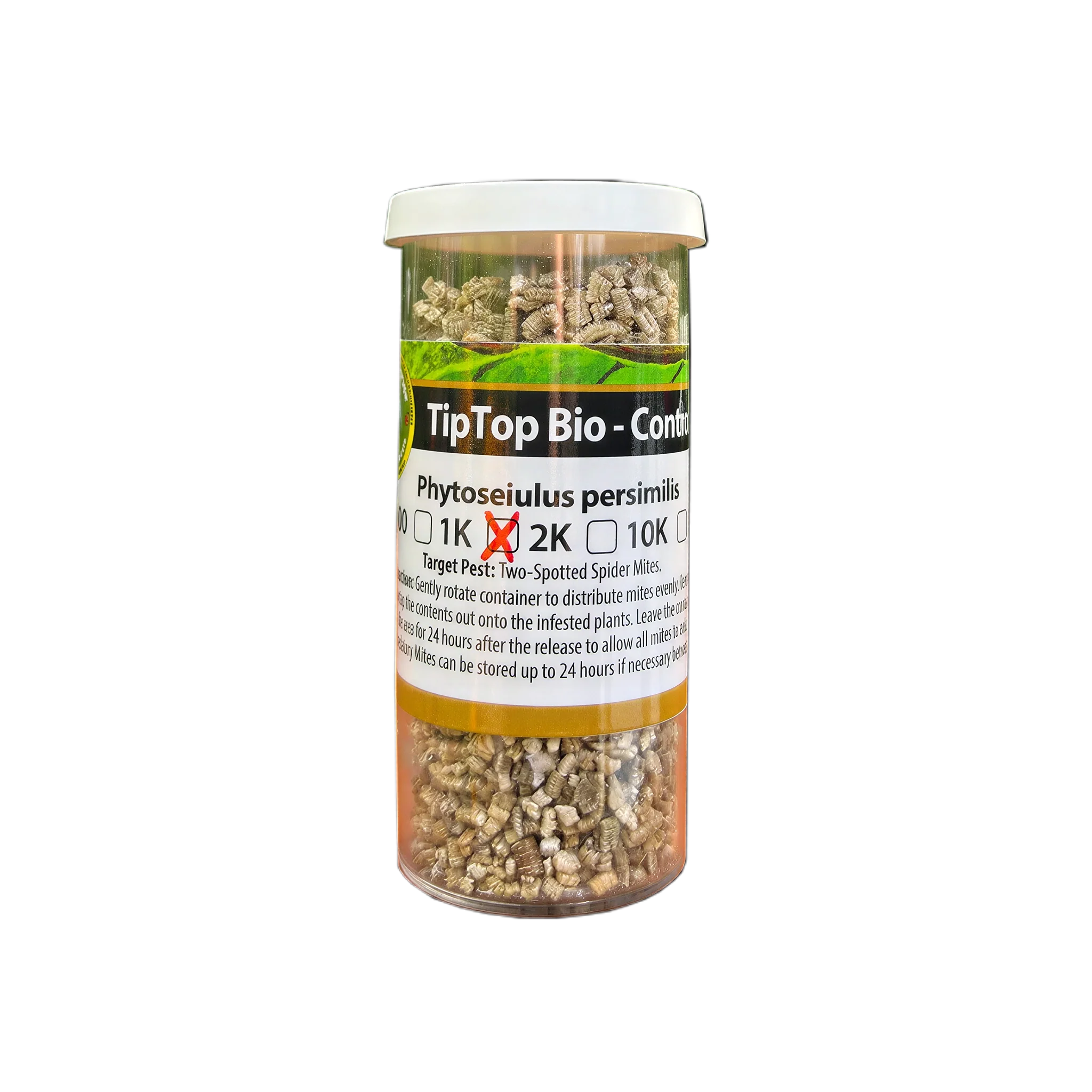
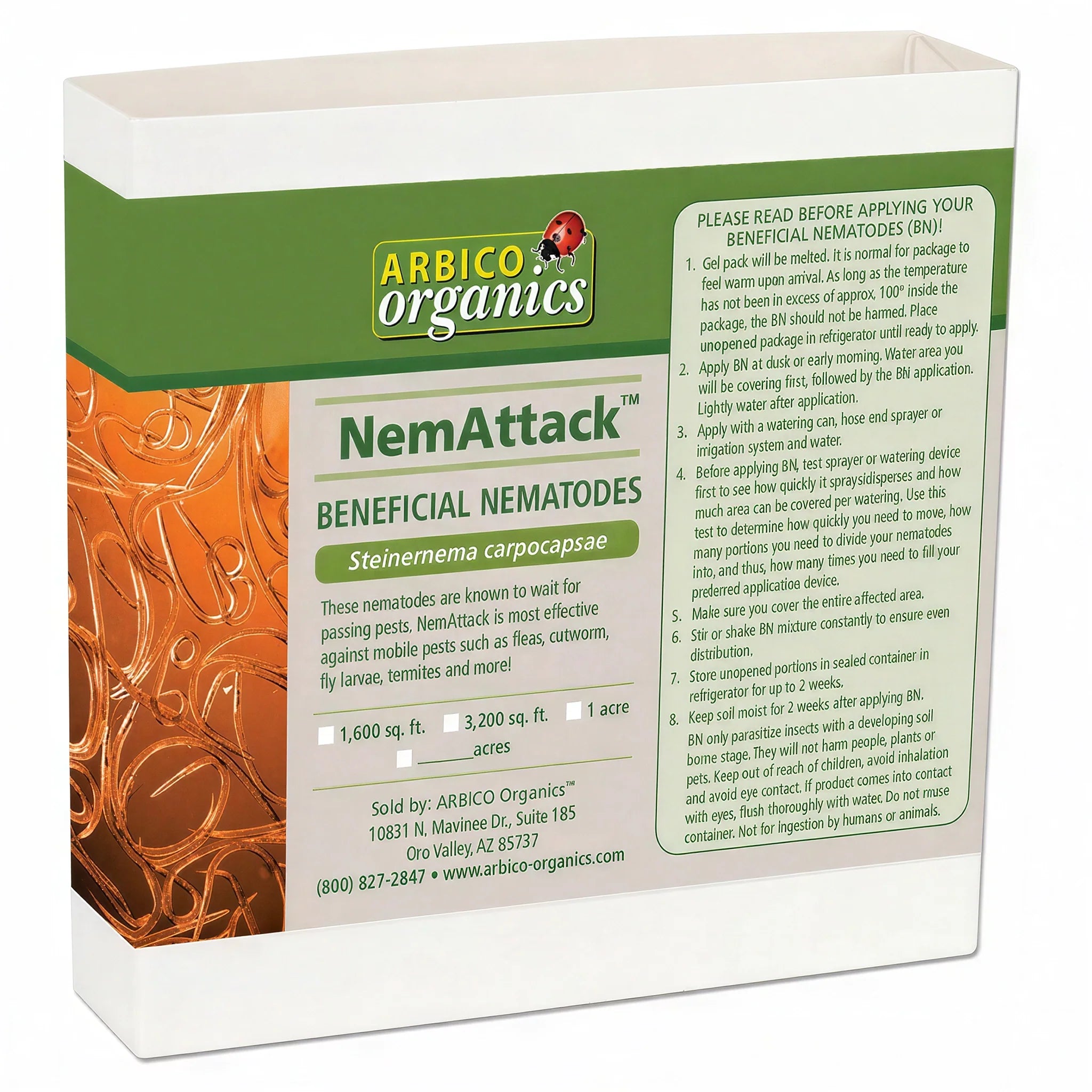
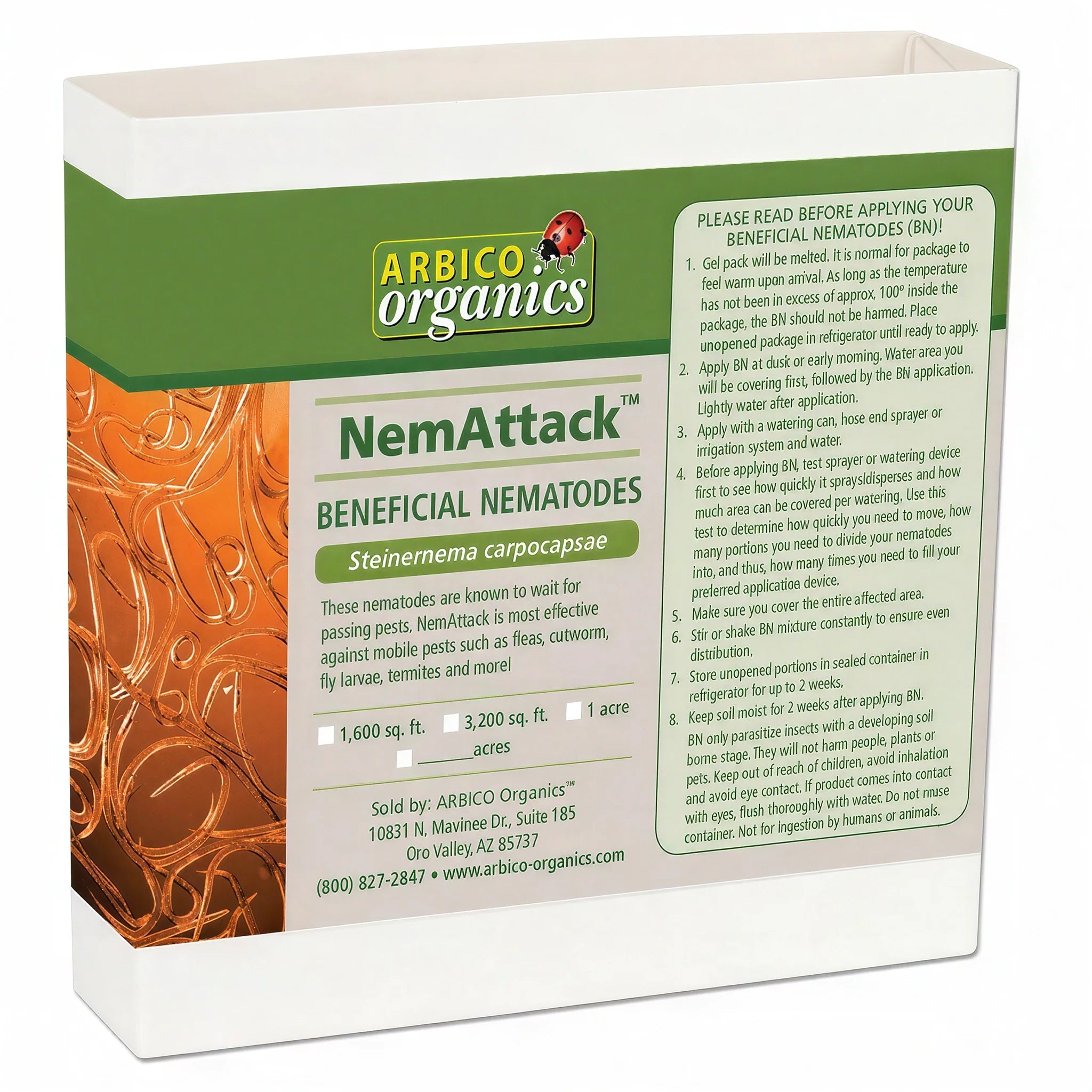
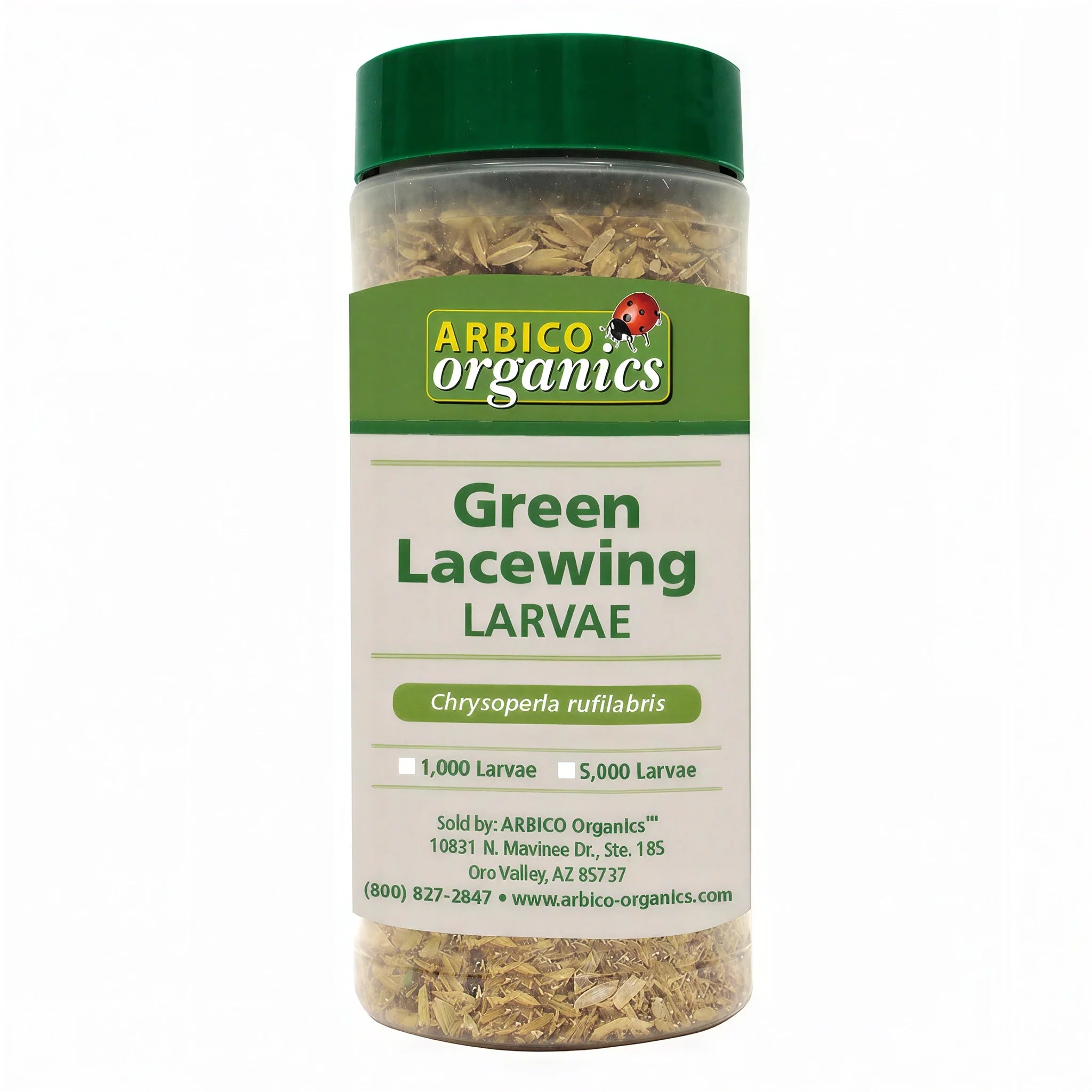
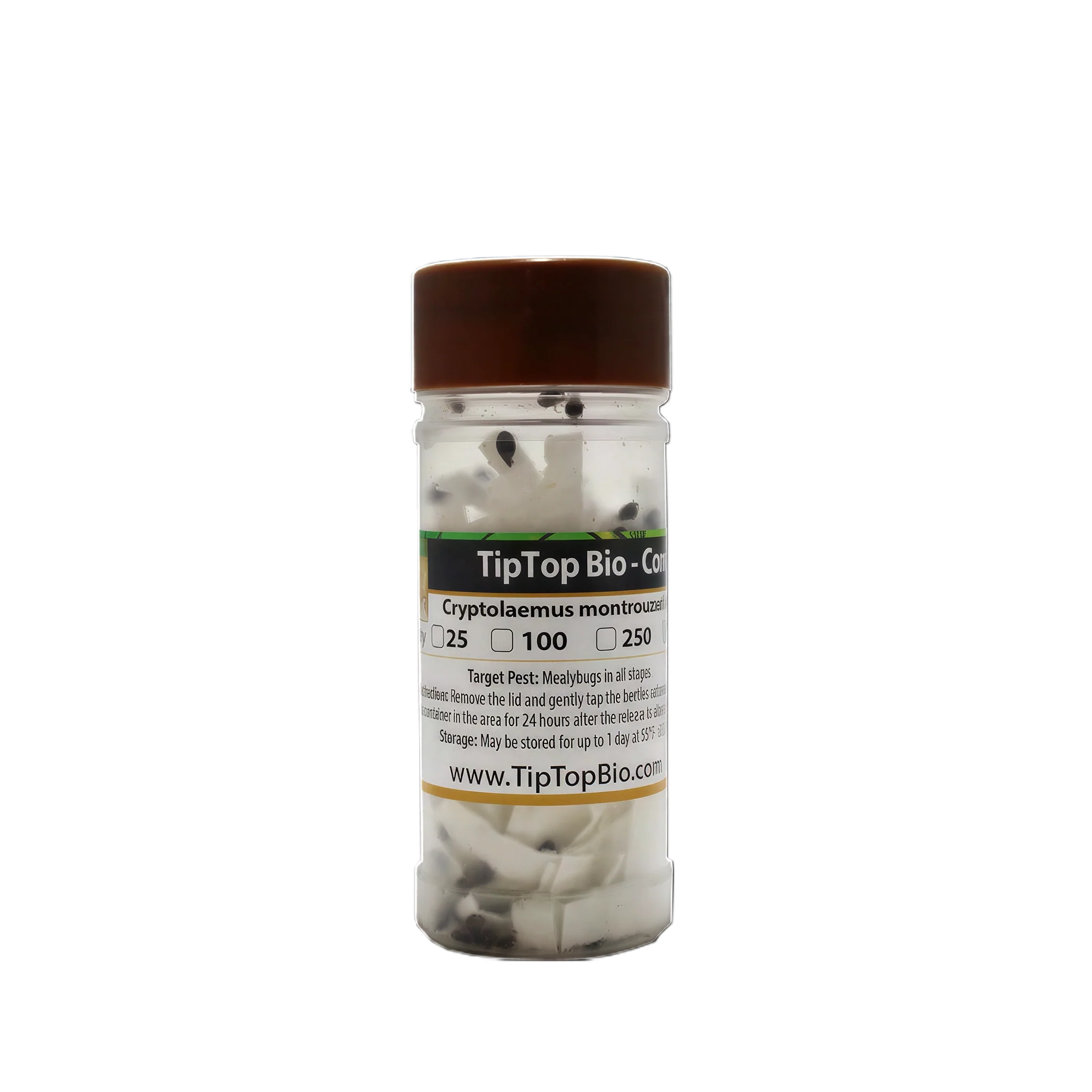
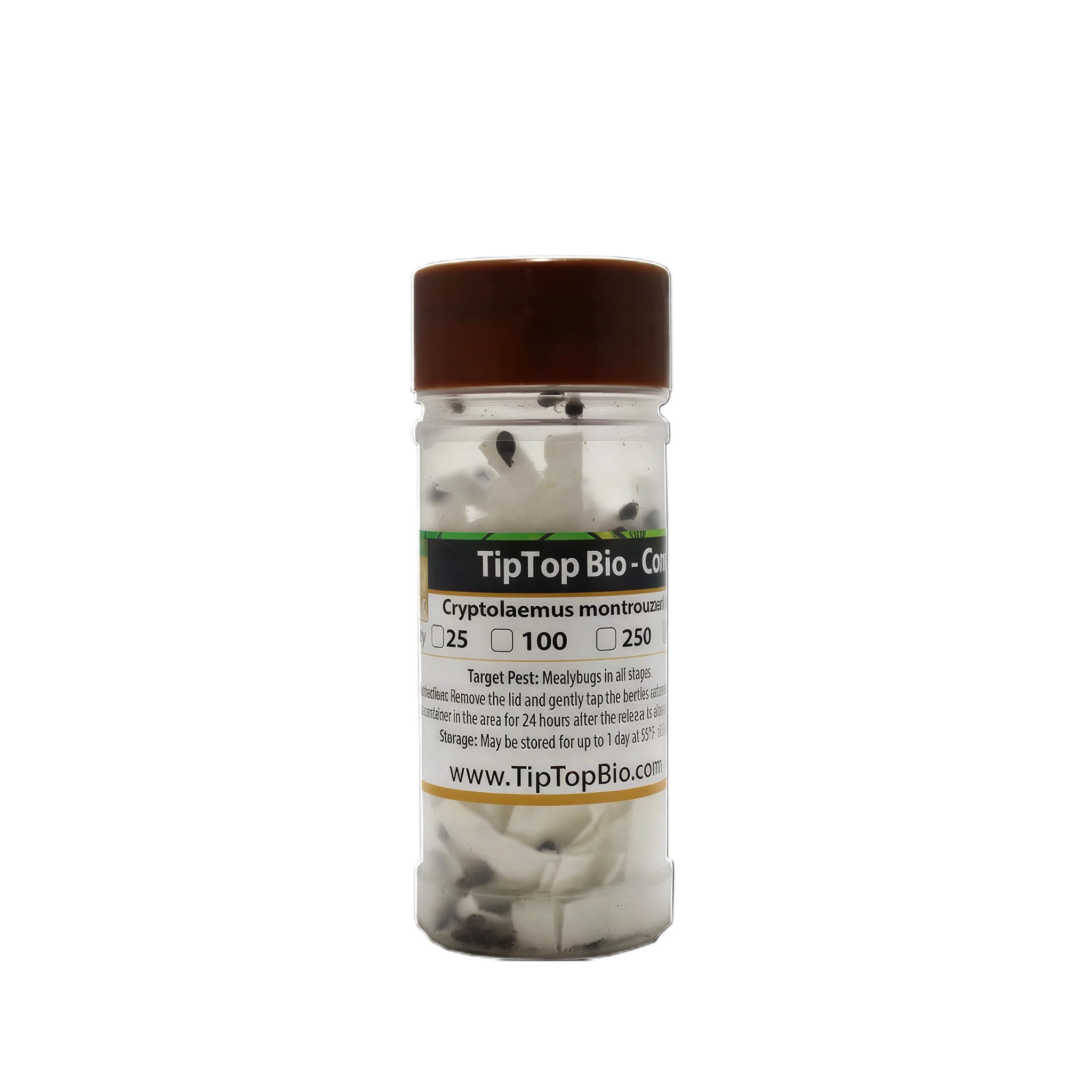
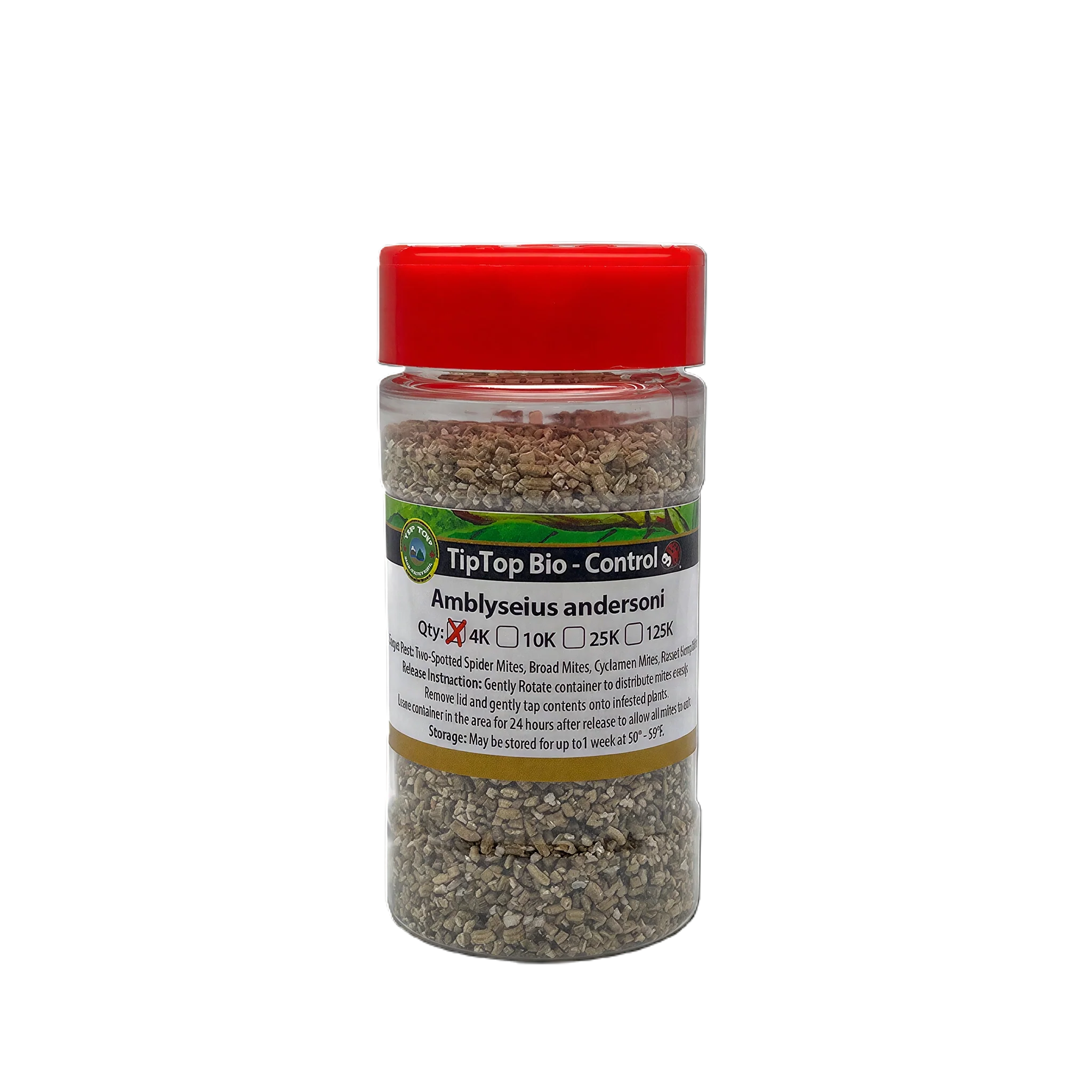
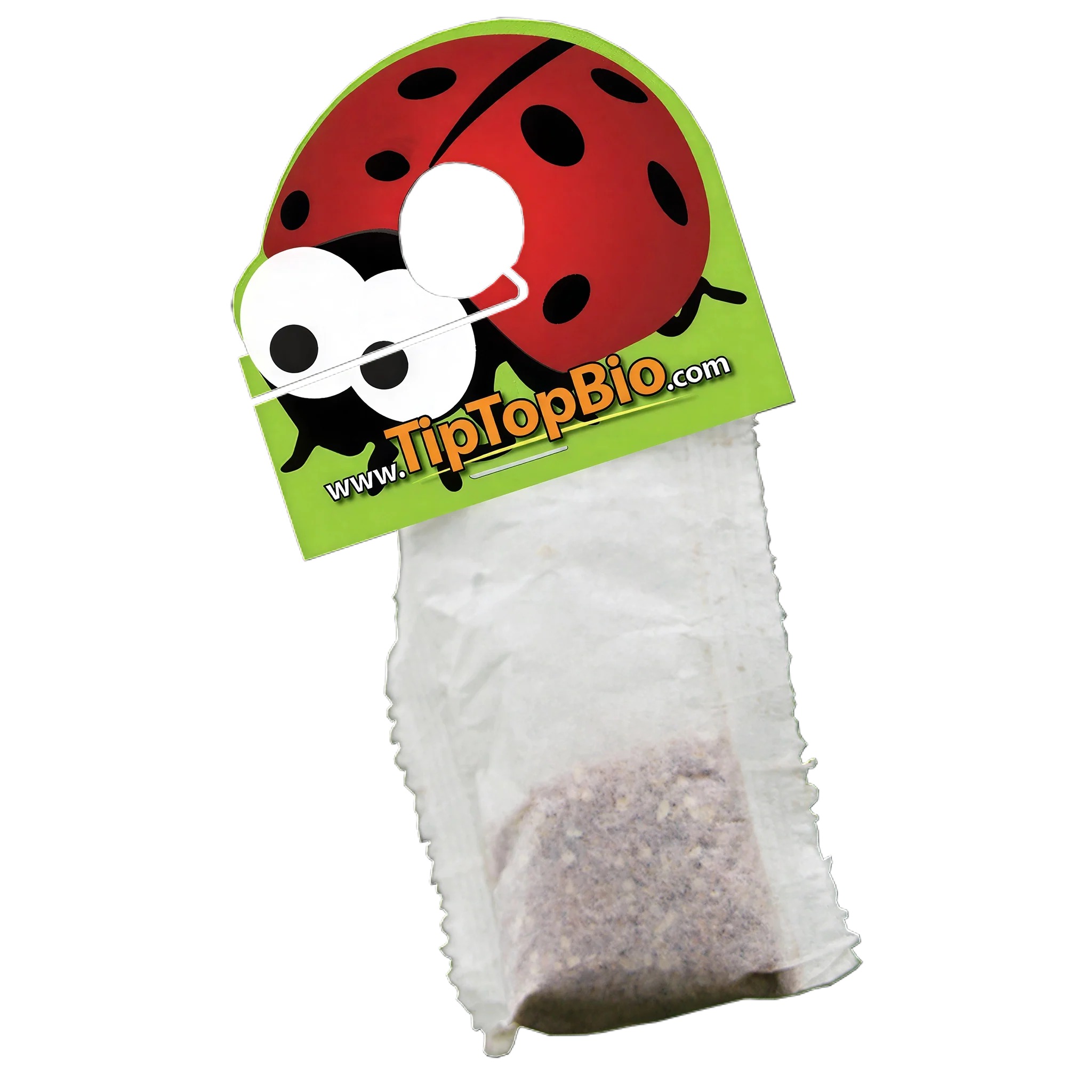
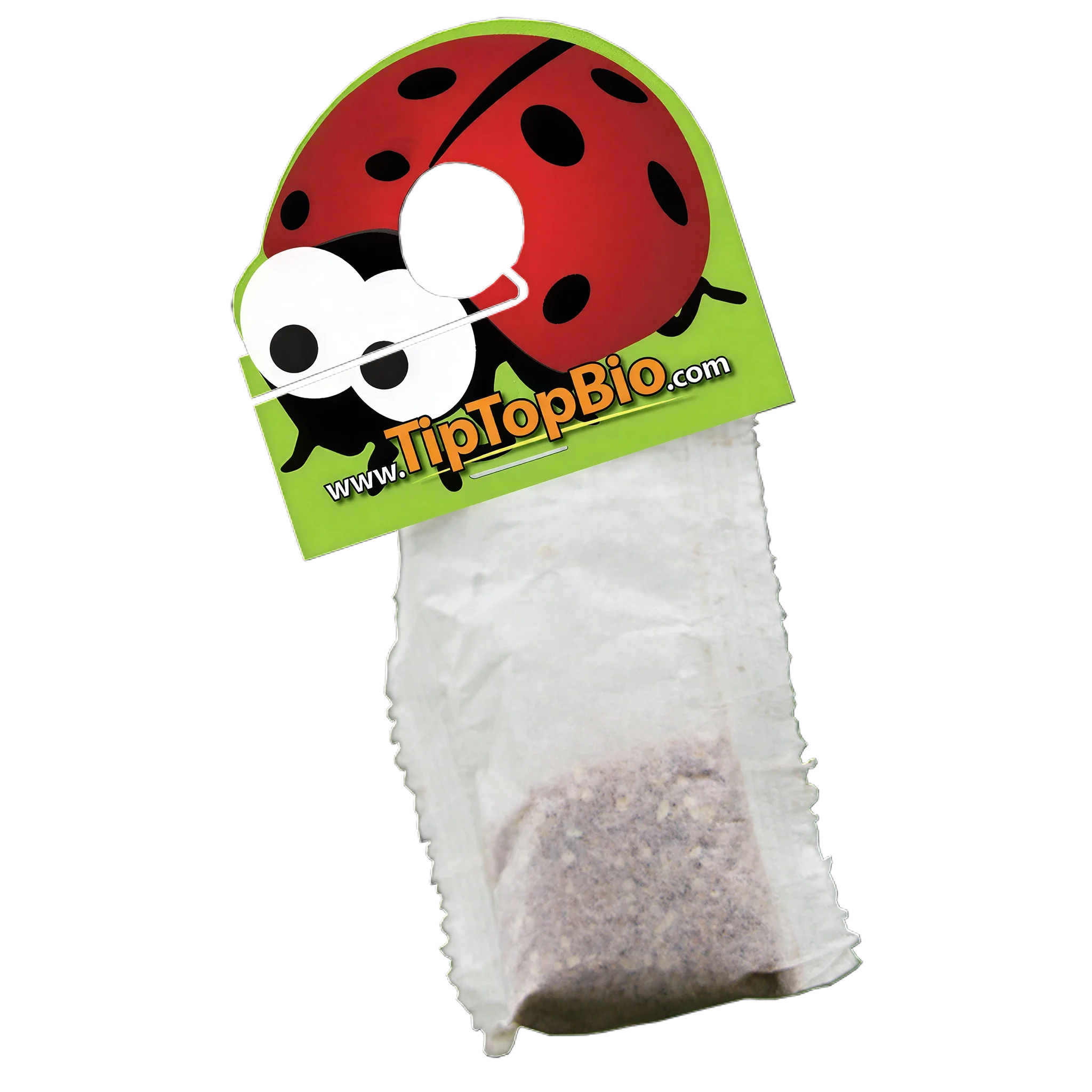
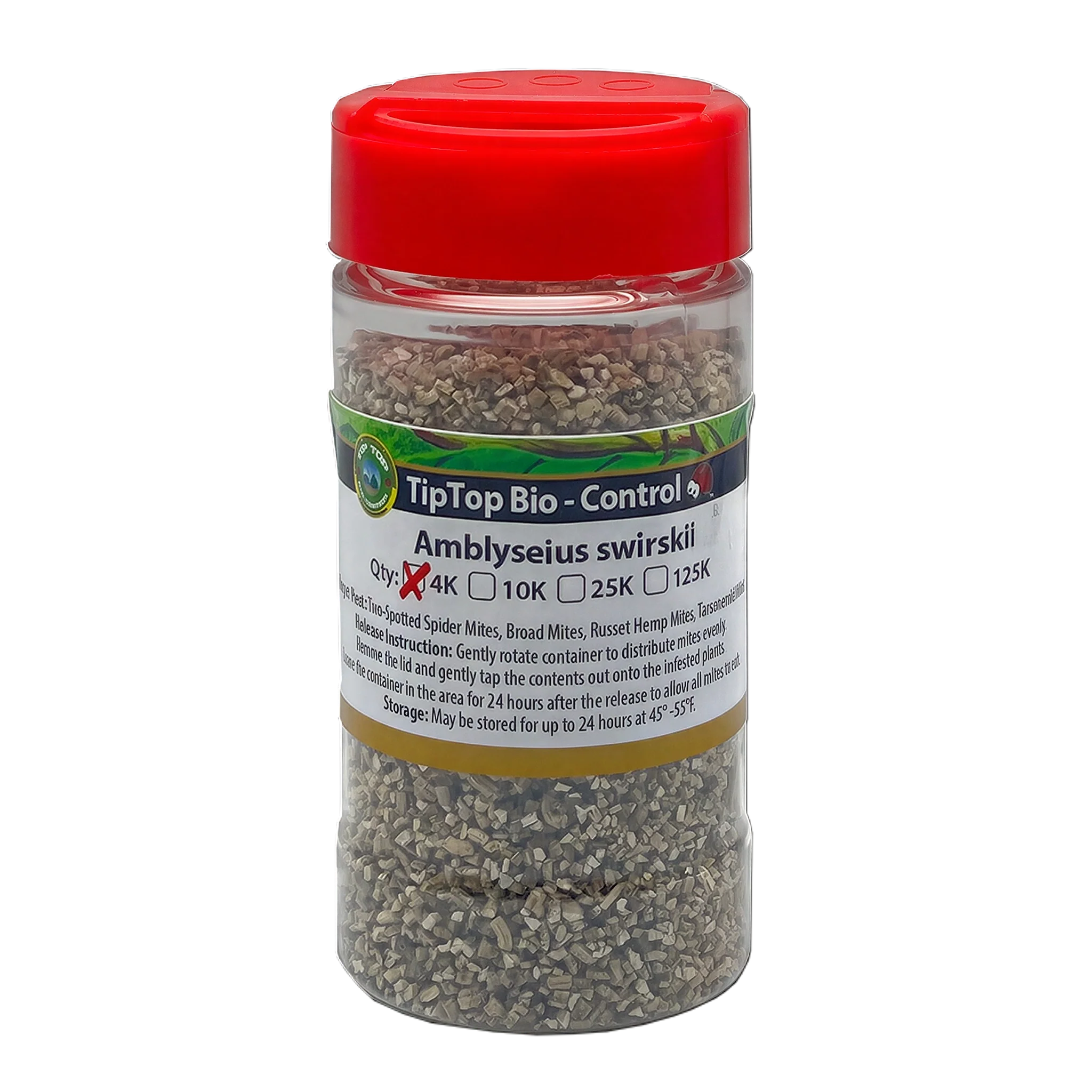
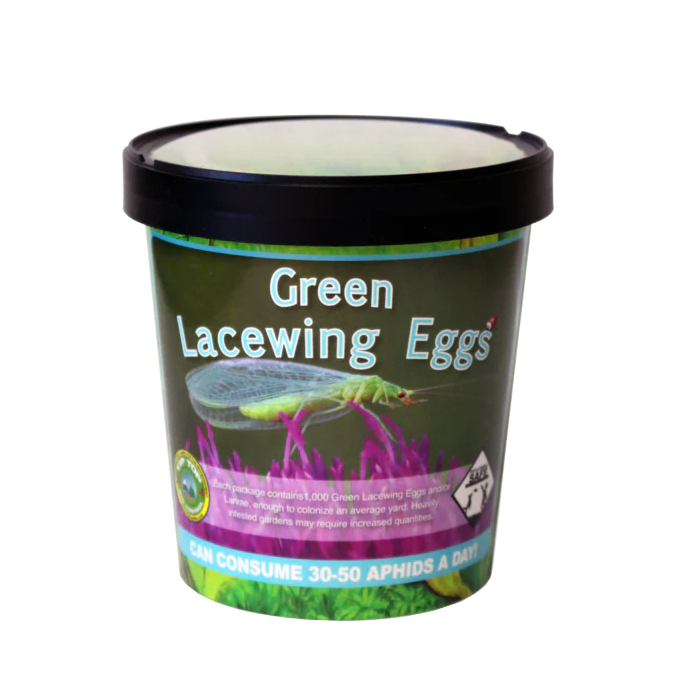
Predatory mites are the workhorses of indoor IPM programs. Phytoseiulus persimilis targets spider mites exclusively in warm, humid environments. Neoseiulus californicus and Neoseiulus cucumeris control a broader range of mite species and some thrips larvae under more varied temperature and humidity conditions. Hypoaspis (Stratiolaelaps) miles targets fungus gnat larvae, shore fly larvae, and thrips pupae in the soil or substrate surface. Encarsia formosa and Eretmocerus eremicus are parasitic wasps that control whitefly by parasitizing nymphs. Amblyseius swirskii is a versatile predatory mite targeting whitefly, thrips, and broad mites across a wide temperature range. Aphidius and Aphidoletes species target aphid populations through parasitism and predation respectively. ARBICO Organics carries the most comprehensive range of beneficial insect species available at Hydrobuilder.
Release & Establishment
Successful beneficial insect programs require: releasing at the correct rate for the pest pressure and growing area; maintaining the environmental conditions (temperature and humidity) within the range each species requires; avoiding pesticide applications that kill the beneficials alongside target pests; and releasing preventively before pest populations establish rather than reactively after heavy infestation. Fast shipping.
Beneficial Insects FAQ
When should I introduce beneficial insects in my grow room?
Introduce beneficials preventively - before significant pest populations establish - for the best results. For a new grow cycle: release the appropriate species 1-2 weeks after plants are established and before the first pest sighting. Preventive introduction at low release rates is more cost-effective than reactive application to a heavy infestation, where much higher rates are needed to achieve control and some crop damage has already occurred. Maintain a standing weekly or bi-weekly release program throughout the production cycle for ongoing suppression.
What temperature and humidity do predatory mites need?
Temperature and humidity requirements vary by species. Phytoseiulus persimilis: 60-80 degrees F, above 60% RH - effective in warm, humid conditions; declines at low humidity. Neoseiulus californicus: 55-90 degrees F, tolerates lower humidity (40%+) - more adaptable across growing environments. Amblyseius swirskii: 65-85 degrees F, 50%+ RH - the most temperature and humidity tolerant of the major predatory mite species. Hypoaspis miles (soil mite): 50-80 degrees F - lives at the substrate surface and does not require foliar humidity conditions. Always check species-specific requirements before purchasing for your specific growing environment.
Can I use pesticides alongside a beneficial insect program?
Selective pesticide use is possible alongside beneficials, but requires careful product selection. Most conventional insecticides and miticides kill beneficials alongside pest insects - broad-spectrum products destroy a beneficial program when applied. Softer options with shorter residual activity and lower beneficial toxicity: insecticidal soap (short residual, relatively safe once dry), spinosad (toxic to beneficials when wet, safer after 24 hours), and biological fungicides (no insect activity). The ARBICO Organics website and product documentation include beneficial insect compatibility ratings for specific products.
How do I order and store beneficial insects before releasing?
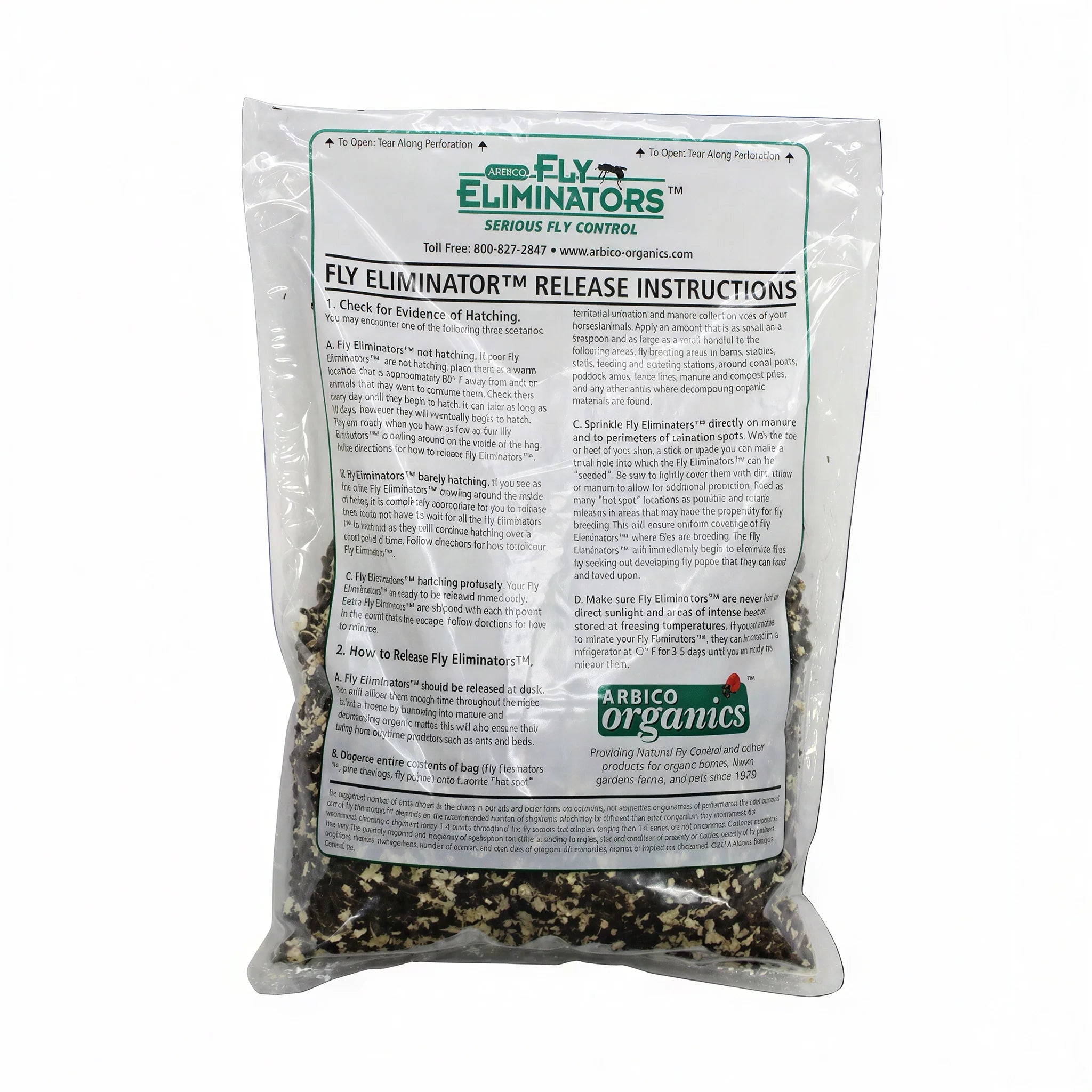
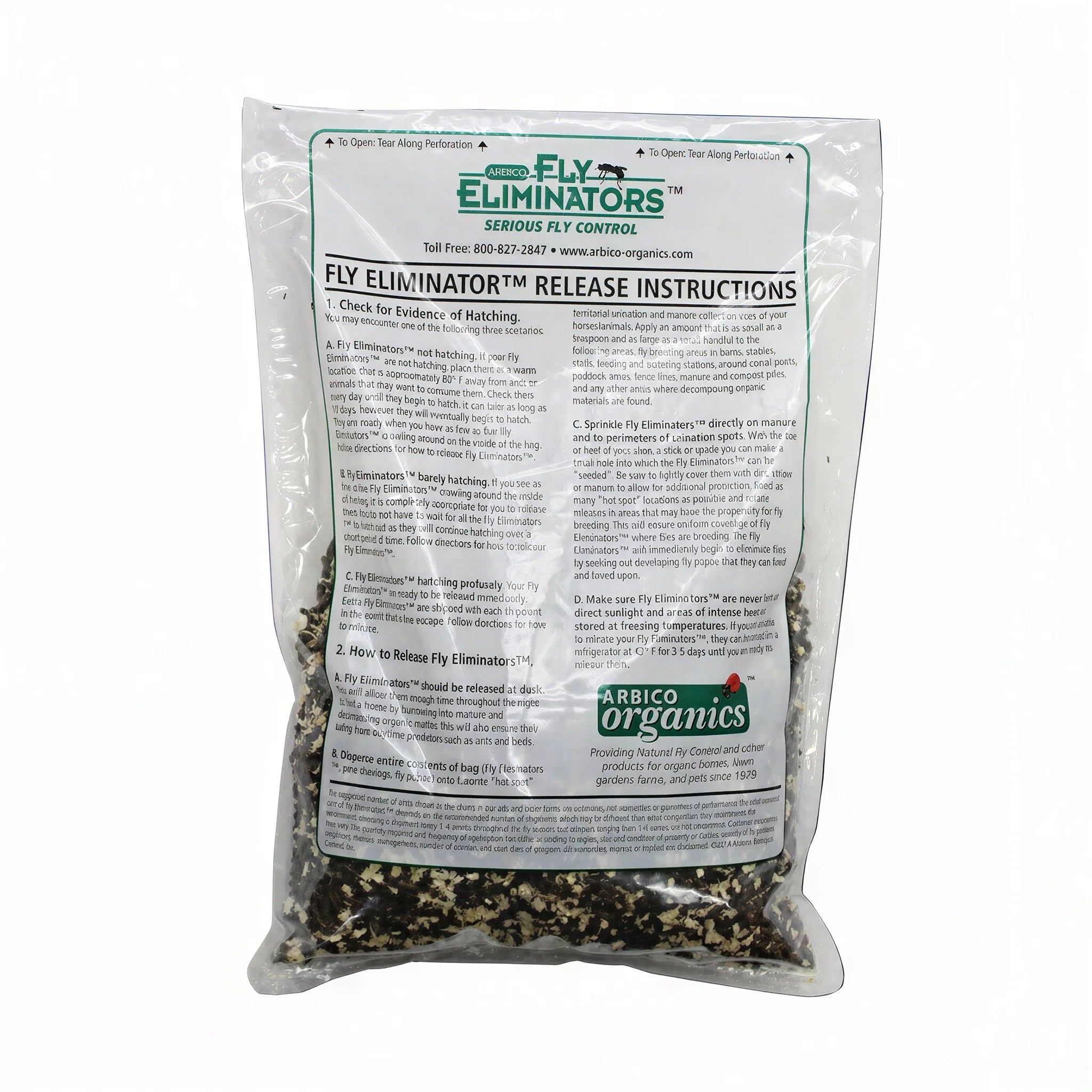
Most beneficial insects are shipped live in specialized packaging designed for the specific species. Release as soon as possible after receipt - beneficials have a limited shelf life and releasing fresh, active populations provides the best establishment results. If temporary storage is necessary, most species can be refrigerated for 24-48 hours at the cool end of their activity temperature range (do not freeze). Follow the specific storage instructions on the product packaging for each species - incorrect storage temperature kills or debilitates beneficials before release.
How do I know if my beneficial insect program is working?
Monitor using yellow sticky traps to track pest population trends - pest counts on traps should plateau and then decline within 2-4 weeks of establishing a beneficial program against established pest pressure. Examine plant tissue with a magnifying loupe (10-30x) to directly observe both pest and predatory mite populations - the presence of mobile predatory mites on leaves with pest activity indicates an active beneficial population. Population tracking rather than individual pest sightings is the correct evaluation approach - seeing a few pests is expected and acceptable; what matters is whether the trend is stable or declining.