Dispensary Packaging, Labels & Compliance Supplies
Compliant packaging for botanical products requires a combination of child-resistant containers, tamper-evident seals, opaque or light-blocking materials, and accurate labeling that meets applicable state and local regulations. While specific compliance requirements vary by jurisdiction, the equipment and supplies in this category serve the universal functions of product protection, shelf life extension, tamper evidence, and professional presentation for packaged botanical products moving through retail, wholesale, or direct distribution channels.
Child-Resistant & Compliant Packaging
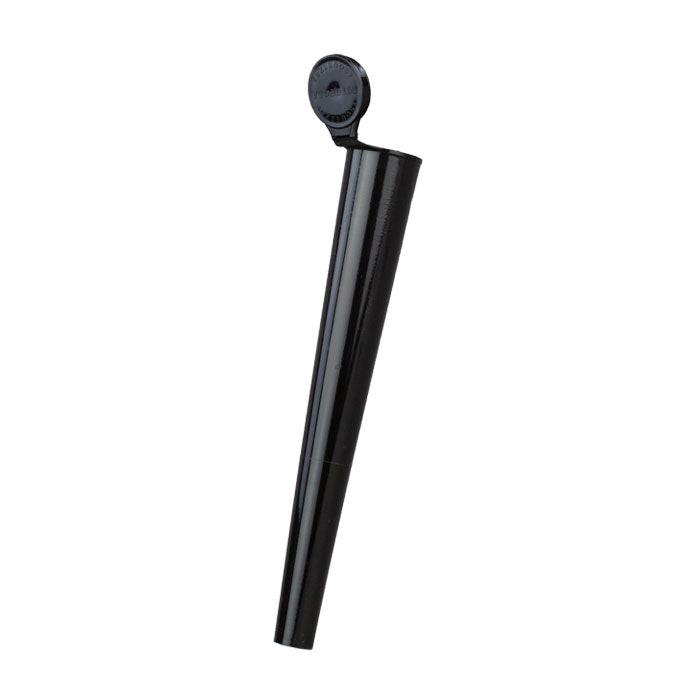
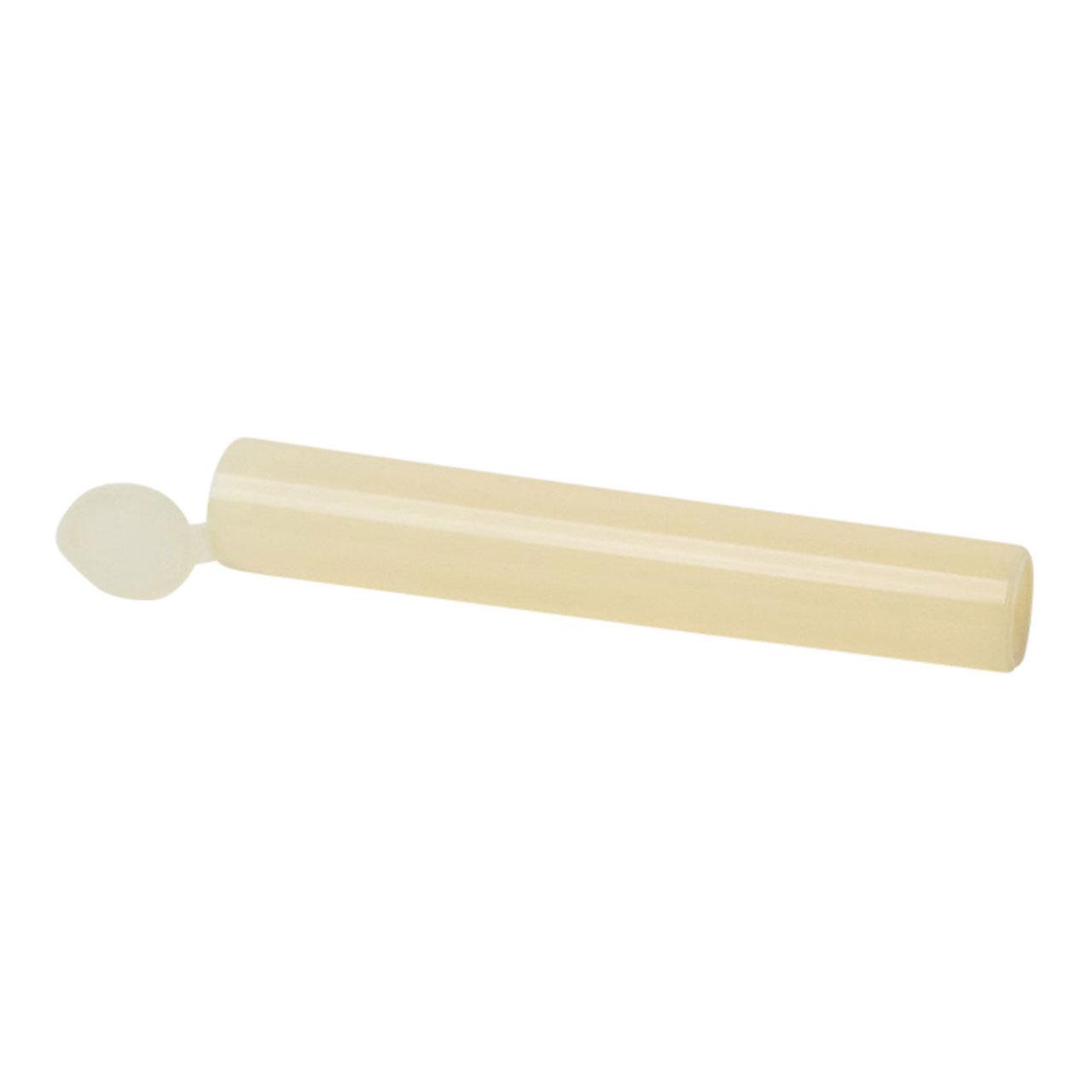
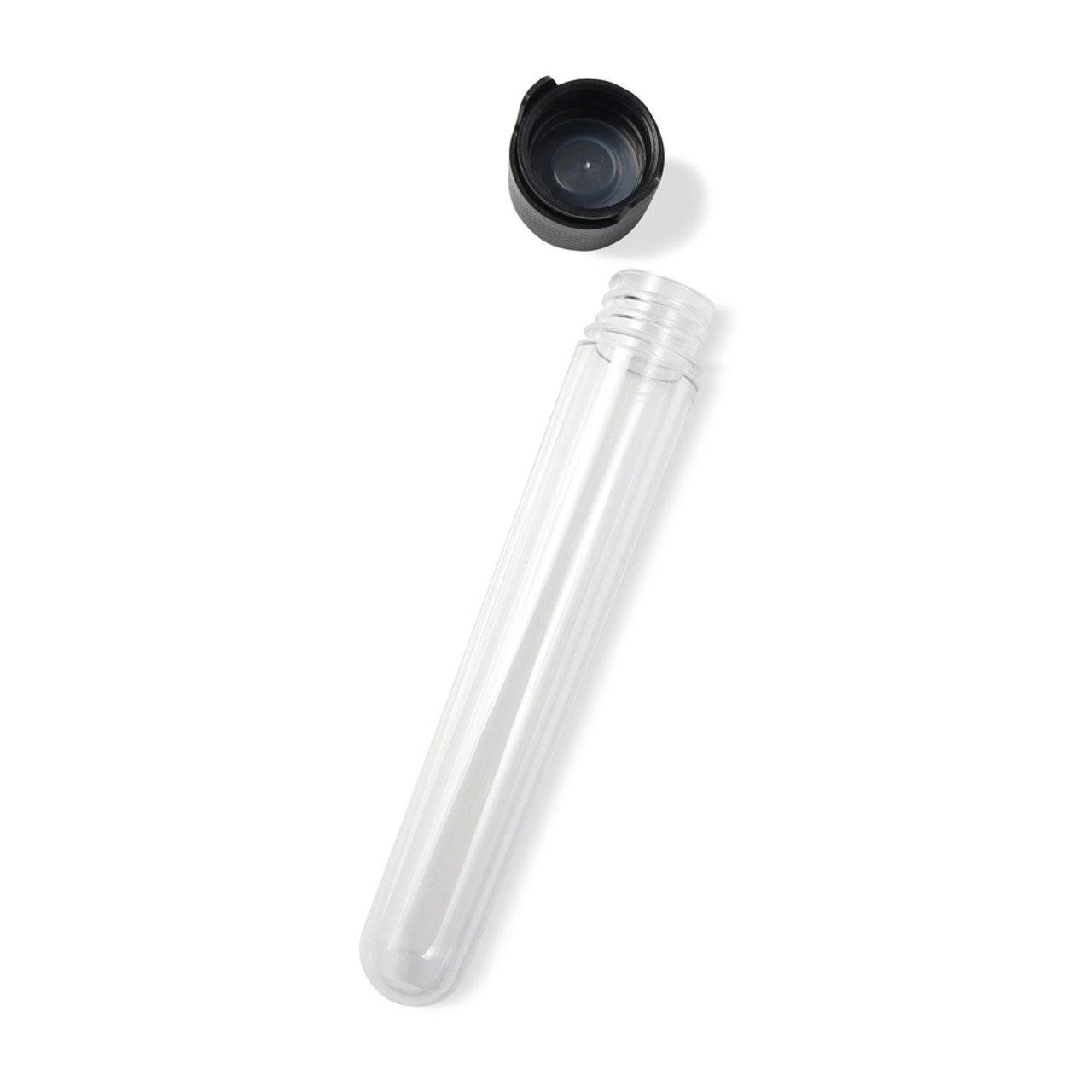
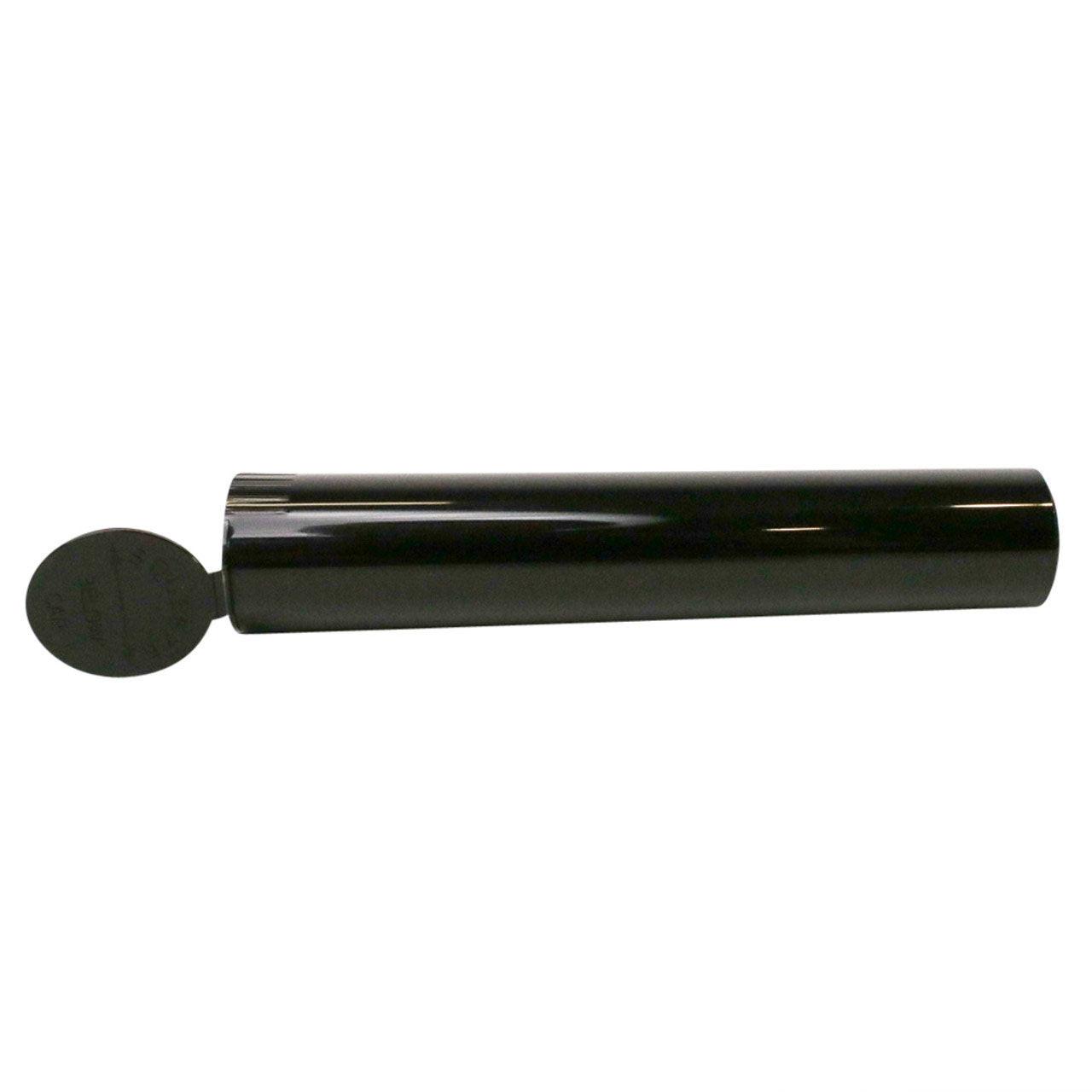
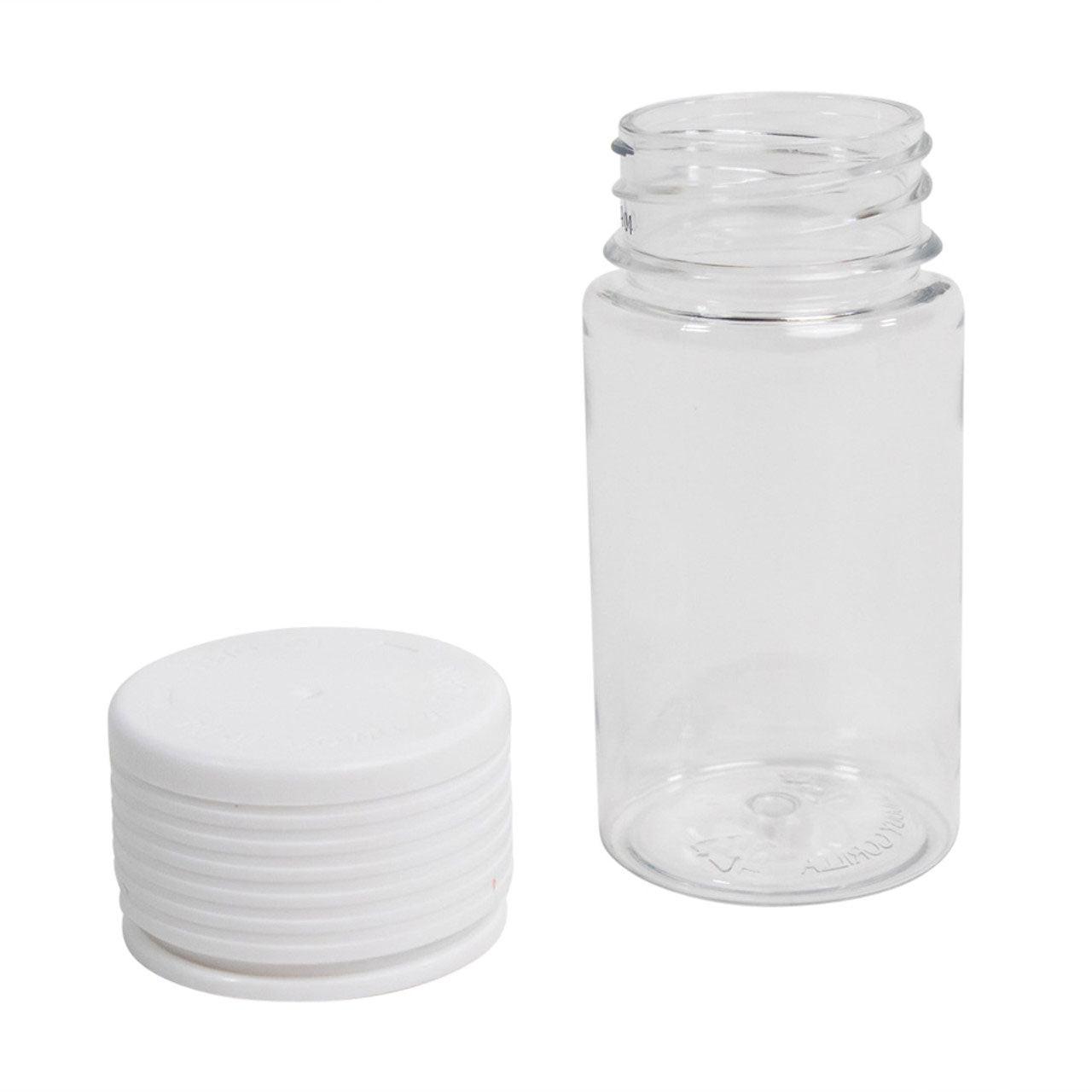
Child-resistant packaging uses mechanisms that require simultaneous actions (push-and-turn caps, squeeze-and-lift closures) that children under five cannot reliably perform but adults can. Most jurisdictions require child-resistant packaging for regulated botanical products - verify local requirements for your specific products and market. Certified CR (child-resistant) packaging must pass the Consumer Product Safety Commission (CPSC) Protocol and is labeled as such. Options include CR pop-top containers, CR exit bags (a secondary child-resistant bag that holds the primary product container), mylar pouches with CR zippers, and glass or plastic jars with CR caps. For bulk packaging and storage before final retail packaging, airtight storage bags maintain product freshness.
Labels & Label Printing
Compliant product labels typically must include: product name, net weight, ingredient list, lot or batch number, production date, testing results (in tested jurisdictions), government-required warning statements, and producer/distributor contact information. Label materials for botanical product packaging: waterproof inkjet or laser labels for printing in-house on standard printers; pre-printed custom labels from print services for larger production runs; and blank label stock in standard sizes for use with label printers. Thermal transfer label printers produce durable, smear-proof labels without ink cartridges - the standard for high-volume in-house label production. Fast shipping.
Dispensary Packaging & Labels FAQ
What is child-resistant packaging and when is it required?
Child-resistant packaging uses closures that require simultaneous complex actions - typically push-and-turn or squeeze-and-slide mechanisms - that adults can perform but children under five generally cannot. Most US states and many international jurisdictions require CR packaging for regulated botanical products at point of sale. The CPSC's Special Packaging Standards (16 CFR 1700) defines testing protocols for CR packaging certification. Verify specific requirements with your state's regulatory authority - requirements vary for different product types, sale formats, and whether the product is sold in a final consumer package or in bulk.
What is an exit bag?
An exit bag (also called a child-resistant exit bag or CR exit bag) is a secondary child-resistant bag used at the point of sale to hold the primary product package. The consumer places their purchased product inside the exit bag for transport. Exit bags are common in retail dispensary settings where the primary product container may not be individually child-resistant - the exit bag provides a compliant CR outer layer for the complete purchase. Exit bags typically use a push-and-slide zipper closure mechanism and are available in various sizes to accommodate different product package formats.
What label material works best for product containers?
Waterproof label material is strongly recommended for any product container that may be exposed to humidity, condensation, or handling - standard paper labels absorb moisture and peel. Polypropylene (BOPP) waterproof labels are the standard for food and pharmaceutical products: they are tear-resistant, waterproof, and compatible with both inkjet and laser printers. For glass jars stored in cool environments where condensation is a concern, white BOPP glossy or matte labels maintain adhesion better than paper labels. For premium product presentation, clear BOPP labels create a no-label look on glass containers.
How do I print compliant labels in-house?
In-house label printing requires: a label printer (inkjet, laser, or thermal transfer), appropriate label stock for that printer type, and label design software that produces the correct layout at print resolution. Thermal transfer printers use ribbon-based printing that produces smear-proof, long-lasting labels without ink cartridges - the preferred option for high-volume production labeling. Inkjet printers require waterproof inkjet label stock (standard paper label stock absorbs ink and smears); laser printers require laser-compatible label stock that won't melt the adhesive backing in the fuser. For regulatory compliance, use label software that supports required font sizes, mandatory statement placement, and barcode generation.
What is the difference between tamper-evident and child-resistant packaging?
Tamper-evident packaging provides visible evidence that a package has been opened or compromised - it does not prevent opening, but makes unauthorized opening detectable. Common tamper-evident features include shrink seals around caps, breakaway bands on CR caps, and induction seals on jar openings. Child-resistant packaging prevents easy opening by children but is not necessarily tamper-evident on its own. Most regulated botanical product packaging requirements call for both properties - a CR closure that also has a tamper-evident feature such as a breakaway band or induction seal provides both functions in a single closure.