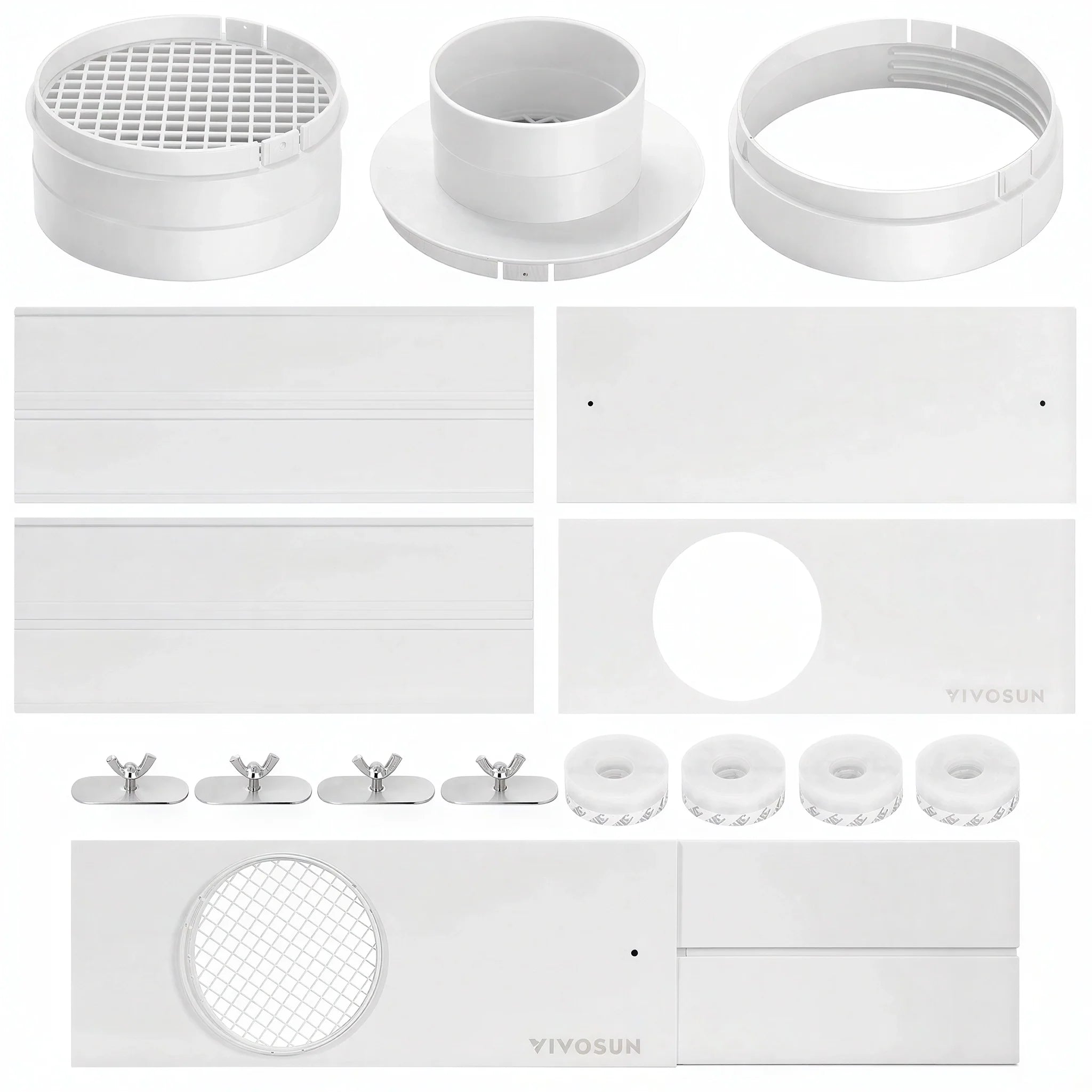
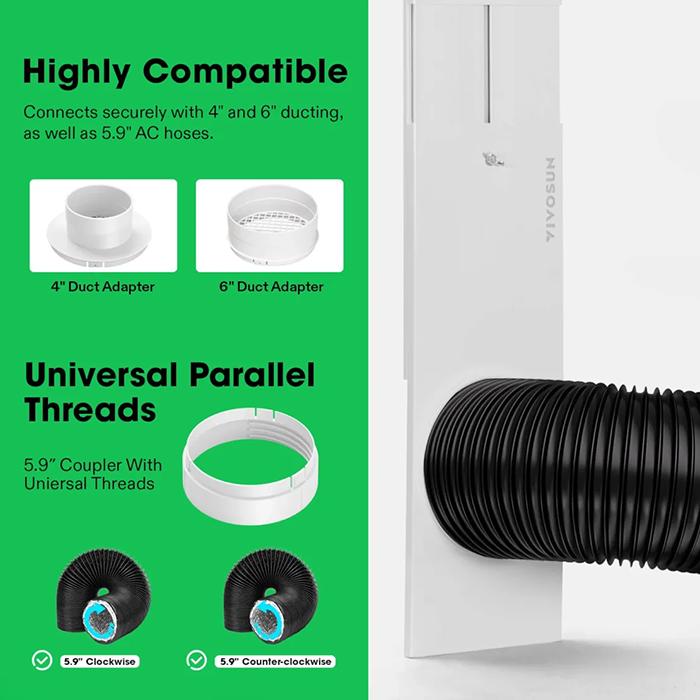
Wall Vents & Passive Air Intake Covers for Grow Rooms
Wall vents and passive intake covers provide the intake side of a grow room ventilation system - the openings through which fresh outside air enters the growing space as exhausted air is removed by fans. For every cubic foot per minute of air a fan exhausts from the growing space, an equal volume of replacement air must enter through intake openings. Inadequate intake area creates negative pressure that chokes the exhaust fan - as negative pressure increases, the pressure differential the fan must work against increases and delivered CFM drops, eventually limiting ventilation performance regardless of fan size. Intake area should be 1.5-2x the exhaust cross-sectional area to allow free-flowing air entry without restriction.
Screened Intake Vents
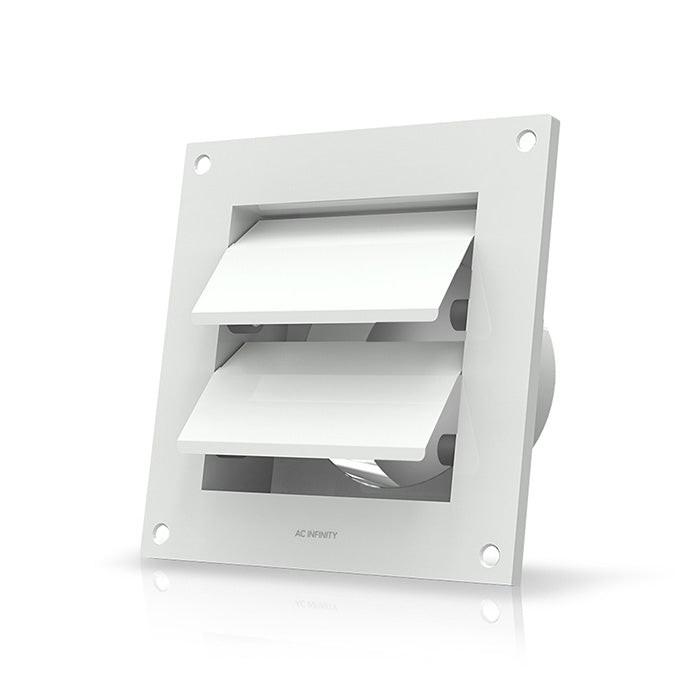
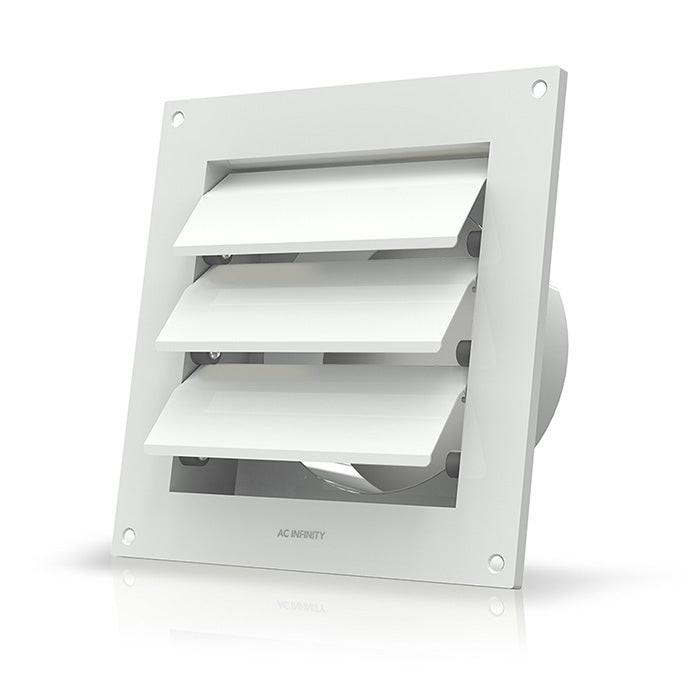
Louvered and screened wall vent covers for passive intake openings provide pest exclusion, weather protection, and aesthetic finishing for intake openings. Insect screening (20-mesh or finer) prevents thrips, fungus gnats, and other small pests from entering through intake openings - one of the most effective biosecurity measures for enclosed growing environments where pest introduction through unscreened vents is a primary contamination pathway. Aluminum or galvanized screen is preferred over fiberglass in humid growing environments where fiberglass screen can develop algae and mold growth. A backdraft-capable louvered cover on exterior intake openings prevents cold air from flowing into the growing space when the exhaust fan is off. Browse our complete grow room ventilation collection.
Grow Tent Intake Vents
Grow tent intake ports are fabric openings designed to work with the intake filter kits that cover the port from the outside, filtering incoming air before it enters the tent. For passive unfiltered intake (relying on the exhaust fan to create negative pressure that draws in outside air), leave the lower intake ports partially open and adjust the opening size to control the negative pressure level. Fast shipping.
Wall Vents FAQ
How large should my intake vent be?
Intake area should be 1.5-2x the cross-sectional area of the exhaust fan opening for unrestricted airflow entry. A 6-inch exhaust fan port has approximately 28 square inches of cross-sectional area - the intake opening should be 42-56 square inches minimum, equivalent to a 7-8 inch diameter circle or a 6x7 inch rectangular opening. Screened vents add resistance - increase intake area by an additional 25-50% when insect screening is installed over the intake to account for screen resistance.
How do I keep pests out of my intake vent?
Install 20-mesh or finer insect screening over the interior face of all intake openings. 20-mesh screen (20 openings per inch) blocks most flying insects including thrips, fungus gnats, and whiteflies while allowing adequate airflow. Check and clean intake screens every 2-4 weeks - dust and debris accumulation on the screen surface reduces airflow and increases the negative pressure the exhaust fan must work against. Replace screen that has developed tears or holes that allow pest entry.
Should I use passive or active intake in my grow room?
Passive intake (relying on exhaust fan negative pressure to draw in outside air through open vents) is simpler and less expensive - no additional fan required. It works well when the intake vent area is adequately sized (1.5-2x exhaust area) and the intake location provides clean, appropriately tempered air. Active intake (a second fan blowing air in through the intake opening) is used when: passive intake cannot draw enough air due to restricted opening size; incoming air needs pre-filtering through an intake fan-filter unit; or positive pressure is desired to prevent air infiltration from surrounding spaces.
What is the difference between a wall vent and a backdraft damper?
A wall vent cover is a decorative and protective fitting for the wall opening - it provides weather protection, louvering for aesthetic finish, and optionally insect screening. A backdraft damper is a valve that allows airflow in one direction and closes to prevent reverse airflow. Some wall vent covers include a backdraft-capable louvered design where the louvers close under gravity when forward airflow stops - these provide both functions in one fitting. A flat louvered cover without a backdraft mechanism does not prevent reverse airflow when the fan is off.
Can I just leave my grow tent intake ports open without a vent cover?
Grow tent intake ports can be left partially open for passive intake without additional vent cover hardware - the tent port fabric itself provides a defined opening. However, bare tent ports have no pest screening, no airflow directionality, and no weather protection. For basic pest exclusion, cover the intake ports with a fine mesh screen secured over the port opening with elastic or tape. For a more complete intake solution, install a purpose-made intake filter kit that covers the port with carbon or HEPA filter media that cleans incoming air before it enters the tent.