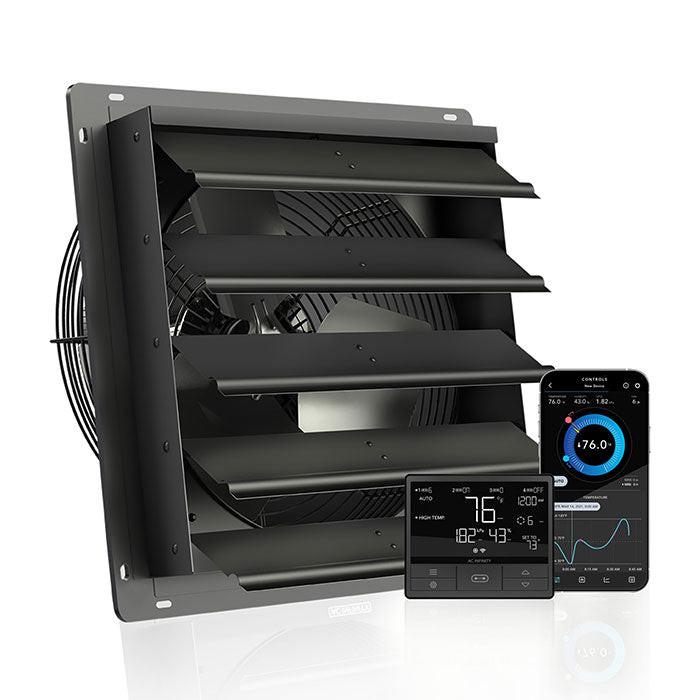
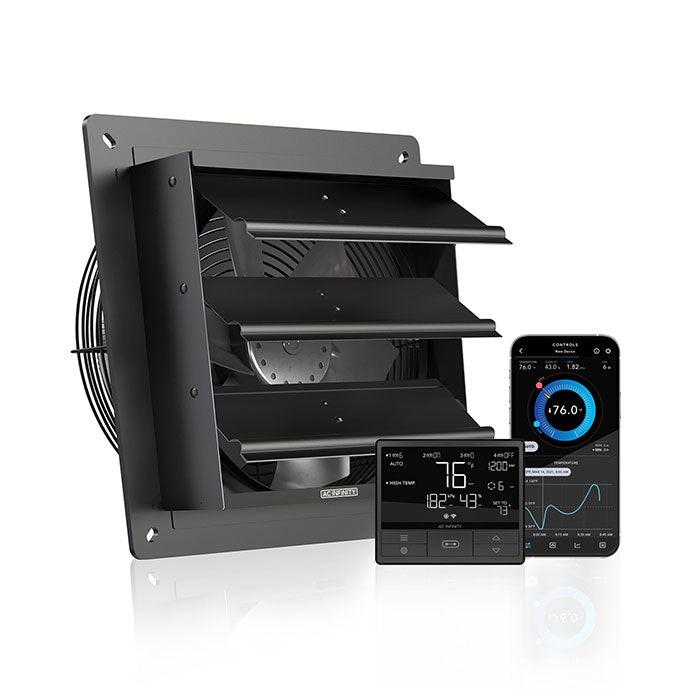
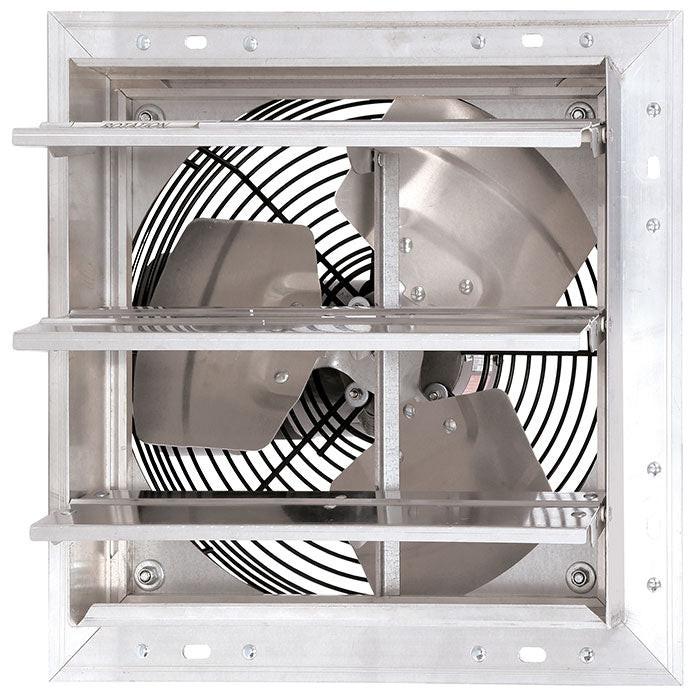
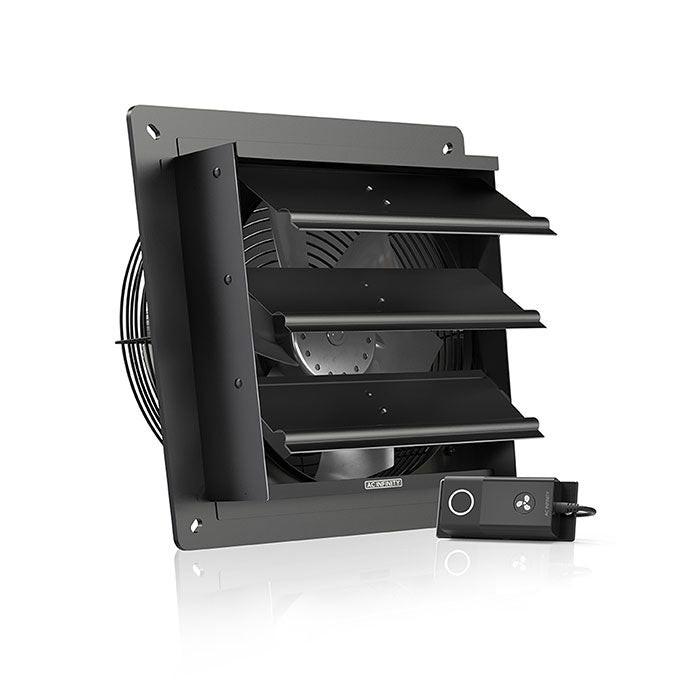
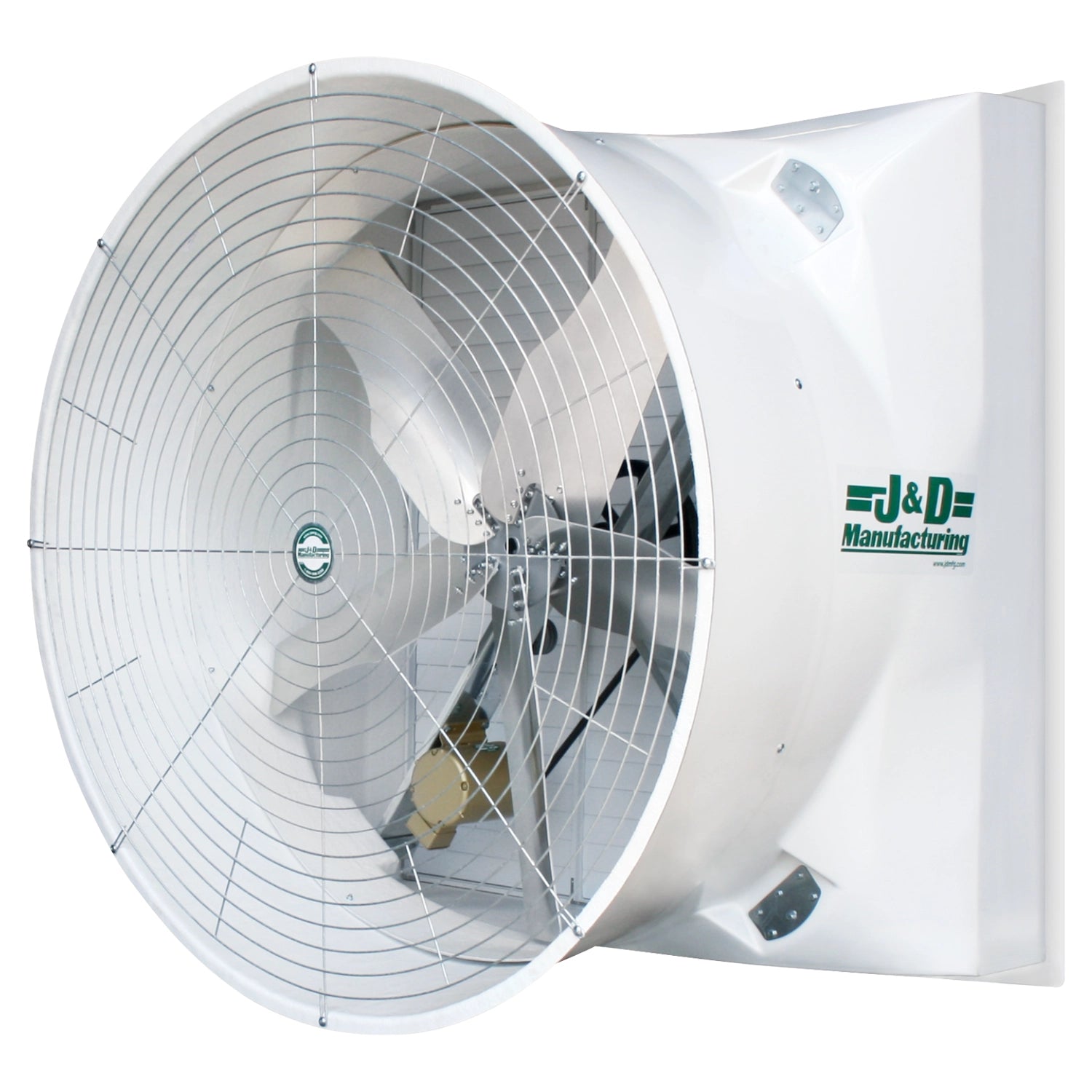
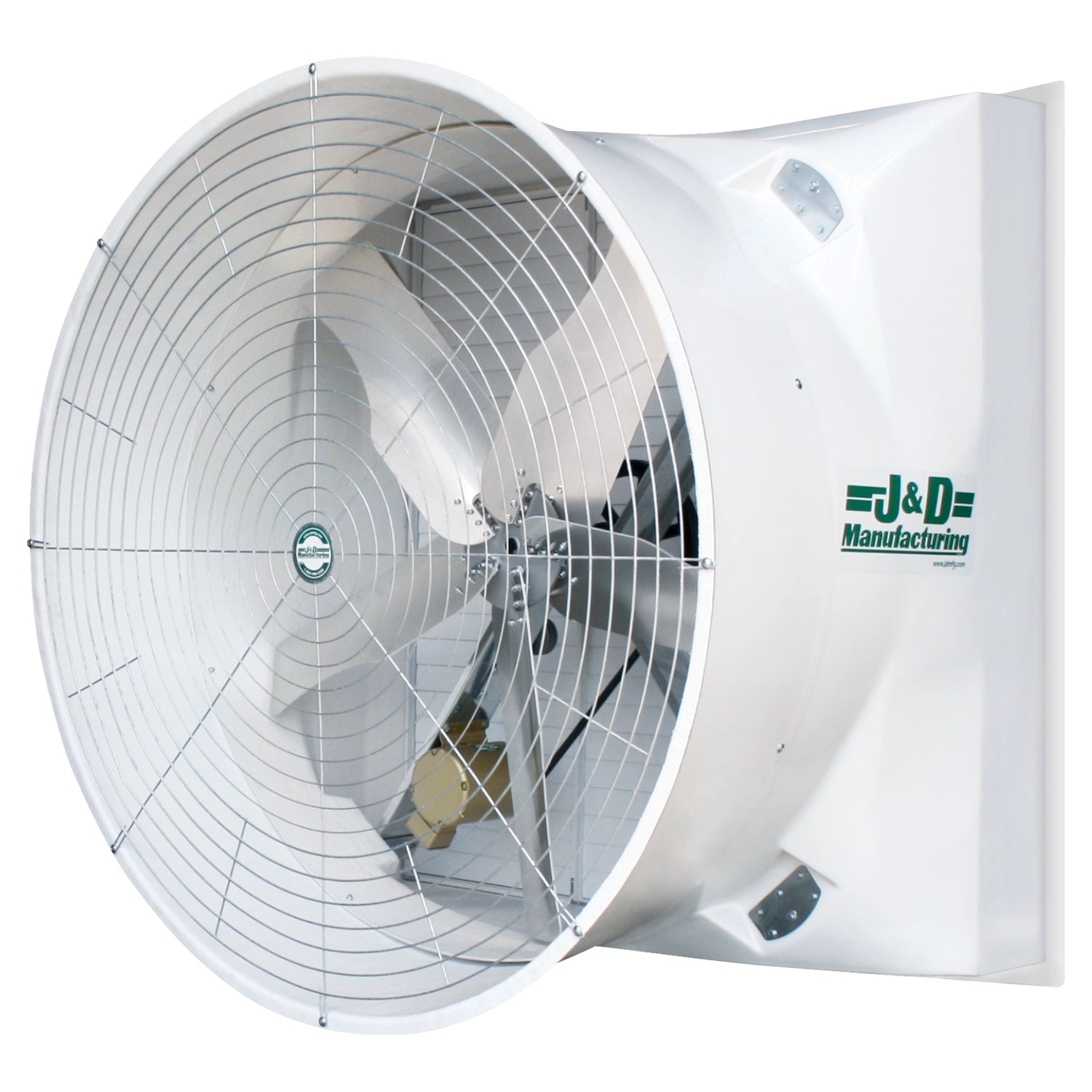
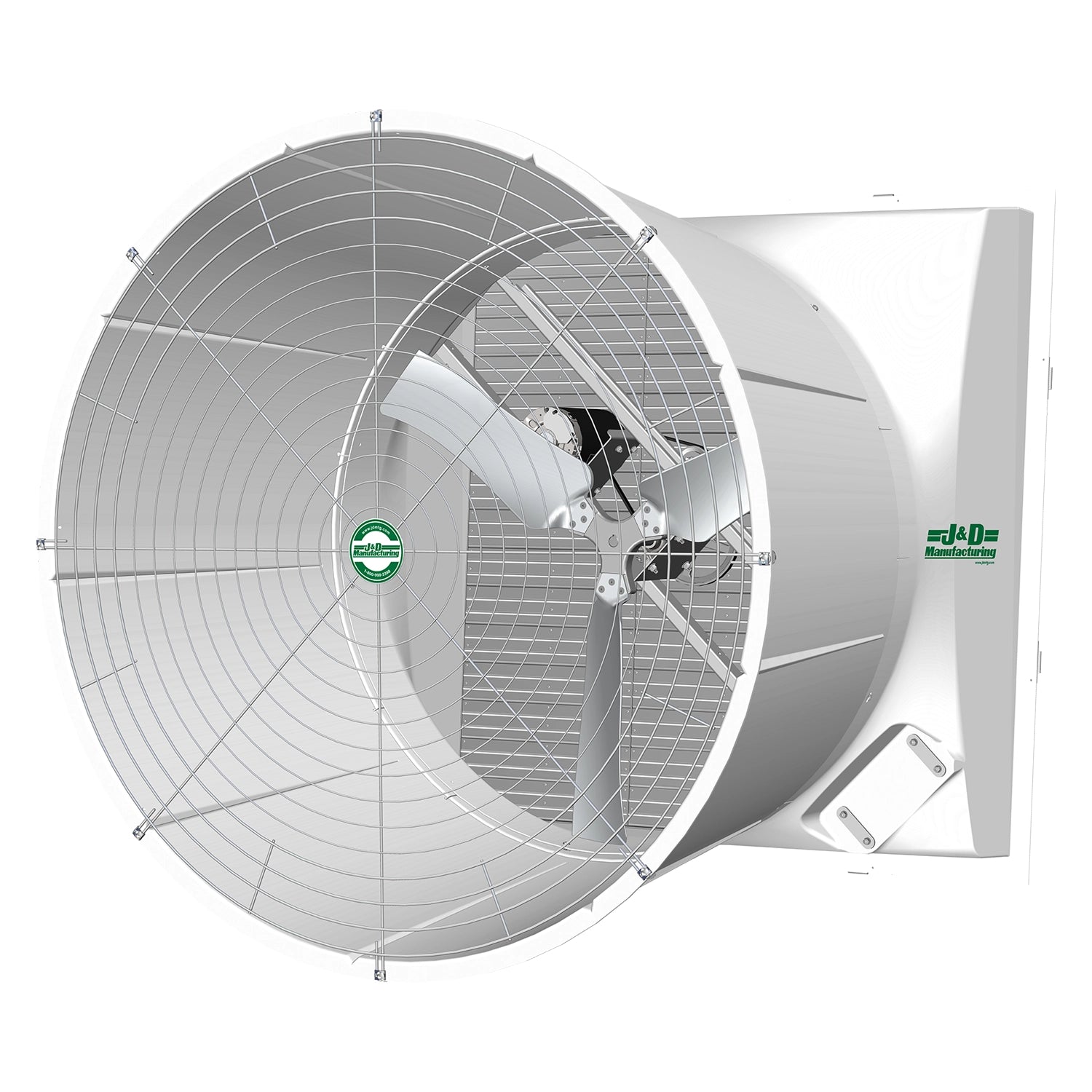
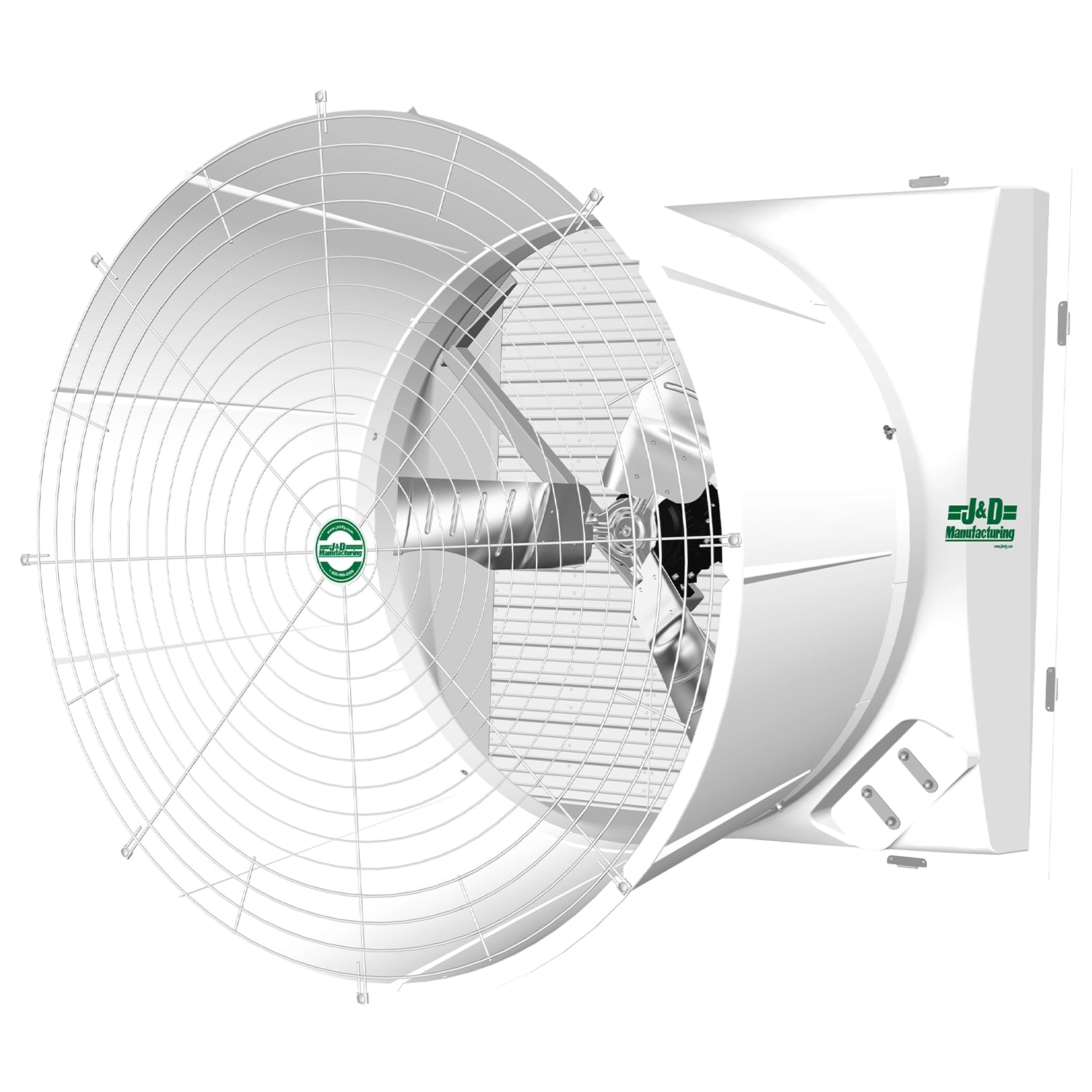
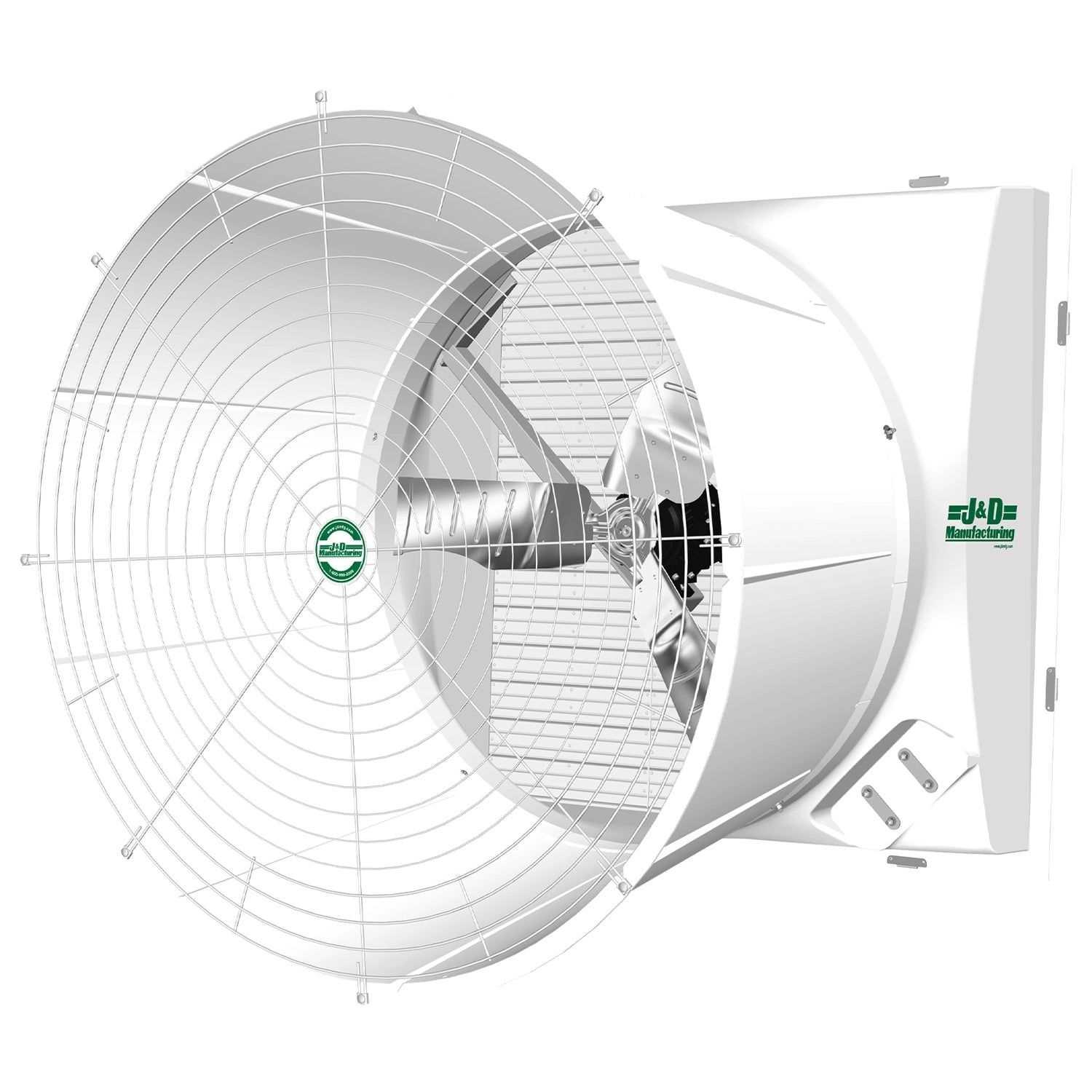
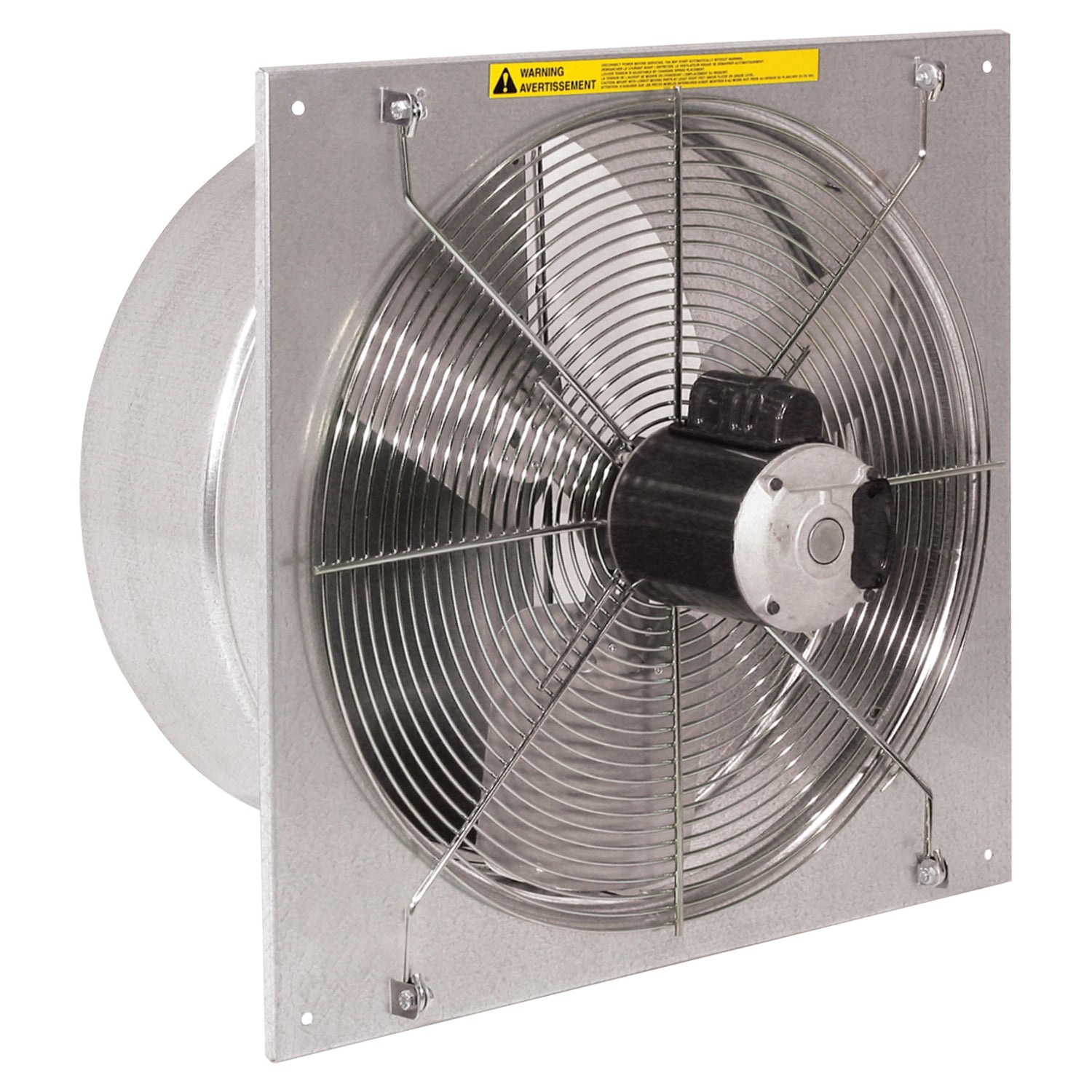
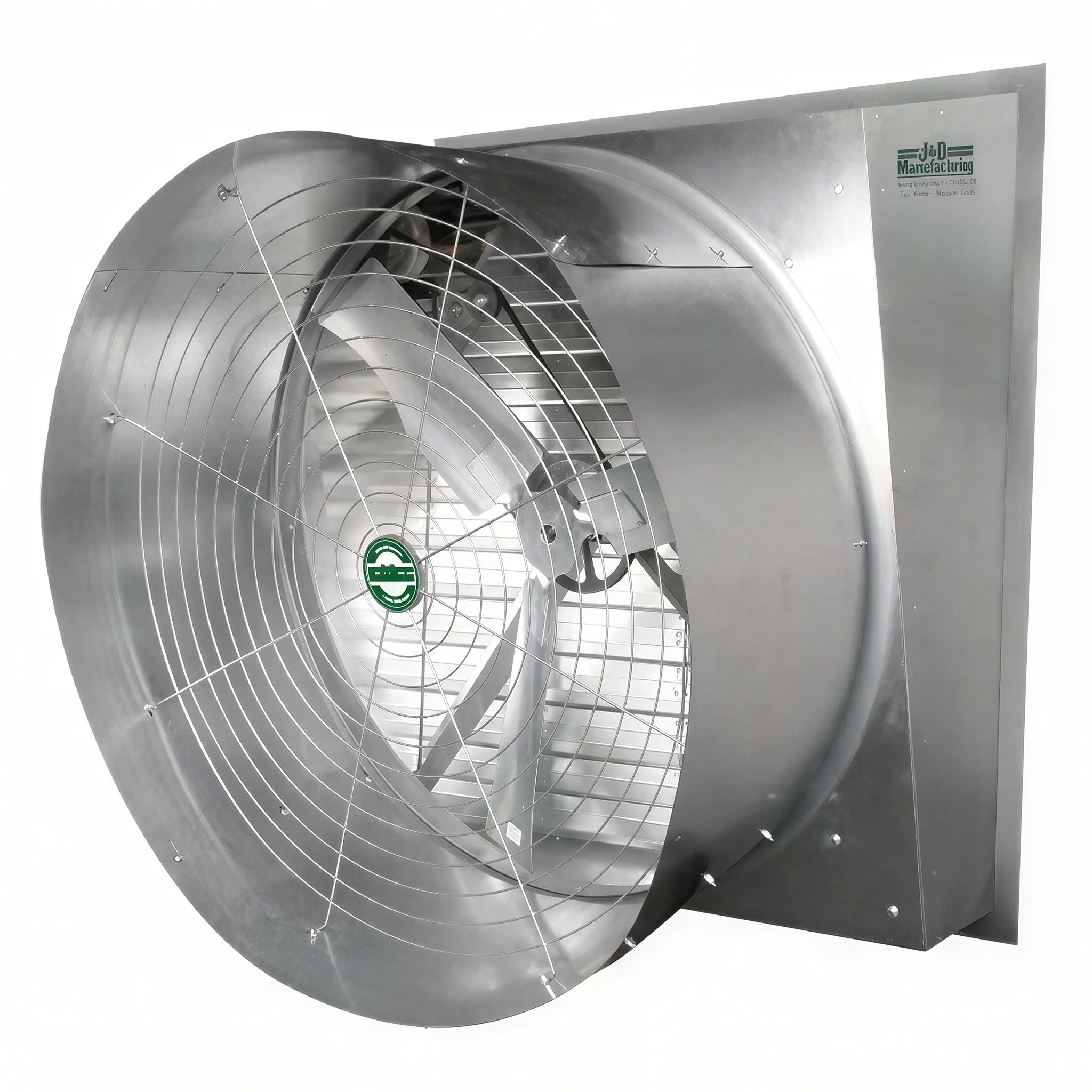
Shutter Exhaust Fans for Greenhouse & Grow Room Ventilation
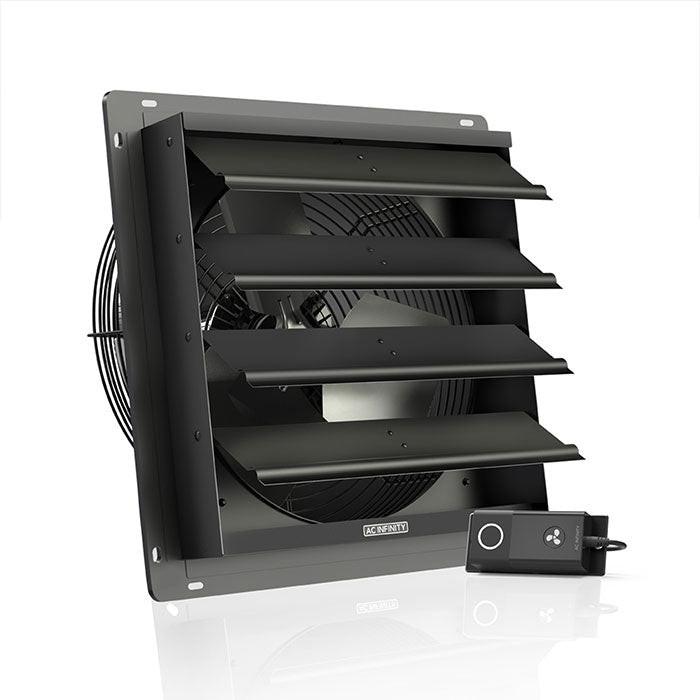
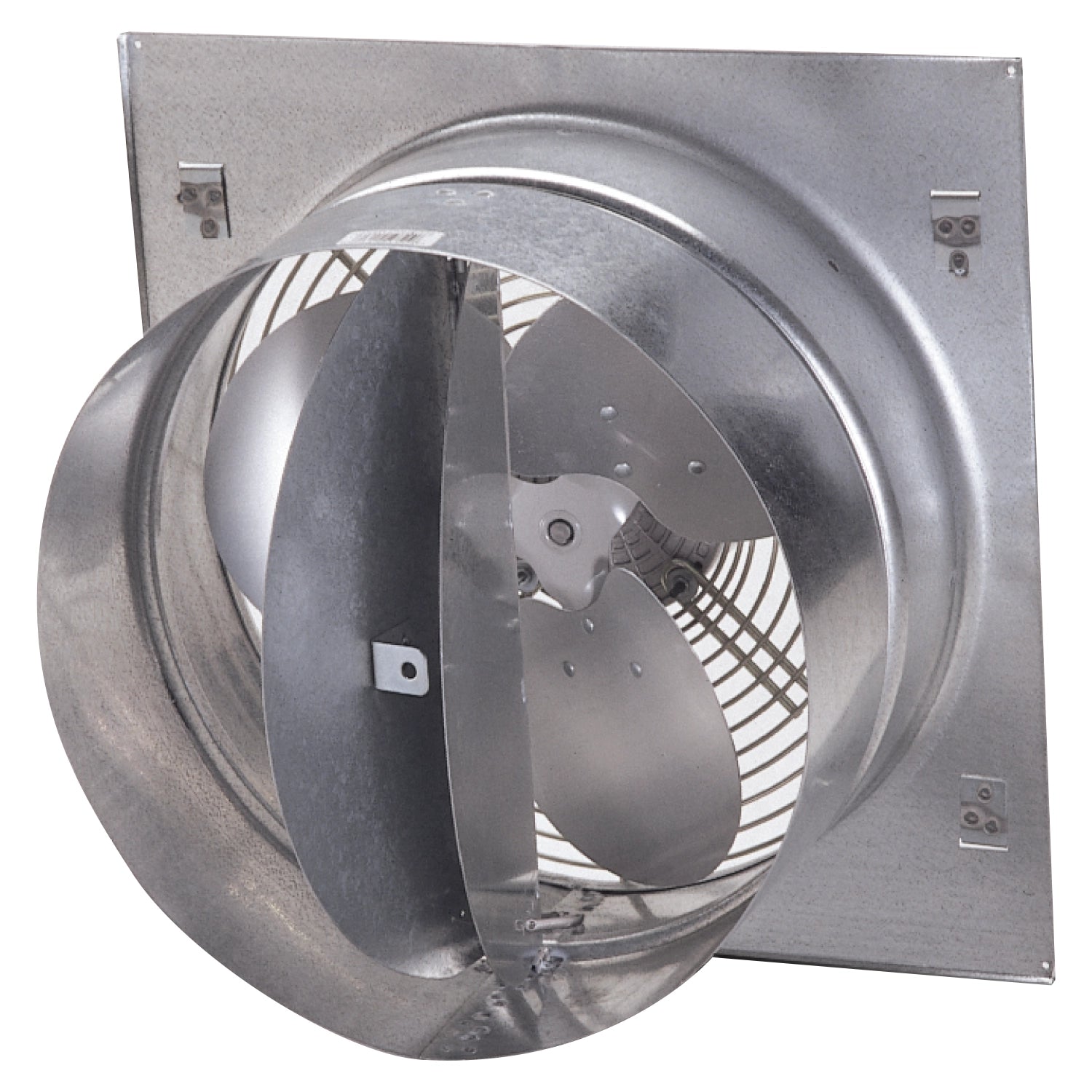
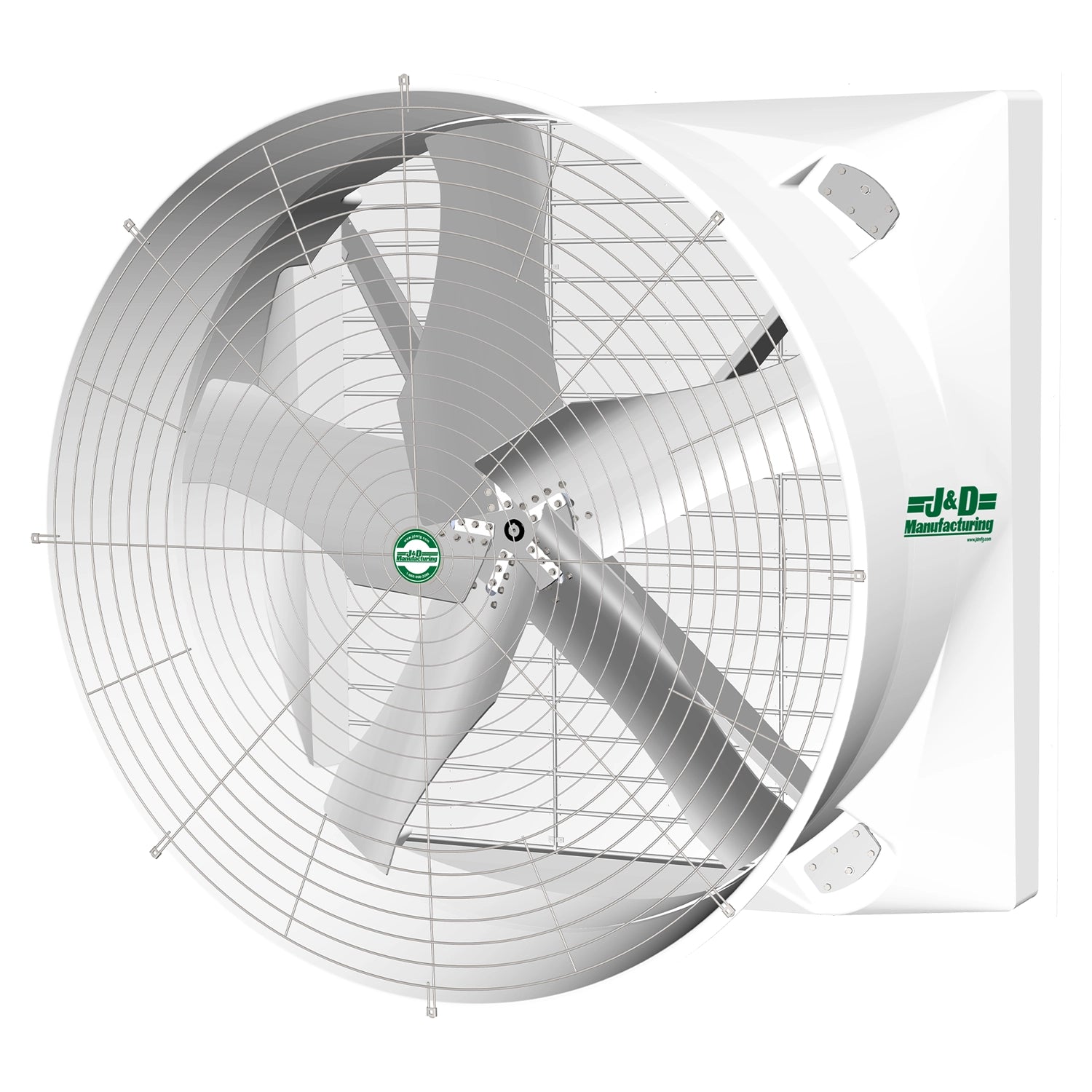
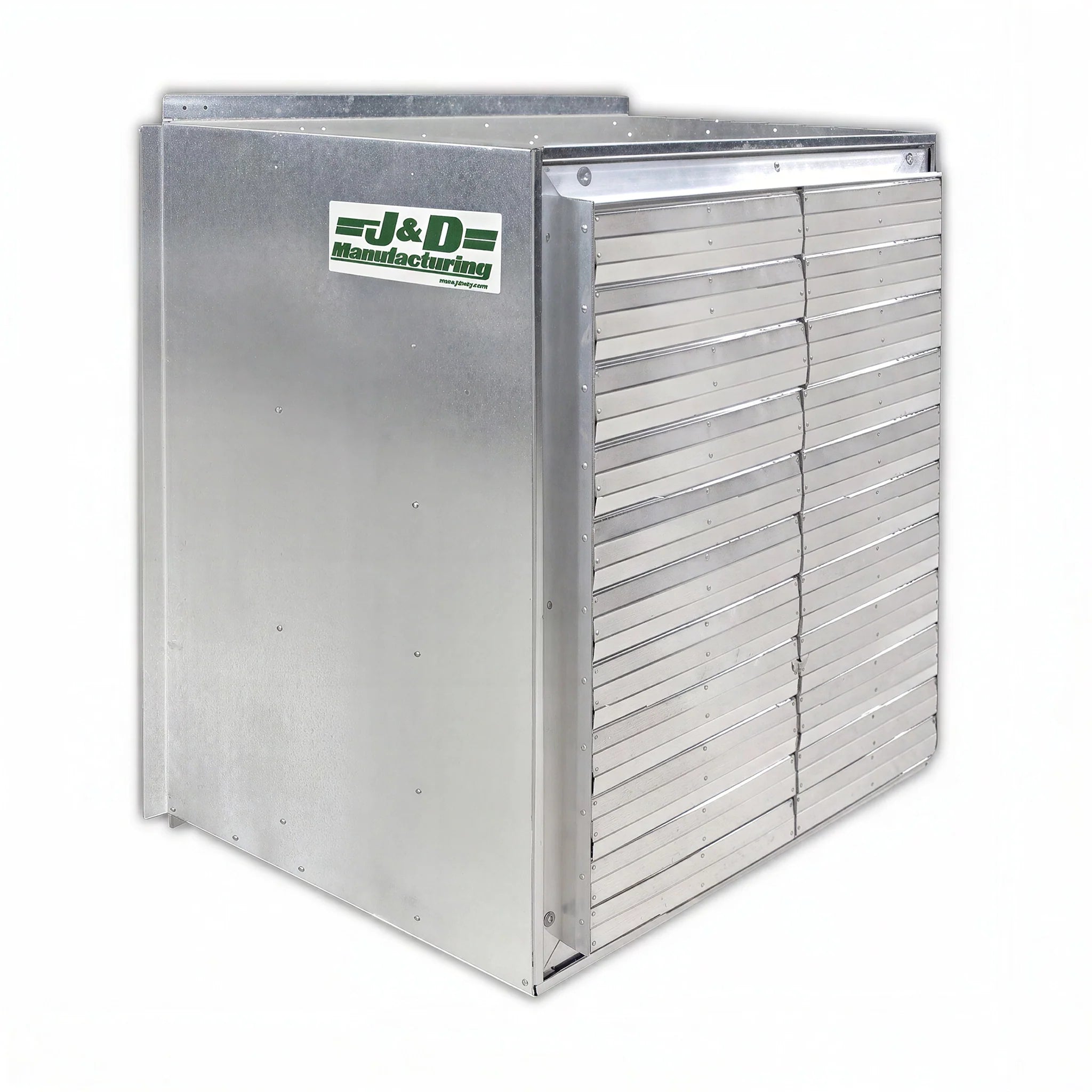
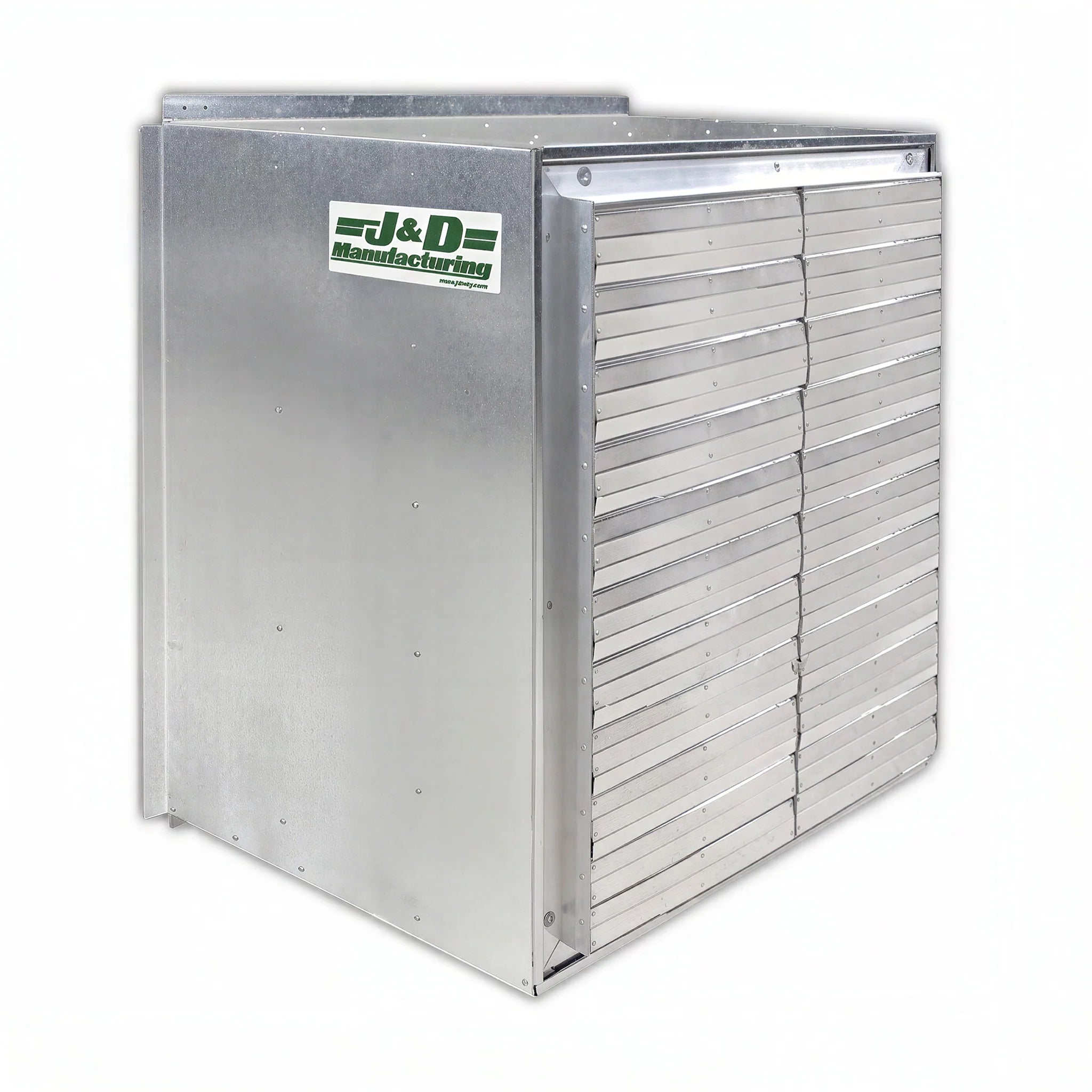
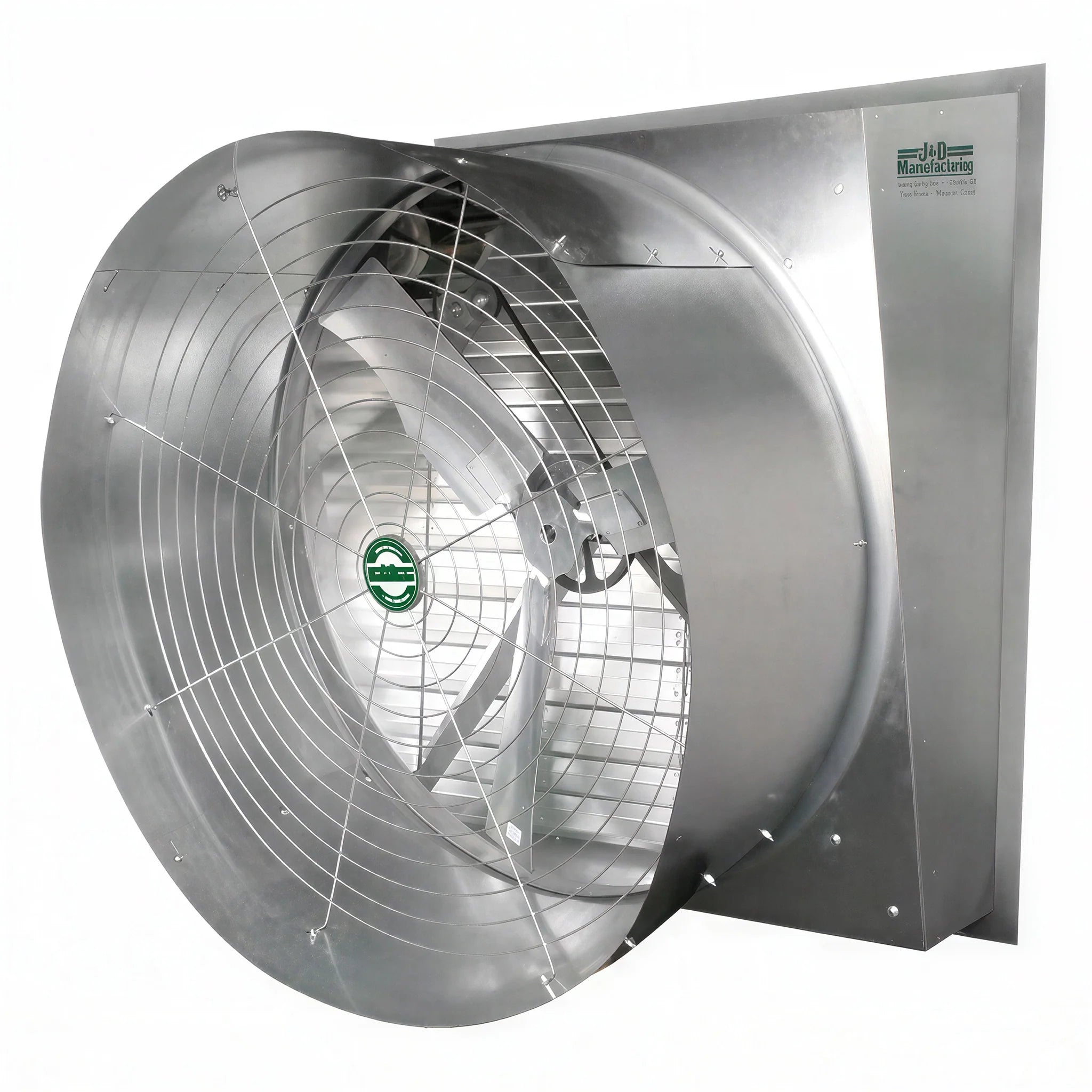
Shutter exhaust fans combine an axial propeller fan with motorized or spring-loaded louvered shutters that open when the fan runs and close by gravity or spring tension when it stops - preventing reverse airflow, pest entry, and heat loss through the exhaust opening when the fan is inactive. The shutter mechanism makes these fans self-sealing: the growing environment is isolated from outside air when the fan is not running, which is critical for pest exclusion programs, CO2 enrichment setups where stale air loss through open exhaust openings wastes enriched air, and cold-climate operations where closing the exhaust prevents cold air from flowing backward into the growing space on cold nights.
Commercial Growing Applications
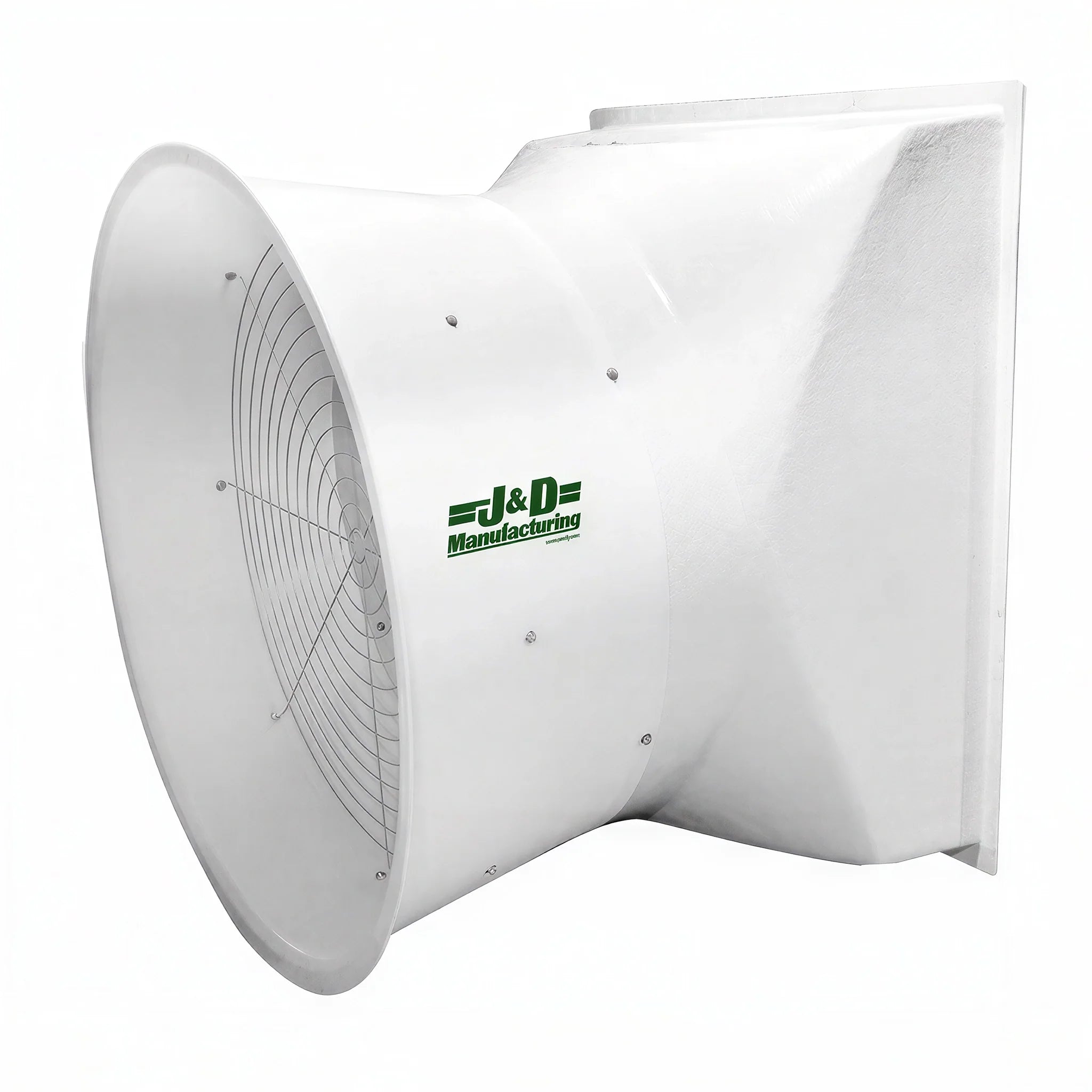
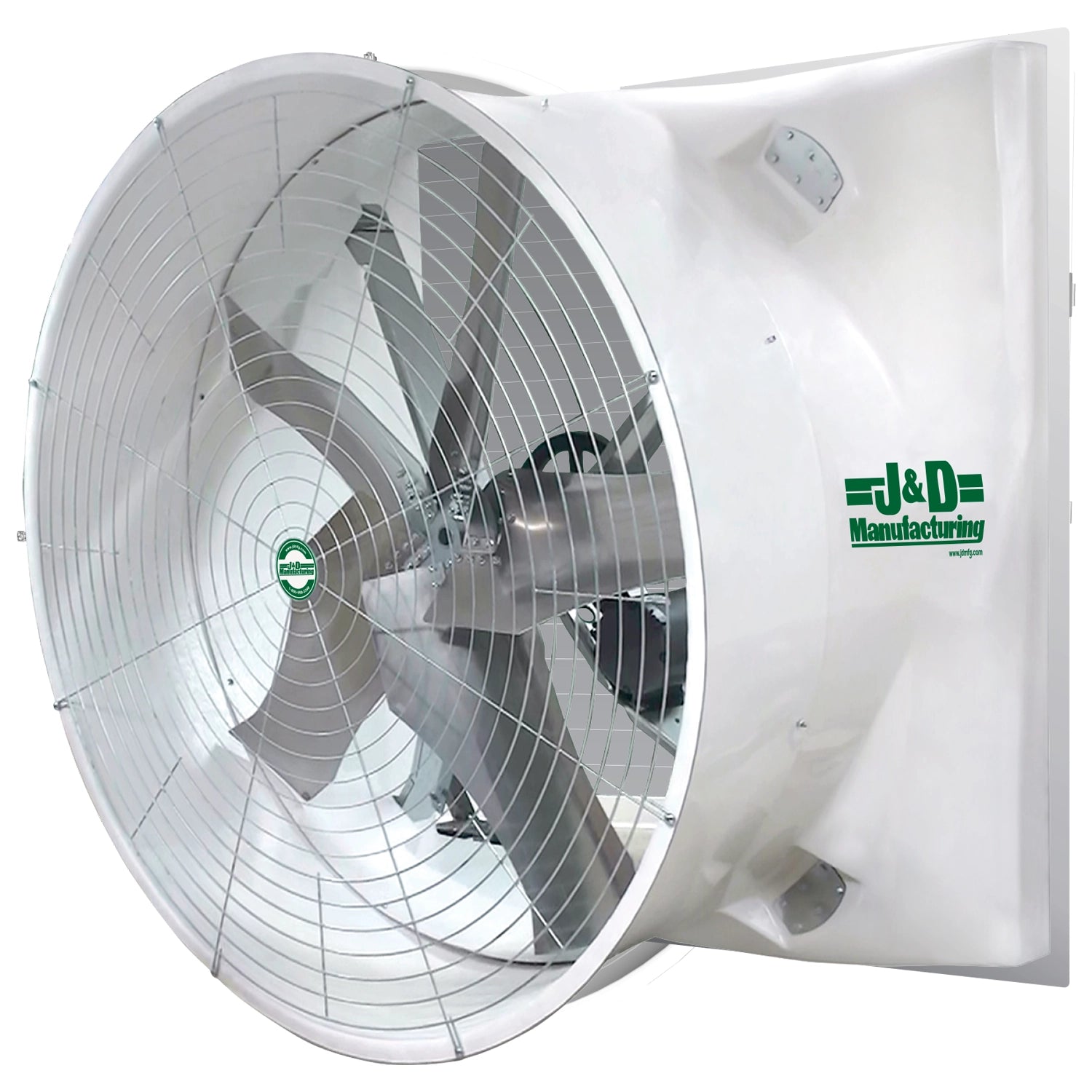
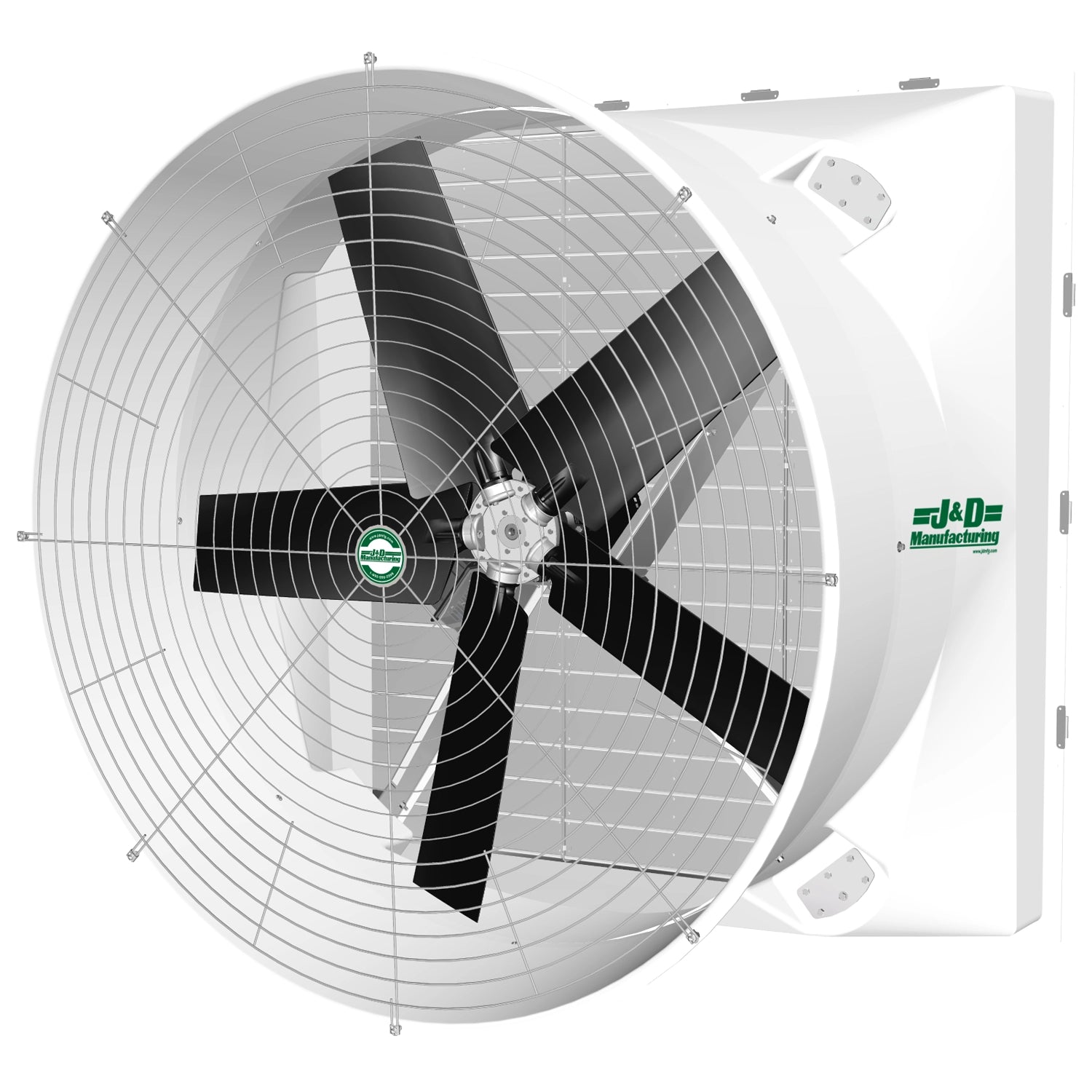
Shutter exhaust fans are the standard ventilation format for commercial greenhouses and large indoor growing structures where high-volume air exchange is needed on a controlled schedule. Available in sizes from 12-inch (approximately 1,000 CFM) through 48-inch+ (10,000+ CFM), shutter fans provide the airflow capacity to fully exchange the air in large growing structures multiple times per hour. In greenhouse cooling programs, multiple shutter exhaust fans working with passive intake louvers on the opposite wall create a cross-ventilation pattern that efficiently removes heat from the growing environment on hot days. Browse our complete grow room fans and blowers collection for all fan types.
Thermostat & Controller Integration
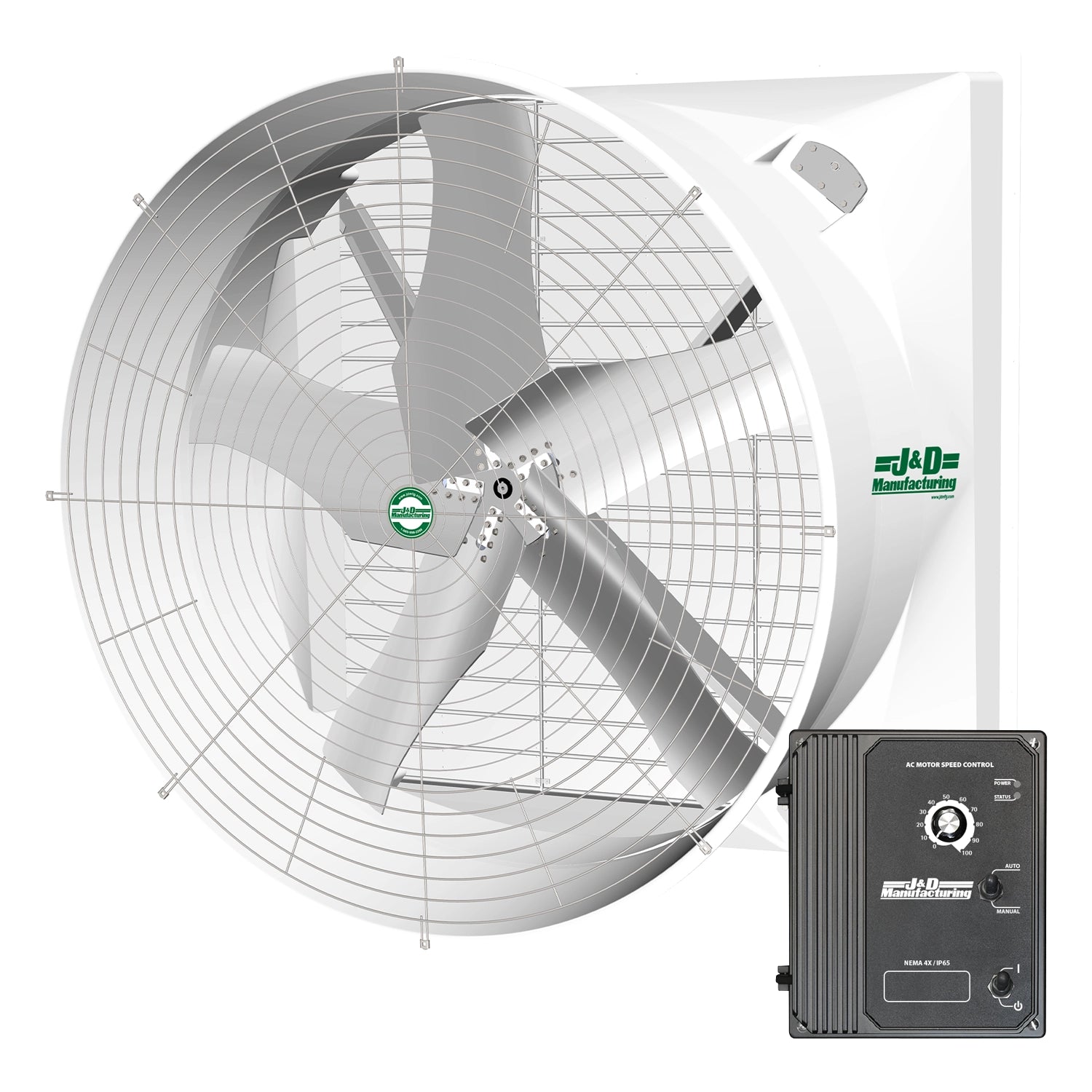
Shutter exhaust fans are typically wired to a thermostat or environment controller that activates the fan when temperature exceeds a set point - the most basic form of automated temperature management in greenhouse production. More sophisticated controllers with humidity sensors and multi-stage ventilation programs open different numbers of fans at different thresholds, staging the ventilation response to minimize energy use while maintaining target growing conditions. Fast shipping.
Shutter Exhaust Fans FAQ
What is a shutter exhaust fan and how is it different from a standard fan?
A shutter exhaust fan combines an axial propeller fan with motorized or spring-loaded louvered shutters that open when the fan runs and close automatically when the fan stops. Standard axial fans without shutters leave the exhaust opening open at all times, allowing reverse airflow, pest entry, and heat/cold exchange through the opening when the fan is not running. The integrated shutter makes the fan self-sealing at shutdown - important for pest exclusion, CO2 enrichment programs, and cold-climate operations where an unsealed exhaust opening causes problems when the fan is off.
What size shutter fan do I need for my greenhouse?
Calculate greenhouse volume (length x width x eave height in feet x 0.8 for triangular roof volume correction), then multiply by the desired air changes per hour (ACH). For summer cooling: target 60 ACH minimum in hot climates, 40 ACH in mild climates. A 30x100 ft greenhouse at 12 ft eave height (29,000 cubic feet x 0.8 = 23,200 cu ft) at 60 ACH needs 23,200 CFM total fan capacity. Multiple fans distributed along one wall are more effective than a single large fan - even air distribution is more important than raw CFM capacity.
Can I use a shutter fan with a thermostat controller?
Yes - shutter exhaust fans are designed for thermostat-controlled operation. Standard single-speed fan motors connect directly to a thermostat that switches 120V or 240V power to the fan based on temperature setpoint. Multi-speed or variable-speed shutter fans can be staged across multiple thermostats or a multi-stage controller, running at low speed for mild conditions and switching to high speed as temperature rises. Verify the thermostat's rated amperage matches or exceeds the fan motor's current draw - undersized thermostats overheat and fail when switching larger fan motors.
Do shutter fans work for CO2 enrichment programs?
Shutter fans are appropriate for CO2-enriched greenhouses when combined with a CO2 controller that coordinates the fan operation with CO2 dosing. During the enrichment period when CO2 is being dosed, the fans remain closed to prevent exhausting enriched air. When temperature requires ventilation, the CO2 controller pauses dosing before opening the fans, ventilates until temperature drops, then resumes enrichment. The self-sealing shutter closes automatically when the fan stops, minimizing CO2 loss during the vent cycle. Without the self-sealing shutter, CO2 would continue leaking through open exhaust openings even when the fan is not running.
What is the correct placement for shutter exhaust fans in a greenhouse?
Mount shutter exhaust fans on the wall at the highest practical height - heat accumulates at the ceiling level and exhausting from the highest point removes the hottest air first. Position fans on the leeward side of the greenhouse (the side away from prevailing winds) so natural wind pressure aids rather than opposes the fan's exhaust direction. Locate passive intake vents or louvers on the windward wall at a lower height to create a cross-ventilation pattern that draws fresh air across the growing area from below the canopy level before exhausting at the top.