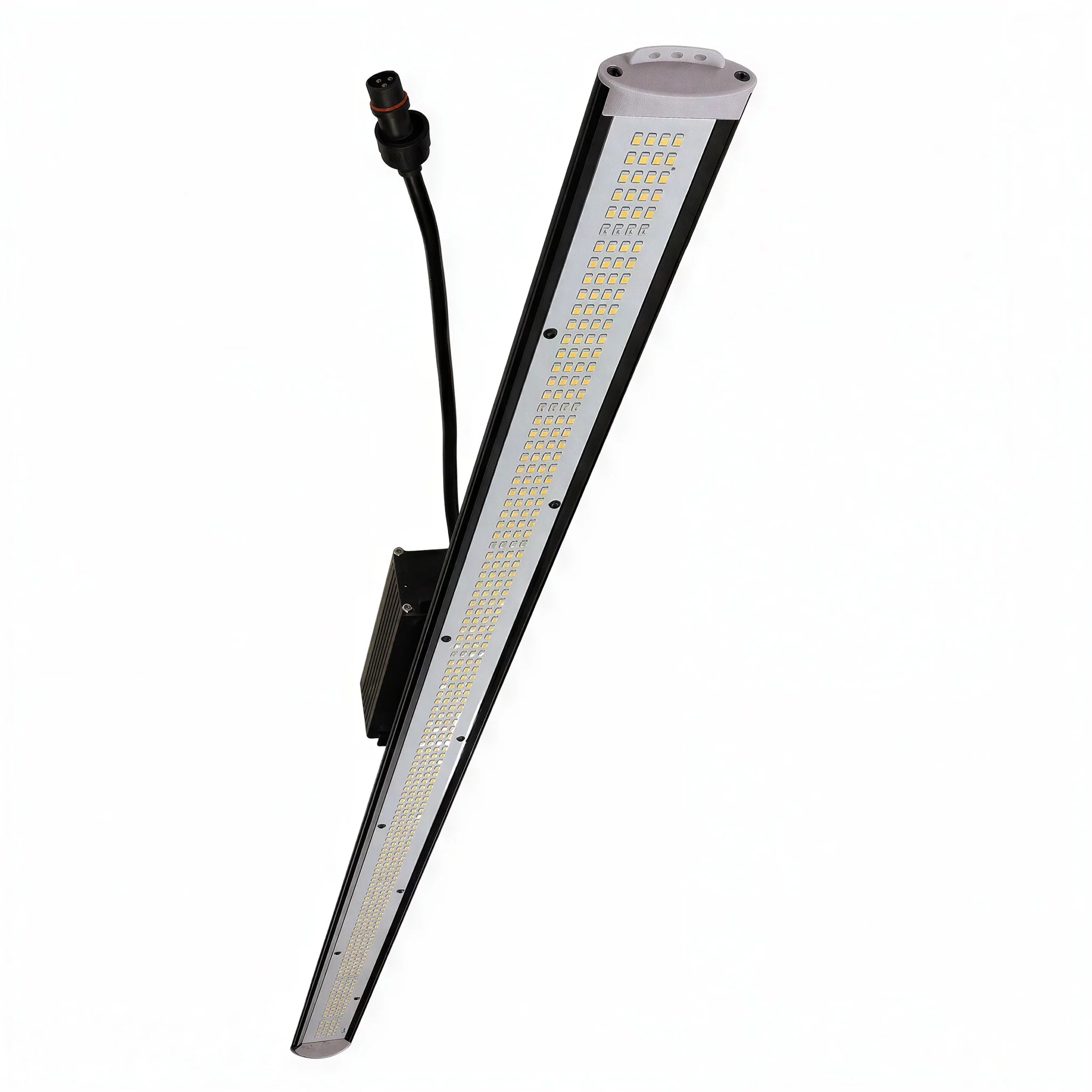
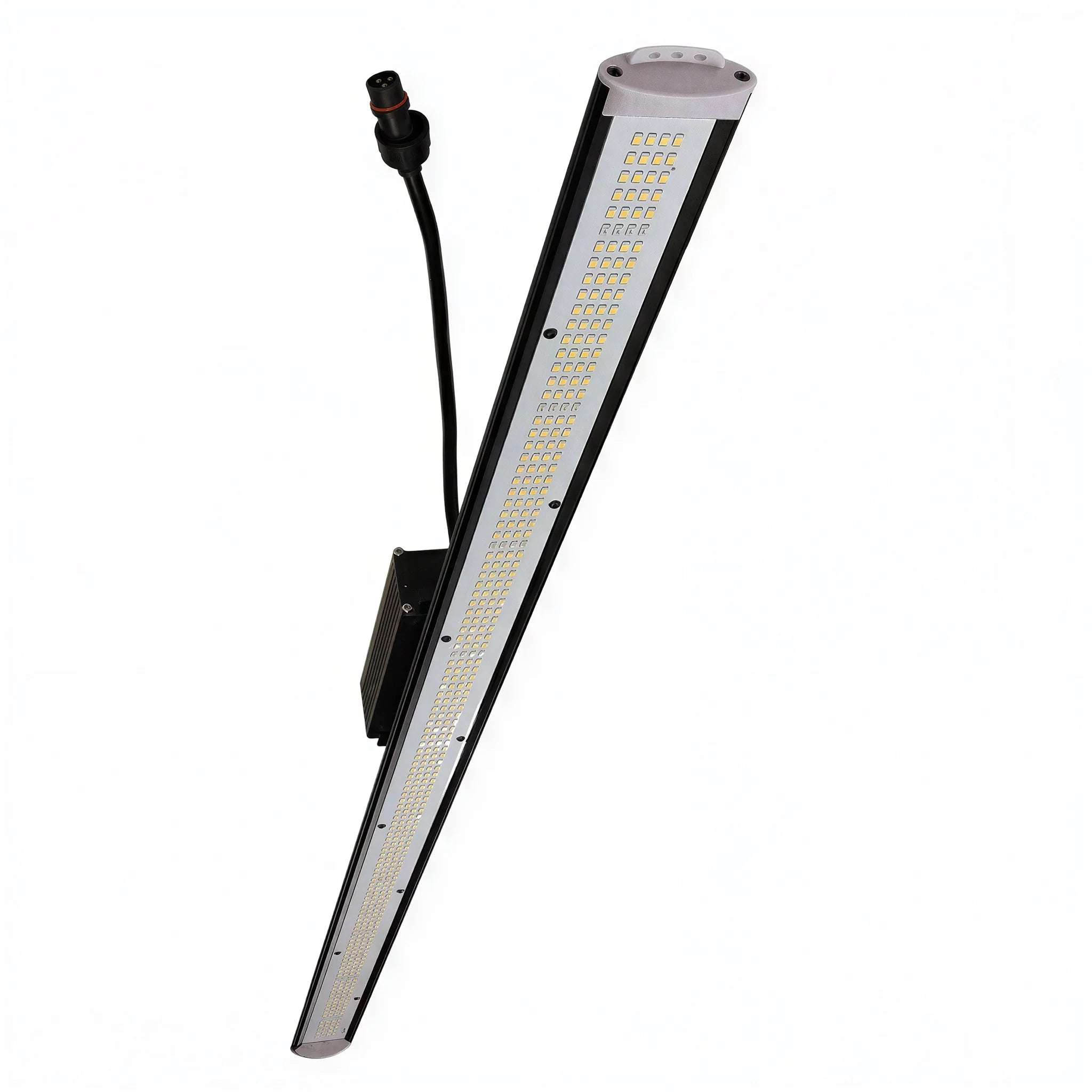
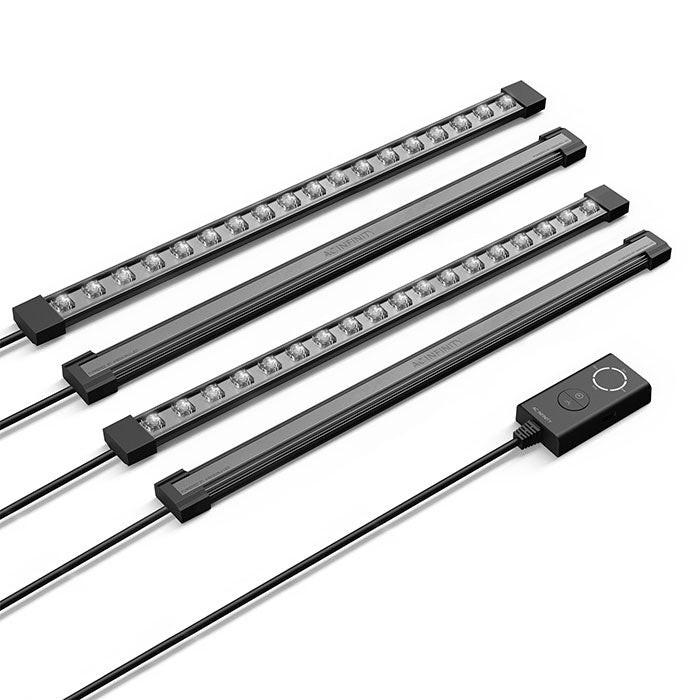
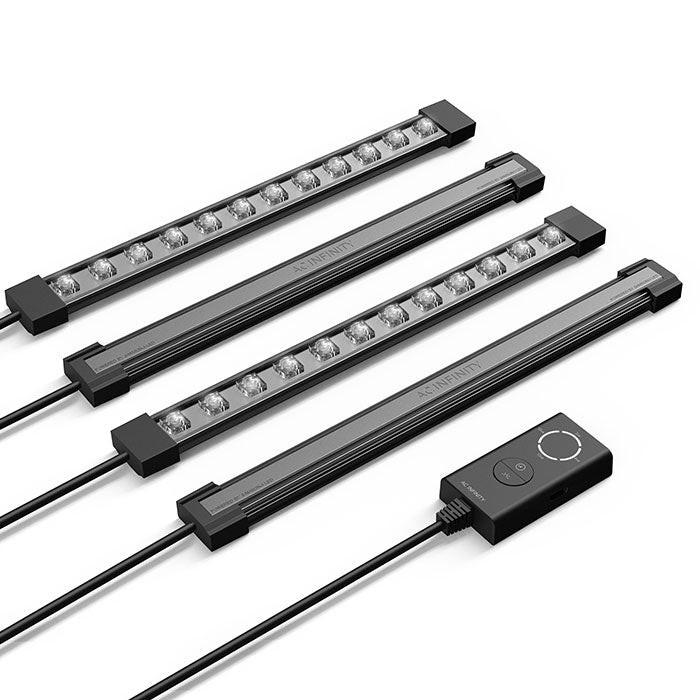
Full Spectrum LED Grow Lights
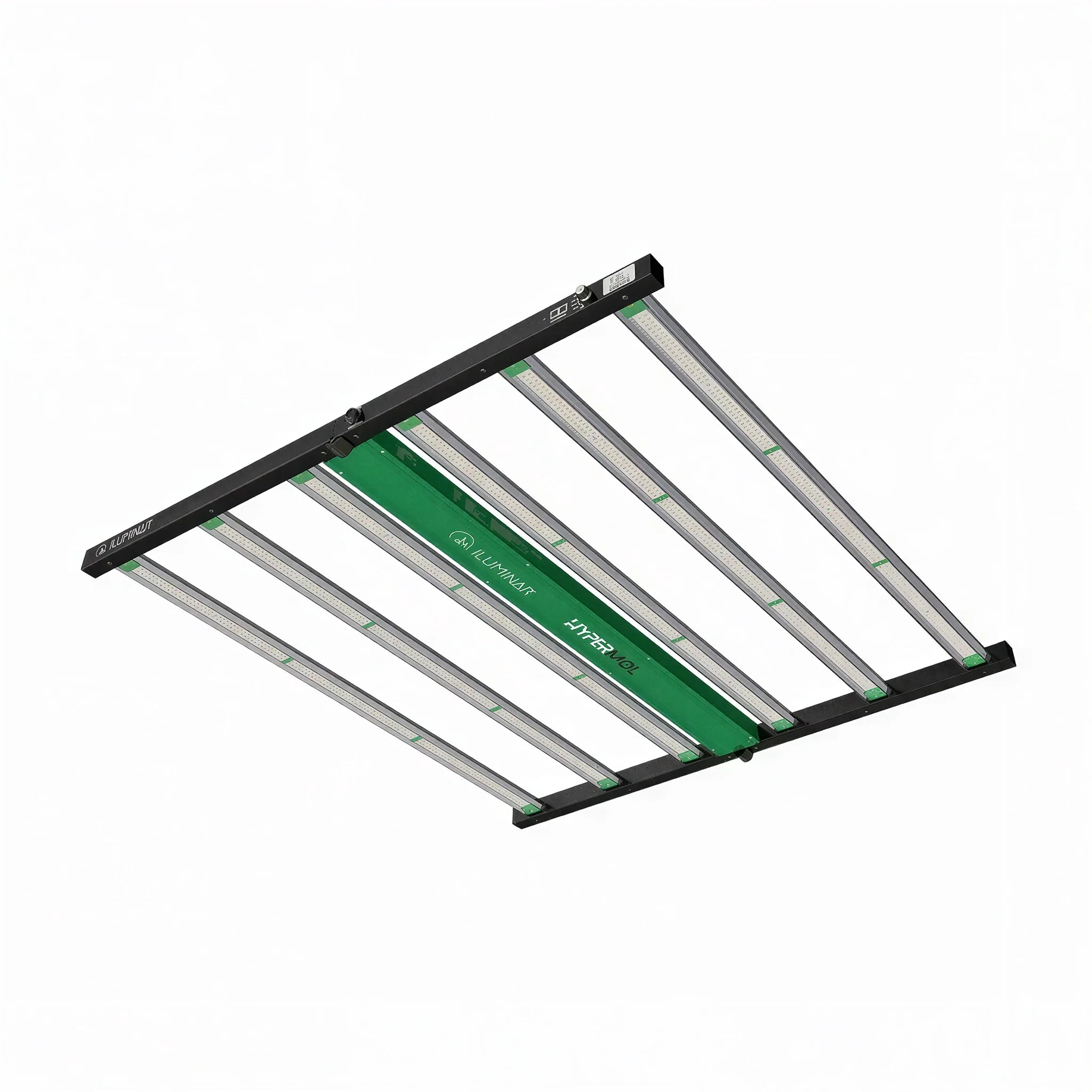
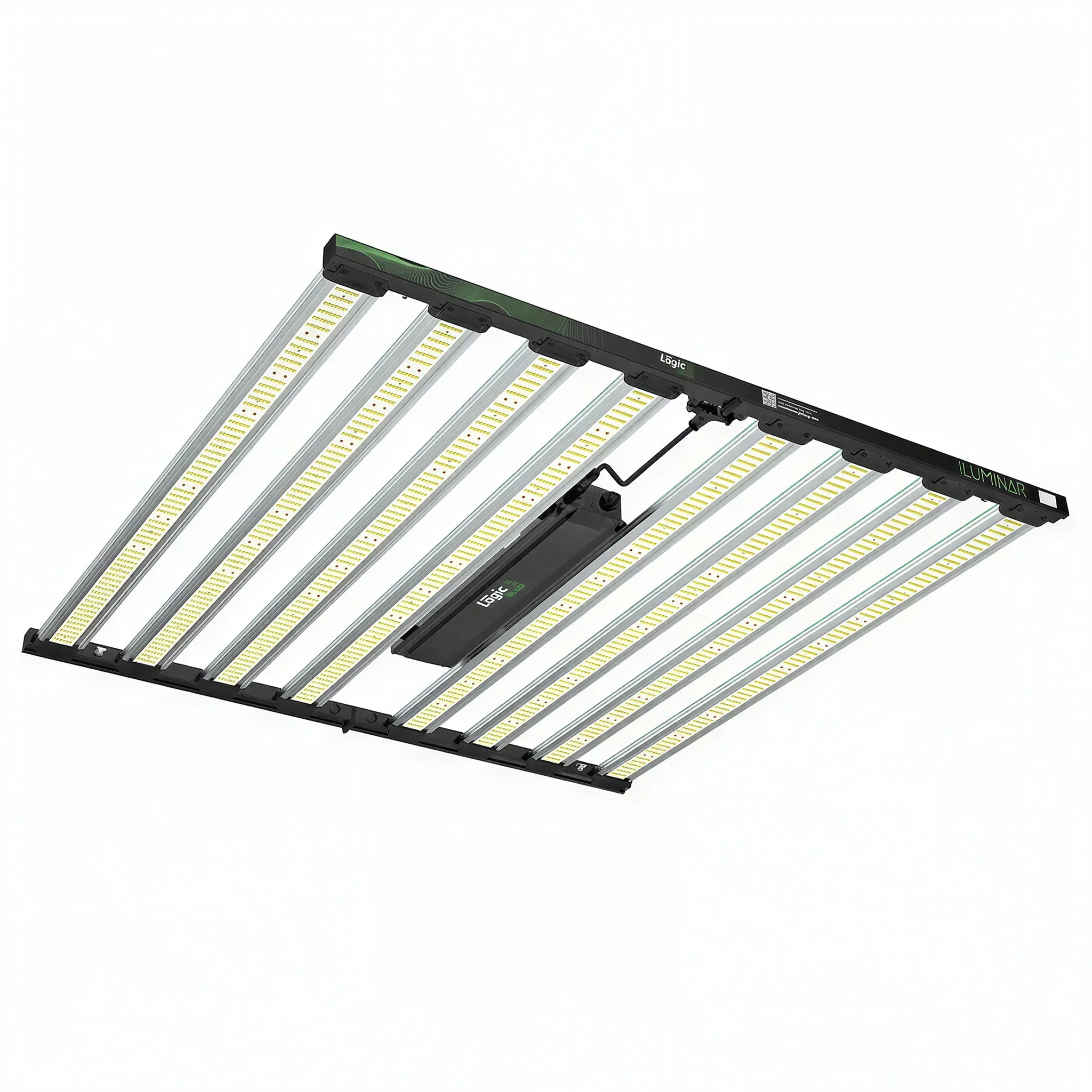
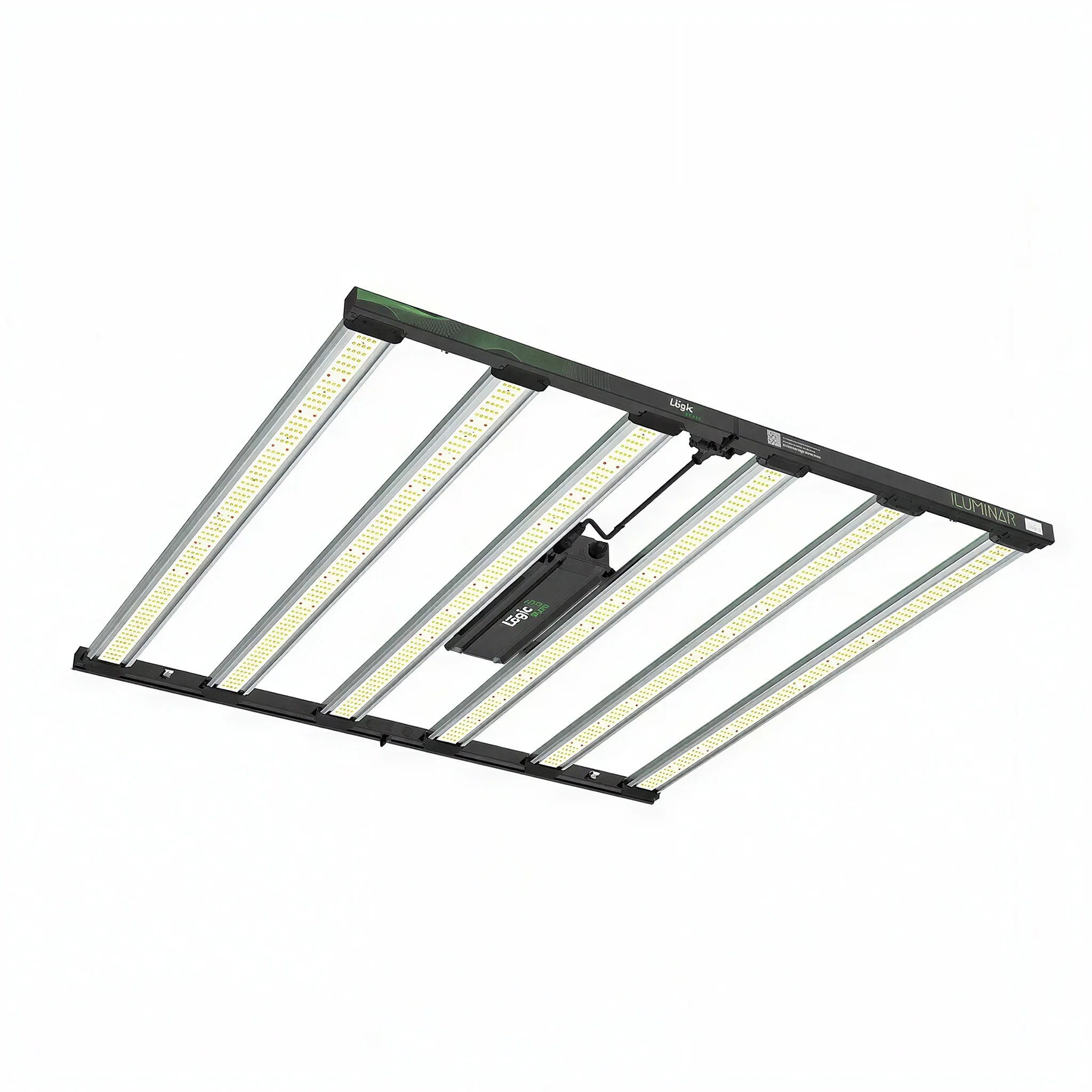
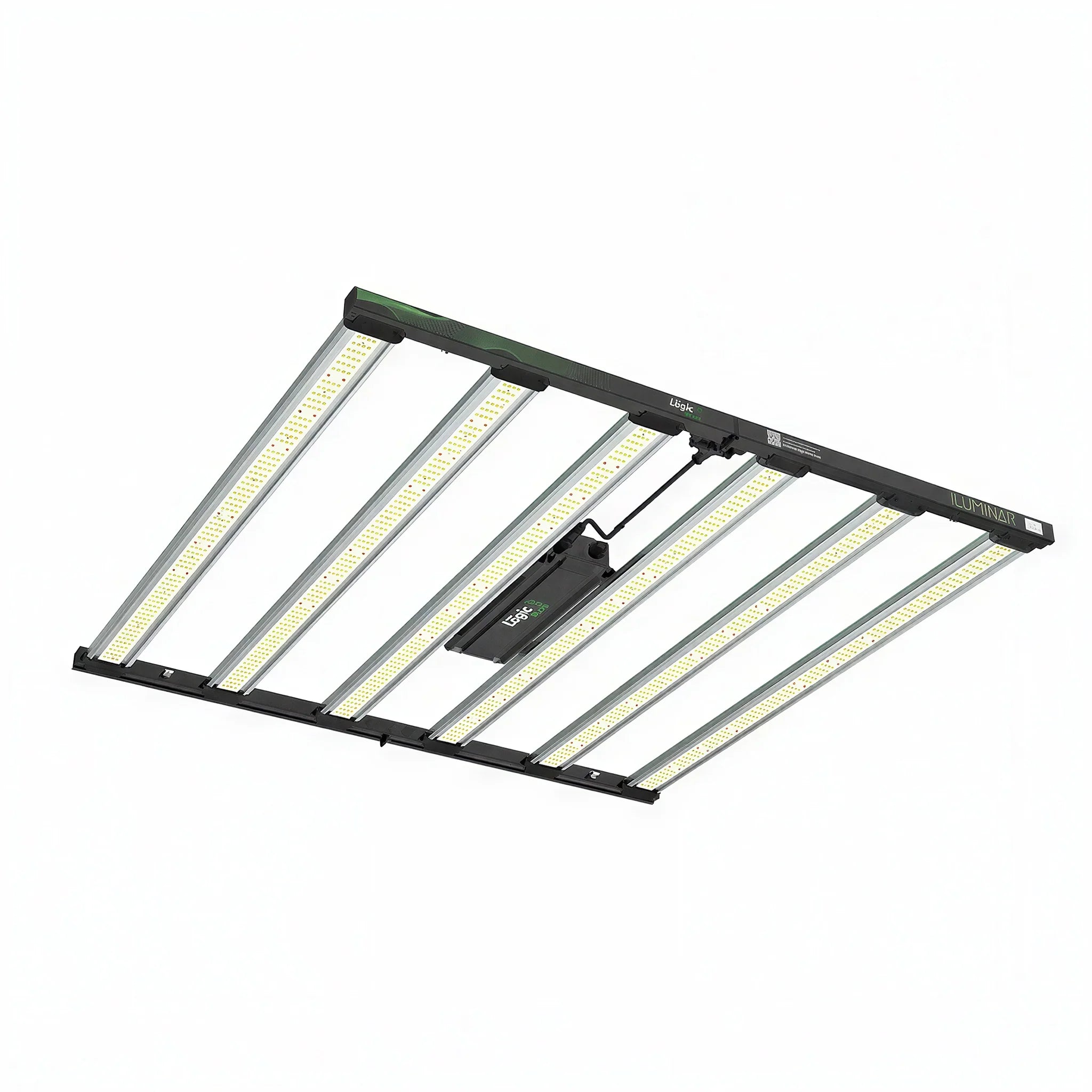
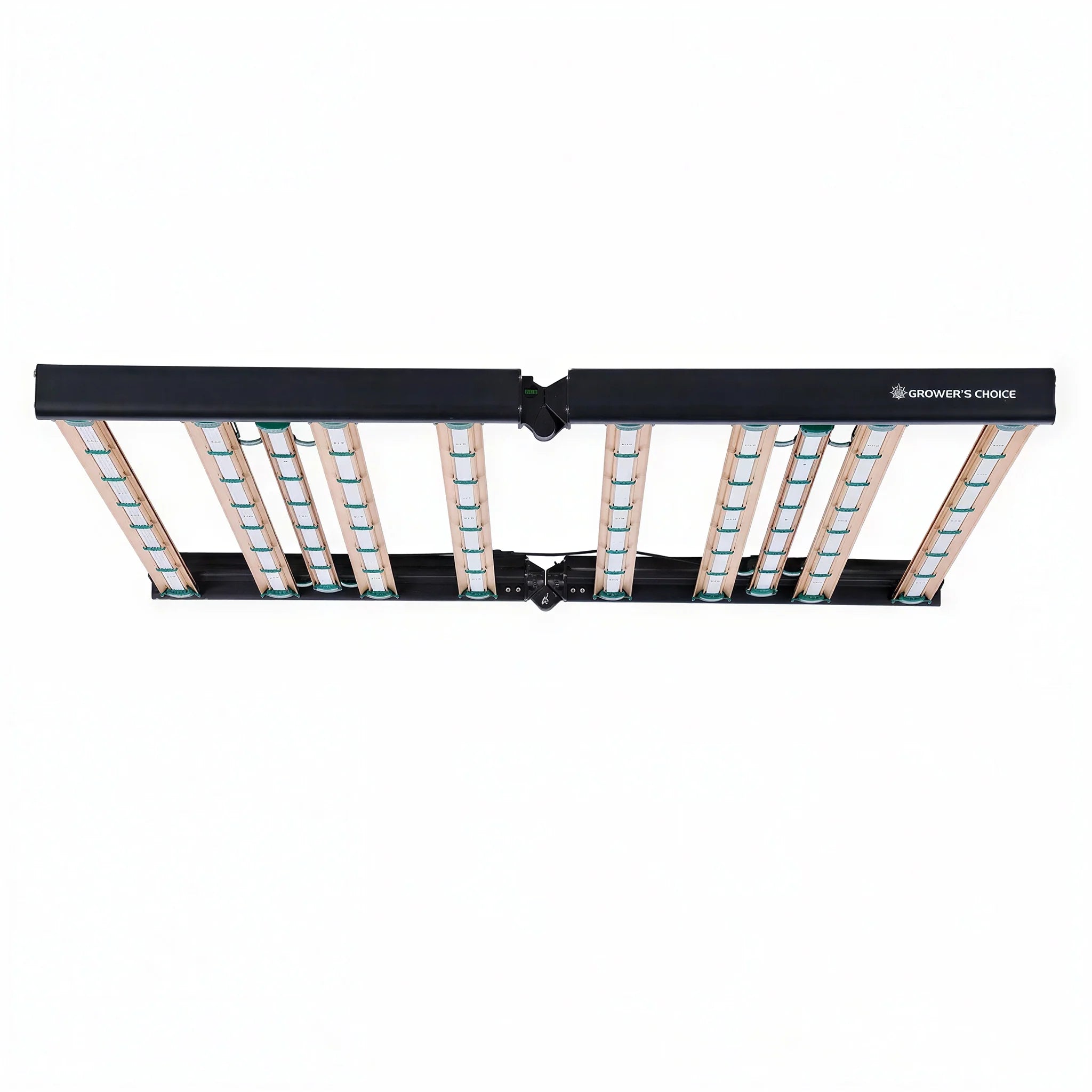
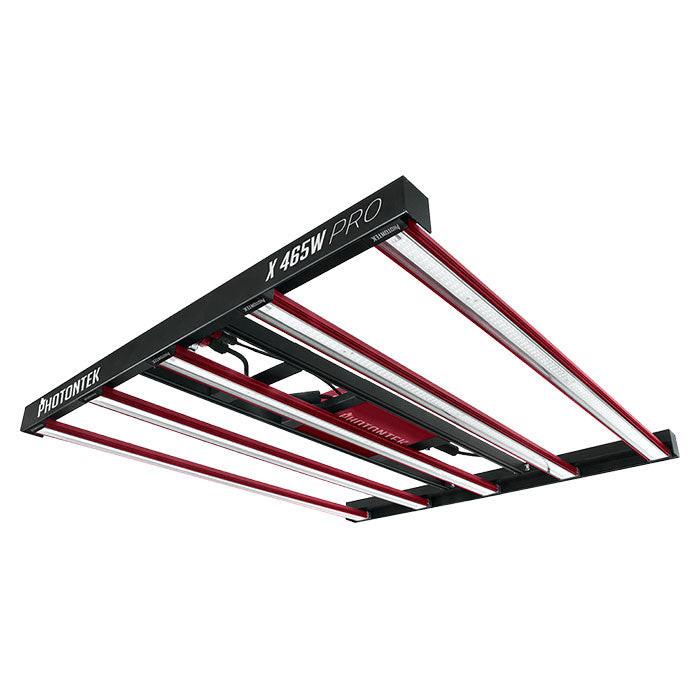
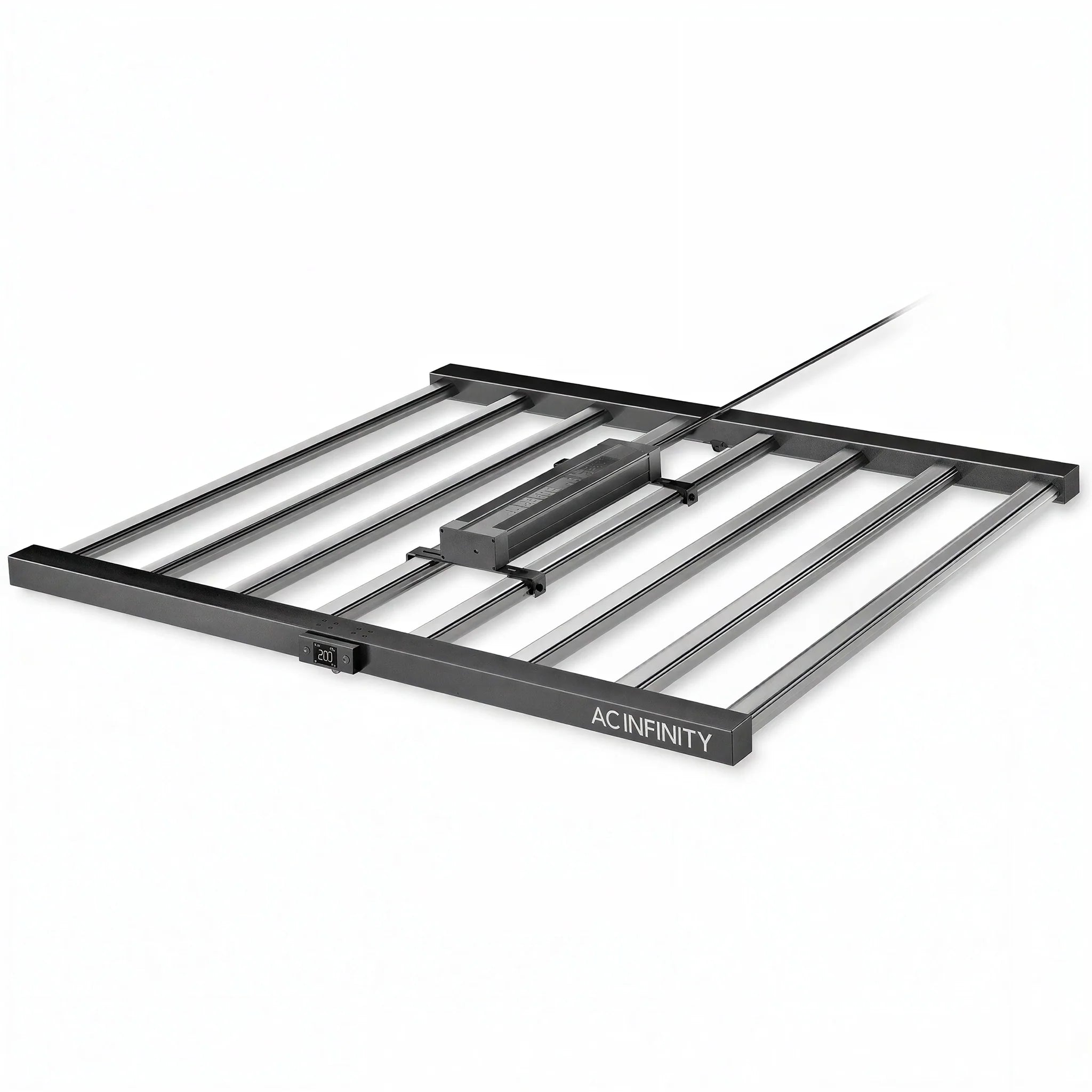
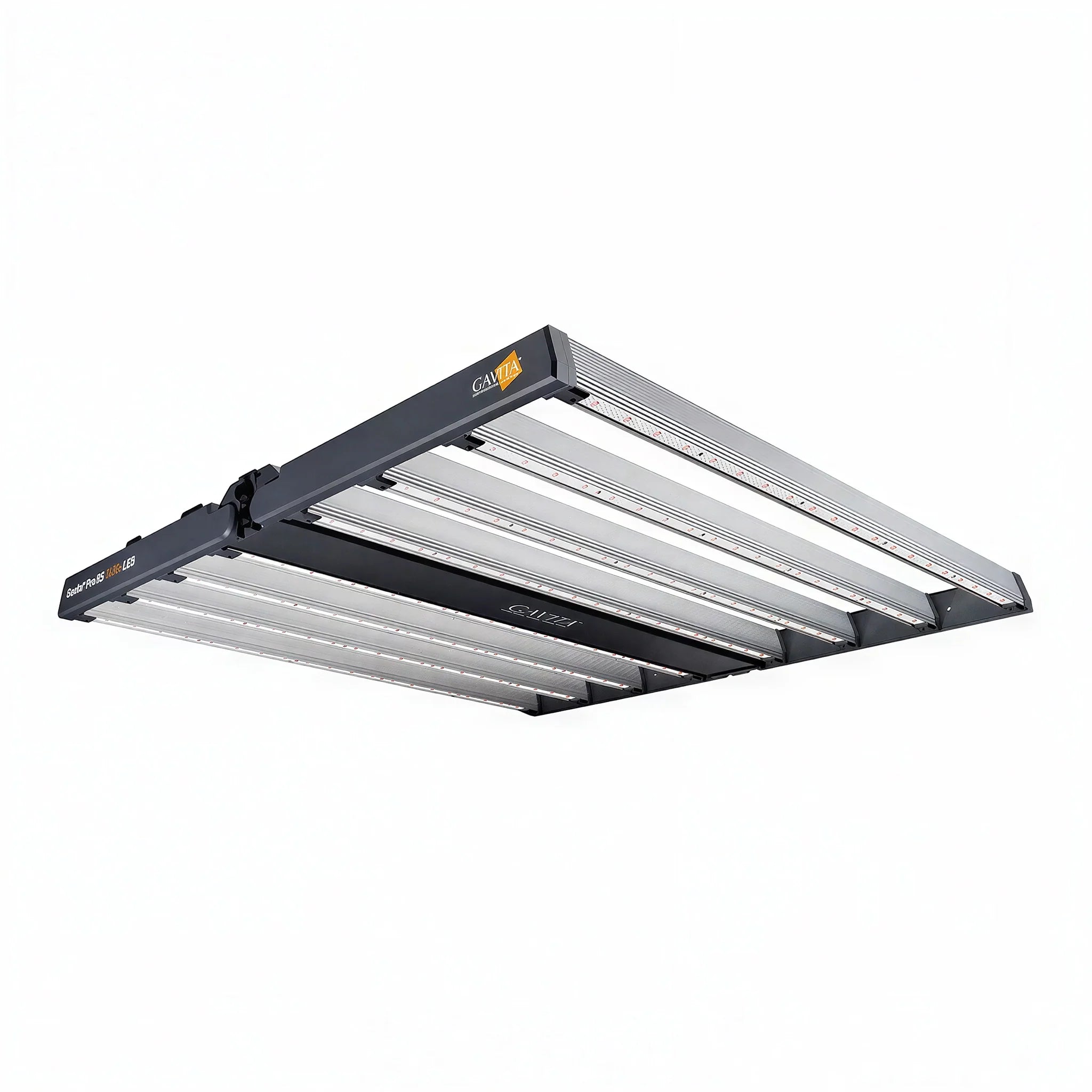
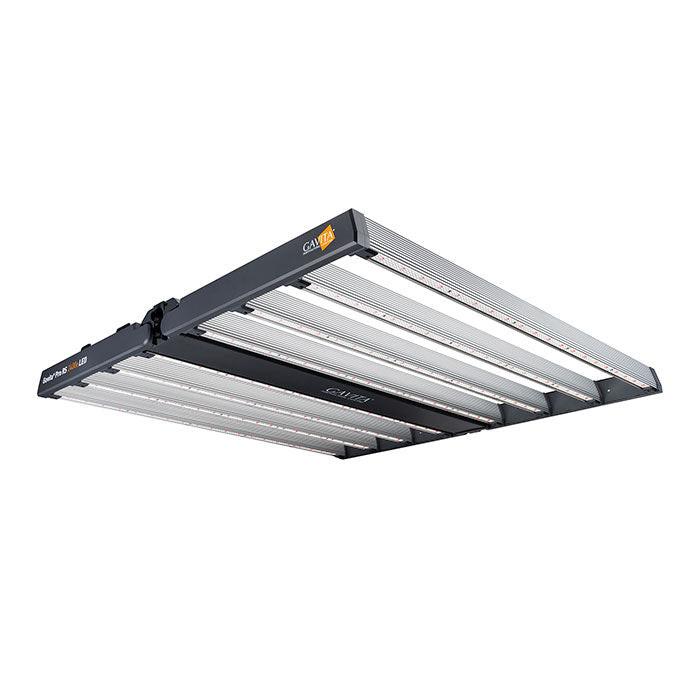
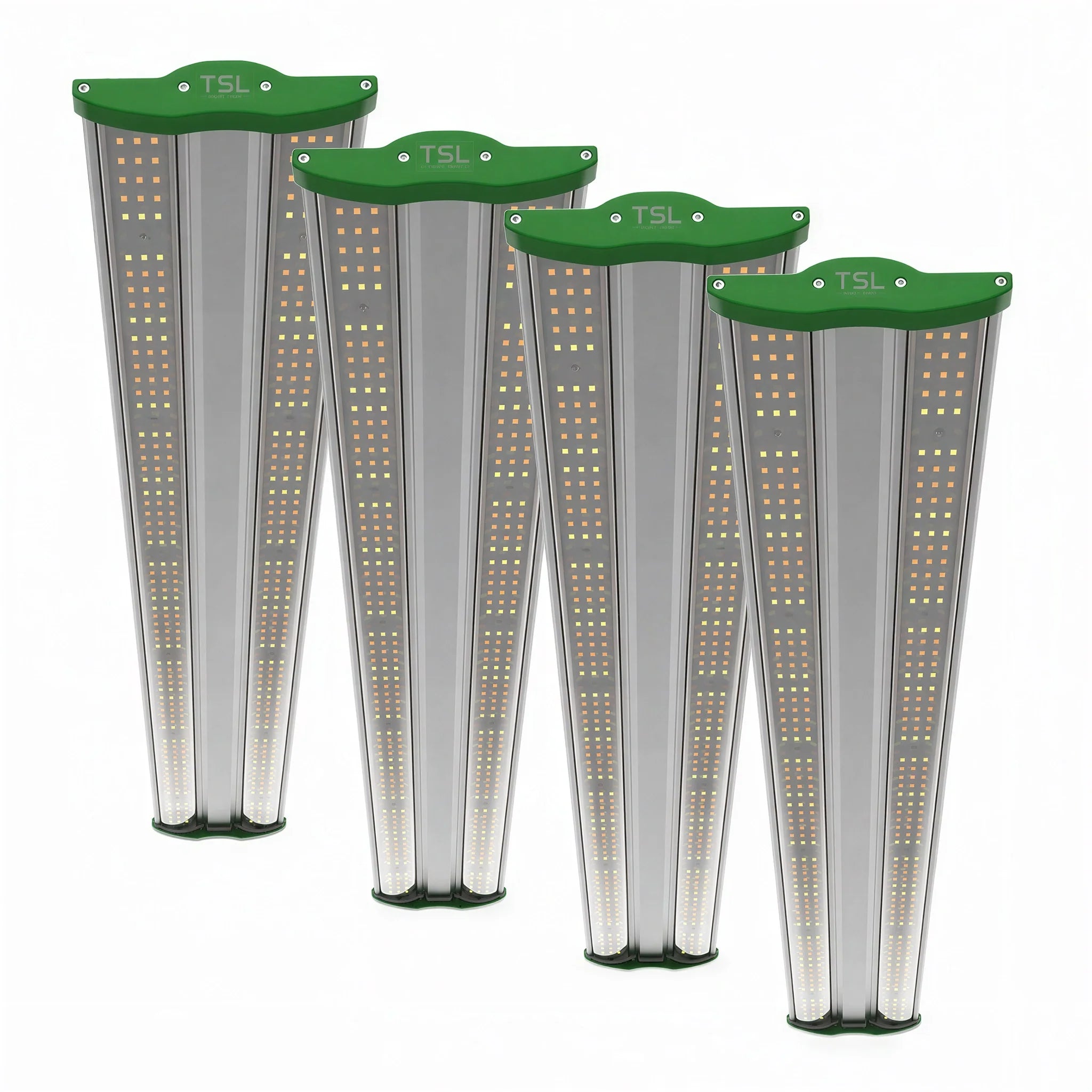
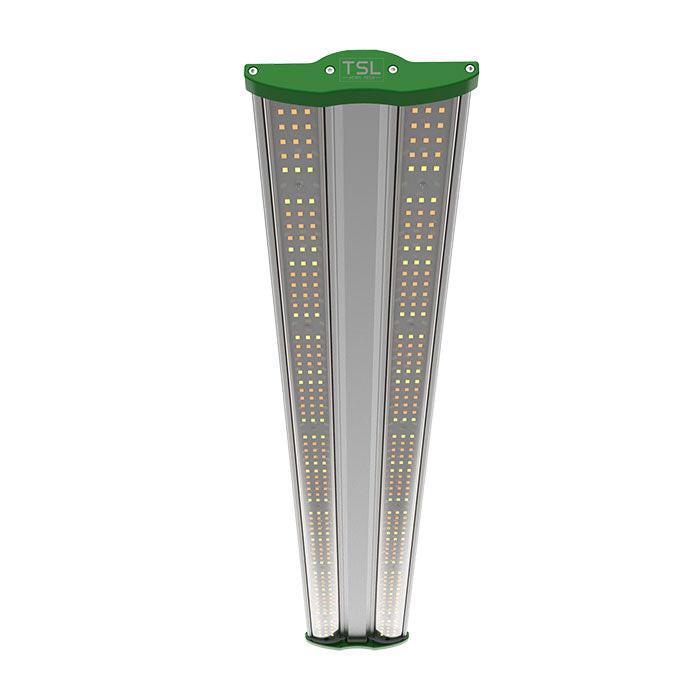
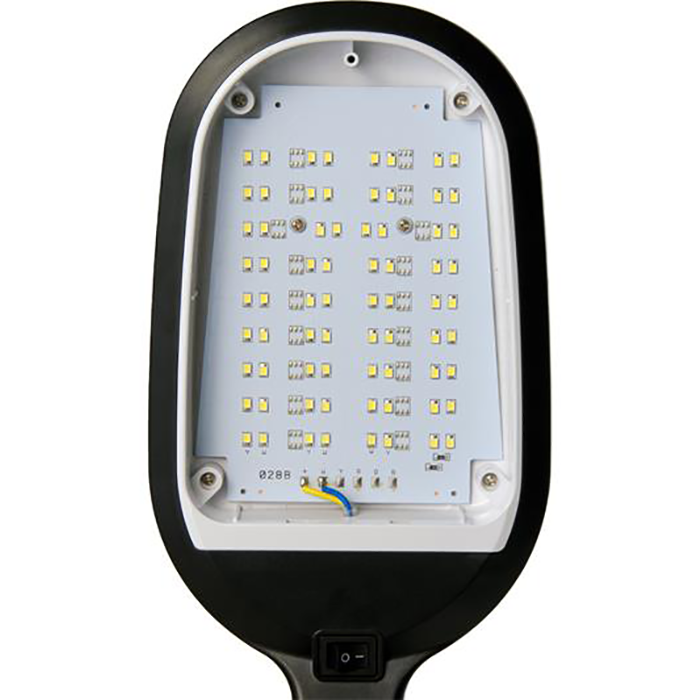
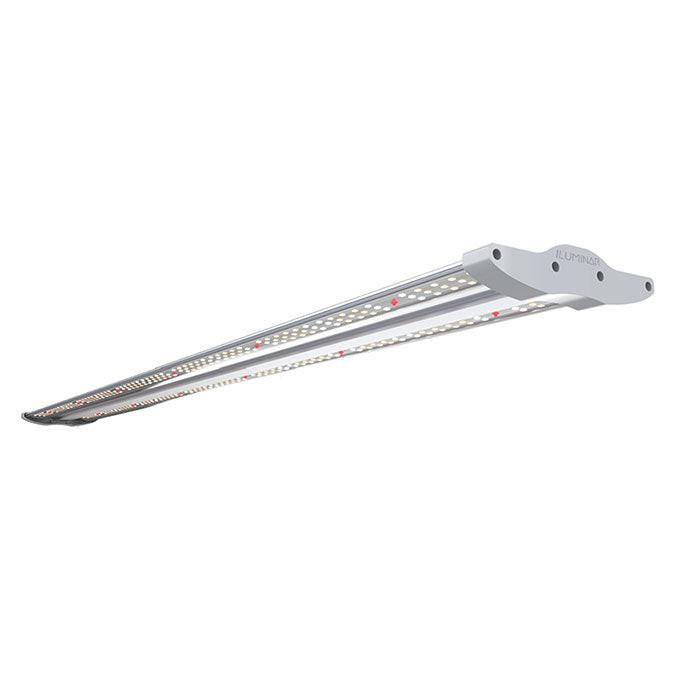
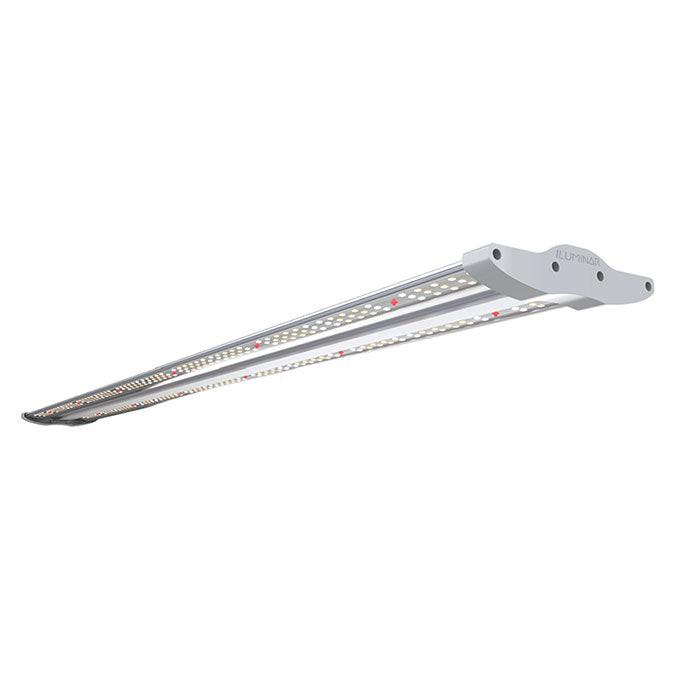
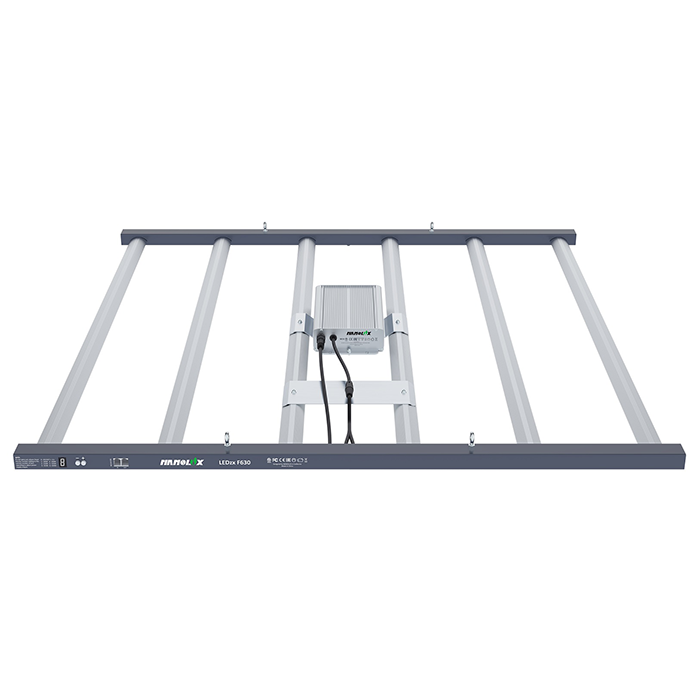
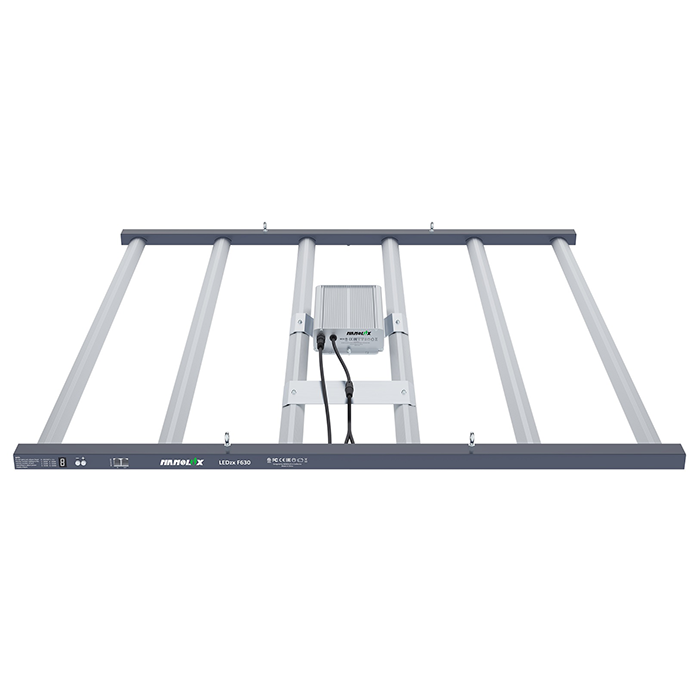
Full spectrum LED grow lights produce output across the complete photosynthetically active radiation (PAR) range from blue (400nm) through red (700nm), plus in many fixtures ultraviolet (UV) and far-red wavelengths beyond the standard PAR window. This broad spectral coverage allows a single fixture to support a crop from seedling through vegetative growth and flowering without bulb changes or fixture swaps - unlike single-spectrum or dual-channel LEDs that optimize for one phase at the expense of another. Iluminar, HLG (Horticulture Lighting Group), PHOTOBIO, Faven Lighting, and Growers Choice are the primary full-spectrum LED brands in this collection.
What Full Spectrum Means in Practice
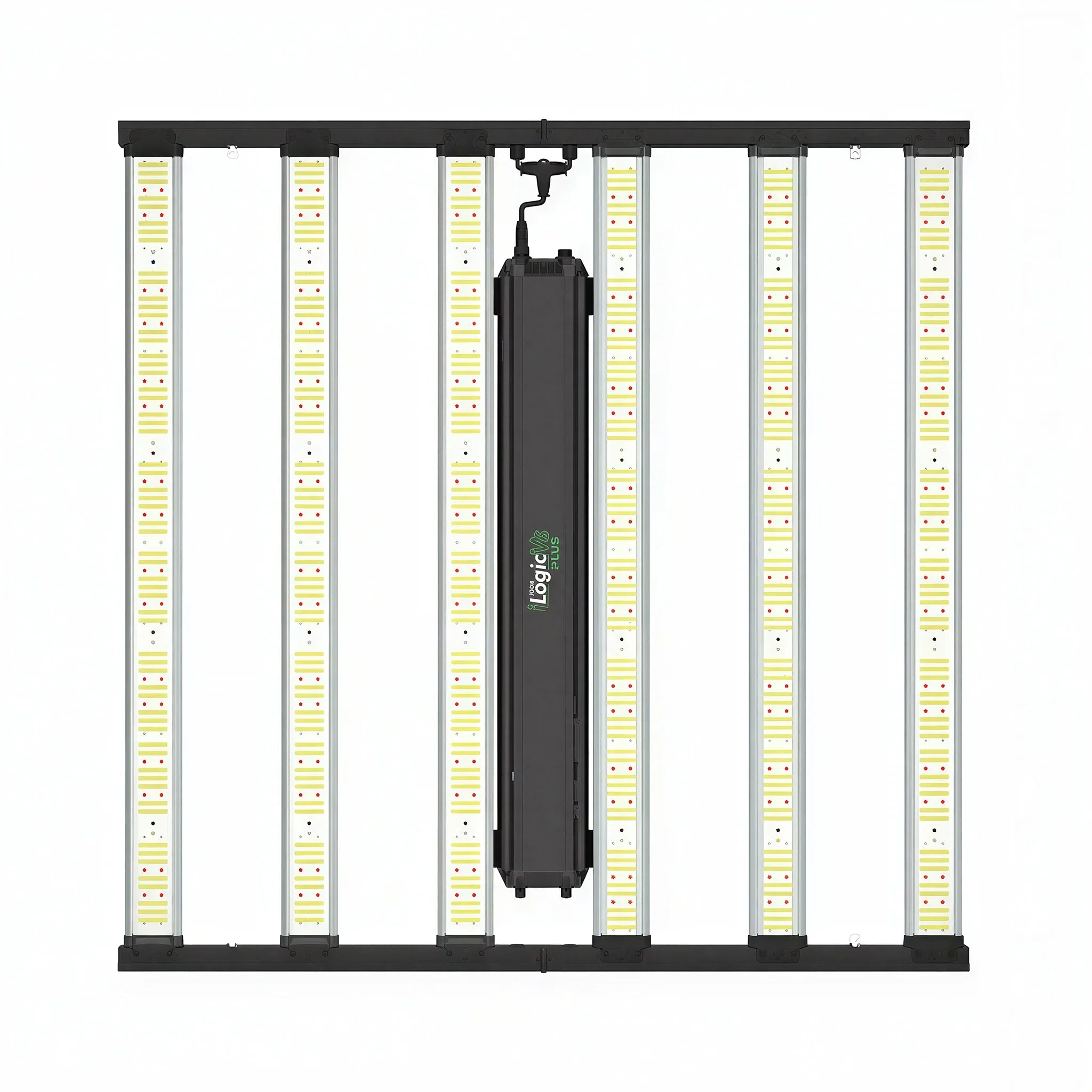
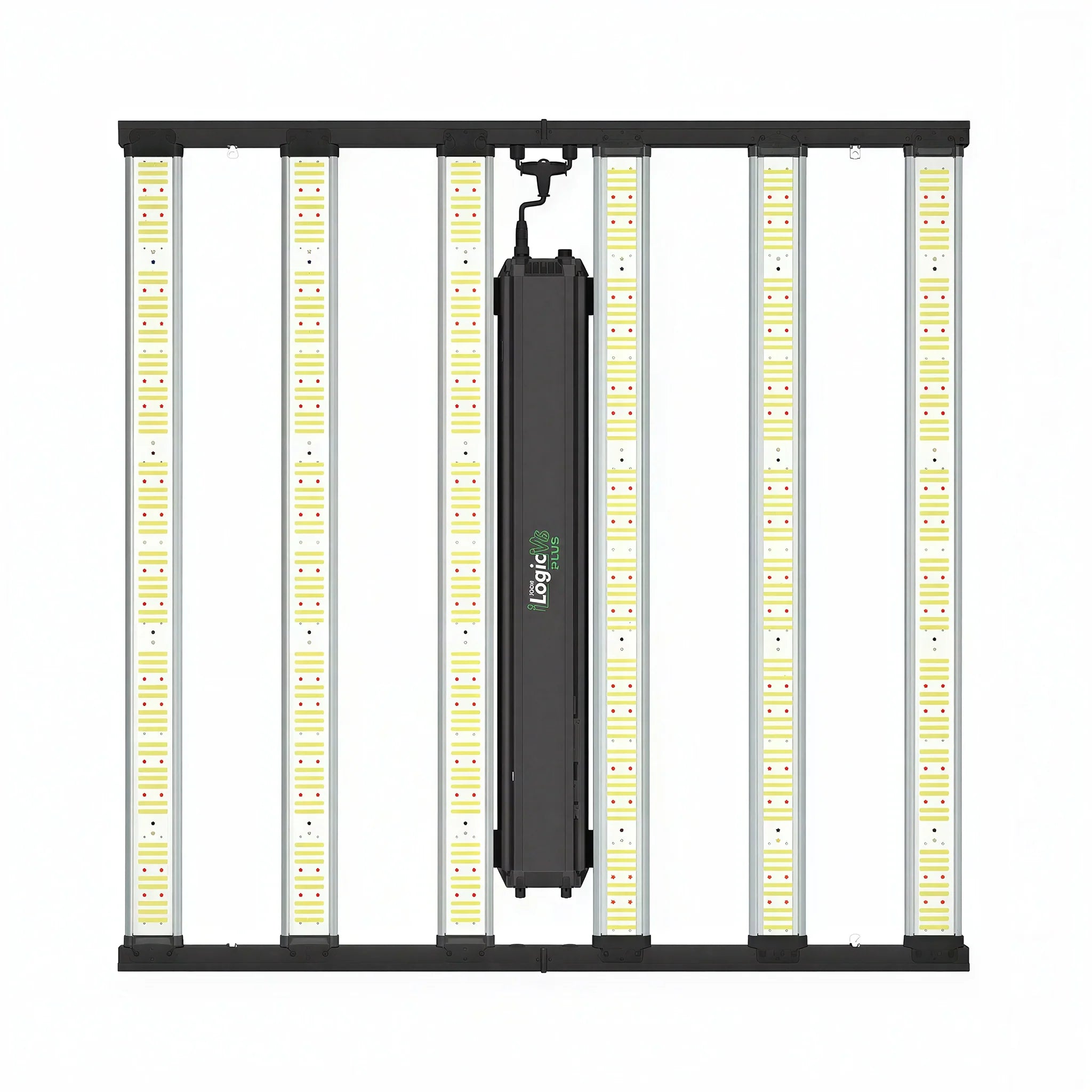
In LED grow lights, "full spectrum" typically refers to white-light LED technology (using phosphor-converted LEDs that produce a broad white spectrum) versus single-wavelength narrow-band diodes. White full-spectrum LEDs more closely resemble the spectral distribution of sunlight than narrow-band red/blue combinations, and research supports that plants grown under full-spectrum white light with red supplementation often perform better than plants under narrow-band blue/red only. Modern commercial full-spectrum fixtures (HLG Diablo Scorpion, PHOTOBIO TX series, Iluminar iLogic8) use Samsung LM301H, LM301B, or comparable white diodes supplemented with deep-red, UV, and/or far-red diodes for a curated full-spectrum output optimized for commercial production.
Selecting a Full-Spectrum LED
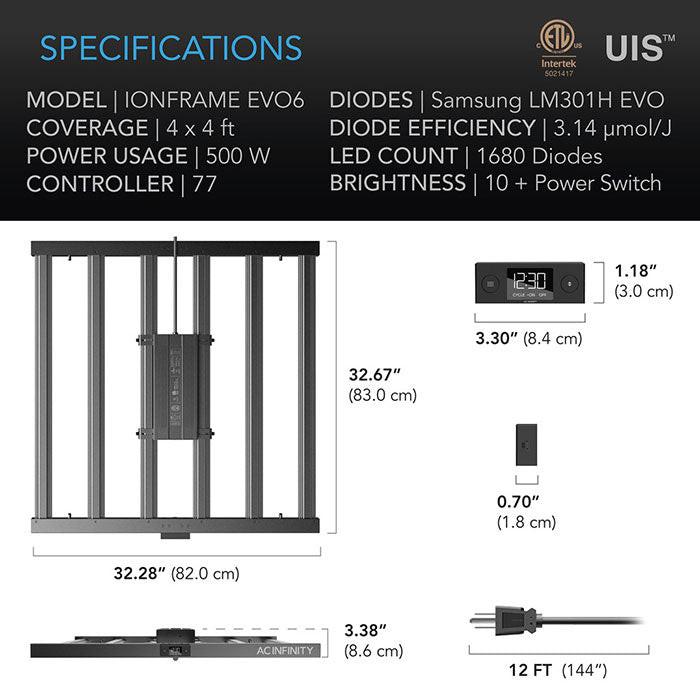
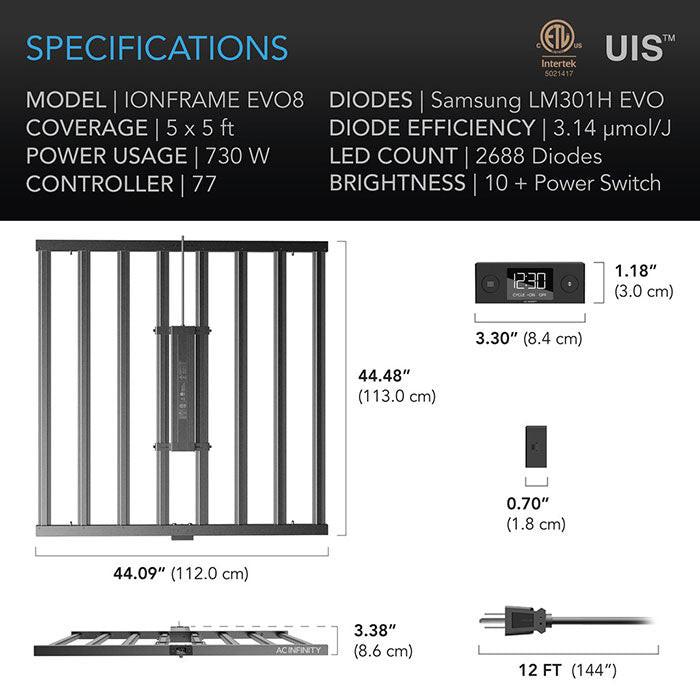
Key selection criteria: actual measured PPFD at your target canopy and hanging height (not manufacturer-claimed coverage area), efficiency in umol/J (commercial-grade fixtures typically above 2.5 umol/J), 0-10V dimming capability for controller integration, and warranty/service availability. Browse by wattage: 500W, 800W, or use our Grow Light Calculator. Fast shipping.
Full Spectrum LED Grow Lights FAQ
What does full spectrum mean for a LED grow light?
Full spectrum in grow lighting means the fixture produces light across the complete photosynthetically active radiation (PAR) range from approximately 400-700nm, plus optionally UV (below 400nm) and far-red (700-800nm) wavelengths. In LED technology, this is typically achieved with white phosphor-converted LEDs that produce a broad spectrum similar to sunlight, supplemented with targeted narrow-band diodes at specific wavelengths (deep red 660nm, UV 385nm, far-red 730nm) that drive specific plant responses. The practical benefit over single-wavelength LED combinations is a spectral distribution that more closely matches natural light, supporting more complete plant development through all growth stages without needing to change fixtures or bulbs.
Can a full-spectrum LED be used for both vegetative and flowering stages?
Yes - that is the primary advantage of full-spectrum LEDs over single-spectrum alternatives. A white full-spectrum fixture provides the blue wavelengths (400-500nm) that drive compact vegetative growth and the red wavelengths (600-700nm) that support flowering and fruiting from the same diode configuration. Some commercial full-spectrum fixtures offer adjustable channel control (a separate blue/white channel and a supplemental red channel) that allows the grower to emphasize different spectral regions at different growth stages. Single-channel full-spectrum fixtures work well through the full cycle without adjustment. For maximum-yield commercial programs, dual-channel fixtures with independent blue and red dimming provide more precise spectrum management as the crop develops.
How do I compare full-spectrum LED fixtures?
Compare on these metrics: efficiency (umol/J - higher is better, commercial grade is typically 2.5-3.0+ umol/J); actual measured PPFD at canopy height (manufacturer-provided PPFD maps at 18-24 inch hanging heights are the most useful data); coverage uniformity (what percentage variation across the canopy footprint - below 20% variation is good); and service factors (warranty length, replacement parts availability, domestic service support). Wattage alone does not predict output - a quality 500W LED can outperform a poor-quality 700W fixture. Request PPFD maps from the manufacturer or find independent third-party testing data before purchasing for a commercial installation.