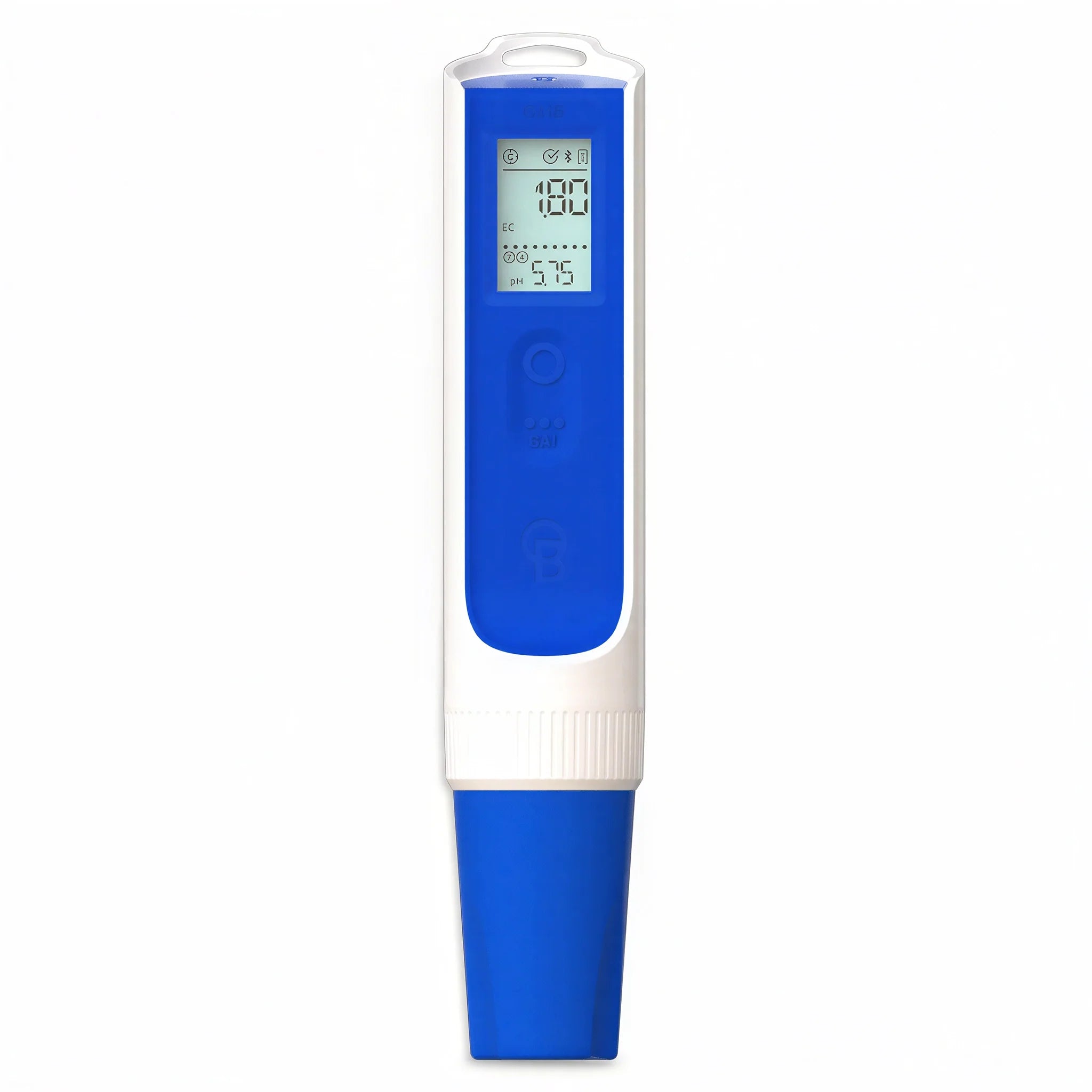
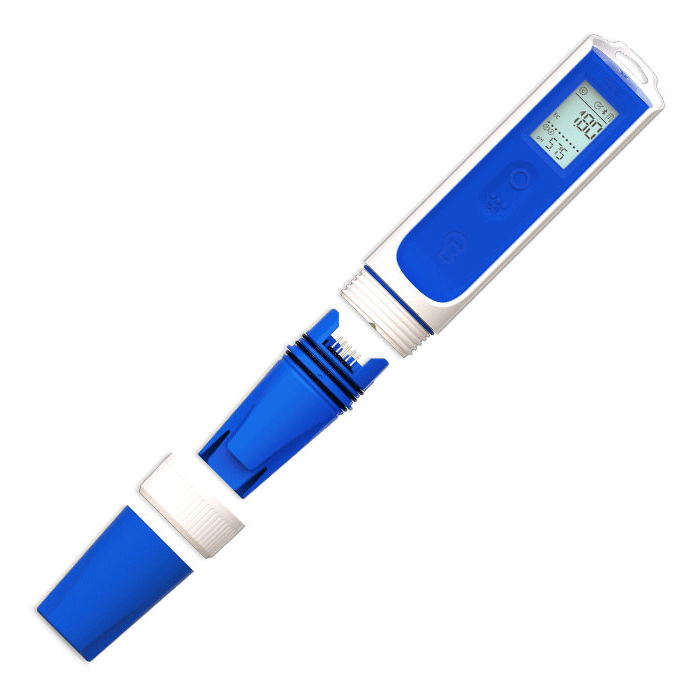
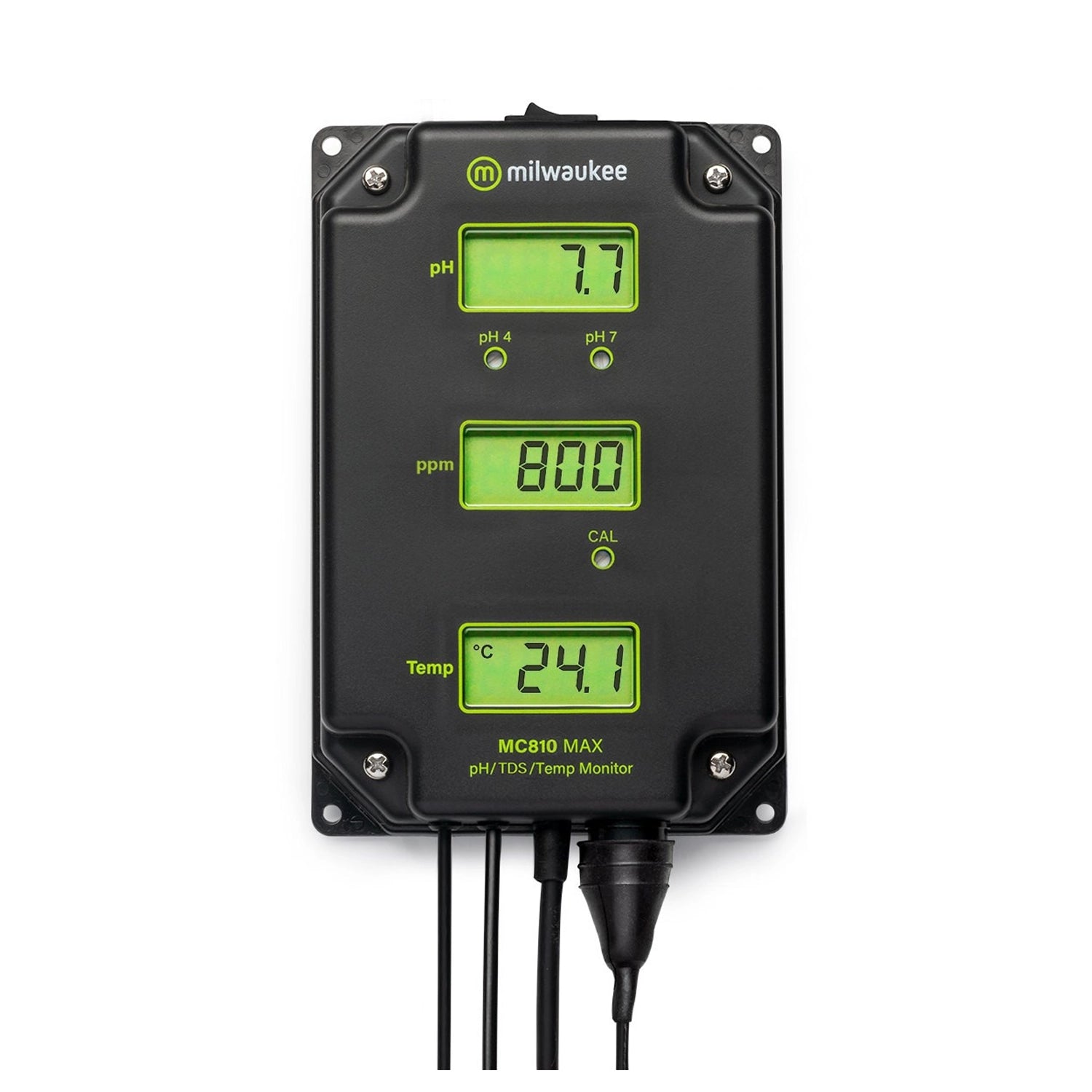
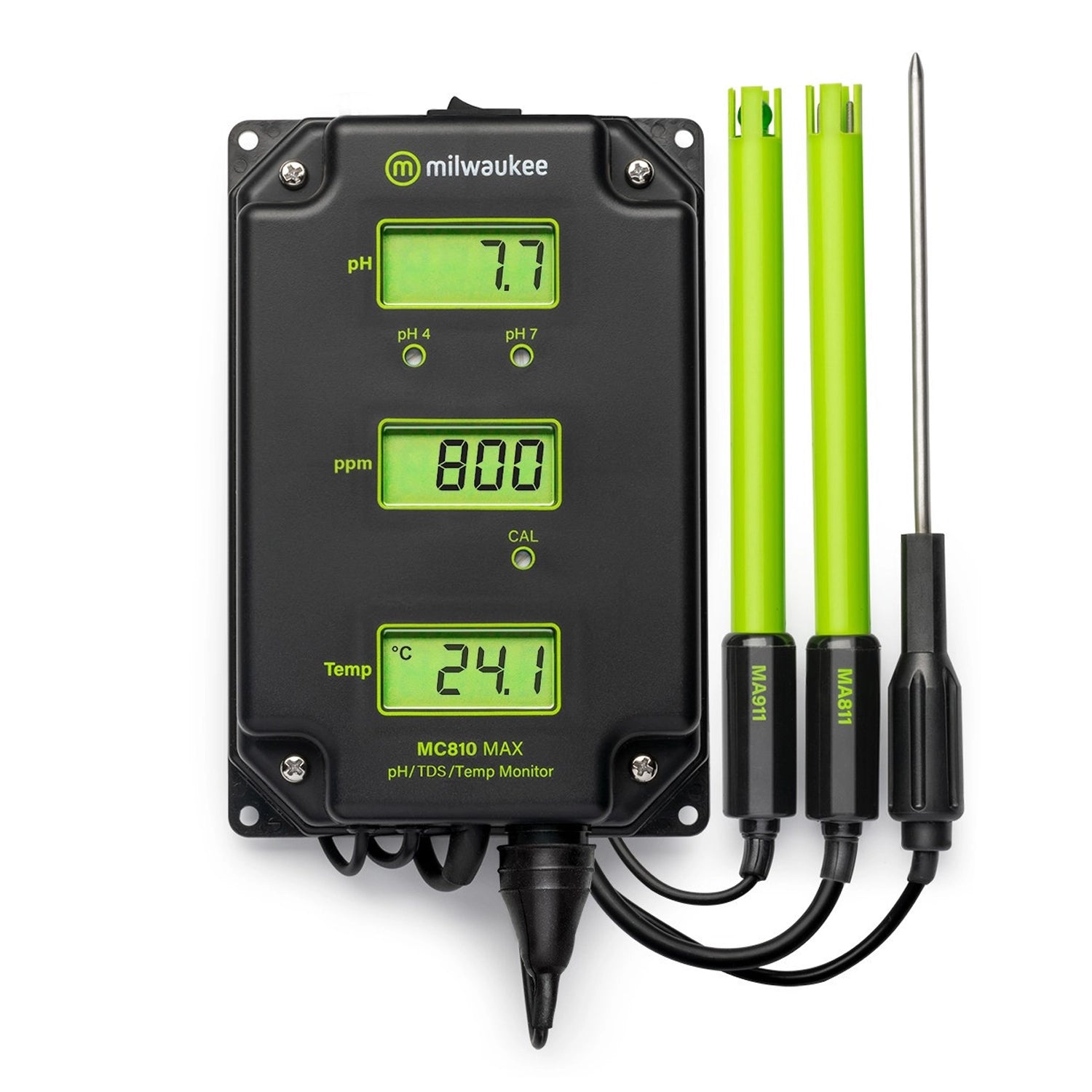
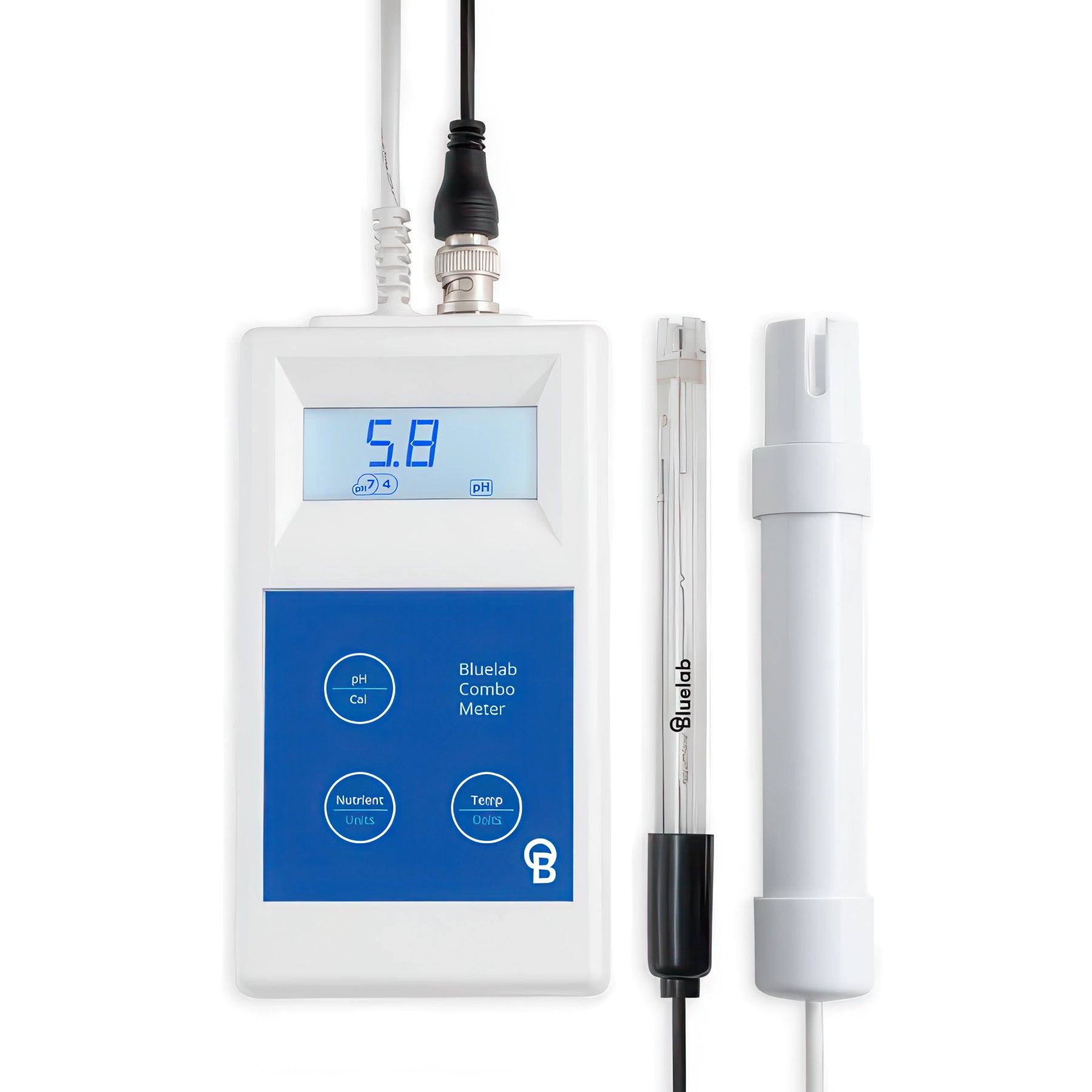
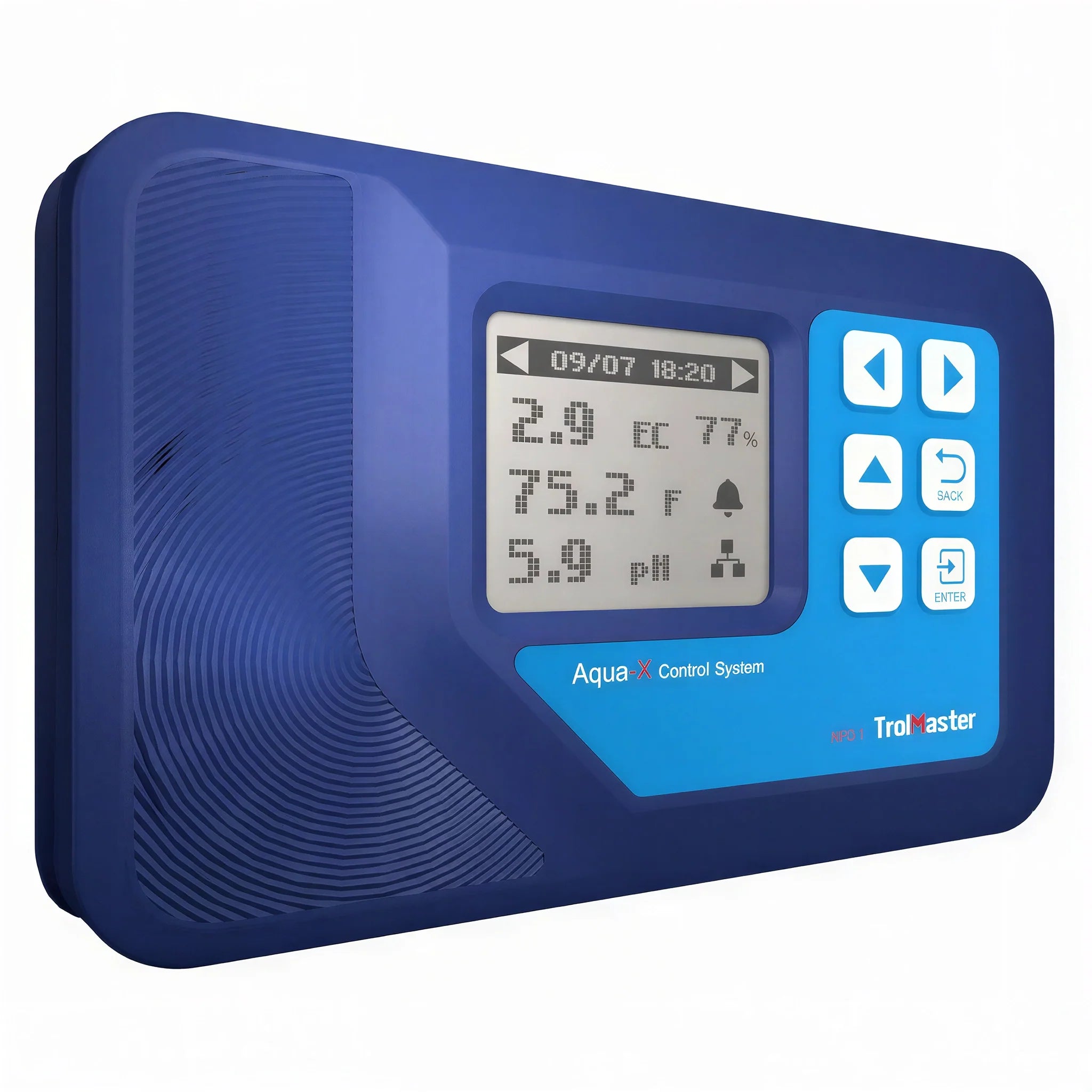
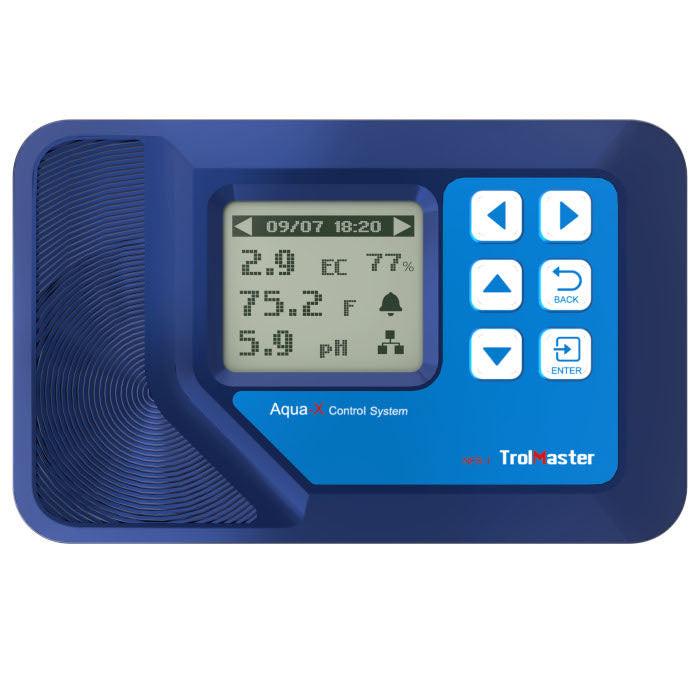
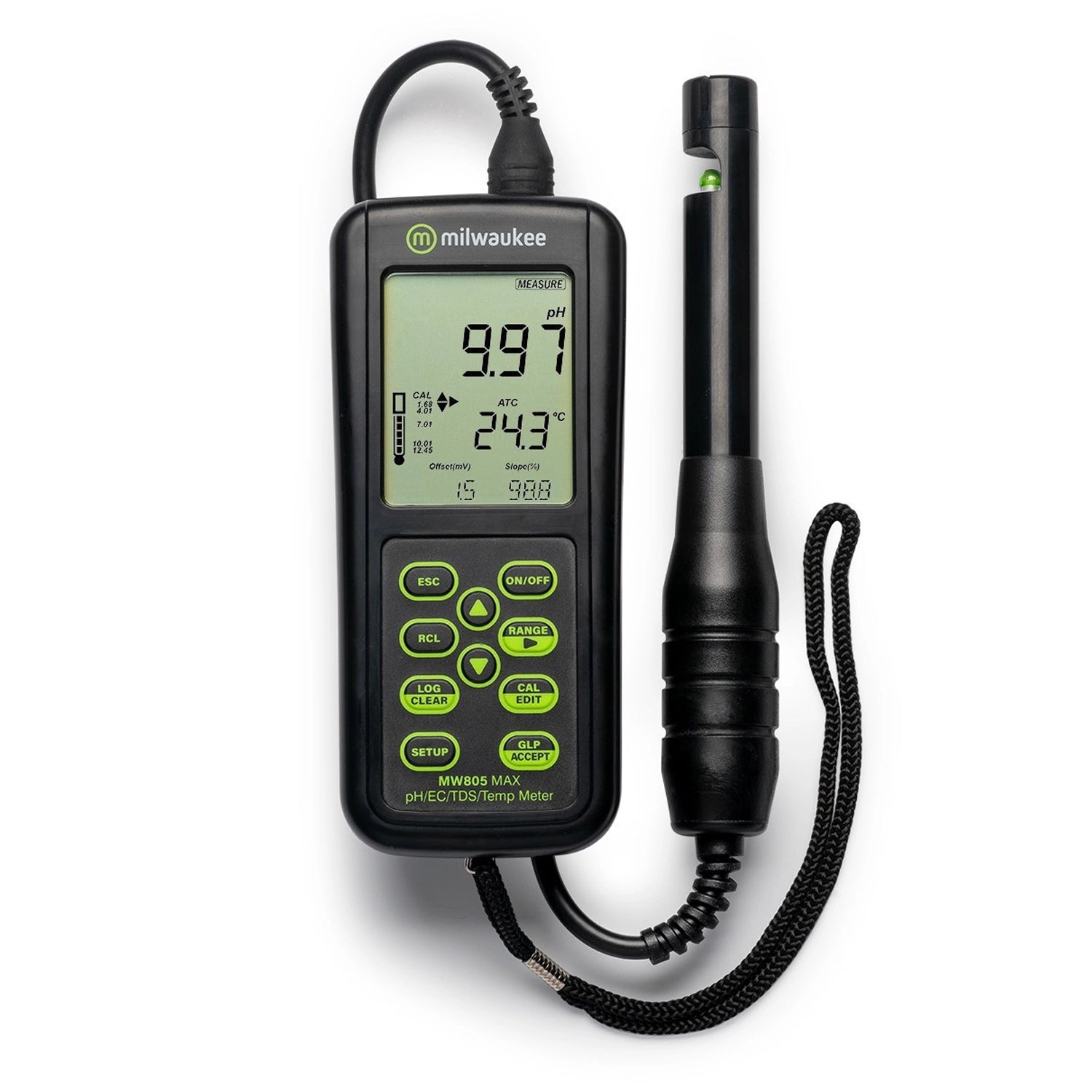
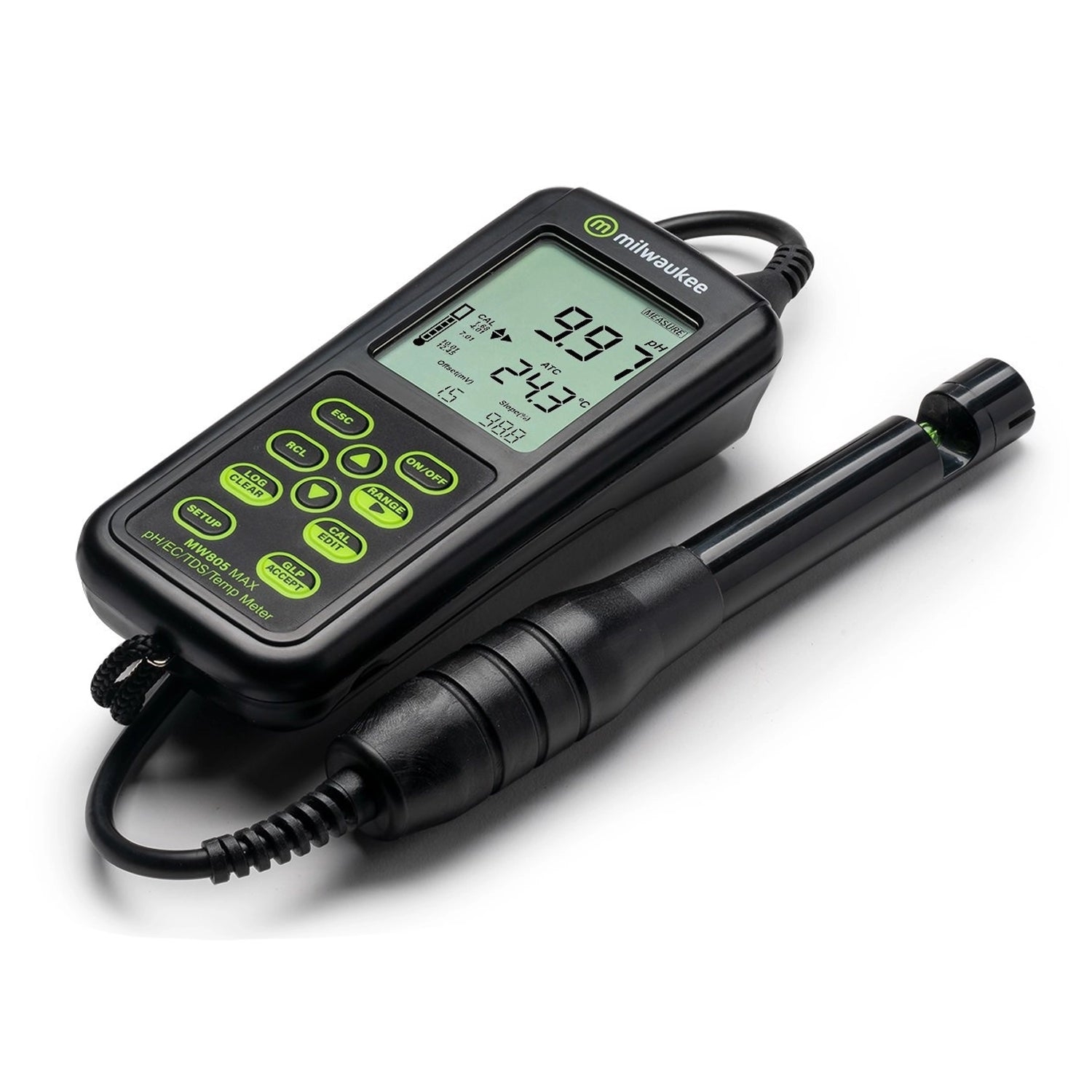
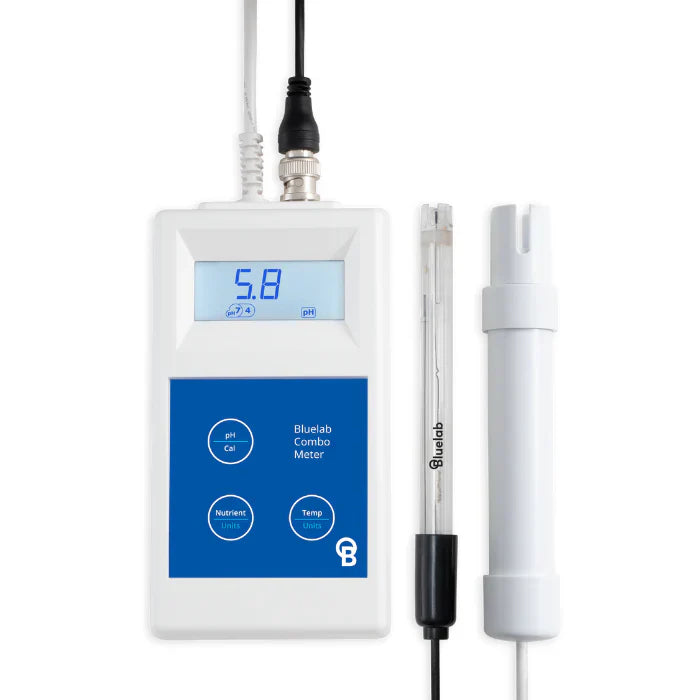
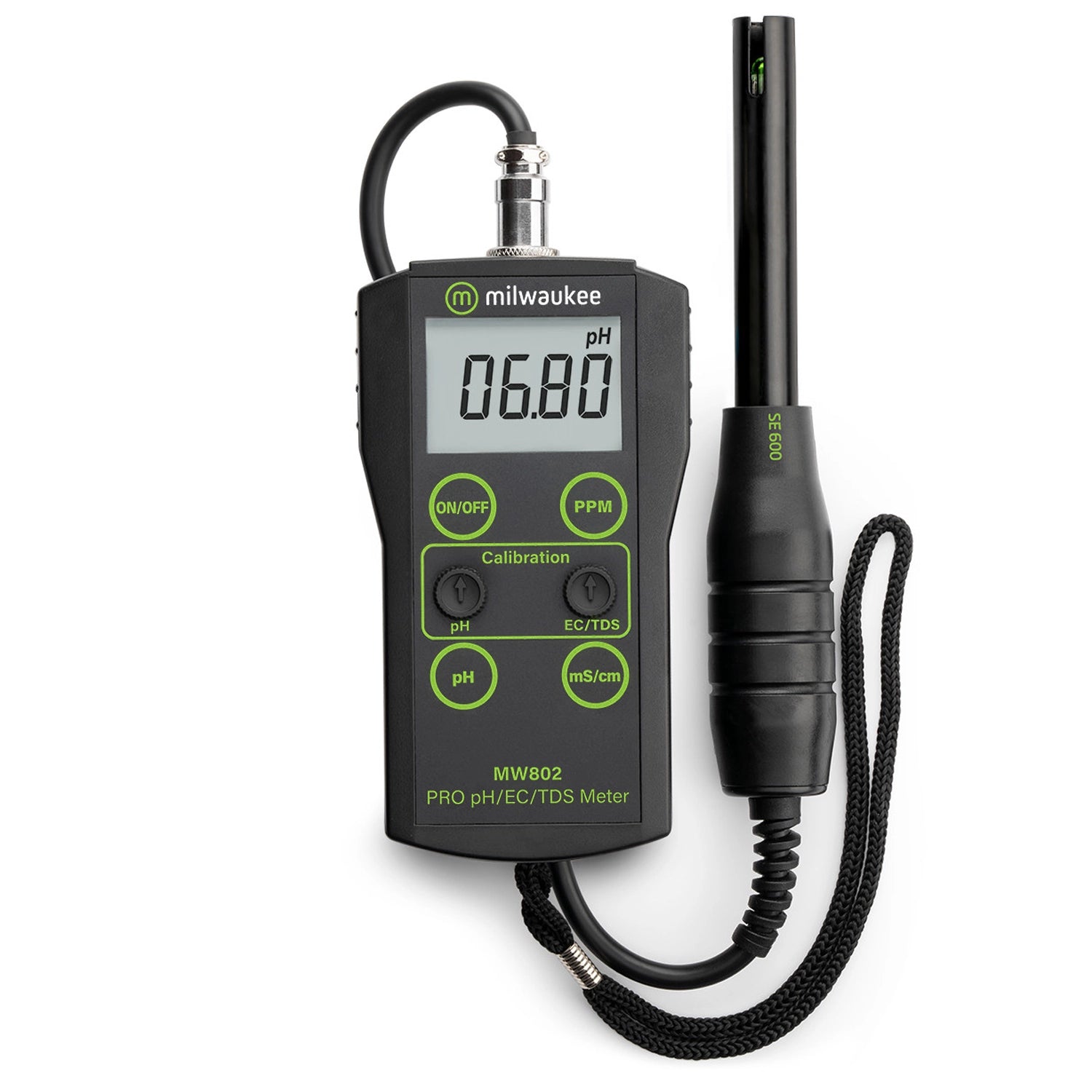
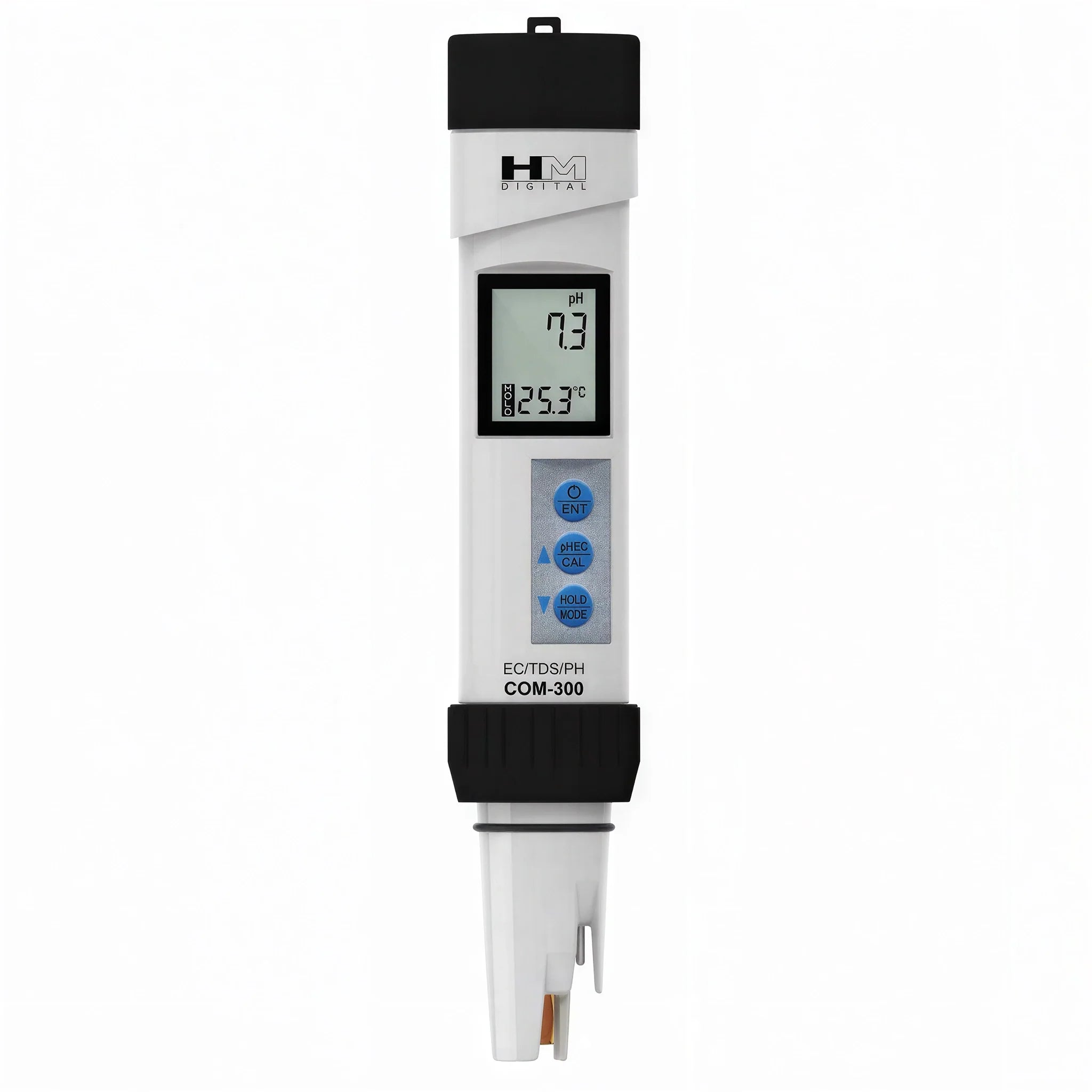
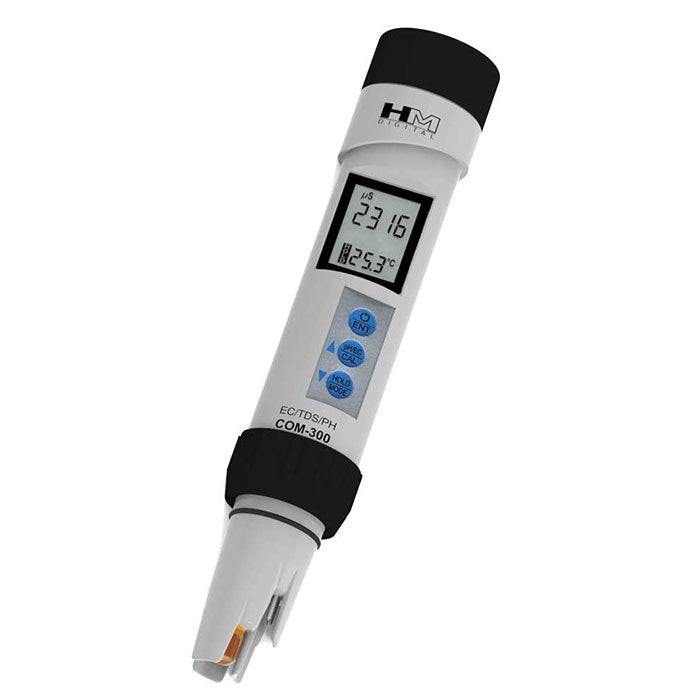
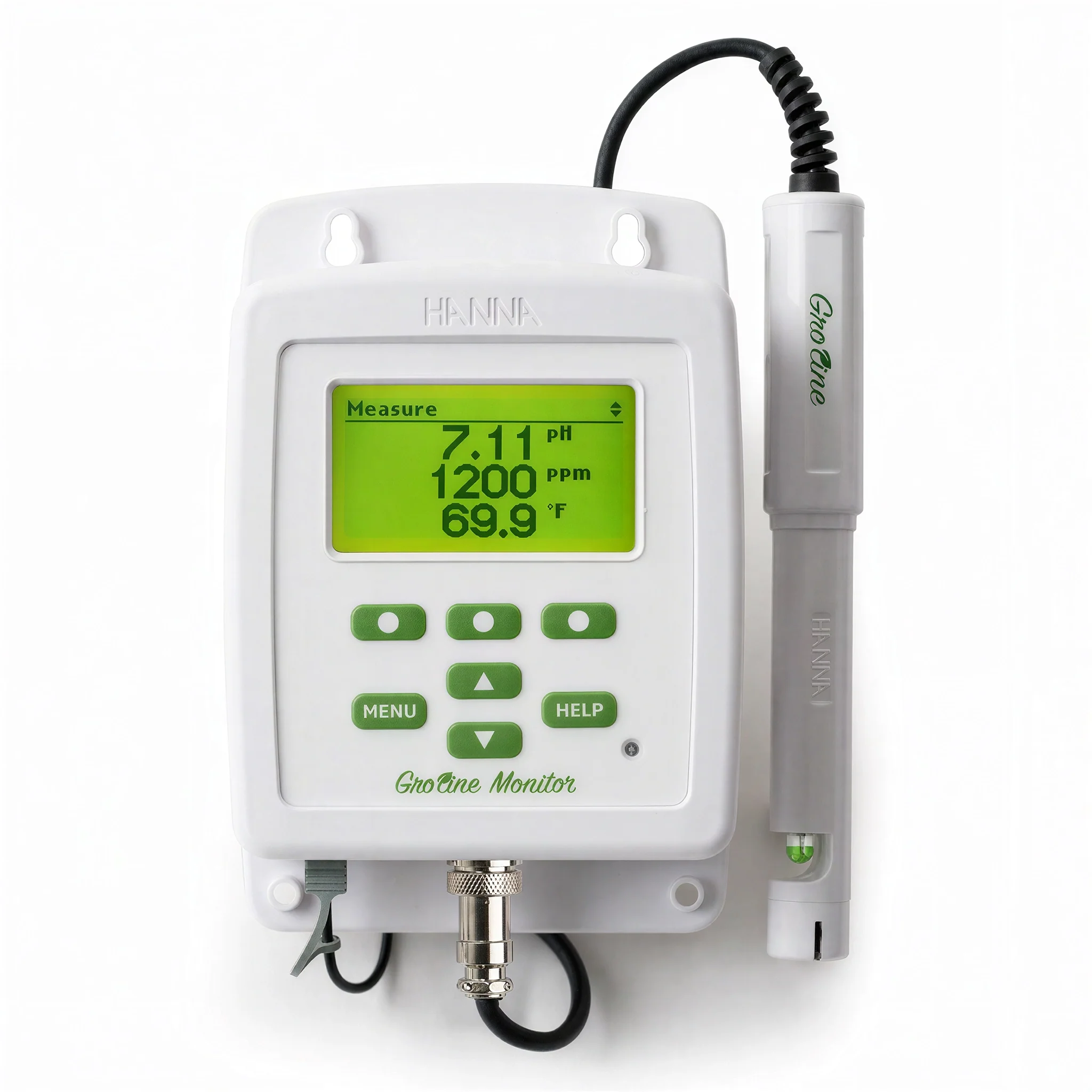
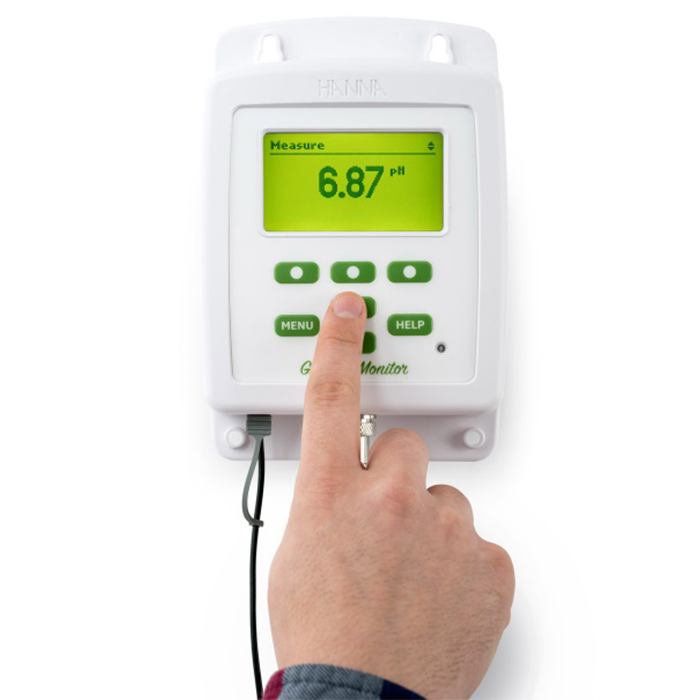
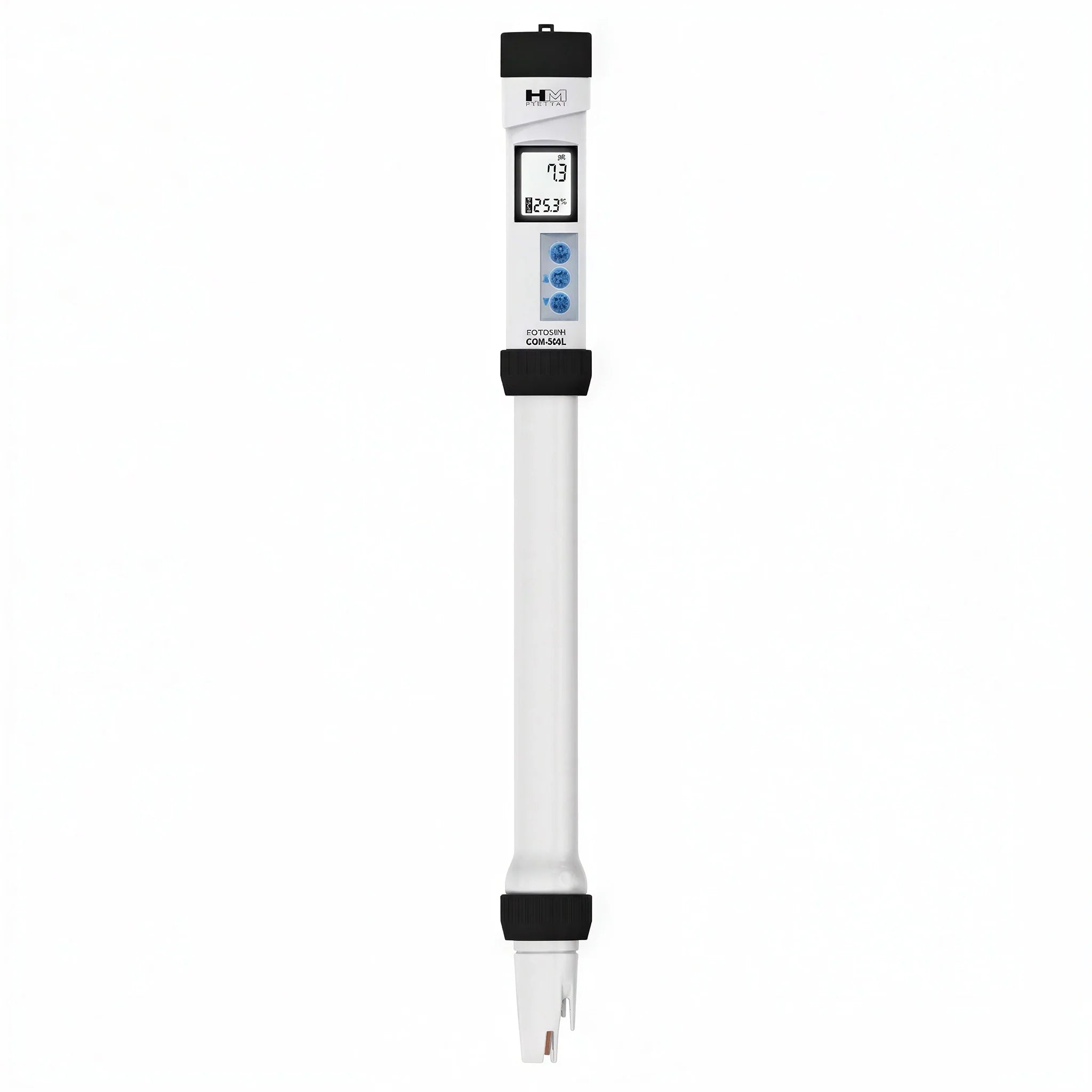
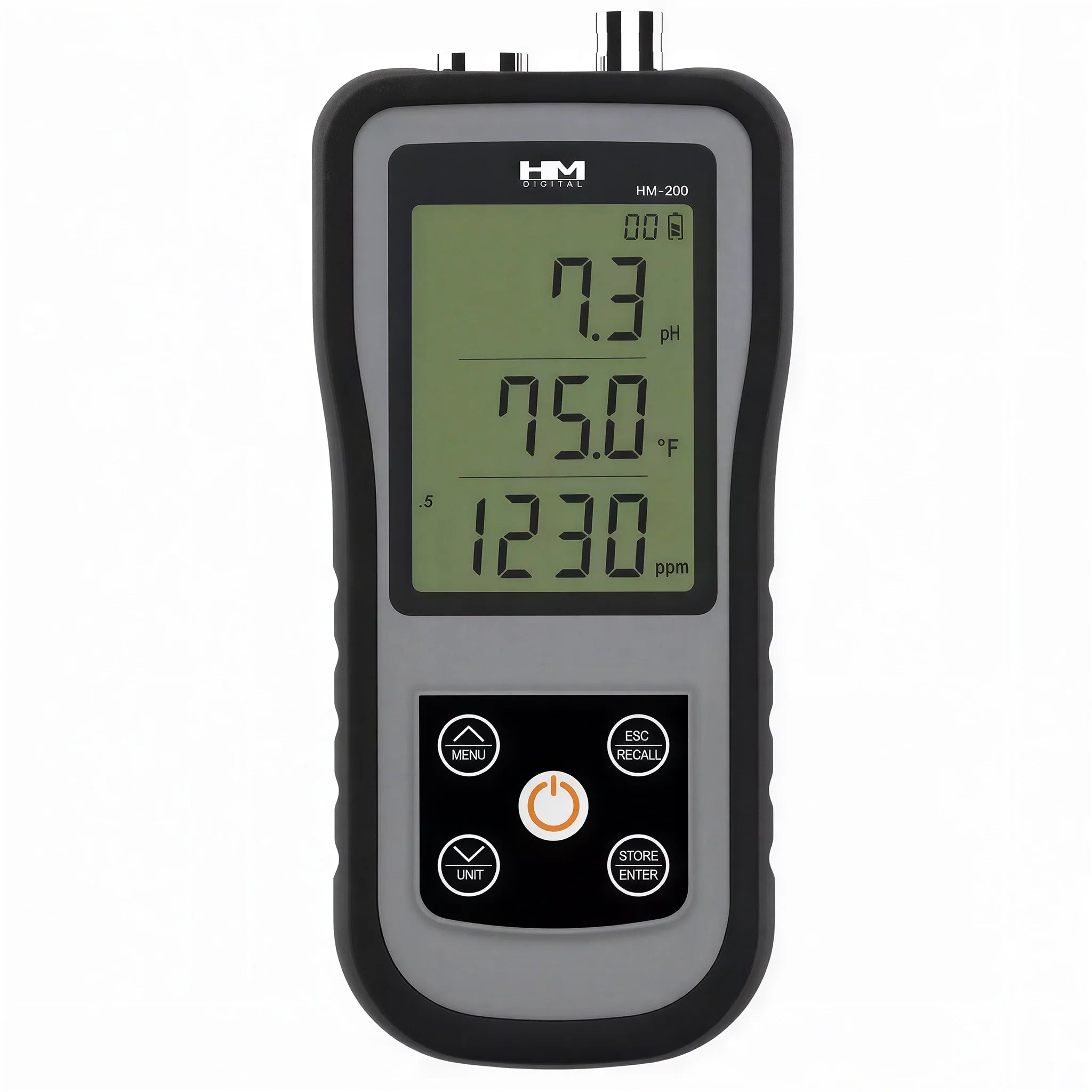
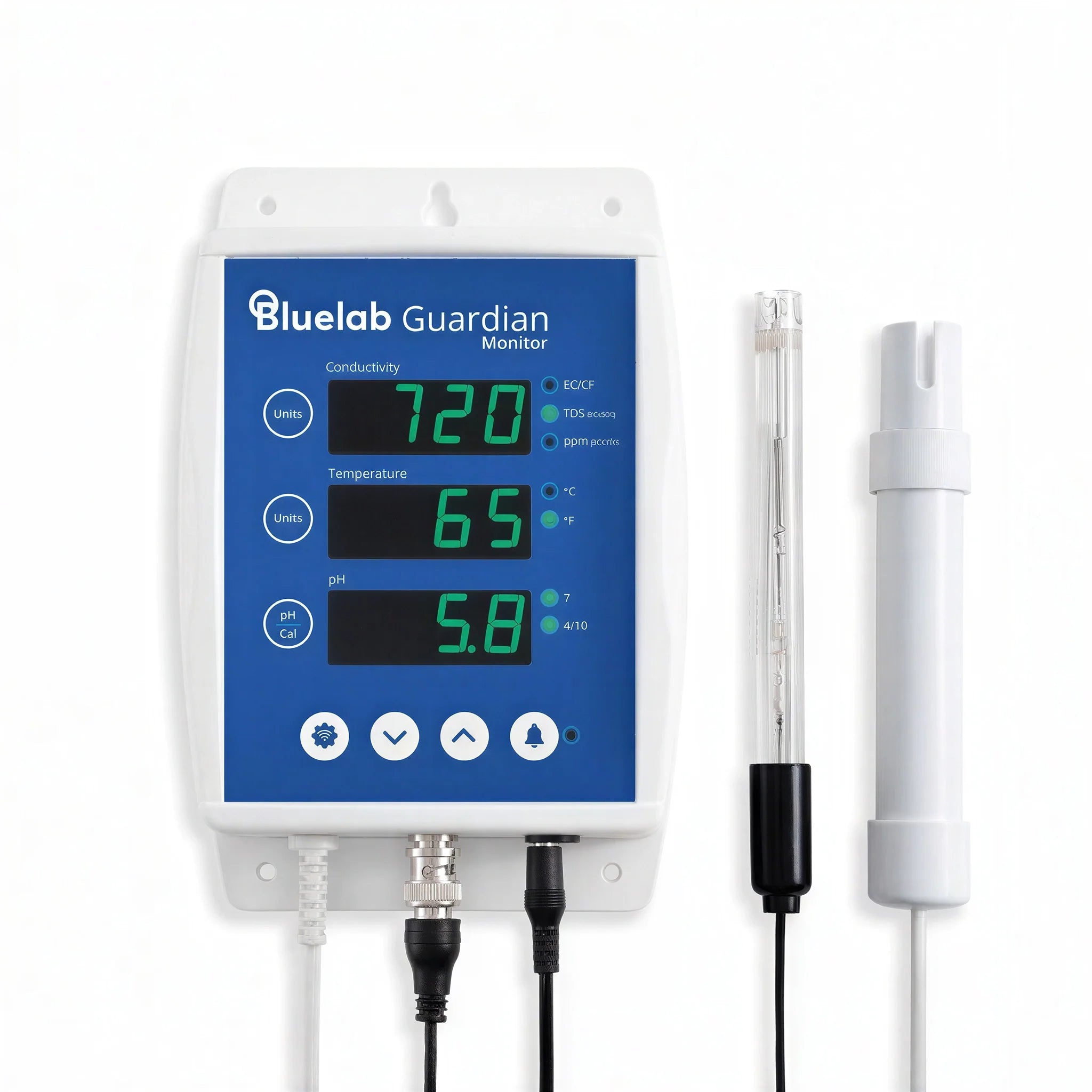
Combination pH EC TDS Meters for Hydroponics
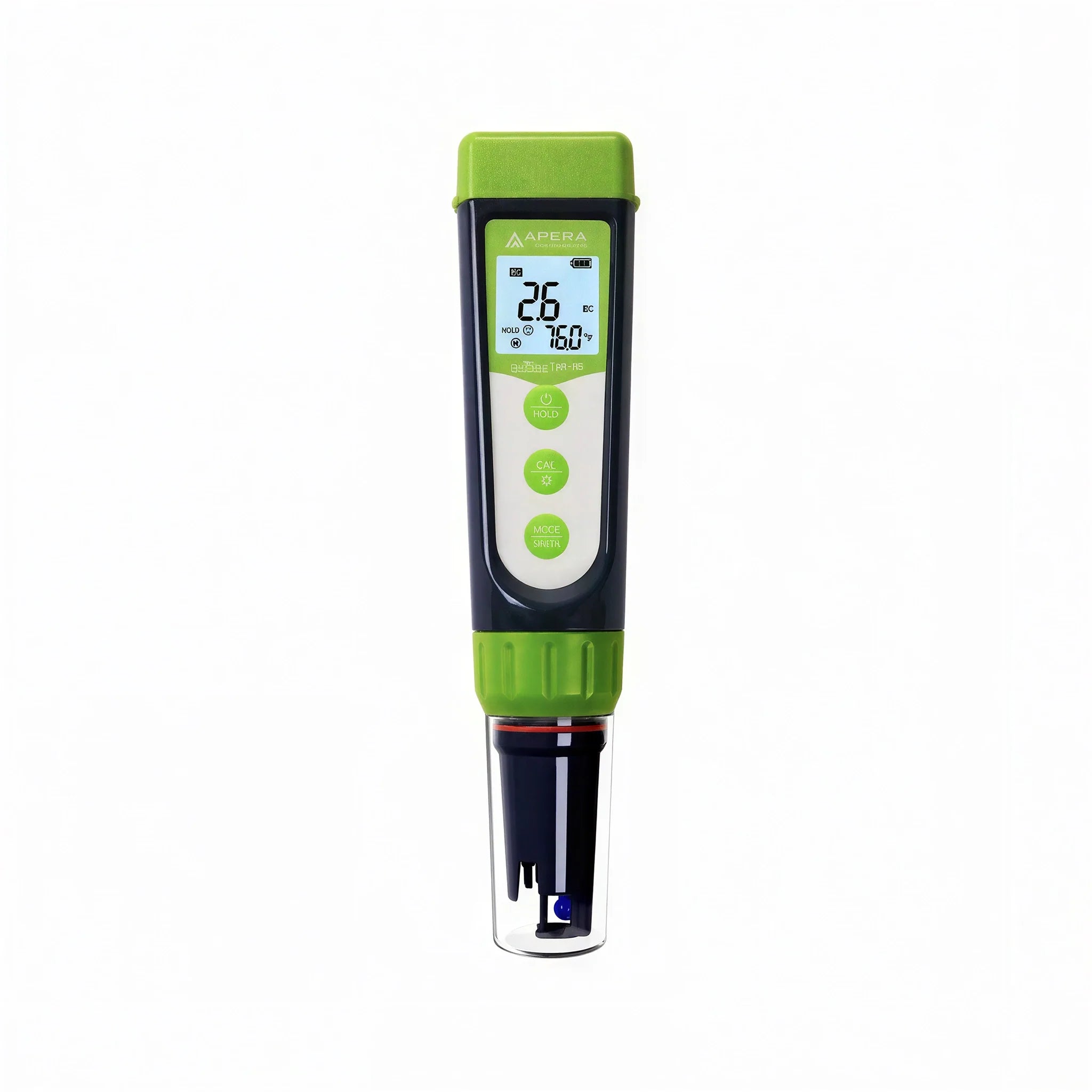
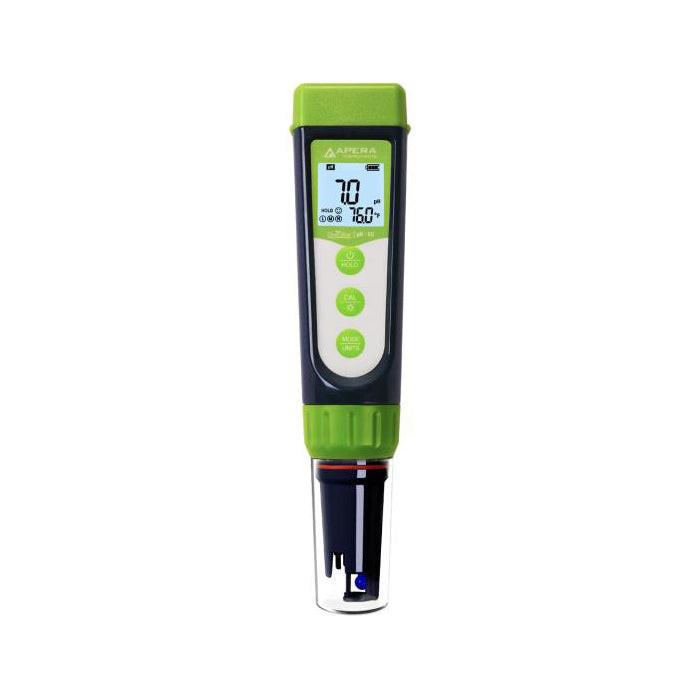
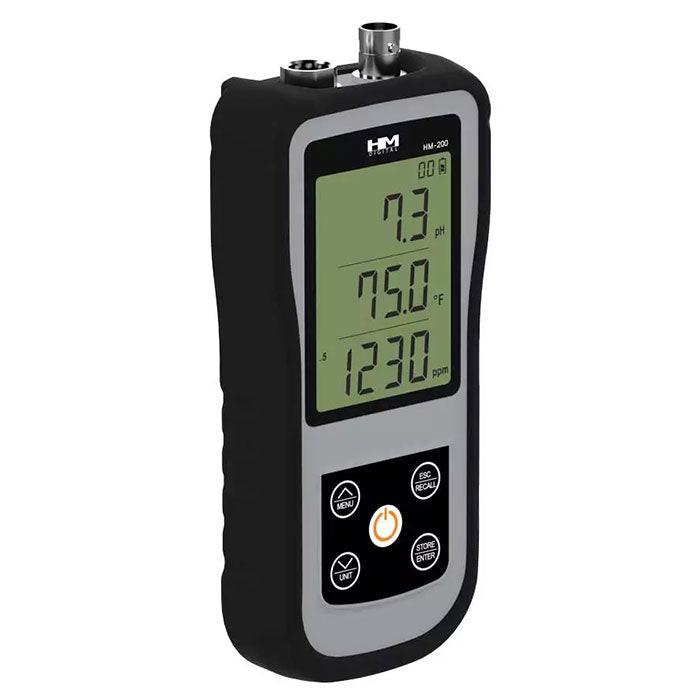
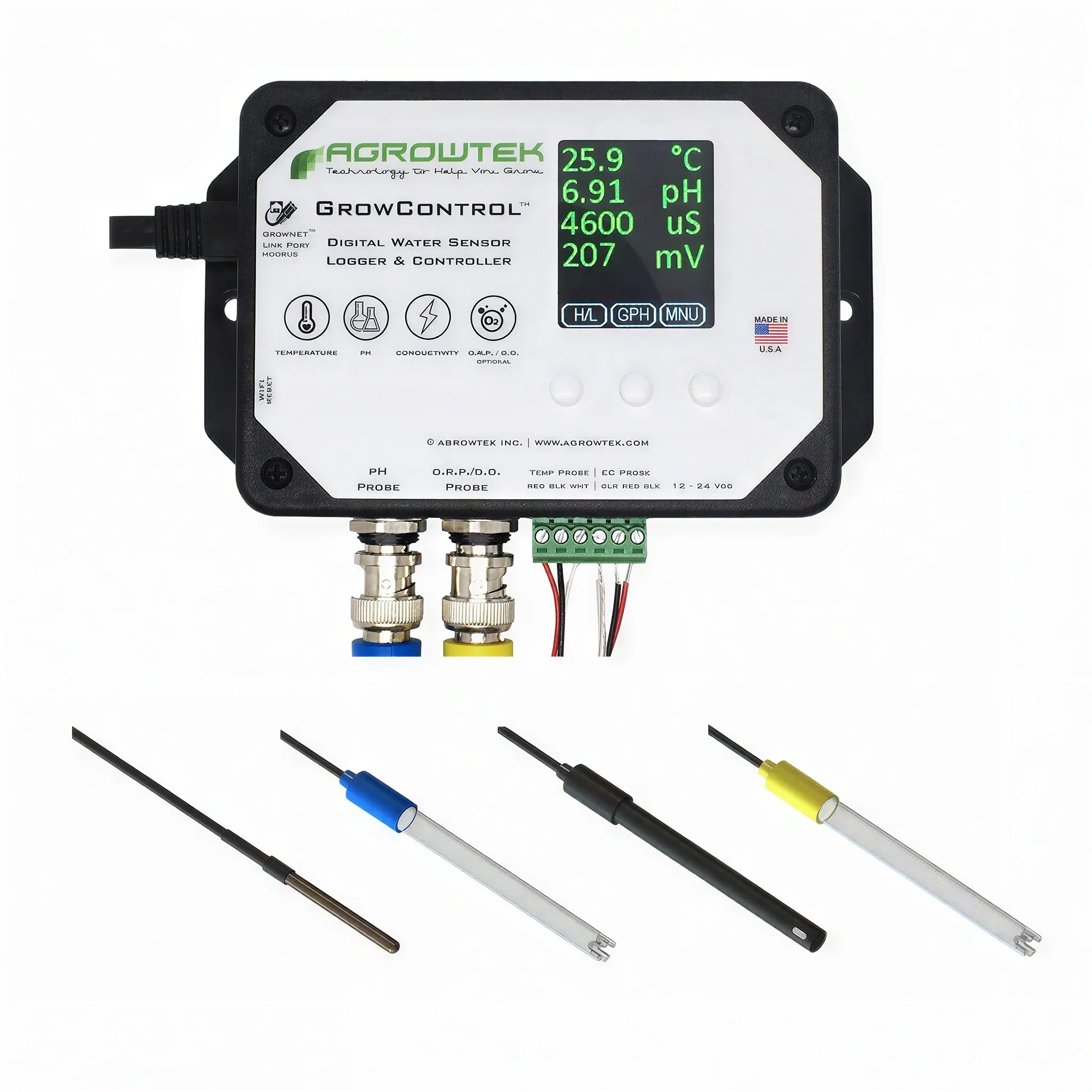
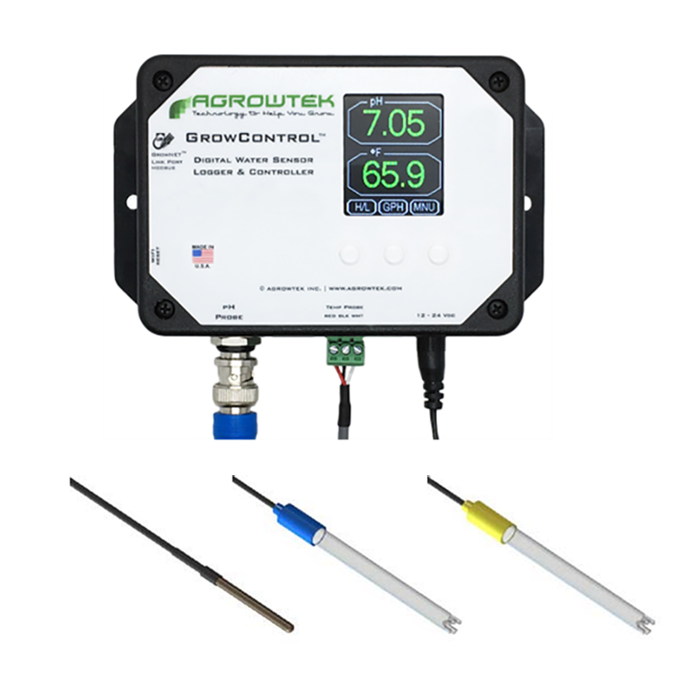
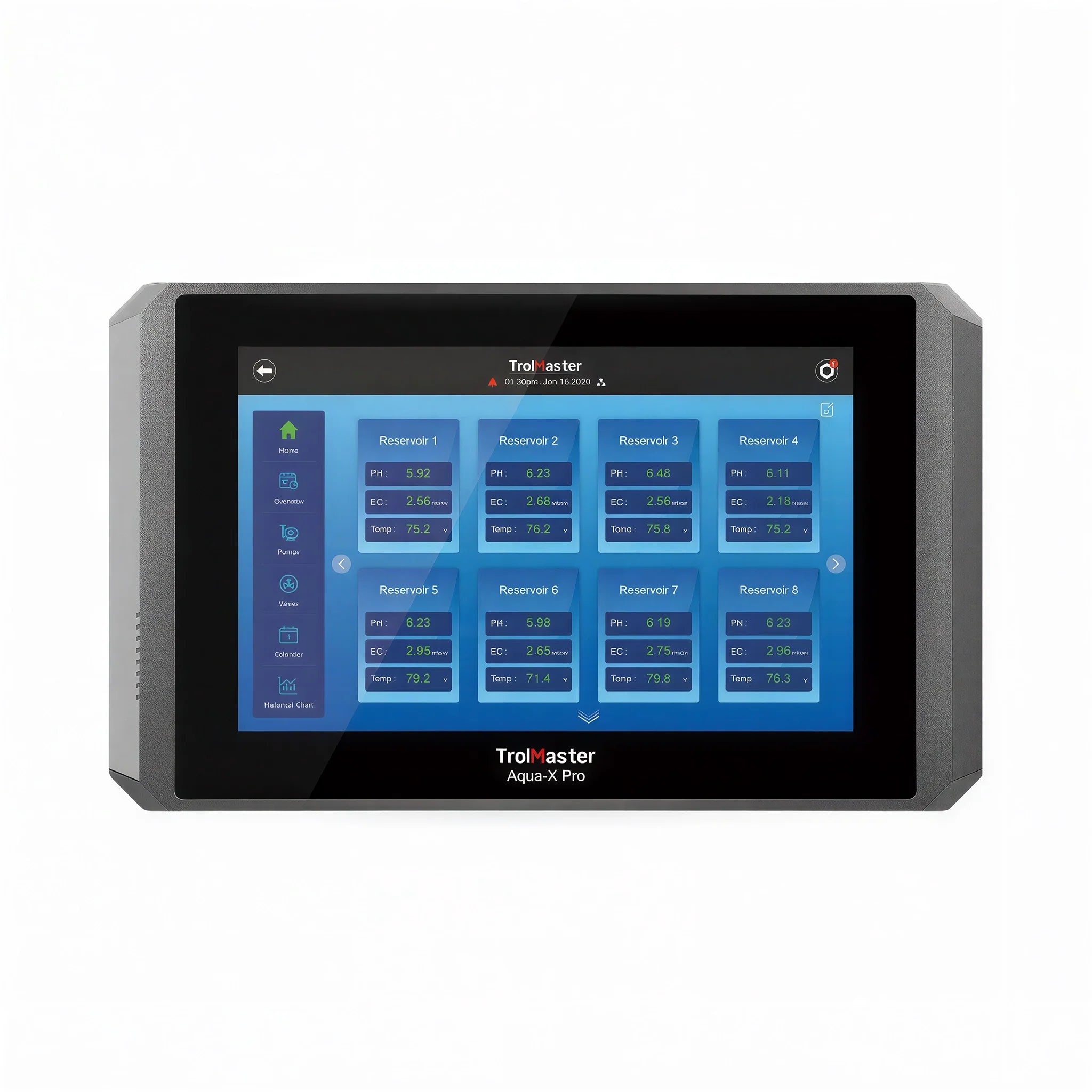
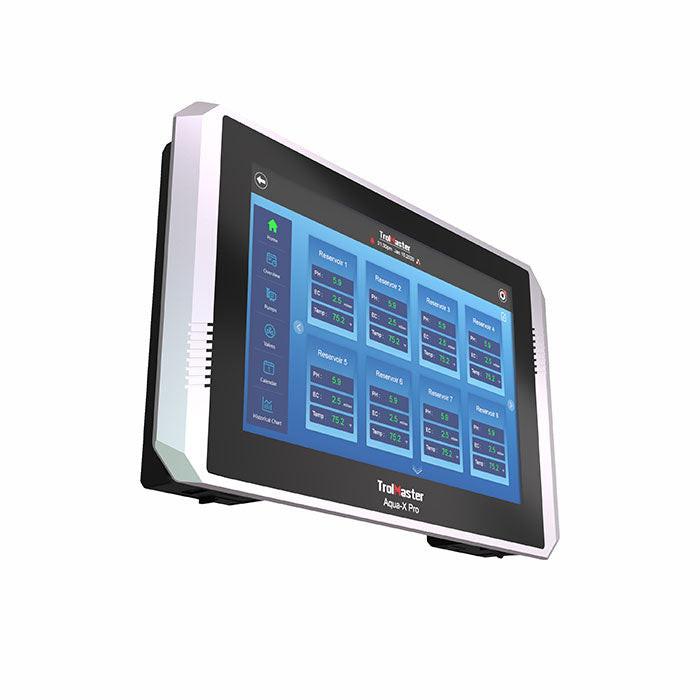
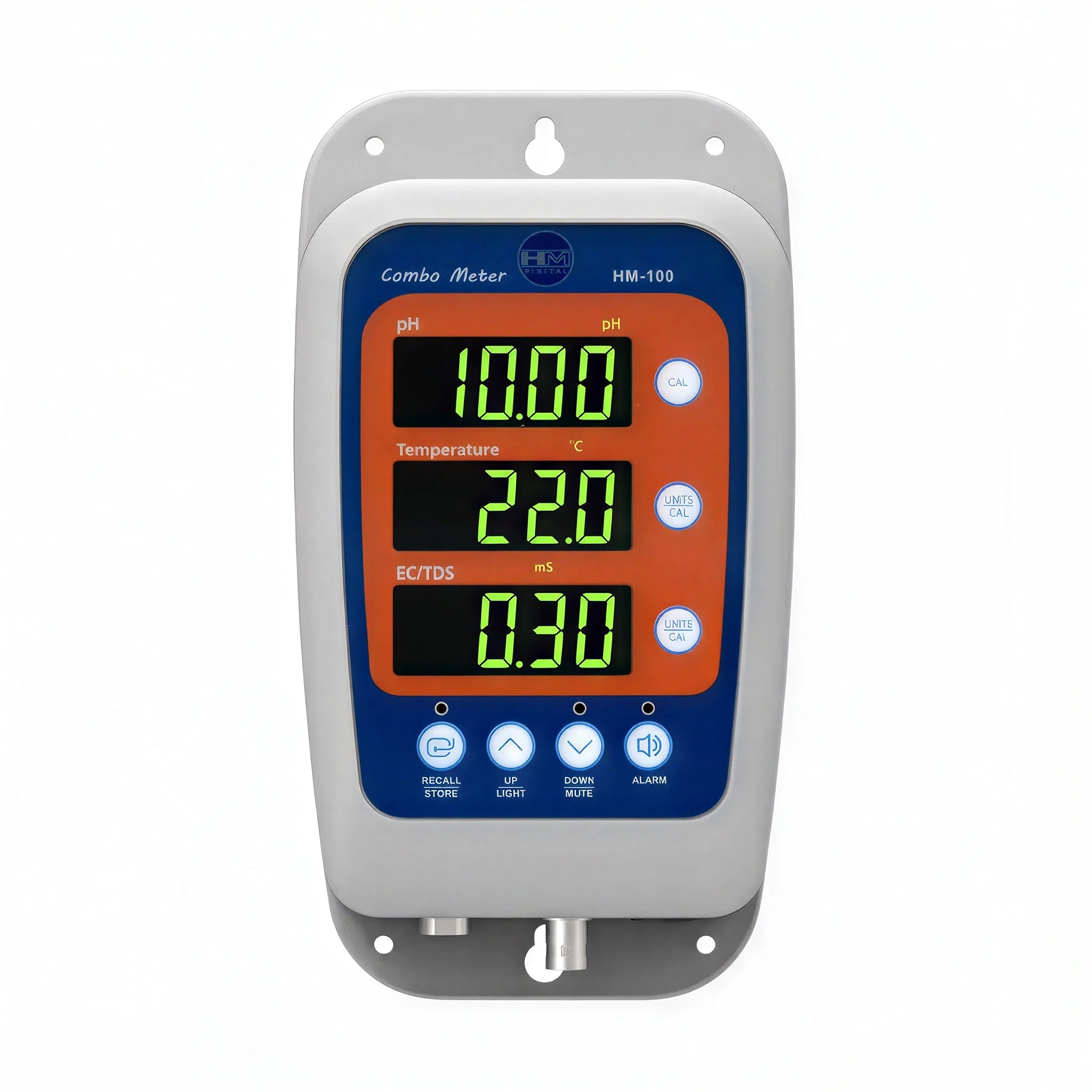
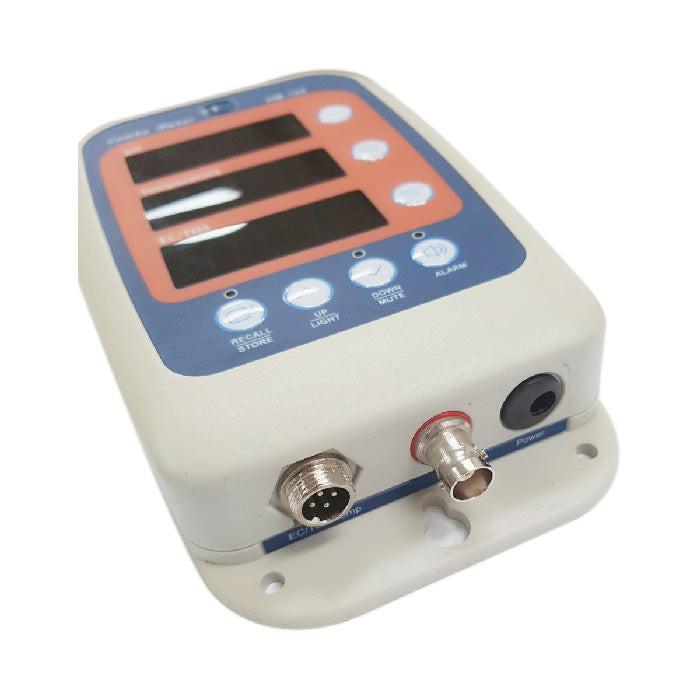
Combination meters measure two or more water quality parameters from a single handheld instrument - most commonly pH and EC (electrical conductivity), or pH, EC, and TDS (total dissolved solids) together. For growers who need to check both pH and nutrient concentration in every reservoir or fertigation check, a combination meter eliminates carrying two separate instruments and performing two separate measurement procedures. The trade-off versus dedicated single-parameter meters is typically probe longevity - combination probes that measure both pH and EC from a single tip tend to have shorter service lives than dedicated single-parameter probes of equivalent quality, and calibration procedures are somewhat more complex.
pH/EC vs. pH/TDS Combination Meters
EC (electrical conductivity, measured in mS/cm or mmho/cm) is the direct measurement of ionic concentration in the solution - the figure that nutrient management decisions should be based on. TDS (total dissolved solids, measured in PPM or mg/L) is a conversion of the EC measurement using a multiplication factor (typically 0.5 or 0.7 depending on the meter's conversion setting) - it is not a direct independent measurement but a calculated approximation. For serious nutrient program management, use the EC reading and EC-referenced nutrient targets rather than TDS values, which vary depending on the conversion factor the meter uses. Browse our dedicated EC/TDS meters and pH meters collections for single-parameter instruments alongside combination options.
Selection Considerations
For casual monitoring of a small home system: a quality combination meter is practical and reduces the instrument count. For commercial production where the accuracy and probe life of dedicated instruments matter to production consistency: separate dedicated pH and EC meters are the better choice. Calibrate the pH and EC functions independently per the instrument documentation - most combination meters use separate calibration procedures for each parameter. Fast shipping.
Combination Meters FAQ
What is a combination pH EC meter?
A combination pH EC meter measures both pH (acidity/alkalinity of the solution) and EC (electrical conductivity, which indicates nutrient concentration) from a single handheld device. Instead of using separate pH and EC meters for routine reservoir checks, one instrument performs both measurements - convenient for growers who check both parameters together at every measurement session.
Are combination meters as accurate as separate dedicated meters?
Quality combination meters from reputable manufacturers achieve measurement accuracy that is adequate for most hydroponic growing applications (+/-0.1 pH, +/-2% EC). Dedicated single-parameter meters of equivalent price point are often slightly more accurate and have longer probe service lives because the probe is optimized for a single measurement type. For home and small commercial growing where simplicity is the priority, combination meter accuracy is sufficient. For commercial operations where measurement precision directly affects production outcomes, dedicated instruments are the professional standard.
What is the difference between EC and TDS readings?
EC (electrical conductivity) is the direct measurement of the total ion concentration in water, expressed in mS/cm or microsiemens/cm. TDS (total dissolved solids) is a calculated value derived from the EC reading by multiplying by a conversion factor - typically 0.5 (500 scale) or 0.7 (700 scale) depending on the meter. TDS in PPM is therefore not a direct measurement but an approximation. When comparing nutrient program targets between growers or references, always specify whether PPM values use the 500 or 700 scale - the same solution reads approximately 700 PPM at 1.0 mS/cm on the 700 scale versus 500 PPM on the 500 scale.
How do I calibrate a combination pH EC meter?
Calibrate the pH and EC functions separately using the appropriate calibration solution for each. For pH: use pH 4.0 and pH 7.0 buffer solutions for two-point calibration per the instrument instructions. For EC: use the EC calibration solution specified for your meter's calibration range (typically 1,413 microsiemens/cm). Most combination meters have separate calibration procedures for each parameter - follow the specific instrument documentation exactly. Always calibrate before a session of measurements rather than trusting a calibration from a previous session.
Can one probe measure both pH and EC simultaneously?
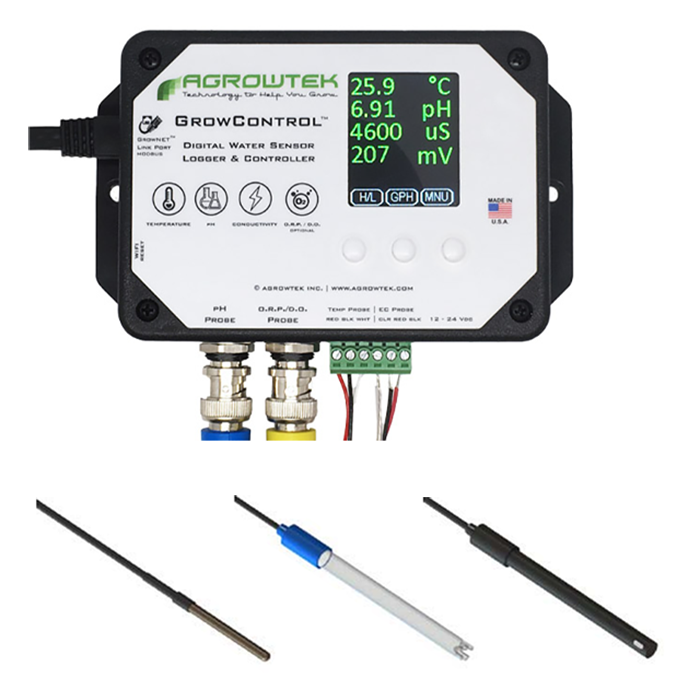
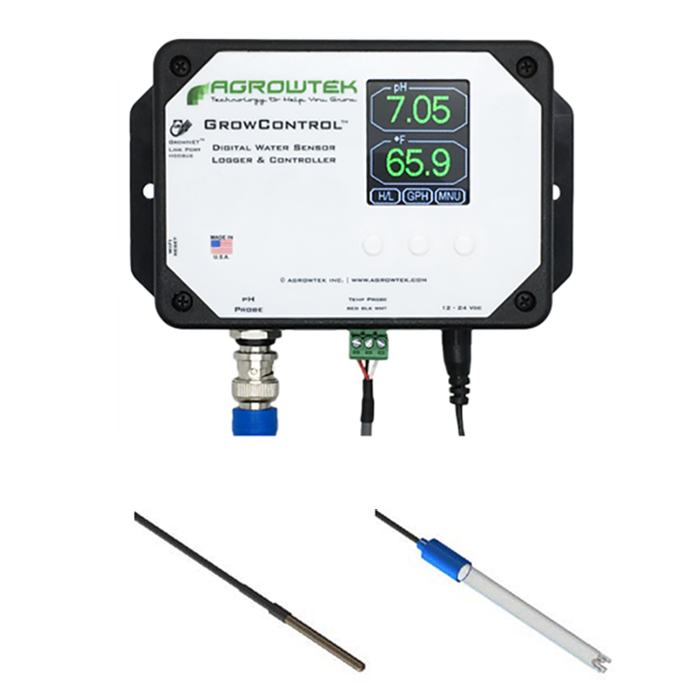
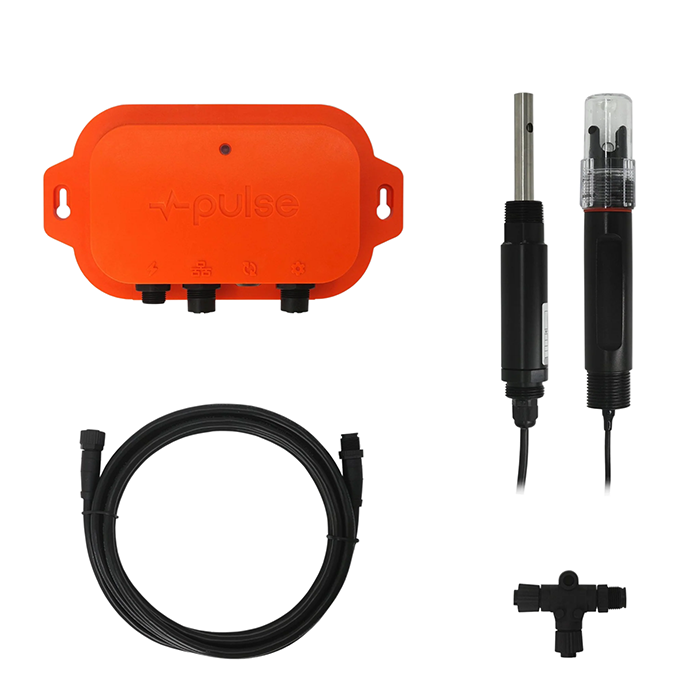
Most combination meters use a single physical probe that contains both pH sensing elements (the glass membrane and reference electrode) and EC sensing elements (conductivity measurement poles) in the same probe body. Some combination meter designs use two physically separate probes connected to a single display unit. Single-probe combination designs are convenient but the combined construction can make each sensing element less robust than a dedicated single-parameter probe. Check whether the combination meter uses a single multi-function probe or dual separate probes when comparing models.