AROYA Grow Management Platform & Substrate Sensors
AROYA is a data-driven crop management platform developed by METER Group that combines substrate sensors with cloud-based analytics software to give commercial CEA producers real-time visibility into root zone conditions and actionable irrigation recommendations. At its core, AROYA uses the TEROS substrate sensors - the same sensor technology used in academic soil science research - to measure volumetric water content (VWC), electrical conductivity (EC), and temperature at the substrate level continuously throughout the growing cycle. This real-time substrate data, displayed and analyzed in the AROYA cloud platform, enables precision irrigation and fertigation management based on actual root zone conditions rather than scheduled intervals or estimated evapotranspiration.
What AROYA Measures & Why It Matters
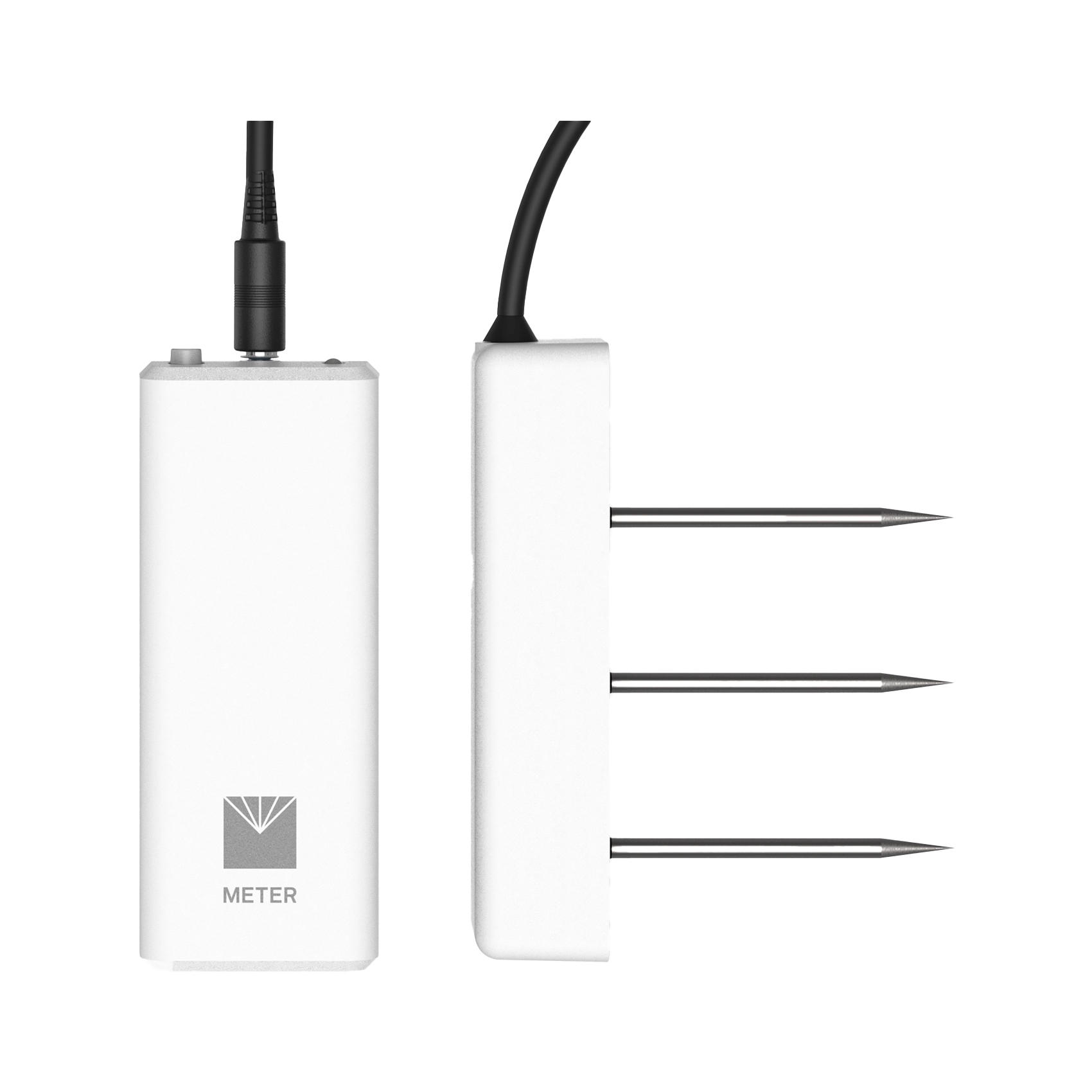
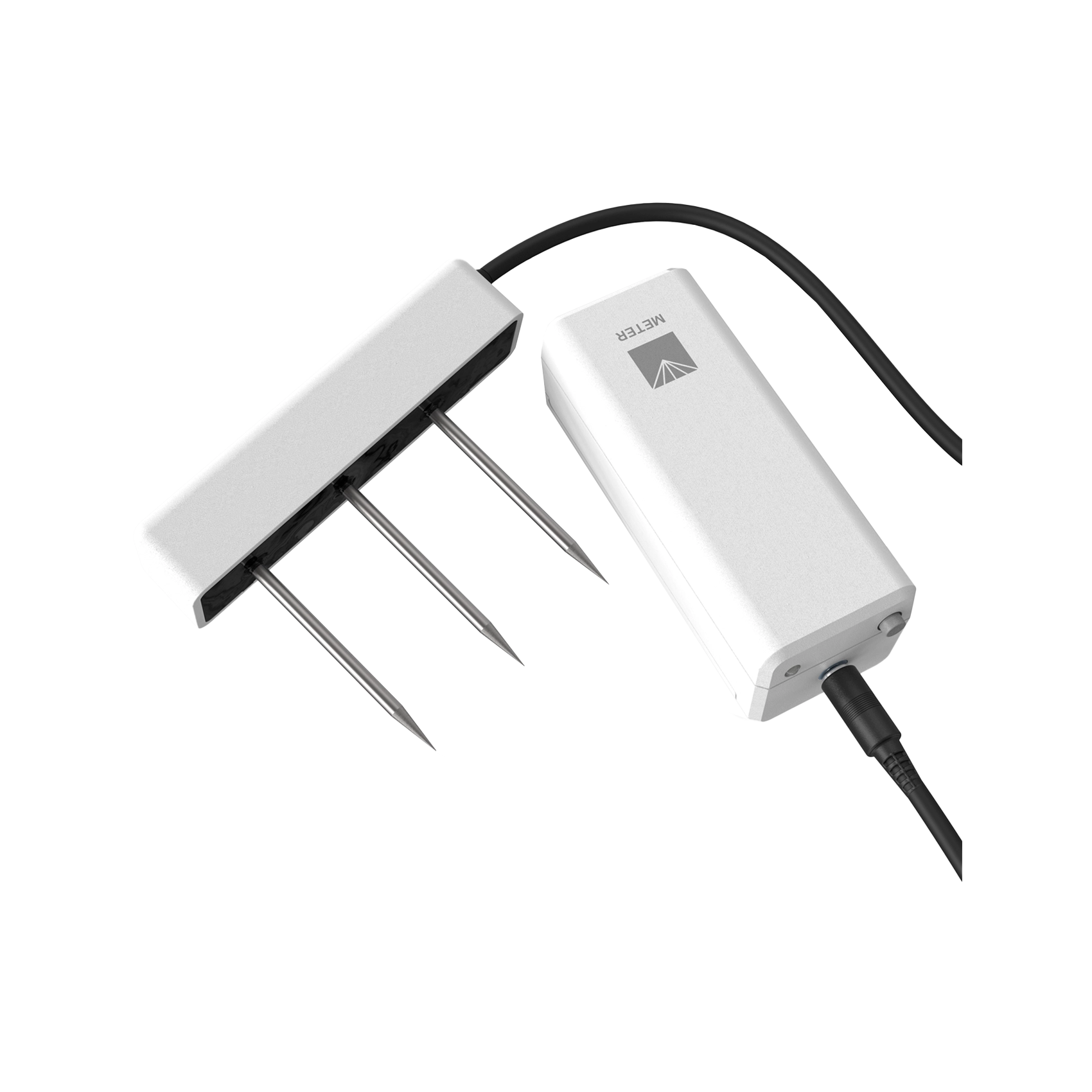
The TEROS 12 sensor (the standard AROYA substrate sensor) measures three parameters simultaneously: VWC (how wet the substrate is), substrate EC (salt concentration at the root zone), and substrate temperature. These three readings together characterize the root zone environment more completely than any single measurement. VWC drives irrigation timing - the AROYA platform identifies dry-back rate, field capacity, and substrate saturation points that define the ideal irrigation window for the crop and growth stage. Substrate EC identifies salt accumulation before it reaches levels that cause osmotic stress - triggering flush events before deficiency or toxicity symptoms appear. Substrate temperature affects nutrient availability and root metabolic rate in ways that ambient room temperature measurement cannot capture. Browse all meters and testing equipment for AROYA alongside other precision growing instruments.
Crop Steering with AROYA
The AROYA platform is the primary tool commercial producers use to implement crop steering - deliberately manipulating VWC targets to direct plant energy toward vegetative growth (higher VWC, frequent irrigations, low dry-back) or toward reproductive/flower development (controlled dry-back, lower peak VWC, longer intervals). Expert support available - call 888-815-9763 for AROYA system configuration guidance.
AROYA FAQ
What is AROYA and how does it work?
AROYA is a crop management platform that combines TEROS substrate sensors with cloud software to provide real-time root zone data and irrigation guidance. TEROS sensors are installed in the substrate of representative containers or slabs and transmit VWC, EC, and temperature readings continuously to the AROYA cloud platform. The platform displays root zone conditions graphically over time, identifies patterns (dry-back rate, field capacity recovery, salt accumulation trends), and generates irrigation recommendations based on the crop's actual substrate conditions rather than a fixed schedule. Growers access the platform via web browser or mobile app and receive alerts when conditions fall outside target ranges.
What is crop steering and why does AROYA enable it?
Crop steering is the practice of deliberately manipulating the growing environment - primarily substrate moisture level and dry-back pattern - to direct plant metabolism toward vegetative growth or toward reproductive development. Generative steering (toward flower and fruit production) uses drier substrate targets, longer dry-back periods, and controlled water stress signals. Vegetative steering uses wetter targets, more frequent irrigations, and minimal dry-back. AROYA enables precise crop steering because it provides real-time VWC data at the substrate level - without substrate sensors, growers estimate substrate moisture from container weight or visual inspection, which is too imprecise for repeatable crop steering programs.
What substrate types is AROYA compatible with?
AROYA TEROS sensors work in: coco coir, rockwool slabs and cubes, perlite-based media blends, potting mix and peat-based soils, and other loose substrates that can be probed with the sensor head. The AROYA platform includes substrate-specific calibration profiles for coco and rockwool that account for the different dielectric properties of these materials - using the correct substrate calibration is important for accurate absolute VWC readings. AROYA is less suitable for deep water culture, NFT, and other true liquid hydroponic systems where the root zone is in contact with circulating nutrient solution rather than a substrate.
How many AROYA sensors do I need?
AROYA recommends monitoring representative containers or slabs rather than every unit in the room - typically 2-4 sensors per crop zone, placed in containers that represent the range of conditions in that zone (e.g., one sensor near the irrigation input point and one at the far end of a drip run). For commercial rooms with multiple zones, lighting configurations, or strains, additional sensors per zone improve the accuracy of zone-level recommendations. The AROYA platform can aggregate and visualize data from many sensors simultaneously.
Is AROYA suitable for small-scale or home growers?
AROYA is primarily designed and priced for commercial CEA operations - the subscription platform cost and sensor investment are justified by the scale and economics of commercial production. For hobby and small-scale growers, the TEROS sensors used in AROYA are also available as standalone sensors compatible with other data loggers, providing the substrate measurement capability without the AROYA platform subscription. Standalone substrate sensor options at lower price points are available for growers who want root zone VWC data without the full AROYA platform.