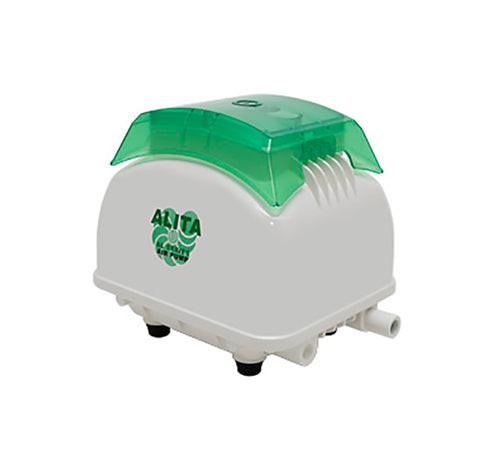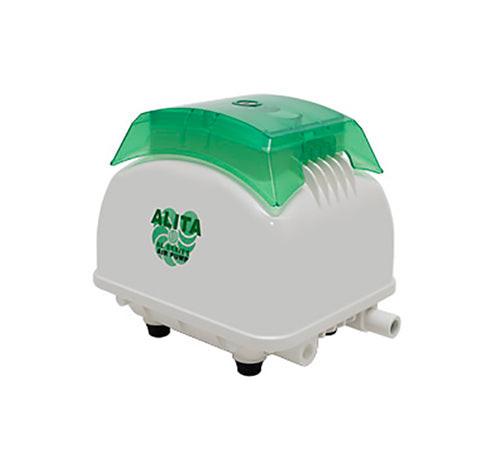
Alita Linear Air Pumps
Alita produces linear diaphragm air pumps designed for continuous-duty aeration in commercial aquaculture, hydroponic reservoir systems, and wastewater treatment applications. Unlike rotary vane or piston air compressors, Alita linear pumps use a magnetically driven diaphragm mechanism that operates without oil lubrication - producing clean, oil-free air output and requiring minimal maintenance over extended service life. Linear diaphragm pumps are significantly quieter than rotary alternatives, an important consideration in indoor growing environments where noise is a persistent concern.
Sizing and Output Range
Alita linear air pumps available at Hydrobuilder range from 48 LPM (liters per minute) through 200 LPM output. Pump selection is based on total air volume demand across all aeration points in your system. For DWC and RDWC reservoir systems, size based on combined air stone volume and line length. For commercial hydroponic operations running large multi-site RDWC systems, the 130-200 LPM models provide sufficient output for multiple reservoir zones from a single pump. Higher LPM models allow splitting output across multiple air distribution lines using manifolds and ball valves for individual zone control.
Commercial and Continuous-Duty Applications
Alita pumps are rated for 24/7 continuous operation. Service intervals are minimal: diaphragm replacement is the primary maintenance item, typically at 2-4 year intervals depending on operating conditions. The simple diaphragm-based mechanism makes field servicing practical without returning the pump for factory repair. Browse all air pumps and air stones or see complete hydroponic systems. Fast shipping.
Alita Linear Air Pumps FAQ
What is a linear diaphragm air pump and how is it different from a rotary pump?
A linear diaphragm pump uses a magnetically driven diaphragm that oscillates back and forth to move air without oil lubrication or rotary friction. This mechanism generates significantly less noise than rotary vane or piston compressors, requires no oil, and produces clean air output appropriate for direct contact with nutrient solution and aquaculture water. The tradeoff is that linear pumps produce lower maximum pressure than rotary types - sufficient for reservoir aeration and DWC applications but not for high-pressure tasks like spray misting or pressurizing long runs of irrigation line. For hydroponic reservoir aeration and aquaculture, linear diaphragm pumps are the preferred technology for commercial continuous-duty use.
How do I select the right Alita pump size for my hydroponic system?
Calculate total LPM demand based on your air stone count and reservoir volume. A general starting point for DWC reservoir aeration is 1 LPM per gallon of reservoir volume - a 100-gallon reservoir needs approximately 100 LPM minimum for adequate dissolved oxygen. For RDWC systems with multiple sites, sum the air demand across all sites. Select an Alita model with at least 20% headroom above your calculated demand - running a pump at its maximum continuous rating reduces service life. For very large commercial systems, split demand across two pumps for redundancy.
How long do Alita air pumps last and what maintenance do they need?
Alita linear air pumps are designed for continuous-duty operation with minimal maintenance. In clean-air environments, the primary maintenance item is diaphragm replacement every 2-4 years depending on usage intensity. The diaphragm kit is the primary wear component and can be replaced in the field without specialized tools. Check air intake filters every 6 months and replace if clogged - a blocked intake reduces output and can accelerate diaphragm wear. Keep the pump in a location with good ventilation, away from standing water and excess humidity. With proper maintenance, service life of 5-10+ years is common in commercial installations.