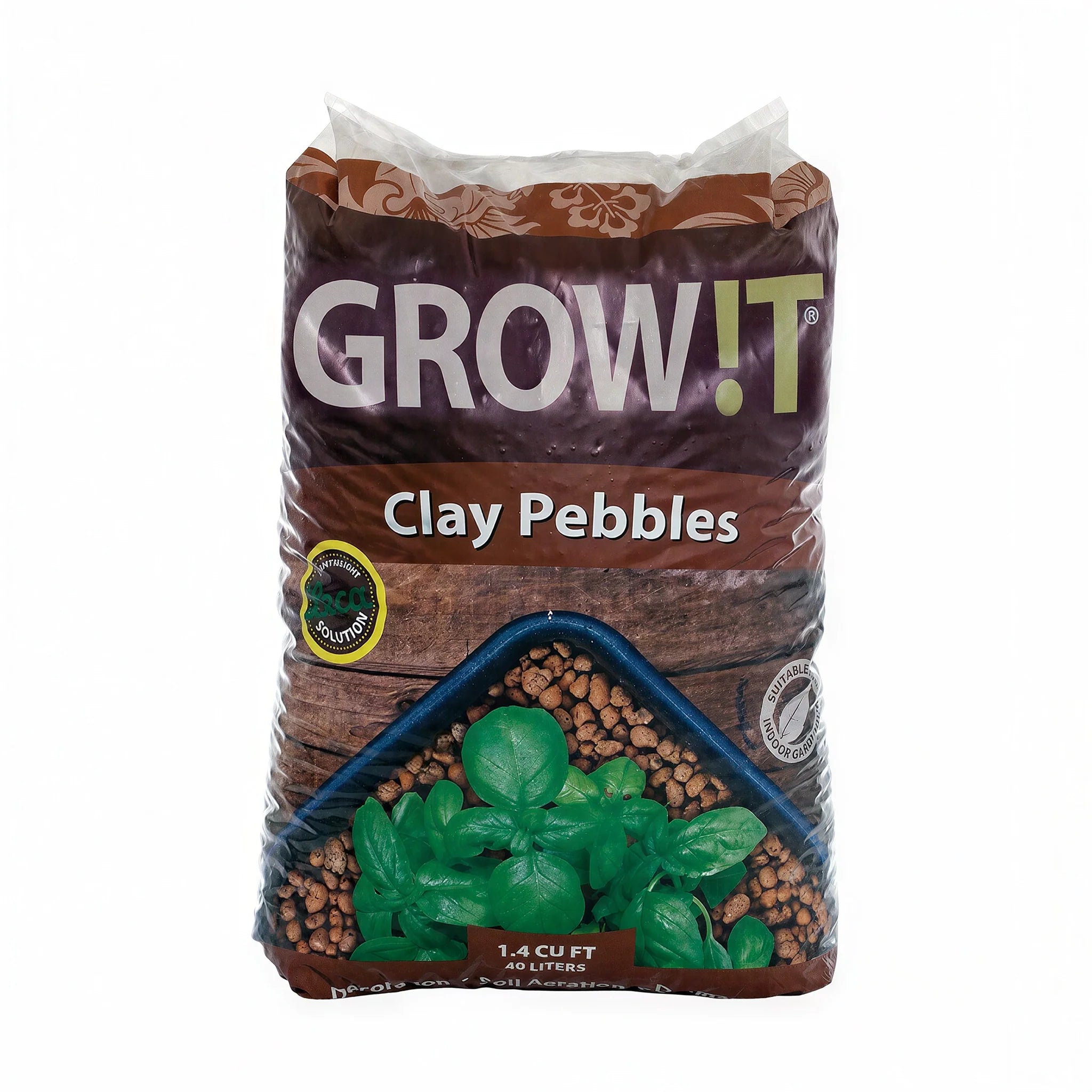
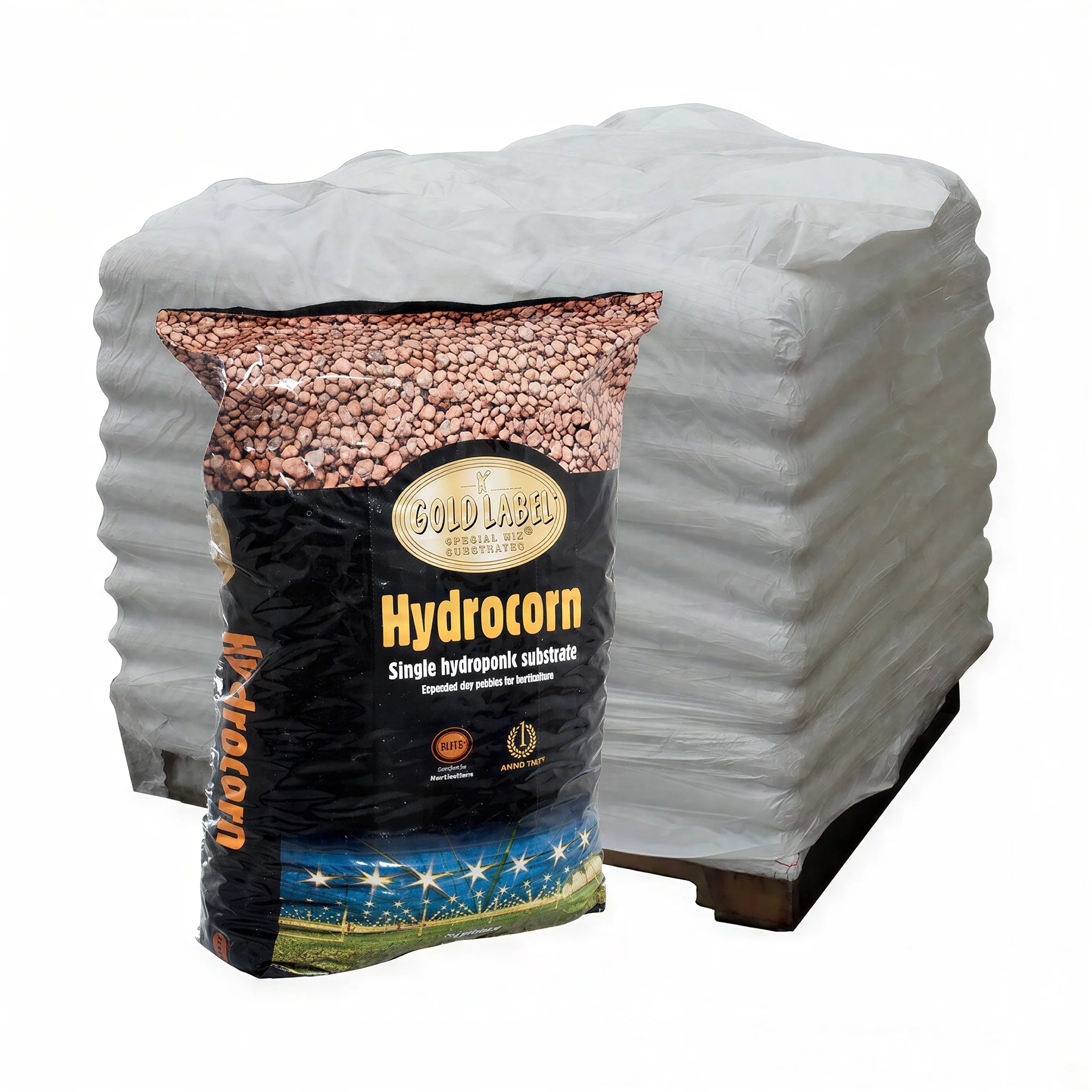
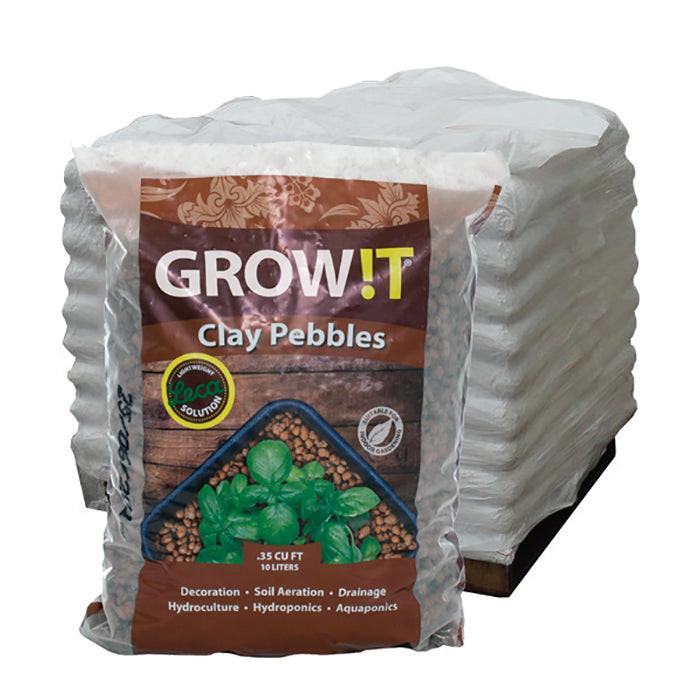
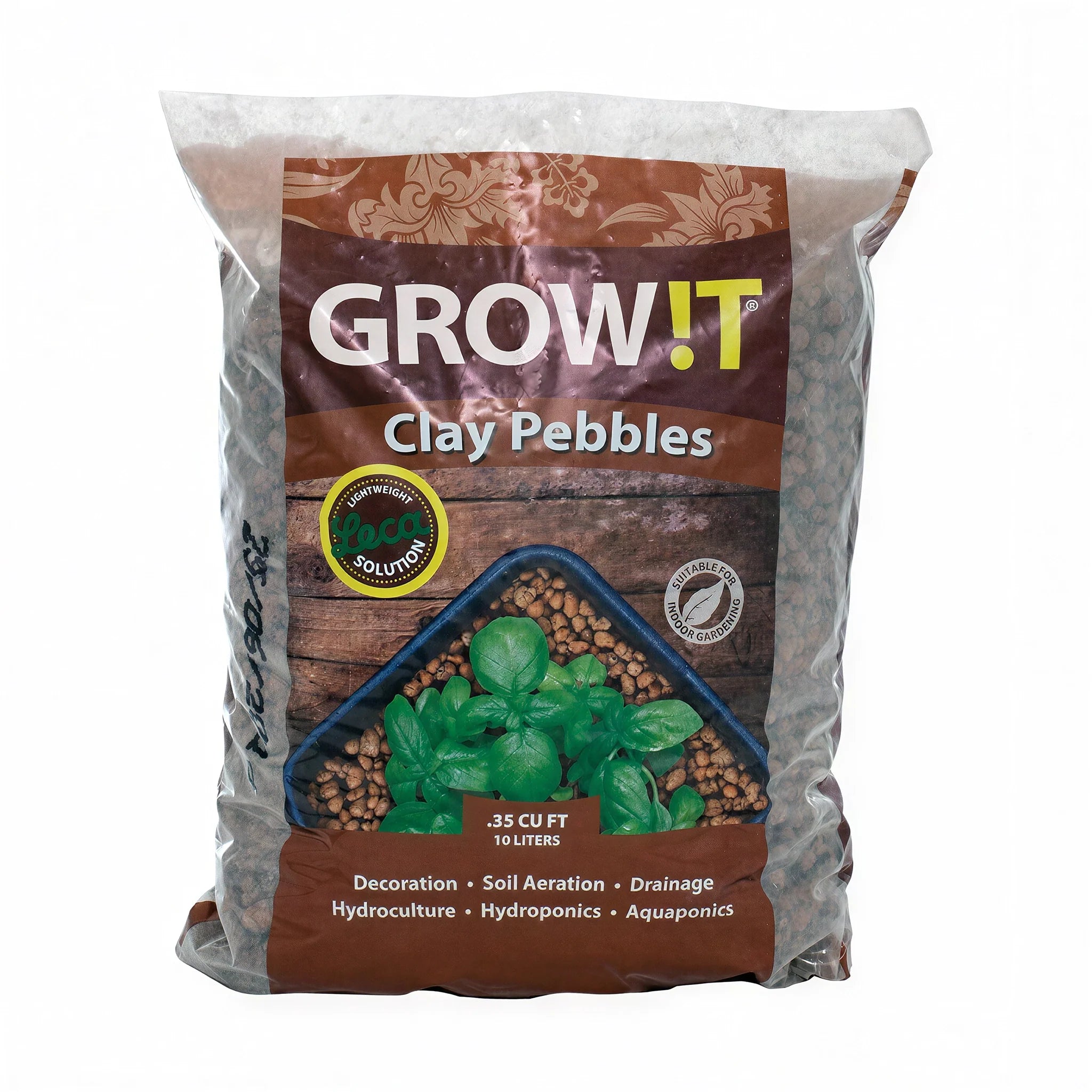
Clay Pebbles & Growstones for Hydroponic Growing
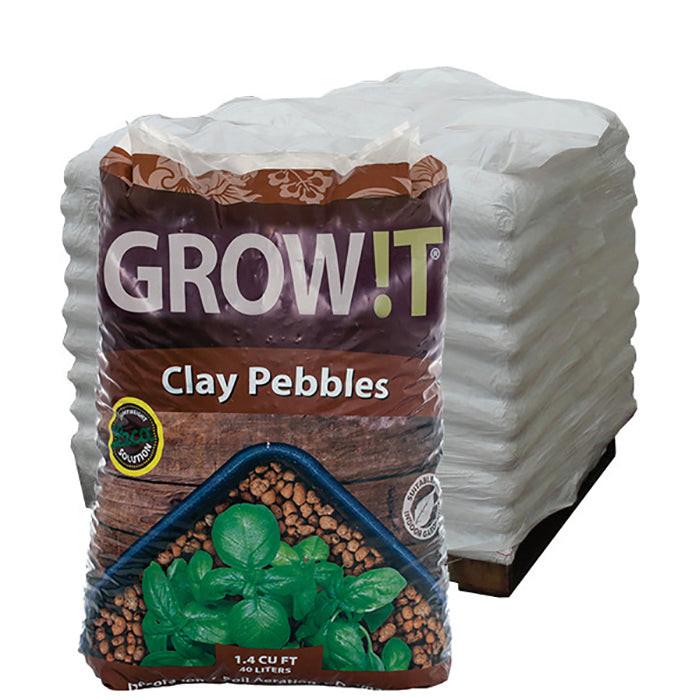
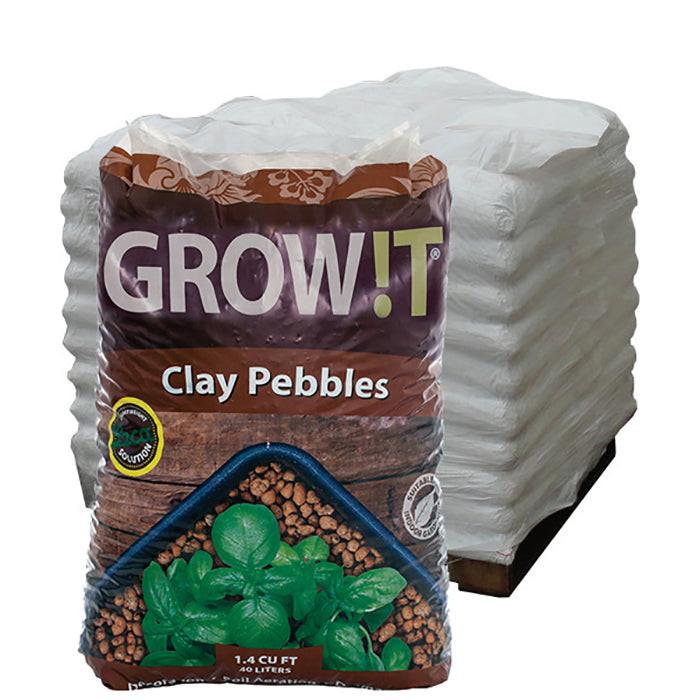
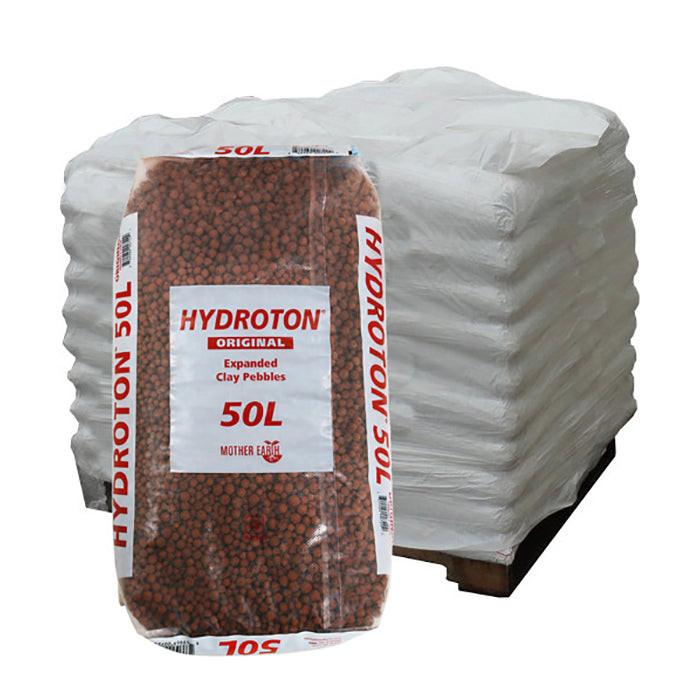
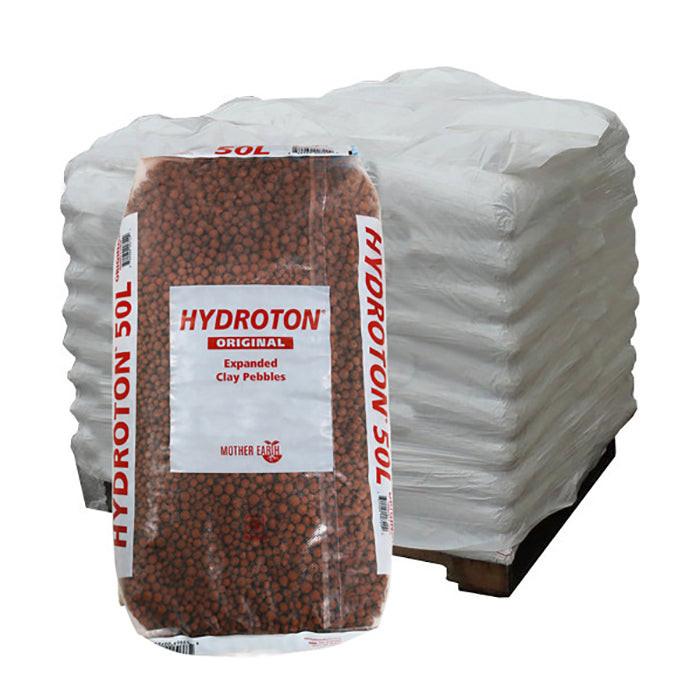
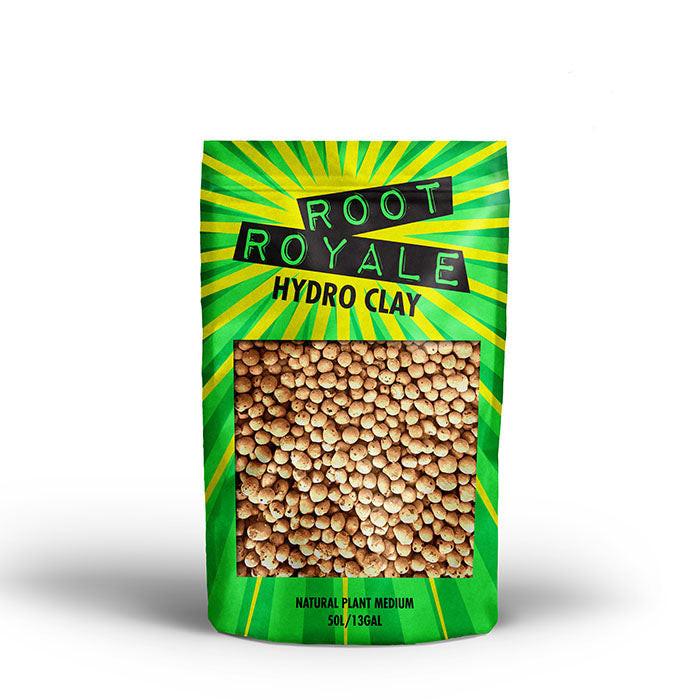
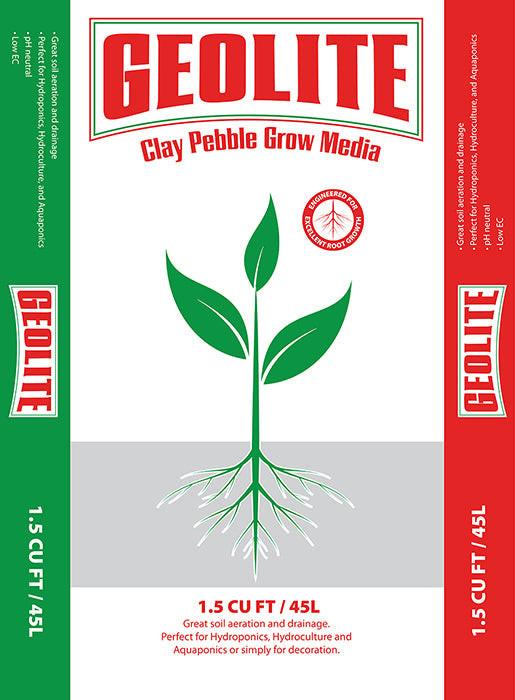
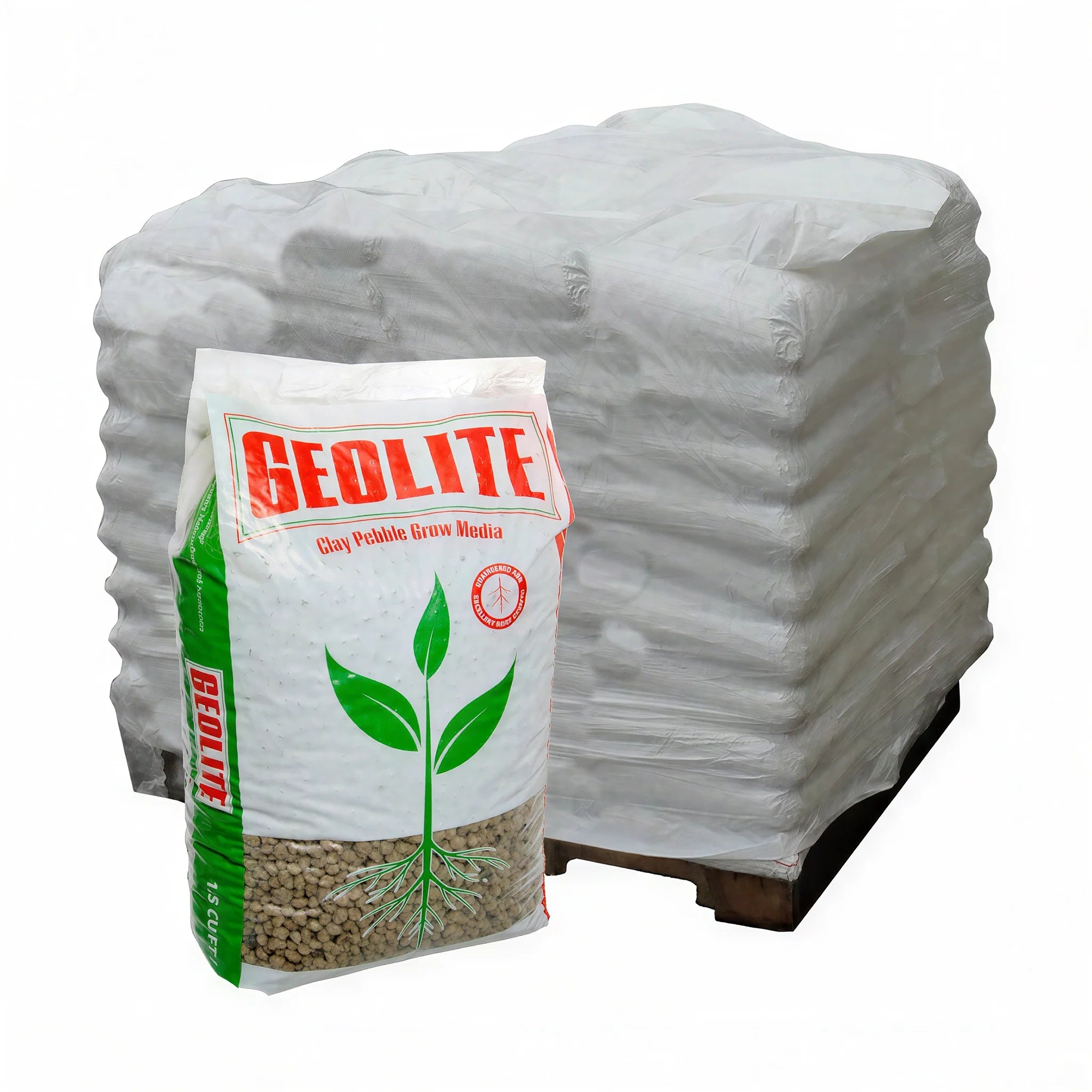
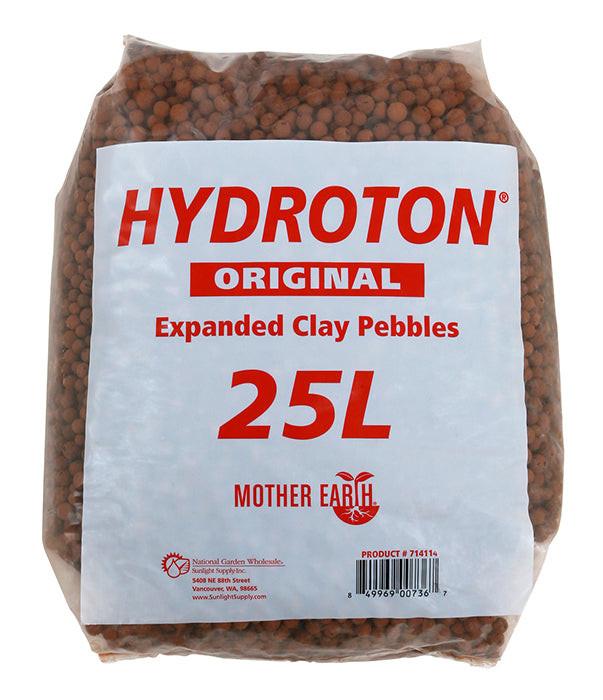
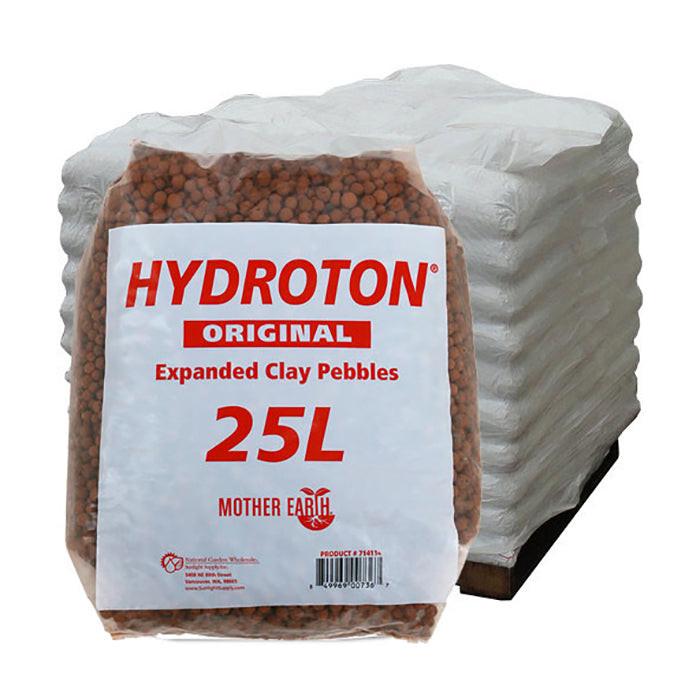
Expanded clay pebbles (hydroton, LECA - lightweight expanded clay aggregate) and growstones are inorganic, porous hydroponic growing media that provide a stable root zone structure with excellent drainage and air pore space for DWC, NFT, ebb and flow, and top-feed drip systems. Unlike organic media such as coco coir or peat that break down over time and require replacement, clay pebbles and growstones are effectively permanent - they can be cleaned and reused for many growing cycles, making them economical over the long term despite a higher initial cost per volume than single-use organic substrates.
Clay Pebbles vs. Growstones
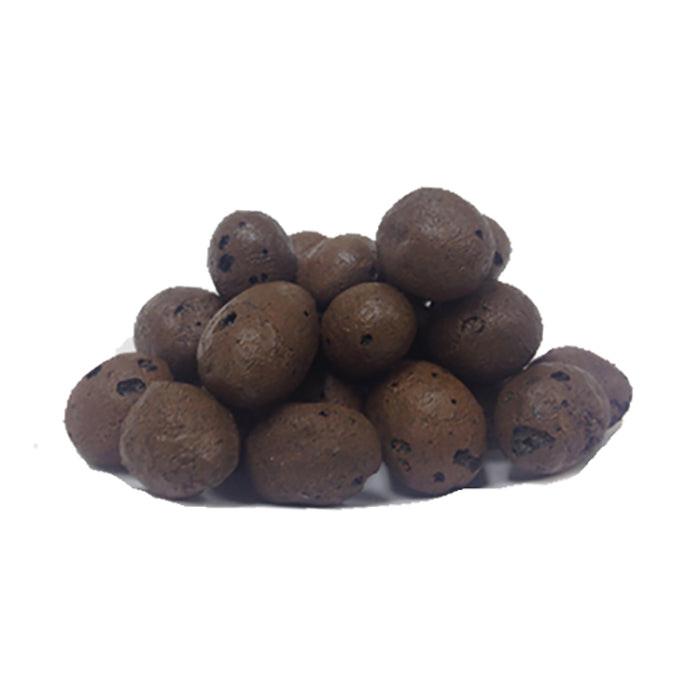
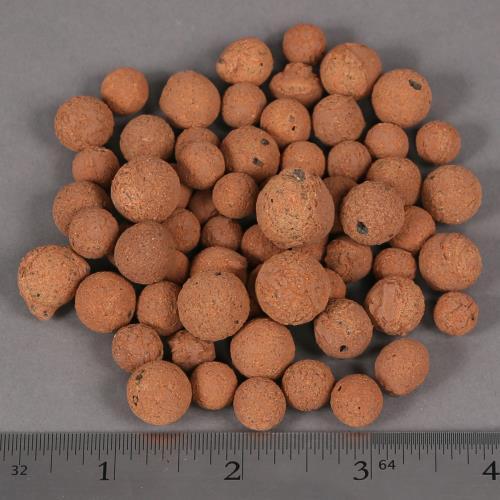
Expanded clay pebbles (produced by firing clay at high temperatures until it expands into lightweight, porous spheres) are the classic hydroponic inorganic media - pH neutral, inert, uniform in size (typically 4-16mm diameter), and with moderate moisture retention from their porous interior. Growstones are produced from recycled glass rather than clay - they have more irregular shapes with sharper surface texture that roots grip well, slightly higher porosity and air space than equivalent clay pebbles, and comparable drainage characteristics. Both work well in all hydroponic system types; the choice between them is largely preference-based.
Preparation & Reuse
New clay pebbles must be rinsed thoroughly before use - manufacturing dust on the surface has a high pH that will spike reservoir pH if pebbles are used without rinsing. Rinse until the runoff water runs clear. For reuse between cycles: remove root residue from the previous crop (soak in water to loosen), rinse with dilute hydrogen peroxide solution for sanitation, rinse again with clean water, and dry before storage. Browse our full hydroponic growing media collection for all media types. Fast shipping.
Clay Pebbles & Growstones FAQ
Do I need to rinse clay pebbles before use?
Yes - always rinse new clay pebbles thoroughly before using them in a hydroponic system. The high-temperature firing process leaves an alkaline dust on the pebble surfaces that dramatically raises solution pH when pebbles are introduced without rinsing. Rinse in a bucket, agitating and changing the water repeatedly until the rinse water runs clear. For extra precaution, soak in pH 5.5-6.0 adjusted water for several hours before the final rinse - this helps buffer any remaining alkalinity closer to the target growing pH range.
How many times can I reuse clay pebbles?
Quality clay pebbles last 5-10+ growing cycles with proper cleaning between uses. The material itself does not degrade - the limitation is how completely root residue, mineral scale, and biological deposits can be removed between cycles. After each cycle: remove large root masses manually, soak in water to soften remaining root material, scrub or agitate, treat with dilute H2O2 for sanitation, rinse thoroughly, and dry before storage. Pebbles that develop persistent foul odor after cleaning or that are heavily calcified from hard water may be approaching the end of their reusable life.
Are clay pebbles pH neutral?
Quality expanded clay pebbles are manufactured to be pH neutral (6.0-7.0 range), but fresh pebbles always require pre-rinsing because manufacturing dust raises pH of the first-contact water significantly. After thorough rinsing, clay pebbles have negligible buffering capacity and do not significantly affect reservoir pH in normal use. In hard water areas where mineral scale accumulates on pebbles over repeated cycles, the scale (primarily calcium carbonate) can gradually raise pH - periodic citric acid treatment between cycles removes the scale.
What is LECA and is it the same as hydroton?
LECA stands for Lightweight Expanded Clay Aggregate - the generic term for the category of expanded clay hydroponic growing media. Hydroton is a specific brand of LECA that became so widely used that its name became synonymous with the product category, similar to how "Kleenex" is used generically for tissue. Other brands produce LECA under their own names (Igloo, Dutch Pro, and others). Functionally, quality LECA from any manufacturer performs equivalently; the important specifications are particle size (4-8mm for small containers, 8-16mm for larger systems) and cleanliness of the product as received.
Can I mix clay pebbles with other growing media?
Yes - clay pebbles are commonly used as a drainage layer at the base of containers filled with organic media like coco or soil, providing a coarse free-draining zone at the container base that prevents waterlogging. A 2-3 inch layer of clay pebbles at the bottom of a container before filling with coco or soil improves drainage in deep containers where the base media otherwise stays too wet between irrigations. Clay pebbles can also be blended with growstones or used in combination with rockwool for specific system designs.