Cloning Machines & Aeroponic Propagation Systems
Cloning is the process of taking a cutting from a parent plant and propagating it into a genetically identical rooted plant. It is the fastest and most consistent method of plant propagation -- a cutting taken from a proven, high-performing mother plant preserves every genetic characteristic of that parent, eliminates seed germination variability, and reduces time to a productive grow cycle. Aeroponic cloning machines dramatically improve rooting speed and success rates compared to passive cloning methods by delivering highly oxygenated fine mist directly to cutting stems 24 hours per day.
How Aeroponic Cloners Work
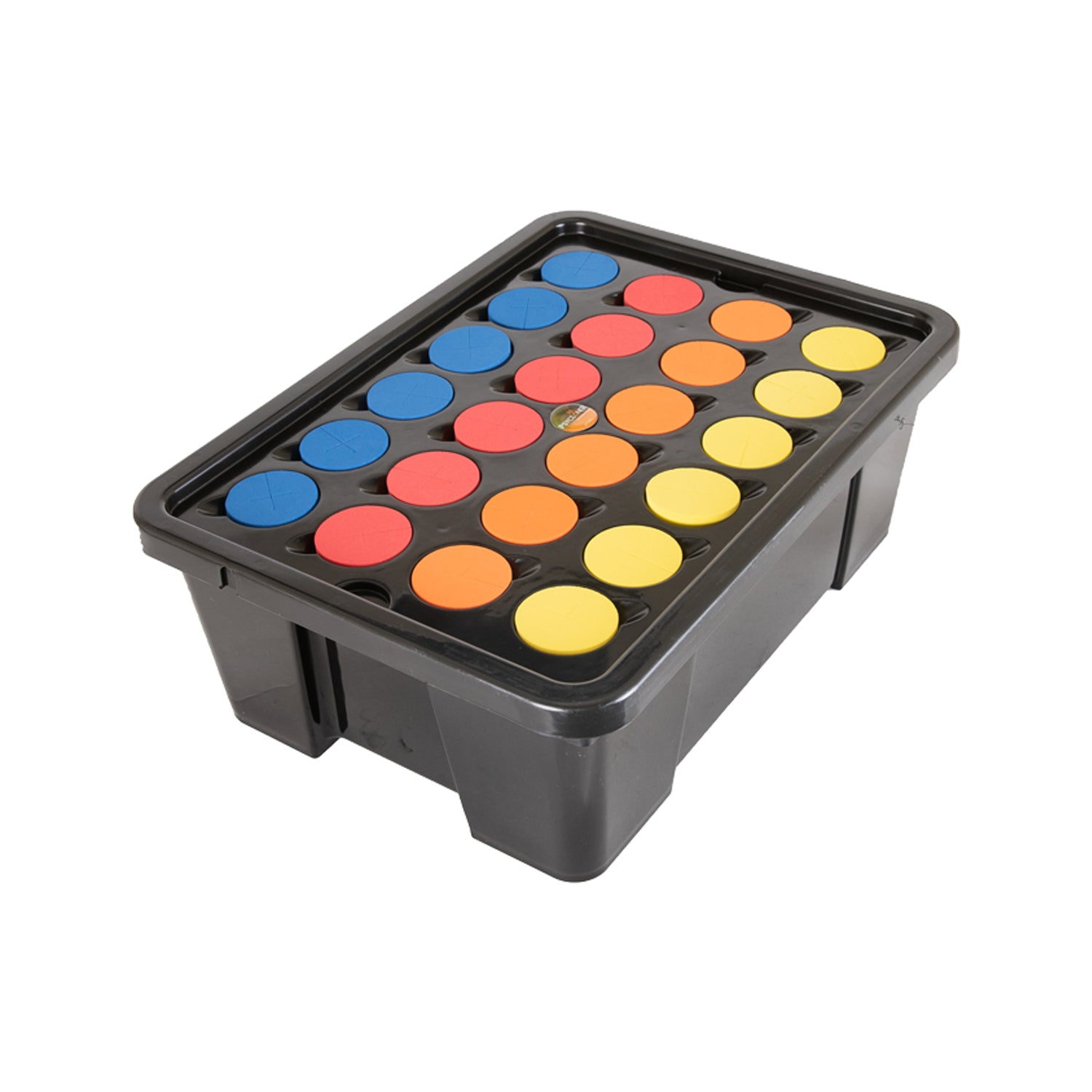
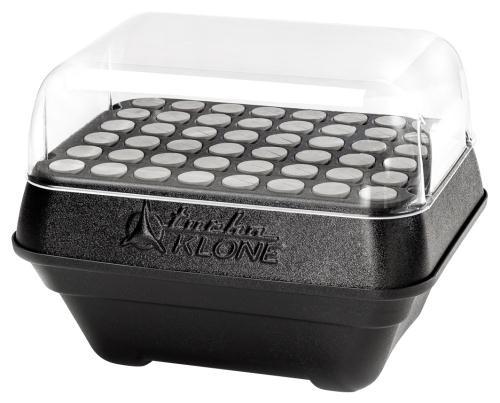
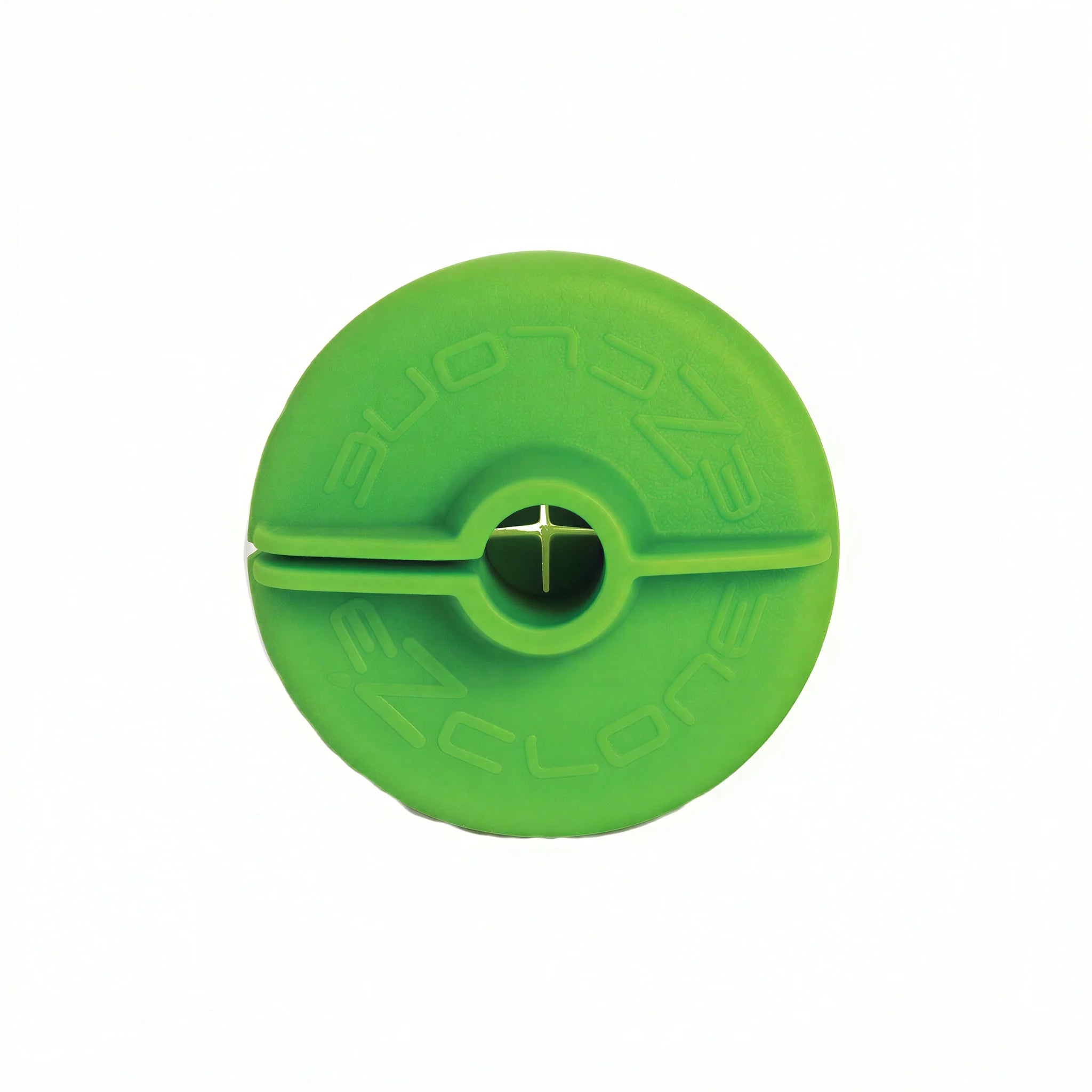
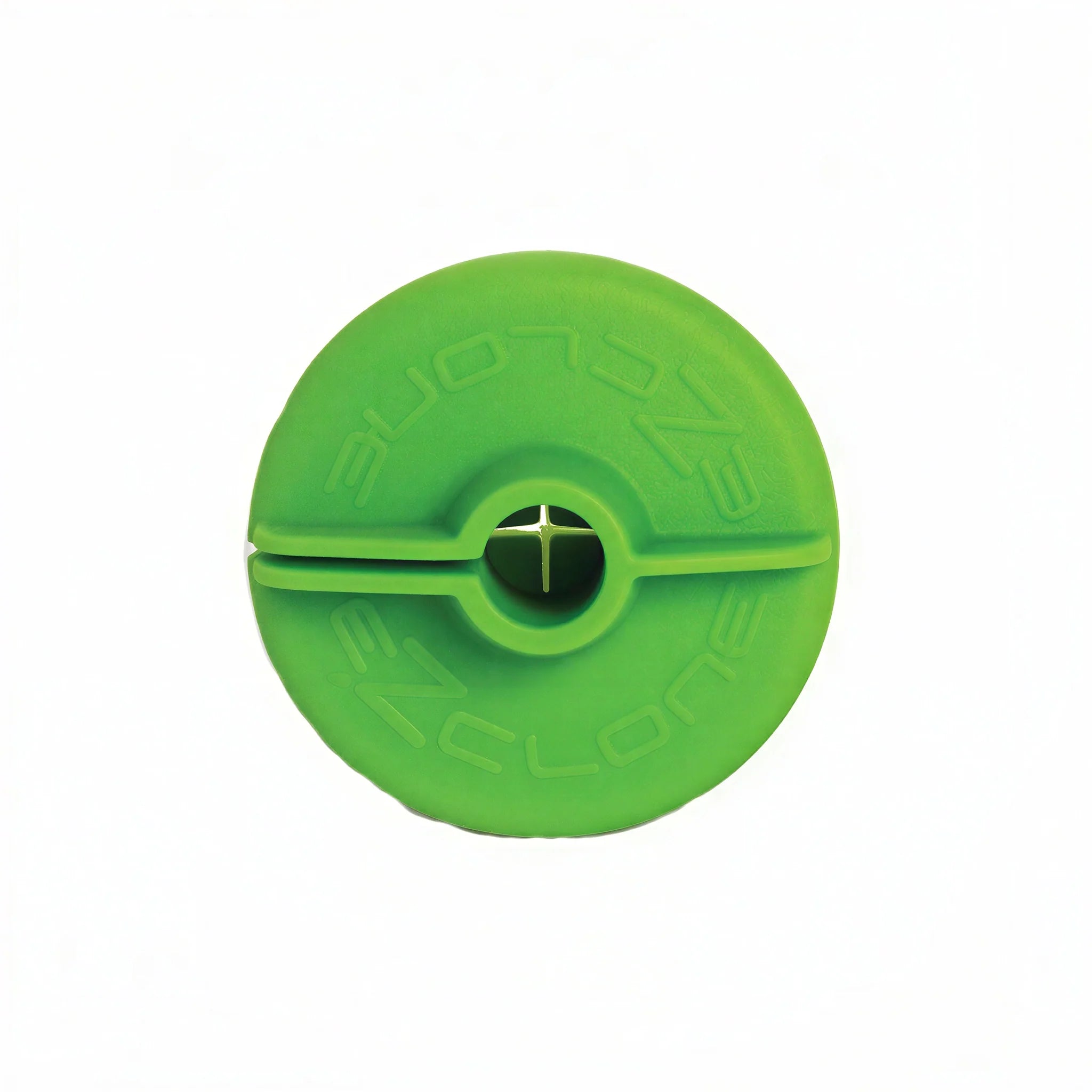
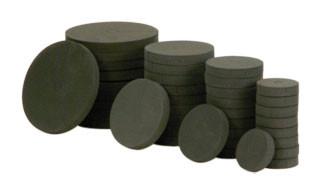
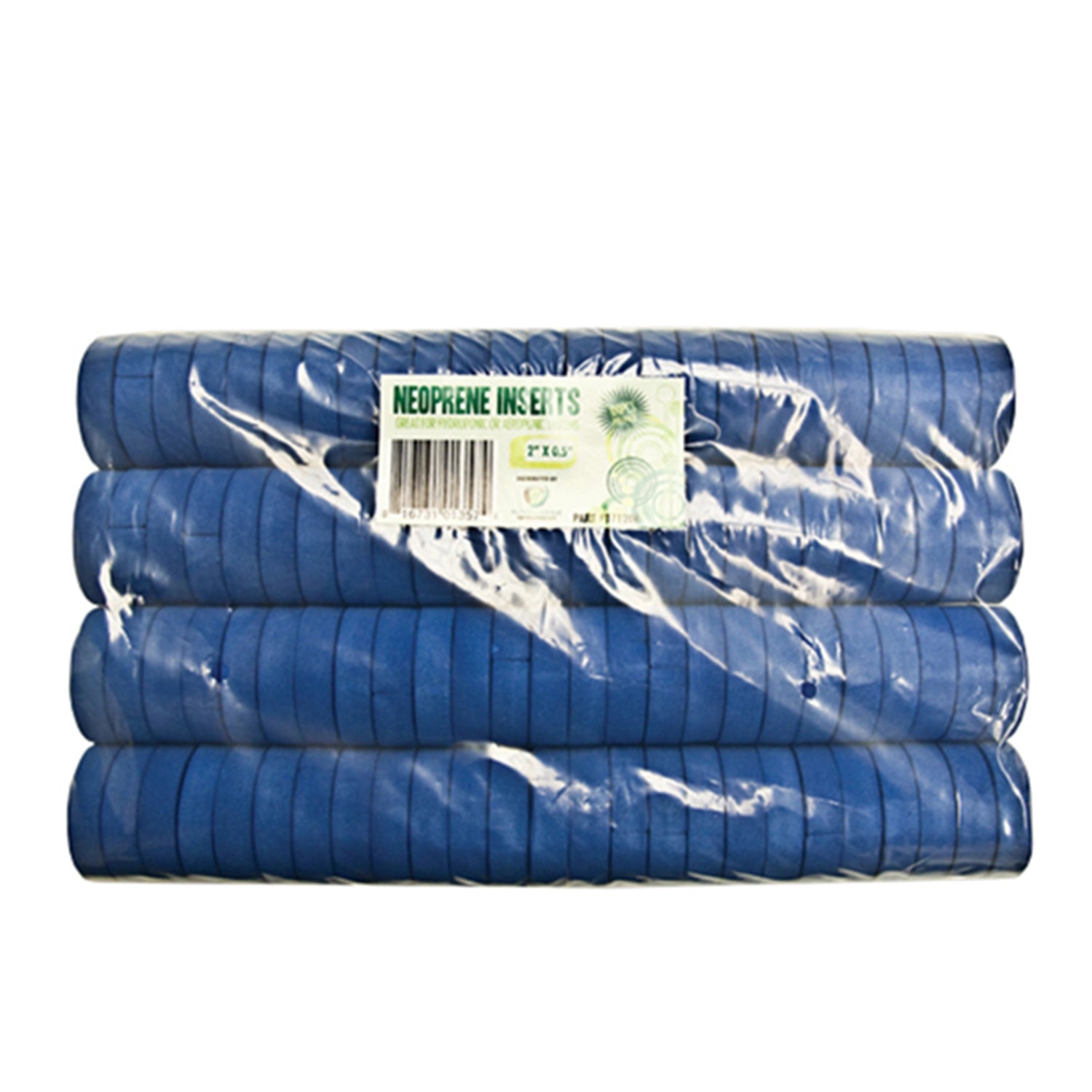
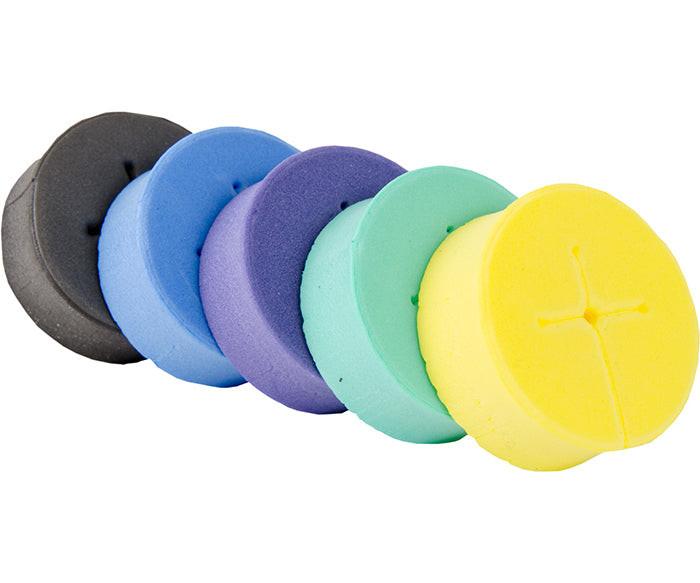
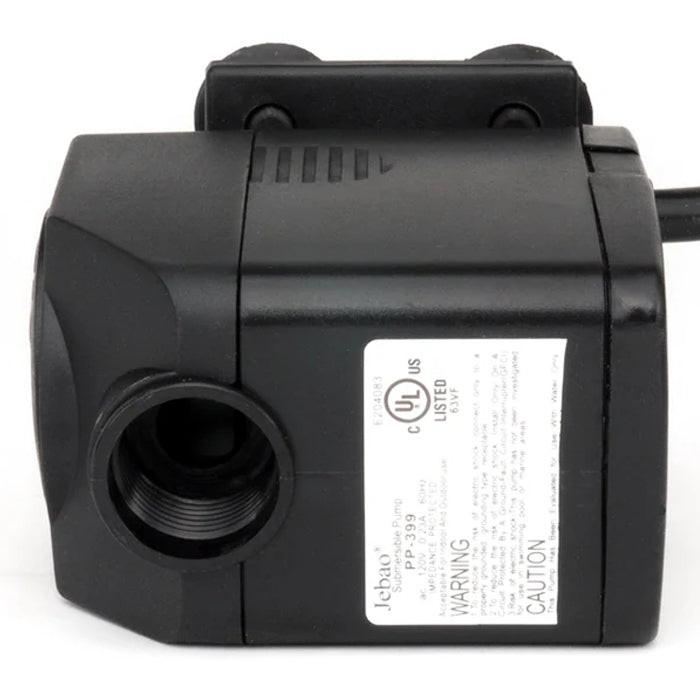
Aeroponic cloning machines hold cuttings in neoprene collars in the lid of a sealed reservoir, with cutting stems suspended in the enclosed chamber below. A submersible pump sprays a continuous fine mist of plain water or dilute rooting solution over the stems throughout the rooting period. The enclosed, high-humidity environment keeps cuttings turgid while the misted stems develop root primordia -- the earliest-stage root structures. Roots typically emerge from aeroponic cloners within 7-14 days for most crops versus 10-21+ days with passive propagation methods. Success rates with aeroponic machines routinely reach 90-100% on healthy cuttings, compared to 50-80% with rockwool and dome methods.
Cloning Machine Brands: IHORT, TurboKlone & OxyCloner
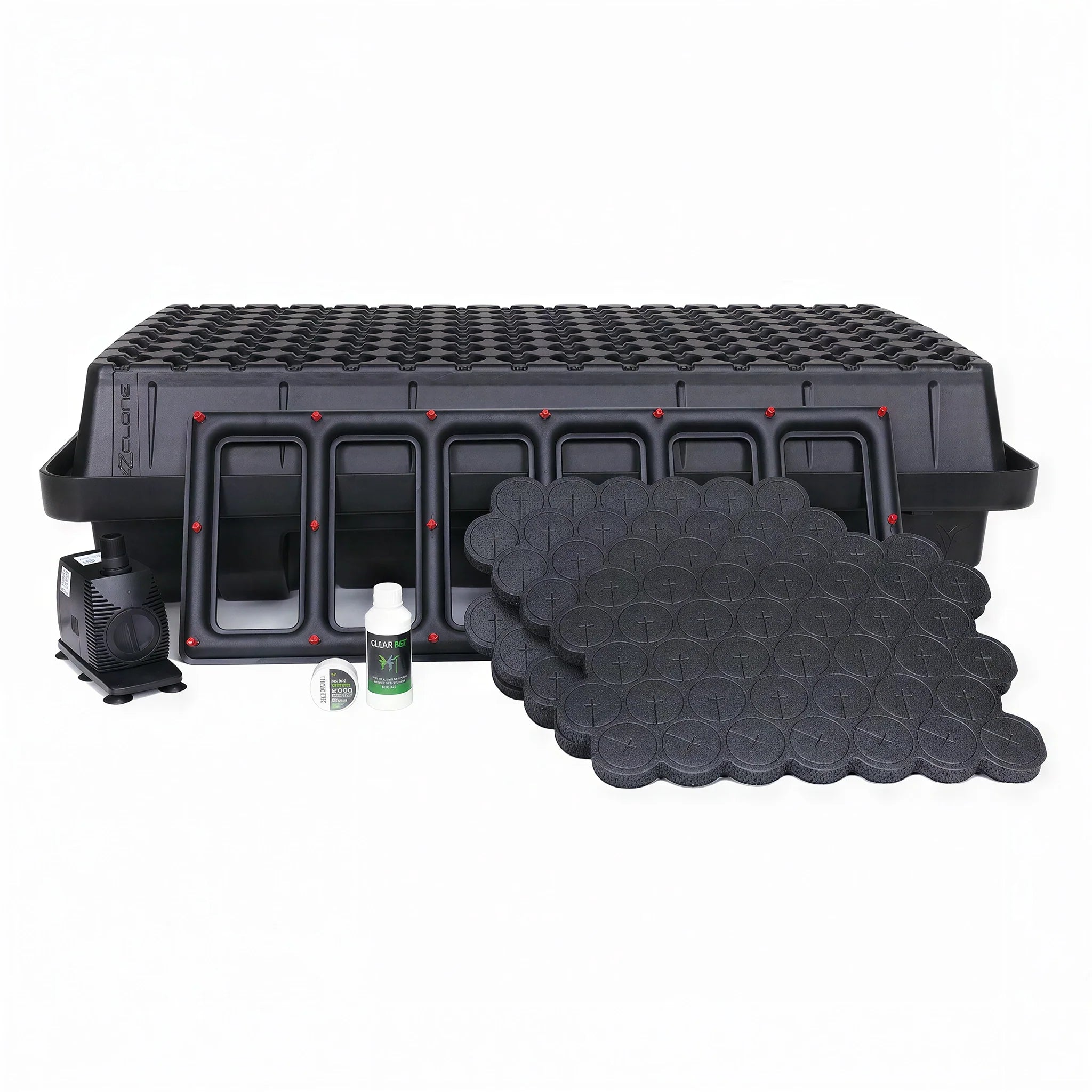
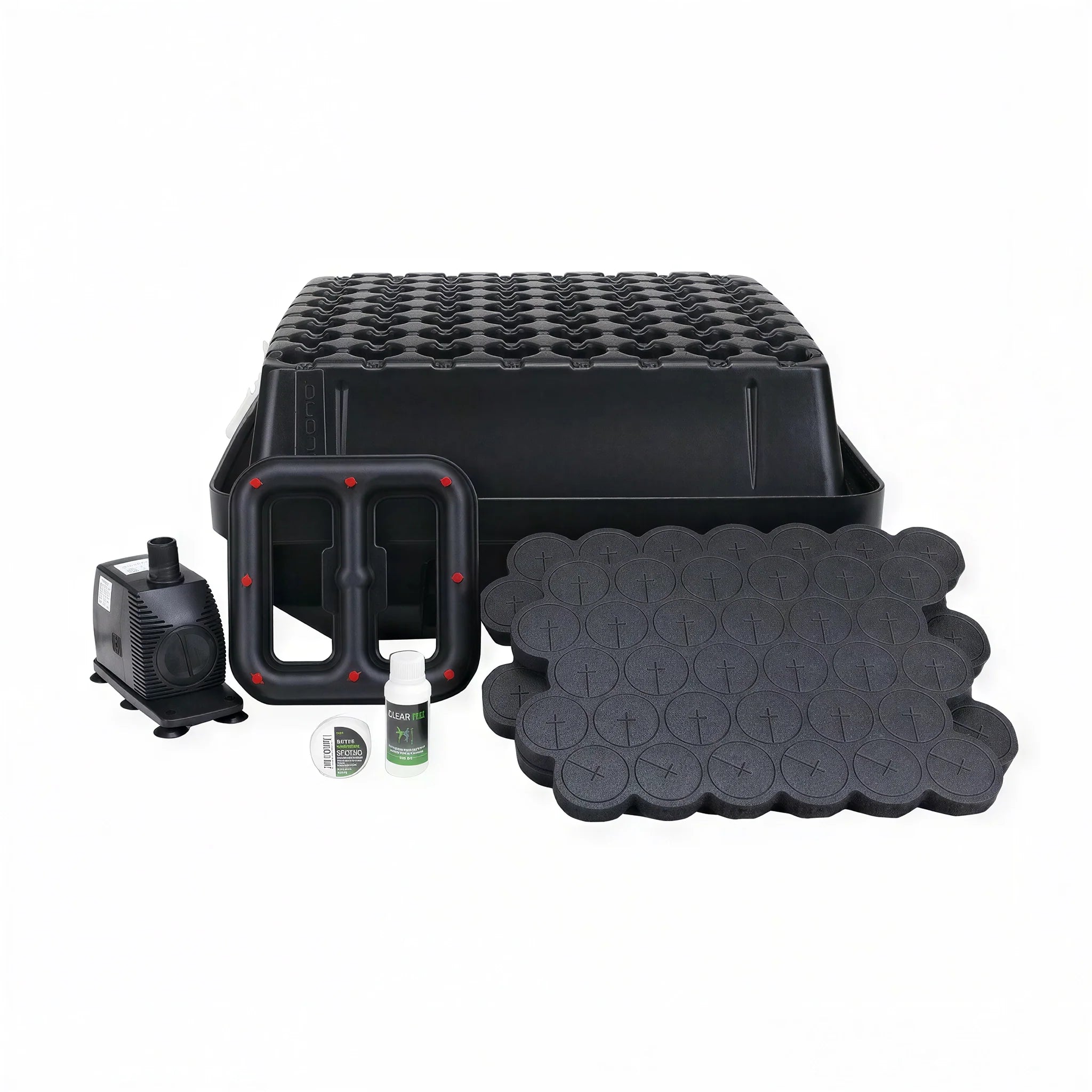
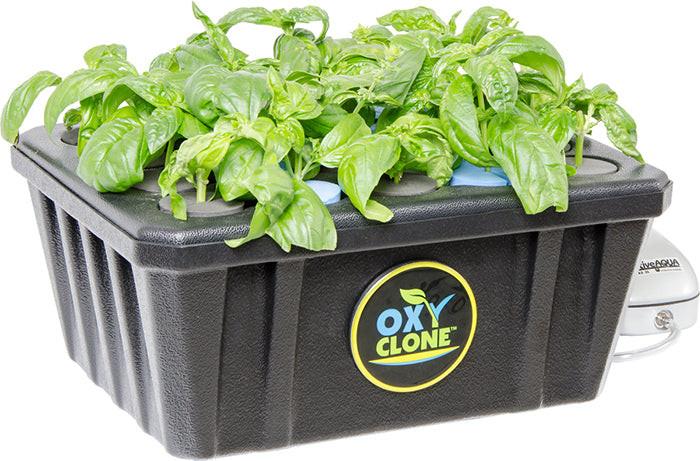
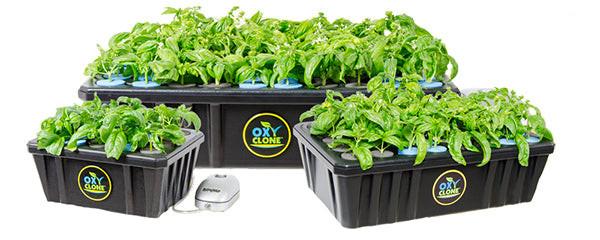
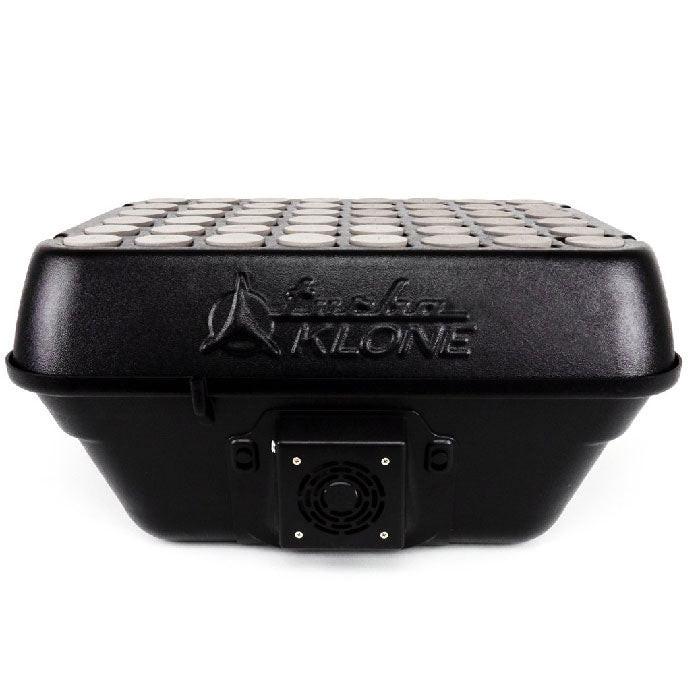
Hydrobuilder carries aeroponic cloning machines in sizes from 24-site hobby units to 200-site commercial capacity from qualified brands including IHORT, TurboKlone, and OxyCloner. IHORT machines feature pump-driven misting systems with neoprene collar lids and are well-regarded for consistent results and durable construction across their full size range. TurboKlone units add a fan-cooled lid design that helps prevent heat buildup -- beneficial in warm grow environments where reservoir temperature management is a challenge. OxyCloner emphasizes high-volume misting output for fast root initiation across a wide range of plant types.
Cloning Machine Size Selection
Select machine capacity based on the number of clones you need per cycle and your propagation frequency. A 24-site machine produces 24 rooted clones per 7-14 day cycle -- sufficient for hobby operations running 1-4 plants in flower at any time. A 48-site machine handles small commercial operations running continuous harvests with overlapping veg and flower cycles. 100+ site machines are designed for facilities that need consistent large batches of rooted clones on a weekly or bi-weekly schedule. For large commercial operations, our team can help configure multi-unit propagation stations -- call 888-815-9763 or visit our commercial accounts page.
Cloning Solutions & Accessories
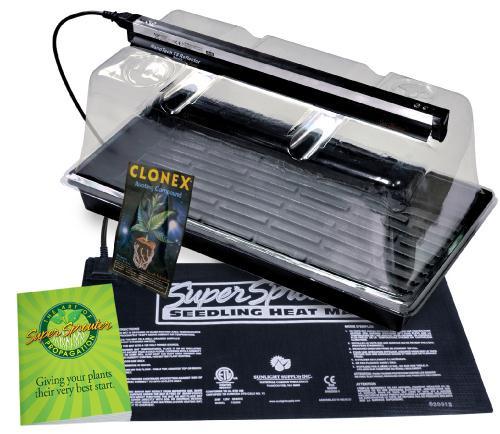
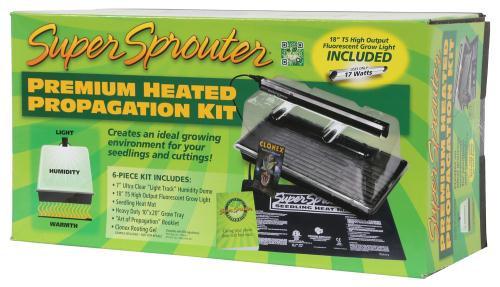
Most aeroponic cloners are filled with plain, pH-adjusted water (pH 5.8-6.2) -- adding nutrient solution is generally not recommended during the rooting phase as it can inhibit root development. Rooting gels and powders (Clonex gel is the category standard) can be applied to the cut stem base before insertion to stimulate faster root initiation. Keep reservoir temperature at 70-75 degrees F -- water above 80 degrees F significantly increases the risk of stem rot and failed cuttings. Change the reservoir water completely every 5-7 days to prevent bacteria and algae buildup. Browse our full rooting hormone collection for Clonex gel, powder, and liquid options, and our cloning and propagation collection for humidity domes, heat mats, and rockwool cubes.
Cloning Machines FAQ
How long does it take to clone in an aeroponic cloning machine?
Most crops root in 7-14 days in an aeroponic cloning machine -- faster than any passive propagation method. Rooting speed varies by species and variety, cutting health, stem maturity, and reservoir temperature. Soft, actively growing cuttings from a vegetative mother plant in the 70-75 degree F reservoir temperature range will typically show visible roots emerging from the neoprene collars within 7-10 days. Woodier cuttings, older stems, or cuttings taken from stressed plants may take 10-14 days. Visible root length of 1-2 inches is the standard threshold for transplanting into growing media.
What do I put in a cloning machine reservoir?
Fill with plain water adjusted to pH 5.8-6.2. Do not add nutrients -- nitrogen in particular can inhibit root development during the early propagation phase. Some growers add a small amount of beneficial root inoculant at very low concentration. Rooting gels (applied to the cut stem before insertion, not added to the reservoir) stimulate faster root initiation. Change the full reservoir every 5-7 days to prevent bacteria buildup. Keep reservoir temperature at 70-75 degrees F -- a small aquarium heater can maintain temperature in cooler environments, while TurboKlone's fan-cooled lid design helps in warm environments.
What is the difference between aeroponic cloners and rockwool propagation?
Aeroponic cloners mist suspended cutting stems continuously in a high-humidity enclosed chamber -- roots develop freely in air before entering a growing medium. Rockwool propagation inserts cuttings into pre-soaked rockwool cubes under a humidity dome on a heat mat. Aeroponic cloners typically produce faster rooting (7-14 days vs. 10-21+ days in rockwool), higher success rates (90-100% vs. 60-80% in rockwool), and root structures that are slightly more vigorous at transplant. Rockwool propagation requires less equipment investment ($20-50 in supplies vs. $80-400 for a machine) and works well for growers who clone infrequently. For operations that clone consistently and value speed and consistency, an aeroponic machine is the better long-term investment.
How do I take a cutting for cloning?
Select a healthy vegetative cutting 4-6 inches long with at least 2-3 nodes (leaf pairs), taken from a plant that has been in vegetative growth for at least 3-4 weeks. Cut at a 45-degree angle with a clean, sharp blade just below a node. Remove lower leaves that would sit in the reservoir. Immediately dip the cut stem in Clonex rooting gel (or apply rooting powder) and insert into the neoprene collar before the cut stem surface has a chance to air-dry and callous over. Healthy cuttings from well-maintained, well-lit mother plants produce the fastest rooting results; stressed or nutrient-deficient cuttings have significantly lower success rates regardless of equipment used.
How many sites do I need in a cloning machine?
Match site count to how many plants you run in your veg and flower cycle simultaneously, with buffer for cuttings that do not root successfully. For a perpetual harvest with 4 plants in flower and 4 in veg, a 24-site machine provides adequate buffer for one cycle at a time. For 8-12 plants per cycle, a 48-site machine is appropriate. For commercial operations running 20+ plants in continuous cycles, 100-200 site machines -- or multiple units running staggered -- handle the volume. If you clone once per cycle rather than continuously, a single machine sized to 1.5-2x your plant count covers the buffer needed for realistic success rates.