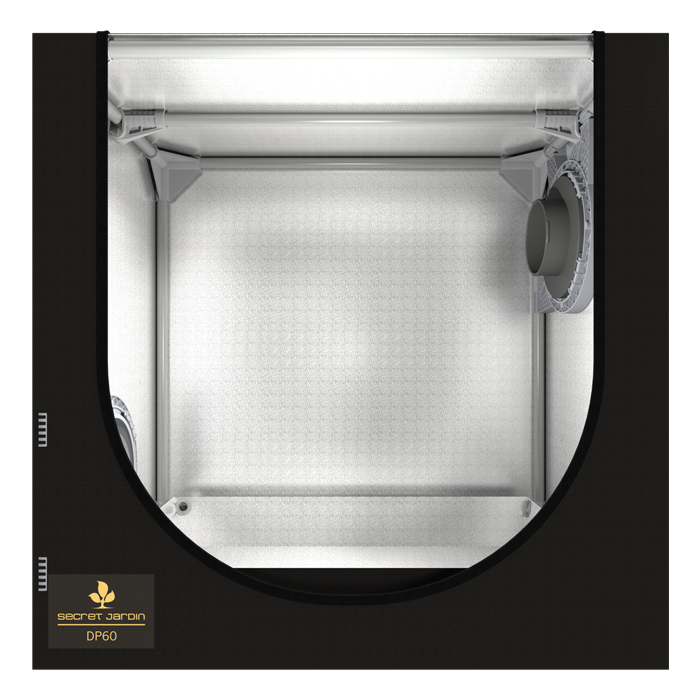
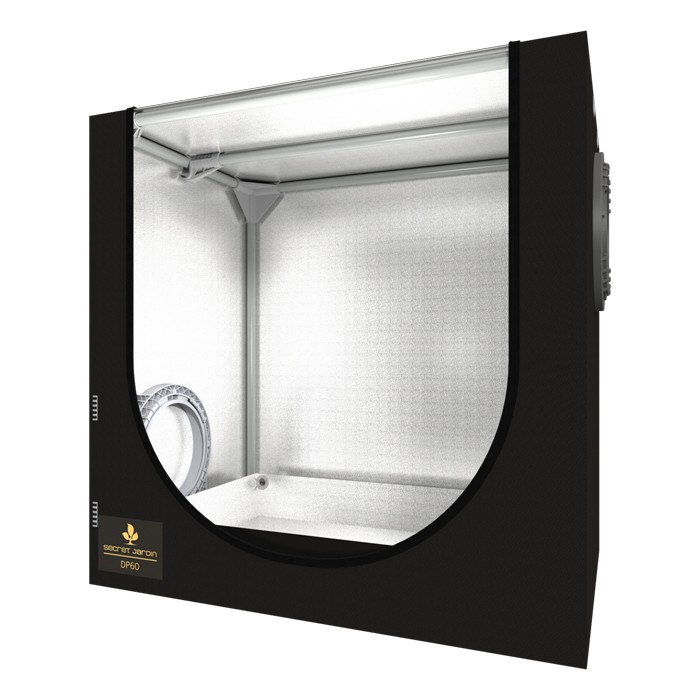
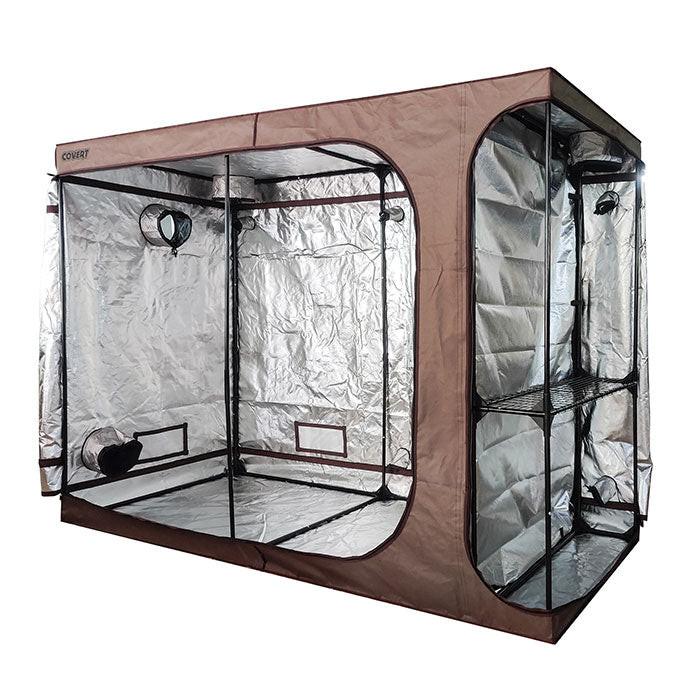
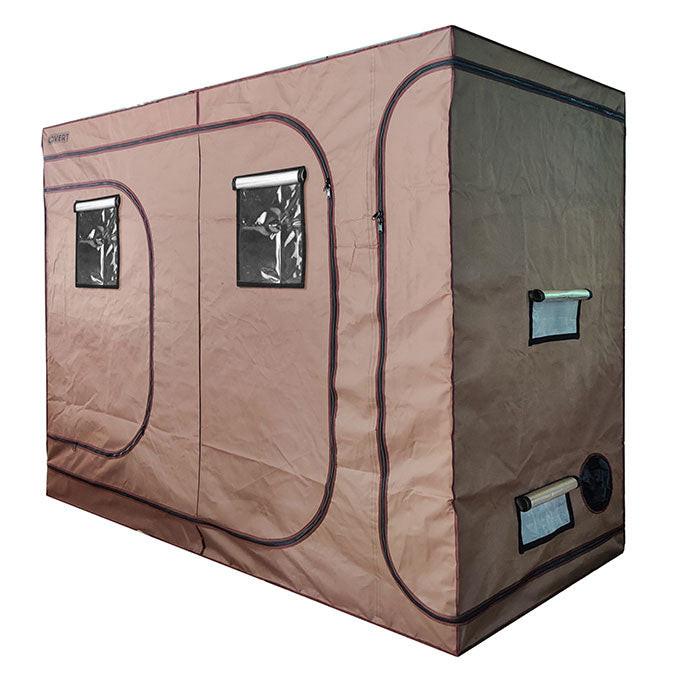
Cloning Tents & Propagation Tents for Seedlings
Cloning and propagation tents are compact, humidity-controlled enclosures designed to maintain the elevated relative humidity (70-80% RH) that seedlings and unrooted cuttings require during early root development. Unlike standard grow tents optimized for flowering light intensity, propagation tents prioritize humidity retention, uniform low-intensity lighting, and a controlled microclimate that protects young plants during their most vulnerable stage. A dedicated cloning tent separates the high-humidity propagation environment from the lower-humidity conditions of the vegetative or flowering room, preventing the mold risk that high propagation humidity creates in a shared environment.
Types of Propagation Tents
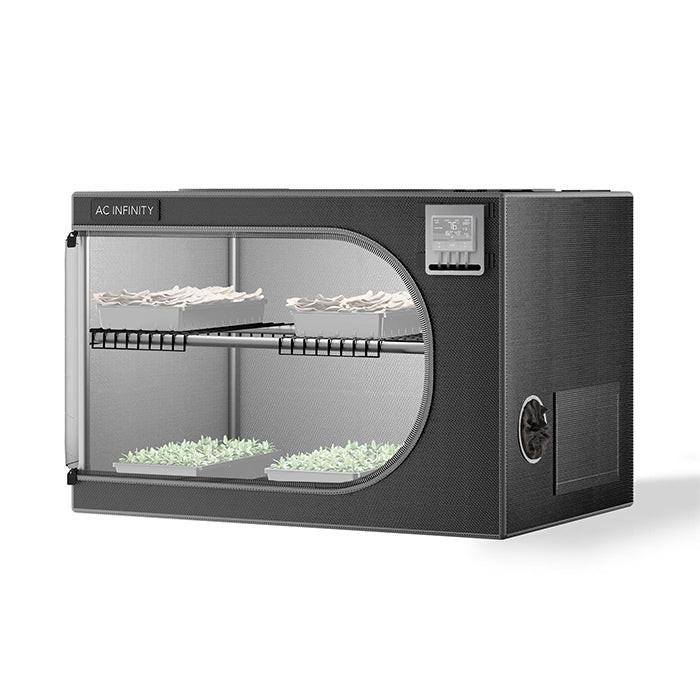
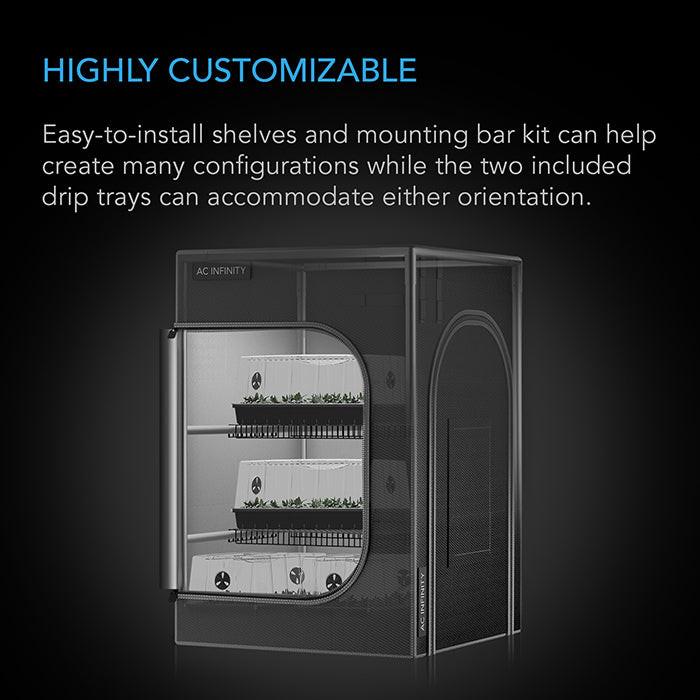
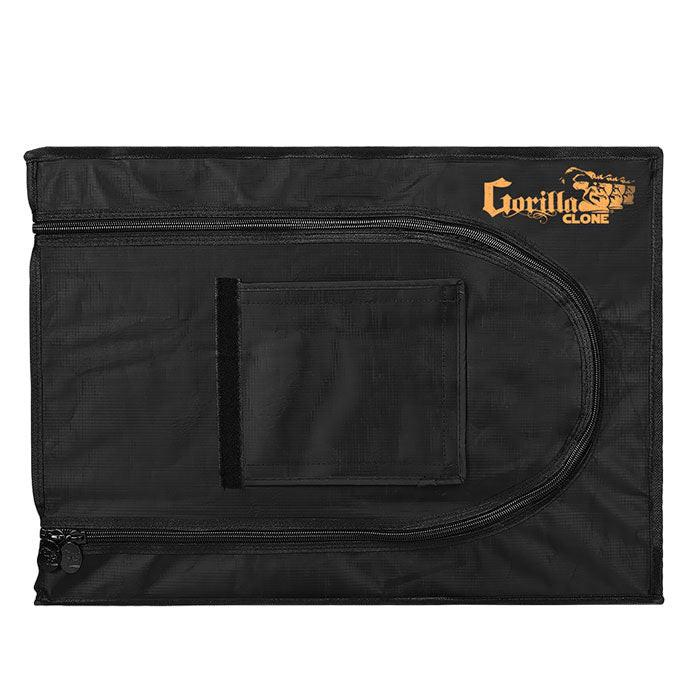
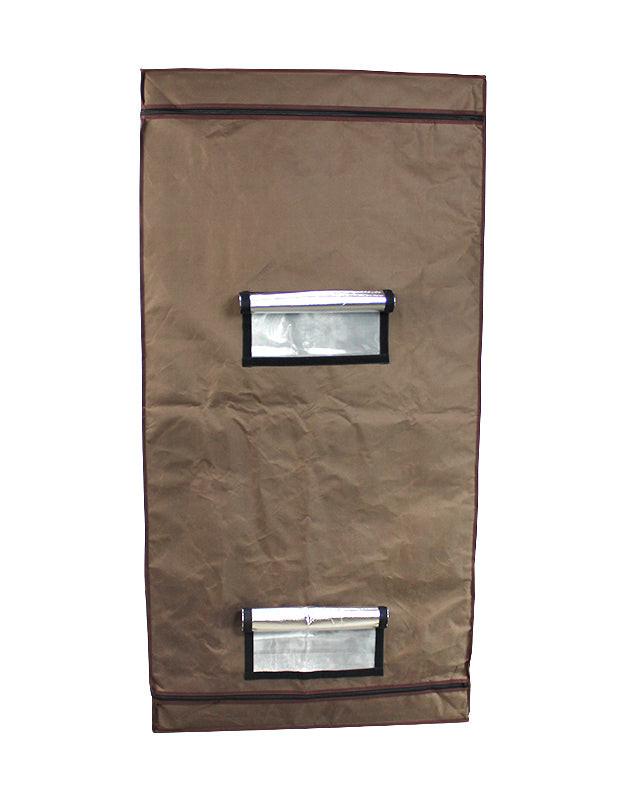
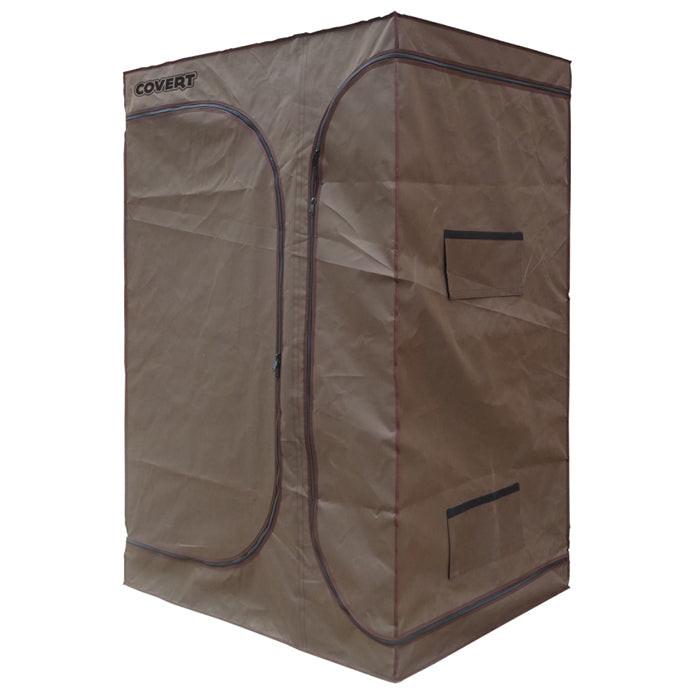
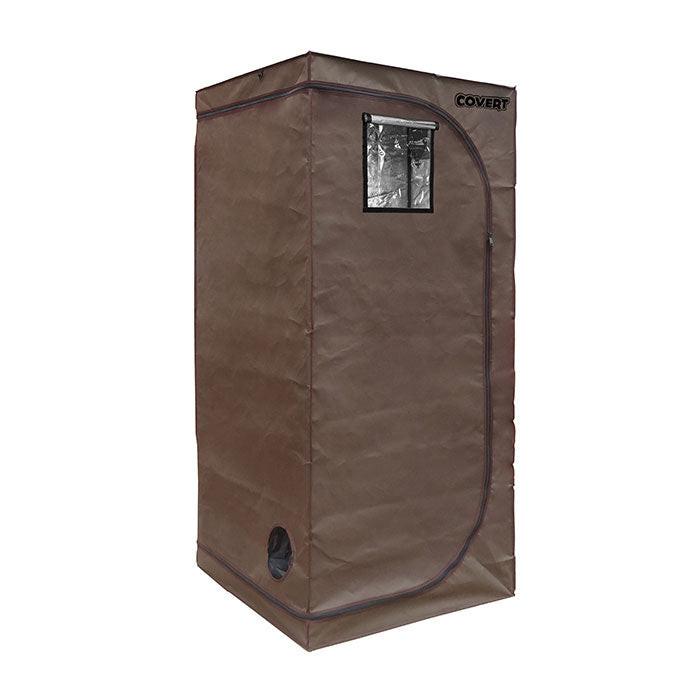
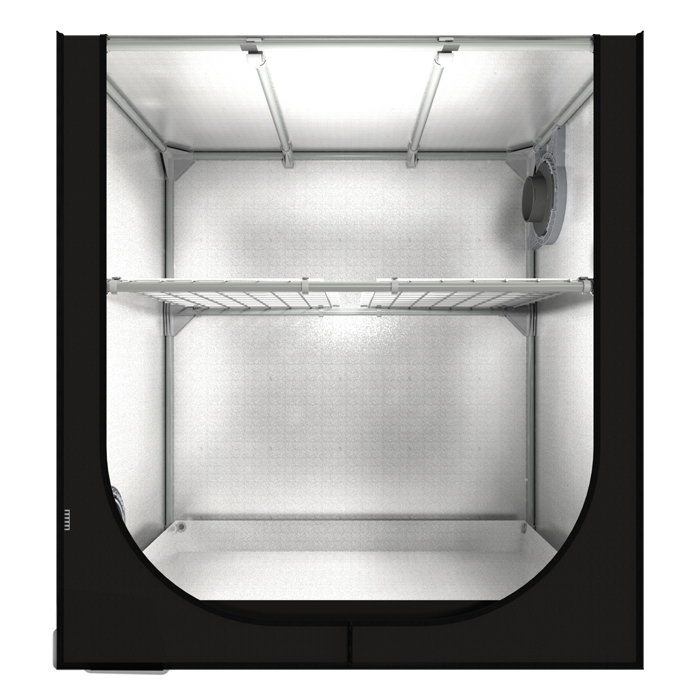
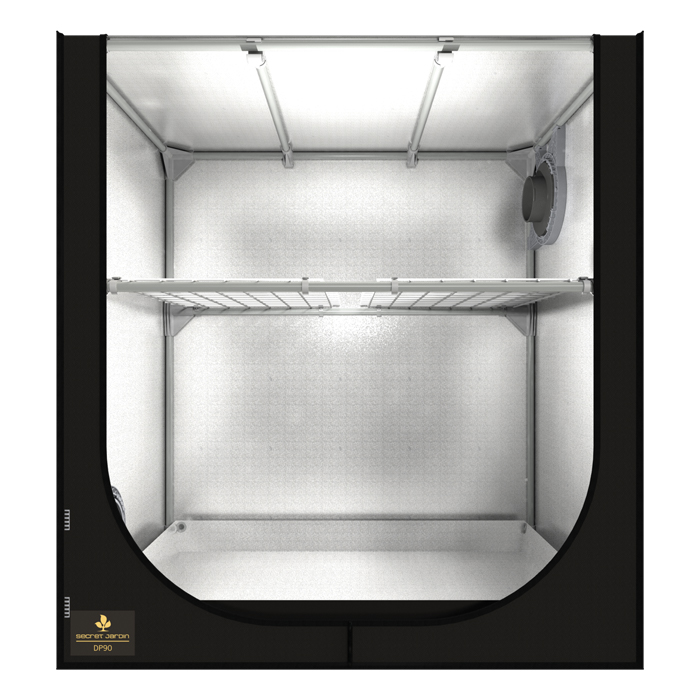
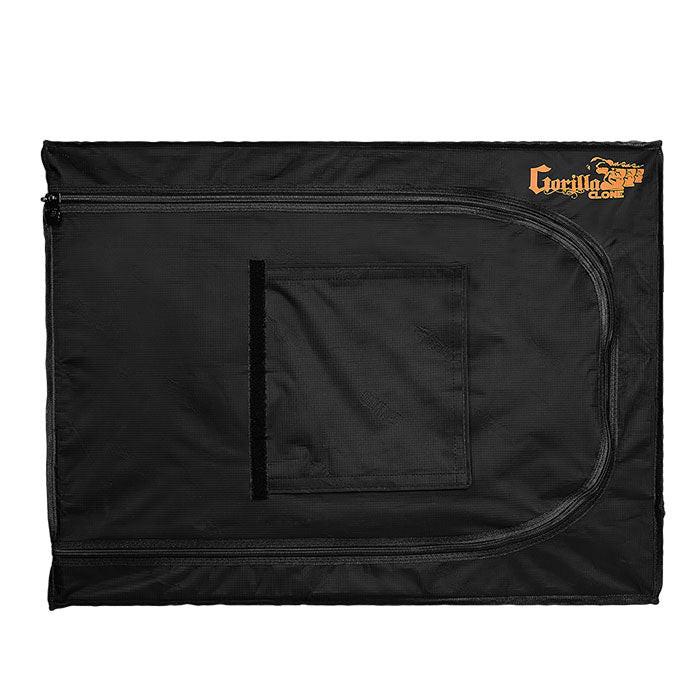
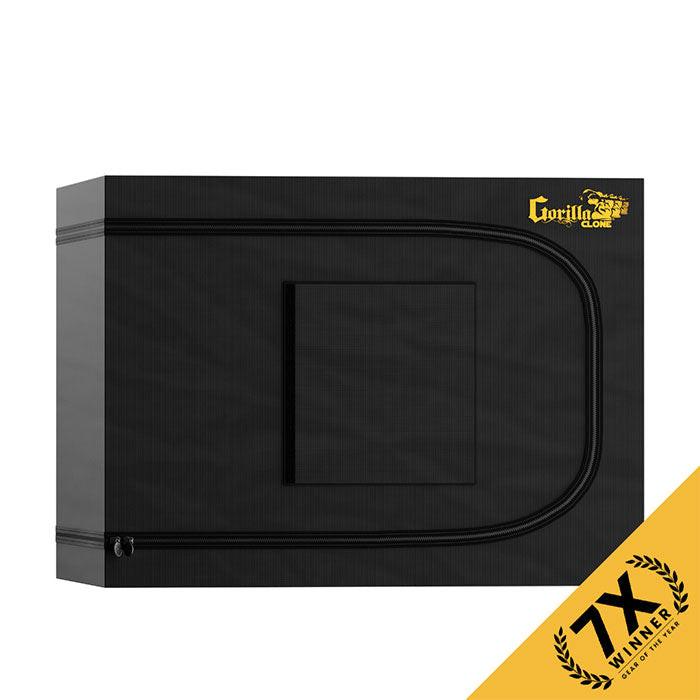
Small cloning tents (2x2 to 2x4 ft) are the most common configuration -- compact enough for a corner of the grow space, sized to hold standard 10x20 seedling trays and a T5 or LED propagation light overhead. The enclosed structure retains humidity generated by the plants and misting without affecting the broader grow room environment. Some propagation setups use a standard humidity dome on an open table rather than a full tent -- adequate for occasional small batches, but a dedicated propagation tent provides better control for growers running continuous production where new clones and seedlings are started every cycle. Pair with starter plugs, rooting hormone, and a T5 or LED propagation light for a complete propagation station.
Propagation Tent Setup
Inside a propagation tent: a low-intensity light (T5 HO 6500K or LED veg bar at 100-300 umol/m2/s), a heat mat under propagation trays to maintain substrate temperature at 72-78 degrees F, and a small humidifier or frequent misting schedule to maintain 70-80% RH. Some propagation tents include a humidity dome insert at the canopy level for even higher localized humidity around fresh cuttings. An environment controller or simple humidity controller automates humidifier operation to maintain target RH without manual monitoring. Fast shipping.
Cloning Tents & Propagation Tents FAQ
What is the difference between a cloning tent and a regular grow tent?
Cloning and propagation tents are optimized for high humidity (70-80% RH) and low-intensity lighting (100-300 umol/m2/s) suited to seedlings and unrooted cuttings. Regular grow tents are optimized for flowering-intensity light (800-1,200+ umol/m2/s) and lower humidity (45-55% RH during flowering). Using a standard grow tent for propagation works but requires active humidification to overcome the larger volume and better ventilation that works against maintaining high humidity. A dedicated small propagation tent retains humidity more efficiently with less humidifier effort.
What humidity should a cloning tent maintain?
Target 70-80% RH for unrooted cuttings during the rooting phase. At this humidity level, transpiration through leaves is reduced, protecting cuttings from wilting before roots establish and providing the moist environment that supports rapid root initiation. Once roots are visible emerging from starter plugs (typically 7-14 days), gradually reduce humidity over 1-2 days to acclimate rooted cuttings to the lower humidity of the vegetative environment before transplanting.
What light should I use in a cloning or propagation tent?
T5 HO fluorescent fixtures (4-foot 4-lamp, 6500K cool white spectrum) are the traditional standard for propagation lighting -- even, diffuse low-intensity output at minimal heat, typically providing 150-300 umol/m2/s at 2-6 inches above plugs. Modern LED propagation bars and veg-spectrum LED panels provide the same intensity range at better efficiency and longer tube life. Avoid high-power LED fixtures designed for flowering -- the intensity and heat are inappropriate for delicate seedlings and unrooted cuttings. Target 150-300 umol/m2/s at the canopy level.
Do I need a separate tent for clones or can I use a humidity dome?
For occasional small propagation batches (one or two trays per cycle), a humidity dome on an open table works adequately. For growers running continuous production who start new clones every cycle to maintain perpetual harvest, a dedicated propagation tent provides more consistent humidity control, better isolation from the main grow room environment, and a permanent low-intensity light setup that is always ready. The efficiency improvement in rooting success and uniformity from a controlled propagation environment pays back the modest cost of a small tent within a few production cycles.
Can I clone in the same tent where I'm growing?
It is possible but creates tradeoffs in both the propagation and main growing environments. Main grow rooms typically run 45-60% RH -- adequate for vegetative and flowering growth but significantly below the 70-80% that cuttings need for best rooting success. Raising the whole room to propagation humidity creates mold risk for any flowering plants present. A dedicated propagation area (tent, dedicated shelf space, or small separate room) resolves this conflict cleanly and improves outcomes in both the propagation and production stages.