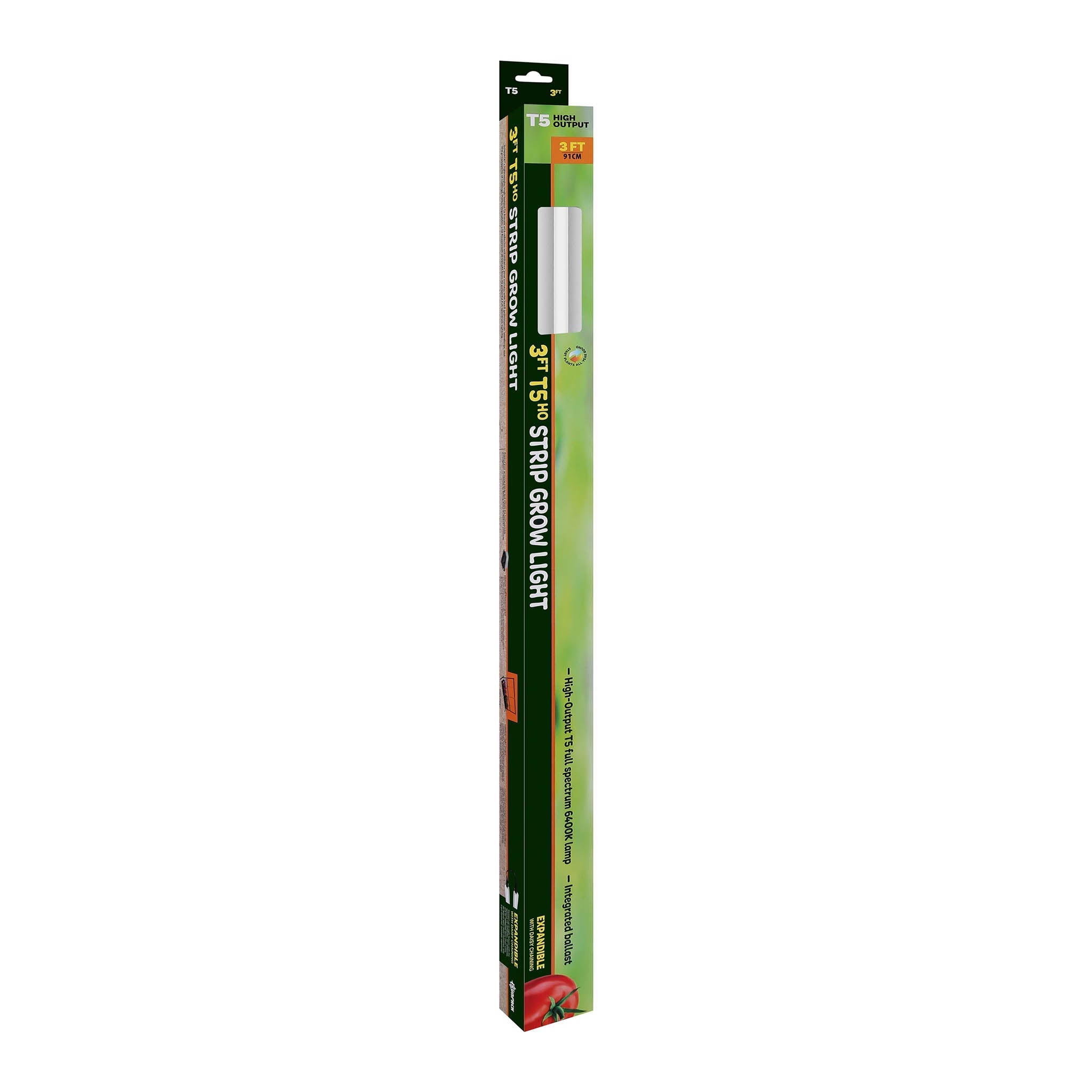
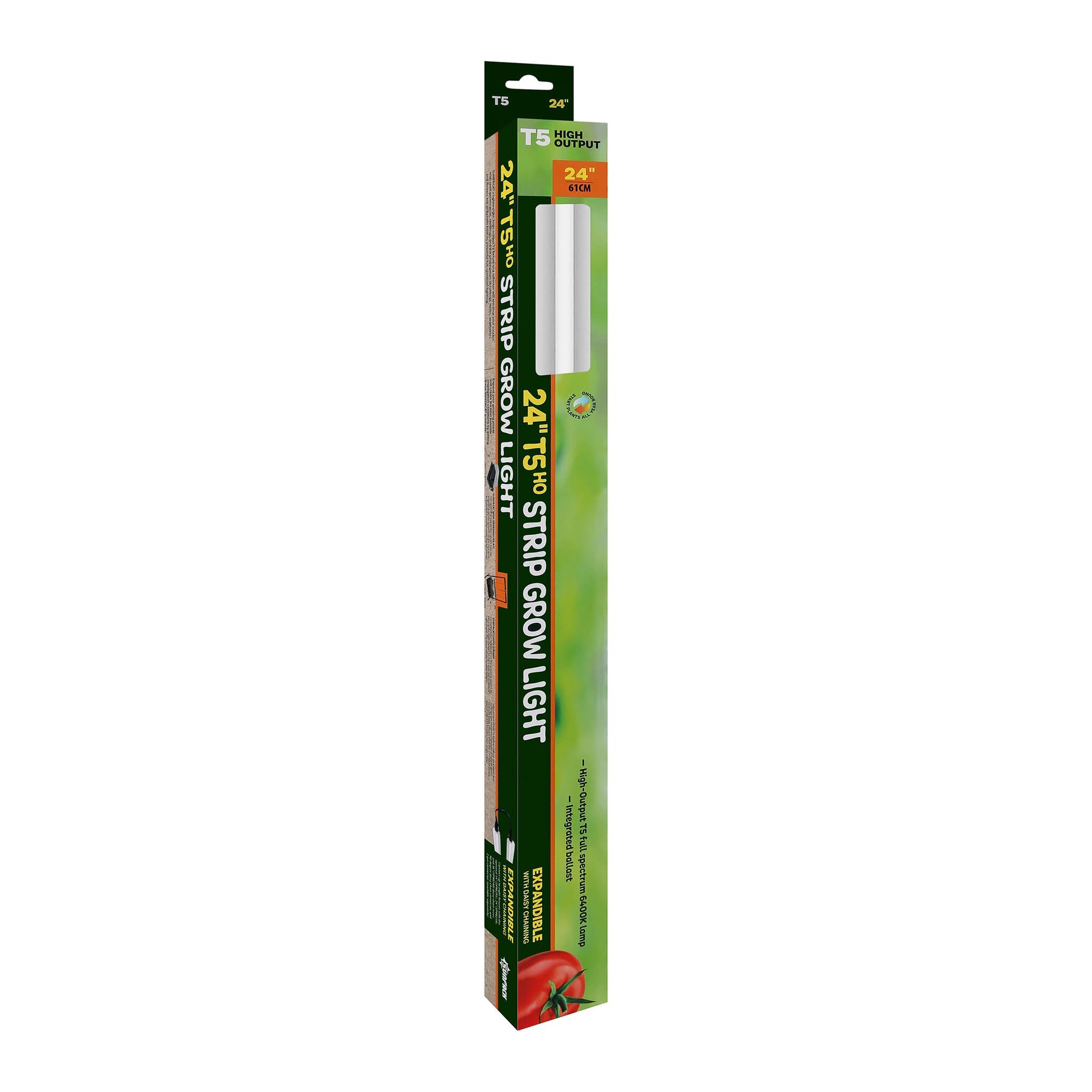
T5 Fluorescent Grow Lights for Propagation, Seedlings & Cloning
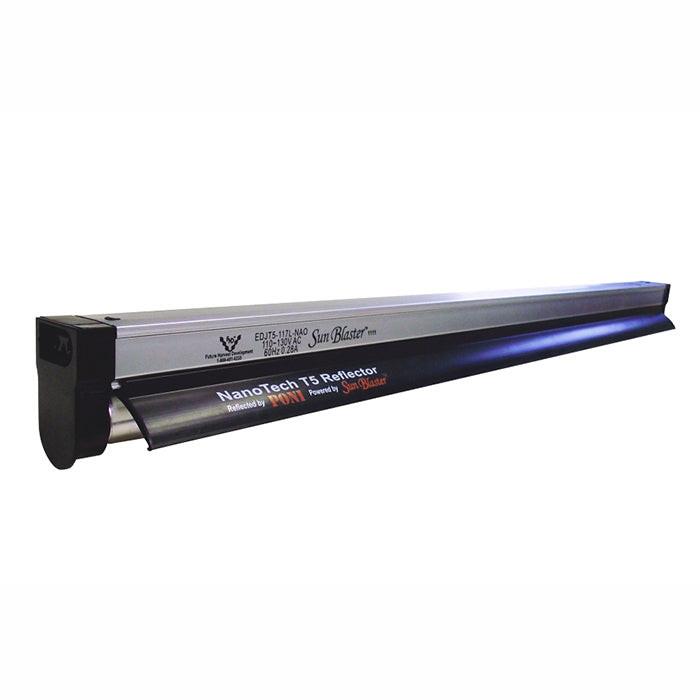
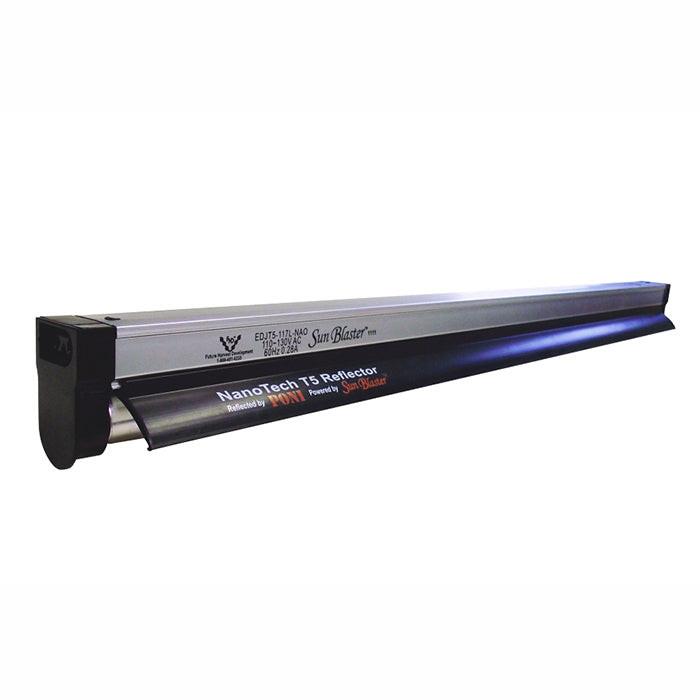
T5 fluorescent fixtures remain the most widely used lighting format for plant propagation, seedling development, and cloning -- stages where the low heat output, even light distribution, and adjustable hanging height of T5 fixtures outweigh the efficiency advantages of LED grow lights. T5 tubes produce a broad, diffuse light output without the hot spots or intensity concentration of LED point sources -- ideal for the delicate early growth stages where consistent, moderate light intensity across the full tray is more valuable than peak PPFD. For commercial propagation rooms running hundreds of seedling trays simultaneously, T5 fixtures deliver the low-cost, reliable coverage that makes large-scale propagation economical.
T5 Fixture Configurations: 2-Foot vs. 4-Foot, 2-Lamp to 8-Lamp
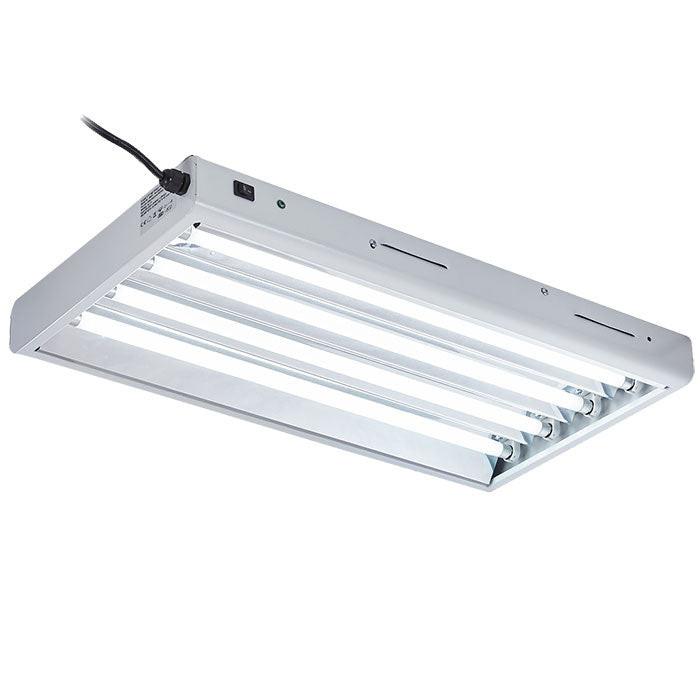
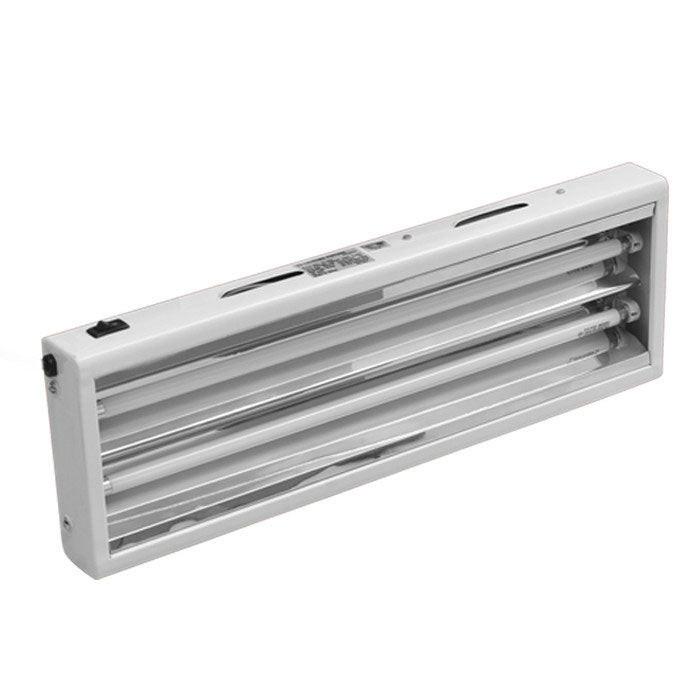
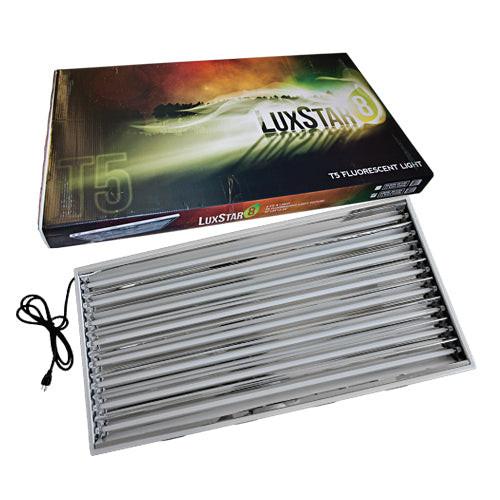
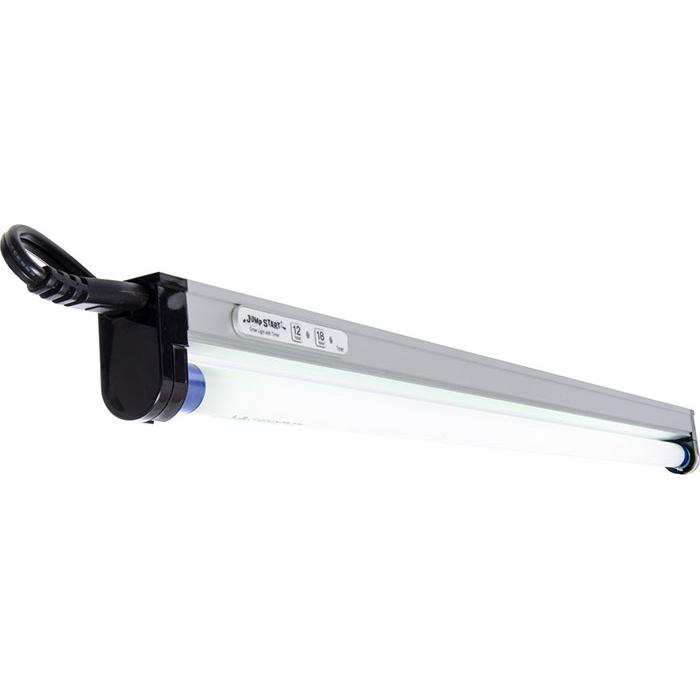
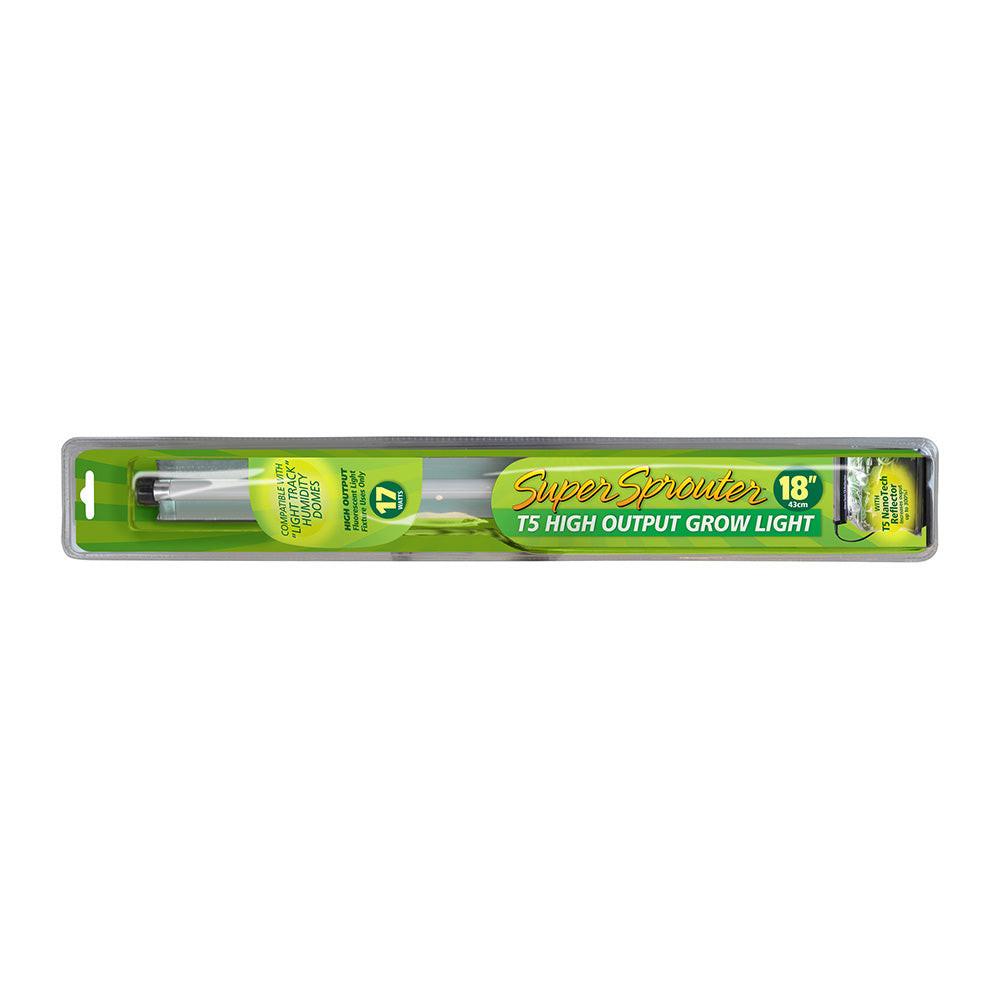
T5 fluorescent fixtures are available in 2-foot and 4-foot lengths with 2, 4, 6, or 8 lamp configurations. More lamps increase intensity per fixture footprint -- a 4-foot 8-lamp T5 delivers approximately 20,000-30,000 lumens, adequate for vegetative growth in a small dedicated veg room. For seedling propagation and cloning where lower intensity is appropriate, 2-lamp and 4-lamp fixtures positioned 2-6 inches above plugs and cubes provide ideal 100-300 umol/m2/s PPFD levels. T5 HO (high output) tubes produce more light per tube than standard T5 output -- most horticultural T5 fixtures use T5 HO tubes for maximum intensity. LED alternatives in the T5 format (LED T5 tube replacements) are also available, providing better efficiency than fluorescent tubes while retaining compatibility with existing T5 fixture housings.
T5 Spectrum: 6500K for Vegetative, 3000K for Flowering
T5 fluorescent tubes are available in cool white (6500K color temperature, blue-dominant spectrum) for vegetative growth and propagation, and warm white (3000K, red-dominant) for flowering or supplemental light. Most propagation applications use 6500K tubes -- the cool blue-dominant spectrum promotes compact, bushy vegetative growth with tight internodal spacing. For dedicated T5 veg rooms or propagation spaces that feed into an LED or HPS flowering room, 6500K tubes are the standard. Mixed-spectrum configurations (alternating cool and warm tubes) provide a balanced spectrum for multi-stage spaces. Browse replacement T5 HO bulbs in our grow light bulbs collection for replacements when tube output declines. Fast shipping.
T5 Fluorescent Grow Lights FAQ
Are T5 fluorescent lights good for growing plants?
T5 fluorescent lights are excellent for propagation, seedlings, cloning, and early vegetative growth where low heat output and even, moderate-intensity light are priorities. They are not appropriate as primary flowering lights for most crops -- the intensity ceiling of T5 fixtures (typically 200-400 umol/m2/s at close range) falls short of the 800-1,200+ umol/m2/s that productive flowering requires. The right tool for the right stage: T5 for propagation and early veg, LED or HPS for vegetative growth at scale and flowering.
How close should T5 lights be to seedlings and clones?
Position T5 fixtures 2-6 inches above seedling trays and propagation plugs for adequate PPFD without heat stress -- T5 produces minimal radiant heat and can be positioned much closer to plants than HID or high-power LED fixtures. For established vegetative plants under T5, 4-12 inches above the canopy is appropriate depending on the number of lamp tubes and target intensity. Monitor for light stress (leaf bleaching, upward-curling leaf edges) as the primary sign of excessive intensity, and move the fixture up if symptoms appear. Unlike LED and HPS, T5 can be repositioned very close to plants without heat concern -- distance is primarily an intensity management tool.
How often should I replace T5 grow light bulbs?
T5 HO fluorescent tubes decline in light output significantly before they physically fail. Most T5 tubes lose 30-40% of their initial output by 10,000-12,000 hours of operation -- roughly 1-2 years of normal use at 16-18 hours per day. In propagation applications where consistent, uniform light intensity across a tray affects germination rate and seedling uniformity, running degraded tubes extends propagation cycles and reduces uniformity. Replace T5 tubes annually (or every 10,000 hours) in active propagation applications. For occasional-use fixtures that run only during propagation cycles, replacement every 2-3 years is adequate.