Deep Water Culture (DWC) Hydroponic Systems
Deep water culture (DWC) is the most beginner-accessible hydroponic method and one of the most productive. In DWC, plant roots are suspended in an aerated nutrient solution - either in individual buckets or in a system with multiple sites connected to a central reservoir. The constant oxygen saturation from air pumps creates exceptional root zone conditions, and with no soil to slow nutrient delivery, DWC plants often exhibit noticeably faster growth rates than equivalent soil or coco grows. With minimal moving parts and straightforward maintenance, DWC is the recommended starting system for growers new to hydroponics.
Single Bucket DWC vs. RDWC Multi-Site Systems
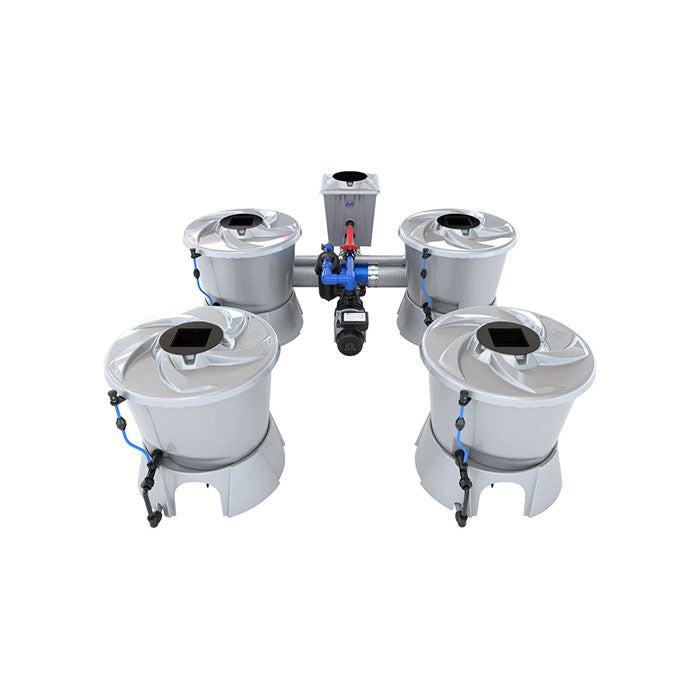
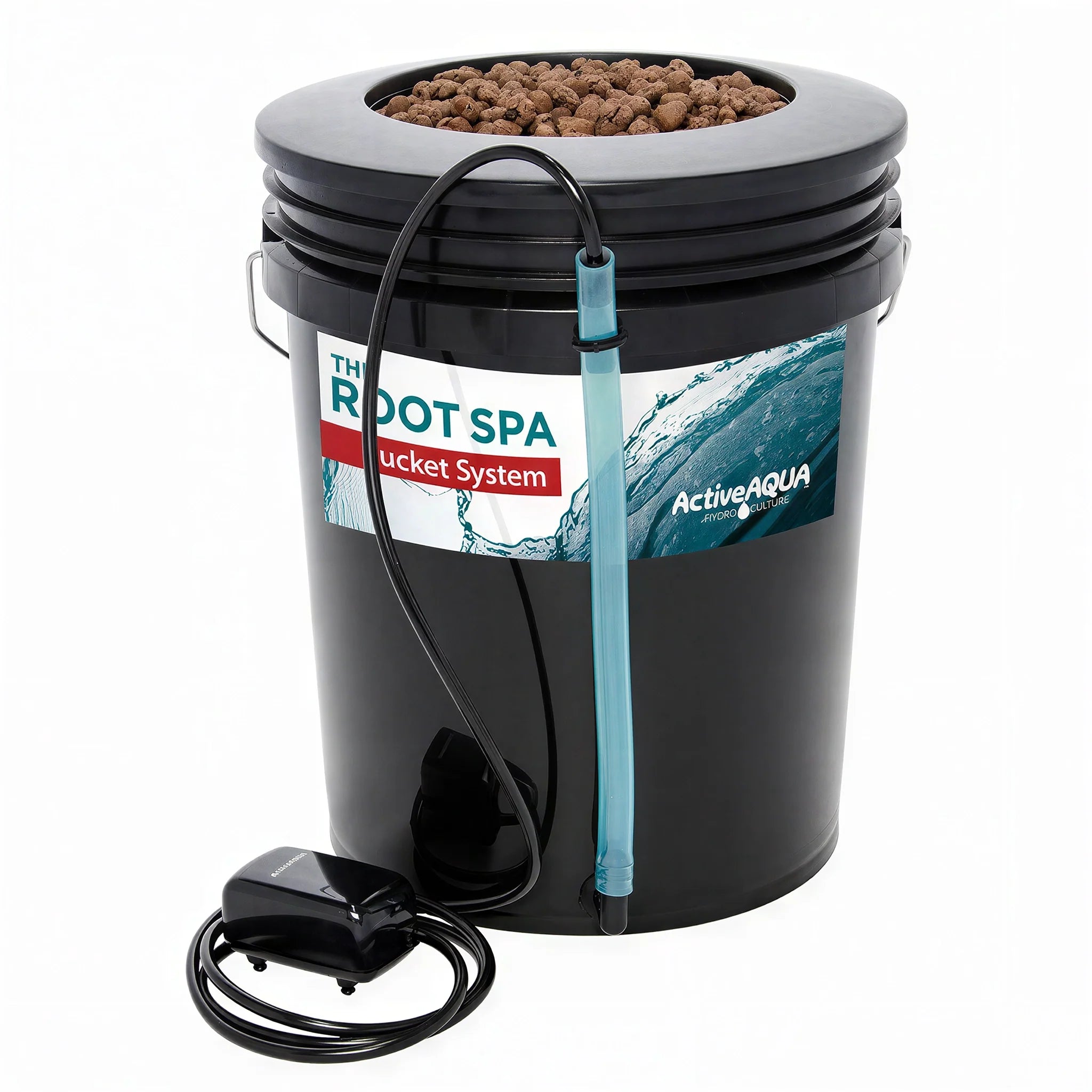
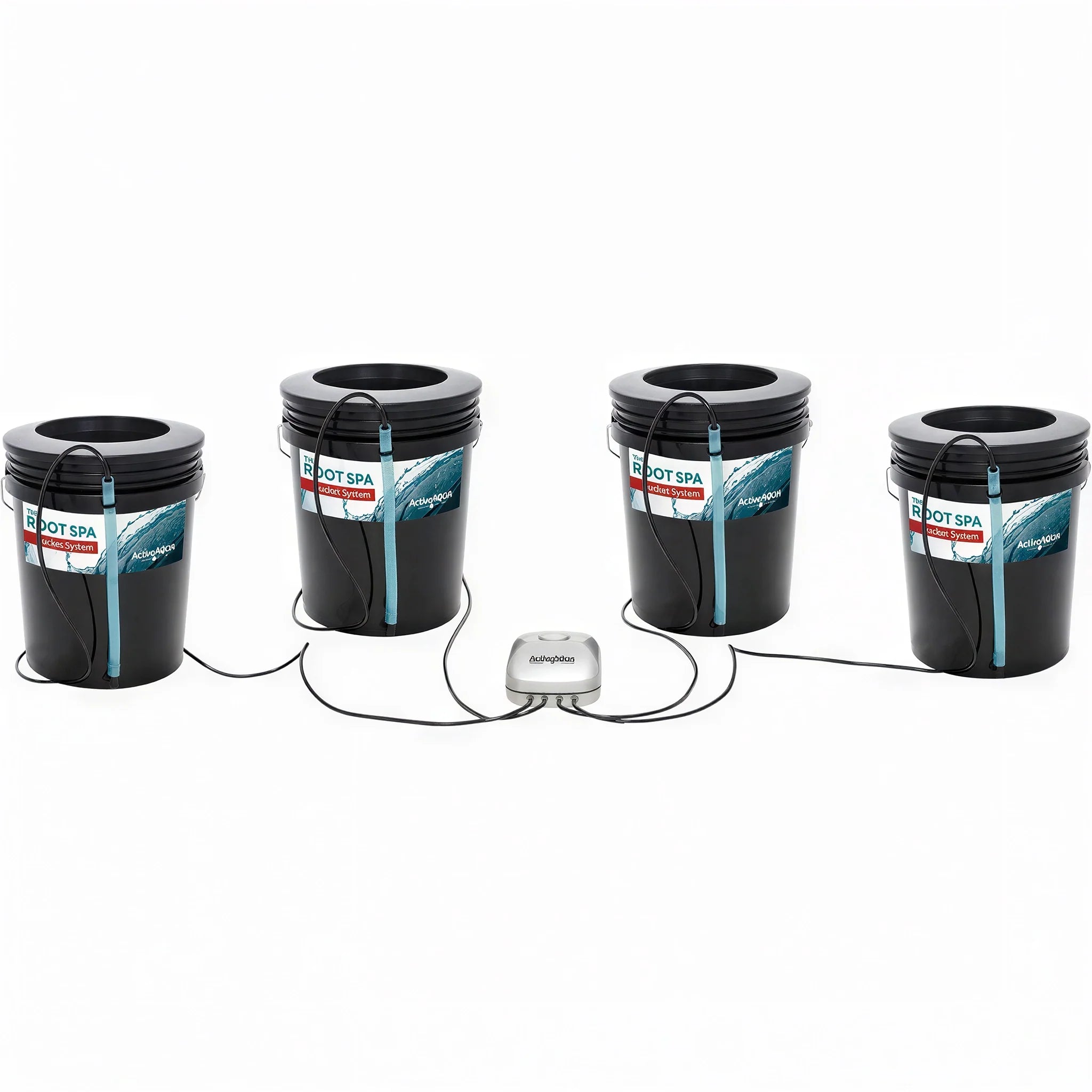
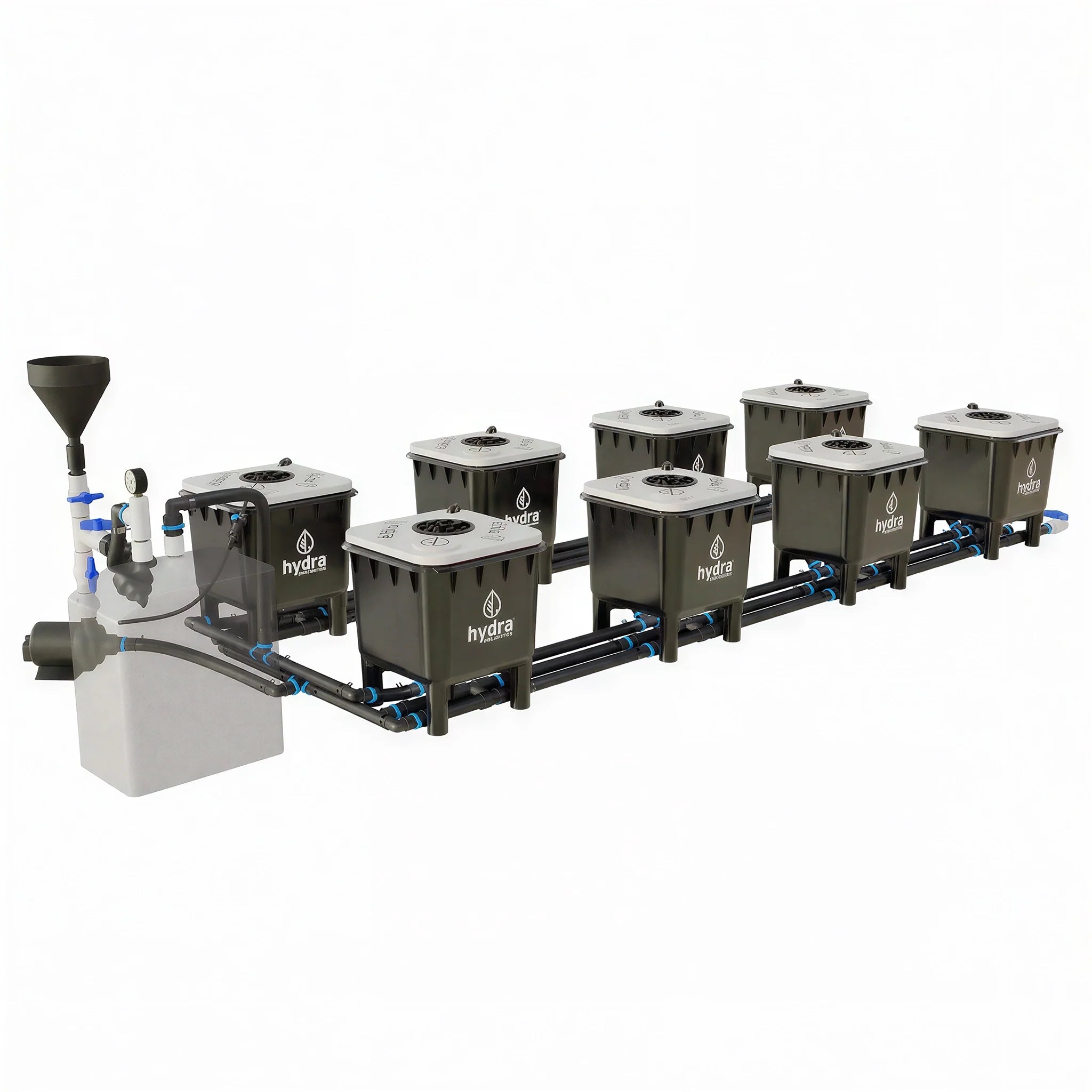
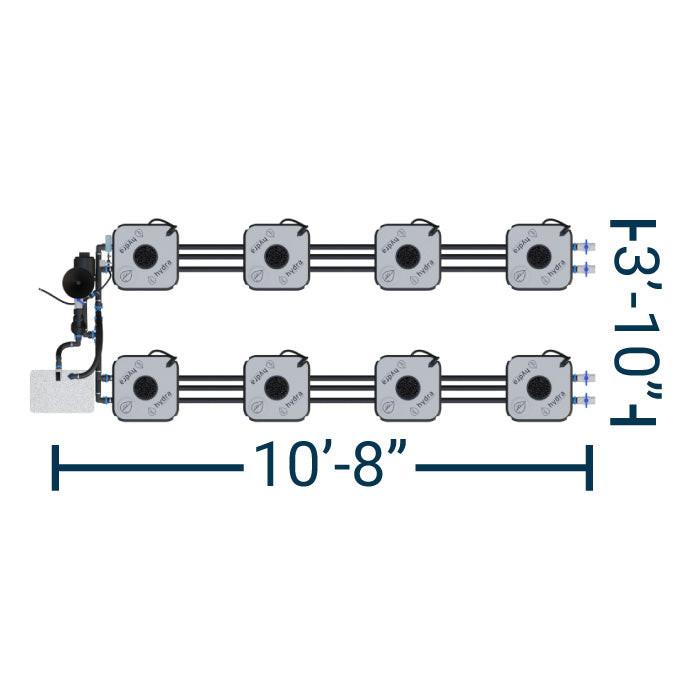
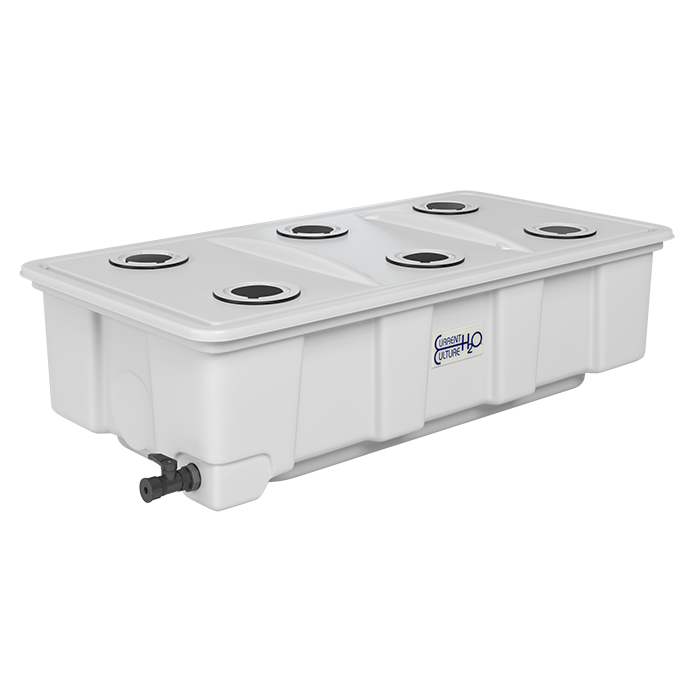
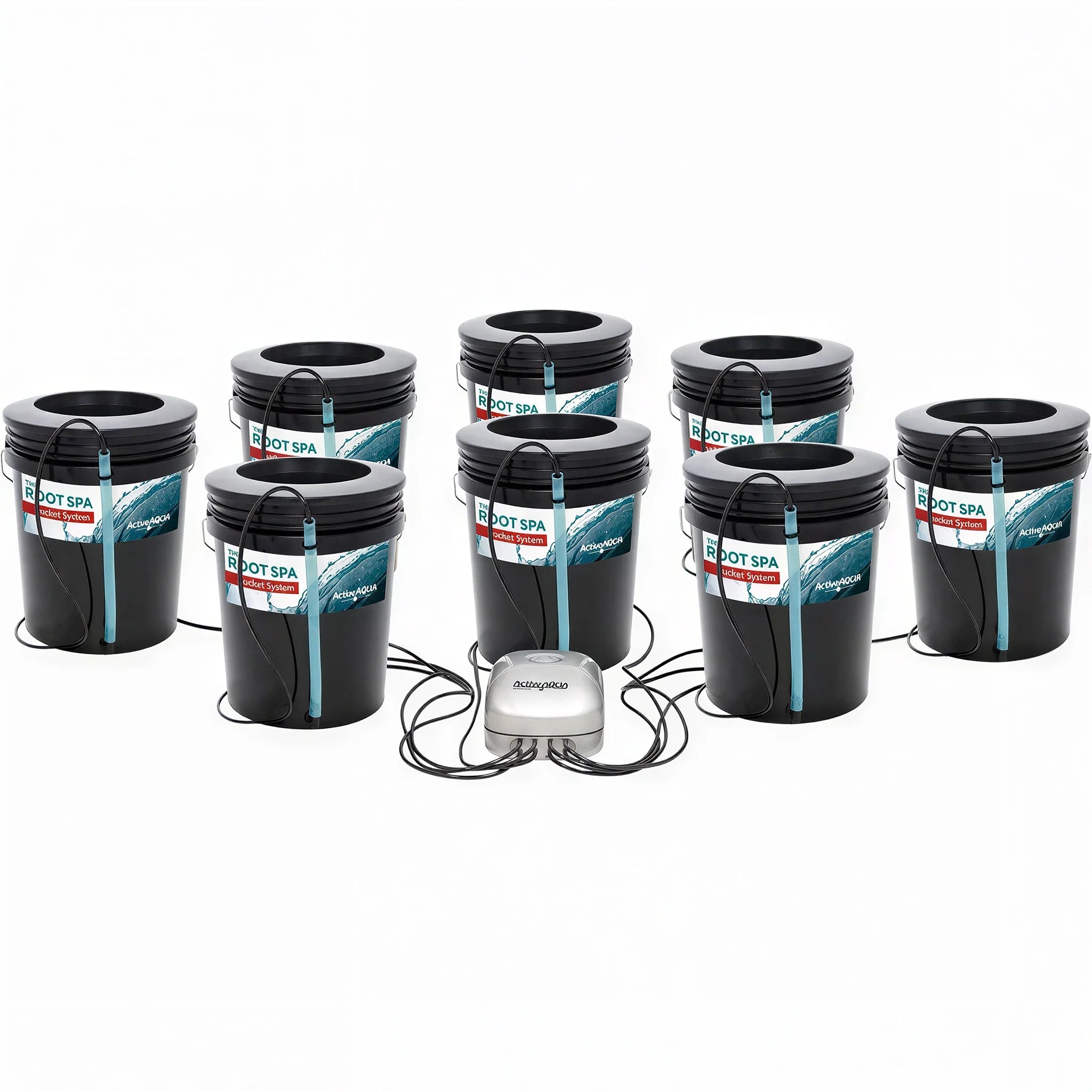
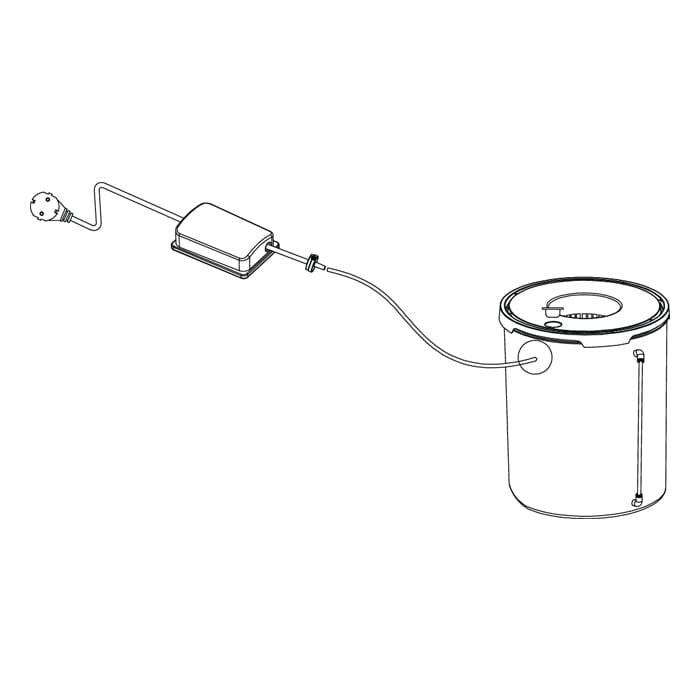
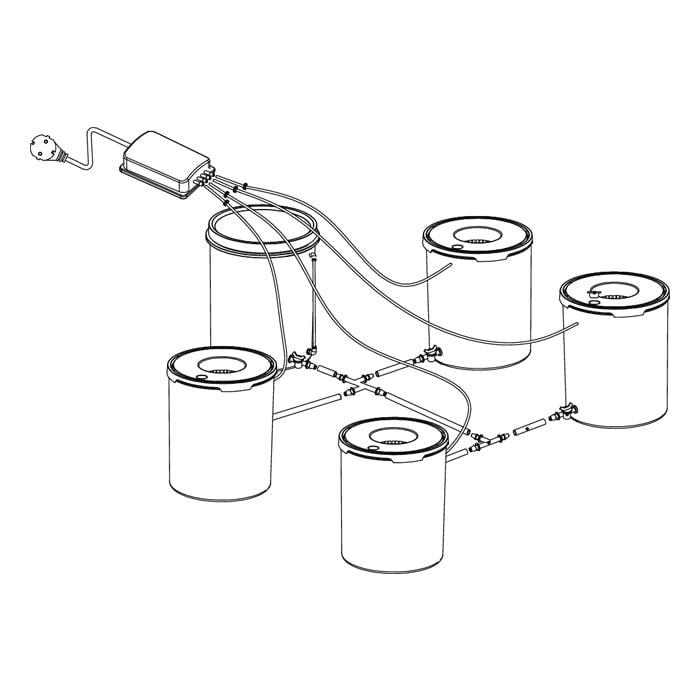
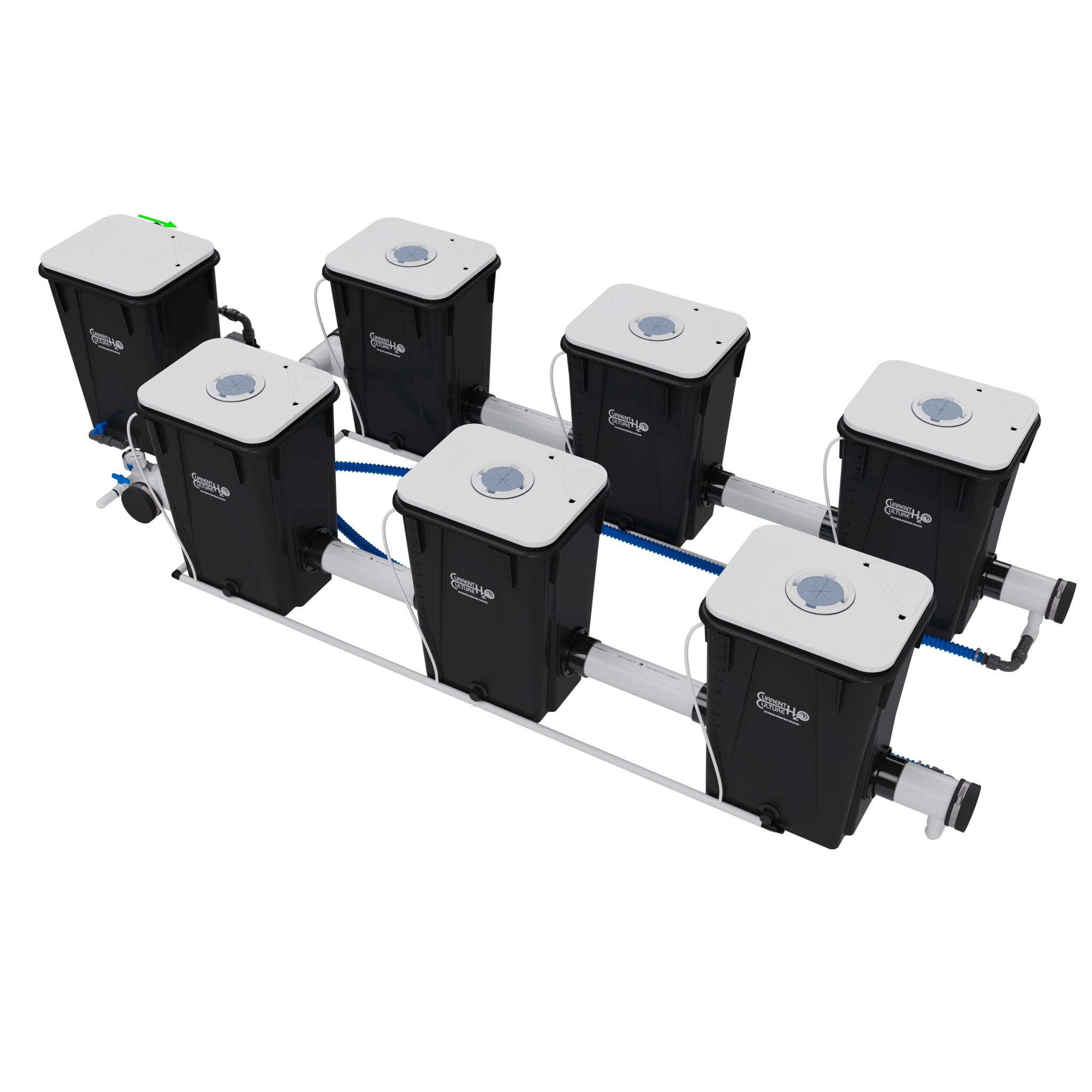
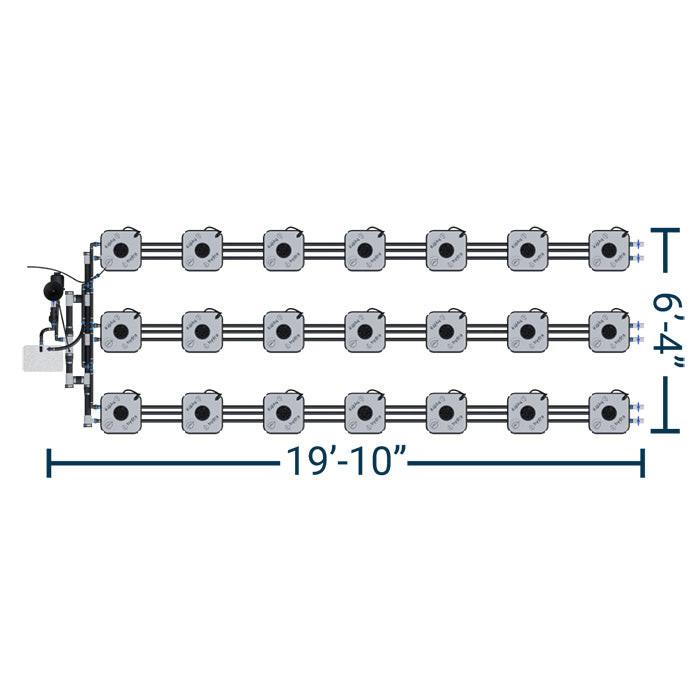
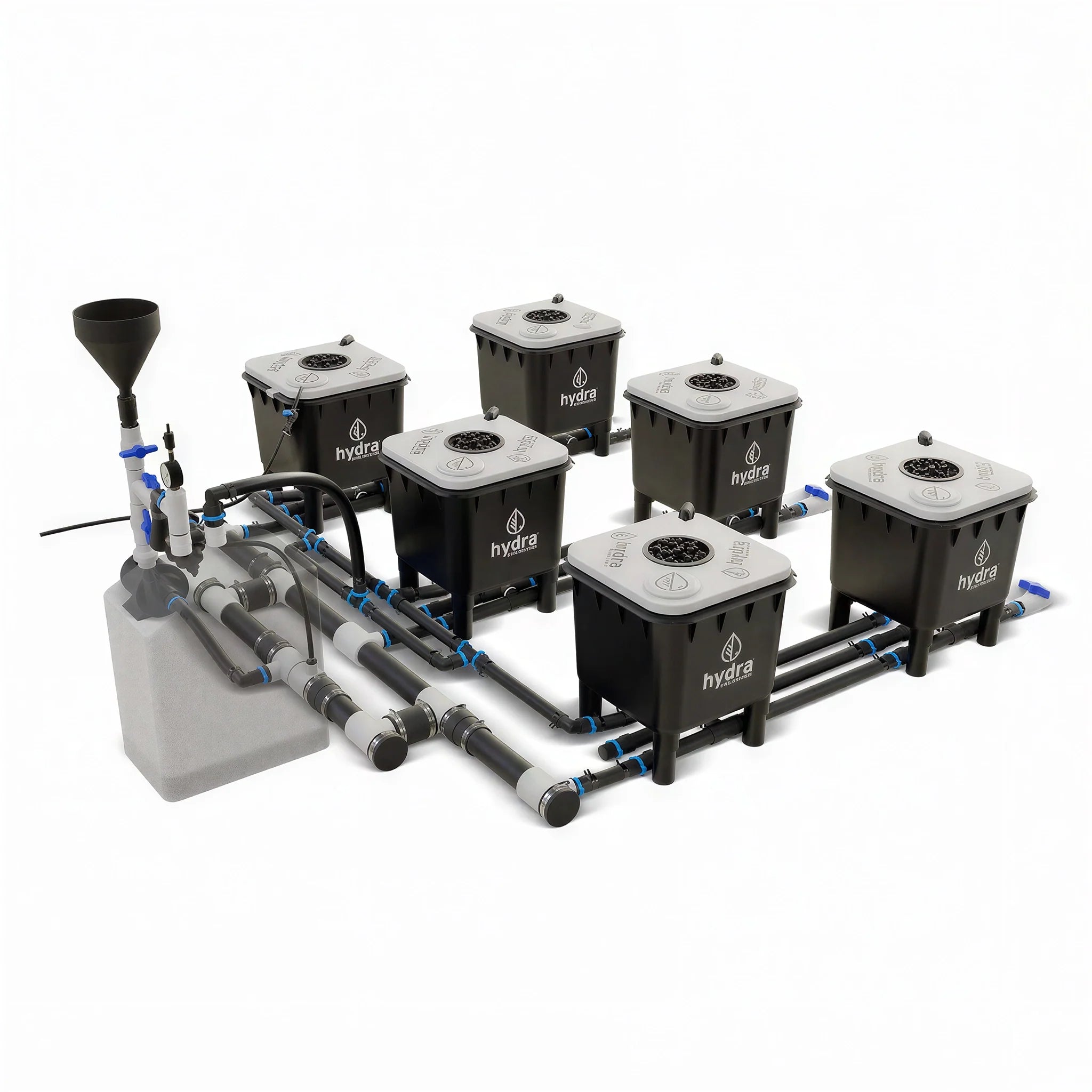
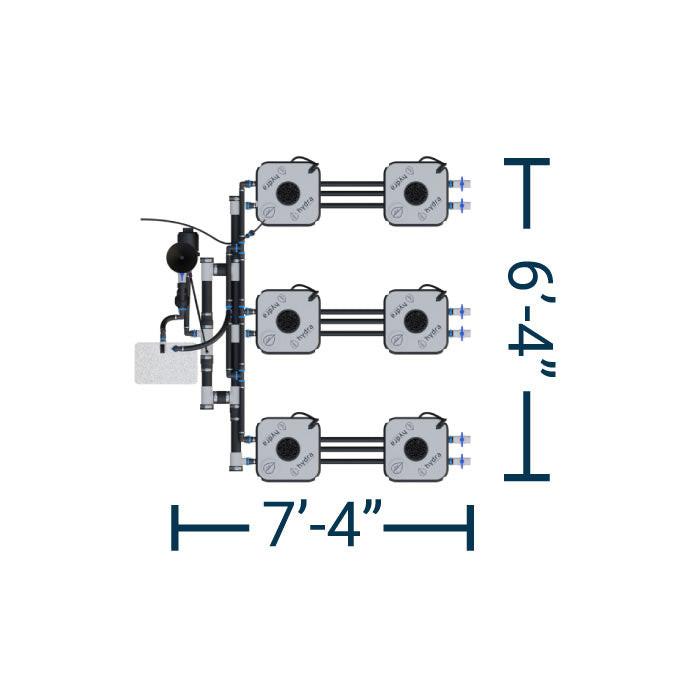
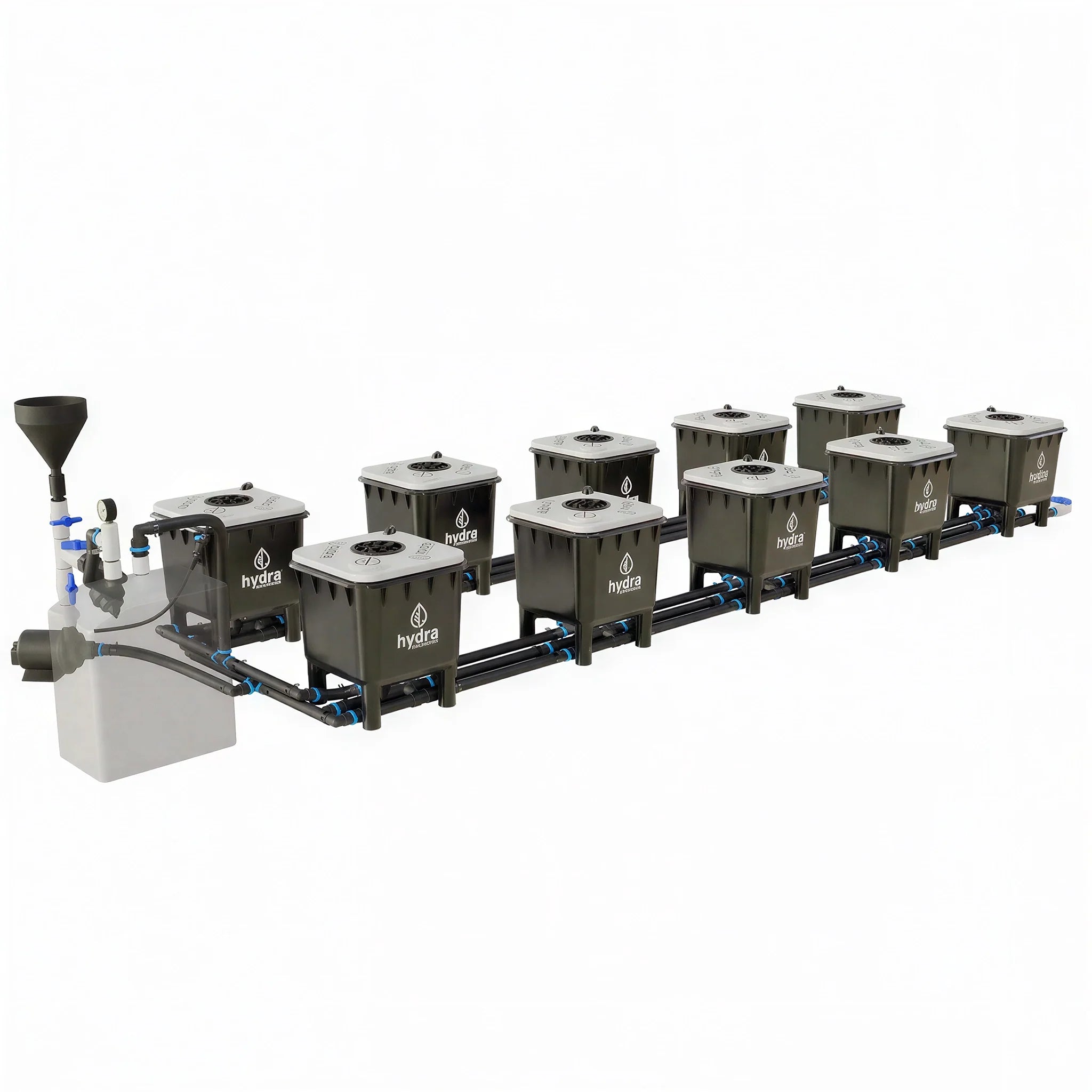
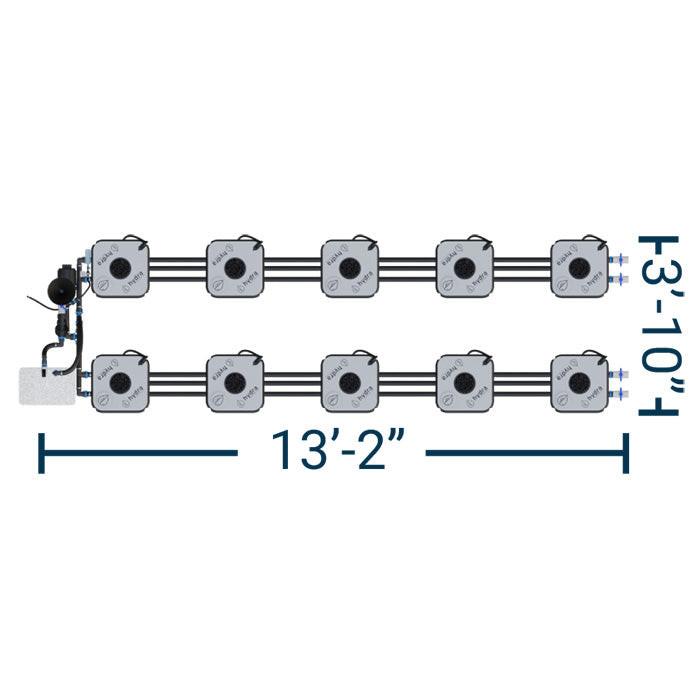
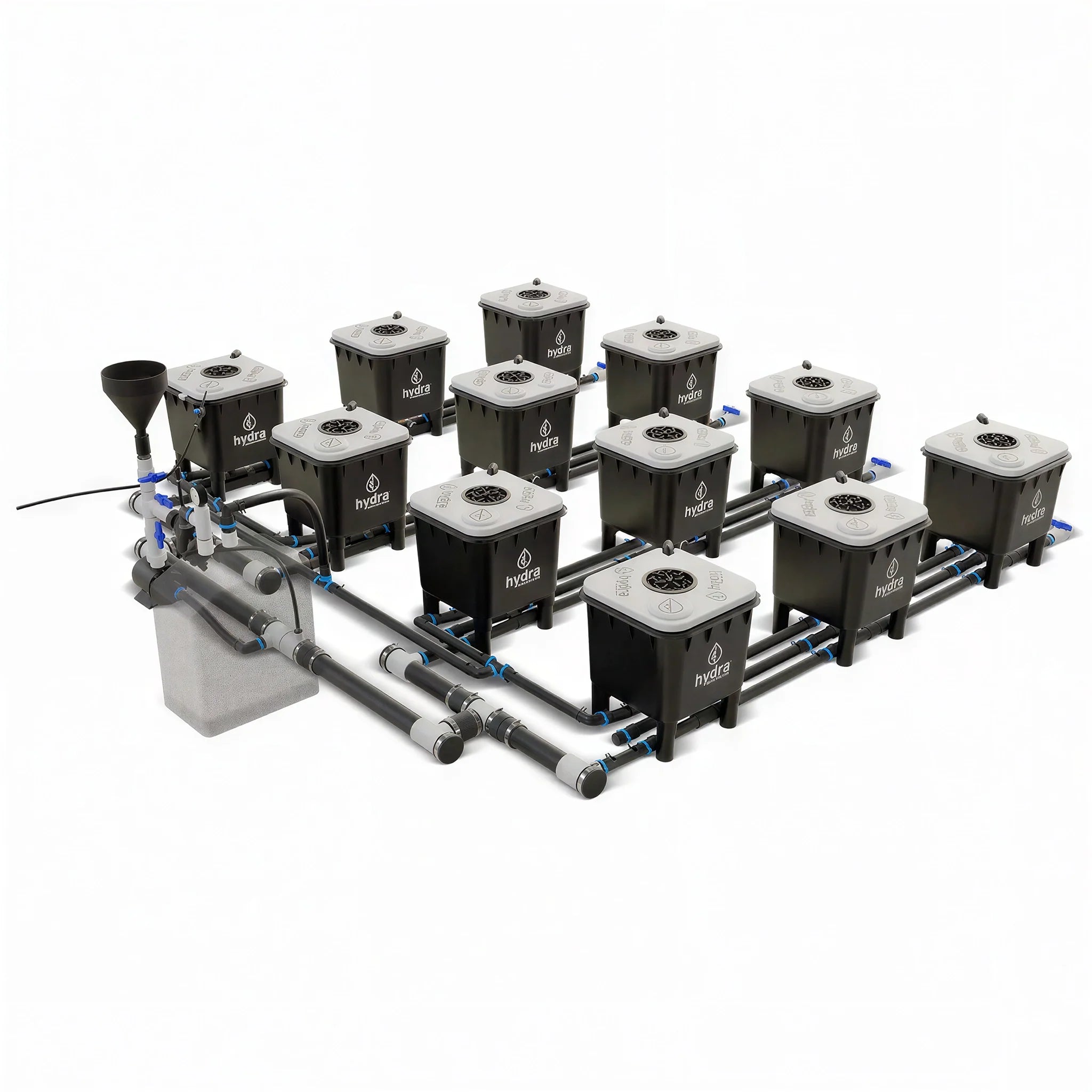
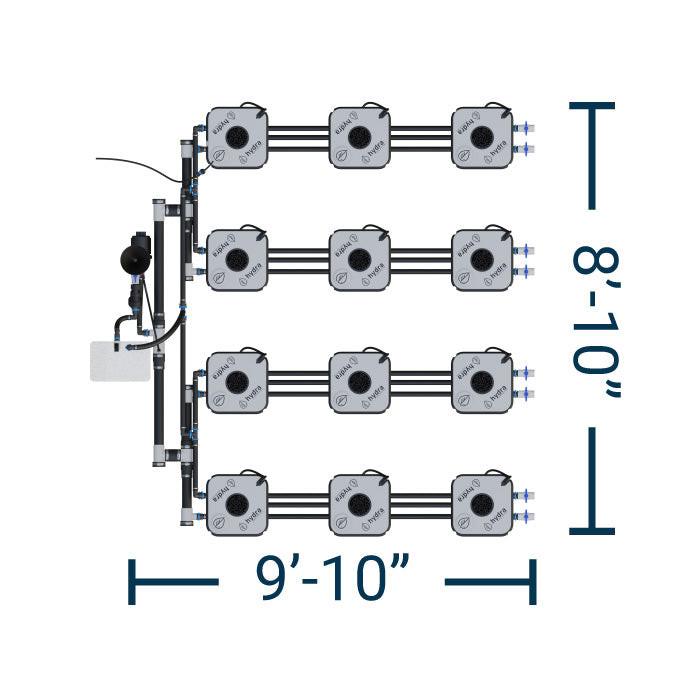
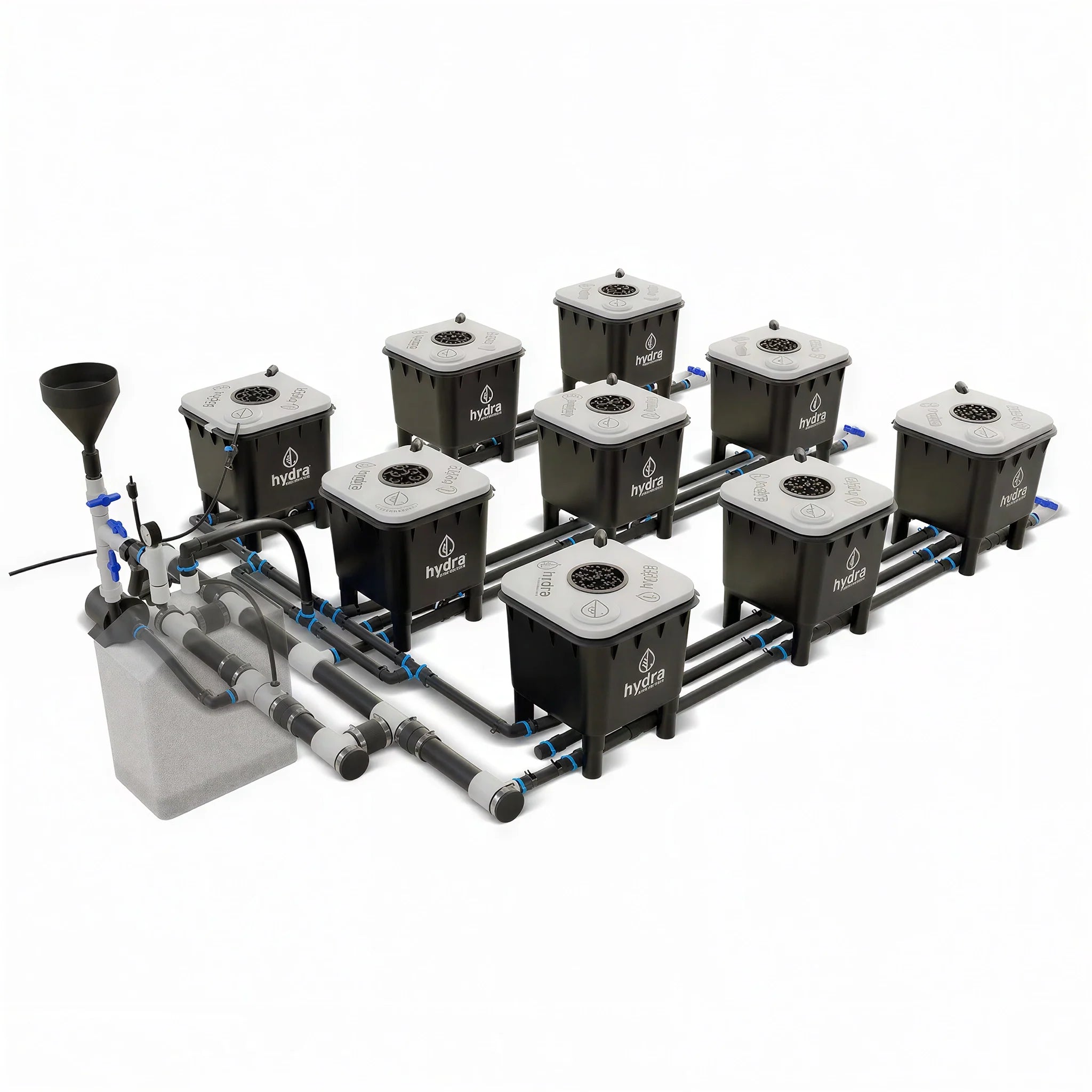
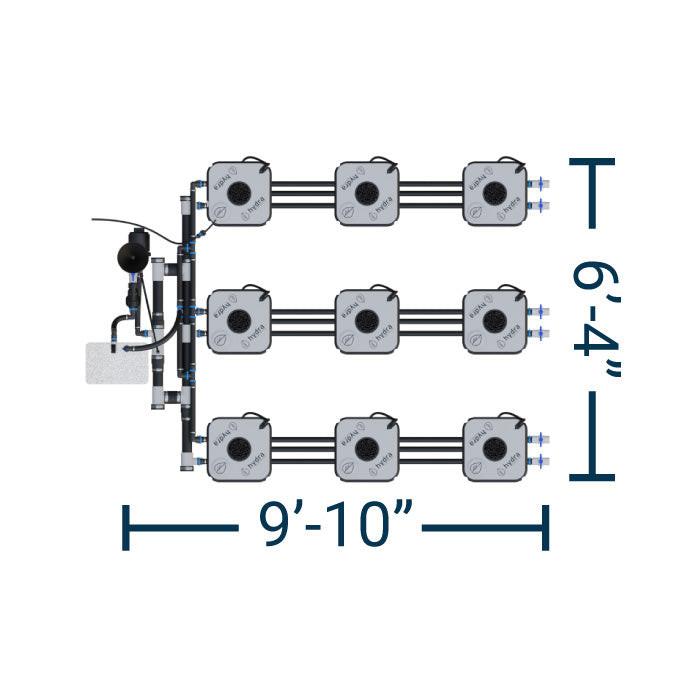
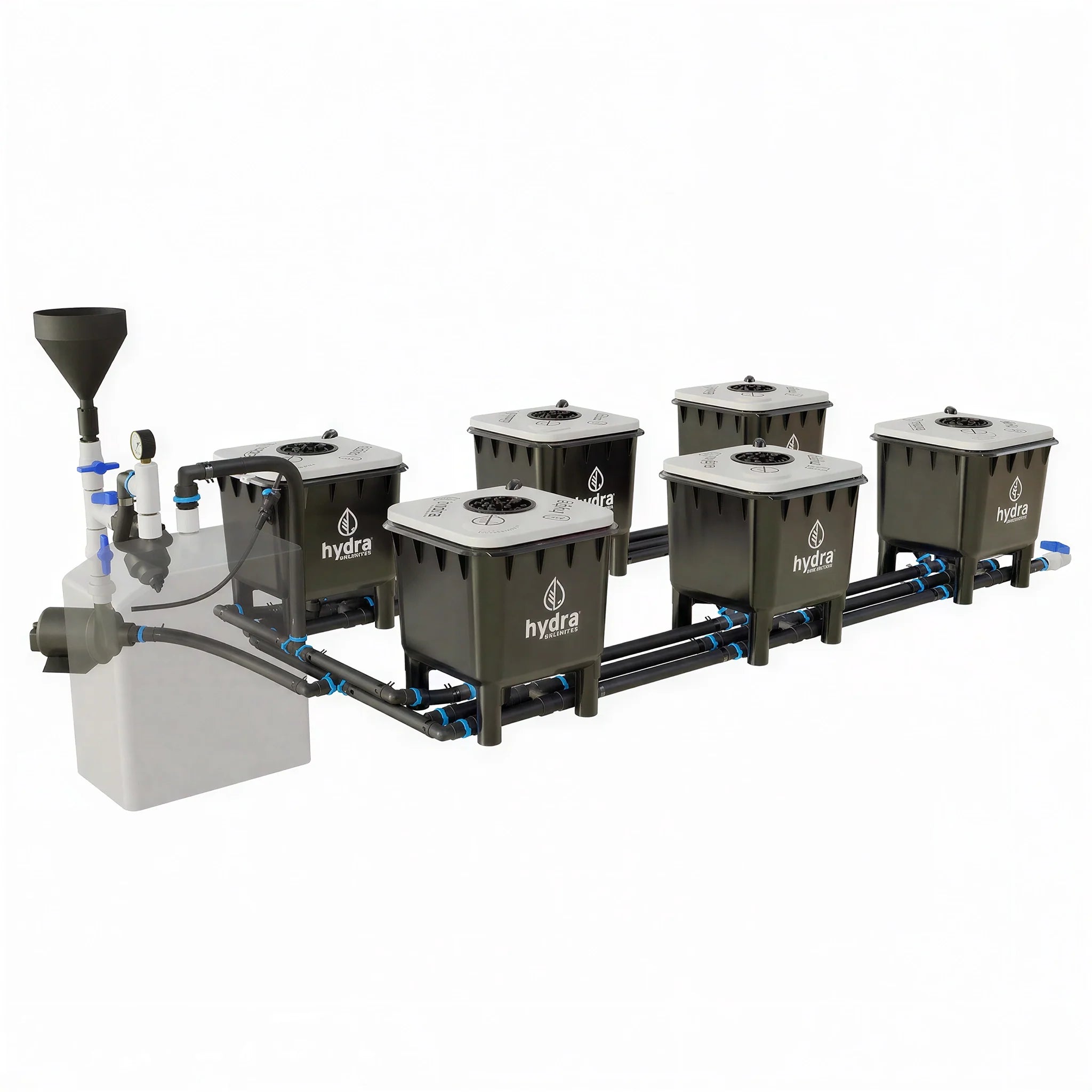
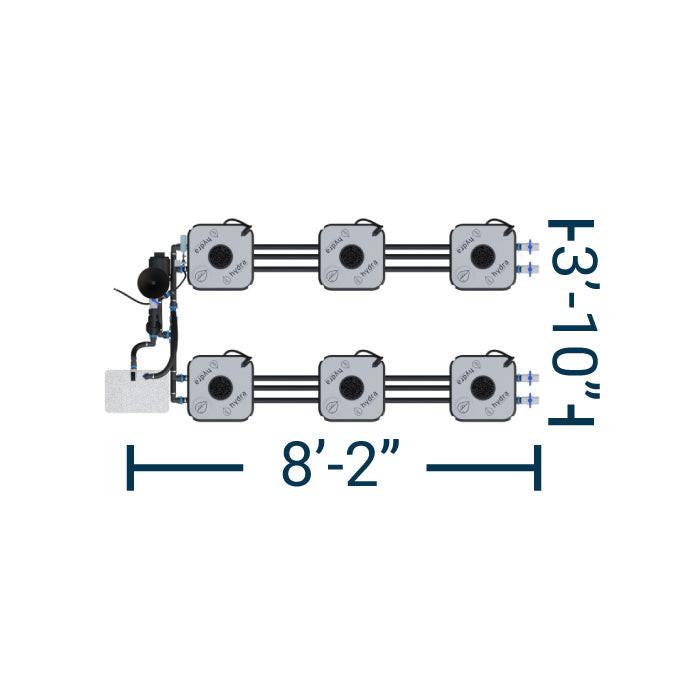
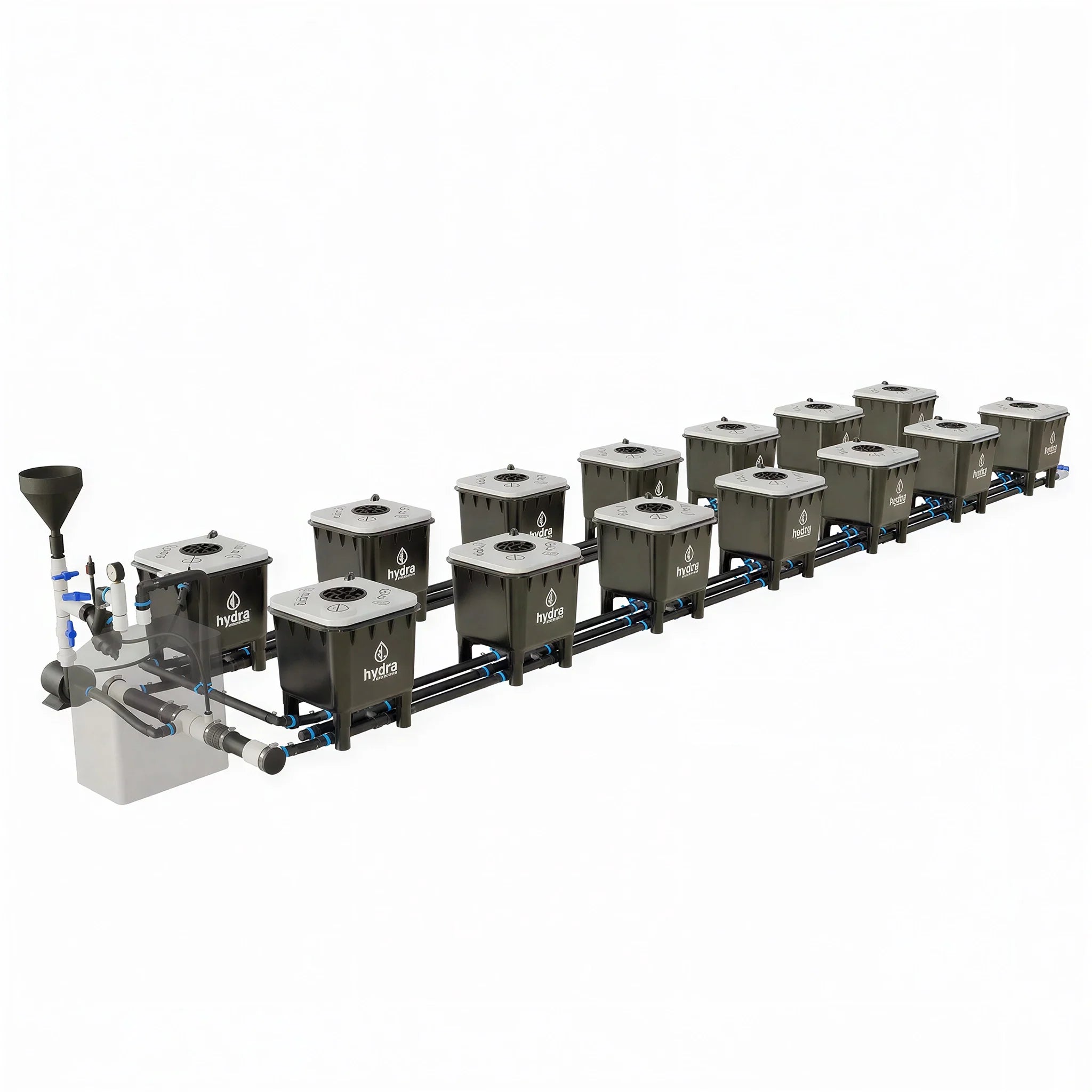
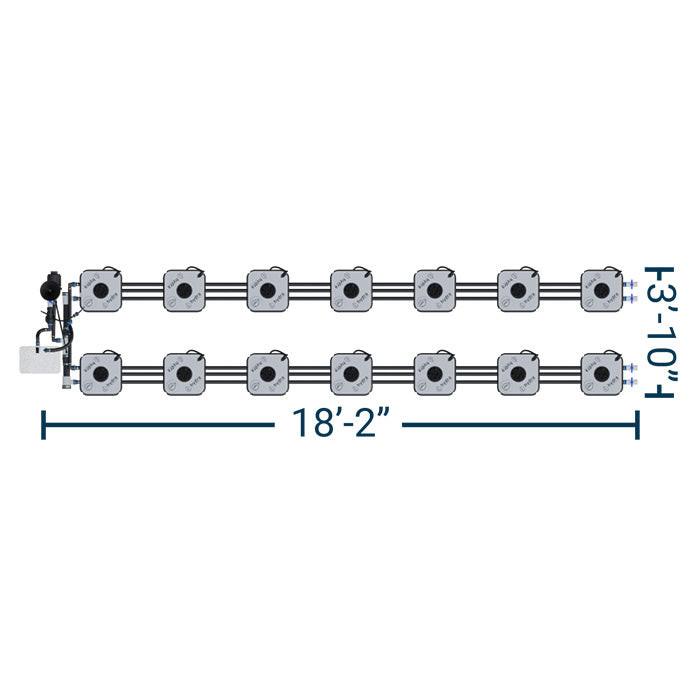
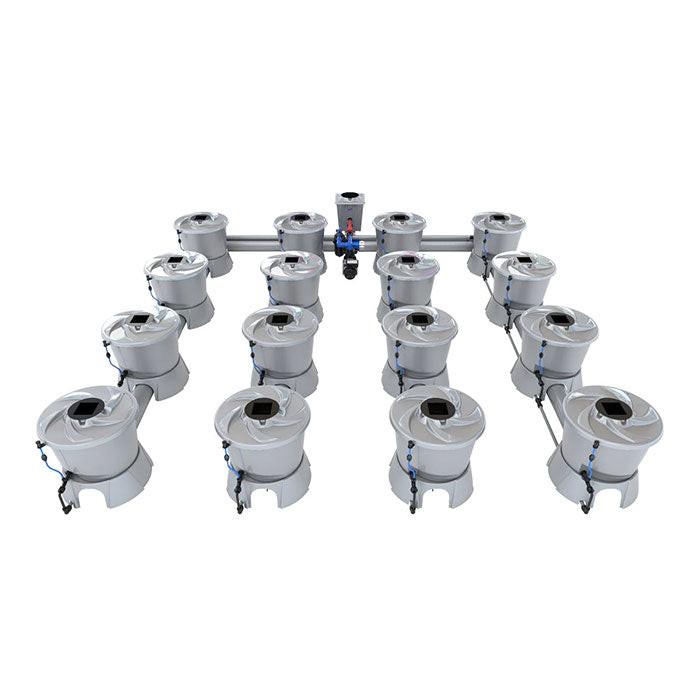
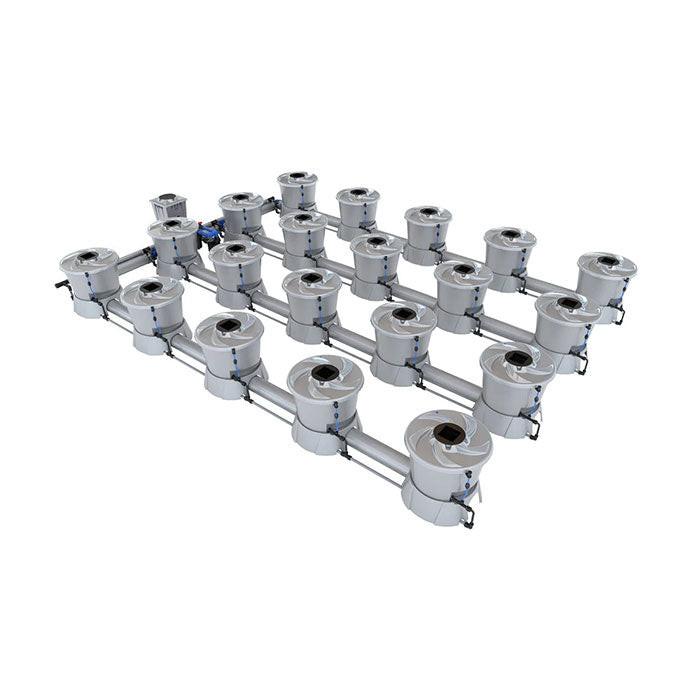
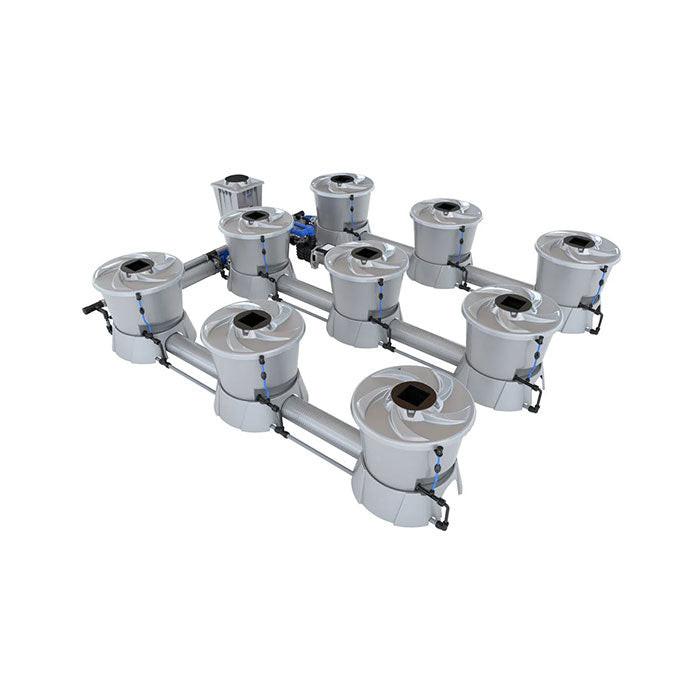
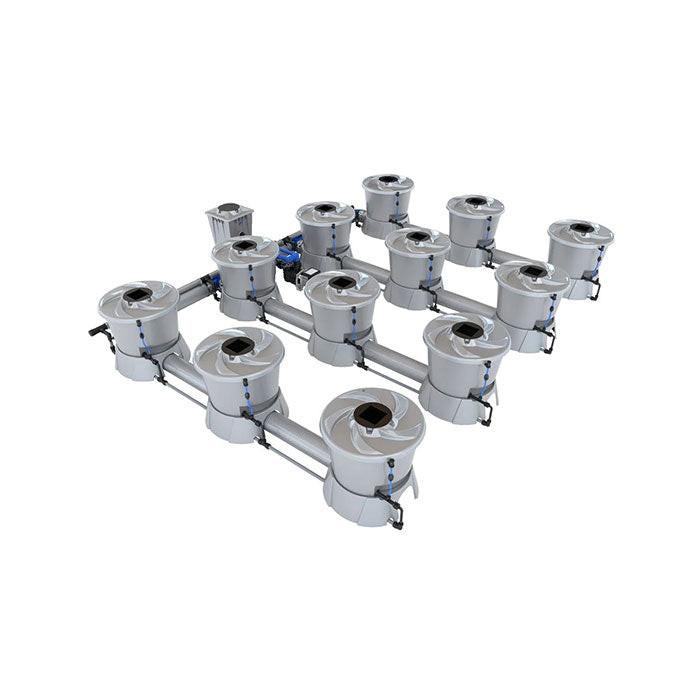
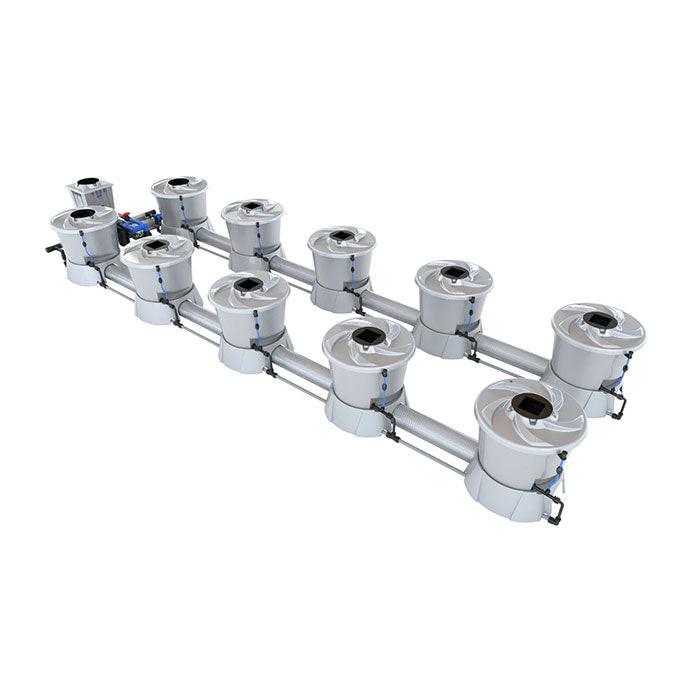
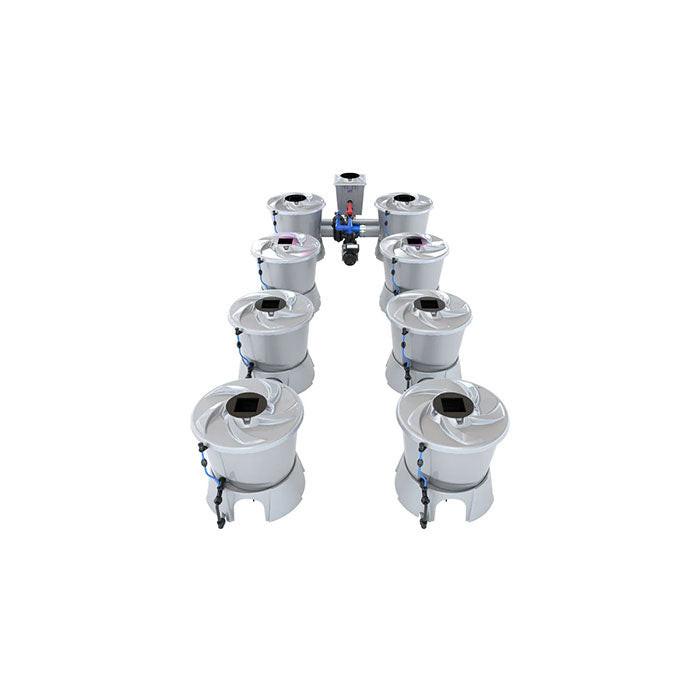
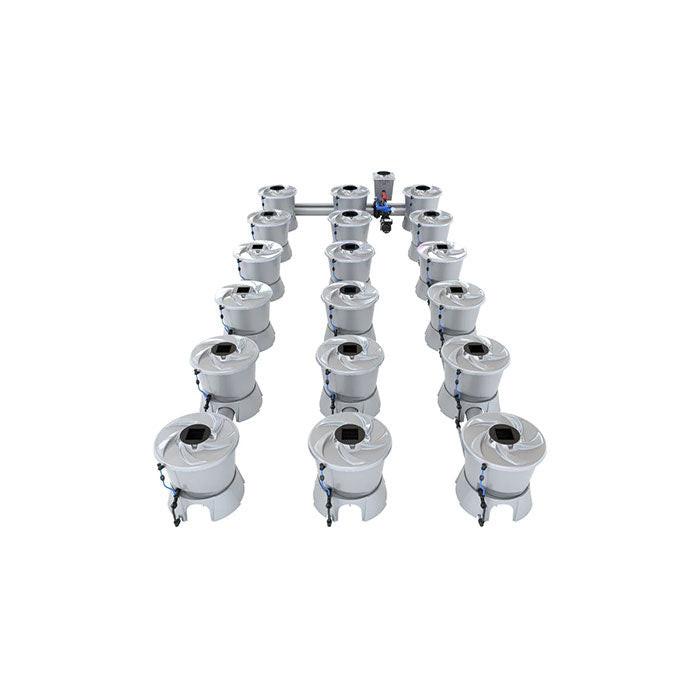
Single-bucket DWC systems manage each plant independently - each bucket has its own reservoir, air pump, and air stone. Nutrients and pH are adjusted per bucket, which gives maximum control but requires checking each site individually as plant count grows. The Active Aqua Root Spa series is the most widely used single-site DWC system at the hobby level - available in 5-gallon single-site, 4-bucket, and 8-bucket configurations at accessible price points. Recirculating deep water culture (RDWC) systems from Current Culture connect individual grow sites to a central reservoir through a pump-driven recirculating loop. All sites share a single nutrient solution managed from one central point - dramatically reducing the maintenance burden at larger plant counts and enabling the consistent EC and pH control that commercial operations require. RDWC is the format of choice for high-yield commercial DWC grows.
DWC System Setup: Air Pumps, Net Pots & Growing Media
Every DWC system requires: a reservoir or bucket, an air pump and air stone or diffuser to oxygenate the solution, net pots to hold the plants in the lid, and a growing medium in the net pots to support the cutting or seedling during the early root development phase before roots reach the solution. Hydroton (expanded clay pebbles) is the most common DWC growing medium - inert, pH neutral, reusable, and excellent for root air exposure above the waterline. Rockwool cubes are used to propagate seedlings or rooted clones before transplanting into DWC net pots. The nutrient solution should be maintained at pH 5.8-6.2 and EC adjusted to the appropriate level for the growth stage. Water temperature should be kept at 65-72 degrees F to maximize dissolved oxygen. See our detailed Hydroponics 101 guide and complete dissolved oxygen guide for full setup guidance.
DWC Nutrient Programs
DWC is compatible with any liquid nutrient program designed for hydroponics. General Hydroponics FloraSeries (three-part liquid), General Hydroponics MaxiSeries (dry concentrate), and Athena Blended Line are among the most widely used programs for DWC. Avoid nutrient programs with high organic content or heavy microbial amendments in recirculating DWC - these can cloud the reservoir and clog pumps. For RDWC systems, the Athena Pro Line or General Hydroponics FloraSeries in a pH-stable recirculating setup is a common pairing. Use our Nutrient Mixing & Dilution Calculator to dial in EC and mixing ratios for your reservoir volume.
Browse complete hydroponic system kits, explore air pumps and air stones for oxygenation, and see hydroponic reservoirs for RDWC central tank options. Expert support available.
Deep Water Culture FAQ
What is deep water culture and how does it work?
Deep water culture (DWC) is a hydroponic method where plant roots are suspended in an oxygenated nutrient solution. Plants sit in net pots in a lid over the reservoir, with roots hanging down into the solution below. An air pump and air stone or diffuser continuously oxygenate the solution - without adequate oxygen, roots would drown in the standing water. With oxygen provided, roots thrive directly in nutrient solution, allowing extremely efficient nutrient uptake and fast growth rates. DWC has very few moving parts (only the air pump), is easy to set up, and produces excellent results across a wide range of crops.
What is the difference between DWC and RDWC?
In standard DWC, each plant site has its own independent reservoir managed separately. In RDWC (recirculating deep water culture), all individual plant sites connect through a pump-driven loop to a single central reservoir - nutrient solution continuously circulates through all sites and returns to the central tank. RDWC allows you to manage pH and nutrients for all plants from a single reservoir, which is the primary advantage at larger plant counts. RDWC also provides better oxygenation through water movement and faster nutrient response time. Standard DWC is simpler to set up and better for small plant counts (1-4 plants); RDWC is the right choice for 6+ plants where managing individual buckets becomes burdensome.
How often do I change the water in a DWC system?
Change the full reservoir every 7-14 days. In vegetative growth with moderate feeding demand, every 14 days is sufficient for most setups. During peak flowering when plants feed aggressively and reservoir EC drops quickly, increase to every 7 days. Between full reservoir changes, top off daily with plain pH-adjusted water to replace what plants uptake and what evaporates. Do not substitute top-offs for full changes - nutrients deplete unevenly over time and the ratio of remaining nutrients becomes progressively unbalanced, leading to deficiencies even when EC appears normal.
How high should the water level be in a DWC bucket?
Leave a 1-2 inch air gap between the waterline and the bottom of the net pot when roots are first establishing - this exposes the base of the stem and early root tips to humid air rather than submerging them, which promotes faster initial root development. Once roots are 3-6 inches long and clearly reaching the solution, you can allow the waterline to be slightly higher. In a full root-established system, maintain the solution volume at 60-80% of bucket capacity - enough for stable pH and EC buffering, not so full that roots have no air exposure above the waterline.
What nutrients work best in DWC?
Any two- or three-part liquid nutrient program designed for hydroponics works well in DWC. The most widely used options are General Hydroponics FloraSeries (three-part: FloraGro, FloraBloom, FloraMicro), General Hydroponics MaxiSeries (dry concentrate), and Athena Blended Line (two-part liquid A+B). Avoid heavy organic nutrient programs with high microbial or particulate content in recirculating DWC systems - they can cloud the reservoir and reduce oxygen exchange efficiency. If you use RO water, supplement with Cal-Mag at 2-3 ml/gallon before your base nutrients. Use our Nutrient Mixing Calculator to dial in EC and mixing ratios for your reservoir volume and target stage.