Fertigation Systems - Nutrient Dosers & pH Controllers
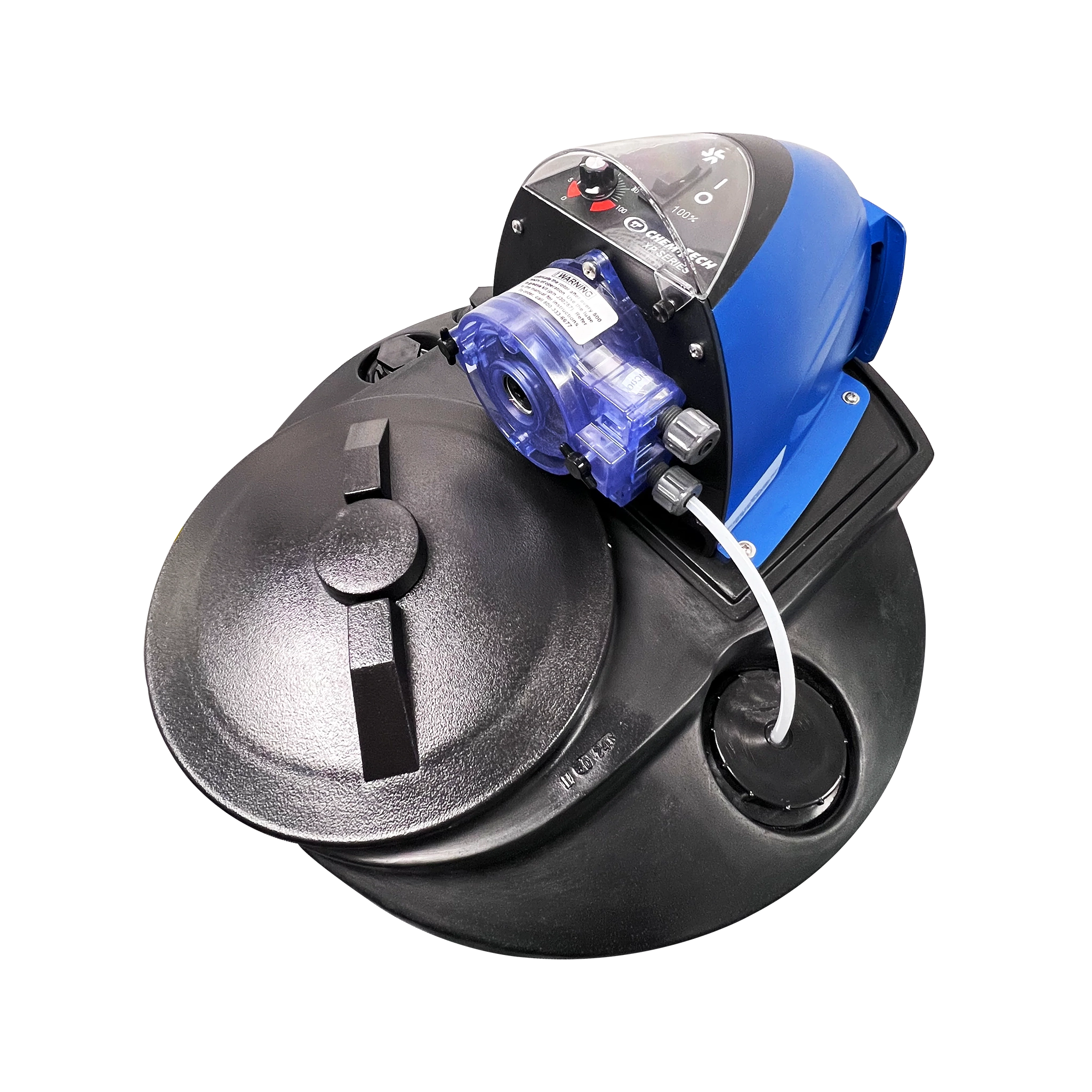
Fertigation is the delivery of water and dissolved nutrients to plants through the irrigation system - combining irrigation and fertilization in a single automated process. Fertigation systems automate this delivery through proportional injection (Dosatron injectors), programmable dosing pumps (peristaltic and diaphragm pumps), or multi-channel automated controllers that manage nutrient, pH Up, and pH Down simultaneously. For any commercial growing operation where nutrient delivery consistency and labor efficiency are production requirements, automating fertigation is one of the highest-ROI investments available.
Dosatron Proportional Injectors
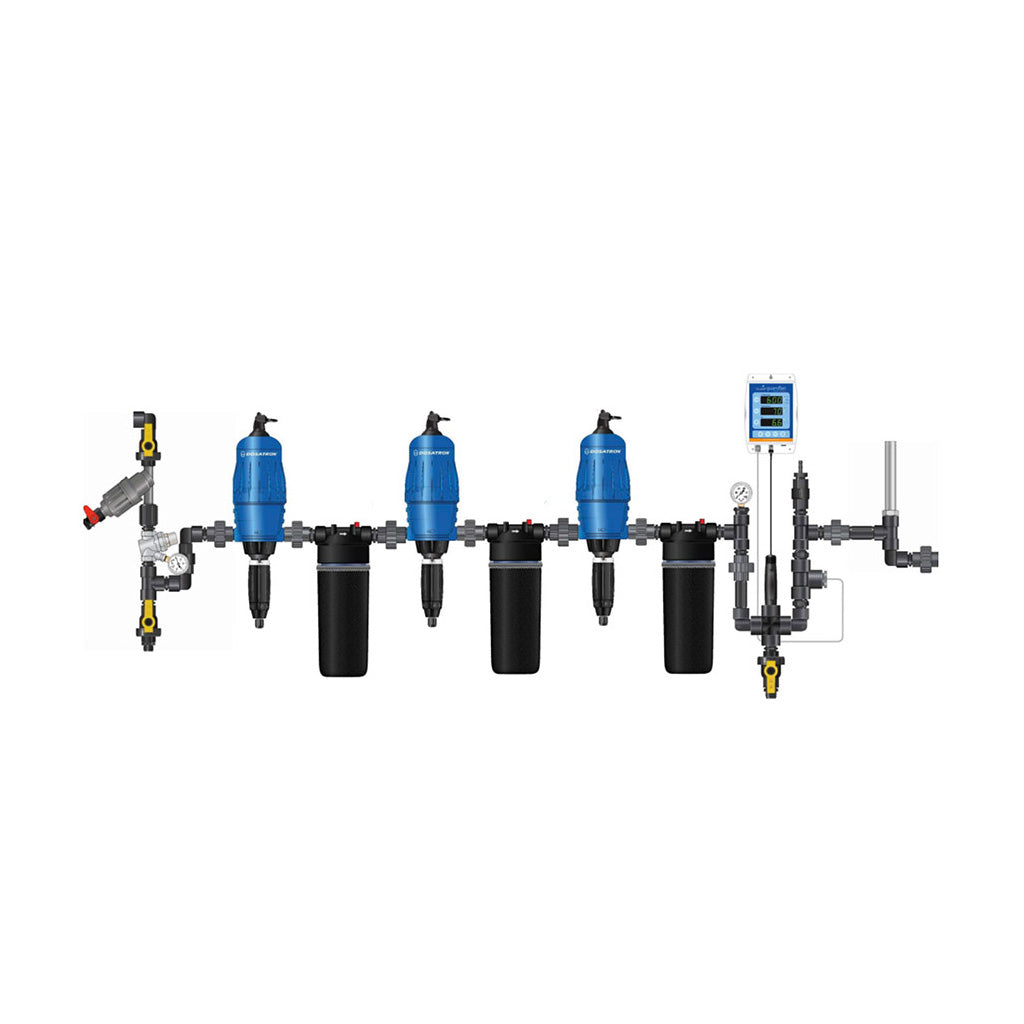
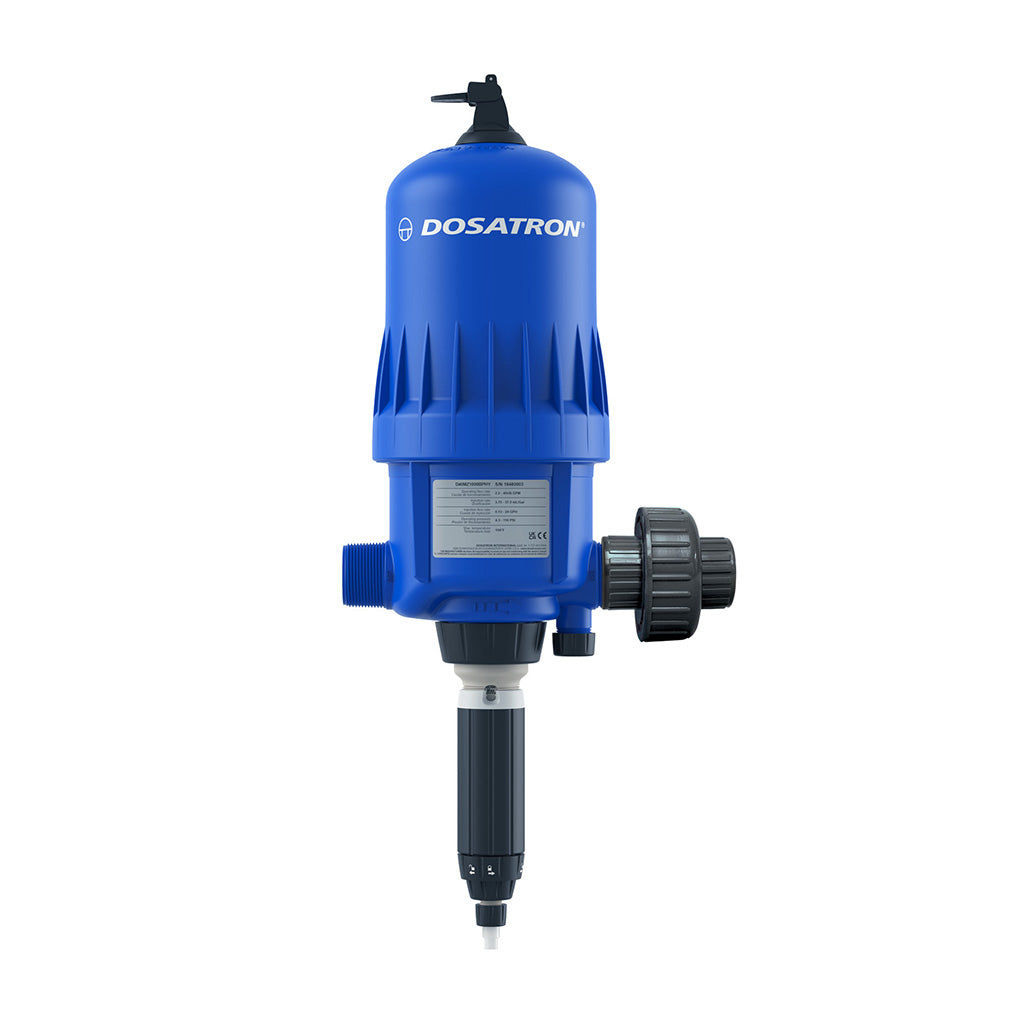
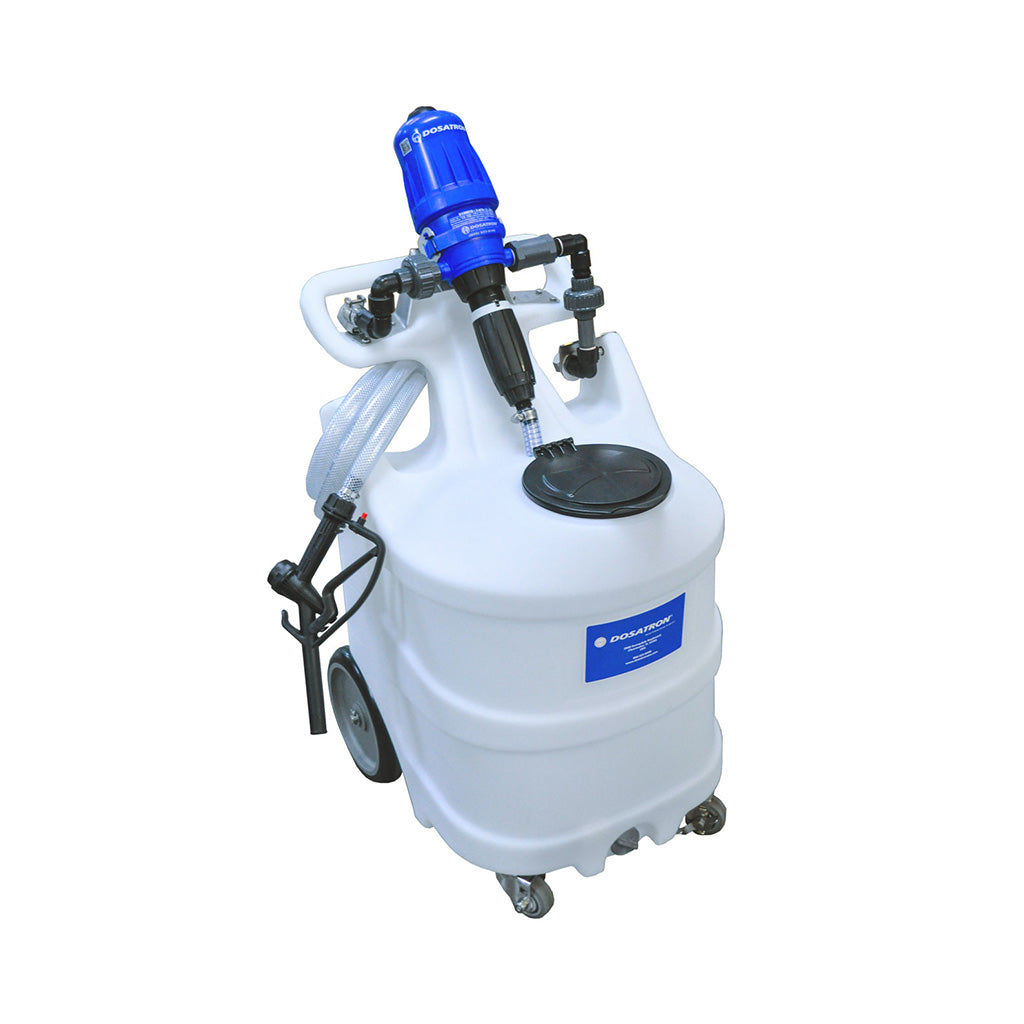
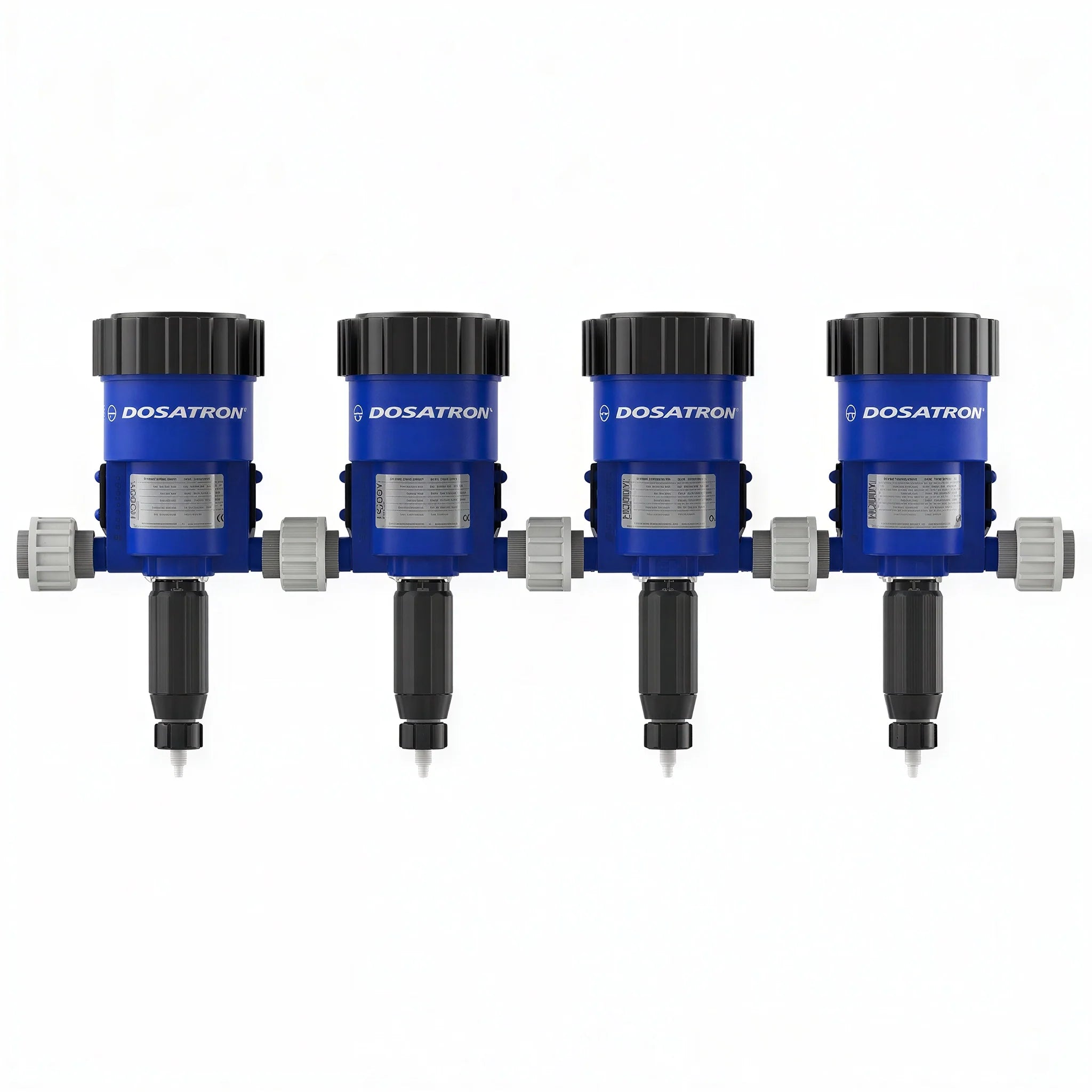
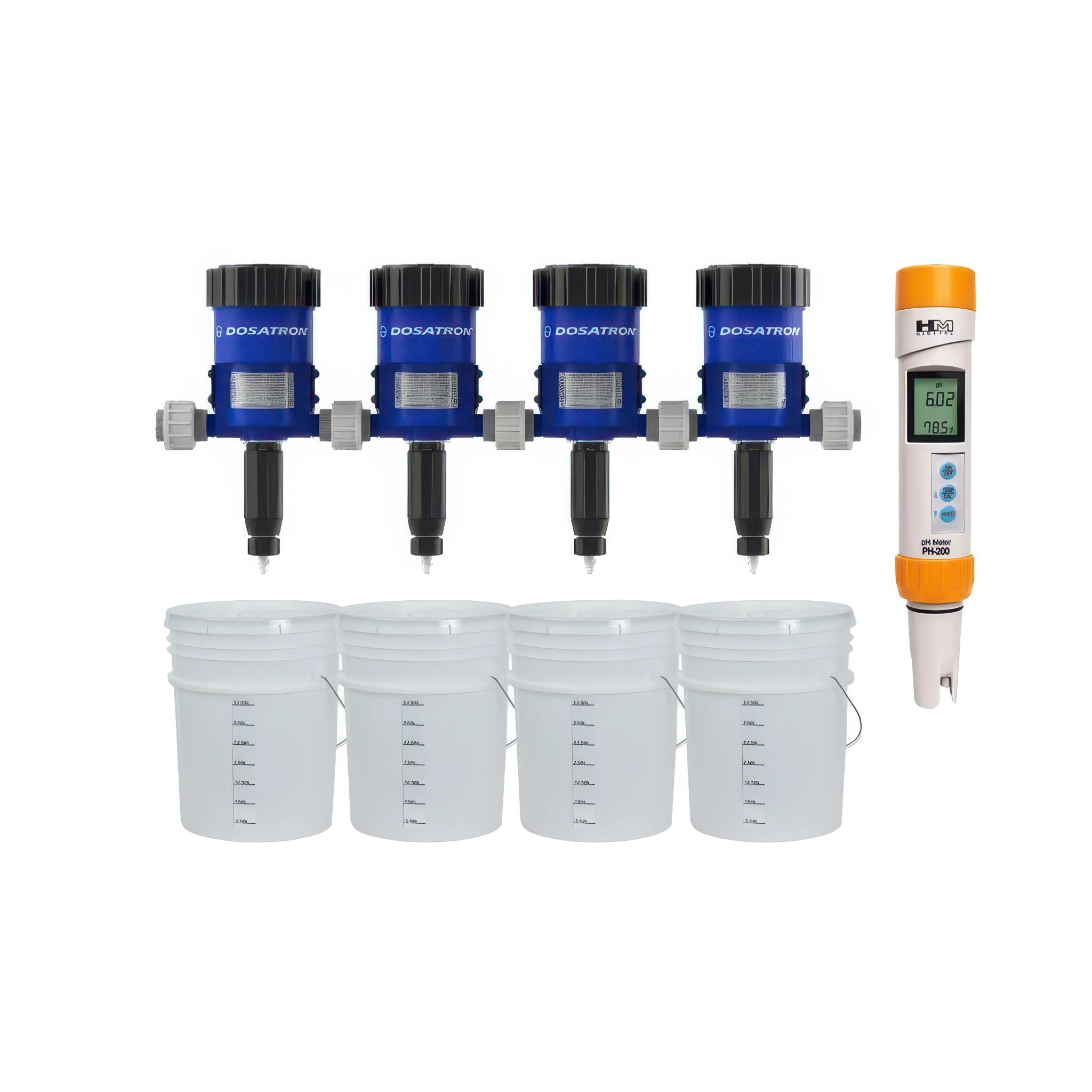
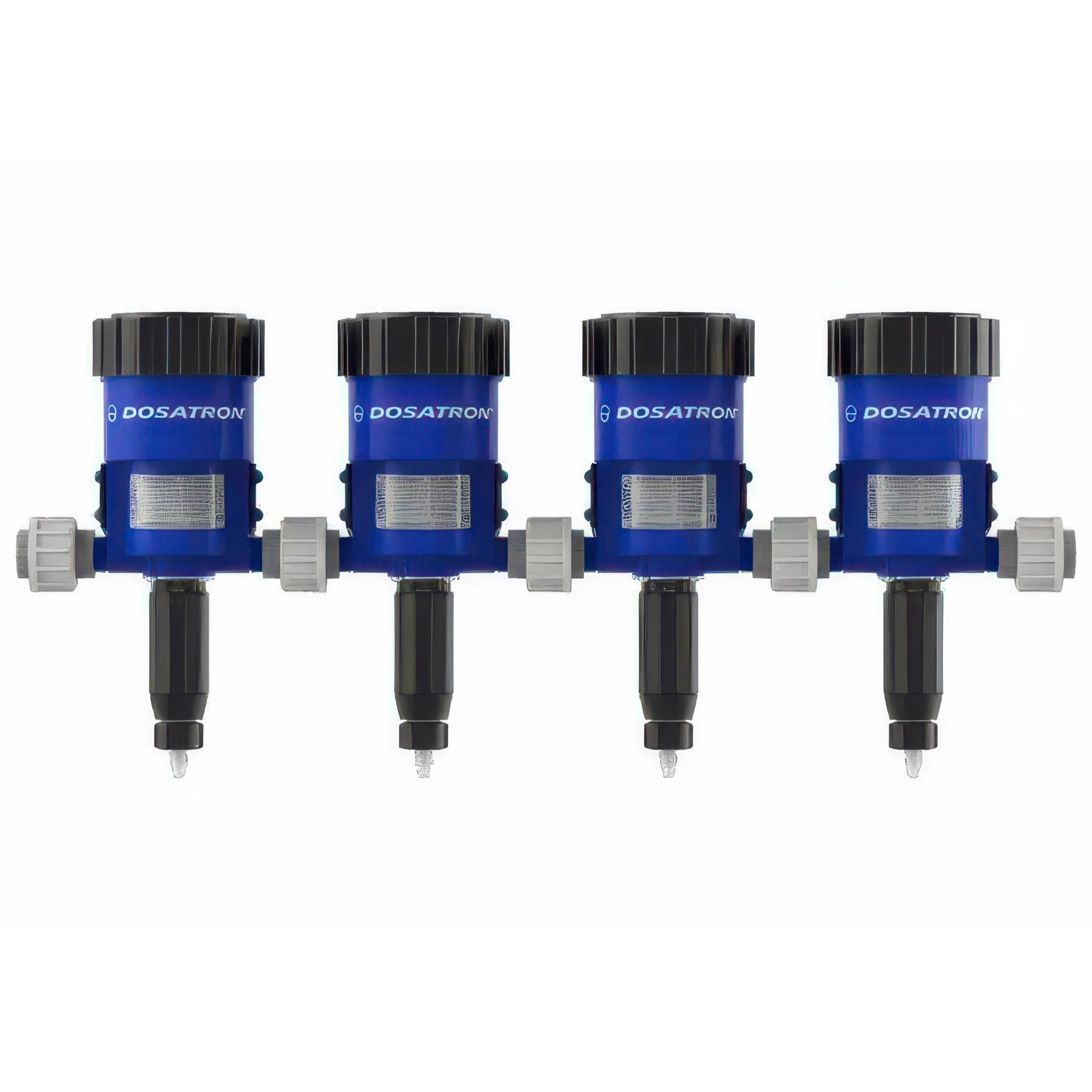
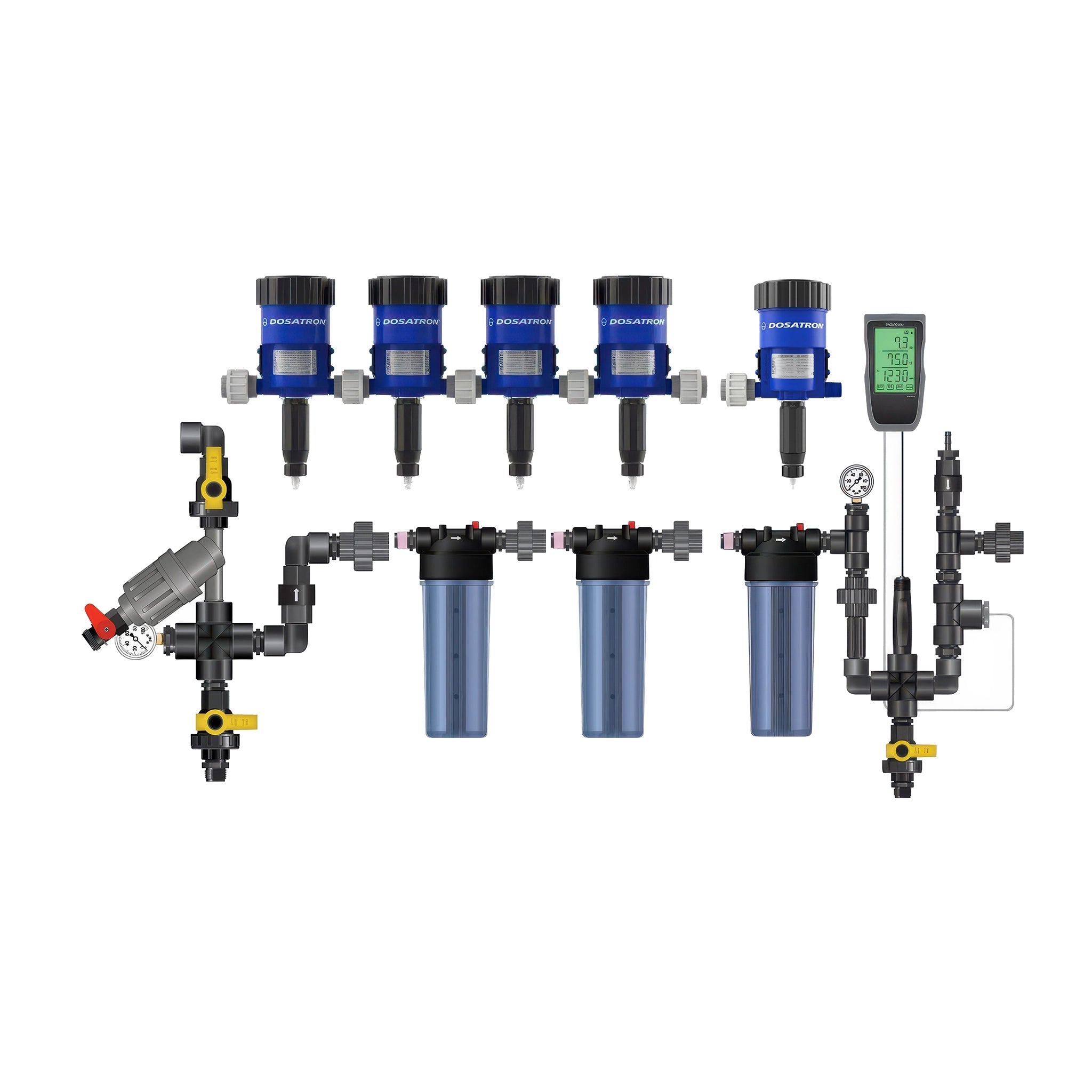
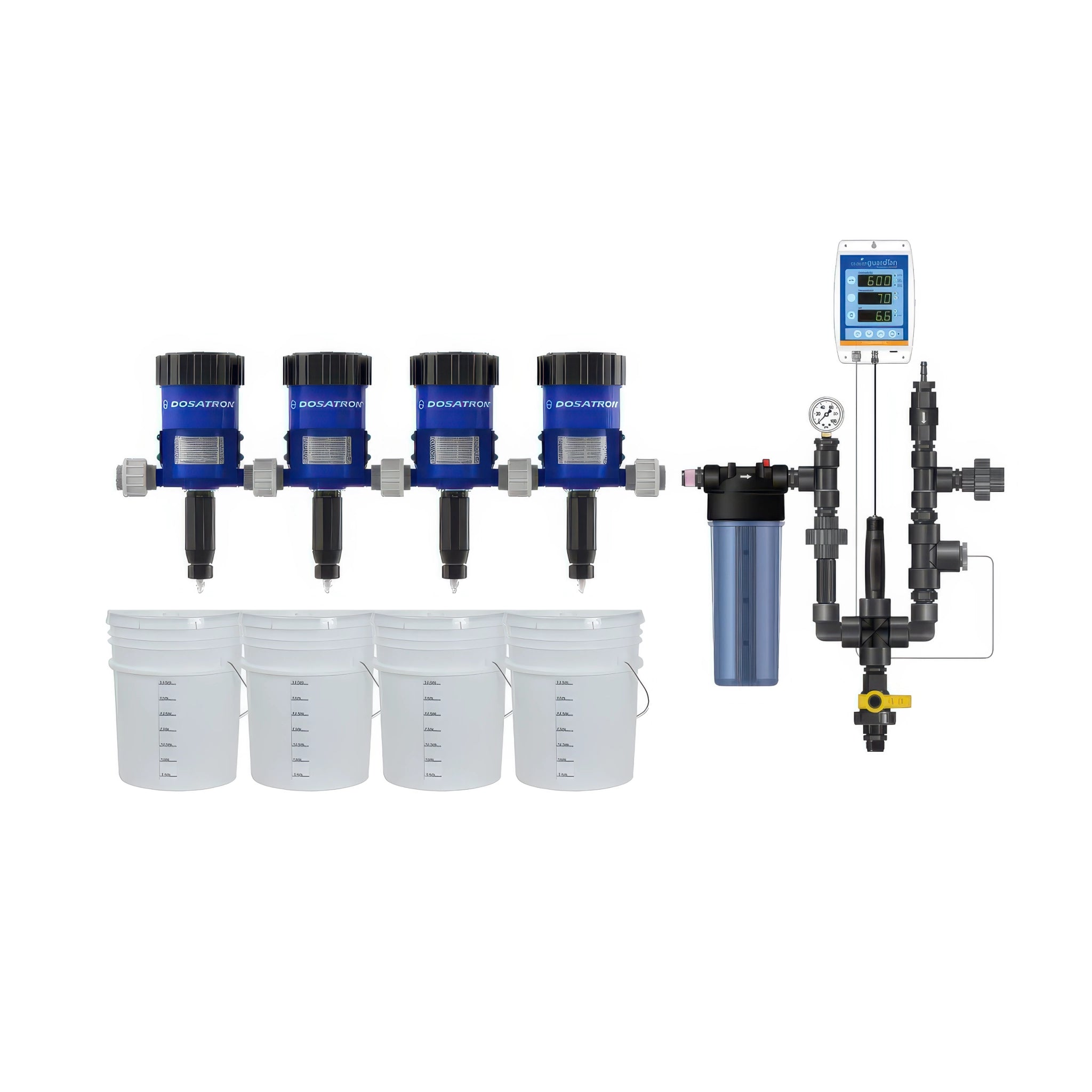
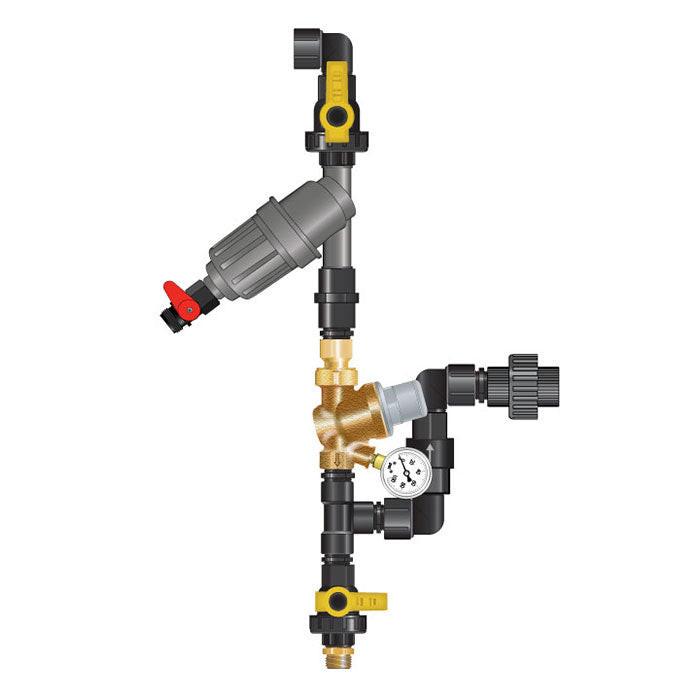
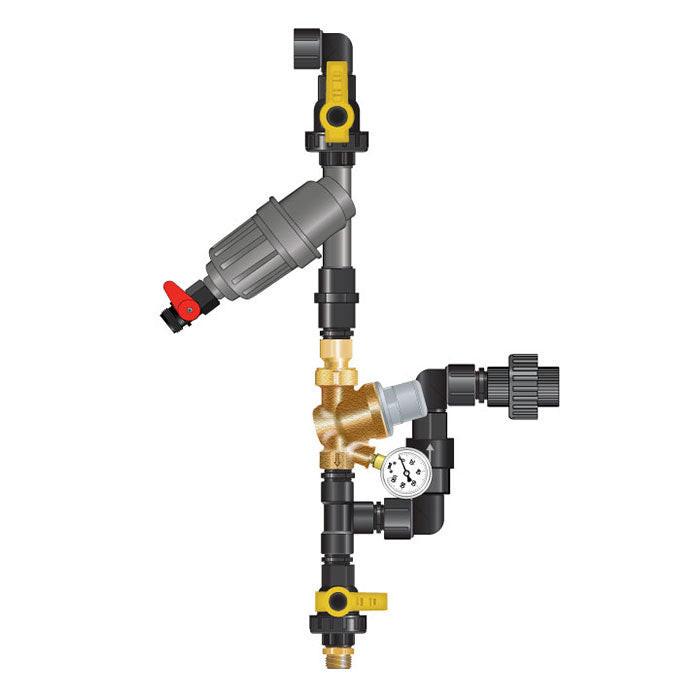
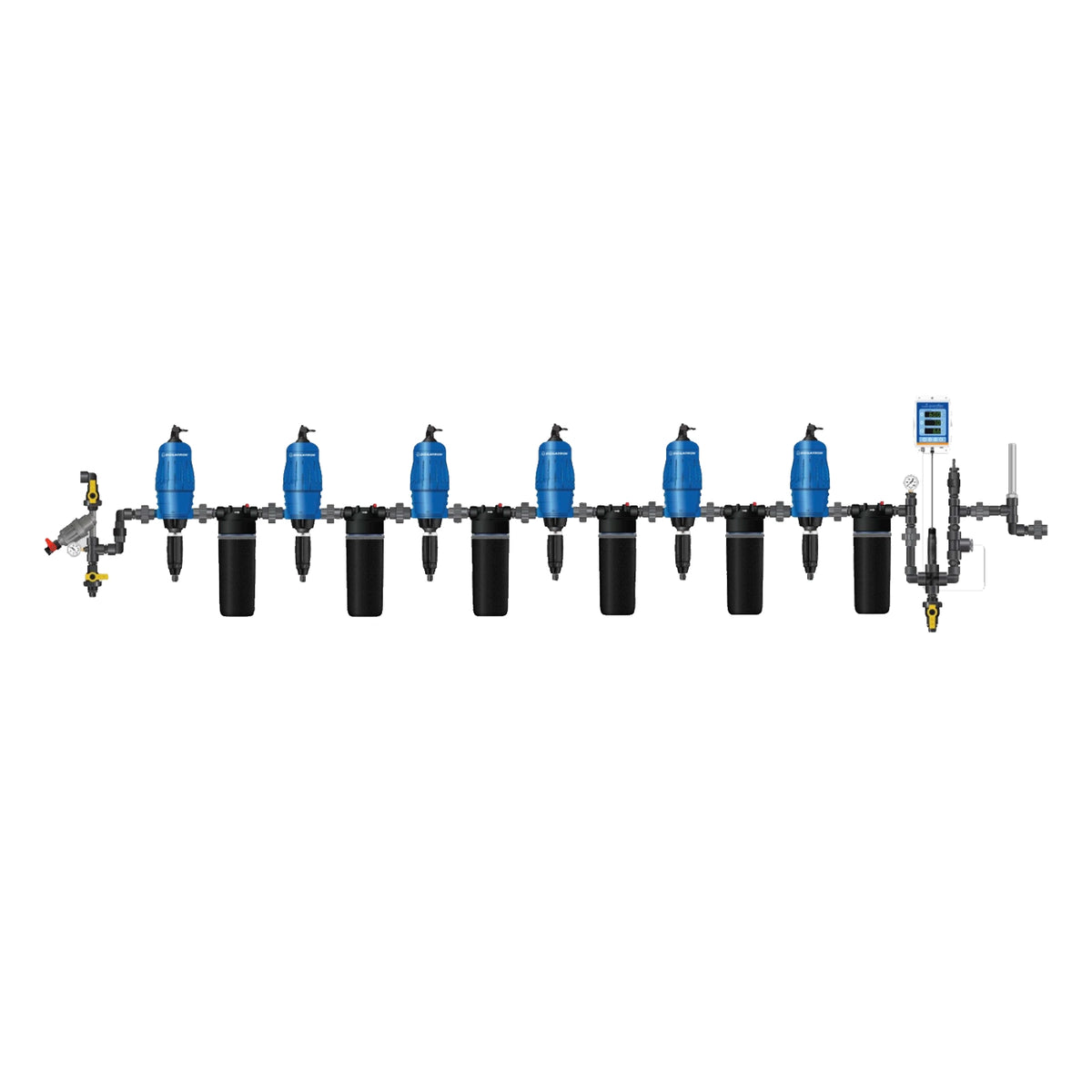
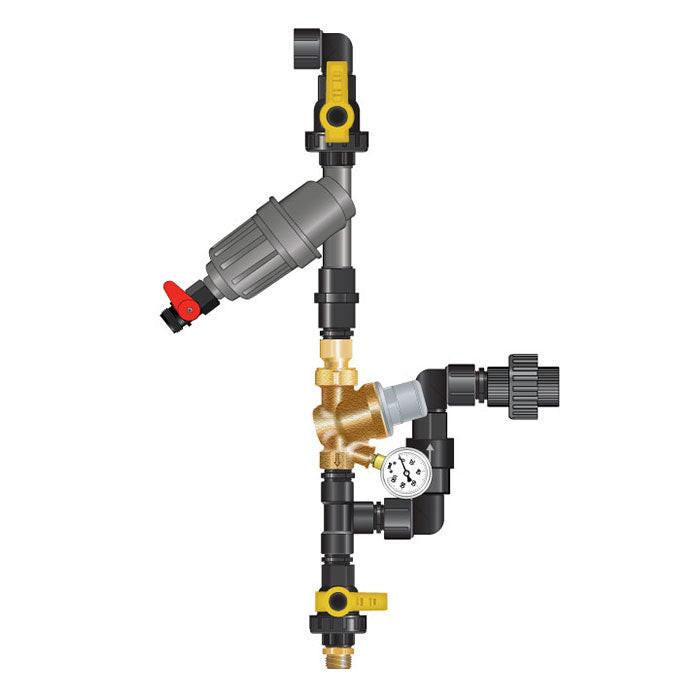
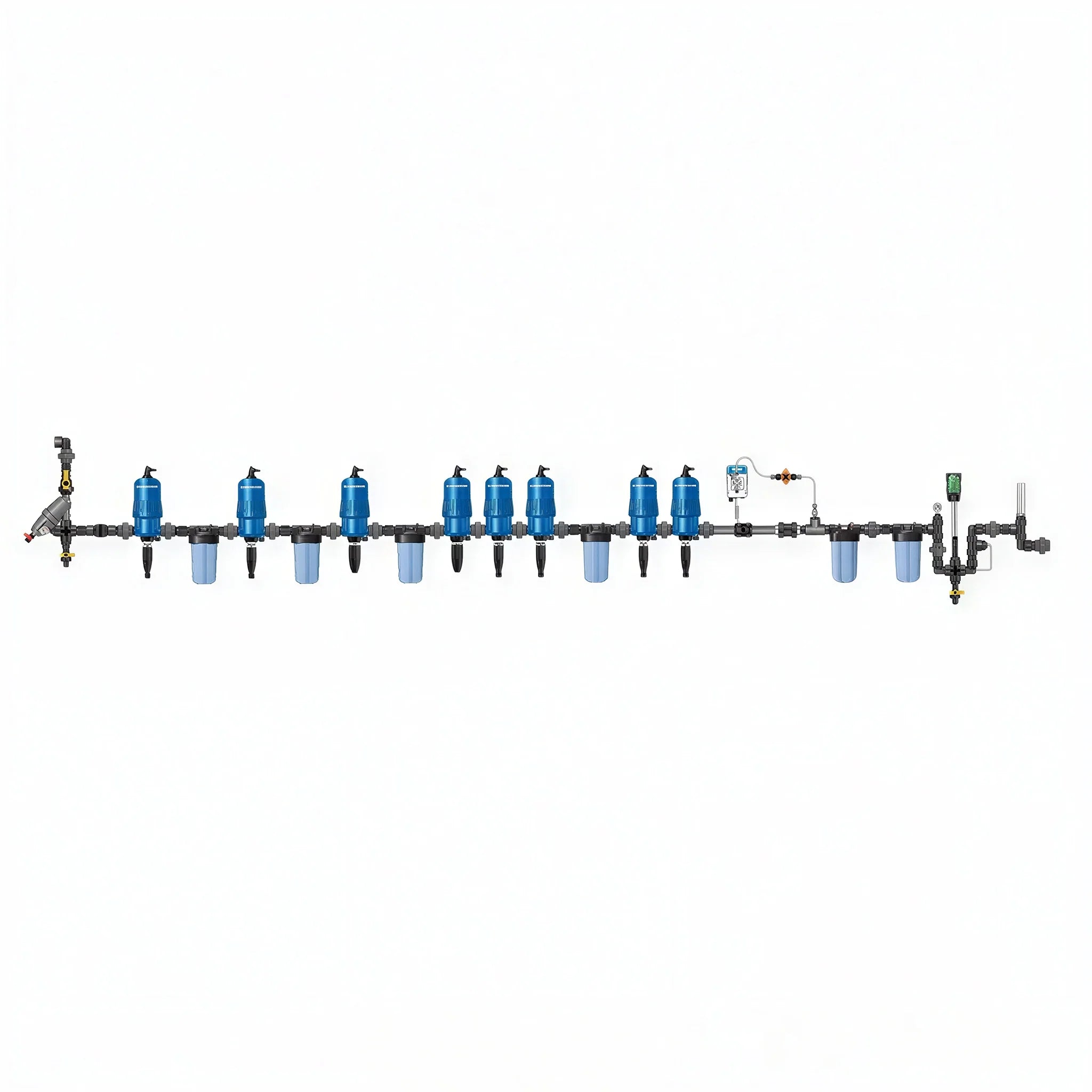
Dosatron injectors are water-powered proportional dosing devices that mix a fixed ratio of nutrient concentrate into the irrigation water stream without electricity. As water flows through the unit, the water pressure drives a piston that draws and mixes stock solution at the set ratio - delivering consistent nutrient concentration to every plant site regardless of flow rate or pressure variation. Available from 14 GPM through 40 GPM to match any irrigation system's flow demand. For a complete guide to Dosatron selection and setup, see our Dosatron collection and the Dosatron system selection guide.
Automated pH & EC Dosing Controllers
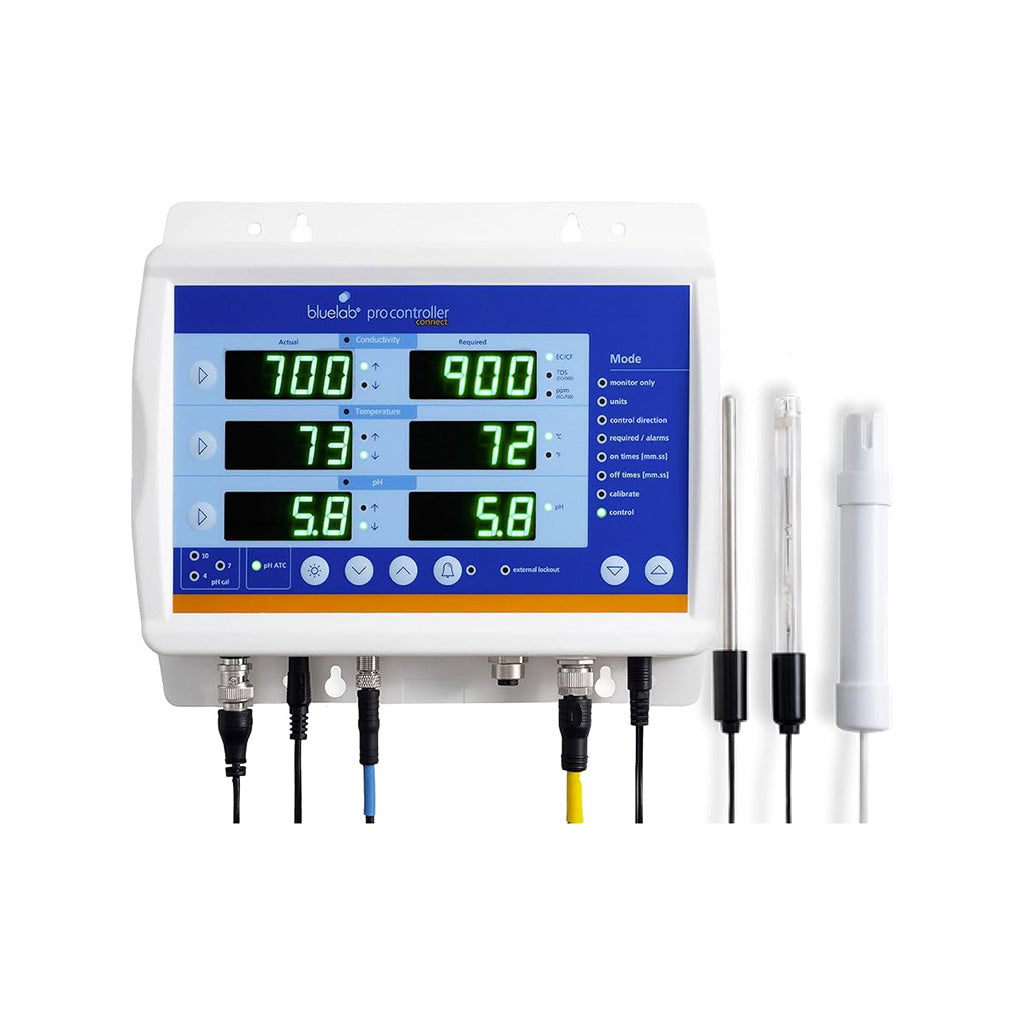
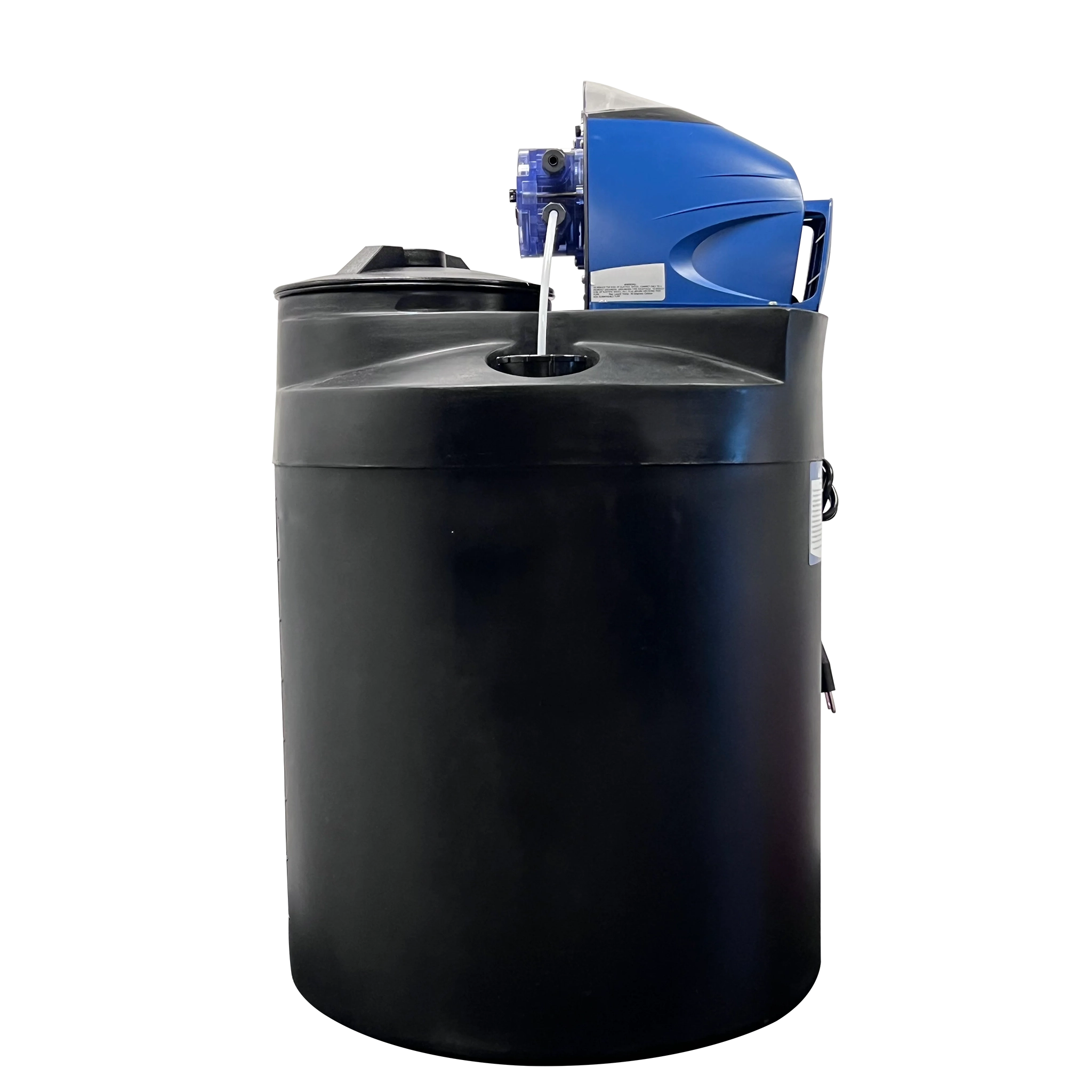
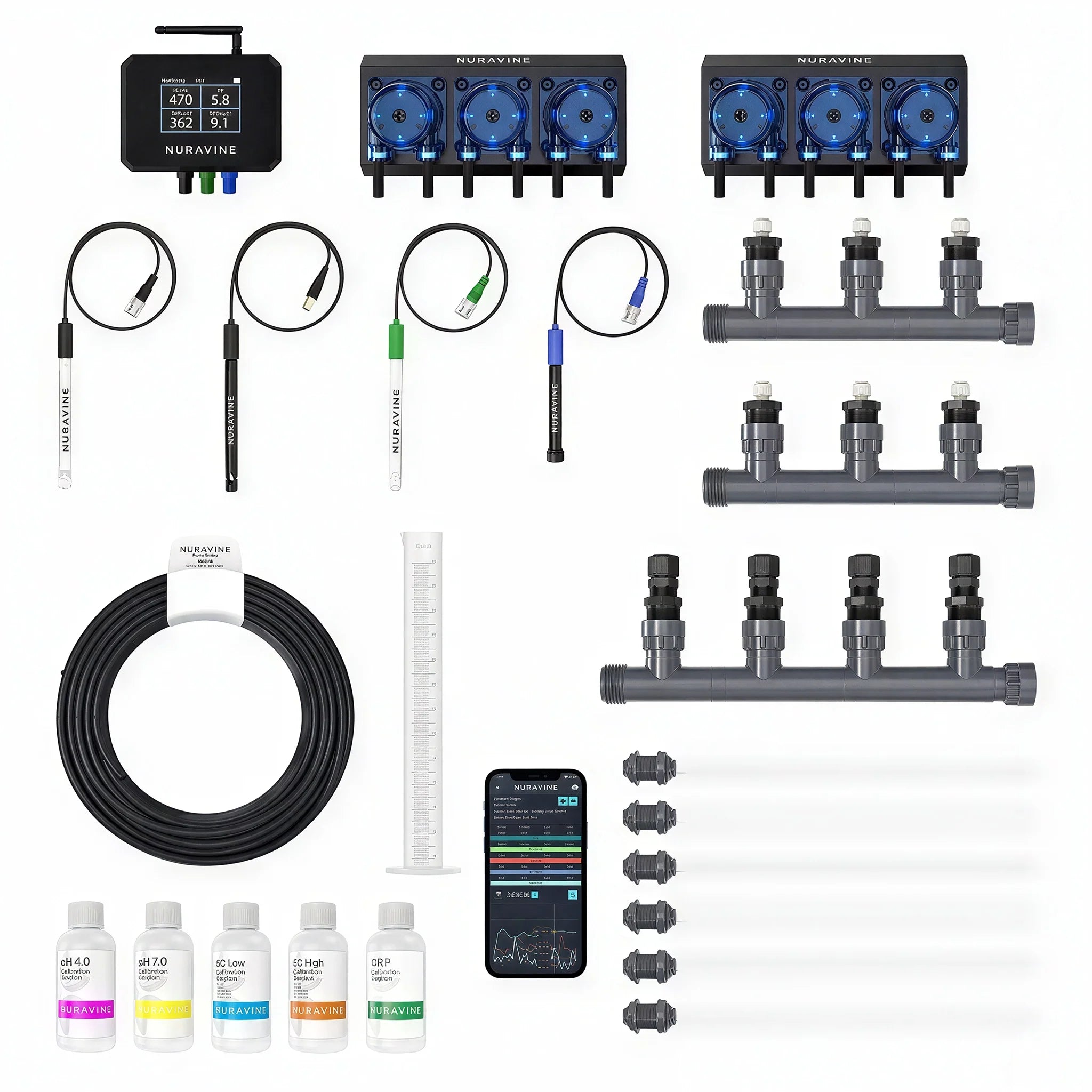
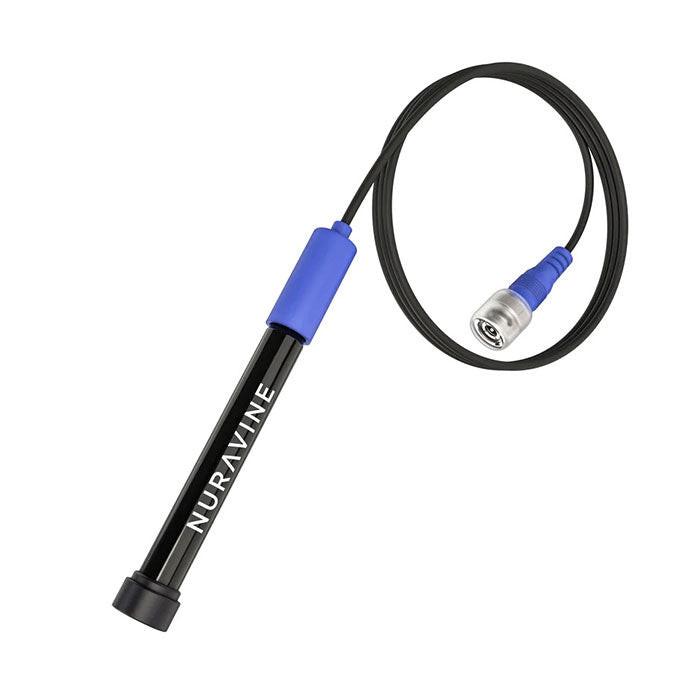
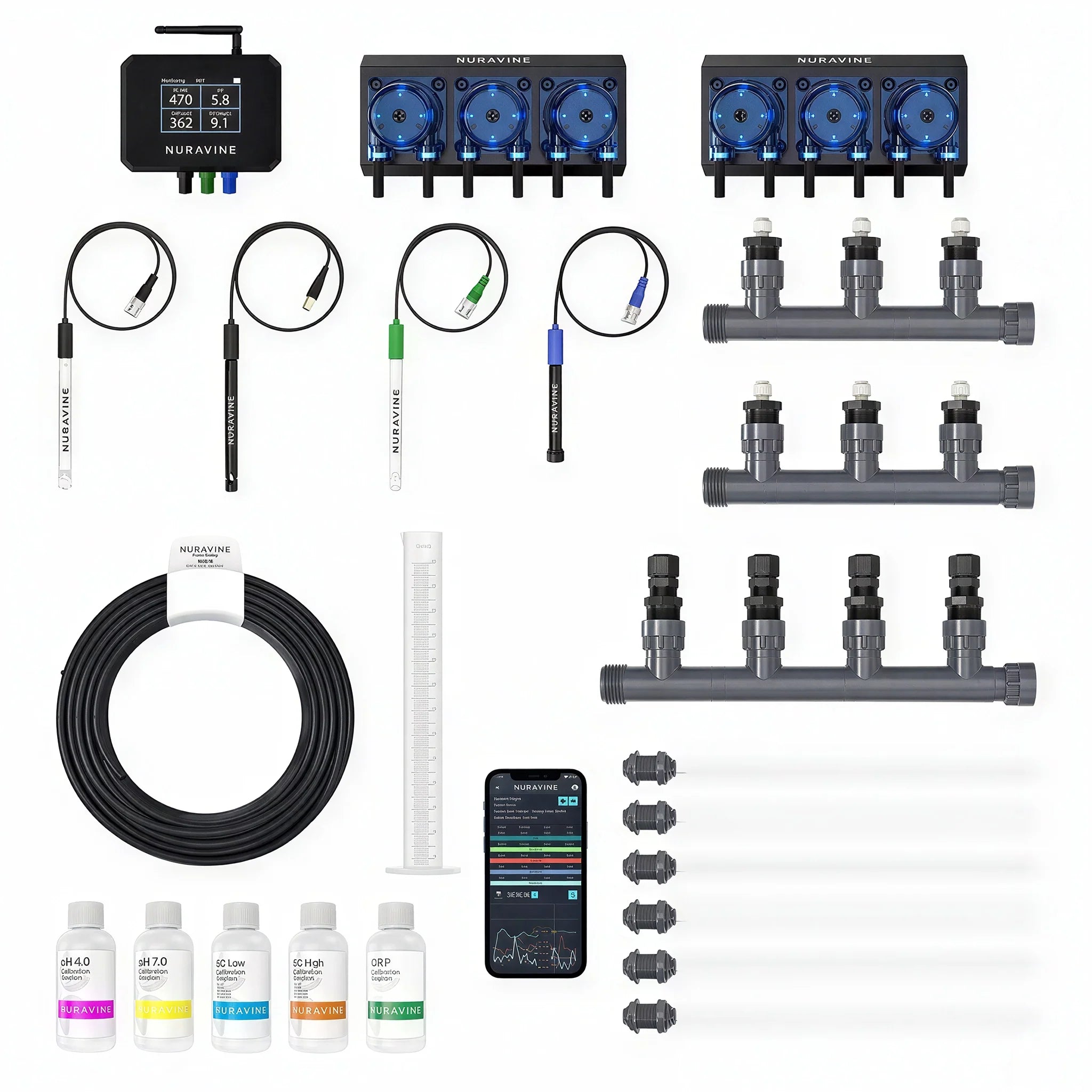
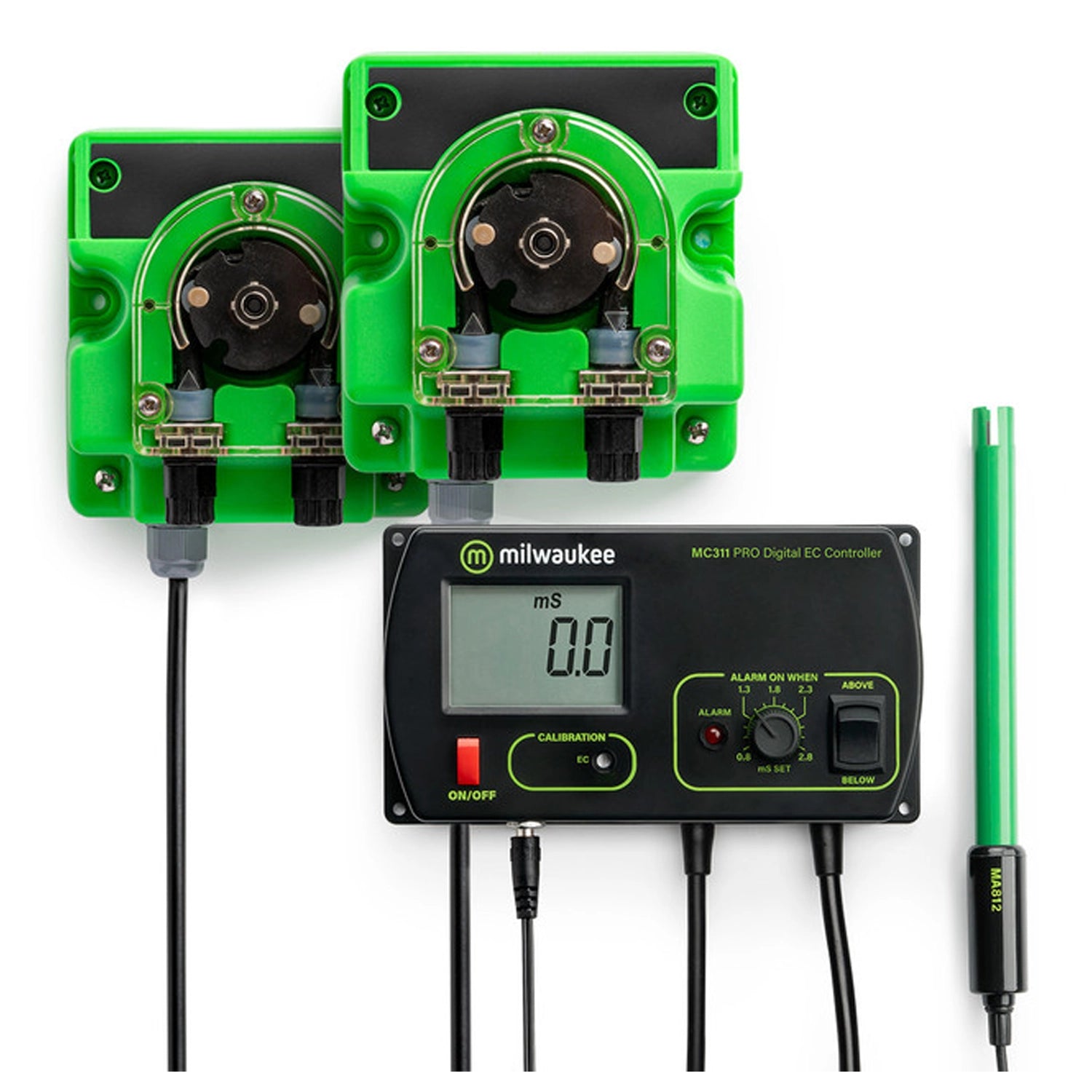
Advanced fertigation controllers (Bluelab Pro Controller, TrolMaster Aqua-X, and comparable systems) combine continuous EC and pH monitoring with automated dosing pump control - adding nutrient concentrate, pH Down, or pH Up to the reservoir automatically when measurements drift from setpoints. This eliminates manual daily pH and EC adjustment in recirculating systems, ensuring consistent nutrient delivery across the full crop cycle without operator intervention between irrigation events. For commercial operations running multiple rooms or high-density continuous harvest programs, automated dosing controllers represent a significant labor cost reduction and consistency improvement. Expert support available.
Fertigation Systems FAQ
What is the difference between a Dosatron and an automated dosing controller?
A Dosatron is a mechanical proportional injector - it mixes a fixed ratio of stock solution into the water stream as water flows through the unit. It is passive (no electricity, no monitoring) and maintains a consistent concentration ratio, but it cannot adjust the ratio in response to actual EC readings or dose pH-adjusting chemicals. An automated dosing controller (Bluelab Pro Controller, TrolMaster Aqua-X) monitors actual EC and pH in the reservoir and doses pumps automatically to maintain setpoints - it can adjust for varying stock solution concentrations, plant uptake variations, and pH drift. Dosatron is simpler and lower cost; automated controllers provide precision and eliminate daily manual adjustment.
Can I use a Dosatron with Athena Pro Line nutrients?
Yes - Dosatron and Athena Pro Line is a widely used combination in commercial coco and rockwool operations. Athena Pro Line dry concentrates dissolve cleanly and maintain stable stock solution concentrations suitable for Dosatron's proportional injection. A common configuration uses two Dosatron units stacked in series: one injecting the base nutrient stock solution, one injecting a pH Down stock solution. This provides both nutrient delivery and pH management in a single water line pass without electricity or active monitoring. See our Dosatron system selection guide for recommended stock solution concentrations for Athena Pro Line programs.
What is the ROI of automating fertigation versus manual mixing?
Manual fertigation for a 10-light commercial room requires 30-60 minutes of labor per day for reservoir filling, pH and EC adjustment, and monitoring. At $20/hr labor cost, that's $150-300 per week or $7,800-$15,600 annually per room. A Dosatron system costs $150-500 and a complete automated dosing controller $500-2,000. Payback period is typically 1-4 months depending on labor cost and system complexity. Beyond labor savings, automated systems provide more consistent nutrient delivery (improving crop uniformity and yield) and free operator time for tasks that require human judgment rather than routine chemical adjustment.
Do I need to test pH and EC if I have an automated dosing system?
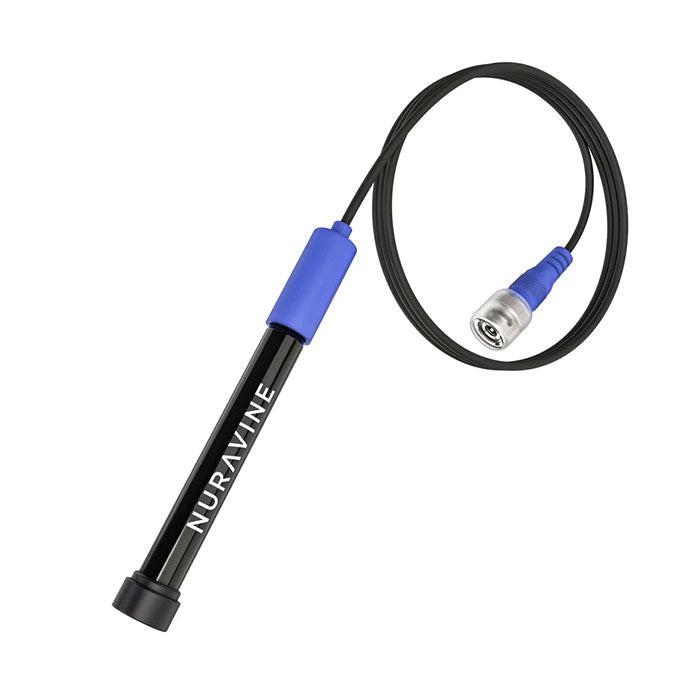
Yes - at reduced frequency. Automated dosing controllers with continuous monitoring handle routine adjustment, but periodic manual verification with a calibrated handheld meter confirms the in-line sensors are reading accurately. Sensor fouling and drift are the primary failure modes for automated systems - a fouled pH sensor reading 0.3 pH units high will systematically under-dose pH Down, resulting in solution that runs high. Weekly manual spot-checks with a calibrated handheld meter against the automated system's readings are standard practice in well-managed commercial operations.
What is the difference between a peristaltic pump and a diaphragm pump in fertigation systems?
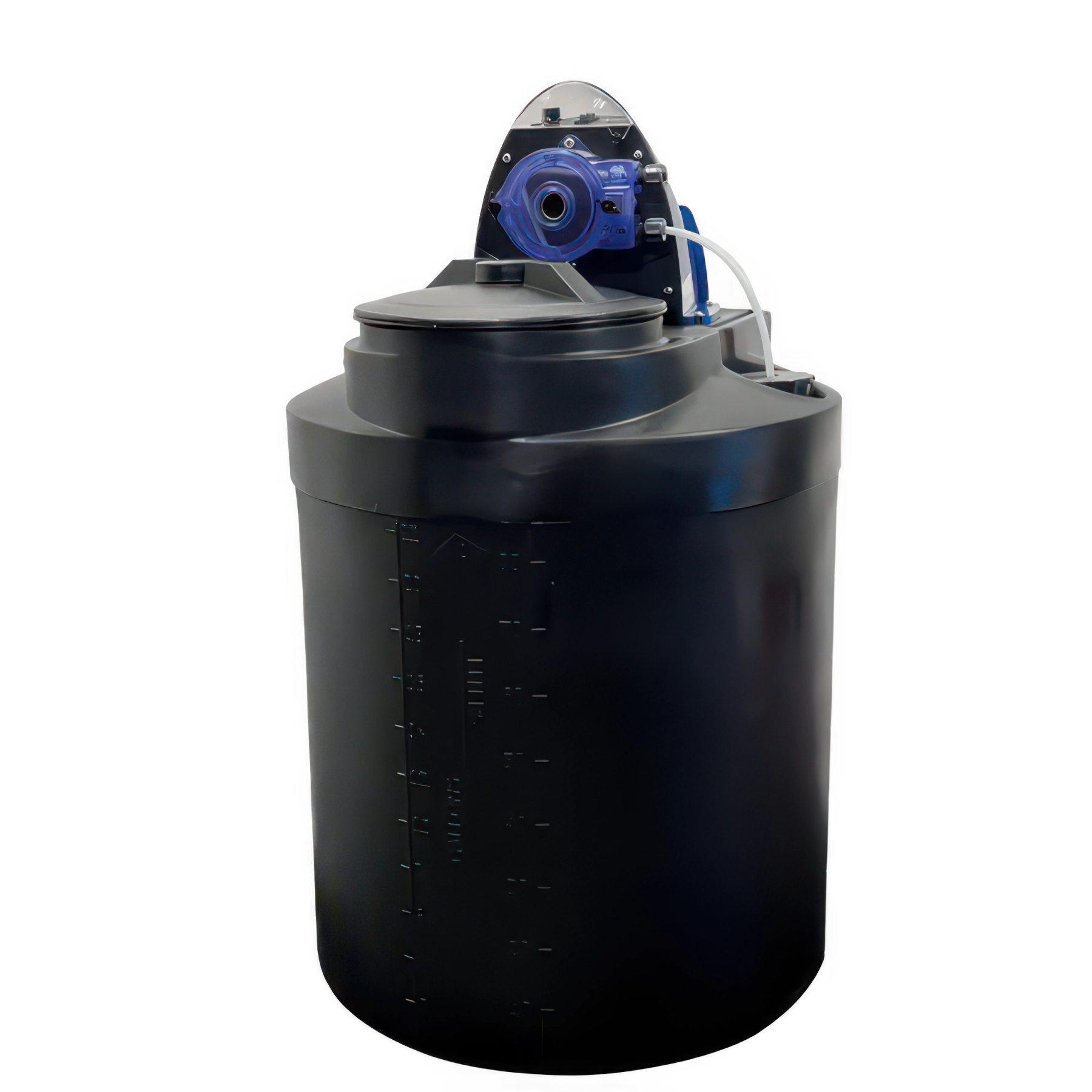
Peristaltic dosing pumps use a rotating wheel that squeezes a flexible tube to push fluid - very precise at low flow rates, easy to calibrate, and the pumped fluid never contacts the pump mechanism (good for corrosive nutrients and pH chemicals). Diaphragm pumps use a reciprocating diaphragm to push fluid through check valves - higher flow capacity per unit size, durable, and less prone to tube wear than peristaltic designs. For precise low-volume pH adjustment dosing (a few ml per cycle), peristaltic pumps are the better choice. For higher-volume nutrient stock injection, diaphragm pumps provide more flow capacity at equivalent size.