Grow Room Thermometers & Hygrometers
Thermometers and hygrometers are the fundamental measurement instruments for grow room environmental monitoring -- providing the temperature and relative humidity readings that all climate management decisions are based on. A grow room thermometer/hygrometer positioned correctly at canopy level tells you what conditions plants are actually experiencing. Whether managing dehumidifiers, air conditioning, or heaters, a calibrated digital thermometer/hygrometer is the starting point for all meaningful environmental optimization.
Digital Thermometer/Hygrometer Features
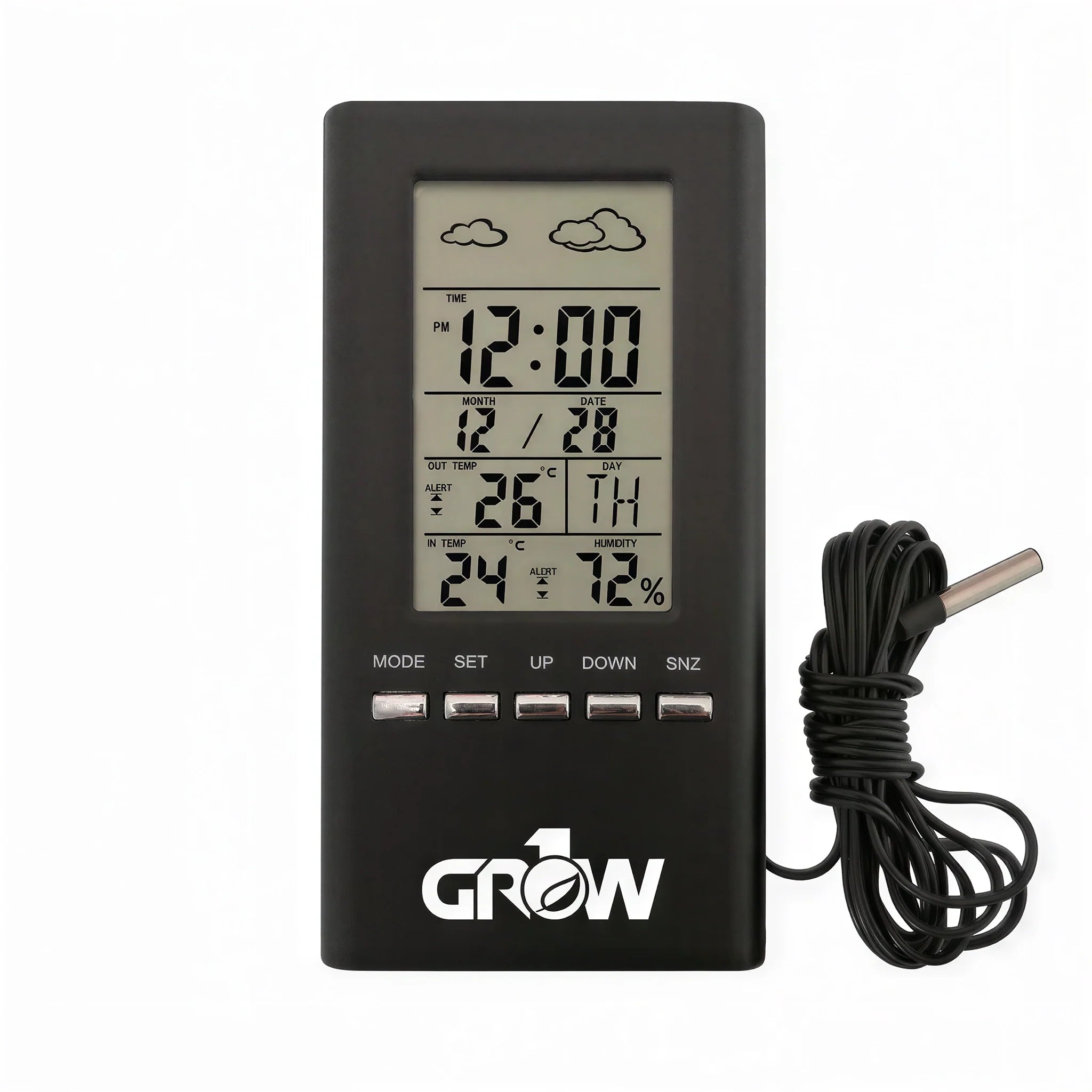
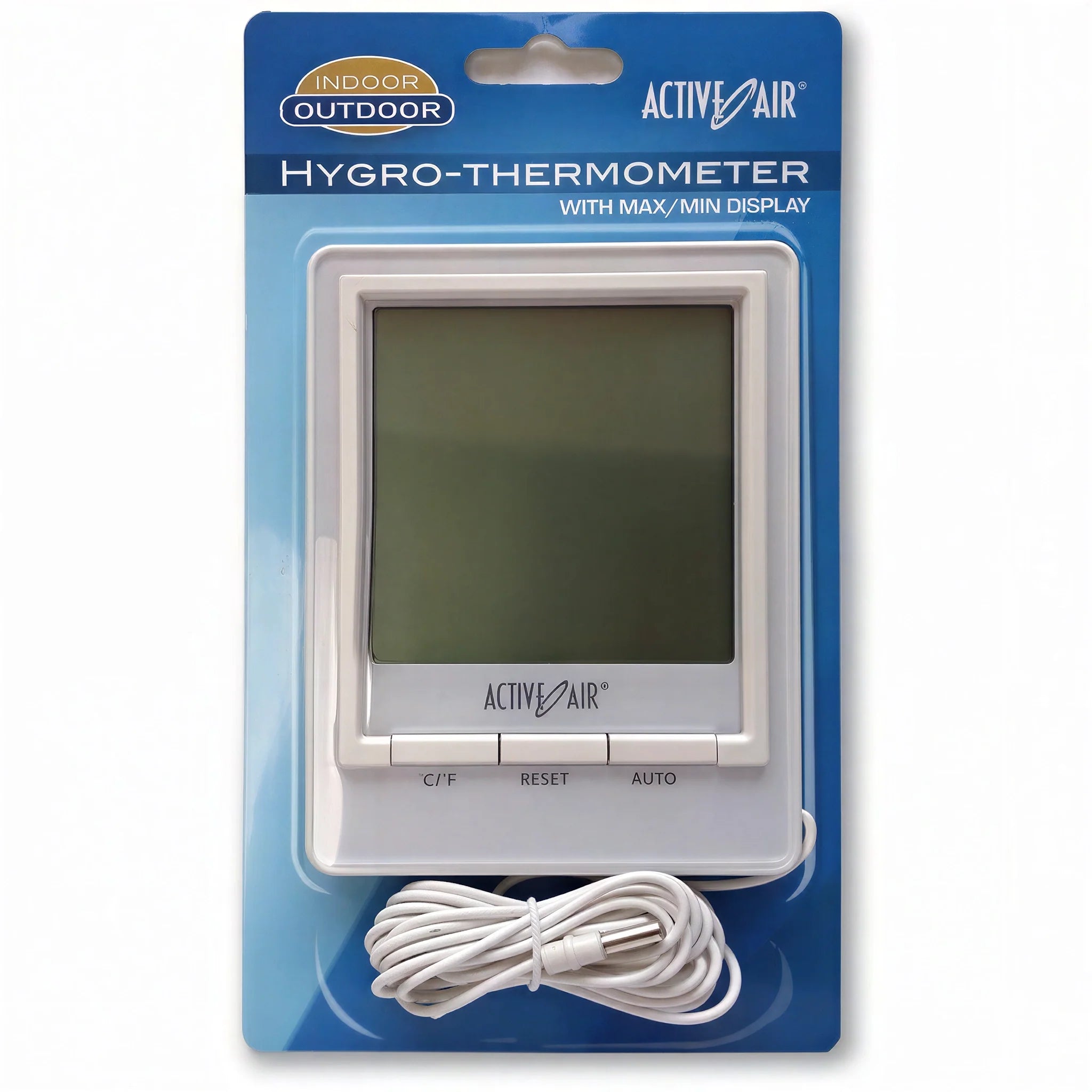
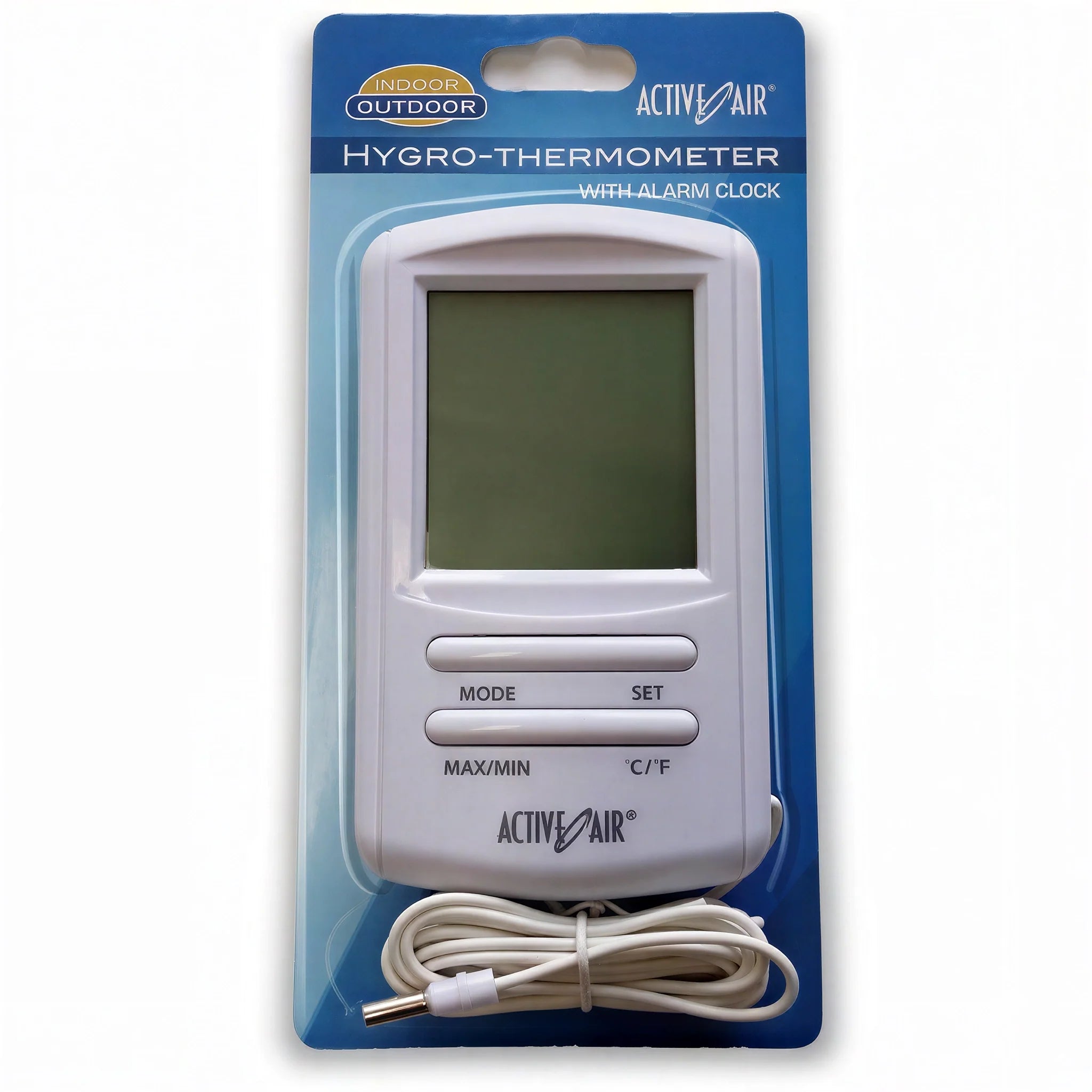
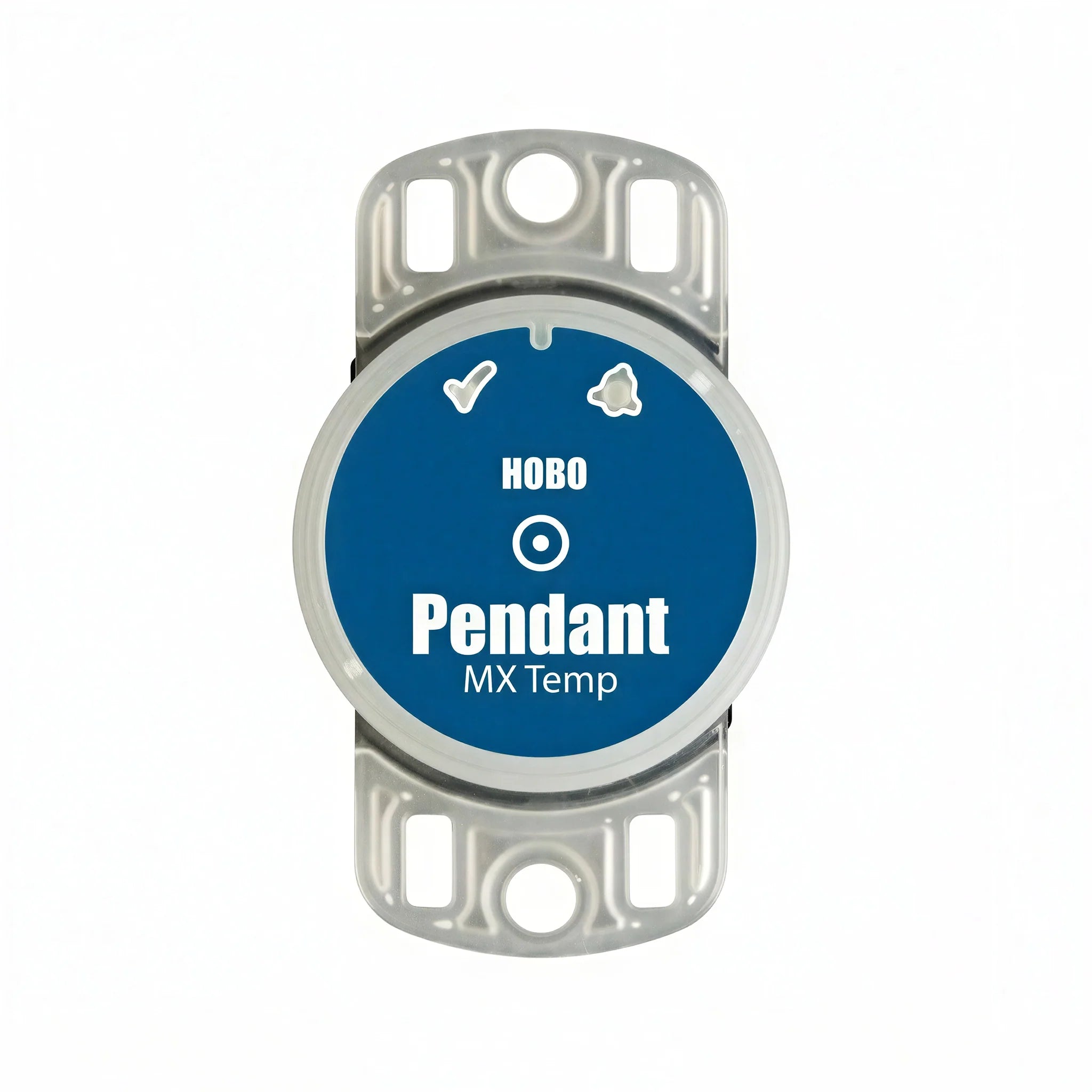
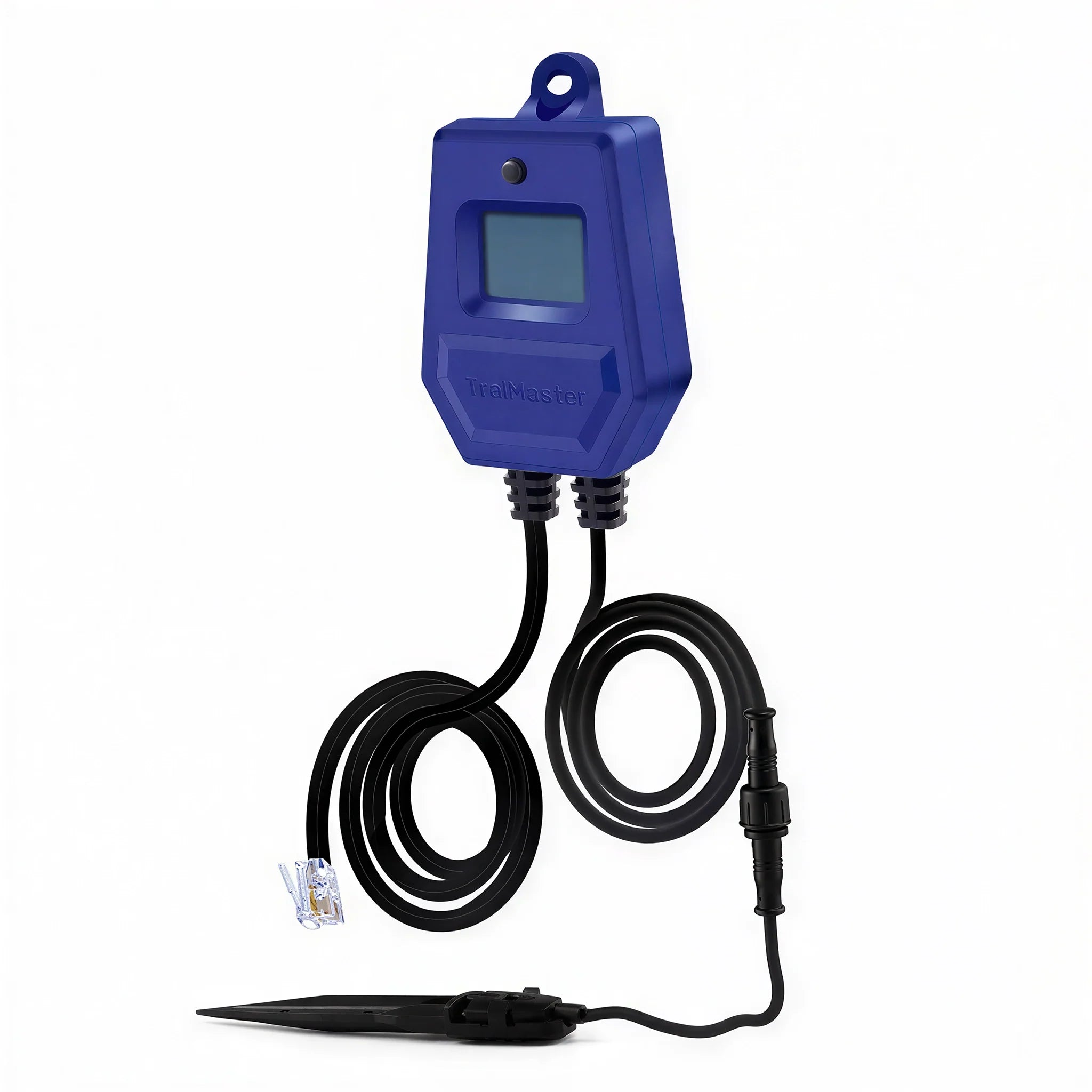
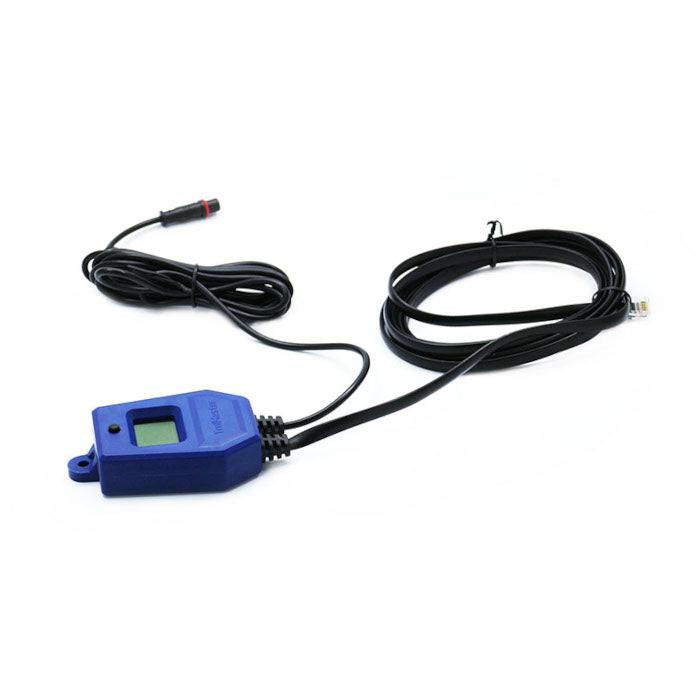
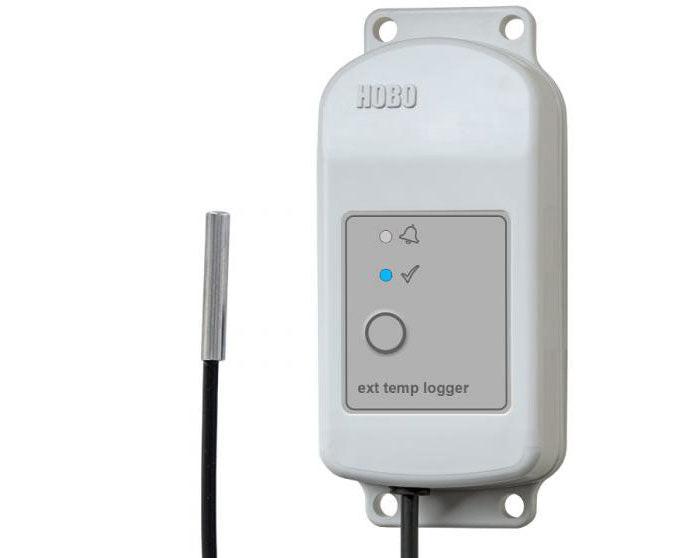
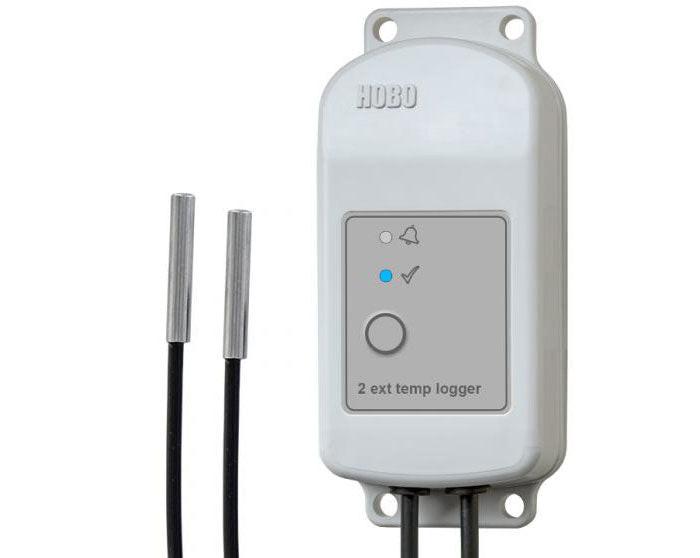
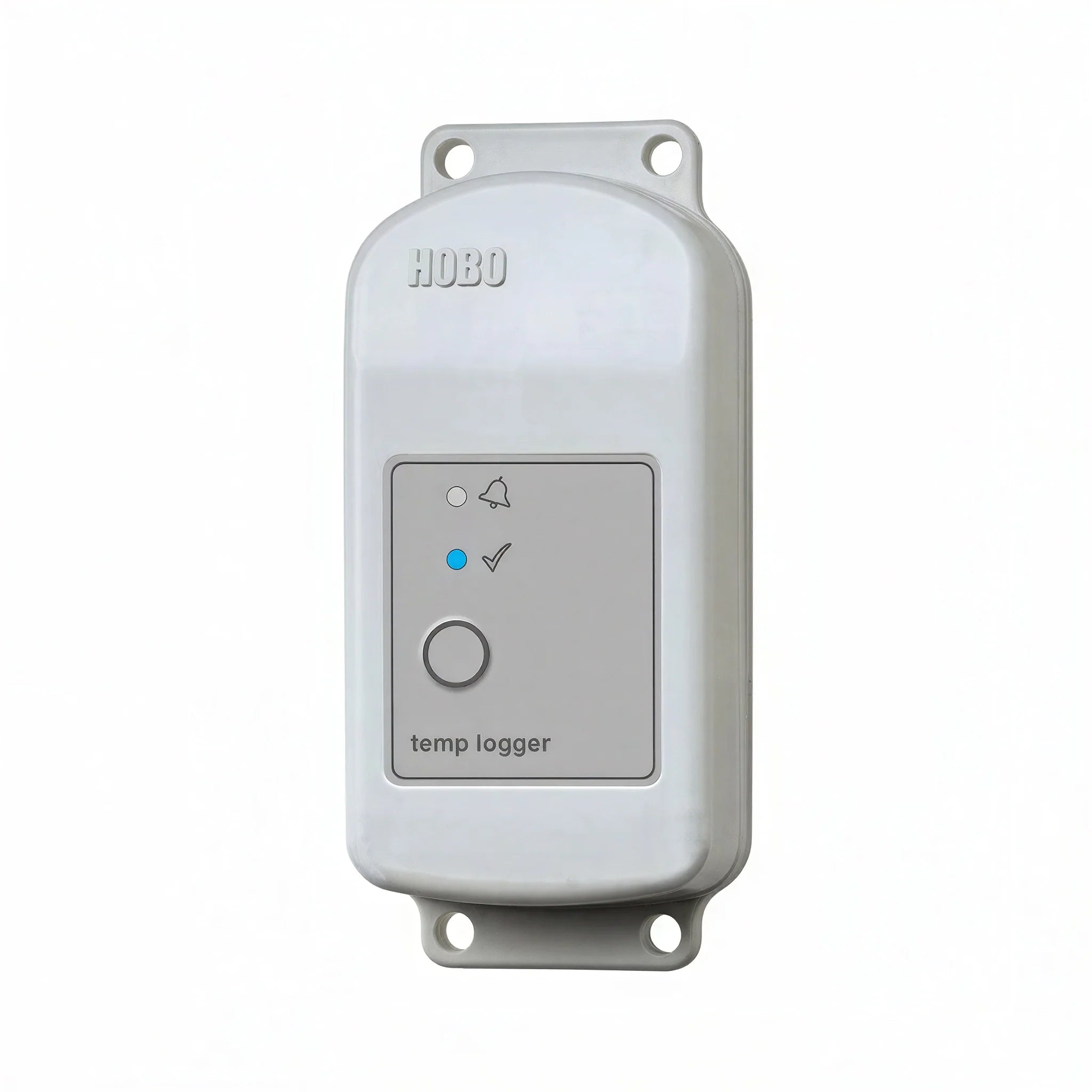
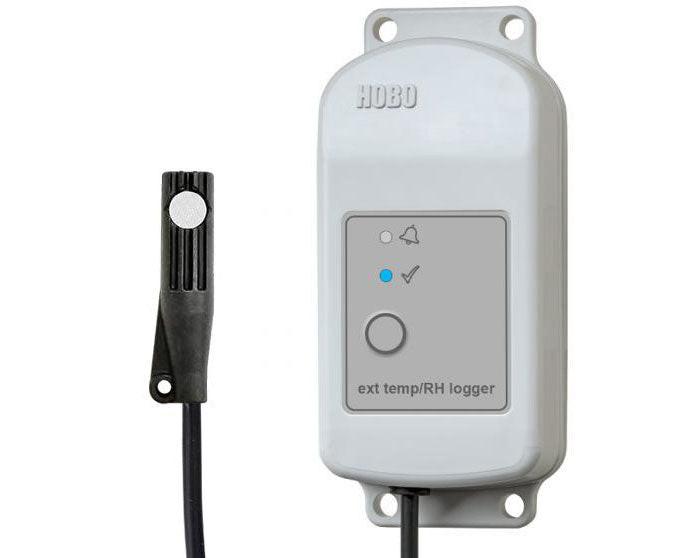
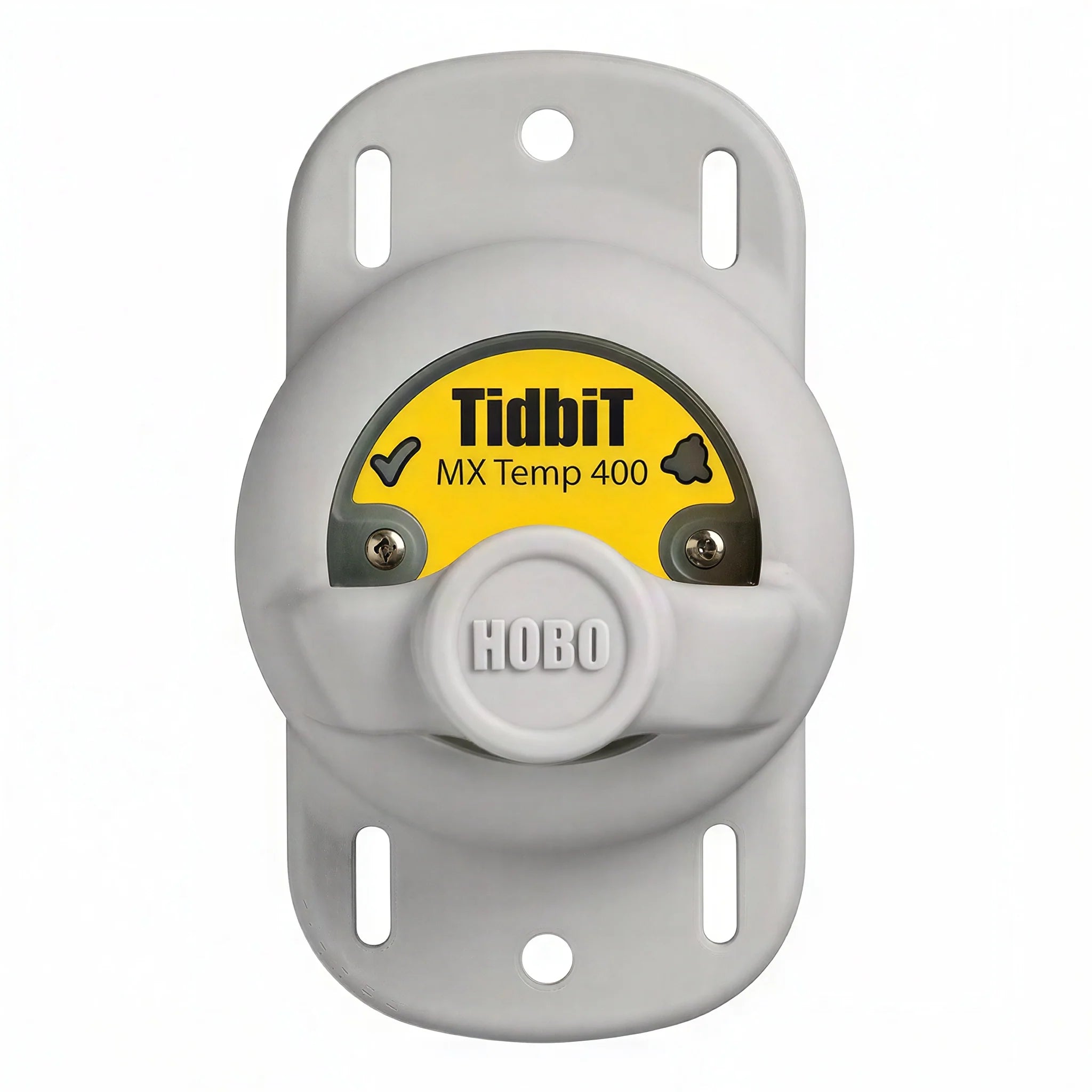
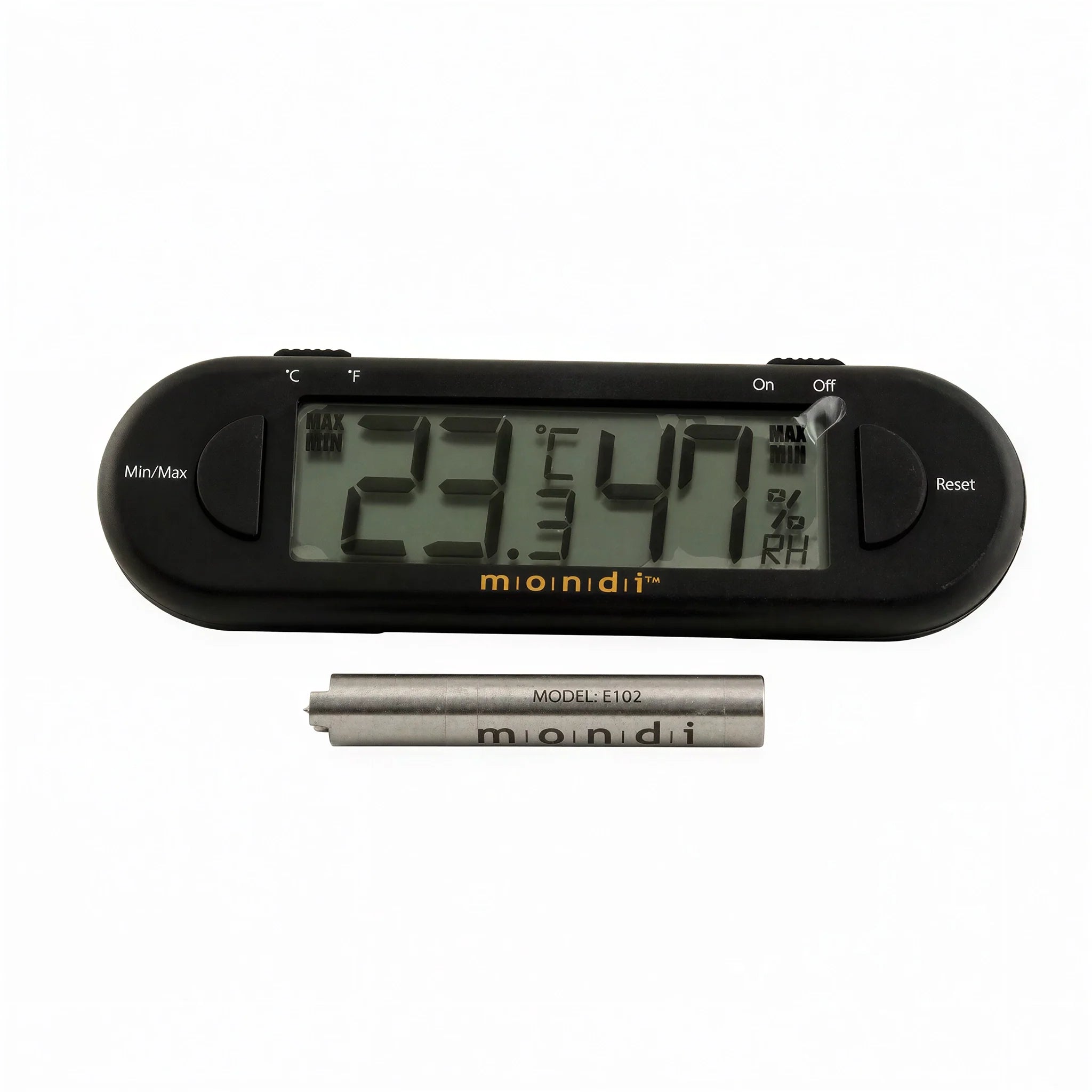
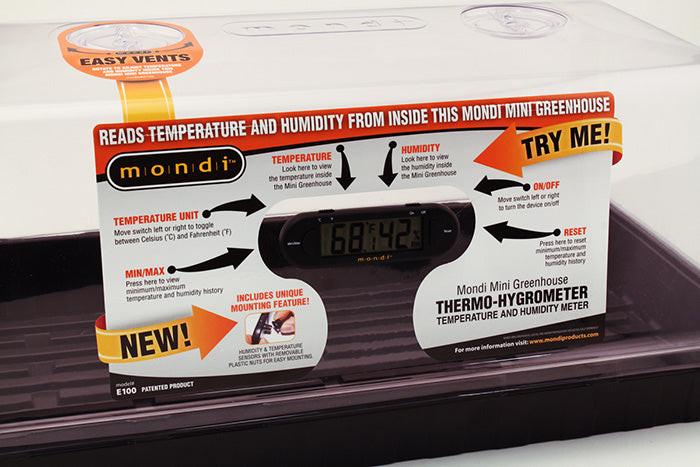
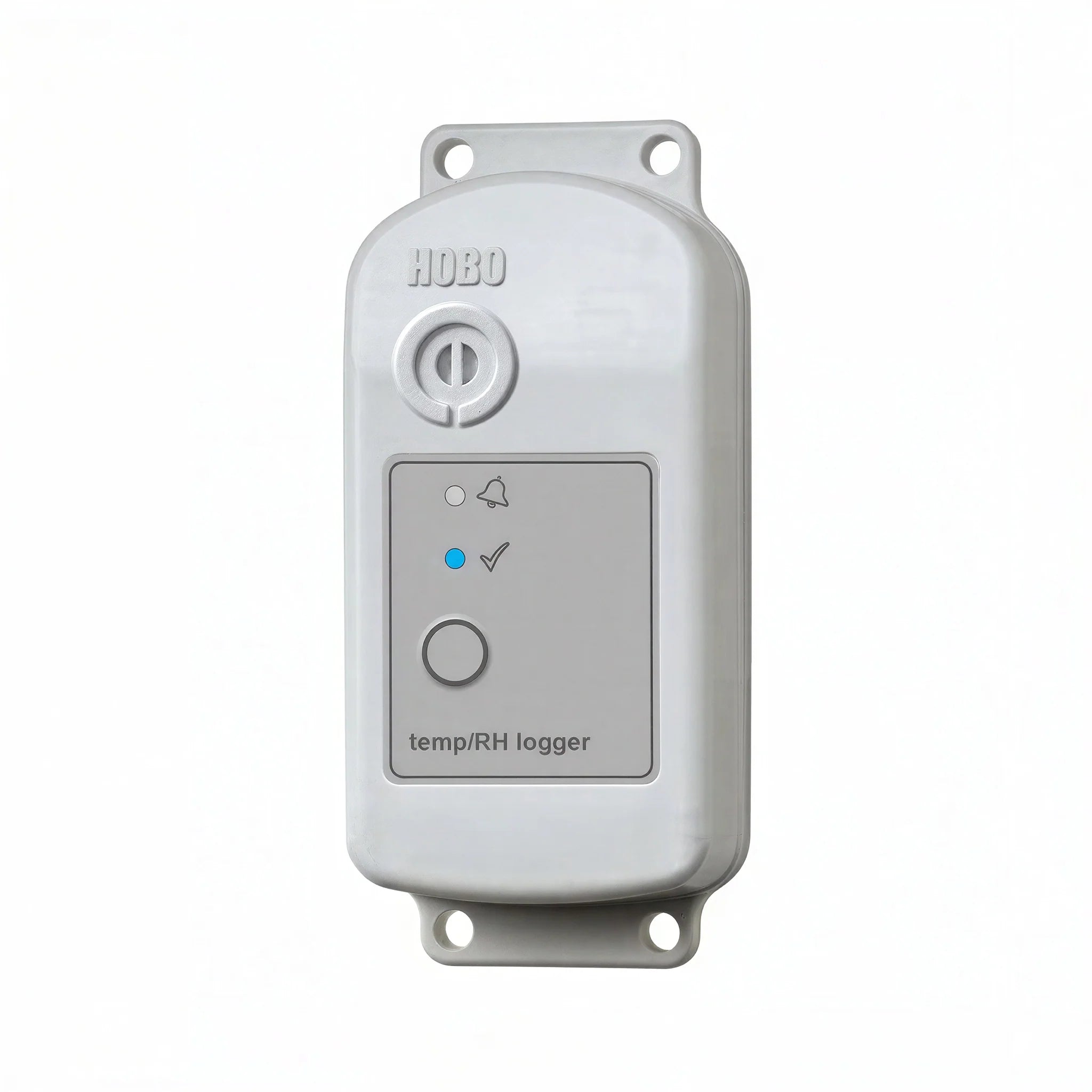
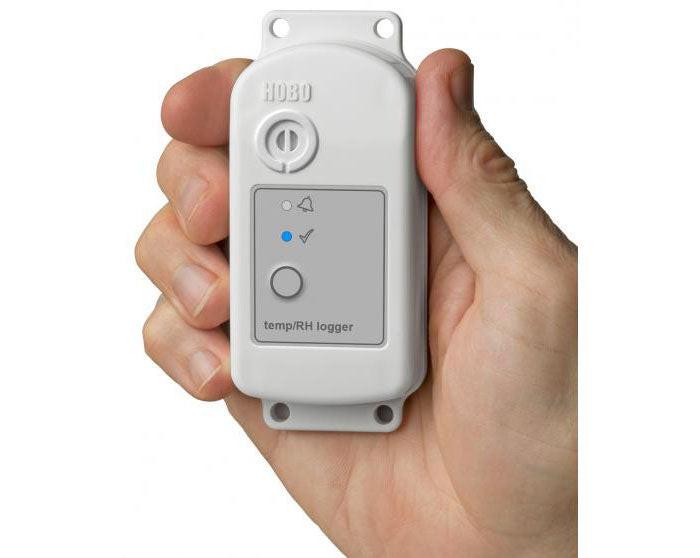
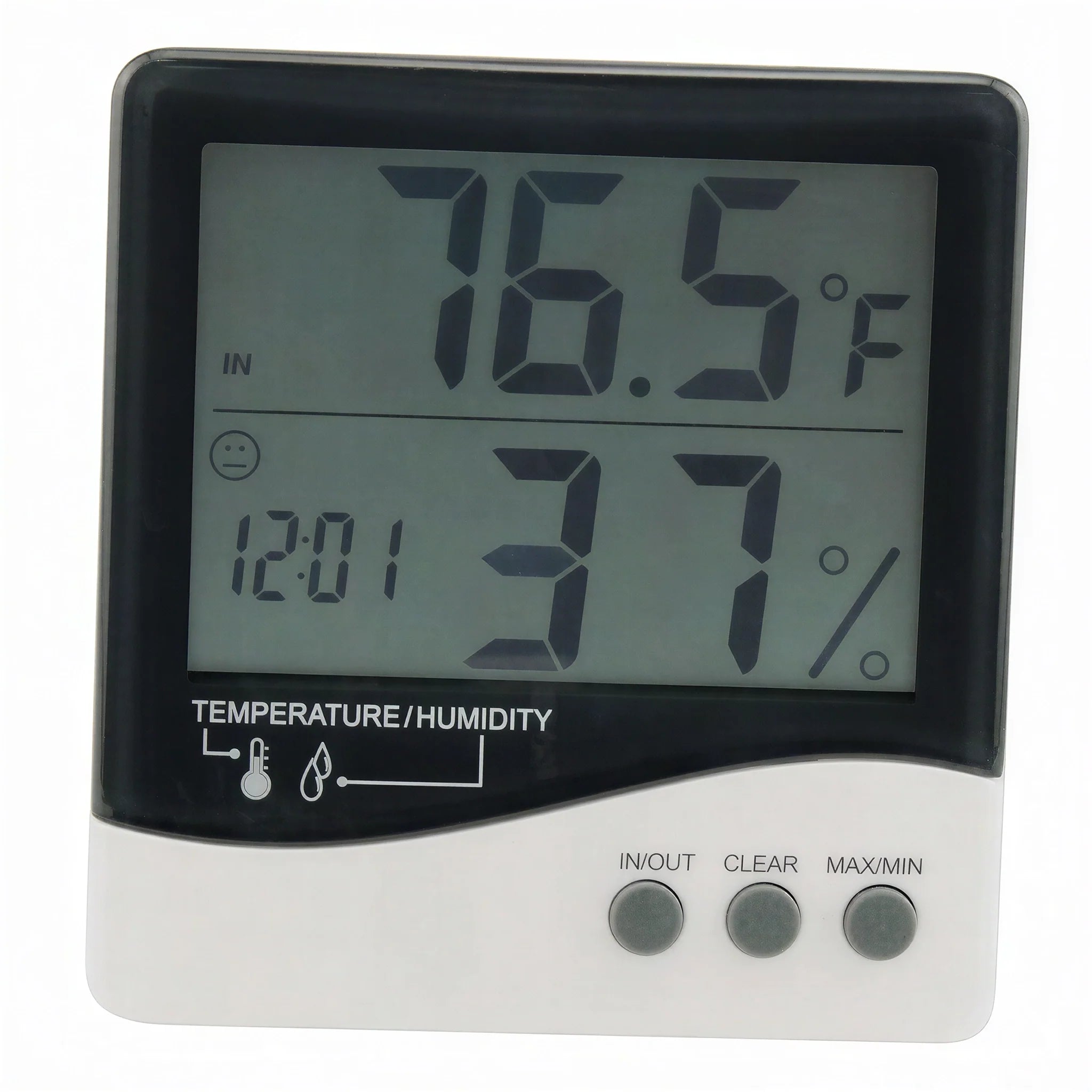
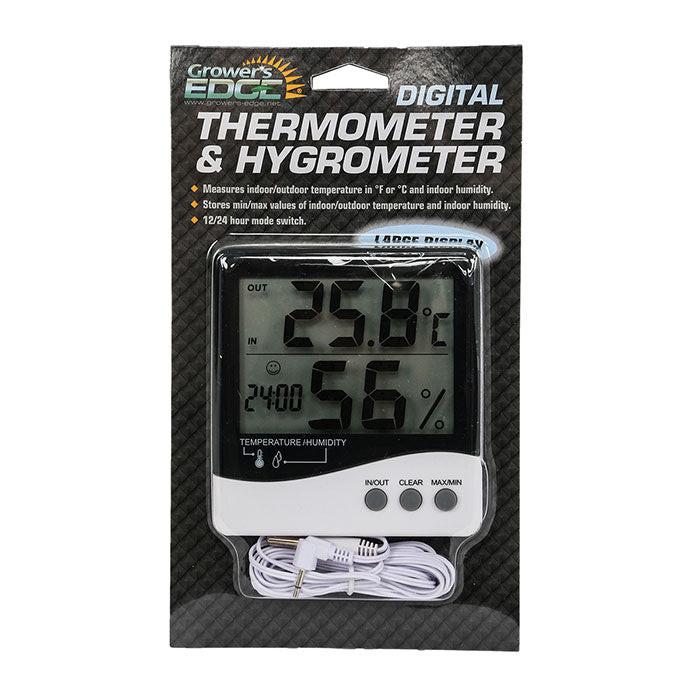
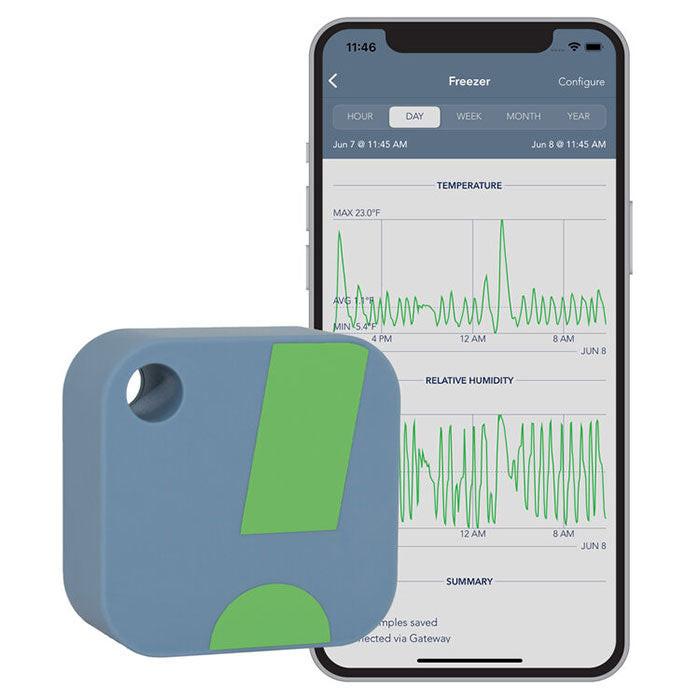
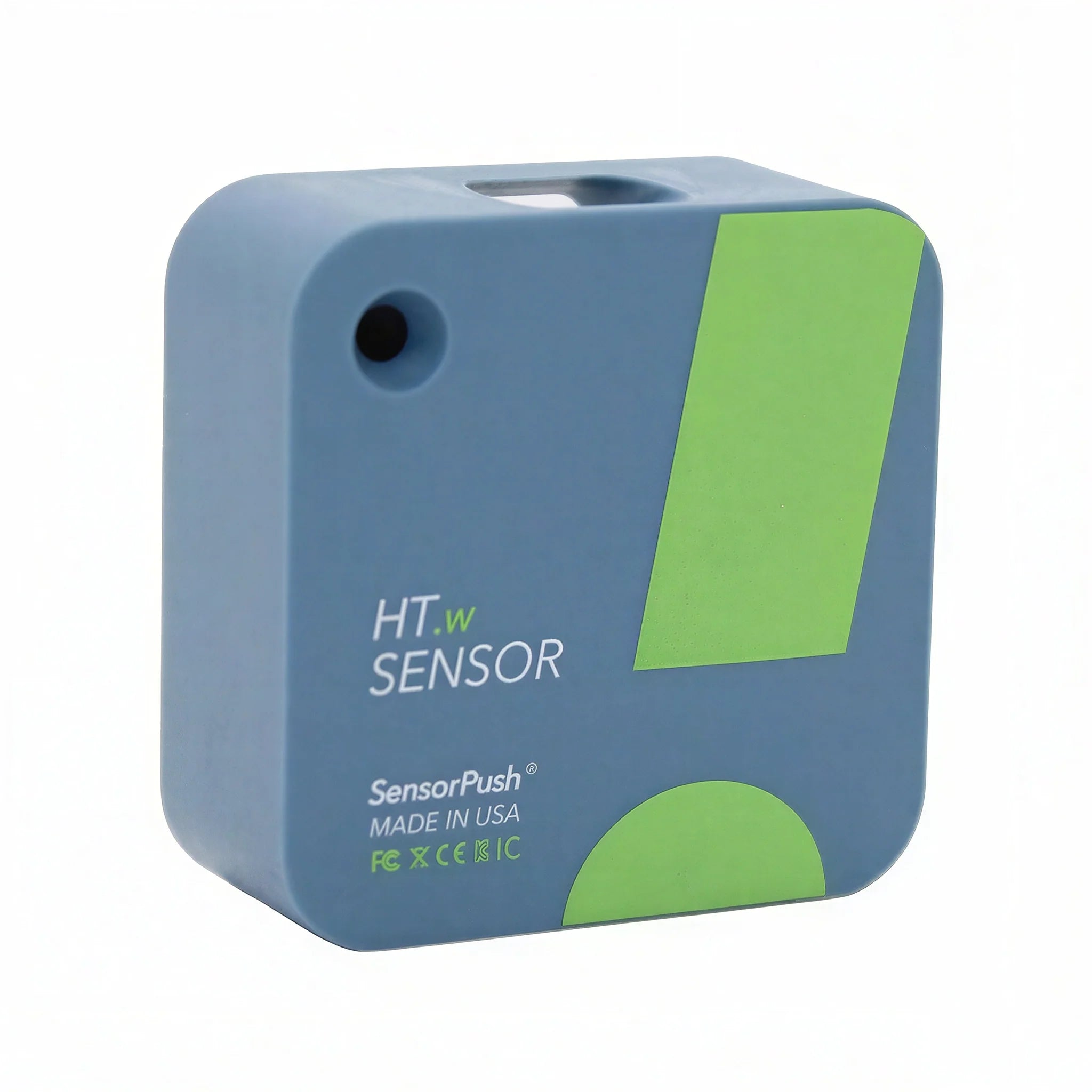
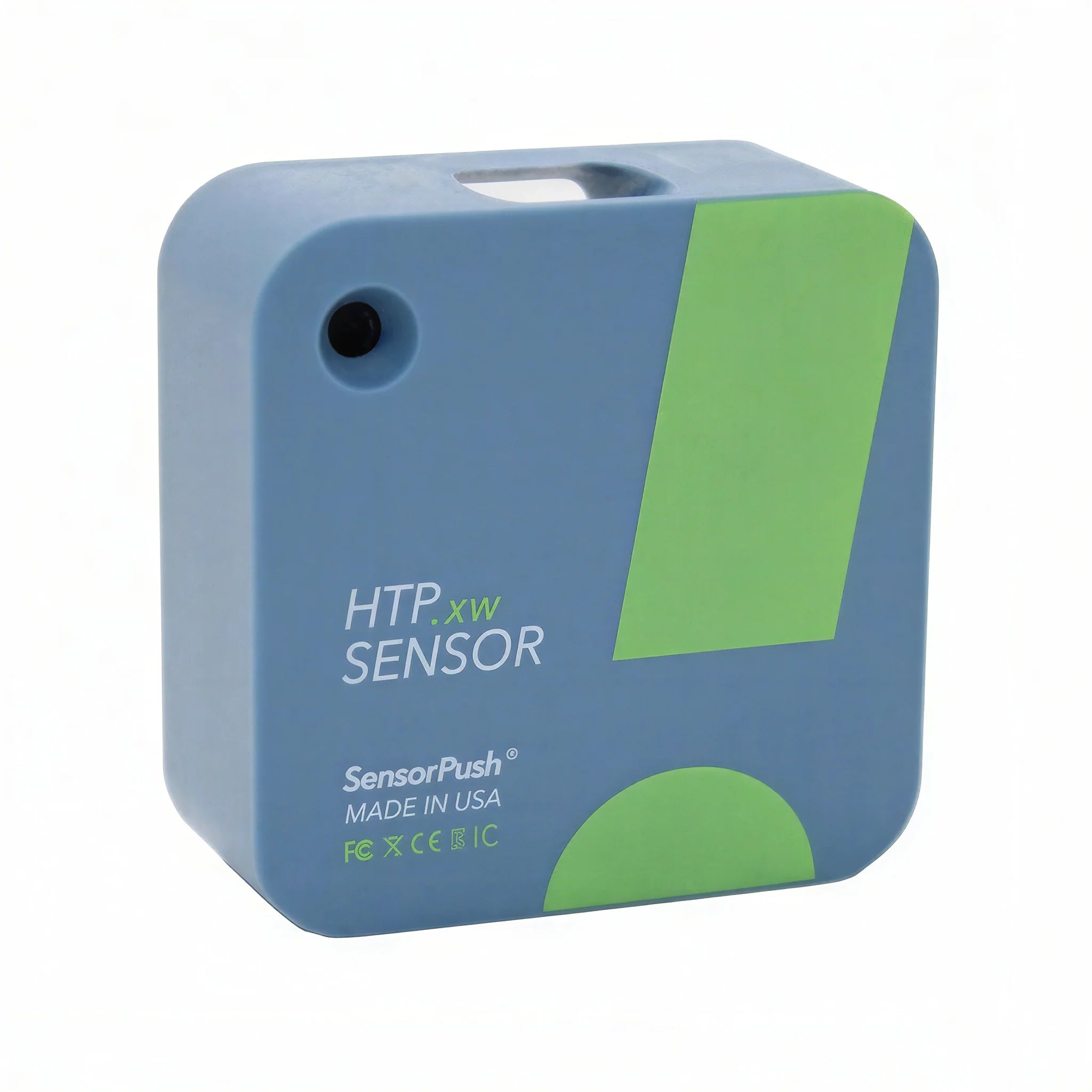
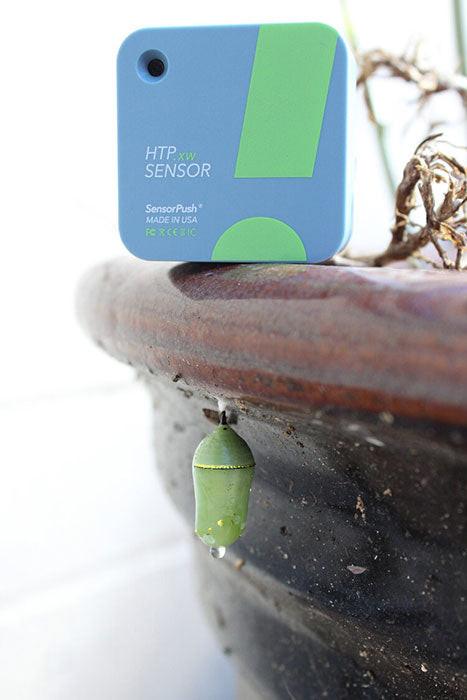
Modern digital thermometer/hygrometer units display real-time temperature and relative humidity simultaneously, with min/max memory that records the highest and lowest readings since the last reset -- useful for identifying nighttime temperature drops or humidity spikes during the lights-off period that spot-checking misses. Look for units with external probe options that allow the display to be outside the tent while the probe is positioned at canopy level inside. Wireless models (Govee, Inkbird, SensorPush) connect to smartphone apps for remote monitoring and historical logging. For commercial operations requiring continuous logged data and multi-room monitoring, Bluelab Connect and TrolMaster sensor networks provide the data infrastructure that simple digital displays cannot.
Accuracy & Calibration
Consumer-grade thermometer/hygrometer accuracy varies considerably. Budget units are accurate to +/-5% RH and +/-1-2 degrees F -- adequate for general monitoring but potentially misleading for precision VPD management. Quality units (Govee Pro, Inkbird IBS-TH3, SensorPush) achieve +/-2-3% RH and +/-0.5 degrees F -- sufficient for most growing applications. For commercial operations where accurate VPD management is a production quality standard, verify sensor accuracy periodically against a calibrated reference unit. Use our VPD Calculator alongside your readings to manage climate by VPD rather than temperature and humidity independently. Fast shipping.
Thermometers & Hygrometers FAQ
What is the difference between a thermometer and a hygrometer?
A thermometer measures temperature; a hygrometer measures relative humidity. Most digital grow room instruments combine both in a single unit -- a thermometer/hygrometer combo -- displaying temperature and RH simultaneously from a single sensor. The combined unit is more practical than separate instruments for grow room use, where both measurements are needed together for VPD calculations and environmental management decisions.
How accurate are grow room hygrometers?
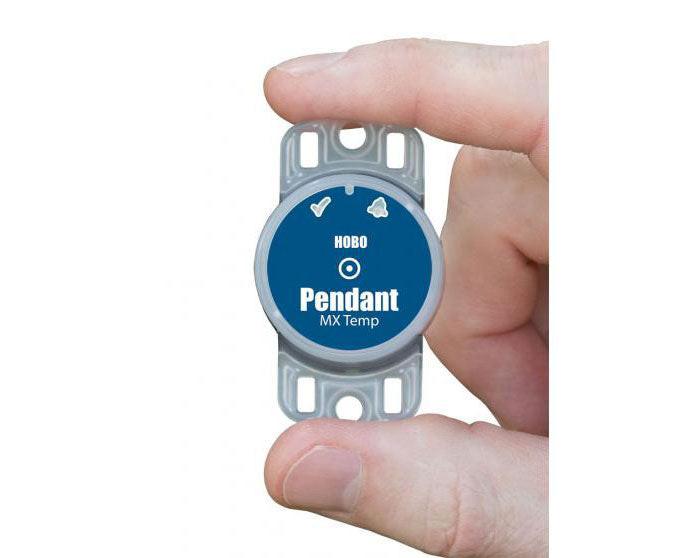
Accuracy varies by product tier. Budget units (under $15): +/-5-8% RH, +/-2-3 degrees F -- rough guidance only. Mid-range units (Govee, Inkbird, $15-40): +/-2-4% RH, +/-0.5-1 degrees F -- adequate for most hobby growing. Professional units (SensorPush, calibrated units from Onset, $40-100+): +/-1-2% RH, +/-0.3 degrees F -- suitable for commercial precision VPD management. For applications where you are making irrigation decisions based on VPD targets or troubleshooting specific climate issues, higher-accuracy units provide the reliable data that budget units cannot.
Where should I place a thermometer/hygrometer in a grow tent?
Position at canopy level -- the same height as the tops of your plants, in the center of the growing area away from walls, fans, lights, and equipment that create locally atypical conditions. A sensor adjacent to the AC outlet reads the exiting cool air; near a fan reads turbulent mixed air; near the tent wall reads conditions that don't represent the canopy zone. For a 4x4 tent, one sensor hung or clipped at canopy center provides a representative reading. For larger rooms, multiple sensors at different canopy positions reveal temperature and humidity gradients across the space.
Do I need a wireless thermometer/hygrometer?
Wireless connectivity is a convenience upgrade, not a necessity. For growers who check their tent multiple times per day and find opening the tent to read a display acceptable, a basic non-wireless unit works fine. Wireless models become meaningfully valuable when: you want to check conditions without disturbing the growing environment, you want historical data logging to identify patterns (nighttime humidity spikes, pre-dawn temperature drops), or you manage multiple rooms and want visibility from a single app without visiting each room.
Can I use a regular household thermometer/hygrometer in a grow tent?
Consumer household units work for basic reading but have limitations in grow room applications. Most consumer units are optimized for indoor comfort monitoring (50-80 degrees F, 30-60% RH) and may be less accurate at the higher temperatures and humidity levels typical in active grow rooms. Additionally, many consumer units do not include an external probe -- placing the display unit inside a tent is inconvenient for reading without opening it. Units marketed specifically for grow room or greenhouse monitoring are calibrated for the grow room range and typically include external probe options and min/max memory features that are more useful for growing applications.