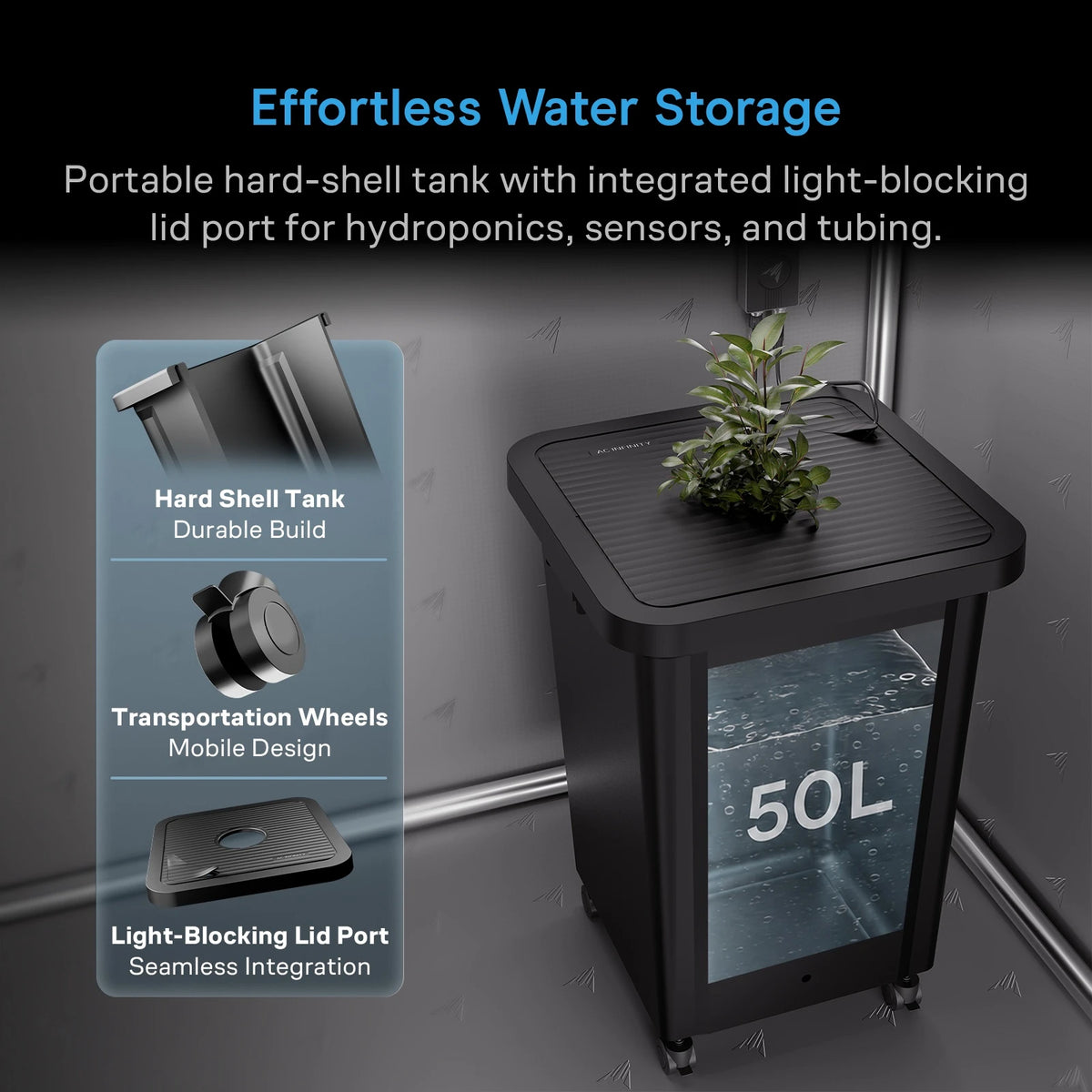
Hydroponic Reservoirs & Nutrient Storage Tanks
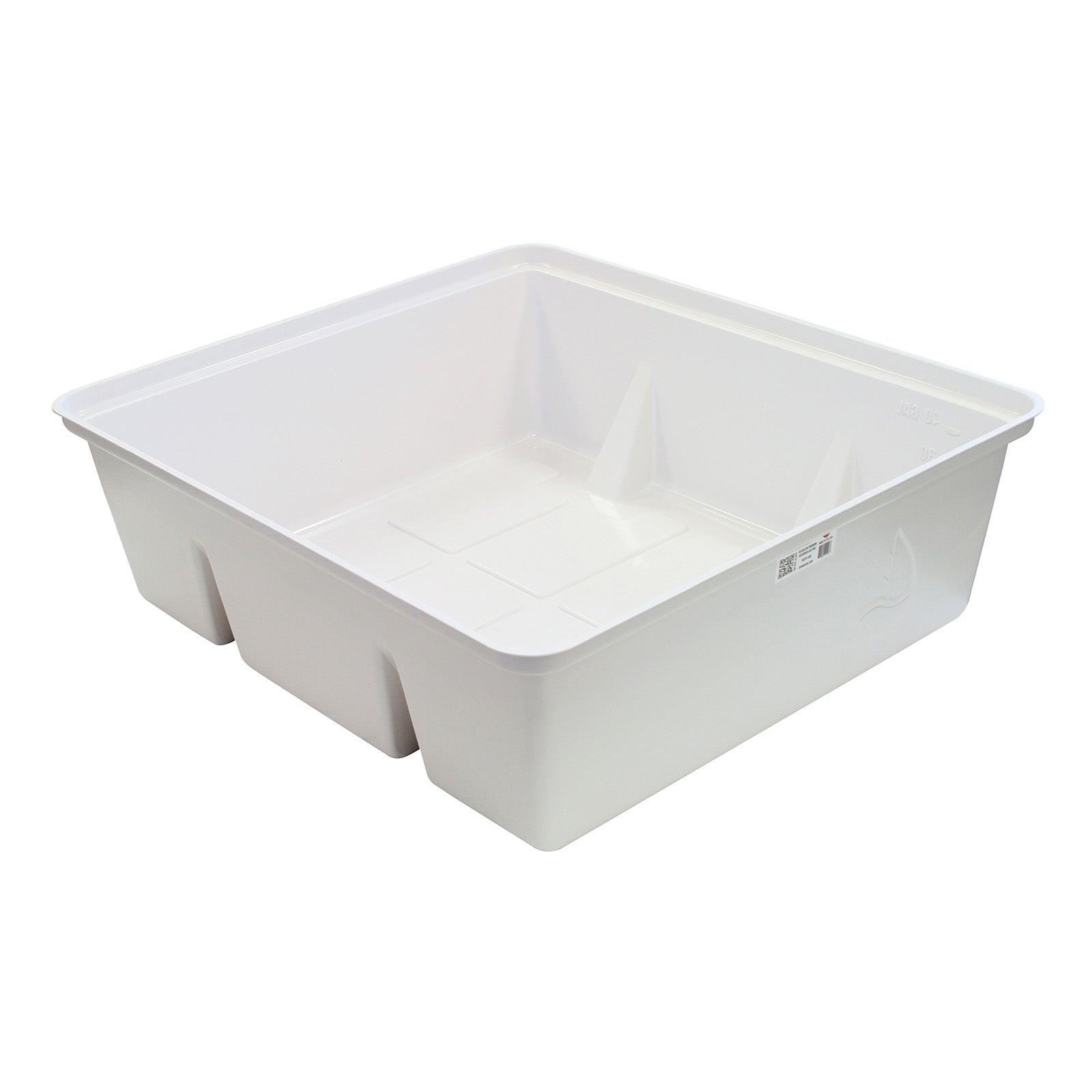
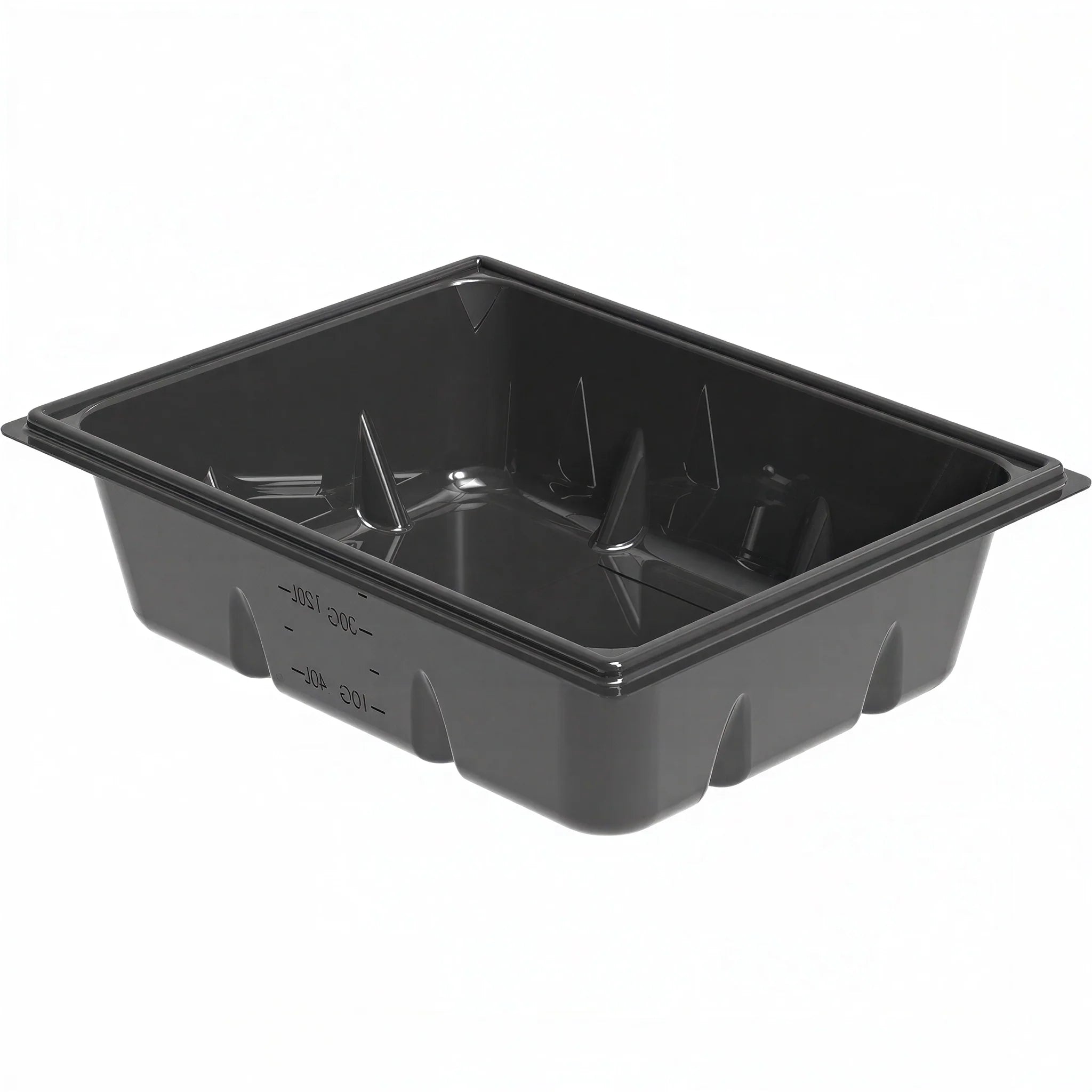
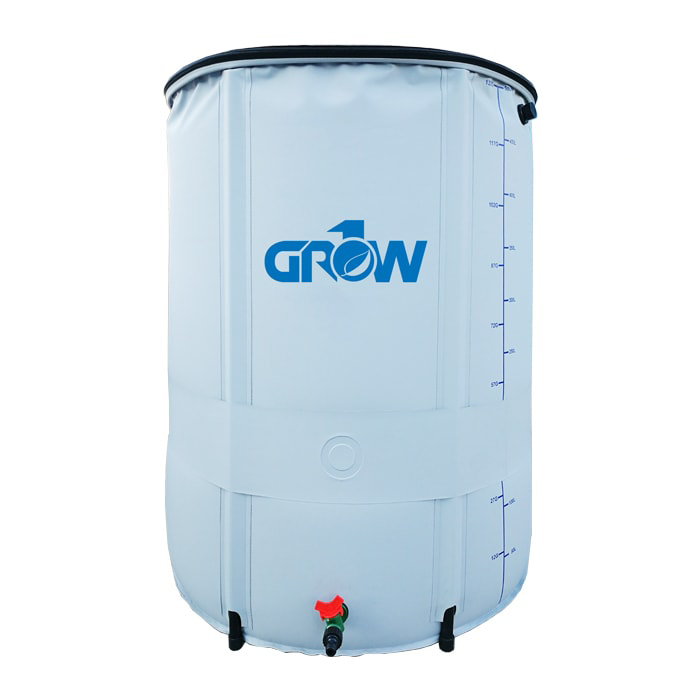
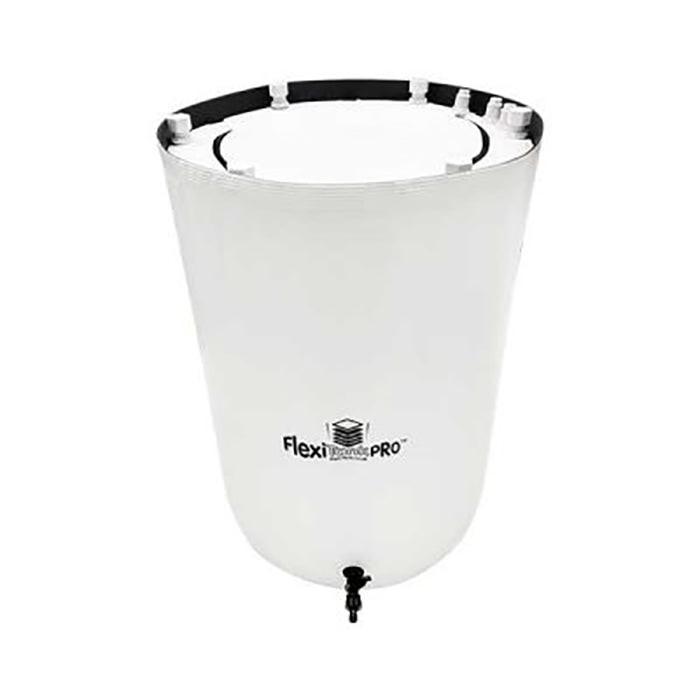
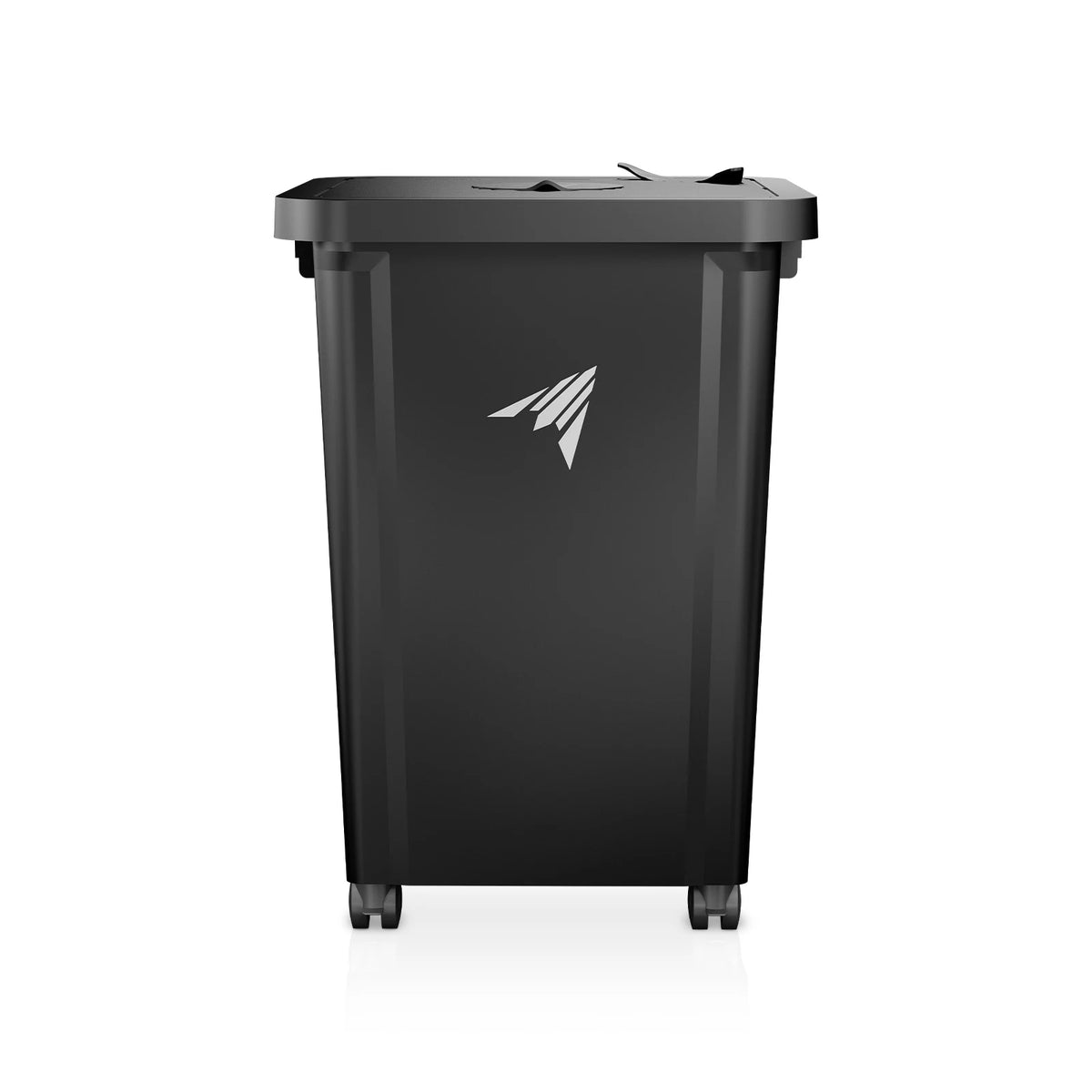
The hydroponic reservoir is the operational hub of any recirculating growing system. It holds and circulates the nutrient solution that feeds your plants, houses your water pump and aeration equipment, and provides the volume buffer that stabilizes pH and EC between feeding cycles. Reservoir sizing and management directly affect the stability of your entire hydroponic operation - undersized reservoirs are the single most common cause of nutrient and pH instability in beginner systems.
Choosing the Right Reservoir Size
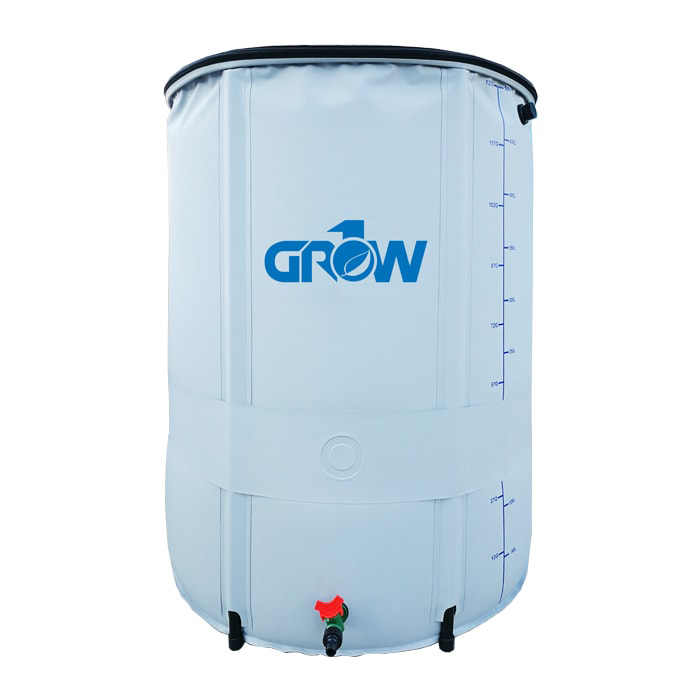
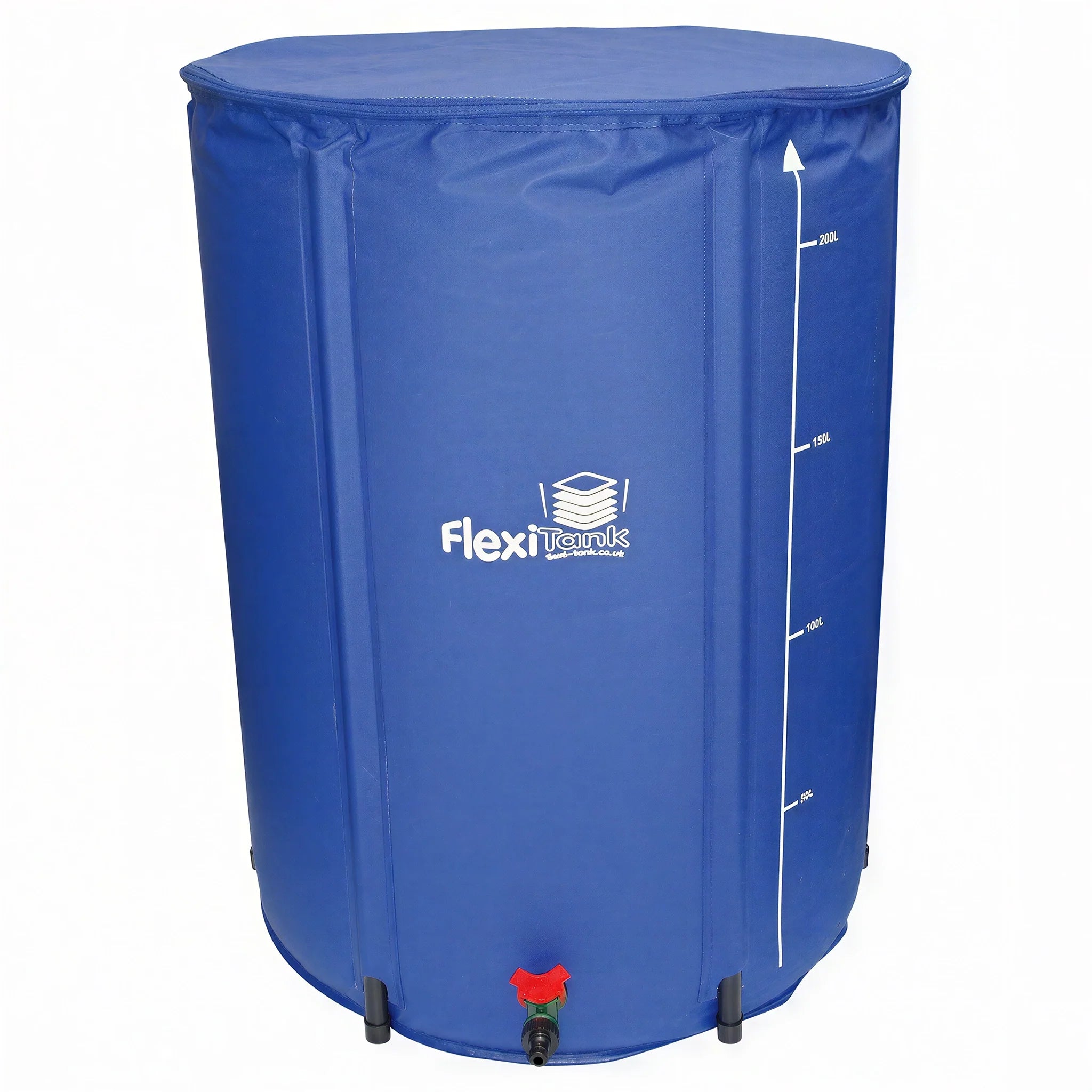
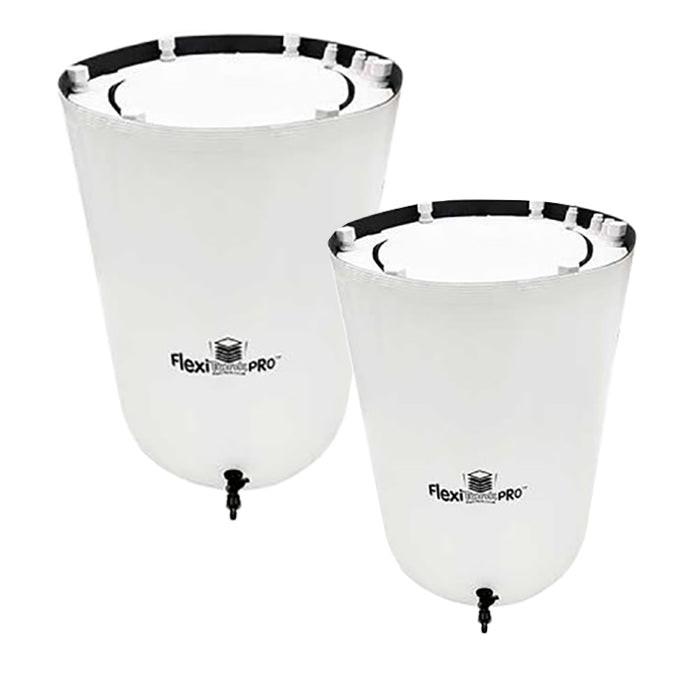
The general rule in hydroponic reservoir sizing is to go larger than you think you need. Larger water volumes buffer nutrient and pH fluctuations more effectively - a small reservoir experiences dramatic pH and EC swings as plants feed, while a large reservoir changes slowly and gives you time to correct before plants are affected. For DWC systems, a minimum of 5 gallons per plant is a common starting point; RDWC central reservoirs for multi-bucket systems typically run 20-100 gallons or more. For flood and drain systems, size the reservoir to hold enough solution to completely flood the grow tray with volume to spare. For drip systems, size to store at least one full day's irrigation volume to prevent running dry between refills. Use our Nutrient Mixing & Dilution Calculator to plan concentrated stock solutions for your reservoir volume and target EC.
Reservoir Aeration, Temperature & Maintenance
Plants require dissolved oxygen in the nutrient solution, and reservoirs need continuous aeration to maintain it. Connect an air pump and air stone or diffuser to the reservoir to saturate the solution - this also prevents stagnant conditions that favor root pathogens. Keep reservoir temperature between 65-75 degrees F - warmer water holds less dissolved oxygen and promotes bacterial growth; cooler water slows plant metabolism. Use a water chiller in warm climates or during summer operation to maintain the optimal range. Change the full reservoir solution at least every 14 days during vegetative growth and weekly during heavy flowering. Test pH and EC daily with a pH meter and EC meter. See our guide on why hydroponic water temperature matters for a detailed explanation of dissolved oxygen and plant uptake.
Reservoir Accessories & Automation
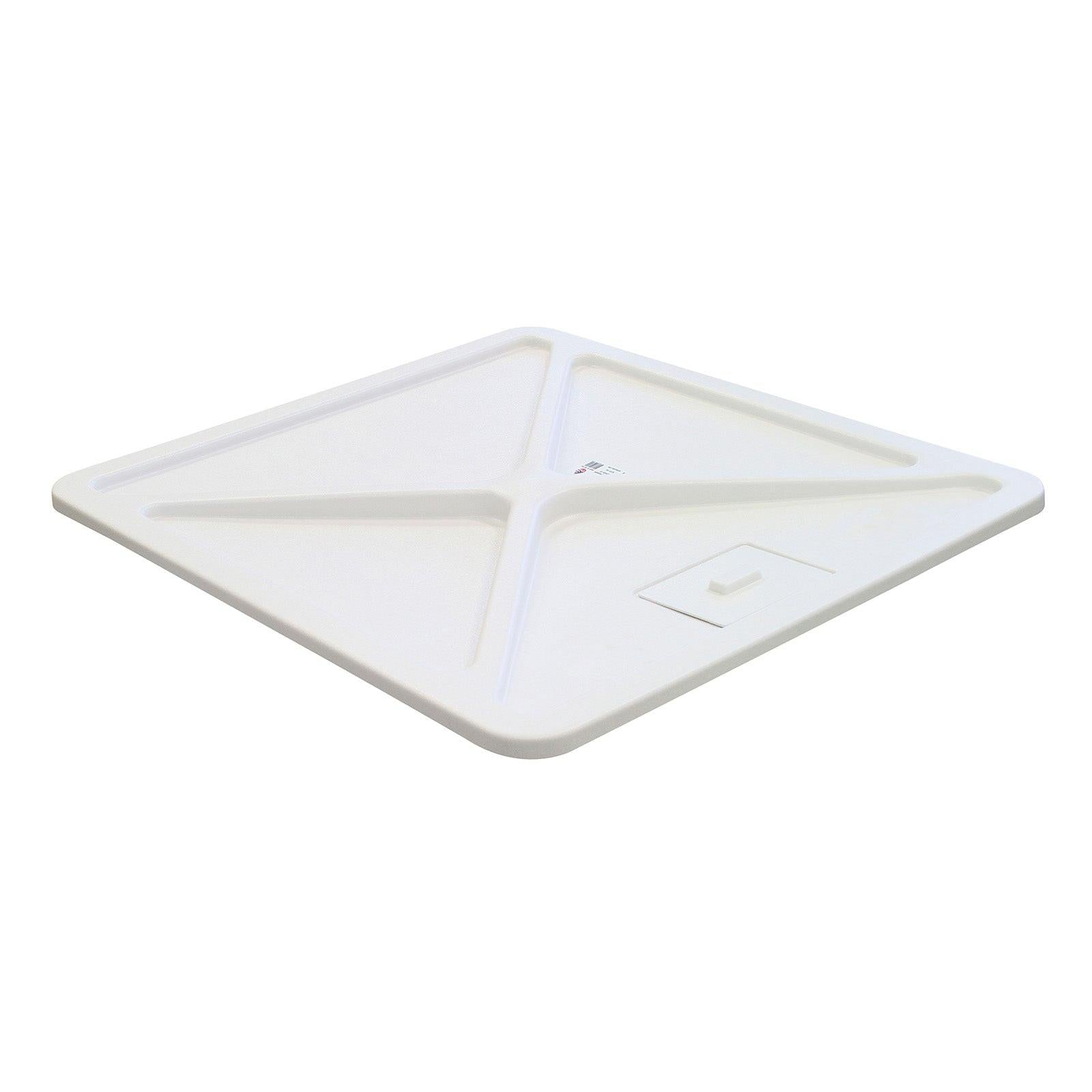
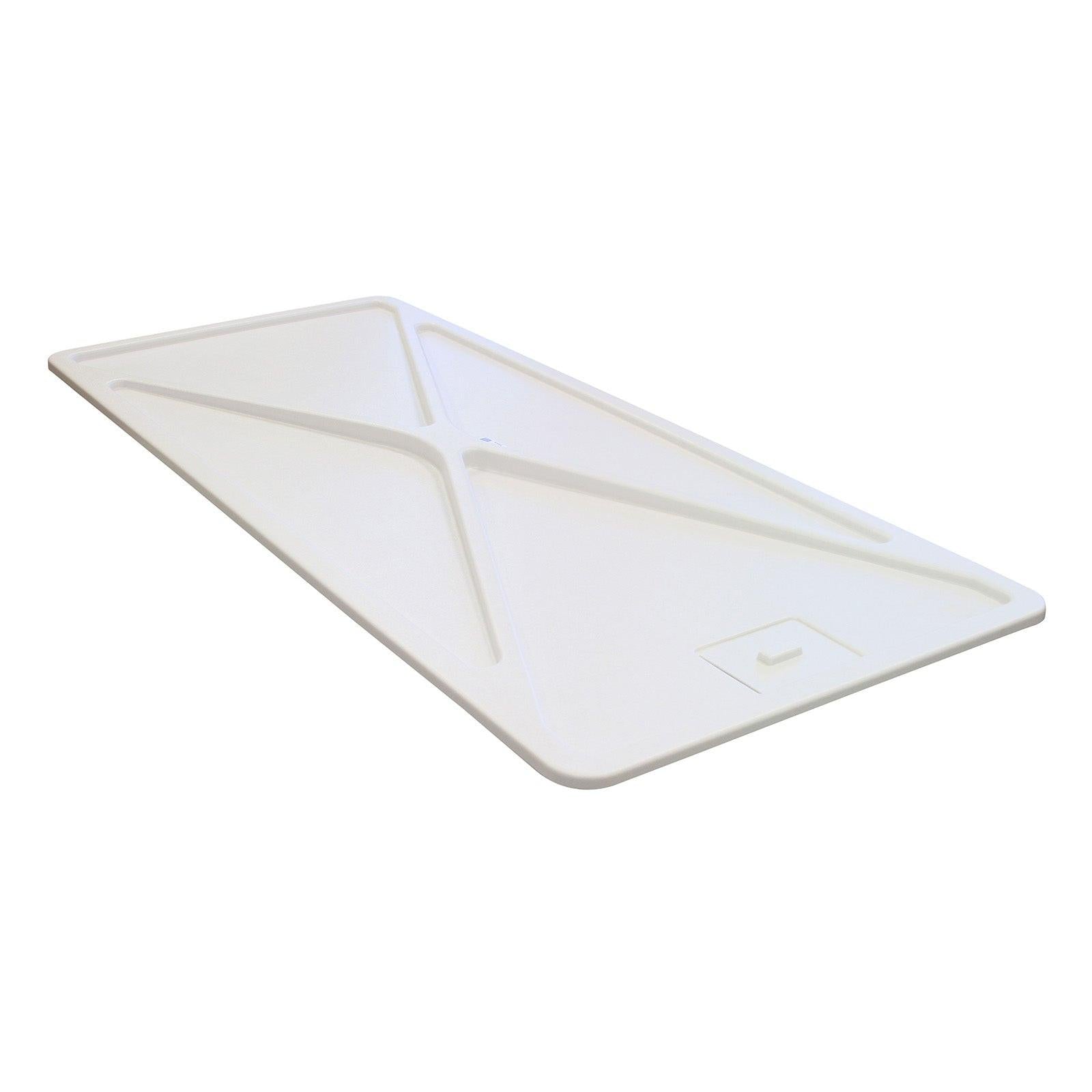
Reservoir lids and covers prevent contamination, reduce evaporation, and block light to prevent algae growth. Float valves automate top-off as water evaporates between full changes. For commercial operations, automated pH and nutrient dosing systems eliminate manual monitoring entirely. Our updated dissolved oxygen guide explains how reservoir management directly impacts root health and nutrient uptake.
Pair your reservoir with a complete hydroponic system, browse water pumps for circulation, or start with our updated Hydroponics 101 guide. Fast shipping.
Hydroponic Reservoirs FAQ
What size reservoir do I need for hydroponics?
For a single-plant DWC setup, a 5-gallon bucket is the minimum - many growers prefer 8-10 gallons for better buffering. For a 4-plant DWC system, a 20-30 gallon central reservoir is a practical starting point. For RDWC systems with 8+ sites, 50-100 gallons is appropriate. For flood and drain setups, size the reservoir to hold enough solution to fully flood the tray plus additional volume for buffering - 50-100 gallons for a 4x4 ebb and flow table is a reliable target. When in doubt, always size up. The cost difference between a 30-gallon and a 50-gallon reservoir is small; the stability difference is significant.
How often should I change the water in my hydroponic reservoir?
Change the full reservoir solution every 7-14 days depending on growth stage and plant size. During vegetative growth when feeding demand is moderate, every 14 days is typically sufficient. During heavy flowering when plants are feeding aggressively, increase to every 7 days. Between full changes, top off daily with plain pH-adjusted water to replace what plants uptake and what evaporates. Do not substitute top-offs for full reservoir changes - nutrients accumulate in unbalanced ratios over time, and full reservoir changes reset the solution to a fresh, balanced starting point.
How do I prevent algae in my hydroponic reservoir?
Algae requires light and nutrients to grow - eliminate light exposure from the reservoir and you eliminate the primary algae driver. Use opaque reservoirs or cover clear reservoirs completely with light-proof lids and covers. Wrap any exposed tubing or clear lines with light-blocking tape. Keep reservoir temperature at or below 70 degrees F - warm water accelerates algae growth. Maintain adequate aeration to prevent stagnant zones. Consult our expert team at 888-815-9763 for enzyme or treatment product recommendations appropriate for your system and nutrient program.
What temperature should the water in a hydroponic reservoir be?
Keep reservoir temperature between 65-75 degrees F. At 65-70 degrees F, water holds maximum dissolved oxygen and maintains conditions unfavorable for most root pathogens. Above 75 degrees F, dissolved oxygen levels drop significantly and root disease risk increases substantially. Above 80 degrees F, many systems experience serious root health problems. In warm climates or during summer operation, a water chiller is often a necessary investment. See our complete guide on hydroponic water temperature for sizing and setup guidance.
Should I use RO water in my hydroponic reservoir?
For growers running precise nutrient programs, especially in coco coir or rockwool, reverse osmosis (RO) water is strongly recommended. RO water removes chlorine, chloramines, and 94-99% of dissolved solids, giving you a blank canvas to build your nutrient solution from - eliminating tap water variability as a confounding factor when diagnosing plant nutrition issues. After RO filtration, add a Cal-Mag supplement to replace calcium and magnesium stripped by the membrane. Browse RO systems and water filtration for systems from Hydro Logic, GrowoniX, and AXEON sized from hobby to commercial.