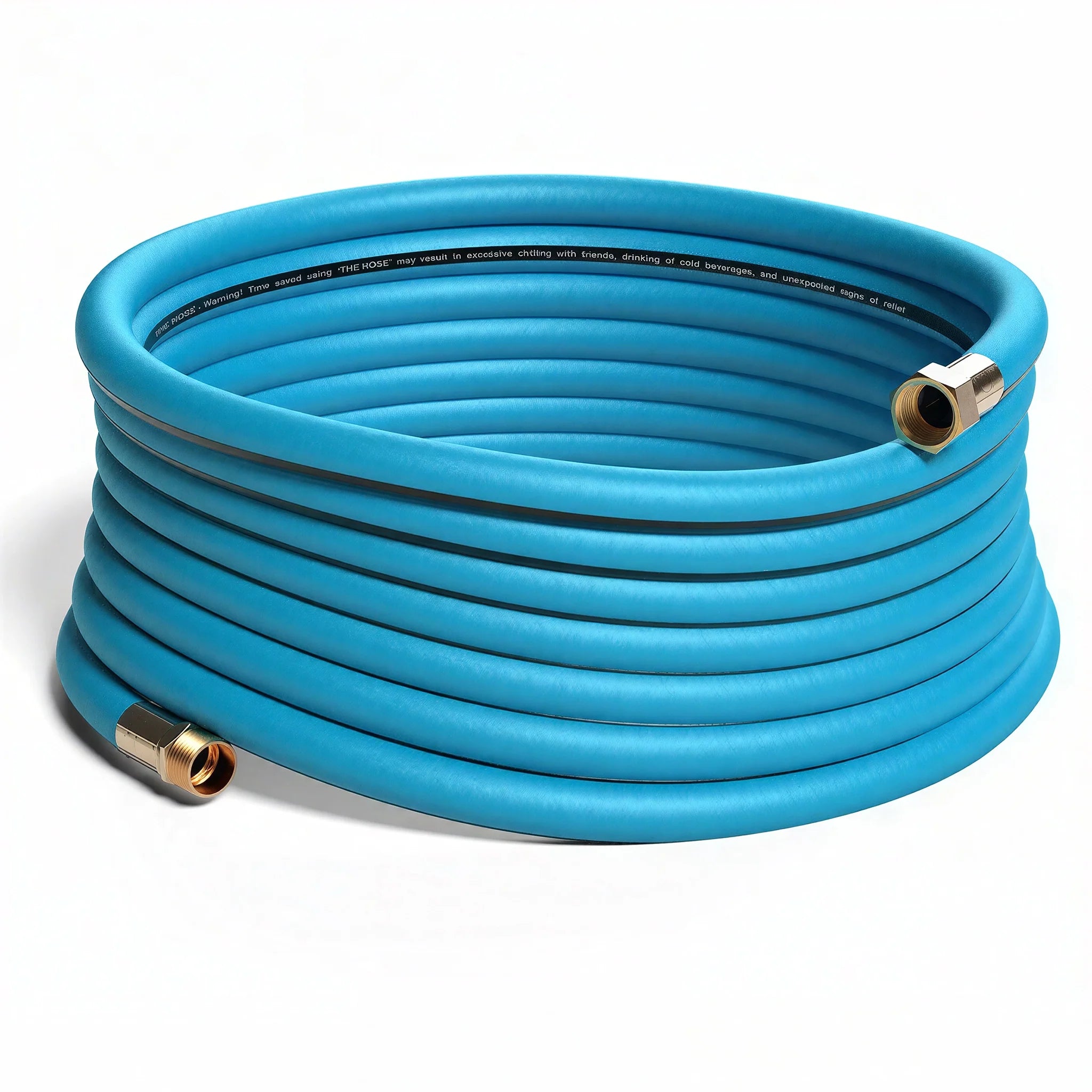
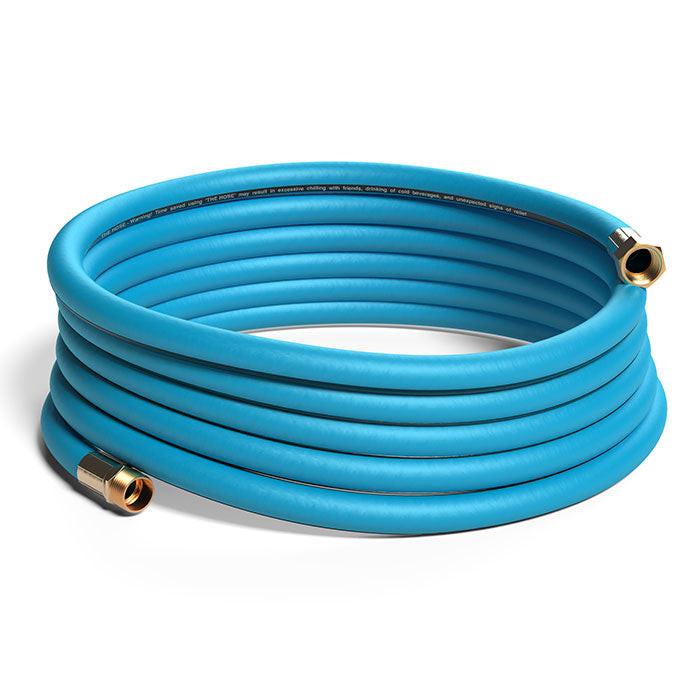
Hydroponic Water Pumps - Submersible & Inline
Water pumps are the circulatory system of any recirculating hydroponic setup - moving nutrient solution from the reservoir to plant sites, driving ebb and flow flood cycles, recirculating RDWC loops, and maintaining the water movement that supports dissolved oxygen levels throughout the system. Selecting the right pump means matching flow rate capacity (GPH or GPM), head pressure rating, and pump format (submersible or inline) to your specific system's requirements. An undersized pump creates irrigation deficiencies; an oversized pump wastes energy and can create turbulence that disrupts root zones.
Submersible vs. Inline Water Pumps
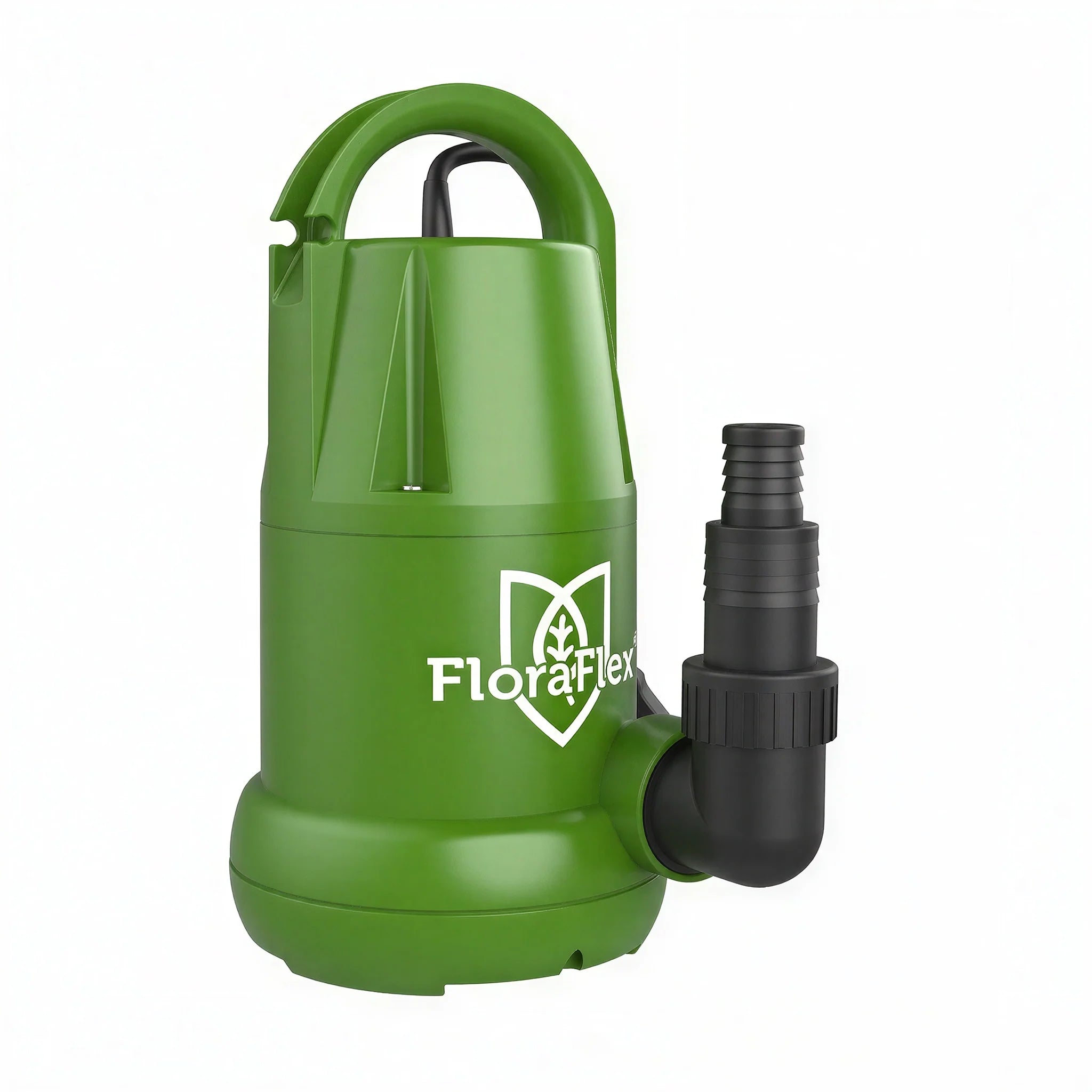
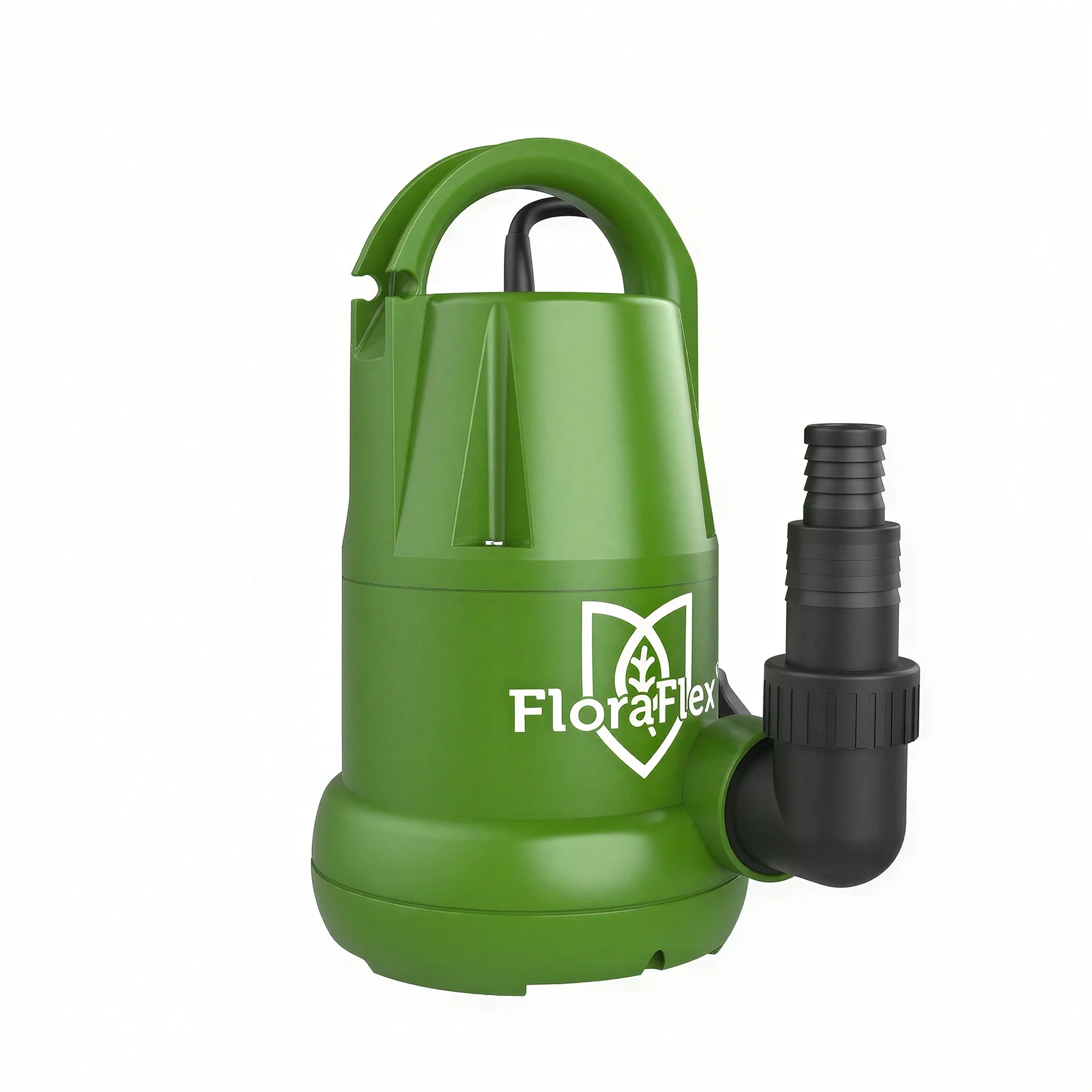
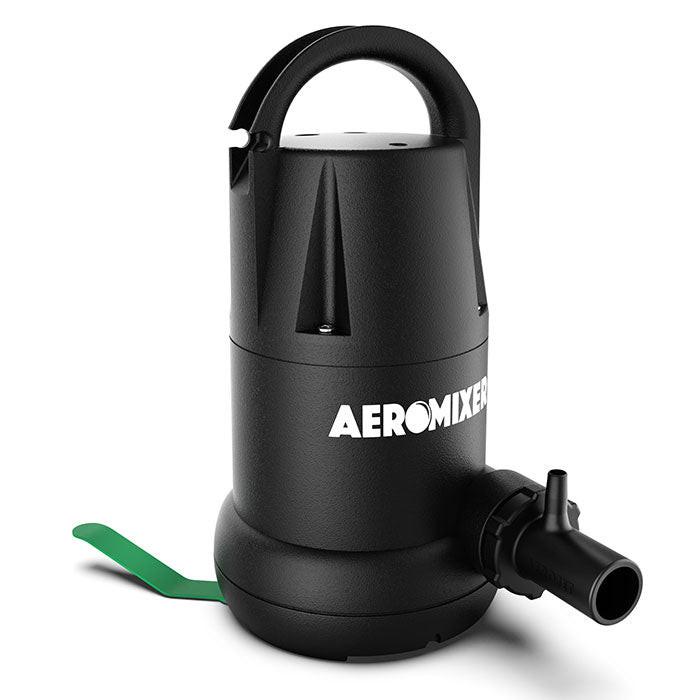
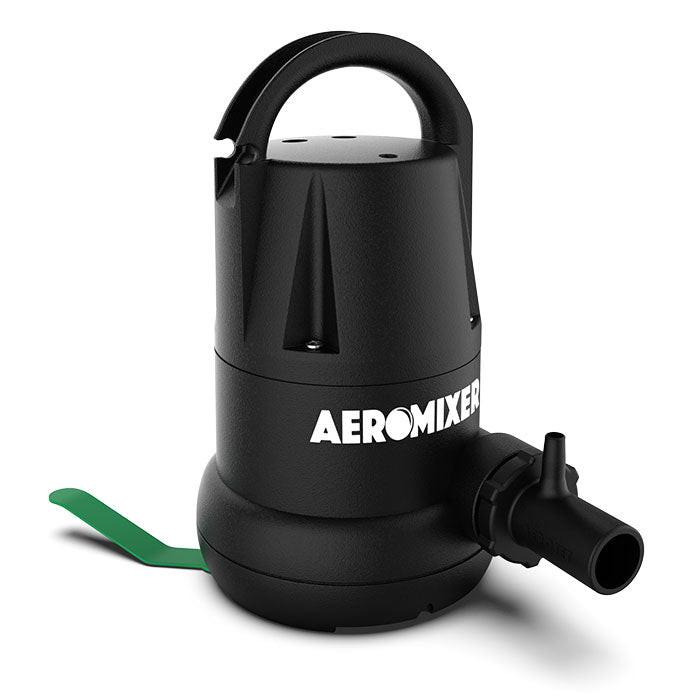
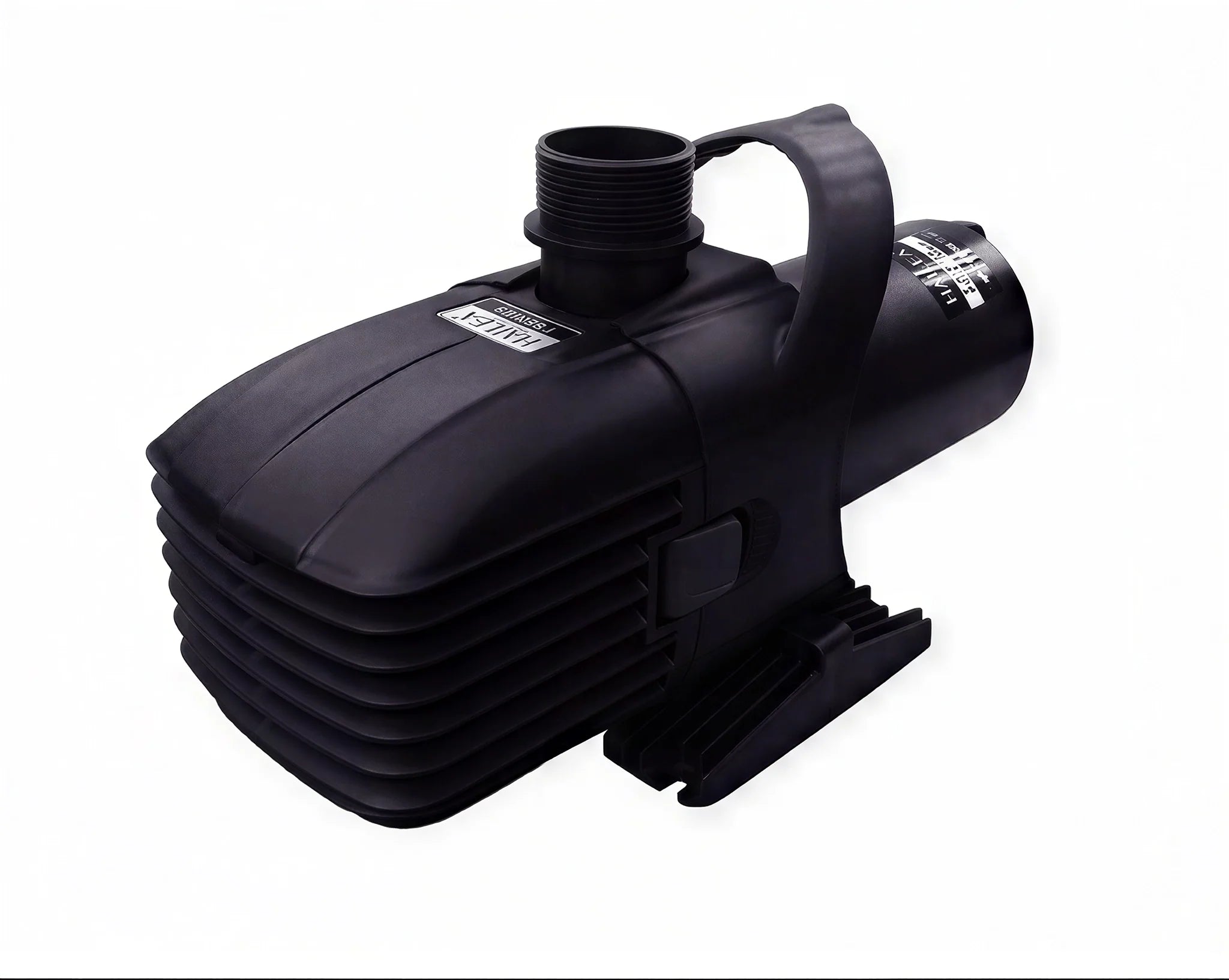
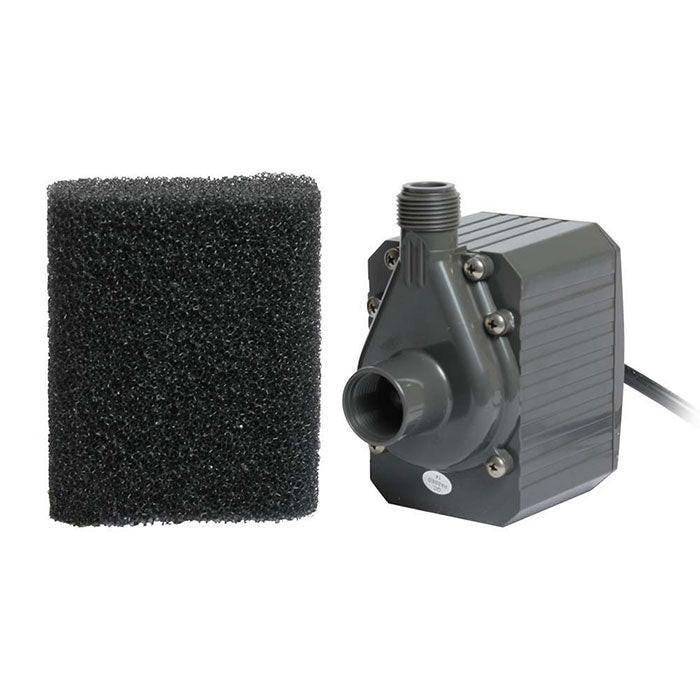
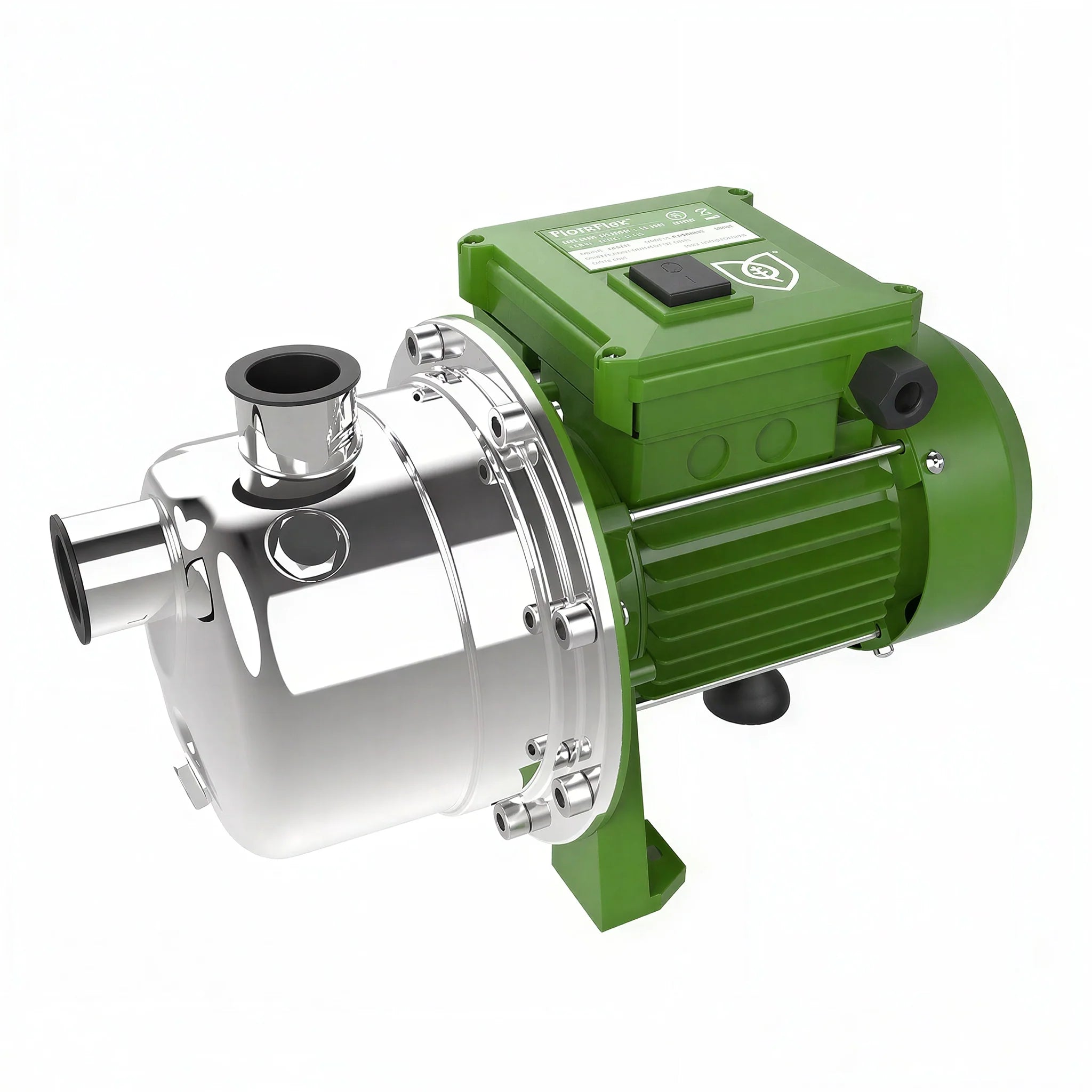
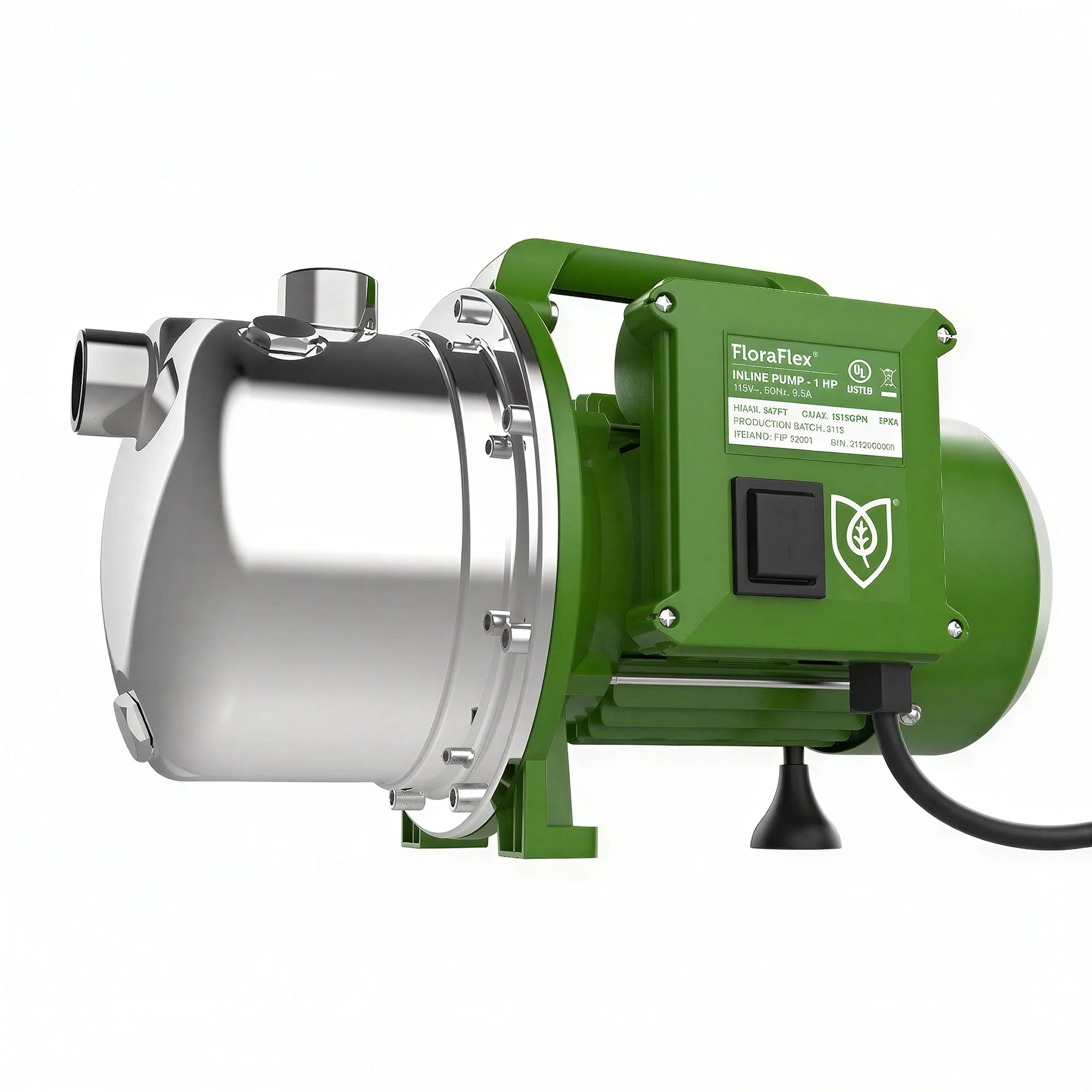
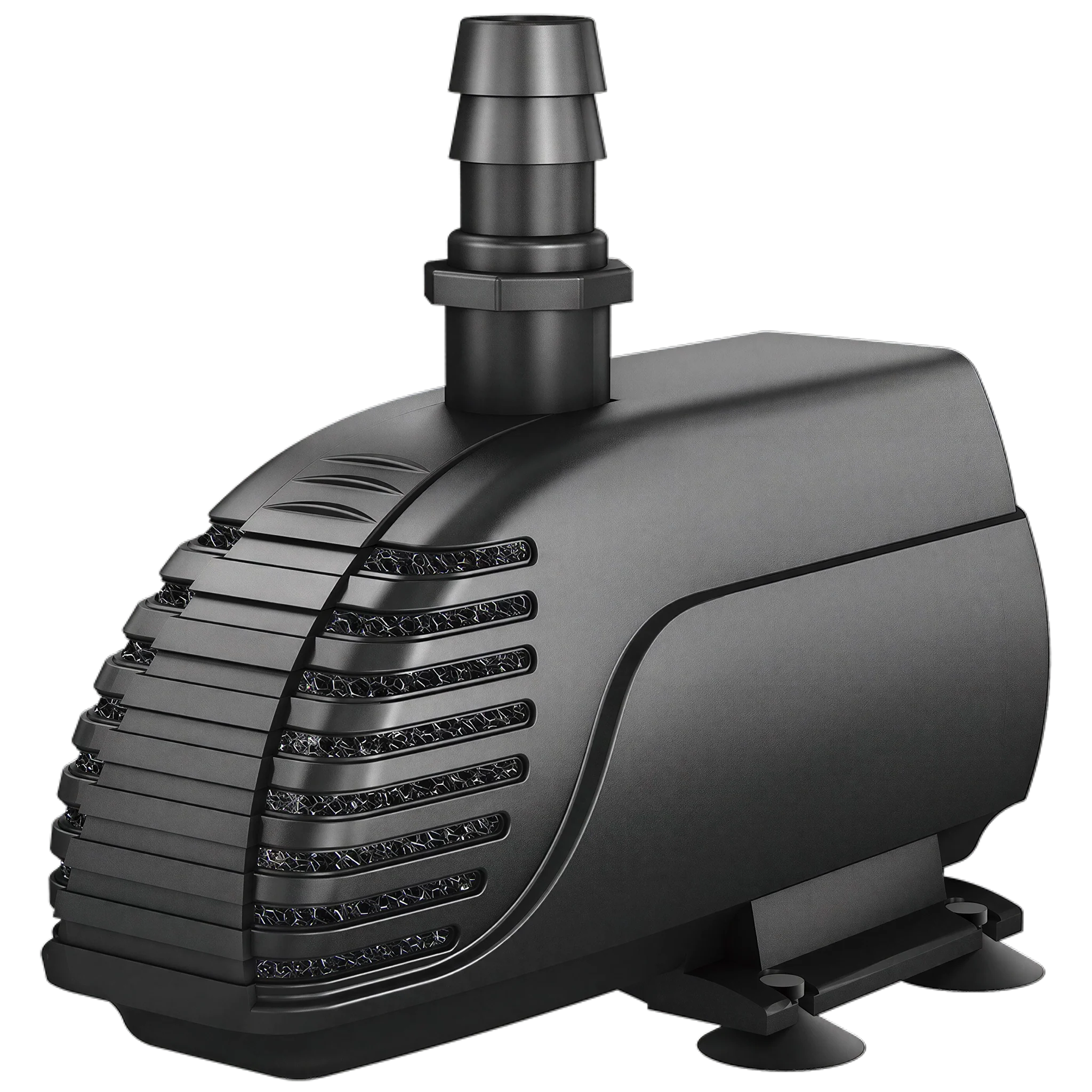
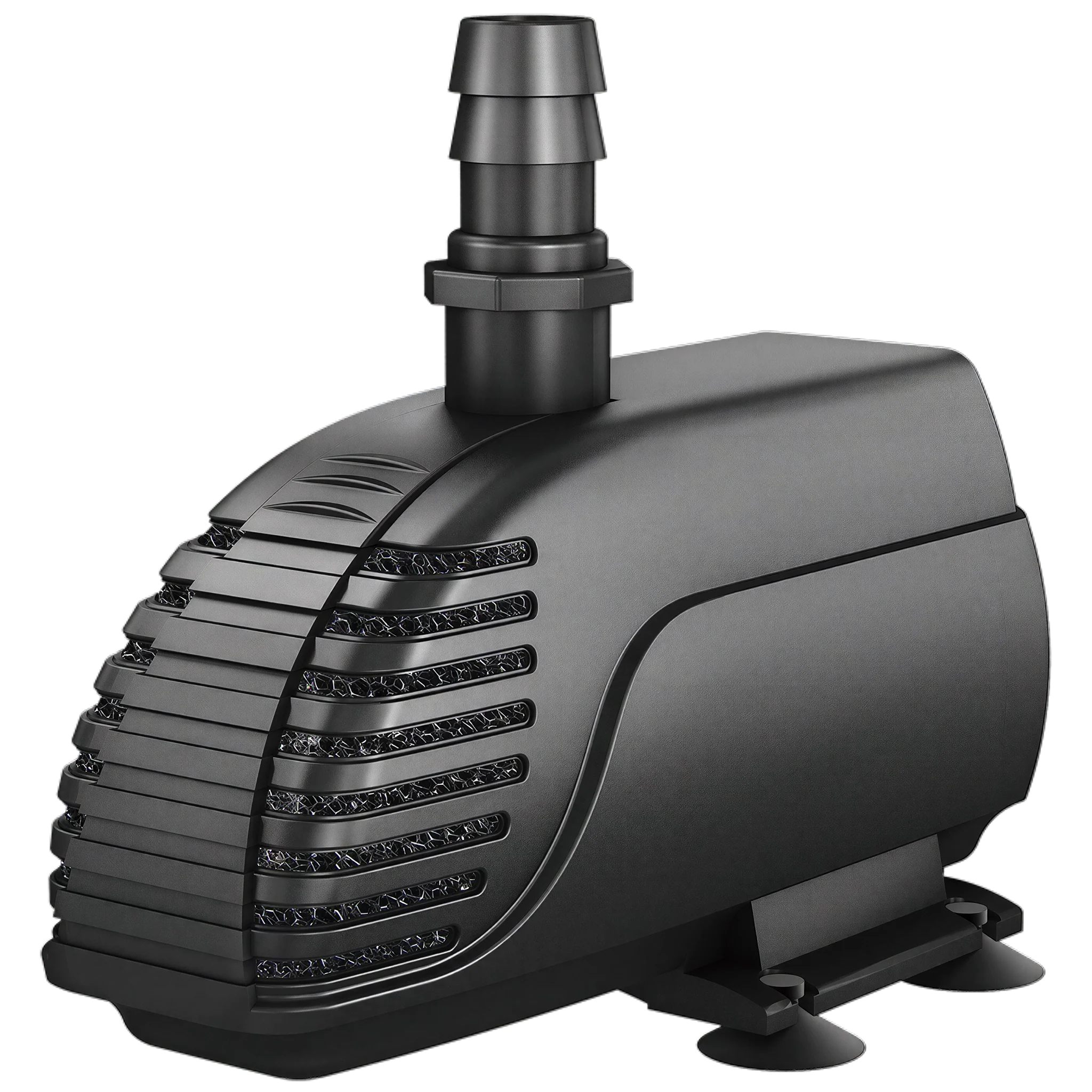
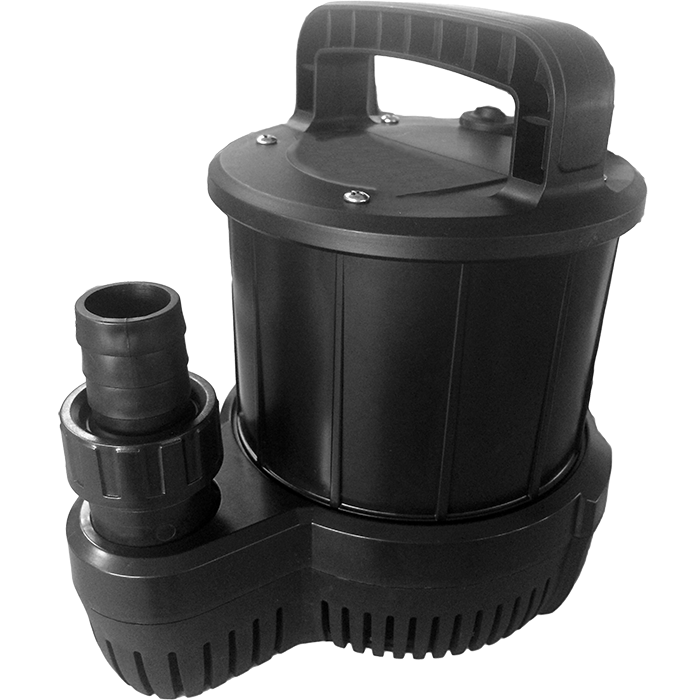
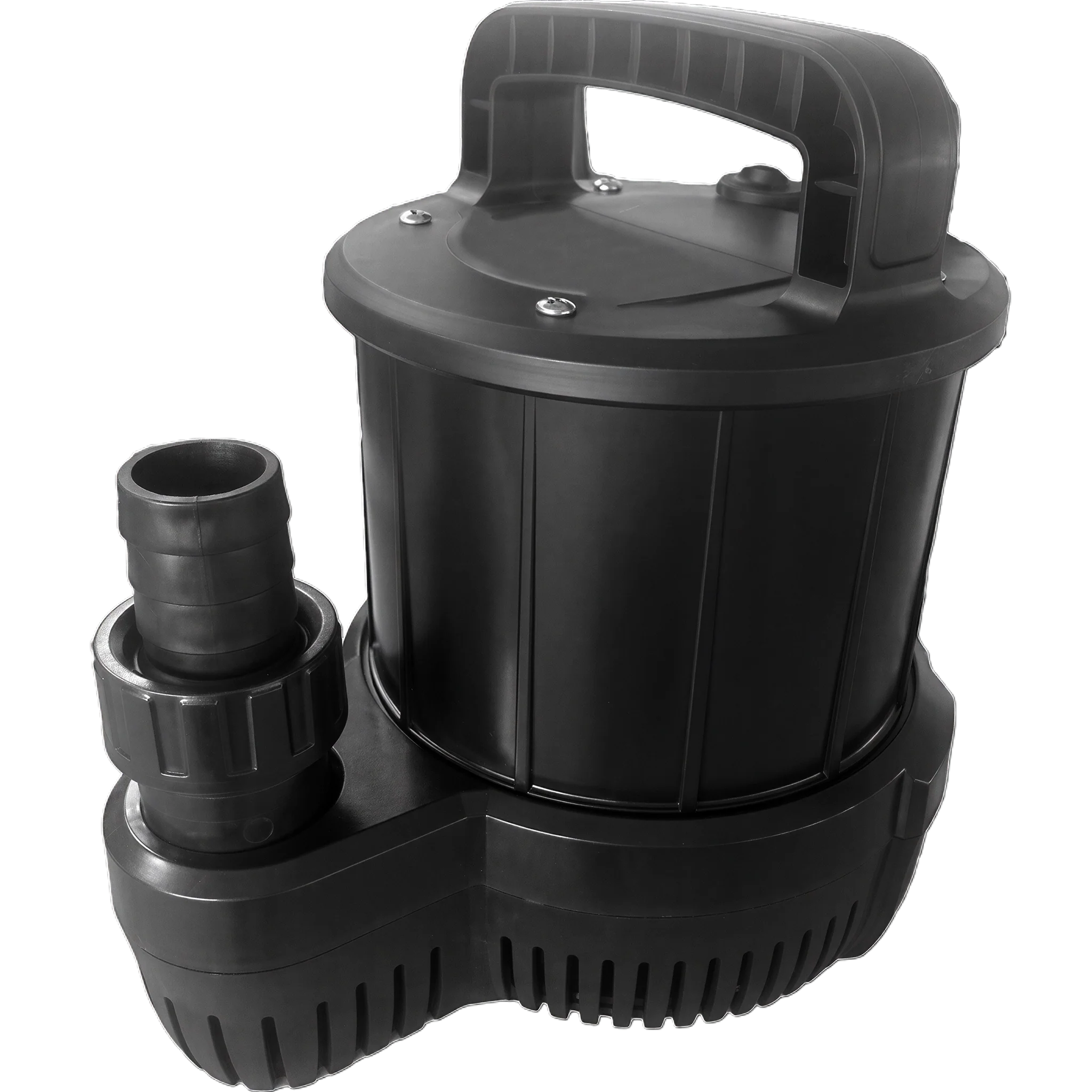
Submersible pumps sit directly in the nutrient reservoir - fully submerged during operation. They are the most common pump format in hobby and commercial hydroponic systems due to their simple installation (drop into the reservoir, connect a hose), self-priming operation, and broad availability across the full range of flow rates from hobby to commercial. The motor heat that a submersible pump generates is dissipated into the reservoir water, which can slightly raise reservoir temperature - a consideration in systems where water temperature management is critical. Inline (external) pumps sit outside the reservoir and draw solution through an inlet hose - preferred when pump heat contribution to the reservoir must be minimized, or in large commercial recirculating systems where service access without draining the reservoir is a priority. Use our Pump & Irrigation Flow Rate Calculator to determine the correct GPH rating and head pressure for your specific system layout.
GPH, GPM & Head Pressure - Sizing Your Pump
Pump output is rated in gallons per hour (GPH) or gallons per minute (GPM) at zero head (no lift or resistance). In practice, every foot of vertical lift and every fitting, valve, or length of tubing adds resistance that reduces actual output below the rated GPH. A pump rated at 400 GPH at zero head may deliver only 200-250 GPH when lifting solution 4 feet through 10 feet of tubing with several fittings - always check the manufacturer's head pressure curve and calculate your total head (vertical lift + equivalent tubing resistance) before selecting a pump. For ebb and flow applications, the pump must fill the tray within 15-20 minutes while maintaining adequate reservoir volume - a 4x4 flood table requires roughly 15-20 gallons to flood, so a pump delivering 60-80 GPH at your actual head provides a 15-20 minute fill time. For RDWC recirculation, a continuous-duty pump sized for 2-4x the total system water volume per hour maintains adequate circulation flow.
Hydroponic Water Pump Brands: EcoPlus, Active Aqua & DAB Pumps
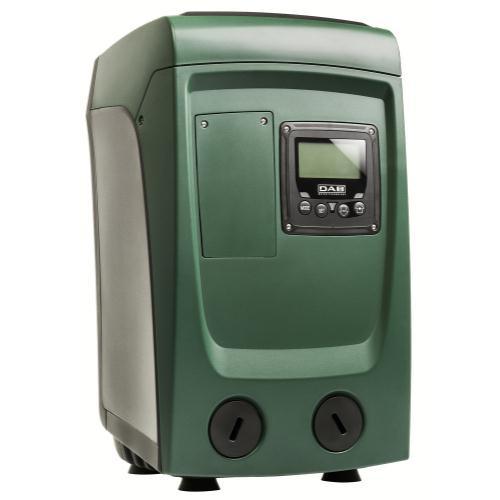
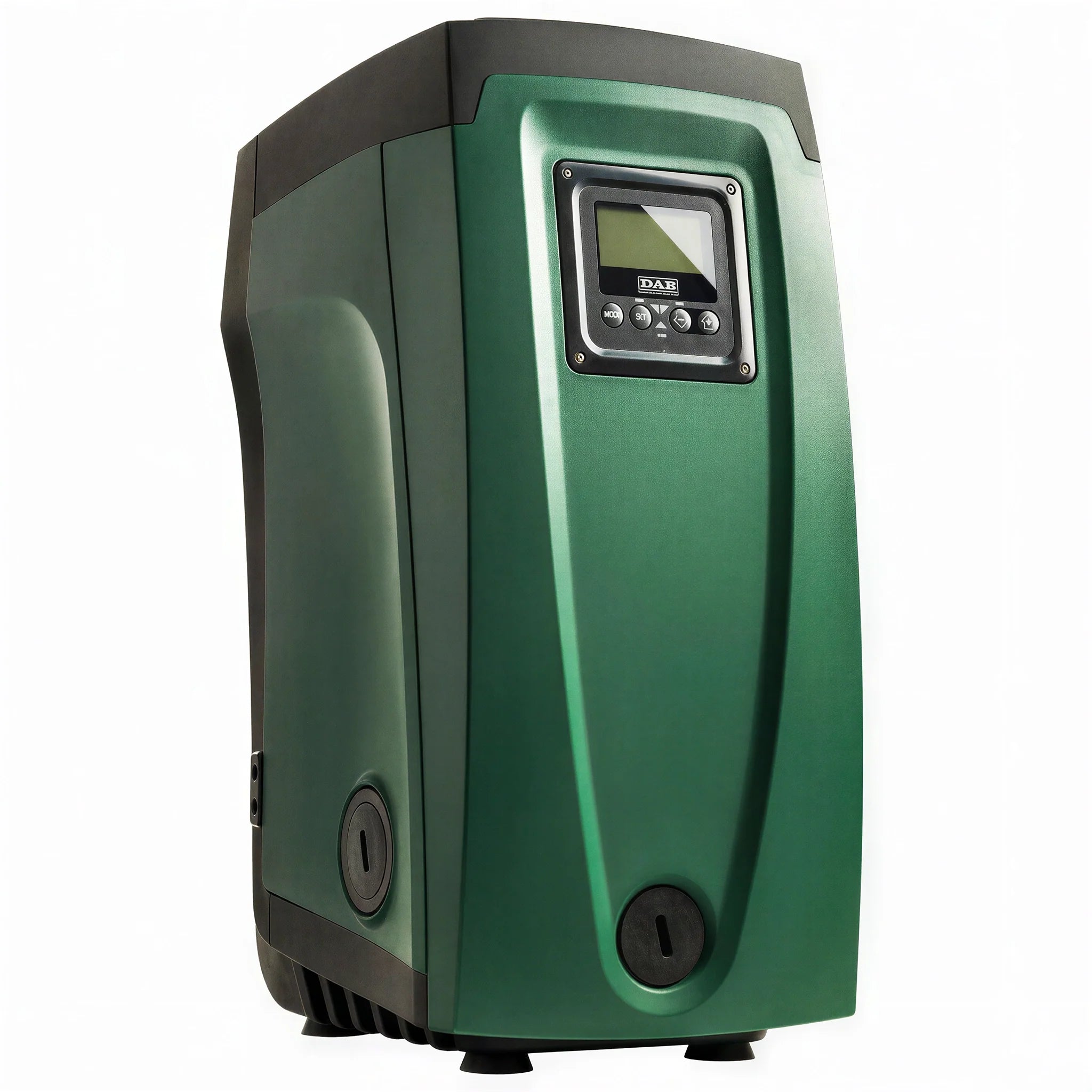
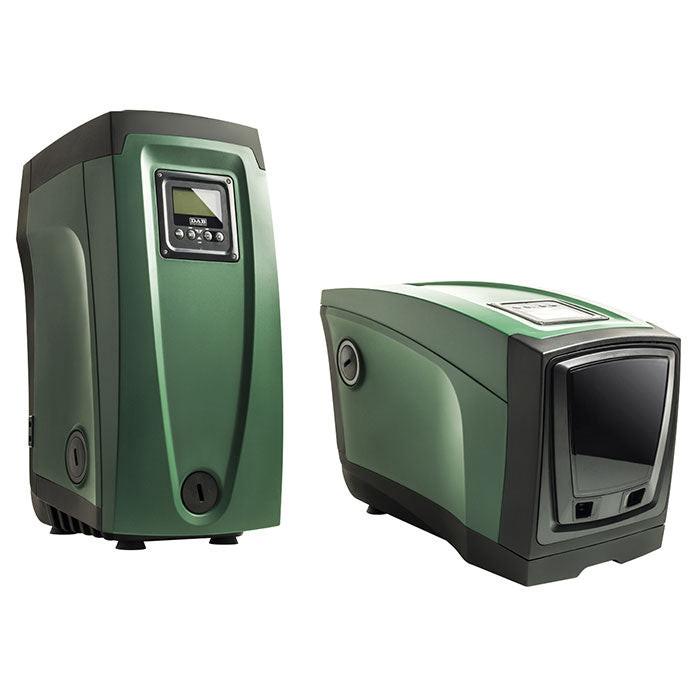
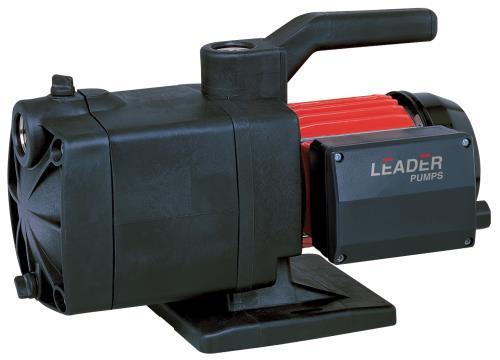
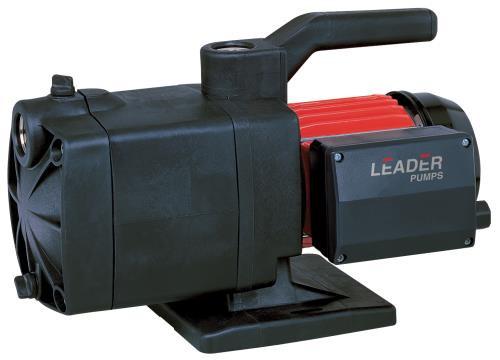
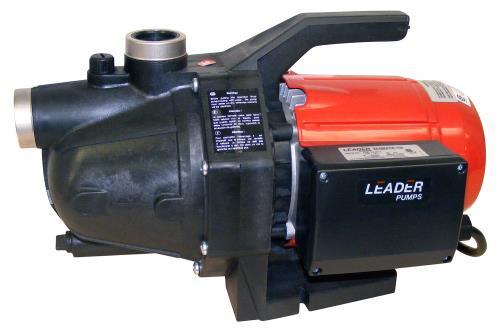
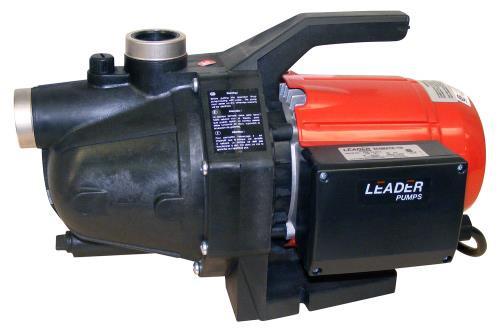
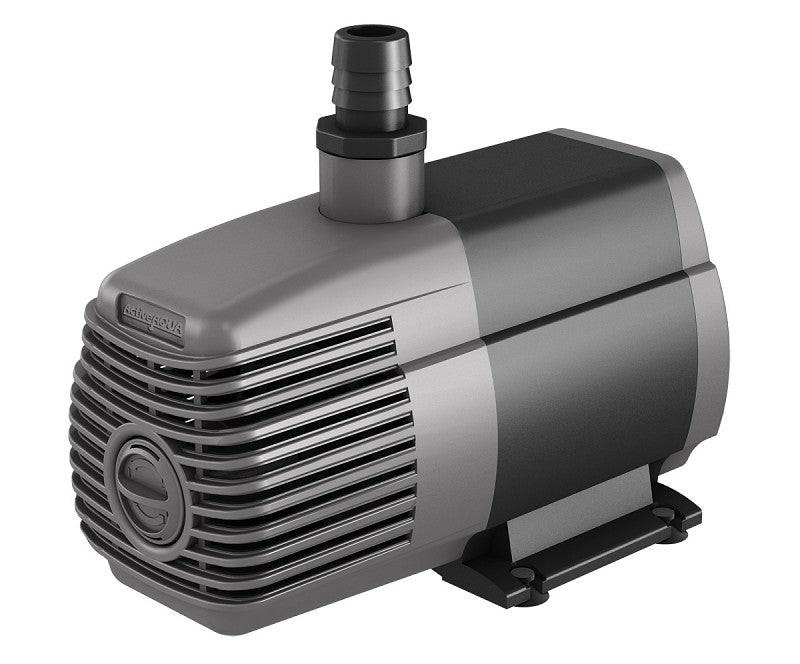
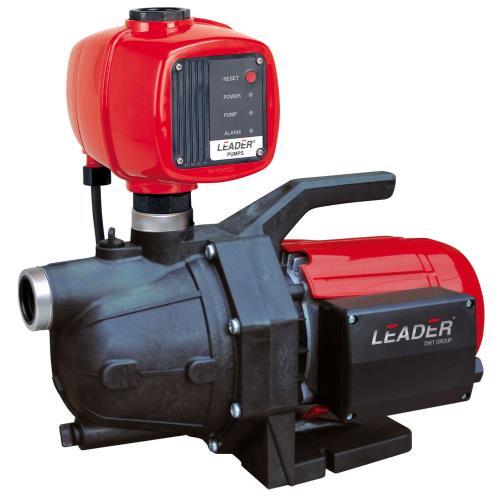
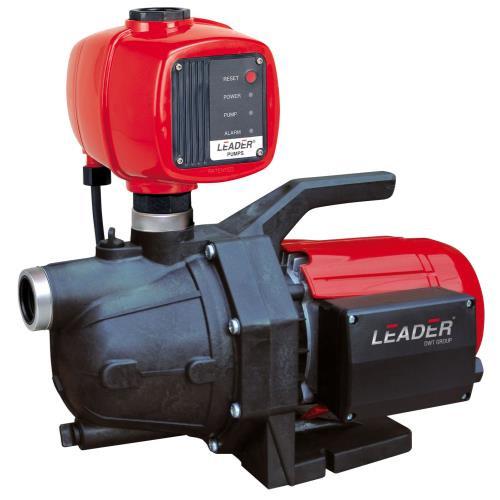
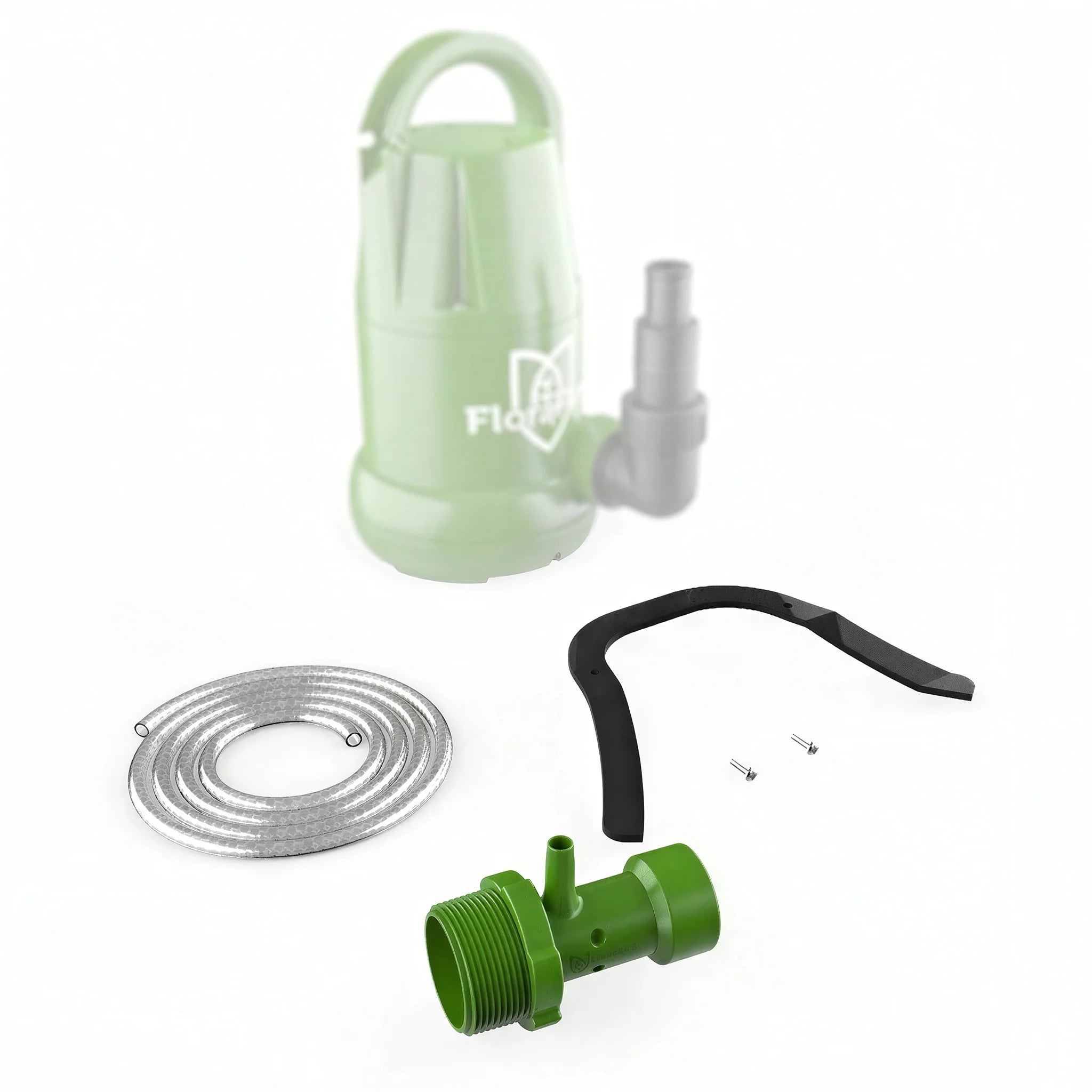
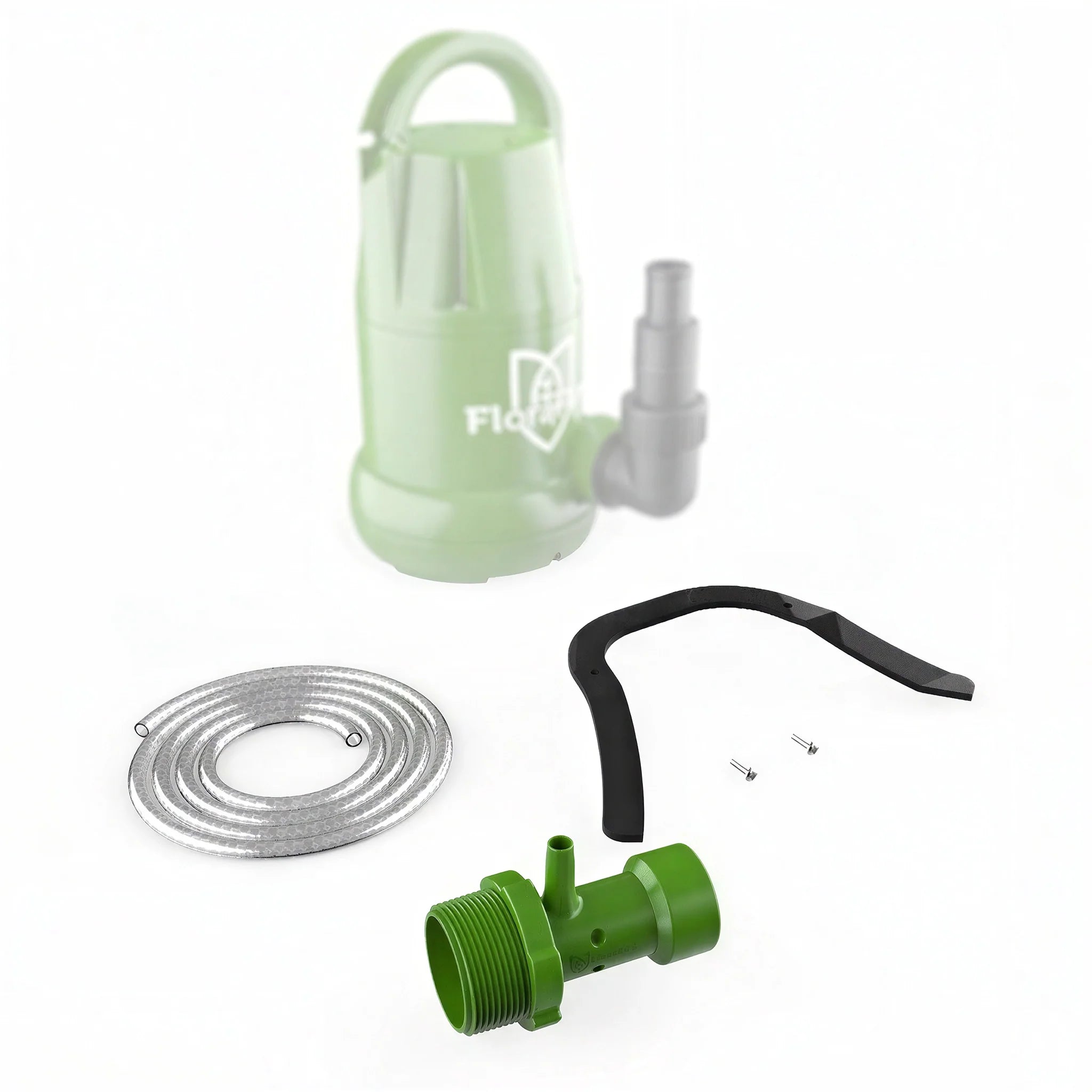
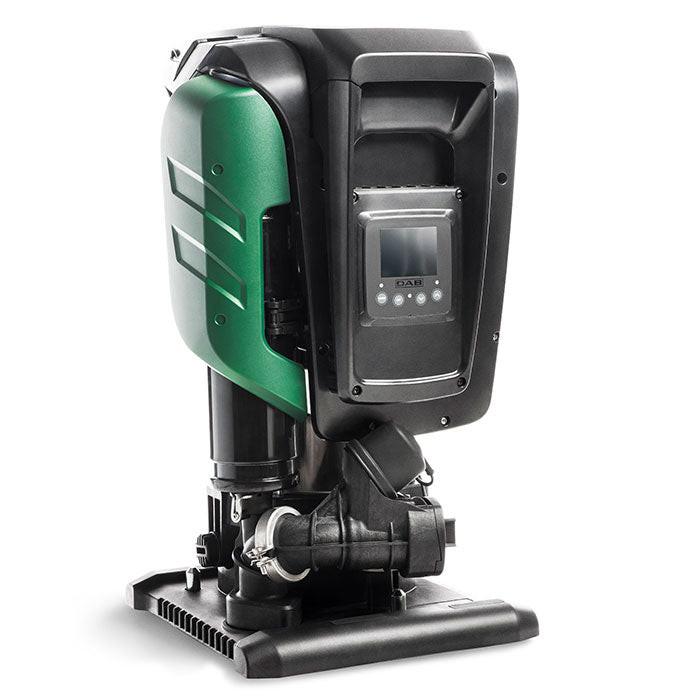
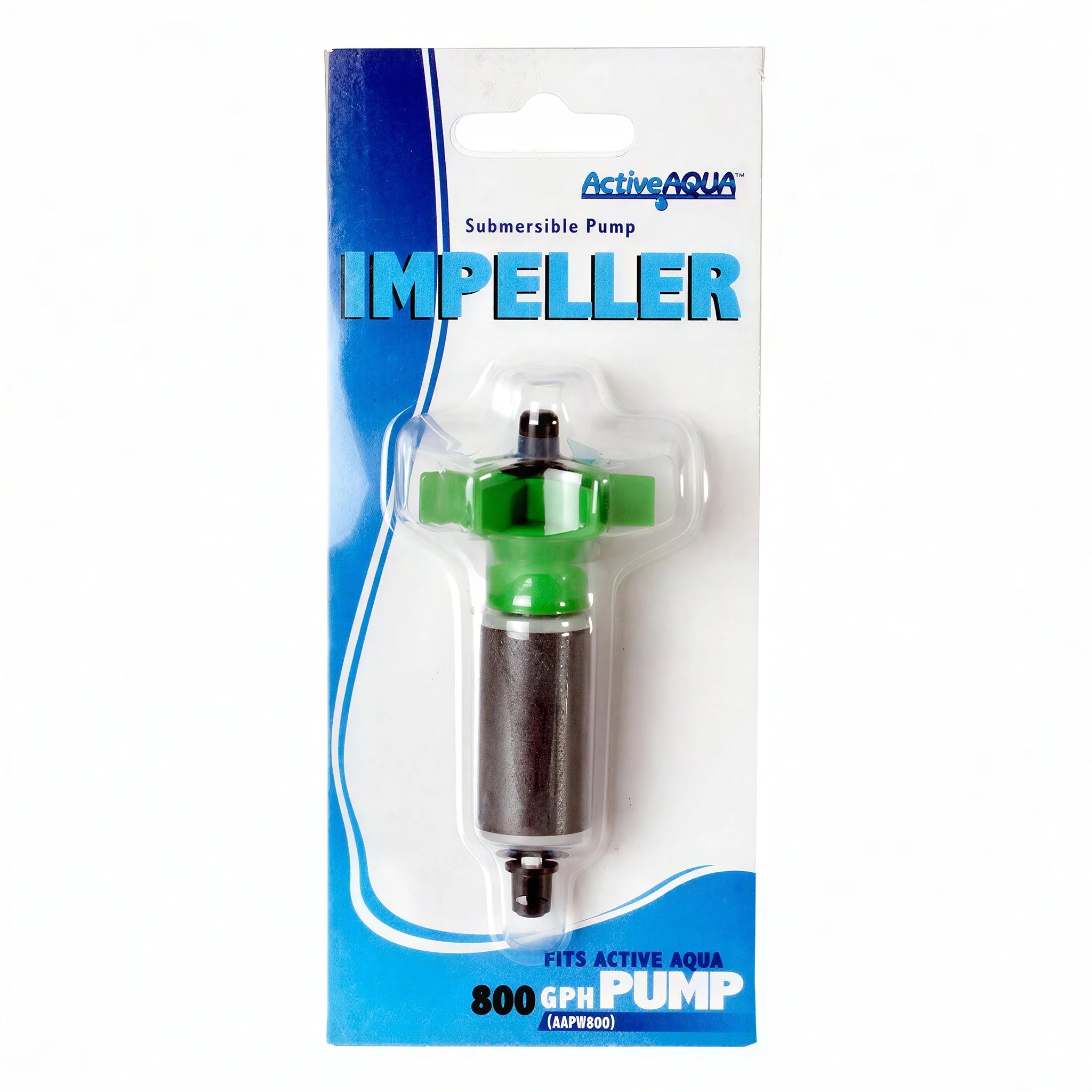
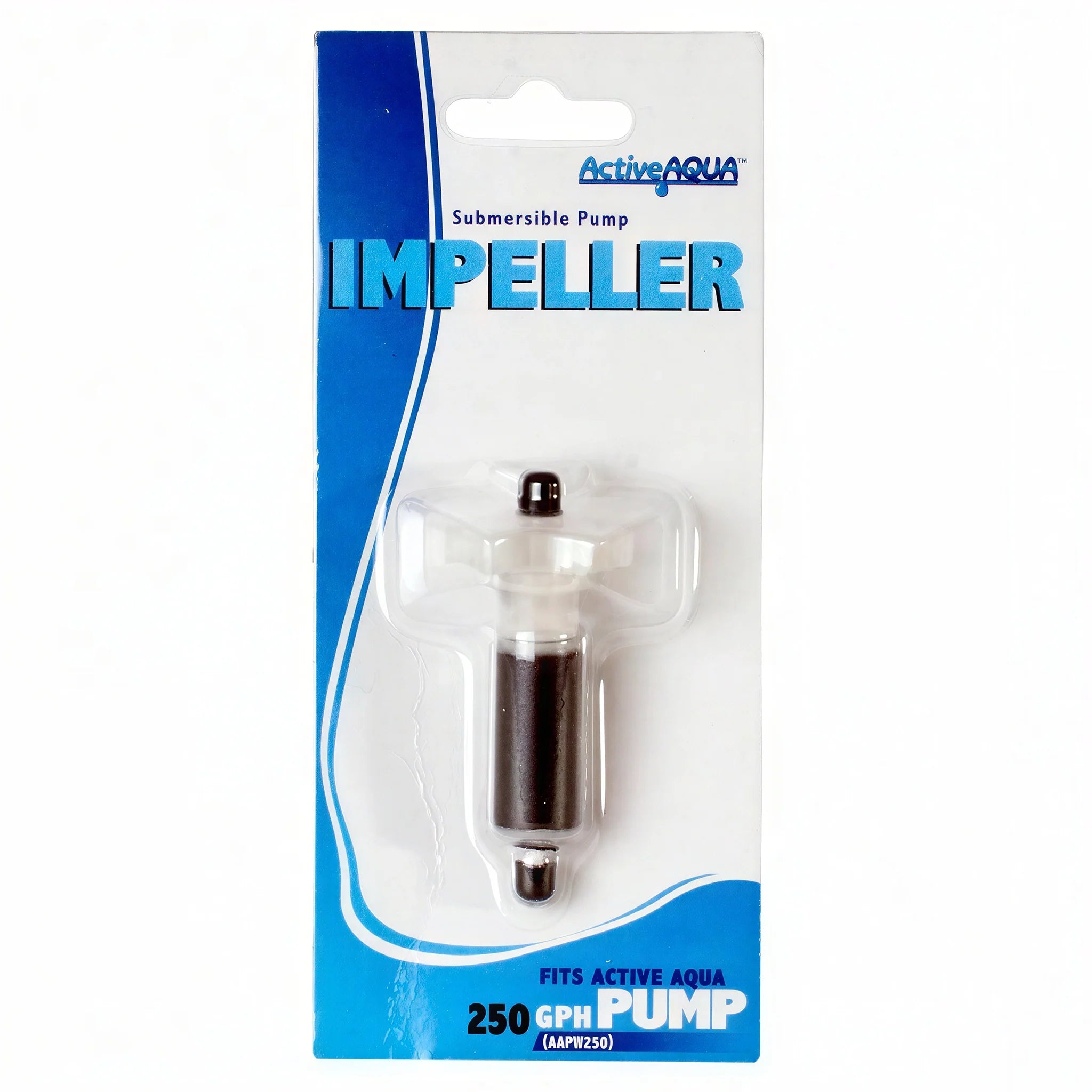
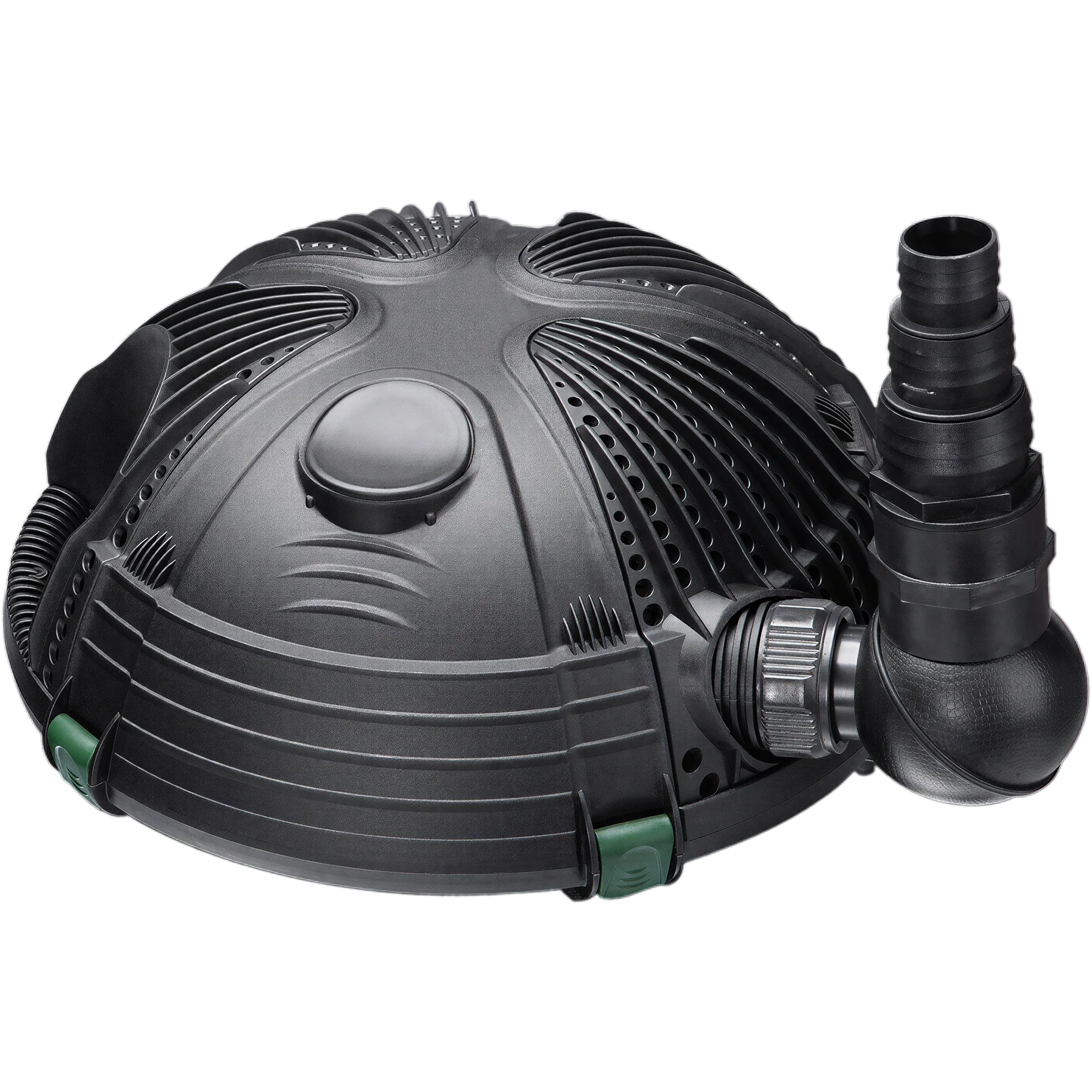
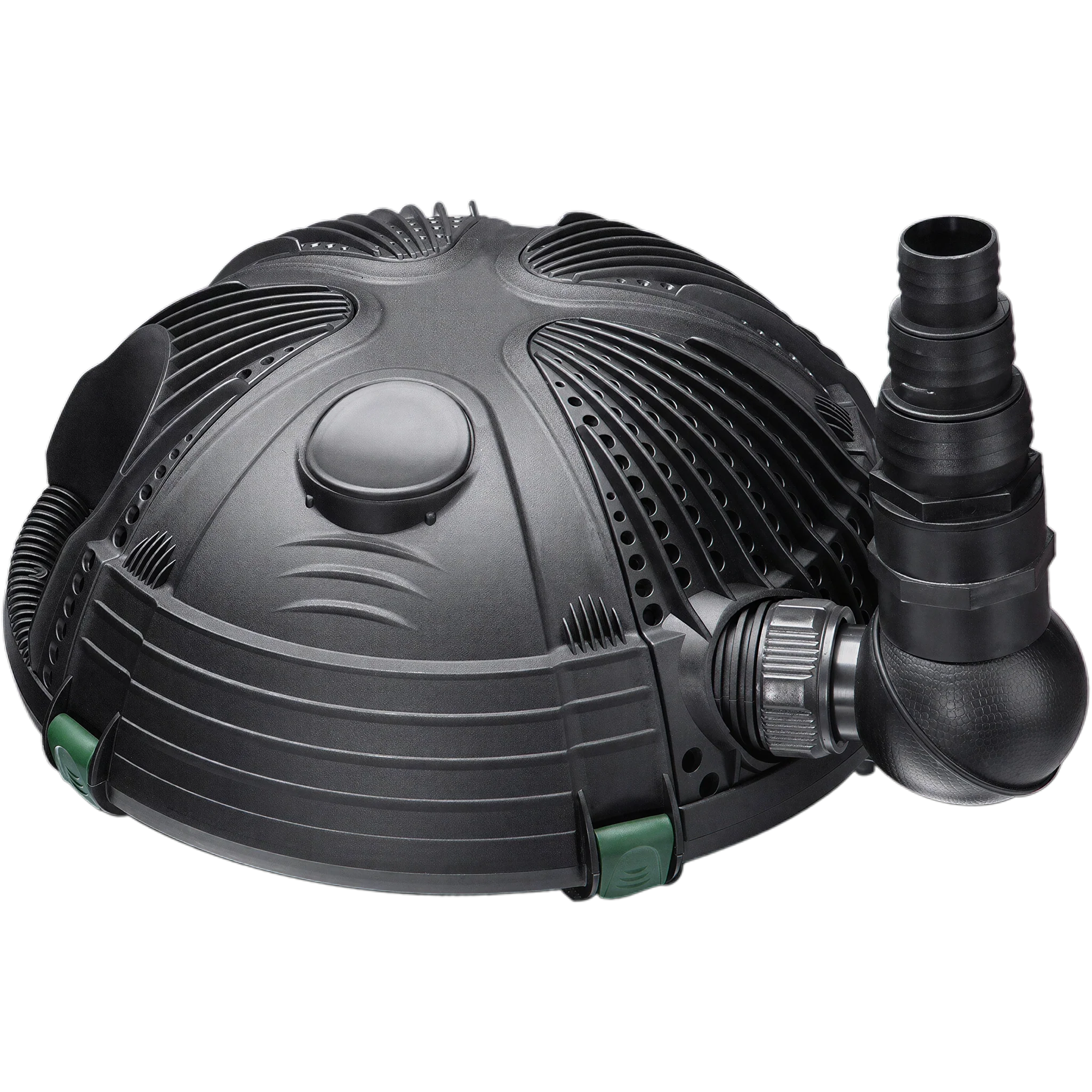
Hydrobuilder carries water pumps from EcoPlus, Active Aqua, DAB Pumps, and Leader Pumps - all qualified brands with verified grower adoption across hobby and commercial hydroponic applications. EcoPlus and Active Aqua provide cost-effective submersible pumps across the full GPH range from 132 GPH hobby units to 1000+ GPH commercial pumps - the most widely used pump brands in hobby hydroponics. DAB Pumps and Leader Pumps are European-manufactured commercial-grade centrifugal pumps preferred for large RDWC systems, greenhouse fertigation, and high-head commercial irrigation applications where reliability under continuous duty is the priority. For systems using nutrient automation, pair your pump with a Dosatron injector or fertigation system for proportional nutrient delivery. Pair your water pump with the appropriate fittings, tubing, and irrigation components for a complete nutrient delivery system.
Hydroponic Water Pumps FAQ
What size water pump do I need for hydroponics?
Match pump GPH to your system type and layout. For a 4x4 flood table ebb and flow system (filling 15-20 gallons to flood depth in 15-20 minutes): a pump delivering 60-80 GPH at your actual installation head is appropriate. For RDWC reservoir recirculation (circulating 2-4x total system volume per hour): a 50-gallon system needs 100-200 GPH continuous flow at operating head. For drip systems feeding multiple emitters: calculate total emitter flow rate (e.g., 20 emitters at 1 GPH each = 20 GPH minimum) and add 25-50% buffer for head losses. Always use the manufacturer's head pressure curve at your actual installation head - not the zero-head rating on the box. Use our Pump & Flow Rate Calculator for a specific sizing recommendation.
What is the difference between GPH and head pressure for pumps?
GPH (gallons per hour) is the pump's flow rate; head pressure is the resistance the pump works against. A pump's rated GPH is measured at zero head - no vertical lift and no friction resistance from tubing or fittings. Every foot of vertical lift and every foot of tubing or fitting adds resistance, reducing actual flow below the rated GPH. Head pressure curves (published by manufacturers) show actual GPH output at different total head values. To size correctly: calculate your total head (vertical rise from pump to delivery point in feet + equivalent resistance from tubing and fittings, typically 1 foot equivalent per 10-15 feet of horizontal run), then find the GPH your candidate pump delivers at that head value on its performance curve.
Should I use a submersible or external pump for hydroponics?
Submersible pumps sit directly in the reservoir and are the most common choice for hobby and most commercial hydroponic systems - simple to install, self-priming, and available across a wide GPH range. The main consideration is heat: submersible pump motors dissipate heat into the reservoir water, which can raise reservoir temperature 1-5 degrees F depending on pump wattage and reservoir volume. If reservoir temperature management is critical, use an external pump or compensate with a water chiller. External pumps are preferred for large commercial RDWC systems where maintaining reservoir temperature tightly and servicing the pump without draining the reservoir are operational priorities.
How long should I run my hydroponic pump?
For RDWC systems, run the recirculating pump continuously 24 hours per day - constant flow maintains dissolved oxygen levels and prevents nutrient stratification in the reservoir. For ebb and flow systems, the flood pump runs only during scheduled flood cycles (2-6 times per day during the light period, typically off at night). For drip systems with timers, irrigation frequency depends on growing medium and plant size - coco coir in containers typically runs 6-12 short irrigation events per day during the light period. For any system where the pump runs continuously, invest in a quality pump rated for continuous duty operation rather than intermittent-use models that will degrade quickly under 24-hour loads.