Flood Tables & Ebb and Flow Grow Trays
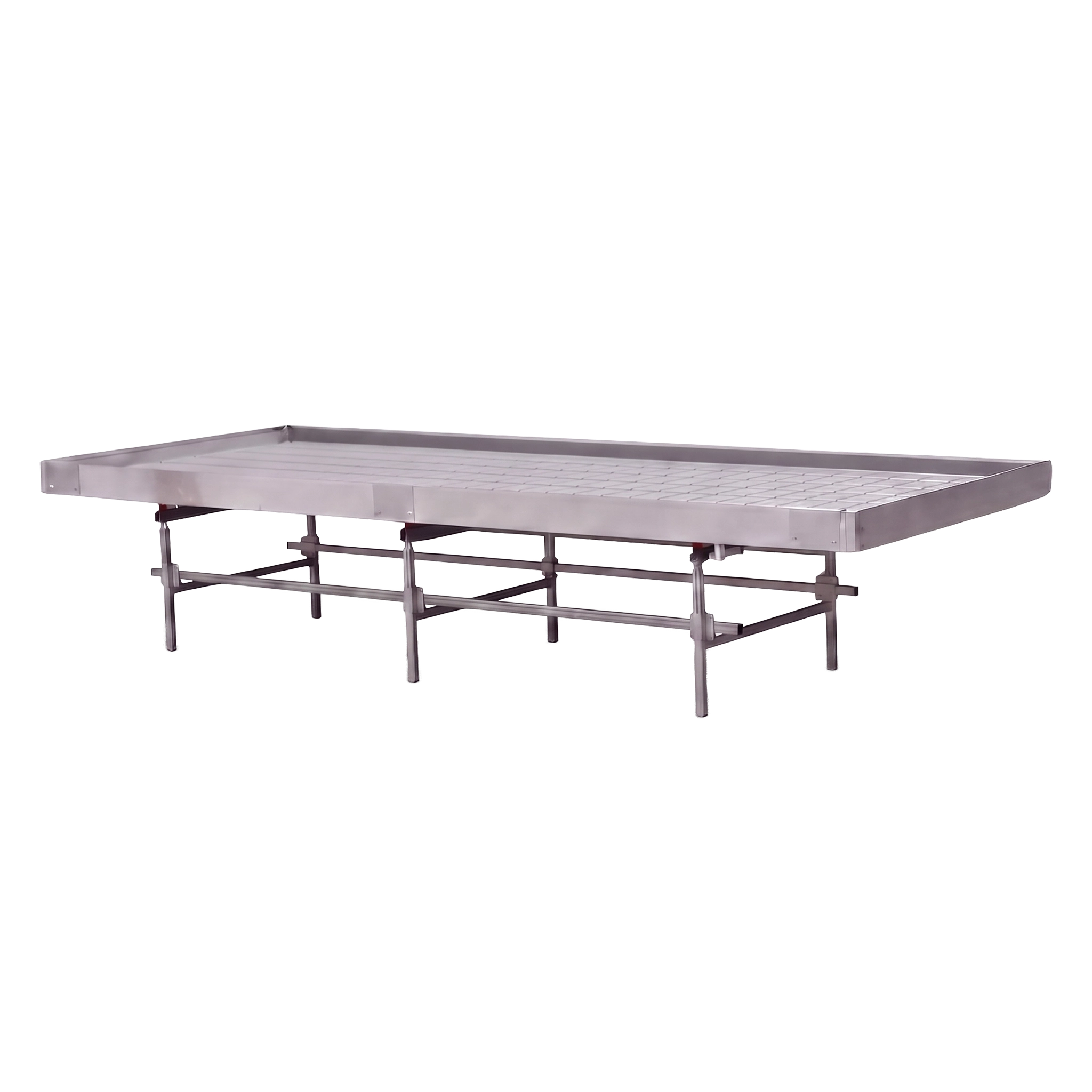
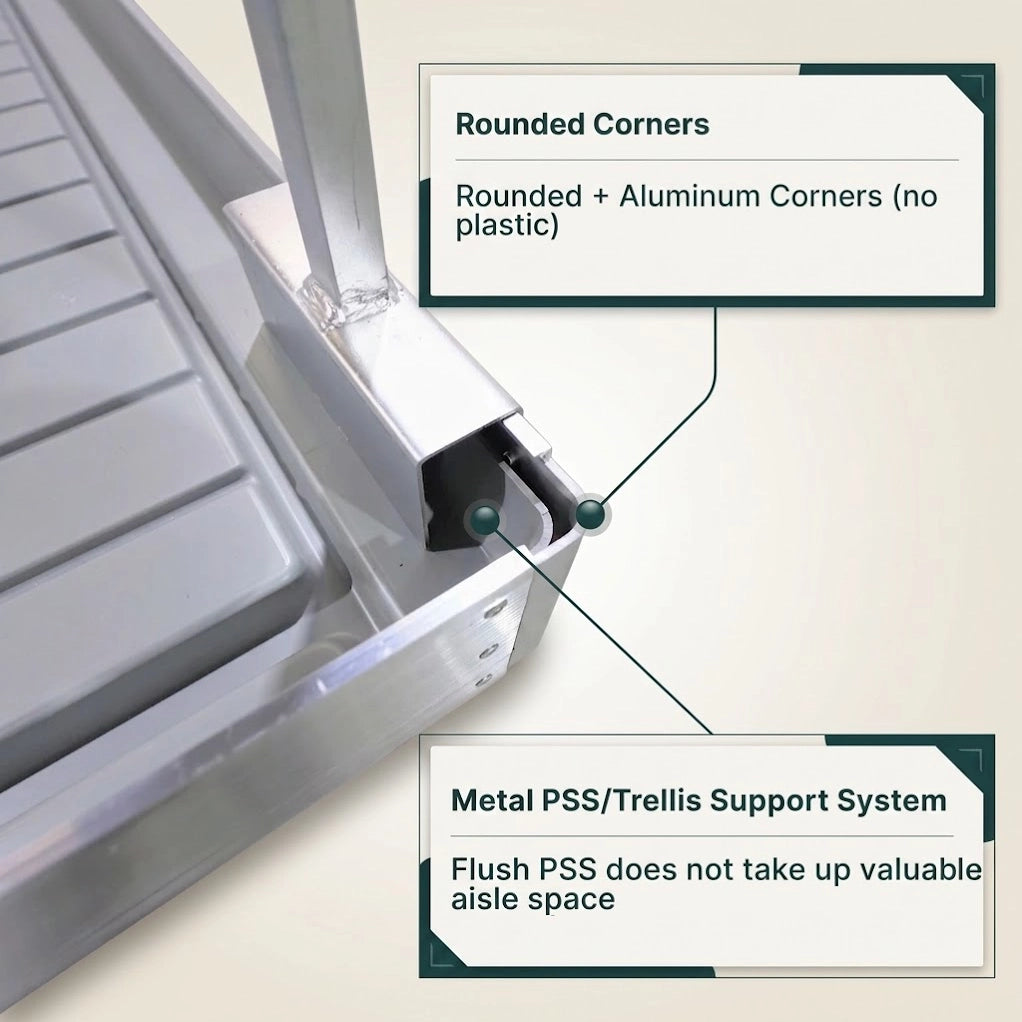
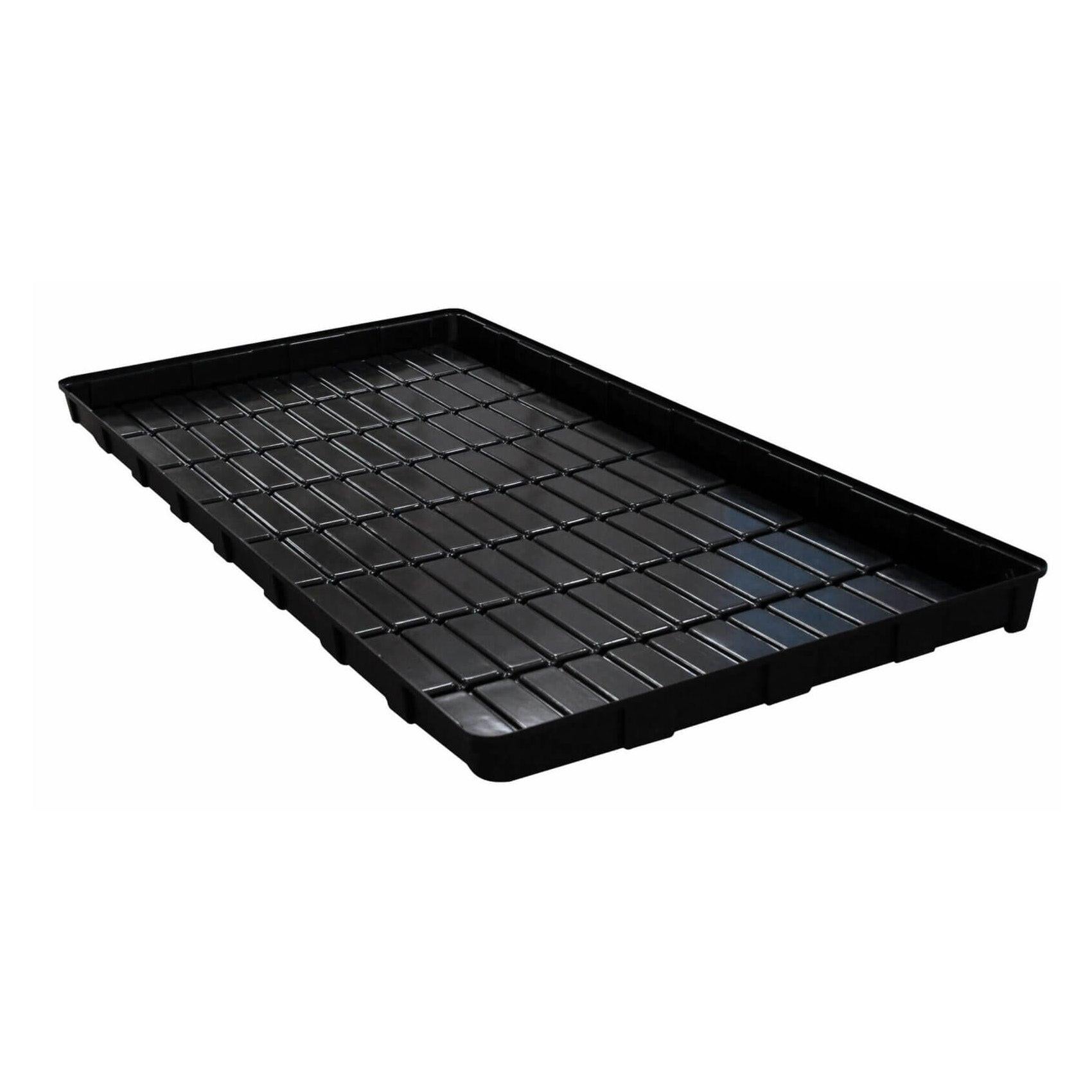
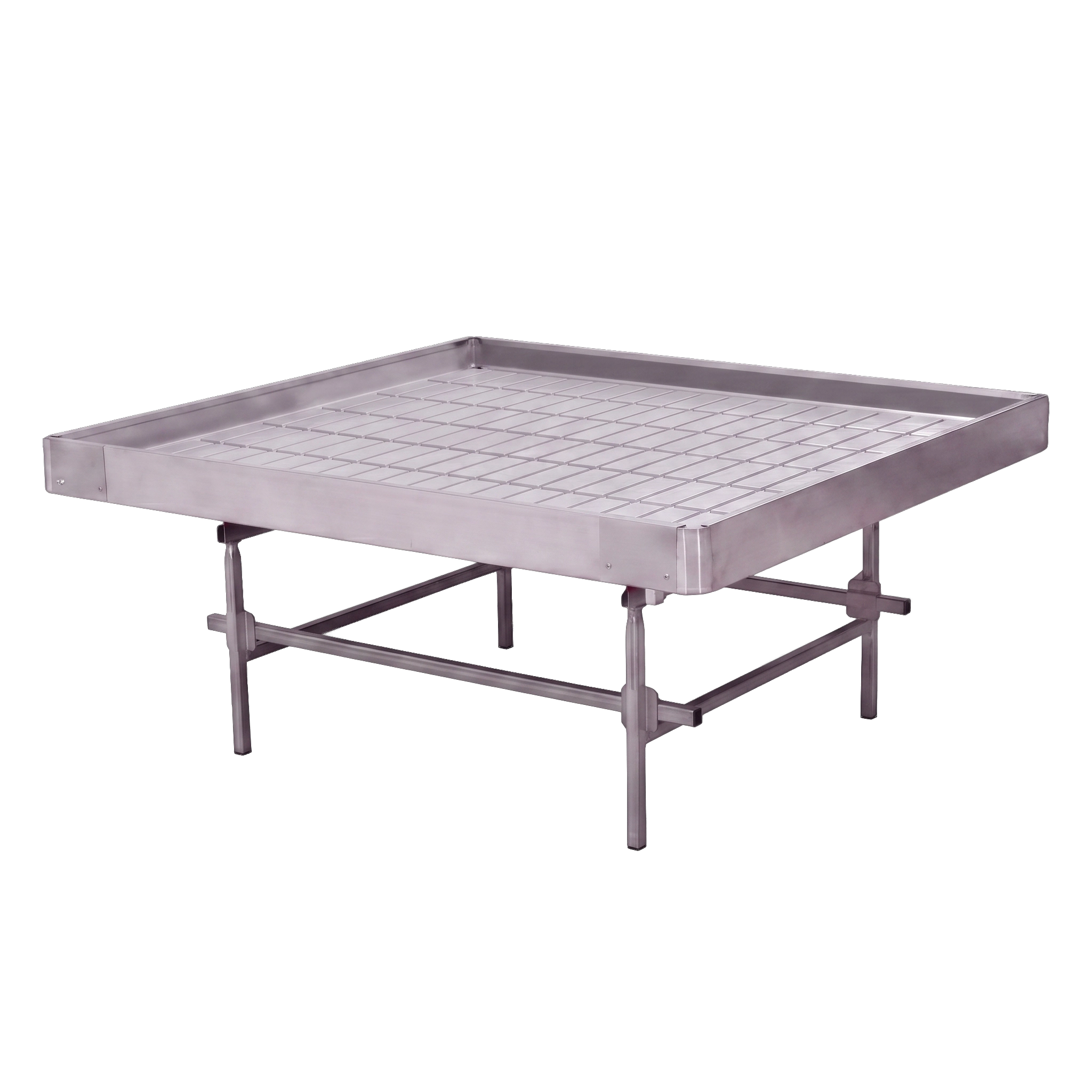
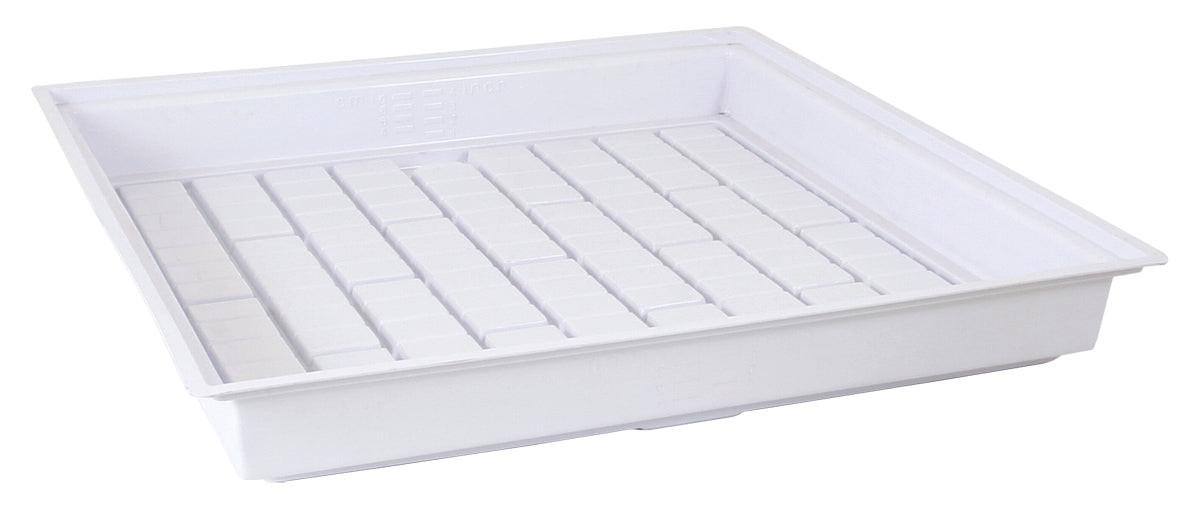
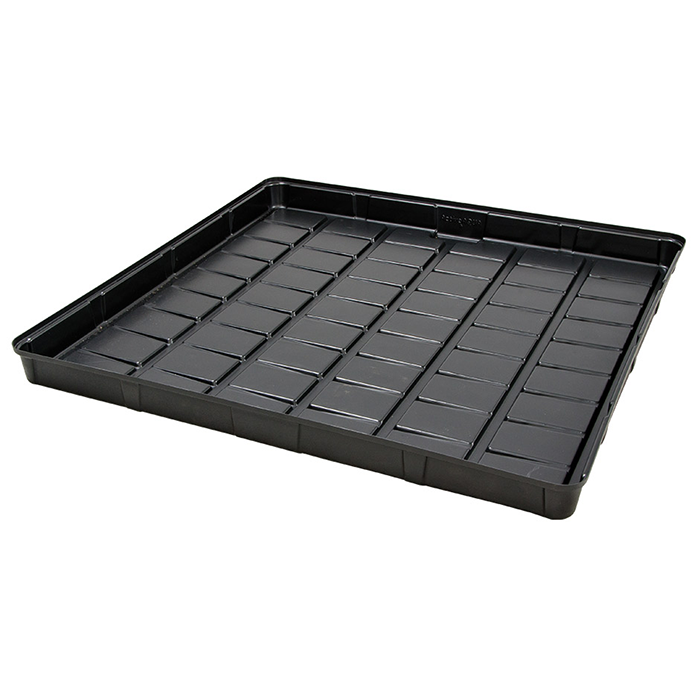
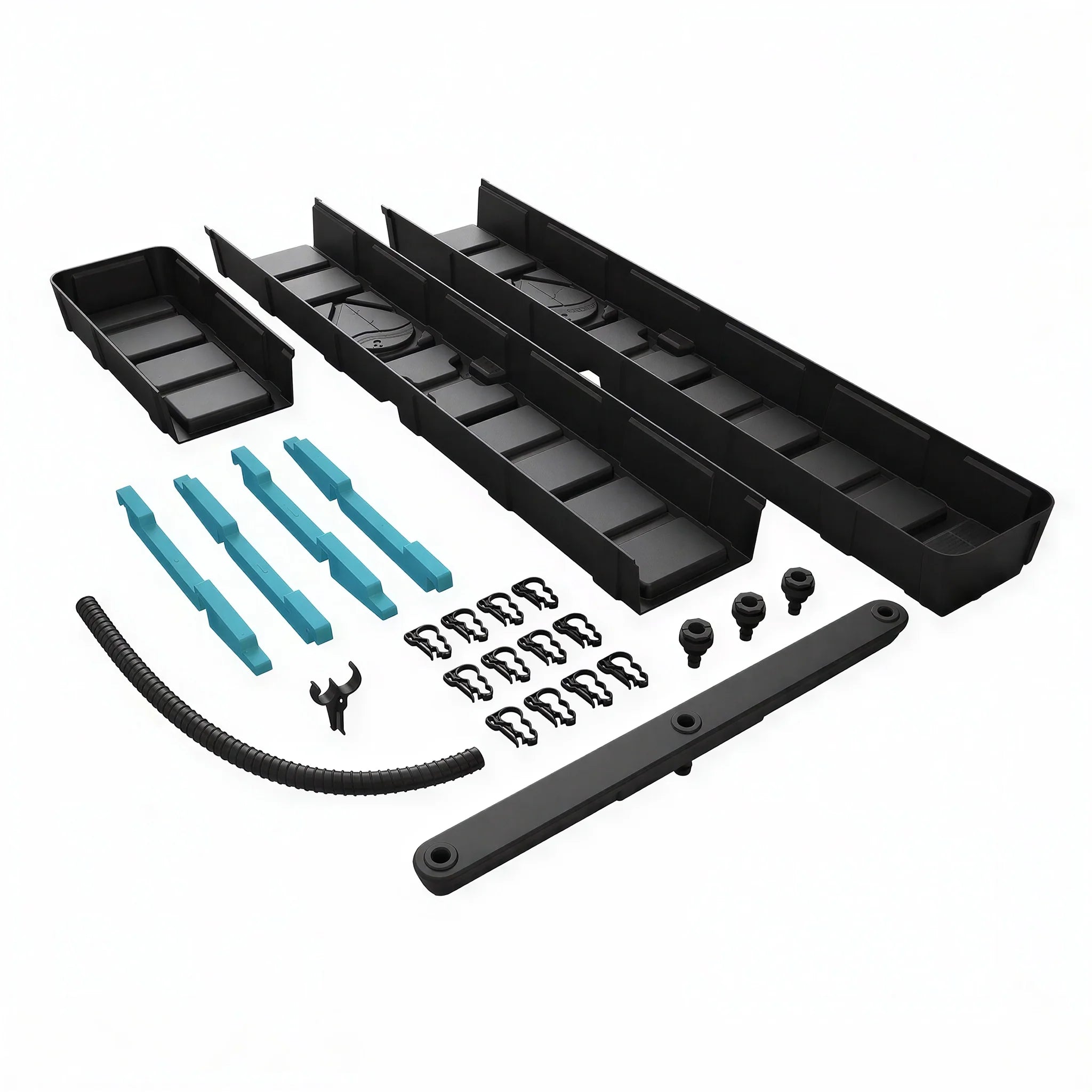
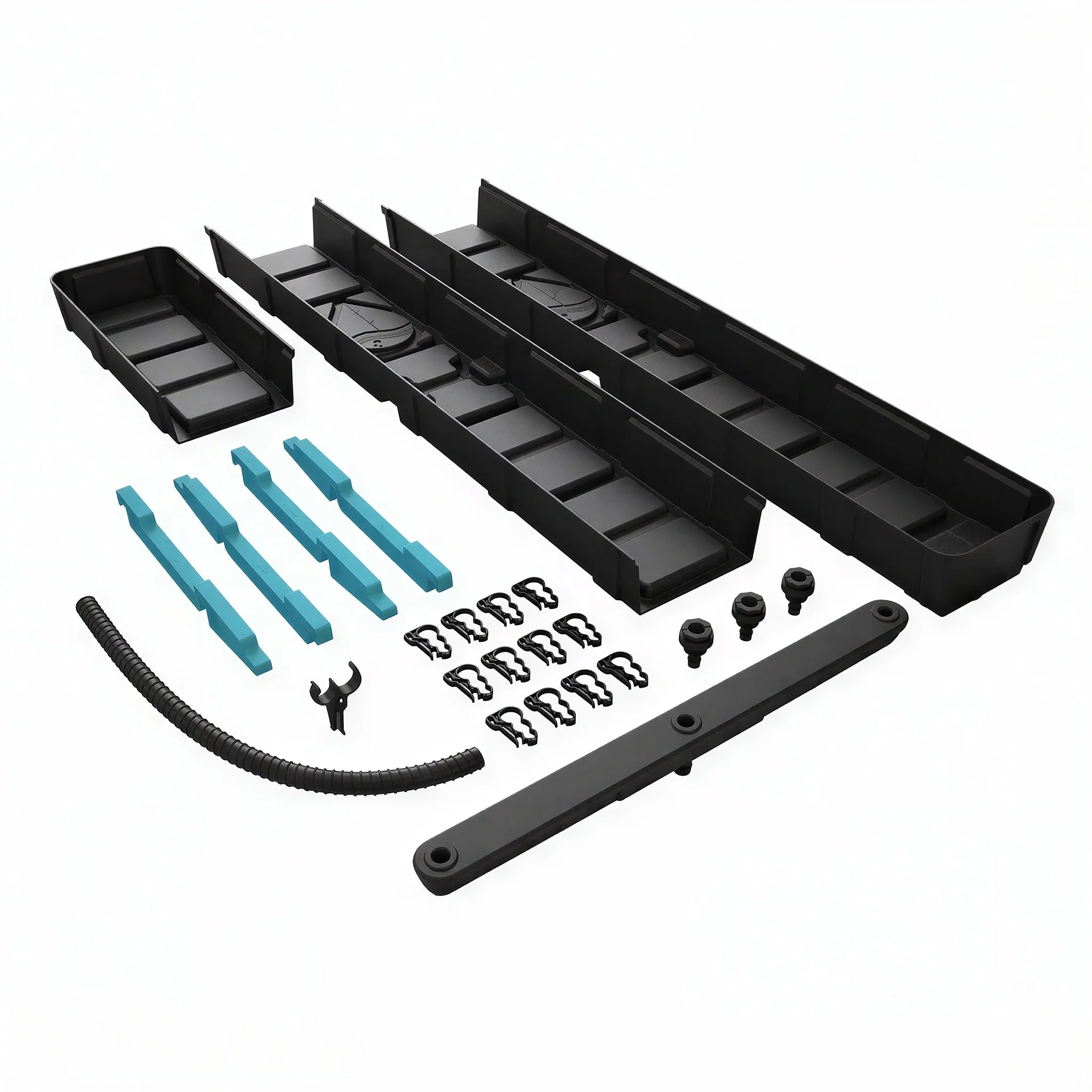
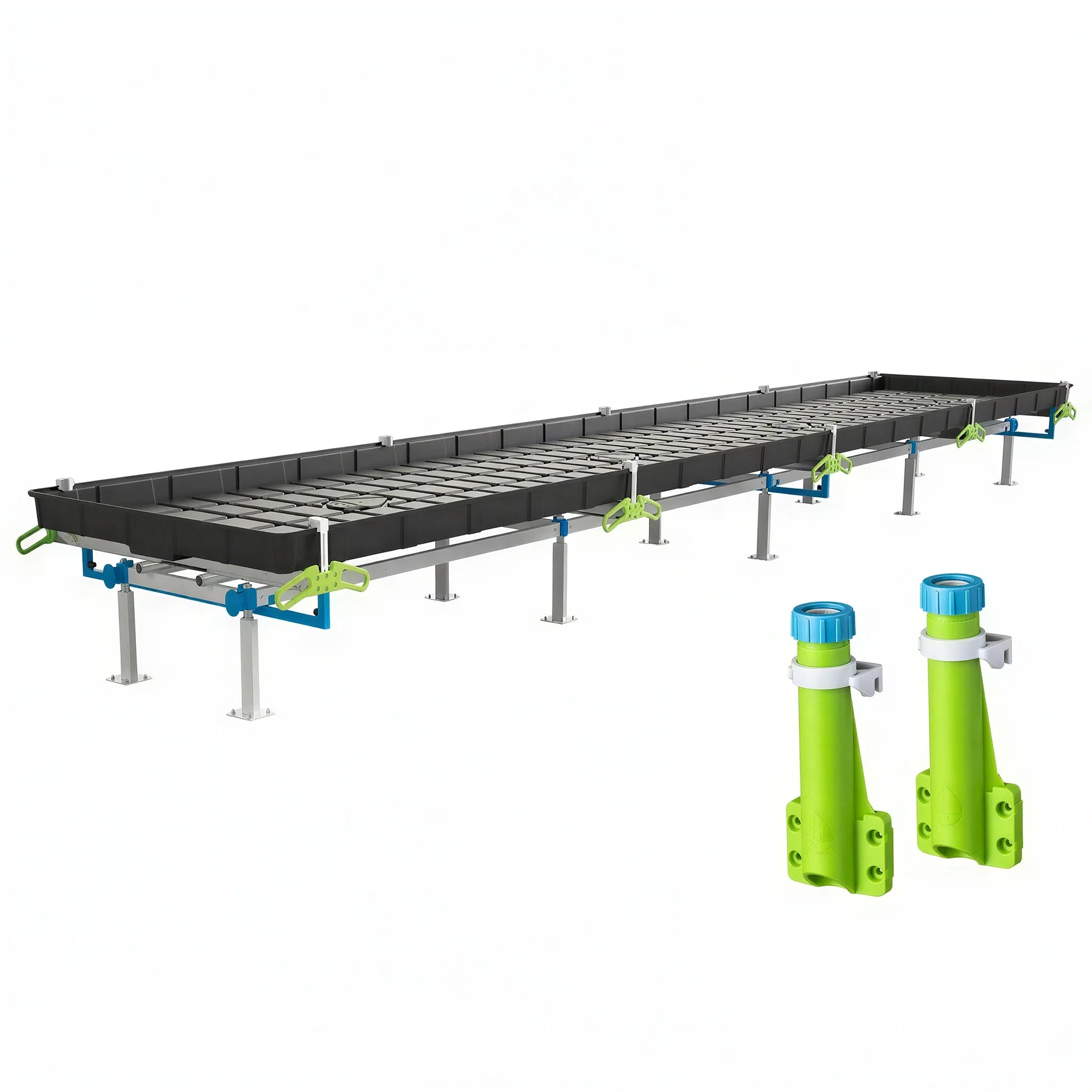
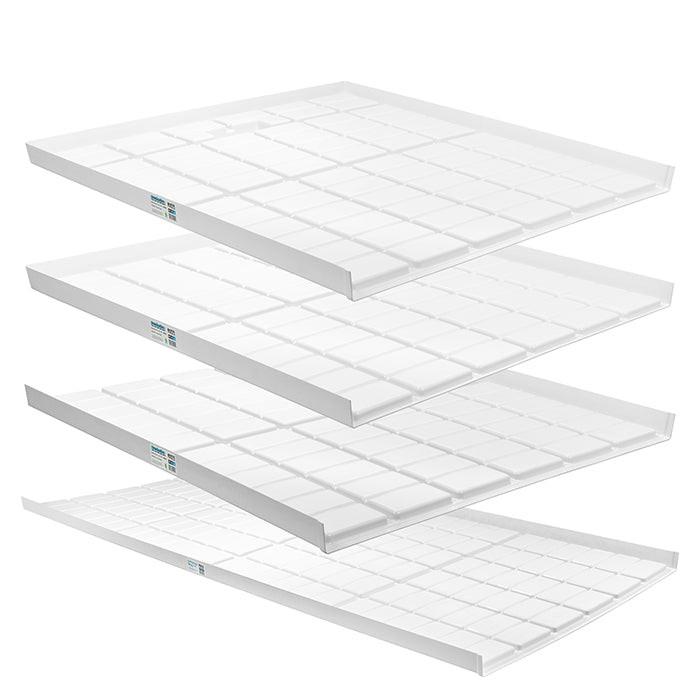
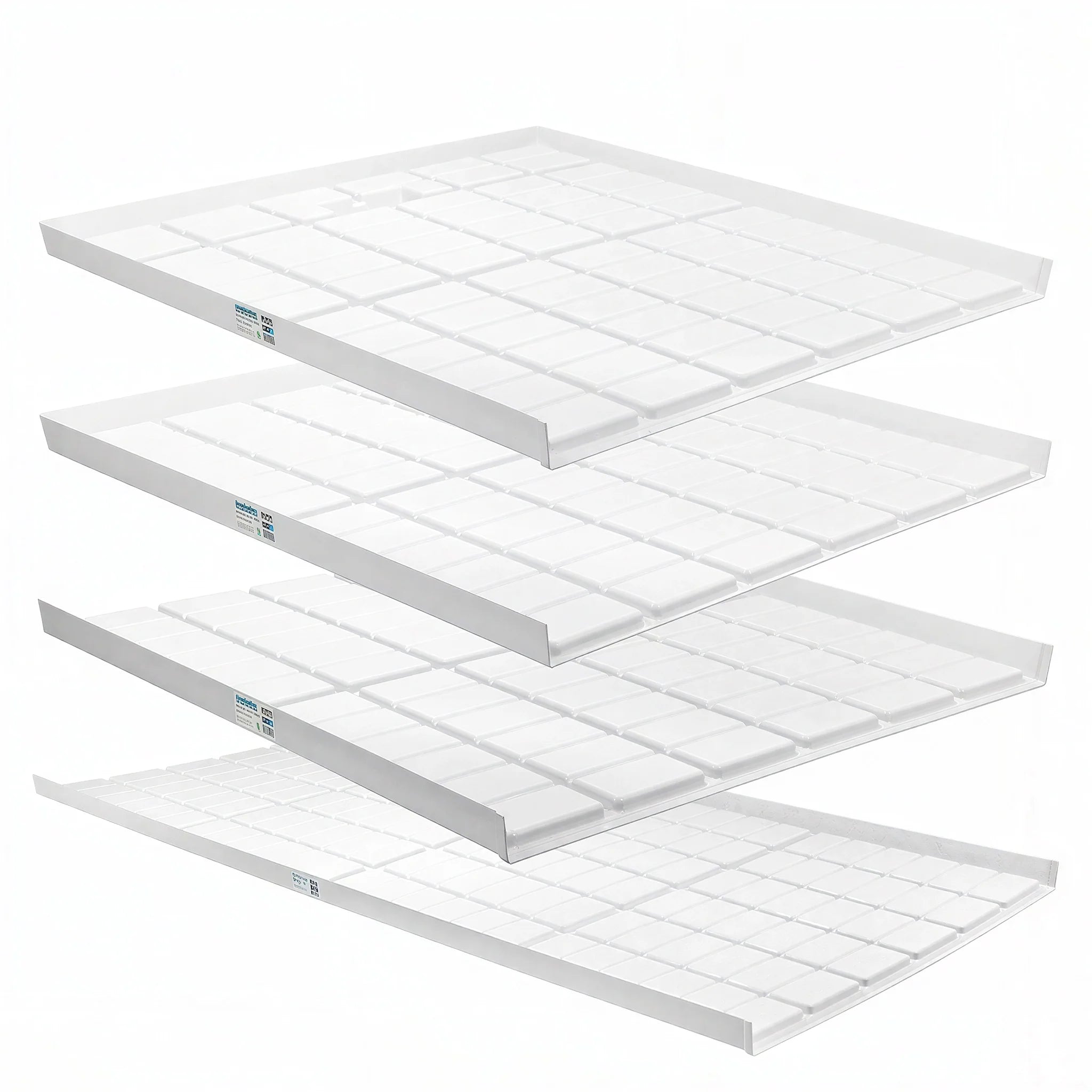
Flood tables -- also called ebb and flow tables or flood trays -- are the primary growing surface in ebb and flow hydroponic systems. On a timed cycle, nutrient solution floods the table from below, saturating the growing medium and root zone, then drains completely back to the reservoir. The flood-and-drain cycle delivers nutrients, oxygenates the root zone during drainage, and prevents the standing water conditions that cause root disease in under-drained media. Flood tables are also used as catch trays in drip-irrigated container grows, collecting runoff beneath potted plants for drain-to-waste or recirculating collection.
Flood Table Sizes: 2x2 to 4x8 and Commercial Custom
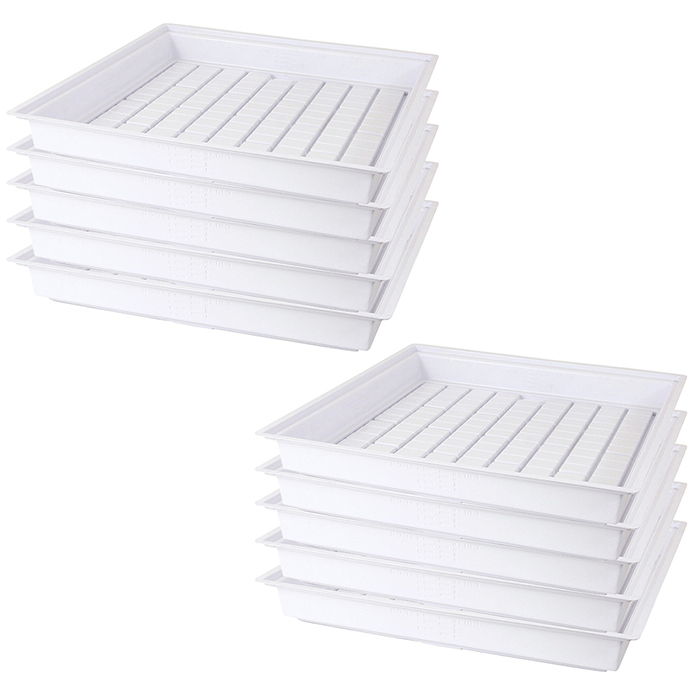
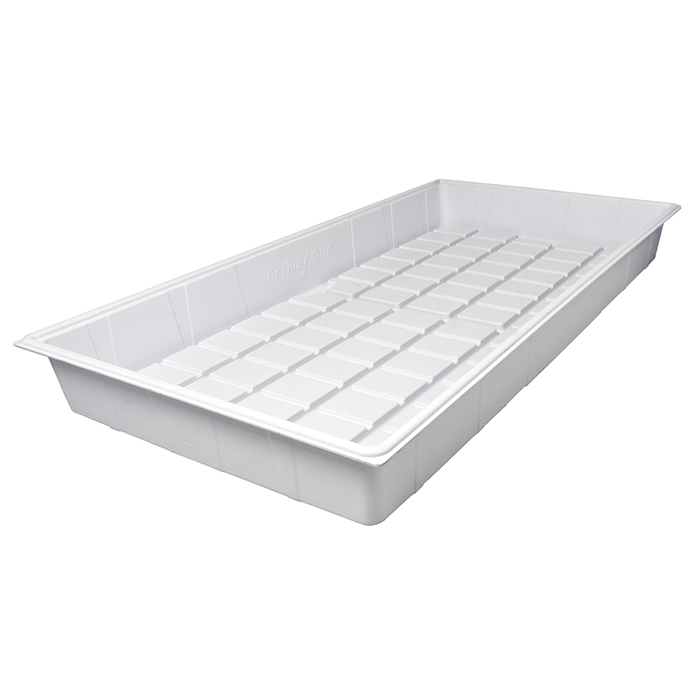
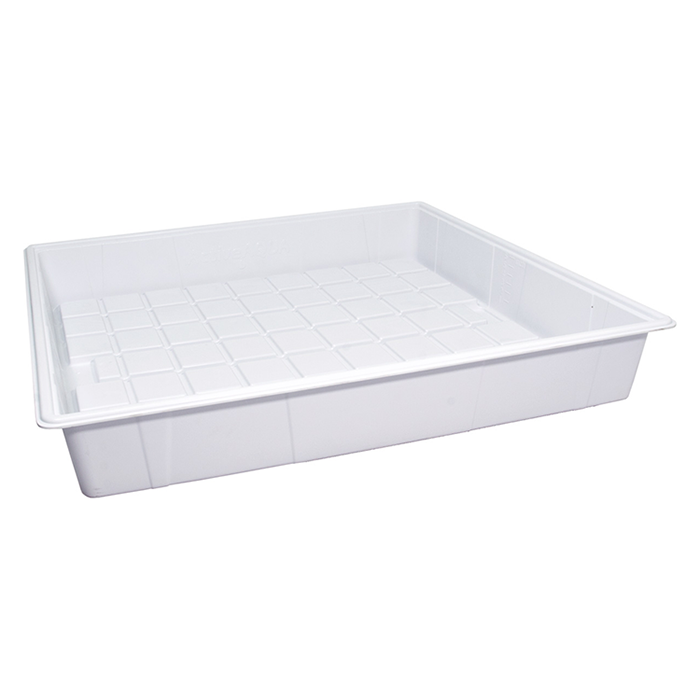
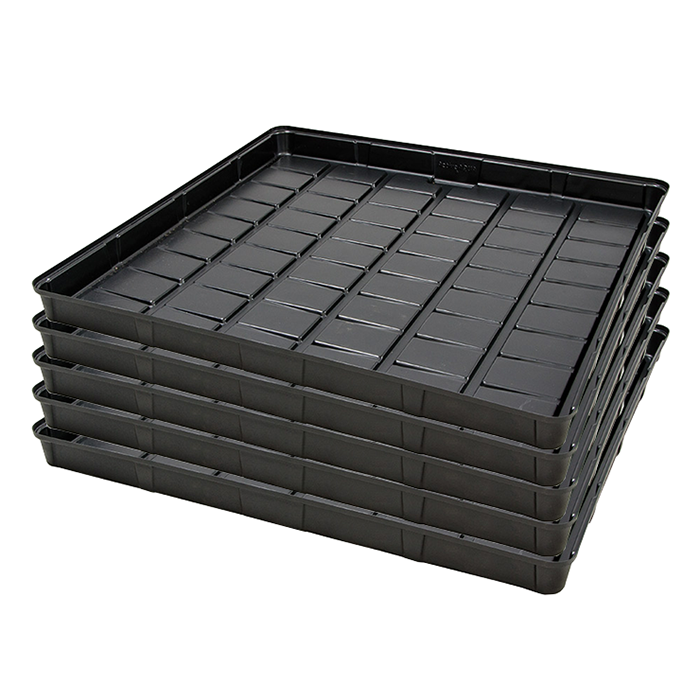
Hydrobuilder carries flood tables in standard sizes from compact 2x2 trays for small tent operations up to 4x8 ft commercial flood tables. The most popular hobby size is a 4x4 flood table paired with a matching Botanicare stand -- this configuration fits 16 one-gallon containers, 9 three-gallon containers, or 4-6 five-gallon containers depending on plant training method. The 4x8 flood table accommodates larger plant counts and scales well for commercial operations. For custom configurations beyond standard sizes, our commercial team can source specialty dimensions through our commercial accounts program.
Inside Dimensions vs. Outside Dimensions
Flood table sizes are often stated by inside dimensions (ID) -- the usable planting surface area inside the tray walls. Outside dimensions (OD) determine whether a tray fits a specific stand frame. Botanicare standardizes their flood tables to true inside dimensions, making it straightforward to calculate how many containers fit in the growing area. When pairing a tray with a stand purchased separately, always confirm both OD and ID to ensure the tray sits properly in the frame. Botanicare states their 4x4 tray as 4 ft x 4 ft inside -- the outside dimensions are slightly larger. A Botanicare stand sized to the corresponding Botanicare tray is always the correct pairing.
Setting Up an Ebb and Flow System
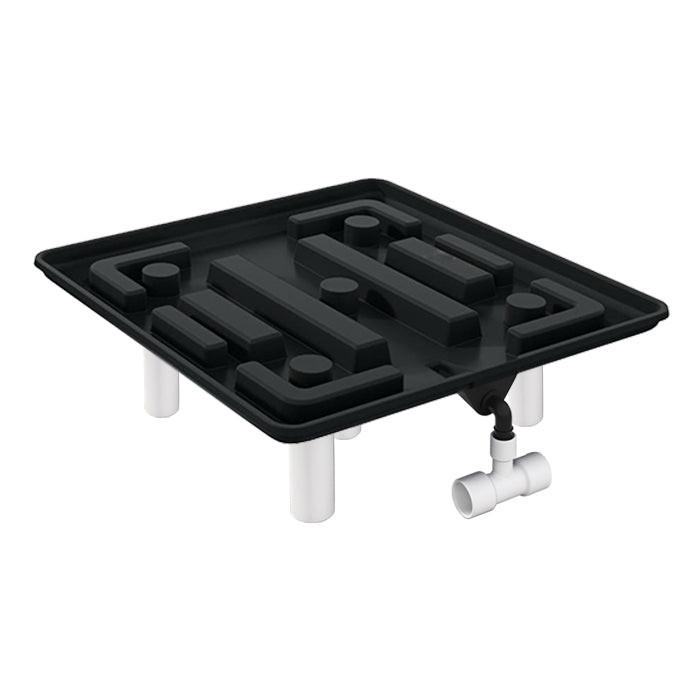
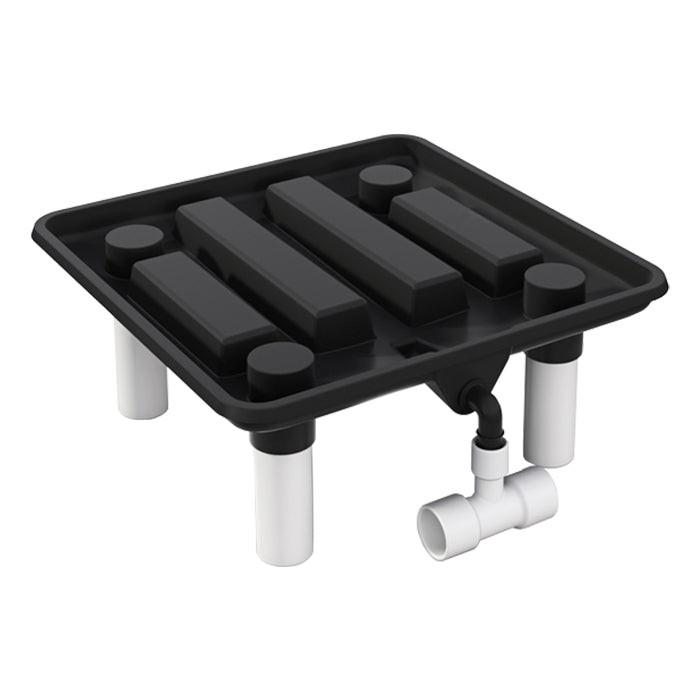
A functional ebb and flow setup requires: a flood table, a matching stand, a reservoir (typically 50-100 gallons for a 4x4 table), a submersible water pump with tubing connected through the table's drain/fill port, a timer to control flood cycle frequency, and an overflow drain fitting to prevent flooding above a set height. The table must be perfectly level for drainage to be even and complete -- uneven tables create puddles that never drain, causing root problems in any containers sitting in standing water. Most flood cycles run 15-30 minutes at a time, 2-4 times per day during the light period. Use our Pump & Irrigation Flow Calculator to size your pump for the fill volume and cycle time of your table size. Browse our complete ebb and flow systems collection for complete flood table kits including reservoirs and pumps.
Flood Tables for Container Drip-Irrigated Grows
Beyond ebb and flow systems, flood tables serve as elevated catch trays beneath containers in drip-irrigated grows. Plants in coco, soil, or other media sit in their containers on the tray surface; irrigation runoff collects in the tray for drain-to-waste removal or recirculation through a reservoir. This is one of the most common configurations in commercial greenhouse growing, where flood tables supporting drip-irrigated coco bags or rockwool slabs are standard.
Flood Tables & Grow Trays FAQ
What is a flood table and how does it work in an ebb and flow system?
A flood table (ebb and flow table) is a shallow, rigid tray that holds plants and growing media in a hydroponic ebb and flow system. A timer-controlled water pump floods the table with nutrient solution from the reservoir below, saturating growing media and root zones, then the pump turns off and solution drains by gravity back to the reservoir through the overflow drain. This flood-and-drain cycle delivers nutrients, oxygenates the root zone during the drain phase, and prevents standing water conditions. Most flood schedules run 2-6 times per day during the light period. The table must be perfectly level for complete and uniform drainage after each flood event.
How many plants fit on a 4x4 flood table?
The number of containers that fit on a 4x4 flood table depends on container size. A 4x4 table (16 sq ft inside) accommodates: 16 one-gallon pots, 9 three-gallon pots, 4-6 five-gallon pots, 4 seven-gallon pots, or 2 fifteen-gallon pots depending on training method. For drip-irrigated coco bags on a flood table, most commercial operations run 2-4 bags of varying sizes per 4x4 table surface. For ebb and flow with a sea-of-green style planting in 1-gallon containers, 16 sites per 4x4 table is a common starting point.
What size reservoir do I need for a 4x4 flood table?
For a 4x4 flood table in an ebb and flow system, a 50-100 gallon reservoir is recommended. You need enough volume to completely flood the table with nutrient solution while keeping adequate solution in the reservoir at all times -- a 4x4 table flooded to 2 inches of depth holds approximately 15-20 gallons. A 50-gallon reservoir provides roughly 30+ gallons of buffer above the flood volume, which is adequate buffering for stable pH and EC management. Undersizing the reservoir is the most common ebb and flow setup mistake -- a small reservoir experiences rapid pH and EC swings as plants feed and solution evaporates.
What is the difference between Botanicare and Active Aqua flood tables?
Botanicare flood tables are the industry standard -- known for precise inside dimensions, consistent quality across production runs, and widespread availability of matching stands and accessories. The Botanicare slide bench system integrates directly with their tray product line and is one of the most widely used commercial rolling bench formats in North America. Active Aqua flood tables offer a cost-effective alternative at similar dimensions with good structural integrity -- a practical choice for growers who want a reliable tray without the Botanicare premium. For operations where standardized inside dimensions and a matched stand system are important, Botanicare is typically the better investment.
Do I need a perfectly level surface for a flood table?
Yes -- level installation is non-negotiable for proper ebb and flow function. An uneven flood table creates puddles in low spots that never drain completely, leaving standing water that creates anaerobic root conditions and significantly increases root disease risk for containers sitting in undrained solution. Use a bubble level in multiple directions across the table surface before the first flood cycle. Adjustable-height stands (including most Botanicare stand systems) allow fine leveling adjustment after installation. If your floor is uneven, shim the stand legs to achieve a level table surface rather than trying to compensate with an angled stand.