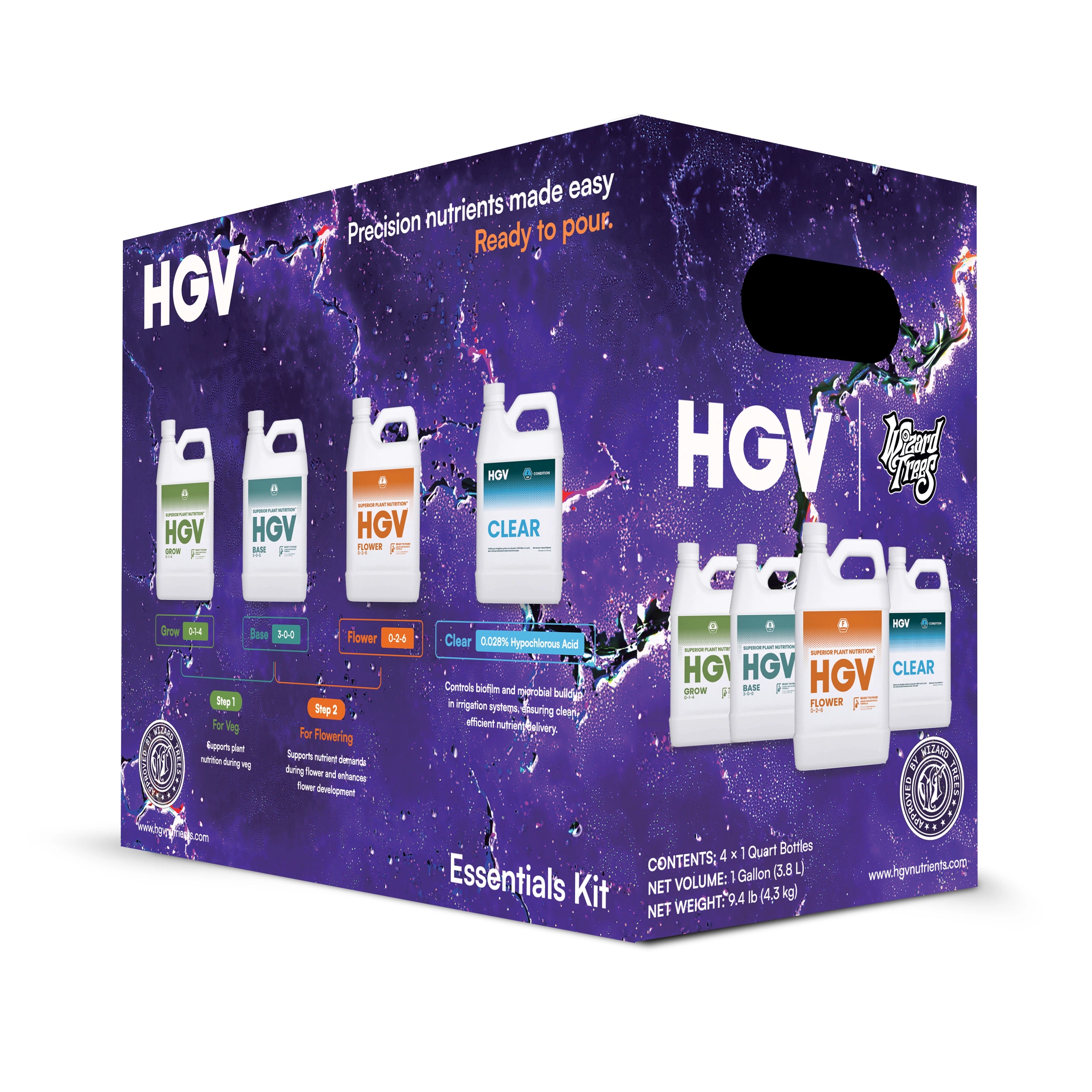
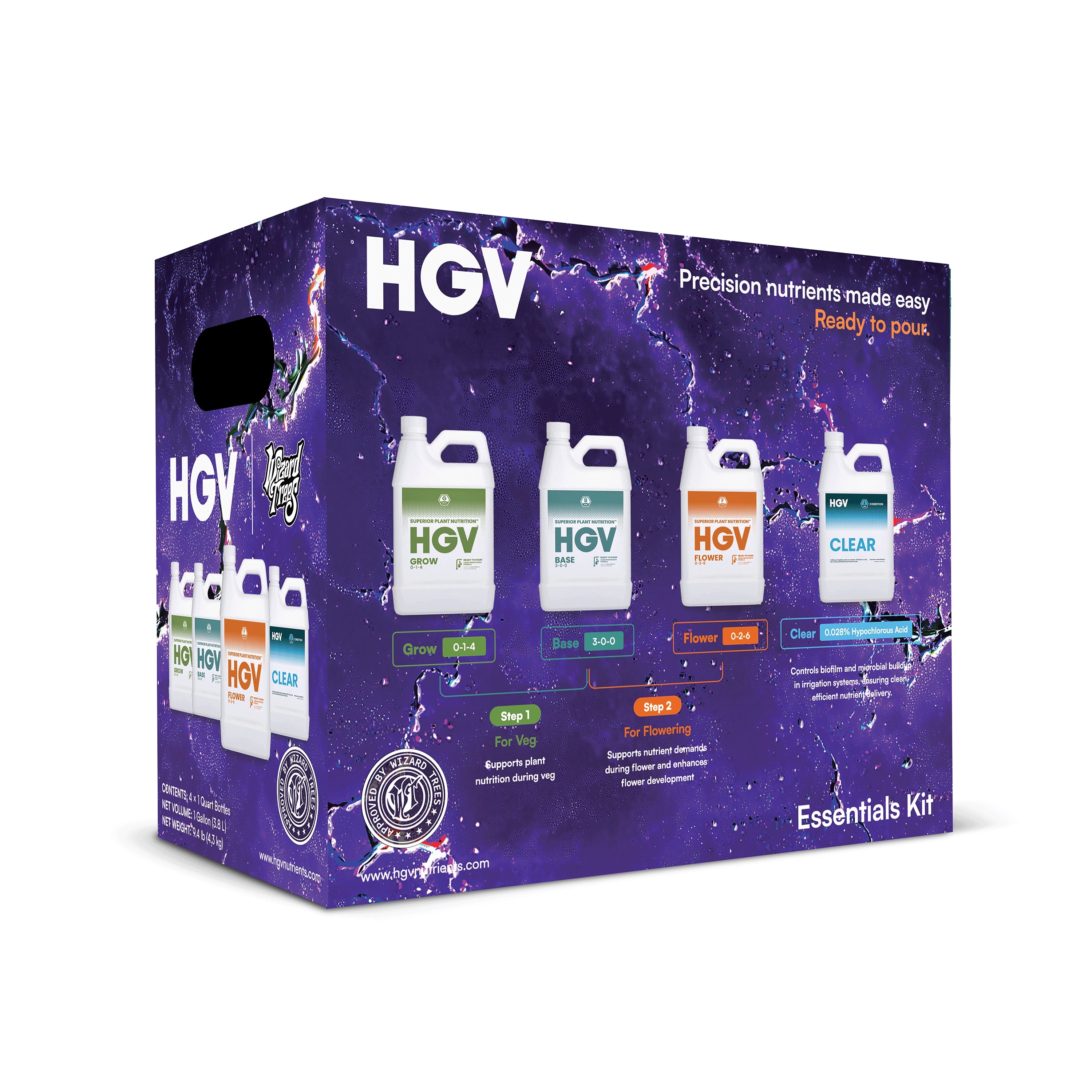
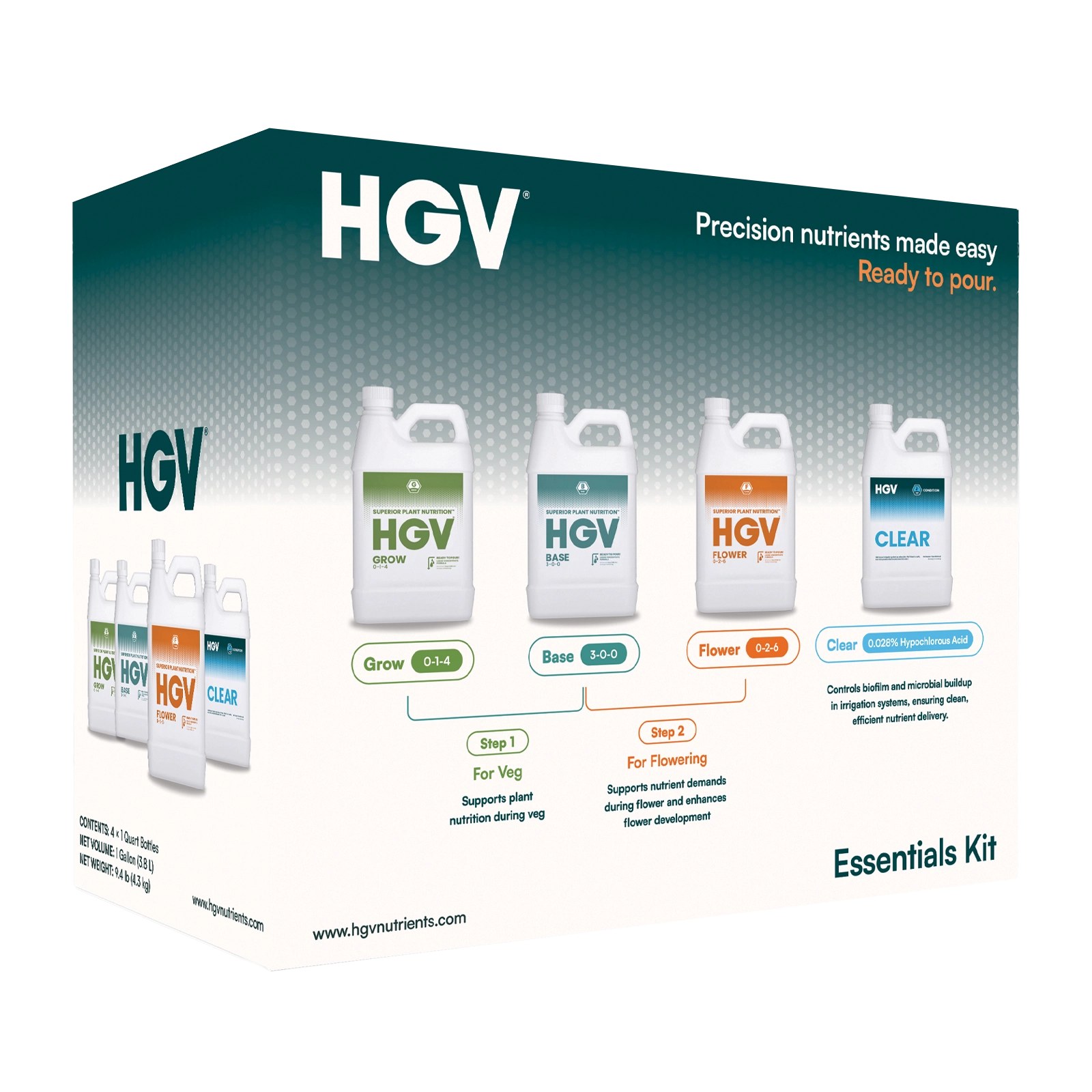
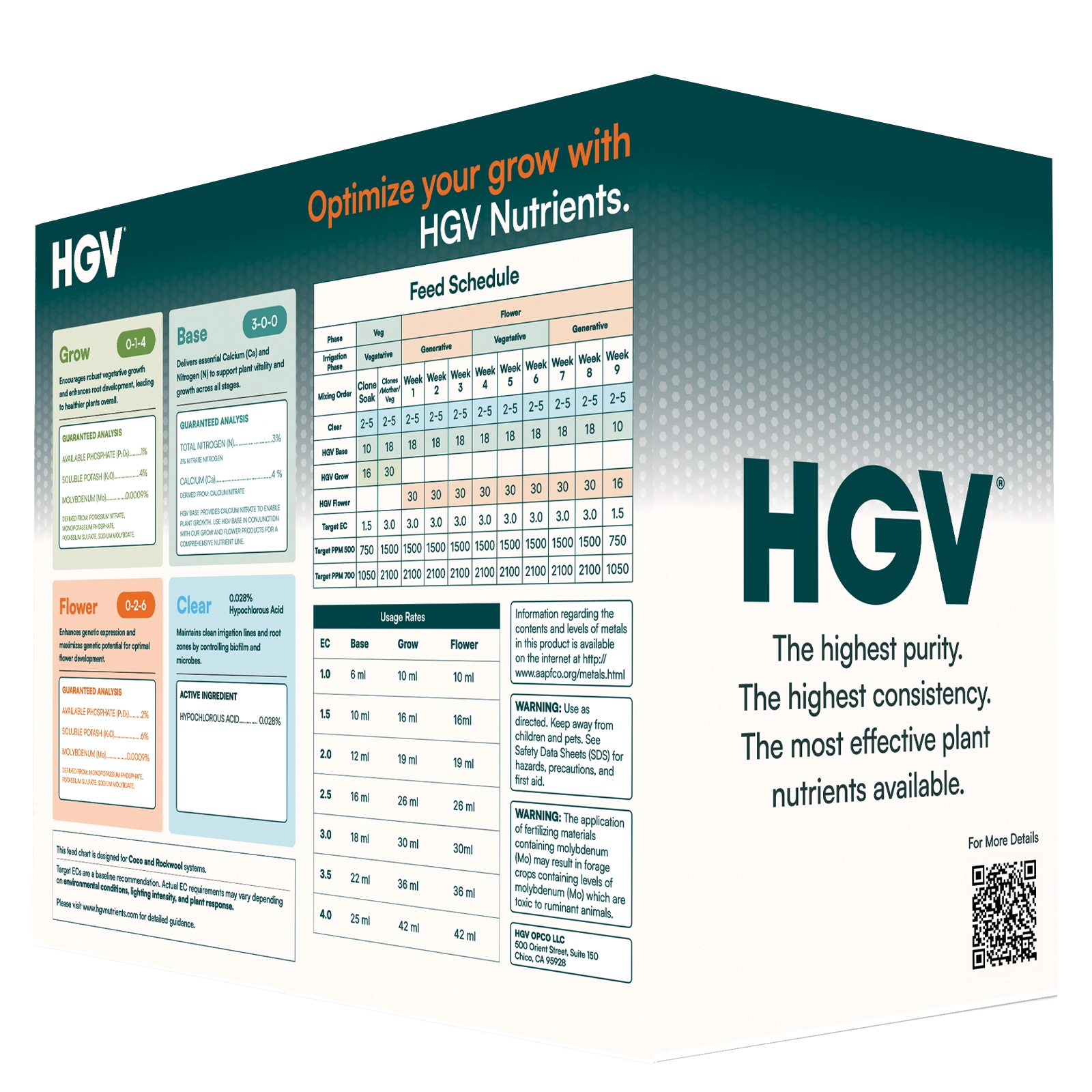
Soil & Soilless Mix Nutrients
This collection covers nutrients formulated for soil and soilless (peat, coco, perlite) growing programs -- a broader category than pure hydroponic nutrition, encompassing organic, synthetic, and hybrid formulas designed to deliver nutrition through soil or soilless media rather than directly to bare roots in recirculating solution. The distinction matters because soil and soilless programs have different nutrient delivery dynamics, different pH management requirements, and different interactions between the growing medium and the nutrient solution than reservoir-based hydroponic systems.
Organic vs. Synthetic for Soil Programs
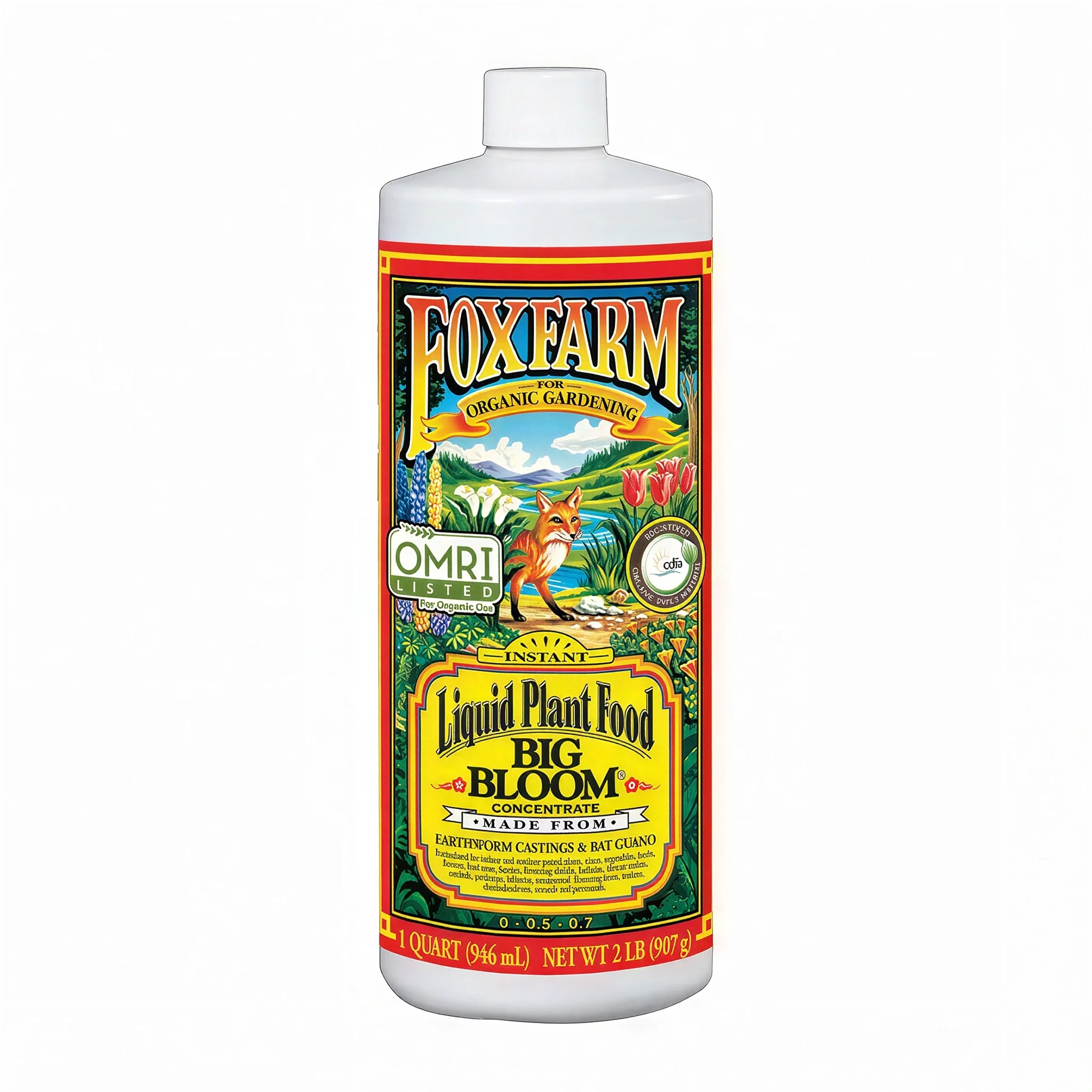
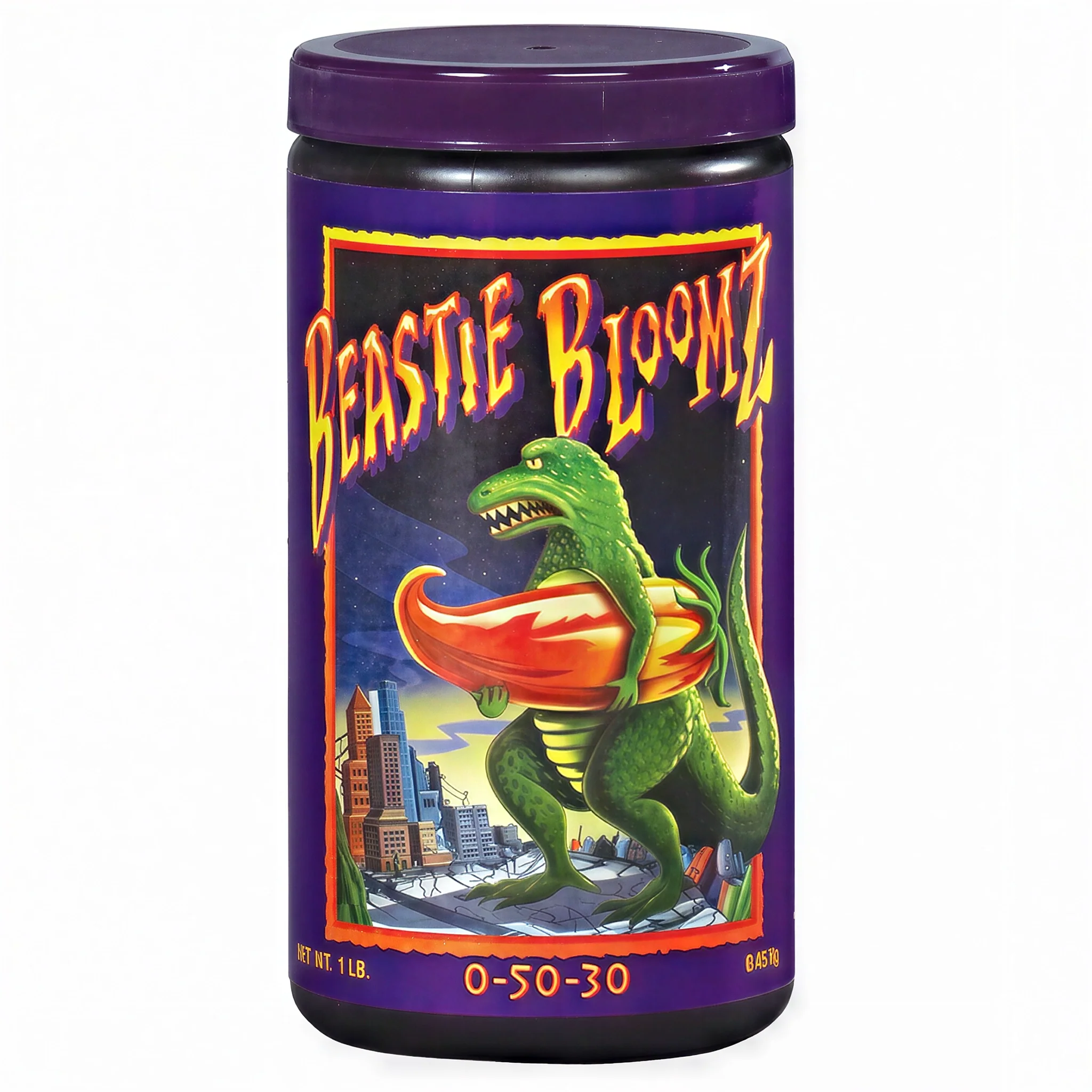
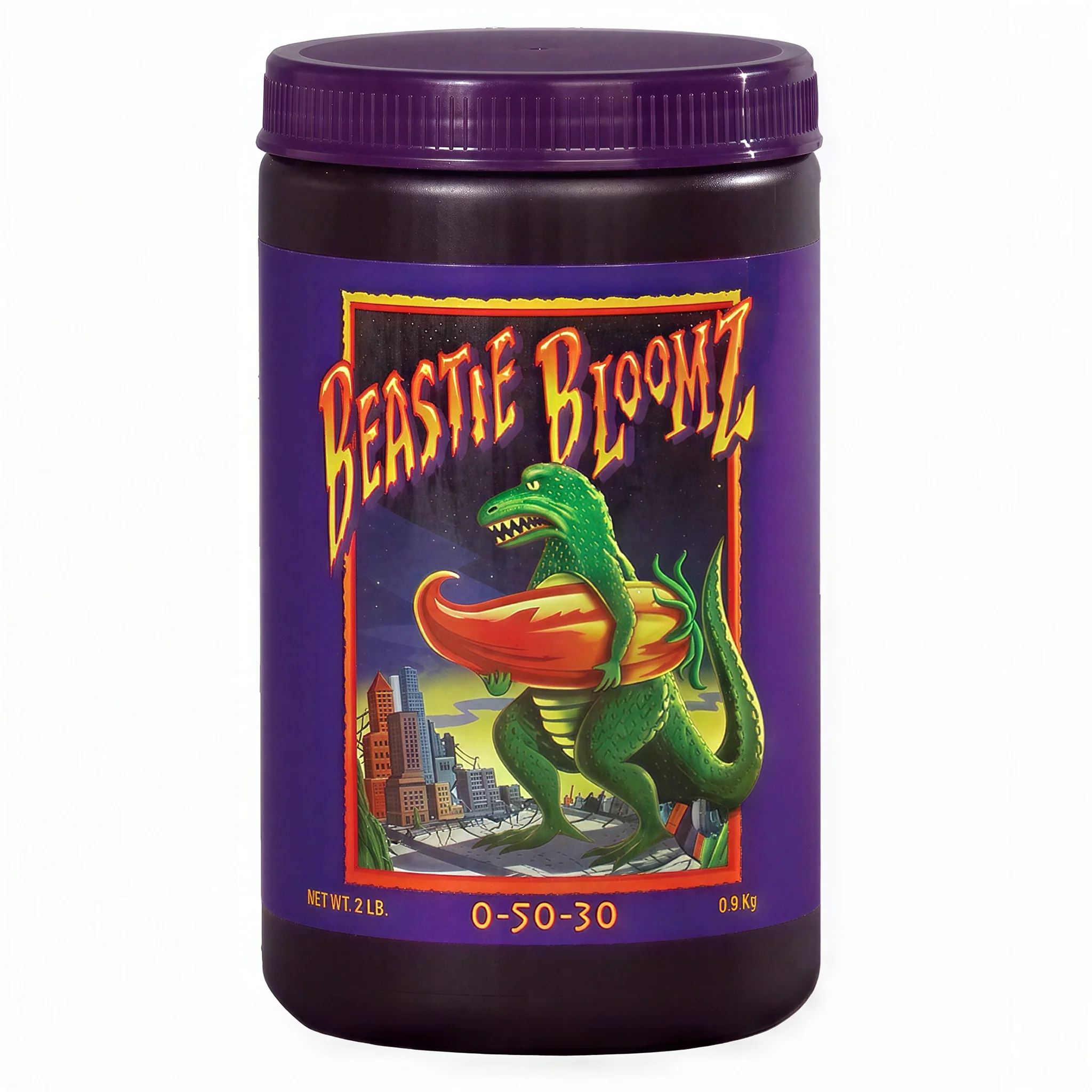
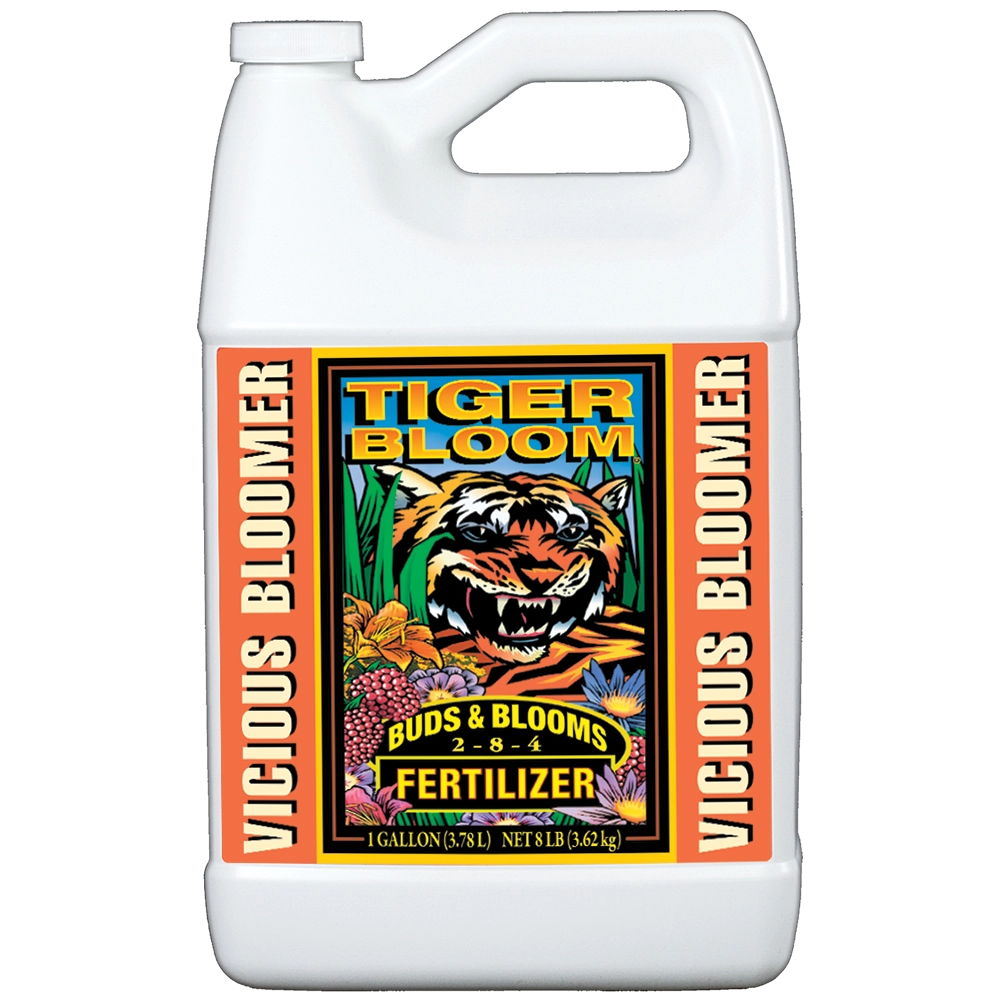
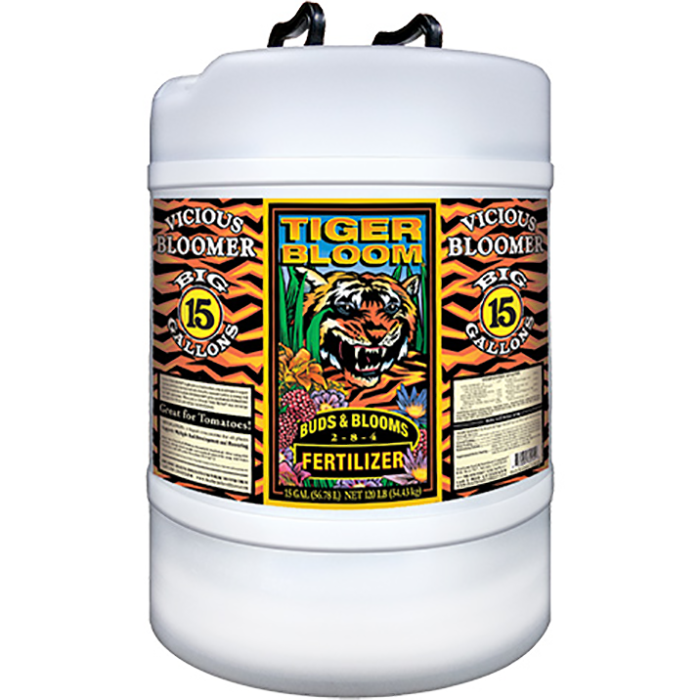
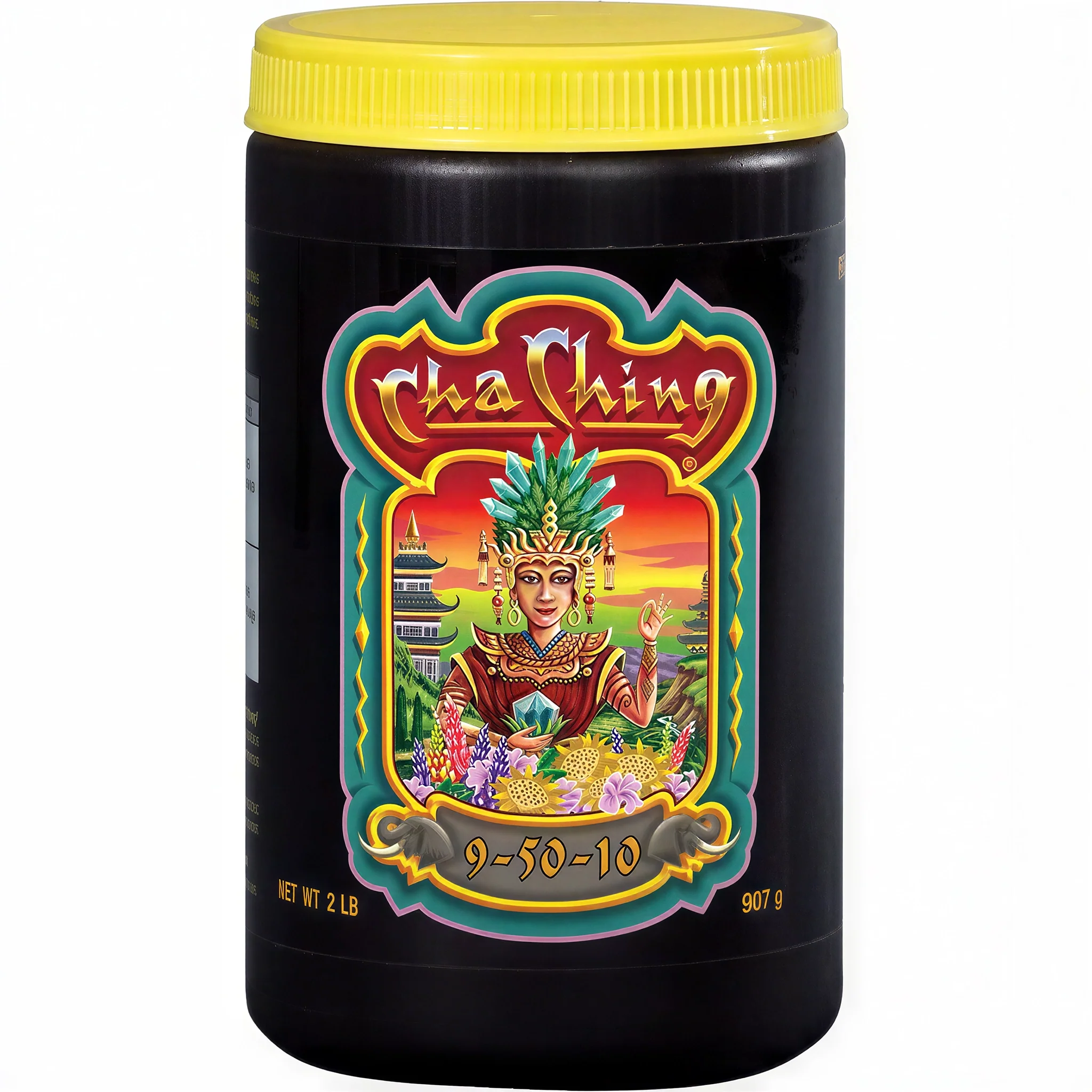
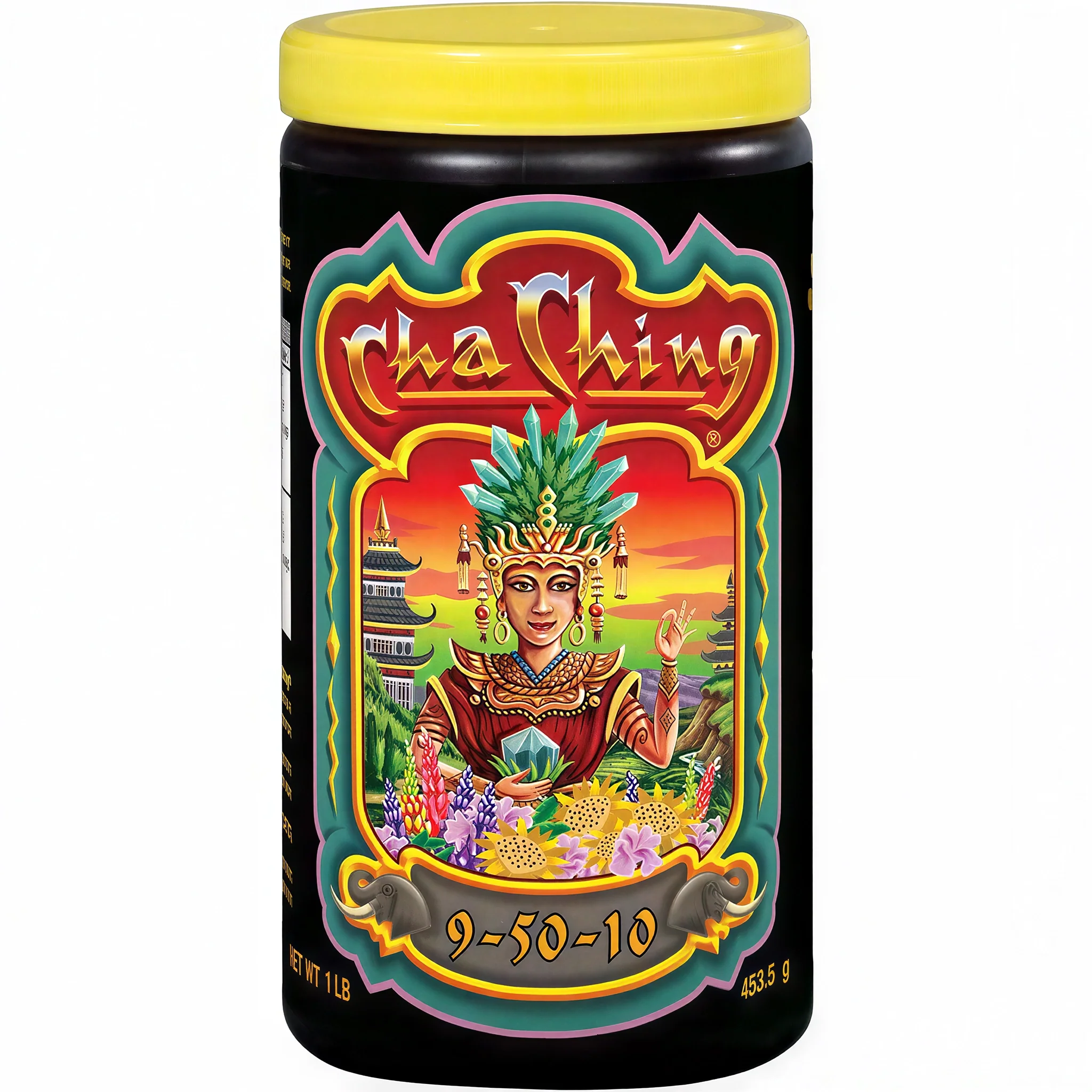
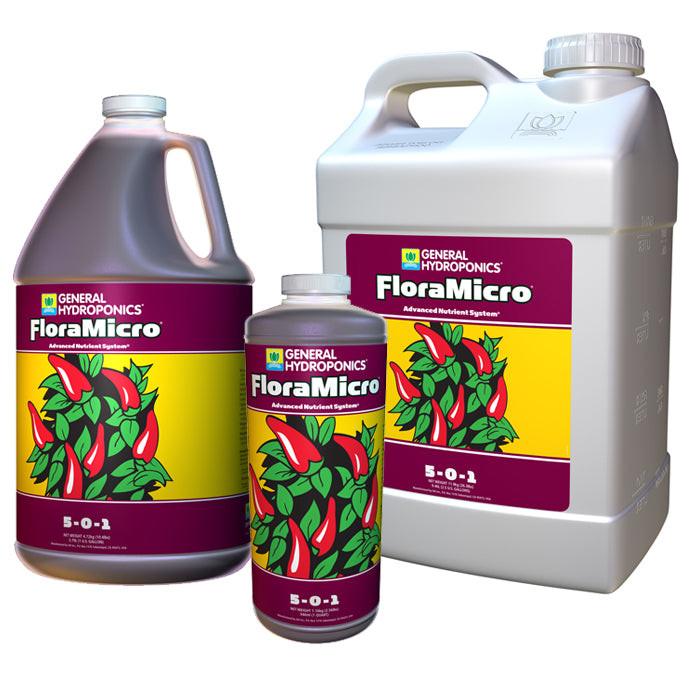
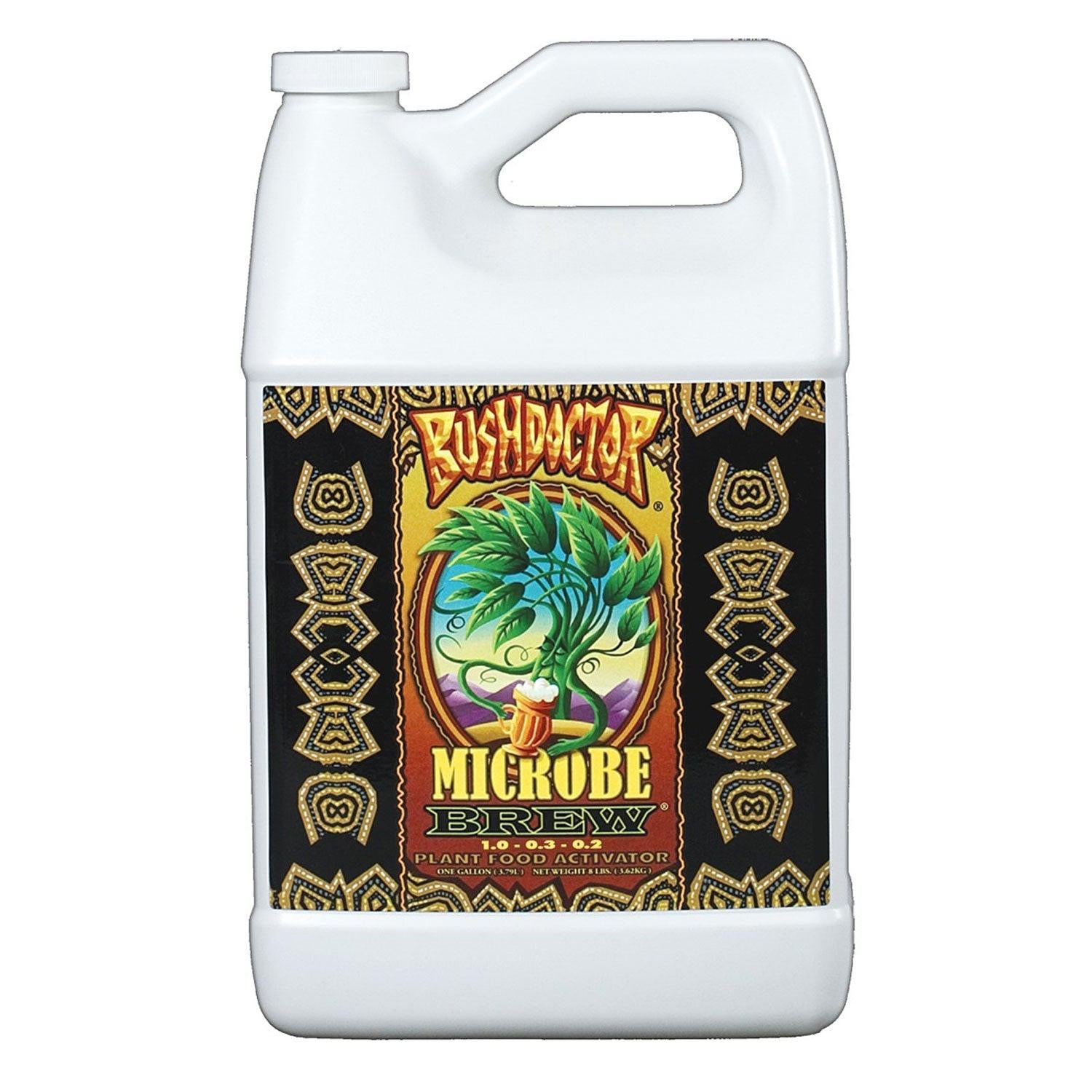
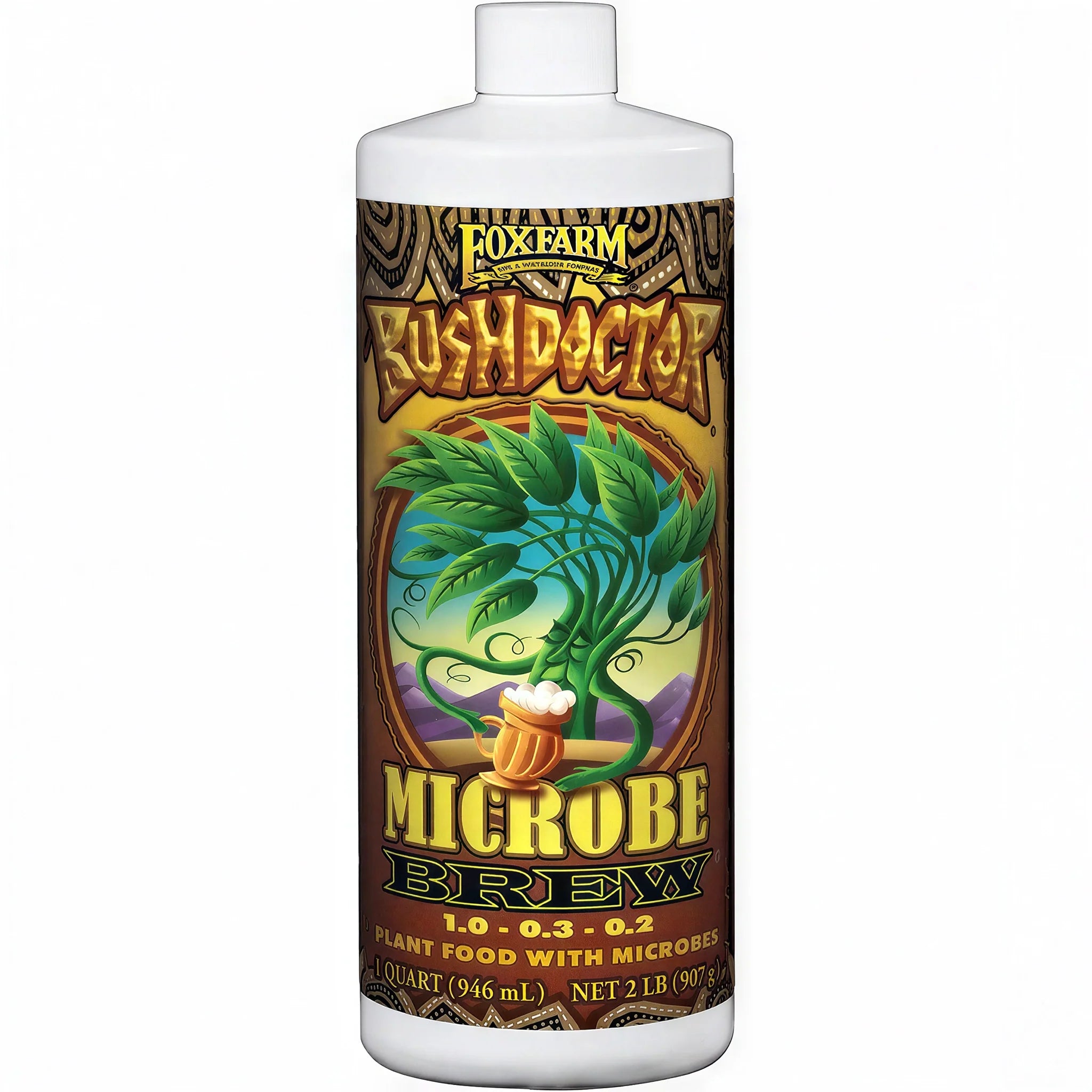
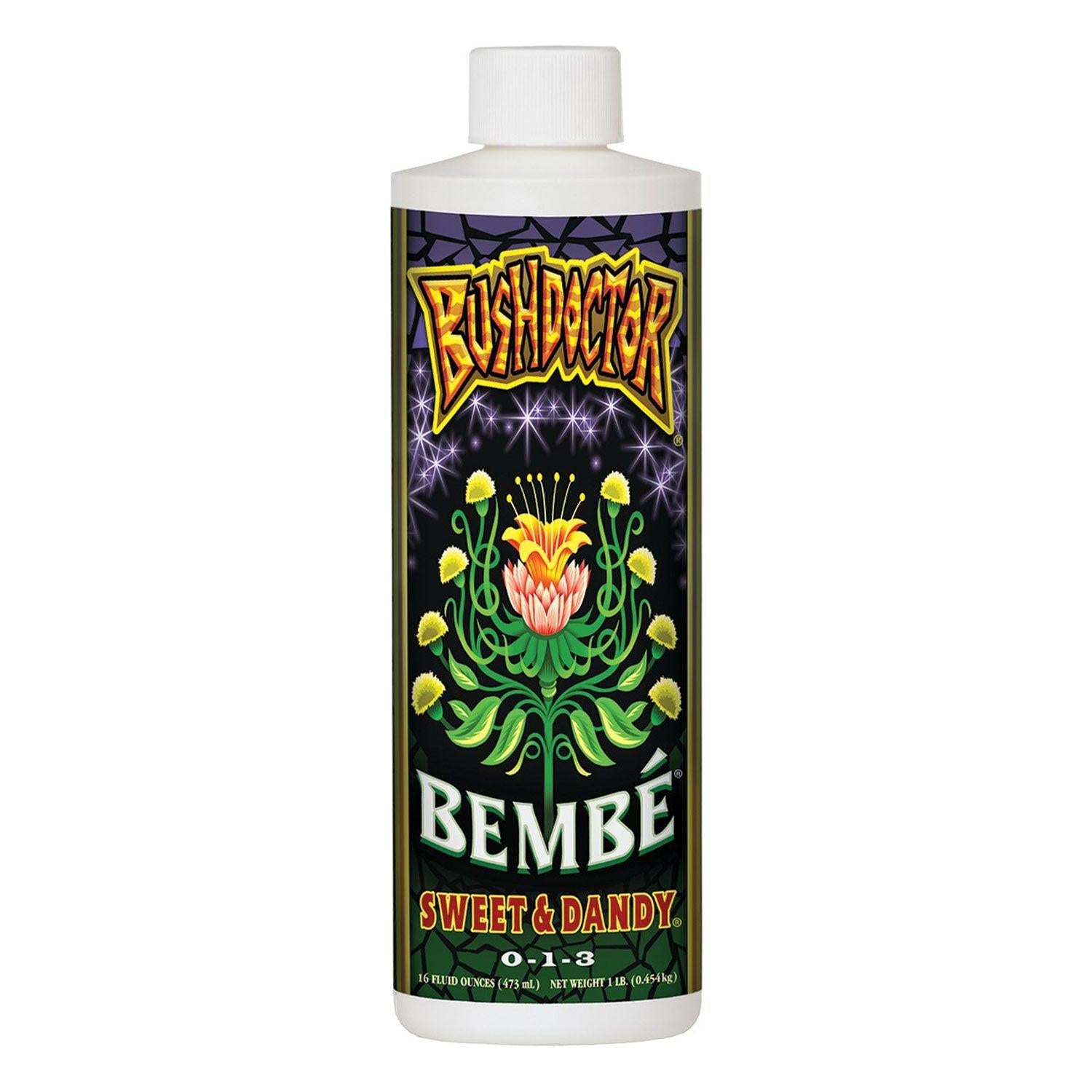
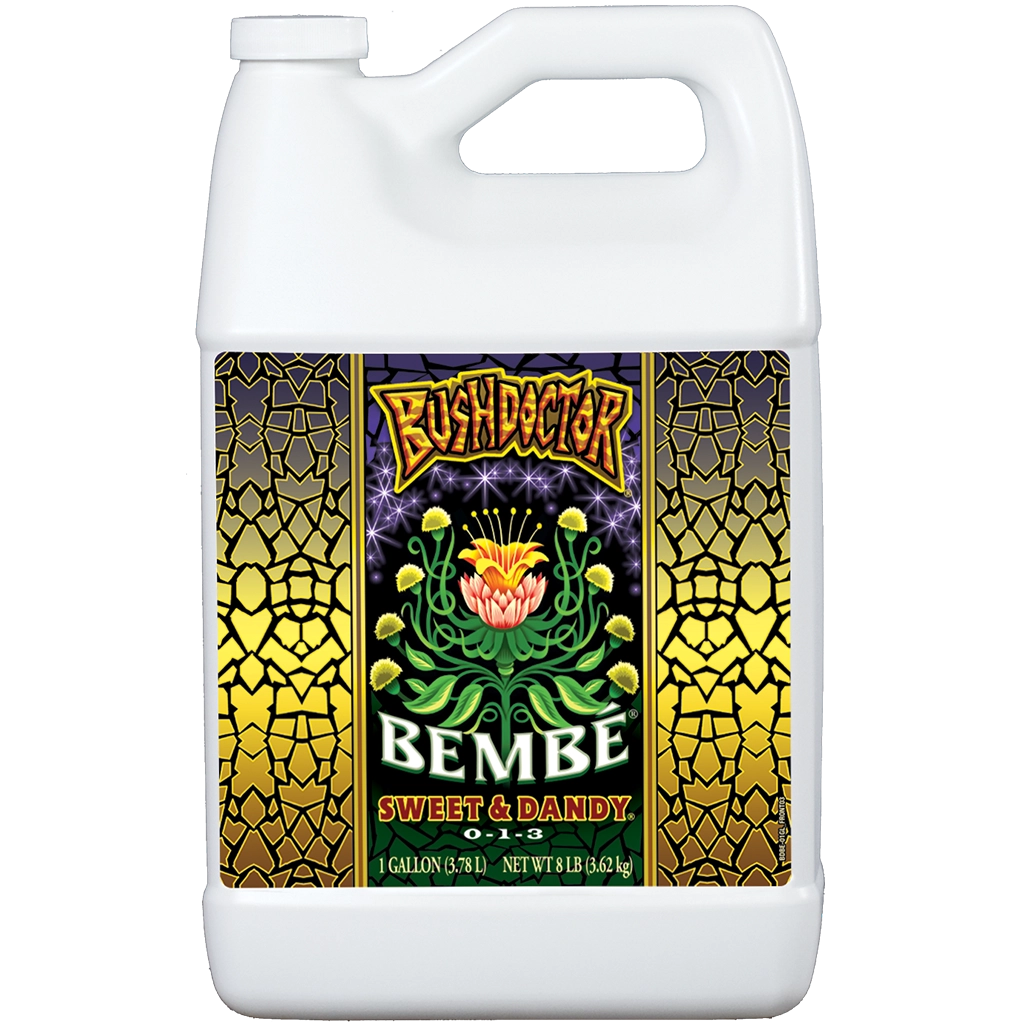
Organic and organic-hybrid nutrient programs are generally better suited to soil growing because they support the beneficial microbial populations in the medium that cycle organic matter and create a biological buffer against pH and nutrient imbalances. Brands like Athena, General Hydroponics, Fox Farm, and Canna Nutrients all offer product lines specifically formulated for soil and soilless applications, with NPK ratios and formulation types appropriate for container growing in peat and coco-based media. Synthetic hydroponic nutrients can be used in soil at reduced rates, but they are typically more aggressive and require more careful pH management than products formulated for soil growing.
Coco and Peat-Specific Considerations
Coco coir growing media is technically soilless but has specific nutrient interaction properties -- it naturally binds and releases calcium and magnesium ions, making Cal-Mag supplementation essentially mandatory in all coco programs regardless of what the base nutrient label says. Peat-based media is naturally acidic (pH 4-5 before amendment) and requires pH adjustment. For both media types, check that your nutrient package addresses the specific requirements of your medium. Browse all nutrients or explore growing media. Fast shipping.
Soil & Soilless Nutrients FAQ
What is the difference between soil nutrients and hydroponic nutrients?
Hydroponic nutrients are formulated for delivery directly to bare roots in inert media or recirculating solution -- they contain all essential elements in highly soluble, immediately plant-available forms, and require precise pH management to maintain element solubility. Soil nutrients (particularly organic and organic-hybrid formulas) are often partially or fully dependent on microbial breakdown for nutrient release, which introduces a time delay between application and plant availability but also creates a biological buffer that reduces the risk of over-feeding and pH swings. For soil growing, products labeled for soil or container growing are generally more appropriate than pure hydroponic formulas, which can inhibit beneficial soil biology at typical hydroponic application rates.
Do I need to adjust pH when using soil nutrients?
Yes, though the target range is different than for hydroponics. Soil and soilless programs target pH 6.0-7.0 at the root zone for most nutrient availability -- slightly higher than the 5.5-6.5 range typically used in recirculating hydroponic systems. Most pre-amended soil mixes and quality growing media are buffered to this range already, so pH adjustment may be minimal for hand-watered soil programs. For coco-based programs, pH 5.8-6.3 is the typical target. Check pH of your water and nutrient solution before feeding and adjust with pH up or pH down as needed. A properly calibrated digital pH meter is more reliable than test kits for this purpose.
Can I use the same nutrients in both soil and coco coir?
Many nutrient lines are formulated to work across soil and coco -- brands like Athena, Canna, and Fox Farm offer their products for use in both media types, though recommended rates and feeding frequencies differ. Coco is more demanding in terms of feeding frequency (daily or multiple times daily in commercial programs) and Cal-Mag requirements than soil, so a coco program typically consumes more nutrient product per week than a soil program at the same plant count. Check the brand's specific feeding charts for coco vs. soil application rates, as these are meaningfully different for most products.