Best pick: drip on benches
Rockwool or coco in a flower room
Most large indoor grows run drip irrigation into rockwool or coco on benches. Each plant gets the same feed, and you control dryback with shot size and timing.
Hydroponics for commercial grows
Commercial hydroponic systems grow crops without soil at facility scale. A typical setup pairs benches or RDWC rows with drip irrigation, automated nutrient dosing and clean RO water. Start with how you grow, then size each part to your room.
Updated November 2026




Start with your growing method and your biggest limit. Each card jumps to the system that fits.
Best pick: drip on benches
Most large indoor grows run drip irrigation into rockwool or coco on benches. Each plant gets the same feed, and you control dryback with shot size and timing.
Best pick: rolling benches
Rolling benches slide together so you keep one moving aisle instead of an aisle beside every bench. More of the floor becomes canopy.
Best pick: RDWC
Recirculating deep water culture keeps roots in moving, oxygenated solution. It grows fast but needs cool water and steady monitoring.
Best pick: injectors or a fertigation system
Injectors pull from concentrate tanks and dose every gallon at a set ratio. Controllers add EC and pH targets, zones and logs.
Best pick: reverse osmosis
RO strips out most dissolved salts, so every batch starts from the same clean baseline and your feed recipe behaves the same all year.
Best pick: chiller plus oxygen
Warm water holds less oxygen and favors root rot. A chiller sized to your reservoir, plus air or oxygen injection, keeps roots healthy.
Most facilities combine several of these. Green items are built for commercial scale; orange items also work well in the right setup.
Built for commercial scale
Best forGreenhouses and indoor rooms growing in trays, rockwool or containers
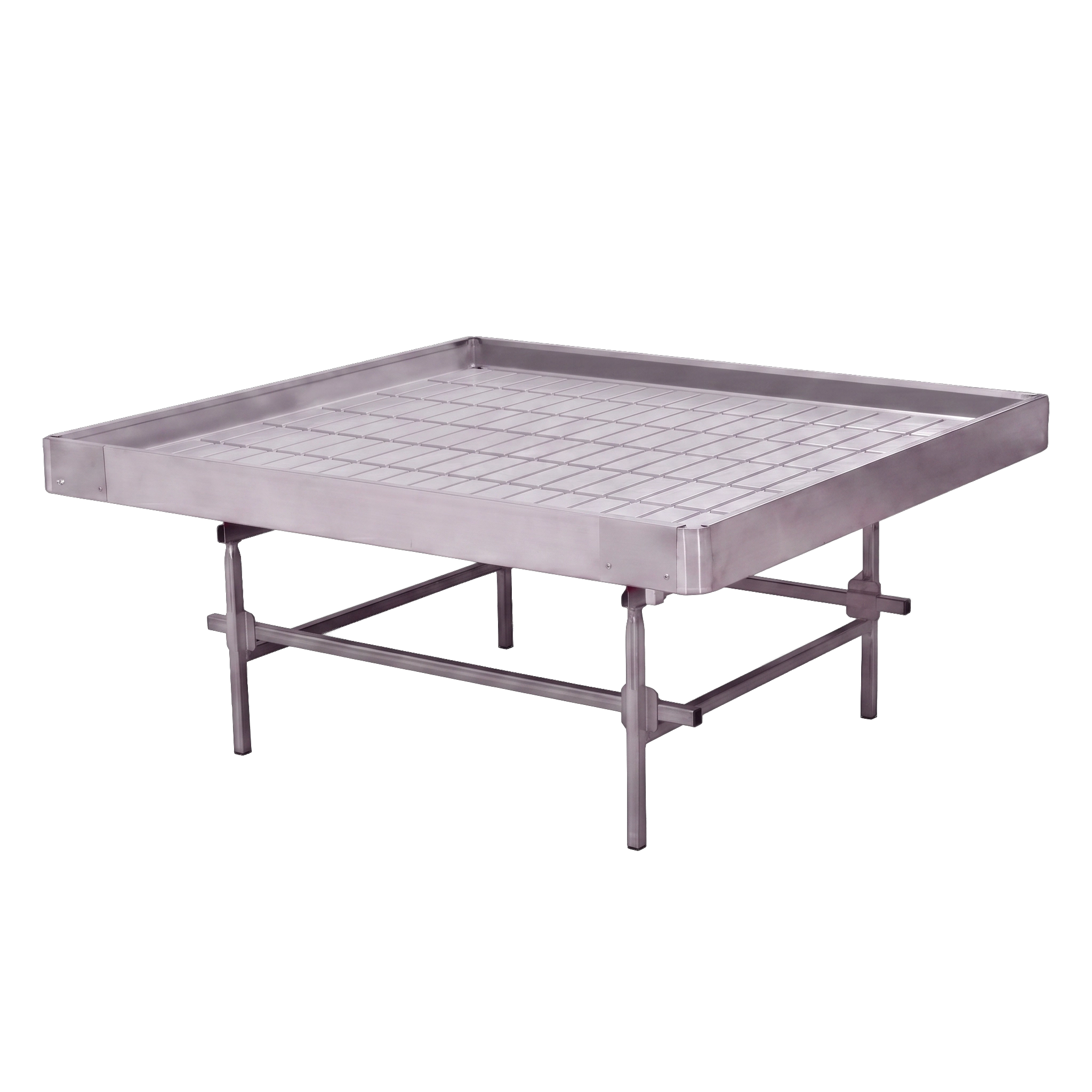
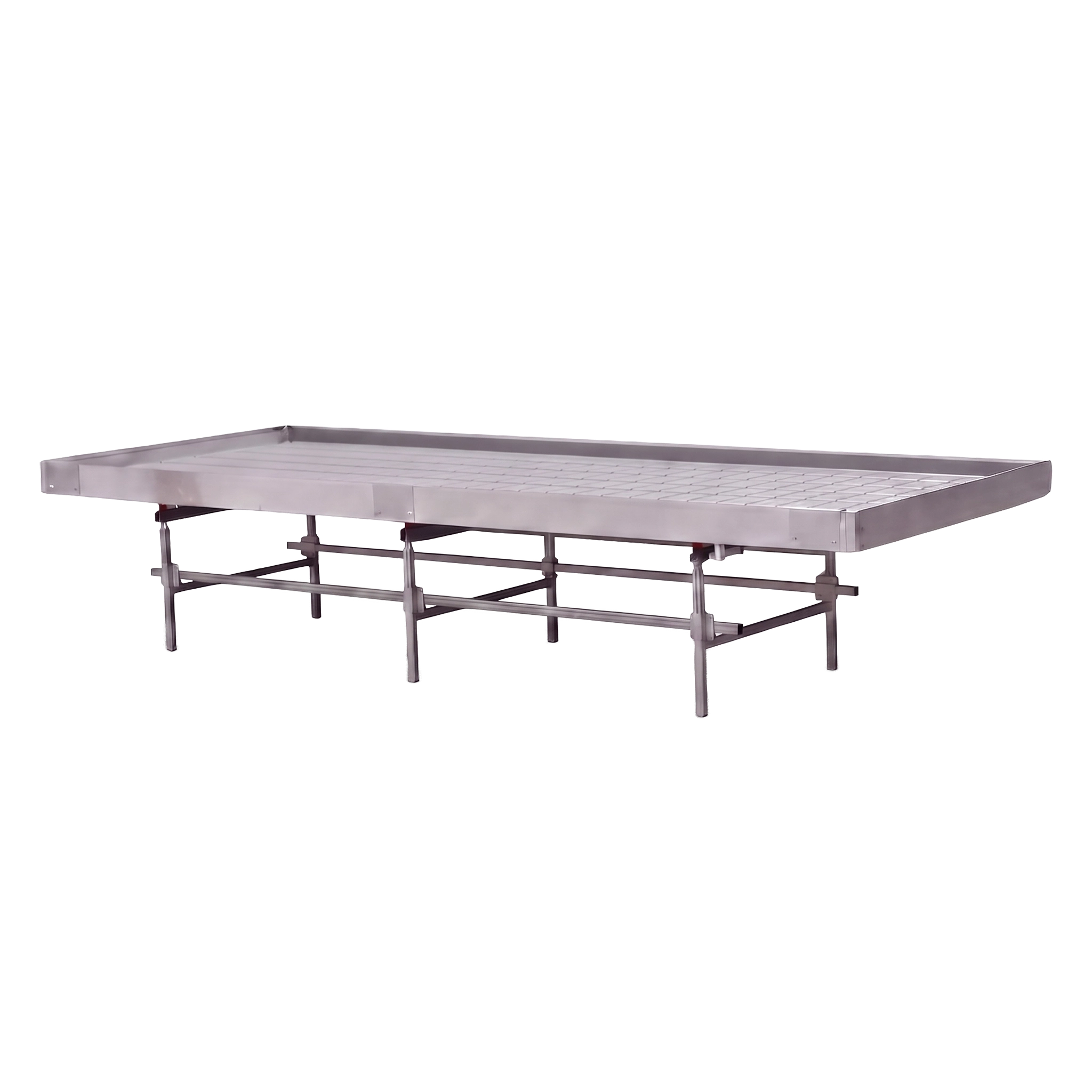
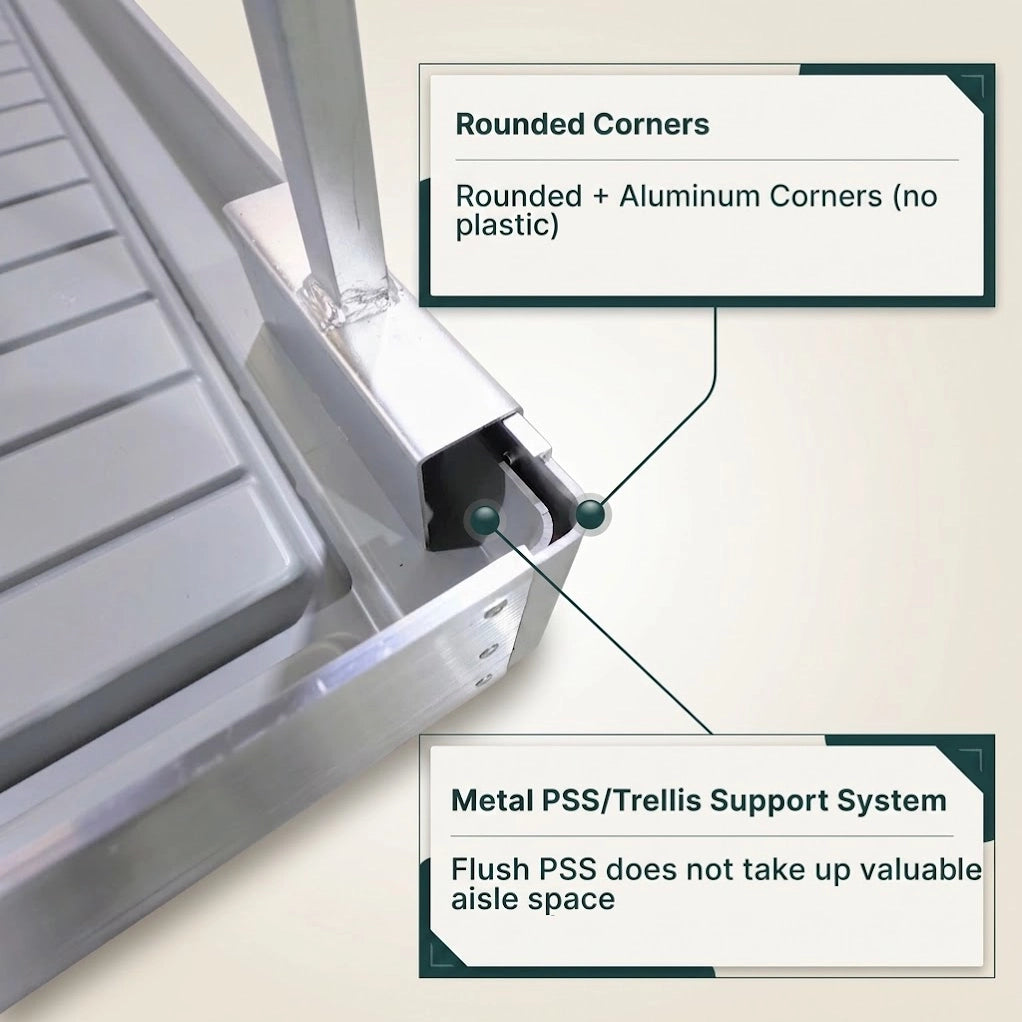
Benches lift plants to working height and hold the trays that catch runoff. Rolling benches shift sideways on pipes, so a room needs one open aisle instead of many. Track benches go further: whole benches move along floor rails, so long rows share a single aisle. CM Horticulture builds rolling, track and stationary benches to your width, length, height and tray type.
Choose it when
Pick something else if
Shop Rolling, track and stationary benches
Shop all benches and stands →Also works at scale
Best forEbb and flow, propagation and container crops on benches
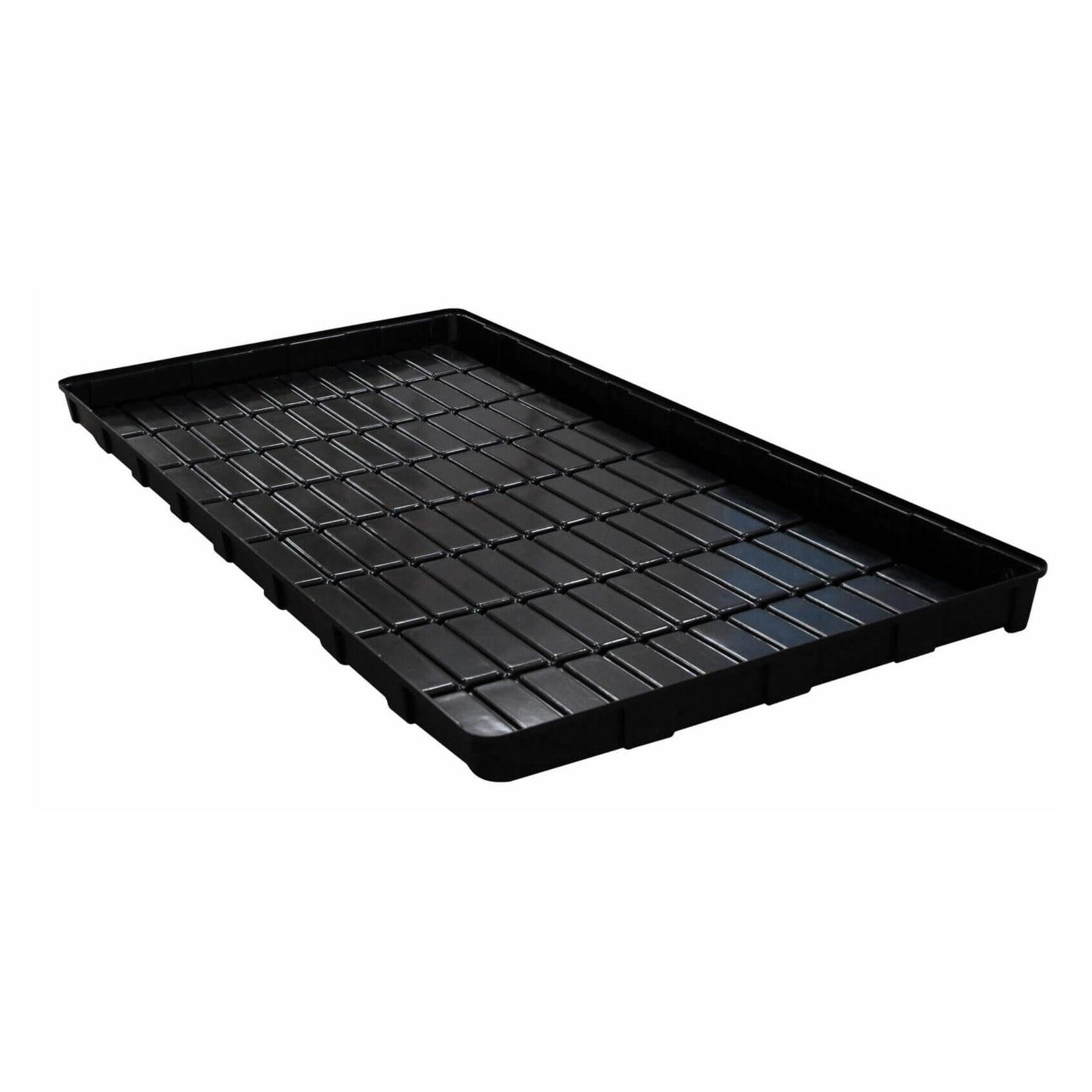
Flood tables fill with nutrient solution, soak the root zone, then drain back to the reservoir. The same trays sit on benches as drain trays for drip systems. Botanicare and Active Aqua trays come in standard 4x4, 4x8 and rack sizes.
Choose it when
Pick something else if
Shop Flood tables and grow trays
Shop all flood tables and trays →


Built for commercial scale
Best forLarge plants grown in water with fast vegetative growth
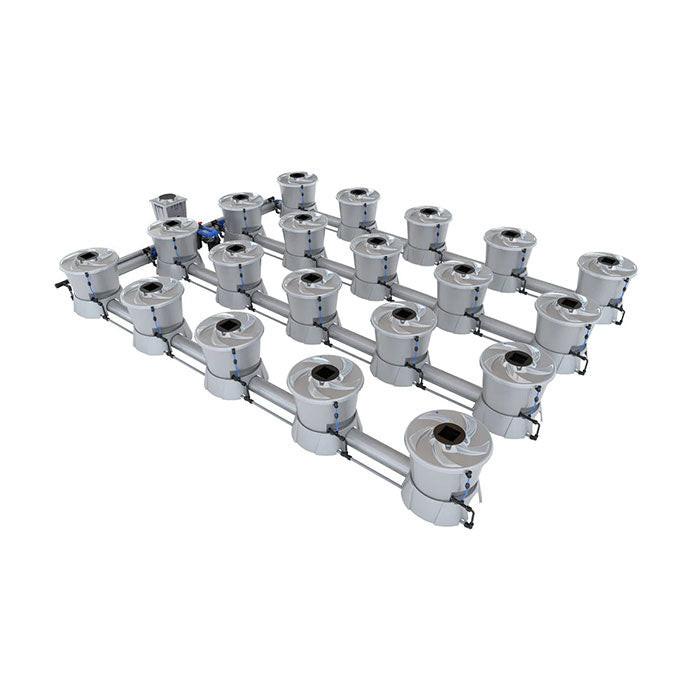
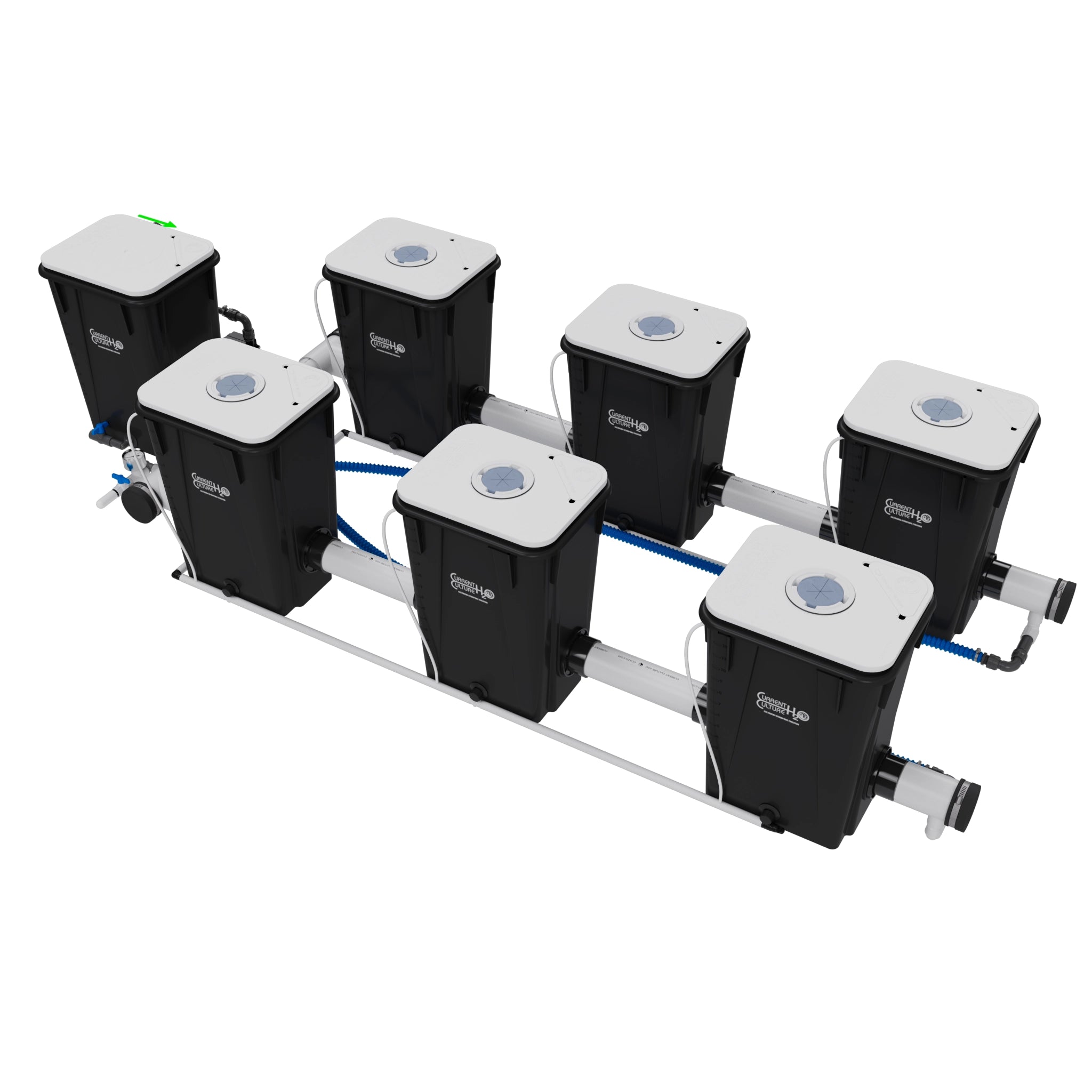
Plants sit in net pots above linked buckets or tanks. A pump moves oxygenated solution through every site and back to a control bucket, so you check and adjust one reservoir for the whole row.
Choose it when
Pick something else if
Shop Recirculating deep water culture (RDWC)
Shop all deep water culture →


Built for commercial scale
Best forRockwool, coco and soil grows of any size
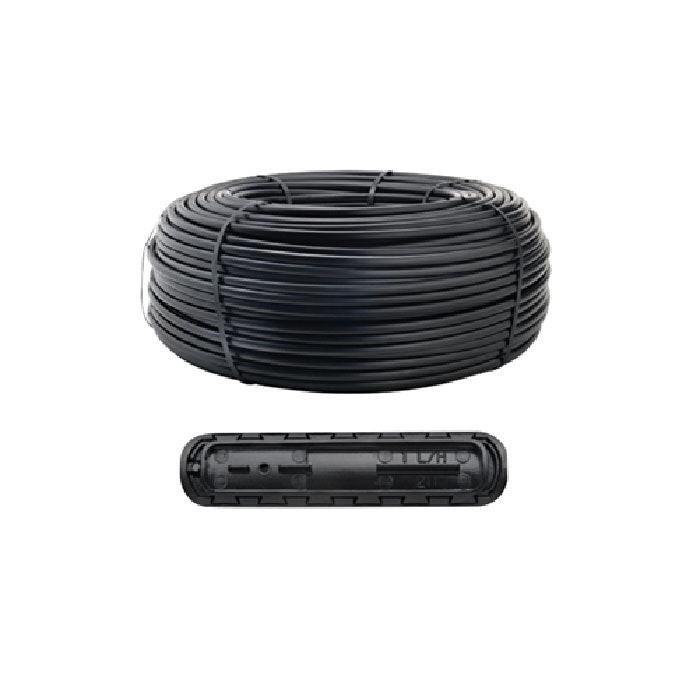
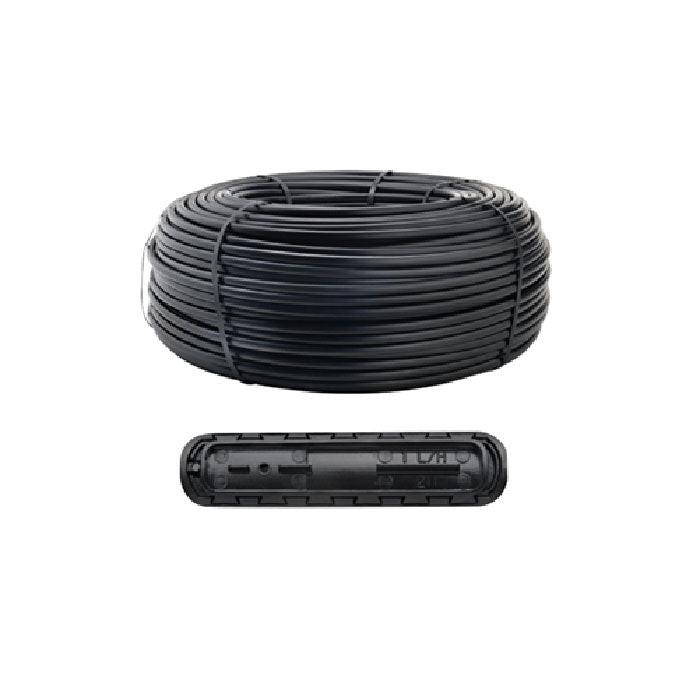
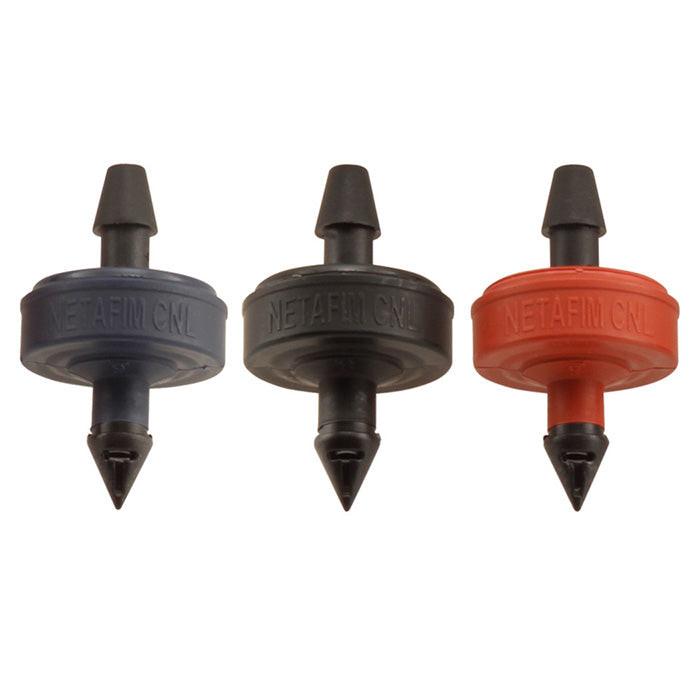
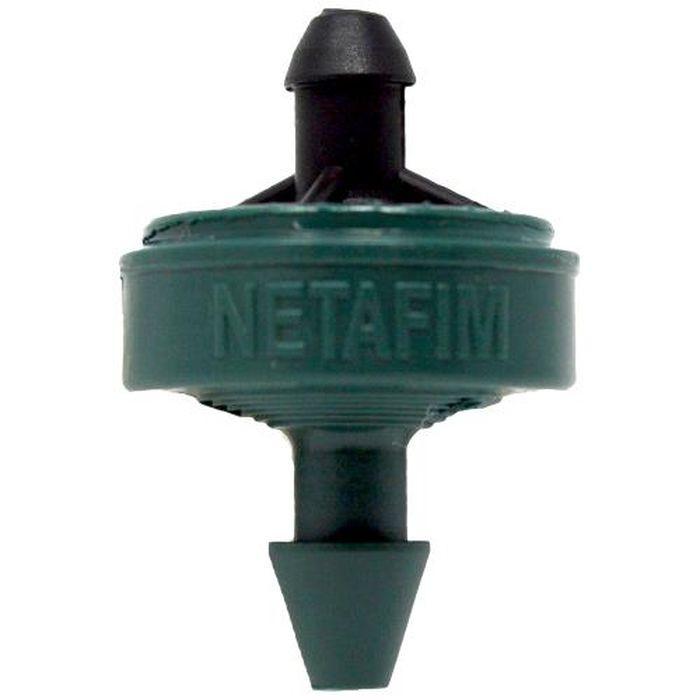
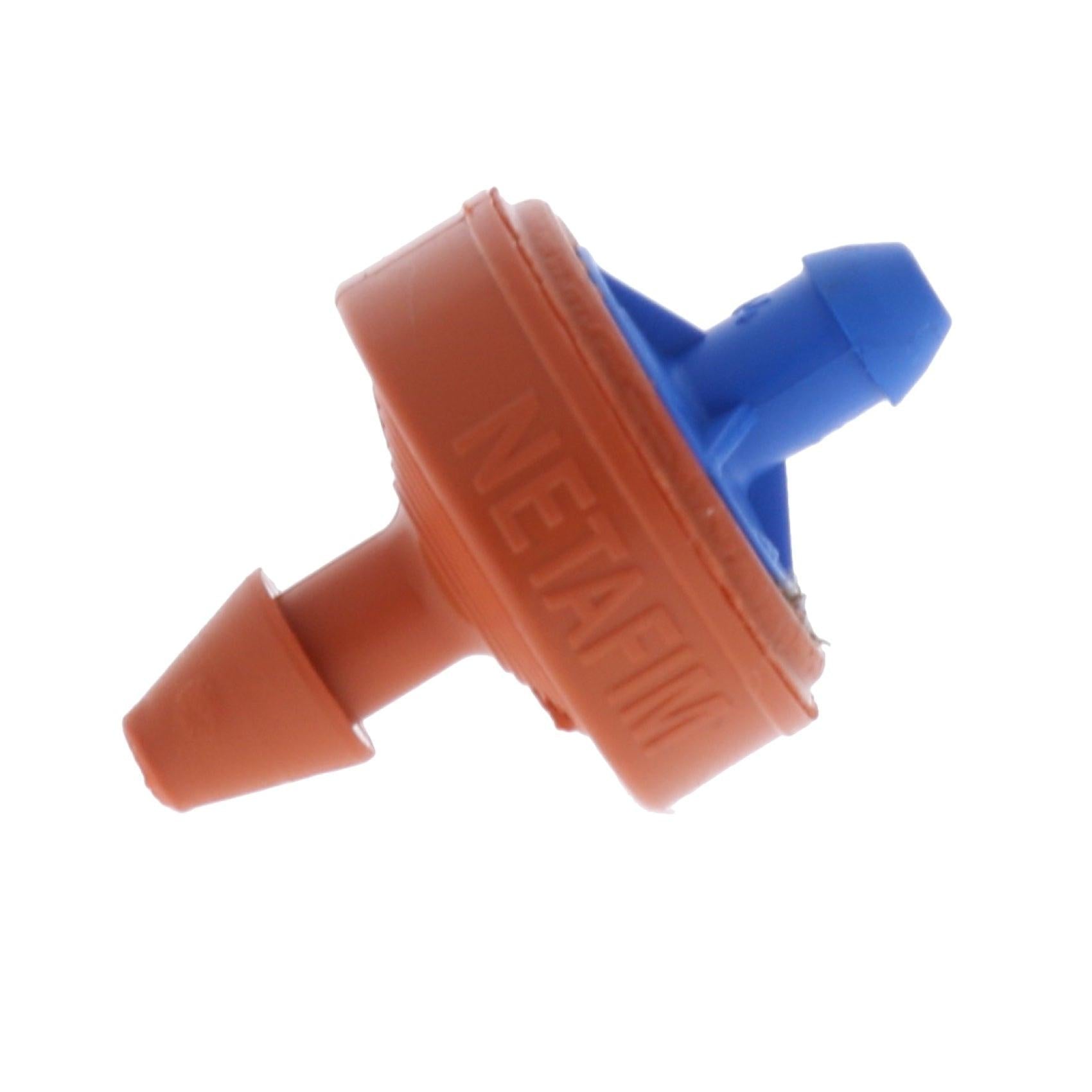
A pump pushes feed through mainline and dripline to an emitter at each plant. Pressure-compensating emitters deliver the same flow at the start and end of a long row. A filter ahead of the zone keeps emitters from clogging.
Choose it when
Pick something else if
Shop Commercial drip irrigation
Shop all drip irrigation →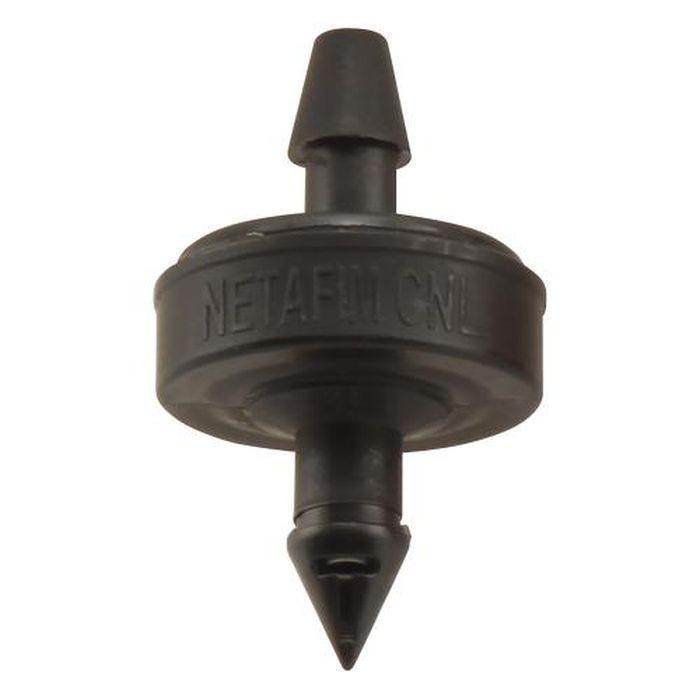
Built for commercial scale
Best forAny grow feeding more than a few hundred gallons a week
A commercial nutrient program runs on concentrate tanks and injectors instead of hand-mixed batches. Water-powered injectors such as Dosatron dose a set ratio into every gallon. Fertigation systems and controllers add EC and pH targets, zones and data logs.
Choose it when
Pick something else if
Shop Nutrient dosing and fertigation
Shop all fertigation systems →

Built for commercial scale
Best forHard, salty or changing source water
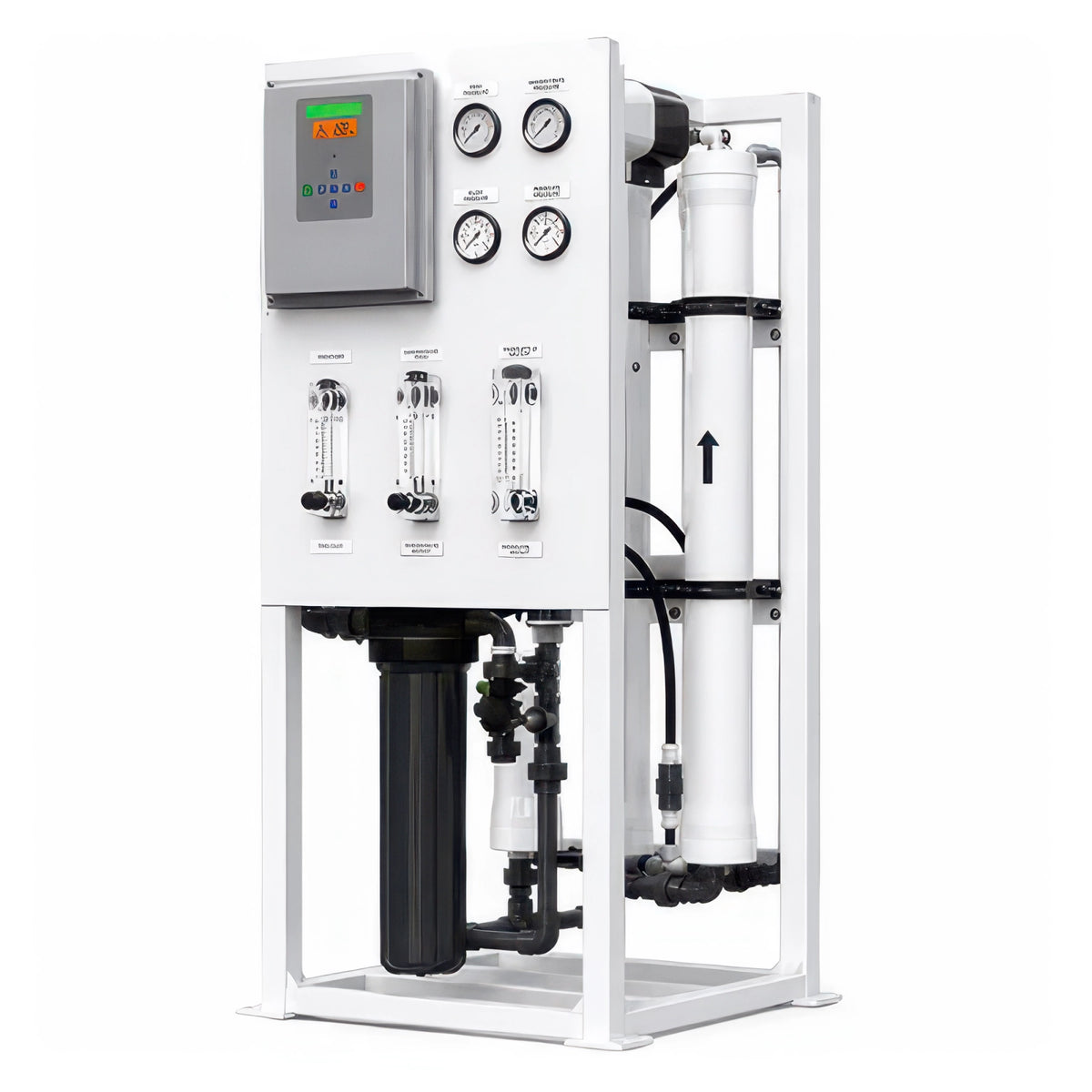
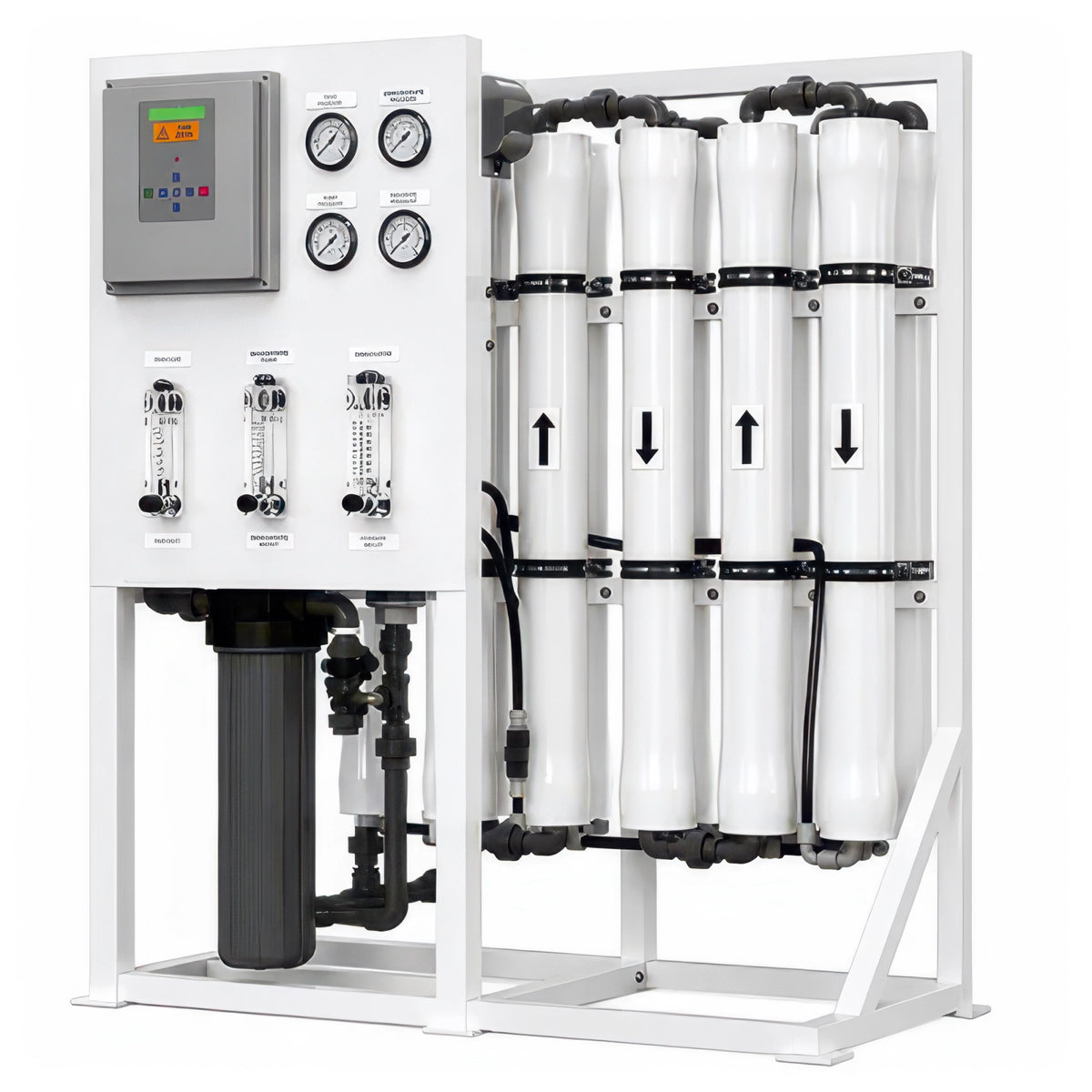
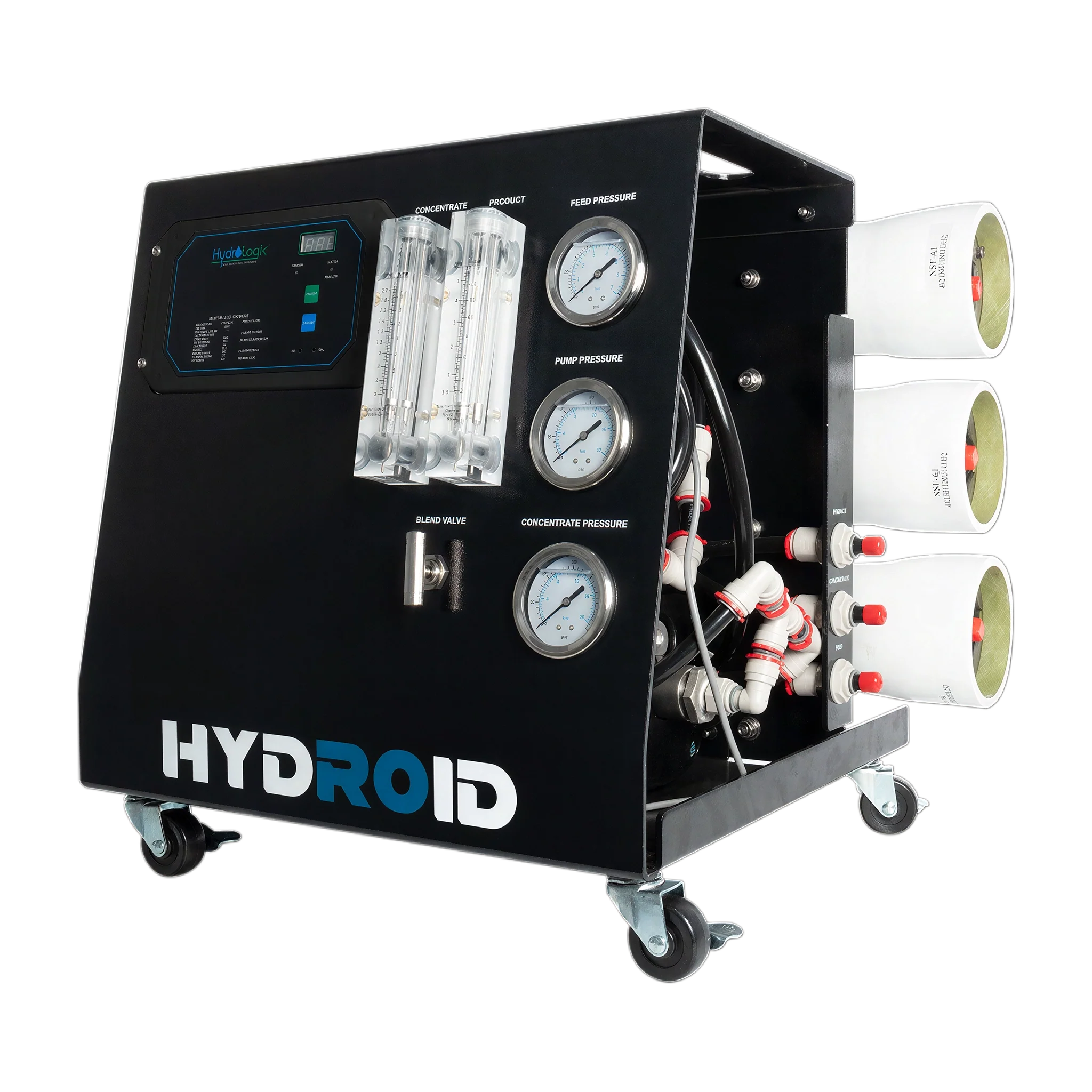
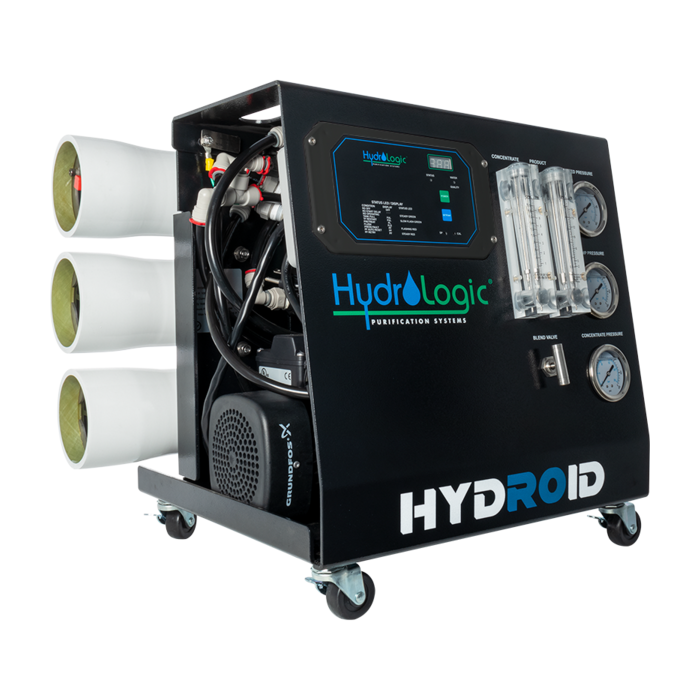
RO pushes water through a membrane that holds back most dissolved salts. Carbon and sediment filters ahead of it remove chlorine and grit that would damage the membrane. Commercial units are sized in gallons per day.
Choose it when
Pick something else if
Shop Reverse osmosis water systems
Shop all RO systems →
Built for commercial scale
Best forRDWC, recirculating systems and warm rooms
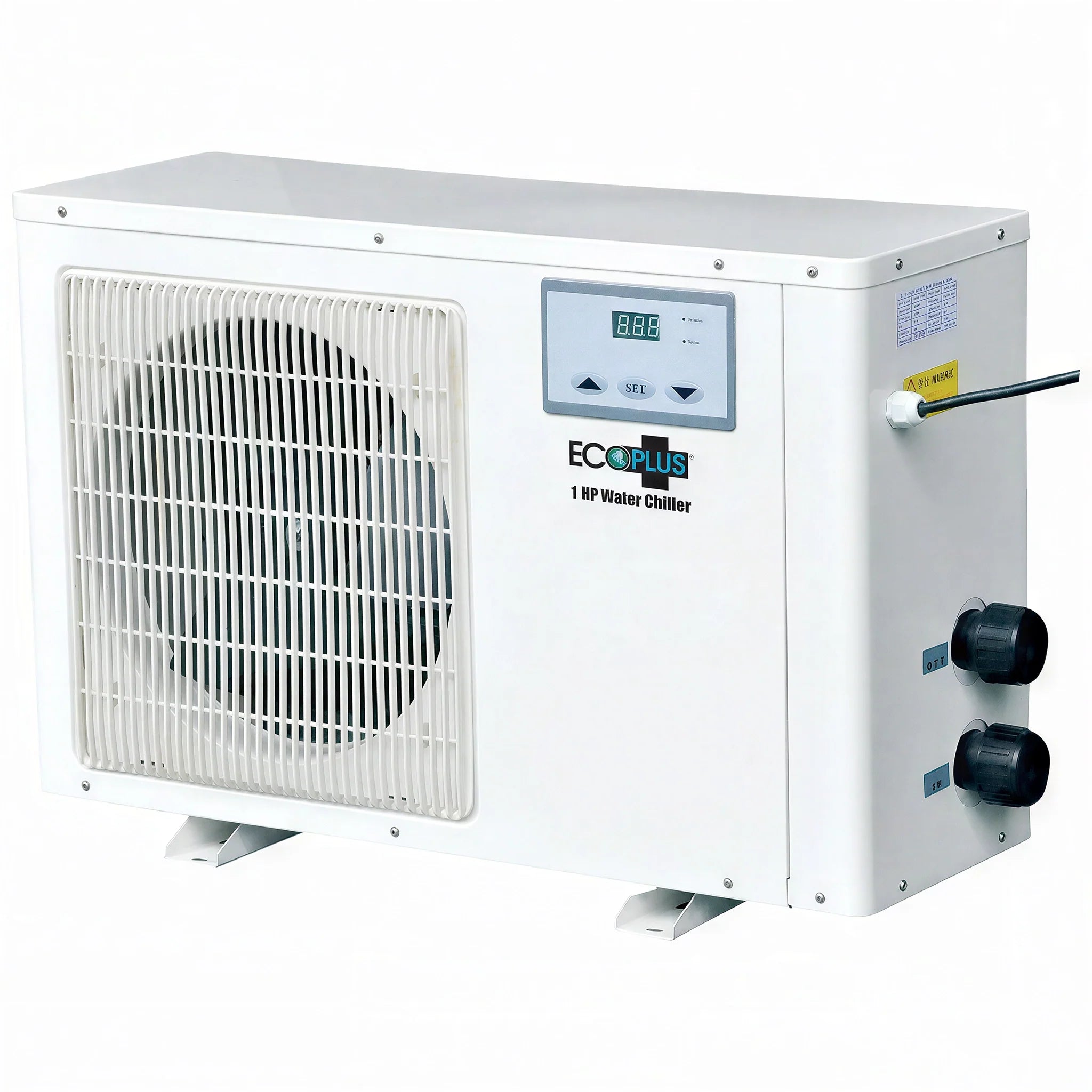
Cool water holds more oxygen and slows root disease. Chillers hold the reservoir at a set temperature. Oxygen concentrators and nanobubble generators raise dissolved oxygen beyond what air stones can reach.
Choose it when
Pick something else if
Shop Water chillers and dissolved oxygen
Shop all water chillers →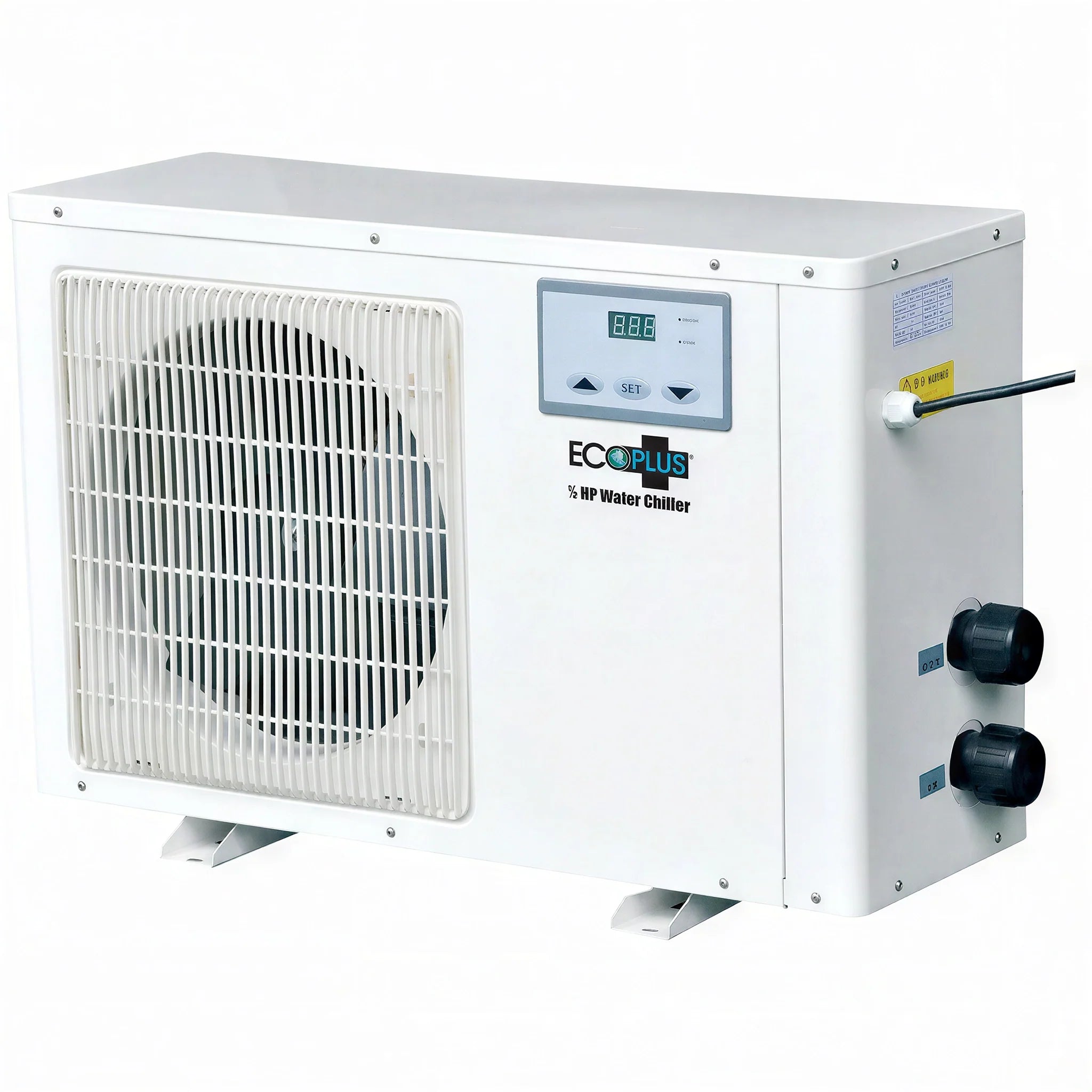
Built for commercial scale
Best forDrip-fed flower rooms and greenhouse crops
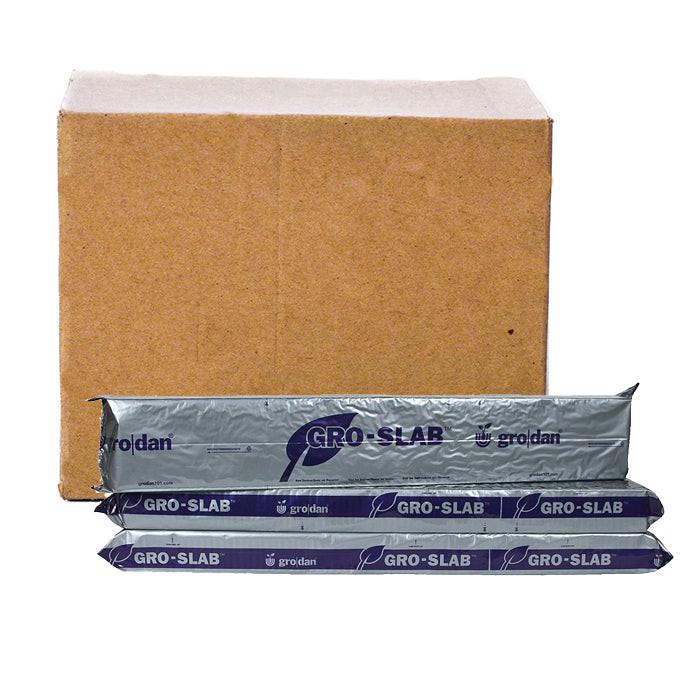
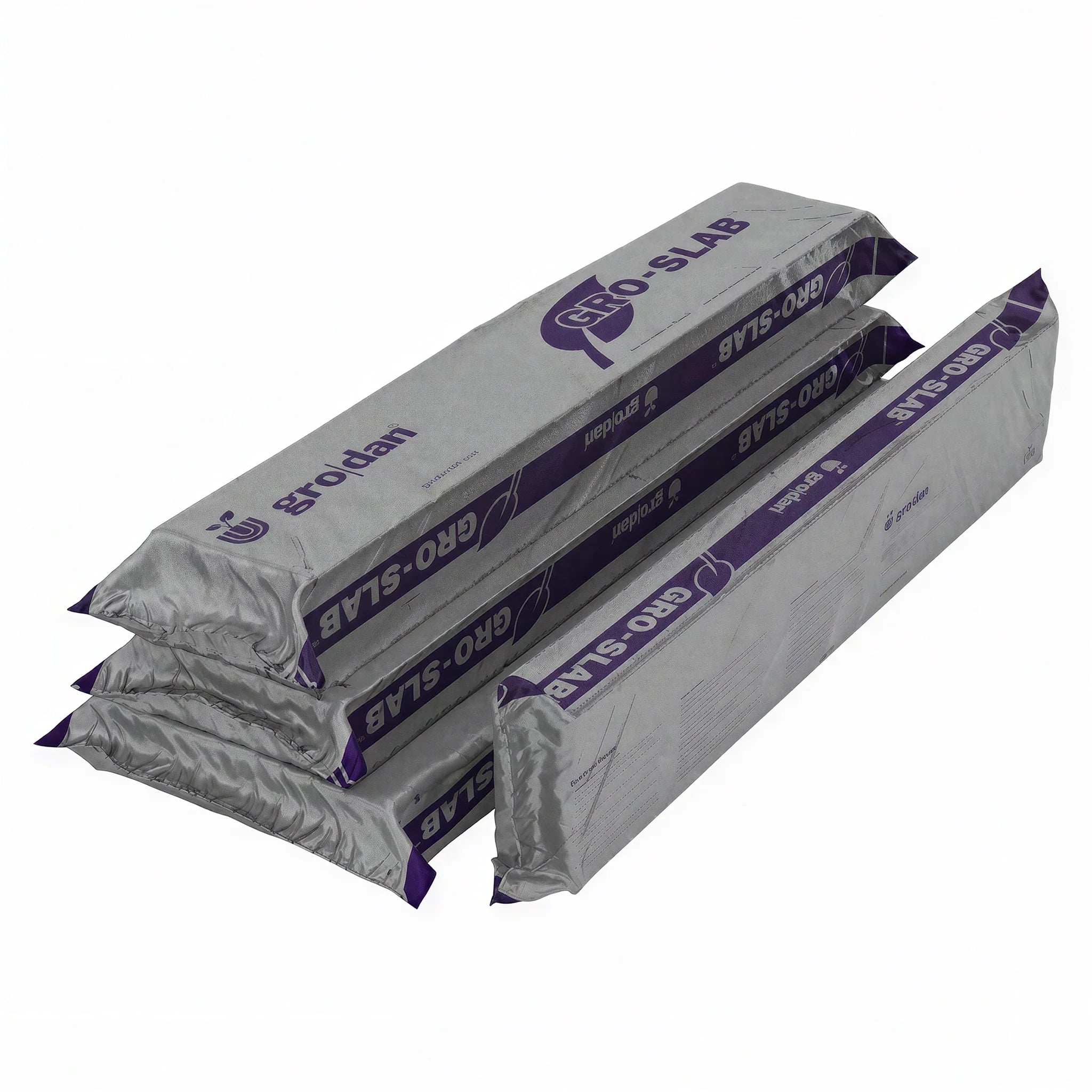
Rockwool slabs hold water and air in a steady ratio, so growers can steer plants with irrigation timing. Blocks go on top of slabs to transplant without disturbing roots. Coco is the main alternative and also drains well.
Choose it when
Pick something else if
Shop Rockwool slabs and grow media
Shop all hydroponic grow media →



| Method | Media | Water use | Disease risk | Labor | Best for |
|---|---|---|---|---|---|
| Drip into rockwool or coco | Rockwool, coco | Low with drain-to-waste | Each plant separate | Low (automated) | Most flower rooms |
| RDWC | Water only | Very low | Shared water | Daily checks | Fast vegetative growth |
| Ebb and flow tables | Cubes, pots | Low | Shared water | Low | Clones, small plants |
General guidance from university extension research. Your crop, room and team matter more than the method.
An injector ratio is the share of concentrate in the finished solution. At 1:100, every 100 gallons of feed contain 1 gallon of concentrate, or 1 percent. Use the table to turn a ratio into ounces or milliliters per gallon, then set your stock tank strength to hit your target EC.
| Ratio | Percent | Concentrate per gallon |
|---|---|---|
| 1:50 | 2% | 2.56 oz (75.7 mL) |
| 1:100 | 1% | 1.28 oz (37.9 mL) |
| 1:200 | 0.5% | 0.64 oz (18.9 mL) |
| 1:500 | 0.2% | 0.26 oz (7.6 mL) |
Dosatron injection ranges from Dosatron product specifications. Per-gallon amounts are our math (1 gallon = 128 oz = 3,785 mL).
It's a soilless growing setup built to run a whole facility, not one tent. Plants grow in rockwool, coco or water on benches or in linked tanks. Pumps, injectors and controllers deliver feed automatically, and water treatment keeps the solution consistent. Most commercial systems combine benches, drip or RDWC, nutrient dosing and RO water.
Drip into rockwool or coco is the most common choice for large flower rooms. Each plant is fed separately, so one sick plant doesn't infect the rest. RDWC grows fast but needs cool water and daily checks. Ebb and flow suits clones and smaller plants. Pick the one your team can run every day.
Start with water, then feed, then the growing system. Most farms need an RO system and reservoirs, a nutrient injector or fertigation system, pumps and drip irrigation or RDWC, benches and trays, and grow media. Add lighting, climate control and monitoring. Our team can quote the full list from your floor plan.
Not always, but most commercial growers use it. Test your source water first. If it's high in salts, sodium or alkalinity, or changes through the year, RO removes most of it so every batch starts the same. Low-salt water may only need sediment and carbon filtering to remove grit and chlorine.
Mix concentrates in separate A and B stock tanks and dose them with injectors. Calcium and phosphate or sulfate can react and settle out if mixed strong, so they stay apart until diluted. Water-powered injectors like Dosatron dose a set ratio. Fertigation controllers add EC and pH targets, zones and logs.
Usually, yes, when floor space limits your plant count. Fixed benches need an aisle beside each one, so often only 50 to 70 percent of the floor grows plants. Rolling benches share one moving aisle and can push that to about 90 percent, extension studies show. Use our bench layout planner to compare layouts.
Send us your floor plan, crop and water test. We'll suggest benches, irrigation, dosing and water treatment, then quote the full system.
Sources