Mylar, Panda Film & Reflective Grow Room Wall Coverings
Light that reaches your walls and ceiling without reflecting back to the canopy is wasted energy - and wasted electricity cost. Reflective wall coverings redirect that light back into the growing zone, improving canopy uniformity, increasing effective PPFD across the plant surface, and reducing the number of fixtures needed to achieve target light levels. A quality reflective hood directs fixture output efficiently; reflective walls and ceilings capture and redirect everything the hood misses. Use our PPFD & Light Coverage Calculator to model how reflective coverage improvements affect your effective canopy PPFD alongside your fixture data.
Mylar Film: Up to 97% Reflectivity
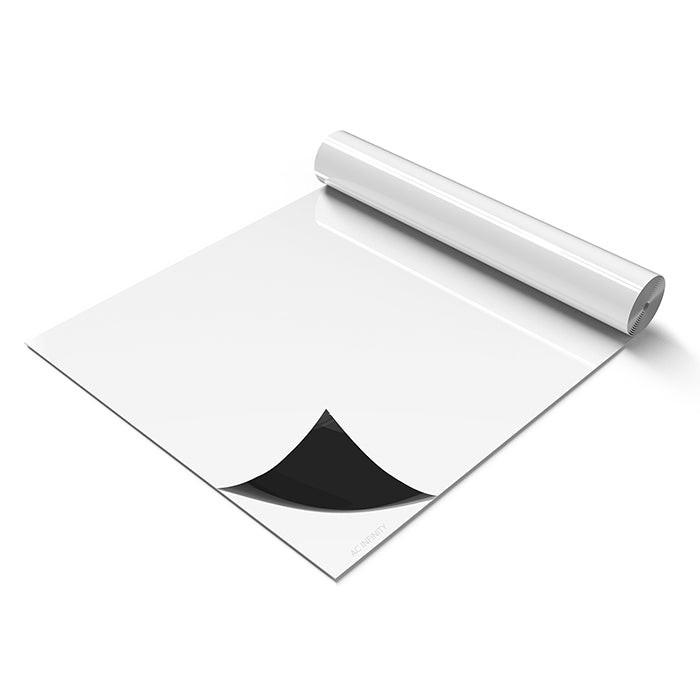
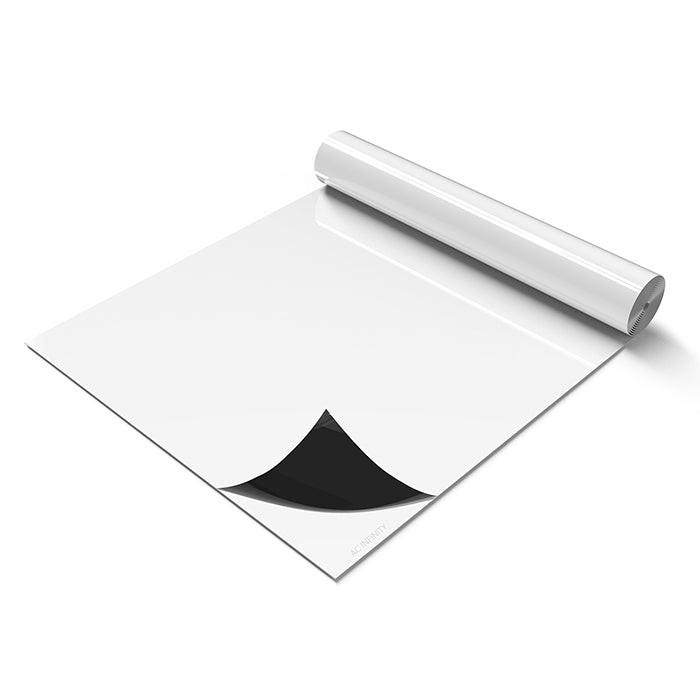
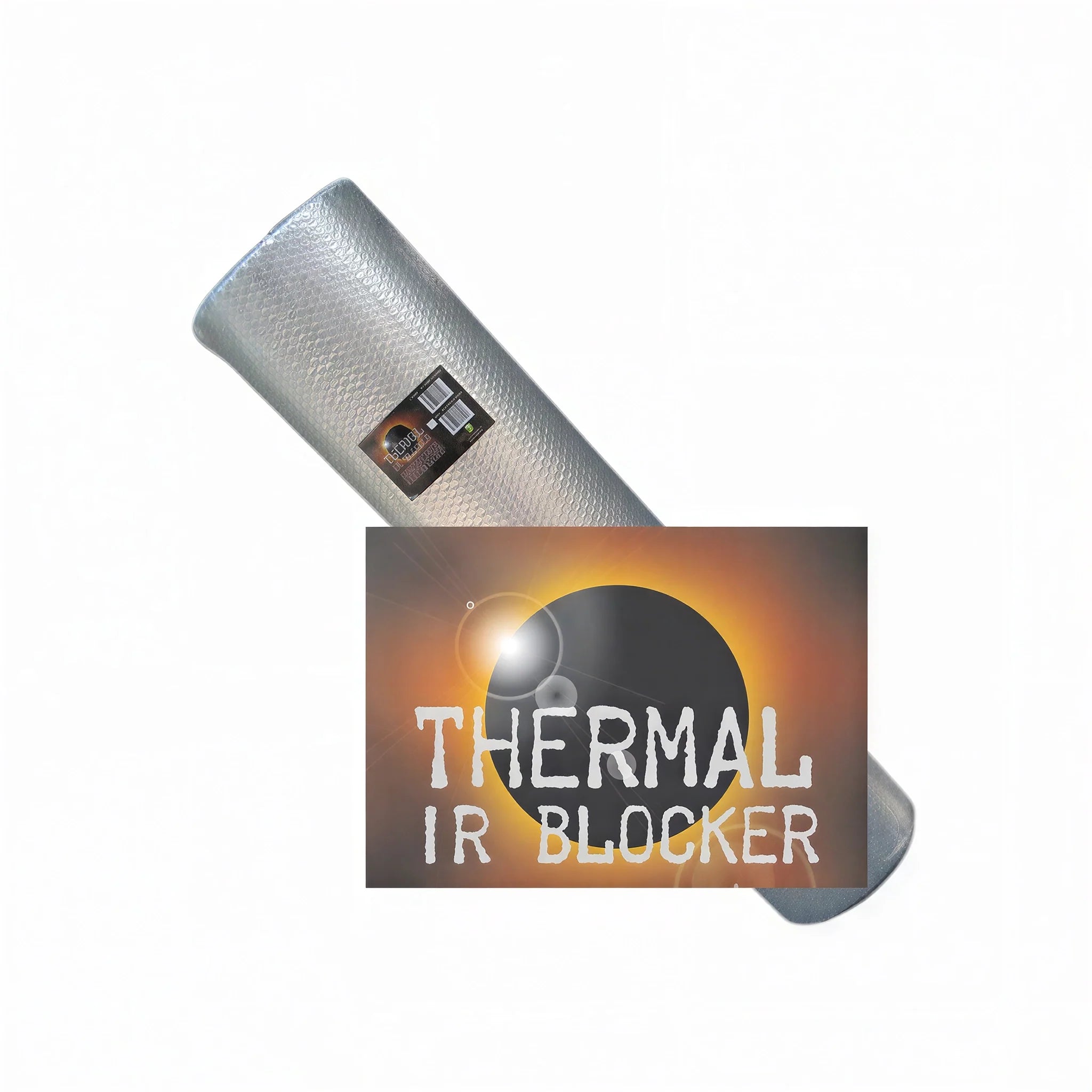
Mylar film is the most reflective option available at up to 97% when smooth and wrinkle-free - the highest reflectivity available in any grow room wall material. Standard flat mylar is most effective when kept perfectly smooth and scratch-free; wrinkles and scratches create focal points that concentrate reflected light and can cause intensity hot spots on the canopy. Patterned (diamond-embossed) mylar diffuses reflected light more evenly, significantly reducing hot spot risk while maintaining high overall reflectivity (typically 92-95%). For most growers who cannot guarantee a perfectly smooth installation, patterned mylar is the safer, more practical choice. Both are available in roll formats from 25 to 100 feet for any room size.
Panda Film & Poly Sheeting
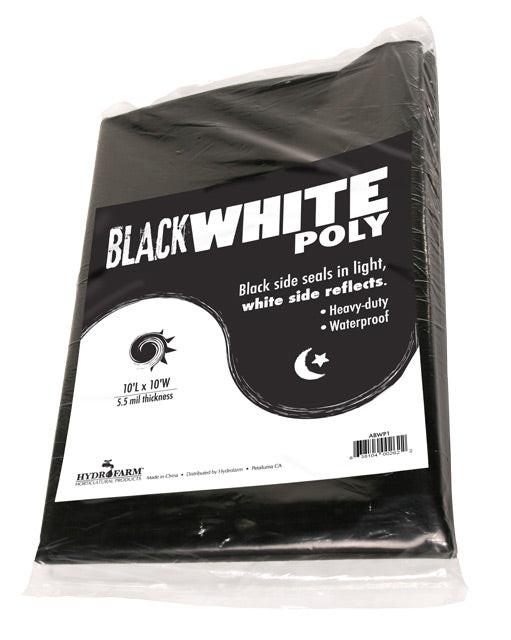
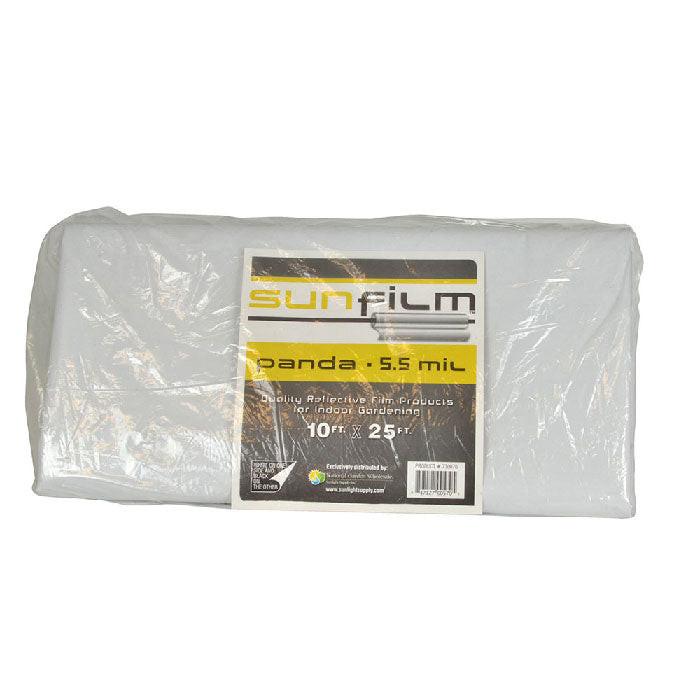
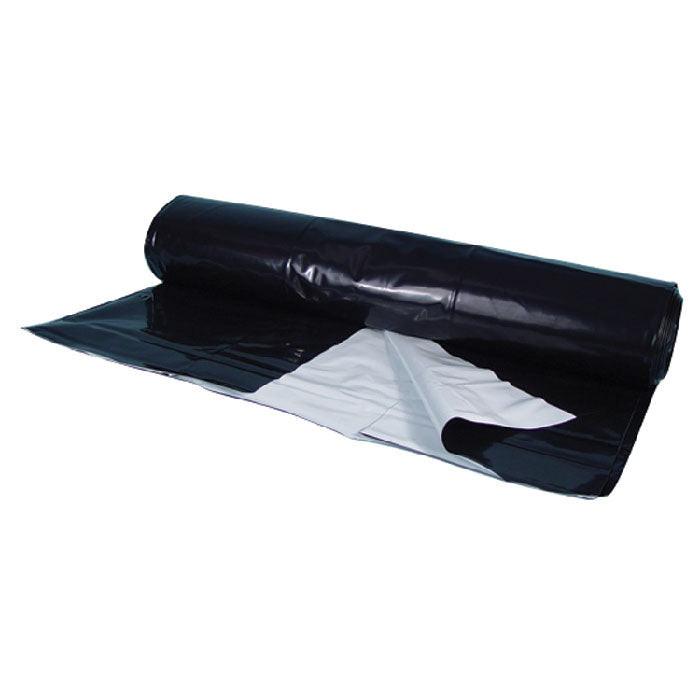
Panda film - black-and-white poly sheeting - reflects approximately 90% from the white face while the black reverse blocks all light transmission. This makes panda film ideal for room partitioning, light-proofing divided spaces, and preventing light bleed between growing zones with different light schedules. White poly sheeting provides cost-effective large-area coverage for commercial spaces where per-square-foot cost is the priority. Orca Grow Film offers premium diffuse reflectivity (approximately 94%) with a woven texture that resists tearing and performs well in humid grow room conditions where standard mylar can degrade over time - the preferred choice for permanent grow room installations.
Installation Tips
Keep all reflective films smooth, scratch-free, and clean for maximum performance. Reflective film tape and corner pieces make installation cleaner and seal light-leak points at seams and edges. For temporary installations, adhesive-backed mylar eliminates the need for fasteners. Clean reflective surfaces periodically - dust and residue reduce effective reflectivity over time.
Pair reflective wall coverings with LED grow lights or HPS fixtures, and explore grow tents for a fully integrated reflective growing environment with built-in mylar lining. Fast shipping.
Reflective Grow Room Coverings FAQ
What is the difference between flat mylar and patterned mylar?
Flat mylar reflects up to 97% of incident light when smooth and wrinkle-free - the highest reflectivity available. However, any wrinkles or scratches create focal points that concentrate reflected light into hot spots on the canopy, potentially causing bleaching or heat stress directly below. Patterned (diamond-embossed) mylar uses a textured surface that diffuses reflected light more evenly, significantly reducing hot spot risk while maintaining high overall reflectivity (typically 92-95%). For most growers who cannot guarantee a perfectly smooth flat installation, patterned mylar is the safer, more practical choice. The marginal reflectivity difference is outweighed by consistent, hot-spot-free canopy coverage.
What is panda film and when should I use it instead of mylar?
Panda film is black-and-white poly sheeting - the white face reflects approximately 90% of light; the black reverse blocks all light transmission completely. Use panda film when you need to partition a room into separate light-tight growing zones, create a temporary wall, or divide a space into sections with different light schedules. Panda film is more affordable per square foot than mylar for large-area coverage, easier to handle without wrinkling, and the light-blocking back face is useful wherever complete light opacity is needed. Use mylar when maximum reflectivity at the growing surface is the primary goal.
Does reflective wall covering actually improve yields?
Yes, measurably. In a bare-walled white room, approximately 10-20% of fixture output is lost to wall absorption before it reaches the canopy. With high-reflectivity mylar, this loss drops to 3-8%. In practical terms, adding reflective coverings to bare walls in an existing setup can increase effective canopy PPFD by 5-15% without changing fixtures or wattage - a meaningful improvement, particularly at canopy edges where PPFD drop-off is most pronounced. The improvement is most significant for growers with open-room grows without enclosed reflective surfaces. Grow tents with built-in mylar lining already capture most of this benefit.
What is Orca Grow Film and how does it compare to mylar?
Orca Grow Film is a woven, diffuse-reflective grow room liner with a textured white surface that reflects approximately 94% of light in a diffuse (scattered) pattern rather than the specular (mirror-like) reflection of flat mylar. Diffuse reflection distributes light more evenly across the canopy and is less susceptible to wrinkling problems than mylar. Orca is significantly more durable and tear-resistant - suitable for permanent installations where standard mylar would degrade over time in humid growing conditions. Orca is the preferred choice for permanent grow room build-outs where longevity matters; mylar is fine for temporary setups, grow tent repair, and budget-conscious applications.
Why are grow tents reflective inside and do I need additional mylar?
Grow tents use a mylar lining on the interior walls specifically to reflect light back to the plant canopy rather than absorbing it into the canvas. This built-in lining is one of the primary functional advantages of a tent over an open room. For growers using a grow tent, additional mylar on the tent walls is generally not needed - the built-in lining already provides the reflective surface. Additional mylar is useful for: dividing tent space with a light-proof barrier, repairing damaged or degraded tent lining, creating reflective surfaces outside the tent in a larger room, or adding reflective coverage to a bare-wall open grow room that lacks built-in reflective surfaces.