Seedling Heat Mats for Propagation & Germination
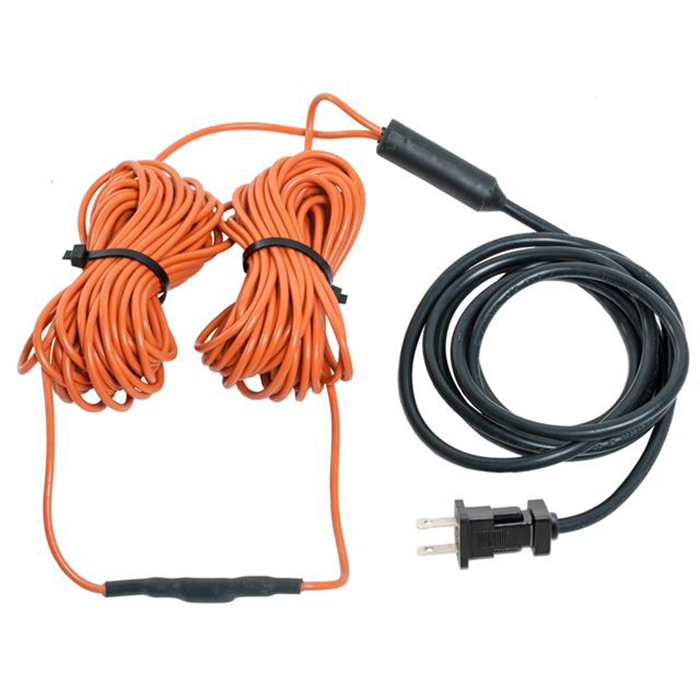
Propagation heat mats raise the temperature of the growing medium surface to the range that maximizes germination rates and root initiation speed. Most plant seeds germinate optimally at 70-85 degrees F substrate temperature; most cuttings root fastest at 75-80 degrees F at the base of the cutting. In grow rooms and facilities where ambient temperature is often cooler than these targets -- especially during lights-off periods -- a heat mat under the propagation tray ensures the root zone stays at optimal temperature regardless of ambient fluctuation. The difference in rooting speed between a properly heated and an unheated propagation setup is typically 30-50%.
Standard vs. Thermostat-Controlled Mats
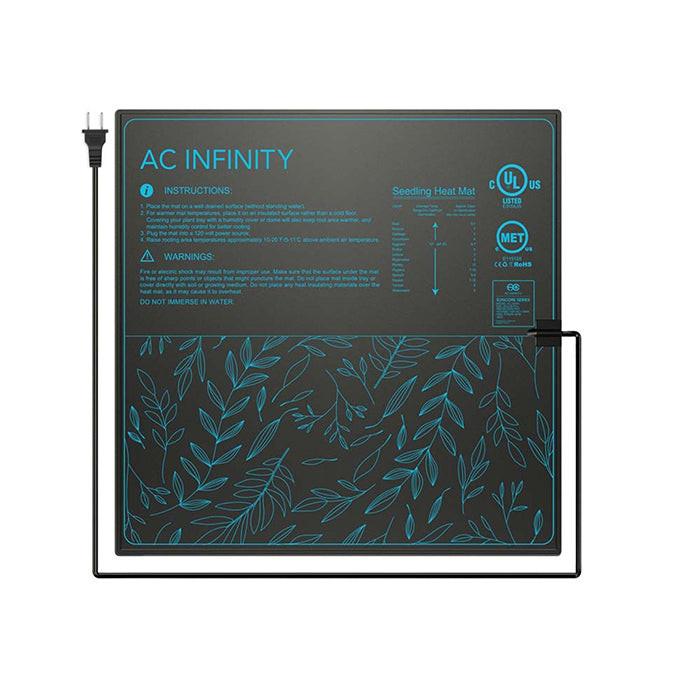
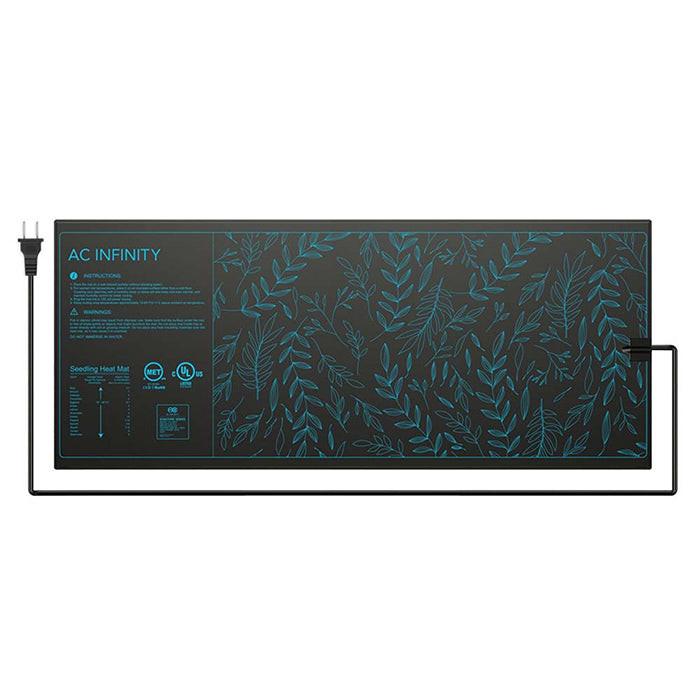
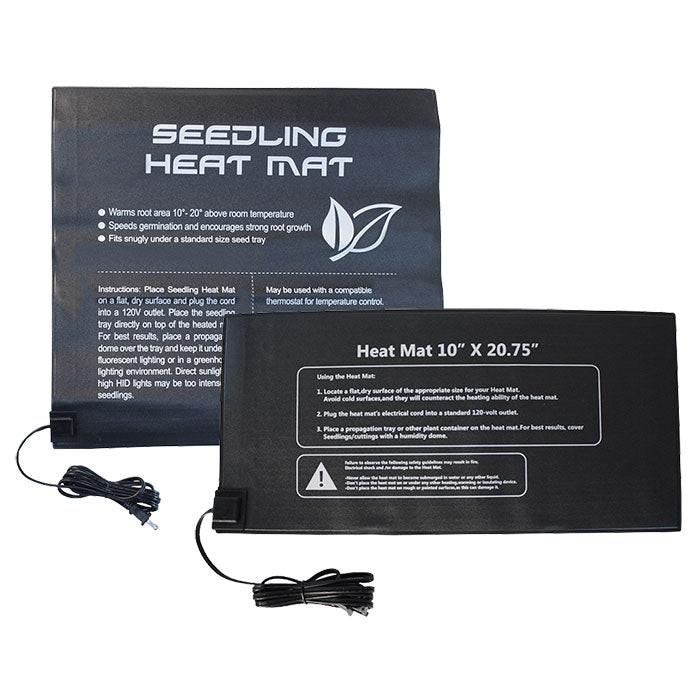
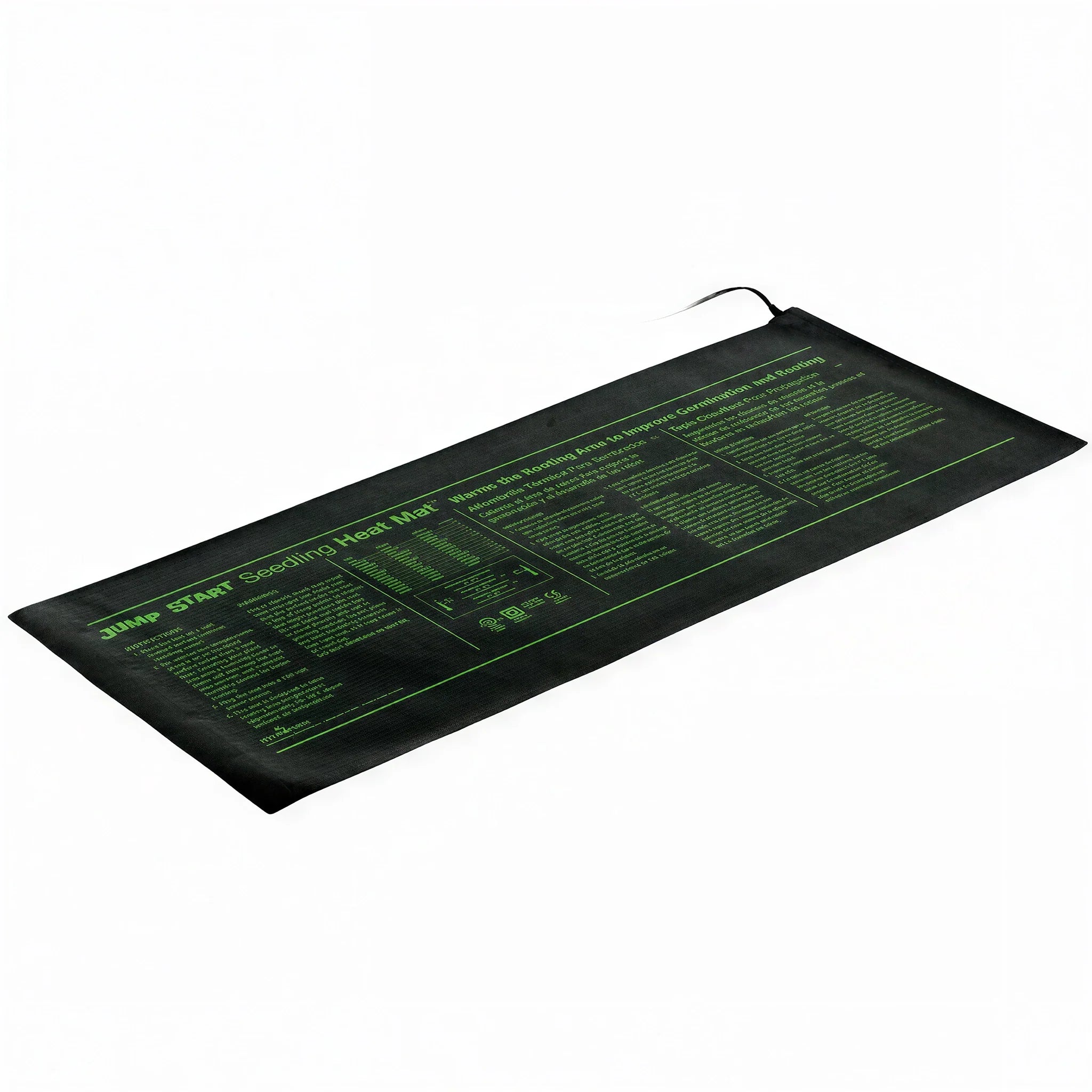
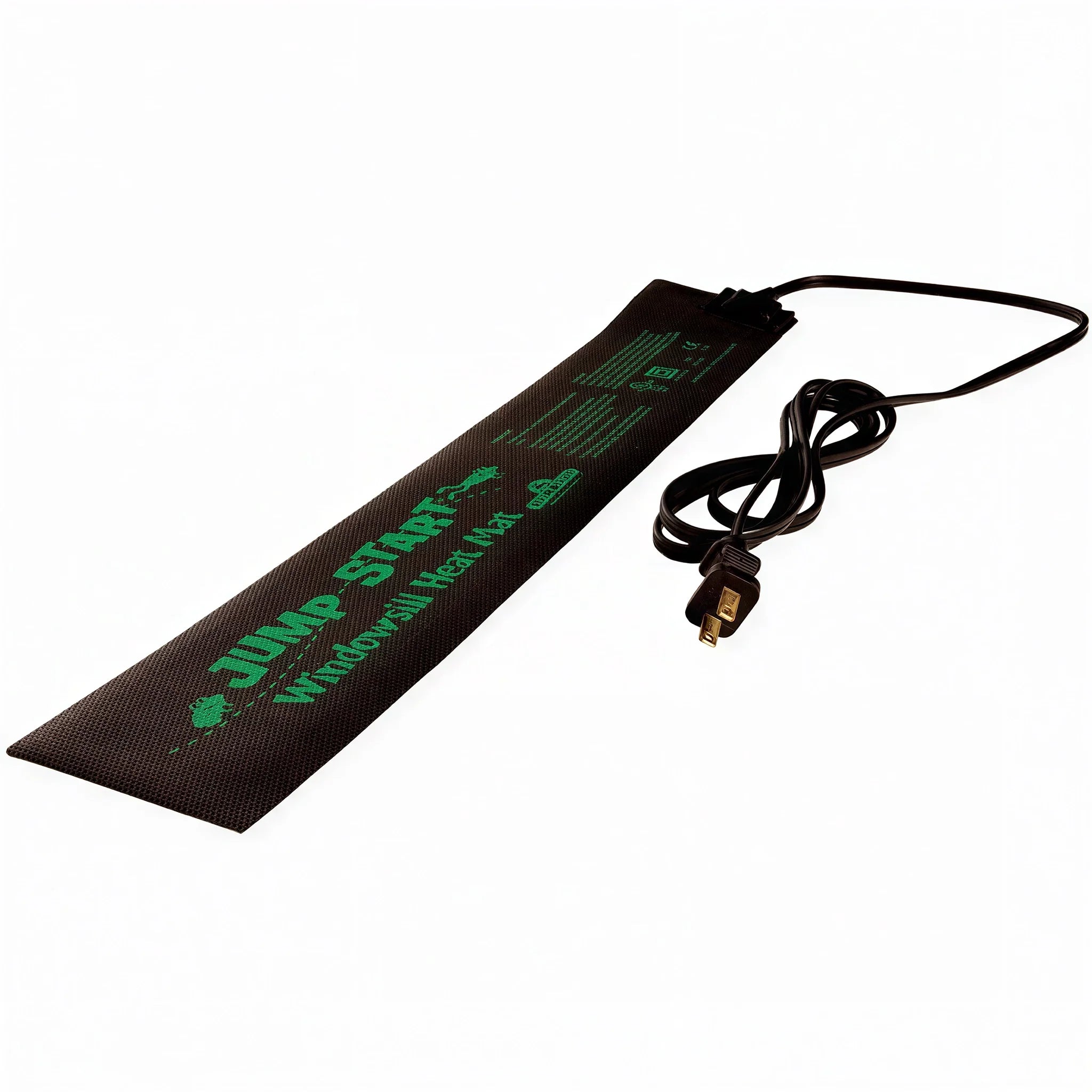
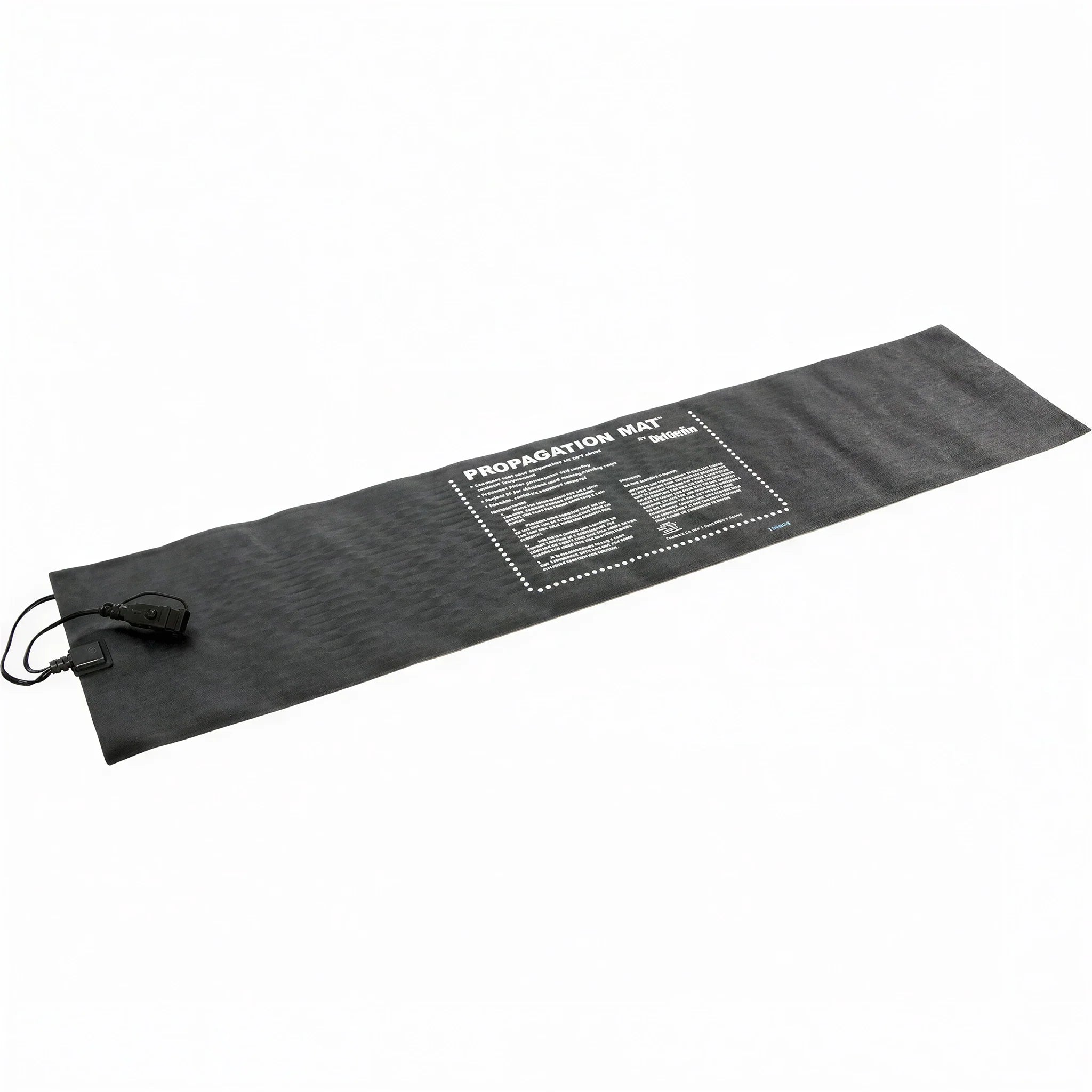
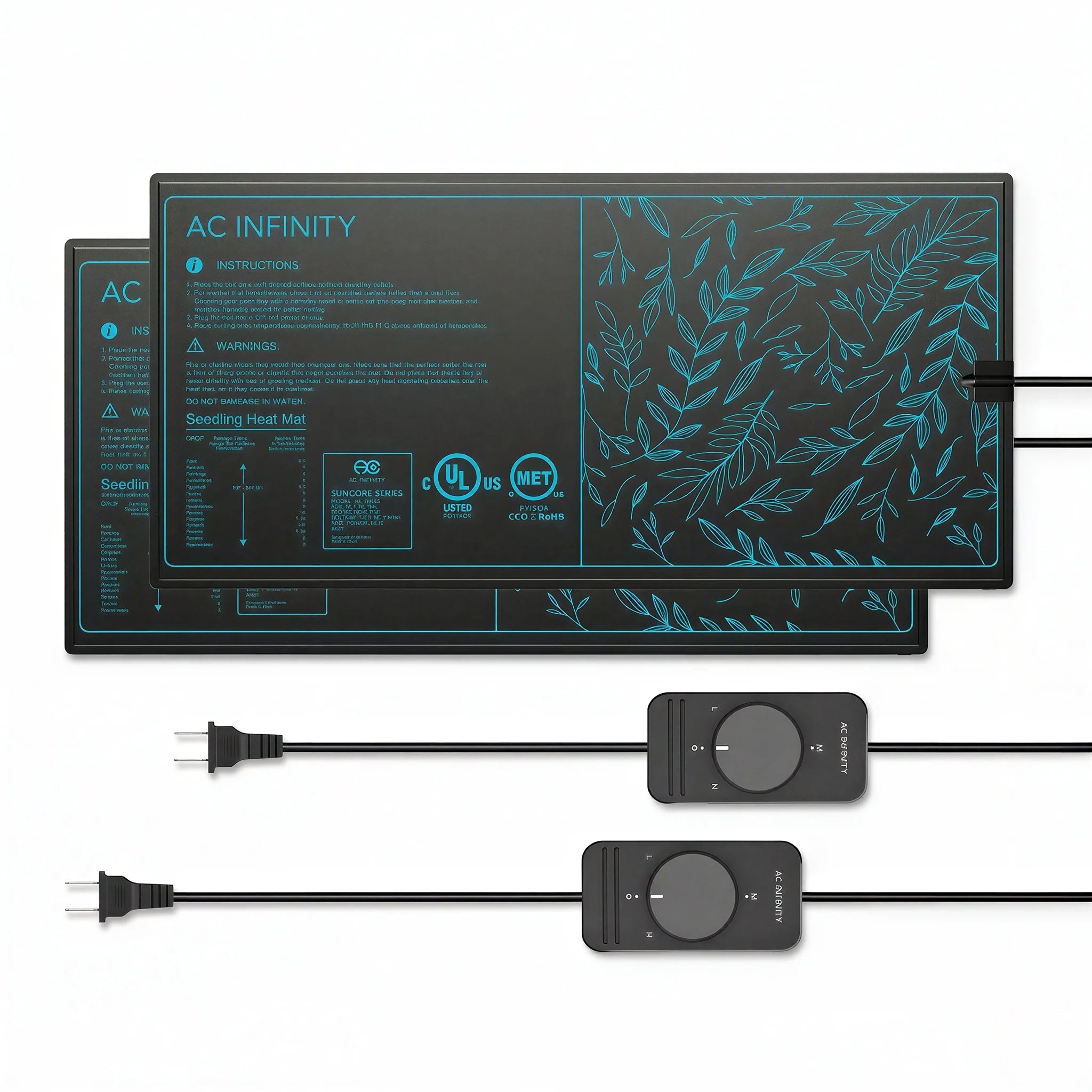
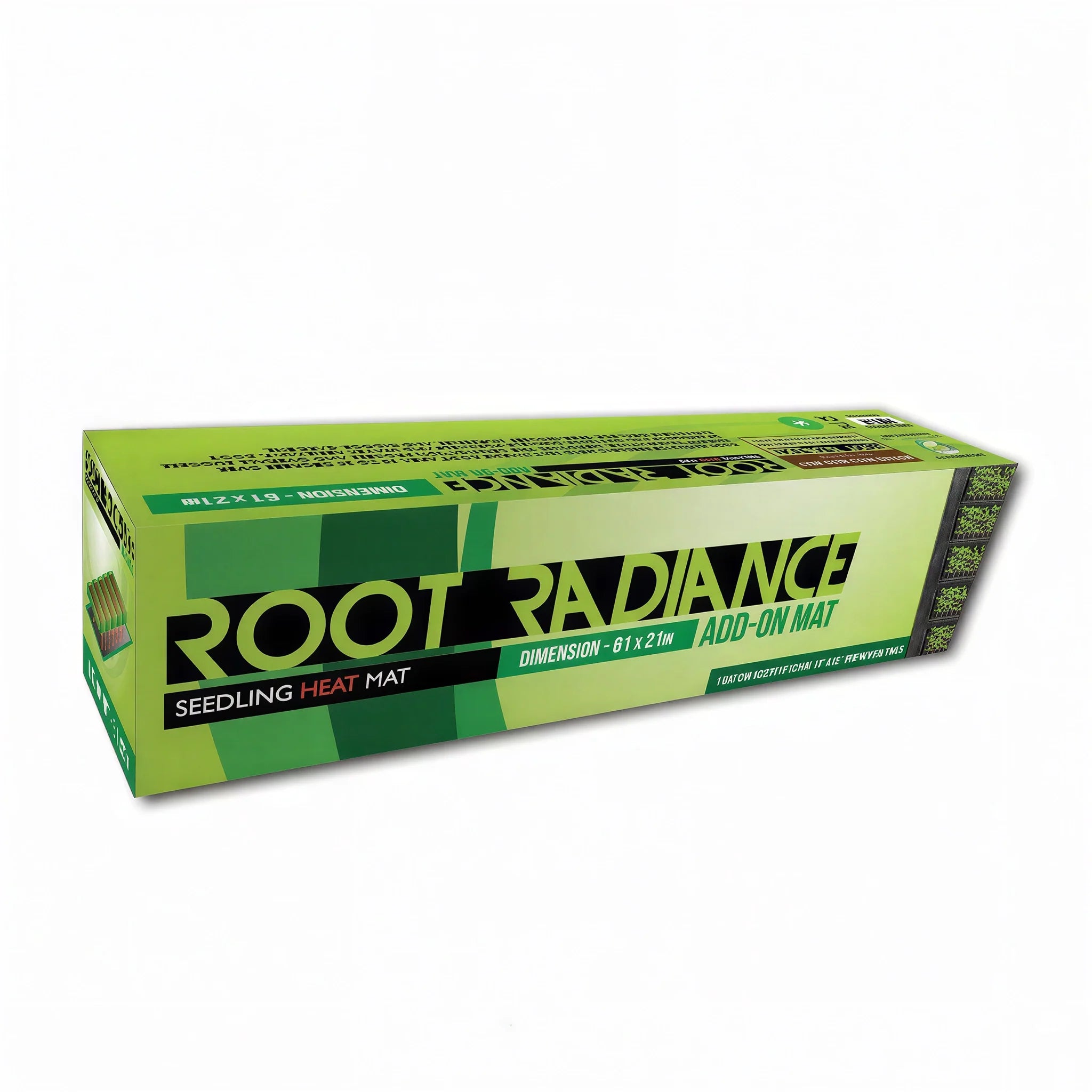
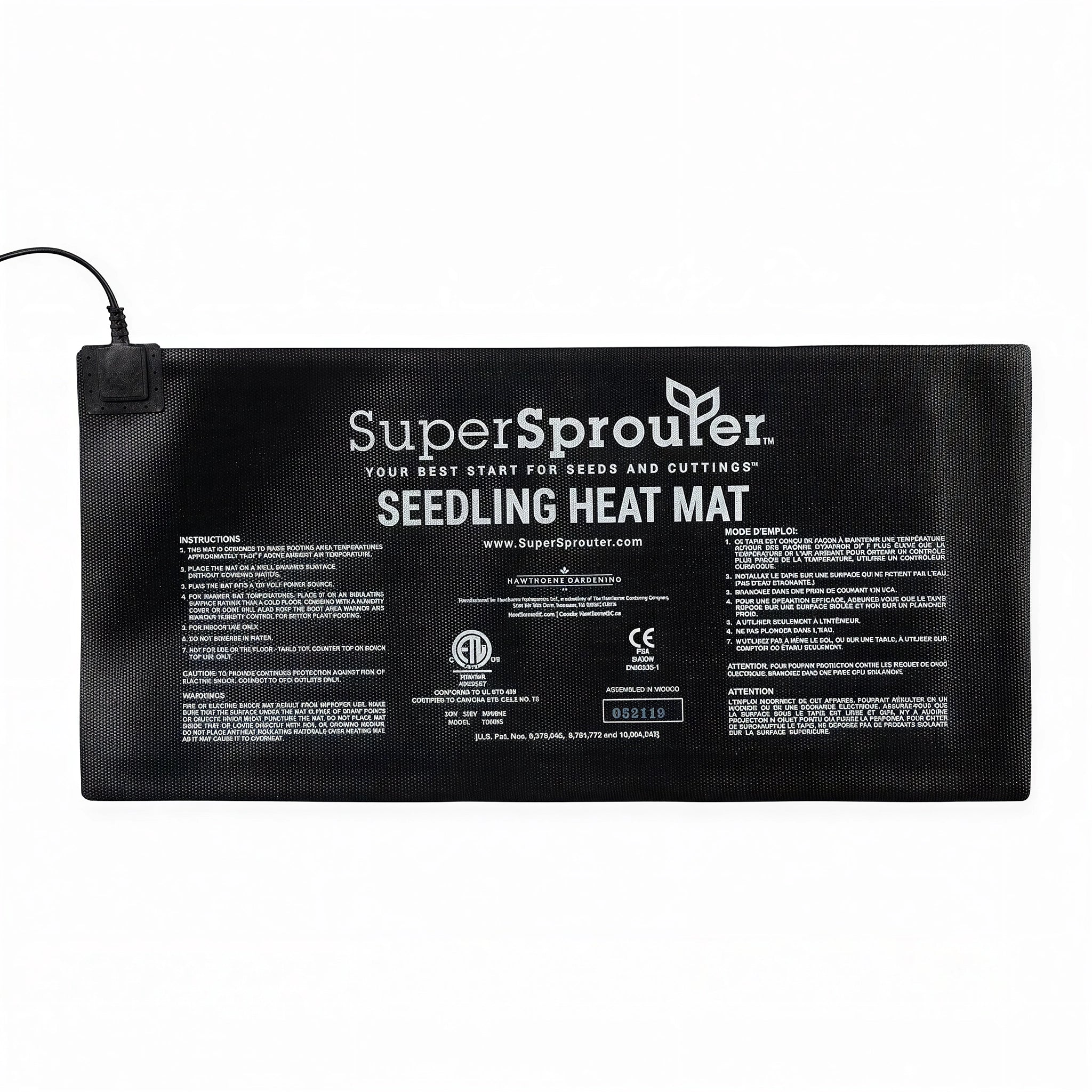
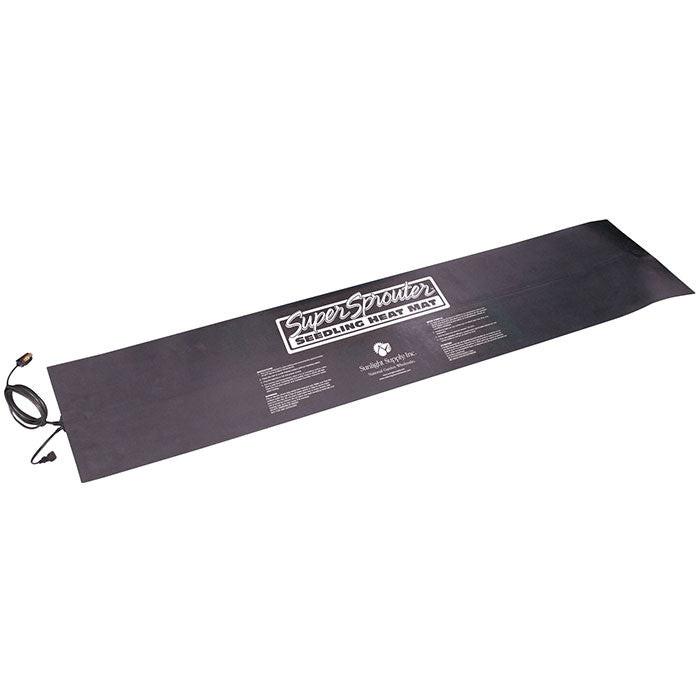
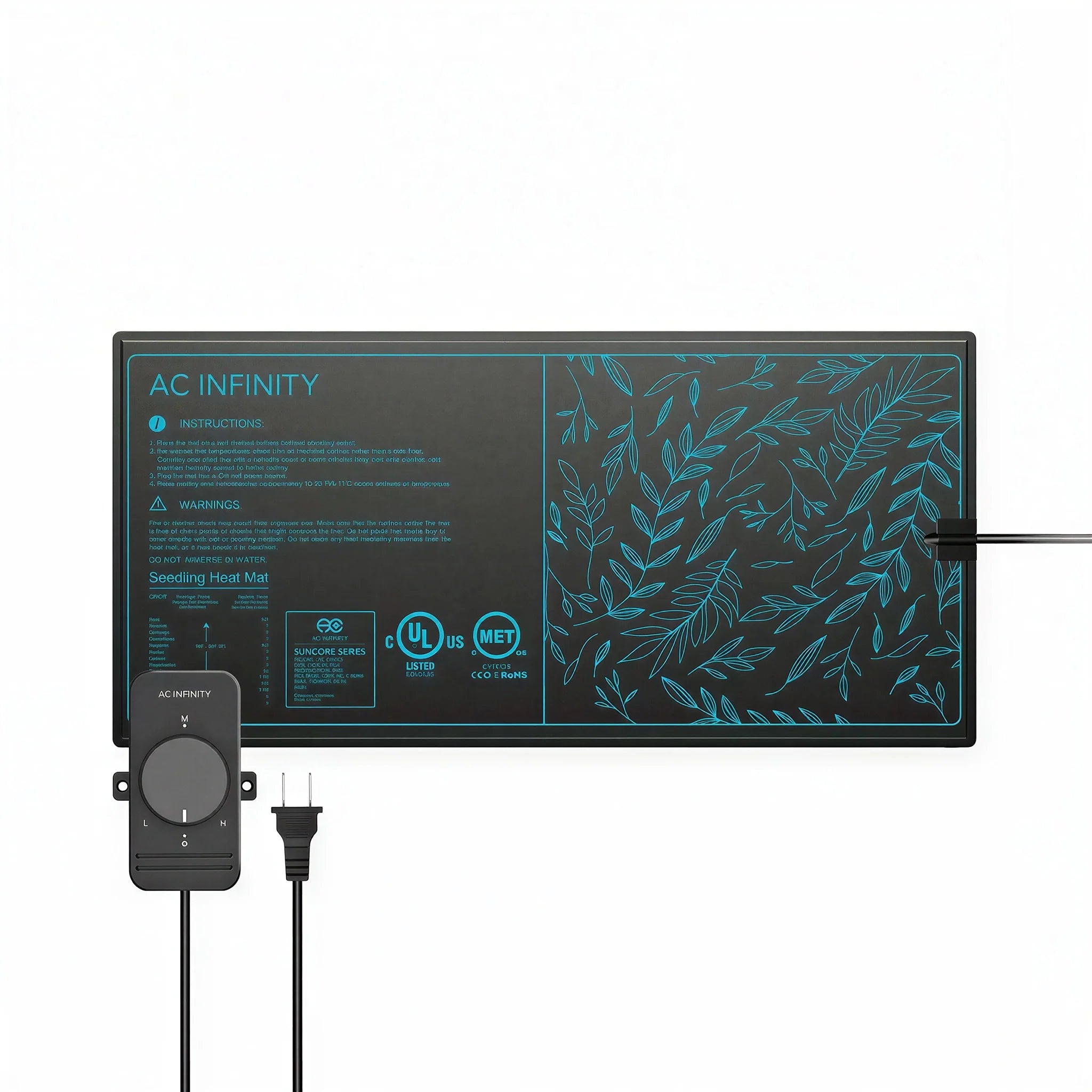
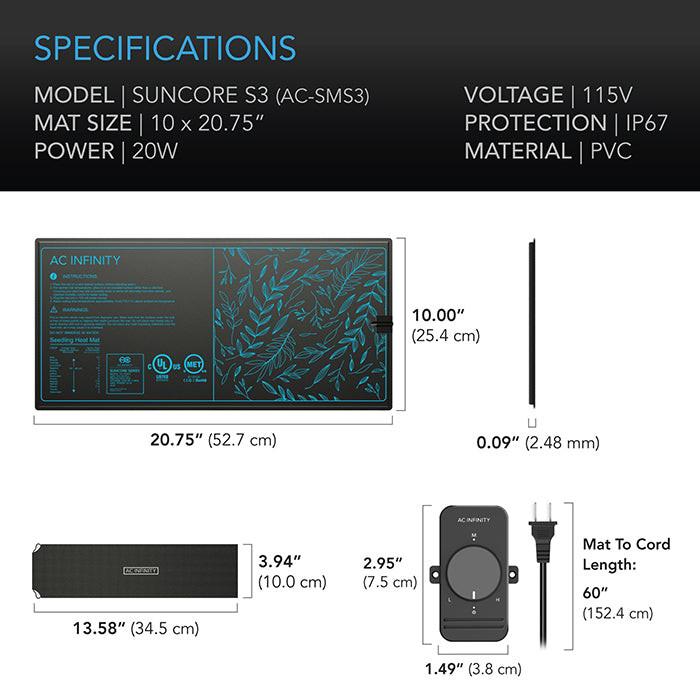
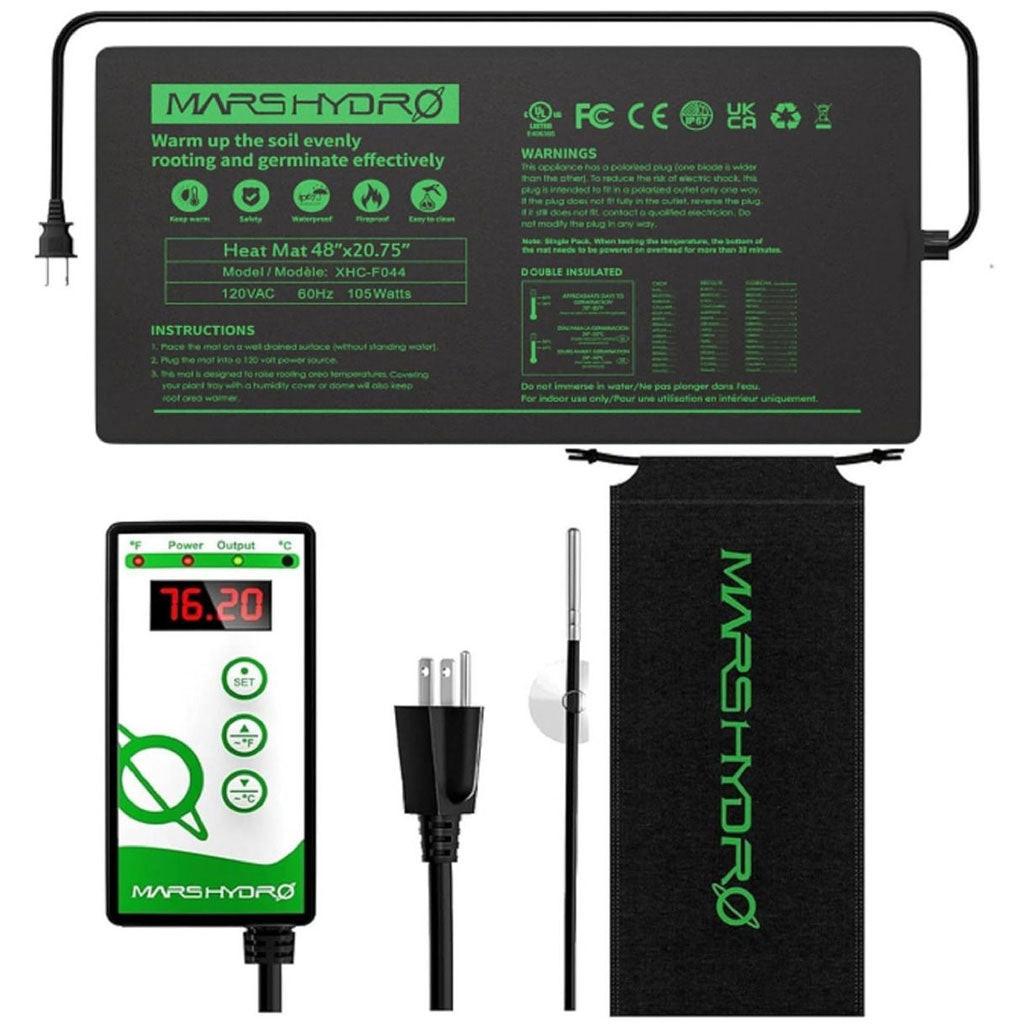
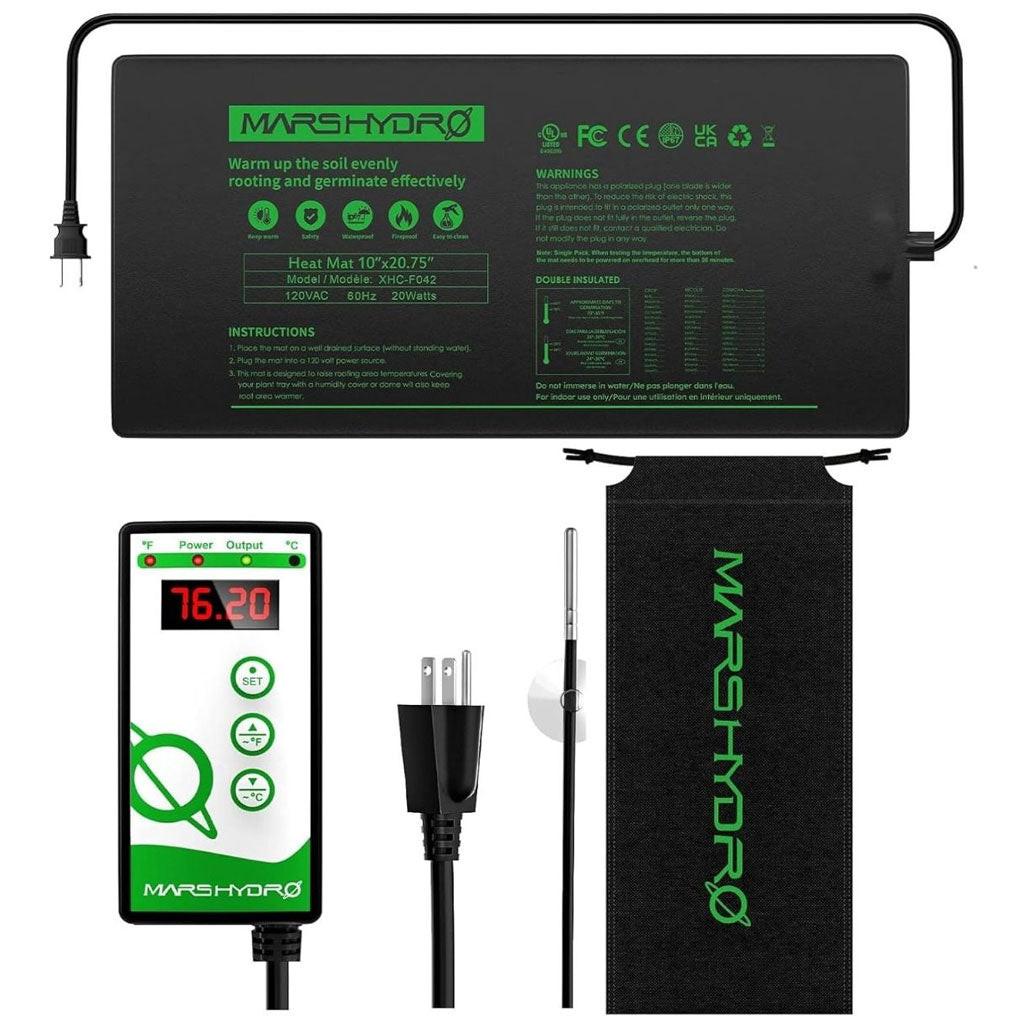
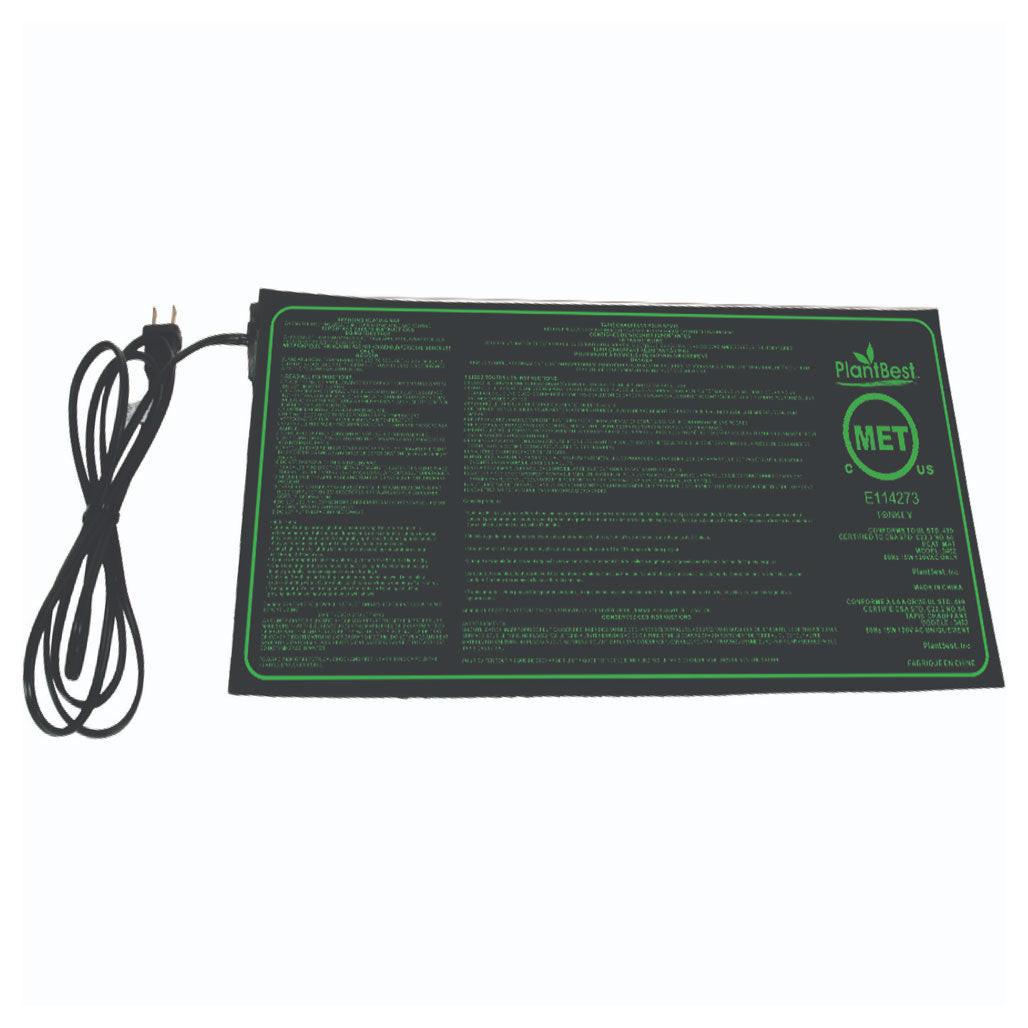
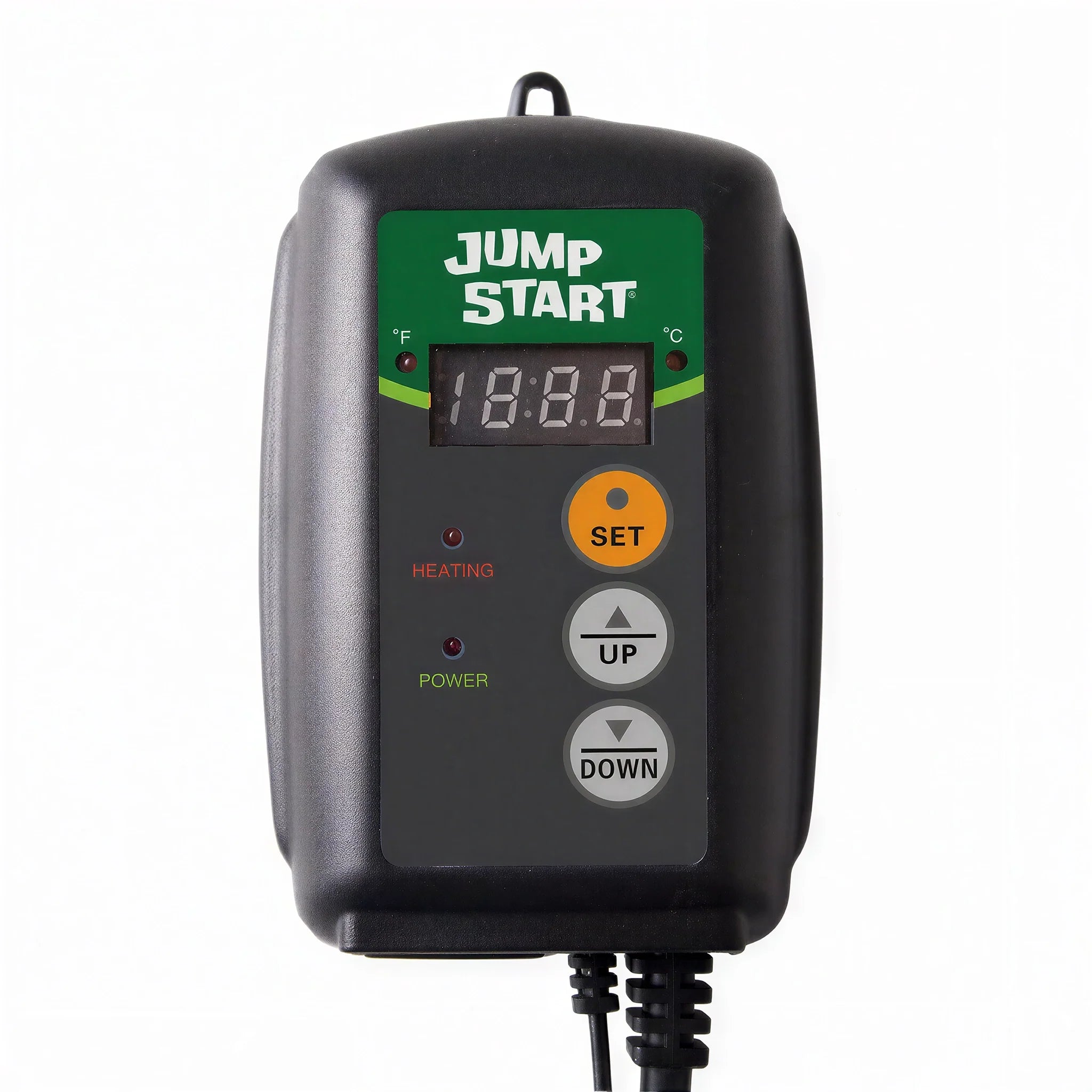
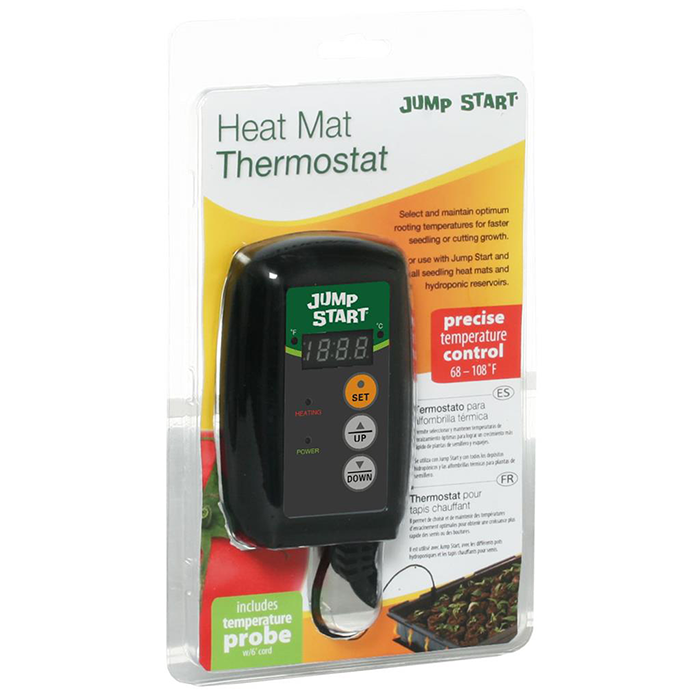
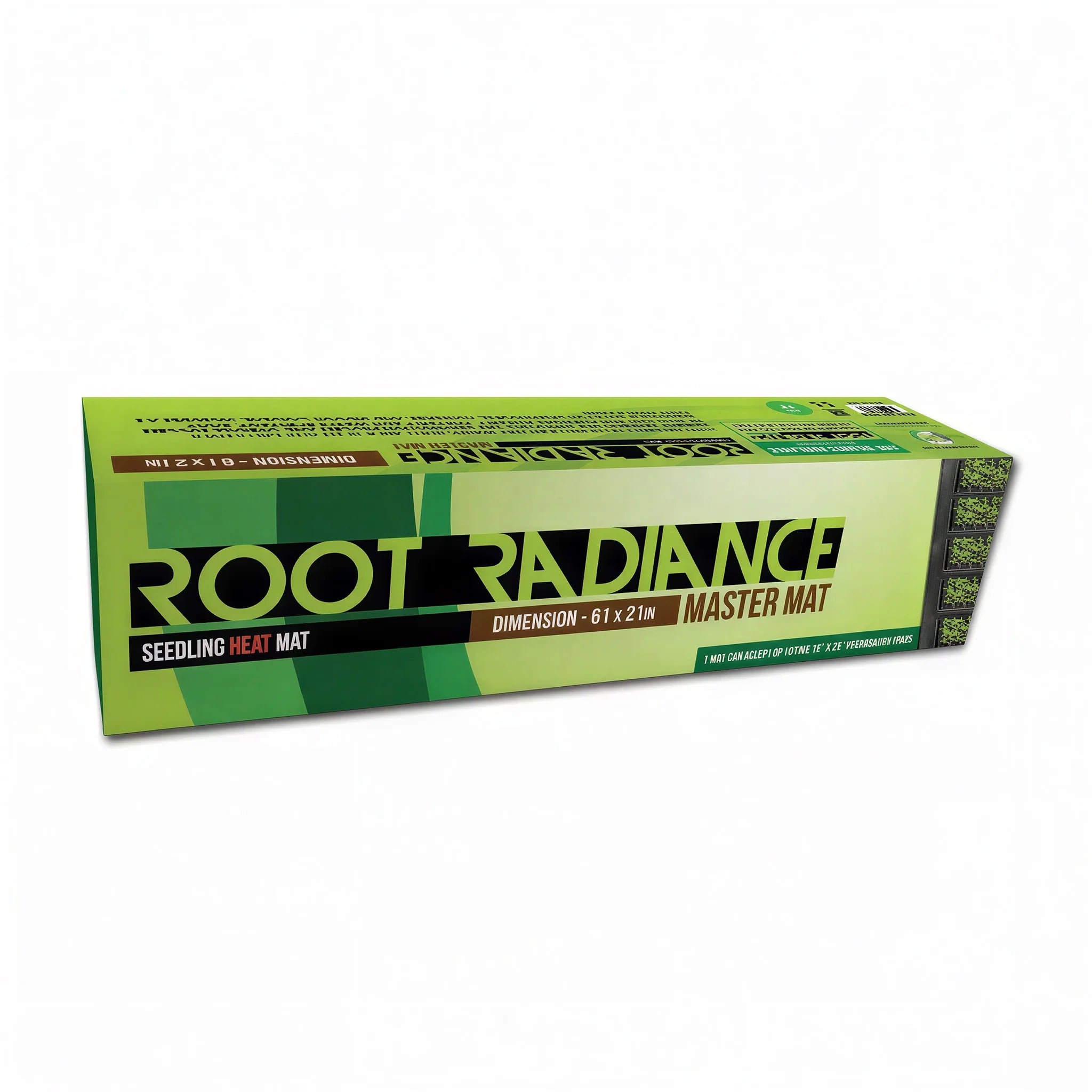
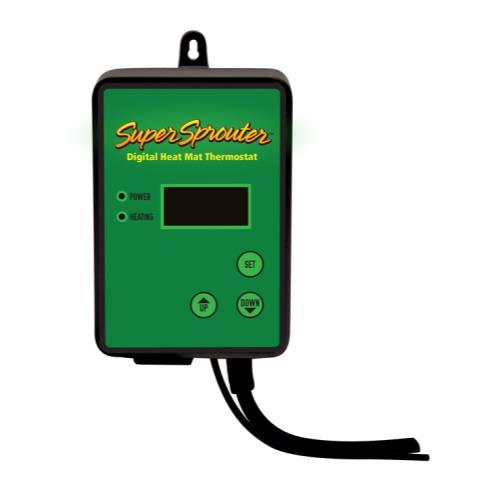
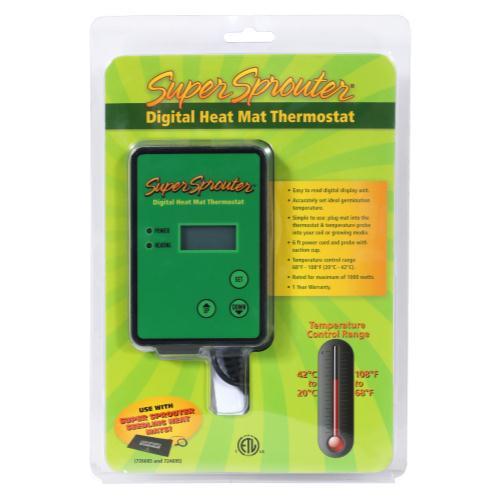
Standard heat mats (Jump Start, Hydrofarm, Root Radiance) provide a fixed heat output -- typically raising the substrate temperature 10-20 degrees F above ambient. They are simple, reliable, and the lowest-cost option for propagation. For environments where ambient temperature varies significantly or where precise temperature control is important, a digital thermostat controller (Jump Start Digital Controller, Super Sprouter Digital Thermostat) connects between the mat and the outlet to maintain a set substrate temperature regardless of ambient. Thermostat-controlled setups allow dialing in an exact temperature target and are the standard approach in professional propagation operations. AC Infinity offers integrated smart heat mat and controller combinations that pair their heat mats with app-controlled temperature management.
Size Selection
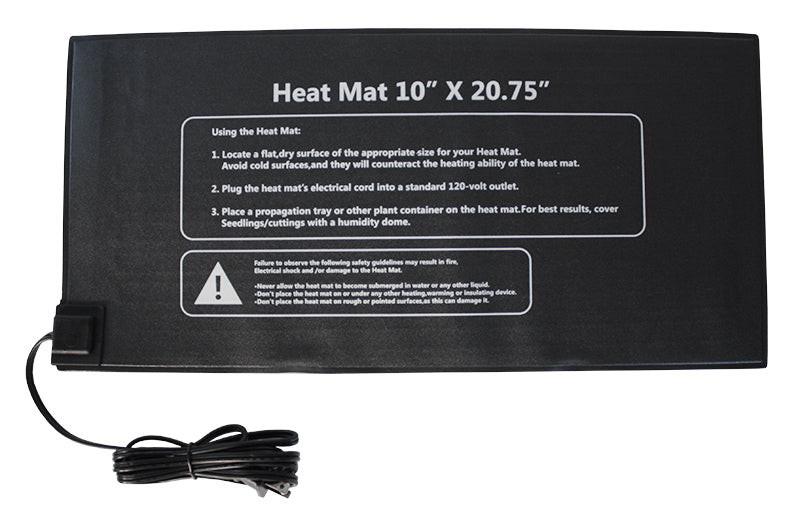
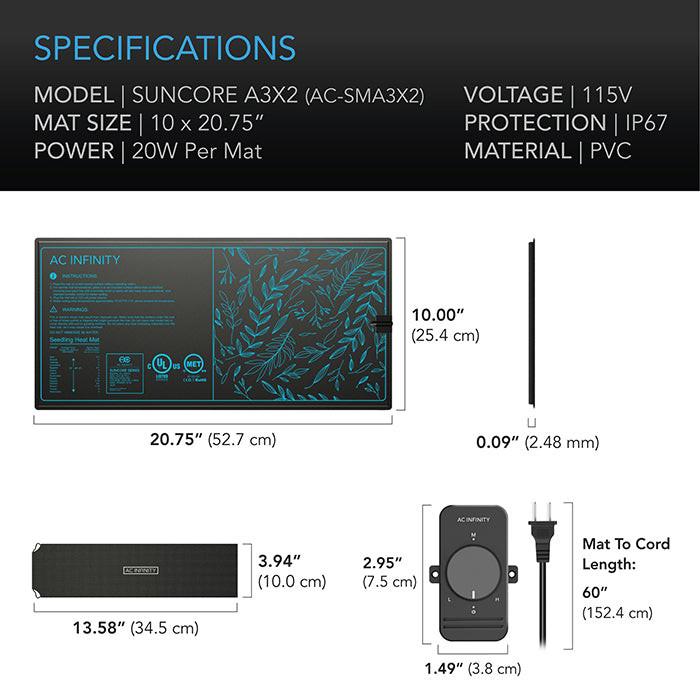
Standard 1020 propagation tray heat mats are the most widely used format, fitting directly under a 10x20-inch flat tray. Larger mats (Hydrofarm 48x12 daisy-chainable) cover multiple trays and allow multiple units to be connected to a single outlet. Match mat size to your tray configuration. Browse all cloning and propagation supplies or see IHORT starter plugs. Fast shipping.
Seedling Heat Mats FAQ
Do I need a thermostat with a seedling heat mat?
A thermostat is not strictly required, but it significantly improves control and is worth the cost for serious propagation work. A standard heat mat without a thermostat raises substrate temperature a fixed amount above ambient -- in a cool room, the mat may not reach optimal temperature; in a warm room, it may overheat. A thermostat controller maintains an exact substrate temperature regardless of ambient variation, which is the standard approach in professional propagation. If you propagate regularly, the improved rooting consistency from precise temperature management pays back the cost of a thermostat quickly. For occasional hobby propagation in a temperature-stable environment, a standard mat without a thermostat is practical.
What temperature should I set my heat mat for cloning?
Set your heat mat thermostat to maintain 75-80 degrees F at the base of the starter plugs where root initiation occurs. This is the temperature at the growing medium surface, not the air temperature inside the humidity dome. At 75-80 degrees F substrate temperature, most plant varieties show maximum rooting speed and root density. Above 85 degrees F, beneficial rooting microorganisms in the media can be inhibited and roots that form may be sparse. Below 70 degrees F, rooting slows significantly. Use a soil or substrate thermometer probe to verify actual temperature at the plug base rather than relying on mat surface temperature alone.
Can I use a seedling heat mat for germinating seeds?
Yes. Seedling heat mats are equally effective for germination as for cloning. Most vegetable and herb seeds germinate fastest at 70-85 degrees F substrate temperature -- tomatoes, peppers, and basil germinate rapidly at 80 degrees F and poorly below 60 degrees F. Place the heat mat under a seed tray filled with moist germination media, cover with a humidity dome to maintain moisture, and set a thermostat to 78-82 degrees F for warm-season crops. Once germination occurs and seedlings are established, the heat mat can be removed or set lower as the seedlings develop their root systems in the growing medium.