Water Filtration & Treatment for Hydroponics
Water quality is the foundation of any hydroponic nutrient program. Tap water in most North American municipalities contains chlorine or chloramine (added for disinfection), dissolved minerals including calcium, magnesium, sodium, and carbonates (contributing to baseline TDS/EC), and in some areas, heavy metals, fluoride, and other contaminants. These dissolved substances affect your starting EC (forcing you to work around a baseline mineral load that may conflict with your nutrient program ratios), can damage beneficial microbial populations in organic programs, and in extreme cases directly harm plant roots. Filtering your source water before use gives you a clean, predictable starting point for nutrient solution building.
Reverse Osmosis Water Filtration
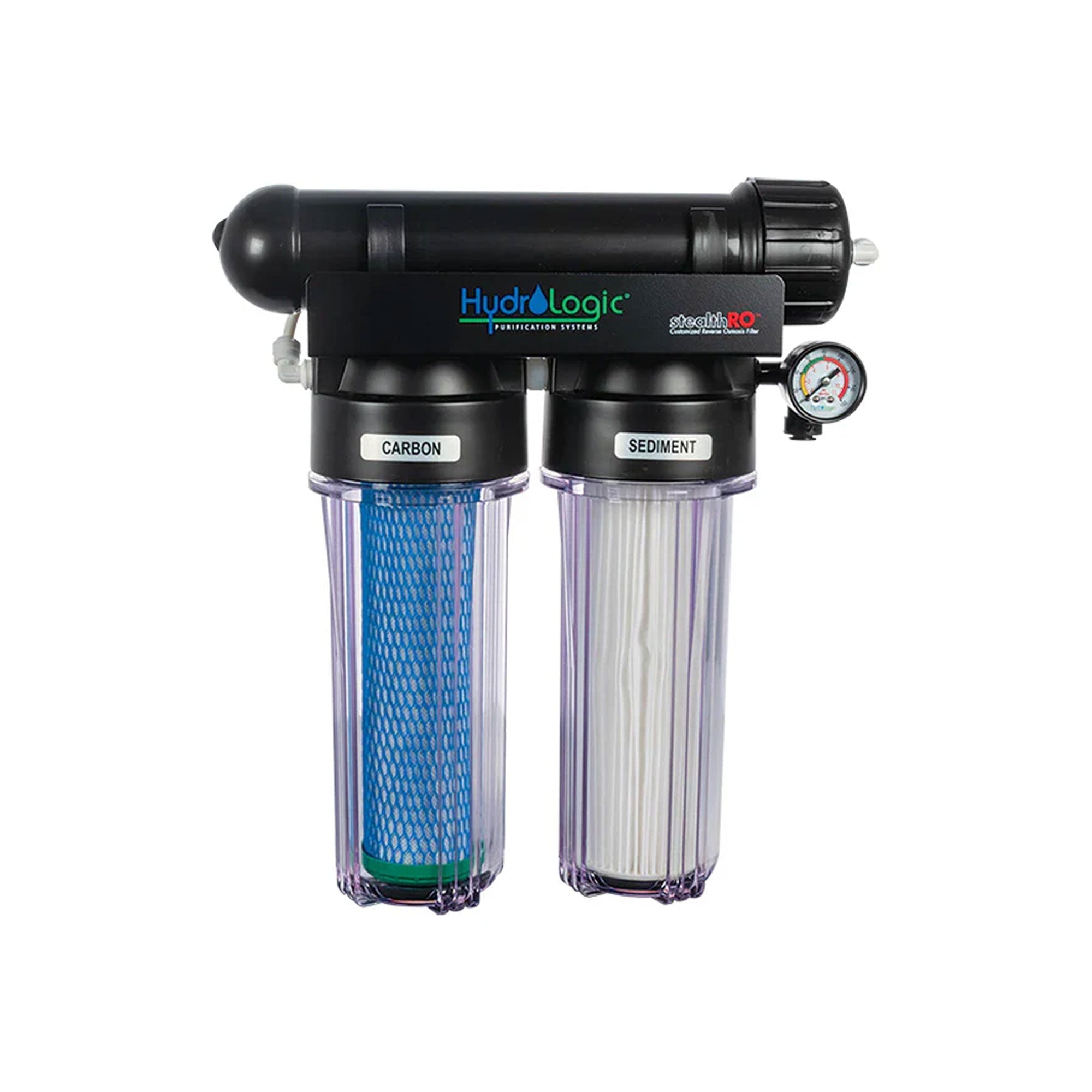
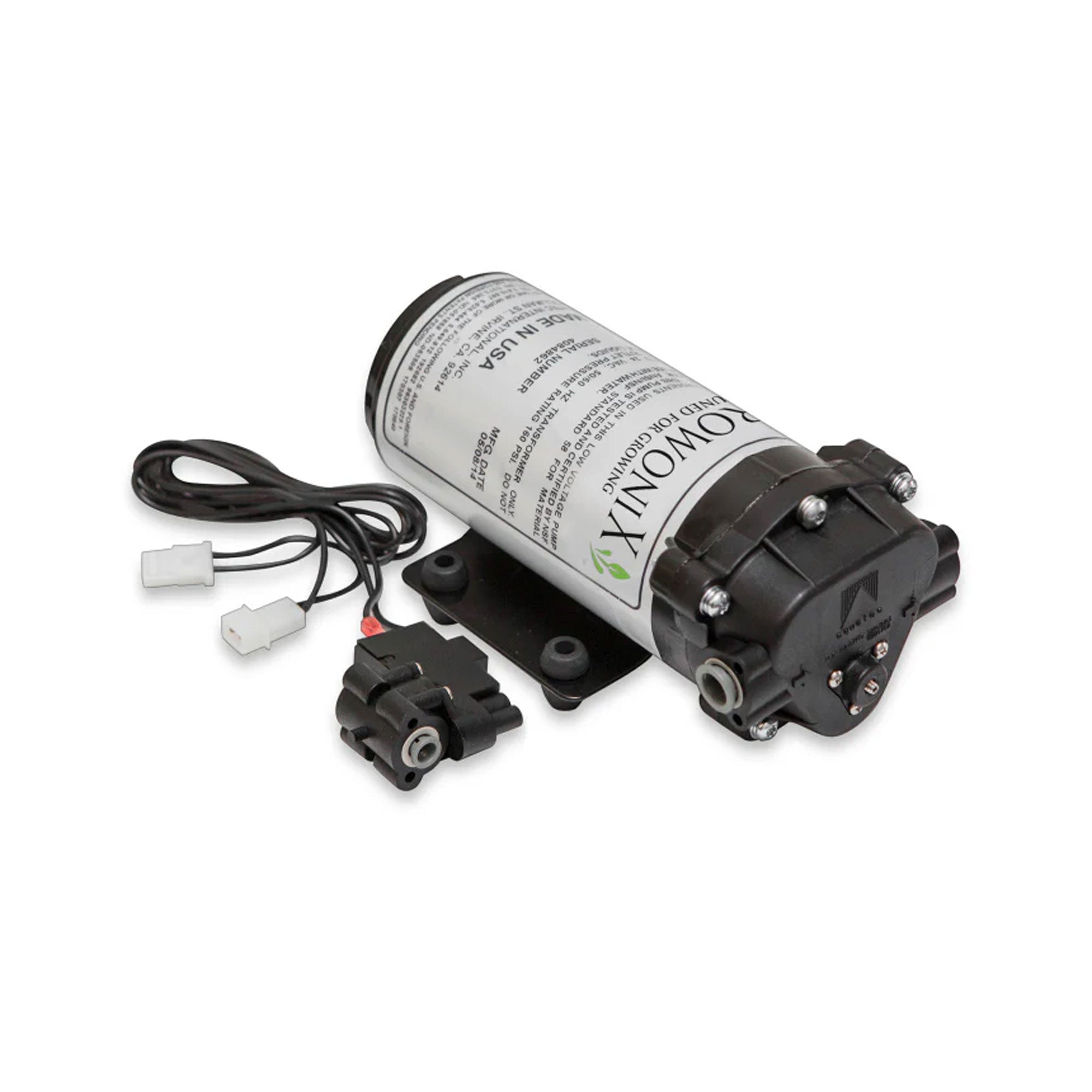
Reverse osmosis (RO) filtration is the most complete water treatment method available for hydroponic growers. RO membranes reject 94-99% of dissolved solids including chlorine, chloramines, heavy metals, sodium, sulfates, and most mineral ions, producing water with a starting TDS of 0-30 ppm and EC of essentially zero. This gives growers complete control over nutrient solution composition from the ground up - your nutrients deliver exactly what the label says with no mineral interactions from tap water variables. RO water does require supplementing calcium and magnesium (stripped by the membrane along with other minerals) with a dedicated Cal-Mag supplement at 2-3 ml/gallon minimum. Qualified RO brands: Hydro Logic (countertop and under-sink systems from 50-200 GPD), GrowoniX (high-efficiency commercial-scale systems), and AXEON Water Technologies (large-volume commercial RO systems). Browse our complete reverse osmosis water filter collection.
Sediment, Carbon & Inline Filters
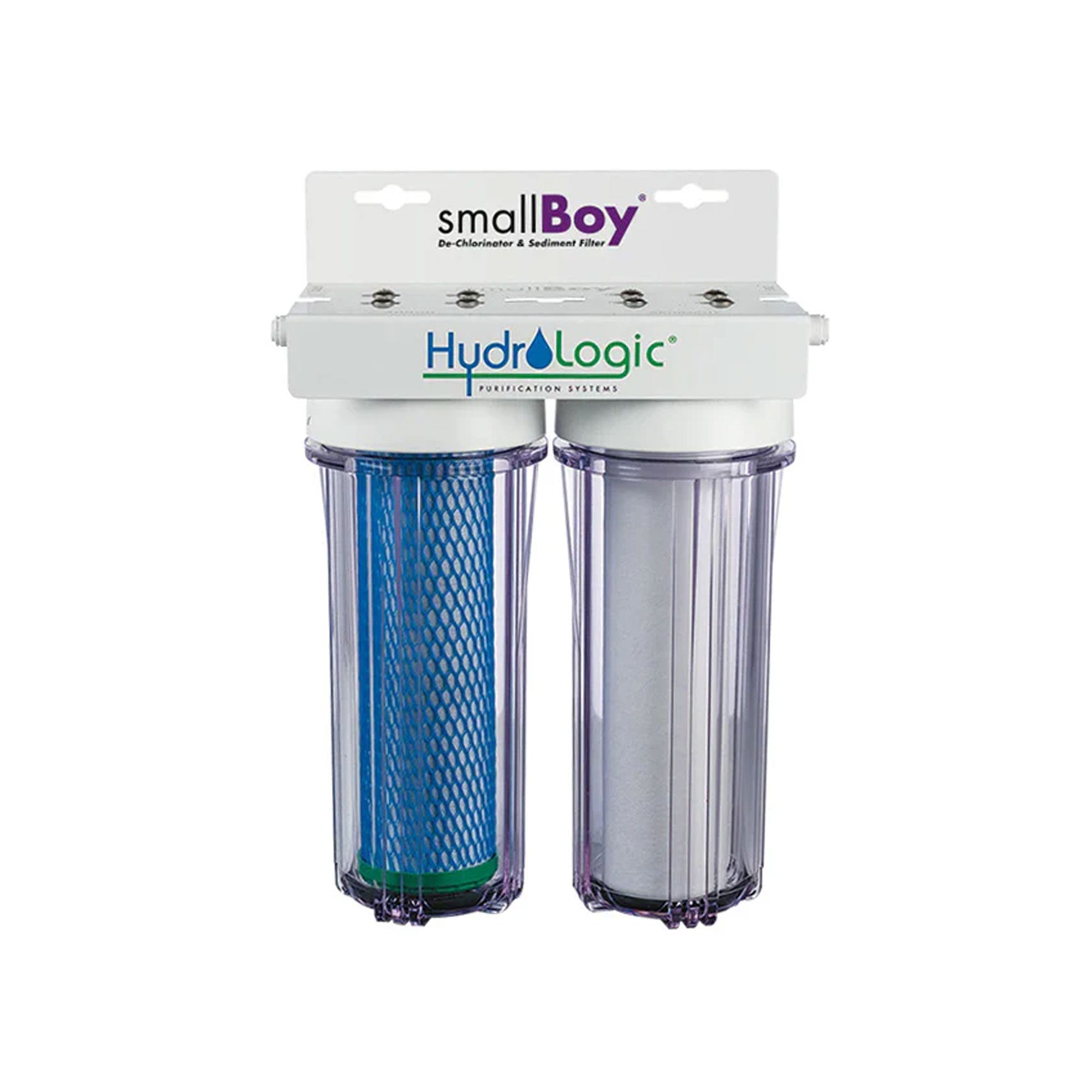
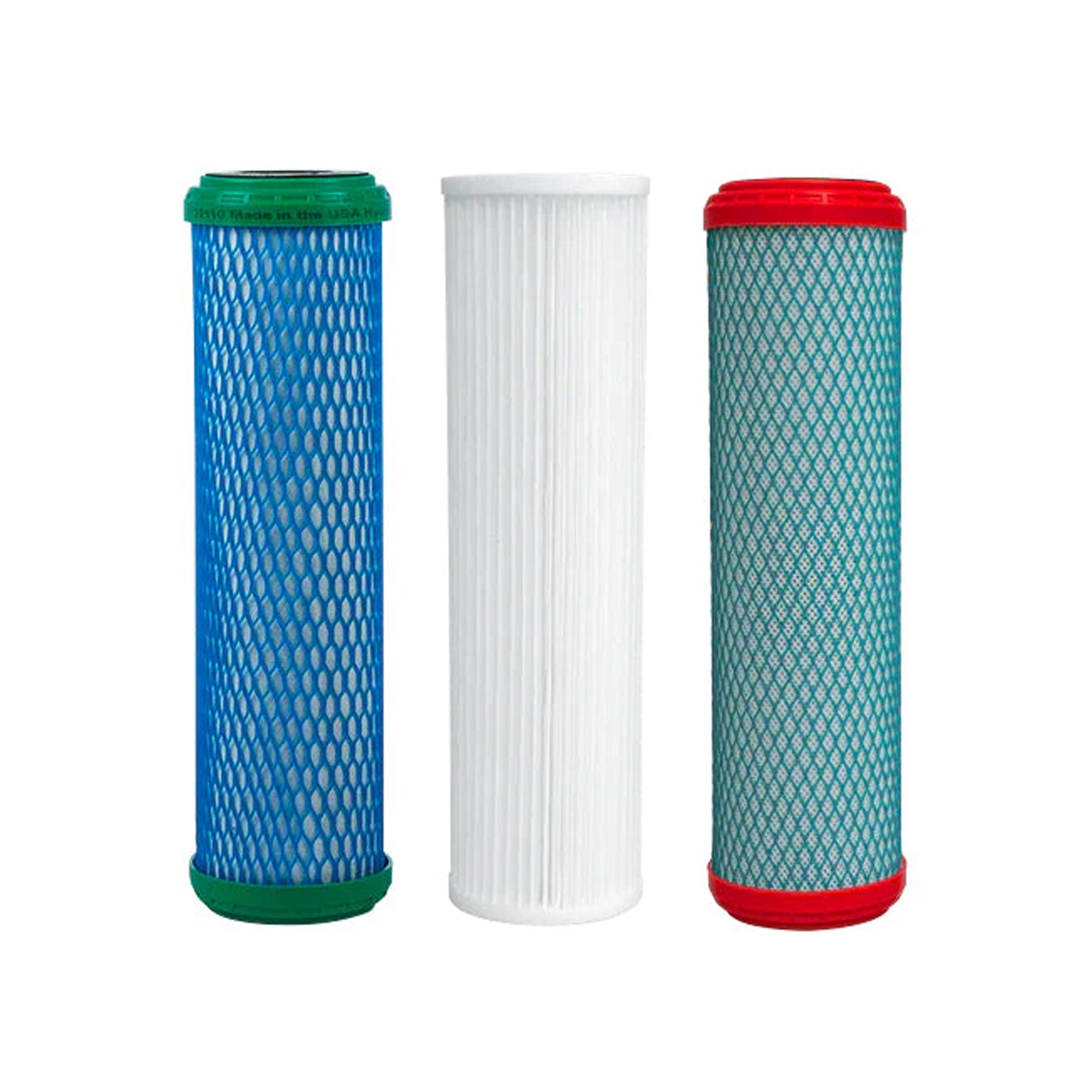
For growers who do not need the full mineral removal of RO filtration, staged filtration addresses specific water quality concerns. Sediment filters (5-20 micron cartridges) remove particulate matter and turbidity that would clog drip emitters and foul nutrient solution. Carbon block filters remove chlorine and chloramine - the most common tap water additions that harm beneficial microbial populations in organic growing programs and can affect pH stability in nutrient solutions. For growers using tap water with good mineral balance (100-200 ppm baseline TDS, no heavy metal concerns, manageable hardness) in organic or living soil programs, a simple carbon filter for dechlorination is often the most practical and cost-effective treatment step.
Water Conditioners & Dechlorinators
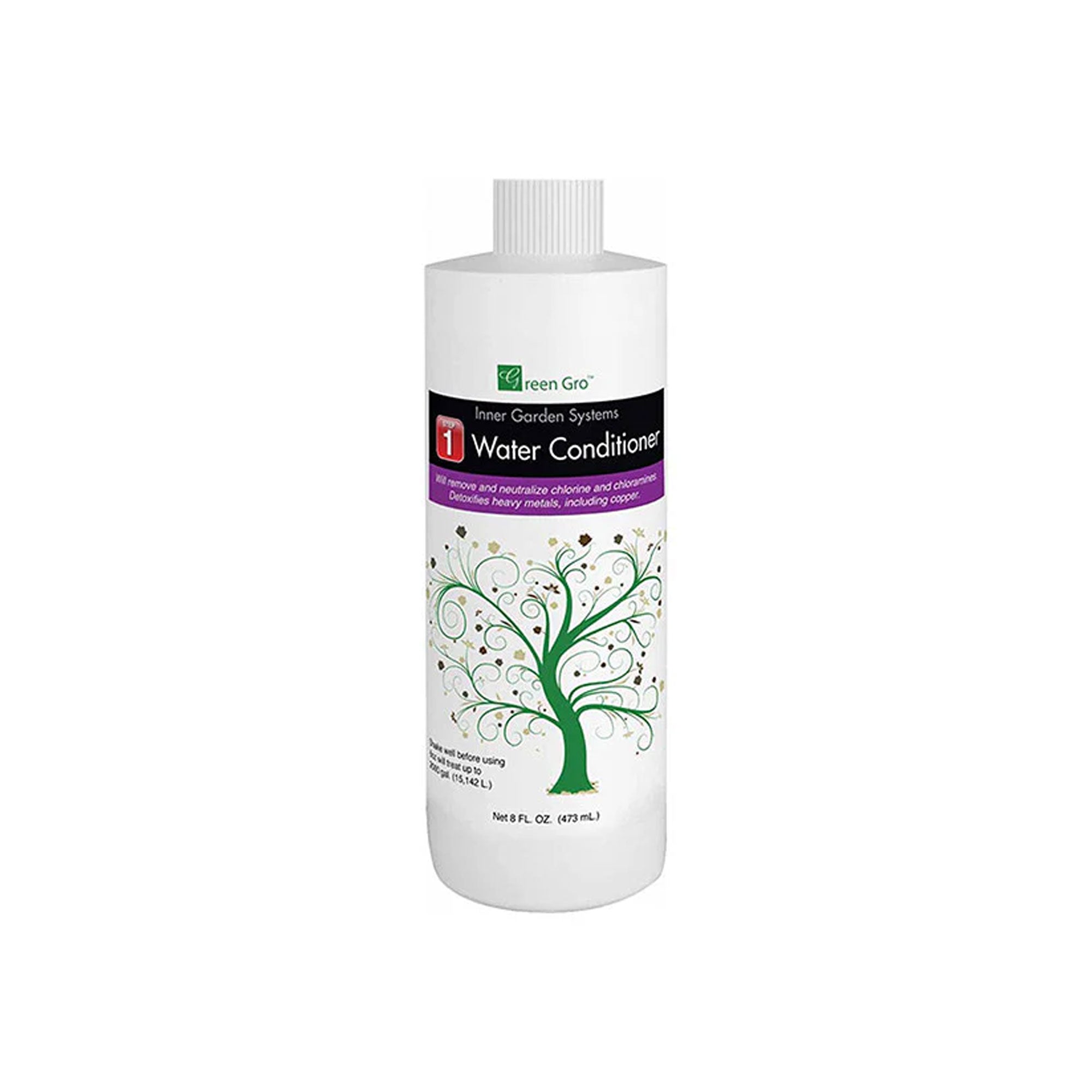
For growers who cannot install a permanent filtration system, water conditioners and dechlorinating products neutralize chlorine and chloramine in tap water without filtration equipment. Letting tap water sit in an open hydroponic reservoir for 24 hours off-gases most free chlorine (though not chloramine, which is more stable). Ascorbic acid (Vitamin C) neutralizes both chlorine and chloramine instantly and is food-safe. Sodium thiosulfate products work for chlorine but not chloramine. For any grower using tap water with chloramine (increasingly common in municipal supplies), a chemical dechlorination step or carbon filtration is more reliable than waiting for off-gassing. After filtration, verify your water quality with a TDS meter and pH meter before building your nutrient solution. Expert support available.
Water Filtration FAQ
Do I need a water filter for hydroponics?
It depends on your water source quality and growing approach. For growers using precise nutrient programs in coco coir, rockwool, or recirculating hydroponics where consistent EC and nutrient ratios matter, RO filtration provides the cleanest starting point and eliminates tap water variability as a confounding factor. For growers in areas with very soft tap water (under 100 ppm TDS), the mineral contribution from tap water is small enough that building nutrient programs around it is practical. For growers using organic or living soil programs, removing chlorine and chloramine through carbon filtration or dechlorination protects beneficial microbial populations. For commercial operations where consistency across multiple grow rooms matters, RO filtration is essentially standard.
How does reverse osmosis filtration work?
Reverse osmosis forces water through a semi-permeable membrane under pressure. The membrane allows water molecules to pass through while rejecting dissolved ions, minerals, and contaminants above a certain molecular size. Rejected material is flushed away in a waste stream; purified water passes through and collects in a holding tank or flows directly to the irrigation system. A complete RO system typically uses a sediment pre-filter (removes particulate that would foul the membrane), a carbon block pre-filter (removes chlorine and chloramine that would degrade the membrane), the RO membrane itself (94-99% rejection), and optionally a post-carbon polish filter for final taste and odor removal. Membrane rejection rates degrade over time - replace RO membranes every 1-2 years depending on source water quality and usage volume.
How much water does an RO system waste?
Standard RO membranes produce 1 gallon of purified water for every 2-4 gallons of input water (25-50% efficiency), with the remainder as reject water carrying the concentrated dissolved solids. High-efficiency RO systems (GrowoniX, some AXEON models) achieve 1:1 to 2:1 reject-to-permeate ratios through recirculating reject water design or high-efficiency membranes - meaningfully reducing water waste in water-conscious operations. For small hobby systems, waste water ratios are typically acceptable. For large commercial operations producing hundreds of gallons of RO water per day, high-efficiency systems reduce both water cost and drain load significantly. The reject stream can be reused for outdoor irrigation or non-hydroponic watering where mineral content is not a concern.
What is the difference between Hydro Logic and GrowoniX RO systems?
Hydro Logic produces a range of RO systems from countertop and under-sink hobby units (50-200 GPD) to mid-scale commercial systems - known for accessible pricing, widely available replacement filters, and ease of installation without specialized plumbing knowledge. Their Stealth RO and Evolution series are popular entry-to-mid range options for home and small commercial grows. GrowoniX focuses on high-efficiency commercial RO systems designed for large-volume production where water conservation and throughput are the priorities - their systems feature higher efficiency membranes (lower waste ratio), larger membrane housing, and are designed for permanent plumbed installation in commercial facilities. Hydro Logic is the right choice for most hobby and small commercial growers; GrowoniX is appropriate for facilities producing 200+ gallons per day where system efficiency and throughput justify the higher initial investment.