Drying Racks & Harvest Drying Nets for Indoor Growers
Proper drying after harvest is essential for preserving the quality of freshly cut flowers and aromatic plant material. The goal of the drying phase is to remove excess moisture from plant material slowly and evenly - fast or uneven drying causes harsh, grassy-smelling end product; overly slow drying in humid conditions risks mold. Drying racks provide a hanging or flat-surface structure that maximizes airflow around all surfaces of drying material, distributing moisture evaporation evenly rather than creating wet-contact zones that dry unevenly or develop mold. A dedicated drying rack setup in a controlled environment is the most reliable way to achieve consistent drying results cycle over cycle.
Types of Drying Racks: Collapsible Mesh & Hanging Nets
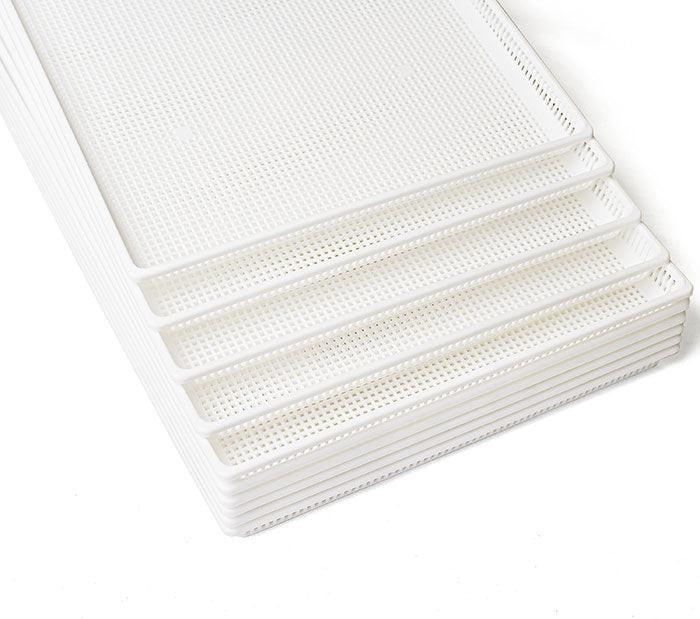
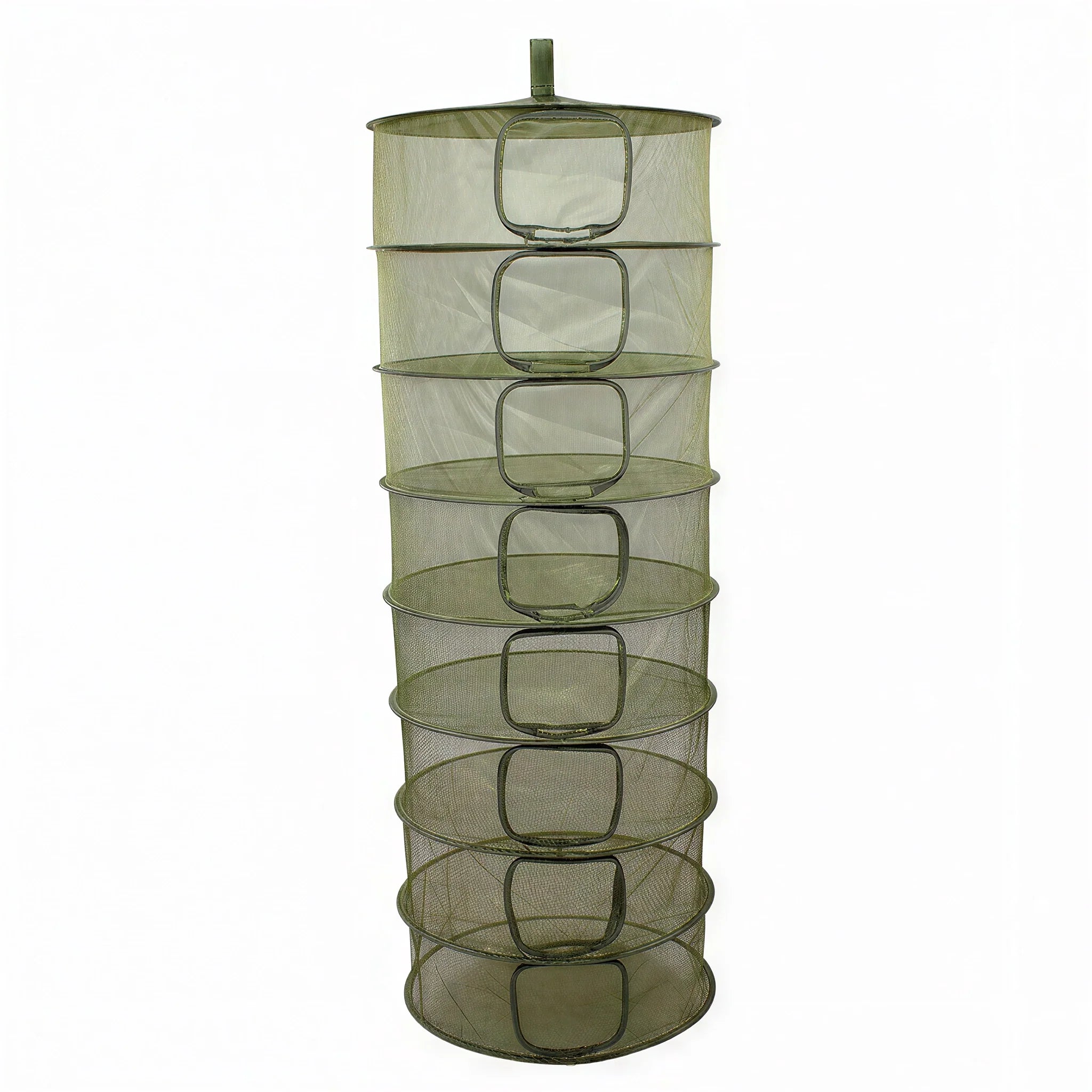
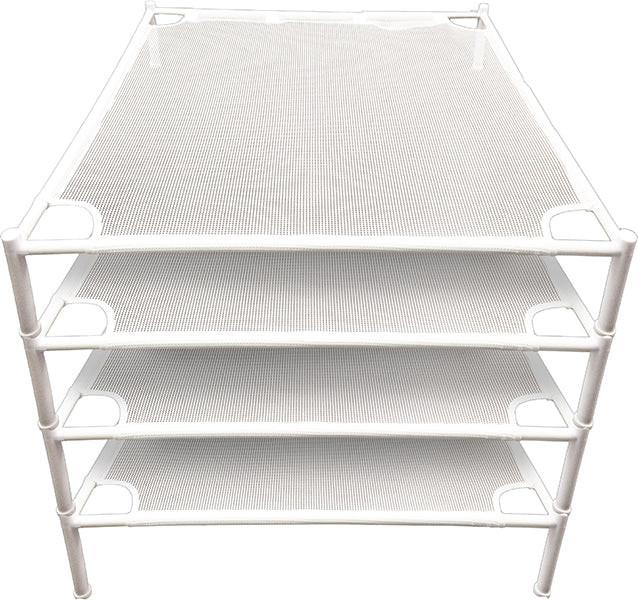
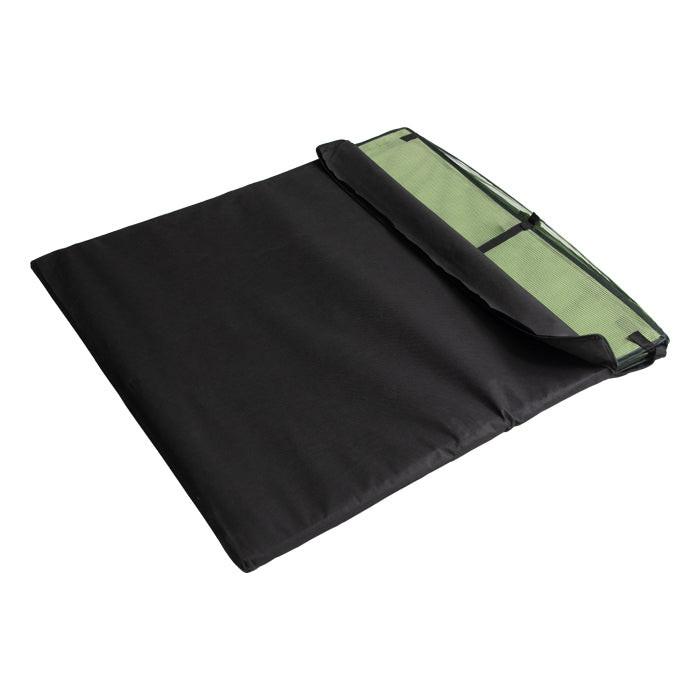
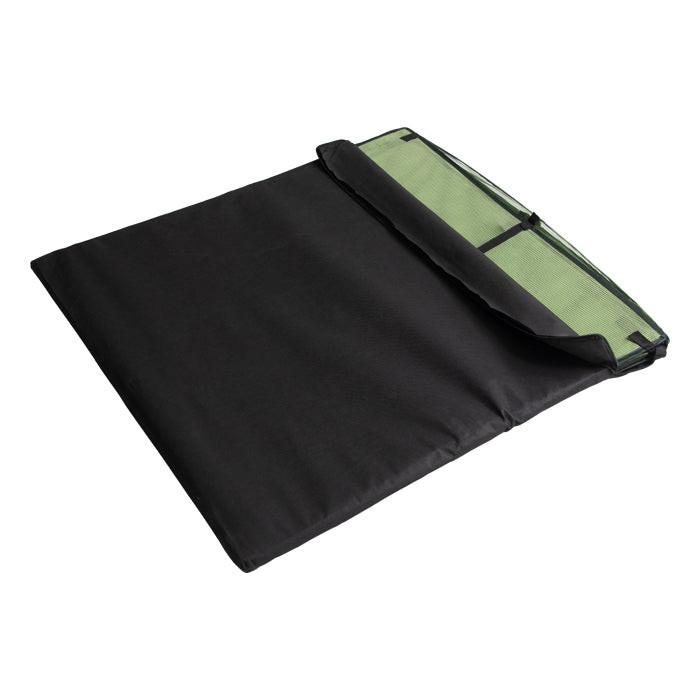
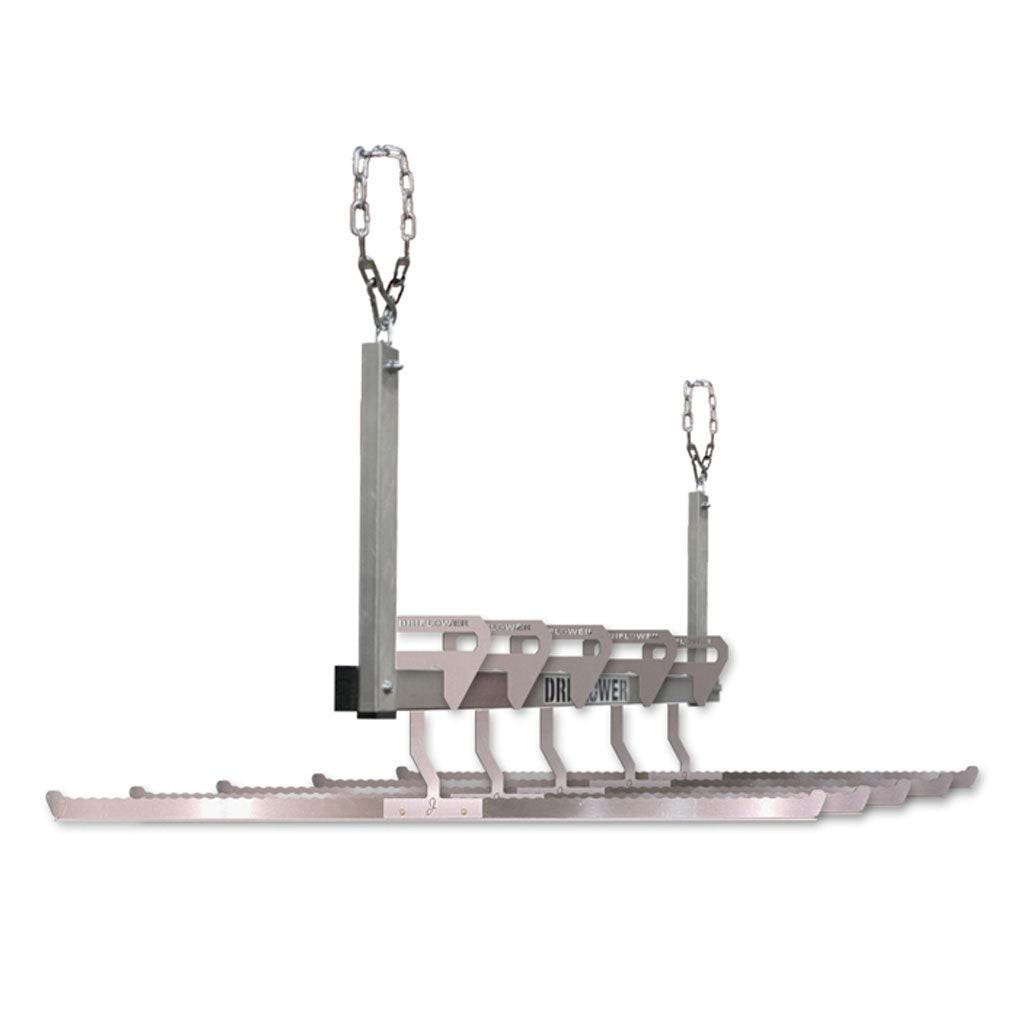
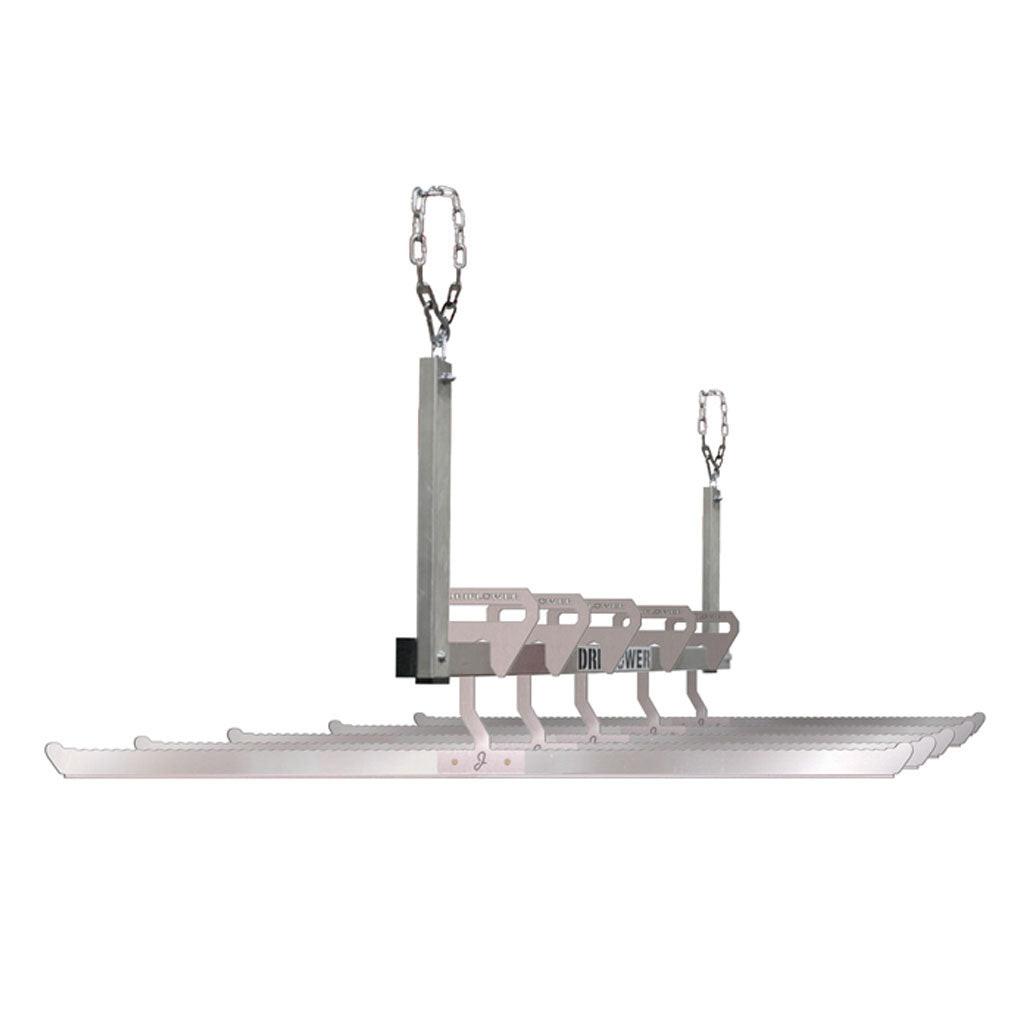
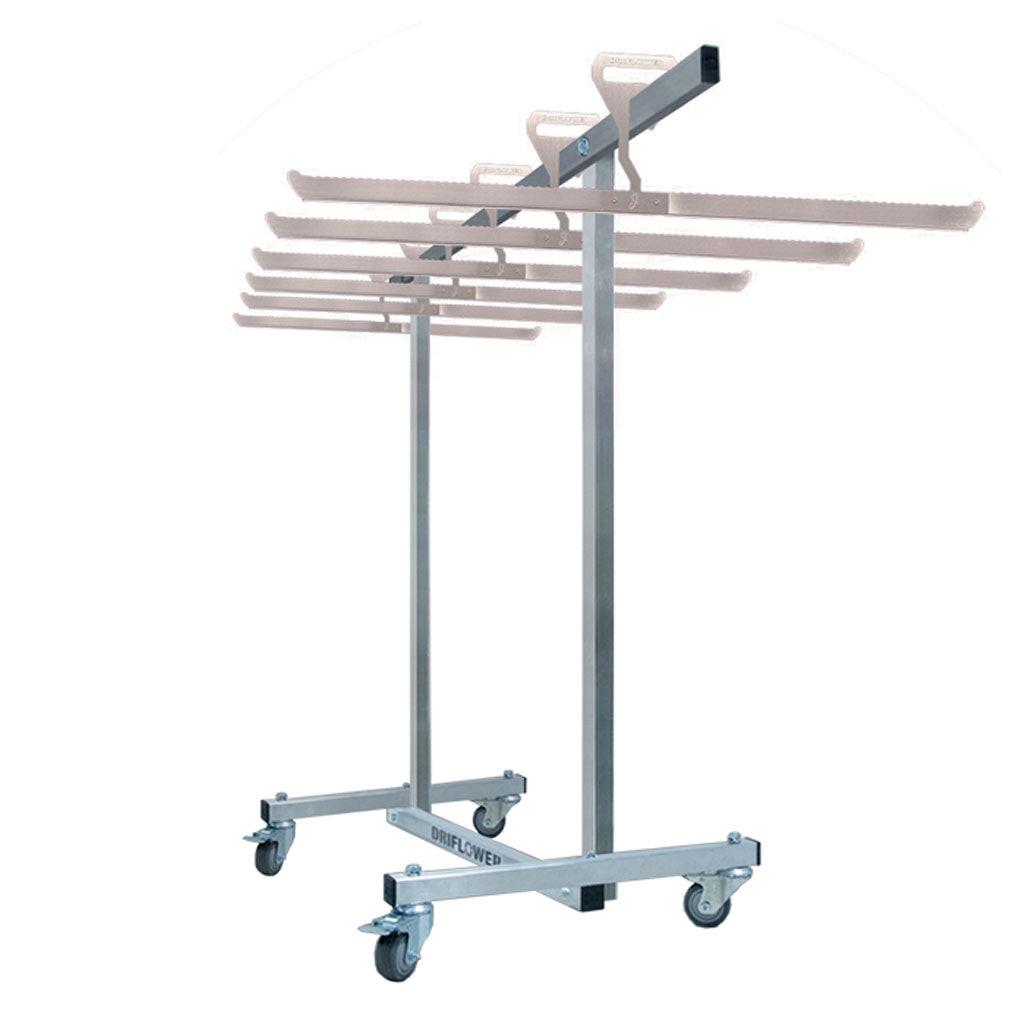
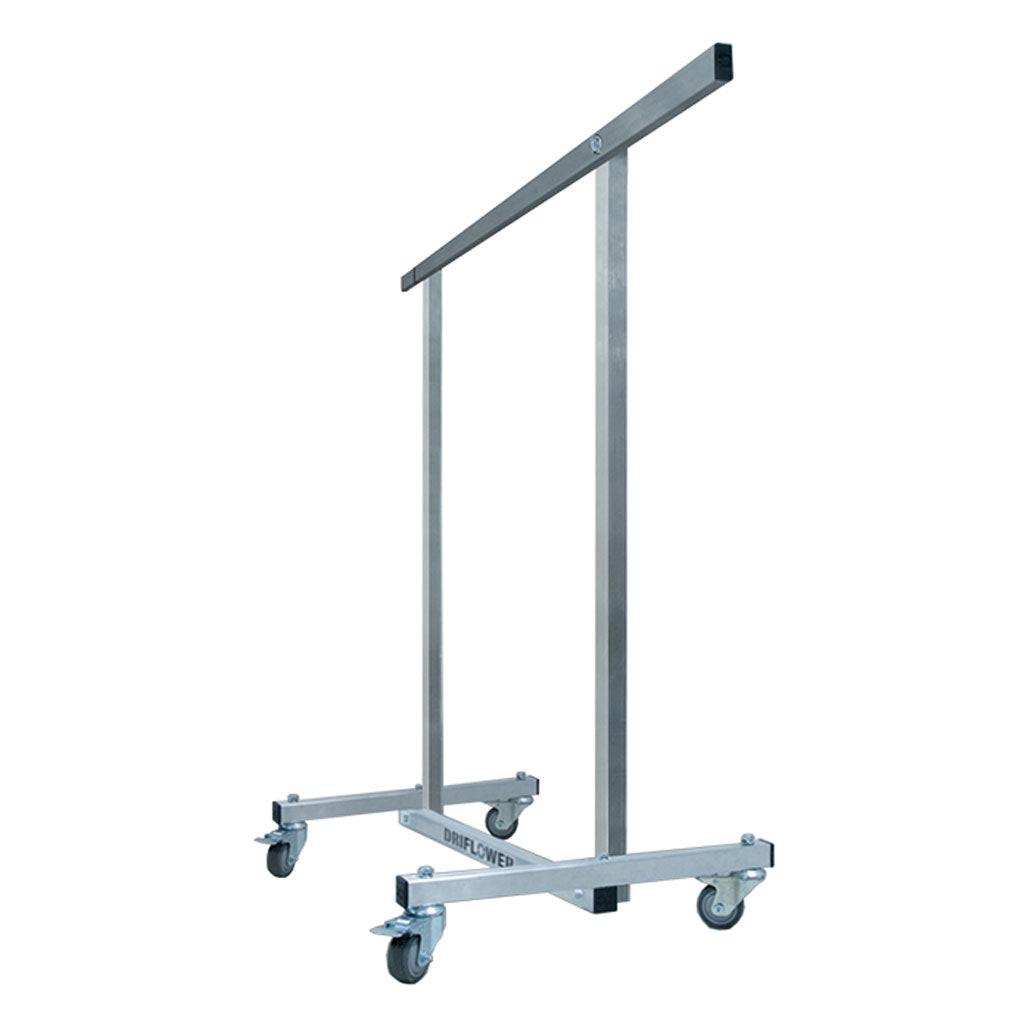
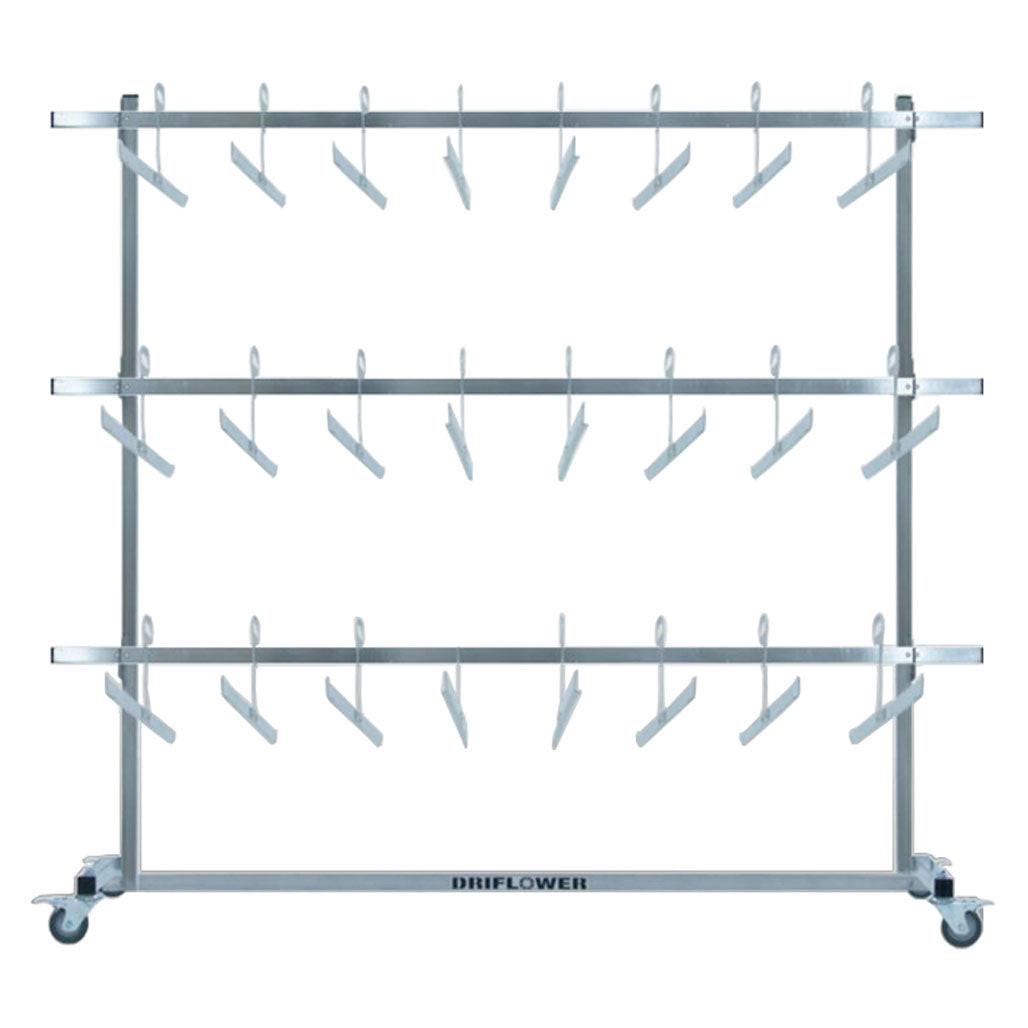
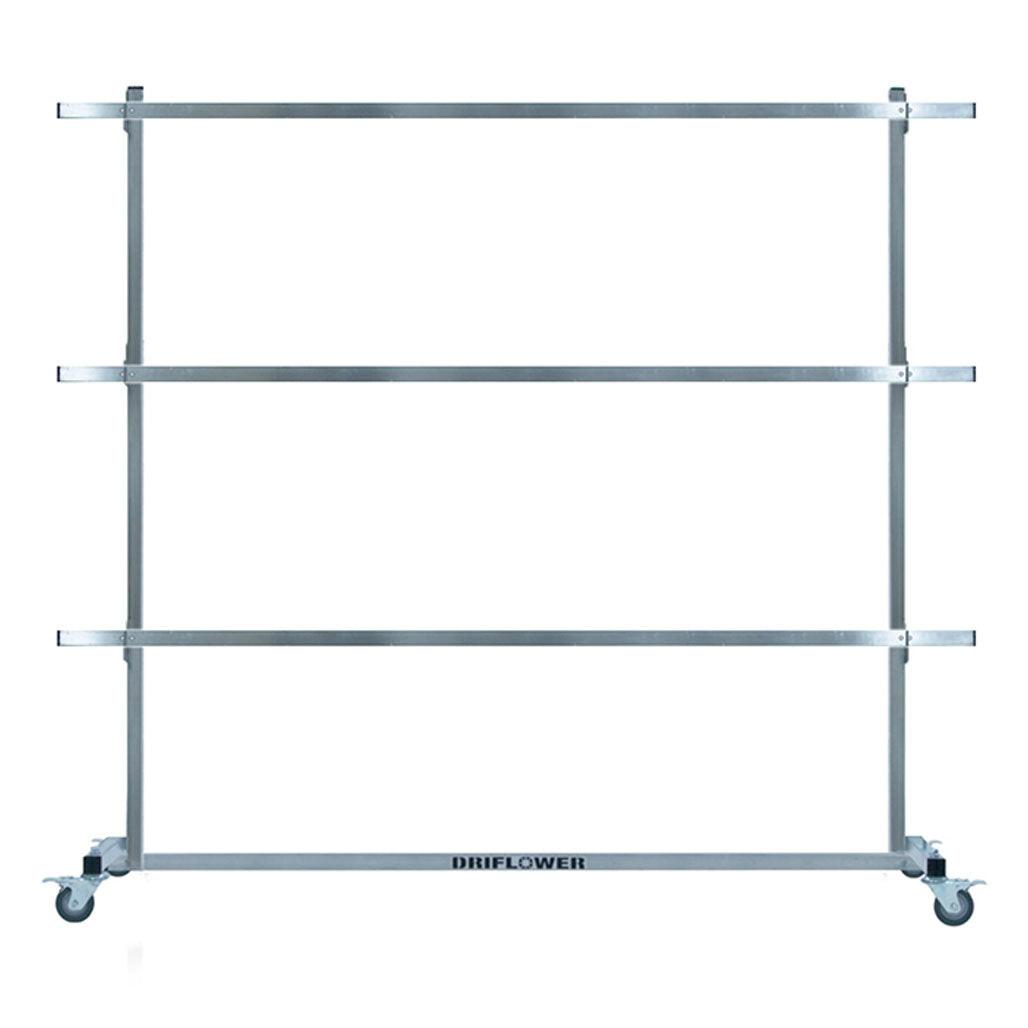
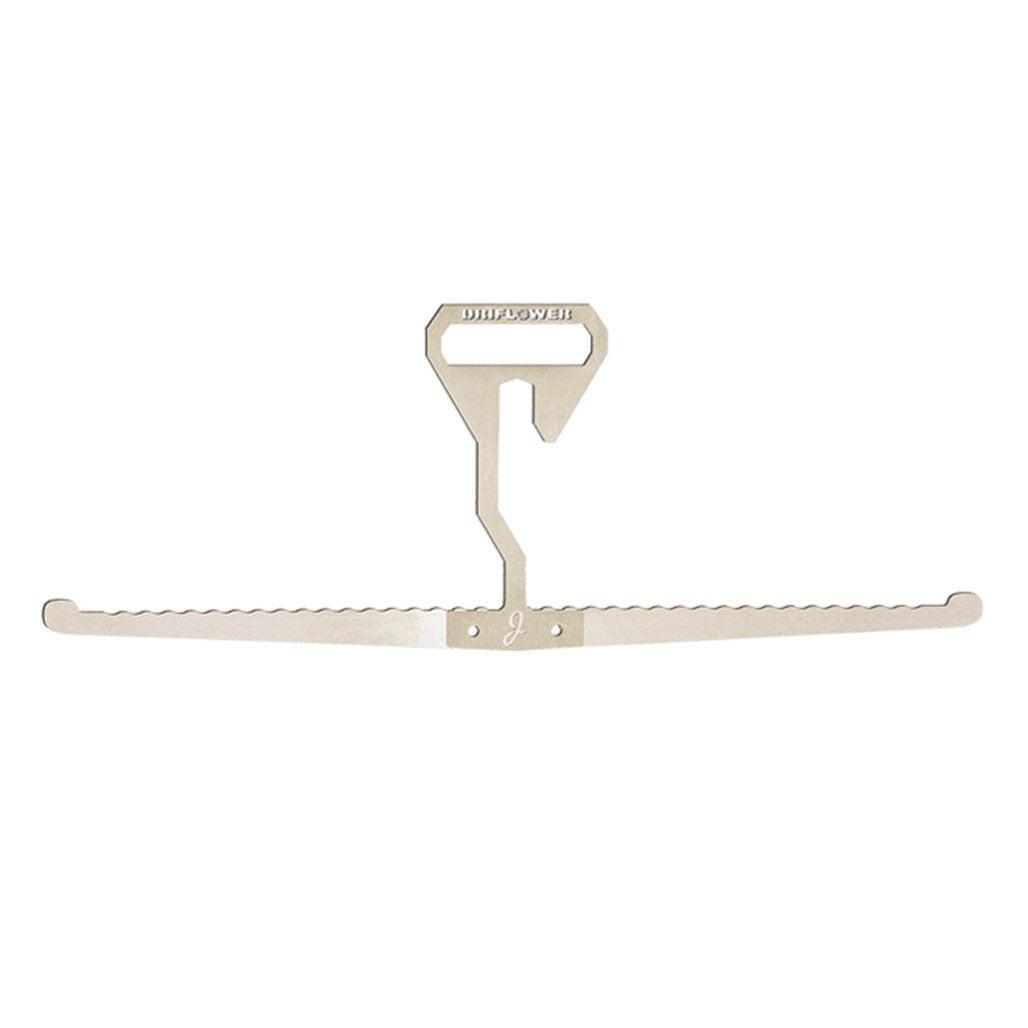
Collapsible multi-tier mesh drying racks are the most widely used format for indoor harvest drying. They consist of a vertical pole structure with 4-10 or more circular mesh tiers stacked vertically - plant material is spread in a single layer on each mesh tier, and ambient air circulates through all tiers simultaneously. The collapsible design folds flat for storage between harvests. These racks handle trimmed and whole small branches equally well. Flat net drying racks (a single large mesh net hung horizontally) provide maximum airflow around flat-spread material and are useful for very large batches or for drying material in open garage or basement spaces where vertical structures are less practical. Both formats are available in small (1-2 ft diameter, 4-6 tiers) for hobby quantities through large commercial multi-tier racks for commercial volumes.
Drying Environment: Temperature, Humidity & Airflow
Target drying environment: 60-70 degrees F temperature, 55-65% relative humidity, gentle indirect airflow (not direct fan blast on drying material). At these conditions, most harvested flower material reaches target moisture content in 7-14 days depending on density and initial moisture content. Too warm (above 75 degrees F) or too low humidity (below 45% RH) accelerates drying and can produce harsh-smelling results through rapid terpene evaporation. Too high humidity (above 70% RH) slows drying and significantly increases mold risk, particularly in dense material where interior moisture cannot escape quickly. A dedicated drying room or tent with a small dehumidifier, fan for air circulation, and thermometer-hygrometer for monitoring provides the most controllable environment. Use our Dehumidifier Sizing Calculator to size a dehumidifier for your drying space. After drying, the complete workflow continues with trimming - explore trimming machines and hand trimming scissors for the finishing step. Fast shipping.
Drying Racks FAQ
What is the best way to dry harvested plants?
The most reliable approach is a dedicated drying space with controlled temperature (60-70 degrees F), humidity (55-65% RH), and gentle indirect airflow from a circulating fan. Hang whole branches or spread trimmed material on mesh rack tiers in a single layer with adequate spacing between pieces for air circulation. Avoid direct fan airflow onto drying material - this dries the exterior rapidly while the interior stays wet, causing uneven results. Check daily and rotate or reposition material to ensure even drying. Most material reaches target moisture content (stems snap rather than bend, exterior feels dry) in 7-14 days at these conditions.
How many tiers do I need on a drying rack?
Match tier count to your harvest volume. A standard 2 ft diameter drying rack provides approximately 3 sq ft of drying surface per tier - a 6-tier rack provides roughly 18 sq ft of total drying space. For reference, a moderate hobby harvest of 1-2 lbs of trimmed material fits comfortably on a 4-6 tier standard rack with adequate spacing between pieces. For larger harvests, multiple racks or larger-diameter racks with more tiers provide the surface area needed for single-layer placement with proper air circulation around all pieces. Stacking material in multiple layers significantly increases mold risk and should be avoided.
How do I prevent mold on drying racks?
Mold during drying is almost always caused by excess humidity, insufficient airflow, or material placed too densely on racks. Keep relative humidity at or below 65% in the drying space - use a dehumidifier if your space runs above this threshold. Ensure gentle air circulation from a circulating fan positioned to move air through the drying area without blasting directly on material. Space material on rack tiers so pieces do not touch each other - contact points are the first places mold develops. Check daily and remove any pieces that show mold immediately to prevent spread to adjacent material. A drying room with a dehumidifier, circulating fan, and simple humidity monitor is the most reliable mold-prevention setup for consistent results.
How long does it take to dry plant material on drying racks?
At target drying conditions (60-70 degrees F, 55-65% RH, gentle airflow), most harvested flower material reaches adequate dryness in 7-14 days. Denser, larger material takes longer; smaller trimmed pieces dry faster. The standard readiness test: stems should snap cleanly rather than bending; the exterior surface should feel dry to the touch with no tackiness. Material that snap-tests as dry but still feels cool to the touch has moisture remaining in the interior - allow additional drying time before transitioning to sealed curing containers. Rushing the drying phase by increasing temperature or decreasing humidity significantly below target produces inferior end product regardless of growing quality.