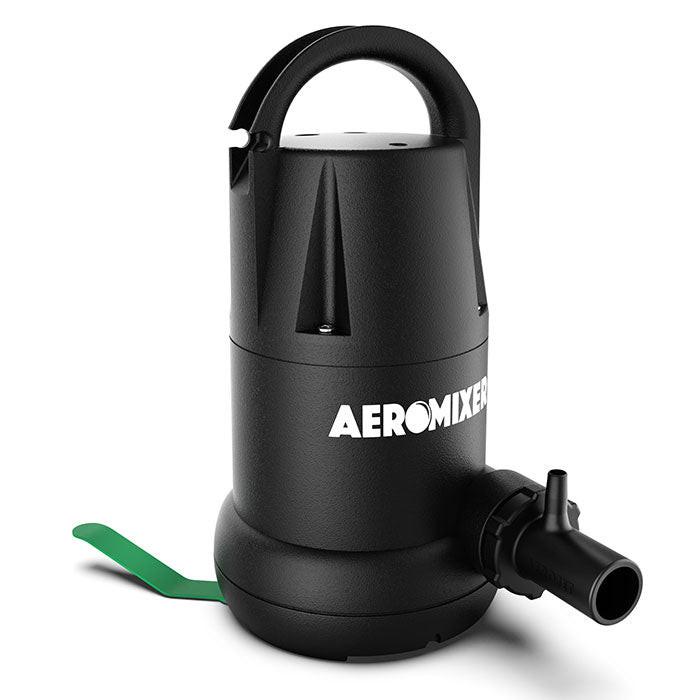
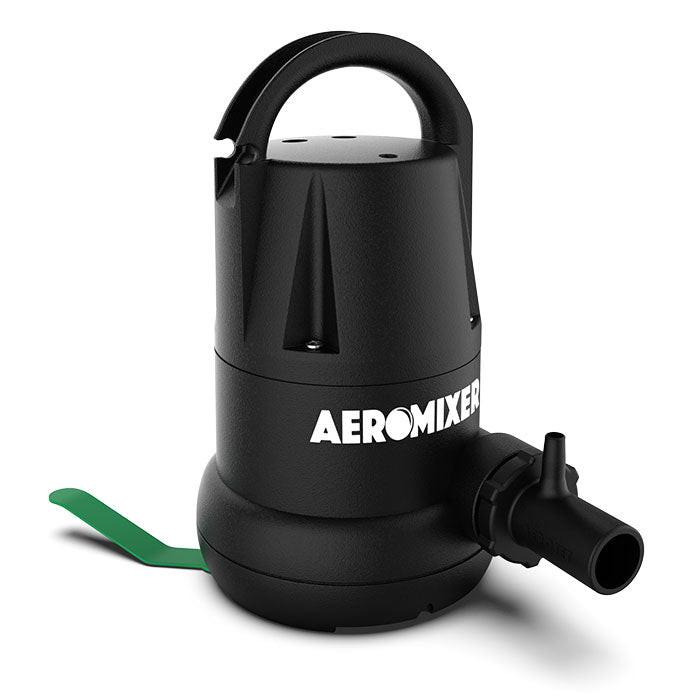
Hydroponic Air Pumps for DWC & Reservoir Aeration
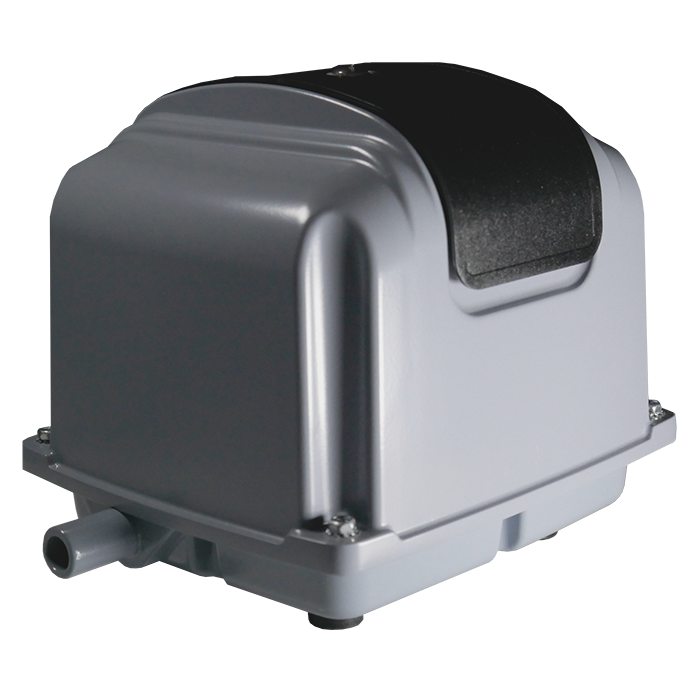
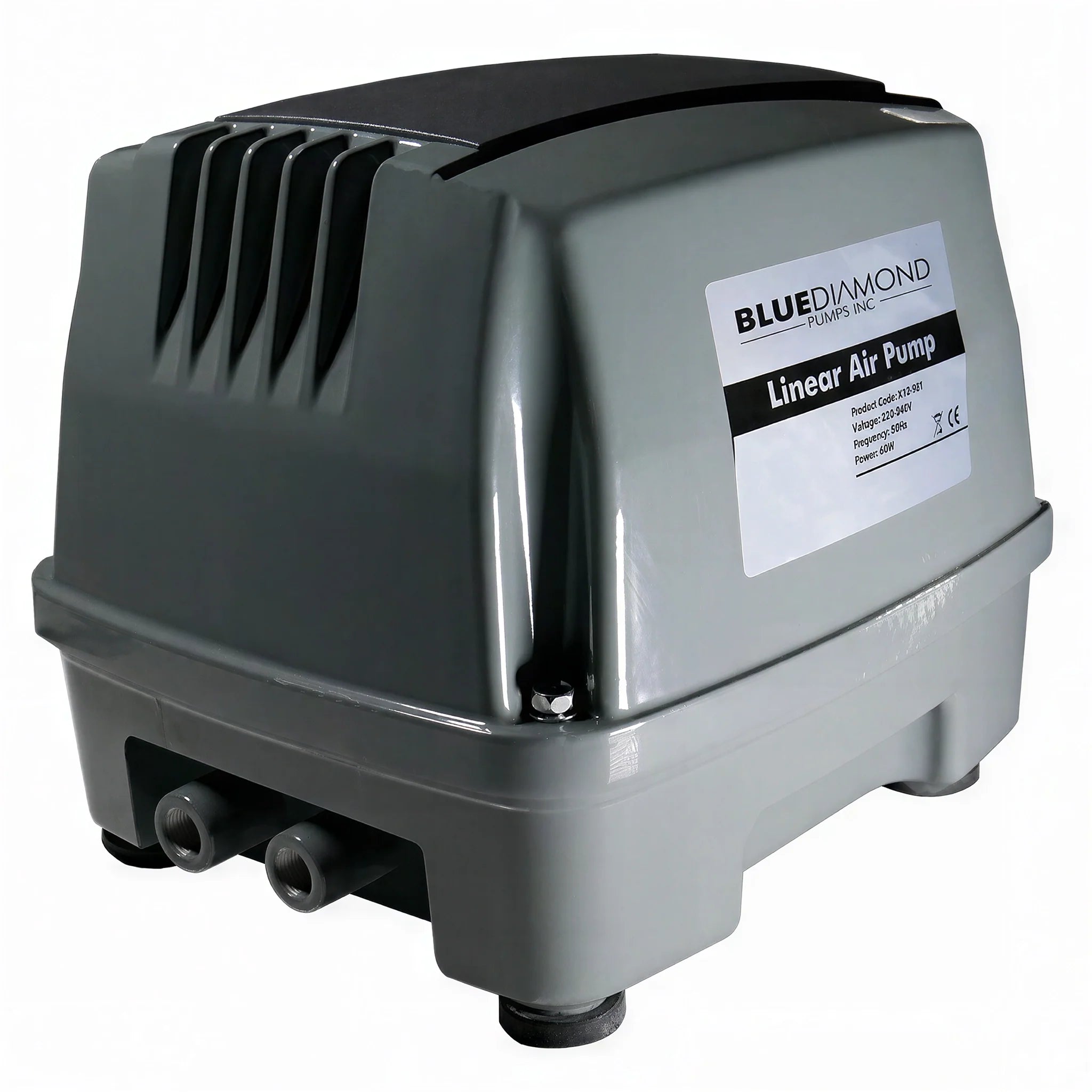
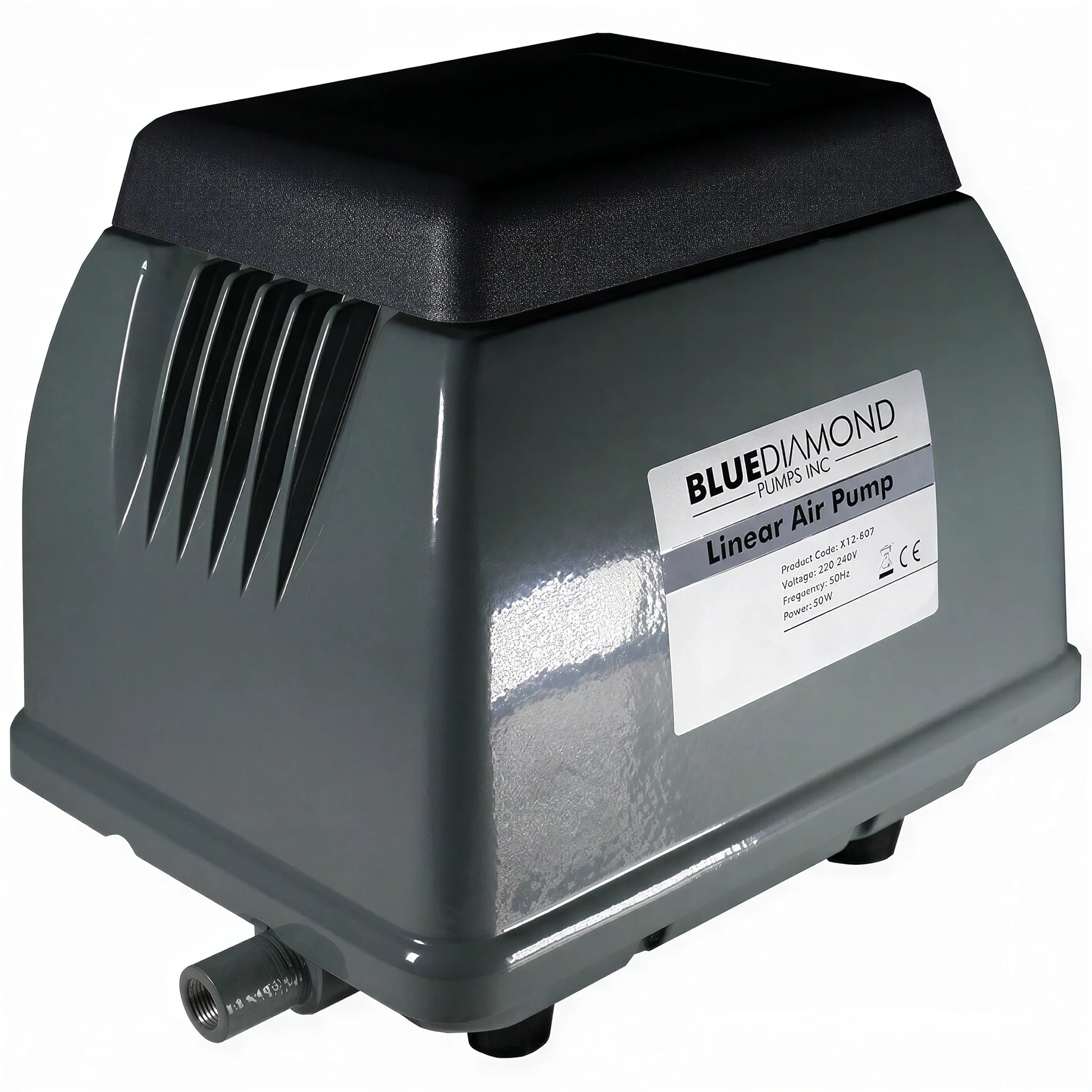
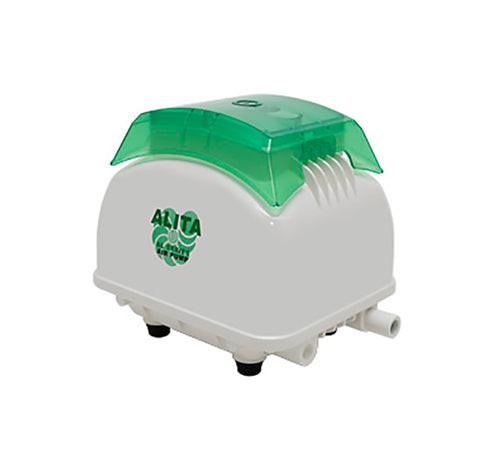
Air pumps supply compressed air to air stones and diffusers submerged in hydroponic reservoirs, producing fine bubbles that dissolve oxygen into the nutrient solution. Adequate dissolved oxygen (DO) at the root zone is one of the most critical factors in healthy hydroponic root development -- roots require oxygen for aerobic respiration, and DO levels below 6 mg/L at typical reservoir temperatures begin to impair root function measurably. In DWC and RDWC systems where roots live in direct contact with nutrient solution, continuous air pump operation is not optional -- it is the primary oxygen delivery mechanism for every plant in the system.
Sizing Air Pumps for Hydroponic Systems
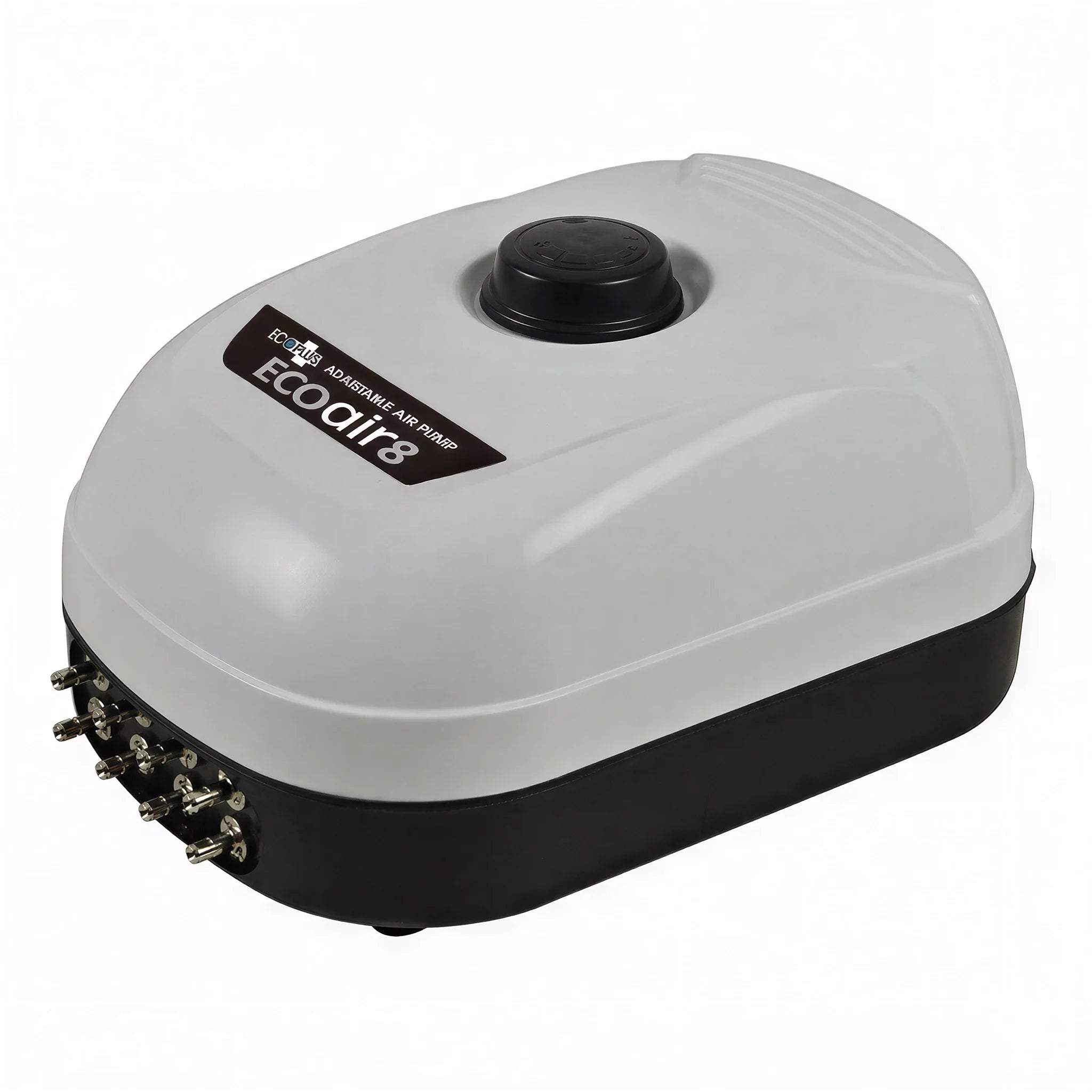
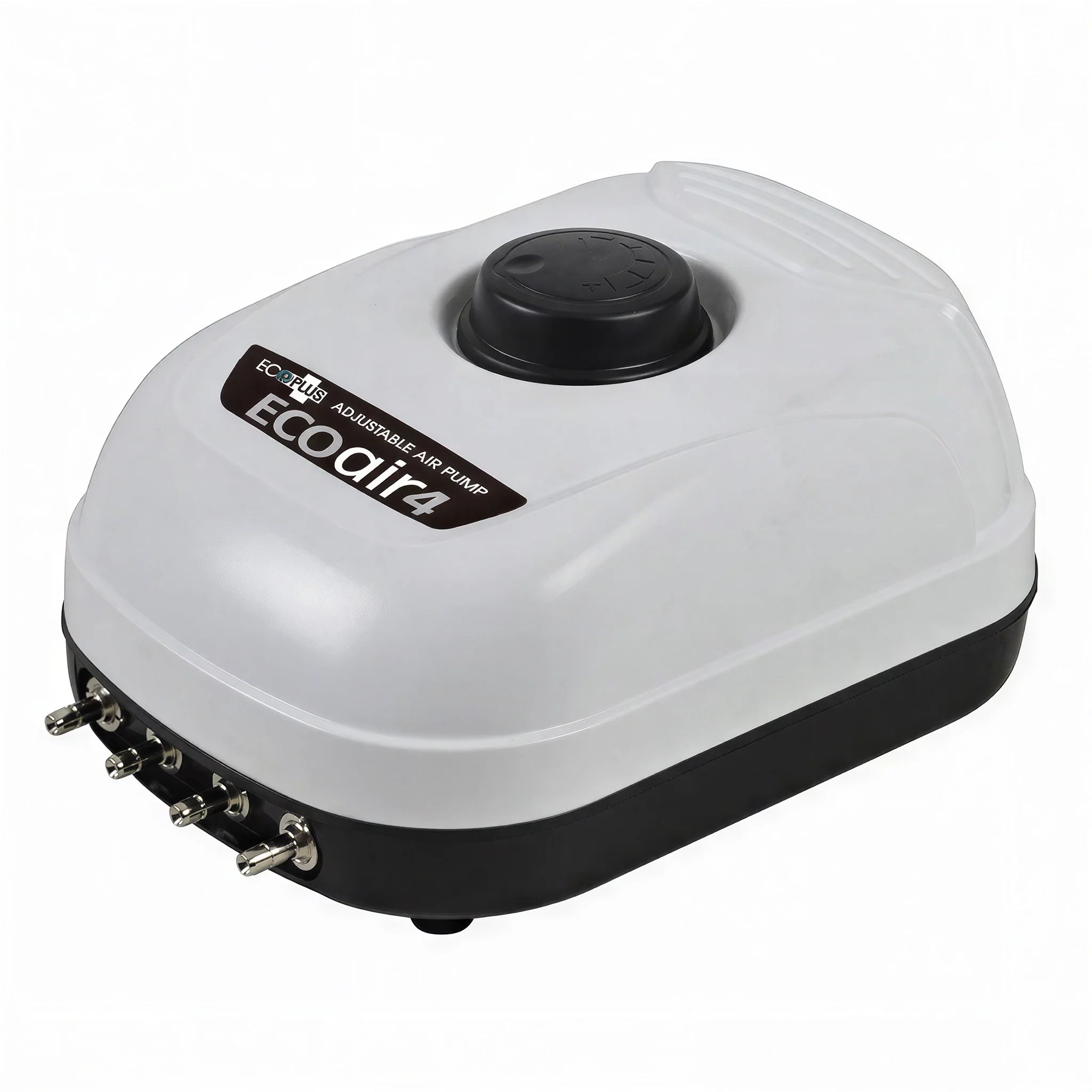
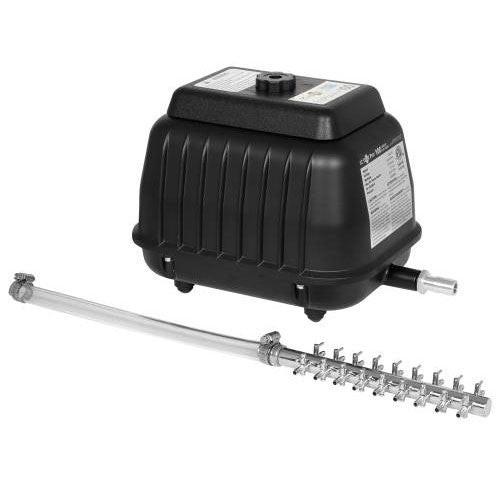
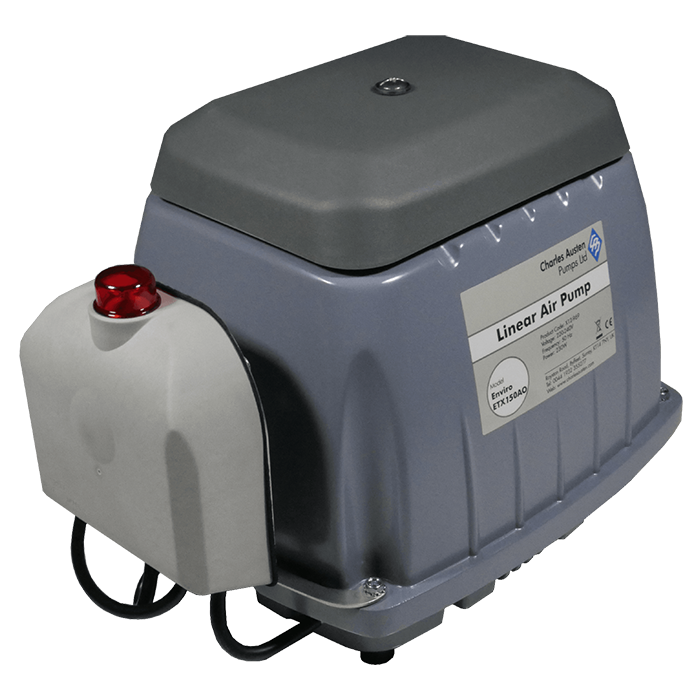
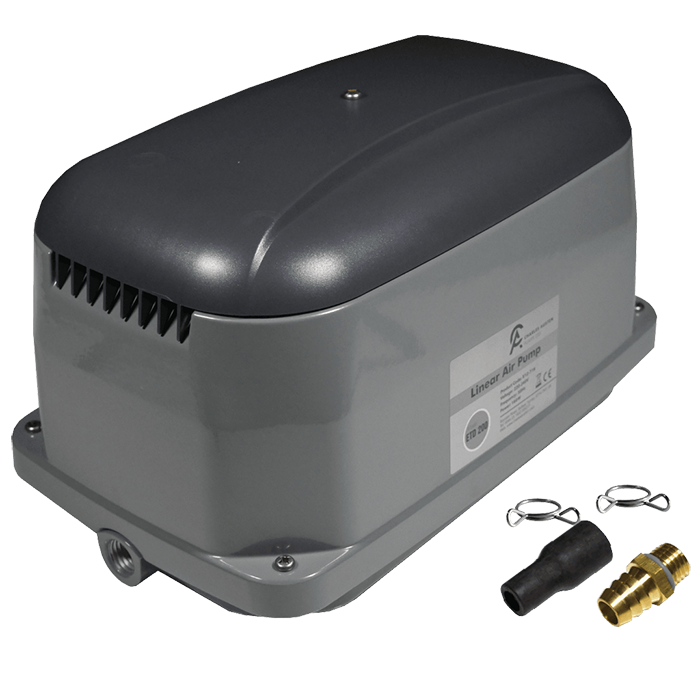
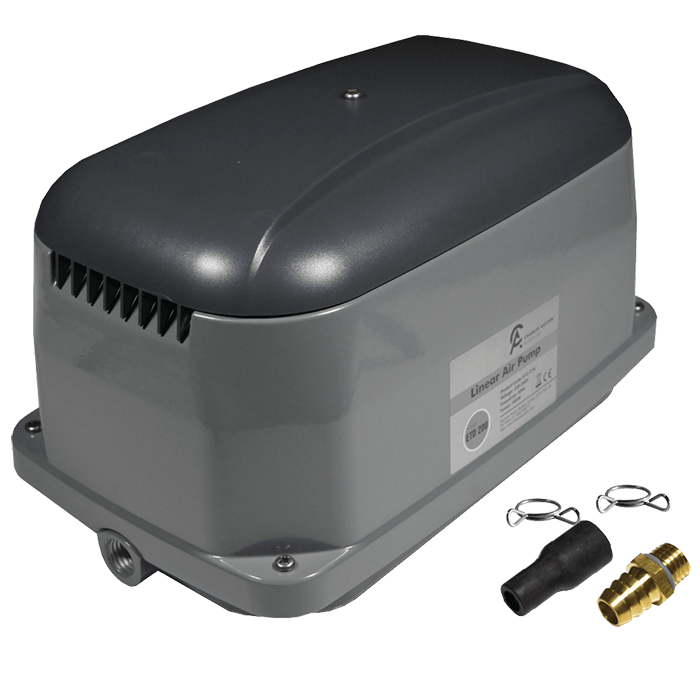
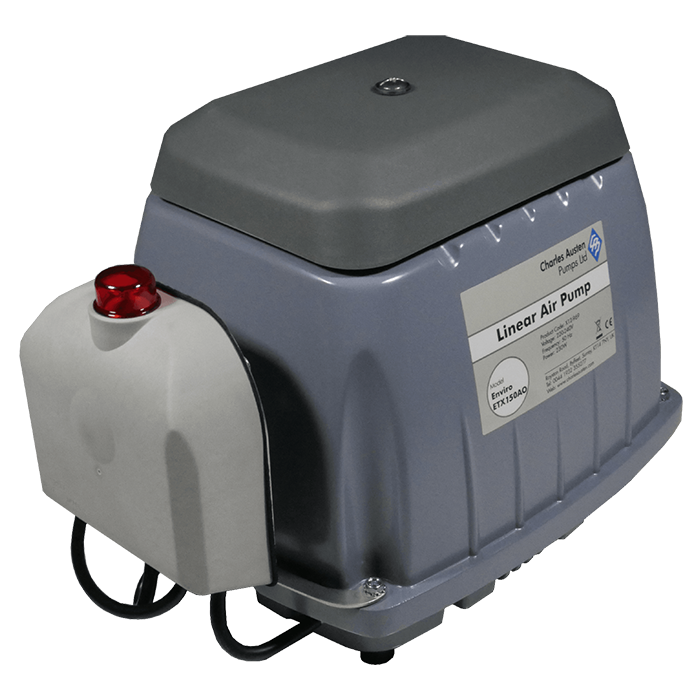
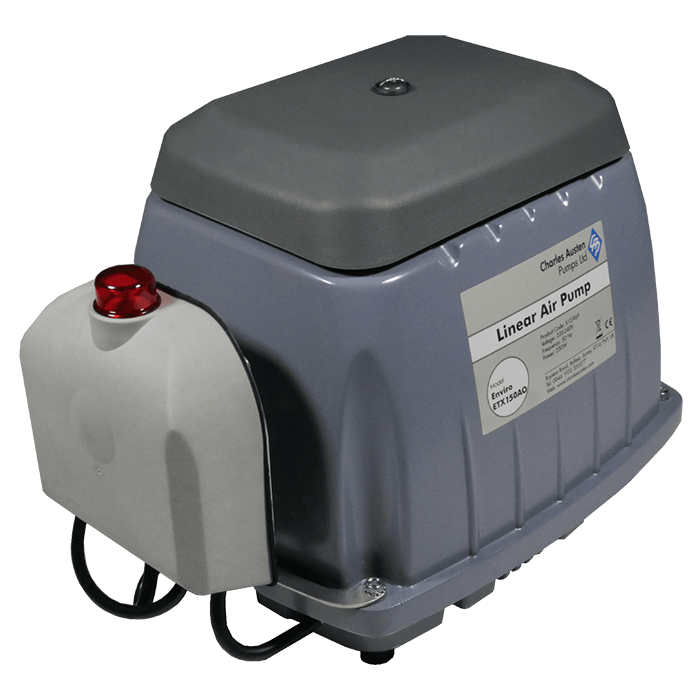
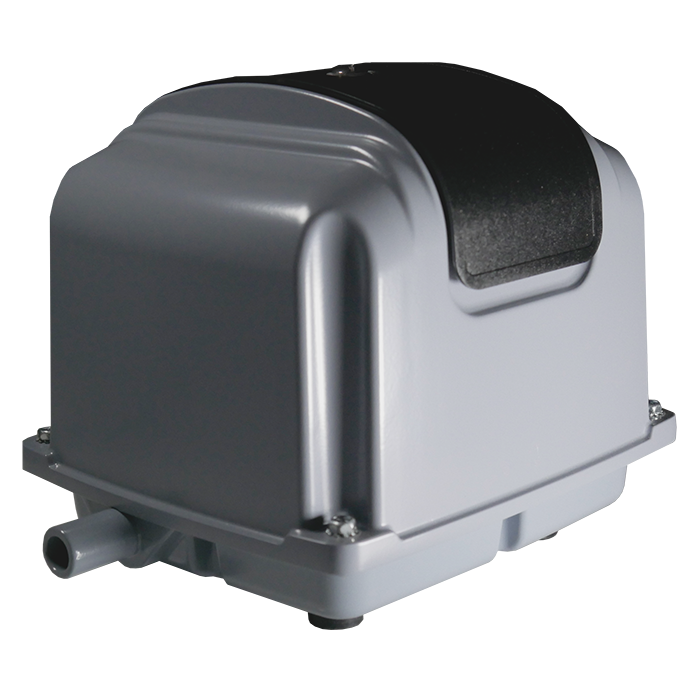
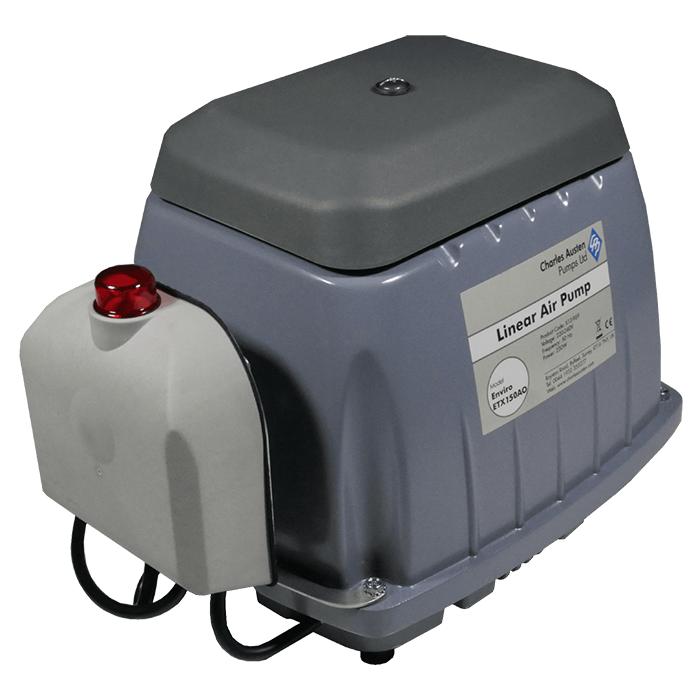
Air pump capacity is rated in liters per minute (LPM) or cubic feet per hour (CFH) of air output. For a standard DWC bucket (3-5 gallon reservoir per plant), a pump delivering 2-4 LPM per bucket is adequate -- a single dual-outlet pump handles 2-bucket systems; multi-outlet commercial compressors handle 8-16+ sites from a single unit. For large RDWC systems with a central reservoir of 50-100+ gallons, size for at least 1 LPM per gallon of total system volume as a minimum aeration target. Always size up rather than down -- an oversized air pump running at partial output is more reliable than an undersized unit running at maximum capacity continuously. For complete system sizing guidance, see our updated guide to dissolved oxygen and aeration.
Single-Outlet vs. Multi-Outlet Air Pumps
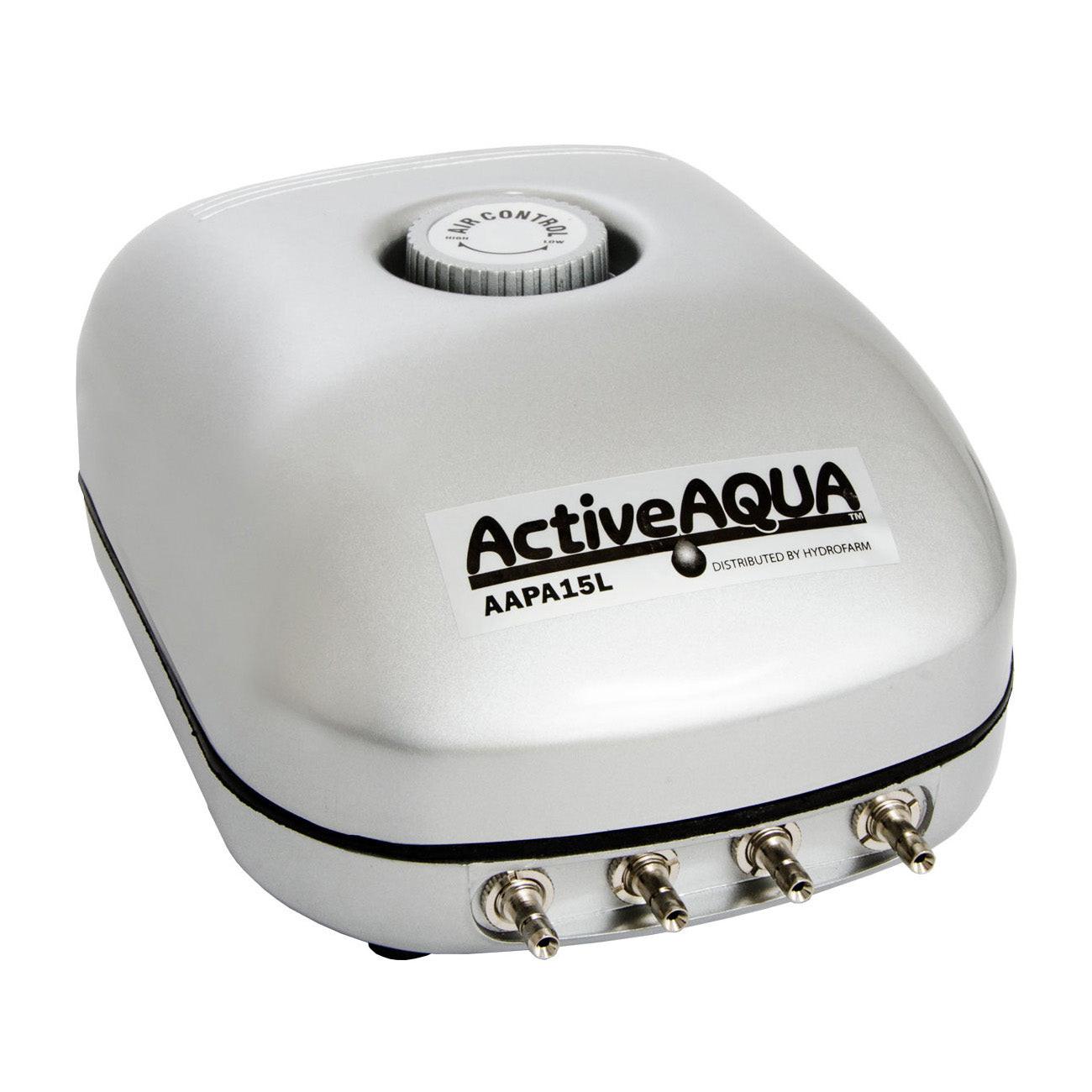
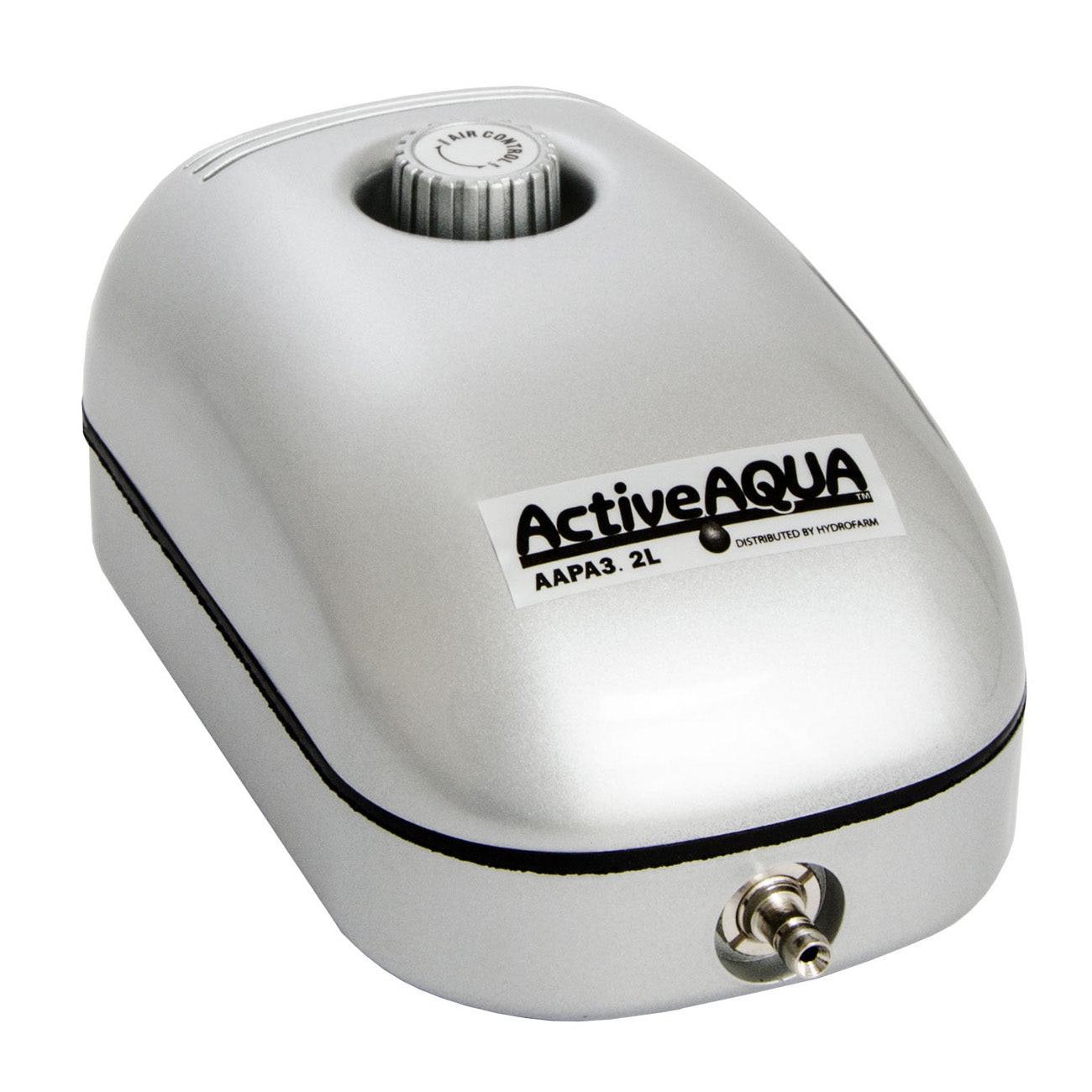
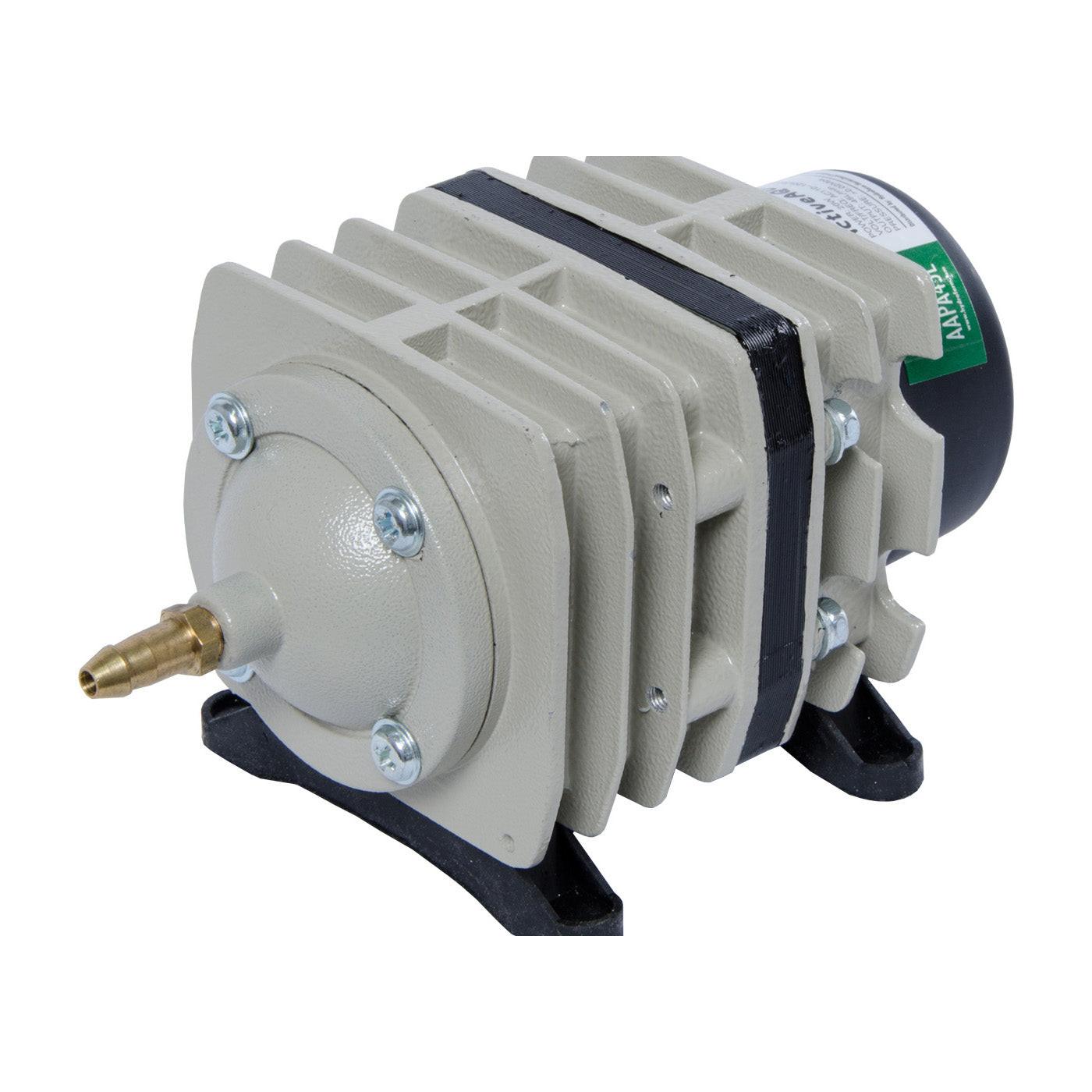
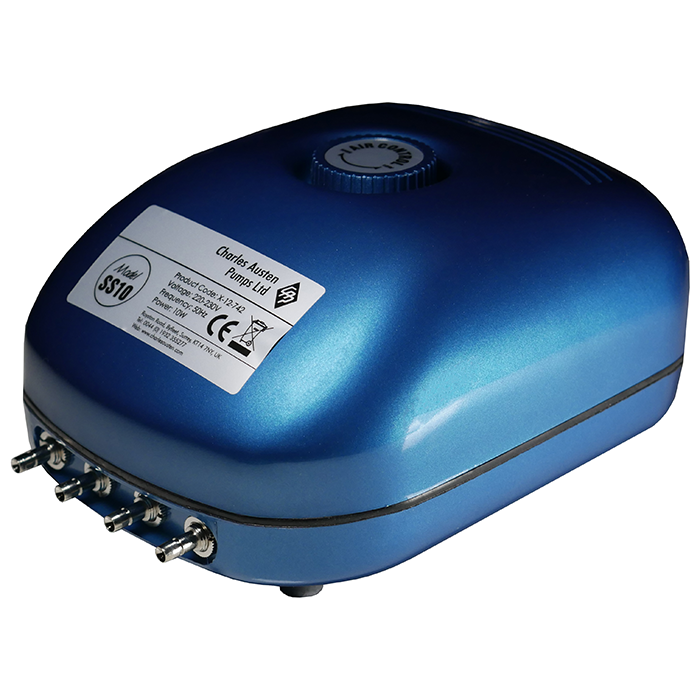
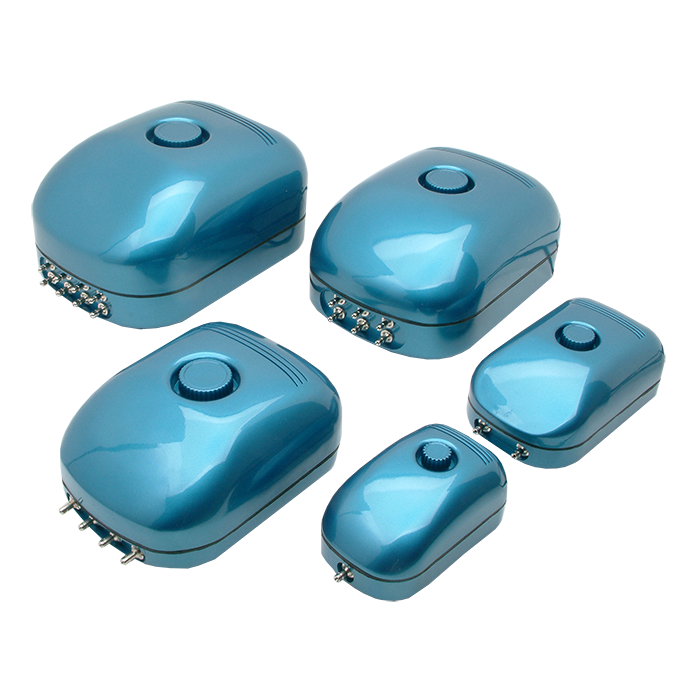
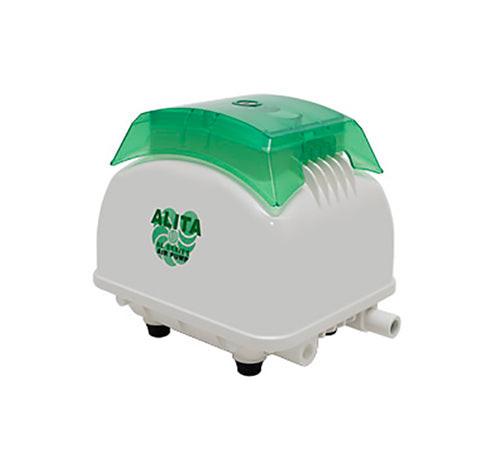
Single-outlet pumps serve one air stone -- appropriate for single-bucket DWC or small reservoirs. Dual-outlet pumps serve two air stones with independent adjustable valves. Multi-outlet commercial compressors (4, 6, 8, or more outlets) serve large systems from a single unit -- more cost-effective and space-efficient than running multiple single-outlet pumps across a large reservoir network. EcoPlus and Active Aqua both produce well-regarded multi-outlet air compressors up to 793 GPH (approximately 50 LPM) for commercial reservoir aeration. Fast shipping.
Hydroponic Air Pumps FAQ
How important is an air pump in a DWC system?
Essential -- not optional. In DWC, plant roots are submerged directly in nutrient solution. Without continuous air pump operation supplying dissolved oxygen through air stones, dissolved oxygen levels drop within hours, root respiration becomes anaerobic, and root death follows. An air pump failure in a DWC system is a crop emergency. For this reason, serious DWC growers use pumps rated well above minimum requirements and keep a spare on hand. The air pump is the single piece of equipment in a DWC system where failure causes the fastest and most irreversible crop damage.
How do I know if my air pump is strong enough?
The most reliable check is a dissolved oxygen meter -- target 7-9 mg/L DO in the reservoir at your operating temperature. If DO consistently runs below 6 mg/L, increase aeration by adding more air stones, upgrading to a higher-output pump, or both. A simpler proxy check: the air stone should produce a vigorous curtain of fine bubbles across its full surface -- large sluggish bubbles indicate inadequate pressure for the stone at depth, while fine uniform bubbles confirm adequate airflow. In warm reservoirs (above 75 degrees F), water holds less dissolved oxygen at saturation -- warmer water requires more vigorous aeration to maintain adequate DO.
Should I run my air pump 24 hours a day?
Yes -- in DWC and RDWC systems, run air pumps continuously 24 hours per day. DO levels drop when aeration stops, and the recovery time after an aeration break is measured in hours. Even during the dark period, plants in DWC systems require continuous oxygenation at the root zone. For reservoir-only aeration in systems where roots are not submerged (storage reservoirs, nutrient mixing tanks), aeration can be reduced or stopped between mixing cycles, but any reservoir with active plant roots should have continuous aeration.