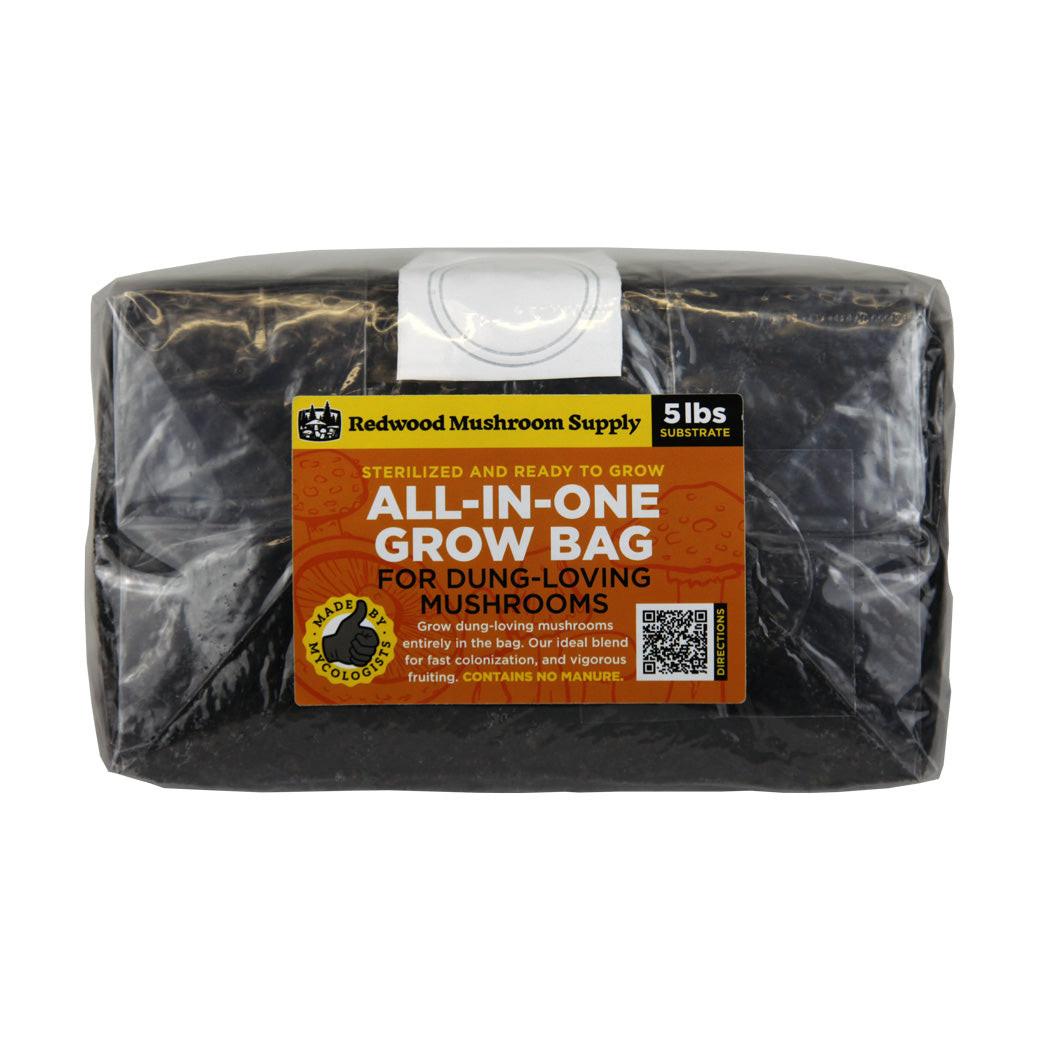
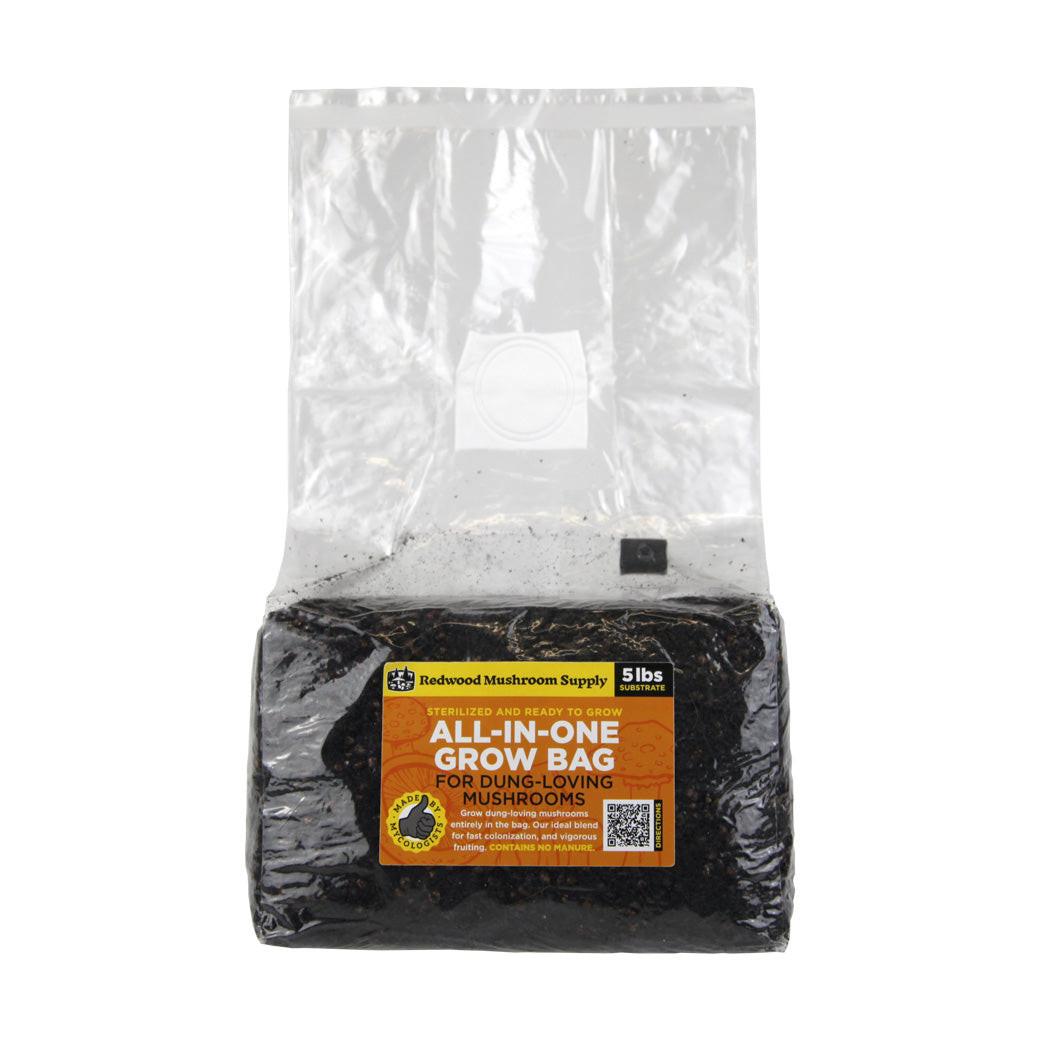
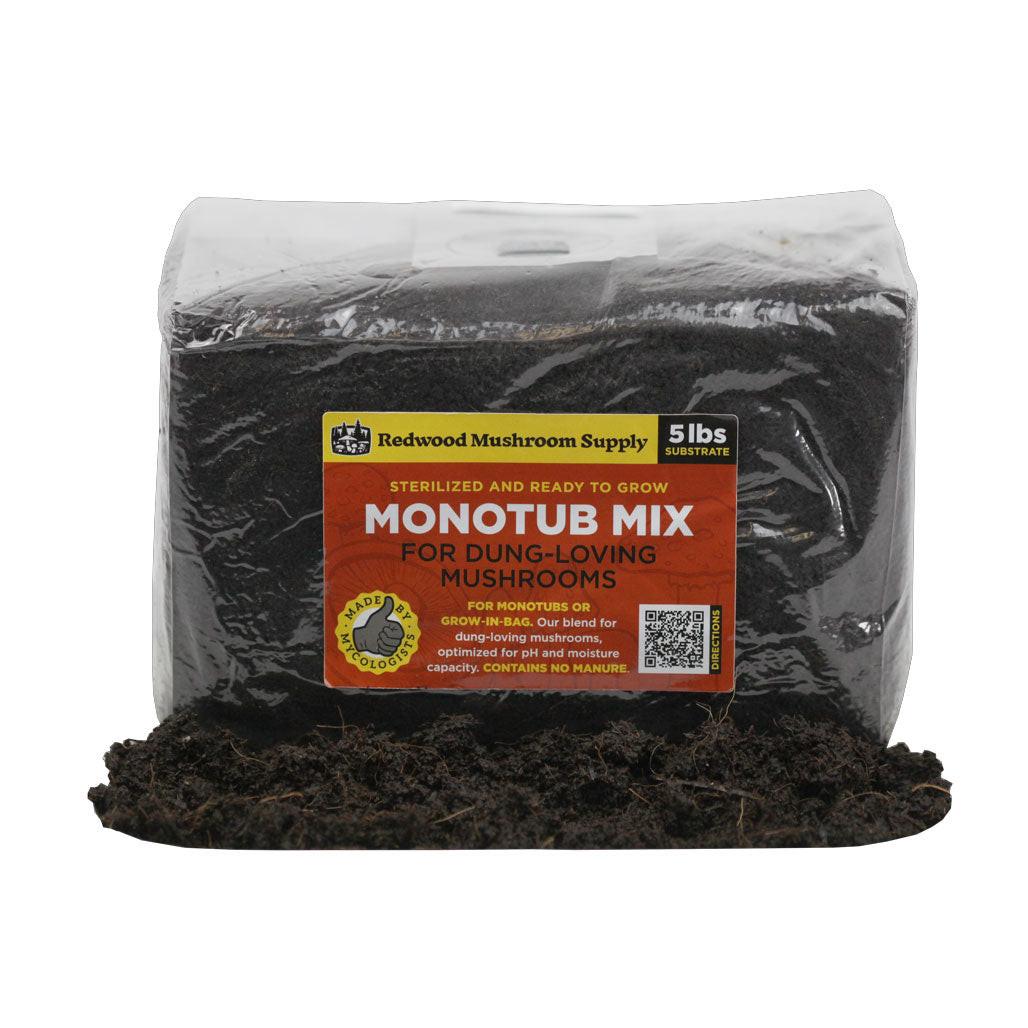
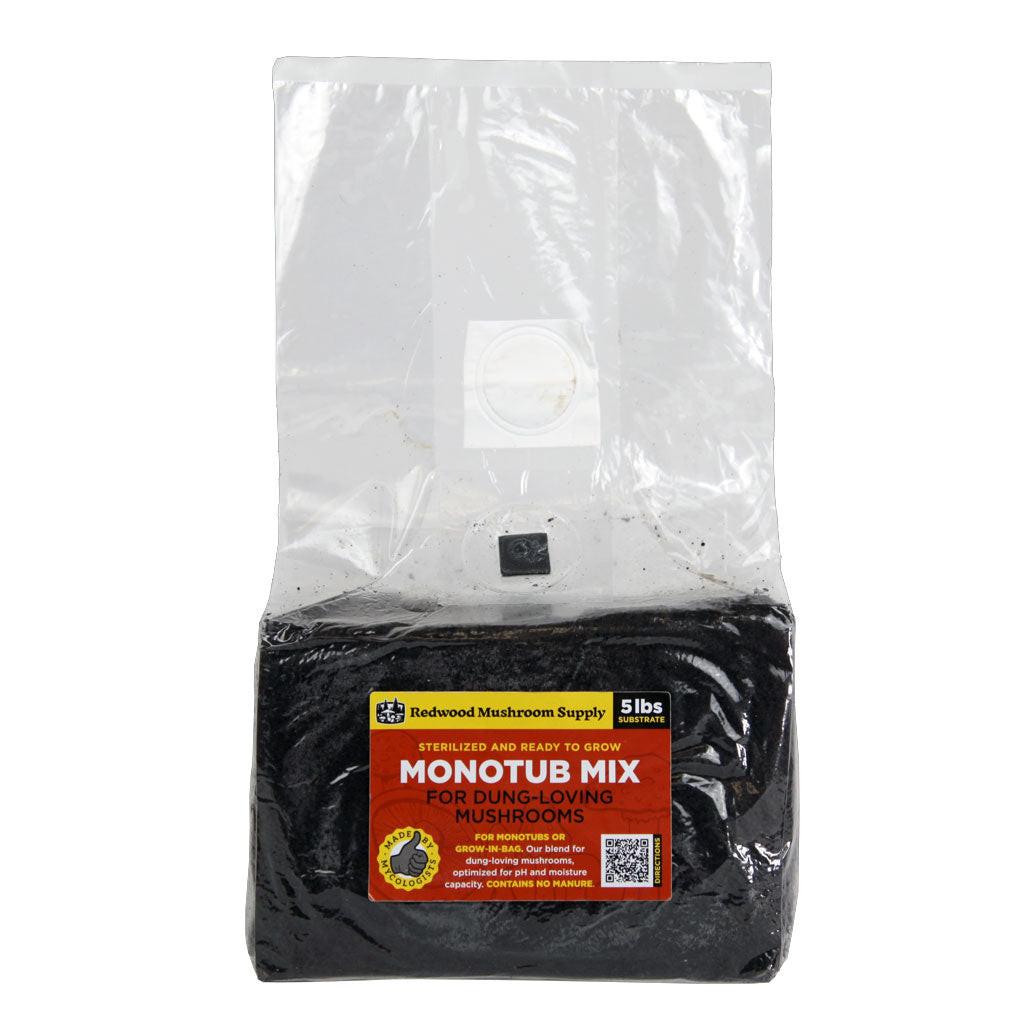
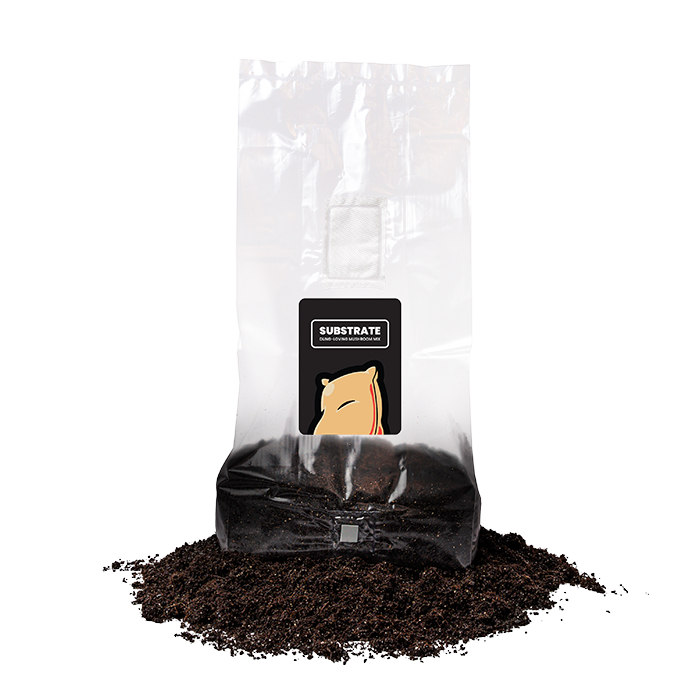
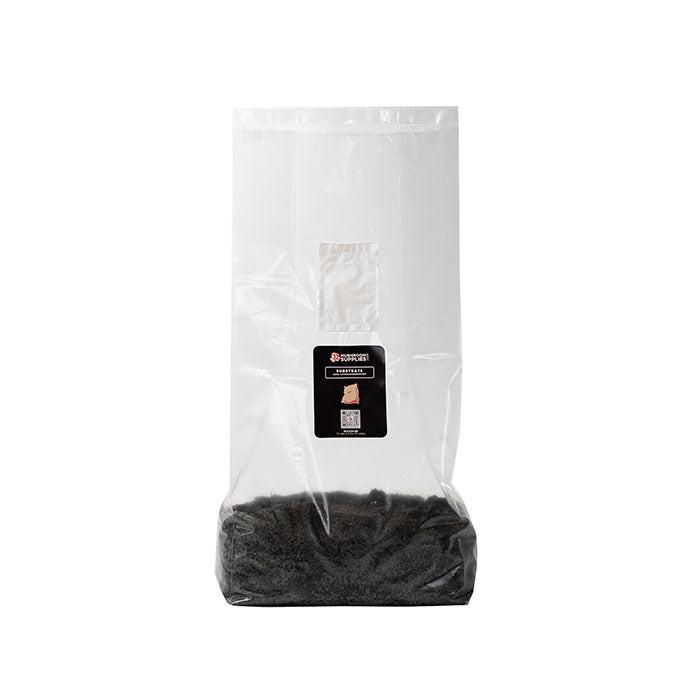
Mushroom Substrate & Sterilized Growing Media
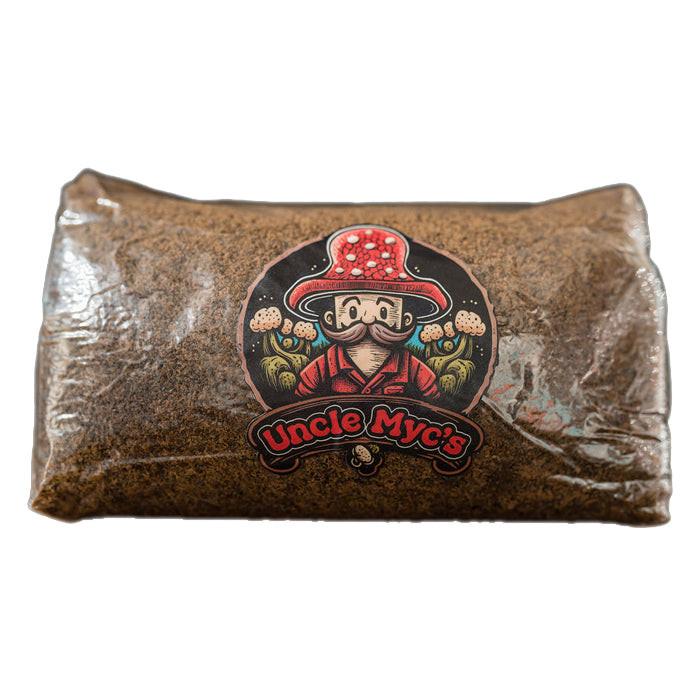
Mushroom substrate is the nutrient-rich growing medium that provides the carbon, nitrogen, and mineral resources that mushroom mycelium colonizes and from which fruiting bodies emerge. The substrate composition determines which mushroom species will thrive and the potential yield achievable -- different species have co-evolved with specific decomposable materials and perform best on substrates matched to their natural ecology. Getting the substrate formula, sterilization, and moisture content right is the most critical variable in mushroom cultivation, and it is where most cultivation failures originate.
Substrate Types by Species
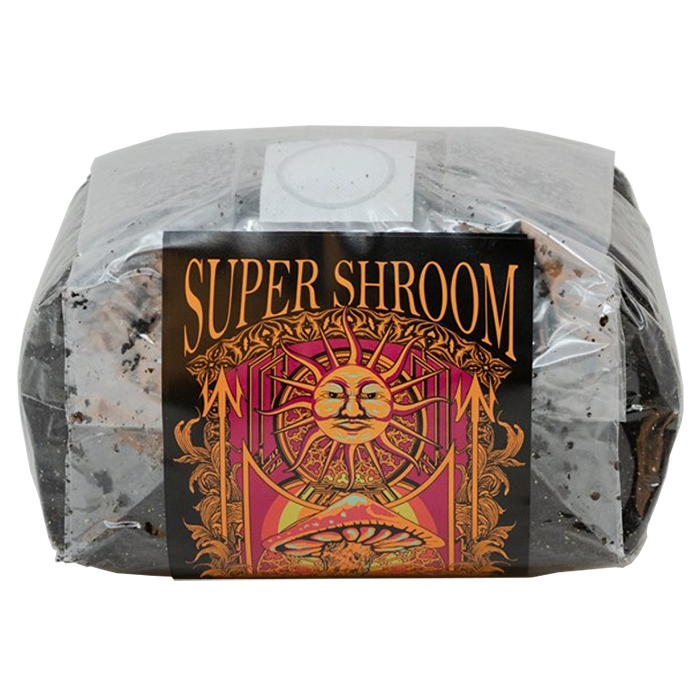
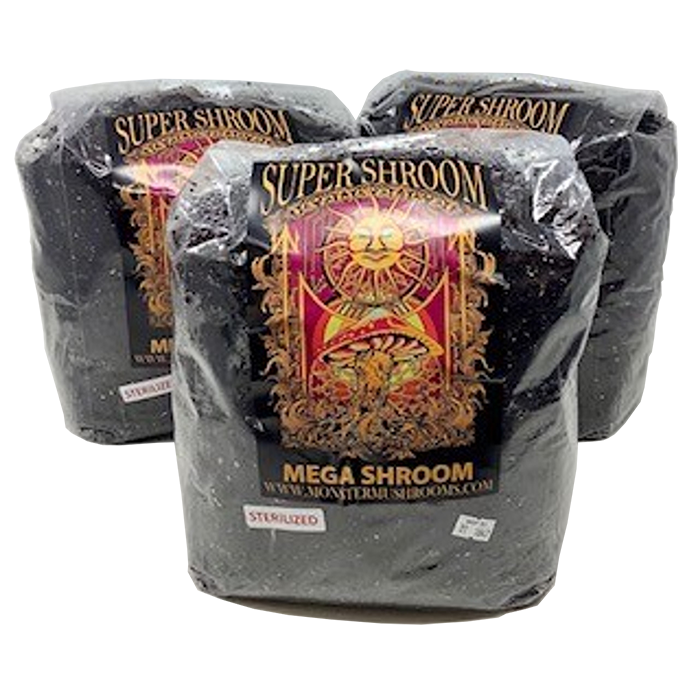
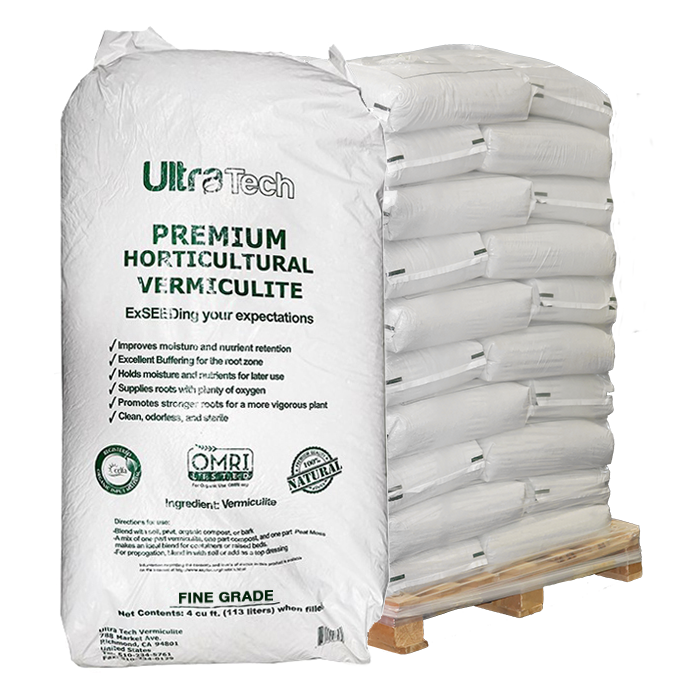
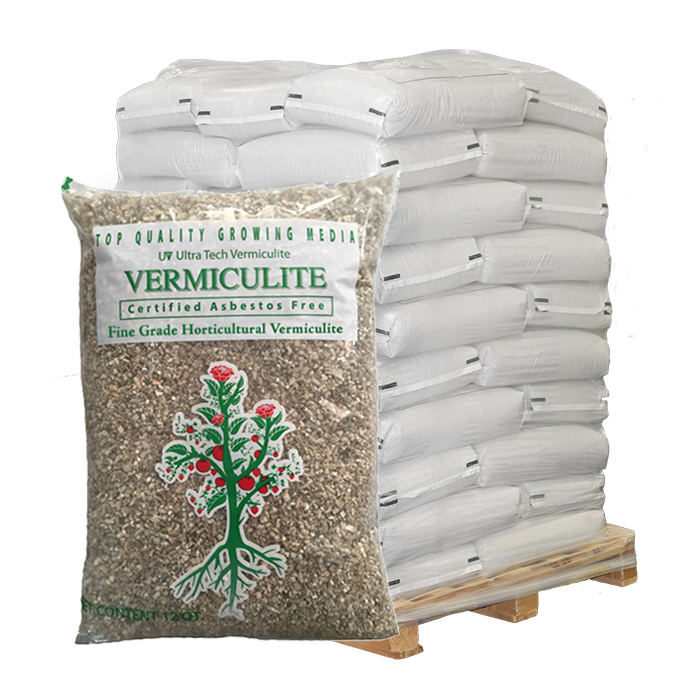
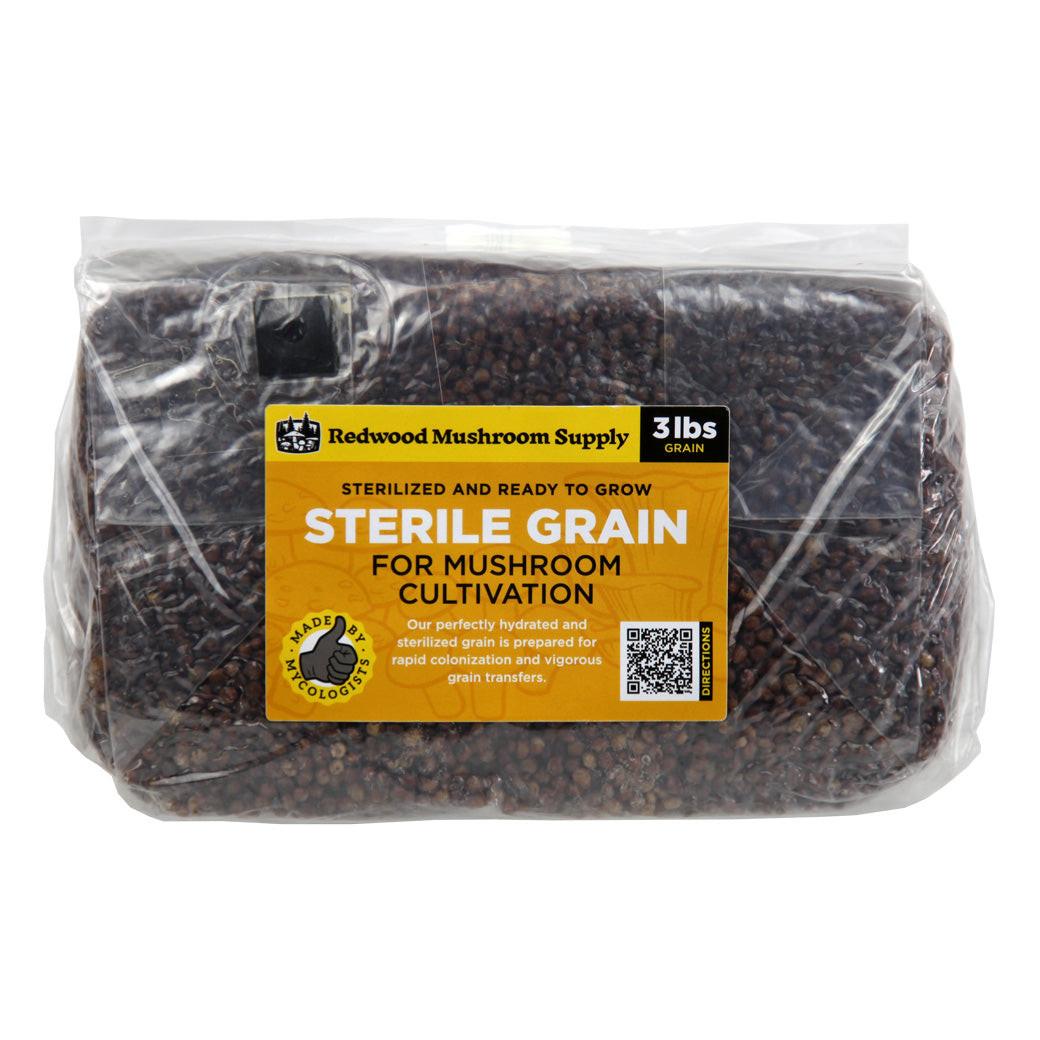
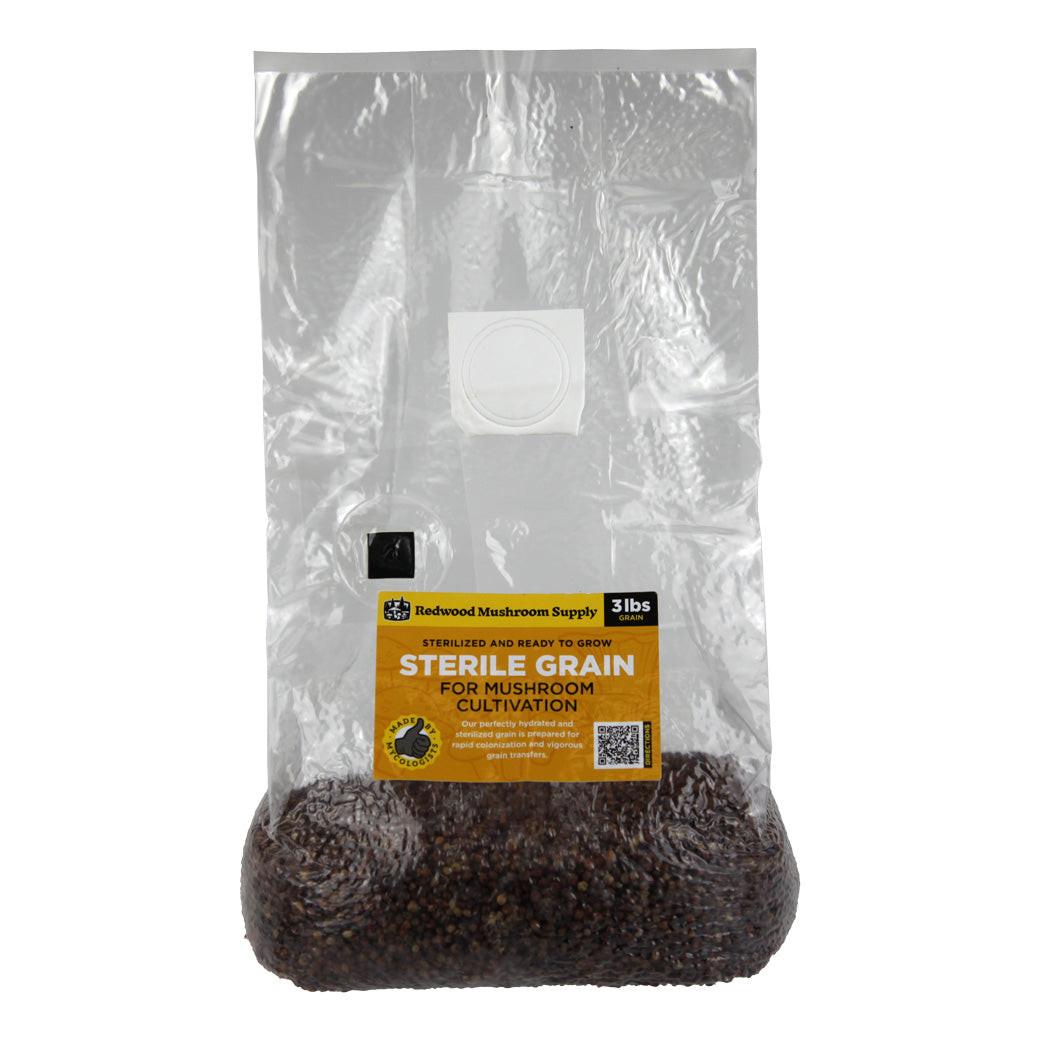
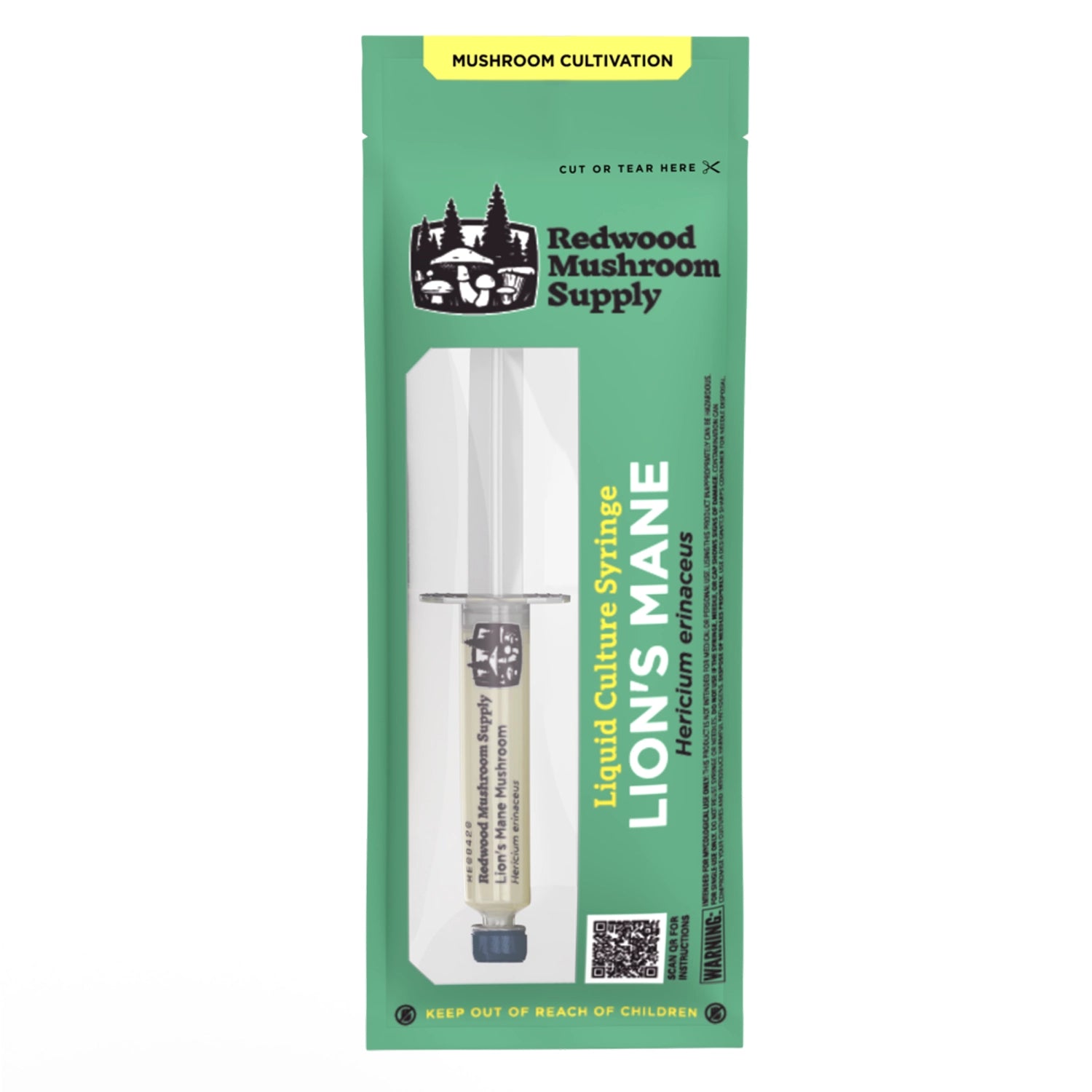
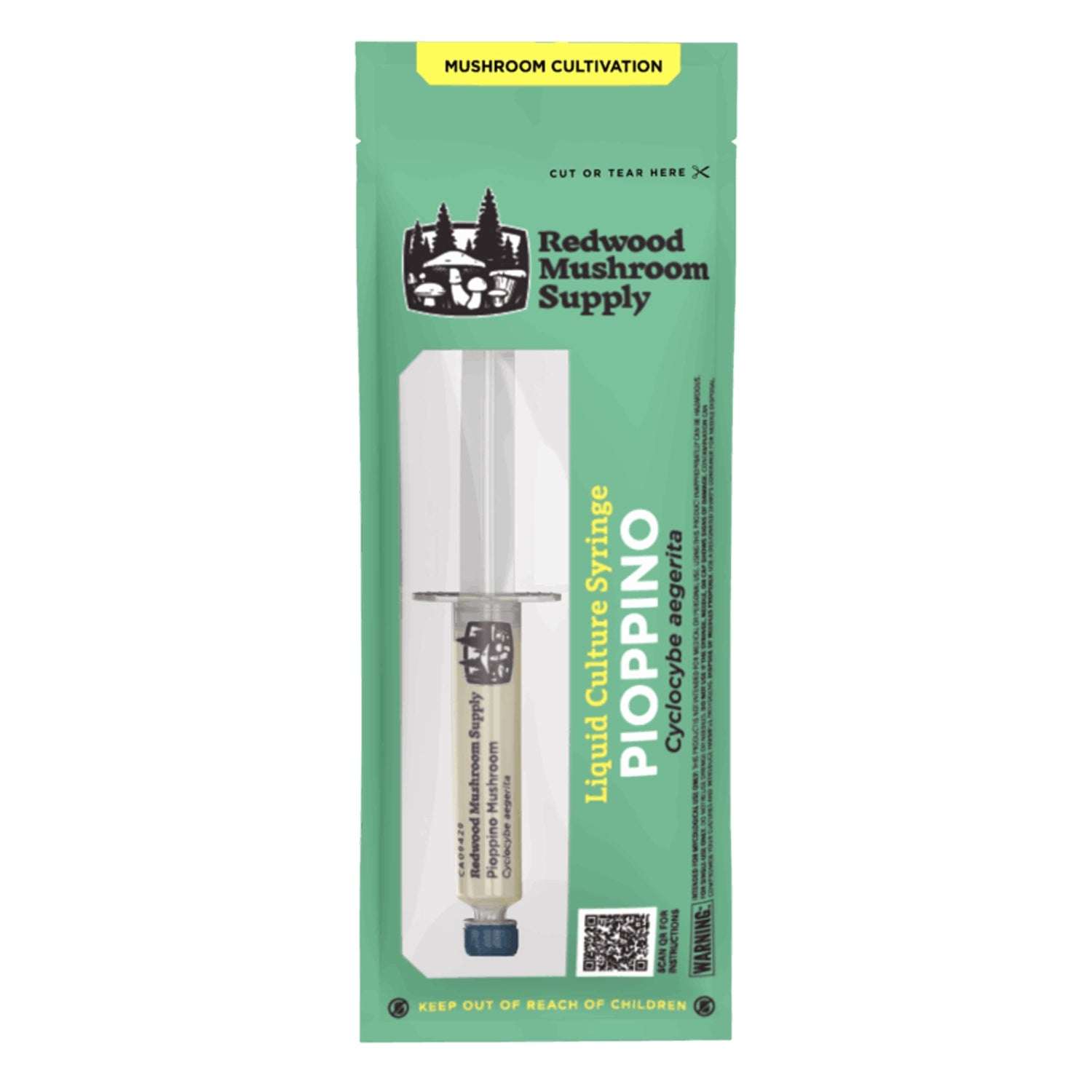
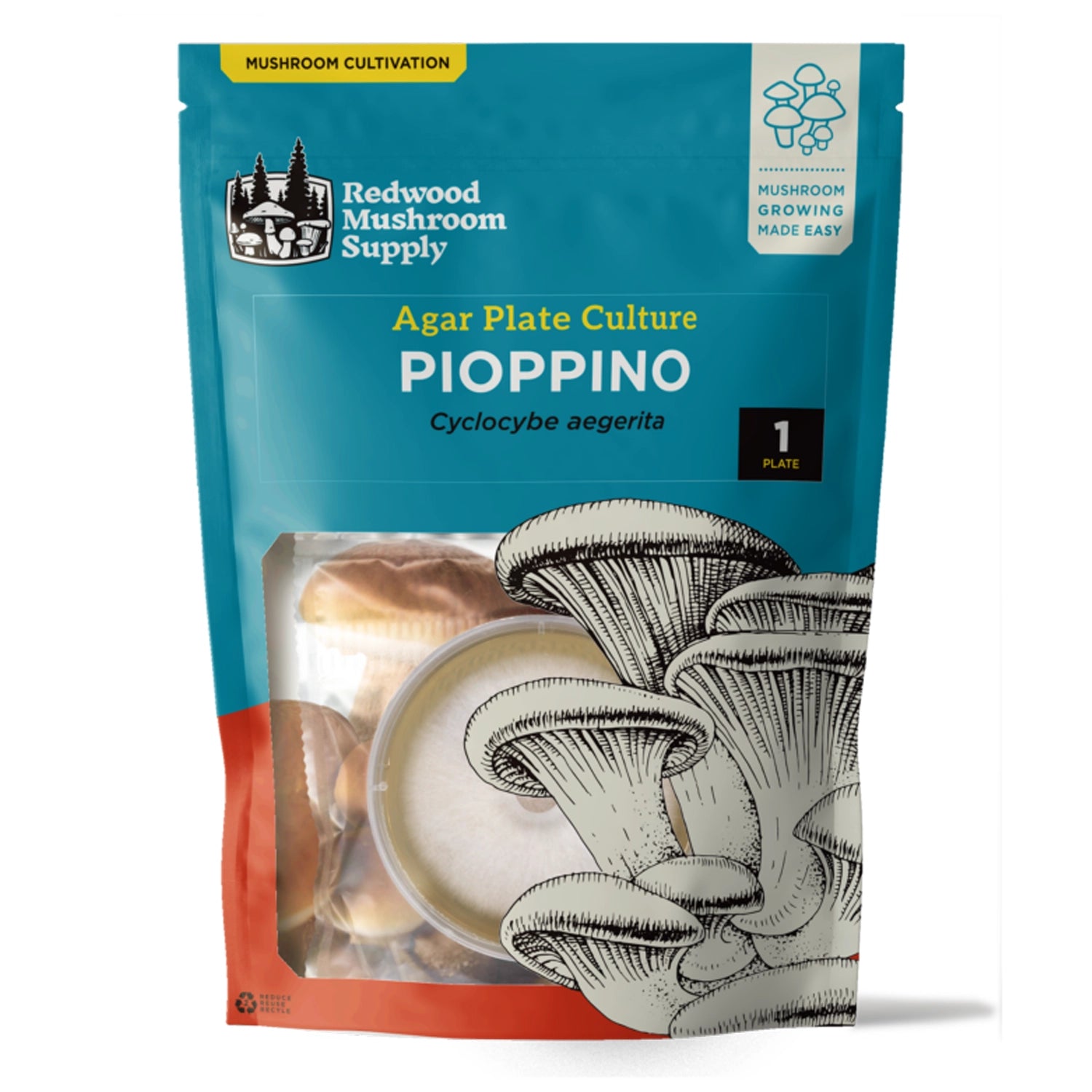
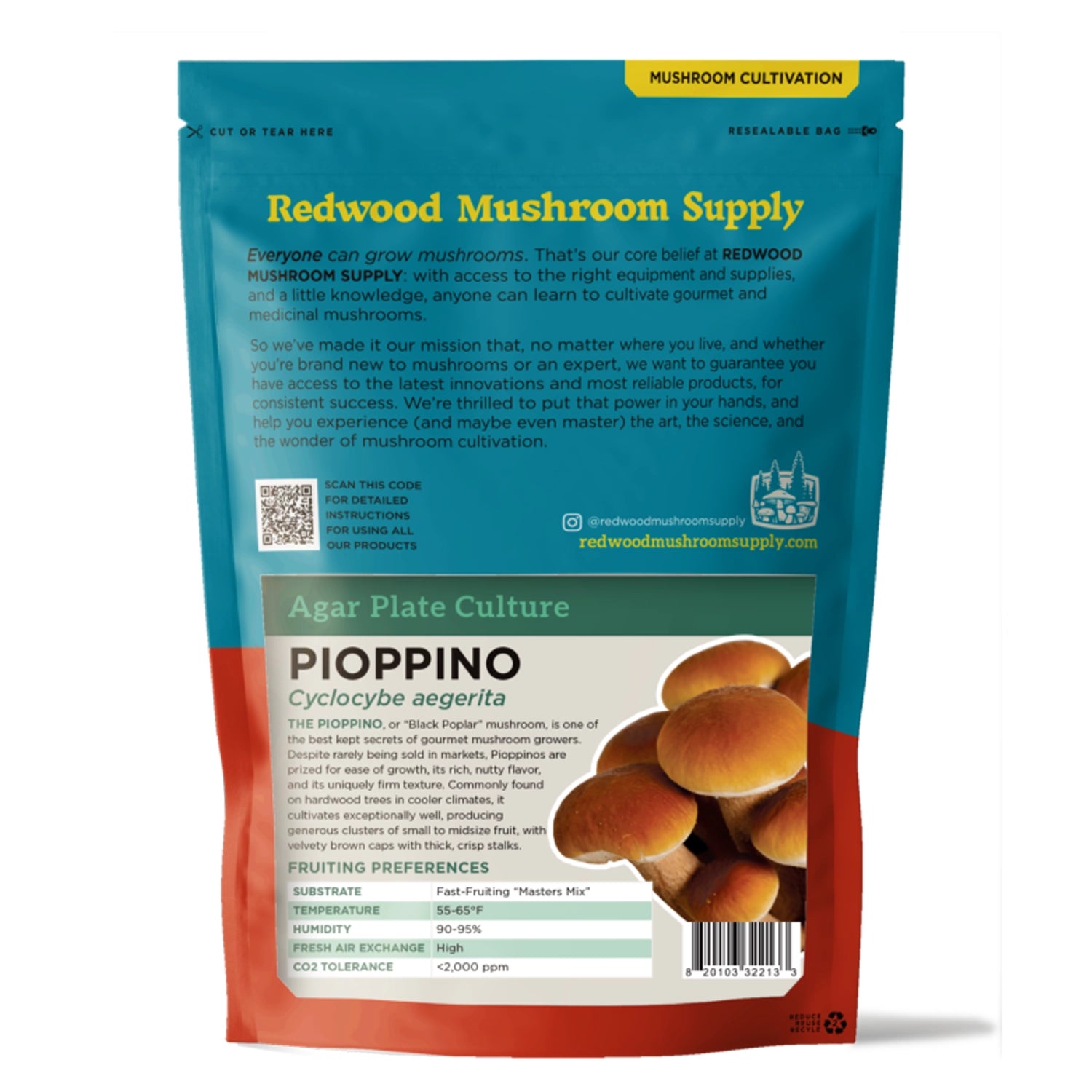
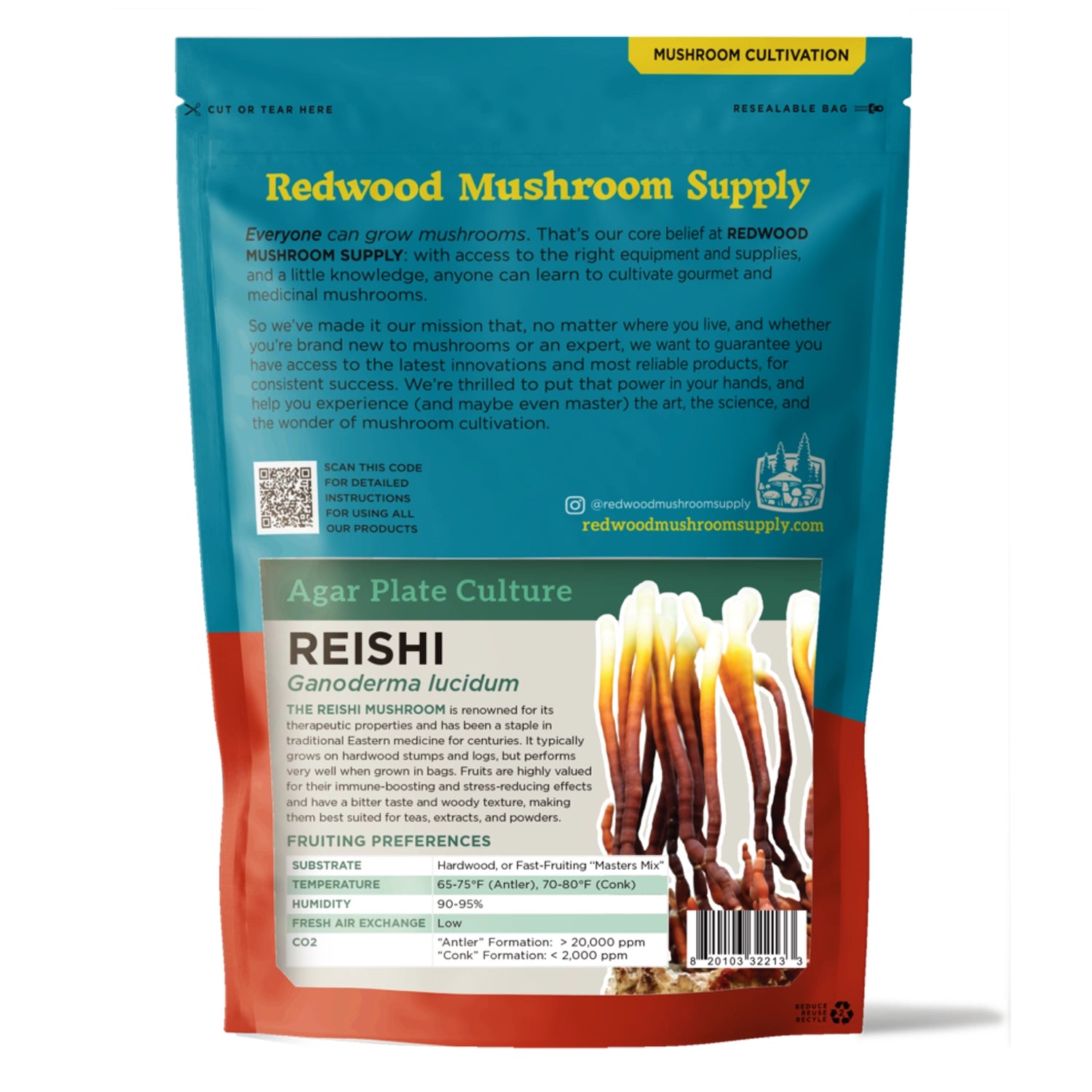
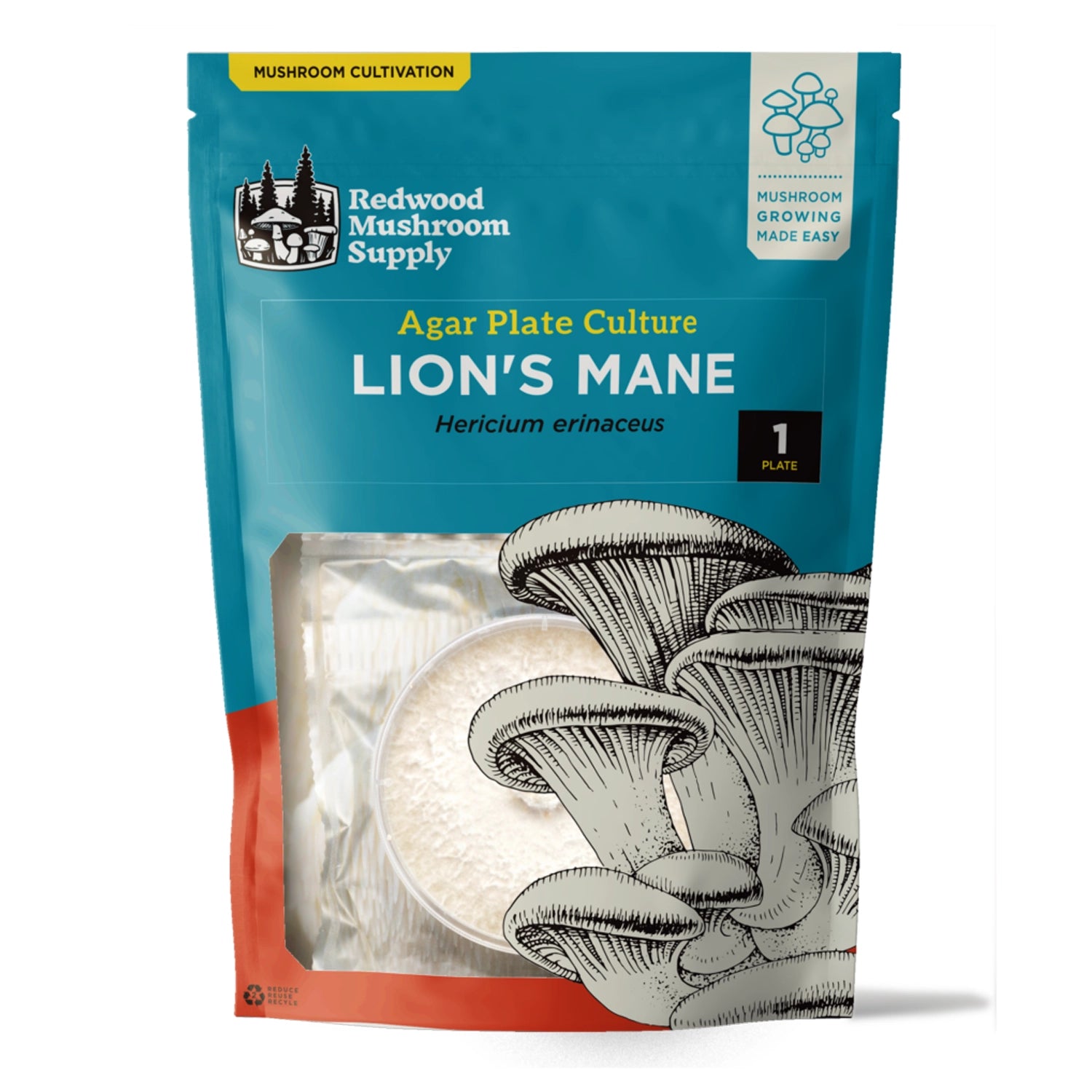
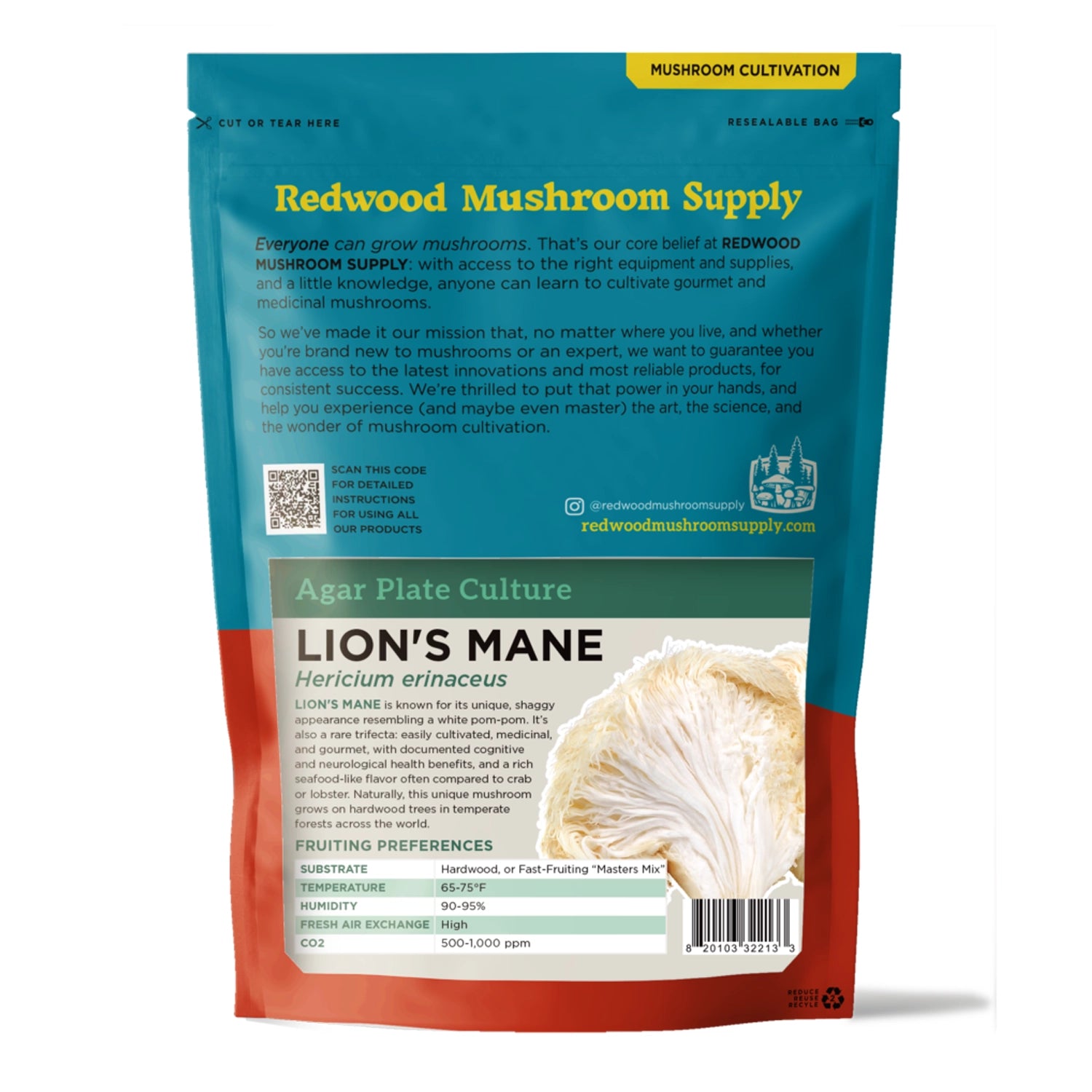
Hardwood sawdust and wood chips are the primary substrate for wood-decomposing species: oyster mushrooms (Pleurotus species), lion's mane (Hericium erinaceus), shiitake (Lentinula edodes), and maitake (Grifola frondosa). Supplemented hardwood sawdust -- sawdust blended with wheat bran, oat bran, or soy hulls at 10-20% by weight -- increases nitrogen content and dramatically increases yields but also increases contamination risk from faster-growing competing organisms, requiring thorough sterilization rather than pasteurization. Masters Mix (50% hardwood sawdust, 50% soy hulls) is the highest-yielding hardwood supplement formula and the commercial standard for high-output oyster and lion's mane production. Straw (wheat or rice straw) is the economical substrate for oyster mushroom production at scale -- pasteurization rather than full sterilization is adequate, making large-batch straw cultivation accessible without a pressure cooker. Grain-based substrates (wheat, rye, oats) are used primarily for spawn production rather than fruiting -- grain colonizes quickly and is used as the inoculant that seeds bulk fruiting substrates. Browse our complete mushroom cultivation collection for substrate alongside spawn, kits, and equipment.
Sterilization vs. Pasteurization
Sterilization (15 PSI / 121 degrees C for 2.5+ hours in a pressure cooker or autoclave) destroys all microbial life including heat-resistant endospores. Required for supplemented hardwood substrates and grain spawn. Pasteurization (70-82 degrees C for 1-2 hours) kills most vegetative organisms but leaves heat-resistant beneficial bacteria that compete with contamination -- adequate for plain straw and low-nitrogen substrates. Fast shipping.
Mushroom Substrate FAQ
What substrate should I use for oyster mushrooms?
Oyster mushrooms (Pleurotus species) are extremely versatile and colonize a wide range of lignocellulosic substrates. The most accessible options: straw (wheat or rice straw, pasteurized -- no pressure cooker required), hardwood sawdust (sterilized plain or supplemented), cardboard, and coffee grounds. For highest yield: supplemented hardwood sawdust or Masters Mix (50% hardwood sawdust, 50% soy hulls) sterilized in sealed grow bags. For simplest first cultivation: pasteurized straw in a bucket or bag. Oyster mushrooms are the most forgiving species for new cultivators because of their fast colonization speed and tolerance of less-than-perfect technique.
What is Masters Mix and why is it popular?
Masters Mix is a 50/50 blend of hardwood sawdust and soy hulls (or soy bran) by dry weight -- a highly supplemented substrate formula developed by commercial cultivators to maximize fruiting body yield from lion's mane and oyster mushrooms. The soy hulls provide a high-nitrogen supplement that significantly increases available nutrition for the mycelium compared to plain hardwood sawdust, producing substantially higher yields per block. The tradeoff: the high nitrogen content makes Masters Mix extremely susceptible to bacterial and mold contamination if sterilization is incomplete -- it must be fully sterilized (not just pasteurized) in a pressure cooker at 15 PSI for 2.5+ hours.
What moisture content should mushroom substrate have?
Target field capacity moisture for most mushroom substrates: approximately 60-65% moisture content by weight. A simple field capacity test: squeeze a handful of prepared substrate firmly -- it should produce only a few drops of water, not a steady stream. Too wet: water drips freely when squeezed -- contamination risk is high from excess free water promoting bacterial growth. Too dry: no water appears when squeezed -- colonization slows and yields decrease. Pre-packaged sterilized substrate products are formulated and hydrated to the correct moisture content, removing this variable from the cultivation process.
Can I reuse mushroom substrate for multiple flushes?
Yes -- a colonized substrate block typically produces 2-4 successive flushes (fruiting cycles) before the available nutrition is depleted. After each flush: remove spent mushroom tissue from the substrate surface, allow the block to rest for 5-10 days, then resume fruiting conditions (fresh air exchange, high humidity, appropriate temperature). Yield decreases with each subsequent flush as nutrients are consumed. After the final flush, the spent substrate can be added to a compost pile or used as a soil amendment -- the partially broken-down lignocellulosic material is a useful compost input.
Do I need a pressure cooker to sterilize mushroom substrate?
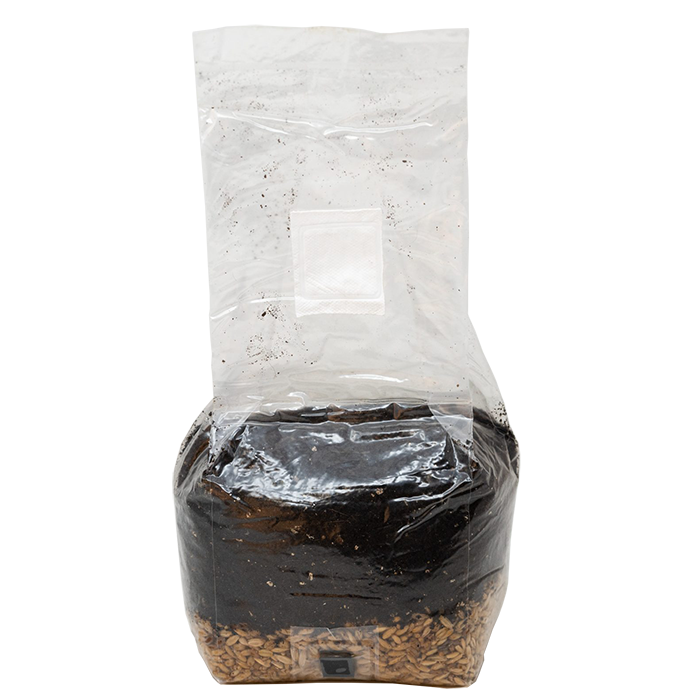
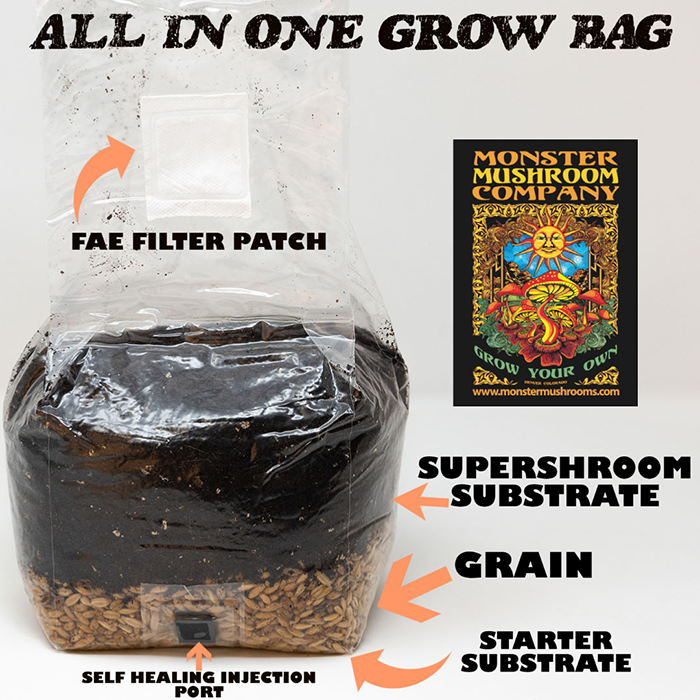
For supplemented hardwood substrates (Masters Mix, any sawdust with bran or soy supplement), yes -- a pressure cooker or autoclave operating at 15 PSI for 2.5+ hours is required to destroy heat-resistant bacterial endospores that would otherwise colonize the high-nutrition substrate faster than the mushroom mycelium. Plain straw substrates and low-nitrogen hardwood substrates can be pasteurized (not sterilized) at lower temperature, making them accessible without pressure cooking equipment. Starting with pre-sterilized substrate bags from a commercial supplier is the most beginner-friendly path to avoiding contamination without purchasing sterilization equipment.