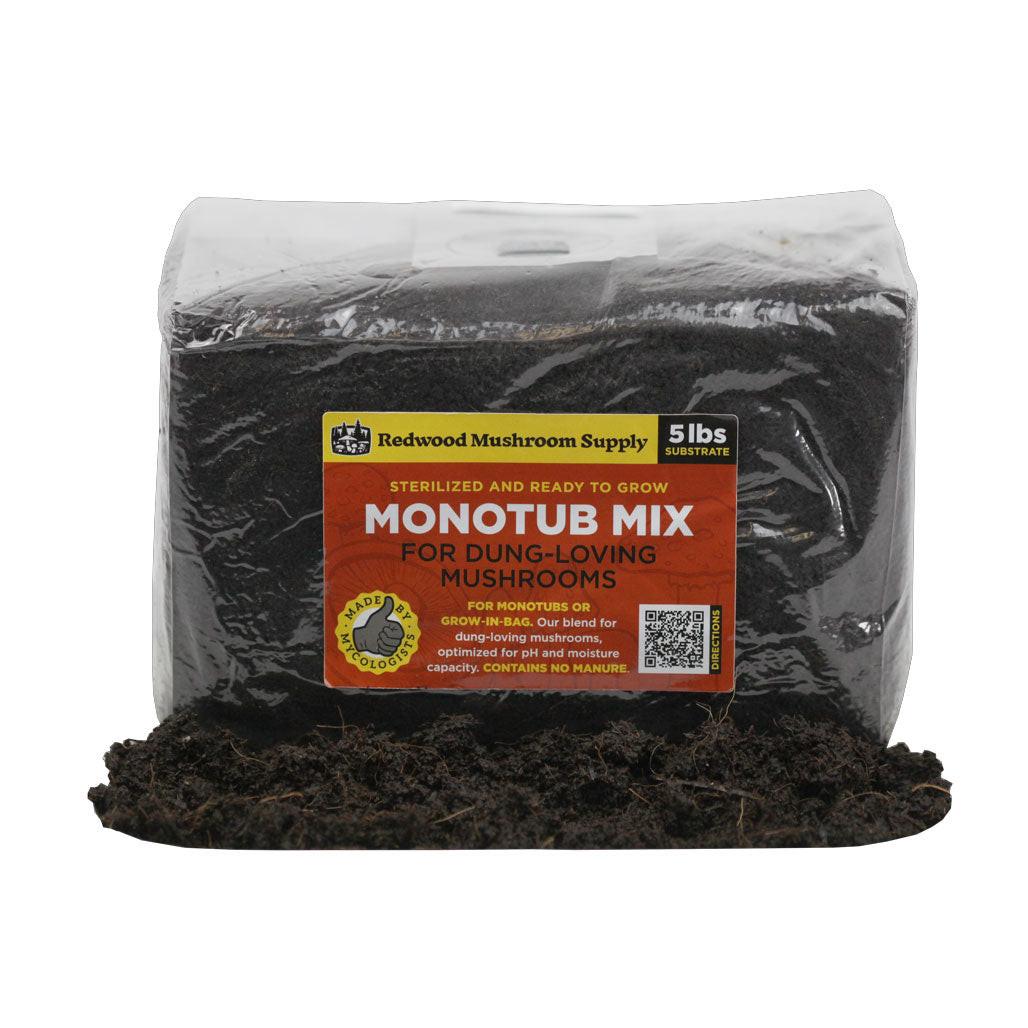
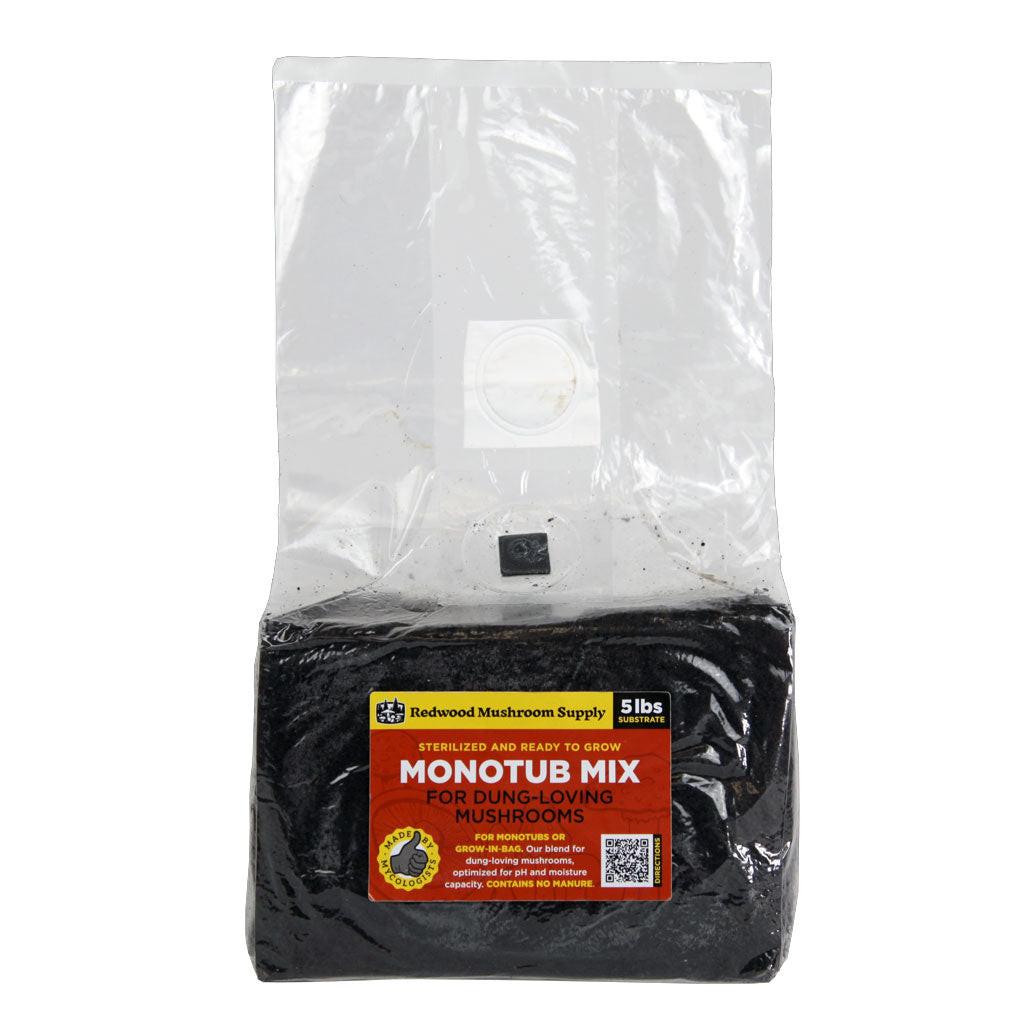
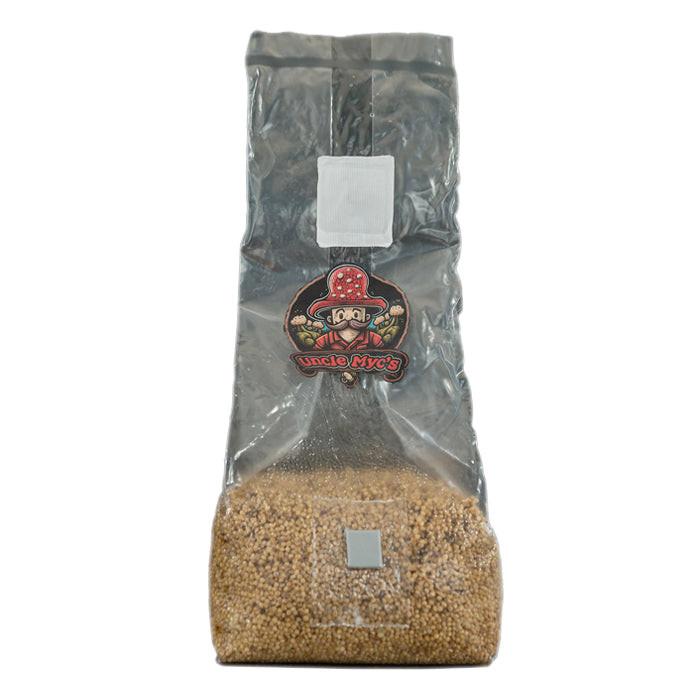
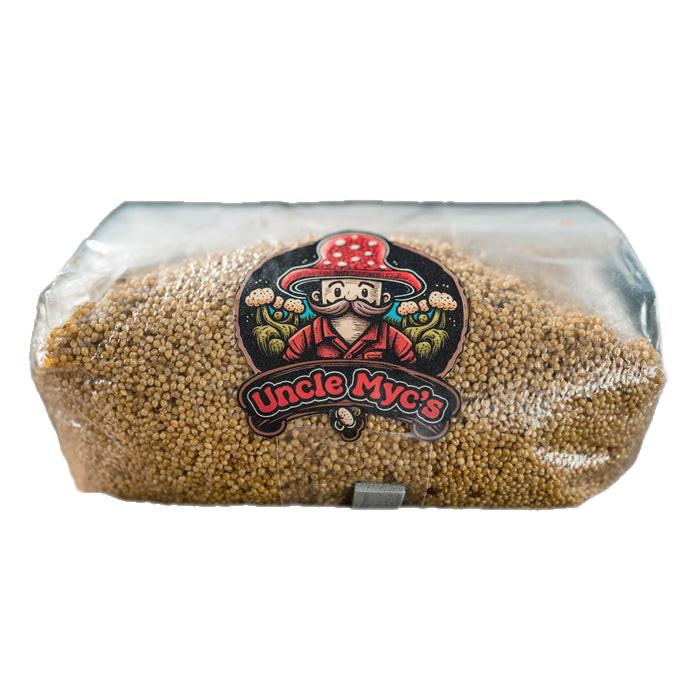
Mushroom Grain Spawn & Mycelium Inoculants
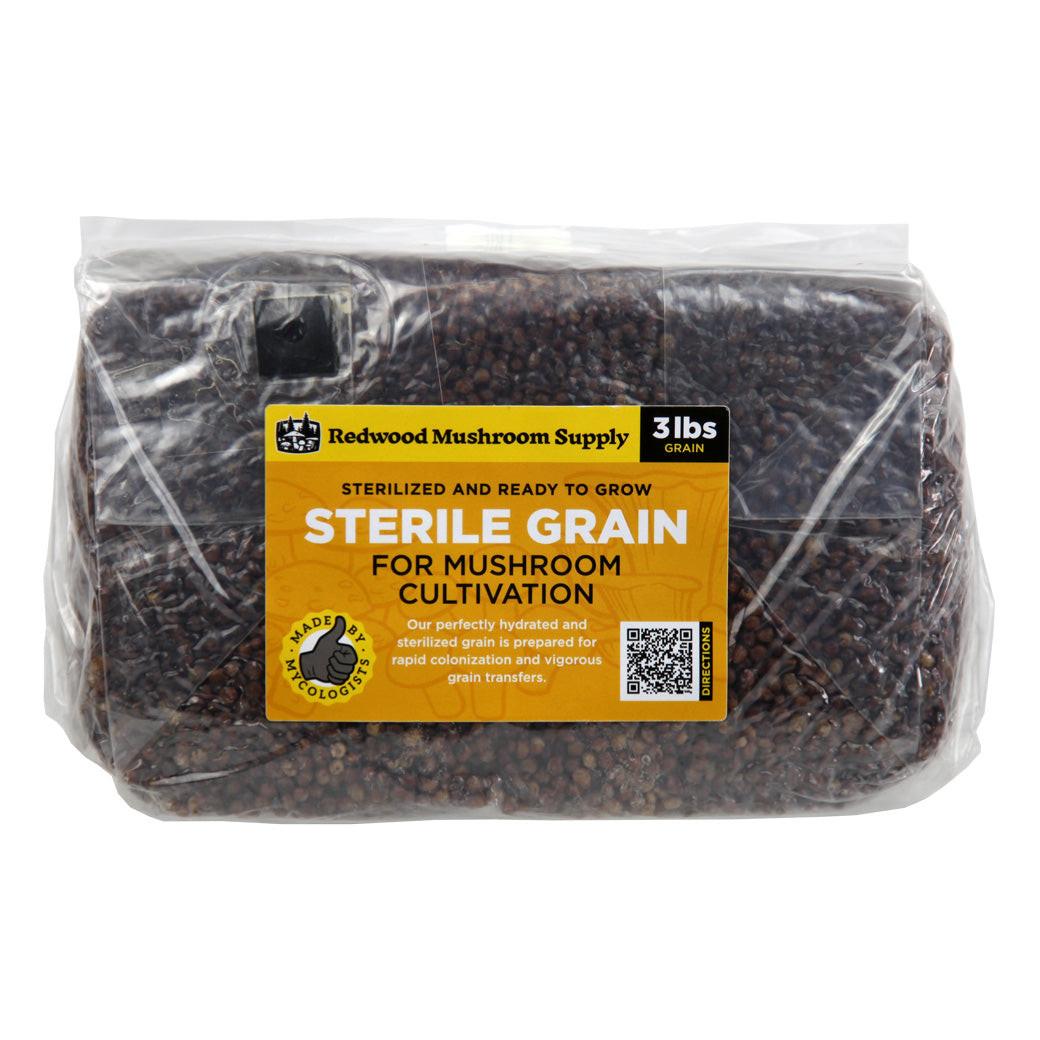
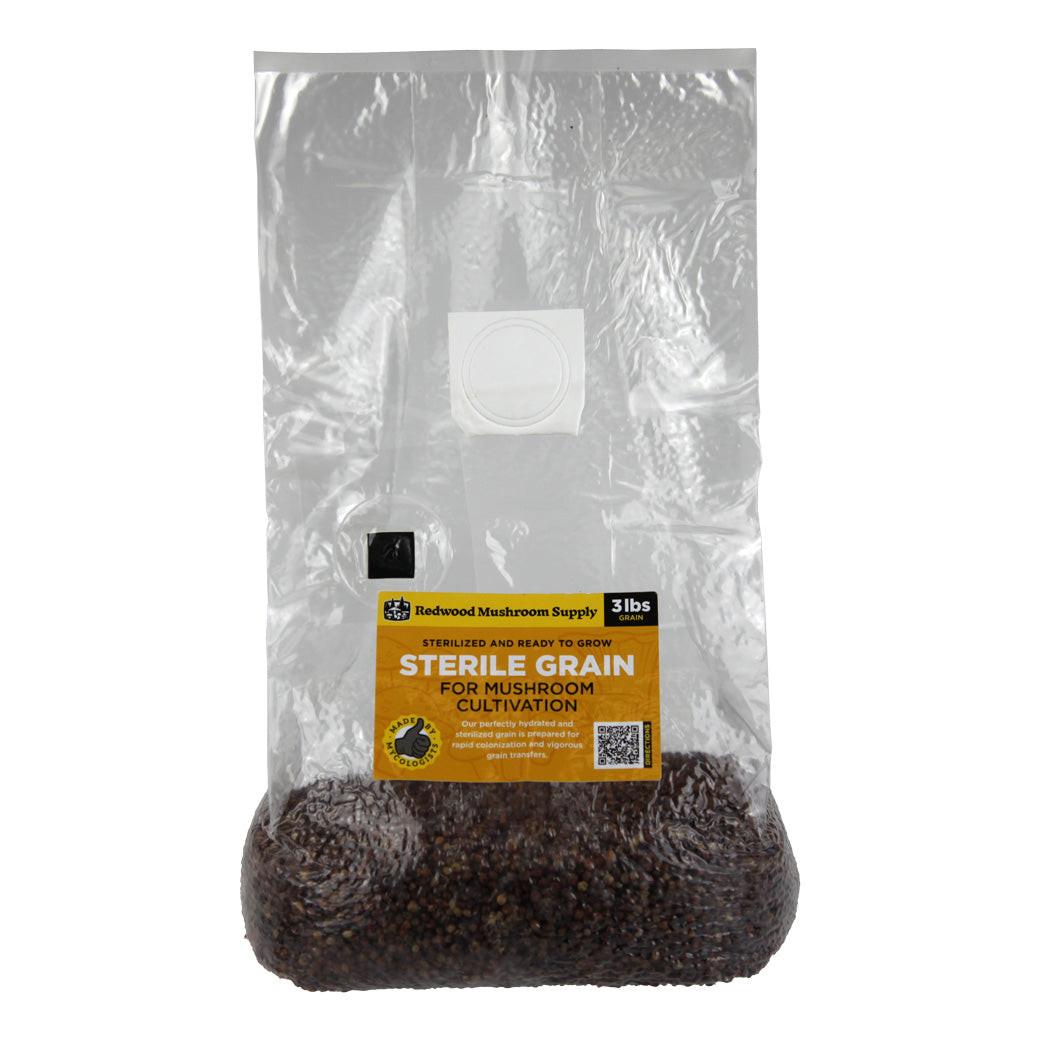
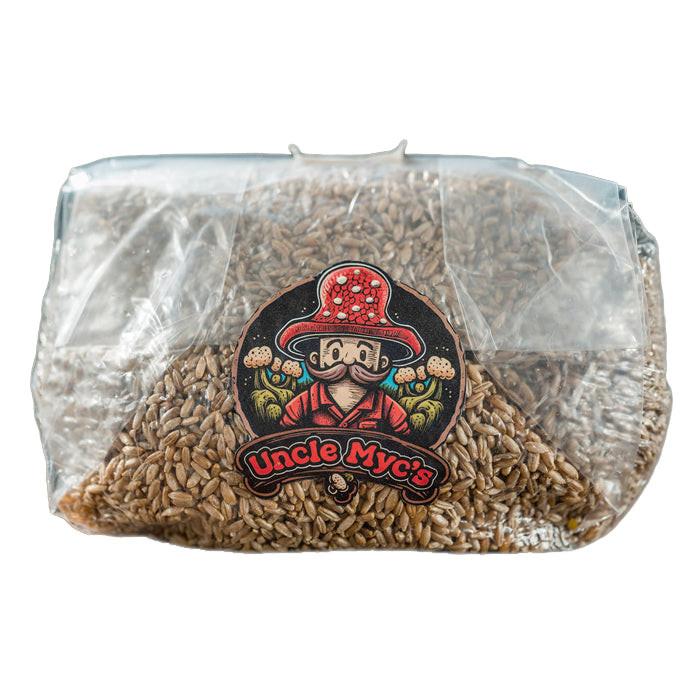
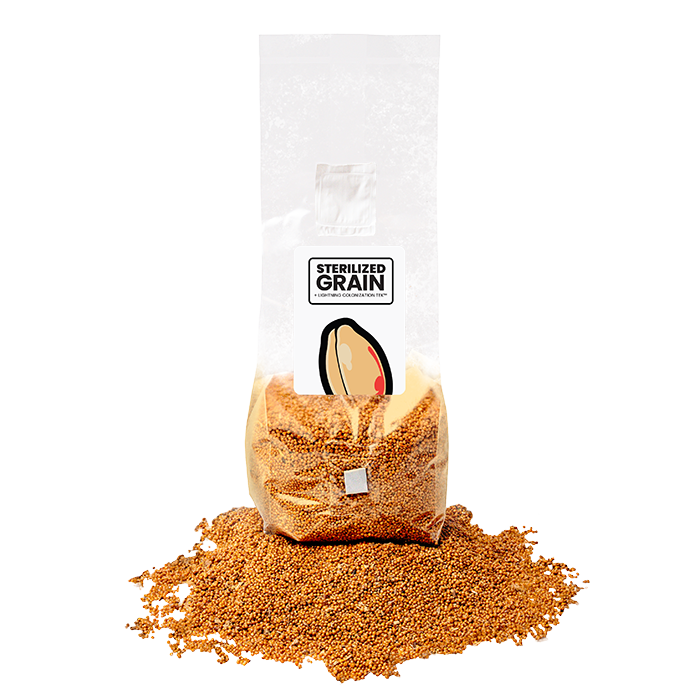
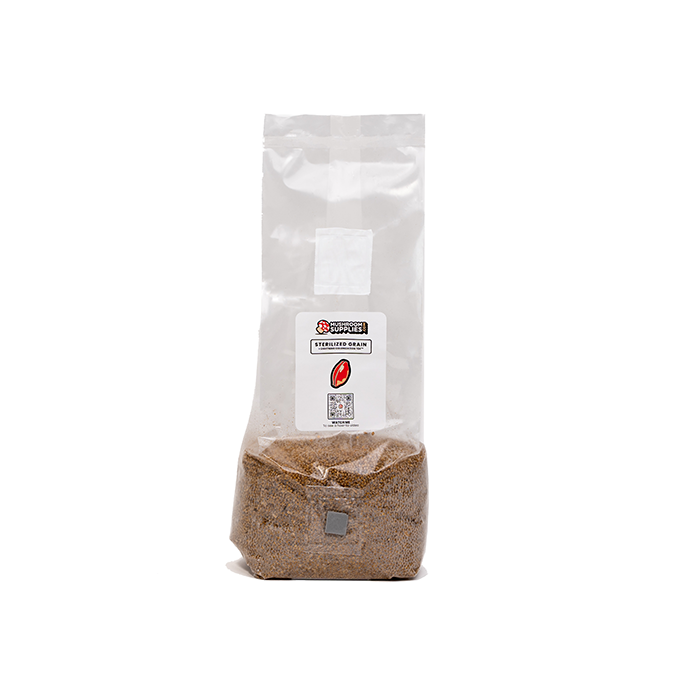
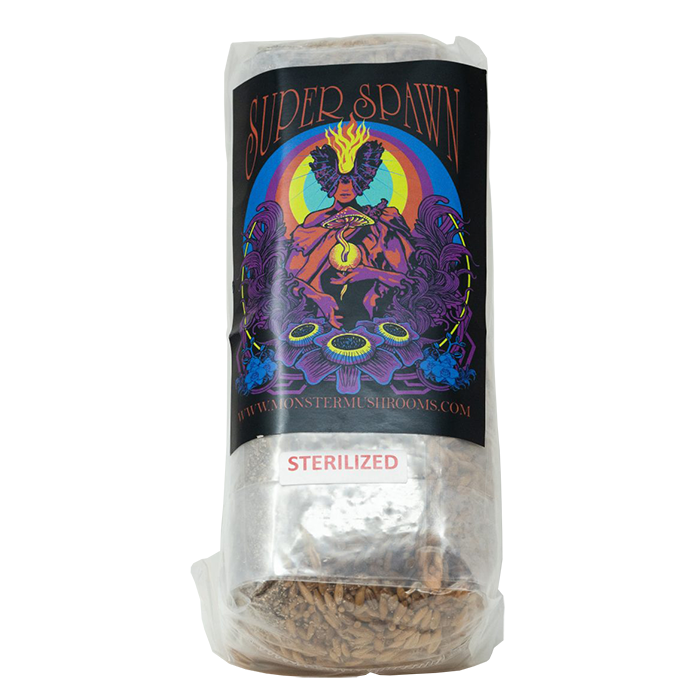
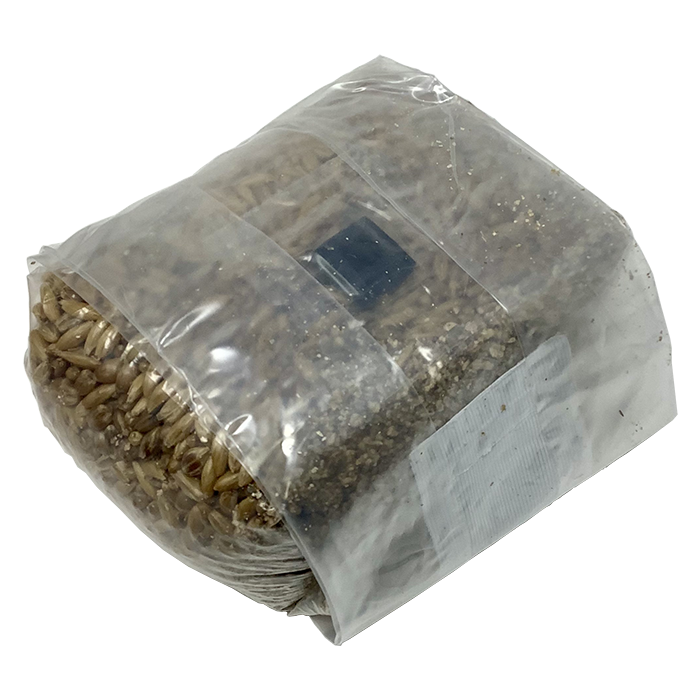
Grain spawn is the inoculant that seeds a bulk mushroom substrate -- sterilized grain (wheat, rye, oats, or milo) that has been fully colonized by mushroom mycelium and is ready to be mixed into a prepared fruiting substrate to initiate colonization of that larger mass. The grain serves as both a nutrient reservoir and a physical vector for distributing the mycelium evenly throughout the substrate. Each grain in a colonized spawn bag carries a living node of mycelium that grows outward into the surrounding substrate when mixed in, colonizing the full substrate mass from many simultaneous points rather than from a single inoculation point -- producing faster, more uniform colonization and lower contamination risk.
Species Available
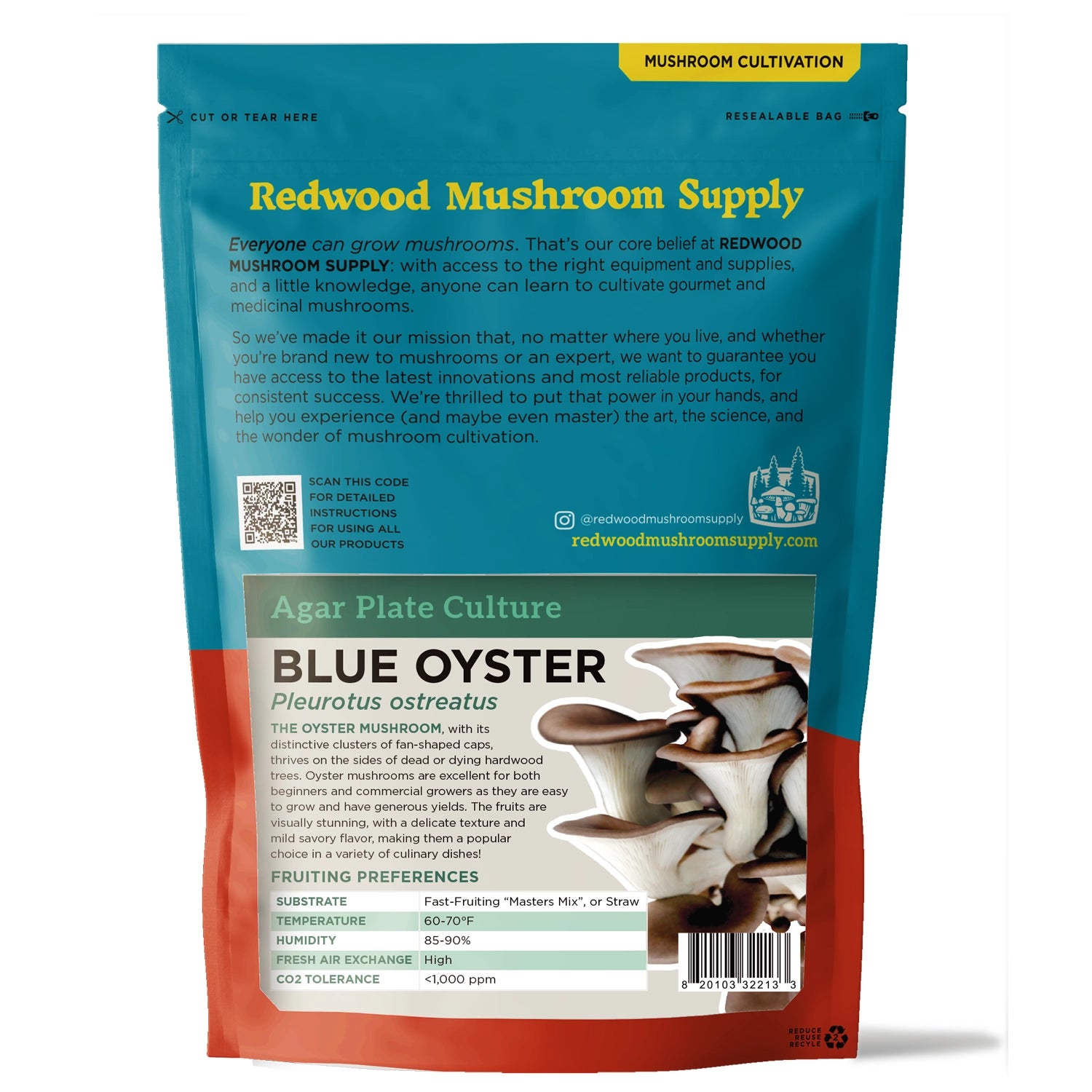
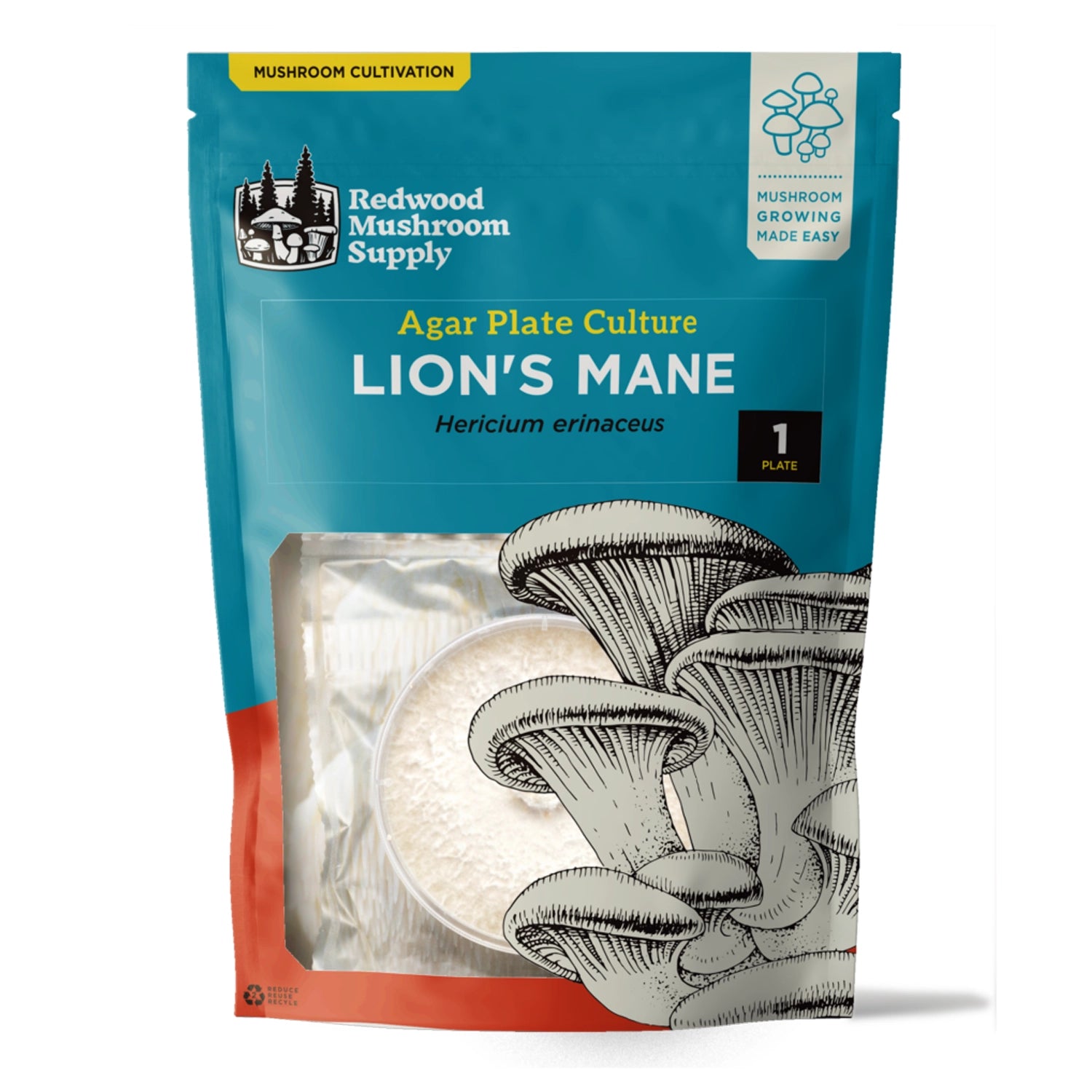
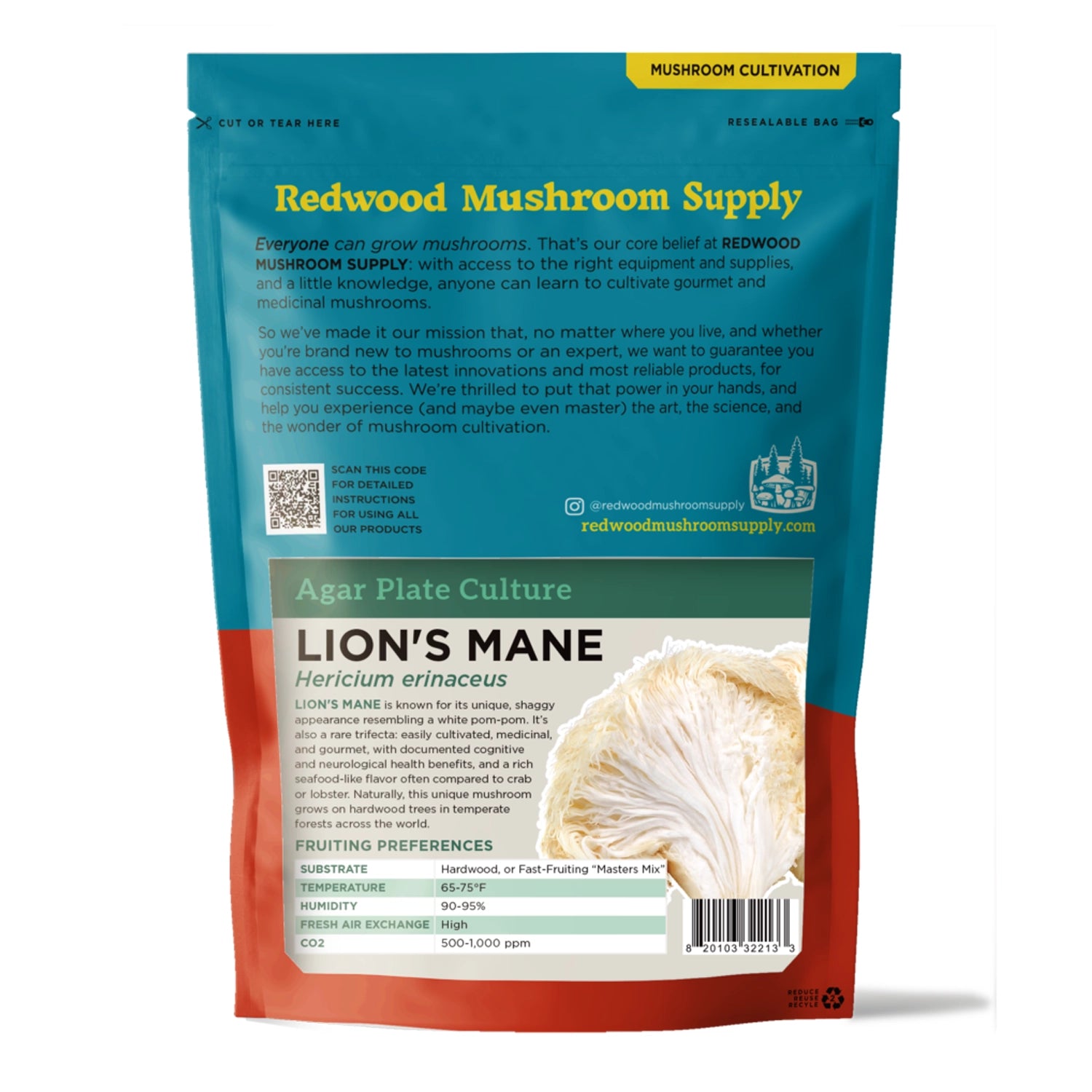
Commercial grain spawn is available for the most popular cultivated species: oyster mushrooms (multiple varieties including blue, pink, yellow, and white oyster), lion's mane, shiitake, king oyster (Pleurotus eryngii), and maitake. Each species has different substrate preferences, colonization temperatures, and fruiting conditions -- verify the spawn species matches your substrate preparation and fruiting environment before purchasing. Oyster mushroom grain spawn is the most widely available and most beginner-friendly due to oyster's fast colonization speed and tolerance of variable conditions. Browse the full mushroom cultivation collection for spawn alongside substrate, kits, and equipment.
Spawn Rate & Storage
Spawn is mixed into prepared substrate at rates of 10-25% spawn to substrate by weight -- higher spawn rates accelerate colonization and reduce contamination window but increase cost per block. Use spawn promptly after receiving for best results; store refrigerated (34-40 degrees F) for up to 3-6 months if immediate use is not possible. Never freeze grain spawn. Fast shipping.
Mushroom Grain Spawn FAQ
What is grain spawn and how is it different from spores?
Grain spawn is fully colonized mycelium growing on sterilized grain -- it is a vegetative inoculant cloned from a specific mushroom culture. Spores are the reproductive cells of a mushroom (equivalent to seeds) that germinate to produce new mycelium. The key difference for cultivation: grain spawn produces mushrooms with the same characteristics as the parent culture (predictable yield, appearance, and fruiting behavior) because it is a genetic clone. Spores combine genetic material from two parent mushrooms and produce variable offspring, similar to growing plants from seed versus cuttings. Commercial cultivators almost universally use grain spawn rather than spores for predictable, consistent production.
How much grain spawn do I need per substrate block?
The standard spawn rate is 10-25% spawn by weight relative to the dry weight of substrate. For a standard 5-pound substrate block: 250-500 grams (roughly 8-16 oz) of grain spawn is appropriate. Higher spawn rates (20-25%) produce faster colonization with lower contamination risk -- recommended for beginners and for highly supplemented substrates where contamination pressure is highest. Lower spawn rates (10-15%) are adequate with good sterile technique and reduce spawn cost per block in volume production. Mix the spawn evenly throughout the substrate rather than layering it on top for uniform colonization from all points simultaneously.
Can I make my own grain spawn?
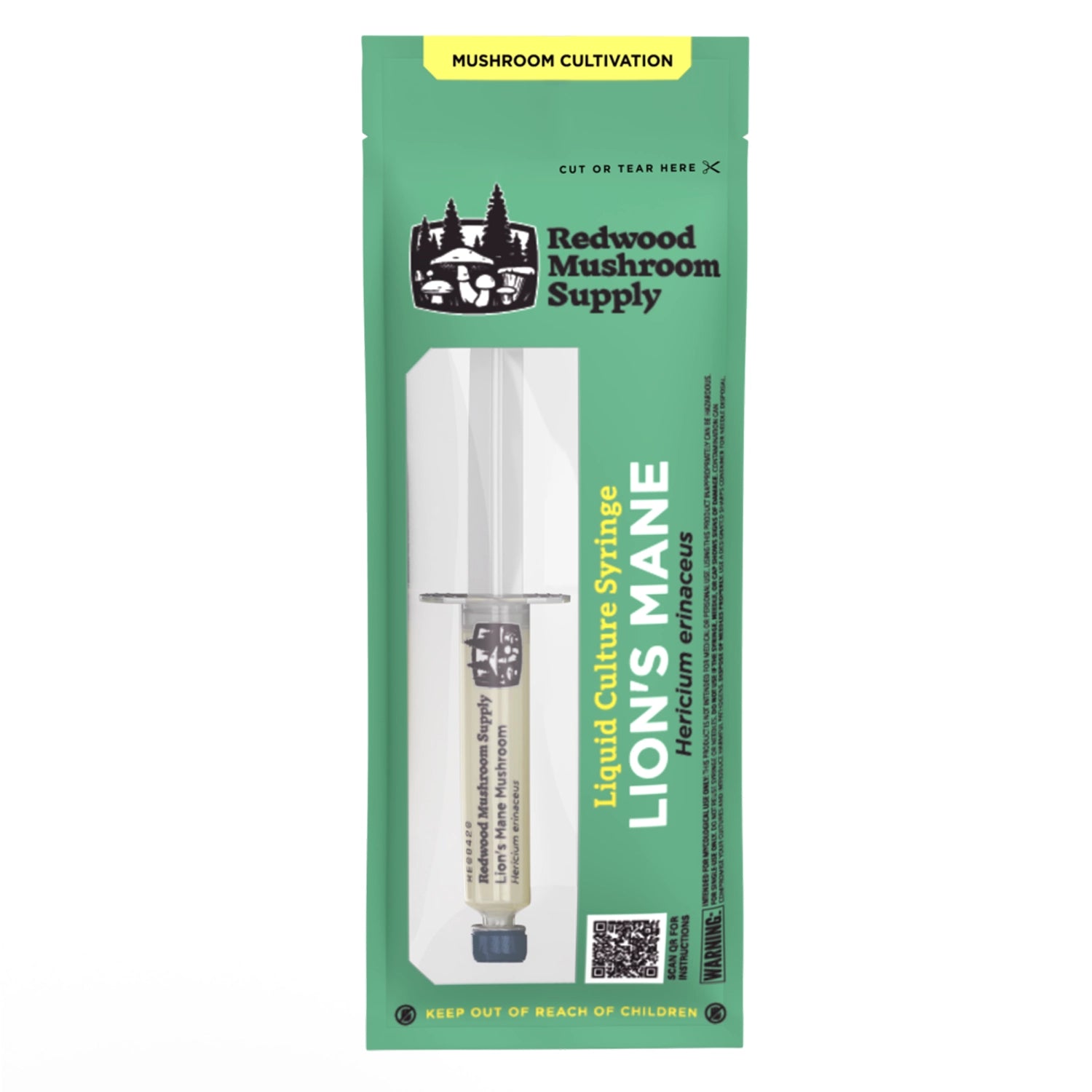
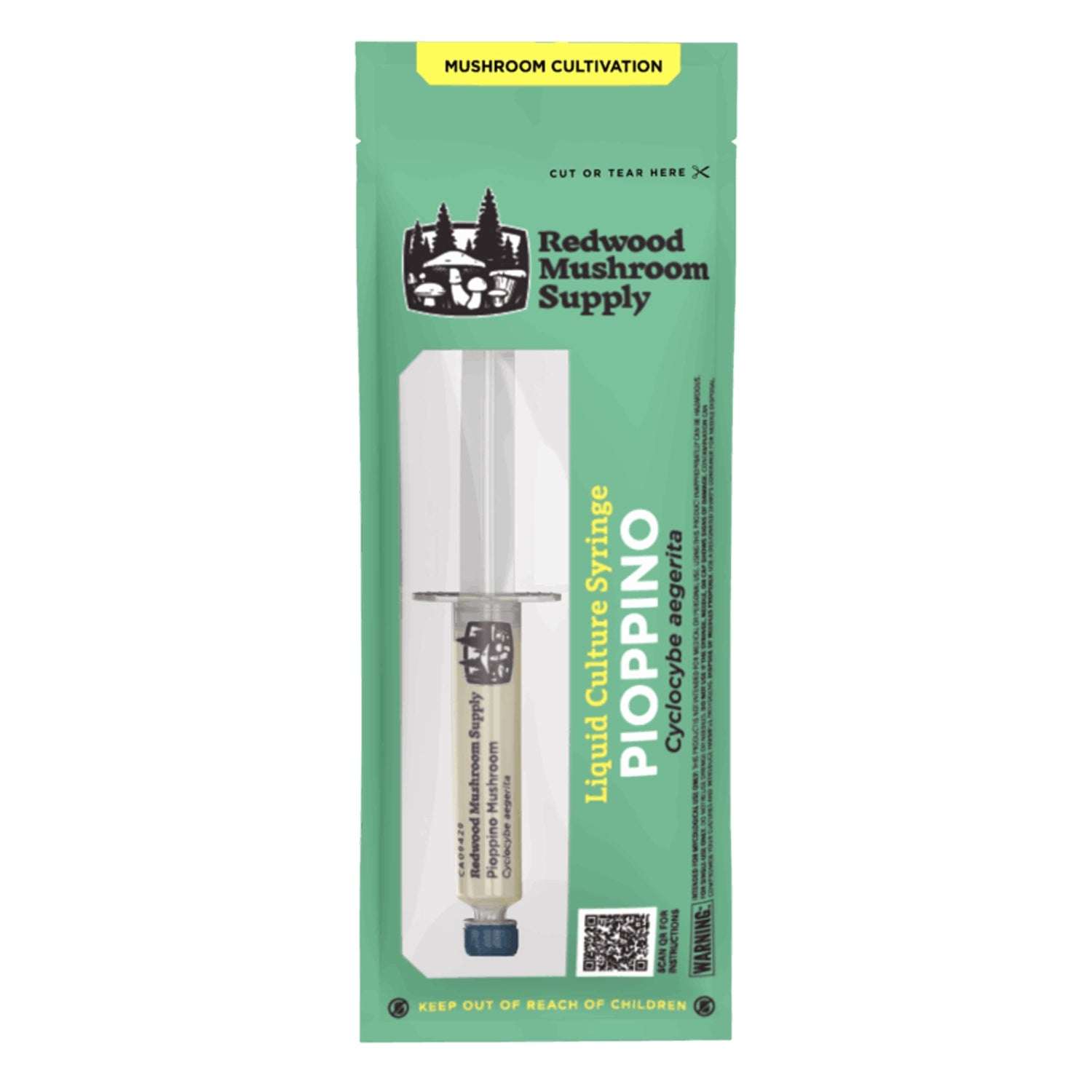
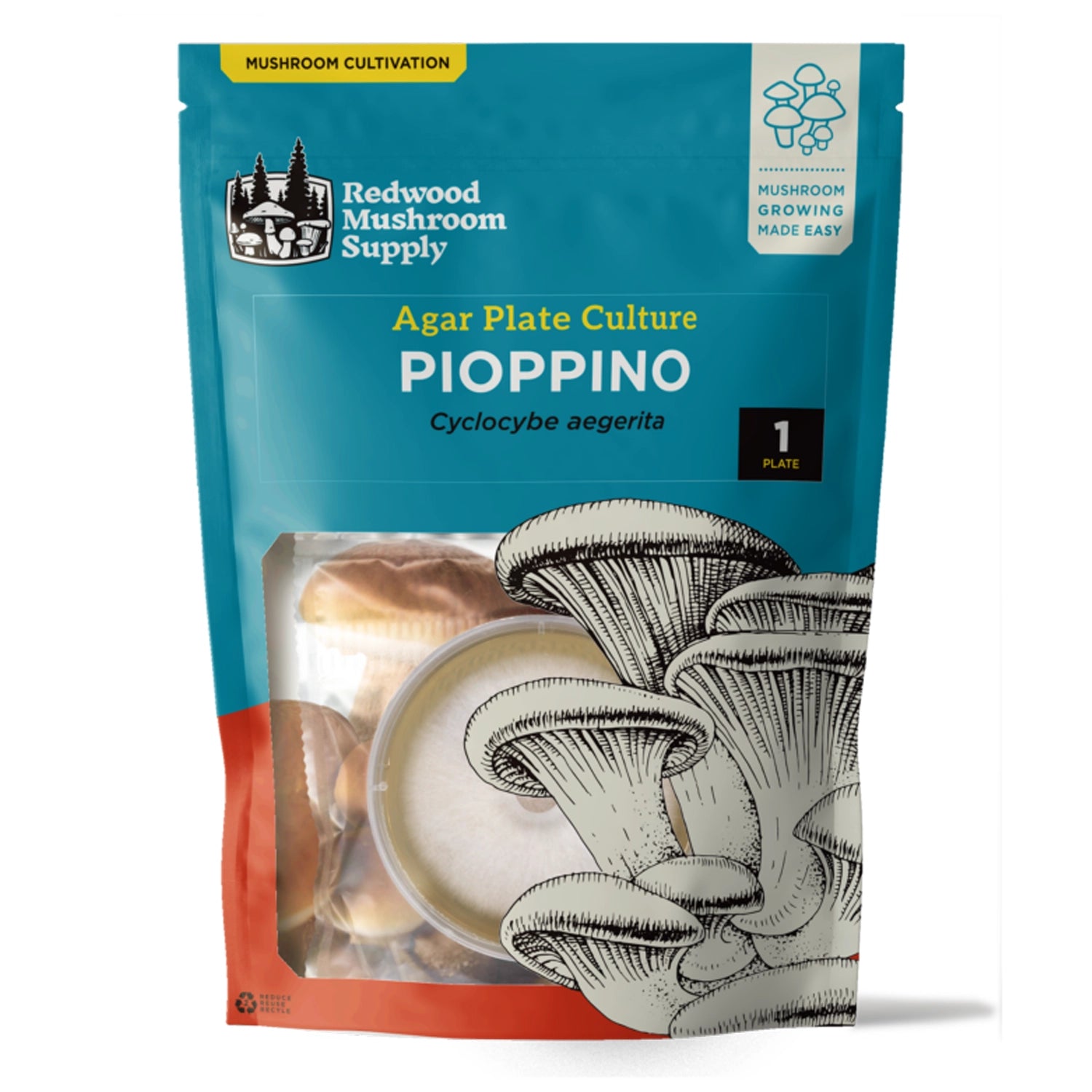
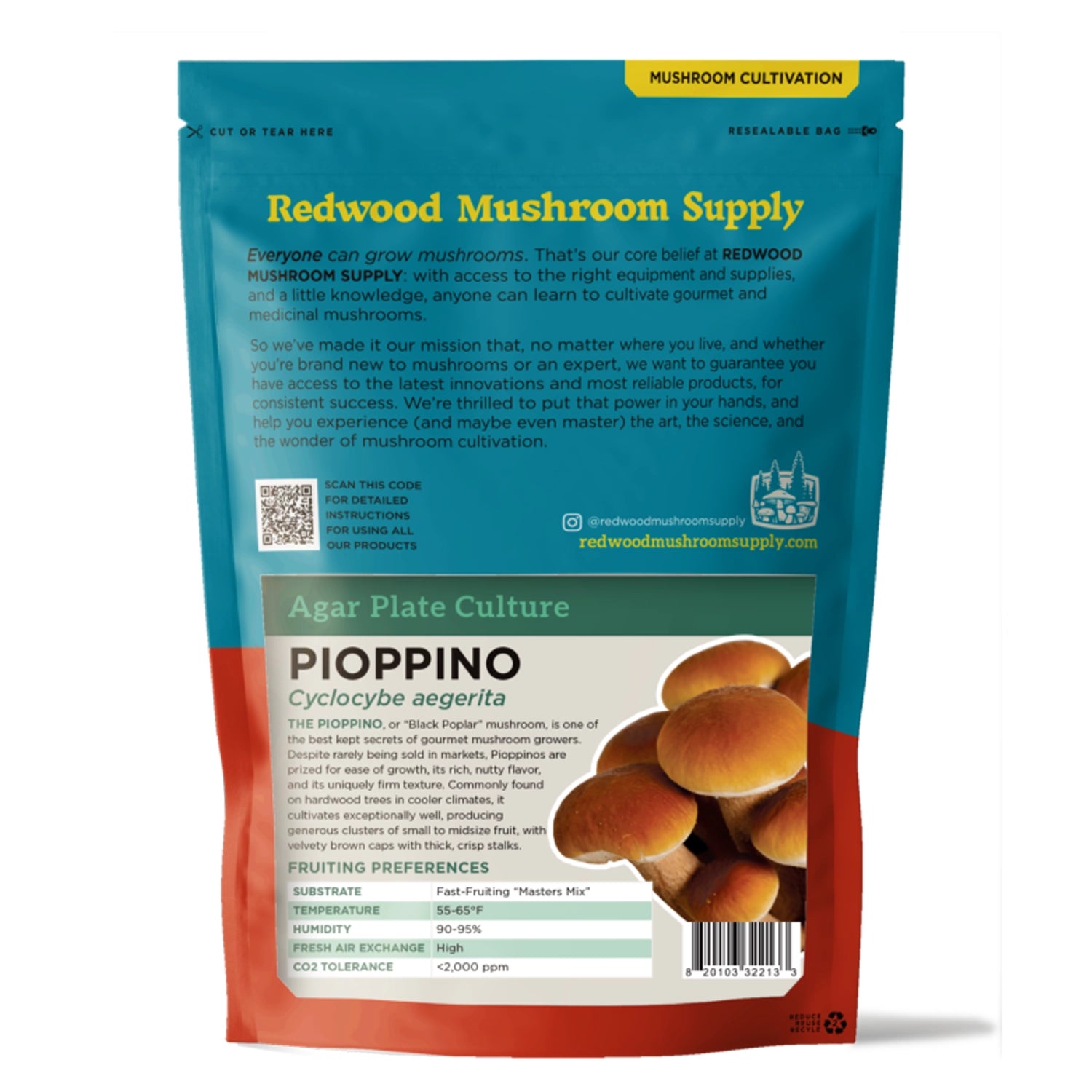
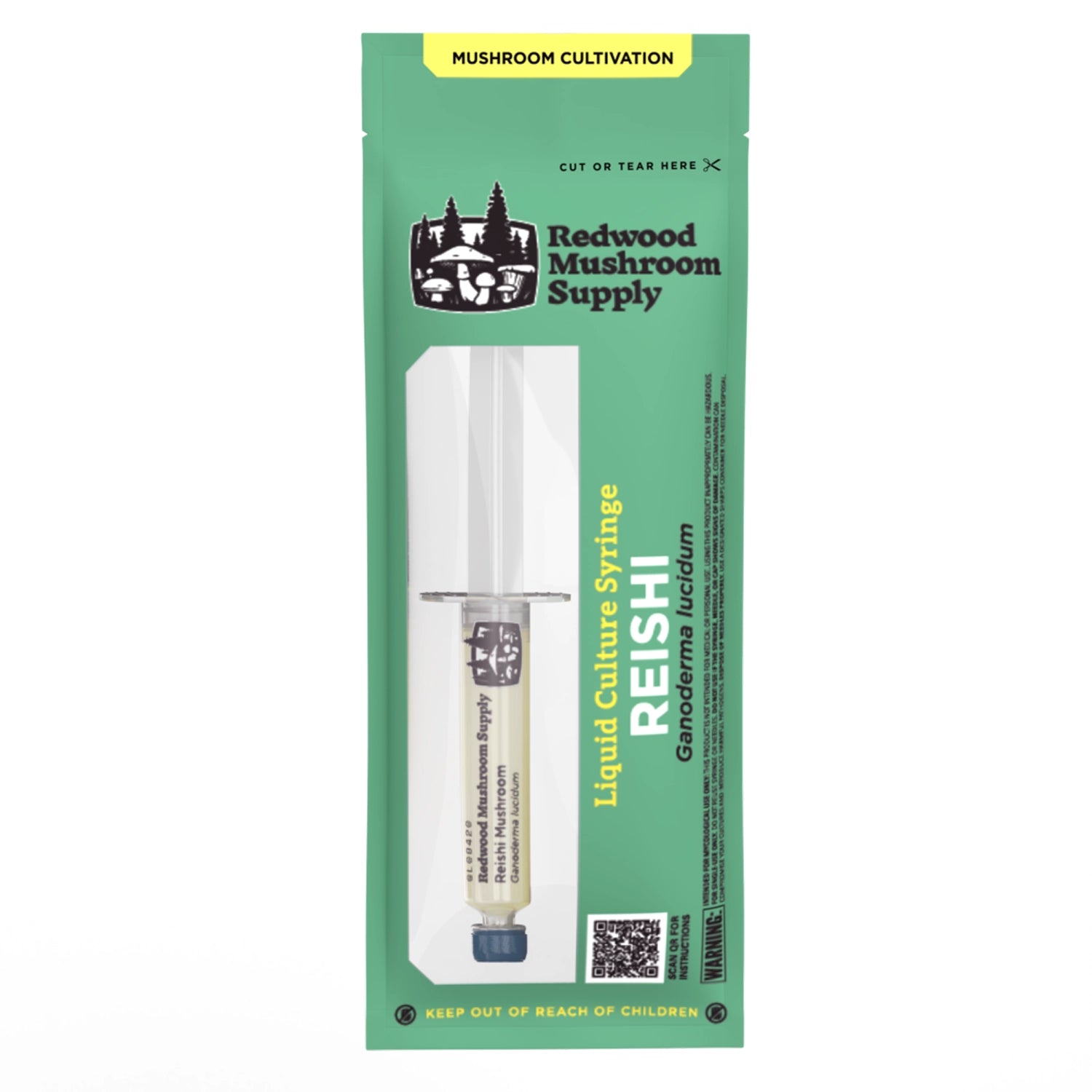
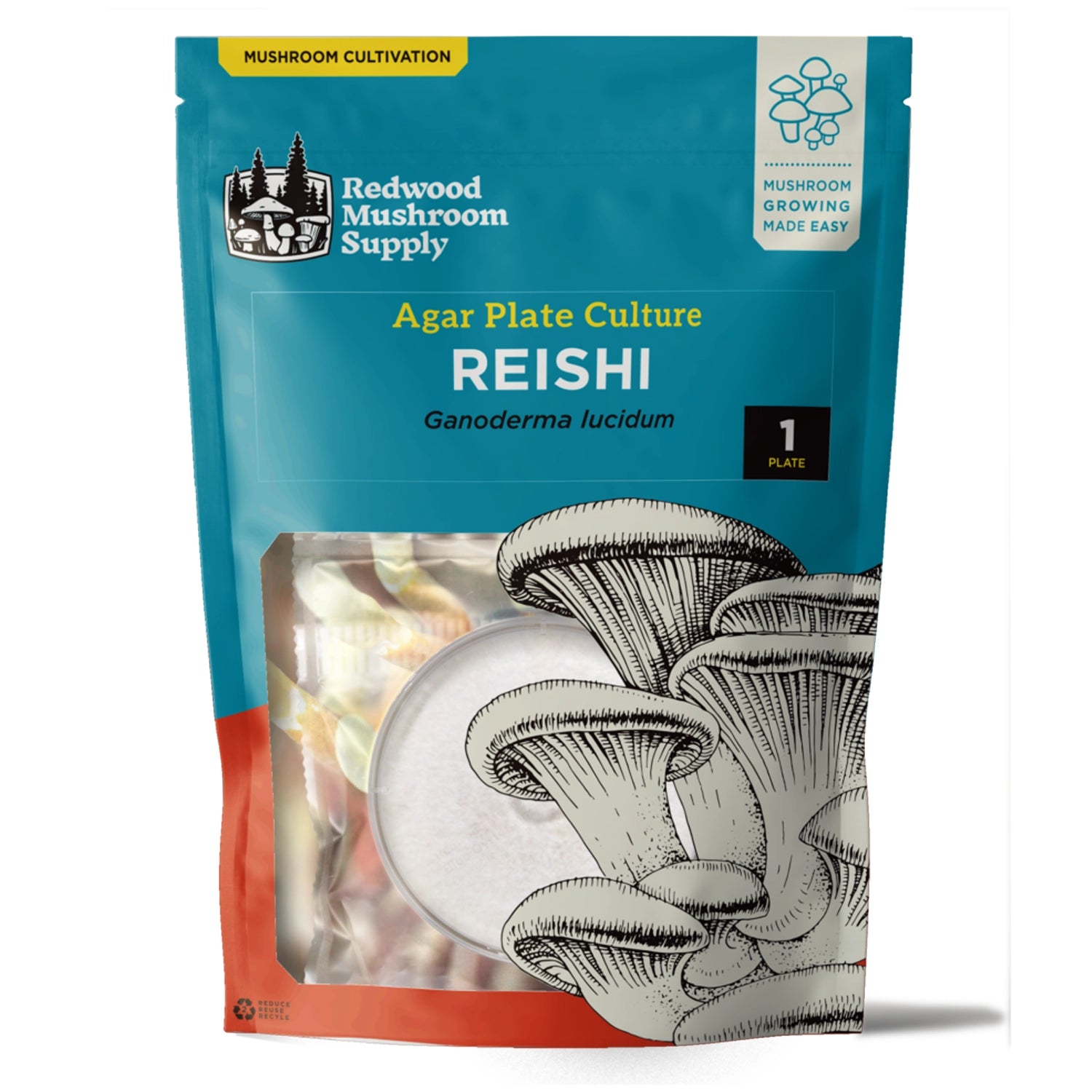
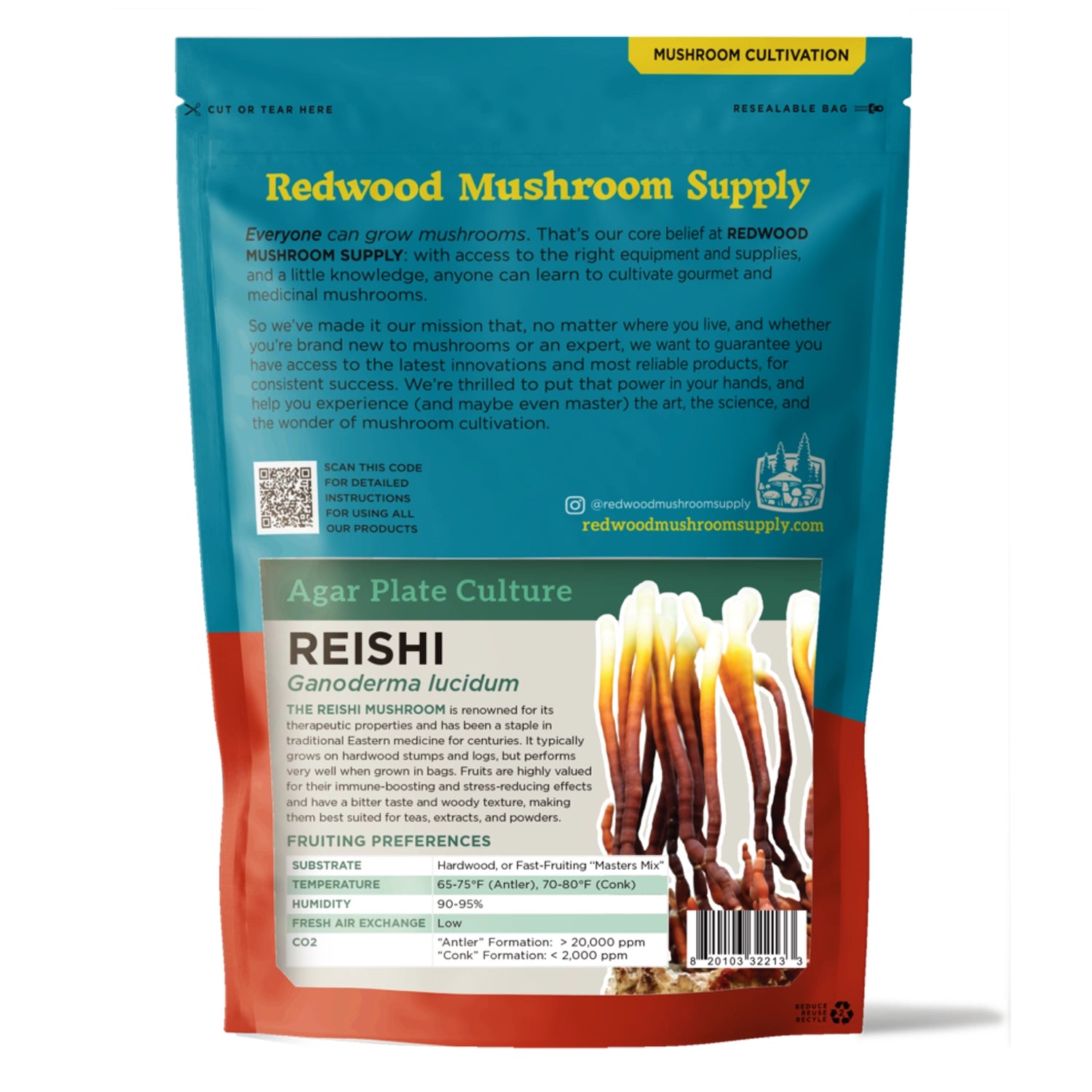
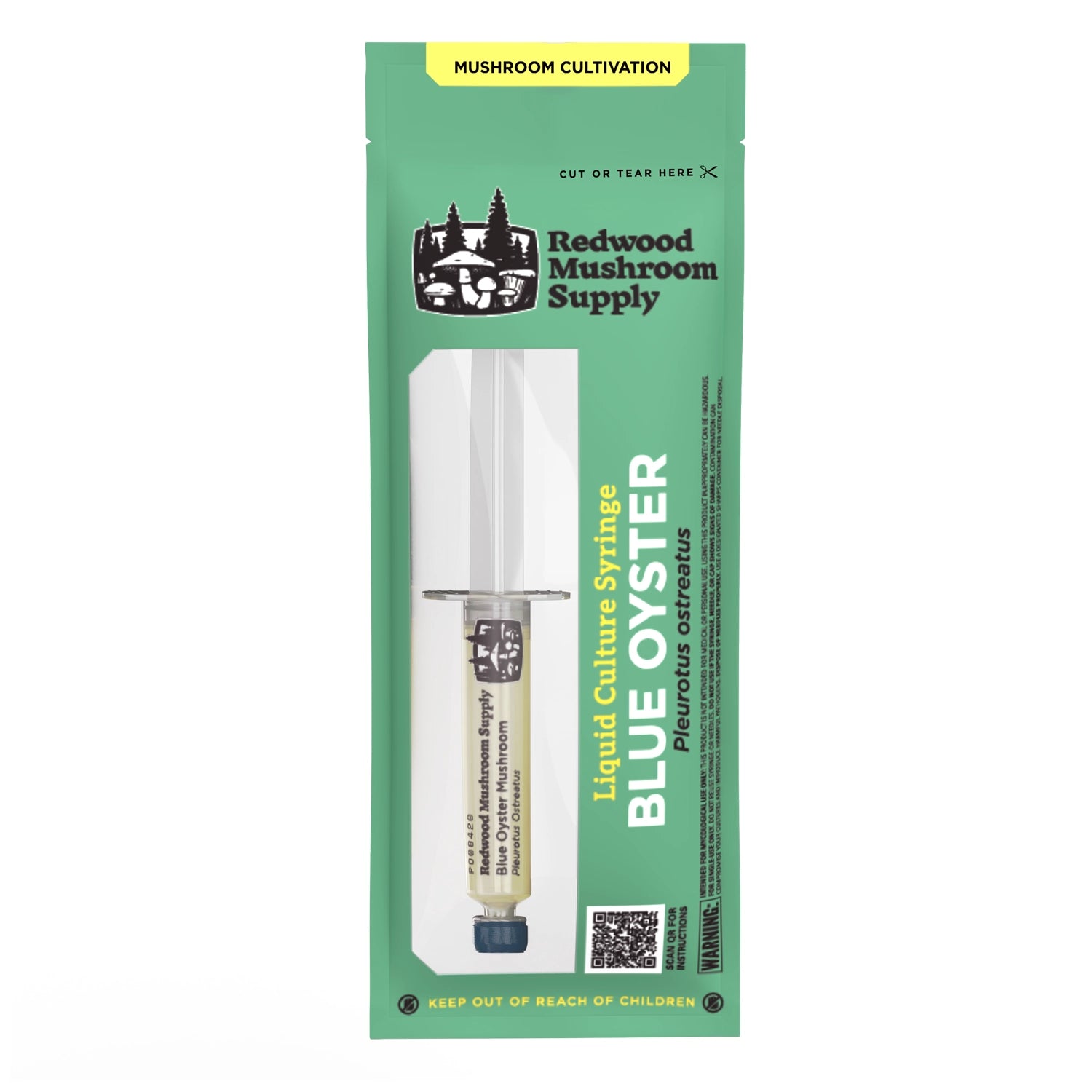
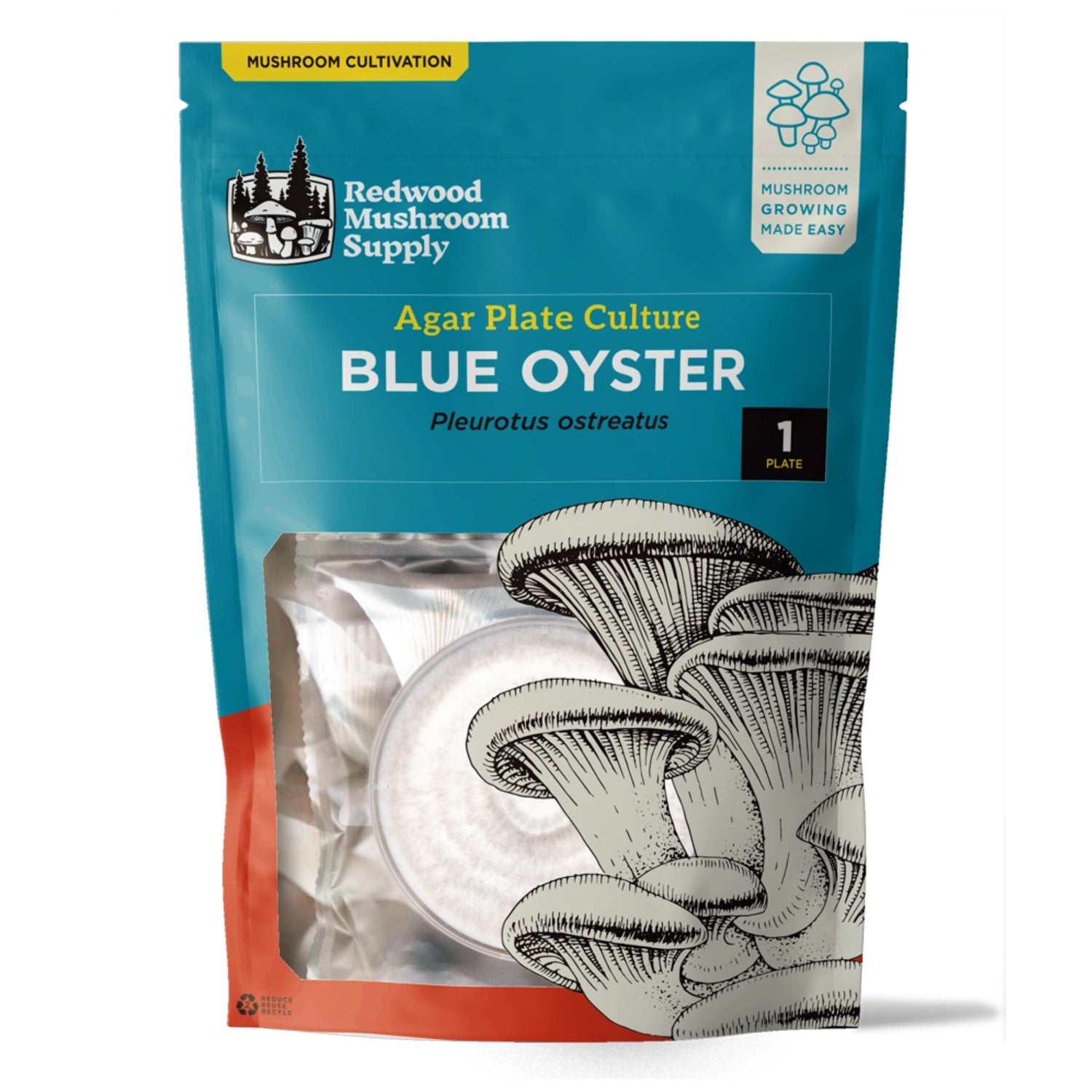
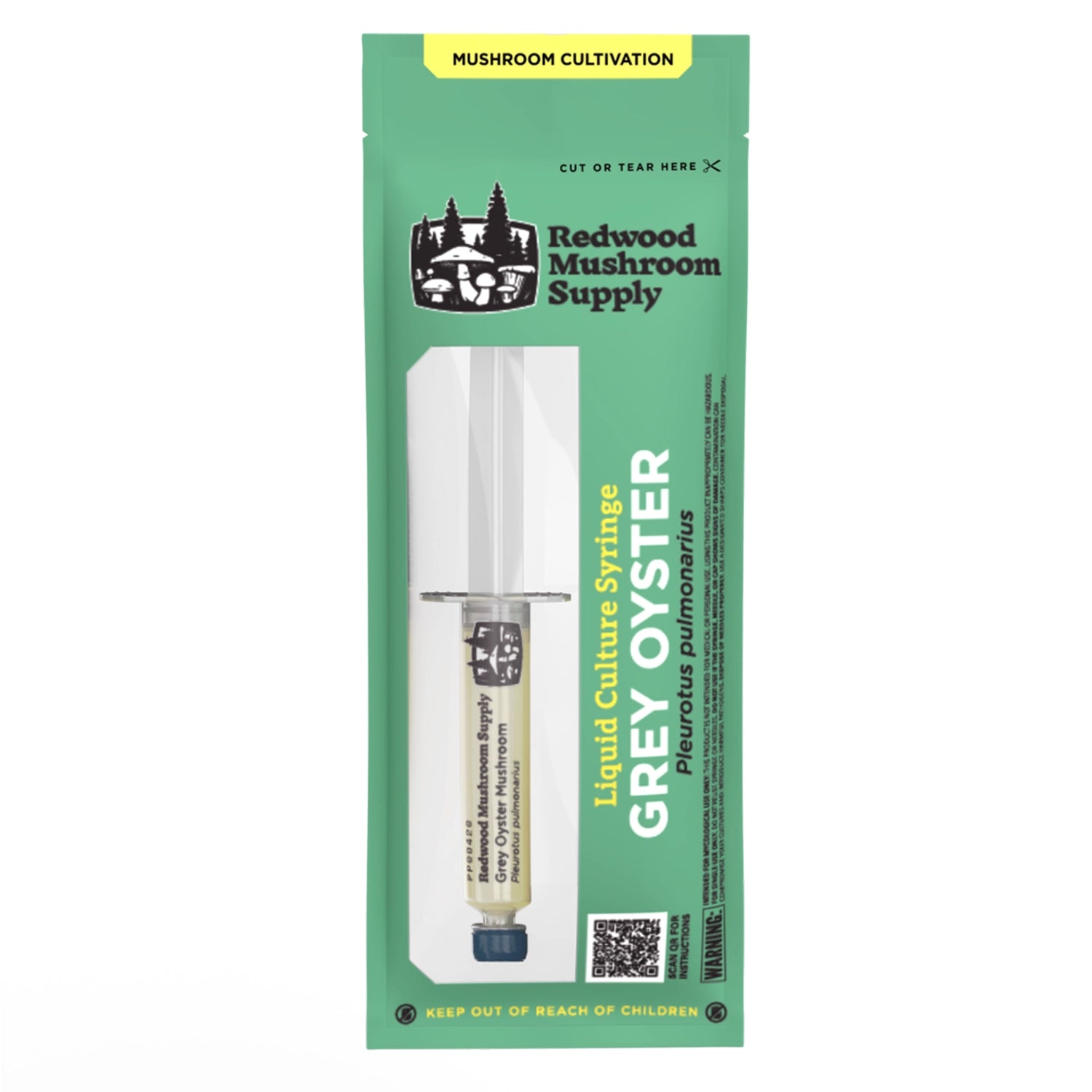
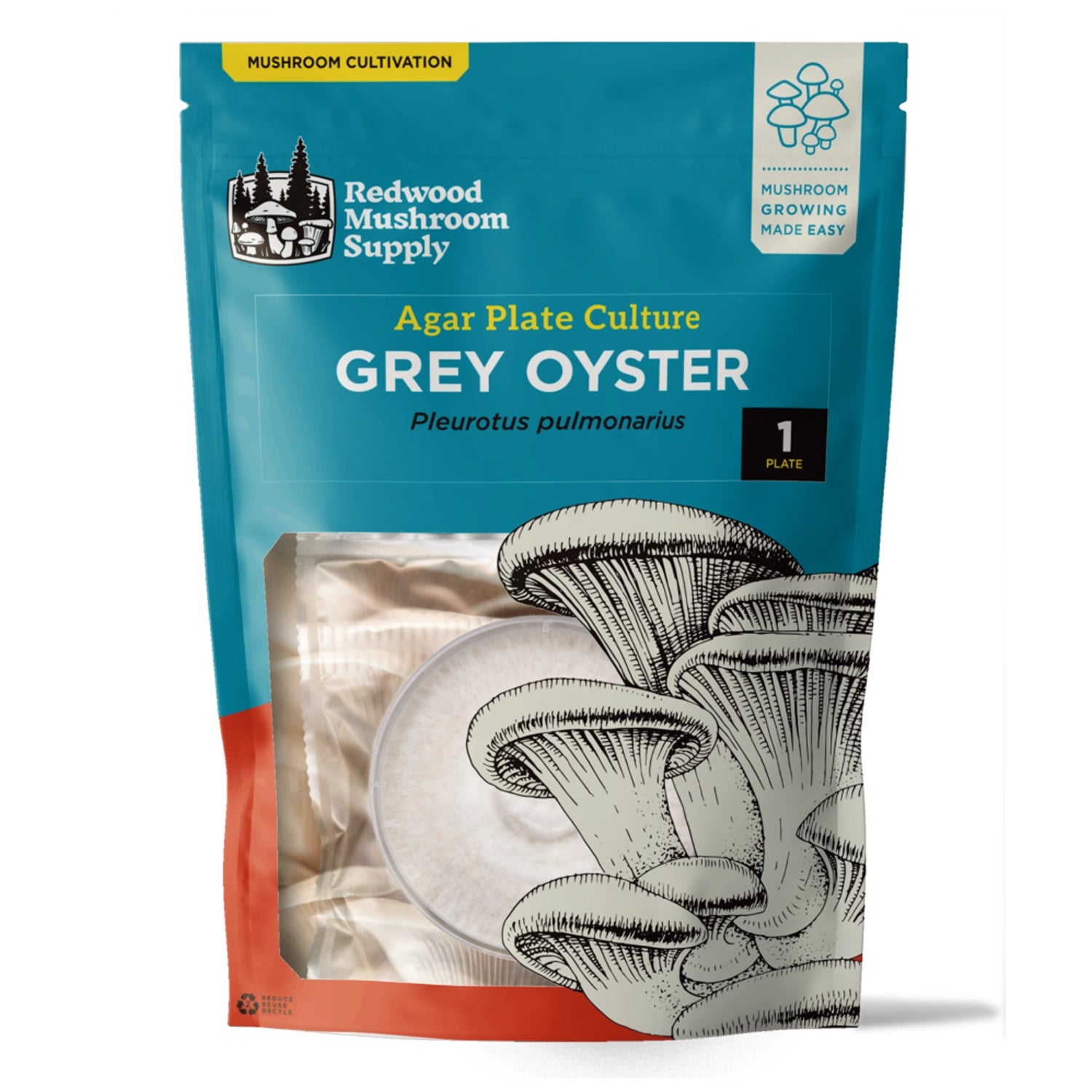
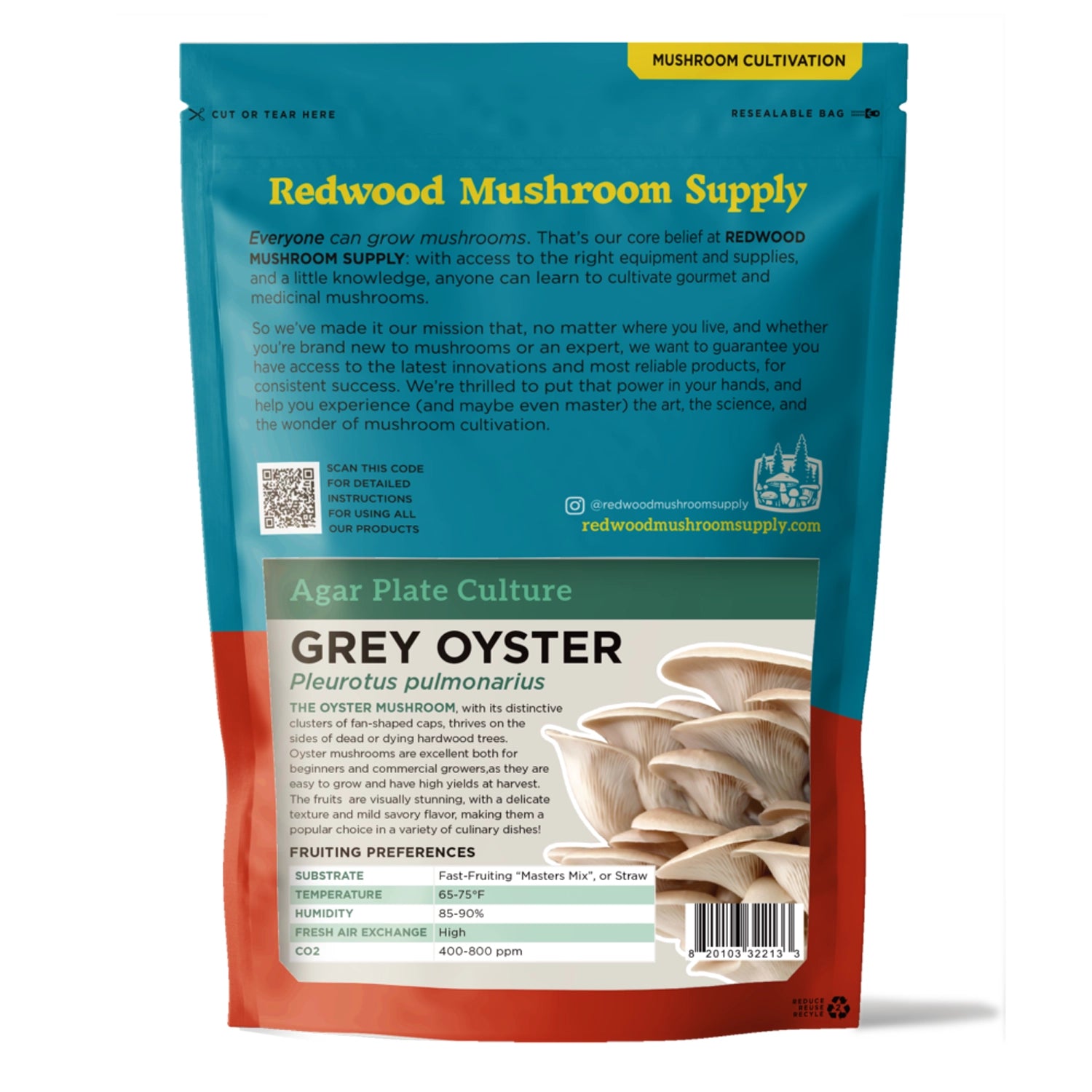
Yes -- making grain spawn requires: sterilized grain in sealed bags or jars with self-healing injection ports; a mushroom culture (from agar plate, liquid culture syringe, or existing spawn); and a clean environment (still air box or laminar flow hood) for inoculation. The process: sterilize hydrated grain in a pressure cooker at 15 PSI for 90 minutes; cool completely; inoculate with culture using a sterile syringe or transfer tool in a clean environment; colonize at 70-77 degrees F for 10-21 days. Making your own spawn significantly reduces cost in volume production but requires investment in technique, equipment, and contamination management that makes it unsuitable for small-scale or beginner cultivation.
Why is my grain spawn not colonizing after inoculation?
Slow or absent colonization after inoculation has several common causes: incubation temperature too low (most species colonize fastest at 70-77 degrees F -- temperatures below 65 degrees F slow colonization significantly); contamination that outcompeted the mycelium before it could establish (look for green, black, or orange mold patches); inoculation with spent or dead culture (spawn or liquid culture past its viable shelf life); or insufficient mixing of spawn throughout the substrate (spawn concentrated in one area produces slow overall colonization). Verify temperature first -- it is the most commonly overlooked variable in stalled colonization.
How do I know when colonization is complete and the block is ready to fruit?
A fully colonized block is uniformly white with dense mycelium throughout -- no dark, green, or uncolonized areas should be visible. The block may feel firm and consolidated as mycelium binds the substrate material together. Some species (oyster mushrooms in particular) show signs of "pinning" (tiny mushroom initials forming) before the block is moved to fruiting conditions -- this is normal and indicates the block is ready. Premature fruiting initiation (before full colonization) produces smaller yields; fully colonized blocks fruit more vigorously. Allow at least 2-3 days of observation after the block appears fully white before initiating fruiting conditions.