Fertigation & Nutrient Dosing Pumps for Hydroponics
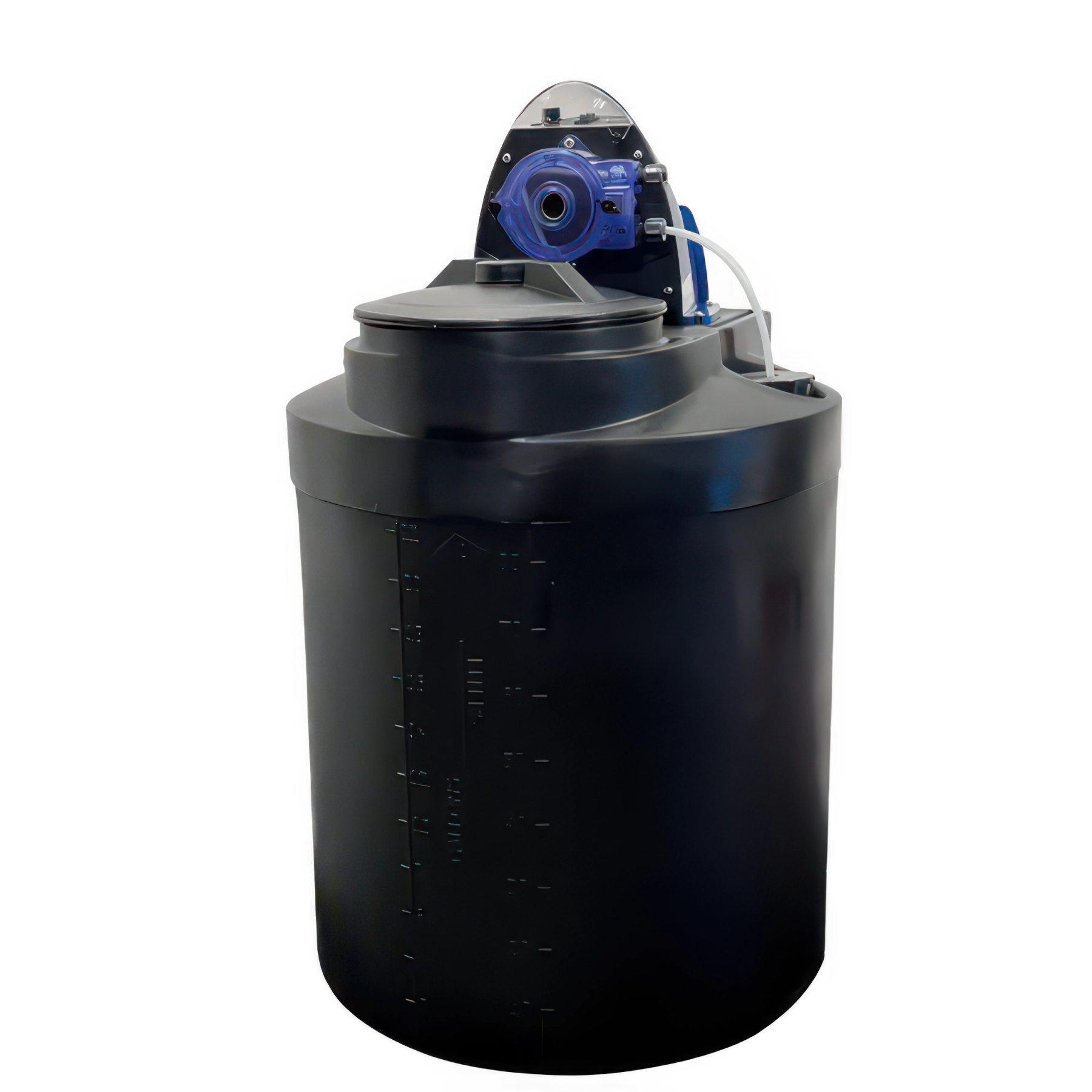
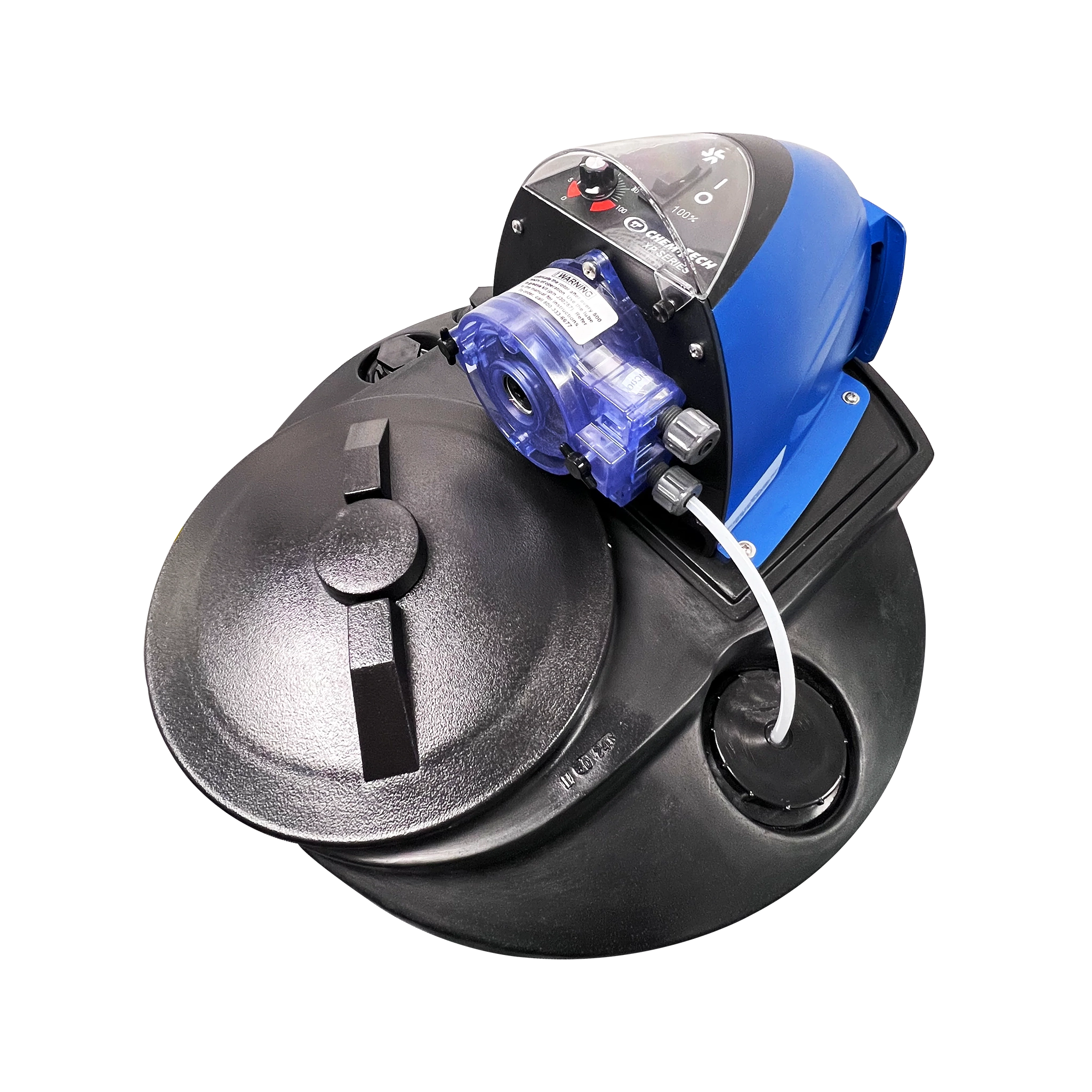
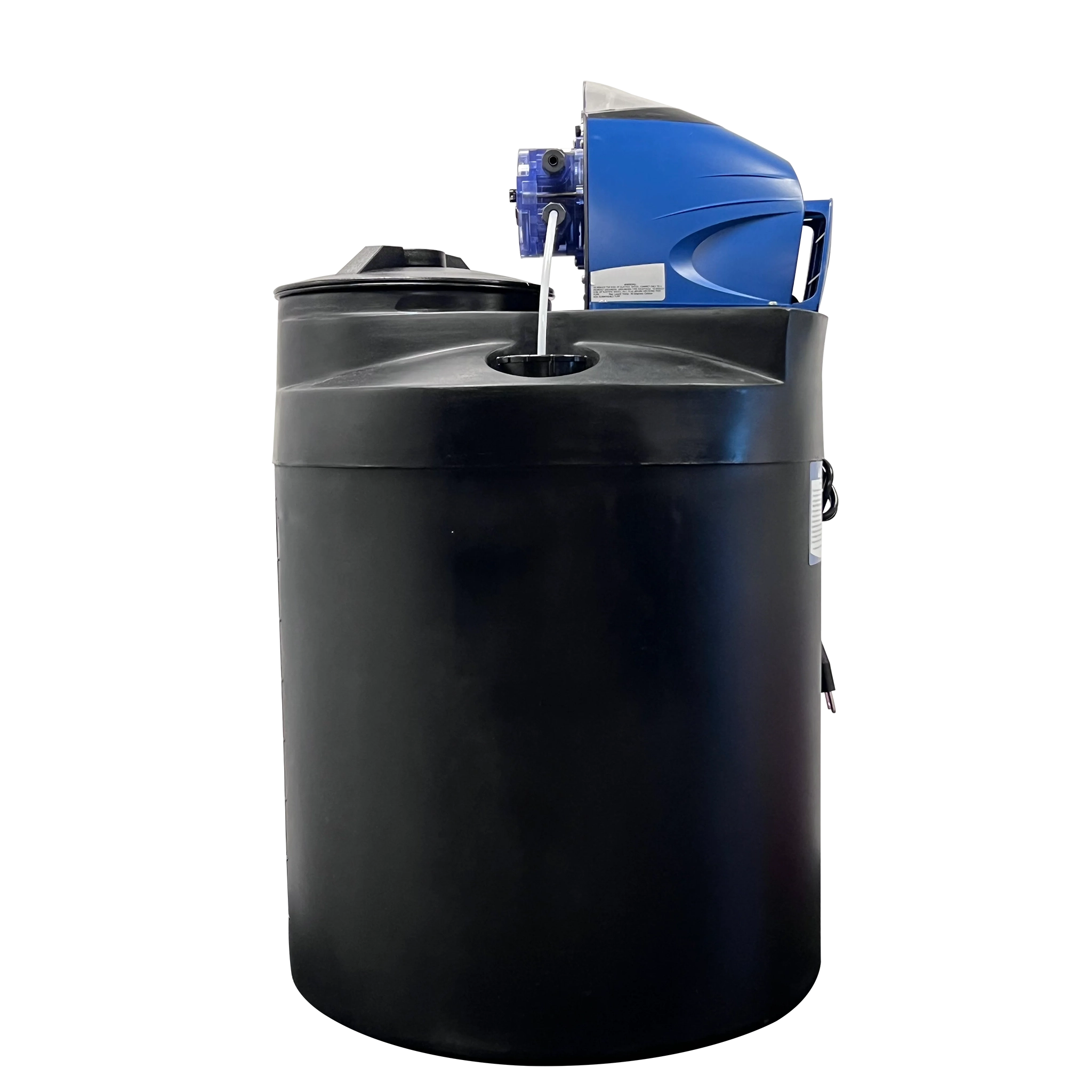
Nutrient dosing pumps are the precision delivery components of automated fertigation systems -- peristaltic pumps, proportional injectors, and solenoid-driven dosing heads that deliver measured volumes of concentrated nutrient solution and pH adjustment chemicals to a water supply on a controller-driven schedule. Unlike manual batch mixing where nutrient solution is prepared in a reservoir and delivered by gravity or a main pump, dosing pump systems inject nutrients directly into the irrigation water line in real time -- enabling continuous-flow fertigation that maintains consistent nutrient concentration and pH across the full irrigation event without manual intervention.
Peristaltic Pumps vs. Proportional Injectors
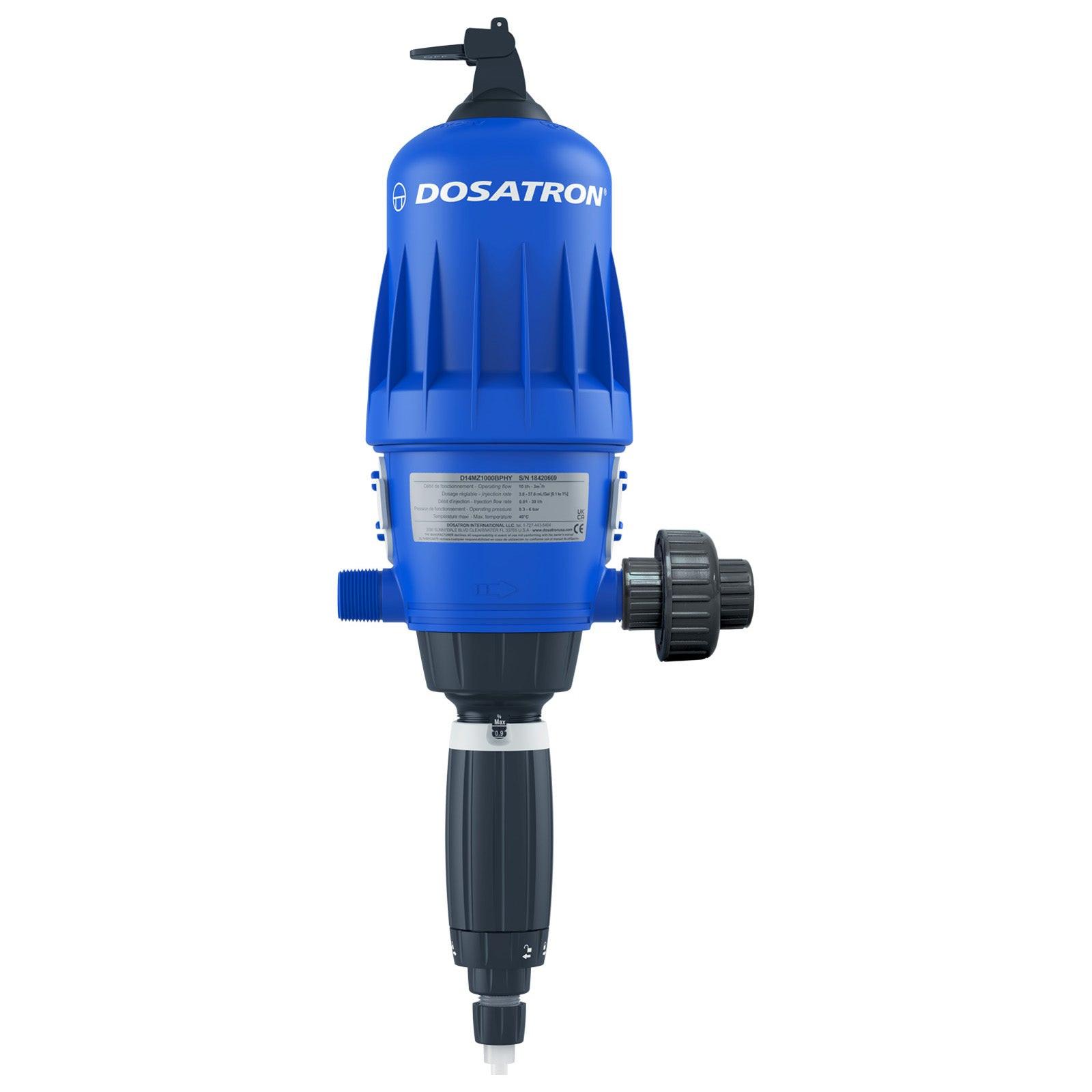
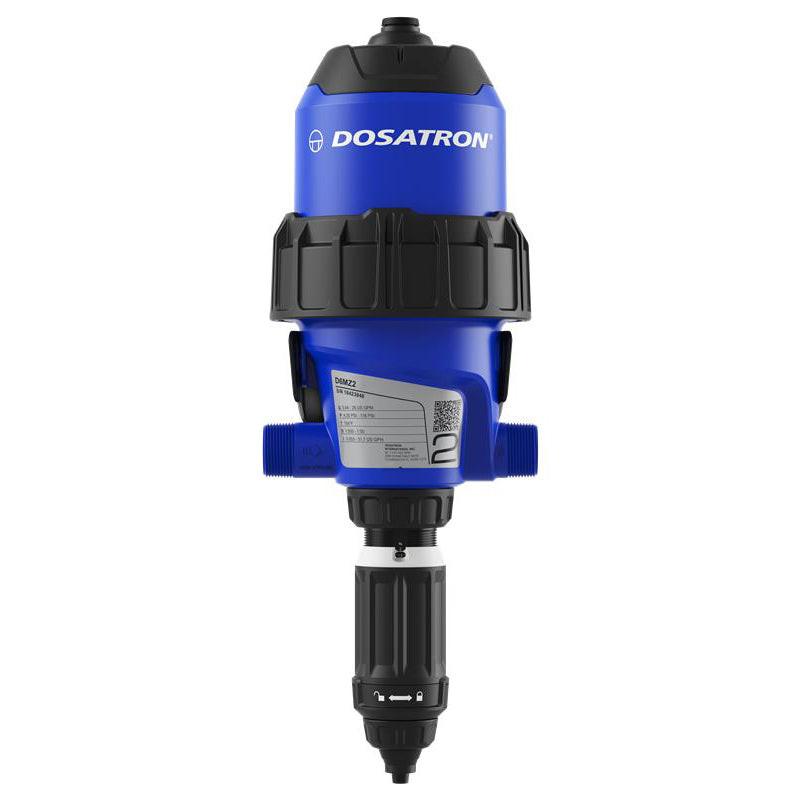
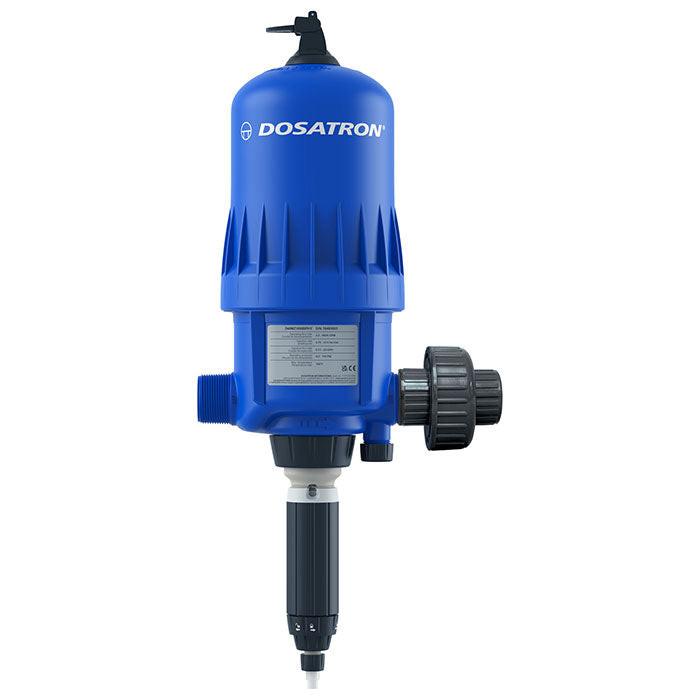
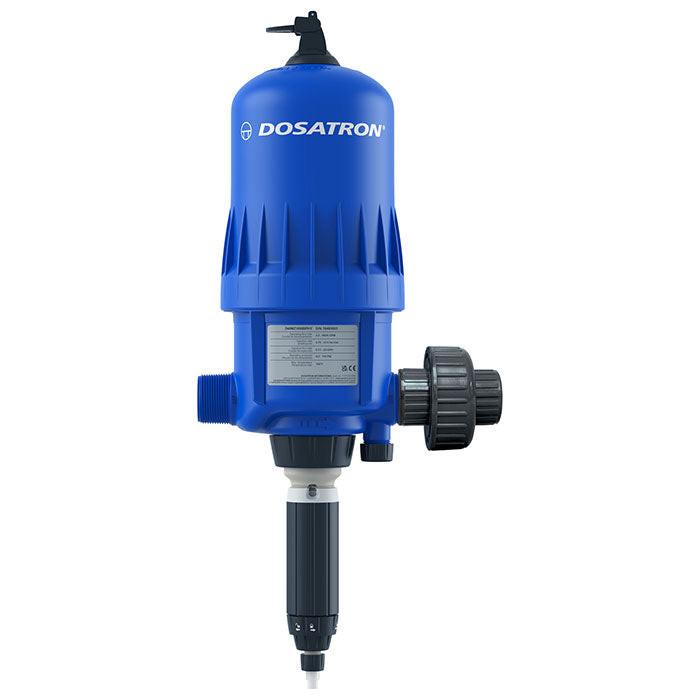
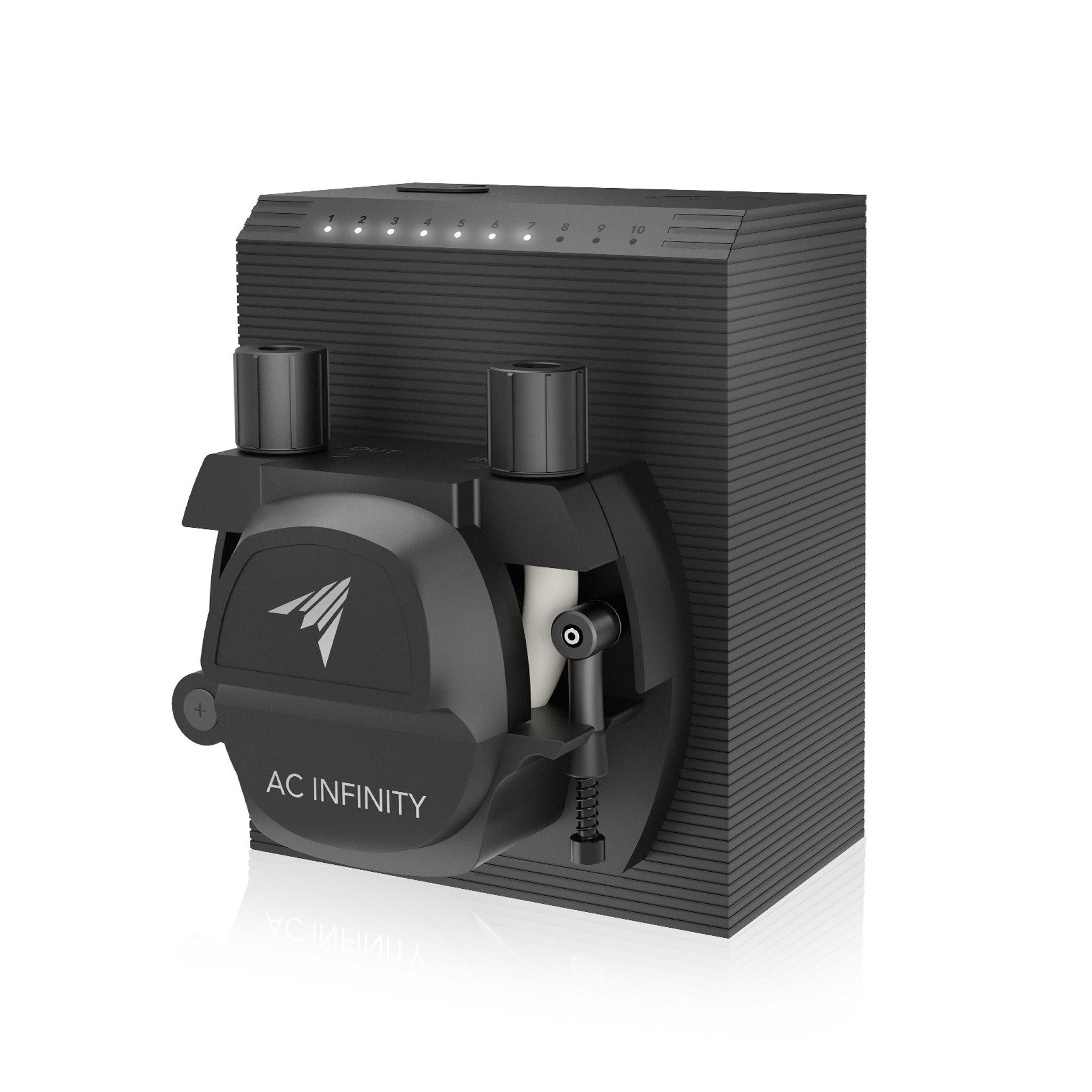
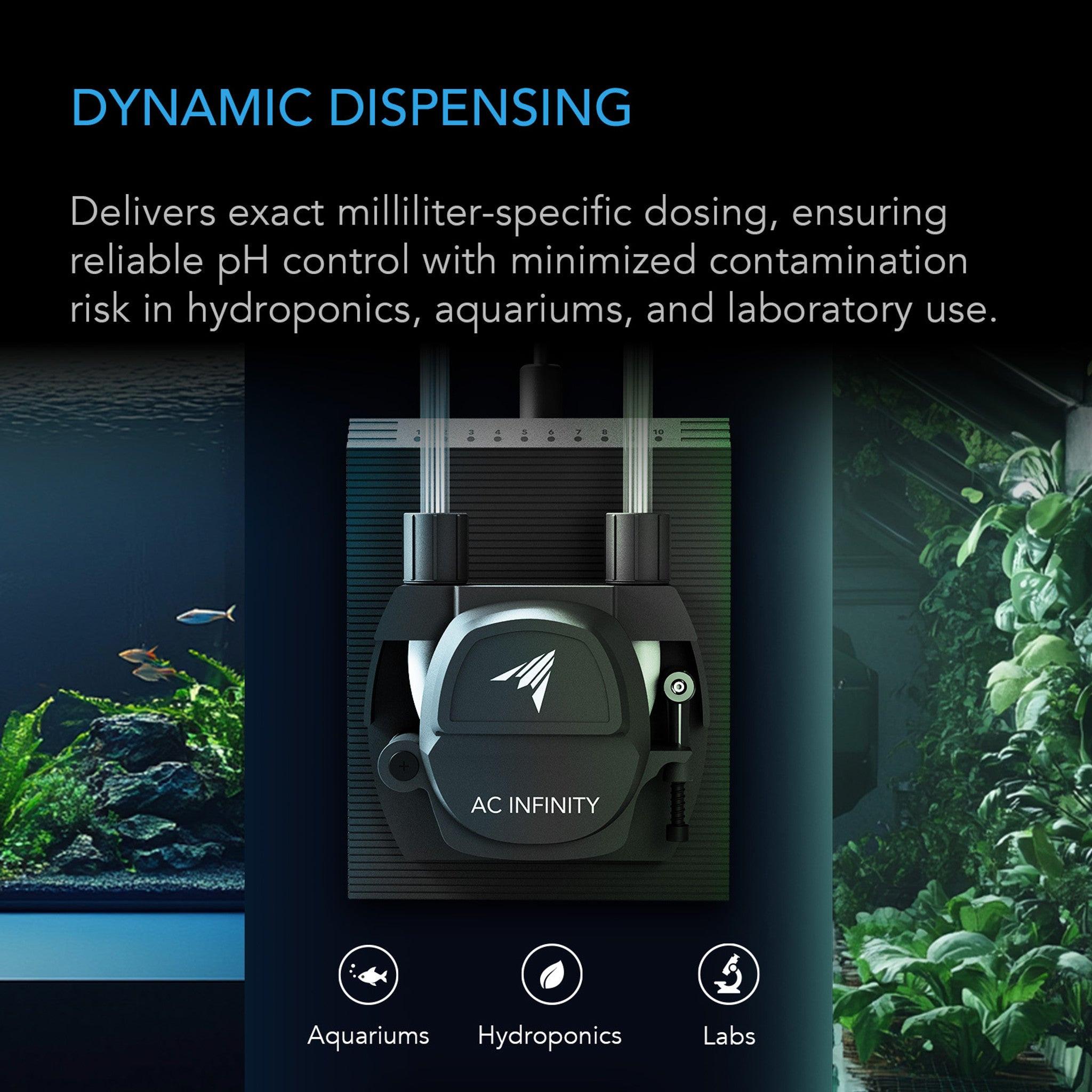
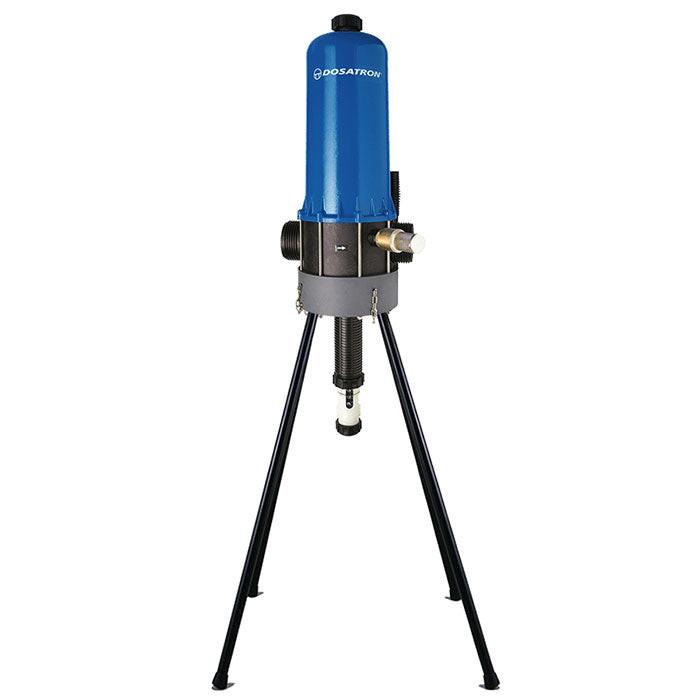
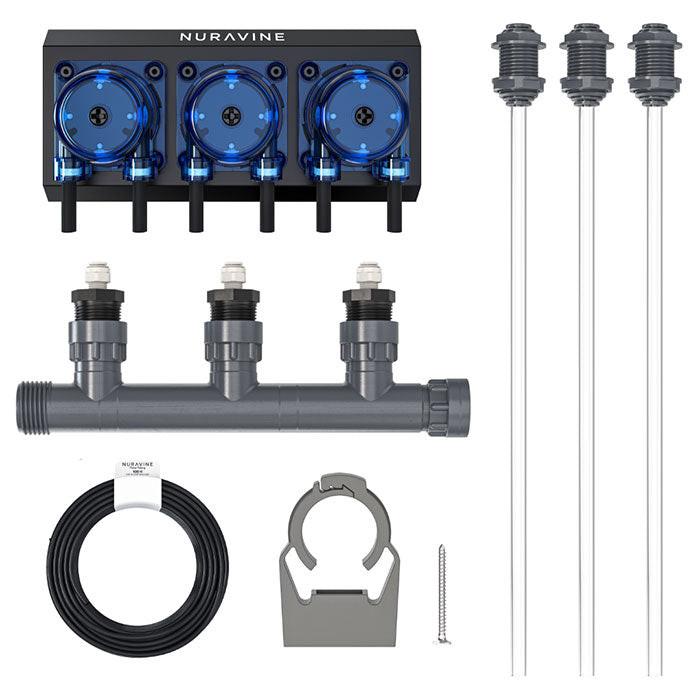
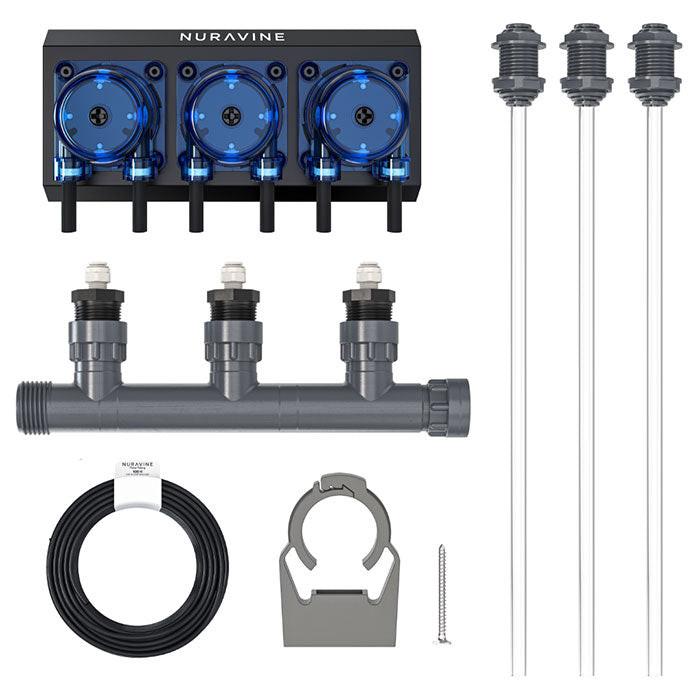
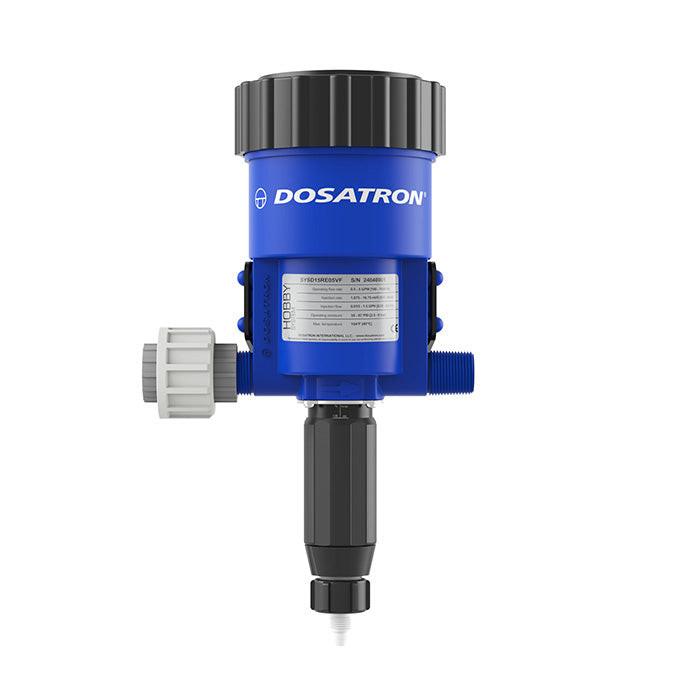
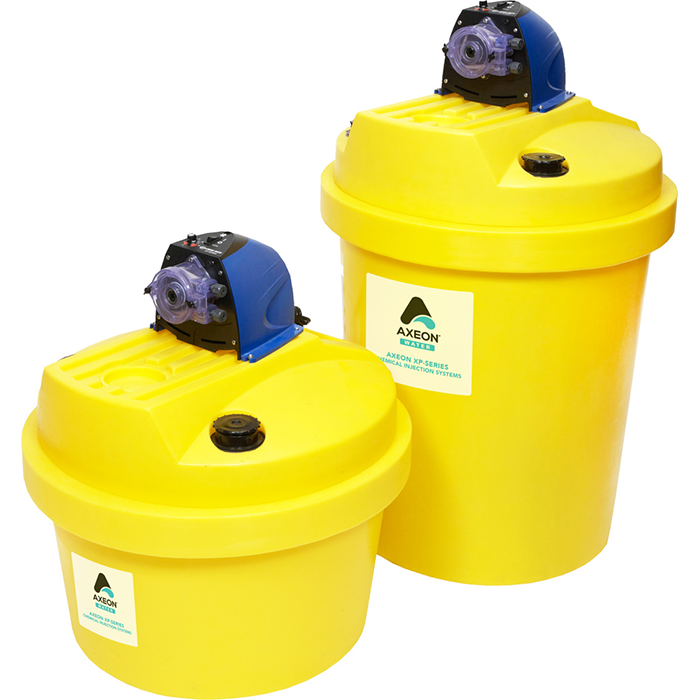
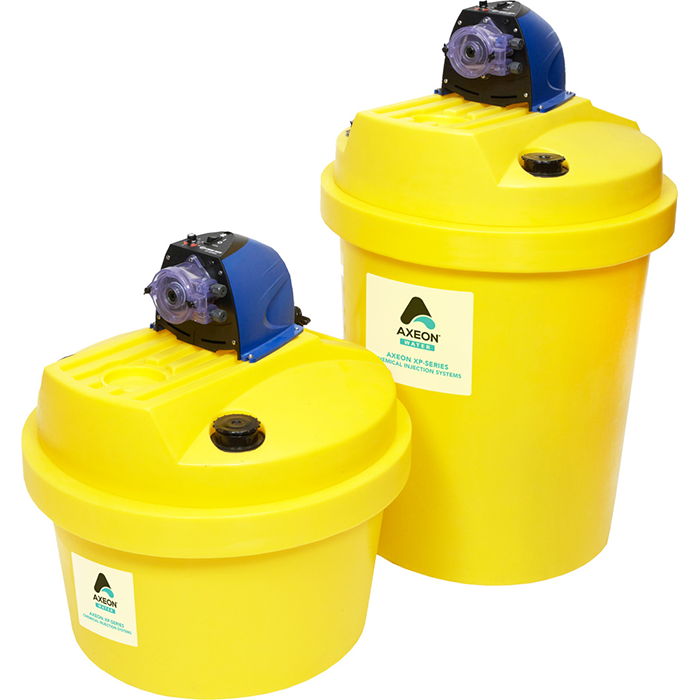
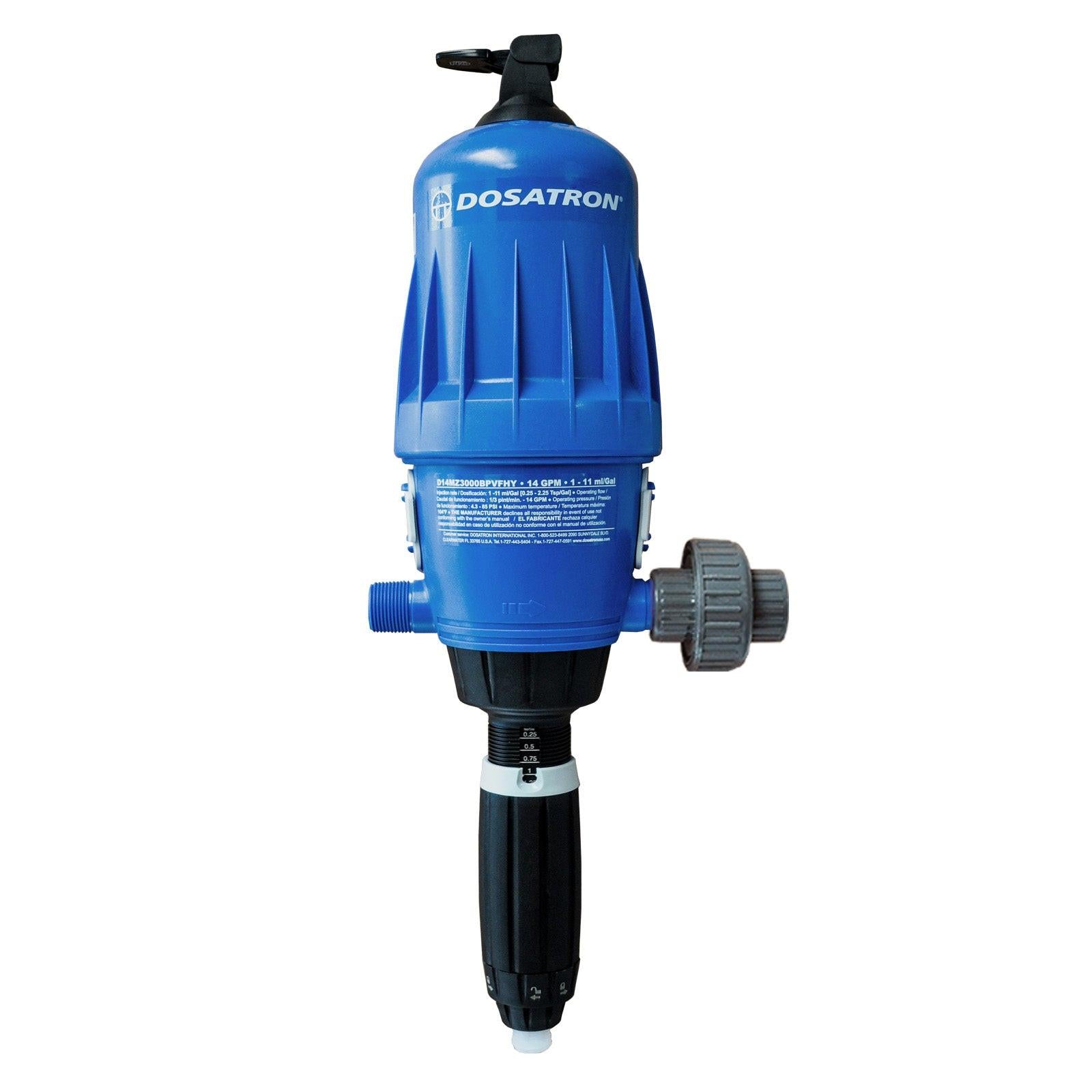
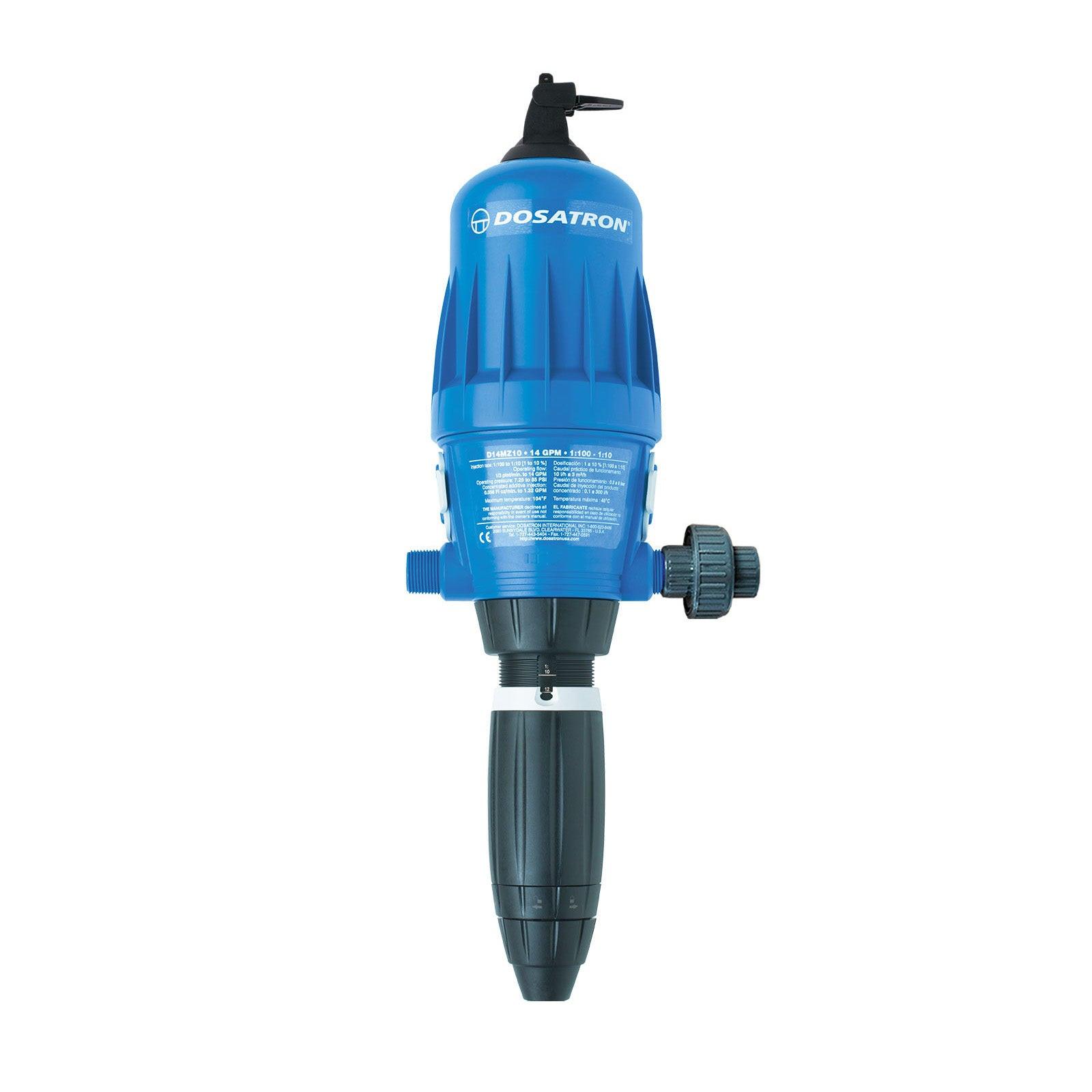
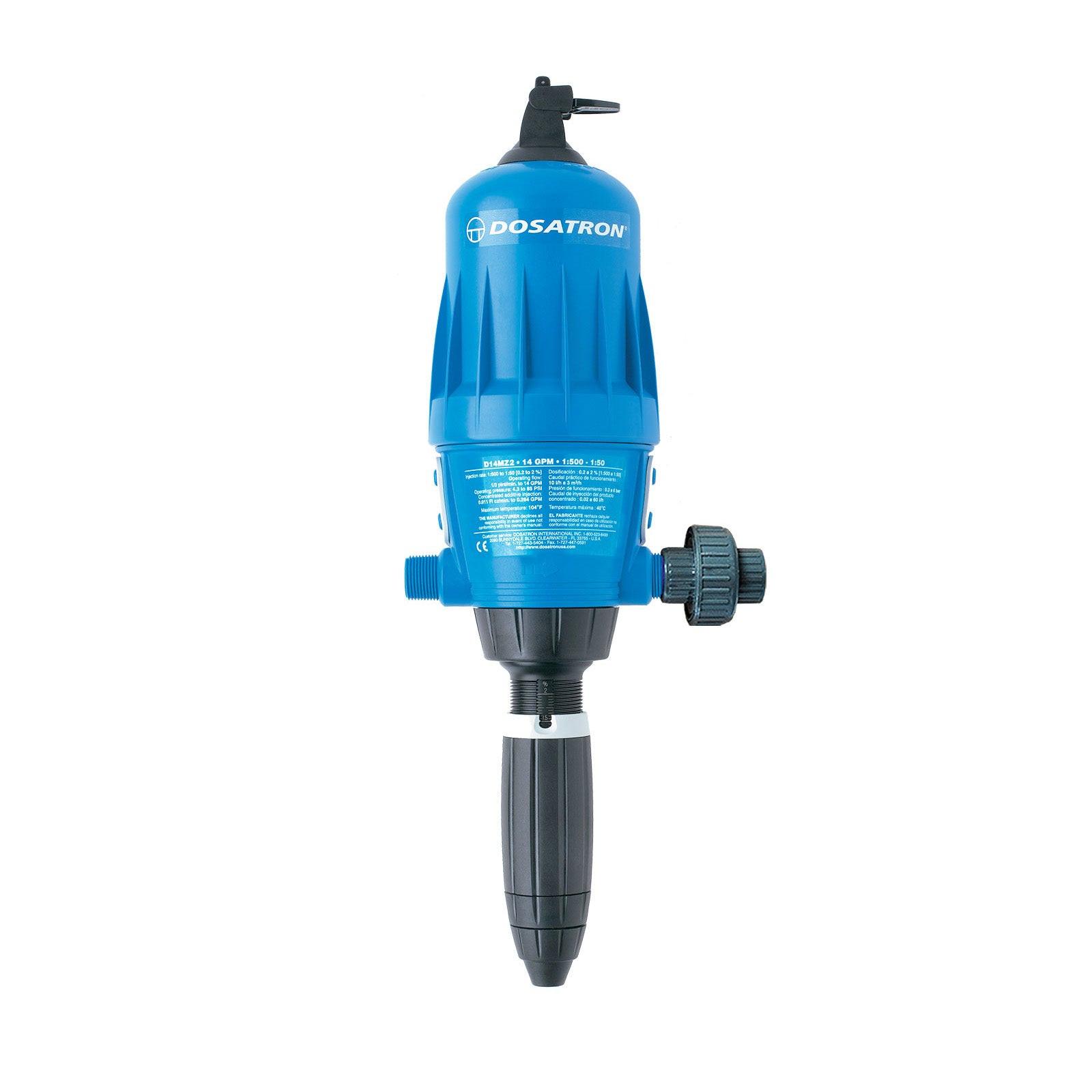
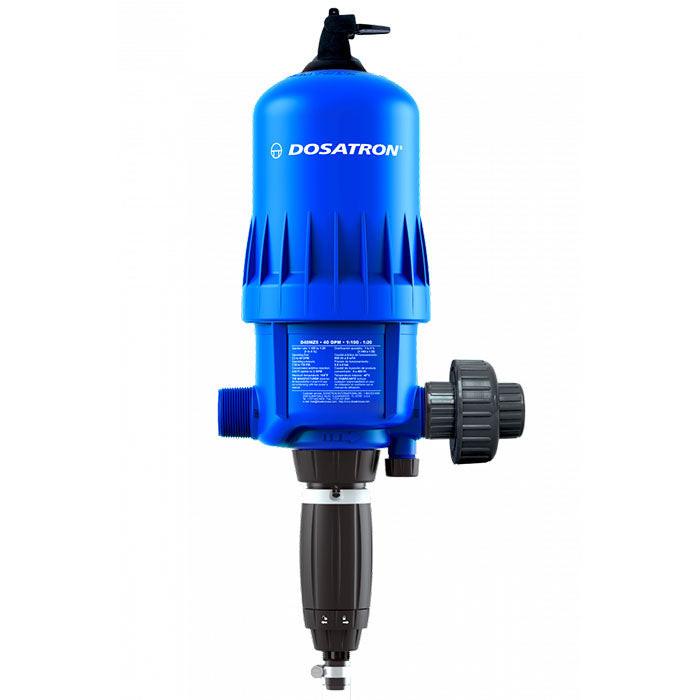
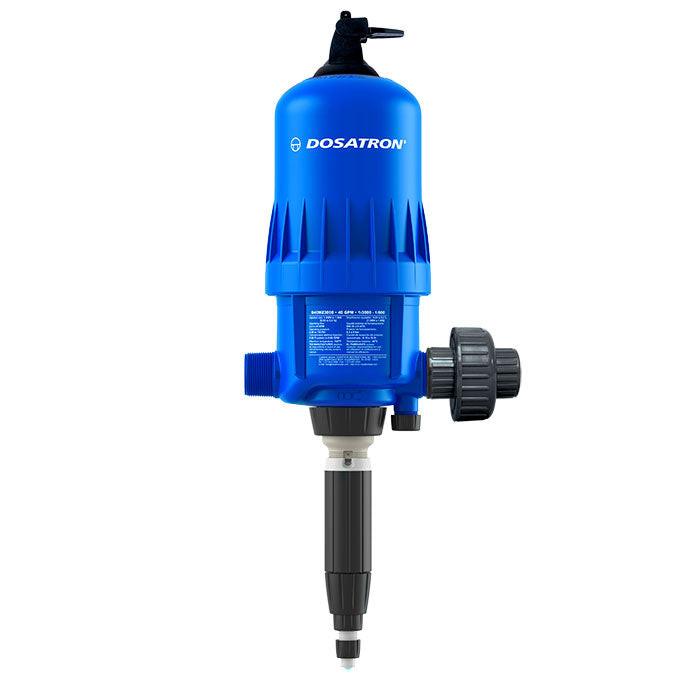
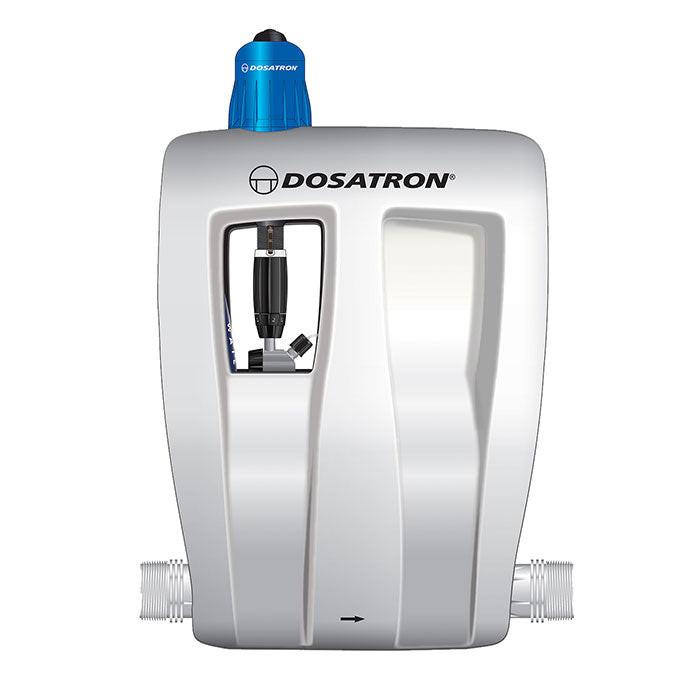
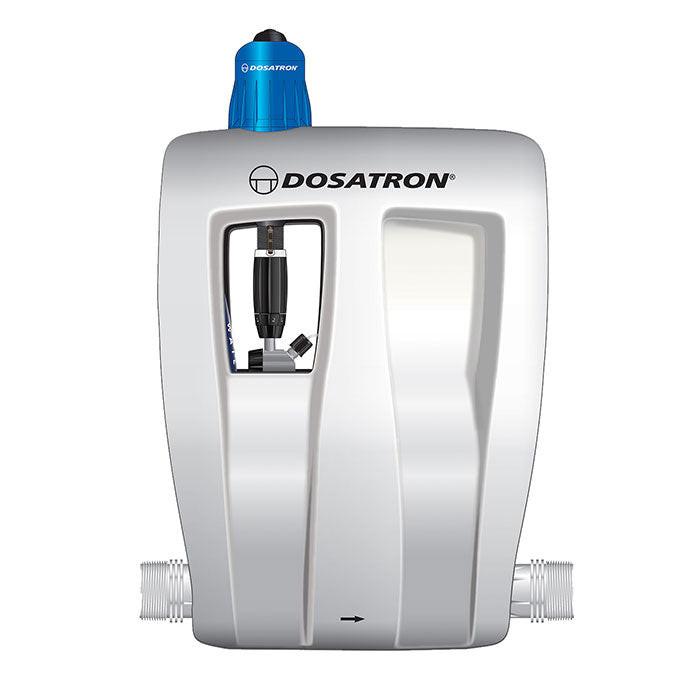
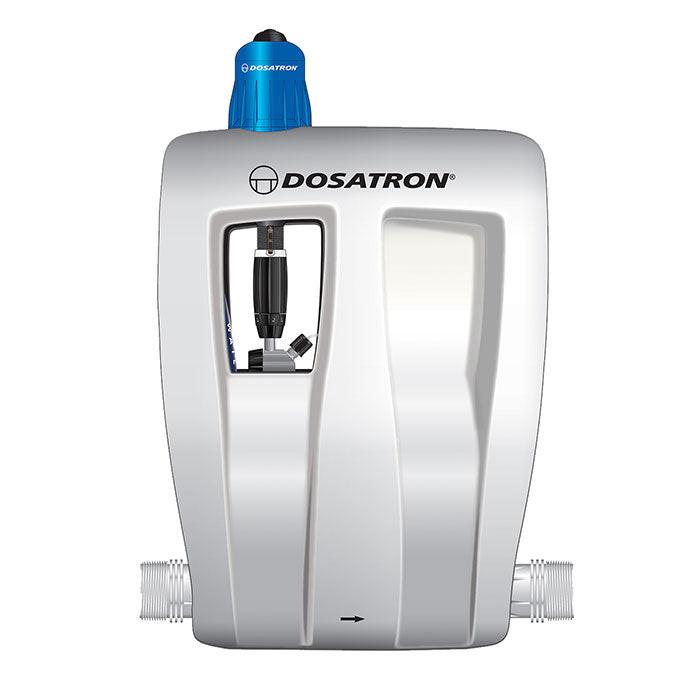
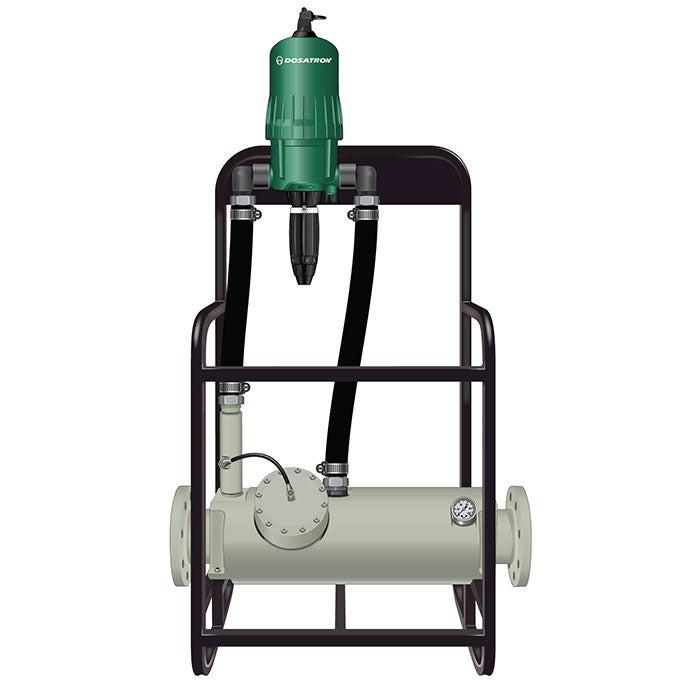
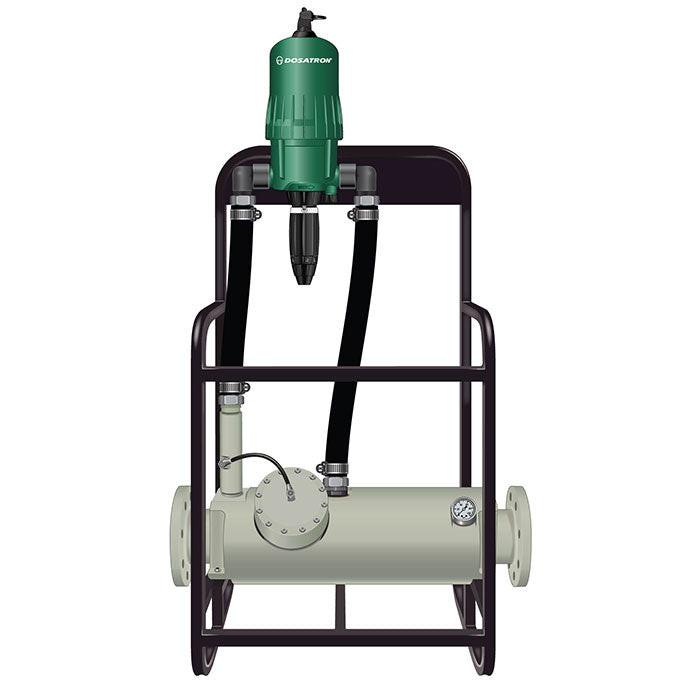
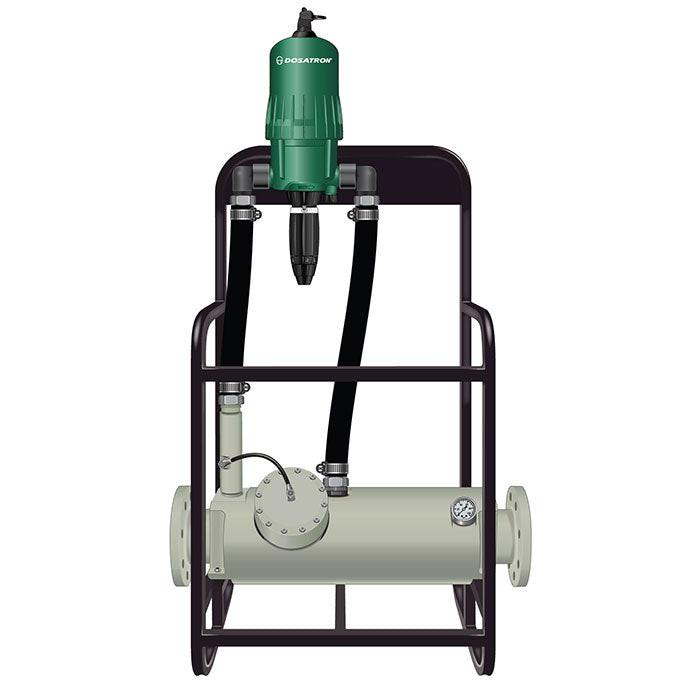
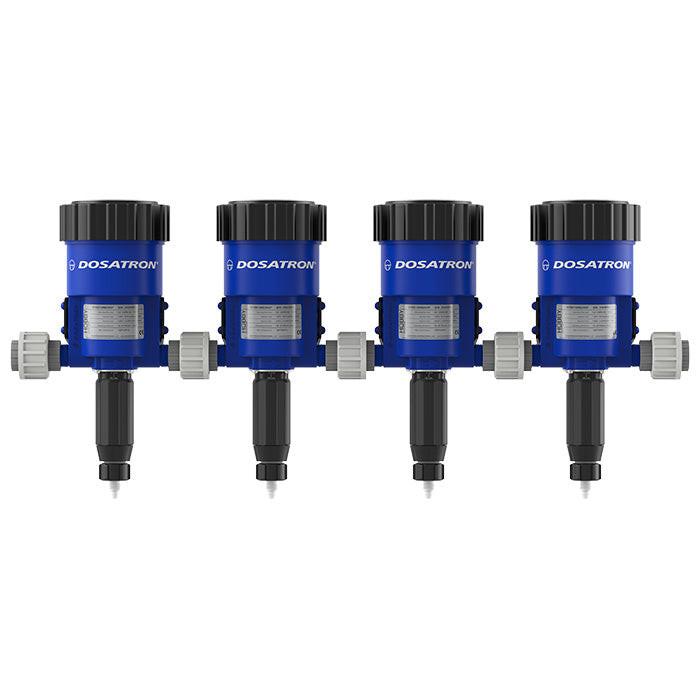
Peristaltic dosing pumps (used in Bluelab Dosetronic, AutoPilot, and similar controllers) use a rotating head that compresses flexible tubing to push precise volumes of liquid -- accurate to 0.1-1 ml per stroke depending on pump design, suitable for hobby through small commercial programs. Proportional injectors (Dosatron injectors) use a different mechanism -- they are installed inline in the water supply pipe and dilute concentrated nutrient solution proportionally as irrigation water flows through, producing consistent dilution regardless of flow rate variations. Dosatron proportional injectors are the standard for commercial irrigation systems because they require no electricity and produce extremely consistent dilution ratios across variable flow conditions.
Dosing Accuracy & Chemical Compatibility
Dosing pump accuracy determines nutrient program consistency. Most quality peristaltic pumps achieve +/-2-5% accuracy -- adequate for all growing applications. Verify chemical compatibility of the pump head and tubing with your specific nutrient concentrates -- high-pH nutrient solutions, concentrated acids (pH Down), and chelated micronutrient concentrates can degrade incompatible materials over time. Silicone tubing is the broadest-compatibility choice for peristaltic pump heads. Expert support available.
Fertigation Dosing Pumps FAQ
What is a nutrient dosing pump?
A nutrient dosing pump is a precision liquid delivery device that injects measured volumes of concentrated nutrient solution, pH adjusters, or other liquid additives into an irrigation water supply. Unlike batch mixing where all nutrients are pre-mixed in a reservoir, dosing pumps inject nutrients into flowing water in real time -- allowing precise control over delivered nutrient concentration and enabling continuous fertigation programs without manual reservoir preparation.
What is the difference between a dosing pump and a Dosatron?
A Dosatron is a specific brand of proportional injector -- a water-powered inline device that dilutes nutrient concentrate proportionally as irrigation water flows through it. Dosatrons require no electricity and maintain consistent dilution ratios regardless of flow rate. Peristaltic dosing pumps (Bluelab Dosetronic, AutoPilot, and similar) use an electric motor to deliver precise volumes per stroke -- more suitable for precise multi-channel dosing with controller integration. Dosatrons are the standard for simpler commercial irrigation systems; peristaltic pumps are used where precise multi-channel dosing and controller integration are priorities.
How many dosing pumps do I need for a complete fertigation system?
The minimum for basic pH-managed nutrient delivery is three channels: one for nutrient A concentrate, one for nutrient B concentrate (keeping calcium separate from phosphate and sulfate until diluted to prevent precipitation), and one for pH adjuster. A more complete system adds a fourth channel for a separate pH buffer or additional supplement. Commercial programs with multiple nutrient formulas may use 6-8 channels. The number of channels depends on the nutrient line used (two-part vs. three-part vs. single-part) and whether pH dosing is included in the same system.
Can I use a dosing pump for pH adjustment?
Yes -- pH dosing pumps inject pH Down (phosphoric acid) or pH Up (potassium hydroxide) to maintain target pH automatically. Most commercial fertigation controllers include pH dosing as an integral function alongside nutrient delivery. The pH dosing channel requires chemical-resistant tubing and fittings rated for concentrated acids or bases -- verify compatibility of pump materials with the specific pH adjustment chemicals you use. Acid and base concentrates are corrosive to incompatible materials including some metals and certain plastics.
How accurate are peristaltic dosing pumps?
Quality peristaltic dosing pumps achieve +/-2-5% volume accuracy, which is sufficient for all commercial nutrient delivery applications. Accuracy degrades over time as the peristaltic tubing fatigue and wears -- the tubing is the consumable component in a peristaltic pump system and should be replaced on the manufacturer's recommended schedule (typically every 6-12 months in continuous use). Calibrate the pump periodically by measuring actual delivered volume against programmed volume and adjusting the calibration factor in the controller.