Grow Room Cleaning Supplies & Sanitizers
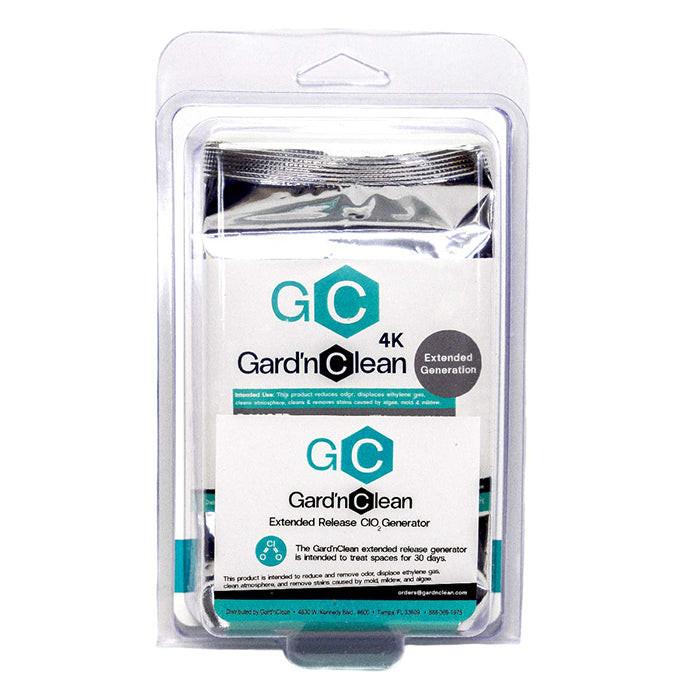
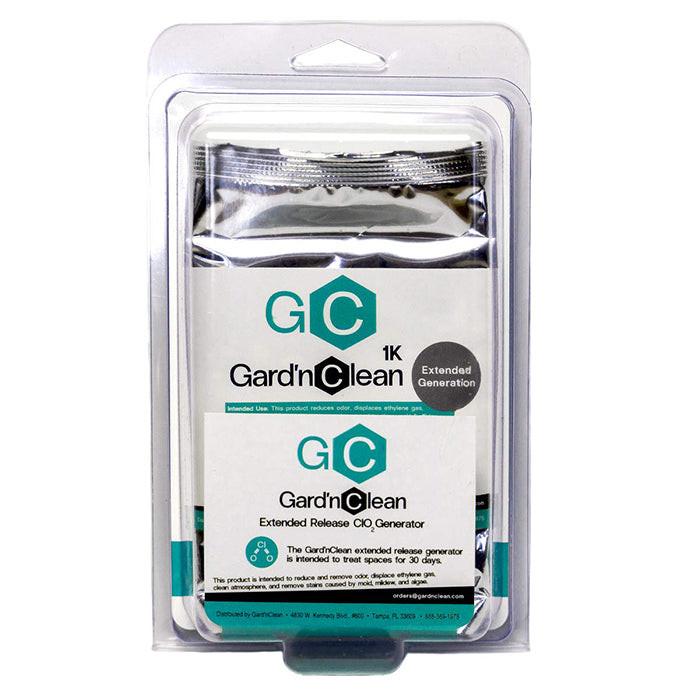
Between-cycle sanitation is one of the most effective and most frequently skipped practices for maintaining consistent crop quality across production runs. Pathogen and pest pressure accumulates in growing environments from cycle to cycle -- mold spores on tent surfaces, root pathogen residue in reservoir and irrigation lines, fungus gnat eggs in substrate remnants on tray and floor surfaces, and spider mite eggs in seams and frame joints. A thorough between-cycle cleaning and sanitation protocol eliminates these carryover sources before the new crop begins, significantly reducing the pest and disease pressure the new cycle faces.
Between-Cycle Sanitation Protocol
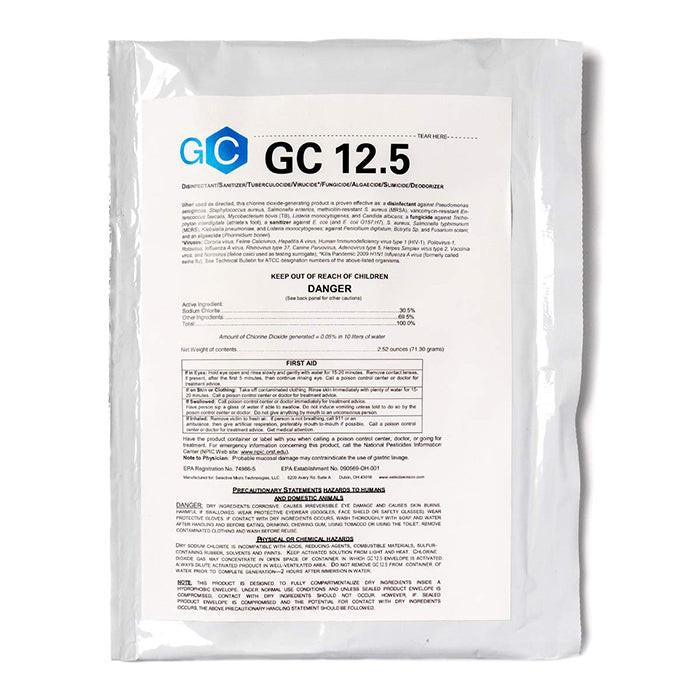
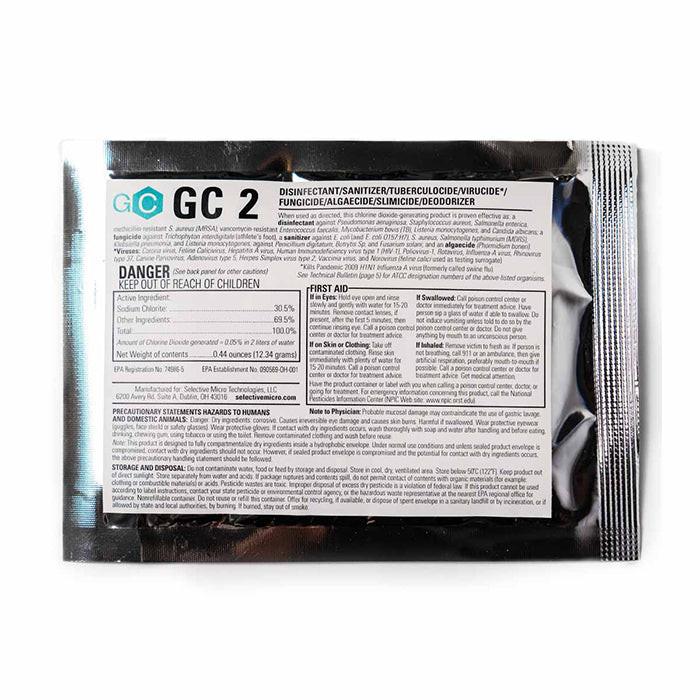
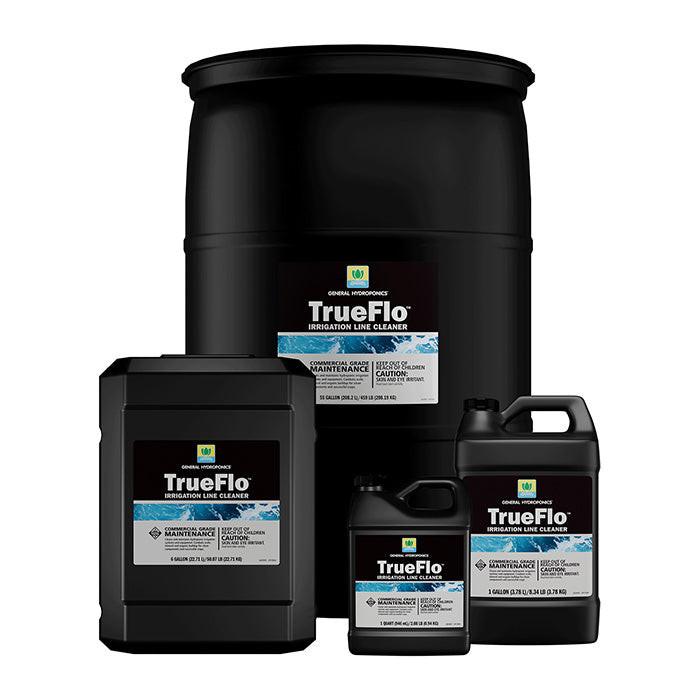
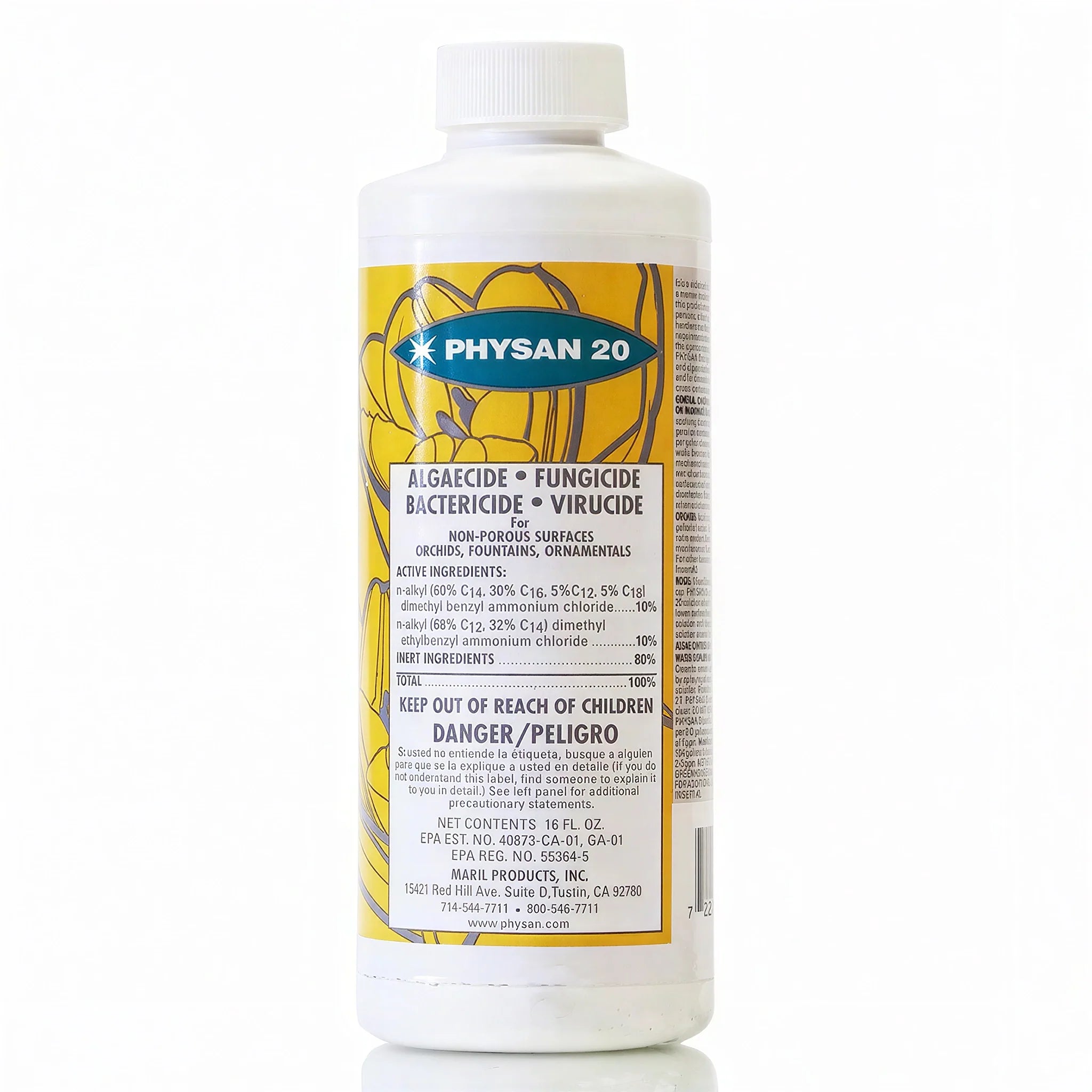
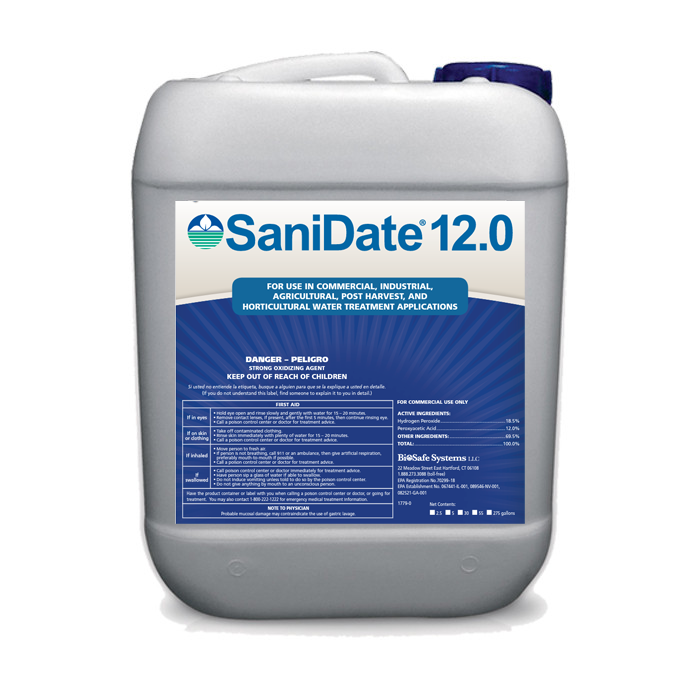
A complete between-cycle cleaning follows a three-step sequence. Step 1 -- Physical cleaning: remove all plant debris, substrate, and organic matter from all surfaces. Organic matter neutralizes chemical sanitizers -- surfaces must be physically clean before chemical treatment is effective. Step 2 -- Disinfection: apply a hydrogen peroxide-based disinfectant (ZeroTol, Oxidate, or dilute 3% H2O2) or quaternary ammonium compound (Physan 20, KleenGrow) to all tent and equipment surfaces, reservoirs, trays, and irrigation components. Follow contact time requirements on the label. Step 3 -- Flush irrigation lines: run clean water with a line-clean product (dilute H2O2 or dedicated irrigation line cleaner) through all drip lines, manifolds, and reservoir connections to remove biofilm buildup that harbors root pathogens between cycles. Pair with a pump sprayer for even disinfectant coverage on all surfaces.
Cleaning Supplies by Application
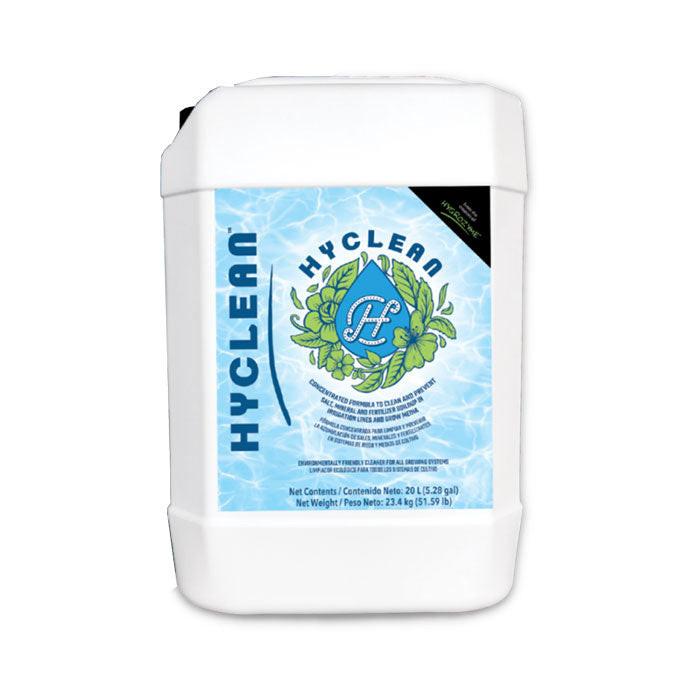
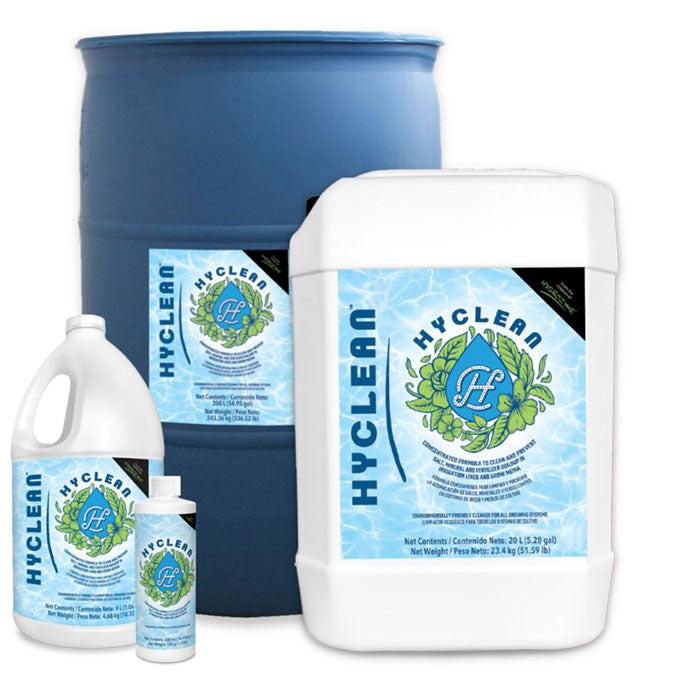
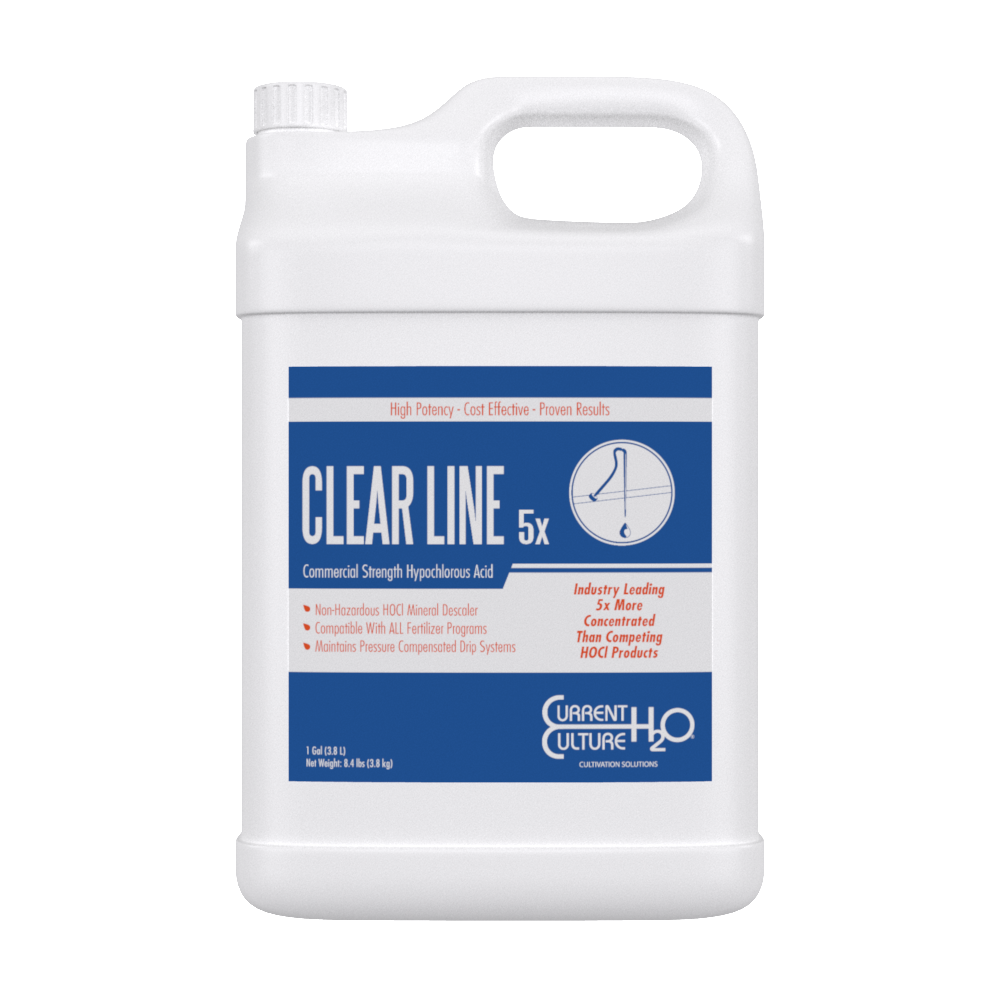
Different applications call for different cleaning chemistry. Hydrogen peroxide products (ZeroTol 2.0, Oxidate 5.0) from ARBICO Organics and similar brands are the most versatile -- food-safe, break down to water and oxygen, effective against bacteria, mold, and some viruses at label rates, and suitable for use on irrigation system components as well as growing surfaces. Quaternary ammonium compounds (Physan 20, KleenGrow) provide broad-spectrum disinfection with longer residual activity on dry surfaces -- well-suited for tent interior walls, frames, and hard equipment surfaces. Enzymatic cleaners break down organic matter and biofilm in irrigation lines and reservoir surfaces without the corrosion risk of strong oxidizers on metal components. Fast shipping.
Grow Room Cleaning Supplies FAQ
What should I use to clean a grow tent between cycles?
A dilute hydrogen peroxide solution (3-6% H2O2 diluted to 1-2% application concentration, or a ready-to-use product like ZeroTol 2.0) applied with a pump sprayer is the most practical all-purpose tent sanitizer. Spray all interior surfaces including tent walls, frame, floor, and any equipment remaining in the tent; let sit for the label-specified contact time; wipe down or allow to dry. Follow with an ozone treatment (ozone generator in empty sealed tent for 1-2 hours, then ventilate) for thorough mold spore elimination if powdery mildew or botrytis was present in the previous cycle.
How do I clean hydroponic reservoirs and irrigation lines?
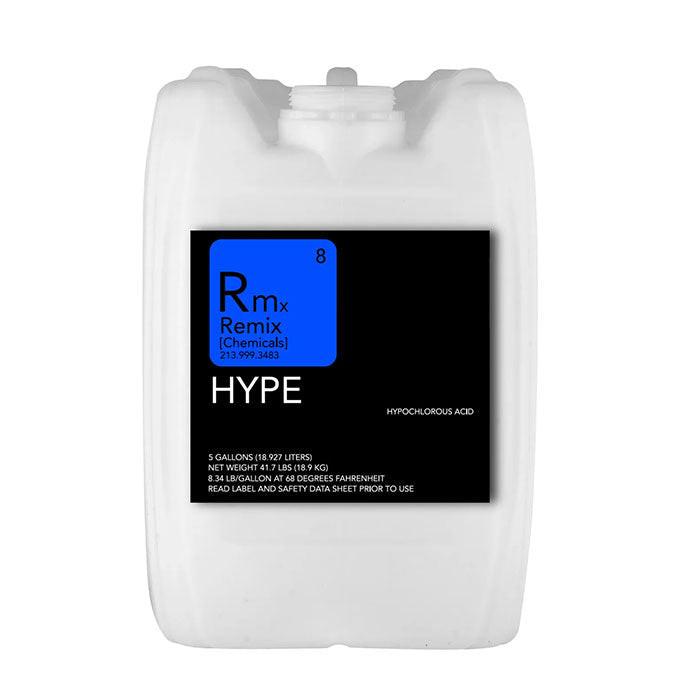
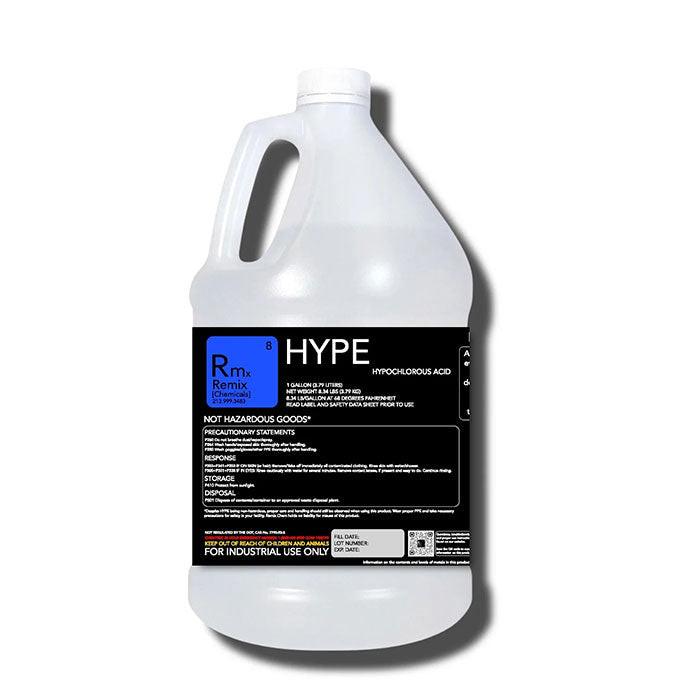
For reservoirs: empty completely, scrub with a non-abrasive brush to remove biofilm and mineral deposits, rinse thoroughly, then fill with a dilute H2O2 or hypochlorous acid solution at label rate and let soak for 30-60 minutes. Drain and rinse before refilling with fresh nutrient solution. For drip lines and manifolds: flush with plain water first, then run a dilute H2O2 or dedicated irrigation line cleaner through the system at low flow for 30-60 minutes. Flush with plain water again before resuming nutrient delivery. Mineral scale in lines: a dilute citric acid flush (1-2 tsp per gallon) dissolves calcium and magnesium scale that H2O2 does not.
Can I use bleach to sanitize my grow room?
Dilute sodium hypochlorite (bleach) at 1:50 to 1:100 dilution (100-200 ppm free chlorine) is an effective and inexpensive disinfectant for hard non-porous surfaces. However, bleach has significant limitations in grow room applications: it corrodes metal components including tent frames, irrigation fittings, and ballast casings; it is quickly neutralized by organic matter; it produces irritating fumes that require ventilation before re-entry; and residual chlorine on surfaces can damage plant tissue if not thoroughly rinsed. Hydrogen peroxide-based cleaners are generally preferred for grow room sanitation because they break down to water and oxygen with no corrosive residual.
How often should I do a full grow room clean?
Full between-cycle sanitation: every cycle, before introducing new plants. In-cycle maintenance cleaning: wipe up any spilled nutrient solution immediately (nutrient solution on surfaces breeds fungus gnats and mold), remove dead leaves and plant debris as they accumulate, and flush irrigation lines with plain water at least once mid-cycle to prevent salt and biofilm buildup. For commercial operations with recurring pest or disease pressure: add a mid-cycle foliar disinfection pass with dilute H2O2 or hypochlorous acid during lights-off periods as a proactive surface pathogen reduction measure.
Is hydrogen peroxide safe to use in a hydroponic system with living plants?
Dilute H2O2 at 1-3 ml per gallon of 3% solution (approximately 30-90 ppm H2O2) is commonly used as a root zone treatment for DWC systems experiencing root disease pressure -- it oxidizes root pathogens while the low concentration is tolerated by plant roots at short exposure times. At these concentrations it also temporarily boosts dissolved oxygen. However, H2O2 kills beneficial microorganisms as well as pathogens -- do not use it in living soil or organic programs where you are cultivating soil biology. Higher concentrations for equipment sanitation (not for live system use) require thorough rinsing before reintroducing plants or nutrient solution.