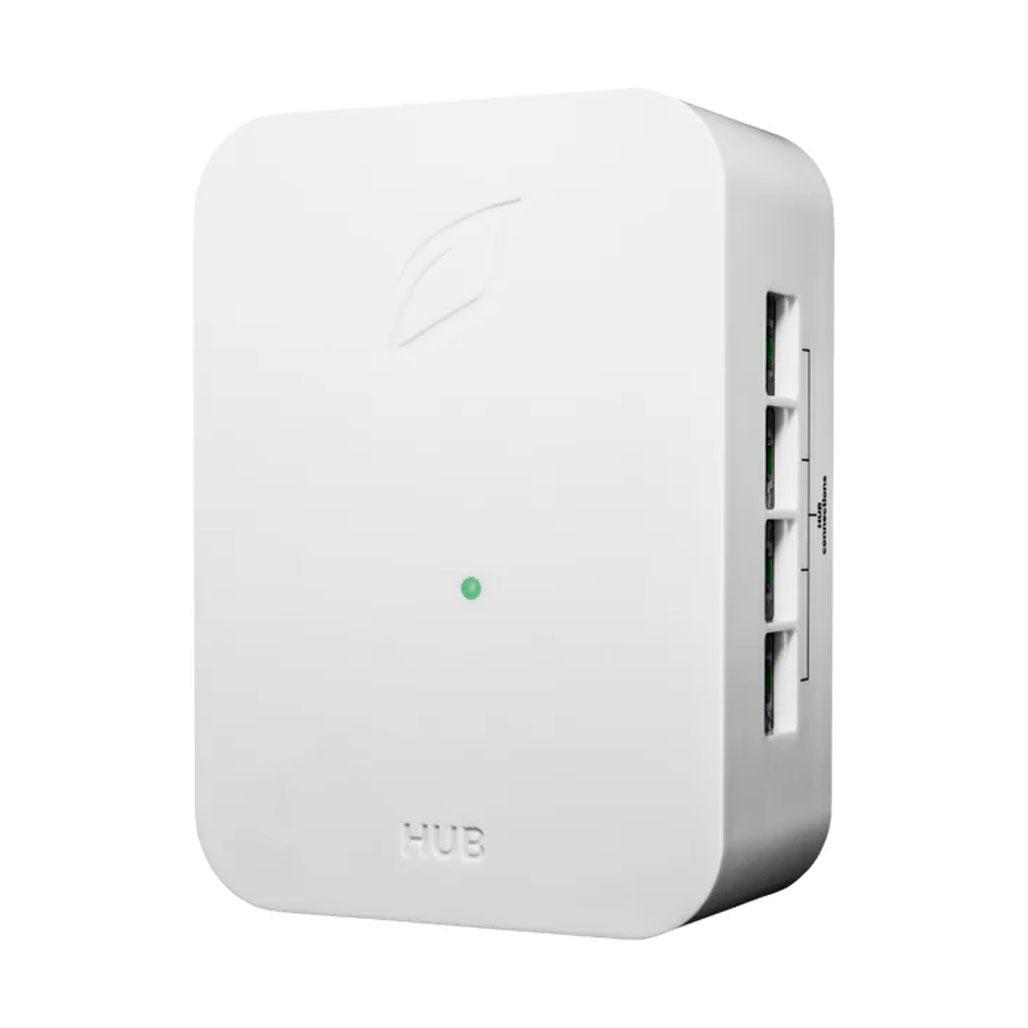
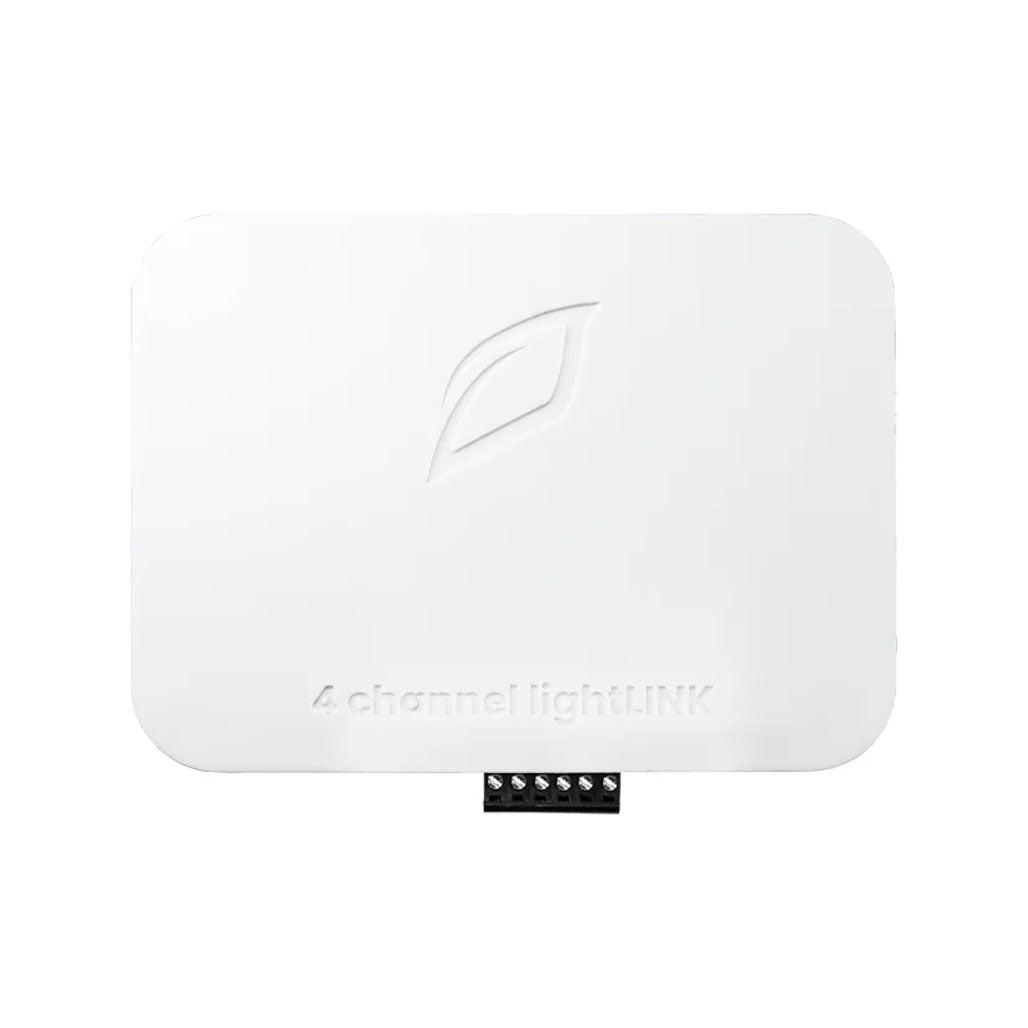
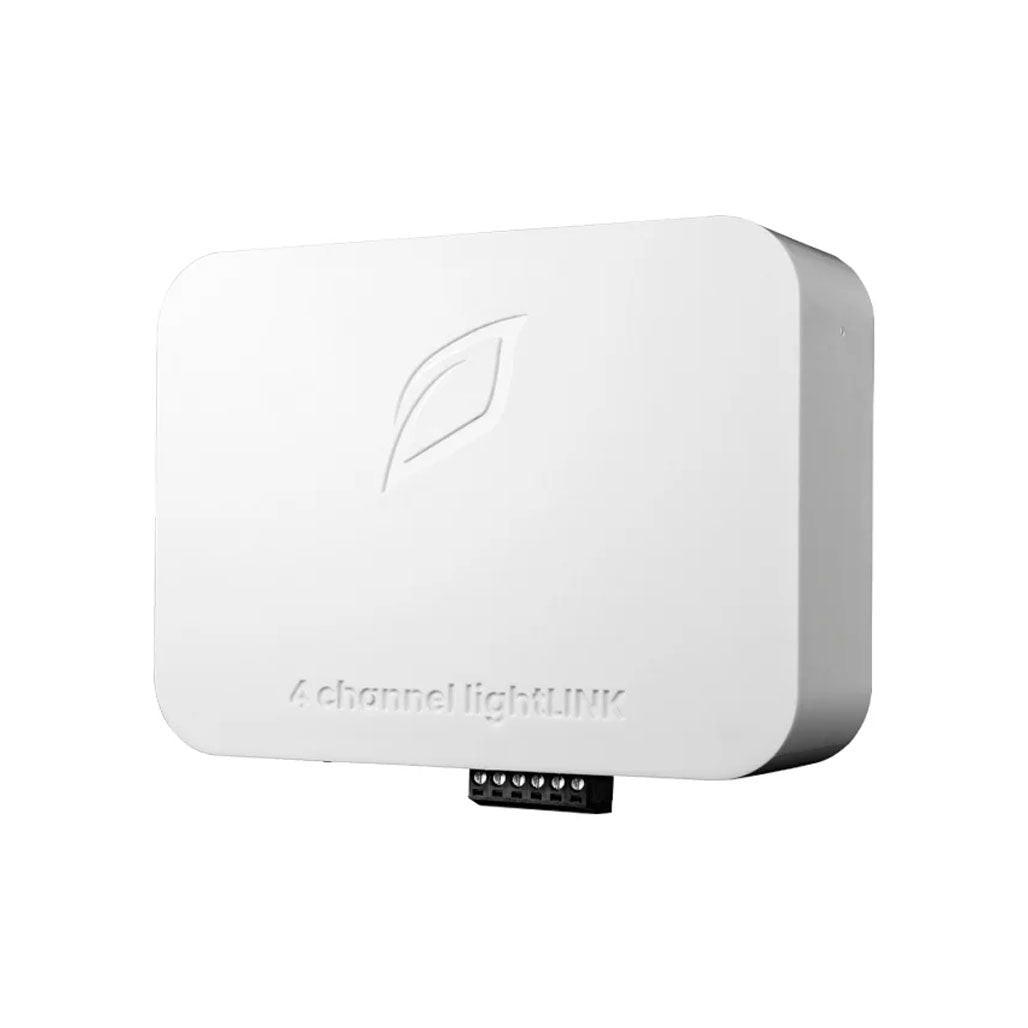
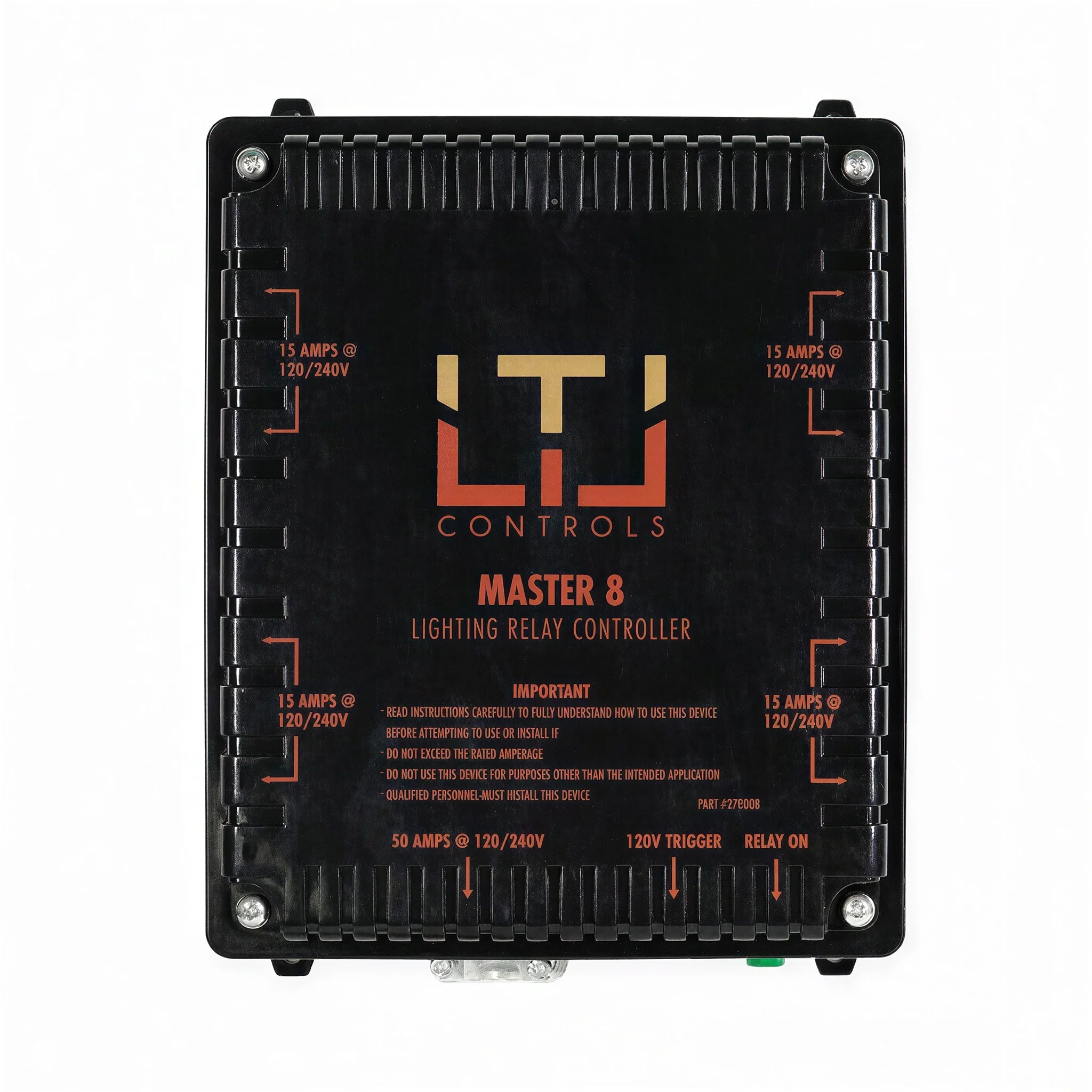
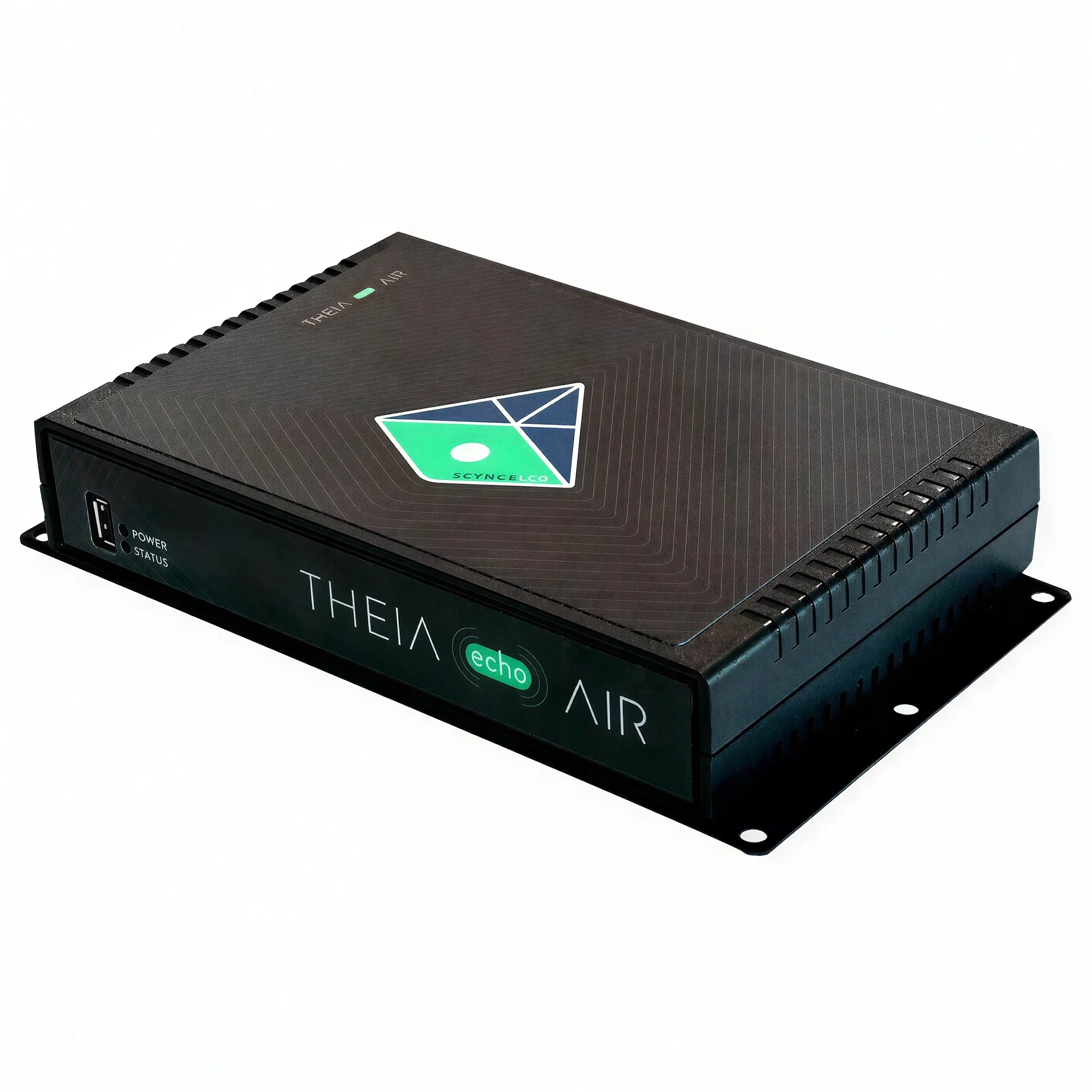
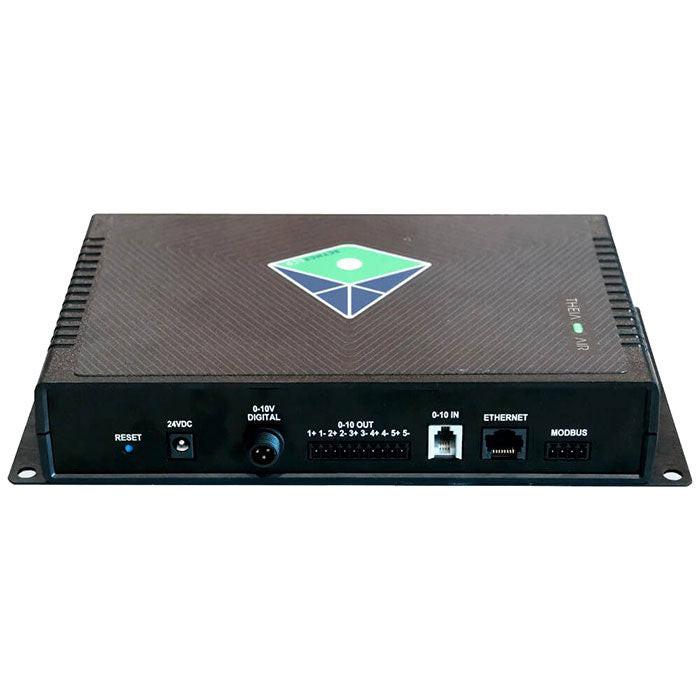
Grow Light Controllers & Timers
Consistent, precise photoperiod management is the foundation of indoor crop production. Most crops use day length as a primary trigger for developmental transitions -- particularly the shift from vegetative growth to flowering. A single missed or incorrect light cycle can trigger unwanted early flowering, revert plants from flower to vegetative, or create the light stress that affects final quality. Timers and lighting controllers automate photoperiod management reliably, removing human error from one of the most impactful daily tasks in indoor cultivation.
Mechanical vs. Digital Timers
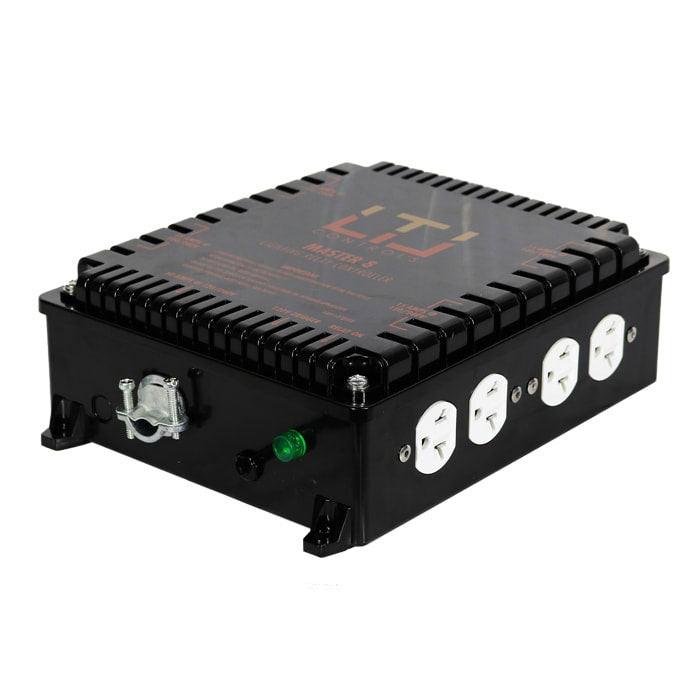
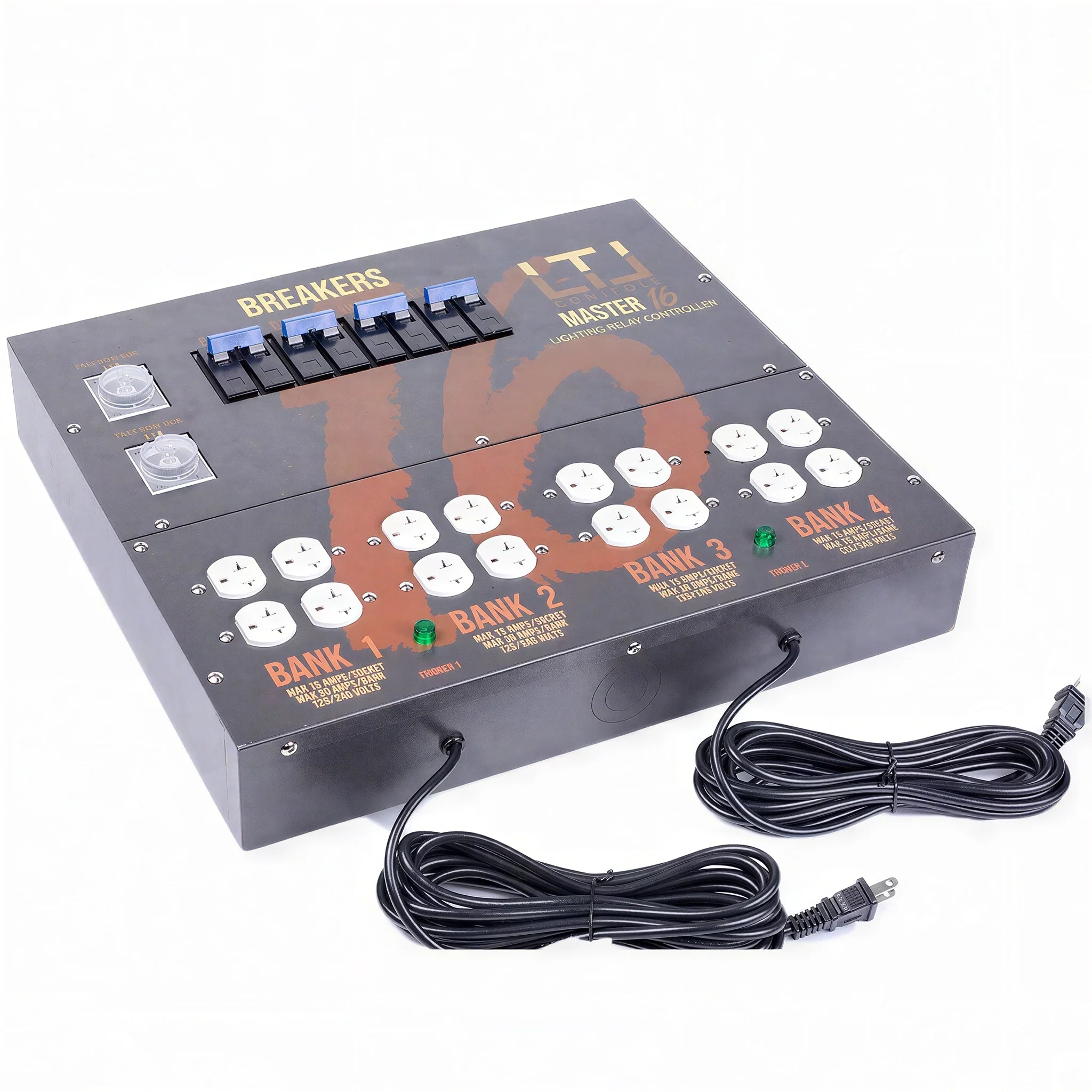
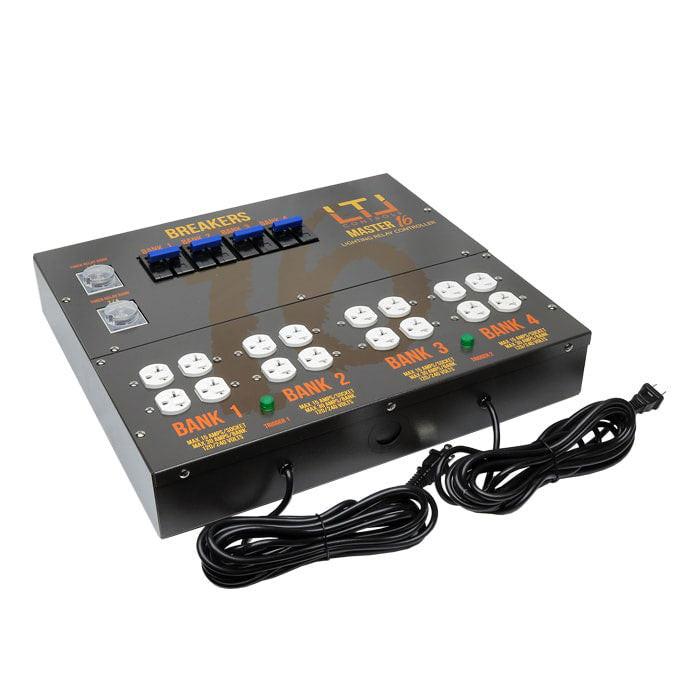
Mechanical timers use a rotating 24-hour dial with push-in pins that turn outlets on and off at set 15-30 minute intervals -- simple, inexpensive, and reliable for basic on/off photoperiod schedules. Digital timers offer programmable day-of-week schedules, multiple on/off events per day, minute-level precision, and manual override functions. For standard 18/6 vegetative and 12/12 flowering schedules, a quality mechanical timer is adequate. For more complex schedules -- CO2 coordination, supplemental lighting in greenhouses responding to natural daylight, or multiple zones with different schedules -- digital timers provide the precision and flexibility needed. Browse also the grow light timers collection for the full range of timer options.
Multi-Function Controllers with Lighting Integration
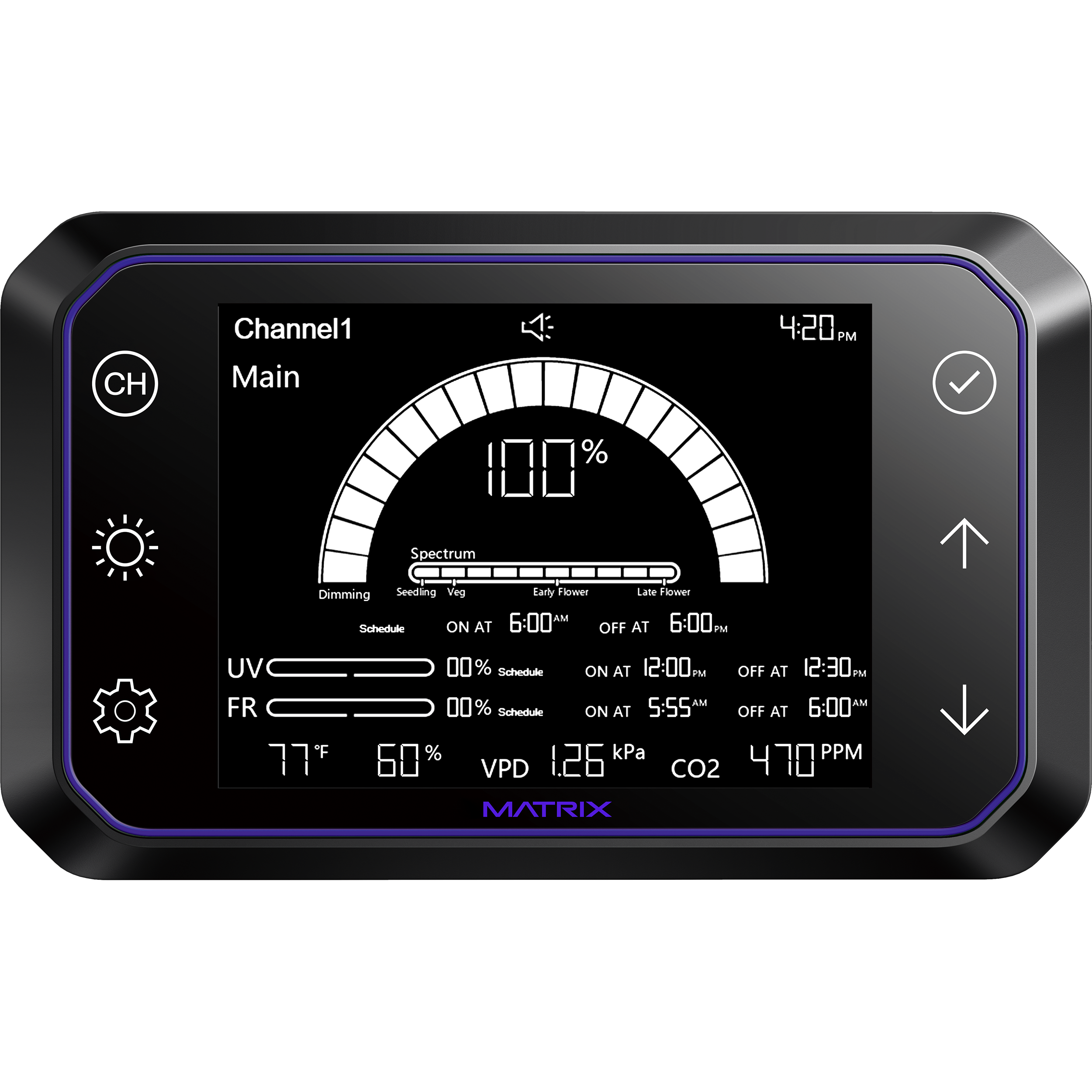
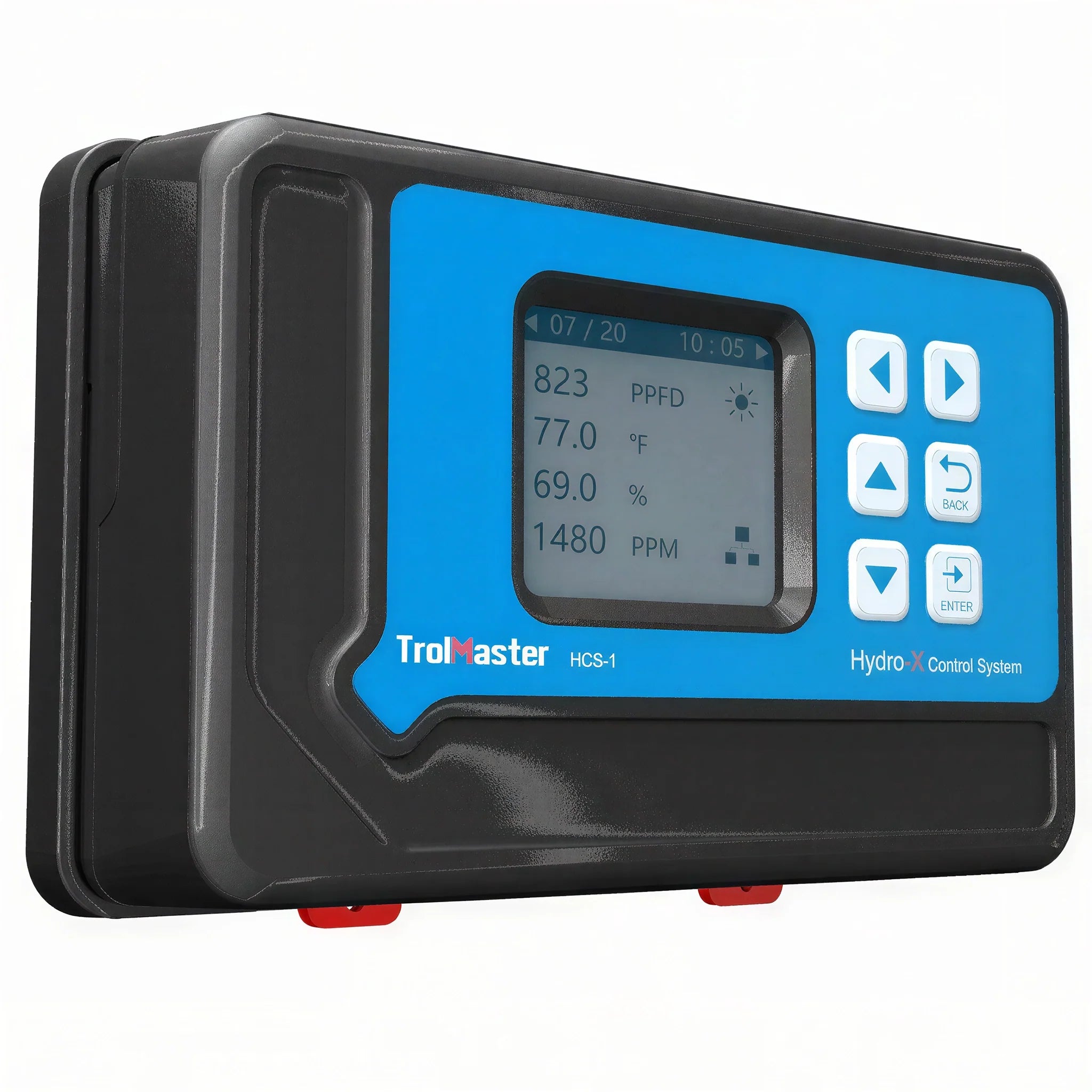
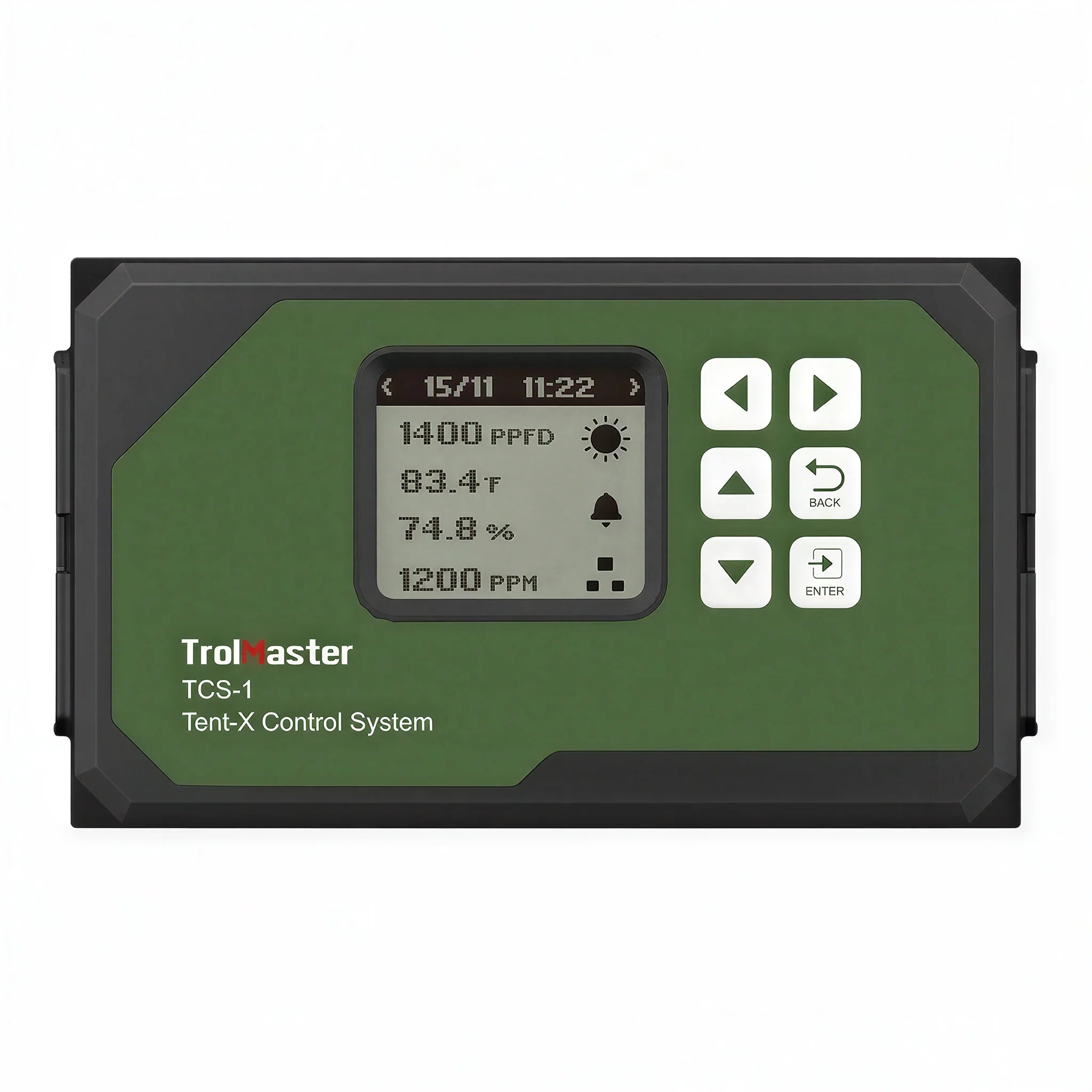
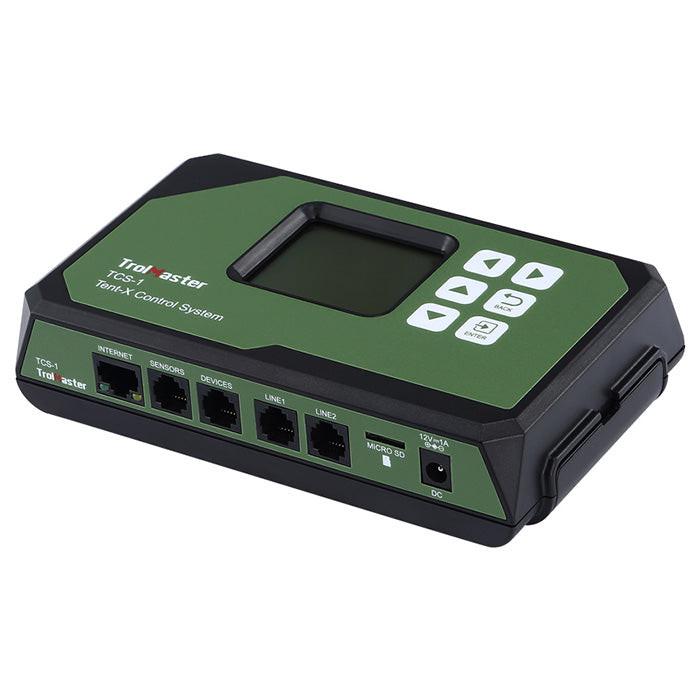
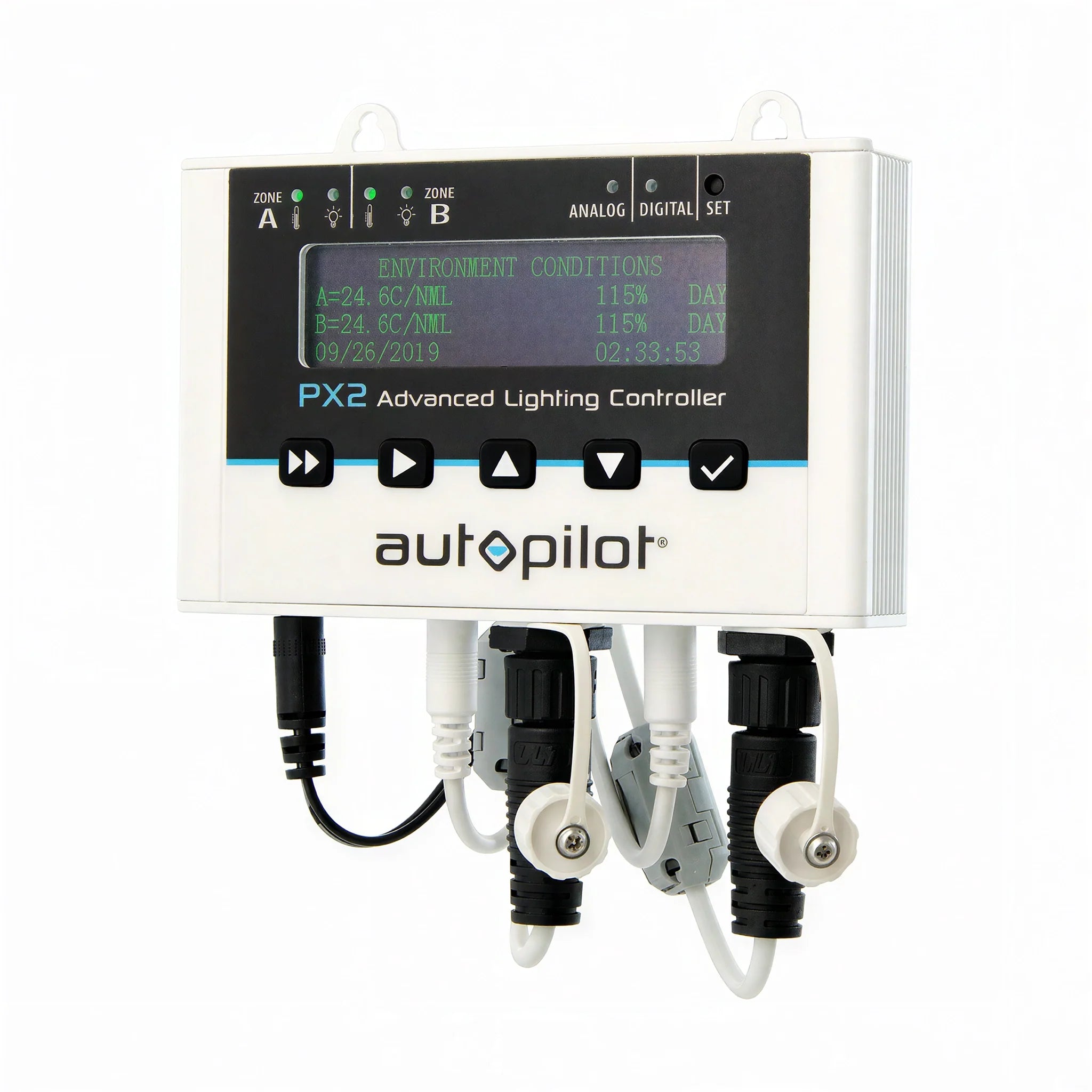
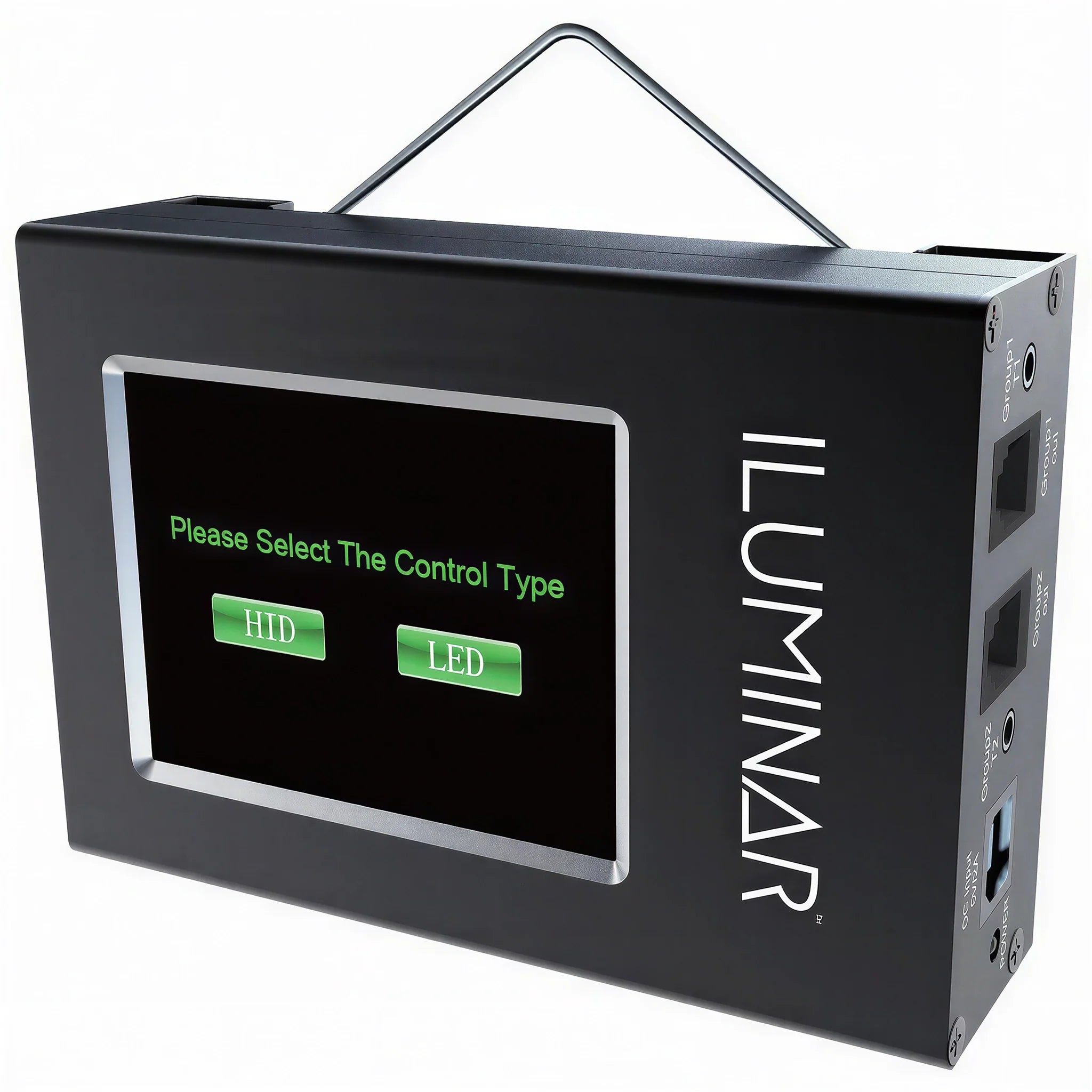
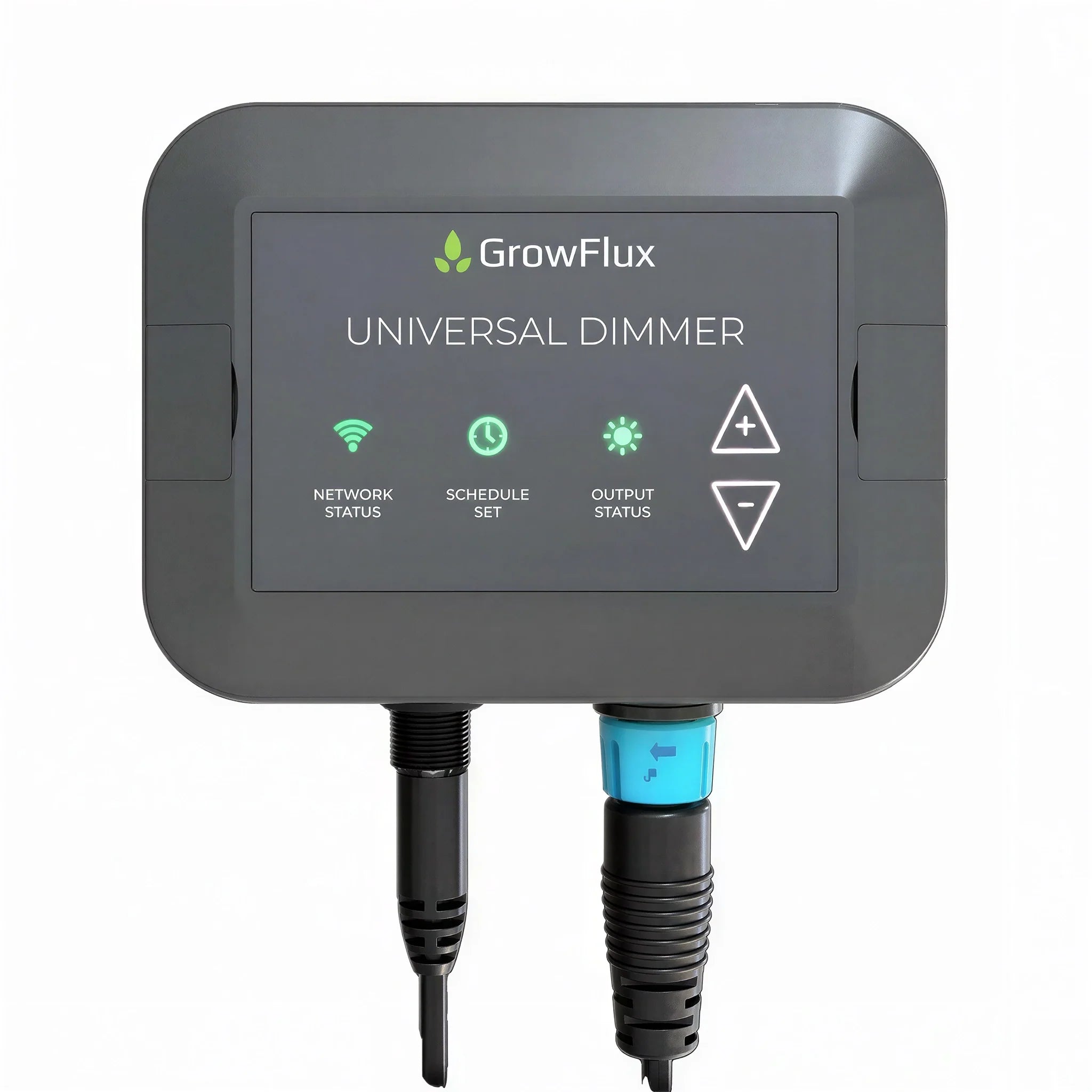
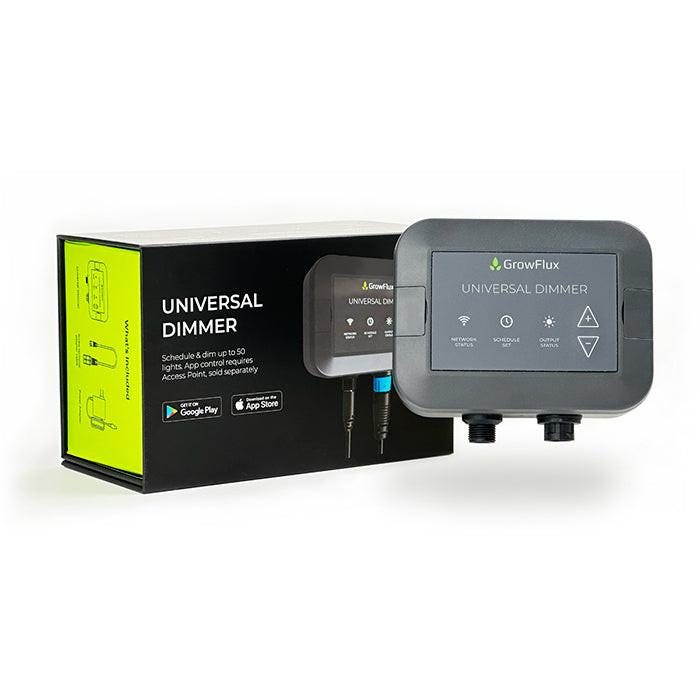
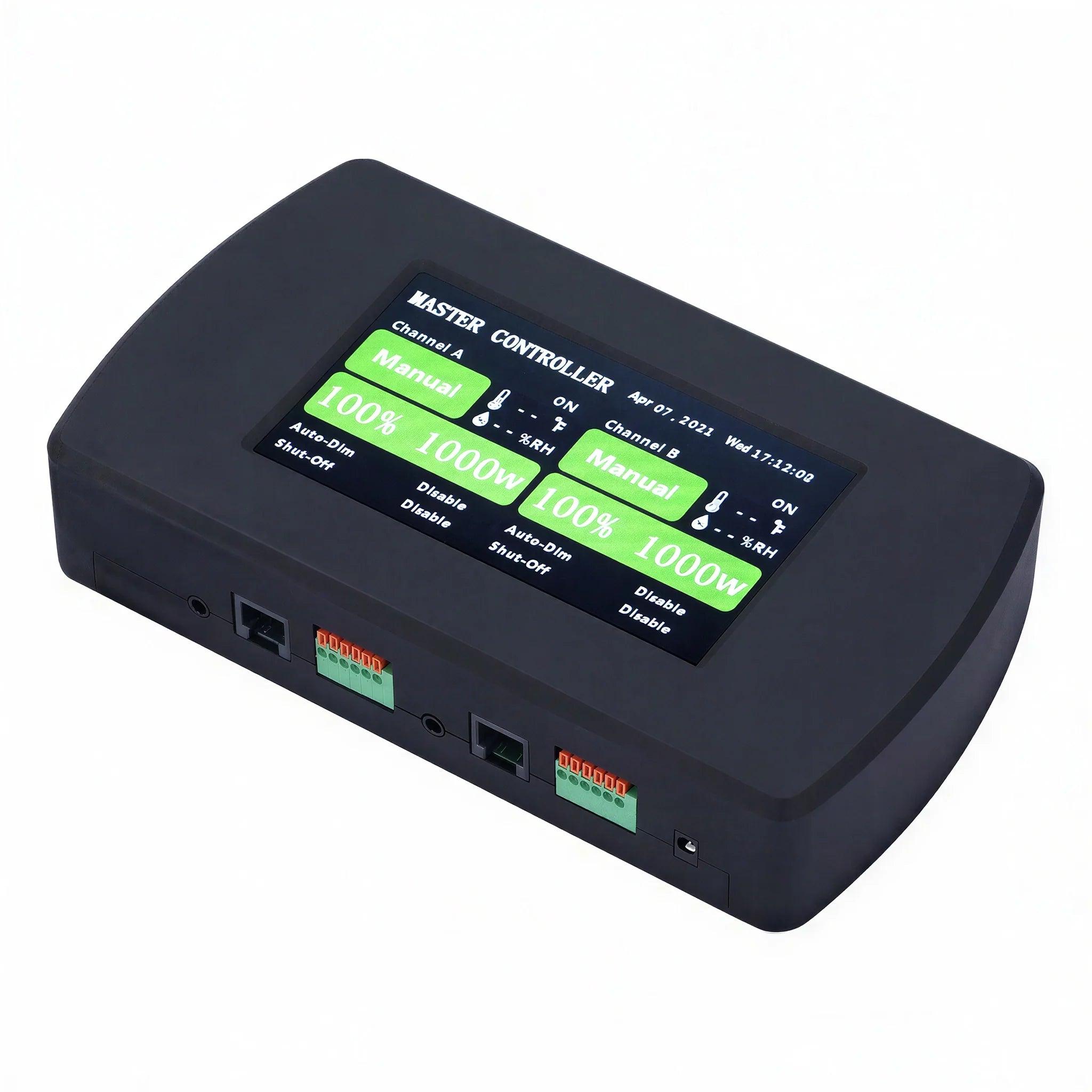
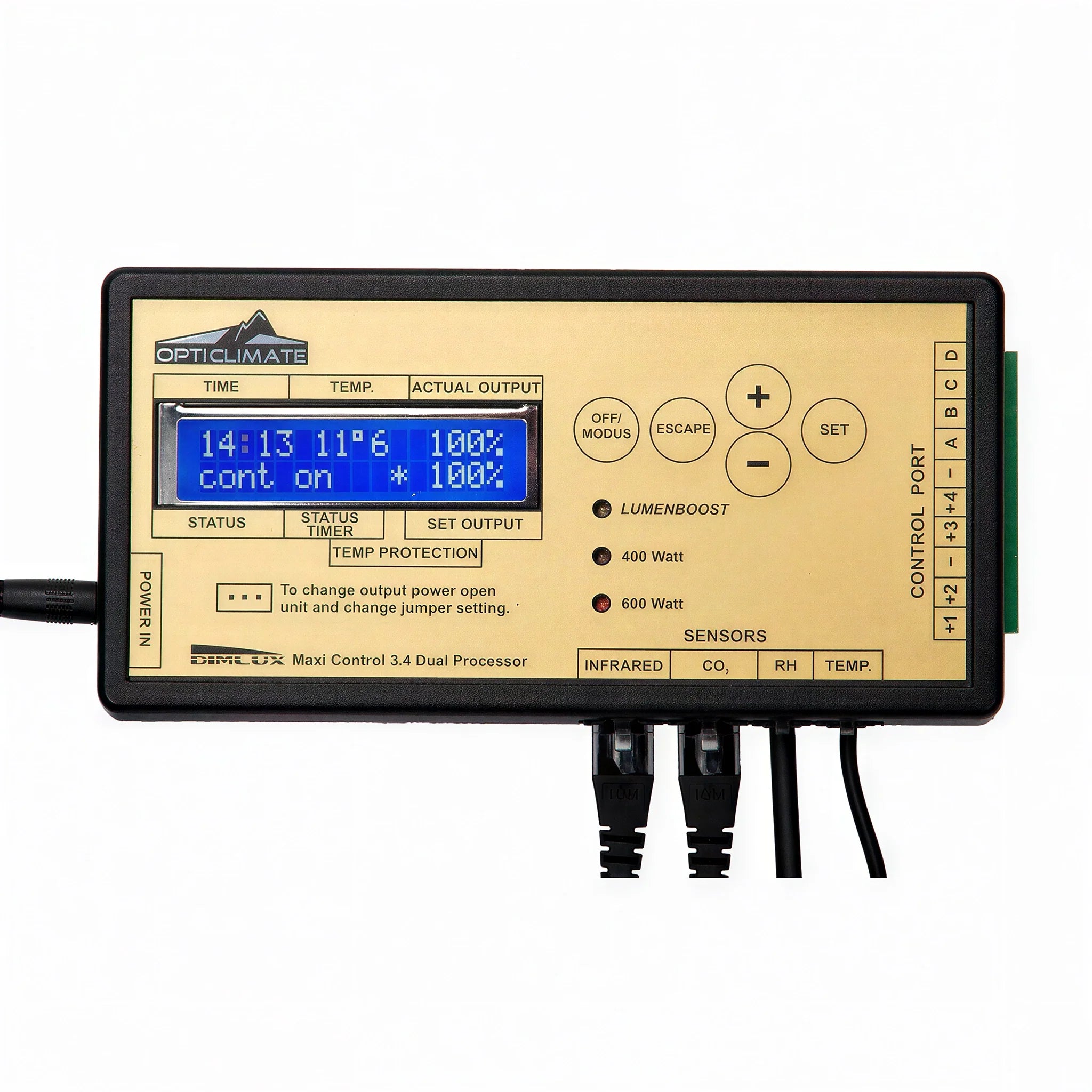
Multi-function environment controllers like TrolMaster Hydro-X integrate lighting schedule management alongside temperature, humidity, CO2, and fan speed control. For commercial operations or growers wanting coordinated automation across all grow room equipment, integrating lighting into a multi-function controller eliminates separate timers while adding features like sunrise/sunset dimming ramps, temperature-triggered light reduction, and remote monitoring. For simpler setups, a dedicated timer or lighting controller is the most cost-effective solution. Expert support available.
Grow Light Controllers & Timers FAQ
What light schedule should I use for vegetative and flowering growth?
For vegetative growth: 18 hours of light, 6 hours of dark (18/6) is the standard -- providing enough daily photons for fast growth while maintaining the long photoperiod that suppresses flowering in photoperiod-sensitive crops. For flowering: switch to 12 hours of light, 12 hours of dark (12/12). Autoflowering varieties flower based on age rather than photoperiod and can run on 18/6 or 20/4 throughout. For vegetables and herbs, 16-18 hours optimizes growth rate for most species.
Do I need a special timer for HPS grow lights?
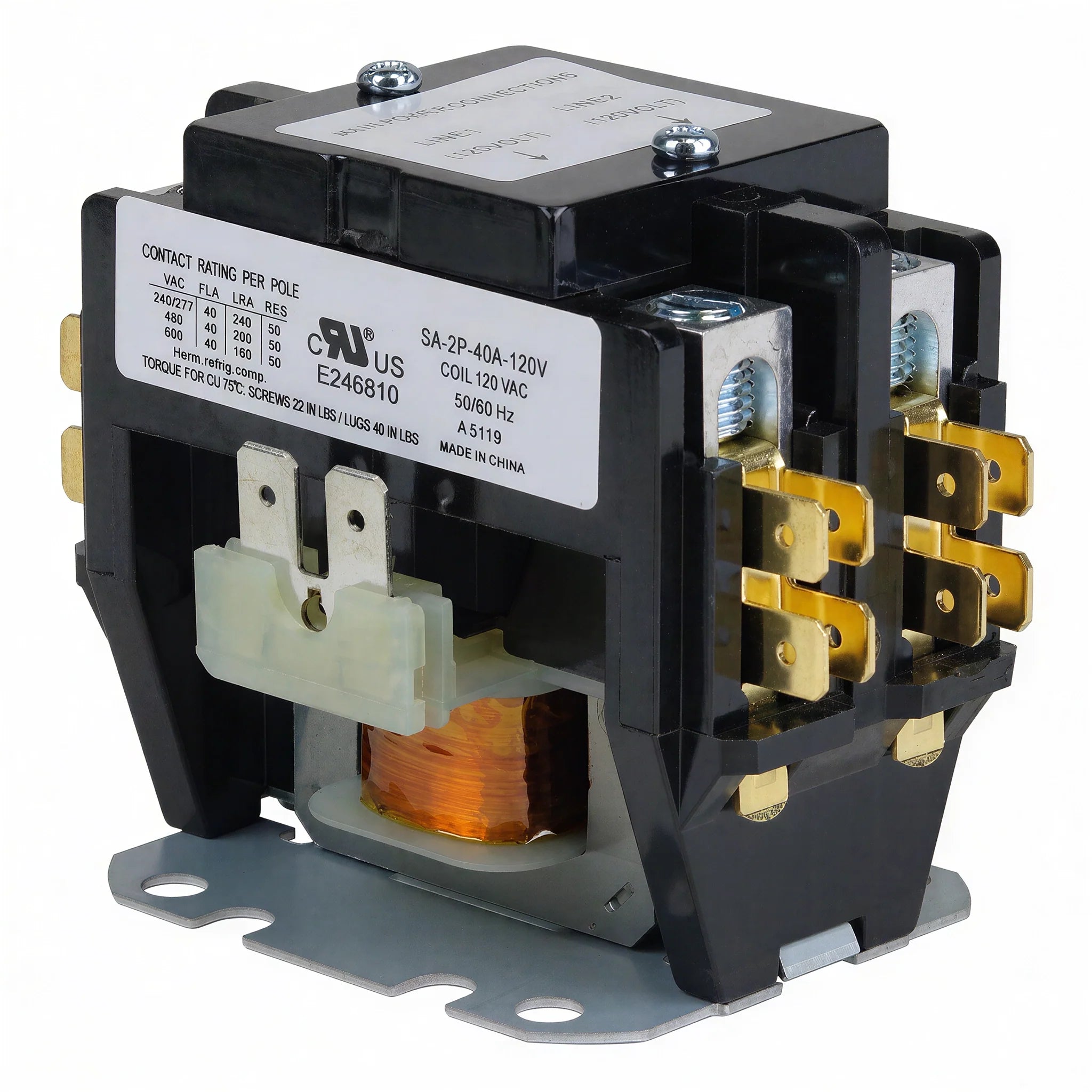
Yes -- HPS and metal halide ballasts create high inrush current at startup that can damage timers rated only for resistive loads. Use a timer rated for your total lighting wattage plus 25% headroom and specifically rated for inductive loads. A 1000W DE HPS ballast draws 9-10 amps steady state at 120V but may spike 2-3x at startup. For multiple ballasts, adding a relay or contactor between the timer and the ballasts protects the timer from switching the full inductive load directly and extends its service life significantly.
What is 0-10V dimming and how does it work for grow lights?
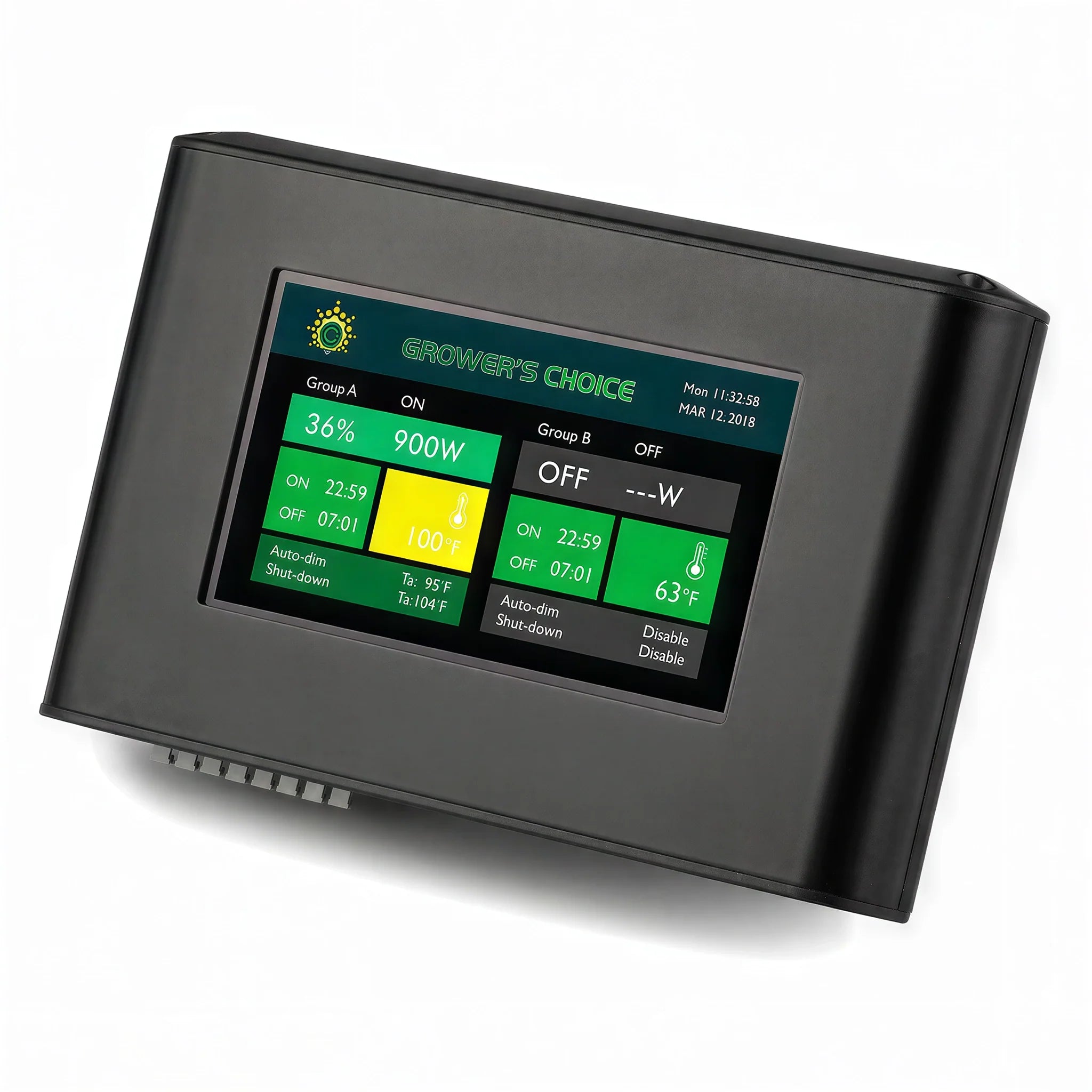
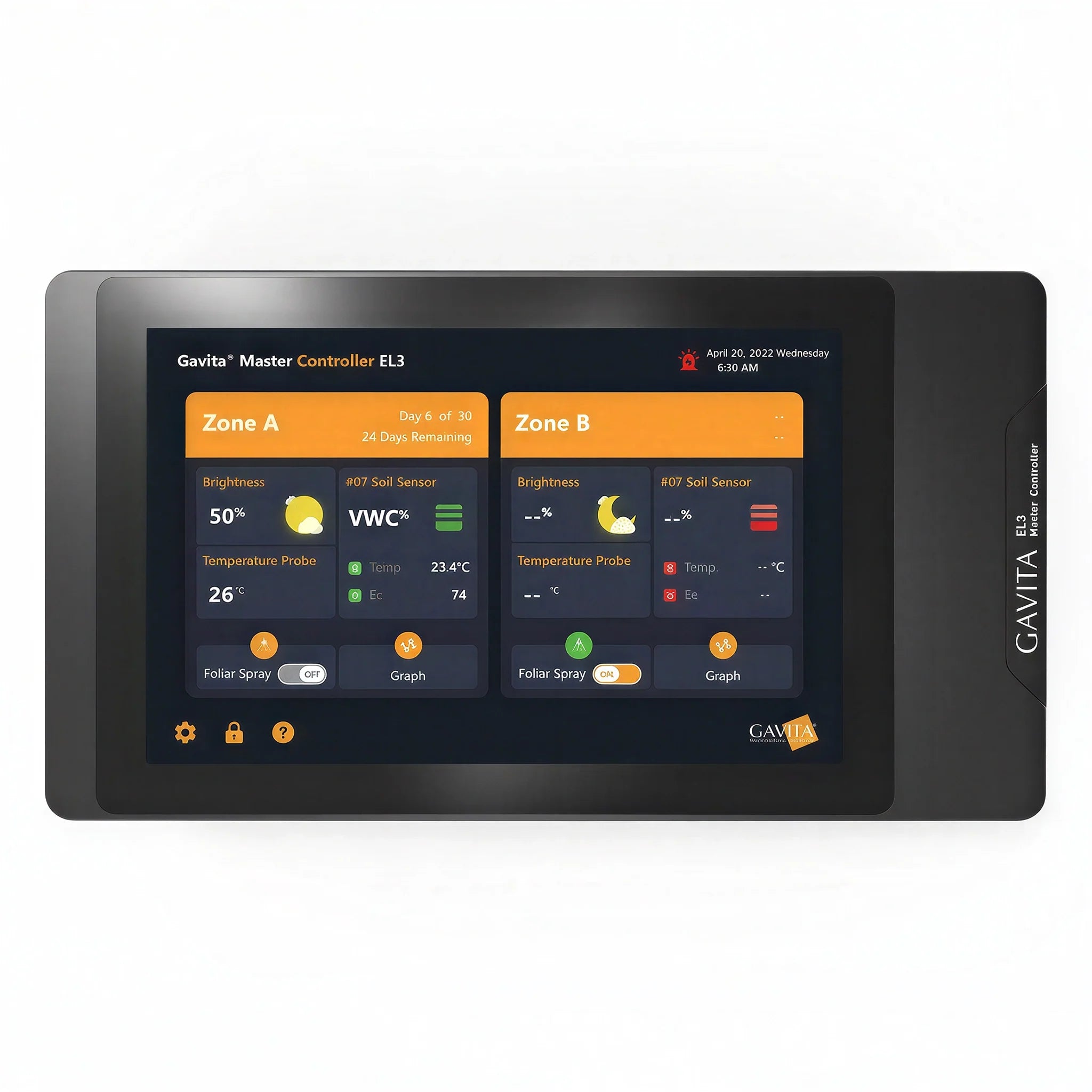
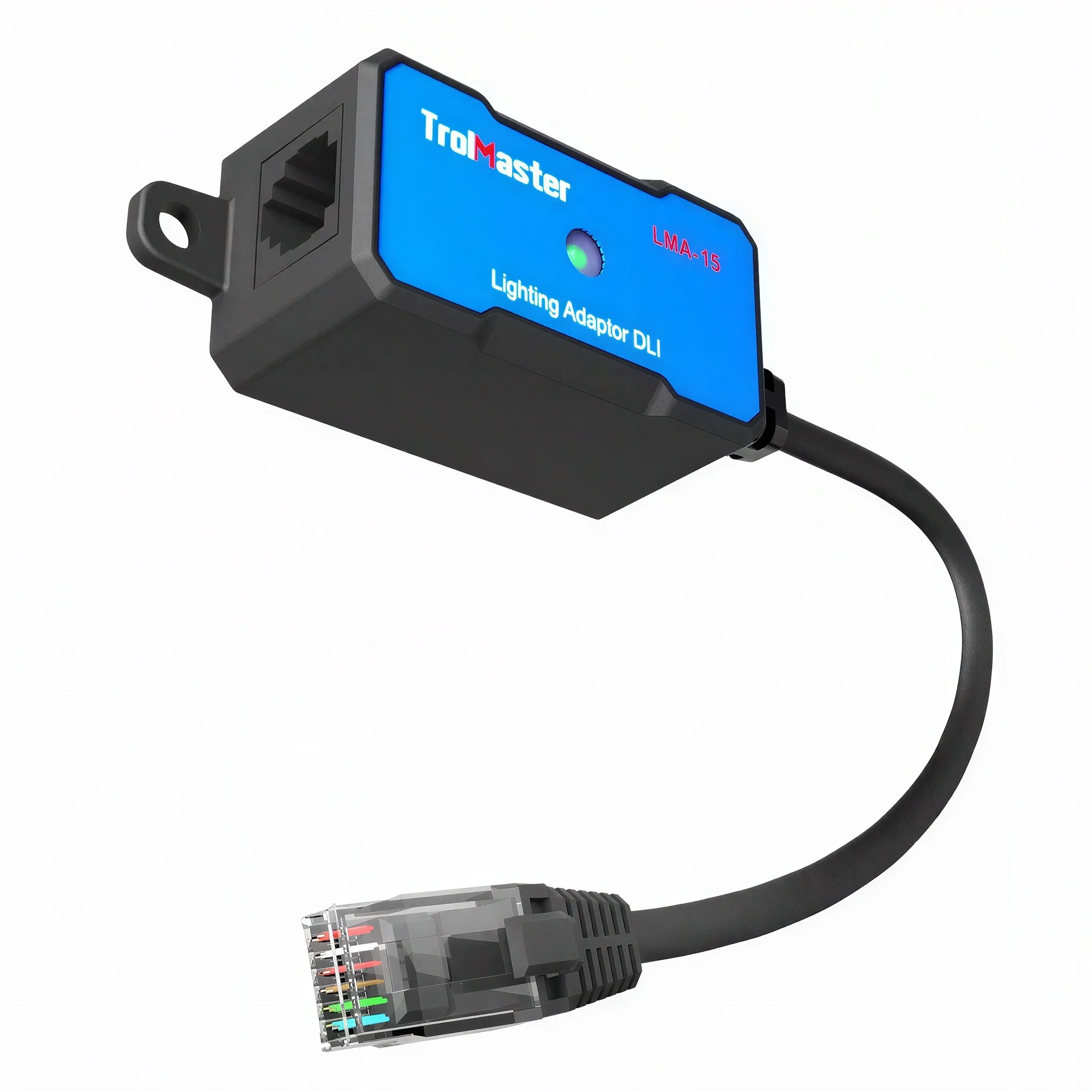
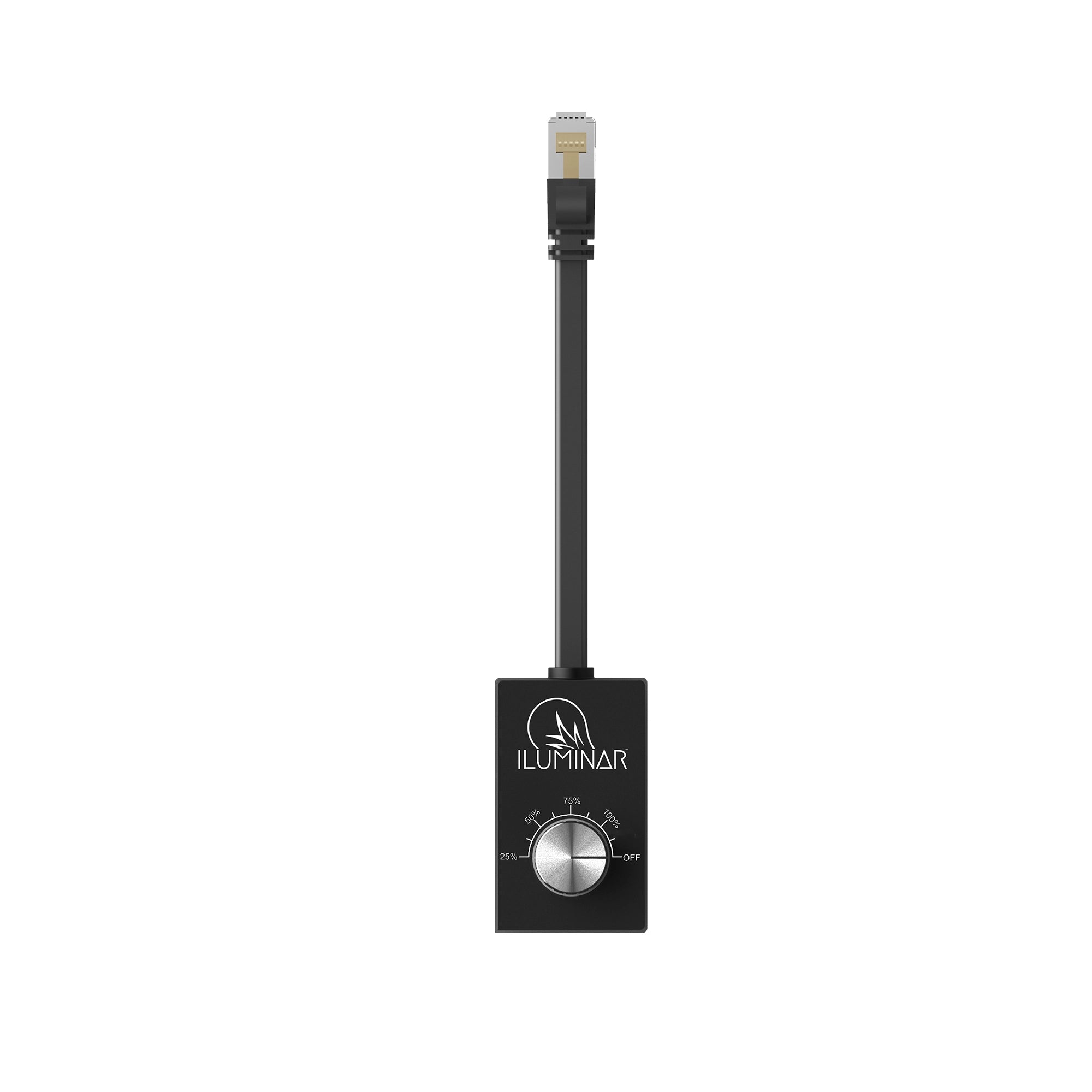
0-10V dimming is a standard analog control signal that adjusts LED fixture output from 0% (off) to 100% (full output) across a 0-10 volt range. A controller or dimmer sends a voltage signal to the fixture's driver -- 0V = off, 5V = 50% output, 10V = full power. Most commercial LED bar arrays from Gavita, Growers Choice, Faven, and HLG accept 0-10V dimming input. TrolMaster Hydro-X and compatible environment controllers output 0-10V signals for automated dimming, enabling temperature-triggered light reduction, sunrise/sunset ramping, and remote intensity adjustment from a single controller.
Can I use a smart plug to control my grow lights?
Consumer smart plugs work for LED grow lights in the 600W and below range provided the plug's wattage and load type rating covers the fixture. For HPS ballasts, verify the smart plug is rated for inductive loads as well as the wattage -- many consumer smart plugs are rated for resistive loads only. The advantage of smart plugs is app-based scheduling and remote override. The disadvantage is cloud service dependency and the risk of schedule disruption during app updates or connectivity issues. For mission-critical photoperiod management, a dedicated hardwired timer or TrolMaster controller provides more reliable long-term operation.
What happens if my grow light timer loses power and resets?
Most digital timers lose their programmed schedule when power is interrupted without a battery backup. When power is restored the timer starts in a default state -- usually all outlets off or reverting to factory default -- and may not turn lights on or off at the correct time. For photoperiod-sensitive flowering crops, an unexpected 24+ hour light period during the dark phase can cause light stress, reversion from flowering to vegetative, or hermaphroditism in sensitive varieties. Choose digital timers with battery backup for clock memory, or use a TrolMaster controller with power interruption recovery to prevent photoperiod disruption from power outages.