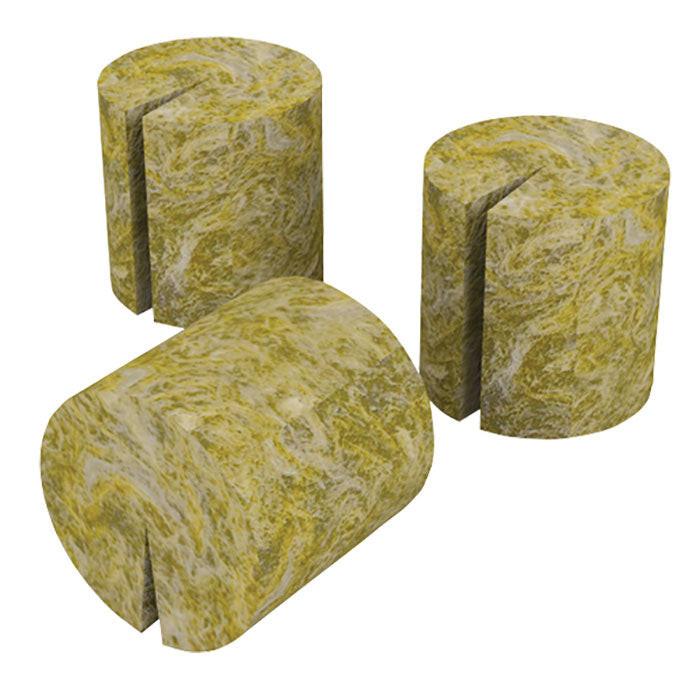
Rockwool Growing Media for Hydroponics
Rockwool (also called mineral wool or stonewool) is manufactured by melting basaltic rock and spinning the melt into fine, interlocking fibers -- the same basic process used to produce building insulation, but produced to horticultural specifications with a sterile, pH-balanced matrix. As a growing medium, rockwool has an exceptionally high air porosity (95-97% air space by volume when at field capacity) that enables the high-frequency irrigation programs used in Dutch-style commercial greenhouse production. It is the dominant growing medium in commercial tomato, cucumber, and pepper production worldwide and is increasingly used in commercial cannabis, leafy greens, and herb CEA production.
Rockwool Formats: Propagation Cubes, Transplant Blocks & Slabs
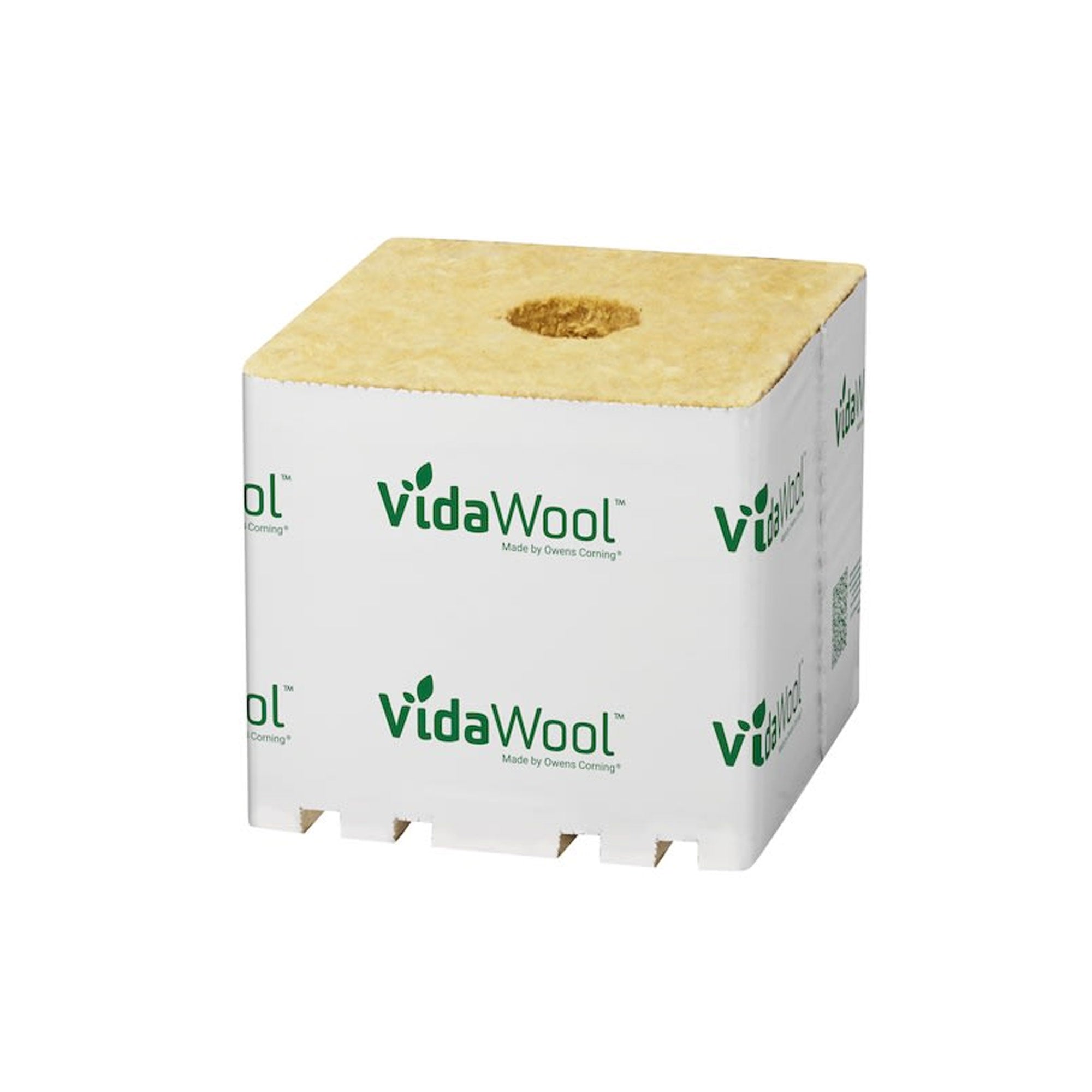
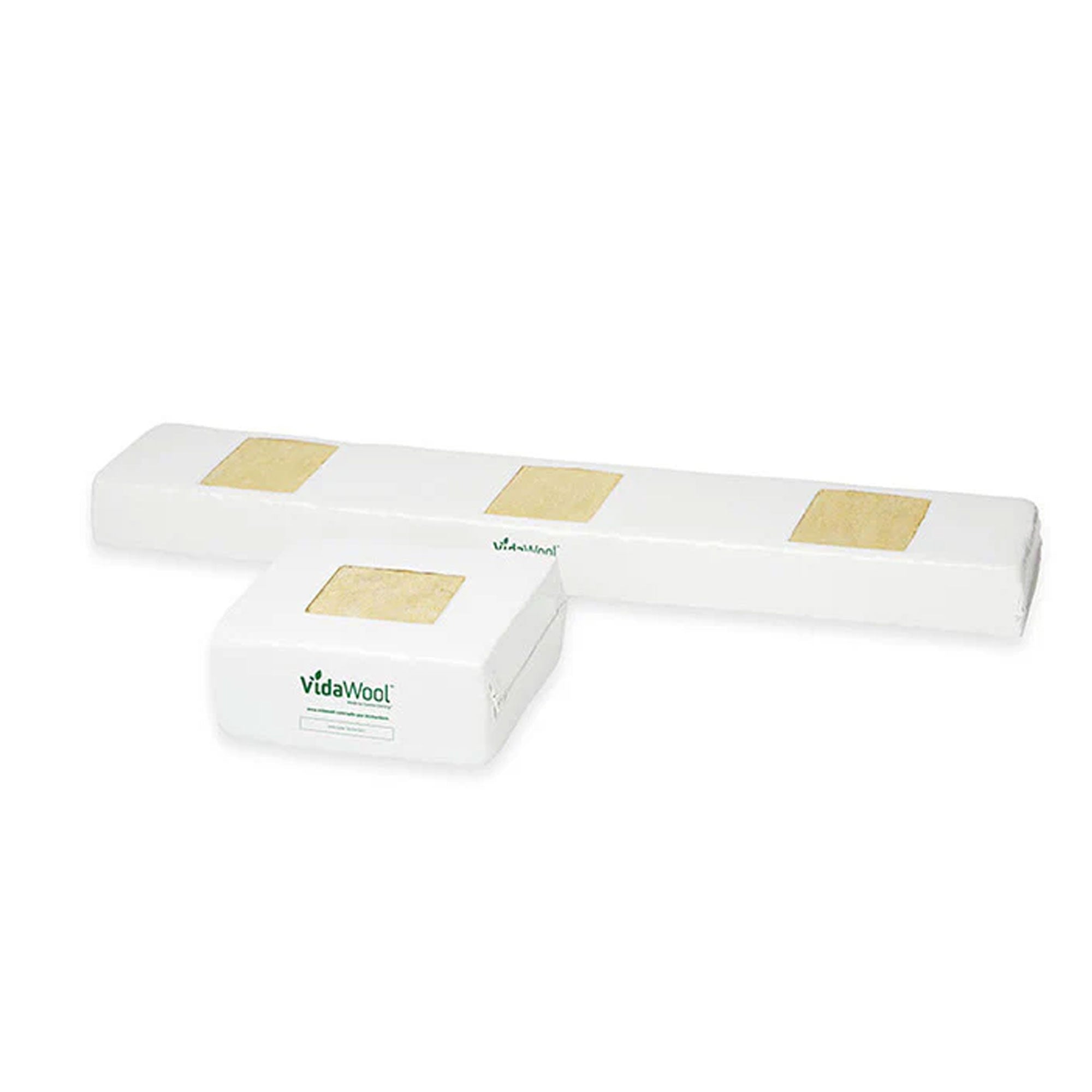
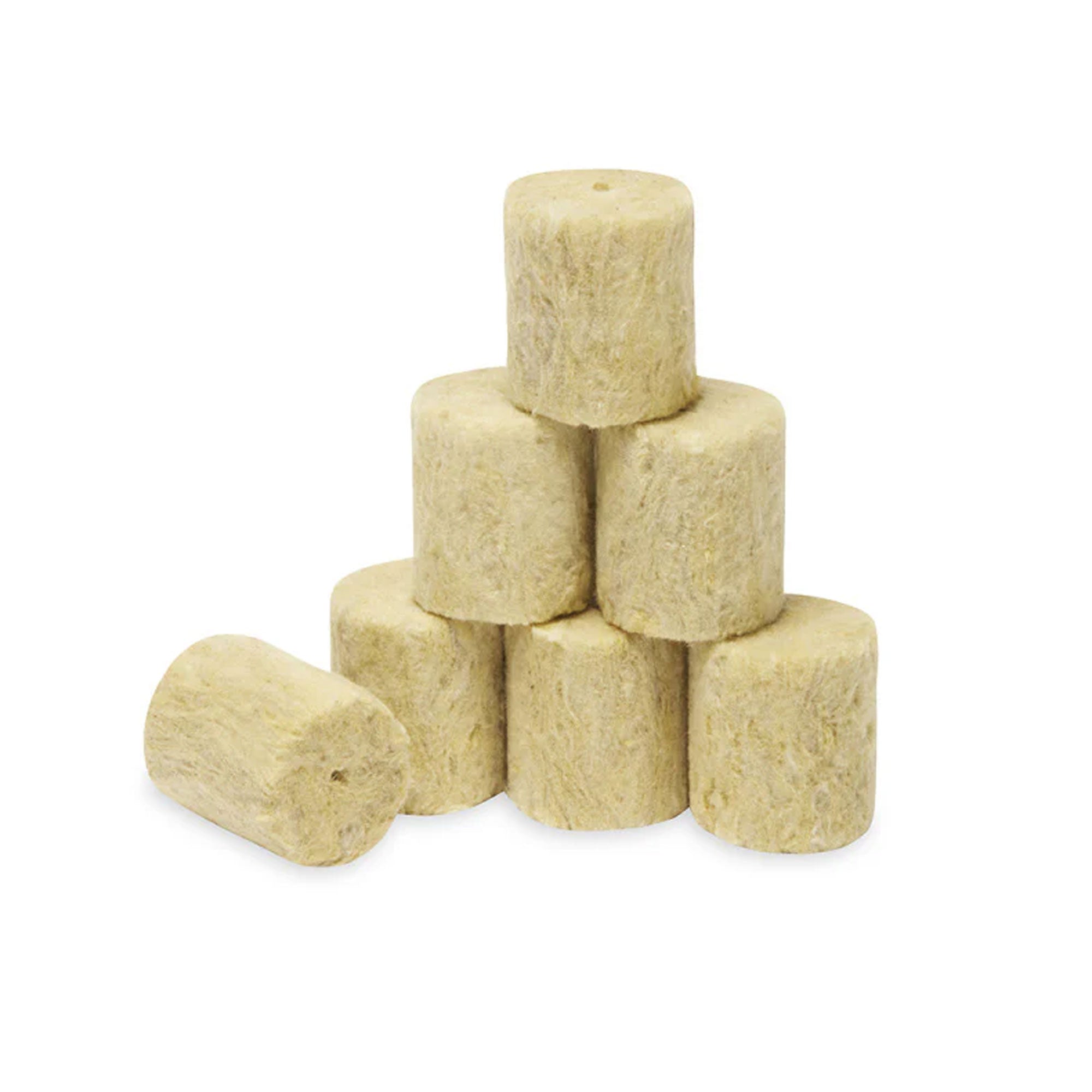
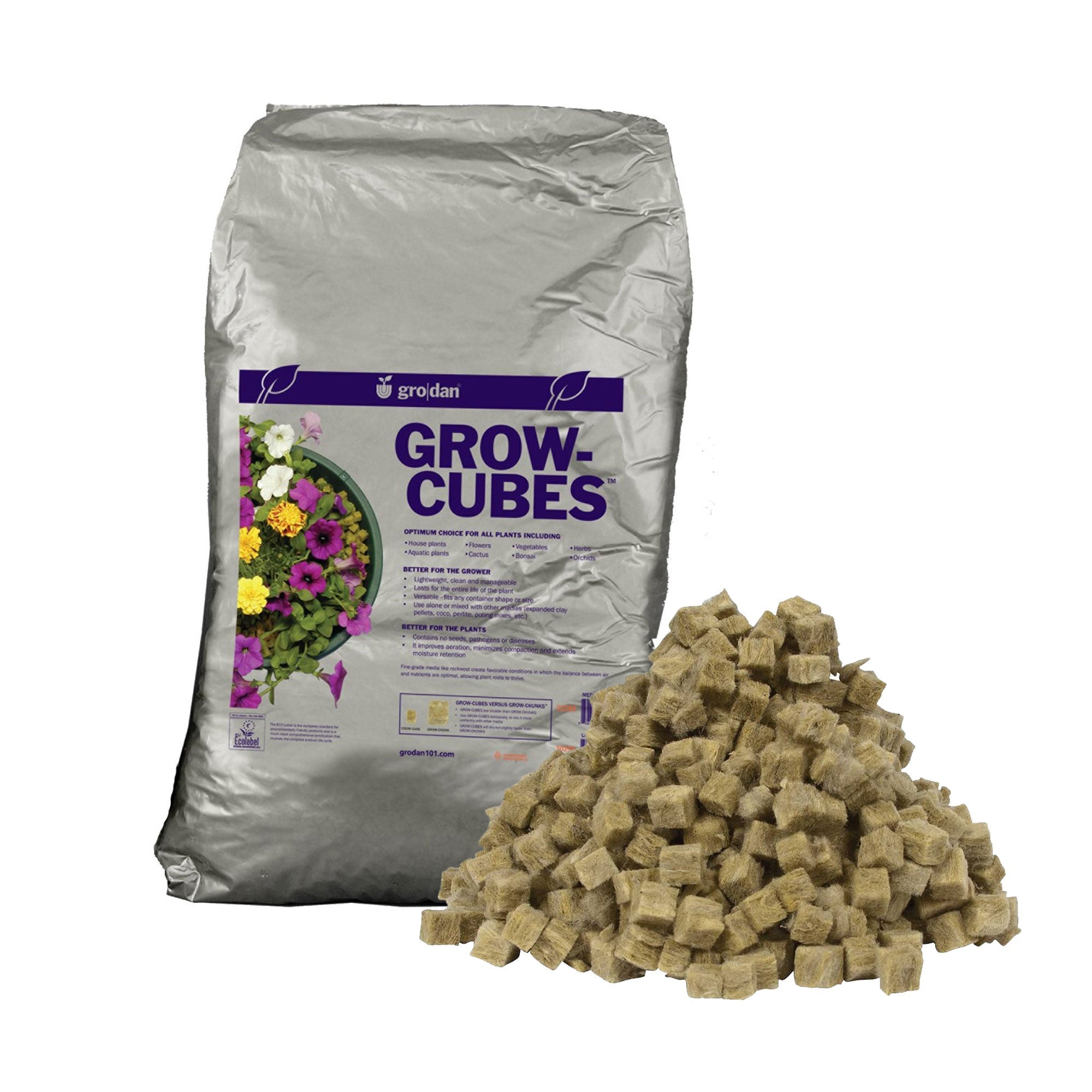
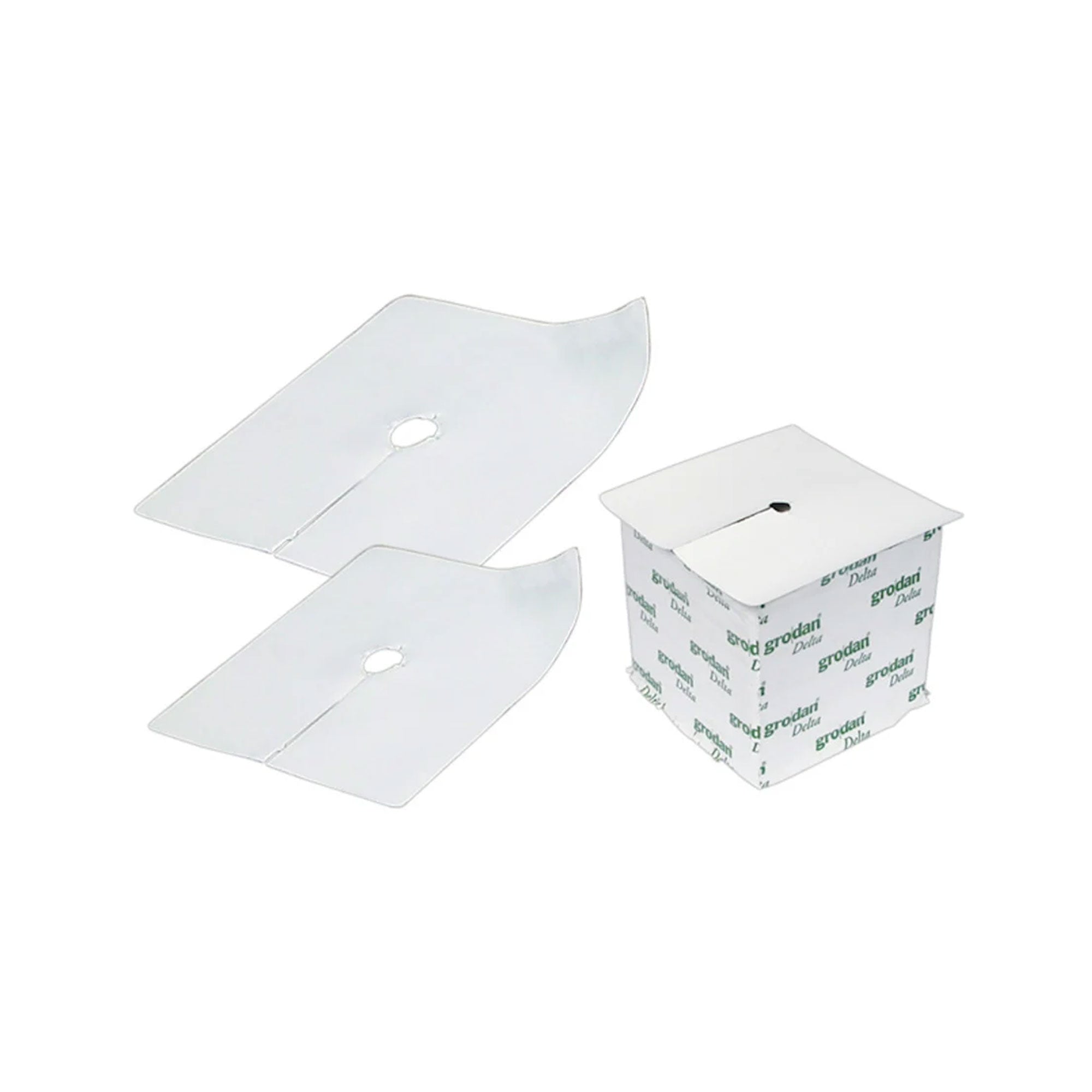
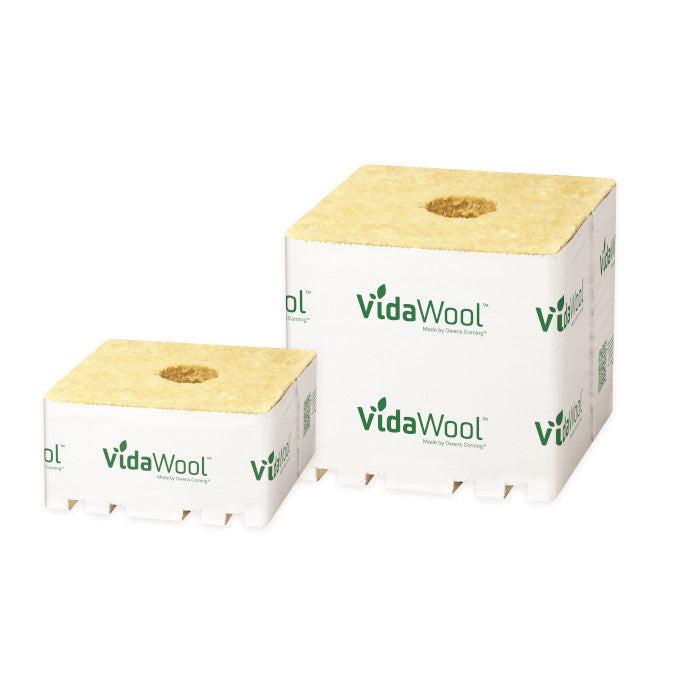
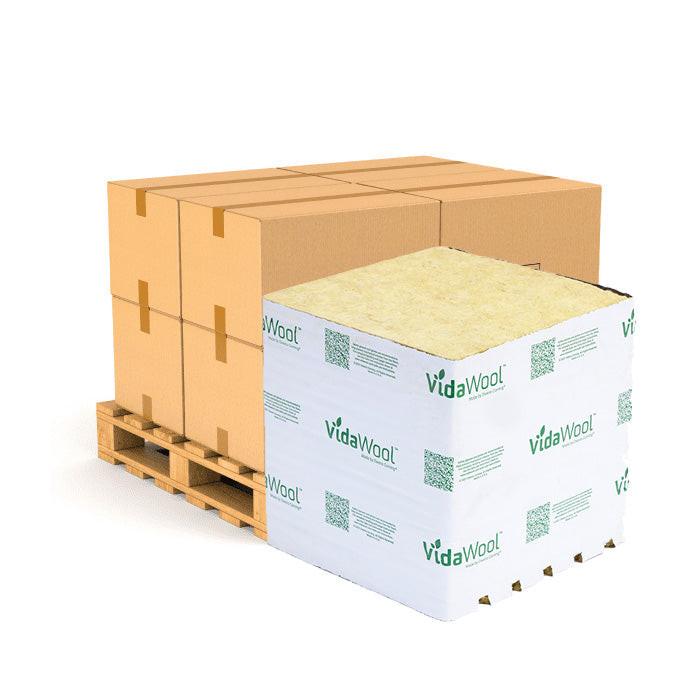
Rockwool is available in three primary growing formats. Propagation cubes (1-inch, 1.5-inch, 2-inch) are the smallest format used for seed germination and clone rooting -- compatible with humidity domes, propagation trays, and aeroponic cloning machines. Transplant blocks (3-inch, 4-inch, 6-inch) receive established propagation cubes for continued vegetative development -- placed on a flood tray or in a slab system before transplant to the final growing position. Slabs (6-inch, 8-inch width x 36-inch length in standard commercial sizes) are the commercial production format -- plants sit in transplant blocks placed on top of the slab surface, with drip emitters delivering nutrient solution that distributes through the slab by capillary action. Qualified brands: Grodan (the category benchmark for commercial greenhouse production) and VidaWool.
Preparing Rockwool Before Use
Rockwool has a naturally high pH (approximately 7-8 when dry) due to calcium-based binders used in manufacturing. Before use, soak cubes, blocks, or slabs in water adjusted to pH 5.5 for at least 1-2 hours. This pre-soak displaces the high-pH water within the rockwool fibers and buffers the medium to a plant-safe pH range. After pre-soaking, drain to field capacity -- rockwool should feel moist when lifted but not dripping. Do not squeeze rockwool to remove water; compressing the fiber structure permanently reduces the air porosity that makes rockwool effective. Verify the soaked medium tests at pH 5.5-6.5 before seeding or transplanting. See our updated rockwool growing guide for complete preparation and management guidance. Expert support available.
Rockwool FAQ
What is rockwool made of and is it safe for plants?
Rockwool is made from molten basaltic rock spun into fine fibers -- an inorganic, inert material with no inherent nutrient content and no biological activity. It is pH neutral when buffered correctly (see pre-soak instructions above), free of pests and pathogens, and does not decompose or compact significantly over time. It is safe for plant contact at appropriate pH, though the fine fibers can cause skin and respiratory irritation when handling dry rockwool -- wear gloves and a dust mask when handling unbuffered rockwool before soaking. Once wet, fiber release is minimal and handling is comfortable for most growers.
What is the difference between Grodan and VidaWool rockwool?
Grodan is the category benchmark and most widely used brand in commercial greenhouse rockwool production worldwide -- known for consistent fiber density, predictable drainage characteristics, and the most extensive library of commercial production data. VidaWool is a domestic (US-manufactured) alternative to Grodan with comparable horticultural performance at a competitive price point -- popular with commercial growers who prefer domestic sourcing or want an alternative to the Grodan supply chain. Both are manufactured to horticultural specification, both require the same pre-soak preparation, and both produce comparable results across standard commercial crop types. Brand choice often comes down to supplier relationships, pricing, and product availability in specific formats.
Can rockwool be reused?
Technically yes, but not recommended for commercial production where consistency is a quality requirement. After one crop cycle, rockwool retains residual root material that is difficult to fully remove, has compressed somewhat from its original fiber structure, and may harbor pathogens despite sterilization efforts. Sterilization (hydrogen peroxide soak, heat treatment) can reduce pathogen load but does not restore original drainage and aeration properties. For hobby growers where thorough sterilization is practical and some performance variation is acceptable, reuse with careful sterilization is feasible. For commercial operations where consistent yield and pathogen control are production requirements, single-use rockwool is the standard practice.
How do I dispose of used rockwool?
Rockwool does not biodegrade in soil -- it is an inorganic mineral fiber that persists indefinitely if buried. Do not dispose of used rockwool by tilling it into garden beds or composting. Most municipalities accept rockwool as standard solid waste; confirm with your local waste management for specific disposal guidelines. Some commercial greenhouse operations have established rockwool recycling programs where spent slabs are collected and processed back into insulation material -- contact your local agricultural extension or Grodan's commercial team for recycling options in your region.