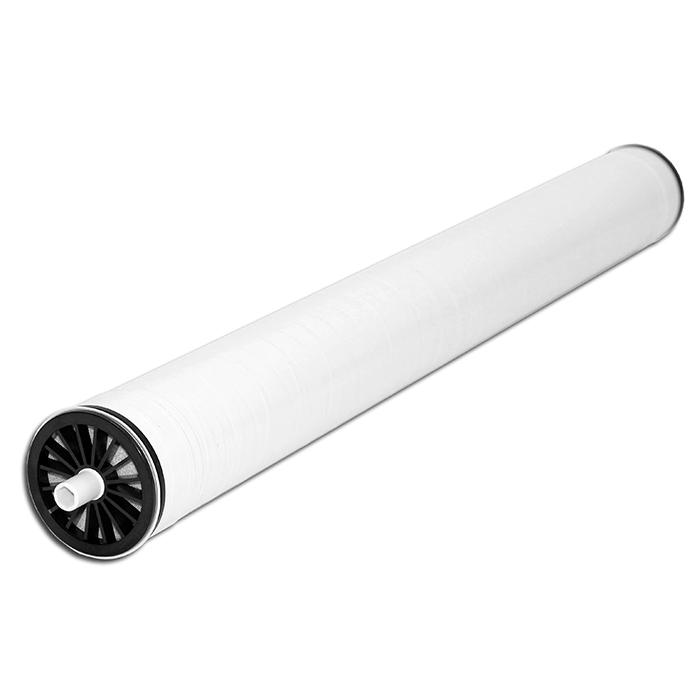
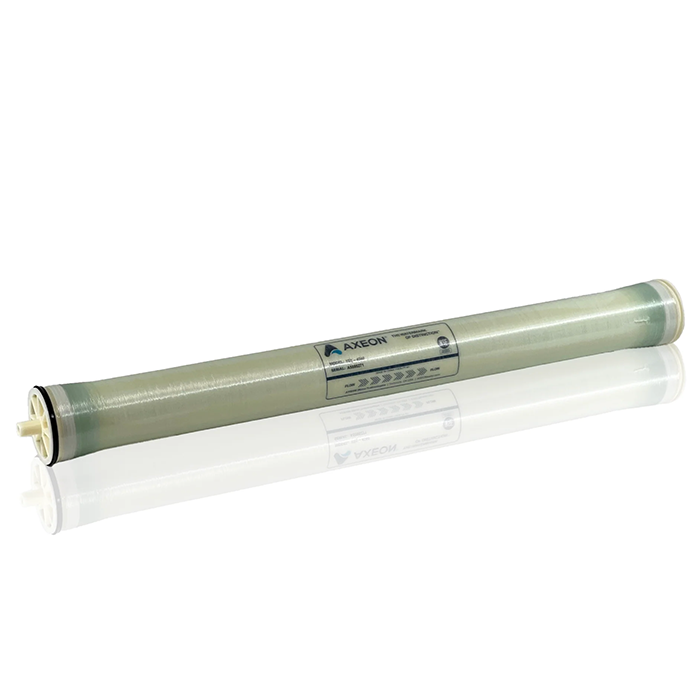
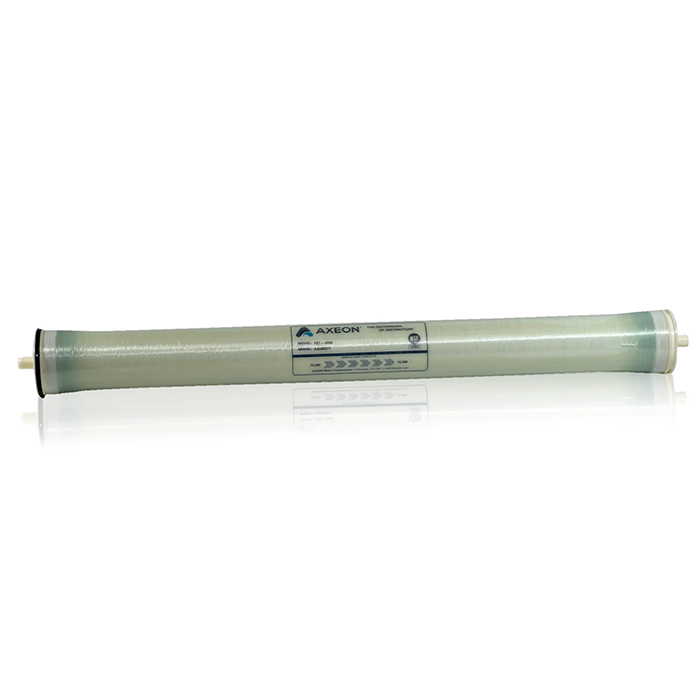
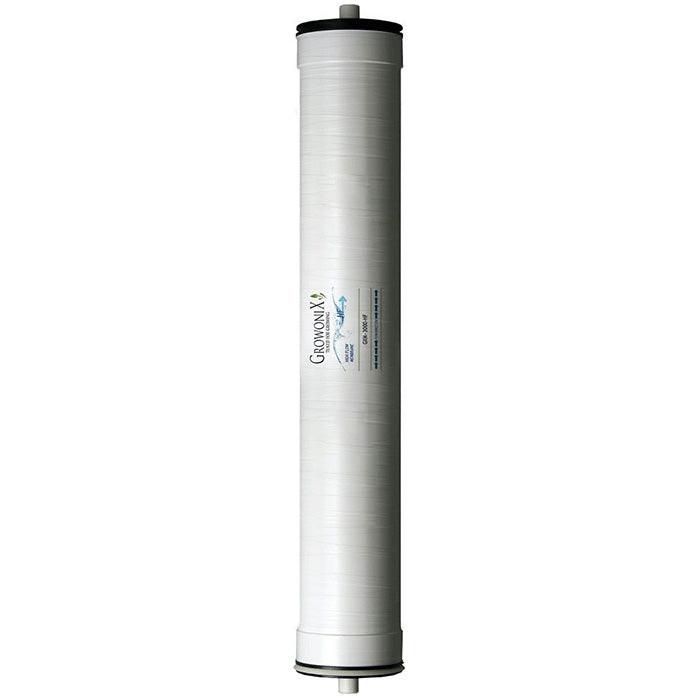
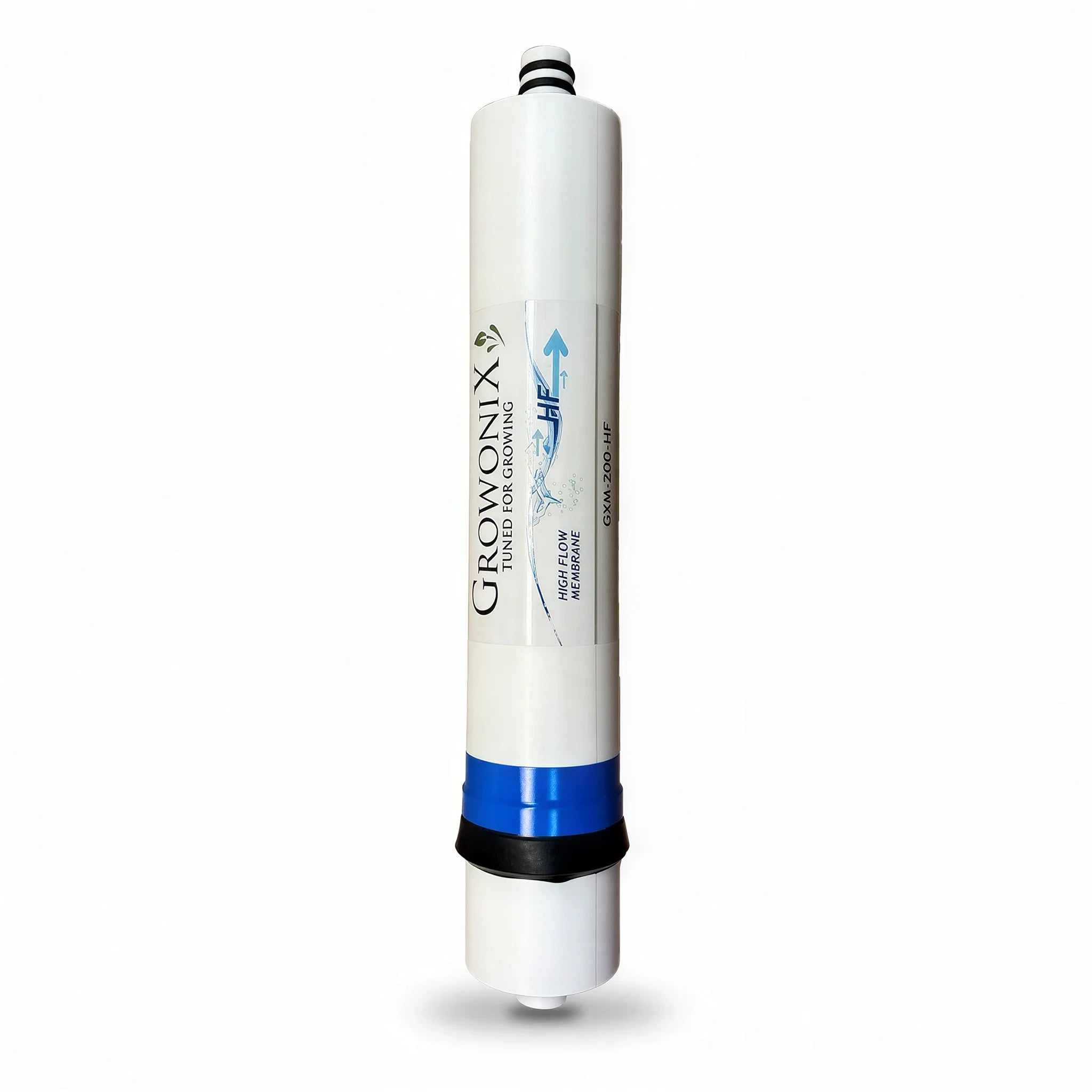
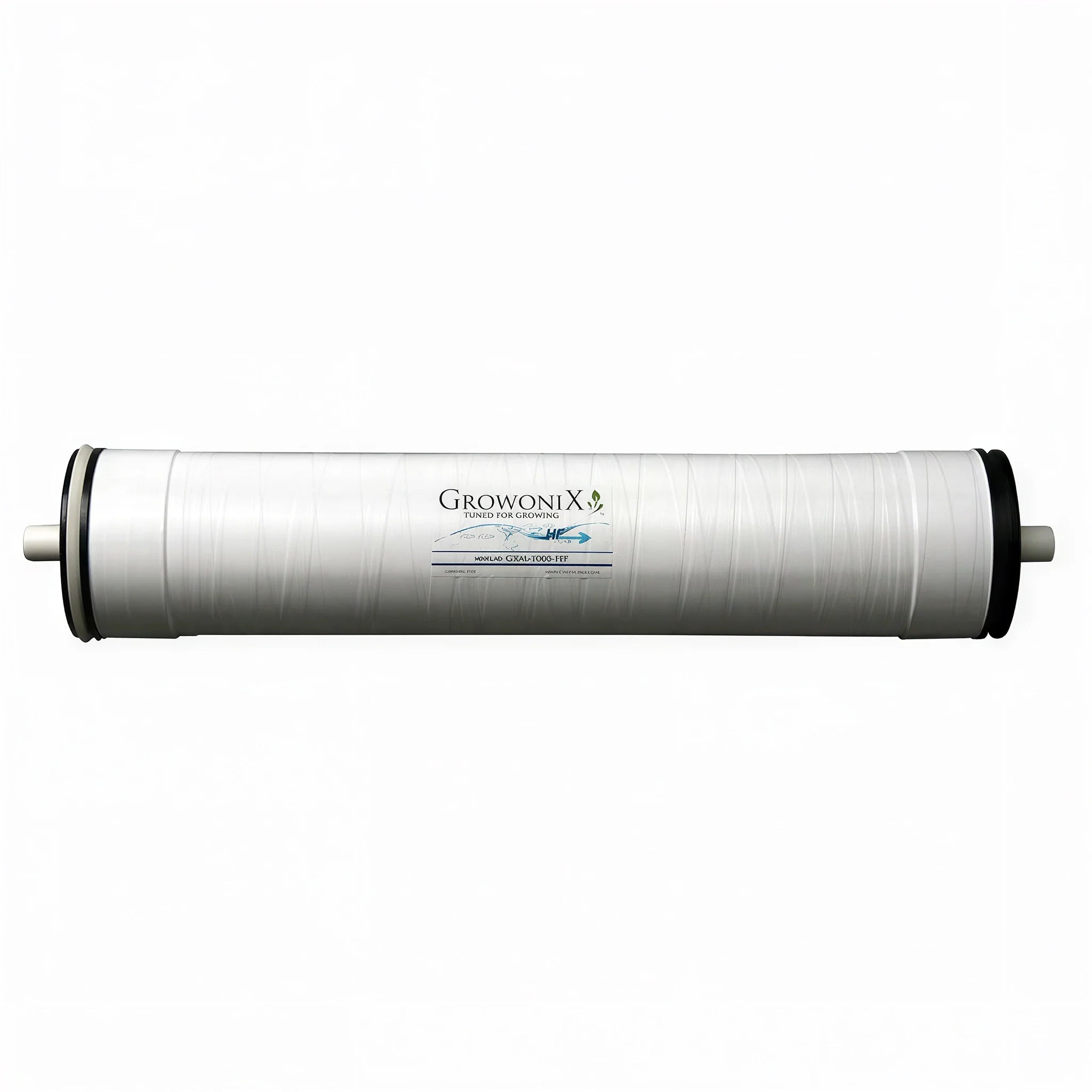
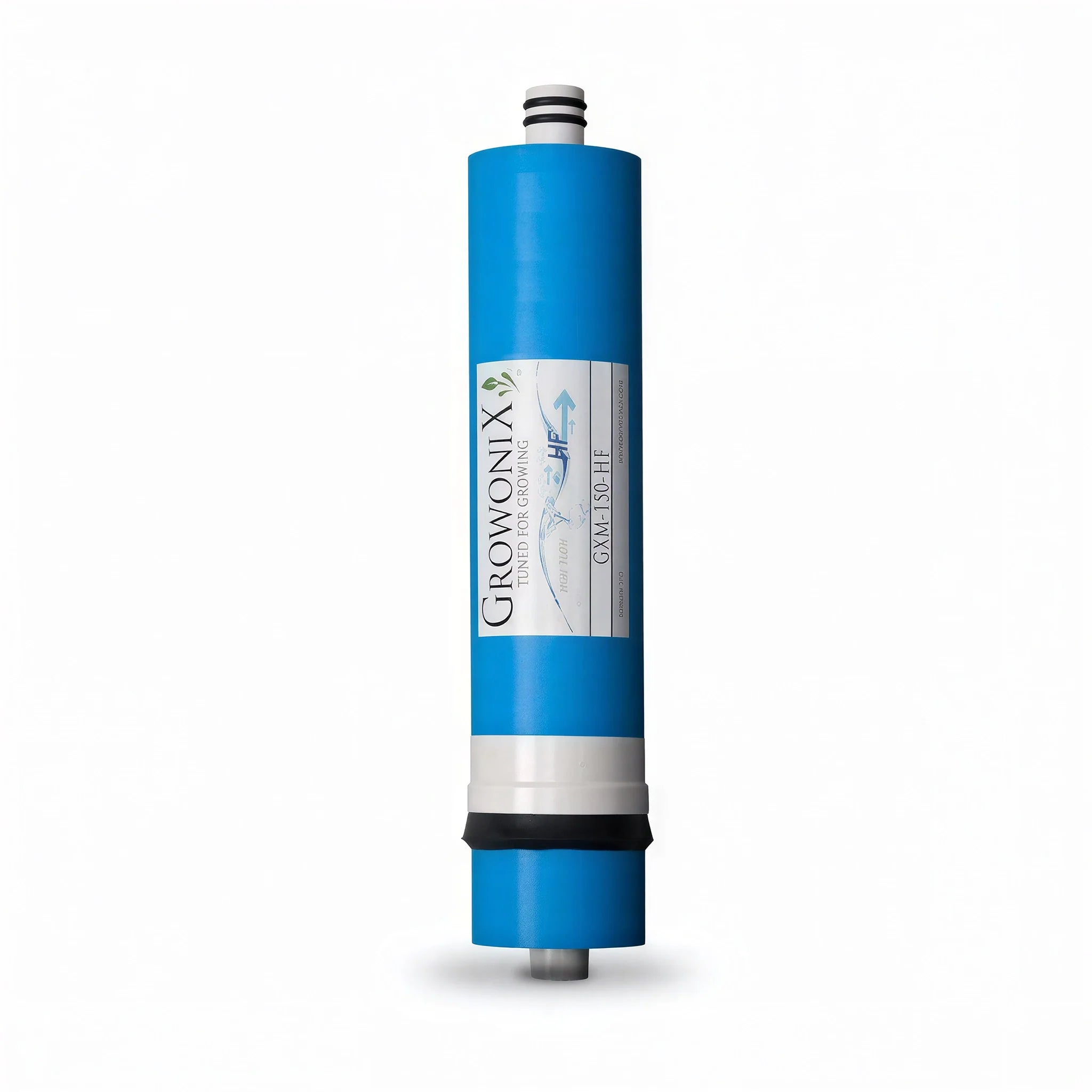
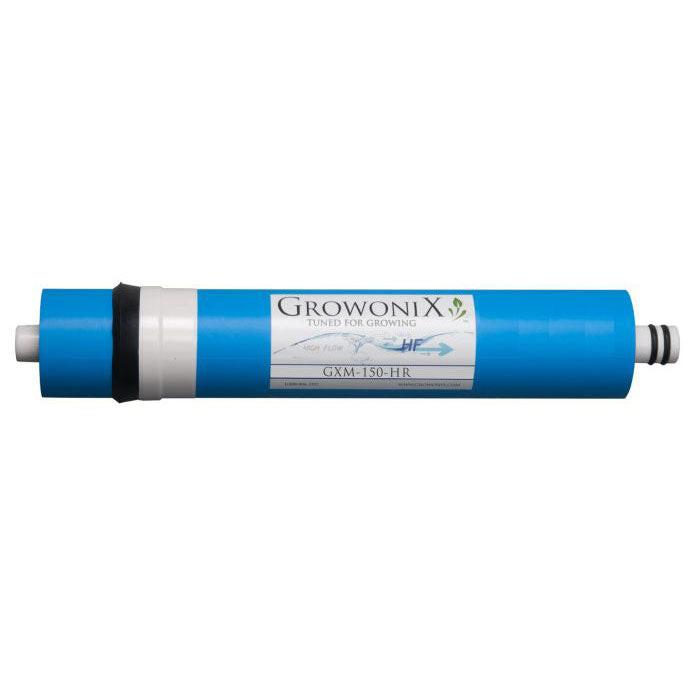
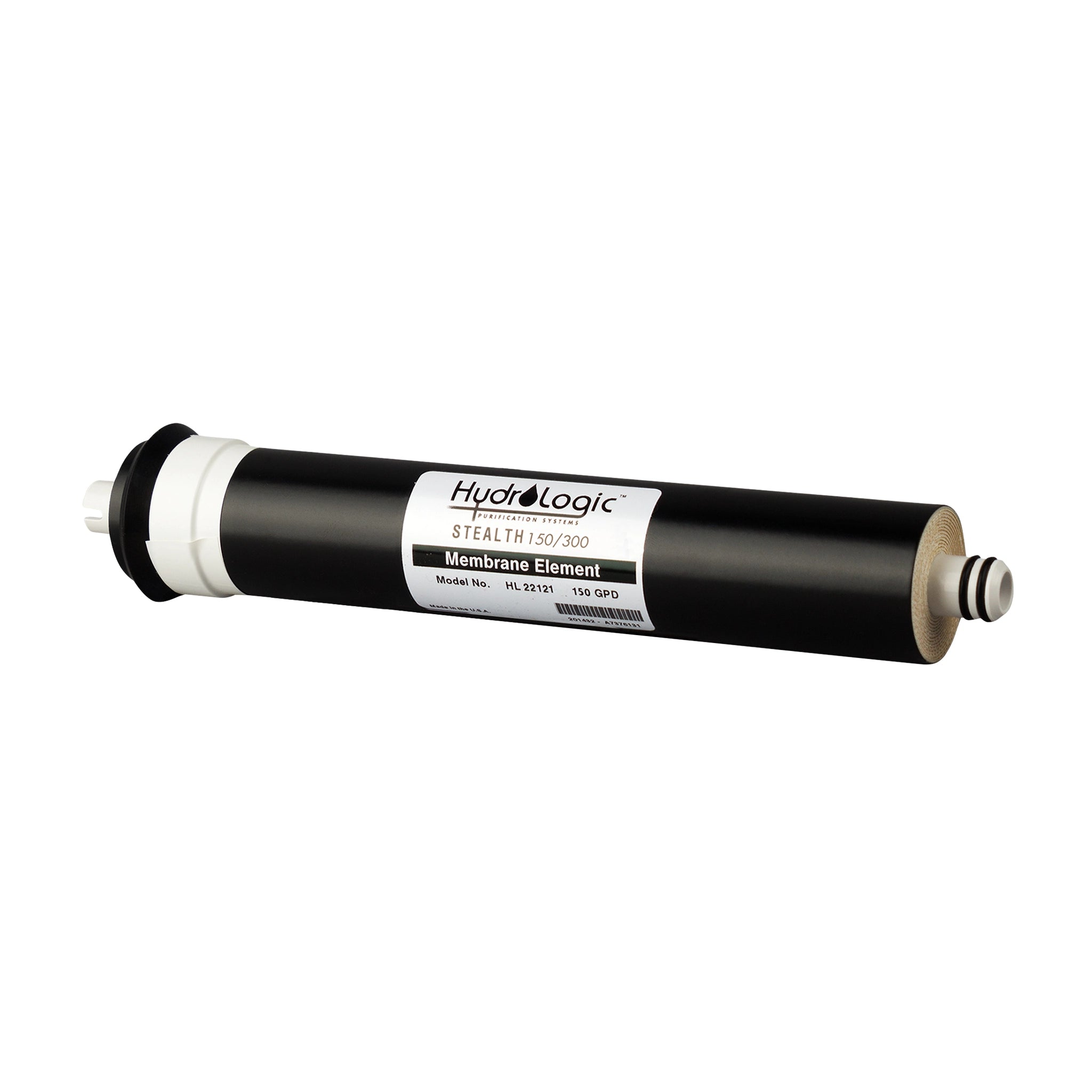
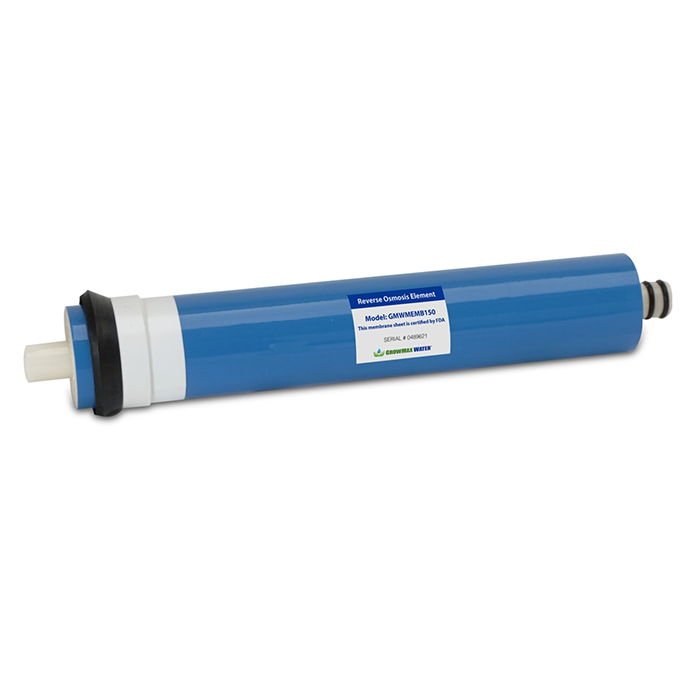
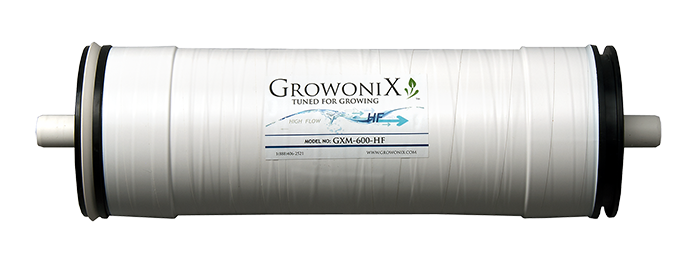
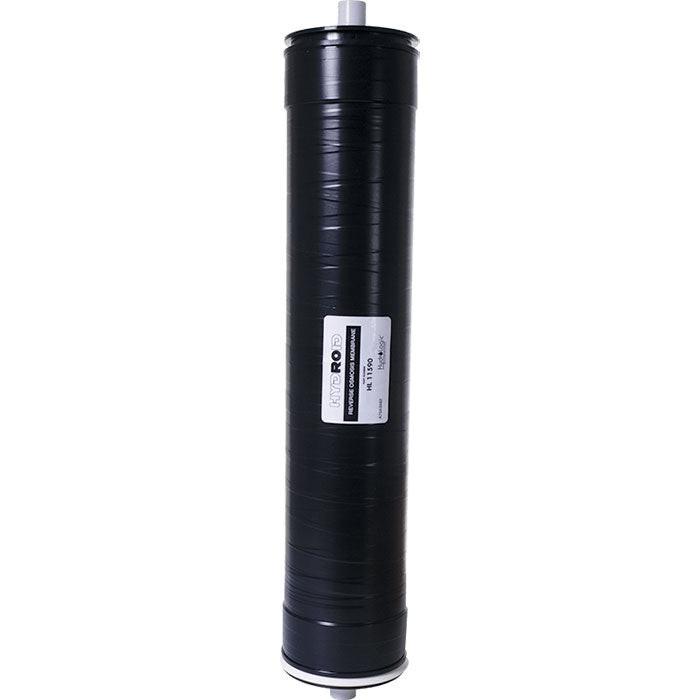
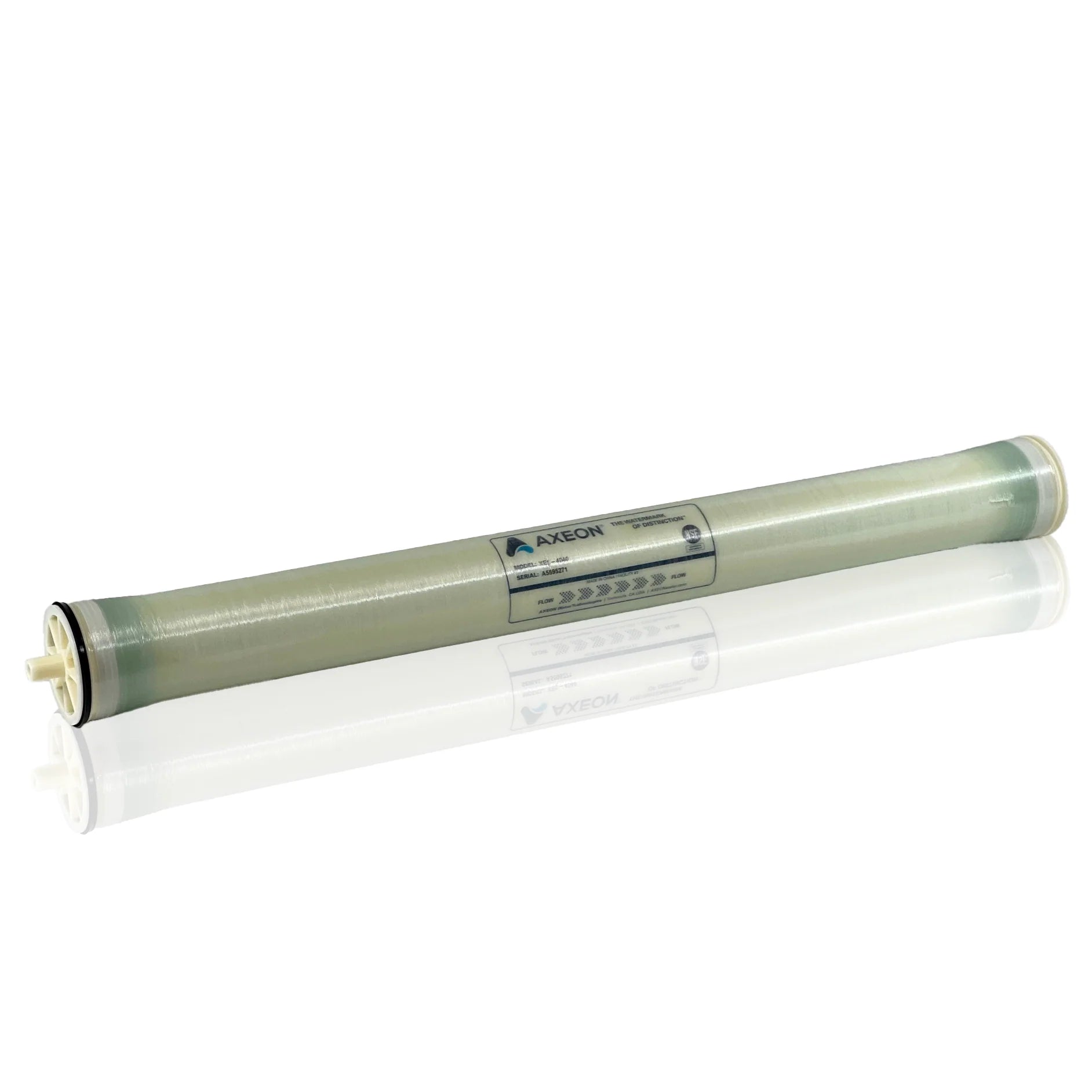
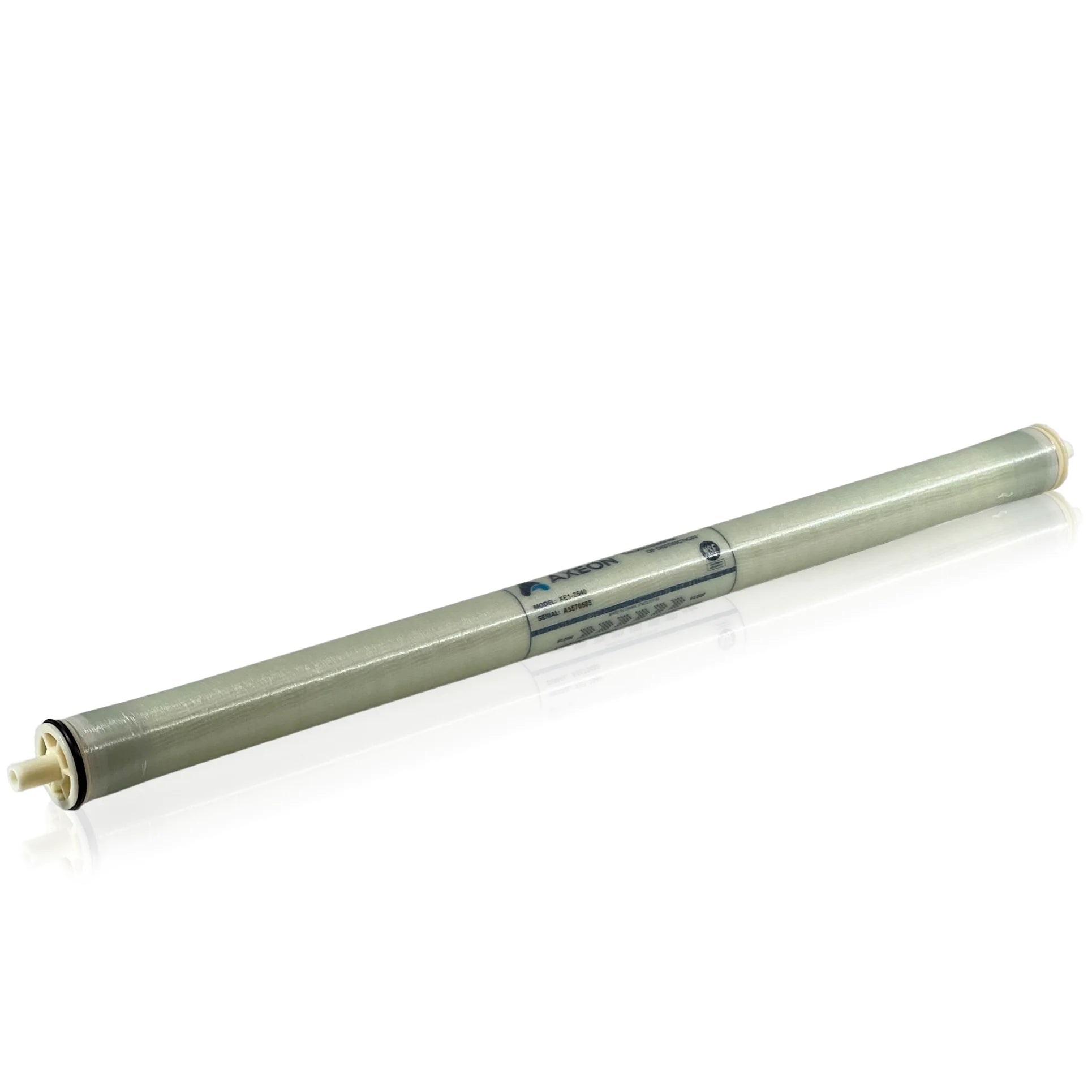
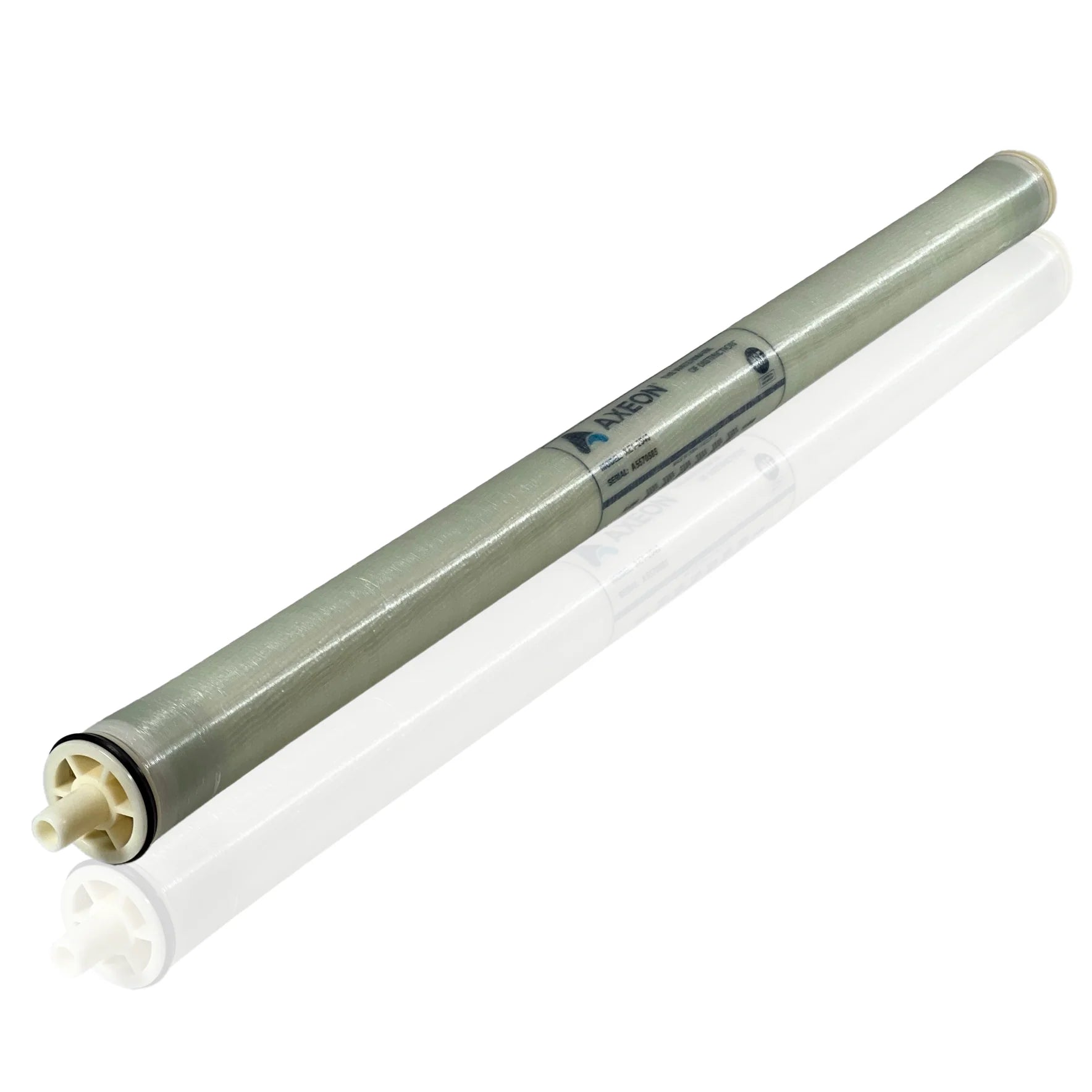
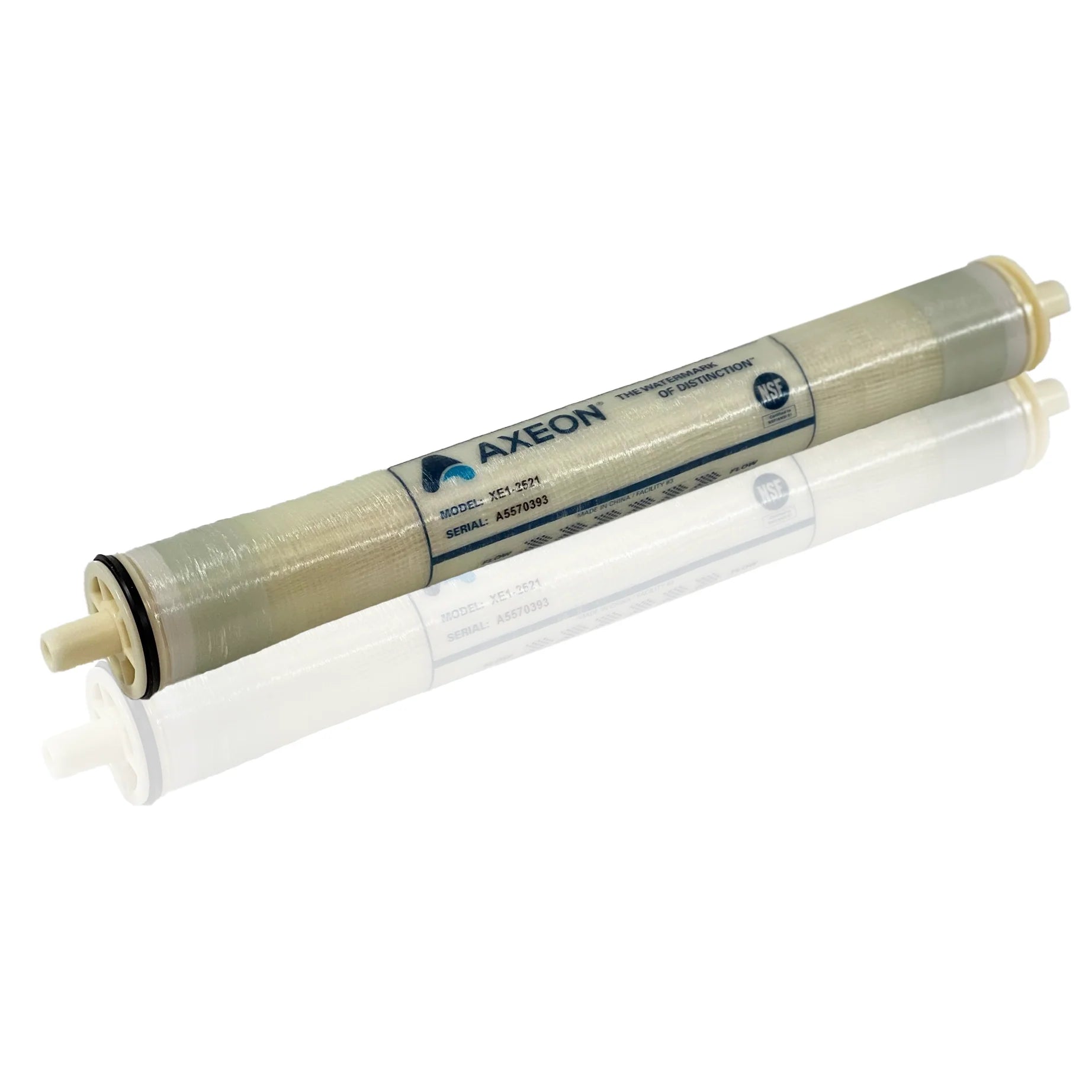
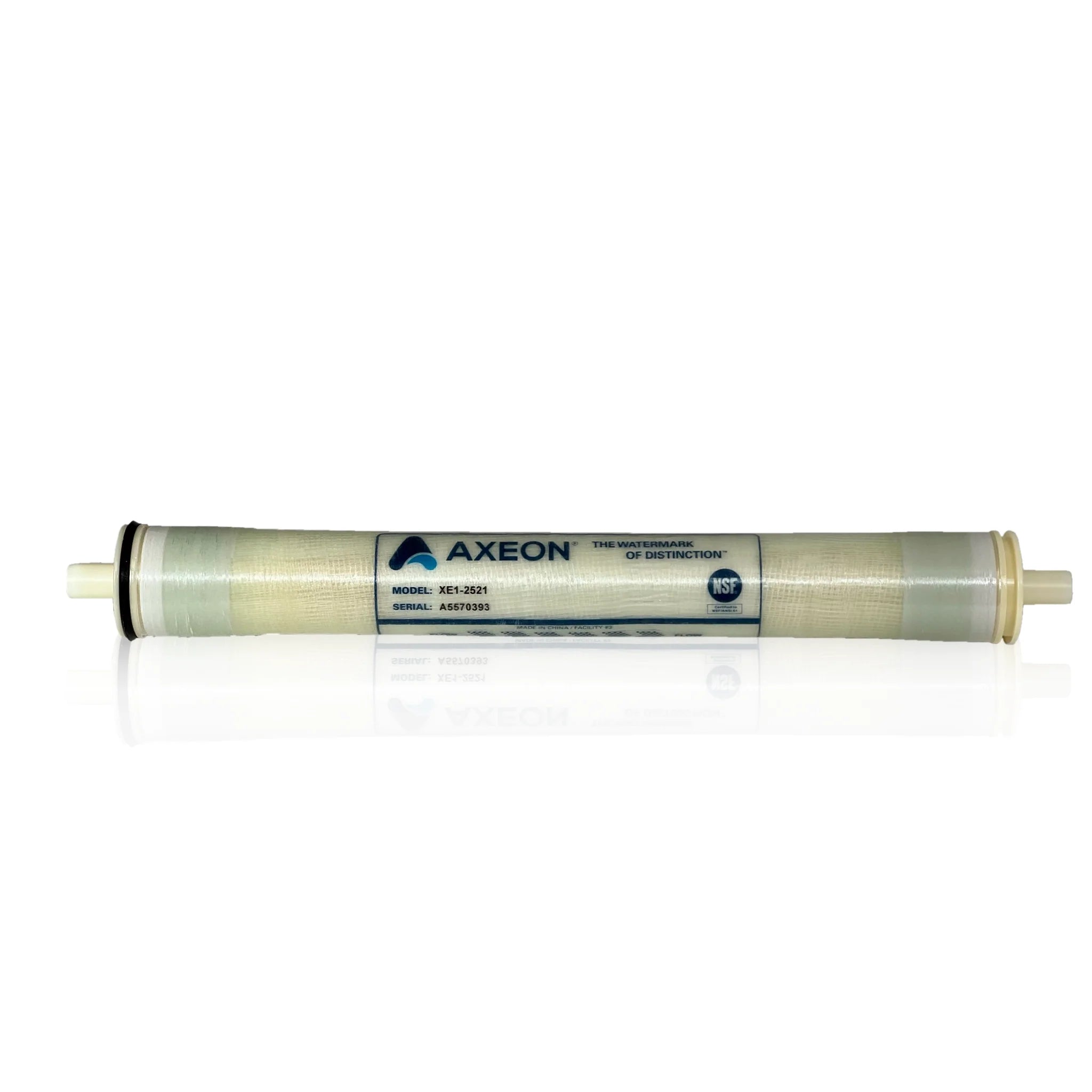
Replacement RO Membranes for Reverse Osmosis Systems
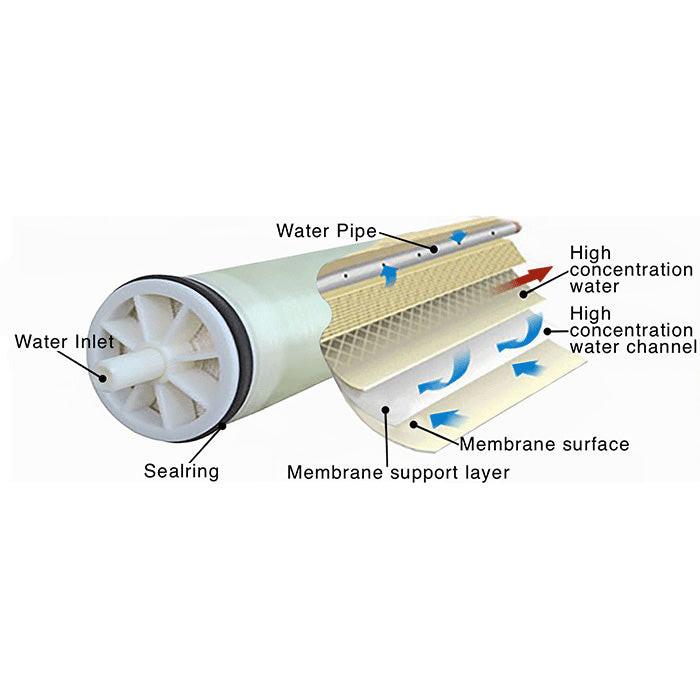
The reverse osmosis membrane is the primary separation element in any RO water treatment system -- a semipermeable thin-film composite (TFC) membrane that allows water molecules to pass through under pressure while rejecting dissolved salts, minerals, chloramines, heavy metals, and other contaminants. The membrane is the highest-value consumable in an RO system, and its performance directly determines the water quality produced. As the membrane ages, its rejection rate declines -- a membrane that initially rejected 95-99% of dissolved solids may drop to 85-90% rejection after 2-3 years, producing water with significantly higher TDS than the original membrane delivered.
Membrane Performance & Replacement Indicators
Monitor membrane performance by testing the TDS of product water (the filtered output) and comparing to source water TDS. A rejection rate calculation: rejection % = ((source TDS - product TDS) / source TDS) x 100. Quality RO membranes deliver 95-99% rejection when new. Replace the membrane when rejection rate drops below 85-90%, when product water TDS has increased noticeably from initial post-installation measurements, or at the manufacturer's recommended service interval (typically every 2-3 years). A declining rejection rate means contaminants that should be rejected are passing through -- the water treatment purpose of the system is degraded. Browse our complete reverse osmosis systems collection for complete RO units alongside replacement membranes.
Membrane Specifications & Compatibility
RO membranes are specified by: GPD (gallons per day flow rate at rated pressure) -- common sizes include 50, 75, 100, and 150 GPD for residential and horticultural RO systems; housing size (standard 2-inch diameter by 11-12 inch length for most residential systems); and connection type (quick-connect or threaded). Most residential and horticultural RO membranes use the same standard housing dimensions -- verify GPD rating compatibility with your system's designed flow capacity. Fast shipping.
Replacement RO Membranes FAQ
How do I know when my RO membrane needs replacement?
Test the TDS (total dissolved solids) of your product water with a TDS meter and compare it to your source water TDS. Calculate rejection rate: ((source TDS - product TDS) / source TDS) x 100. A healthy membrane delivers 95-99% rejection. If rejection drops below 85-90%, the membrane is degraded and should be replaced. Also replace if: product water flow rate has dropped significantly from original levels (membrane fouling blocking flow); product water has acquired taste, odor, or discoloration; or the membrane has been in service for 2-3+ years regardless of measured performance.
Are RO membranes interchangeable between different system brands?
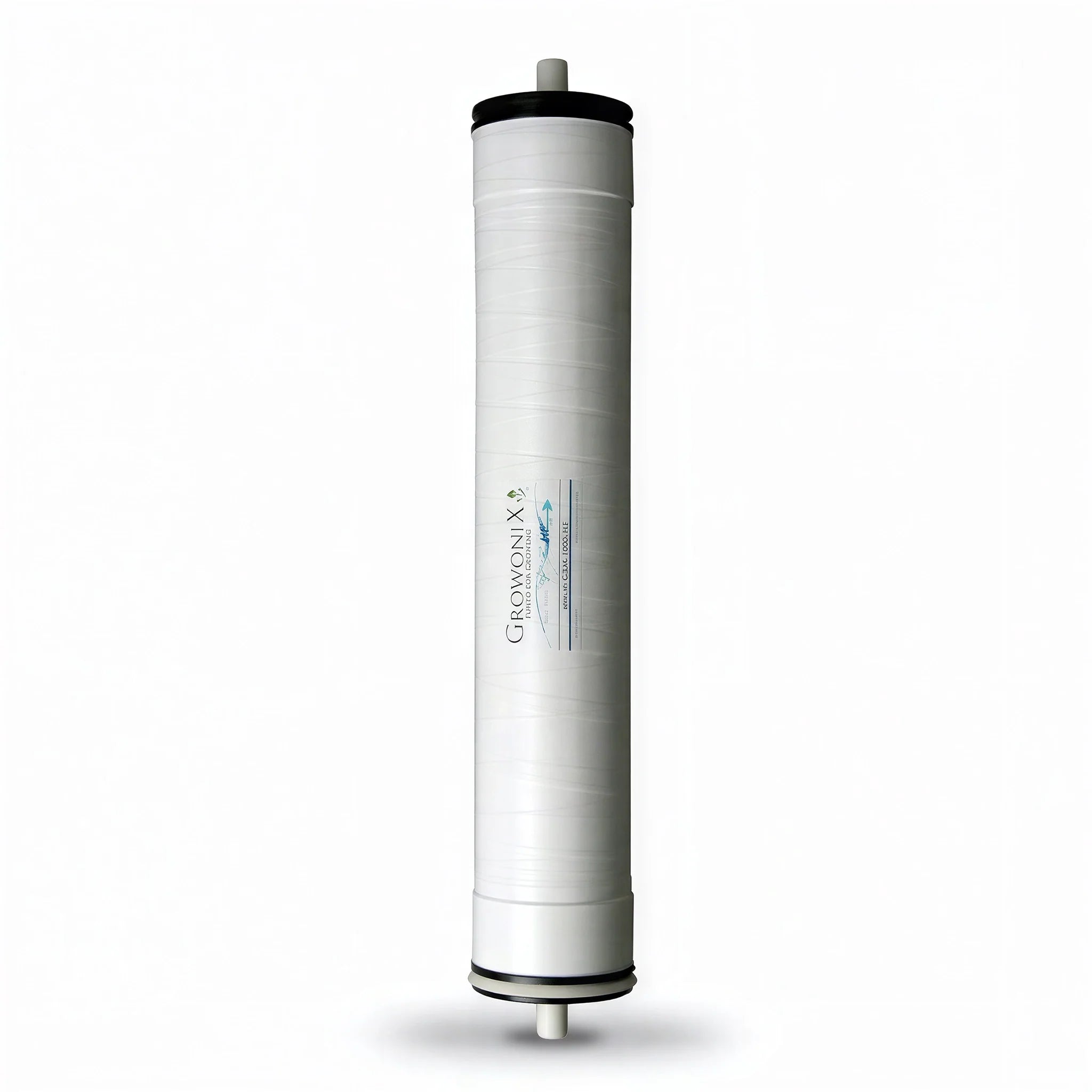
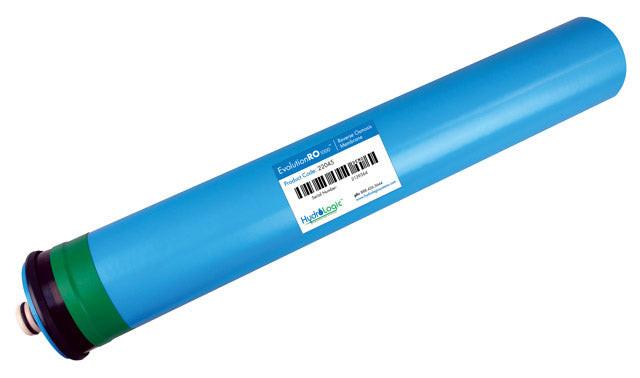
Most residential and horticultural RO membranes use a standard 2-inch diameter by 11.75-inch length housing format with standard quick-connect fittings. Within this standard form factor, membranes from Hydro Logic, GrowoniX, Dow Filmtec, Pentair, and other manufacturers are largely interchangeable. Verify the replacement membrane GPD rating matches or is compatible with your system -- using a 150 GPD membrane in a system designed for 50 GPD may not provide a proportional flow increase because the pump, pre-filters, and storage tank may be sized for the original flow rate. Using a lower GPD membrane than the system design rating reduces product water flow rate.
How long does an RO membrane last?
Quality TFC membranes last 2-5 years in typical use. Service life depends heavily on: feed water quality (high sediment, chlorine, or chloramine reduces membrane life -- proper pre-filtration is essential for membrane longevity); operating pressure (membranes operated consistently at or near rated pressure last longer than those periodically over-pressurized); and system usage (membranes that sit unused for long periods with water stagnant inside can develop bacterial growth that fouls the membrane).
What pre-filtration does an RO membrane need?
RO membranes require: a sediment pre-filter (5 micron) to remove particles that would physically foul the membrane surface; and a carbon pre-filter (catalytic carbon for chloramine, standard carbon for chlorine) to remove chlorine and chloramine before the membrane. Chlorine and chloramine chemically degrade TFC membranes -- even brief exposure to chlorinated tap water accelerates membrane degradation significantly. Never operate an RO system without functioning pre-filters in place. Replace pre-filters on schedule to maintain membrane protection.
What is the difference between 50 GPD and 100 GPD membranes?
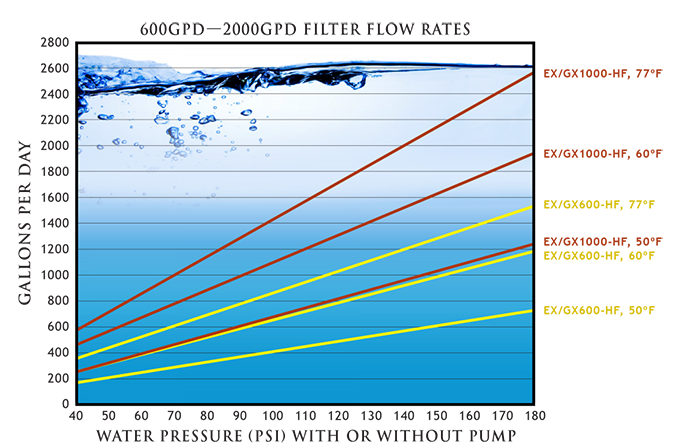
GPD (gallons per day) is the membrane's rated production capacity at standard test conditions (77 degrees F, 77 PSI inlet pressure, 250 ppm TDS source water). A 100 GPD membrane produces approximately twice the product water per day as a 50 GPD membrane under the same conditions. In practice, actual output is lower than rated GPD because real-world operating temperatures, pressures, and source TDS rarely match the standard test conditions exactly. Upgrading to a higher GPD membrane speeds fill time for reservoirs and storage tanks -- a worthwhile upgrade if your current system does not fill fast enough to keep up with growing program water demand.