Humidity Controllers for Grow Rooms & Tents
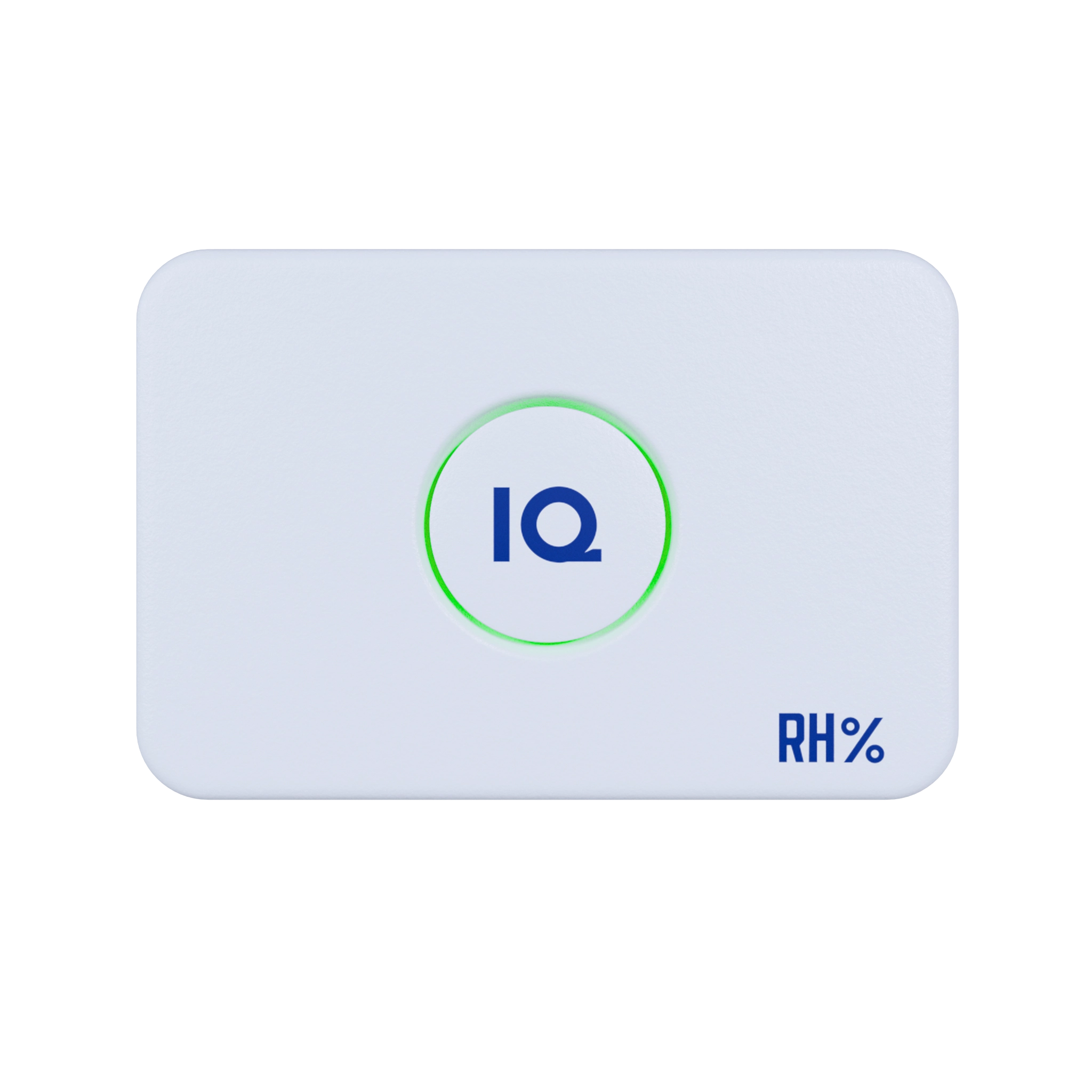
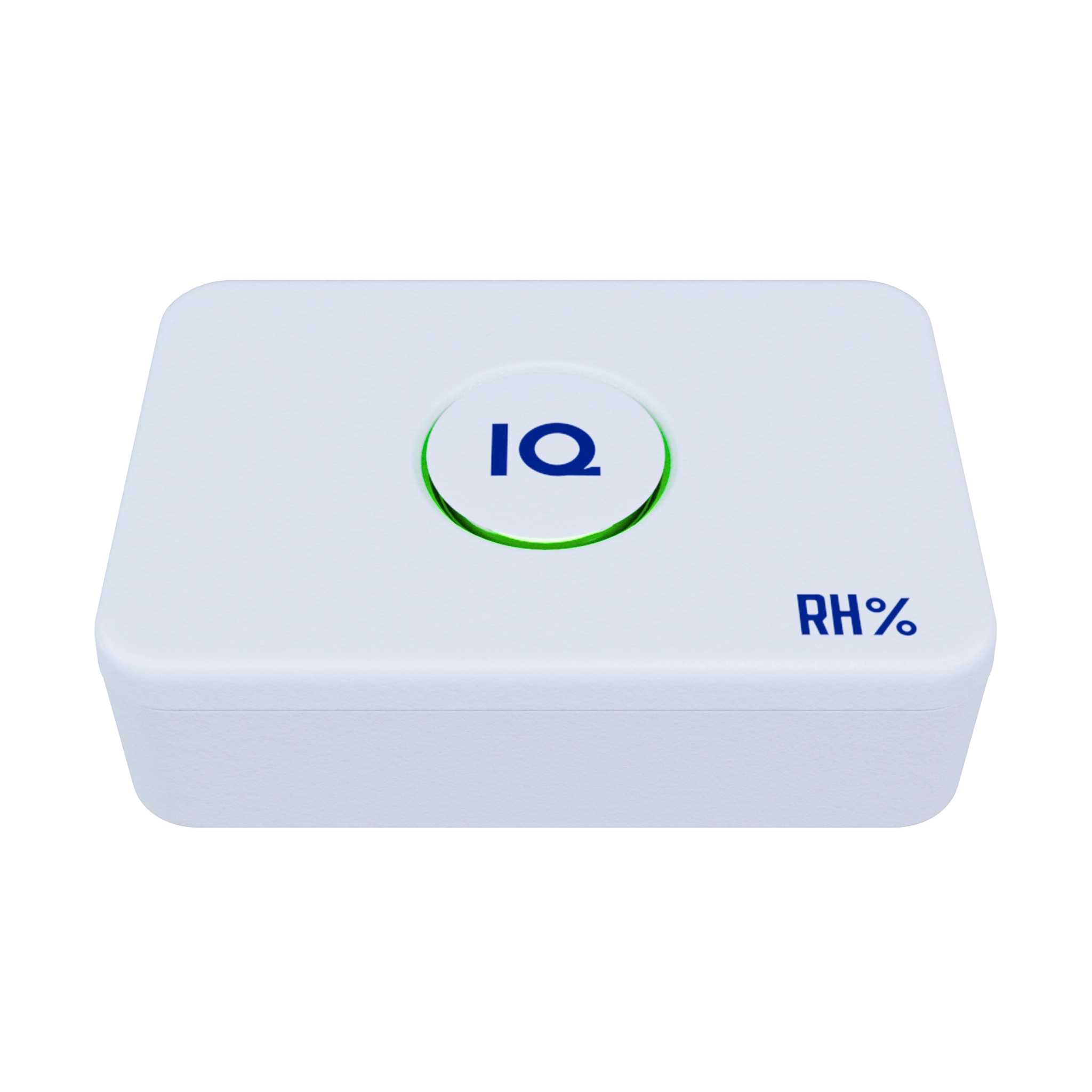
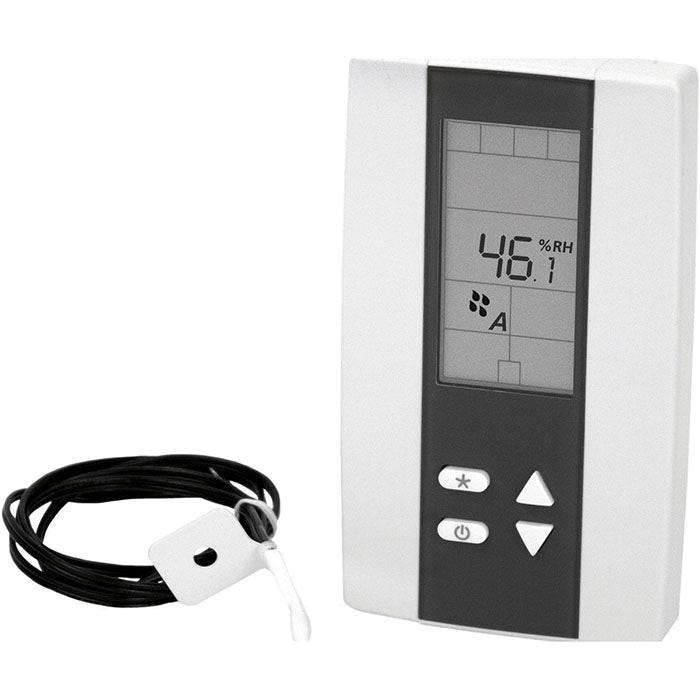
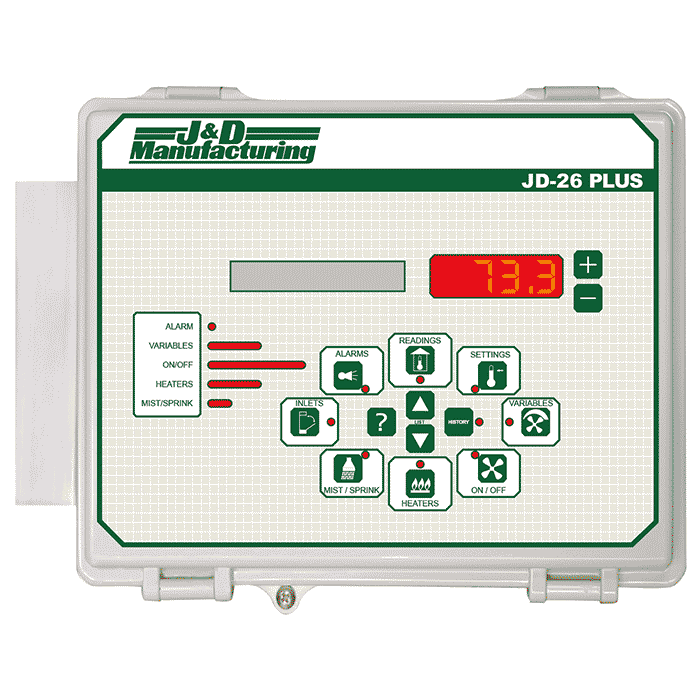
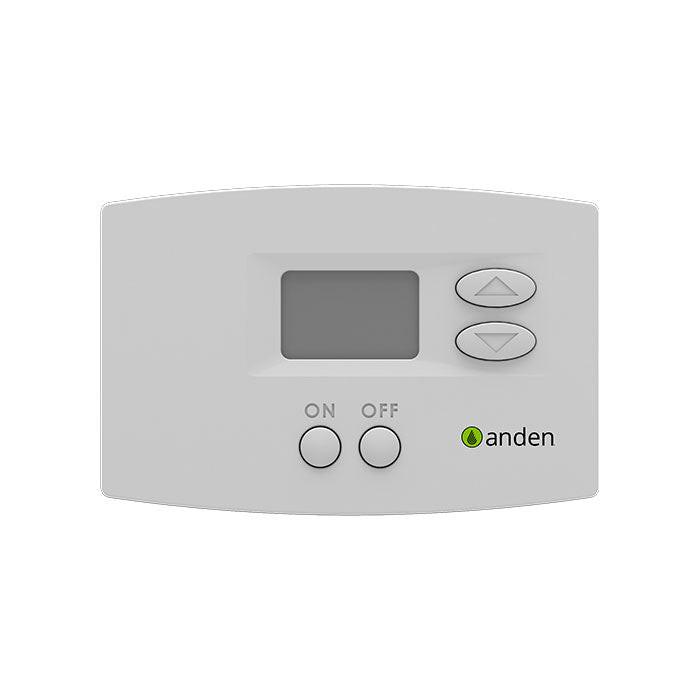
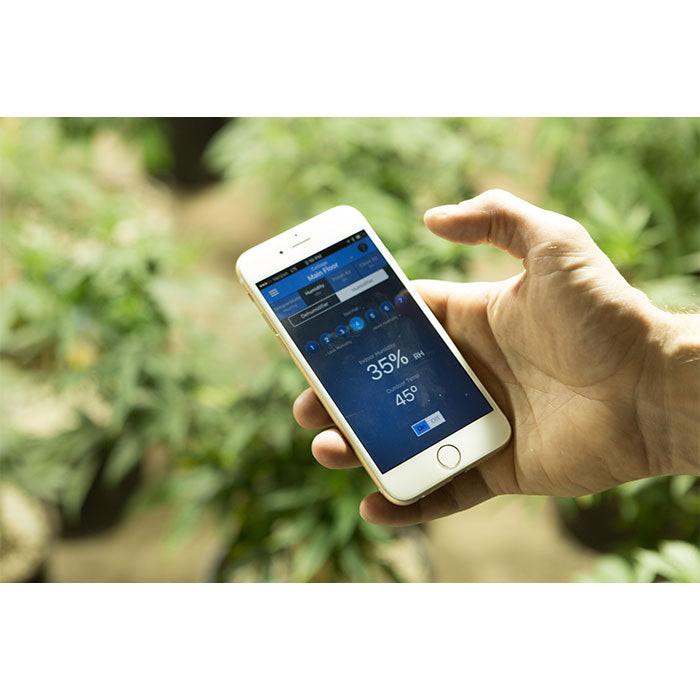
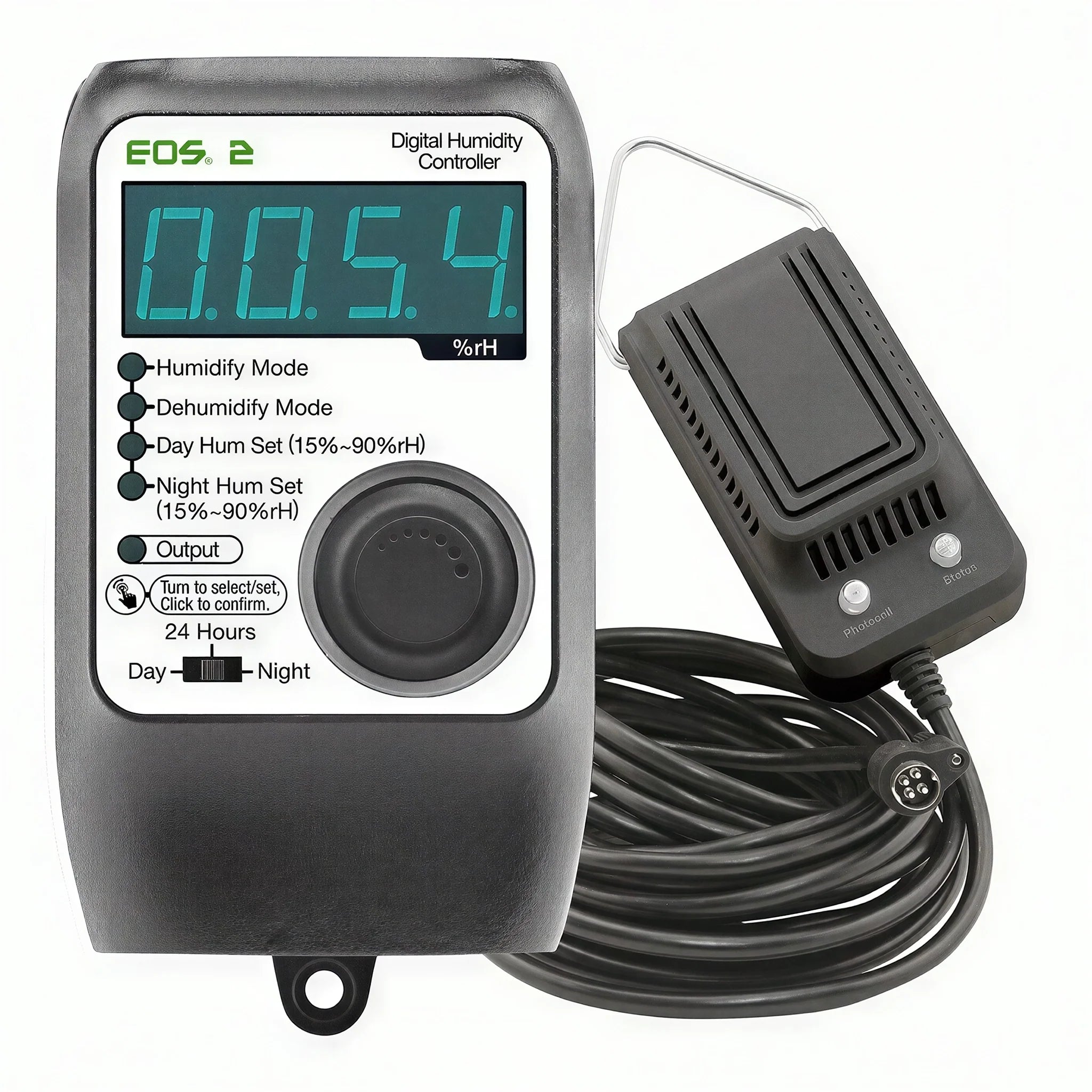
Humidity controllers are single-function environmental control units that maintain a target relative humidity setpoint by switching a dehumidifier, humidifier, or both on and off based on a humidity sensor reading. Unlike multi-function environment controllers that manage temperature, humidity, CO2, and lighting from a single unit, standalone humidity controllers perform one job -- maintaining target RH -- at a lower cost point and with simpler setup. For growers who want automatic humidity management without the full investment of a multi-function controller, a quality standalone humidity controller provides setpoint-based automation at accessible pricing.
How Humidity Controllers Work
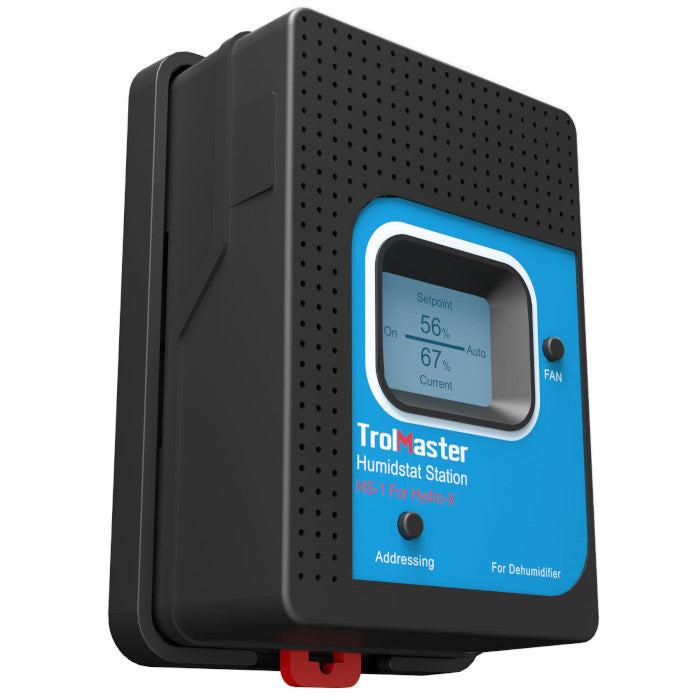
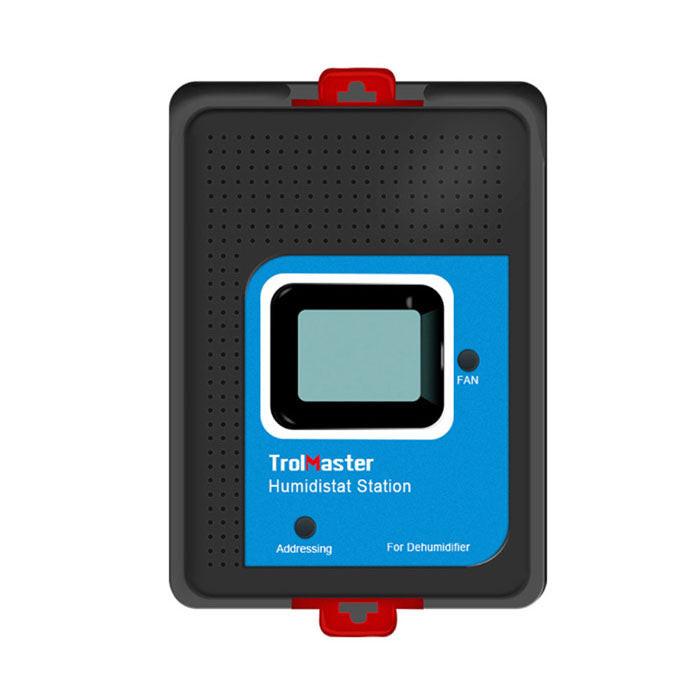
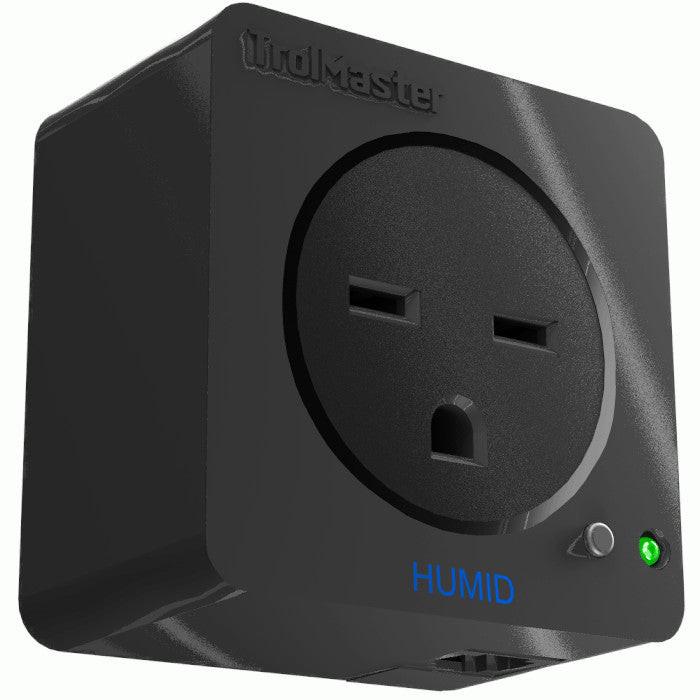
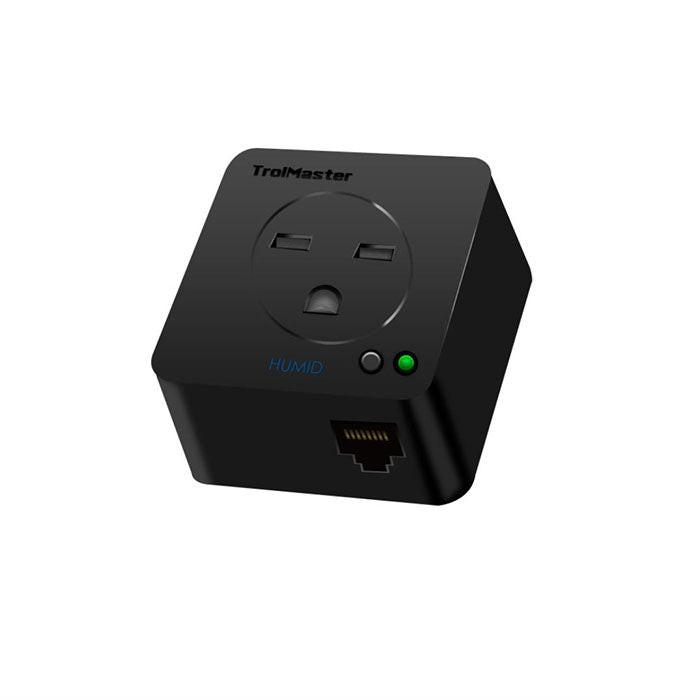
A humidity controller connects the dehumidifier or humidifier to its switched outlet -- the controller's probe measures current RH, and when RH rises above the dehumidification setpoint the dehumidifier outlet activates; when RH drops below a humidification setpoint the humidifier outlet activates. Most models provide separate high and low setpoints with an adjustable differential to prevent rapid cycling. For complete climate automation, pair with a dedicated temperature controller or upgrade to a full multi-function environment controller like TrolMaster Hydro-X.
Standalone vs. Multi-Function Controllers
Standalone humidity controllers are the right choice when humidity is your primary unmanaged variable and temperature is already stable -- for example, a well-air-conditioned room where only dehumidification needs automation. Multi-function environment controllers are the right choice for new grow room builds or any space where temperature, humidity, and CO2 all need coordinated automation -- the per-function cost is lower and single-interface management is simpler long-term than multiple single-function units. Fast shipping.
Humidity Controllers FAQ
What RH should I set on a humidity controller for flowering?
Target 45-55% RH during the flowering stage for most crops. Above 60% RH significantly increases mold and powdery mildew risk, particularly in dense flowering canopies. Below 40% RH creates transpiration stress. During the final 2-3 weeks before harvest, some growers push to 40-45% RH for additional disease protection. Use our VPD Calculator to set coordinated temperature and humidity targets rather than managing RH in isolation -- VPD accounts for the temperature-humidity interaction that determines actual plant transpiration rate.
What is the difference between a humidity controller and a humidistat?
The terms are often used interchangeably. A humidistat is the humidity-sensing switching mechanism -- the component that measures RH and opens or closes a circuit based on the setpoint. A humidity controller is the complete device that includes the humidistat plus switched outlet(s) for connecting equipment, the display and adjustment interface, and often external probe connectivity. External humidity controllers bypass the built-in humidistat on dehumidifiers and use their own sensor for more accurate and consistent control.
Can I use a humidity controller with any dehumidifier?
Yes -- most humidity controllers work by switching the power outlet on and off, which works with any dehumidifier that starts automatically when powered on. The exception: some newer smart dehumidifiers with digital control panels may not start automatically on power restoration (they require a manual button press). Verify your specific dehumidifier restarts automatically when power is restored before relying on a controller's outlet switching for automation. Most basic dehumidifiers and all commercial grow room dehumidifiers from Quest and Ideal-Air restart automatically on power application.
Should I use a humidity controller or an environment controller?
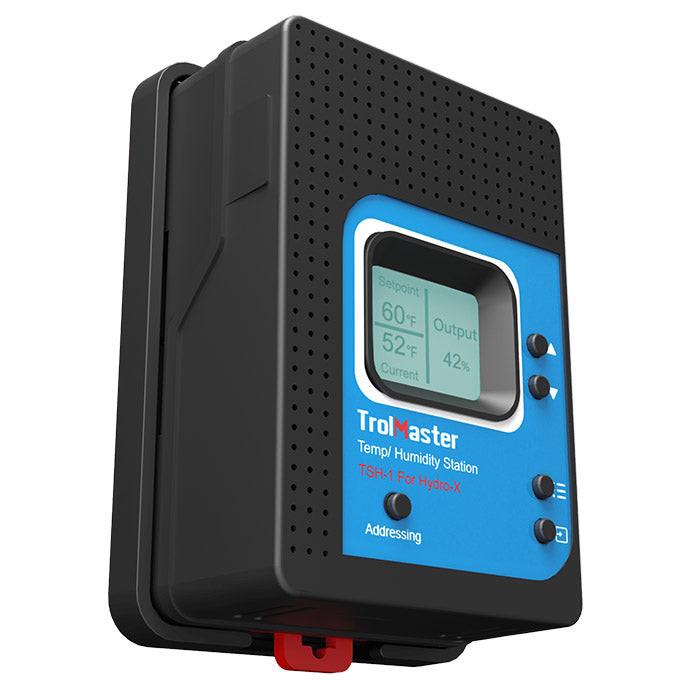
If humidity is your only automation need and temperature is already managed: a standalone humidity controller is the most cost-effective solution. If you need to automate both temperature and humidity, or if you want VPD-based control that manages both together as a single setpoint: a multi-function environment controller like TrolMaster Hydro-X provides more precise and integrated control. The per-function cost of a multi-function controller is usually lower than purchasing separate temperature and humidity controllers, and single-interface management simplifies ongoing operation.
Where should I place the humidity controller sensor?
Position the humidity sensor at canopy level in the center of the growing area -- the same position recommended for all environmental sensors. Avoid: near the dehumidifier intake (reads artificially high humidity), near the AC outlet (reads artificially low humidity), near plant surfaces where transpiration creates locally elevated humidity, and near tent walls or room corners where air circulation is lowest. A sensor positioned accurately at canopy level gives the controller a reading that represents the conditions where plants actually live.