Drip Irrigation Systems & Supplies for Growing
Drip irrigation is the dominant nutrient delivery method in commercial indoor horticulture -- a precision system that delivers measured volumes of nutrient solution directly to each plant's root zone on a programmable schedule. From hobby grows using a single drip line off a small reservoir to commercial CEA facilities running fully automated fertigation programs across hundreds of plant sites, drip irrigation's per-plant precision, scheduling flexibility, and compatibility with any growing medium make it the most versatile irrigation format available.
Complete Drip System Components
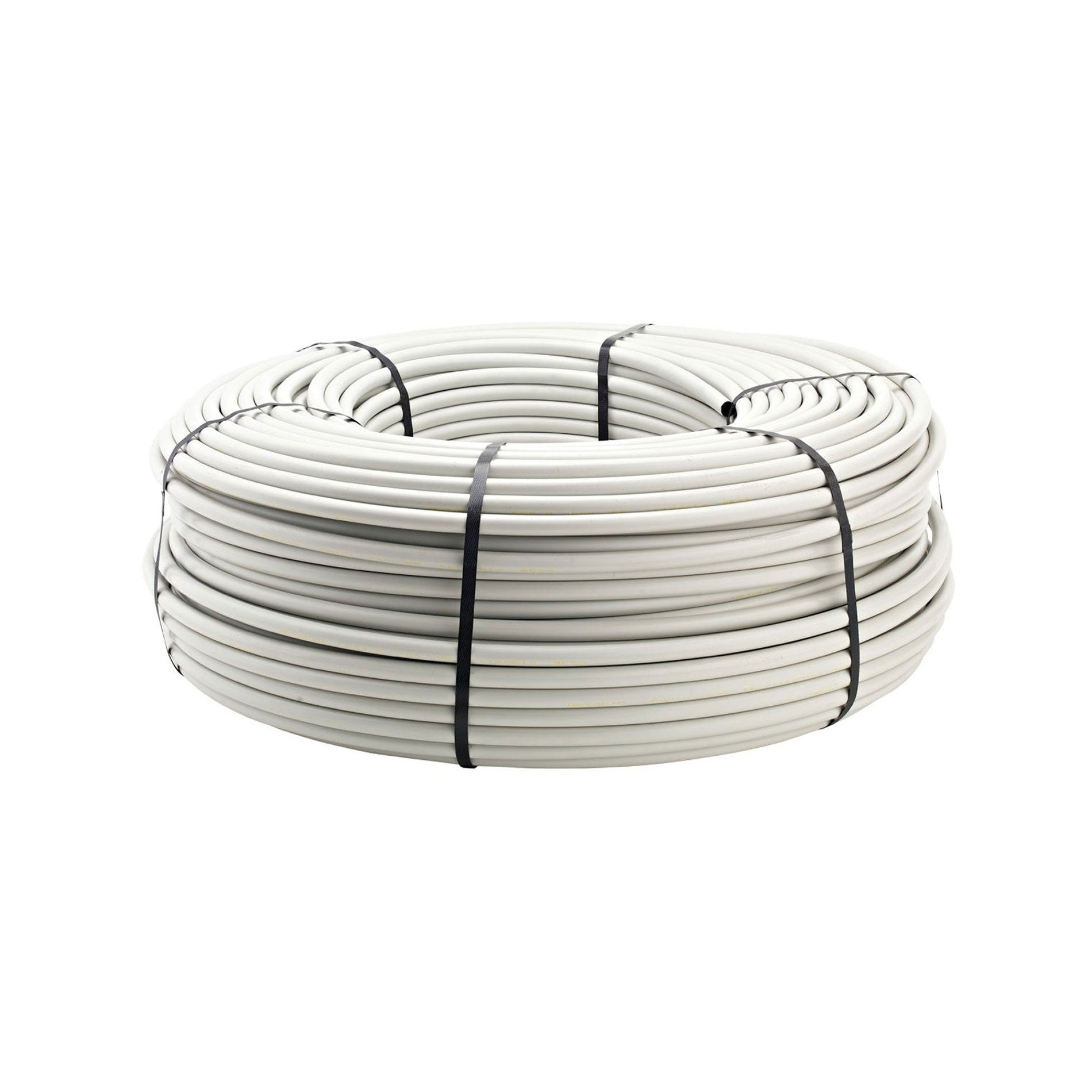
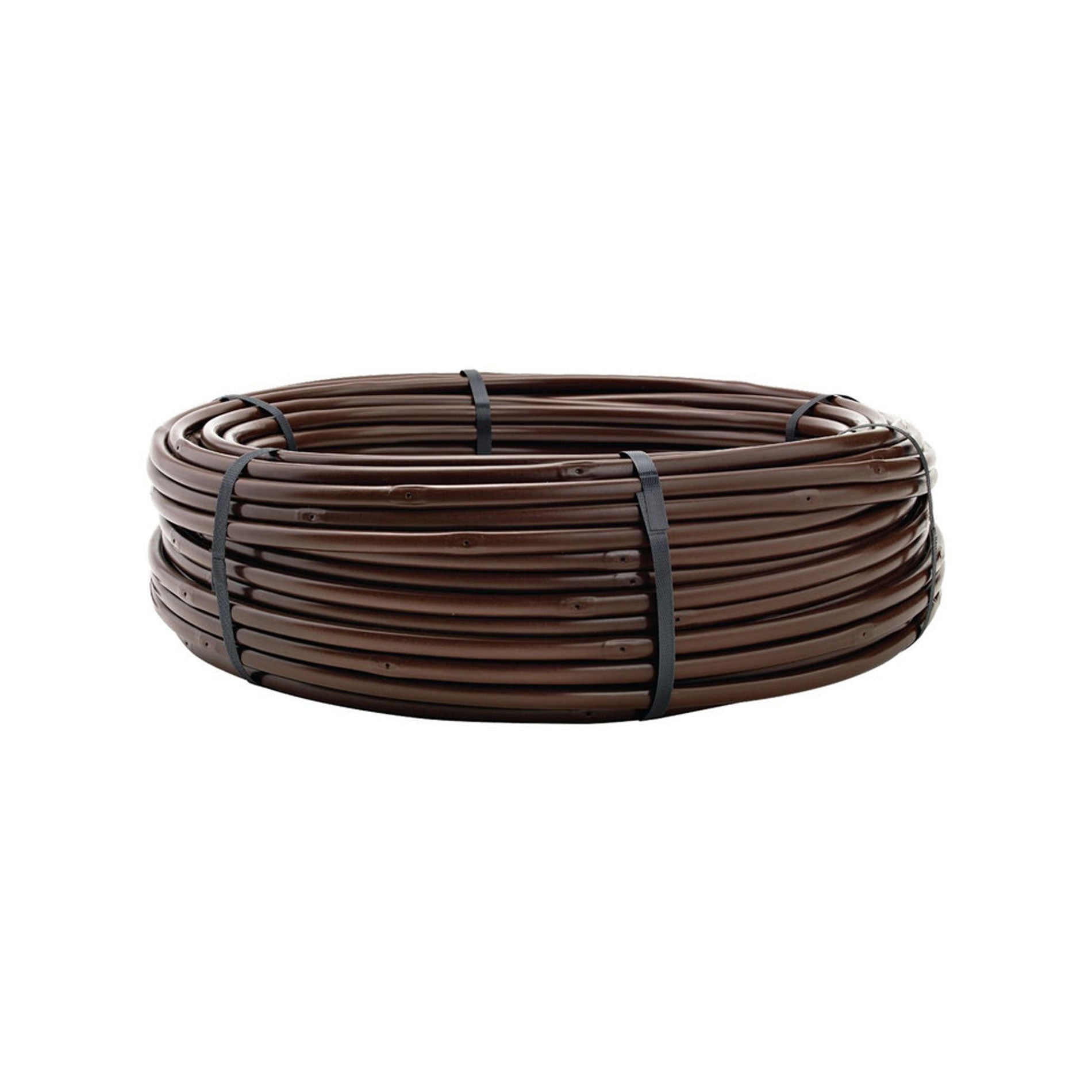
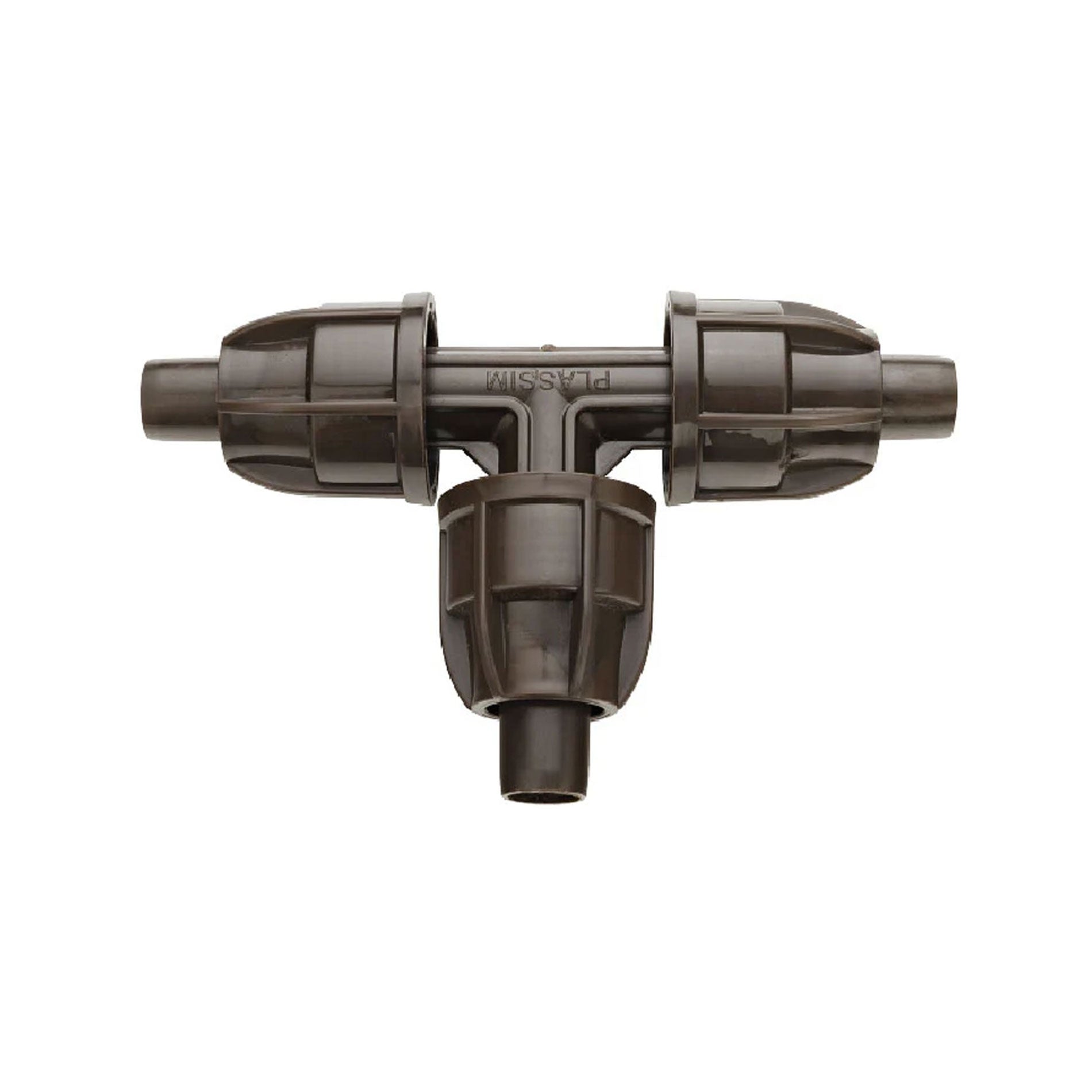
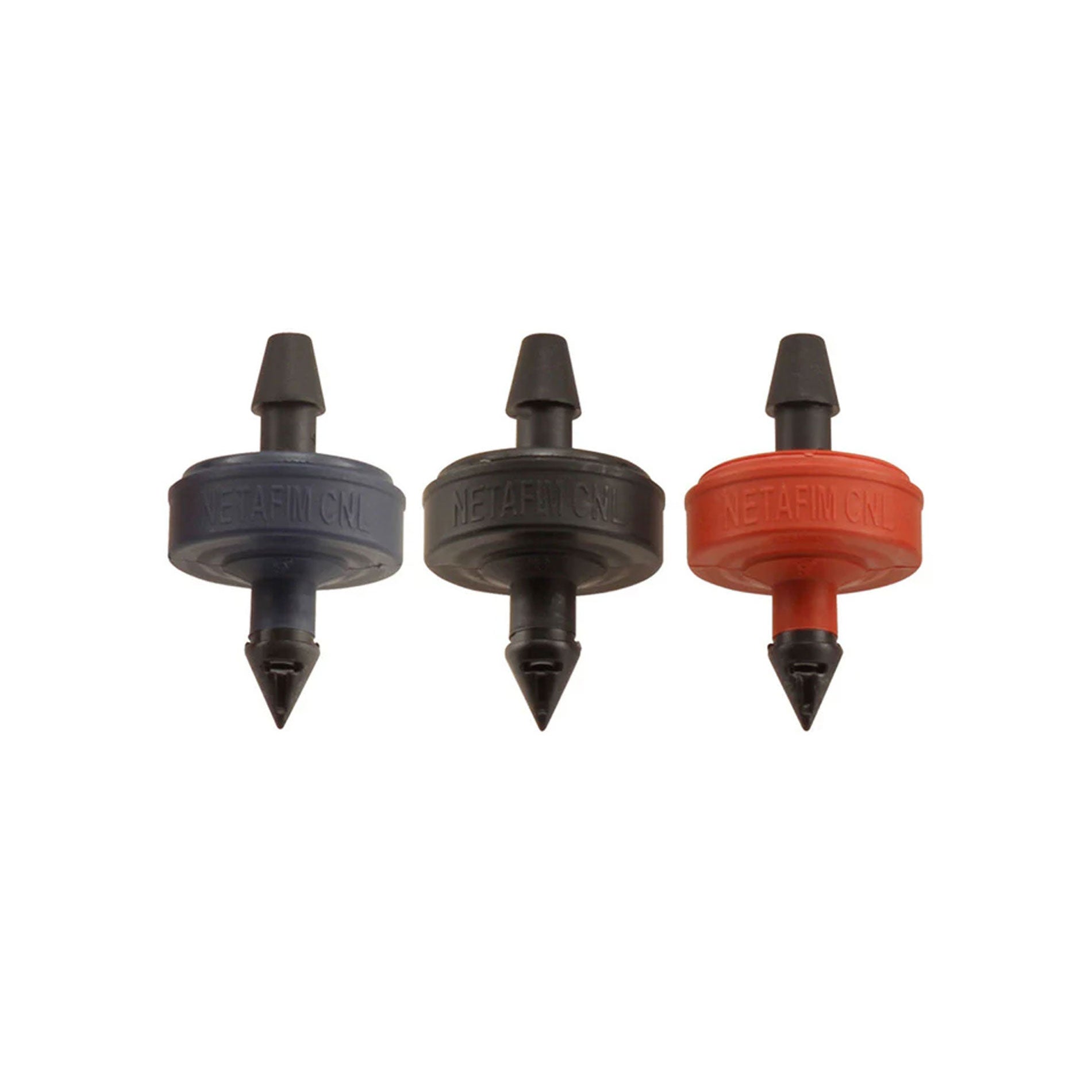
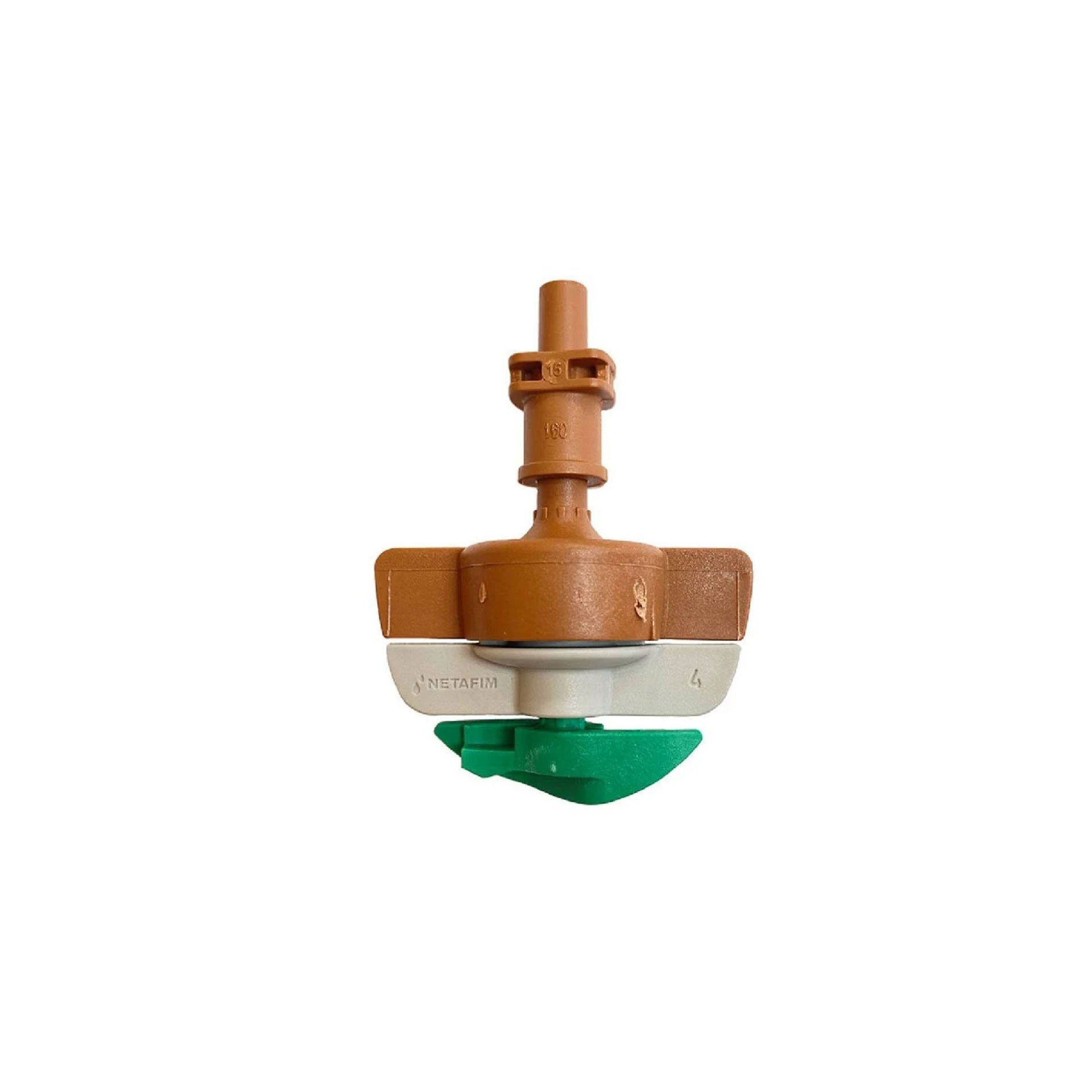
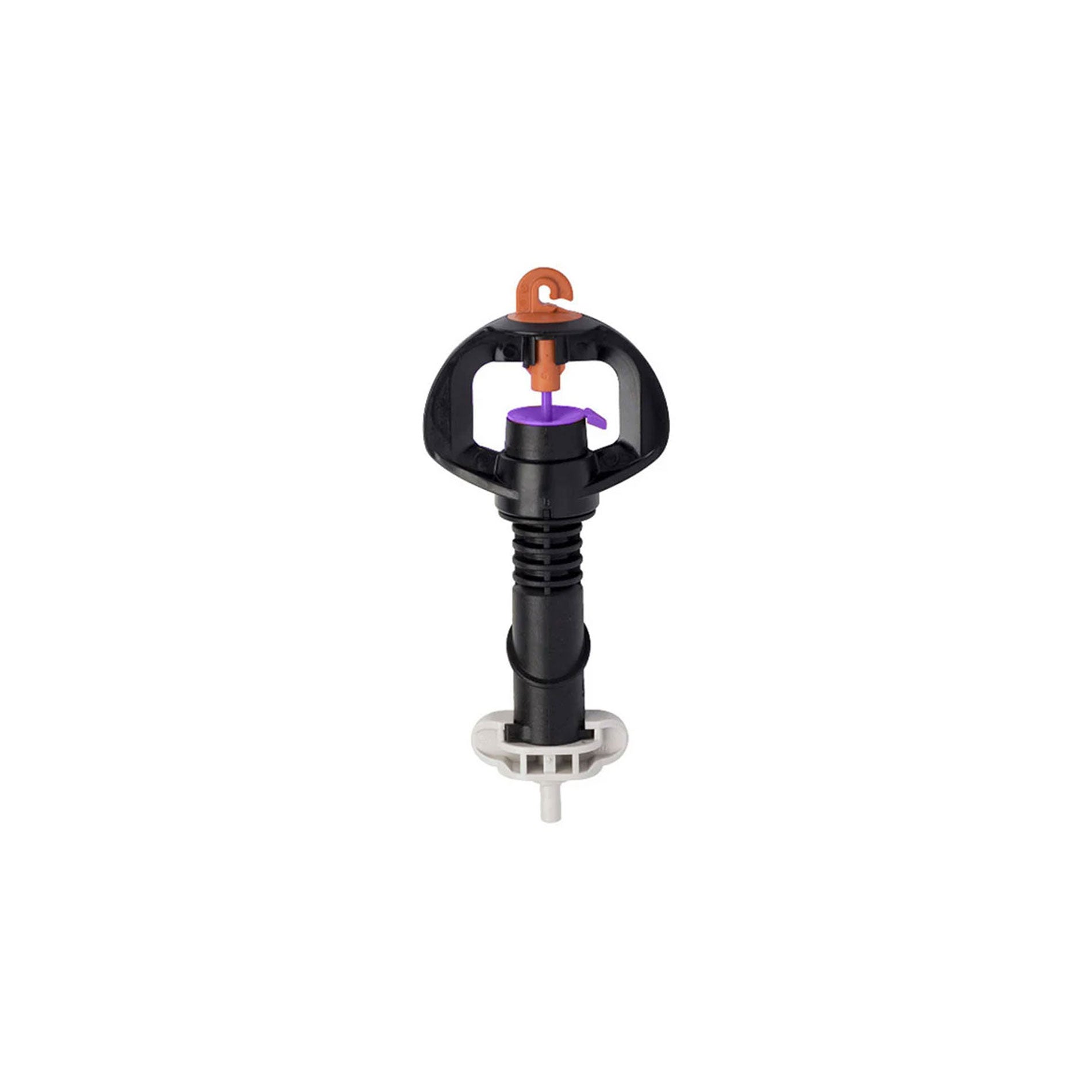
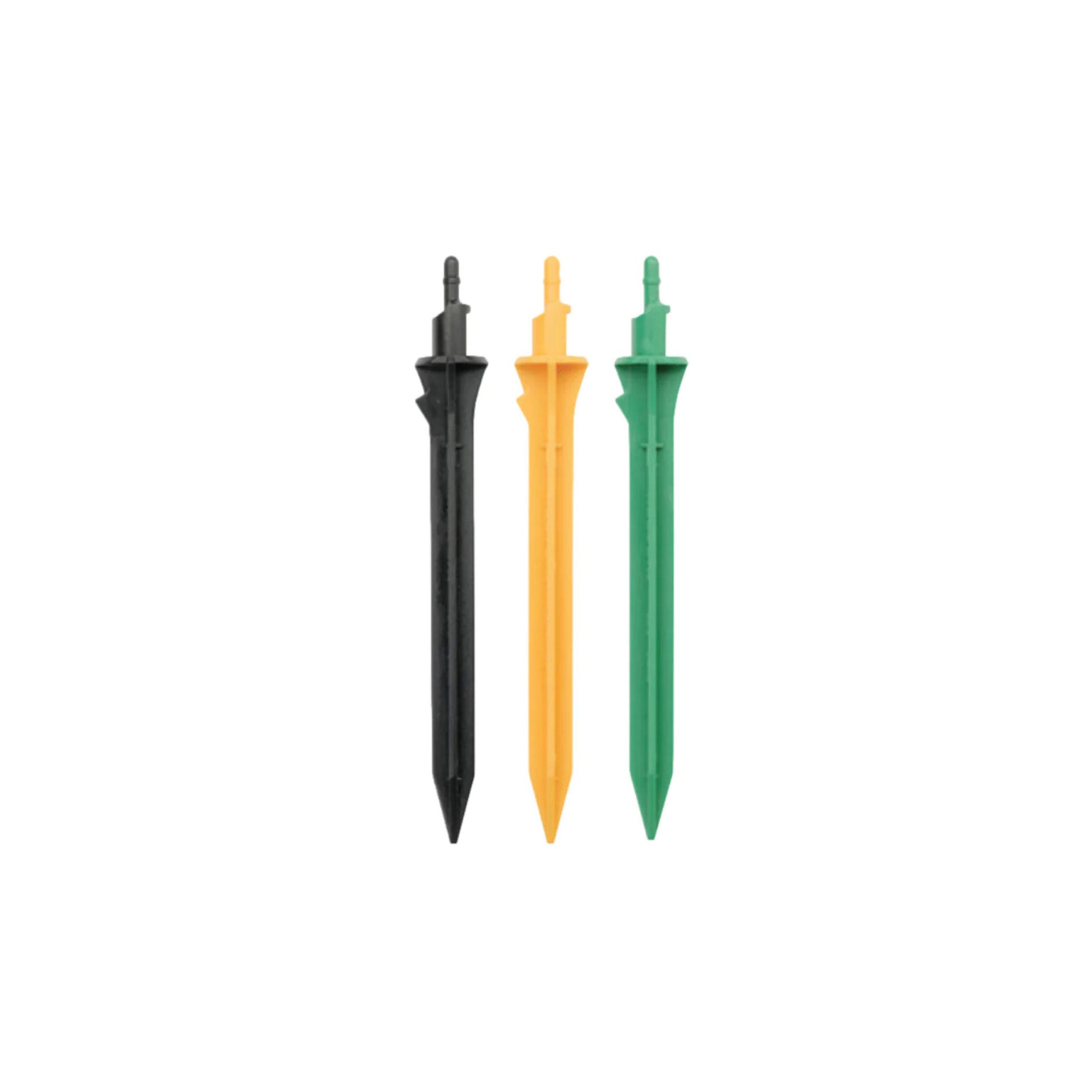
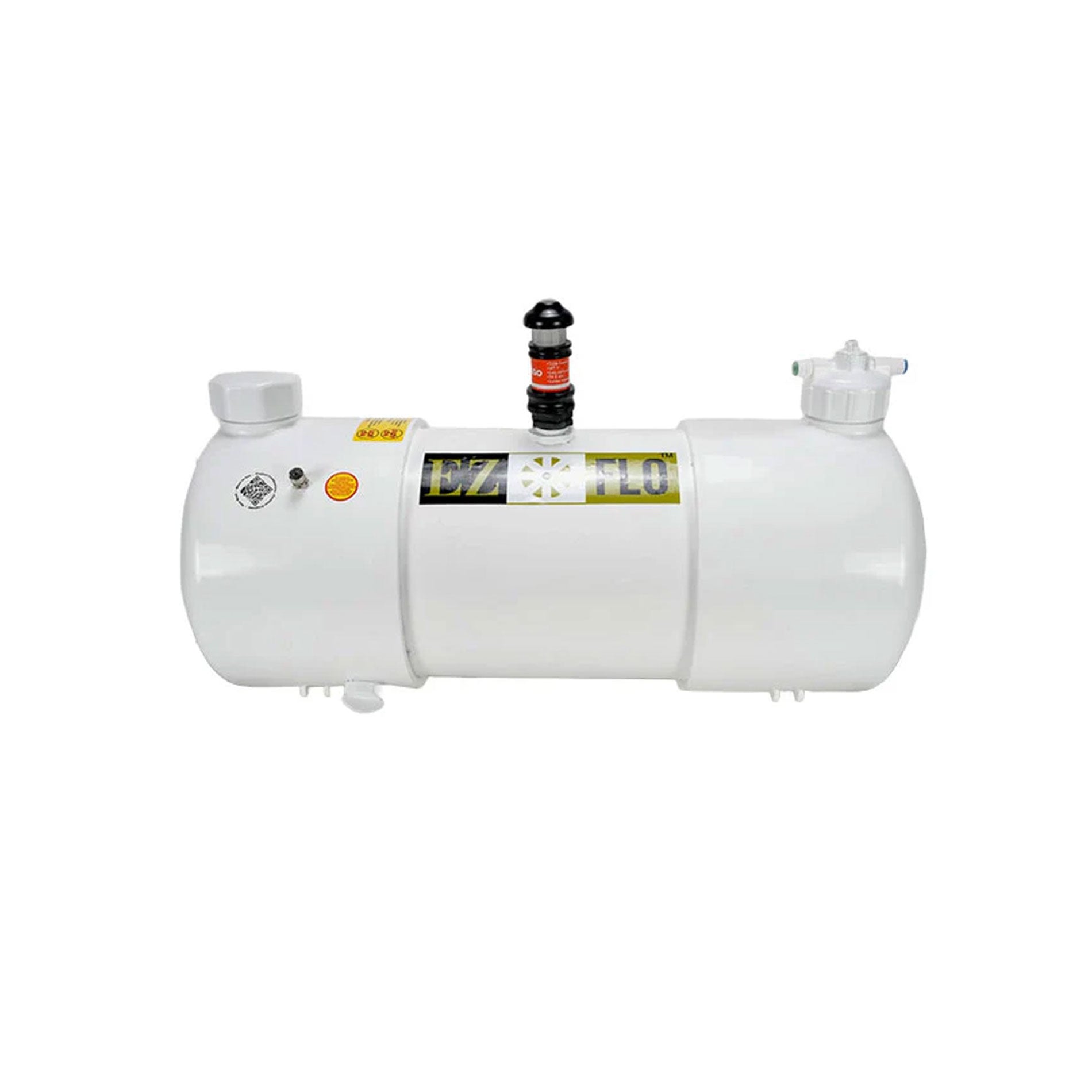
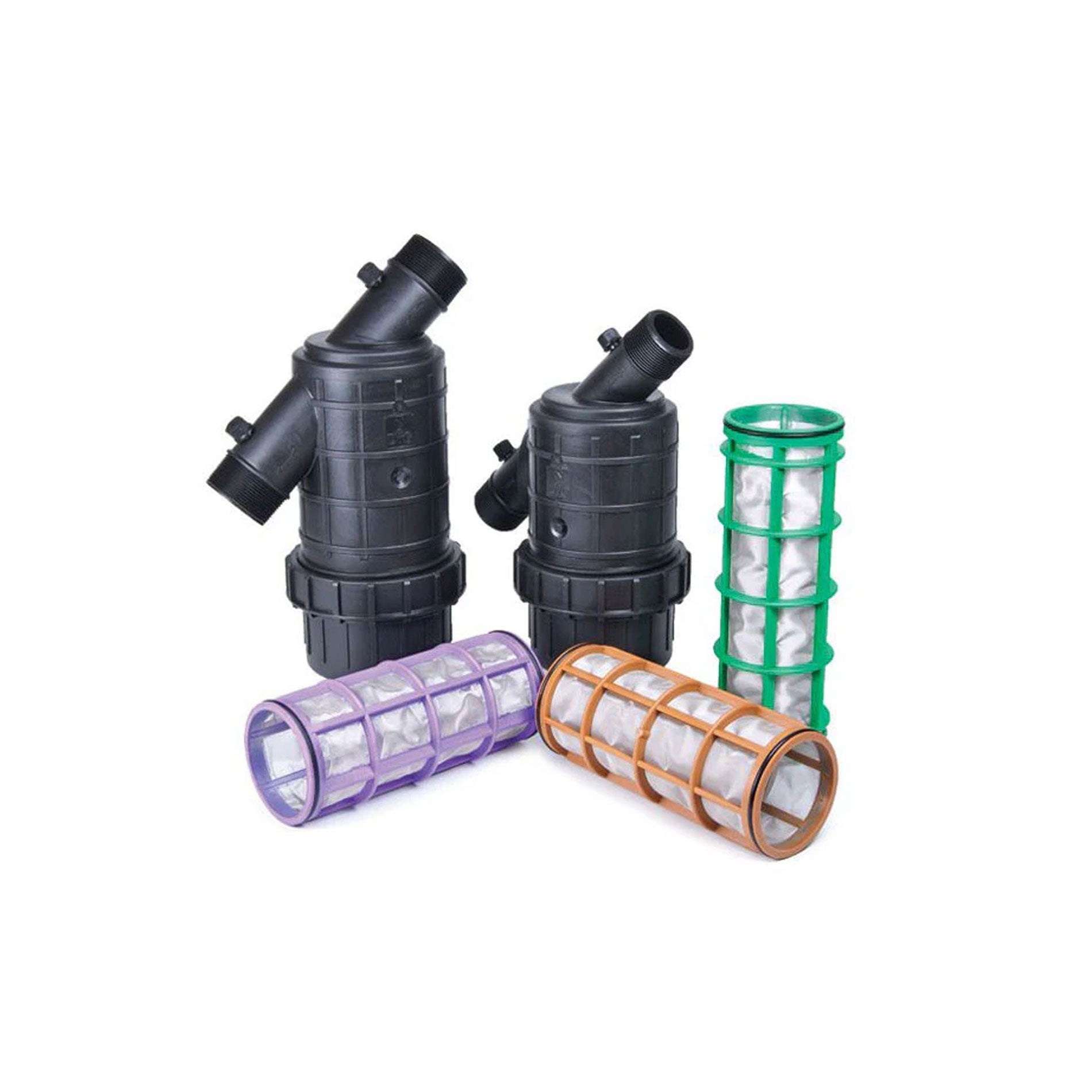
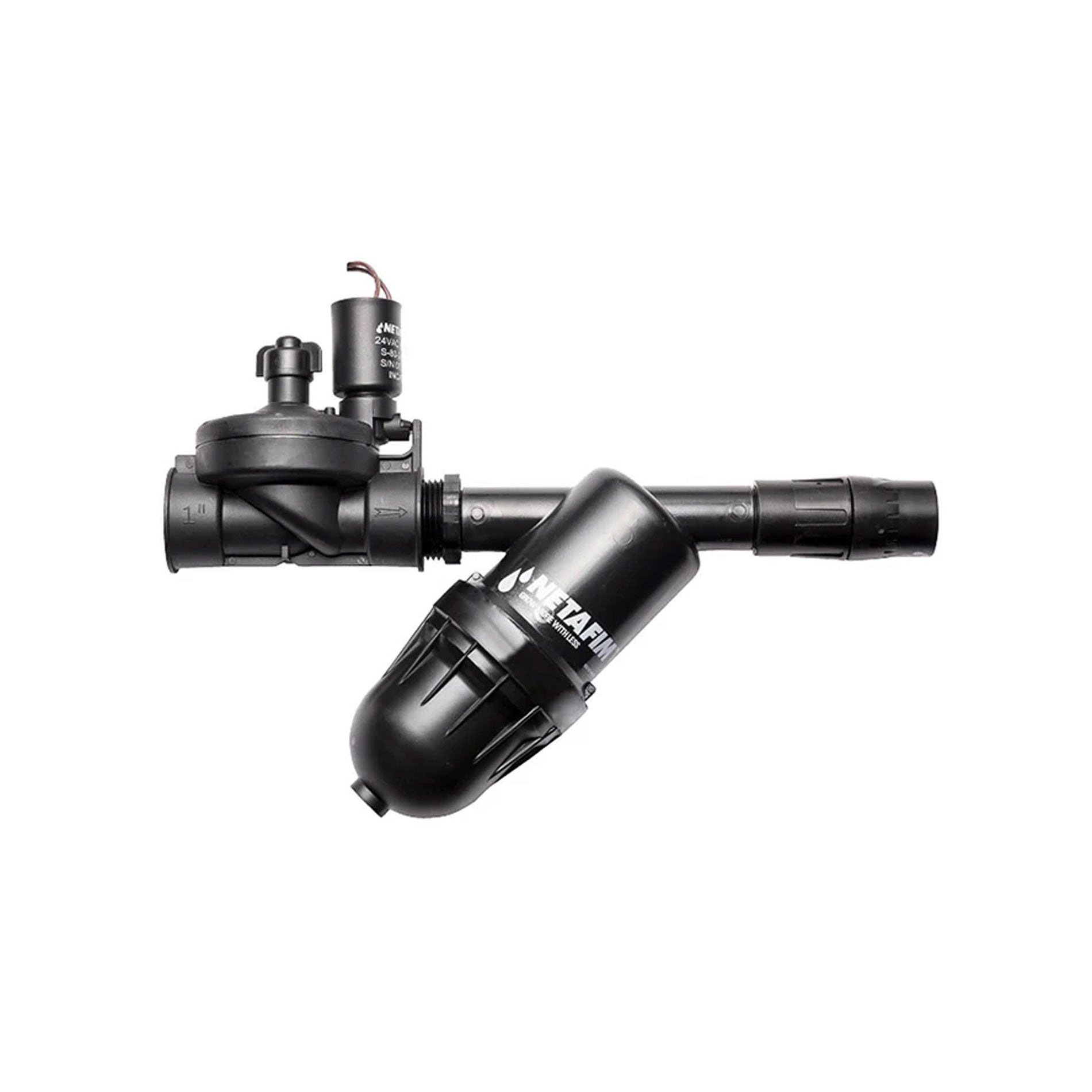
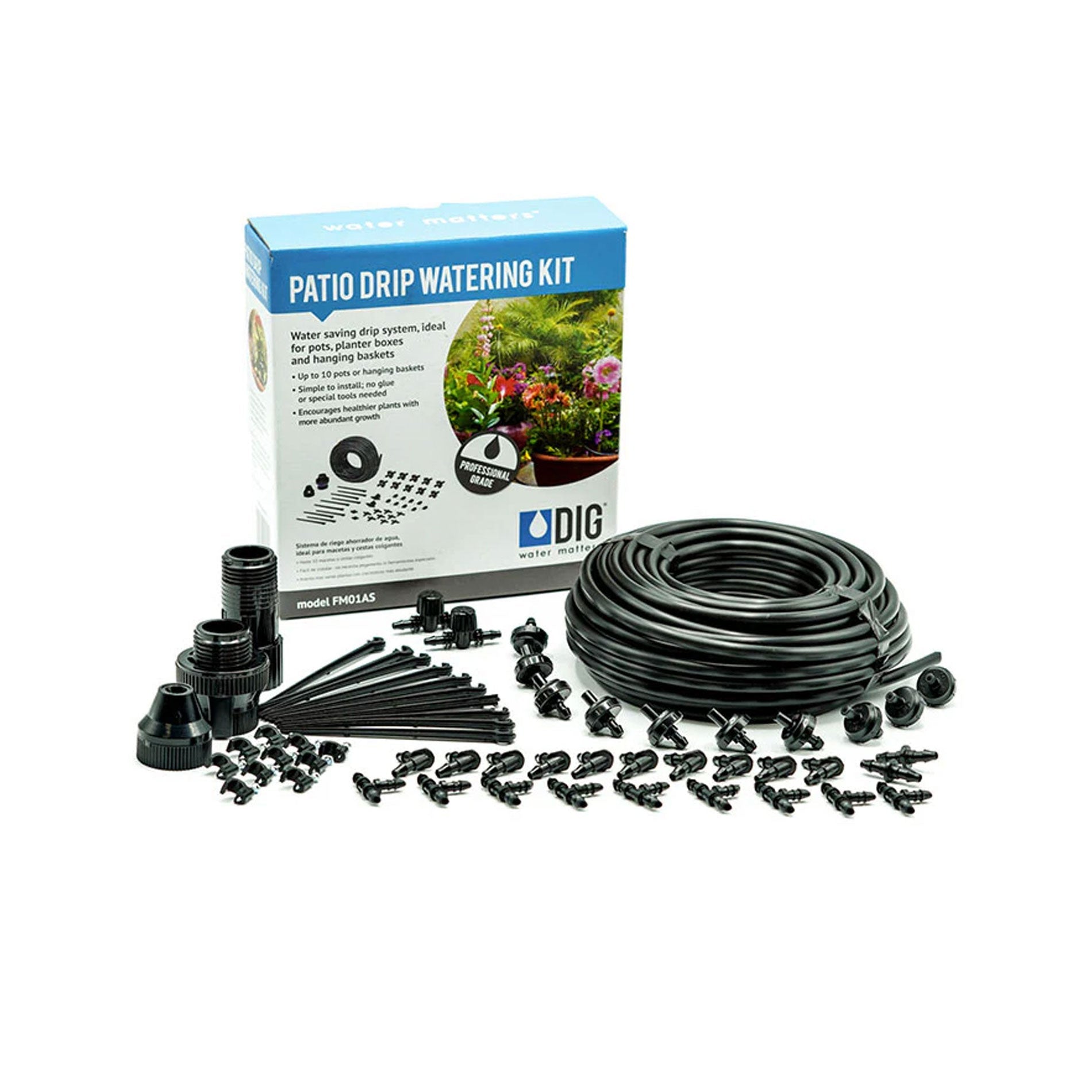
A functional drip system requires: a reservoir or fertigation system supplying nutrient solution; a submersible or inline pump with adequate GPH for the total emitter count at installation head; mainline poly tubing (17mm Bright White PE is standard); individual drip emitters or drip stakes at each plant site; a disc filter at the system head to protect emitters from particulate; a timer or fertigation controller for scheduling; and fittings and connectors to join tubing runs. Netafim and FloraFlex are the two most widely used drip component brands in commercial indoor growing -- see the dedicated Netafim and FloraFlex collections for their full system components.
Drip Irrigation for Coco, Rockwool & Soil
Drip system performance varies by growing medium because drainage rate, water retention, and capillary behavior differ significantly between media. Coco coir with 30-40% perlite drains well and suits high-frequency drip programs (6-16 irrigation events per day in commercial crop steering programs). Rockwool slabs drain very rapidly and require drip emitters positioned for even distribution across the slab surface. Soil drains more slowly and suits lower-frequency programs (1-3 irrigations per day). Regardless of medium, pressure-compensating emitters from Netafim are recommended for any system with more than 10-15 plant sites -- they ensure equal delivery to every site regardless of position in the irrigation run. Use our Pump & Flow Rate Calculator to size your pump for any drip configuration. Expert support available.
Drip Irrigation FAQ
What is the difference between drip irrigation and ebb and flow hydroponics?
Drip irrigation delivers nutrient solution directly to each plant's root zone through individual emitters at precise, programmable intervals -- top-fed, targeted delivery per plant site. Ebb and flow floods the entire growing tray to a set depth and then drains back to the reservoir -- all plants on the tray are irrigated simultaneously in a flood-drain cycle. Drip is more precise for per-plant delivery management and better suited to high-frequency irrigation programs. Ebb and flow is simpler for setups where all plants are at the same stage and benefit from simultaneous irrigation.
How often should I water plants with a drip system?
Irrigation frequency depends entirely on your growing medium, container size, and plant development stage. In coco coir commercial programs: 6-16 short events per day during the light period is standard practice, with each event delivering enough solution for 10-20% runoff. In larger soil containers: 1-3 times per day. In rockwool slabs: 8-16+ short events per day maintaining the target water content at slab level. Monitor container weight, runoff EC, and substrate moisture to calibrate frequency for your specific setup rather than following a generic schedule.
Do I need pressure-compensating drip emitters?
Pressure-compensating (PC) emitters are strongly recommended for any system with more than 10-15 plant sites. Non-PC emitters deliver different flow rates at different pressure levels -- plant sites near the pump receive more water than sites at the end of the run as pressure drops along the mainline. PC emitters maintain consistent GPH from 10-50 PSI, ensuring every plant site receives identical delivery regardless of its distance from the pump. The cost difference between PC and non-PC emitters is small; the consistency improvement in plant uniformity across a large canopy is significant.
What causes drip emitters to clog?
The most common causes: mineral scale from hard water or nutrient salt accumulation (flush the system with clean water between reservoir changes); biological buildup from algae, bacteria, or root exudates in recirculating systems (keep reservoirs covered and change solution on schedule); particulate from undissolved nutrient powder or root zone debris (filter at the system head with a 120-155 mesh disc filter and dissolve all nutrients completely before adding to the reservoir). Regular system flushing, a quality head filter, and clean nutrient mixing practices prevent the majority of clogging issues.
What size tubing should I use for a drip system?
17mm Bright White PE poly tubing is the standard mainline for most indoor drip systems -- light-blocking, flexible, and compatible with all standard Netafim fittings and TechLock compression fittings. From the 17mm mainline, 1/4-inch micro-tubing runs from barb inserts to individual drip stakes at each plant. For larger commercial systems with many plant sites requiring higher total flow, 3/4-inch or 1-inch PE mainline provides the increased flow capacity needed without unacceptable pressure drop across the full run. See our detailed drip irrigation guide for complete system design guidance.