Clone & Seedling Lights for Propagation
Clone and seedling lights deliver the low-to-moderate intensity, even light distribution that unrooted cuttings and young seedlings require - fundamentally different requirements from the high-intensity fixtures used for flowering production. During propagation, plants need enough light to support early photosynthesis and compact development without the heat stress, excessive transpiration, or photoinhibition that high-intensity flowering lights create when positioned too close to delicate plant material. The right propagation light provides 100-300 umol/m2/s PPFD at close range (2-8 inches) with minimal heat output and consistent coverage across a full seedling tray footprint.
T5 Fluorescent vs. LED for Clones & Seedlings
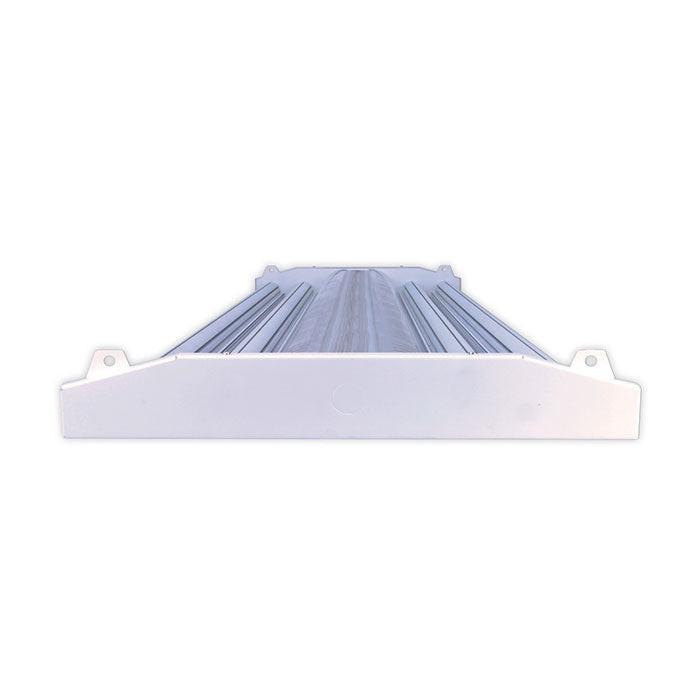
T5 HO fluorescent fixtures have long been the default propagation light standard. Modern LED alternatives now match T5 output at 30-50% better efficiency, run cooler per photon delivered, and last significantly longer before requiring tube replacement. For new propagation setups, dedicated LED propagation bars and veg-spectrum LED panels are the better long-term investment. For existing T5 installations, T5 HO fixtures remain fully capable and LED T5 tube replacements are available to improve efficiency without replacing the fixture housing. The primary advantage of T5 remains its even, diffuse coverage from multiple distributed tube sources - an advantage that modern LED bars with multiple emitter points are increasingly replicating.
LED Propagation Bars for Multi-Tier Systems
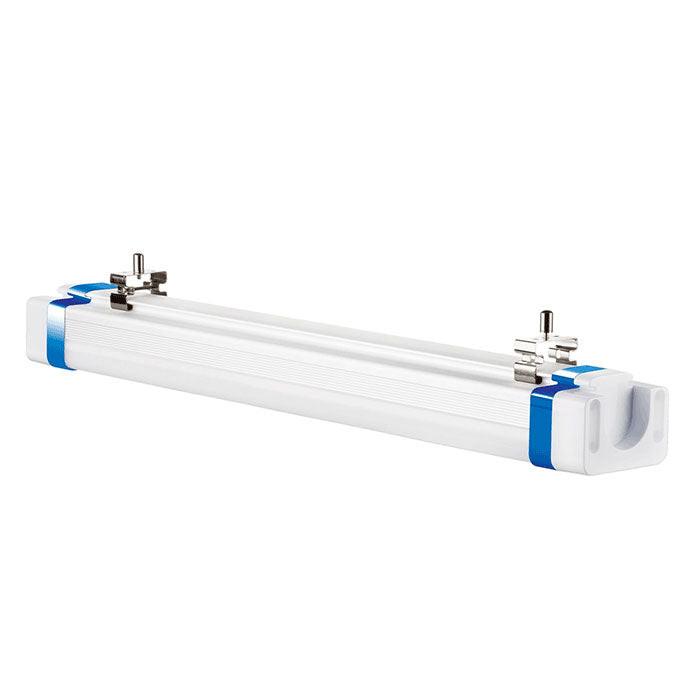
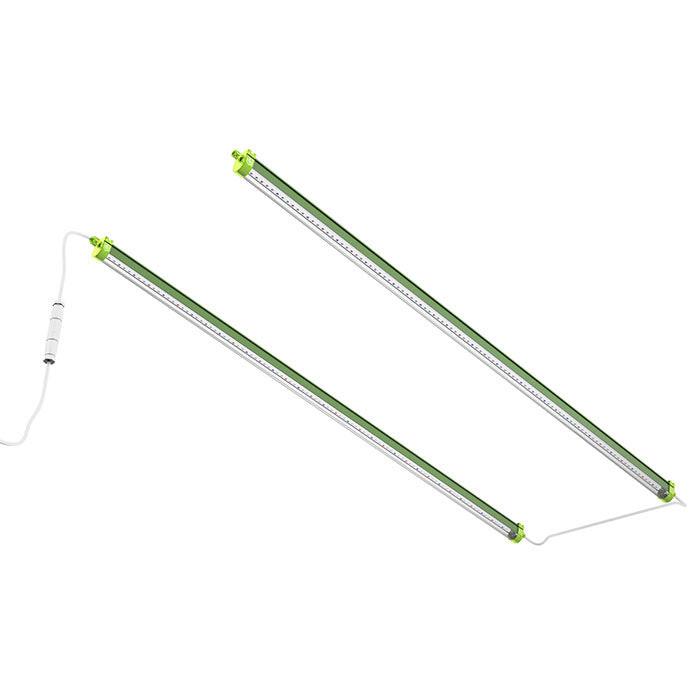
Thin, lightweight LED propagation bars are specifically designed for multi-tier vertical propagation racks where fixture weight, heat, and profile are all constrained. Mounted 4-8 inches above the propagation tray, dedicated LED bars deliver 150-300 umol/m2/s at low operating temperatures that allow tight tier spacing without heat accumulation. For commercial propagation rooms running 4-8 tier vertical racks with hundreds of seedling trays, dedicated LED propagation bars provide a clean, efficient solution that T5 fixtures cannot match in the thin-profile, low-heat format required. Pair with 10x20 seedling trays and heat mats for a complete propagation station. Fast shipping.
Clone & Seedling Lights FAQ
What PPFD do clones and seedlings need?
Unrooted cuttings: 50-150 umol/m2/s - low enough to minimize transpiration stress while supporting minimal photosynthesis. Rooted cuttings transitioning to vegetative growth: 150-300 umol/m2/s. Established seedlings in early vegetative development: 200-400 umol/m2/s. These are significantly lower than the 400-600 umol/m2/s used for mature vegetative plants and 800-1,200+ for flowering. Most propagation lights running at 2-6 inches above a tray deliver 150-300 umol/m2/s - verify with a PAR meter or manufacturer's PPFD data at your intended mounting height.
How long should clone lights run per day?
Most growers run propagation lights 18-24 hours per day for clones and seedlings - the extended photoperiod maximizes light energy available for early development and root initiation without the dark period stress that can slow the early growth phase. Some growers run 24-hour continuous light for propagation specifically; most use 18-20 hours as a practical standard that keeps the propagation tent cooler than continuous light would. Avoid 12/12 photoperiod for propagation - the short-day cycle can trigger early flowering in photoperiod-sensitive varieties before adequate root development occurs.
Can I use a regular grow light for clones and seedlings?
A full-power flowering light (600W+ LED) positioned too close to seedlings and clones creates heat stress, excessive transpiration, and potential photoinhibition. You can use a flowering light for propagation by raising it significantly (24-36+ inches above the tray) to reduce PPFD to the 100-300 umol/m2/s propagation range, or by dimming a dimmable fixture to 20-30% output. This works but wastes the fixture's capacity and makes height management awkward. A dedicated low-power propagation light at 2-6 inches above the tray is the cleaner and more precise solution for regular propagation use.
What color spectrum is best for clones and seedlings?
Cool white (6500K, blue-dominant spectrum) is the traditional standard for propagation - the blue wavelengths promote compact vegetative growth with tight internodal spacing, reducing the stretch that red-dominant spectra can create in young plants. Most dedicated propagation lights and T5 HO grow tubes use 6500K cool white spectrum. Full-spectrum white LEDs (providing both blue and red wavelengths) are also effective - the blue component provides the propagation benefits while the broader spectrum prepares seedlings for the full-spectrum environment they will encounter in the vegetative and flowering stages.
How many T5 lamps do I need for a 10x20 propagation tray?
A 2-foot 2-lamp T5 HO fixture positioned 2-4 inches above a 10x20 tray delivers approximately 150-250 umol/m2/s PPFD across the full tray surface - adequate for clones and seedlings. A 2-foot 4-lamp T5 HO at the same distance delivers 250-400 umol/m2/s - appropriate for slightly more established seedlings or for growers who want headroom for earlier transition to vegetative light intensity. For a bank of multiple 10x20 trays, a 4-foot 4-lamp or 4-foot 8-lamp T5 fixture provides wider coverage from a single fixture.