Bactericides & Antibacterial Treatments for Growing
Bacterial diseases in growing environments cause some of the most rapid and severe crop losses -- bacterial root rot, crown rot, bacterial wilt, and soft rot can progress from initial symptoms to complete plant collapse within days under favorable conditions. Unlike fungal diseases where visual symptoms develop more slowly, bacterial infections often advance faster than preventive treatments can catch up once established. Bactericide products control bacterial populations through chemical, biological, or oxidative mechanisms, and are most effective when applied preventively as part of an integrated program rather than reactively after symptoms appear.
Bactericide Categories
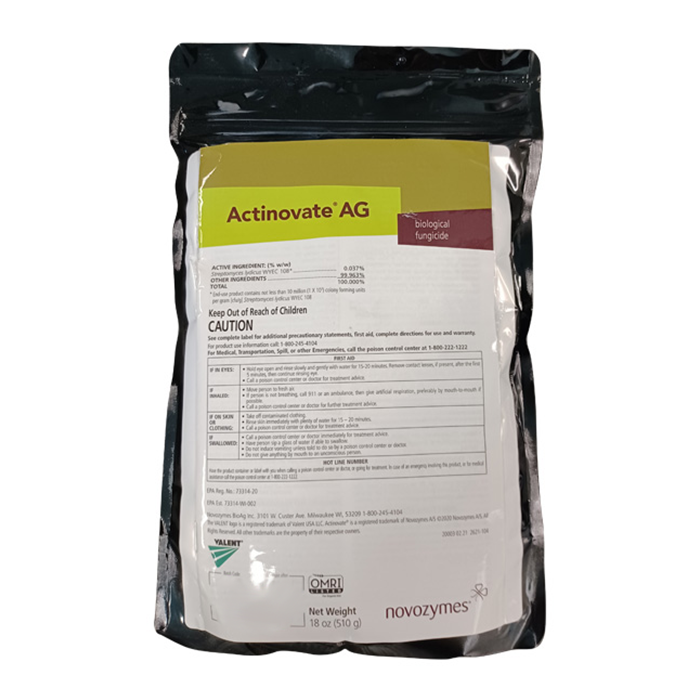
Biological bactericides use beneficial microbial populations -- primarily Bacillus subtilis, Bacillus amyloliquefaciens, and similar species -- that colonize the root zone and compete with pathogenic bacteria for space and resources while producing antibacterial compounds. These are safe to use in organic programs, do not create resistance, and improve root zone biology as a secondary benefit. OMRI-listed products from ARBICO Organics and other suppliers cover a wide range of biological bactericide options. Chemical bactericides (copper compounds, quaternary ammonium compounds) provide faster knockdown of active bacterial populations but can disrupt beneficial microbiology and require re-inoculation afterward. Oxidative treatments (hydrogen peroxide, chlorine dioxide) sterilize rather than suppress -- appropriate for between-cycle equipment sanitation but not for application to actively growing plants.
Pythium & Root Rot
Pythium species (water molds, technically oomycetes rather than true fungi) cause the most common root rot in hydroponic systems -- symptoms include brown, slimy roots, reduced plant vigor, and wilting despite adequate irrigation. Pythium management requires both sanitation (eliminating the pathogen from the reservoir and system) and preventive biological colonization of the root zone with antagonistic organisms. Maintain dissolved oxygen above 8 mg/L, keep reservoir temperatures below 68 degrees F, and establish beneficial bacteria populations in new systems before pathogen pressure develops. Fast shipping.
Bactericides FAQ
What causes bacterial root rot in hydroponic systems?
Pythium root rot (the most common form in hydroponics) is caused by water mold pathogens in the Pythium genus that thrive in warm, low-oxygen, nutrient-rich water. Primary contributing conditions: reservoir water above 68-72 degrees F; dissolved oxygen below 6-8 mg/L; contaminated water source or introduction of pathogens through infected plant material; and inadequate beneficial microbial populations in the root zone that would otherwise outcompete Pythium. Addressing these conditions -- chilling the reservoir, improving oxygenation, and establishing beneficial bacteria -- is as important as any direct bactericide application.
Can I use bactericides in a hydroponic reservoir with beneficial bacteria products?
Chemical bactericides and oxidative treatments (H2O2, chlorine dioxide) are non-selective -- they eliminate both pathogenic and beneficial bacteria. Using them in a reservoir that has been inoculated with Bacillus-based beneficial products destroys the beneficial population you have worked to establish. Biological bactericides (Bacillus-based products themselves) can be used in the same system as other beneficial biology without this conflict. Strategy: use chemical or oxidative treatments between cycles for system sanitation; use biological bactericides as ongoing preventive treatments during production without disrupting the beneficial community.
How do I tell if my plants have a bacterial disease vs. a fungal disease?
Bacterial diseases typically progress faster than fungal diseases and often produce water-soaked lesions, soft rot, or bacterial streaming (a milky exudate visible when an infected stem is cut and submerged in water). Bacterial wilts cause rapid, often asymmetric wilting without obvious discoloration. Fungal diseases tend to produce visible mycelium, powdery or fuzzy coatings, or slower-progressing necrotic lesions with distinct margins. Root diseases: Pythium root rot produces brown, slimy, easy-to-pull root tissue that smells foul; Fusarium root rot produces reddish-brown internal stem discoloration but firmer root tissue. Microscopic examination or laboratory testing confirms the pathogen type in ambiguous cases.
Are copper-based bactericides safe for plants?
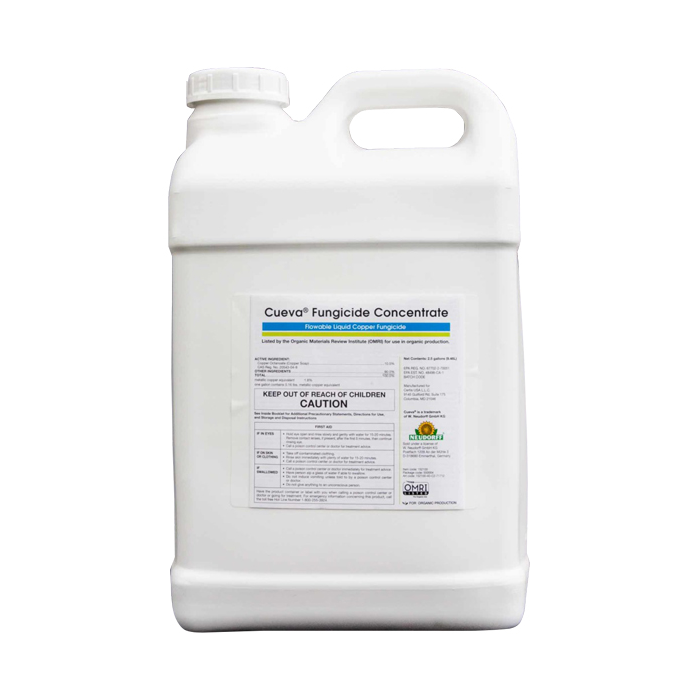
Copper bactericides are effective but require careful application. Copper is phytotoxic at elevated concentrations -- spray applications to foliage at label-rate concentrations are generally safe; repeated applications that build up copper deposits on leaf surfaces or heavy applications in cool, wet conditions can cause copper phytotoxicity (brown leaf margins, chlorosis). For soil and hydroponic applications, copper accumulates in the root zone with repeated applications -- follow label intervals and application rates carefully and do not exceed recommended program application frequencies.
What is the most effective prevention for Pythium root rot?
The most effective Pythium prevention strategy combines several practices: maintain reservoir temperature below 68 degrees F (Pythium reproduces rapidly above this temperature); maintain dissolved oxygen above 8 mg/L through air stones, recirculating flow, or nanobubble generation; establish beneficial Bacillus and Trichoderma populations in the root zone before Pythium pressure develops; start each cycle with a thoroughly sanitized system (H2O2 or quaternary ammonium clean-and-rinse between cycles); and avoid introducing Pythium through infected plant material by quarantining new plants or starting from clean seed.