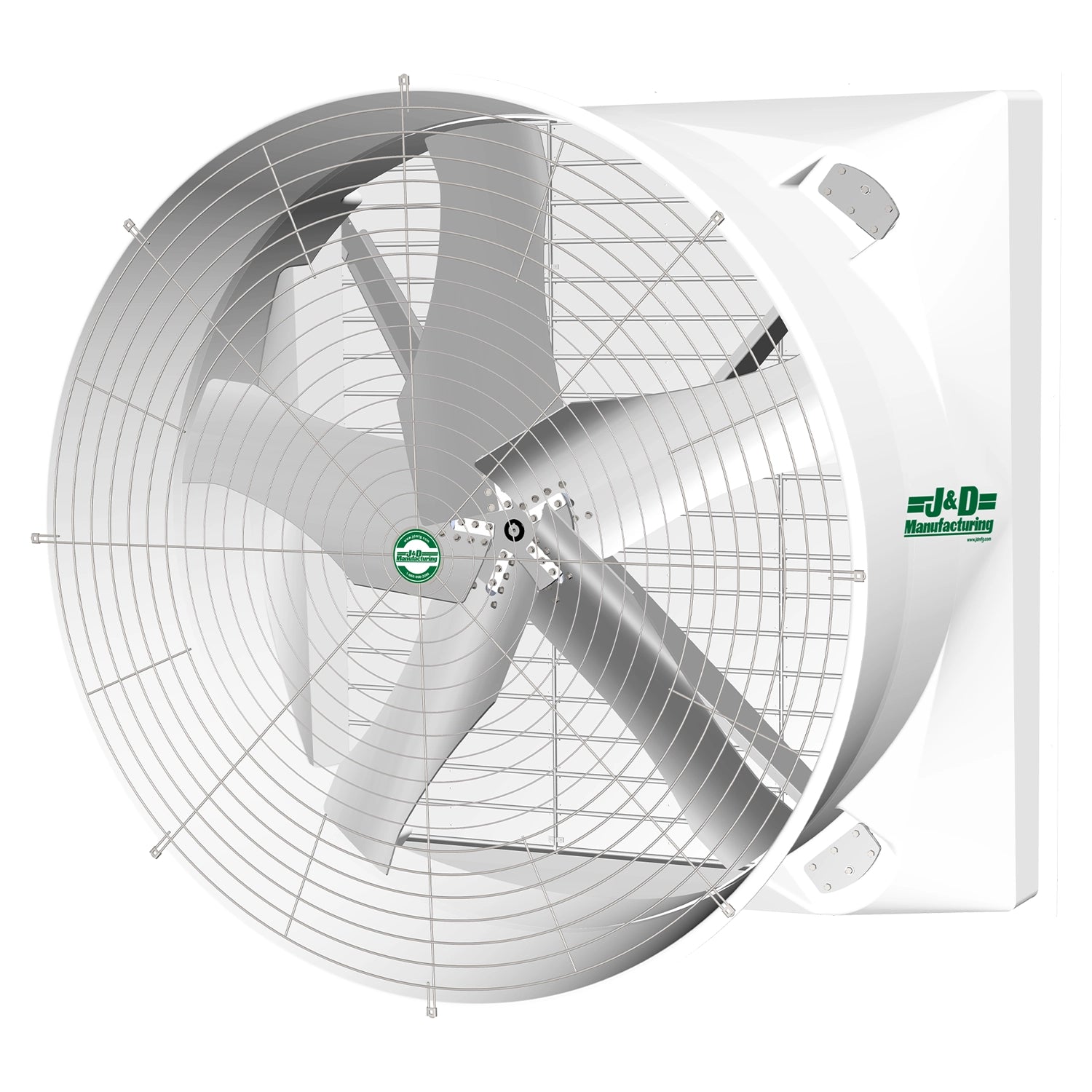
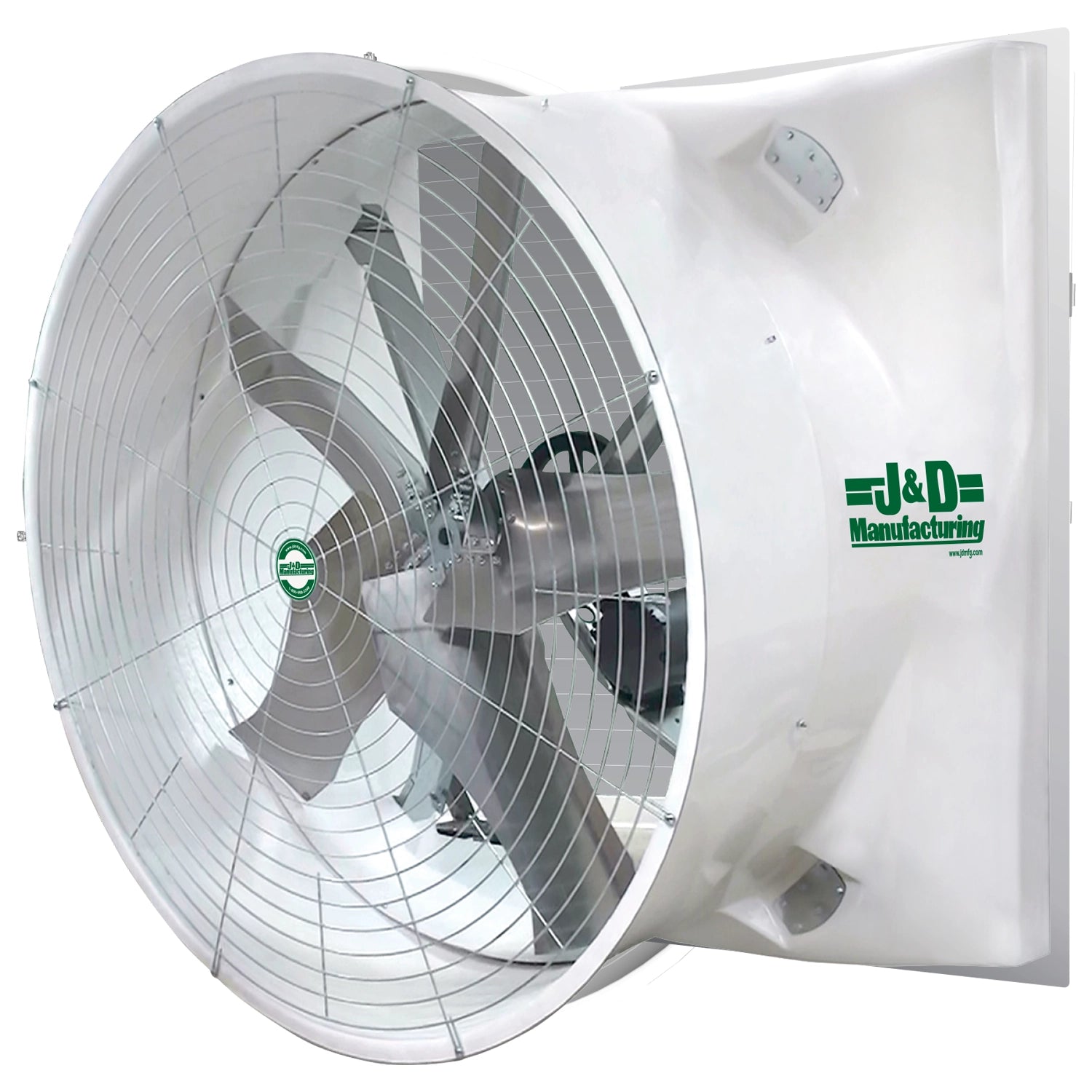
Axial Fans & Wall Mount Exhaust Fans for Grow Rooms
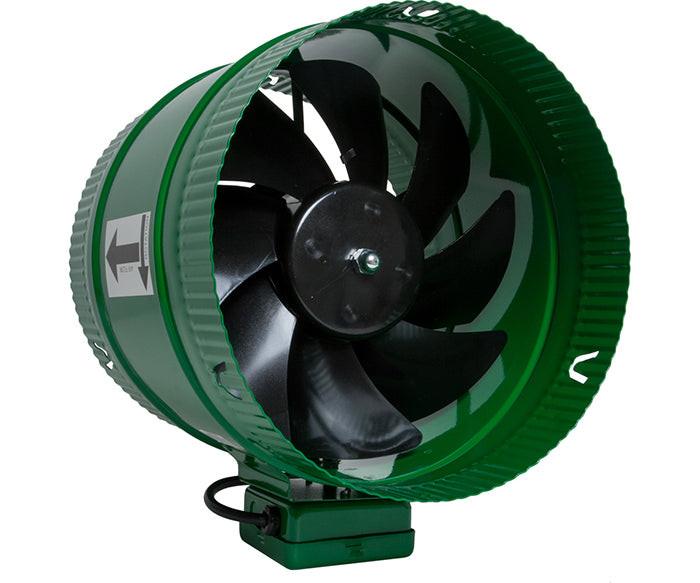
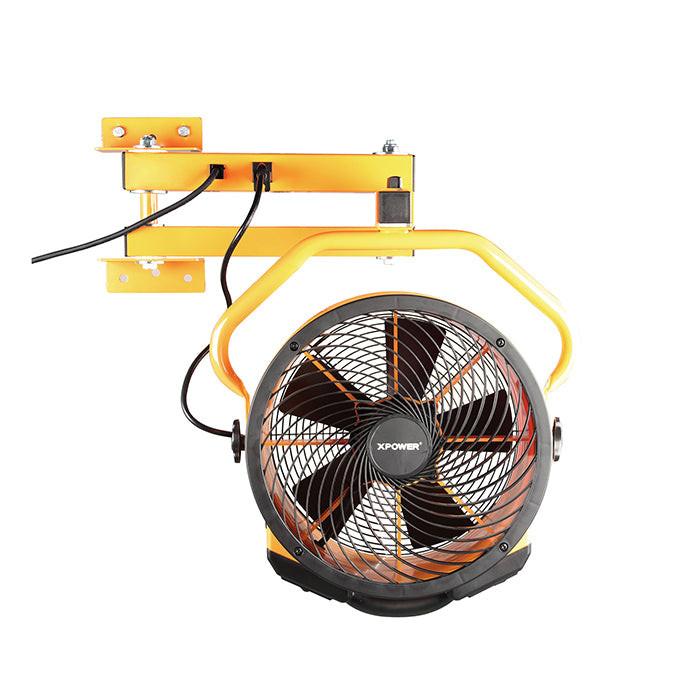
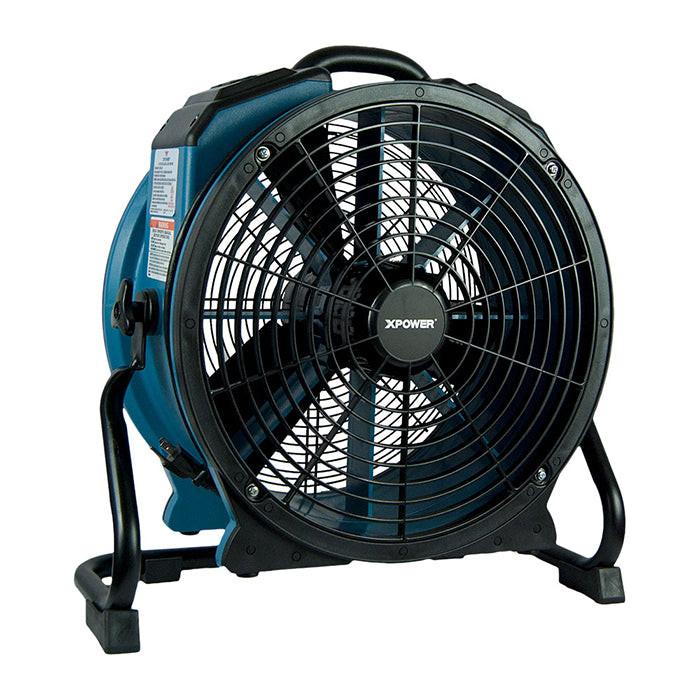
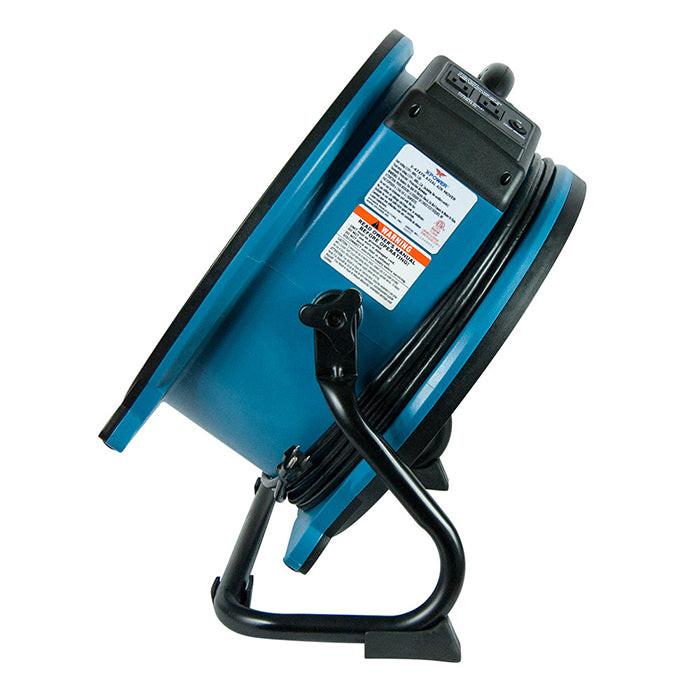
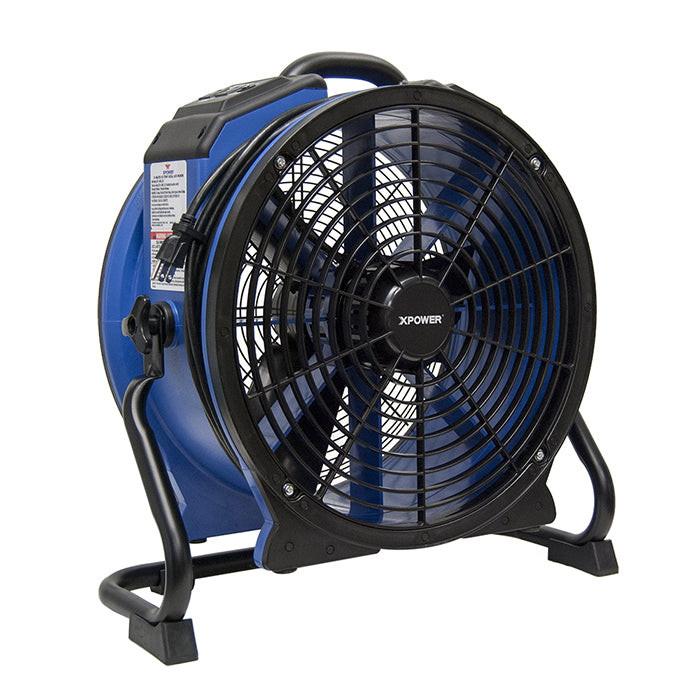
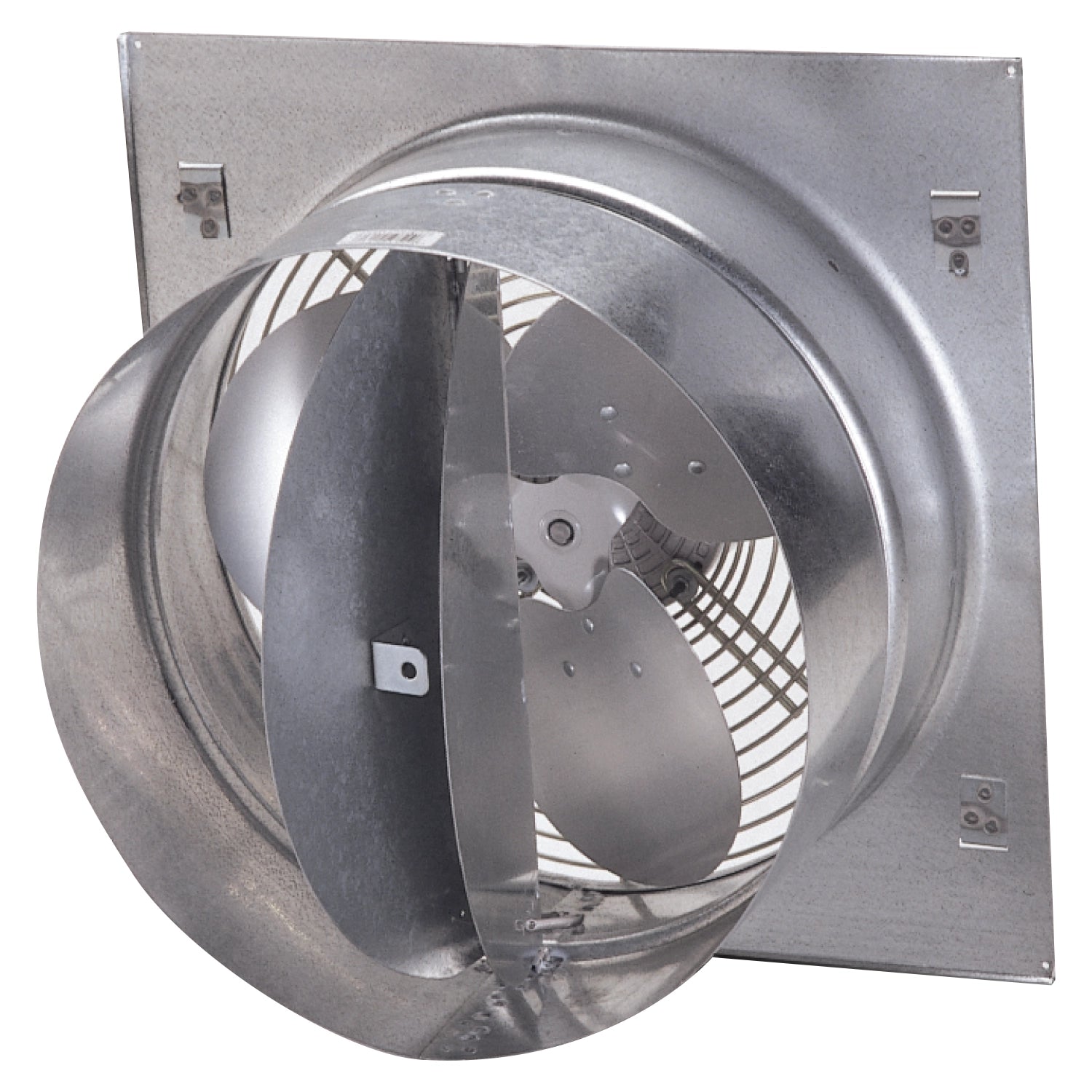
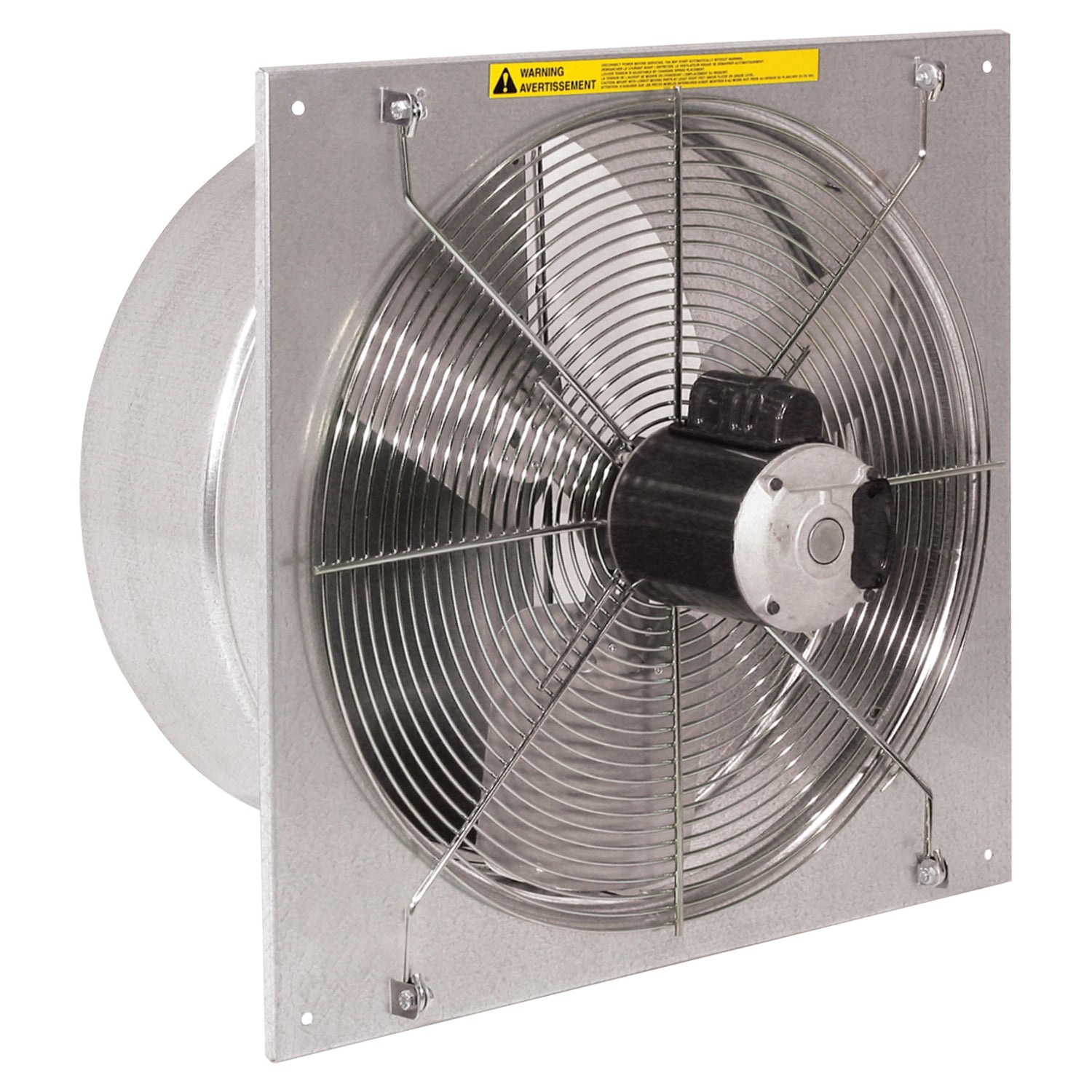
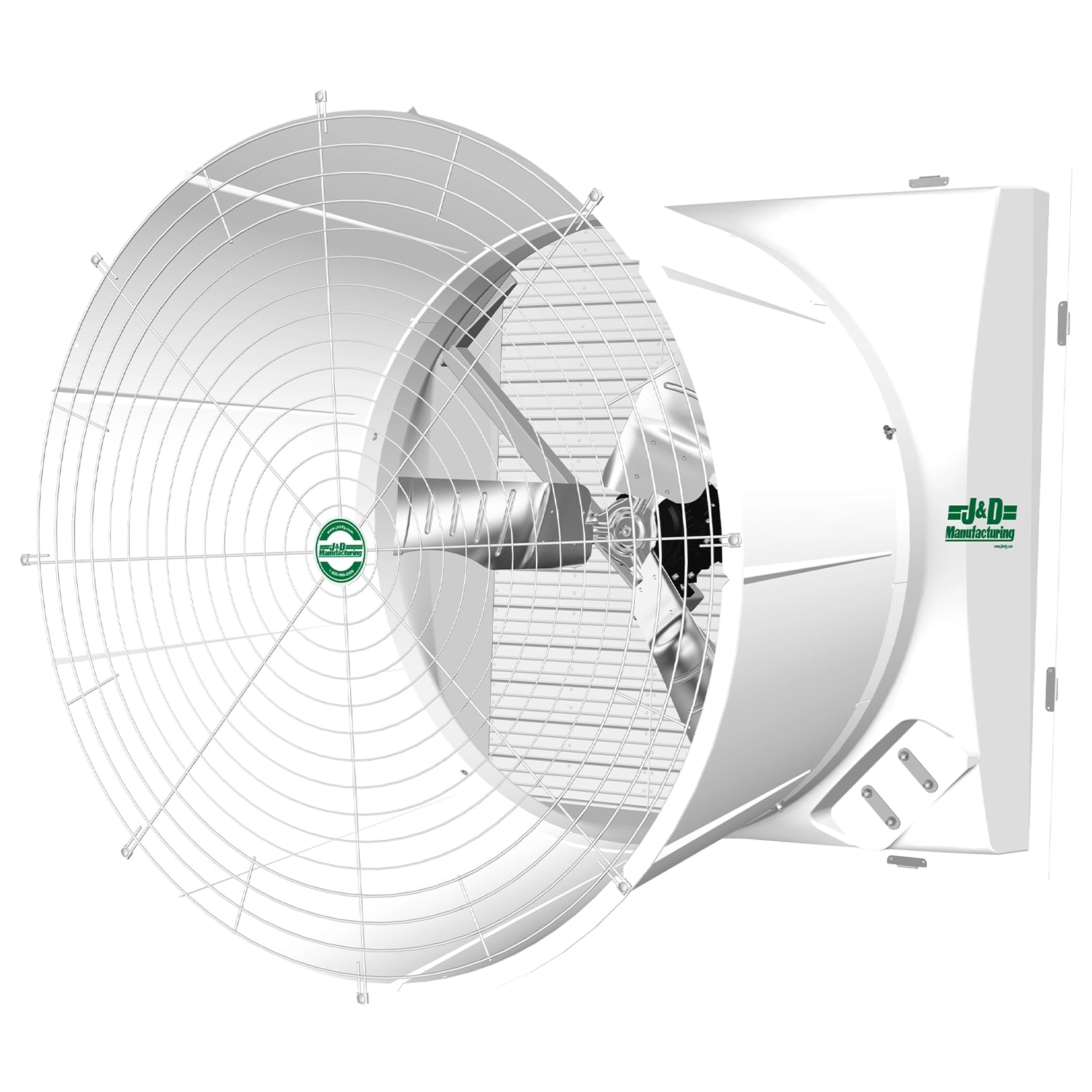
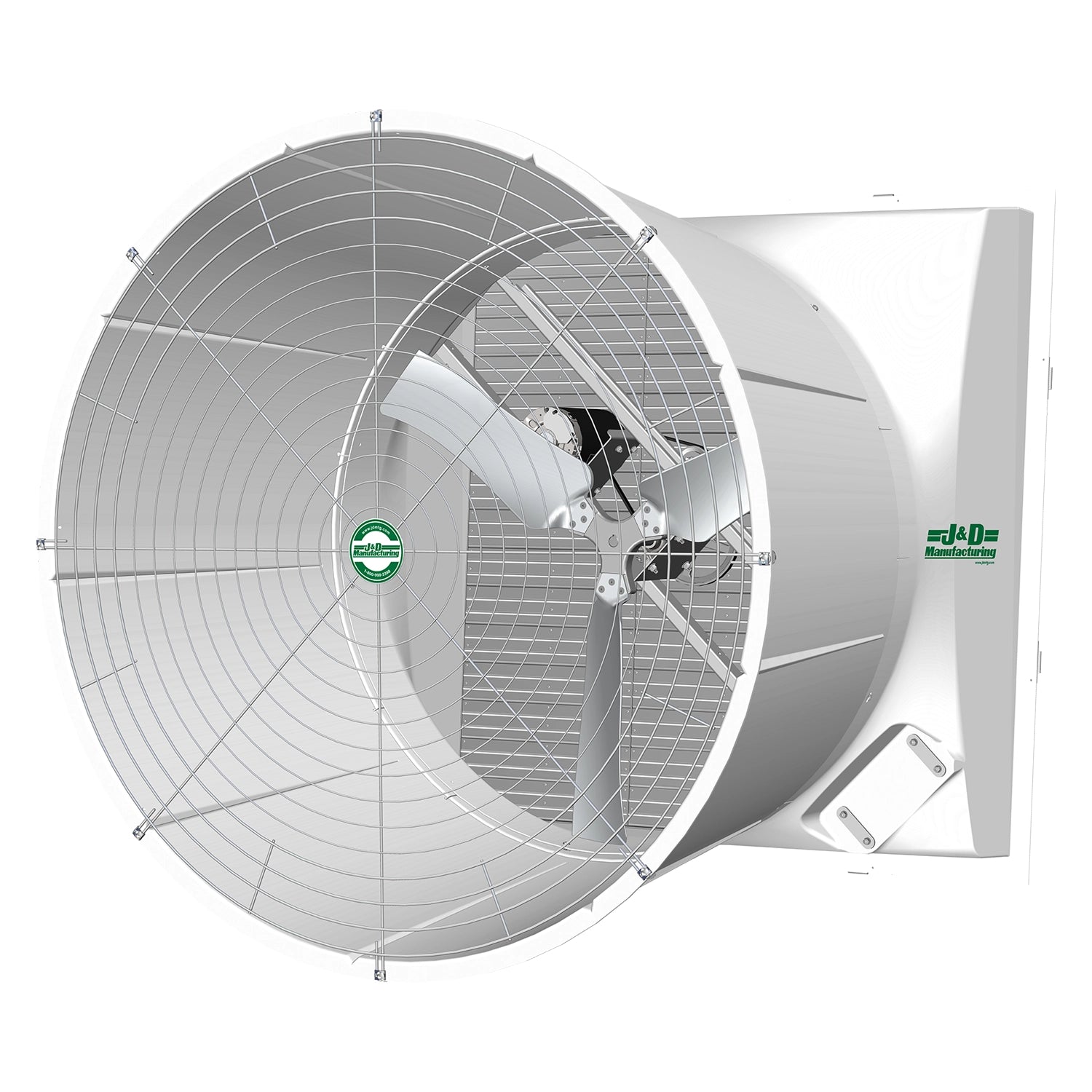
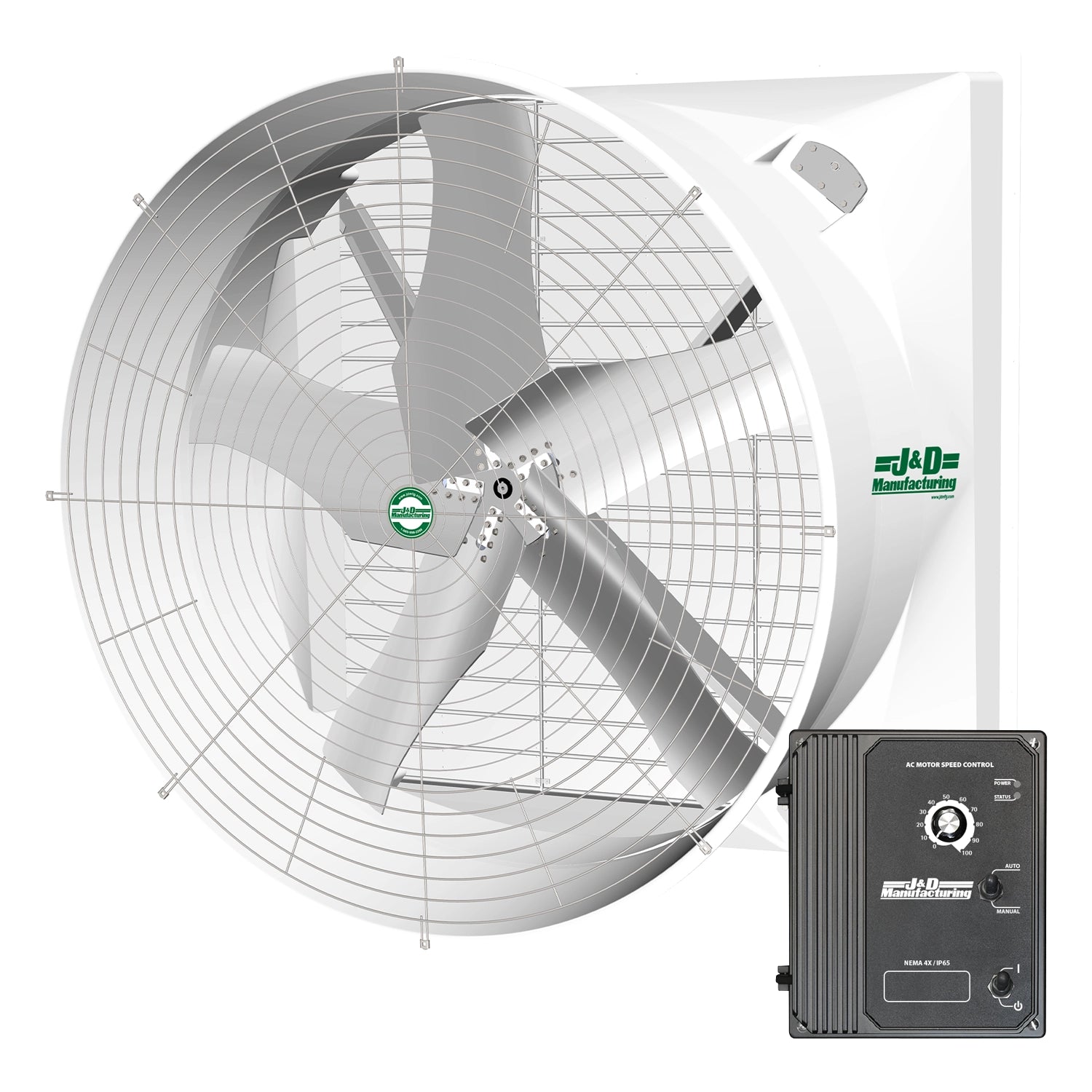
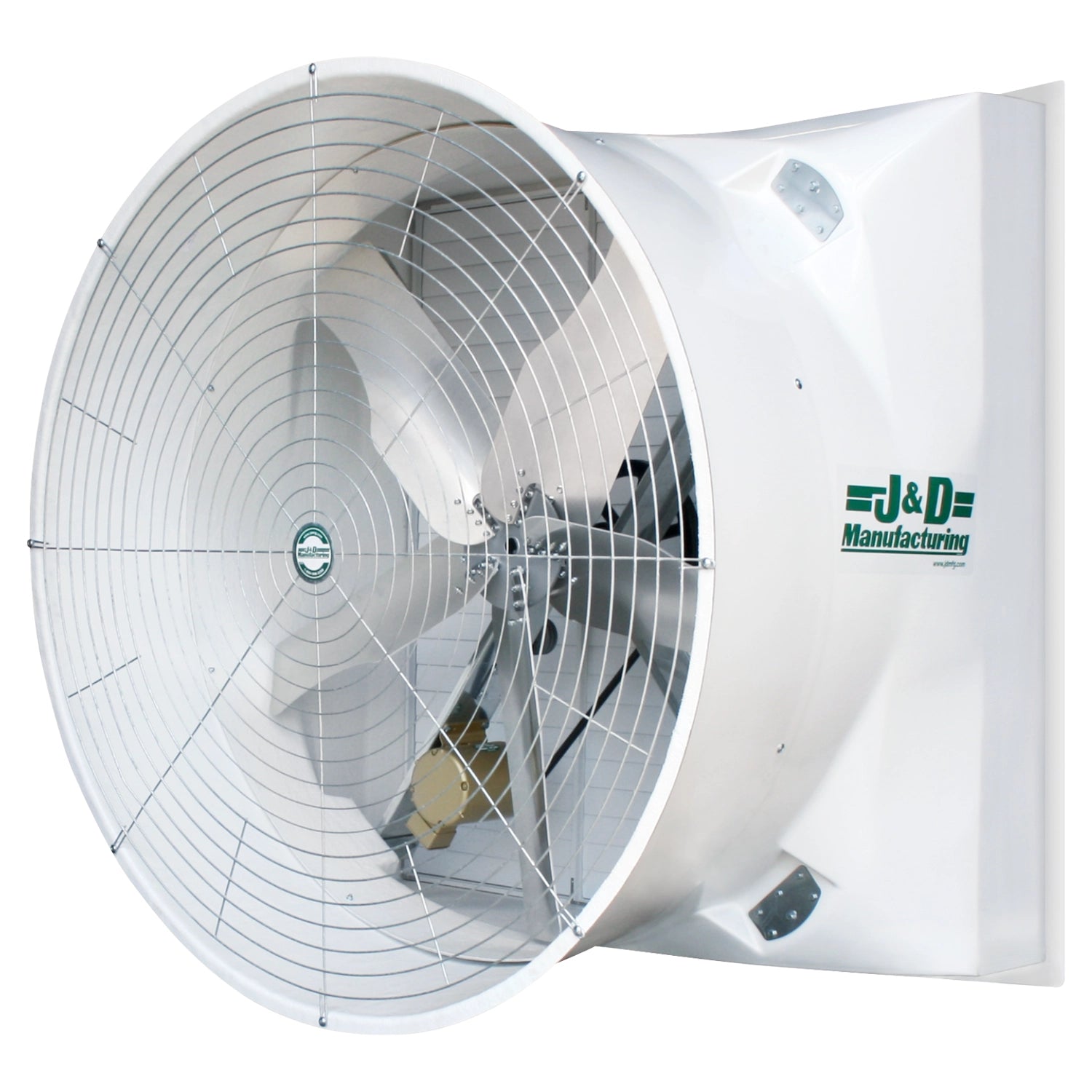
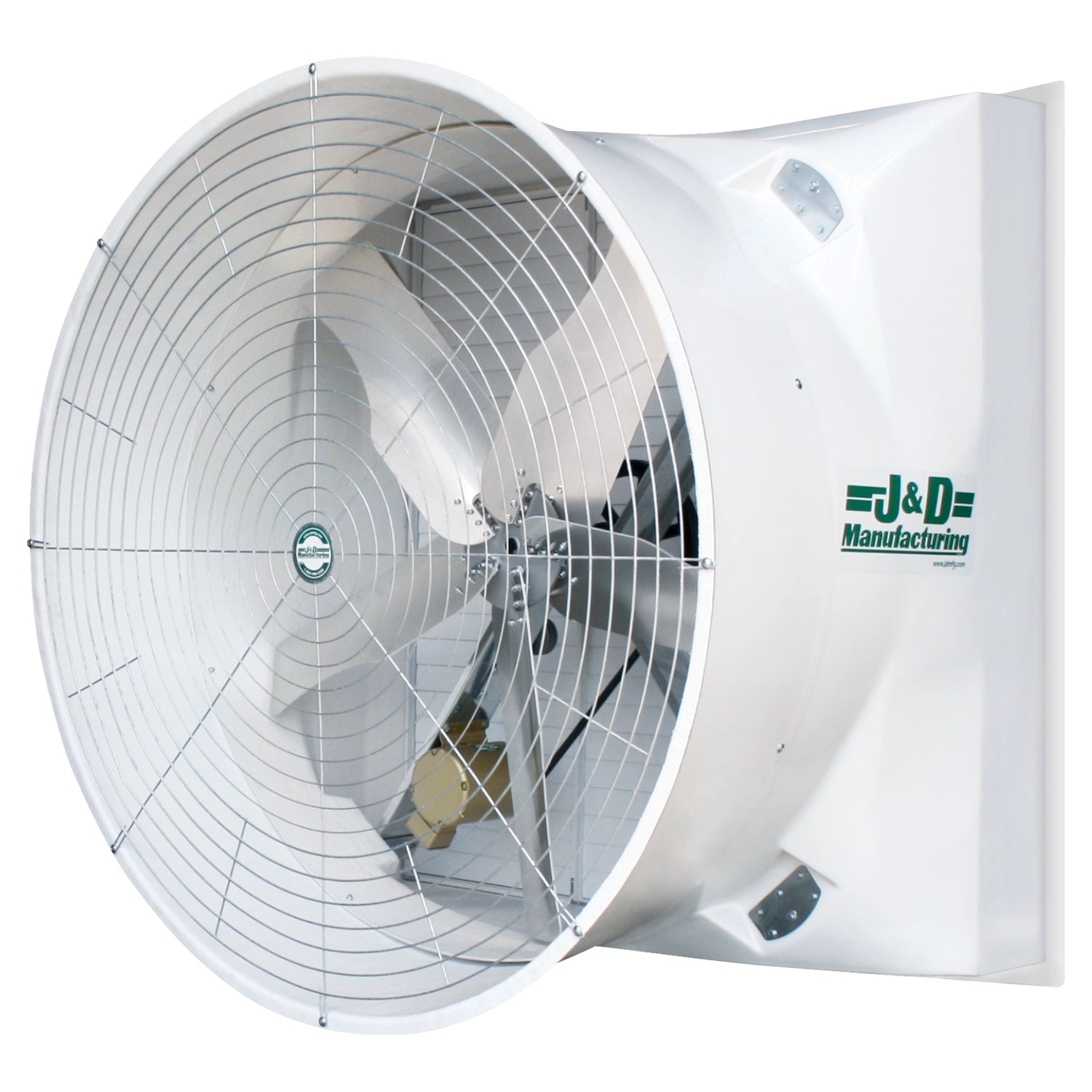
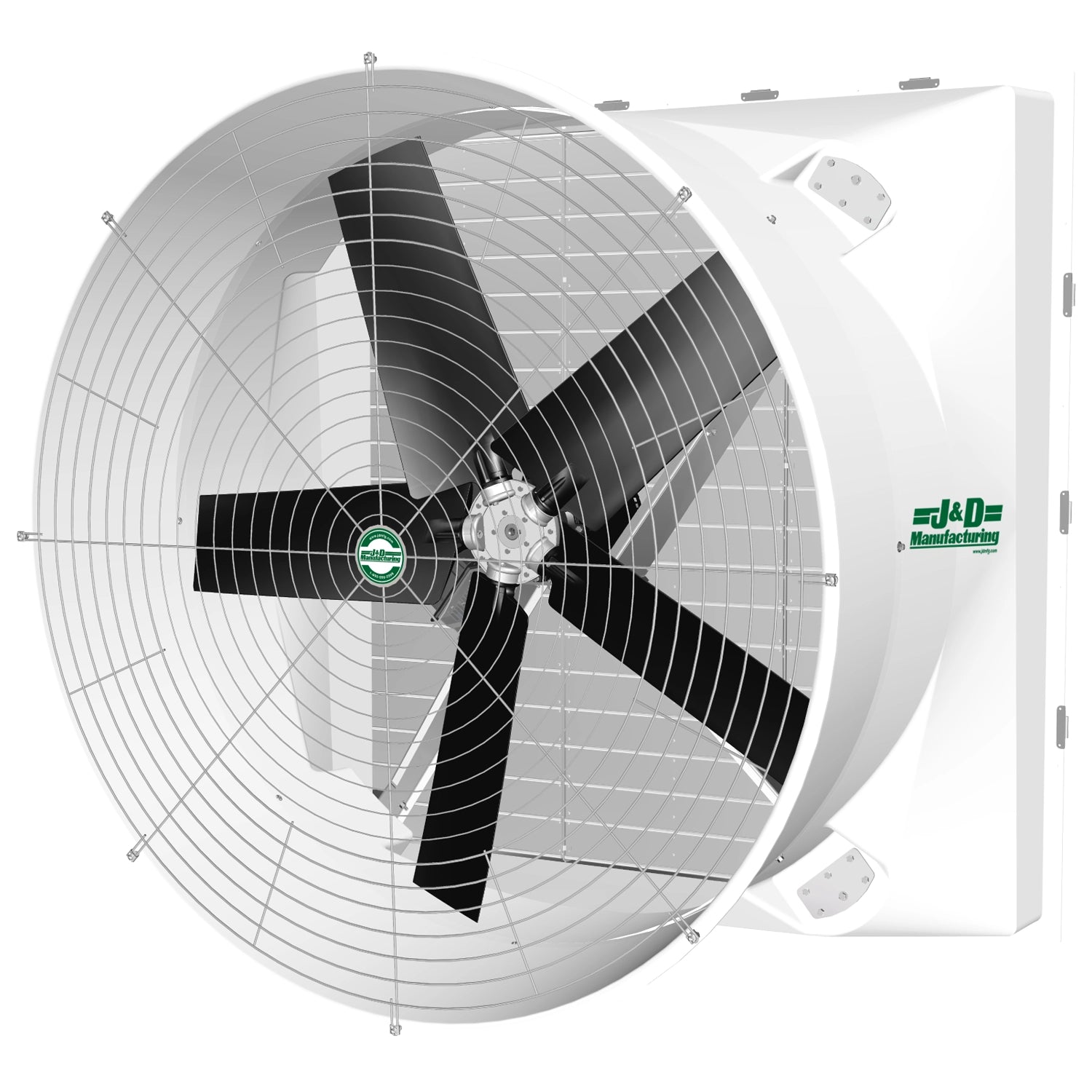
Axial fans (also called panel fans or propeller fans) move air directly along the fan's rotational axis -- the same fundamental mechanism as a household window fan. In growing environments, wall-mount axial fans are used for direct exhaust ventilation where high air volume at moderate static pressure is needed: mounting in a wall or ceiling opening to push stale, hot air out of a greenhouse or growing room while passive intake vents bring in fresh air. Unlike inline fans that work within ducted systems under high static pressure, axial fans operate best in low-restriction, short-path exhaust applications where the fan can move large air volumes efficiently.
Sizing for Grow Room Exhaust
Size the axial fan to replace the full grow room air volume every 1-3 minutes. A standard calculation: room volume (length x width x height in feet) divided by target air exchange rate (1-3 minutes) equals required CFM. A 10x10x8 ft room (800 cubic feet) at a 2-minute exchange rate requires 400 CFM minimum fan capacity. For rooms with significant heat load from lighting (add 10-20% capacity for every kW of lighting), and for warm climates where temperature differential between inside and outside is small and driving less natural stack-effect airflow. Axial fans are available in 4-inch through 24-inch+ blade diameter formats covering CFM outputs from 100 through 5,000+ CFM for everything from small grow cabinets to large commercial greenhouses. Browse our complete grow room fans and blowers collection for all fan types.
Installation & Noise
Wall-mount axial fans install in a cutout in the wall or ceiling at the highest point in the growing space -- heat rises, so positioning the exhaust fan high extracts the hottest air first. Use a backdraft damper or louvered shutter cover on the exterior of the exhaust opening to prevent reverse airflow when the fan is off. Axial fans are generally louder than inline fans of equivalent CFM due to their open propeller design -- for noise-sensitive installations, inline fans with insulated ducting are quieter. Fast shipping.
Axial Fans FAQ
What is the difference between an axial fan and an inline fan?
An axial fan uses an open propeller blade to move air directly along its axis -- it is designed for low-resistance, short-path ventilation where the fan mounts directly in a wall or ceiling opening without significant duct length. An inline fan uses a centrifugal impeller inside a housing designed for installation within a duct run -- it is optimized for moving air through longer duct runs with multiple bends and filter restrictions at higher static pressure. Axial fans provide high CFM at low static pressure; inline fans maintain airflow at higher static pressure in ducted systems.
How do I size an axial fan for my grow room?
Calculate room volume (L x W x H in feet), then divide by the target air exchange interval in minutes. A 12x12x8 ft room (1,152 cubic feet) at a 2-minute exchange needs 576 CFM minimum. Add 20% capacity for high-heat lighting loads. Fan CFM ratings are measured at zero static pressure -- actual delivered CFM drops as the fan works against installation resistance (screen, damper, duct). For wall-mount direct exhaust with minimal restriction, use a fan rated 25% above your calculated minimum to account for installation losses.
Can I use an axial fan with carbon filter odor control?
Axial fans are not well suited for use with carbon filter odor control. Carbon filters create significant static pressure resistance (typically 0.1-0.3 inches of water column or more) that dramatically reduces axial fan airflow -- axial fans lose most of their rated CFM output when working against this kind of resistance. For carbon filter odor control applications, inline centrifugal fans are required -- they maintain airflow at the static pressures created by carbon filter resistance. Use axial fans for unfiltered direct exhaust; use inline fans with carbon filters.
What speed control options exist for axial fans?
Single-speed axial fans run at one fixed speed determined by the motor winding. Variable-speed axial fans include a triac-based speed controller (similar to a light dimmer) that reduces motor speed by varying the voltage waveform -- these allow adjusting airflow rate seasonally or in response to temperature changes. Not all single-speed axial fans are compatible with aftermarket speed controllers -- only fans with compatible motor types (shaded-pole or PSC motors) work reliably with standard triac speed controllers. Verify speed control compatibility before purchasing a separate controller for an existing fan.
How do I prevent insects and pests from entering through an exhaust fan opening?
Install insect screening over the interior face of the wall opening, behind the fan, to prevent pest entry when the fan is off and the damper may not be completely sealed. Use 20-mesh or finer aluminum or fiberglass insect screen -- coarser mesh allows thrips and other small pests to pass through. Inspect and clean screens regularly as accumulated dust reduces airflow and provides habitat for fungus gnats. The exterior damper or shutter covers prevent entry from outside; the interior screen provides a second barrier against insects already present in the surrounding structure.