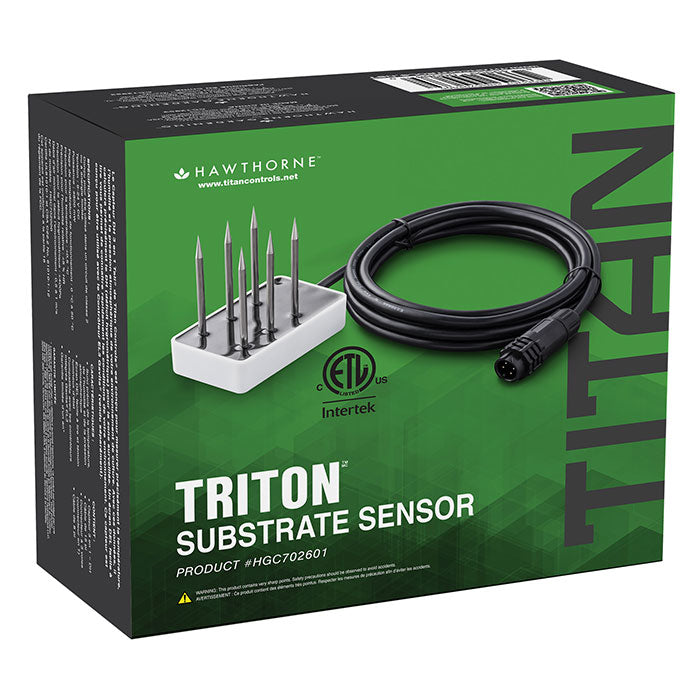
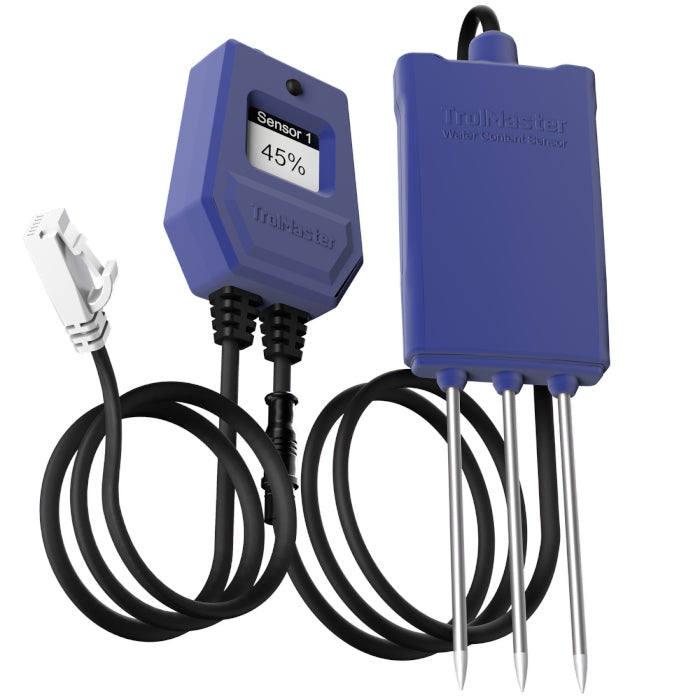
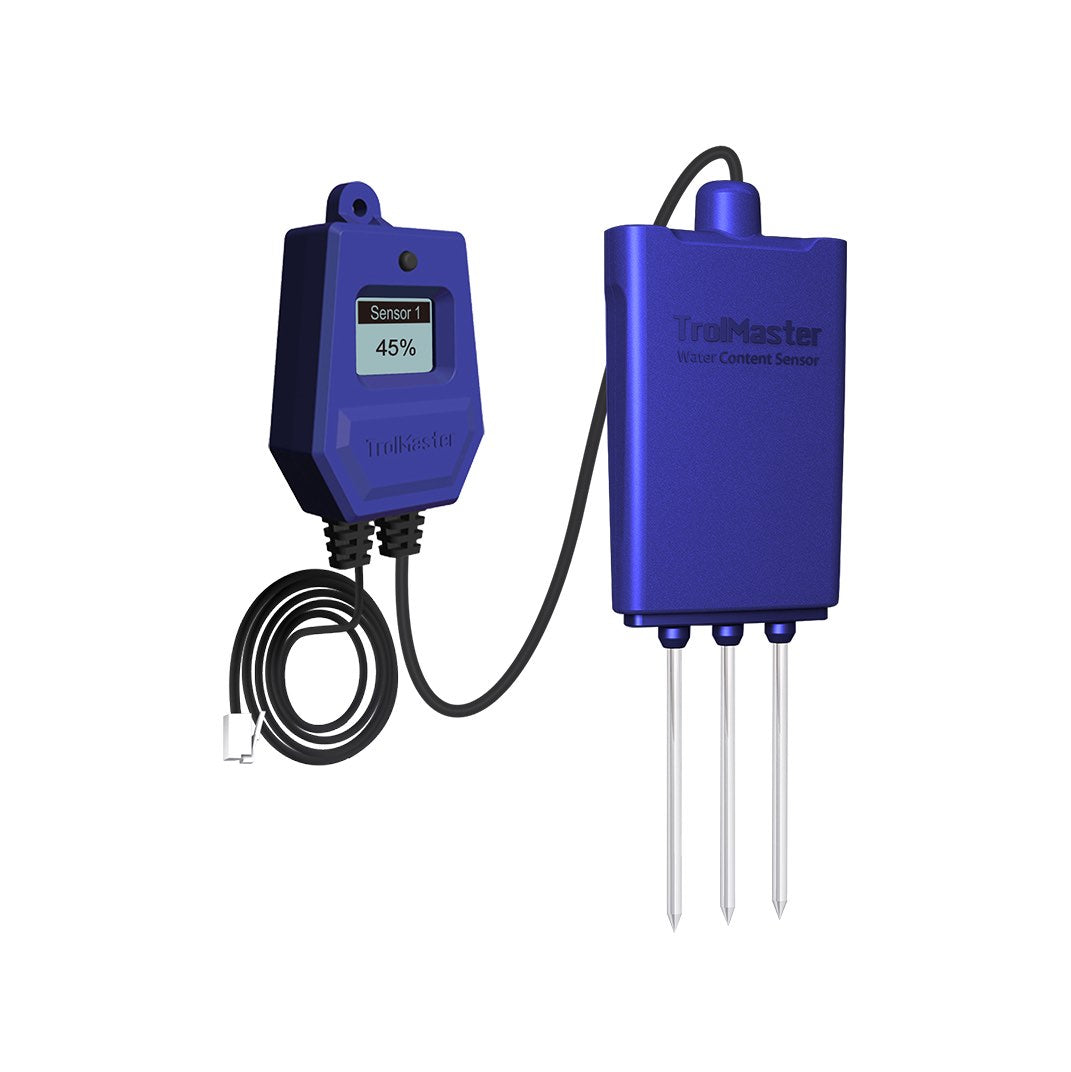
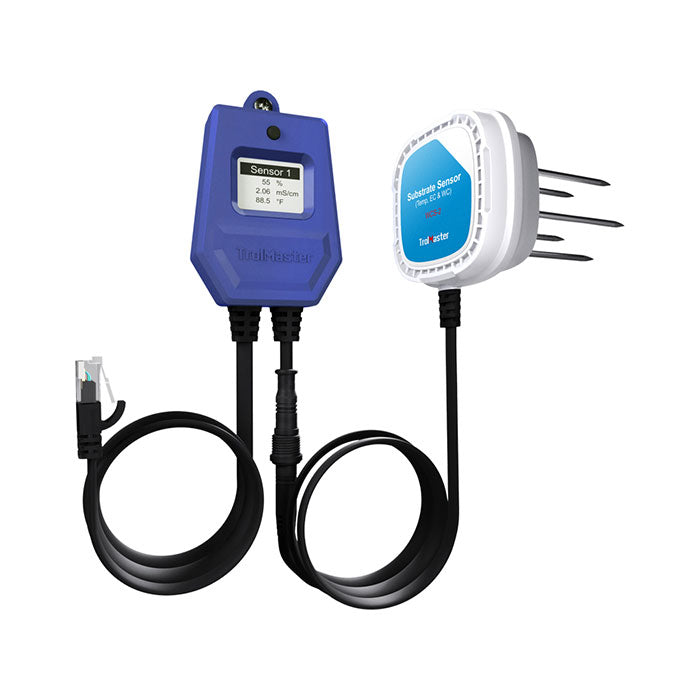
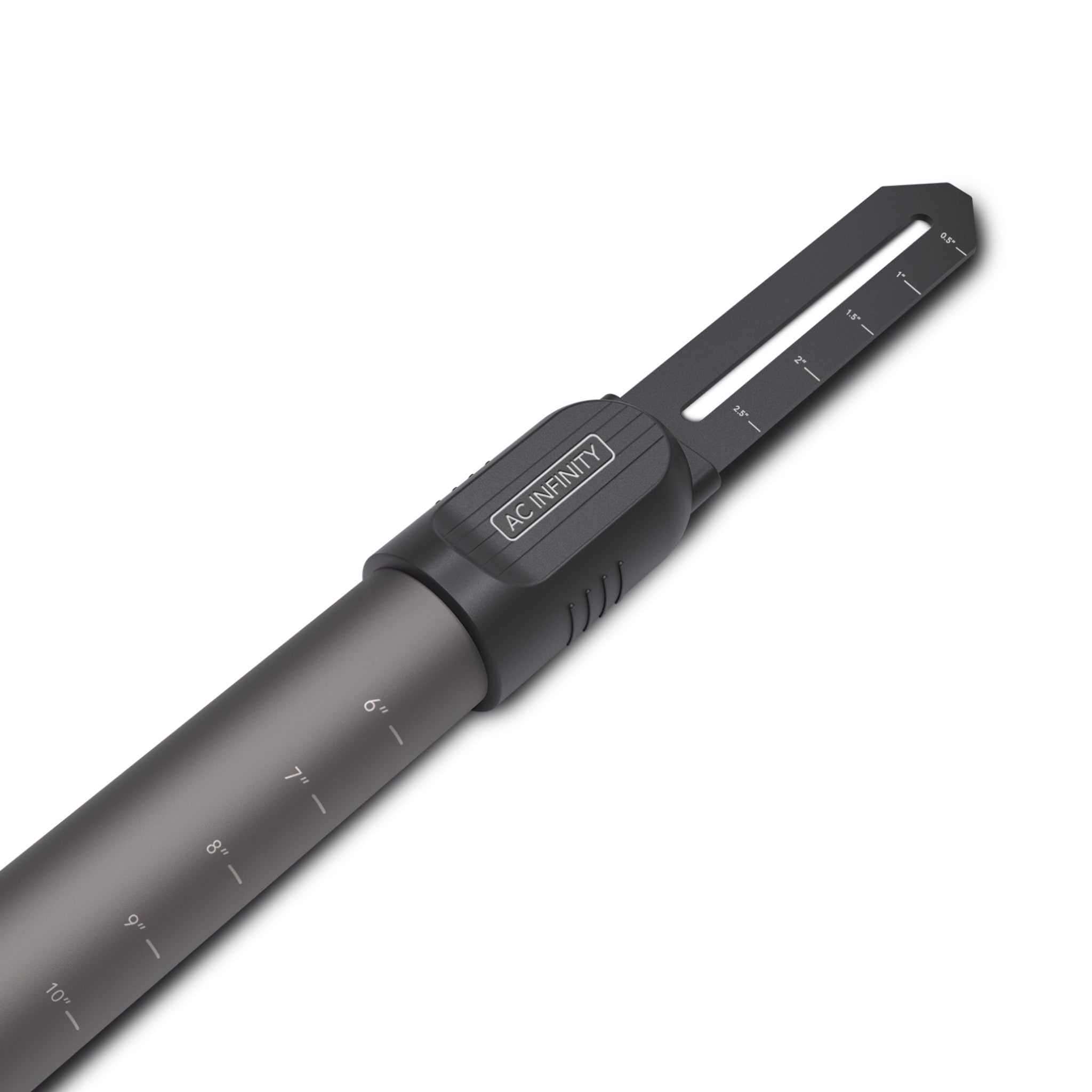
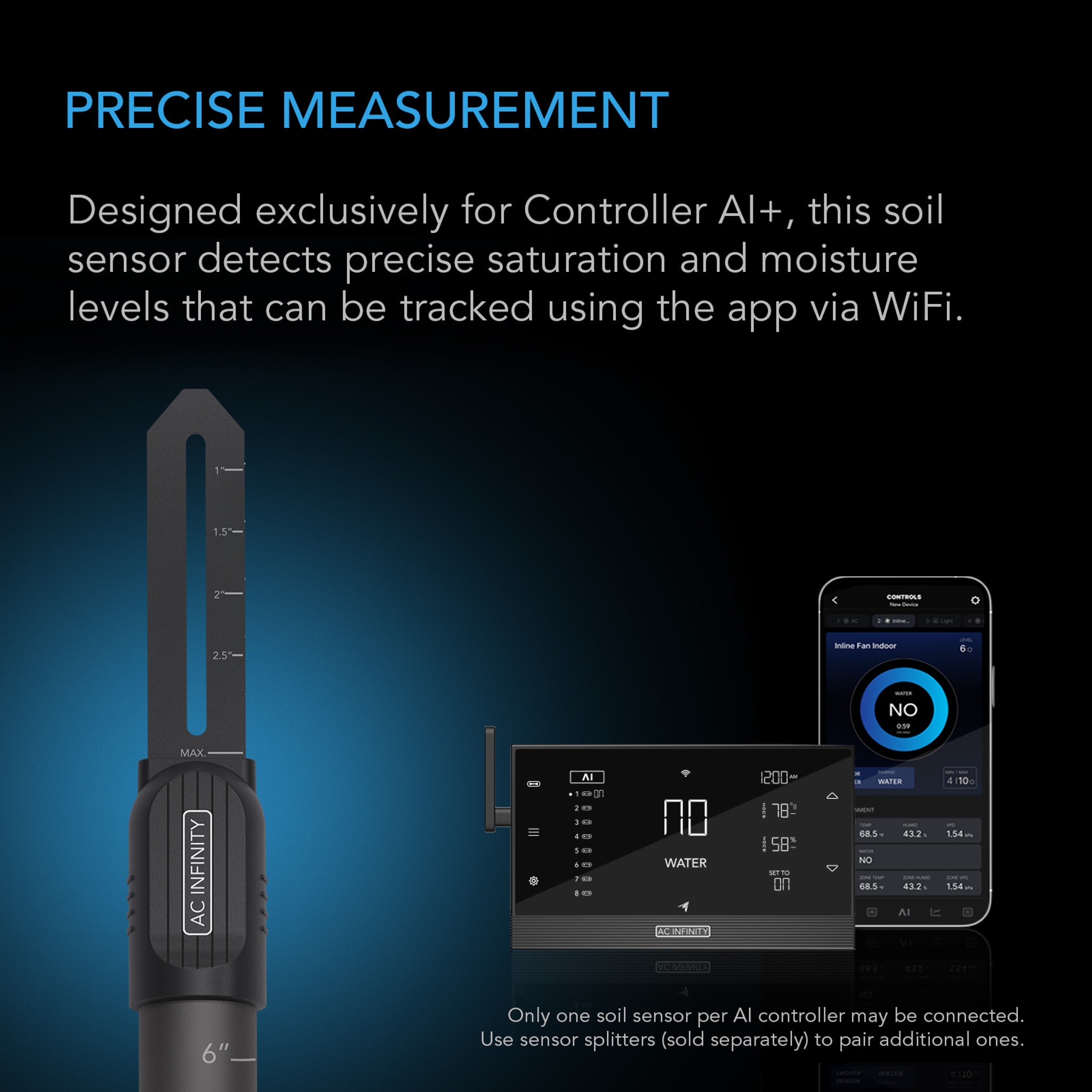
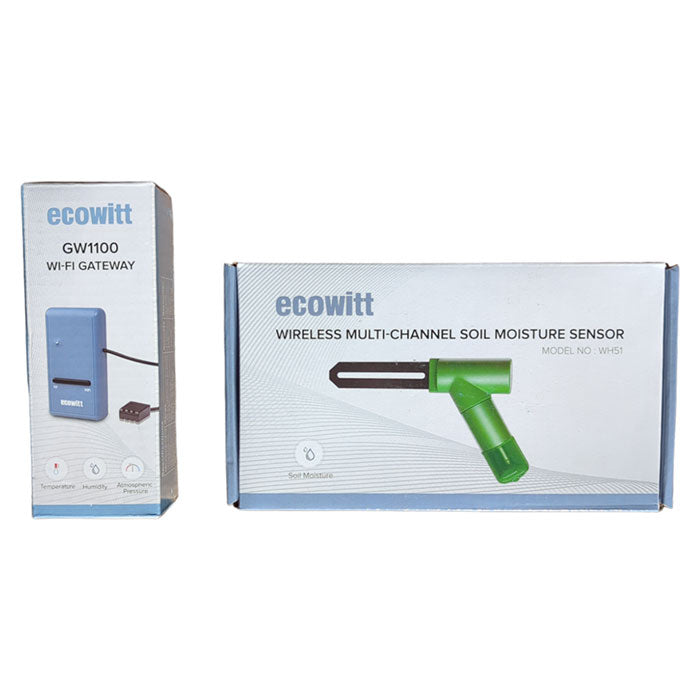
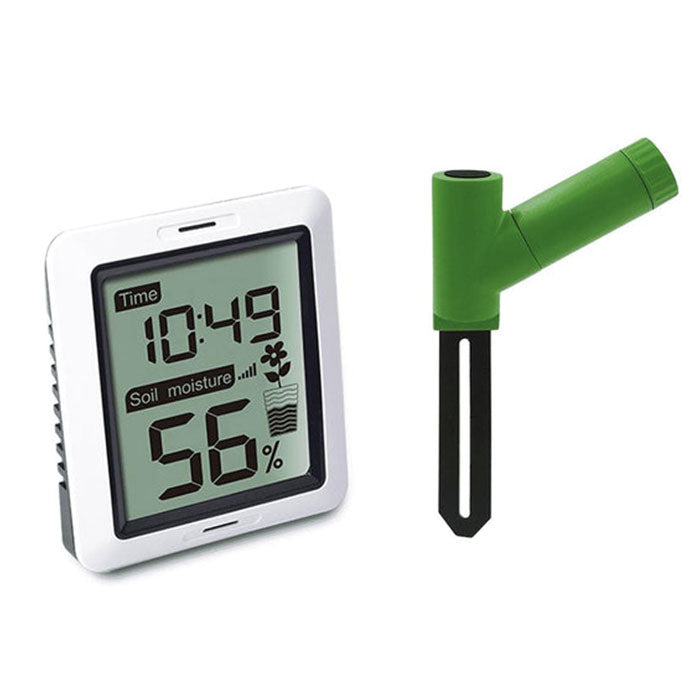
Soil Moisture Meters for Indoor & Outdoor Growing
Soil moisture meters measure the volumetric water content or tension in growing media — giving growers a direct, objective reading of substrate moisture status rather than relying on manual weight-checking, finger-testing, or visual inspection. Accurate moisture monitoring is particularly important in substrate-based growing systems where irrigation timing based on guesswork leads to overwatering, underwatering, and the yield inconsistencies that follow from both.
How Soil Moisture Meters Work
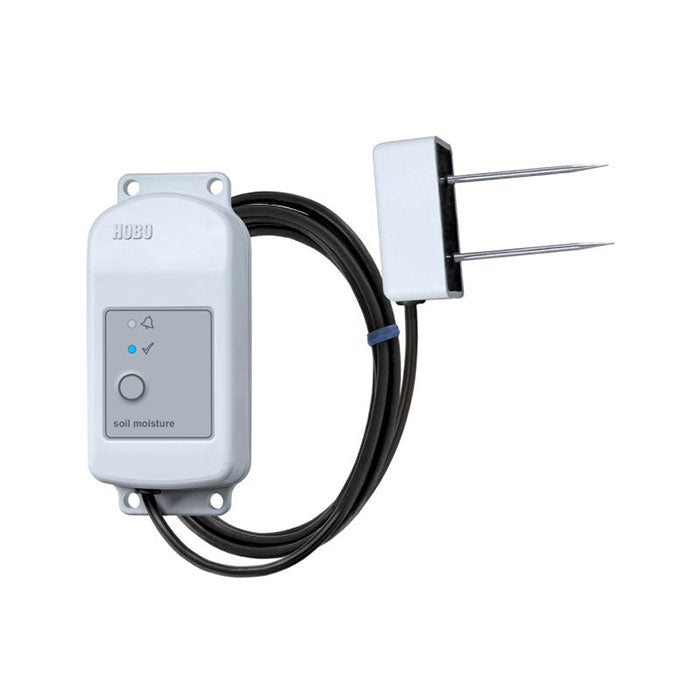
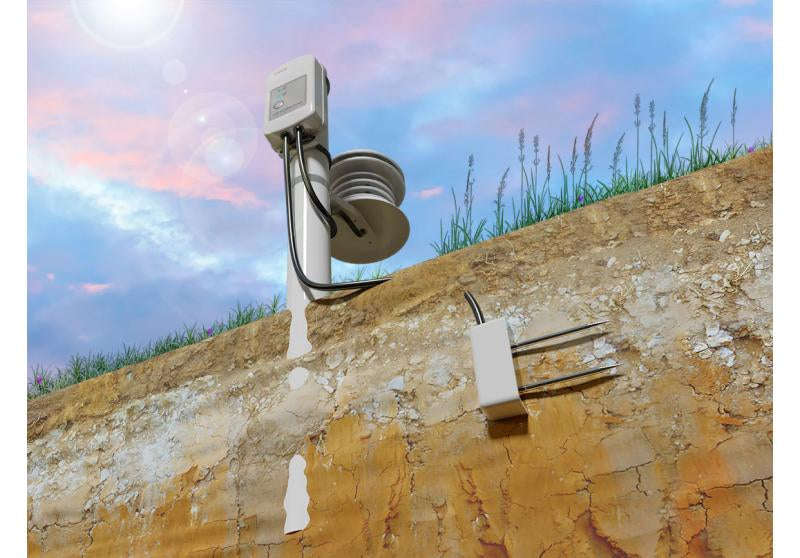
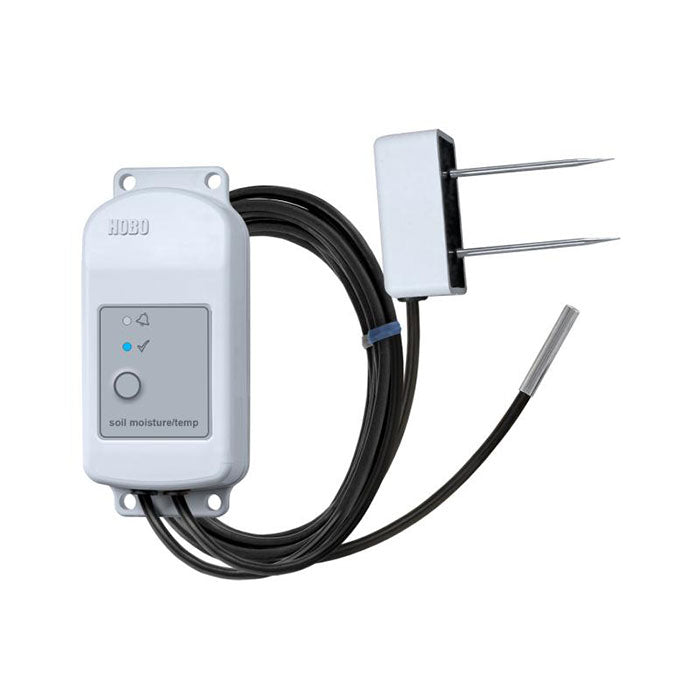
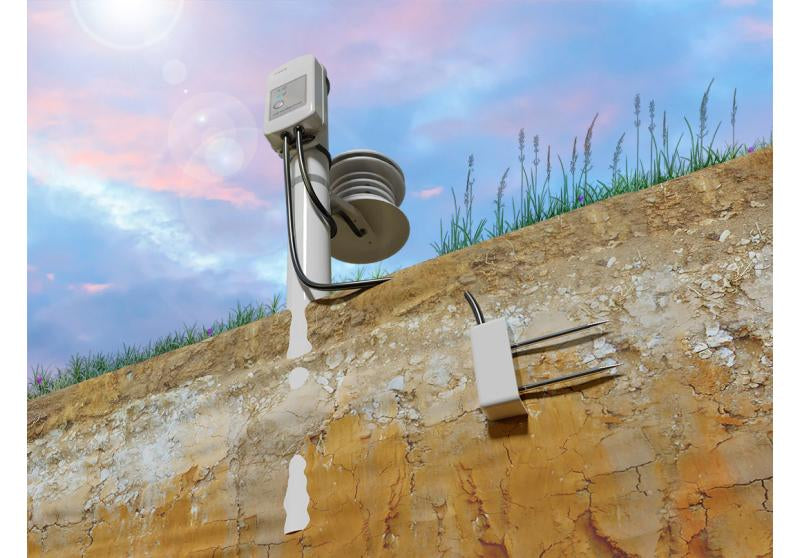
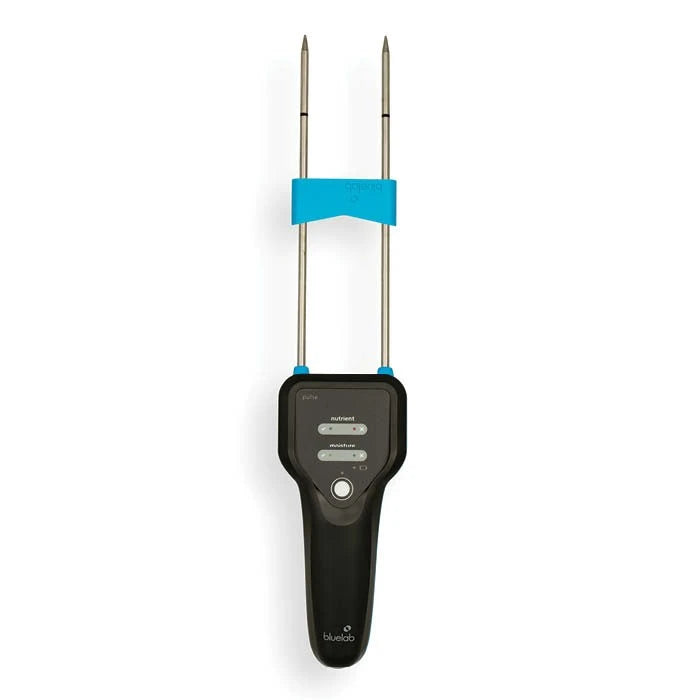
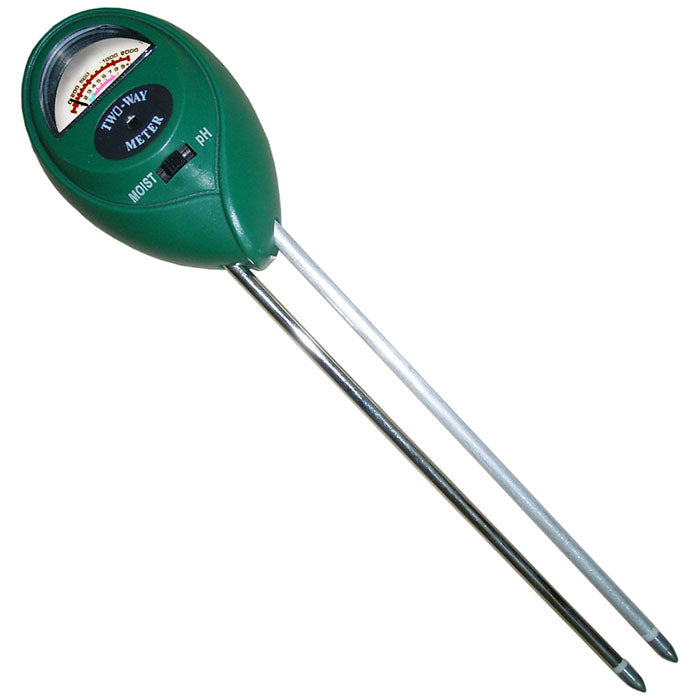
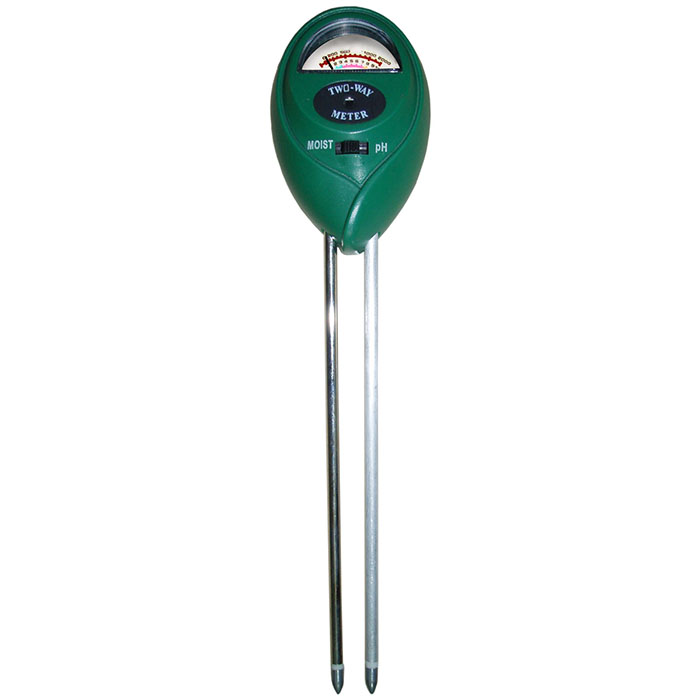
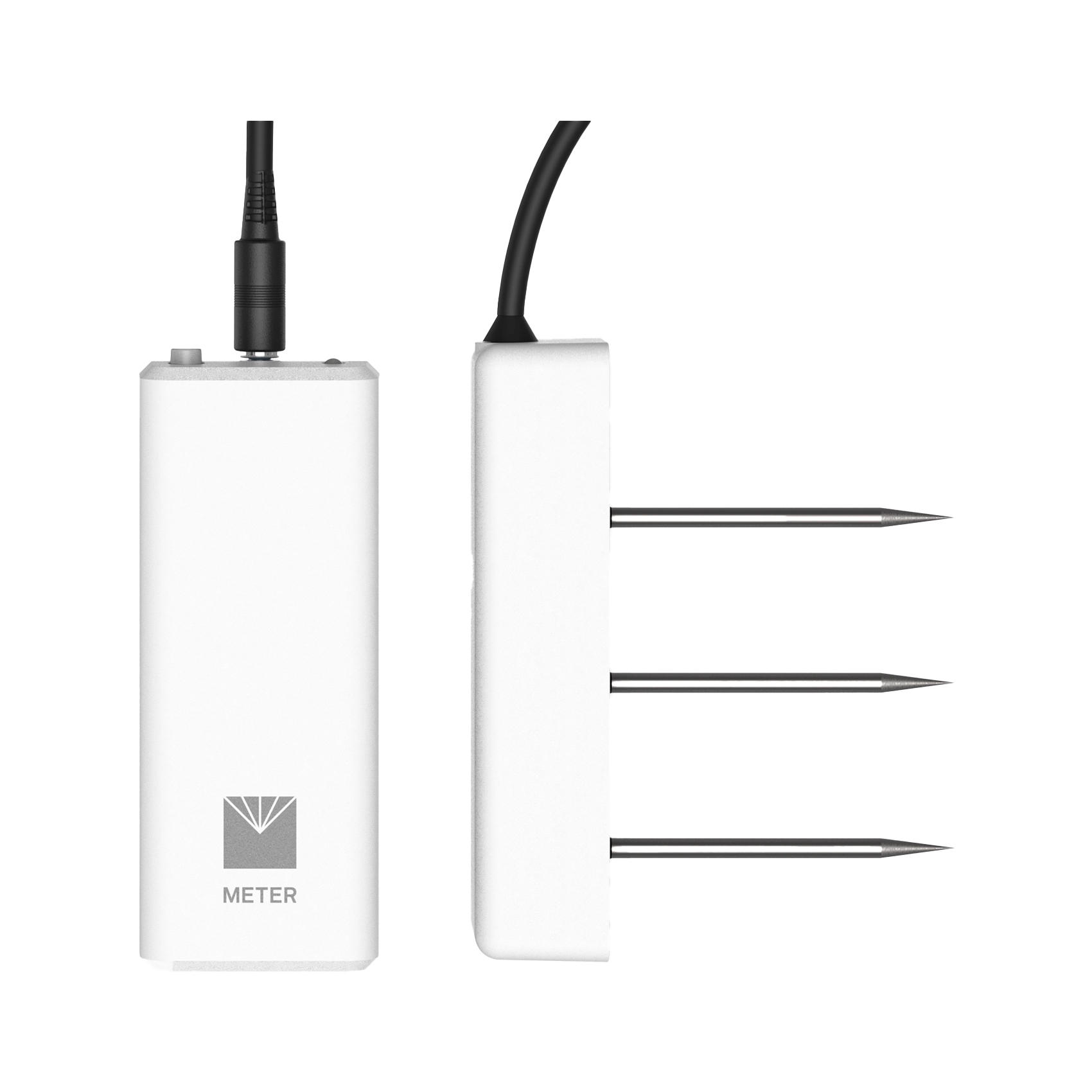
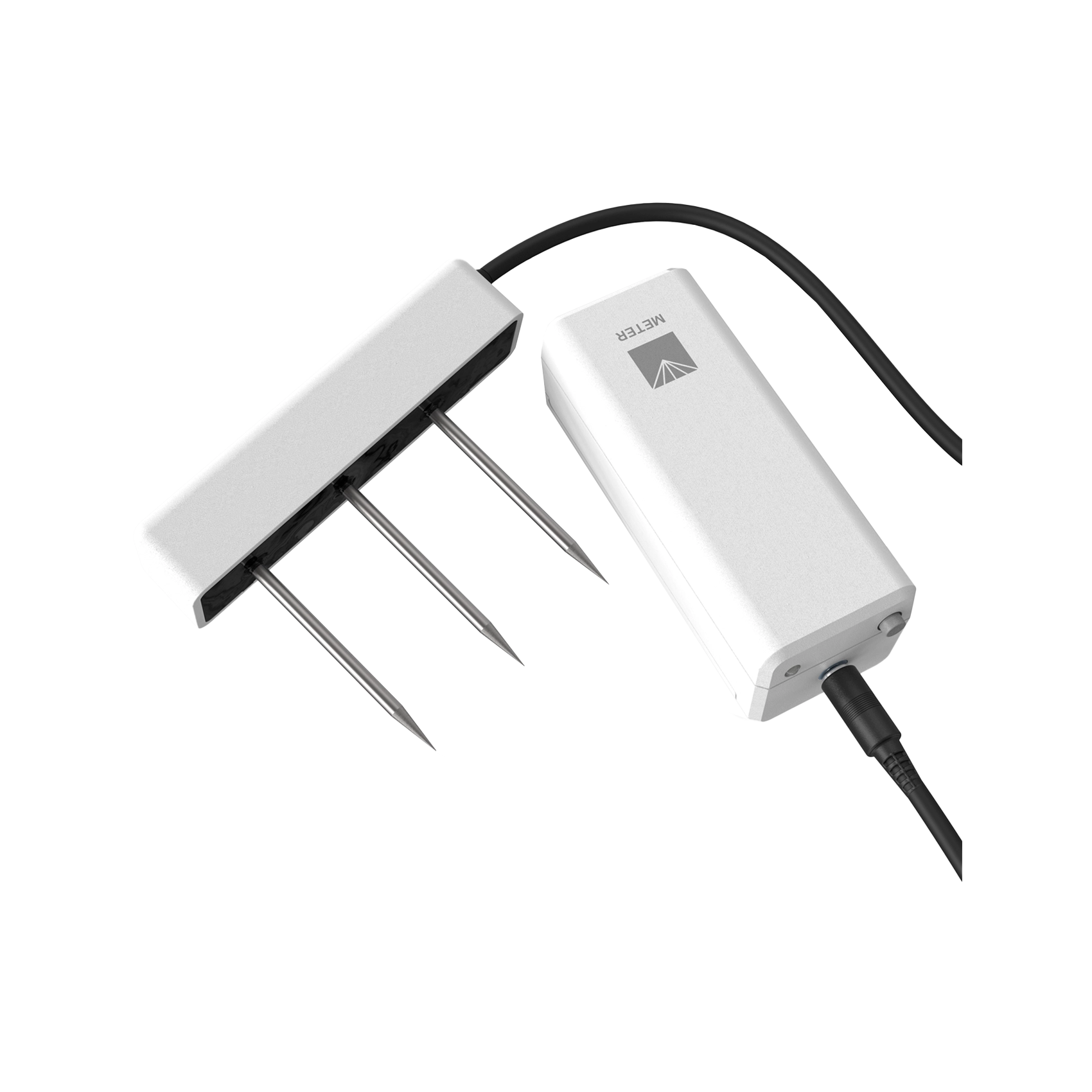
Most soil moisture meters use either capacitance or electrical resistance measurement to determine moisture content. Capacitance-based meters send a small electrical signal through two probes inserted in the growing medium — the signal strength varies with water content, and the meter converts this to a moisture reading on a numerical scale or percentage. Professional meters report volumetric water content (VWC%) — the actual percentage of the substrate volume occupied by water — which is the metric most closely tied to irrigation scheduling decisions in substrate-based production. Basic meters report relative dryness on a 1–10 scale, suitable for home growers who want directional guidance rather than precision measurements.
Moisture Meters for Coco, Rockwool & Soil
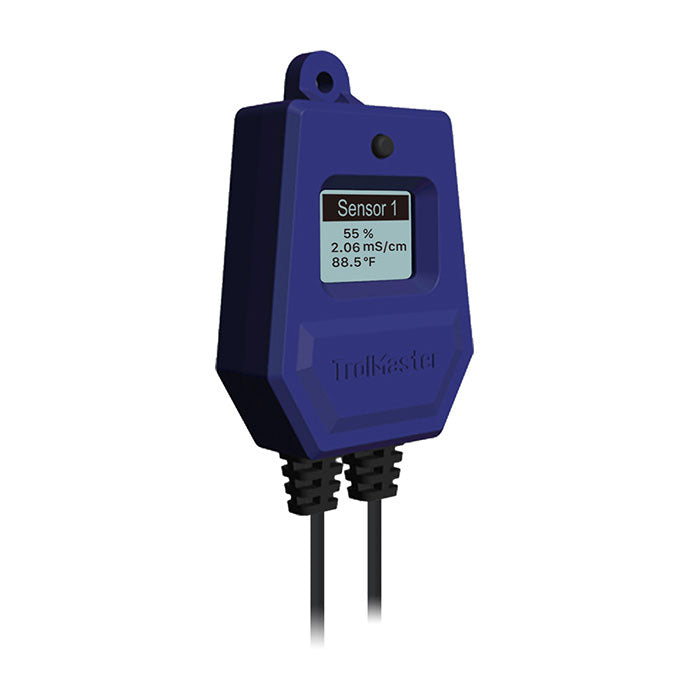
Substrate-specific calibration is important for accurate VWC readings — coco coir, rockwool, and soil have different dielectric properties that affect capacitance-based measurements. Professional meters from AROYA and similar brands offer substrate-specific calibration modes. For coco coir and rockwool production, target VWC of 55–70% between irrigation events, with dry-back to 40–50% before each subsequent irrigation to maintain adequate root zone oxygen exchange. Use our VPD Calculator alongside moisture monitoring to coordinate root zone and aerial environment management.
Browse all grow room meters and testing supplies, explore pH meters, or see EC and PPM meters. Fast shipping.