Drip Irrigation Valves & Flow Control
Irrigation valves control the flow of nutrient solution through hydroponic drip systems -- opening and closing zones on schedule, isolating individual plant sites for maintenance, and regulating pressure to protect downstream emitters from pressure surges. A complete drip irrigation system uses valves at multiple points: solenoid valves for automated zone control on fertigation timers, inline shut-off valves at individual plant sites for maintenance isolation, and pressure regulators to maintain consistent operating pressure across the system. Selecting the correct valve type and size for each application prevents the flow variation and pressure issues that disrupt irrigation uniformity.
Solenoid Valves for Automated Zone Control
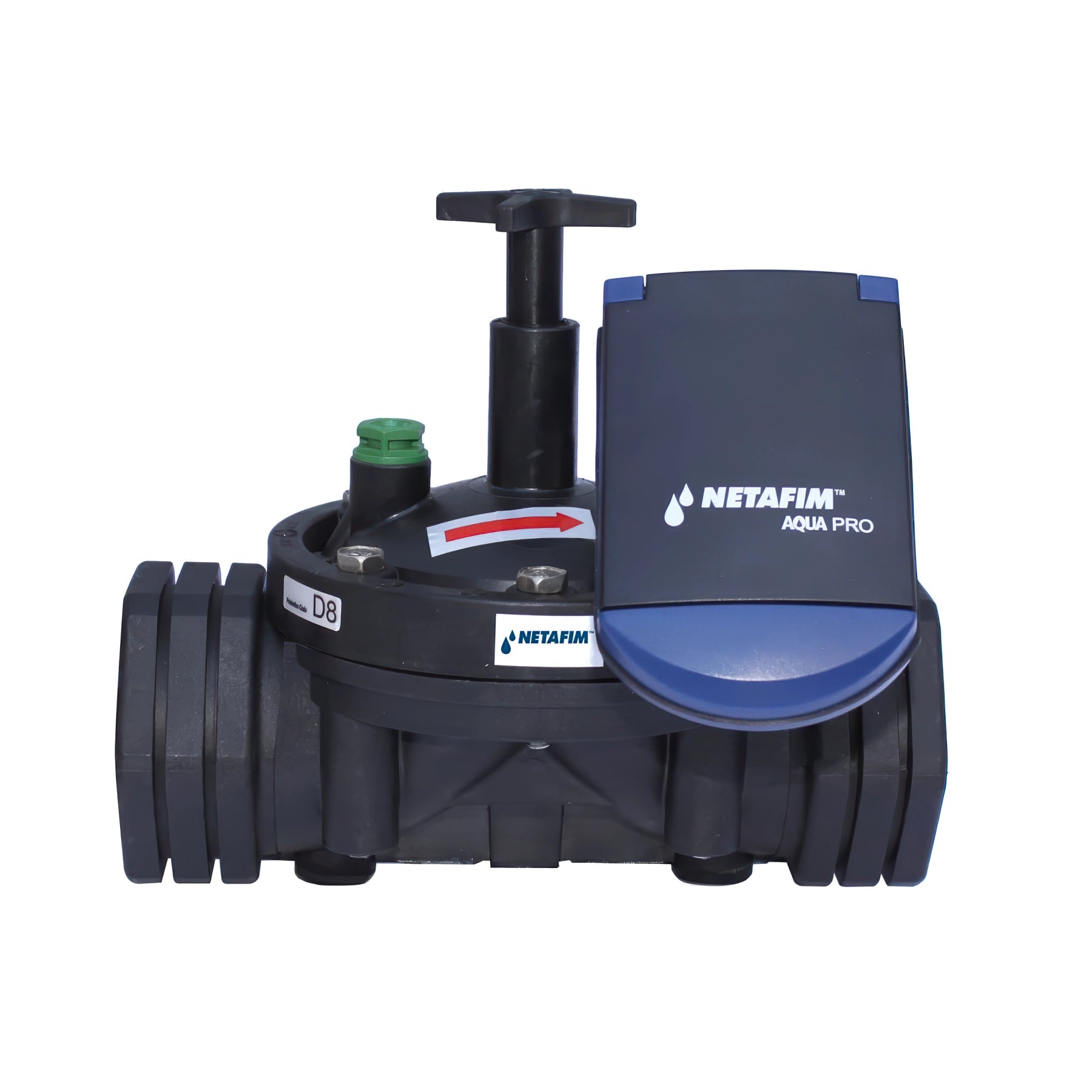
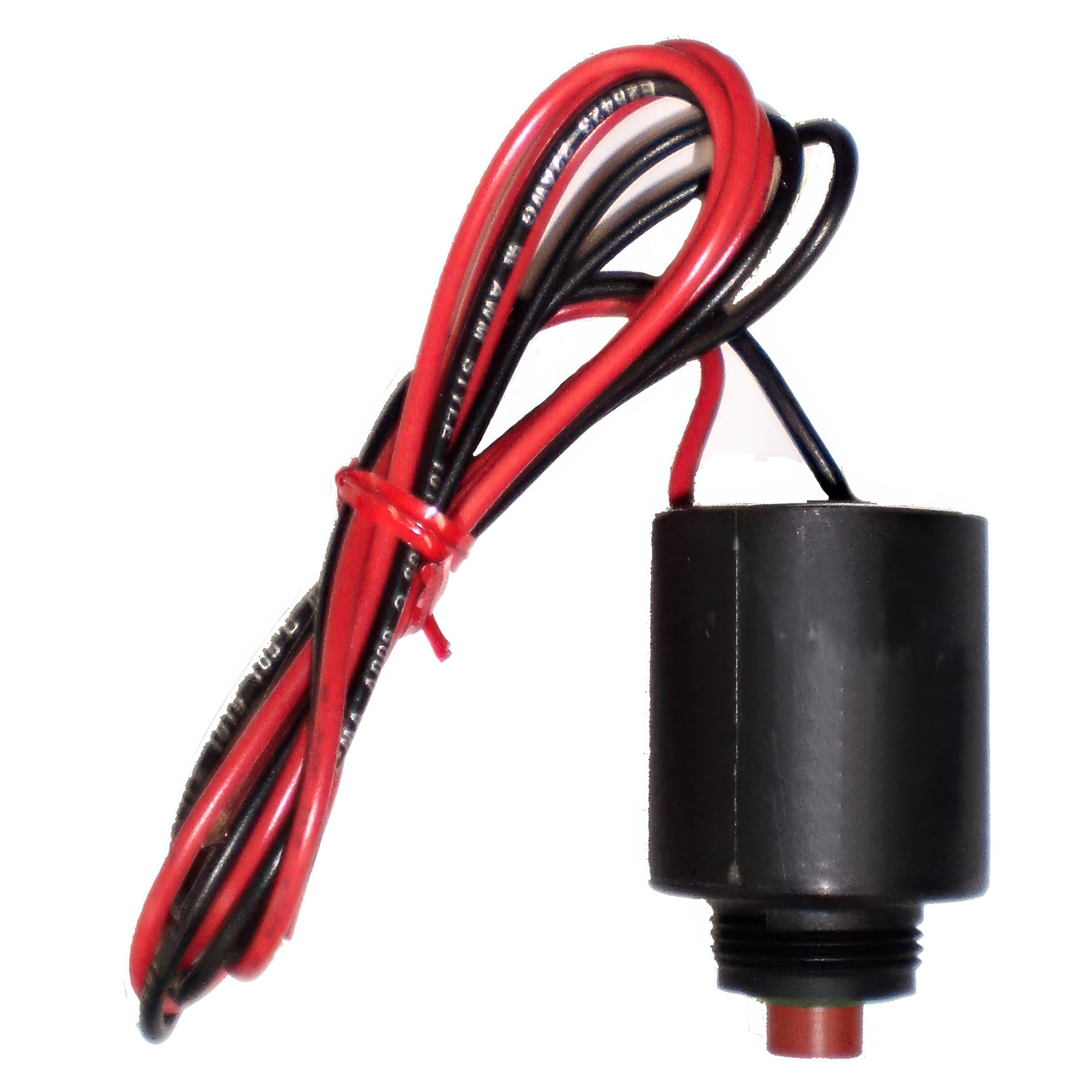
Solenoid valves are electrically operated -- a coil-activated plunger opens and closes the flow path when power is applied and removed. In automated fertigation systems, solenoids connect to a fertigation timer or controller that opens specific irrigation zones on schedule. Available in normally-closed (opens when powered, closes when power is removed -- the standard for irrigation) and normally-open configurations. Sizing: match the valve's flow capacity (GPM) to the maximum flow rate of its irrigation zone. Solenoid valves for hydroponic drip systems are typically 3/4-inch or 1-inch NPT threaded for mainline installation with barb adapters for poly tubing transitions.
Inline Shut-Off Valves & Pressure Regulators
Inline shut-off valves from Netafim (available in 13mm, 16mm, and 3/4-inch insert sizes) allow individual plant sites or sub-zones to be isolated for maintenance without draining the entire system -- essential in large commercial drip installations where shutting down the full system to service one plant site is not practical. Pressure regulators install at zone inlets to reduce supply pressure to the rated operating range of drip emitters (typically 10-30 PSI for standard emitters) -- particularly important on systems supplied from high-pressure municipal water sources or elevated reservoirs. Fast shipping.
Irrigation Valves FAQ
What type of solenoid valve do I need for a drip irrigation system?
For standard drip irrigation, use a normally-closed 24VAC or 24VDC solenoid valve sized for your zone's maximum flow rate. 24VAC is the most common voltage for irrigation controllers; 12VDC is used with battery-powered or DC-powered controllers. Size the valve's flow rating at or above your zone's peak GPM -- a valve undersized for its zone's flow rate creates pressure drop that reduces delivery uniformity downstream. For hydroponic poly tubing mainlines, use a solenoid with 3/4-inch or 1-inch NPT female threads and add barb insert adapters for the poly tubing connection.
Do I need a pressure regulator for my drip system?
Pressure regulators are beneficial when your supply pressure exceeds the rated operating range of your drip emitters (typically 10-50 PSI for pressure-compensating Netafim stakes). If your pump or supply line delivers pressure above 50 PSI, an inline pressure regulator set to 25-30 PSI at the zone inlet protects emitters and fittings from over-pressure damage. For most hobby grow room drip systems with a standard submersible pump delivering moderate pressure, a pressure regulator is optional. For systems connected to high-pressure municipal water sources (typically 60-80 PSI), a regulator is strongly recommended.
How do Netafim inline shut-off valves work?
Netafim inline shut-off valves use a simple slide or rotate mechanism that closes the flow path without tools. For 17mm Bright White PE tubing, the shut-off valve inserts inline between two lengths of tubing; turning or sliding the handle 90 degrees opens or closes the valve. They allow individual plant sites, drip lines, or sub-zones to be isolated for inspection, maintenance, or replacement without turning off the irrigation system or draining the mainline. Available in 13mm, 16mm, and 3/4-inch barb insert sizes to match the relevant tubing diameter.
How many irrigation zones do I need for my grow room?
The number of zones depends on your fertigation controller's outlet capacity and whether you need different irrigation schedules for different plant groups. In a simple hobby drip room where all plants are at the same growth stage and need the same irrigation frequency, a single zone with all emitters on the same timer is adequate. In commercial operations with separate vegetative and flowering rooms, different crop varieties with different water requirements, or large enough rooms where a single pump cannot supply all emitters simultaneously at target flow rates, multiple independently controlled zones are appropriate.
What is the difference between a ball valve and a solenoid valve?
A ball valve is manually operated -- turn the handle 90 degrees to open or close. It is used for maintenance isolation, system shutoffs, and anywhere manual flow control is needed. A solenoid valve is electrically operated -- it opens and closes automatically in response to a control signal from a timer, controller, or relay. Solenoid valves are used for automated irrigation scheduling; ball valves are used for manual control points. A complete irrigation system uses both: solenoid valves for automated zone scheduling, and ball valves at strategic manual shutoff points (reservoir outlet, zone service points) for maintenance access.