Hydraulic Rosin Presses for Solventless Extraction
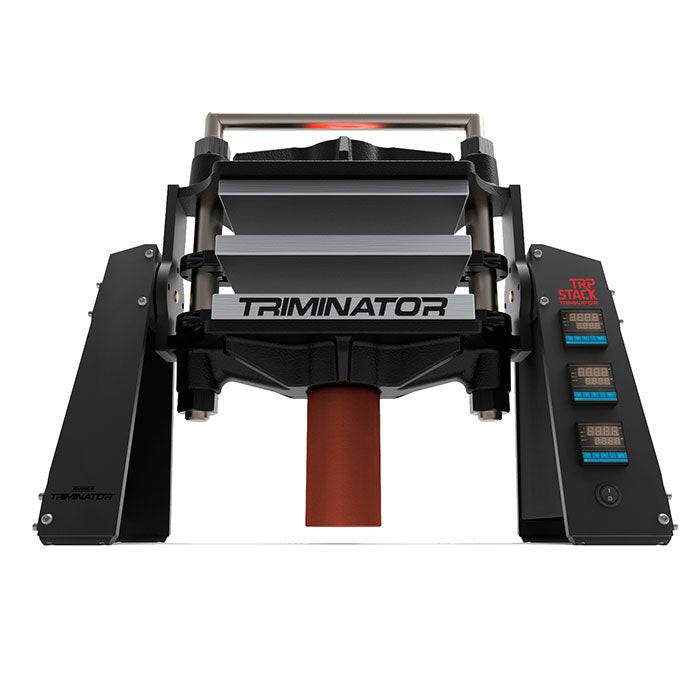
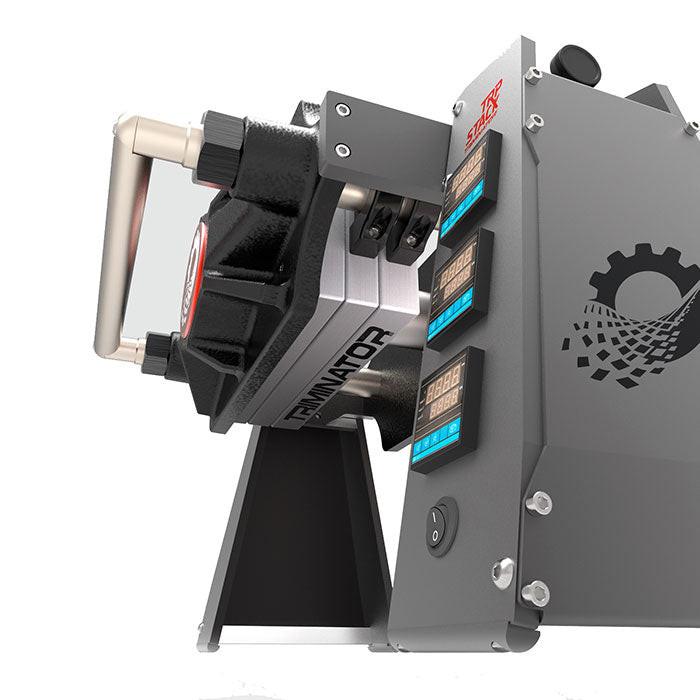
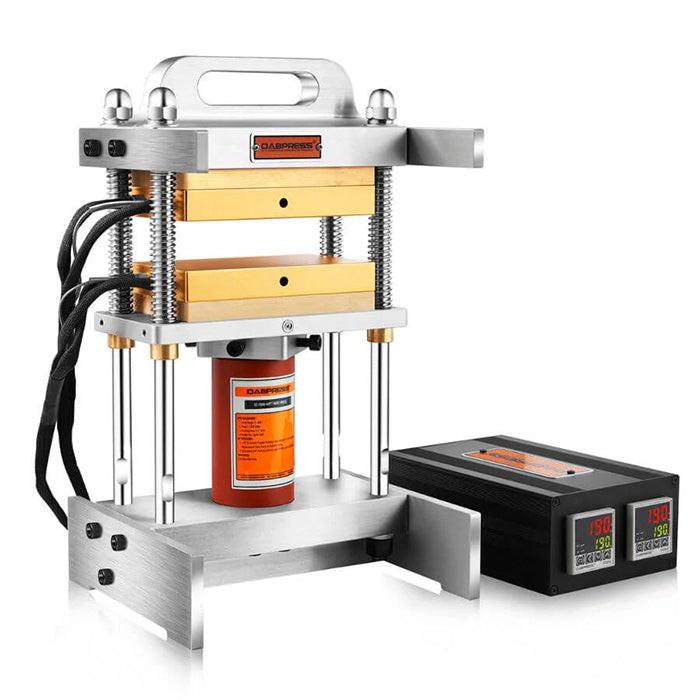
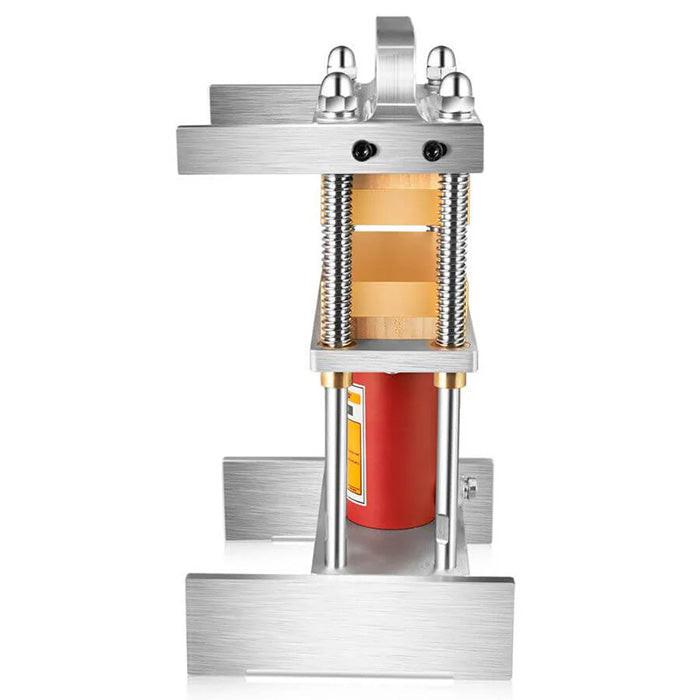
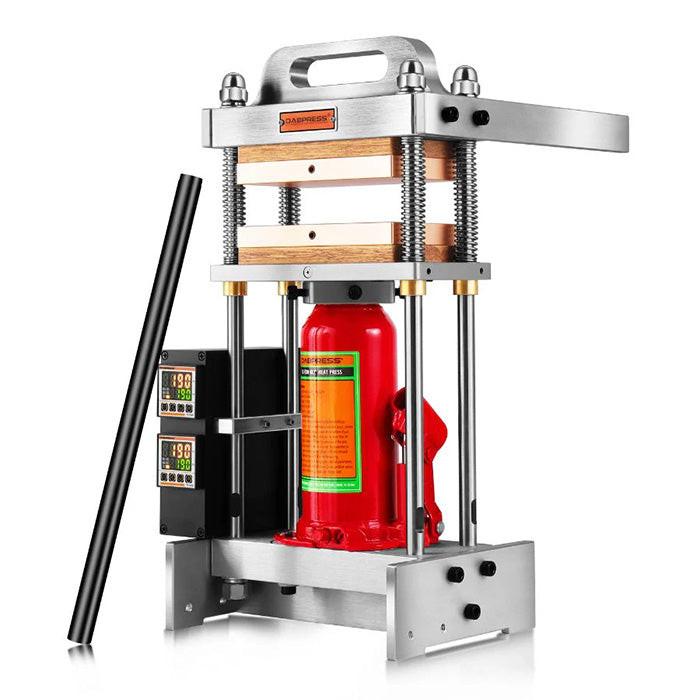
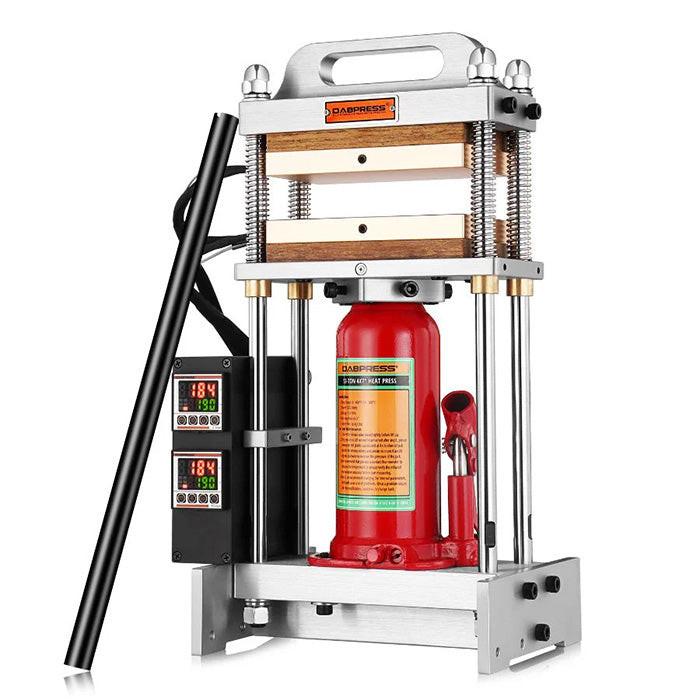
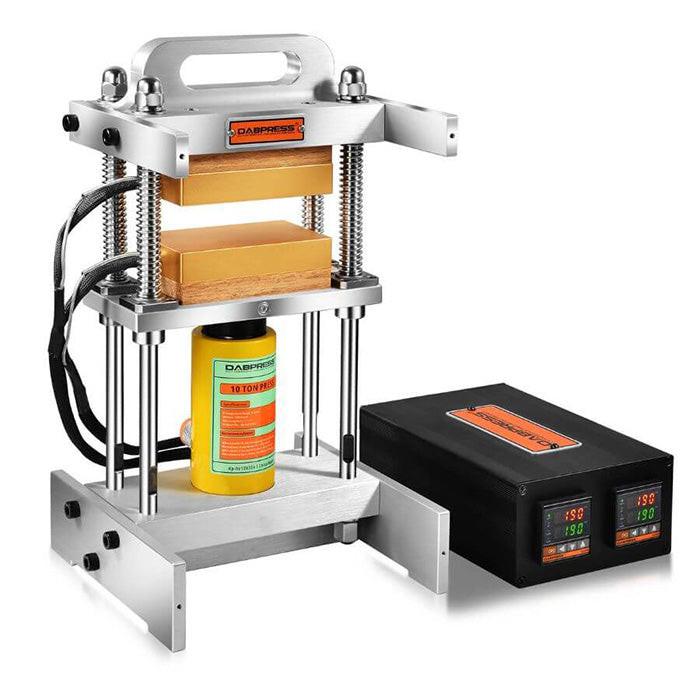
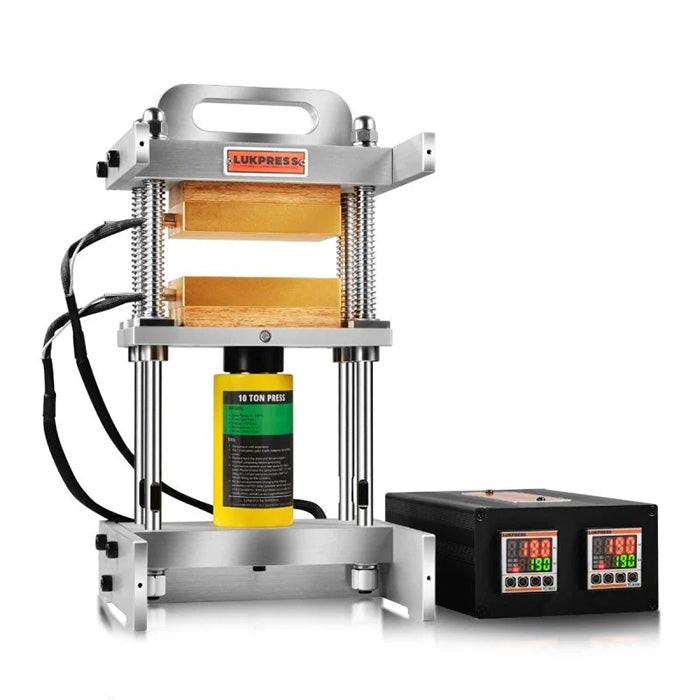
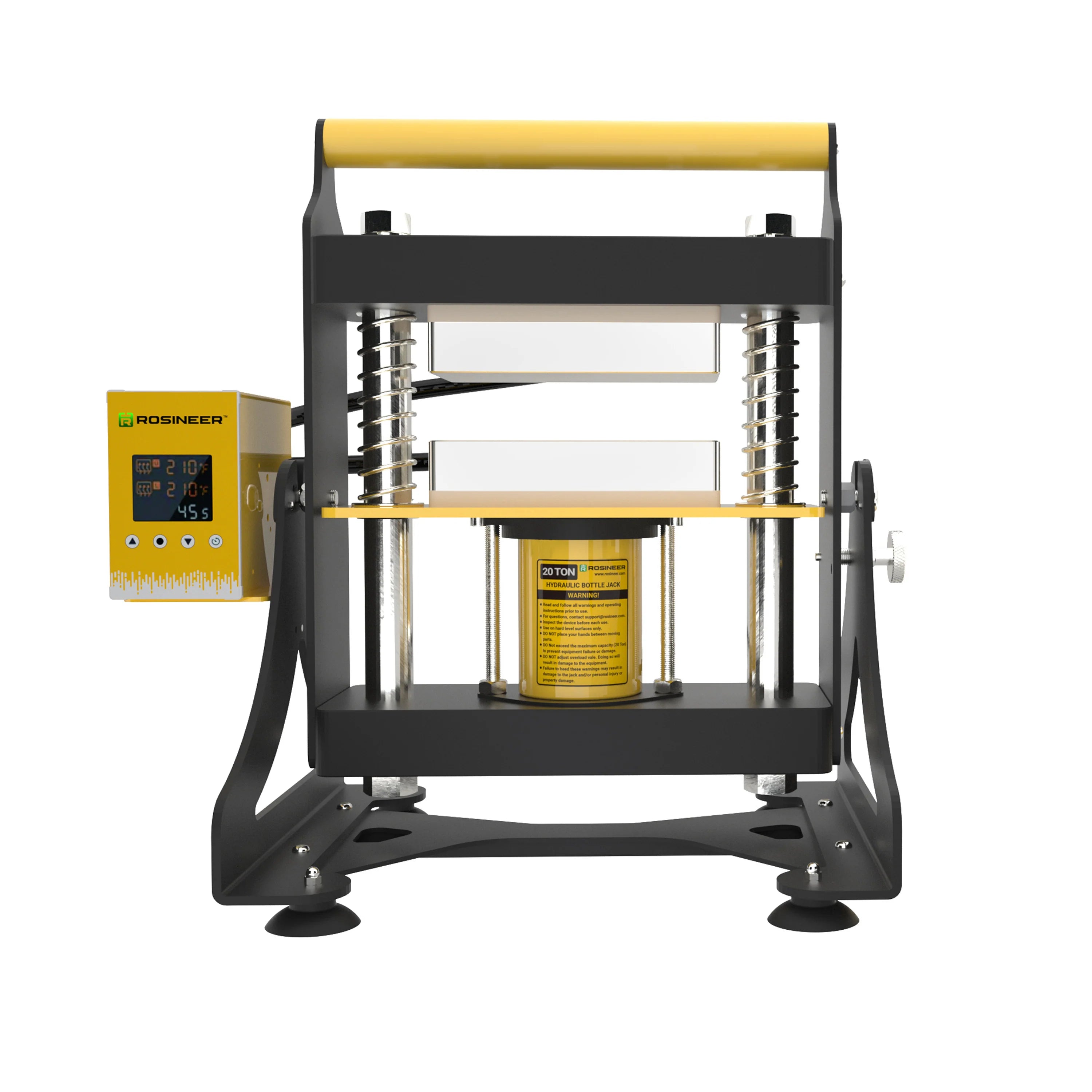
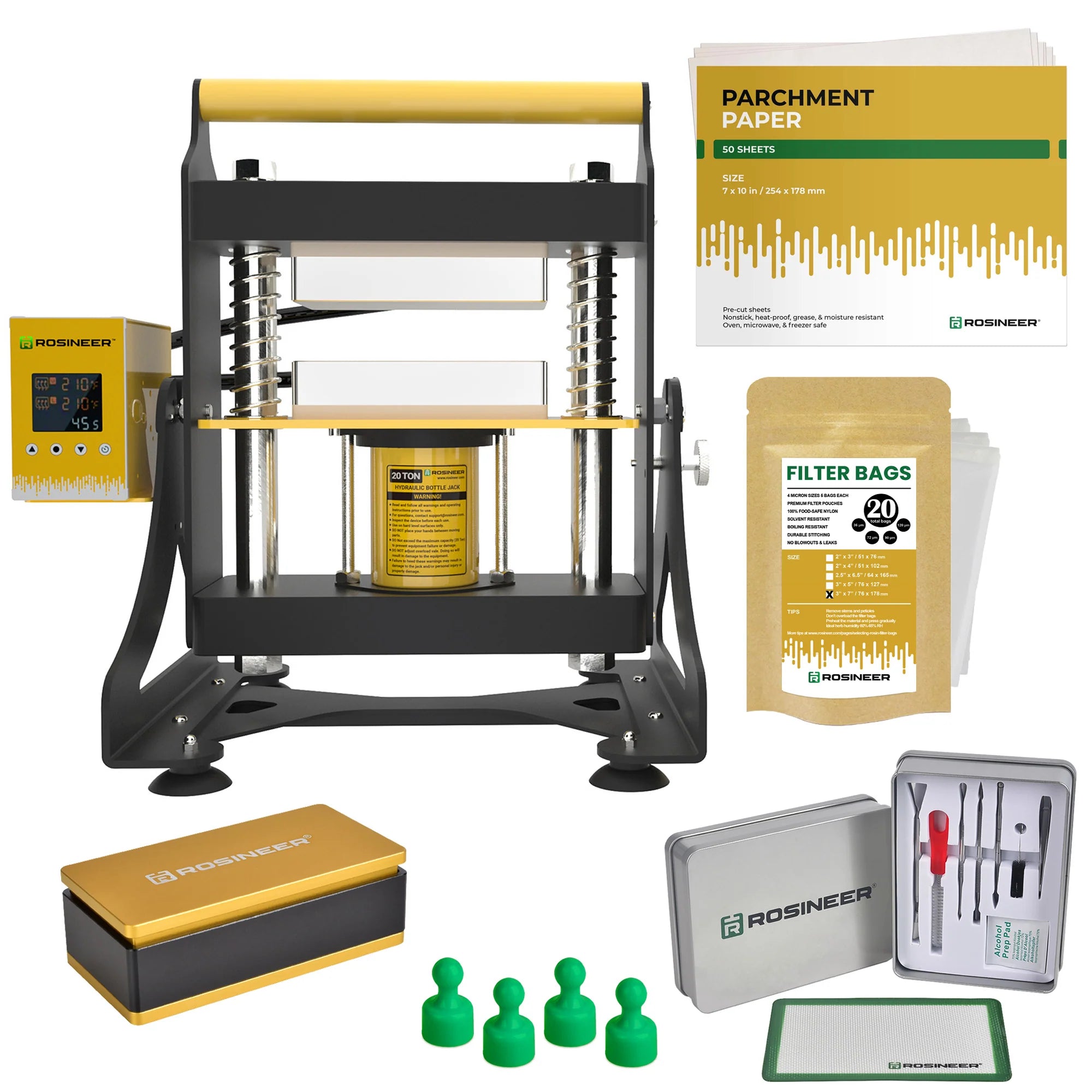
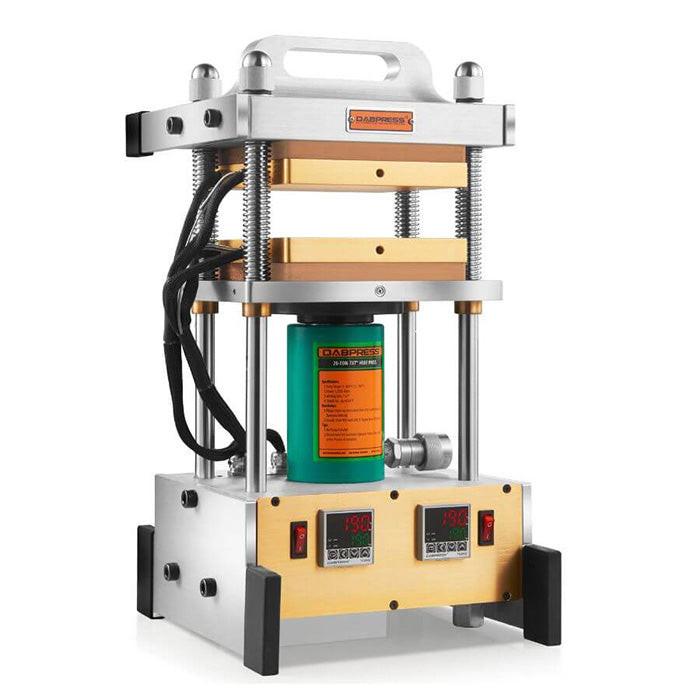
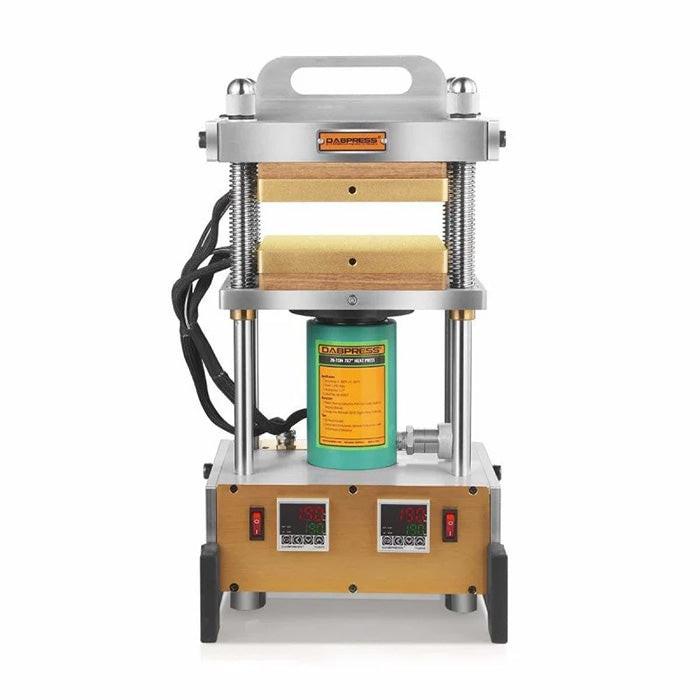
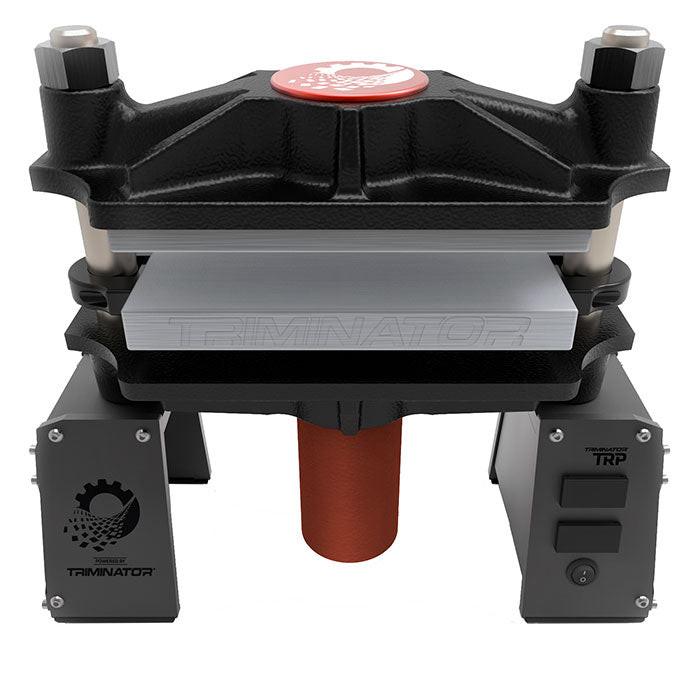
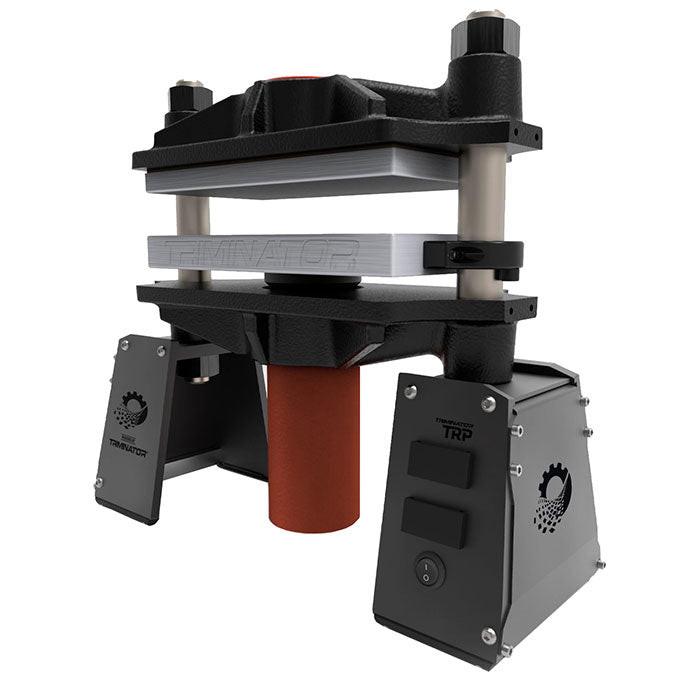
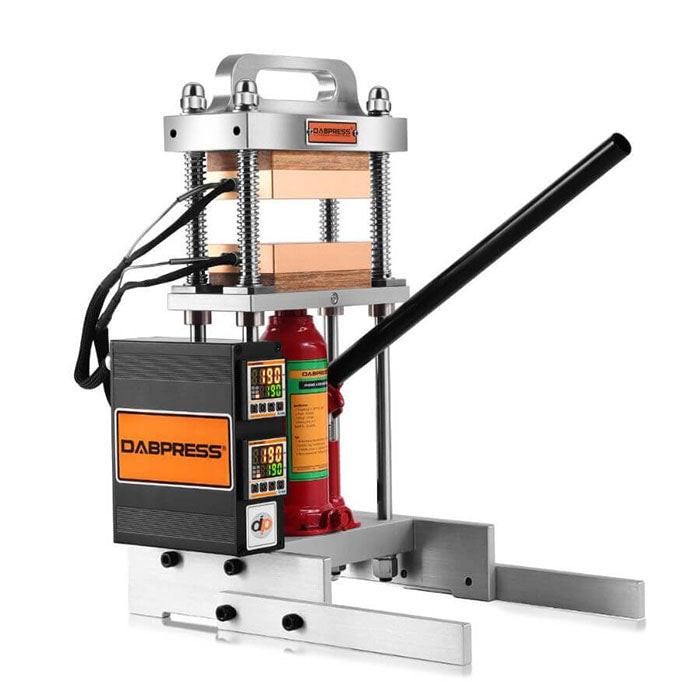
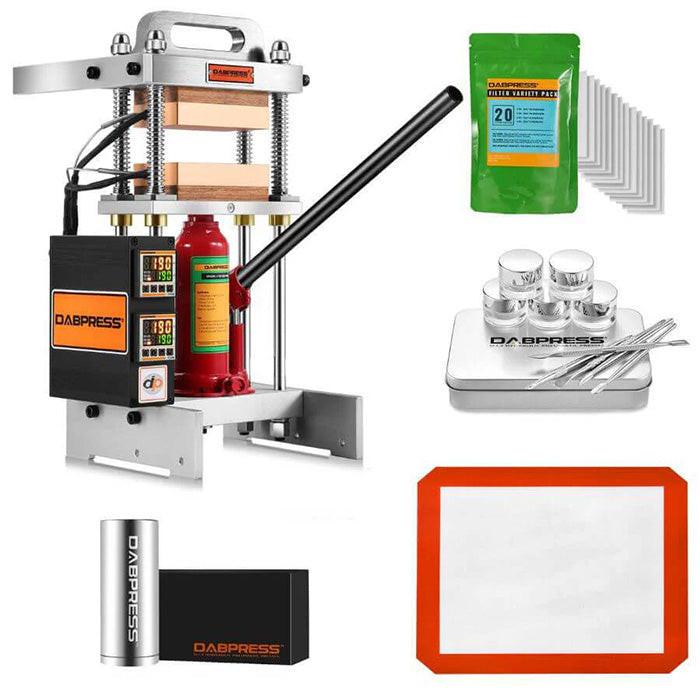
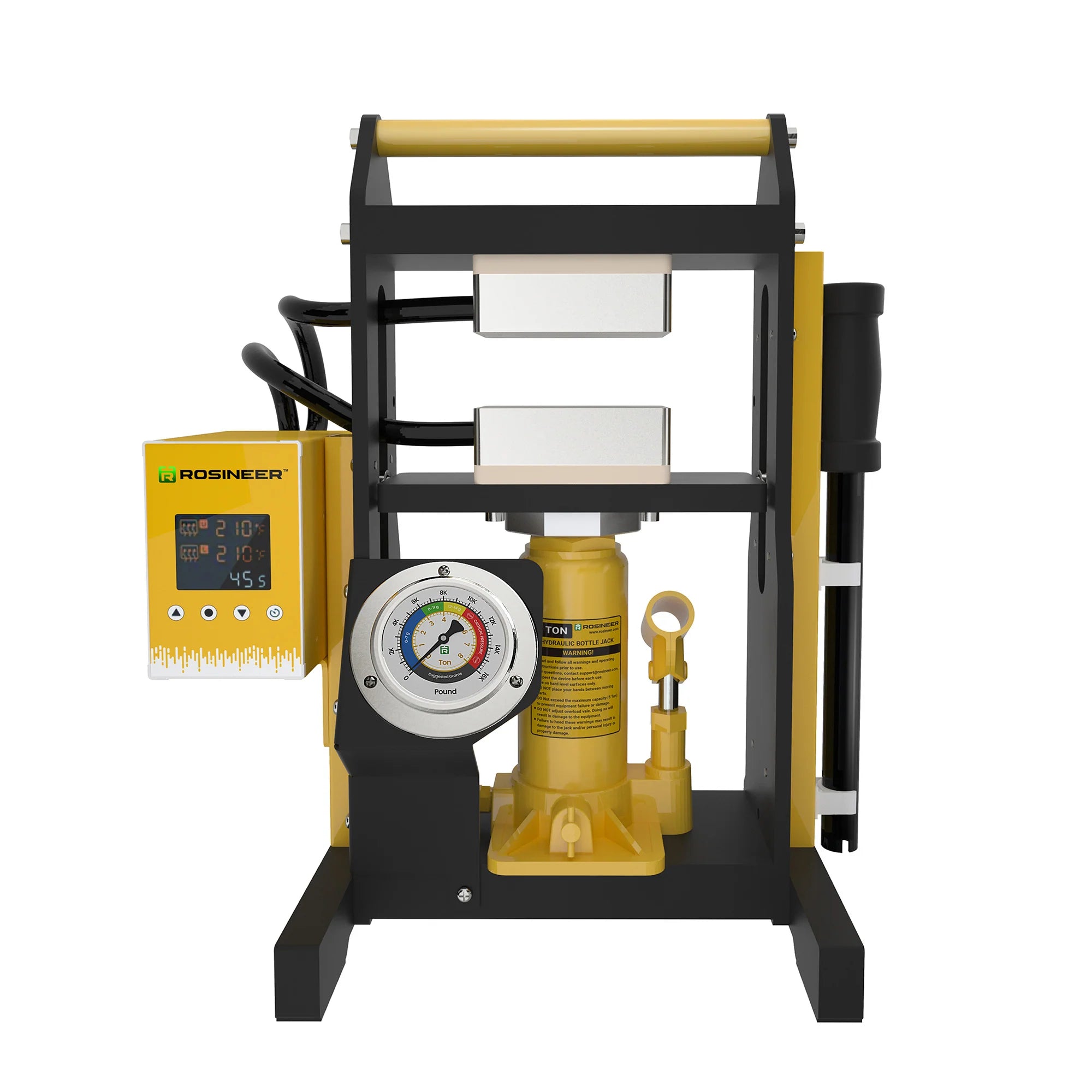
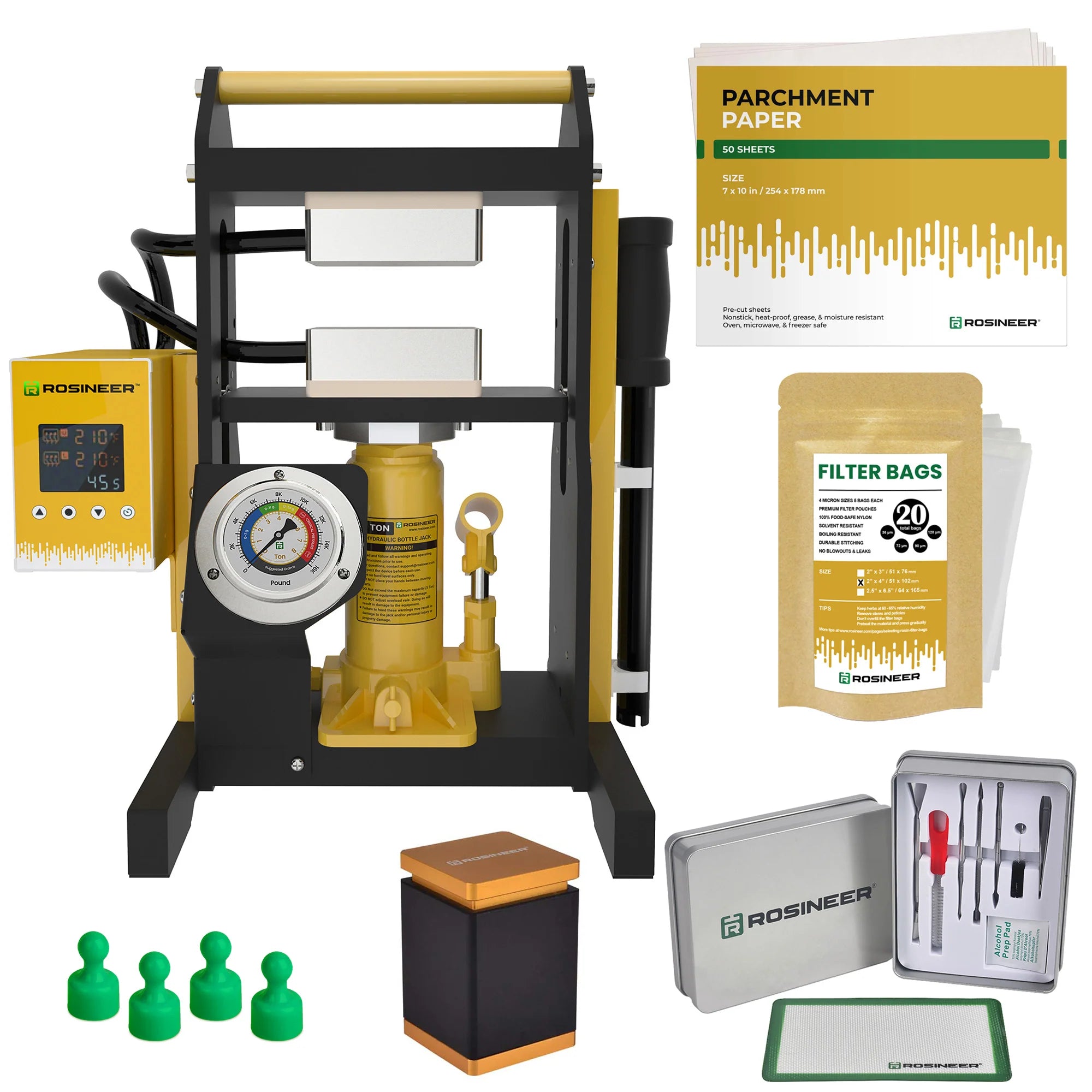
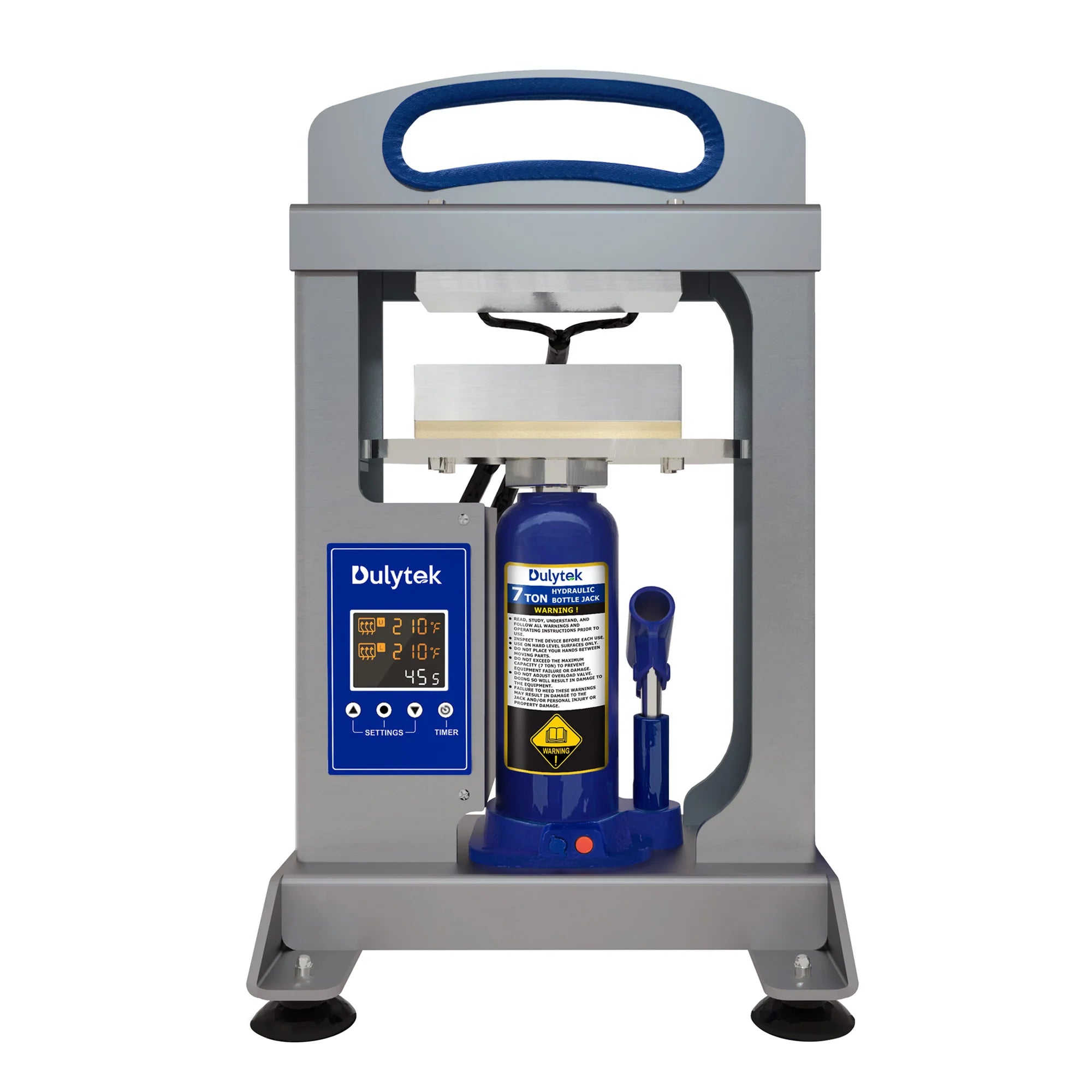
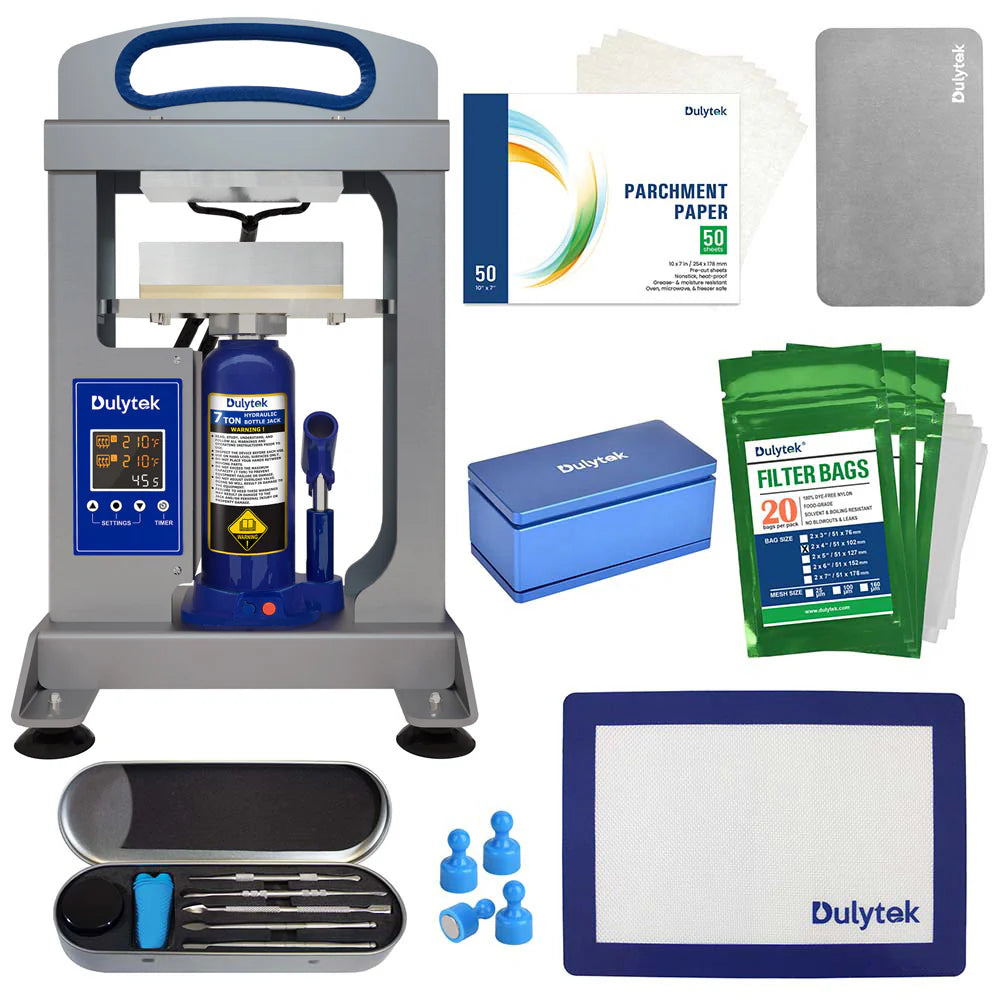
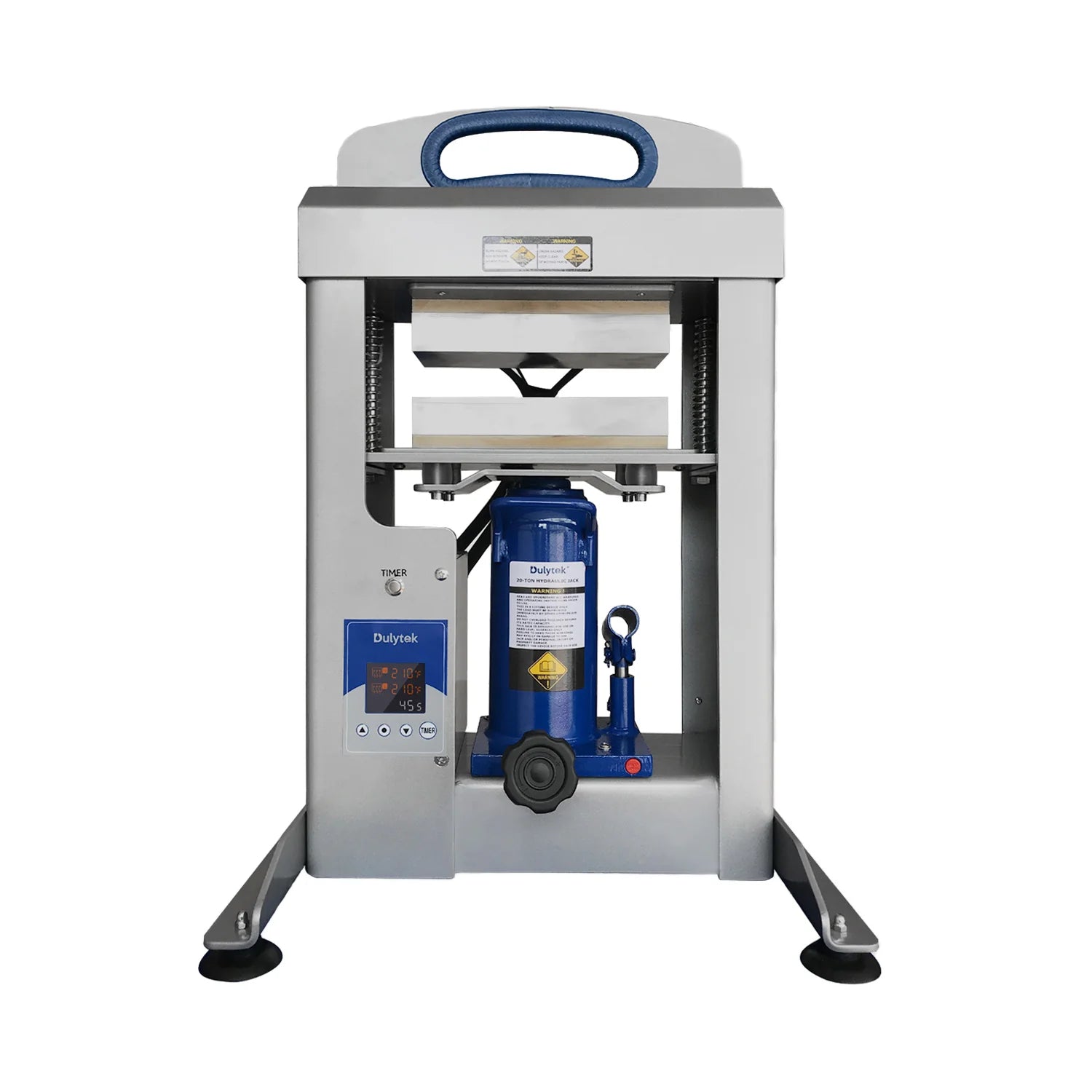
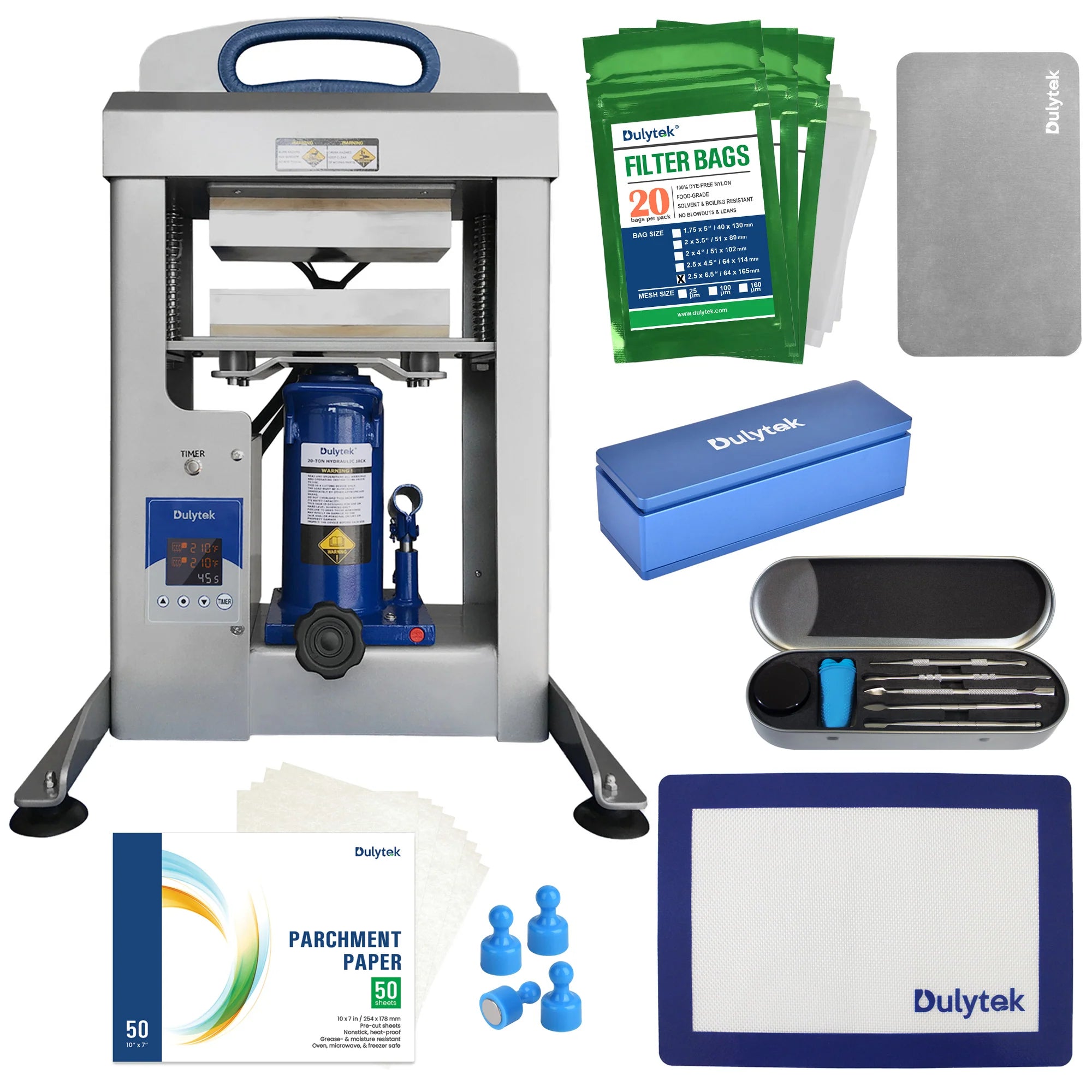
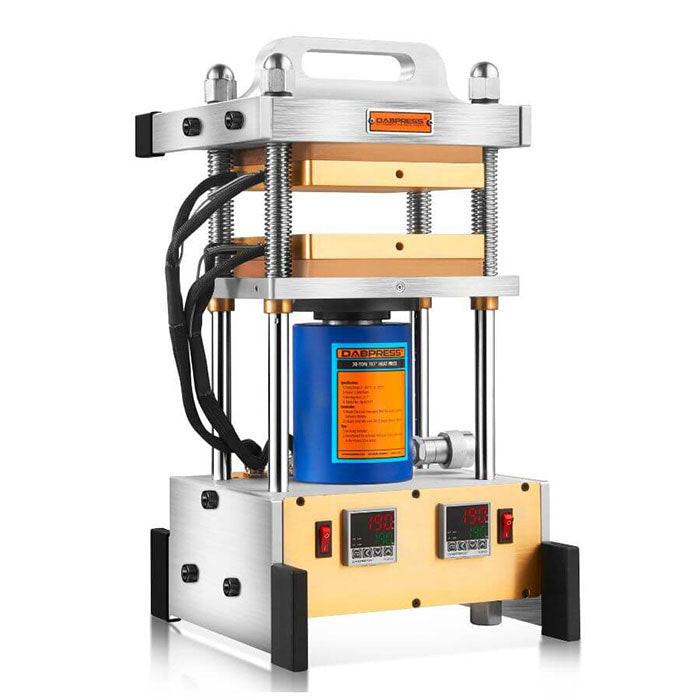
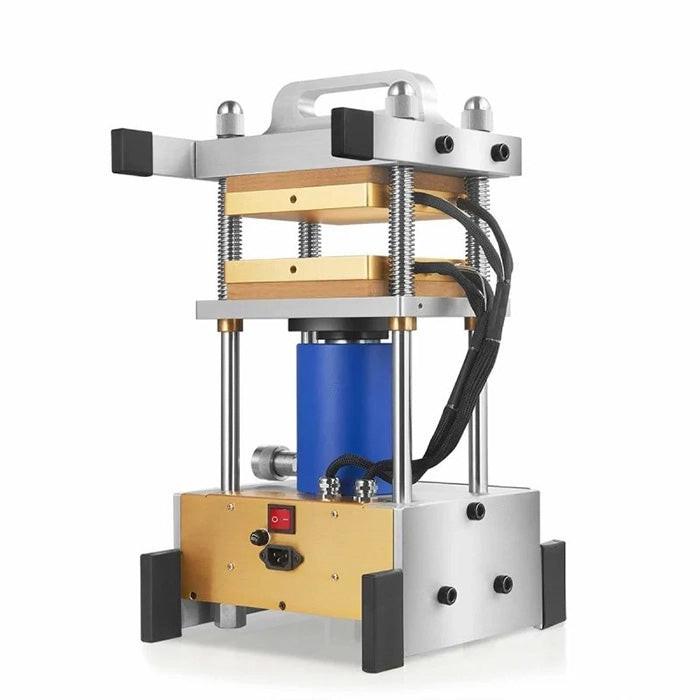
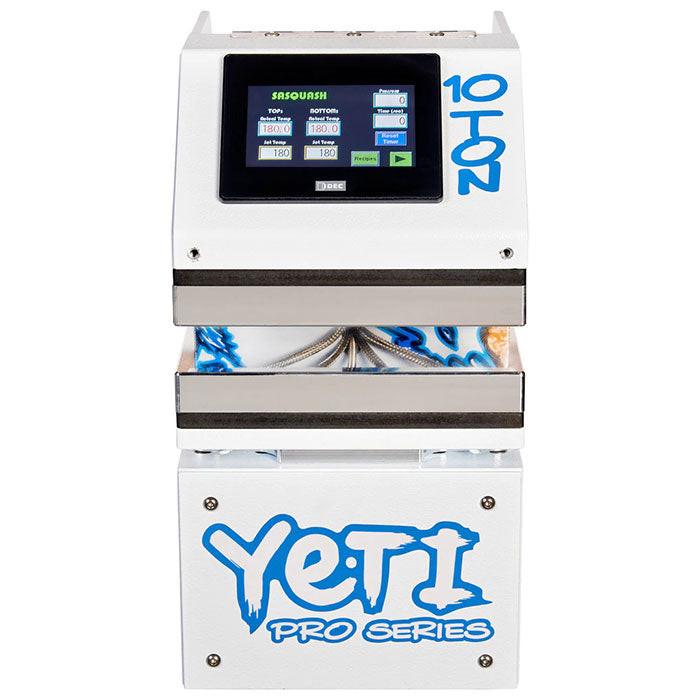
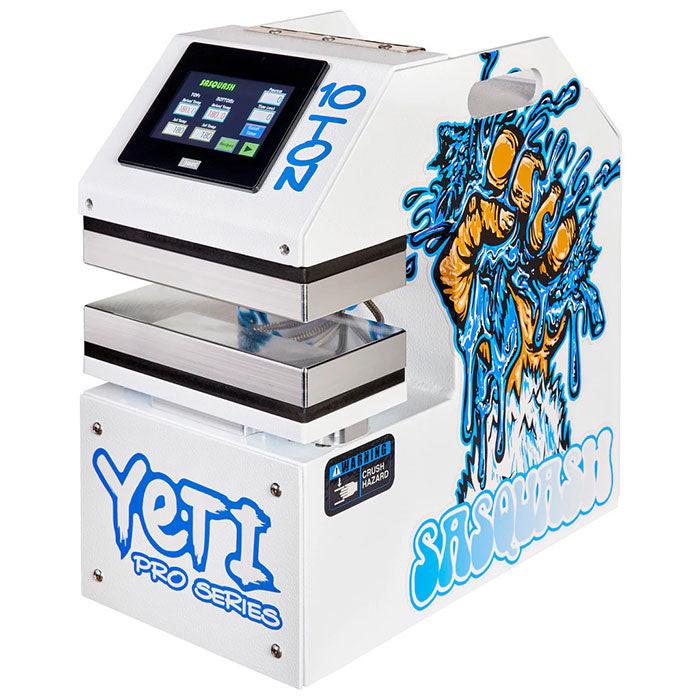
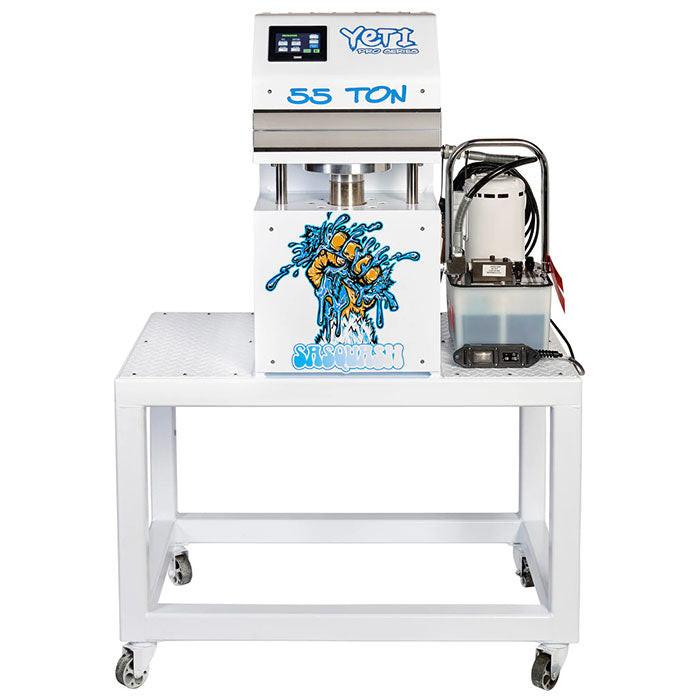
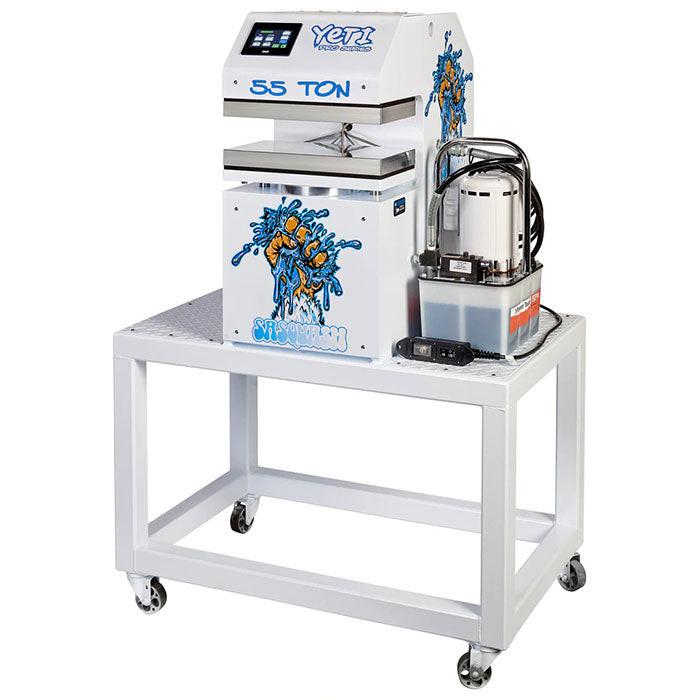
Hydraulic rosin presses use a hydraulic cylinder to apply and maintain pressure between two heated plates, delivering significantly higher and more consistent force than manual or lever-actuated press designs. The hydraulic mechanism -- either a hand-pump jack, an electric hydraulic pump, or a pneumatic cylinder -- builds pressure gradually and holds it steadily throughout the press cycle without the physical effort of manual pressing. For production-scale botanical oil extraction where consistent pressure across the full plate surface is critical to yield and quality, hydraulic actuation is the standard. Browse our full rosin presses collection for all press types.
Hand-Pump Hydraulic vs. Pneumatic vs. Electric Hydraulic
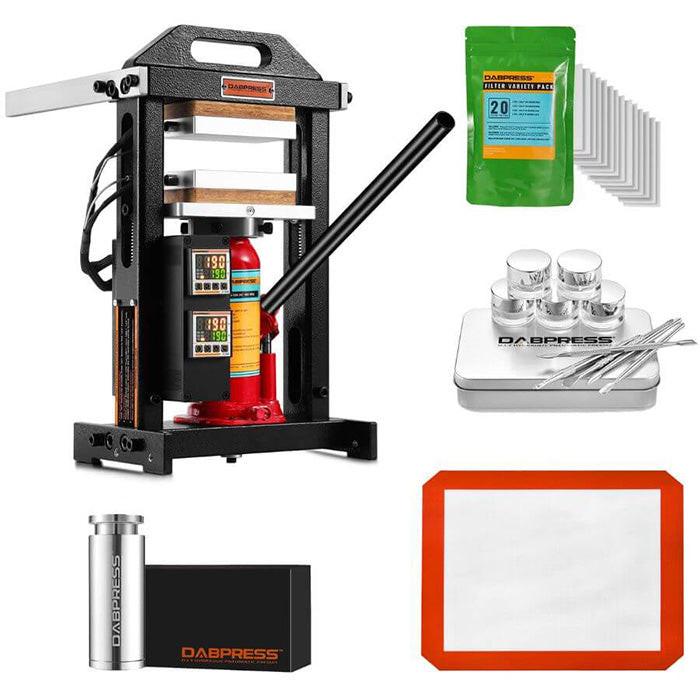
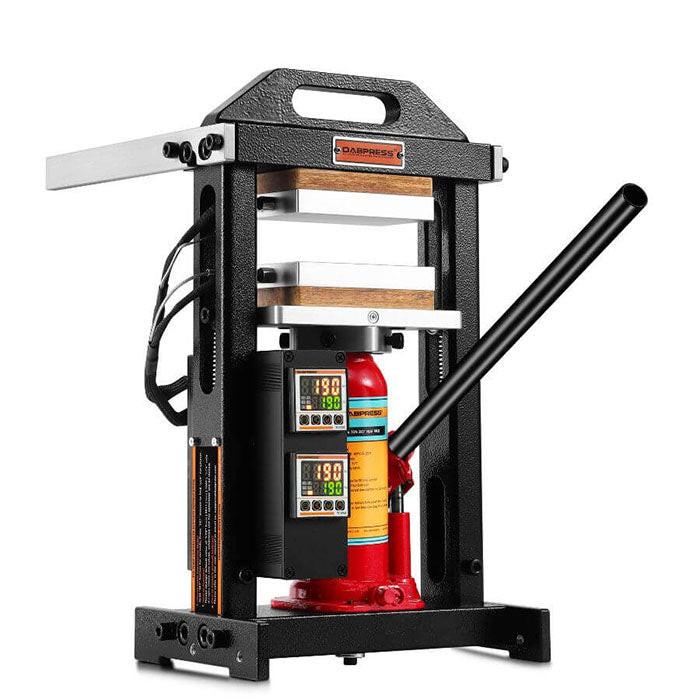
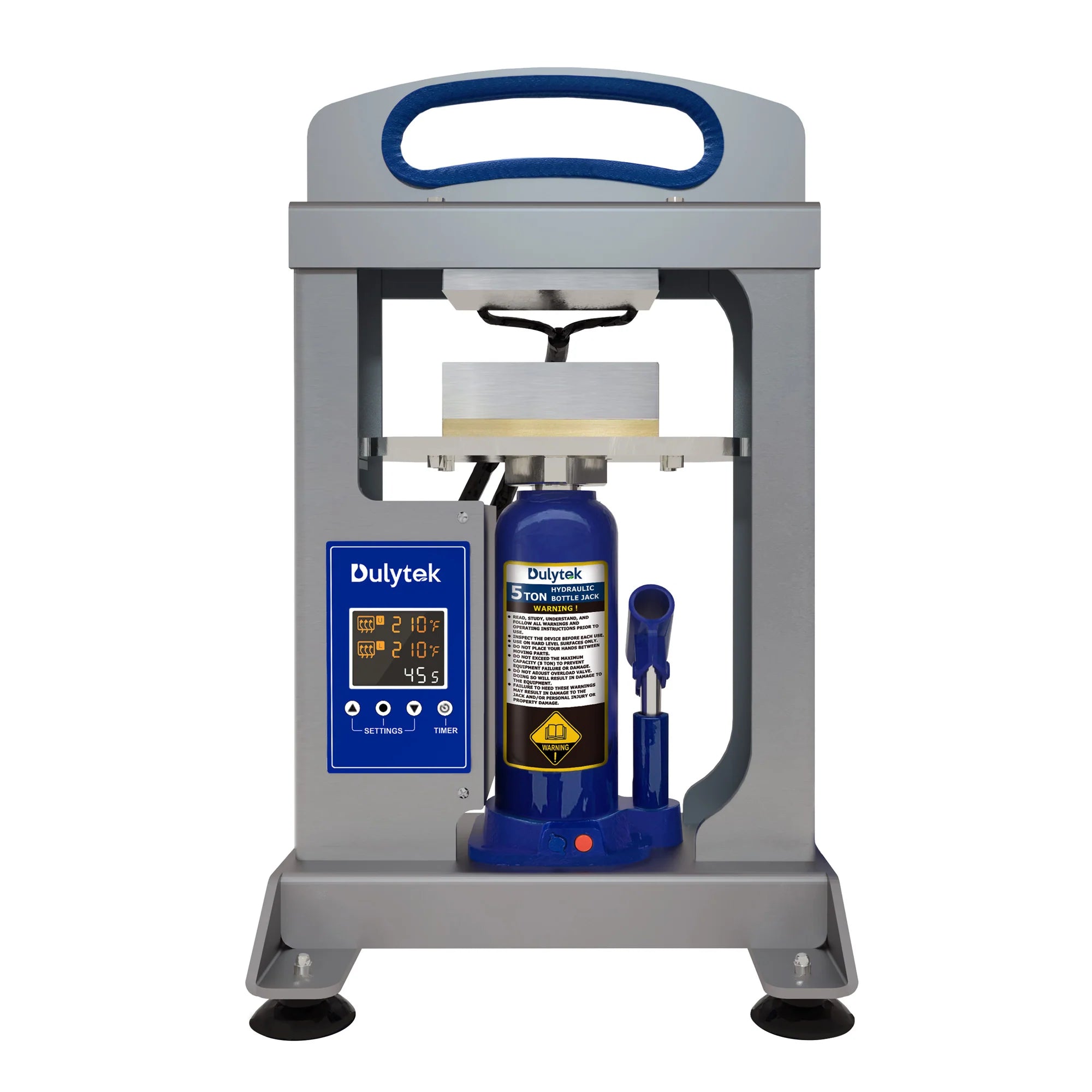
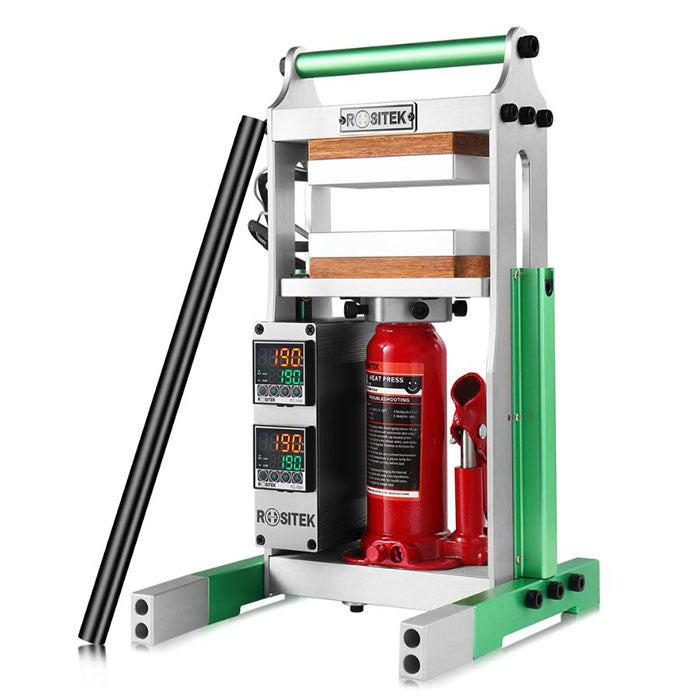
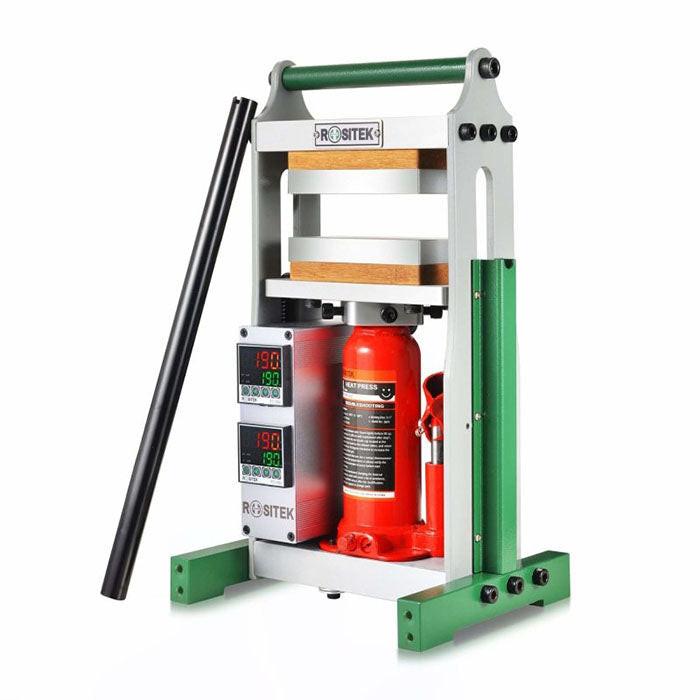
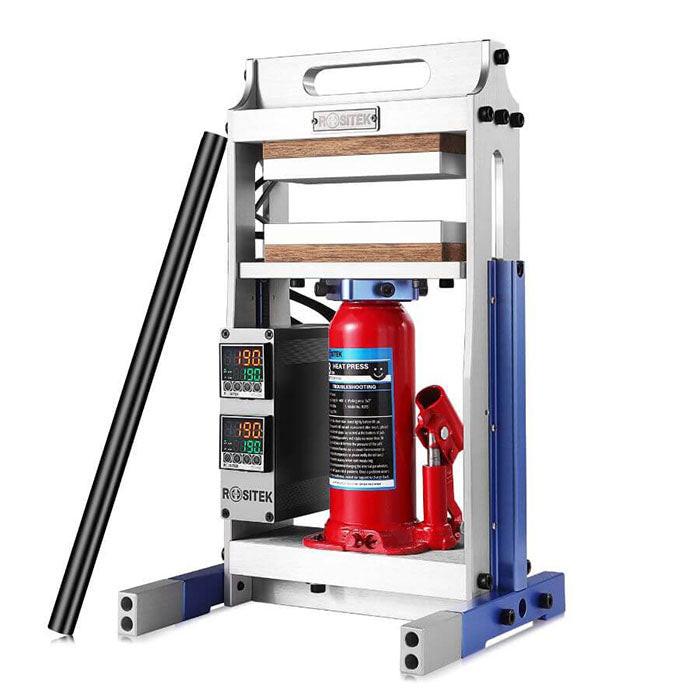
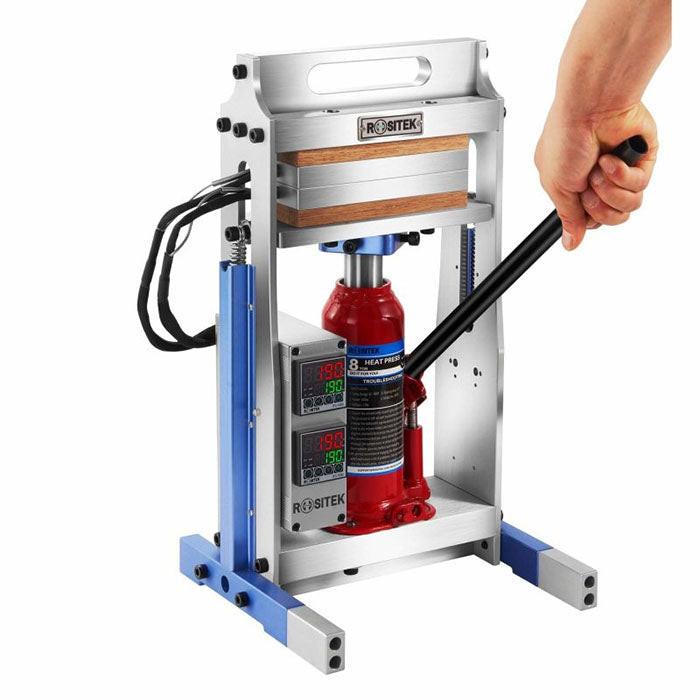
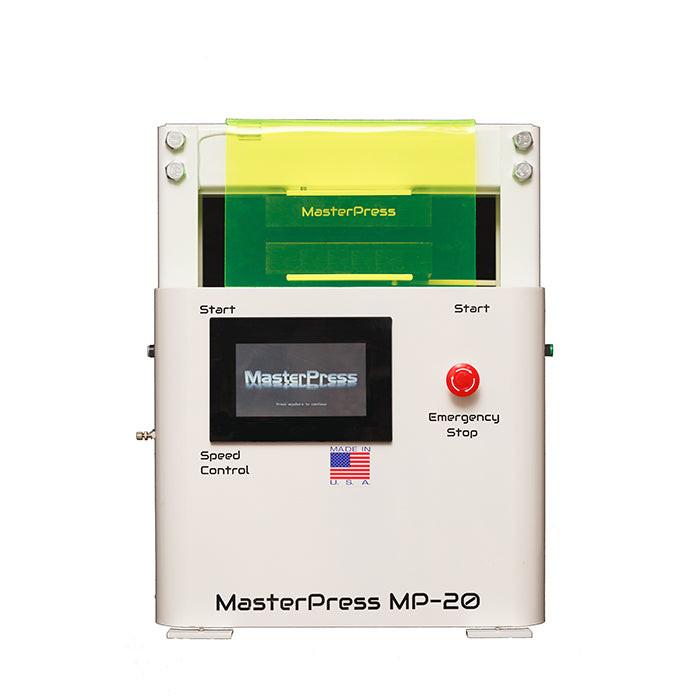
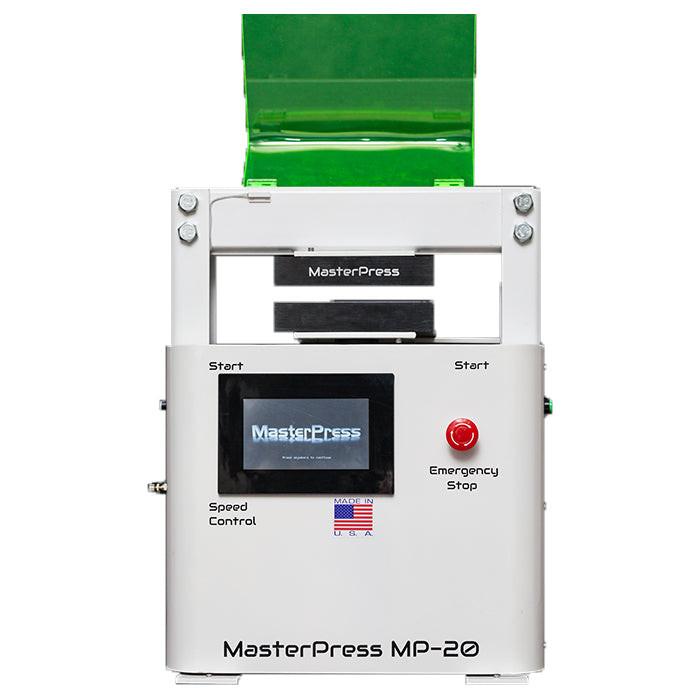
Hand-pump hydraulic presses (H-frame shop press conversions with heated plates) use a manual bottle jack to generate pressure -- accessible entry point to higher-pressure extraction without full electric controls. Pneumatic presses use a compressed air cylinder to drive the plates -- very fast cycle times, consistent pressure, minimal operator effort, preferred for high-throughput commercial production where speed matters. Electric hydraulic presses use an electric pump to build and maintain hydraulic pressure -- quieter than pneumatic, more precise pressure control with programmable digital readouts, and no compressed air requirement. For hydraulic pump components and upgrades, browse the dedicated pumps collection.
Pressure Gauges & Tonnage
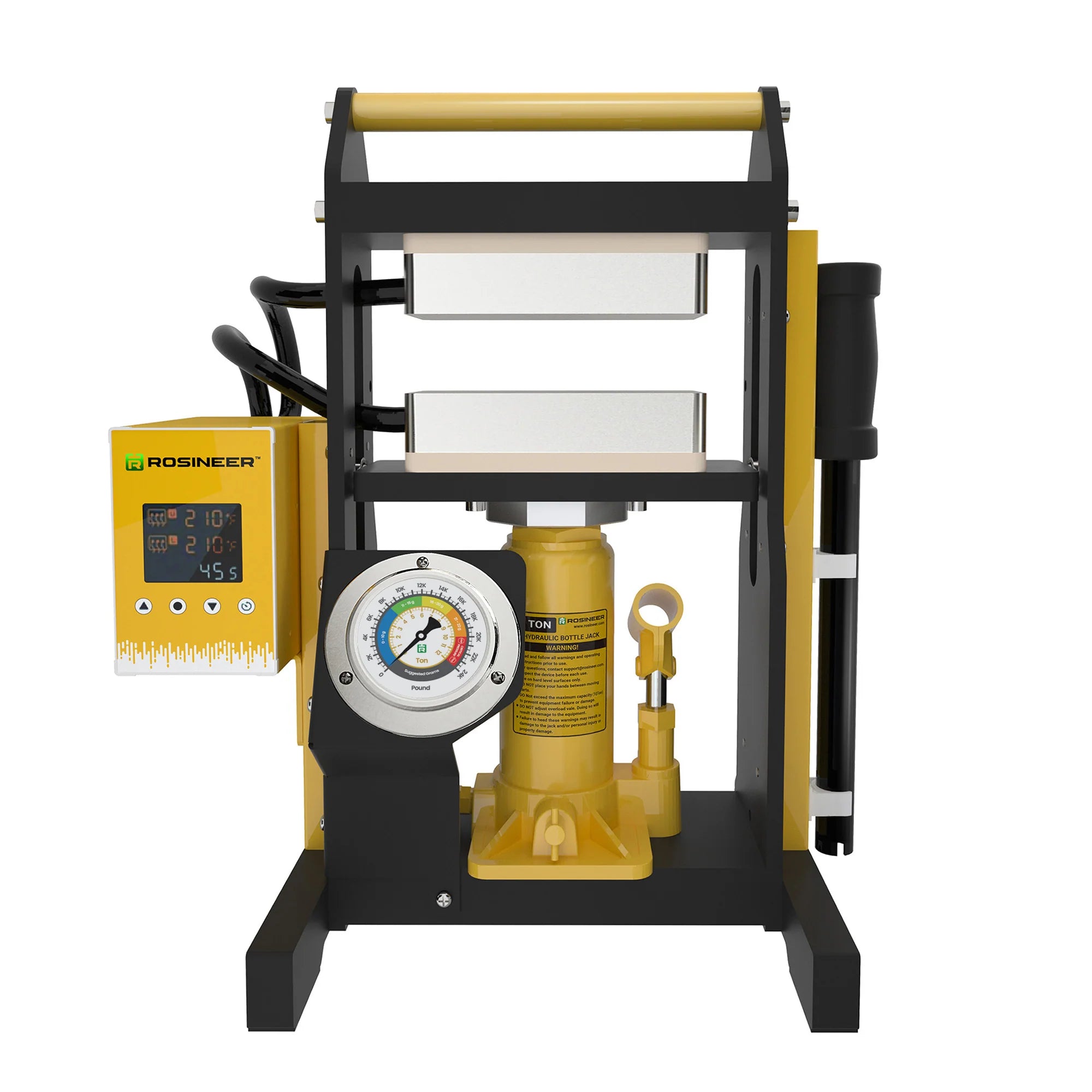
Commercial hydraulic presses are rated in tons of force (the total force the cylinder applies across the plate surface). For production extraction: 20-40 ton presses with 6x12 inch or larger plates are the standard commercial configuration. Converting tons to PSI requires knowing the plate surface area -- a 20-ton press (40,000 lbs force) across a 42 sq inch plate delivers approximately 950 PSI at the plate surface. Digital pressure gauges on quality commercial presses display actual applied pressure in real time, allowing consistent cycle-to-cycle replication of successful parameters. Fast shipping.
Hydraulic Rosin Presses FAQ
What is the advantage of hydraulic over manual rosin presses?
Hydraulic actuation delivers higher, more consistent pressure than a person can generate manually, and holds that pressure steadily throughout the press cycle without physical fatigue. On a manual lever press, pressure is limited by operator strength and drops if the operator cannot maintain force through the full cycle duration. A hydraulic press generates 10-40+ tons of consistent force regardless of operator physique, and holds it without effort for as long as the cycle requires. The result is more even pressure distribution across the full plate surface and more consistent yield and quality across batches.
How much pressure does a hydraulic rosin press generate?
Commercial hydraulic rosin presses range from 10-ton units (20,000 lbs force) for small-scale production to 40+ ton units for high-volume commercial extraction. The relevant measure for extraction is pressure at the plate surface (PSI), which is the total force divided by the plate area. A 20-ton press with 6x6 inch plates delivers approximately 1,100 PSI at the plate surface -- adequate for most botanical material types. Larger plate sizes at the same tonnage deliver lower PSI; smaller plates at the same tonnage deliver higher PSI.
Do I need compressed air for a pneumatic rosin press?
Yes -- pneumatic rosin presses require a compressed air supply at the rated inlet pressure (typically 90-120 PSI from an air compressor). Air compressor requirements: a minimum 60-gallon tank compressor at 5+ CFM sustained output handles most pneumatic press cycle frequencies without the compressor running continuously between cycles. For high-frequency commercial cycling (multiple presses per minute), a larger compressor with higher CFM capacity prevents pressure drop between cycles. Pneumatic presses cannot operate without a compressor; electric hydraulic presses do not require compressed air.
Can I convert a shop press to a rosin press?
Yes -- H-frame hydraulic shop presses (common workshop presses) can be converted to rosin presses by replacing the standard pressing plates with heated rosin press plates. Conversion plate kits designed to mount to standard H-frame press tables are available for common press sizes (12-ton, 20-ton). The conversion approach is cost-effective for operators who already own a suitable shop press and want to add rosin extraction capability without purchasing a purpose-built press. Purpose-built hydraulic rosin presses offer better temperature control, more ergonomic positioning, and integrated pressure gauges compared to shop press conversions.
What maintenance does a hydraulic rosin press require?
Key maintenance items: check hydraulic fluid level quarterly and top off with the manufacturer-specified hydraulic fluid if low; inspect the hydraulic cylinder seals annually for leaks -- a weeping cylinder that slowly loses pressure during a press cycle indicates seal wear; clean heated plates after each session using a dedicated plate cleaner or isopropyl alcohol while plates are still warm (not hot) to prevent residue buildup that affects heat transfer; and inspect the heating element connections periodically for signs of corrosion or loose contacts. With routine maintenance, quality hydraulic press hydraulic components last 5-10+ years.