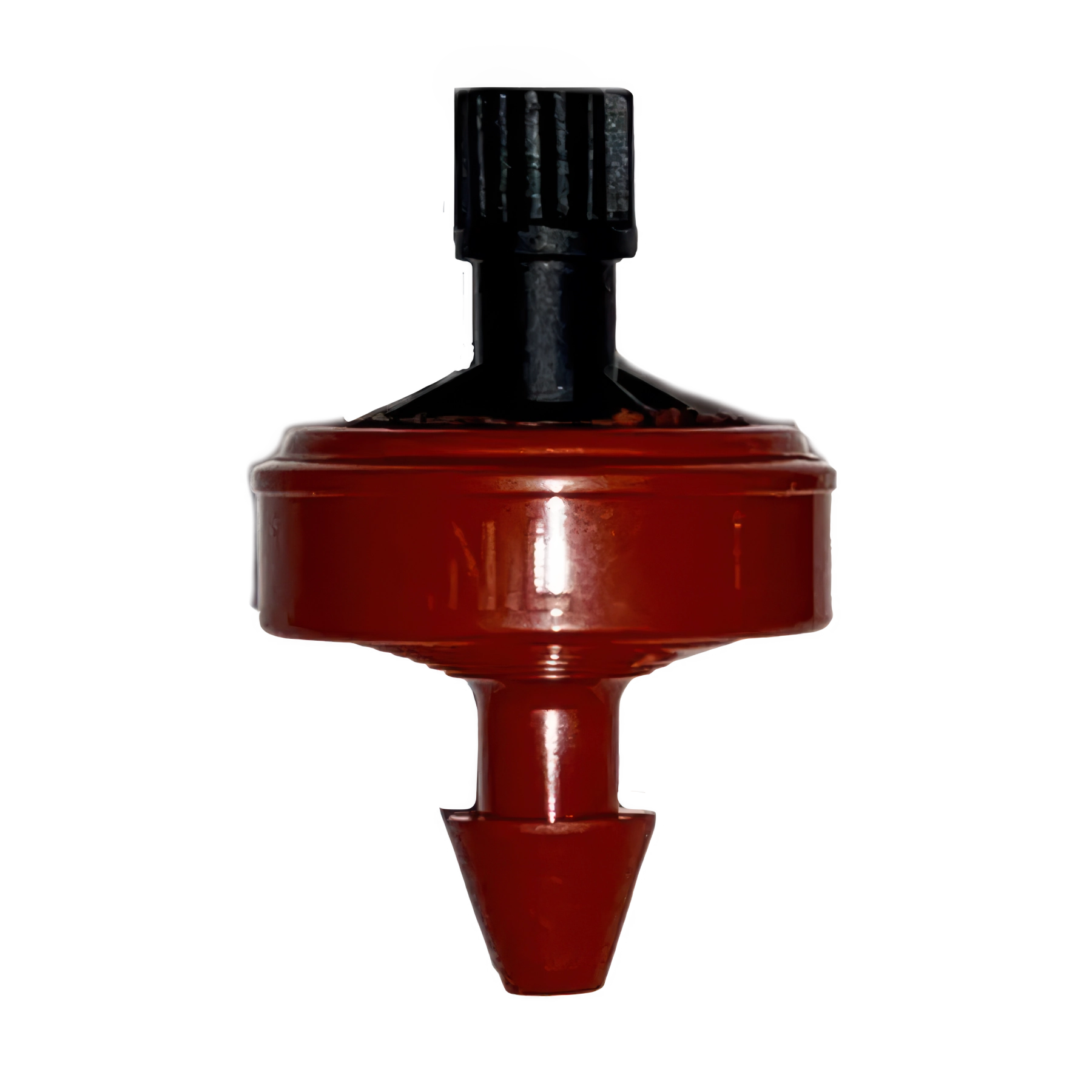
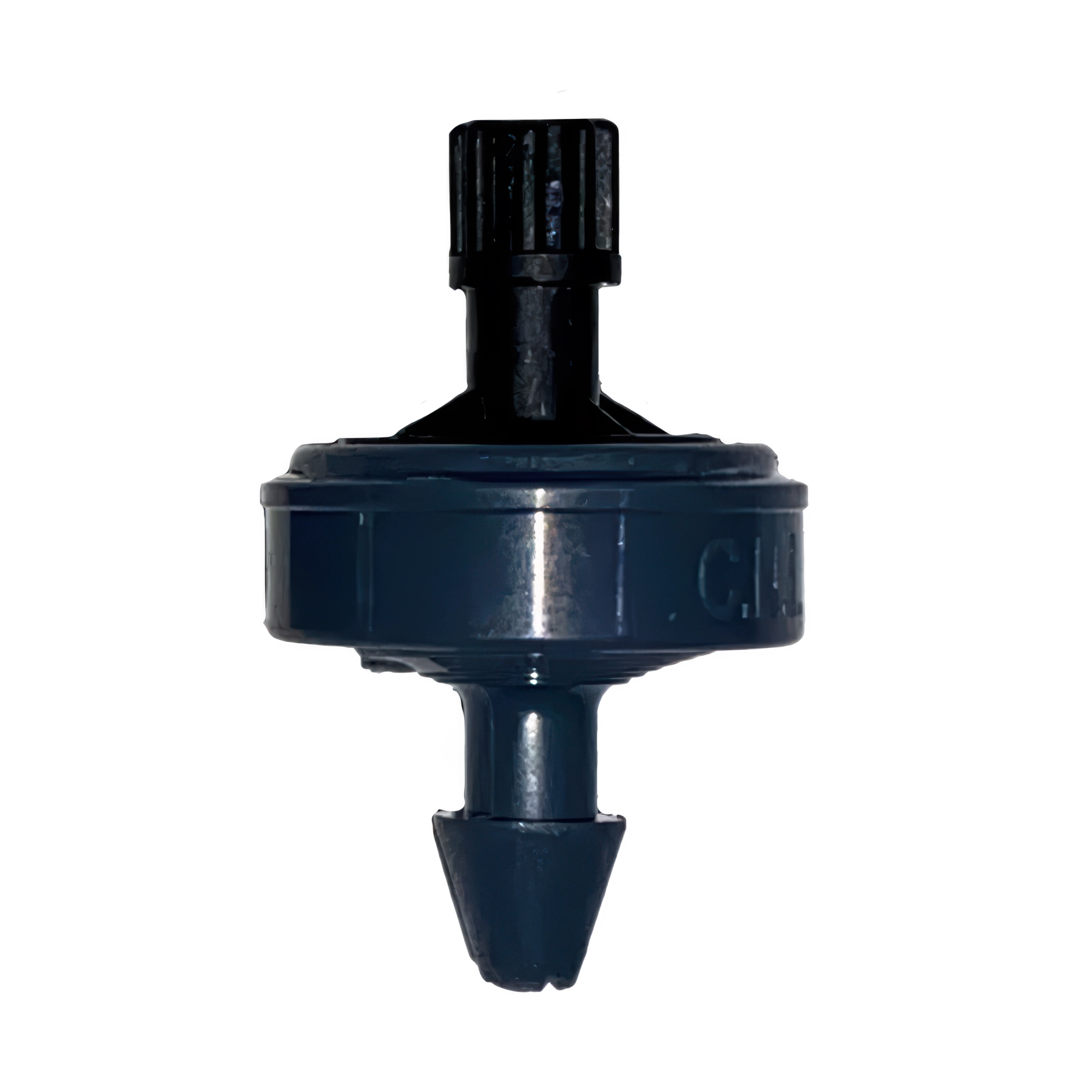
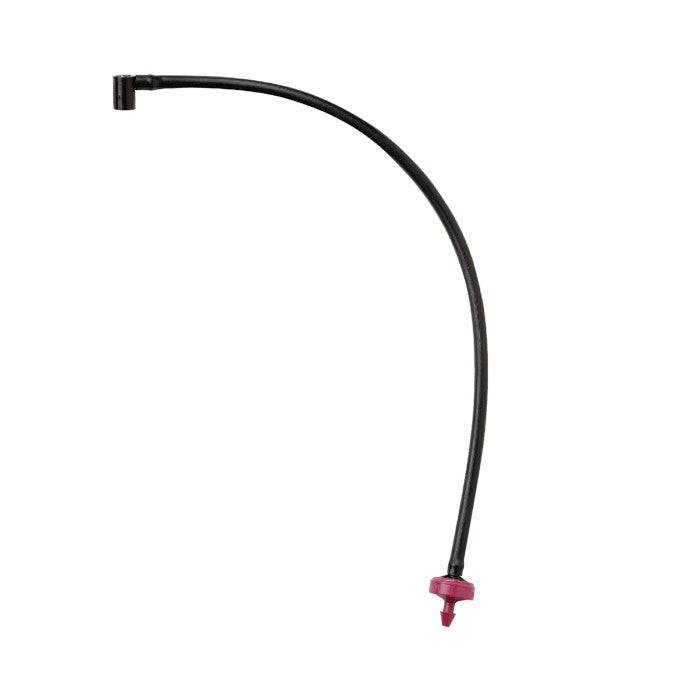
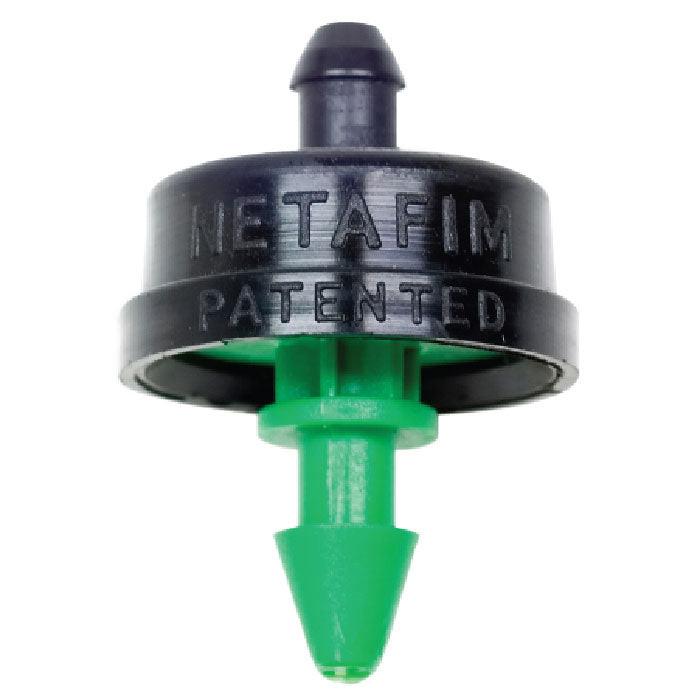
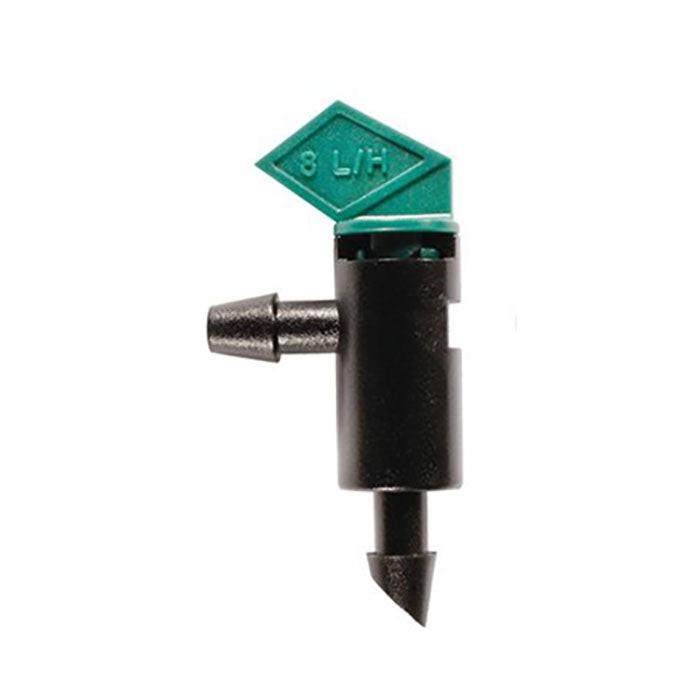
Drip Irrigation Drippers & Emitters
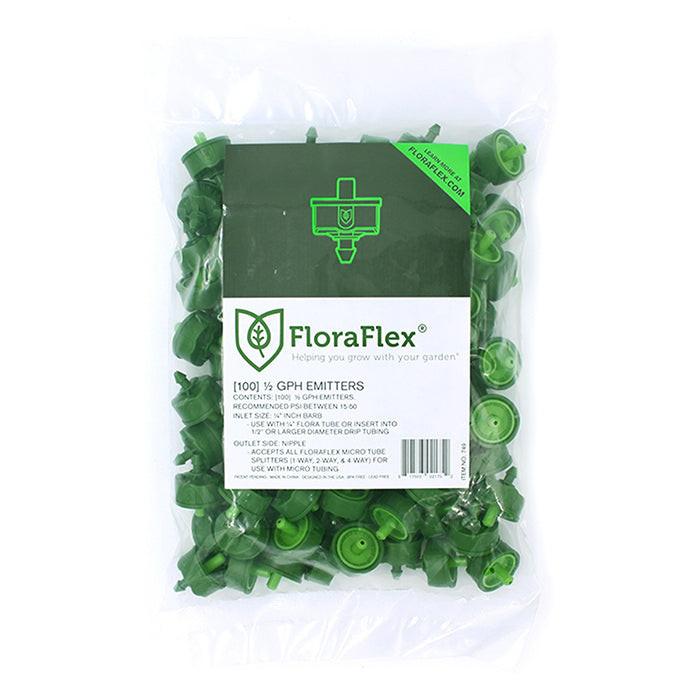
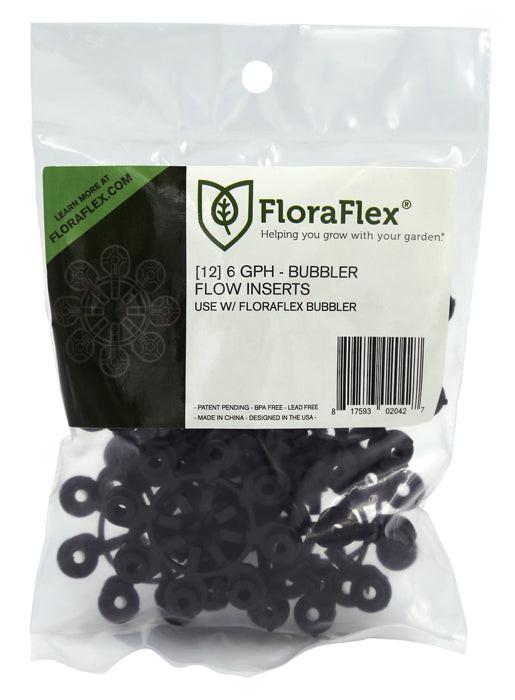
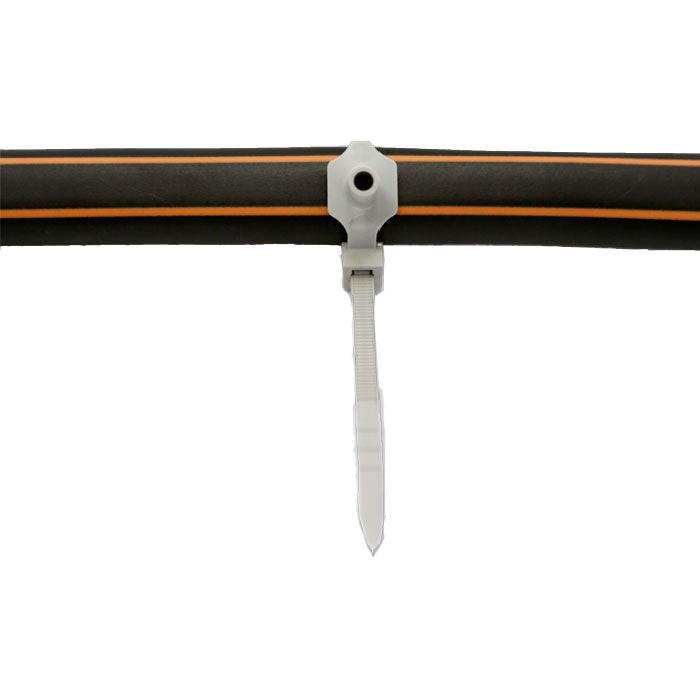
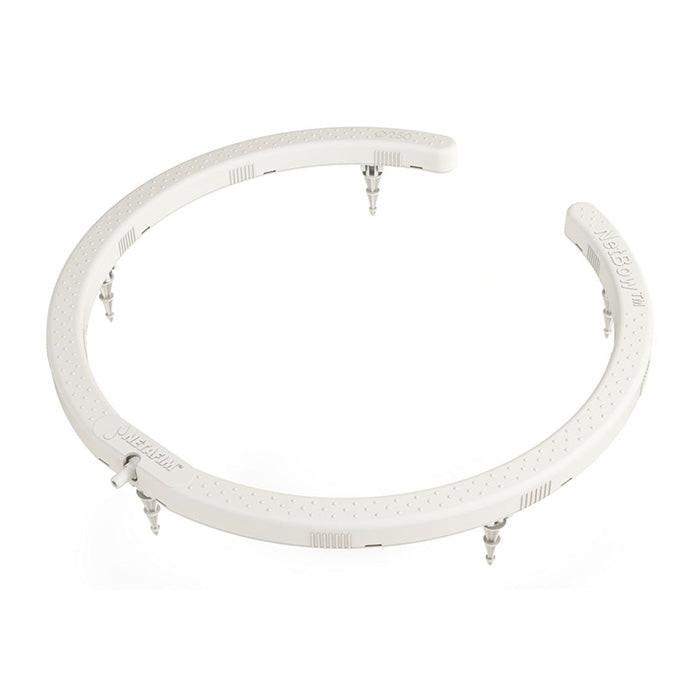
Drip emitters are the flow-controlling delivery points of a drip irrigation system -- small devices installed at each plant site that reduce high system pressure to a precise, low-volume flow rate delivered directly to the root zone. The emitter determines both how much water is delivered per unit time and whether that volume is consistent regardless of where the emitter sits on the distribution line. Quality pressure-compensating emitters (PC emitters) maintain a rated flow rate (0.5 GPH, 1.0 GPH, or 2.0 GPH) across a wide operating pressure range, ensuring every plant in the system receives the same irrigation volume whether it is at the beginning or end of a long distribution line.
Pressure-Compensating vs. Non-Compensating Emitters
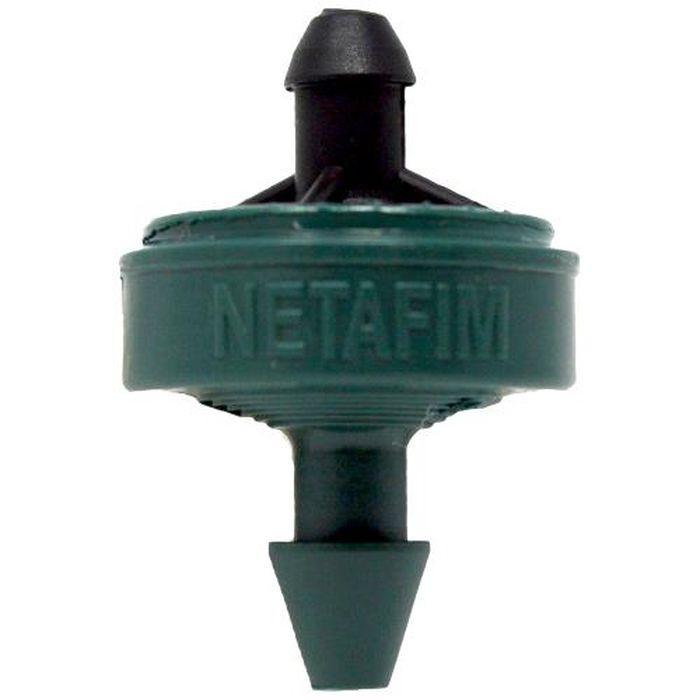
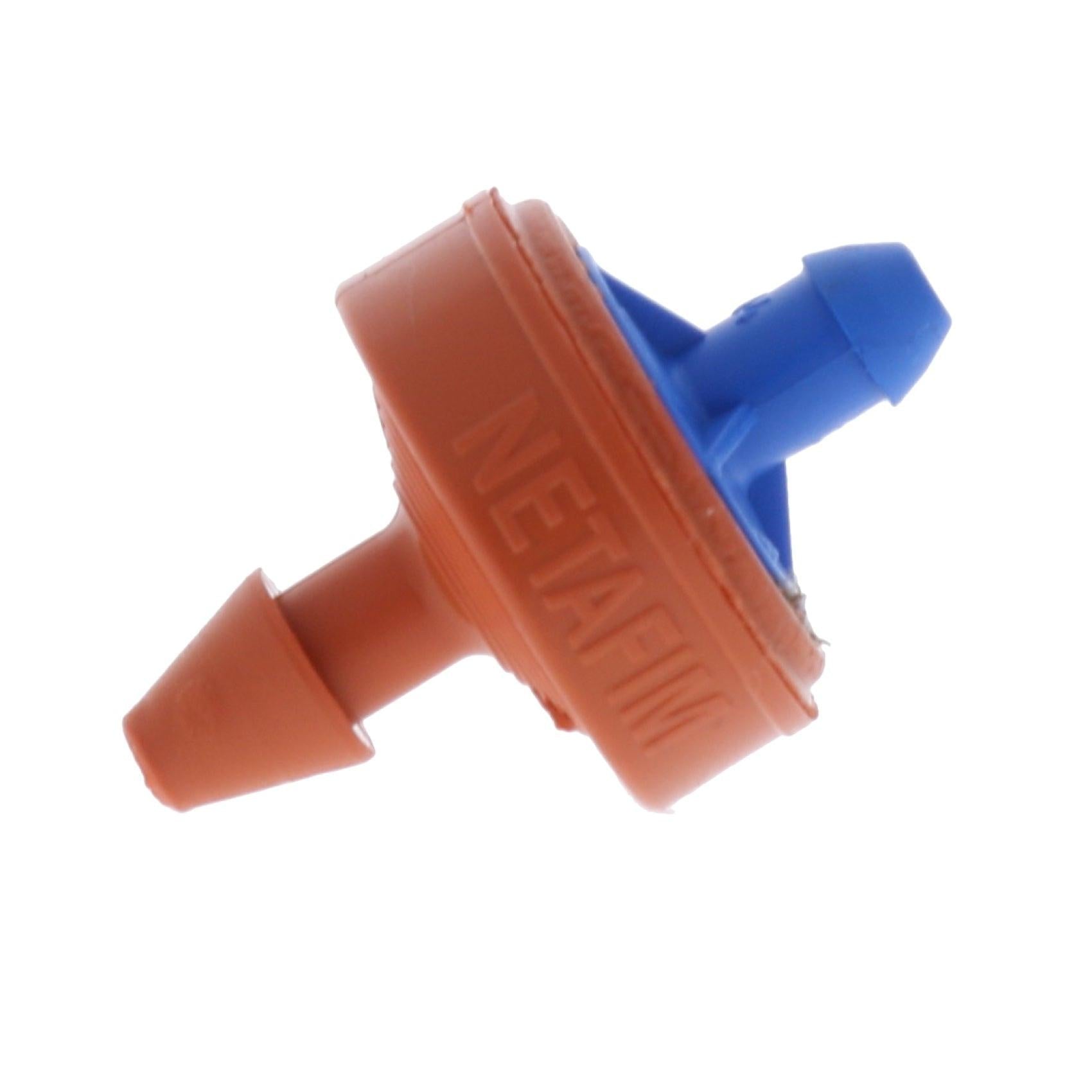
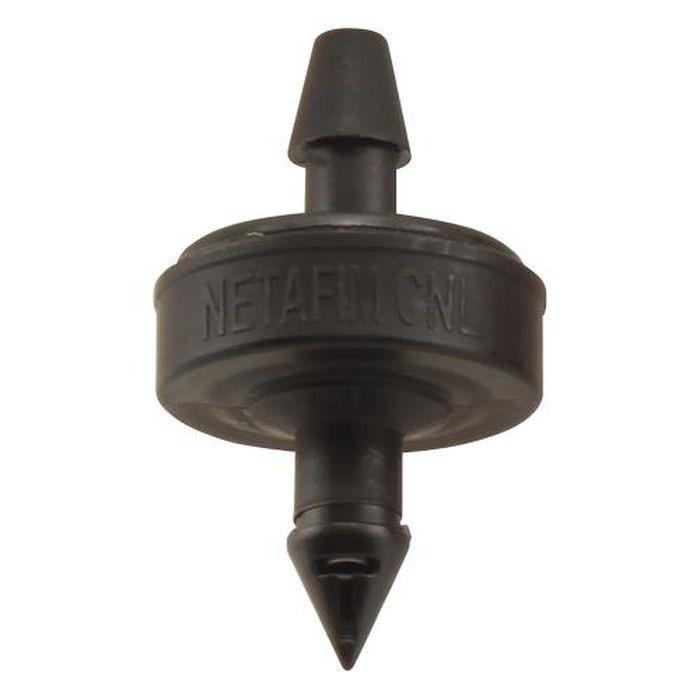
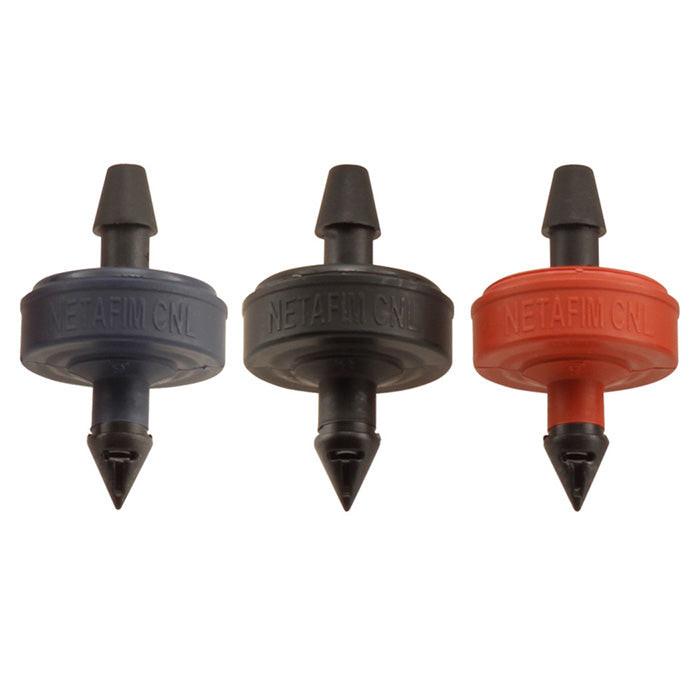
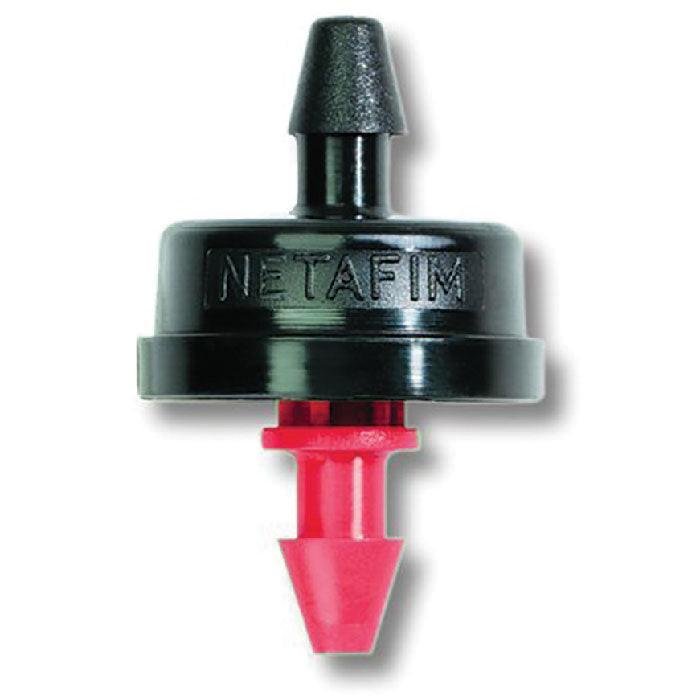
Pressure-compensating emitters use an internal elastomeric diaphragm that adjusts the flow orifice area as inlet pressure varies, maintaining consistent output across the rated pressure range (typically 7-45 PSI). Every emitter delivers the same volume per event regardless of its position on the line. Non-compensating emitters have a fixed orifice -- flow rate increases with inlet pressure. At the beginning of a long line where pressure is highest, non-compensating emitters over-deliver; at the far end where pressure has dropped, they under-deliver. For any system with more than 10-15 emitters on a single line, or any run longer than 50-100 feet, PC emitters are strongly recommended to prevent irrigation imbalance between early-line and late-line containers. The Netafim PC emitter range is the commercial standard for pressure-compensating drip delivery.
Flow Rate Selection
Match emitter flow rate to container size and irrigation frequency. Lower flow rates (0.5 GPH) deliver smaller volumes per event -- appropriate for small containers (1-2 gallon) and high-frequency programs where brief irrigations maintain substrate moisture without saturating it. Higher flow rates (1.0-2.0 GPH) deliver more volume per event -- better suited to larger containers (5-10 gallon) and less frequent irrigation programs. Most commercial rockwool and coco programs use 0.5-1.0 GPH PC emitters at 1-4 emitters per large container. Fast shipping.
Drip Emitters FAQ
What is a pressure-compensating emitter?
A pressure-compensating (PC) drip emitter uses an internal silicone or rubber diaphragm that automatically adjusts the effective flow orifice as inlet pressure changes, maintaining a consistent flow rate output across a wide pressure range (typically 7-45 PSI). The result: every emitter on a long distribution line delivers the same volume per irrigation event regardless of whether it is close to the pump (high pressure) or far from it (low pressure after line friction losses). PC emitters cost more than non-compensating emitters but produce uniform irrigation across the entire system -- essential for any commercial growing program where consistent substrate moisture across all containers is the production goal.
How do I choose between 0.5 GPH and 1.0 GPH emitters?
0.5 GPH emitters deliver 0.5 gallons per hour of continuous operation, or 0.5 oz (15 ml) per minute. For high-frequency drip programs (12-20 events per day at 2-3 minutes each), 0.5 GPH provides precise volume control per event for small to medium containers. 1.0 GPH delivers twice the volume per event -- better for larger containers (5+ gallon) or lower-frequency programs. In commercial rockwool and coco programs with 1-4 liter substrate volumes per plant: 0.5 GPH at 1-2 minute event durations is the standard. For 5-10 gallon containers: 1.0 GPH or two 0.5 GPH emitters per container at 3-5 minute events.
Why do some of my drip emitters deliver more water than others?
Unequal emitter delivery has three main causes: (1) Pressure variation along the line -- emitters near the pump receive higher pressure and deliver more if using non-compensating emitters; switch to PC emitters to equalize output. (2) Partial clogging -- sediment, algae, or mineral scale partially blocking some emitters; clean or replace affected emitters and install a filter upstream. (3) Elevation differences -- emitters at lower elevation than others receive higher pressure from the head difference; PC emitters compensate for this automatically, non-compensating do not.
How do I clean clogged drip emitters?
For mineral scale (white deposits): soak emitters in a dilute citric acid solution (1 tablespoon per cup of water) for 30-60 minutes, then flush with clean water. For algae or biological fouling: soak in dilute H2O2 (3%, standard pharmacy concentration) for 30 minutes, then flush. Remove emitters from the system before soaking -- acid solutions can damage poly tubing if left in prolonged contact. After cleaning, verify flow rate by timing the output into a measured container before reinstalling. Emitters that cannot be restored to rated flow after cleaning should be replaced -- a clogged emitter wastes treatment time if the obstruction is in the internal flow path rather than the screen.
How many emitters do I need per container?
For small containers (1-3 gallon, 3-4 inch rockwool blocks): one emitter per container is standard in most commercial programs. For medium containers (3-5 gallon, 6-inch rockwool blocks): one emitter, or two emitters for larger substrate volumes where single-point delivery leaves areas of the substrate under-irrigated due to slow lateral water movement. For large containers (5-10+ gallon) or slabs: two emitters positioned at one-third points across the container/slab width ensures even substrate saturation. More than two emitters per container is rarely necessary -- additional emitters add cost without improving distribution beyond what two well-positioned emitters achieve.