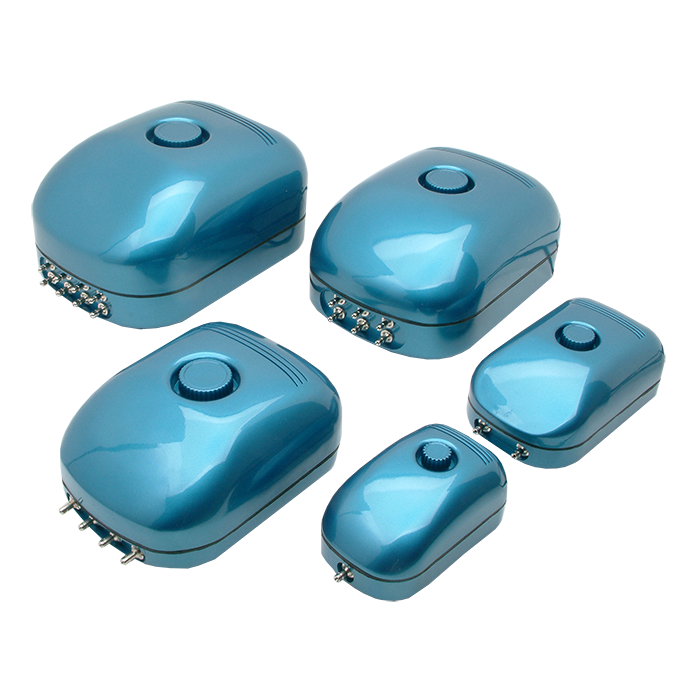
Hydroponic Air Pumps & Air Stones for Root Zone Oxygenation
Dissolved oxygen in the nutrient solution is one of the most critical and most commonly overlooked variables in hydroponic growing. Without adequate oxygenation, plant roots cannot efficiently absorb nutrients — leading to stunted growth, anaerobic conditions at the root zone, root rot, and increased susceptibility to pathogens. Air pumps and diffusers working together saturate the reservoir with dissolved oxygen, maintaining the conditions roots need throughout the entire growing cycle.
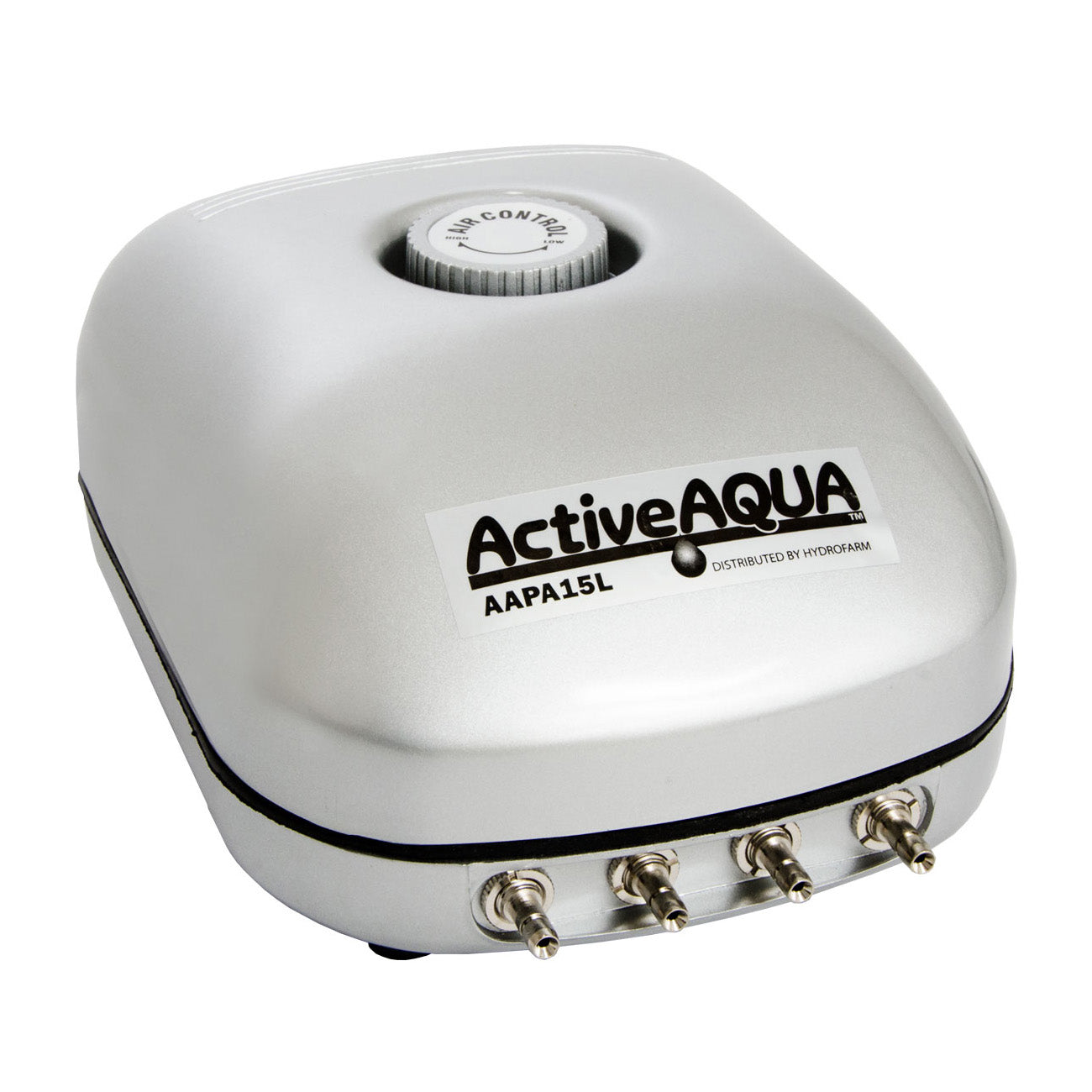
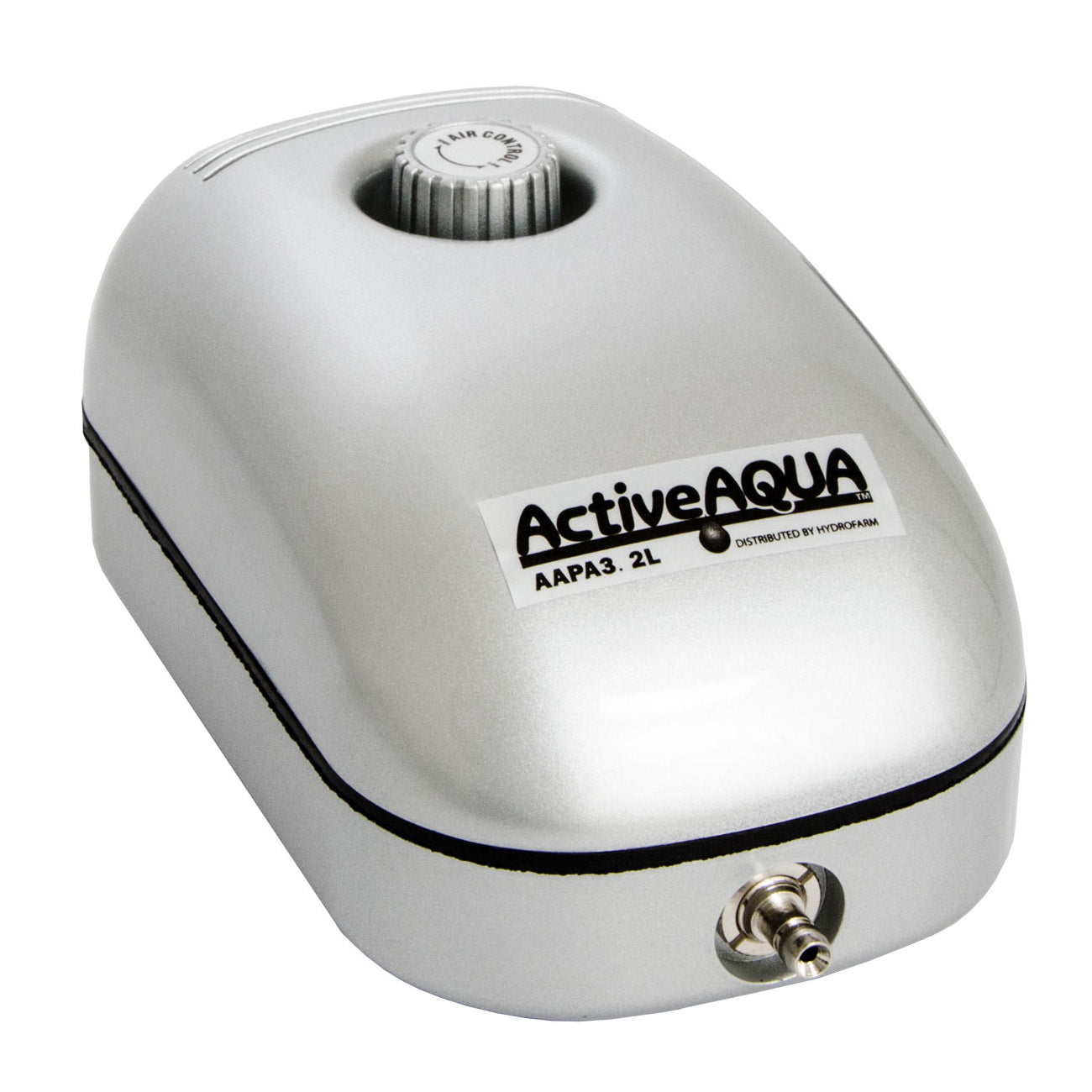
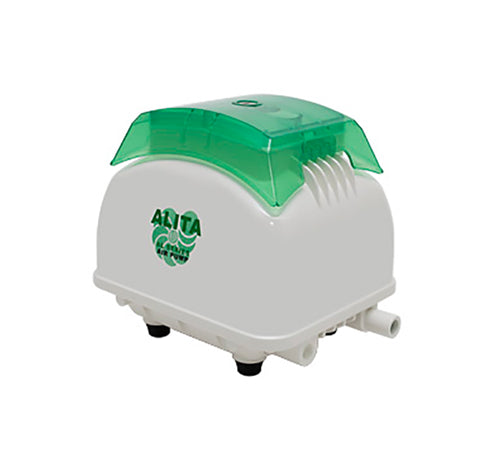
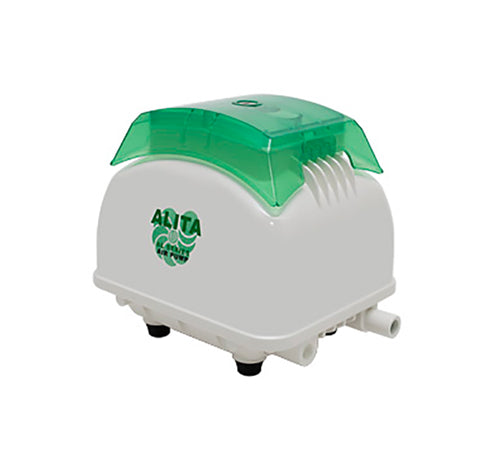
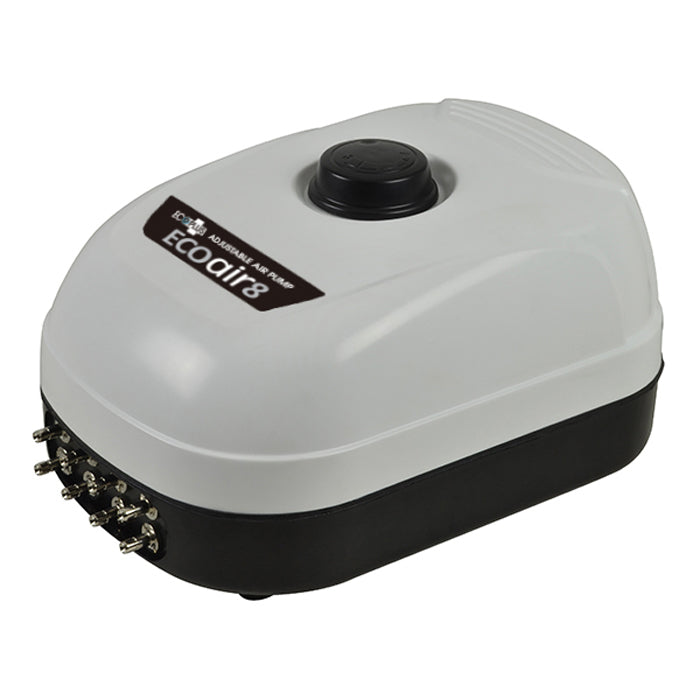
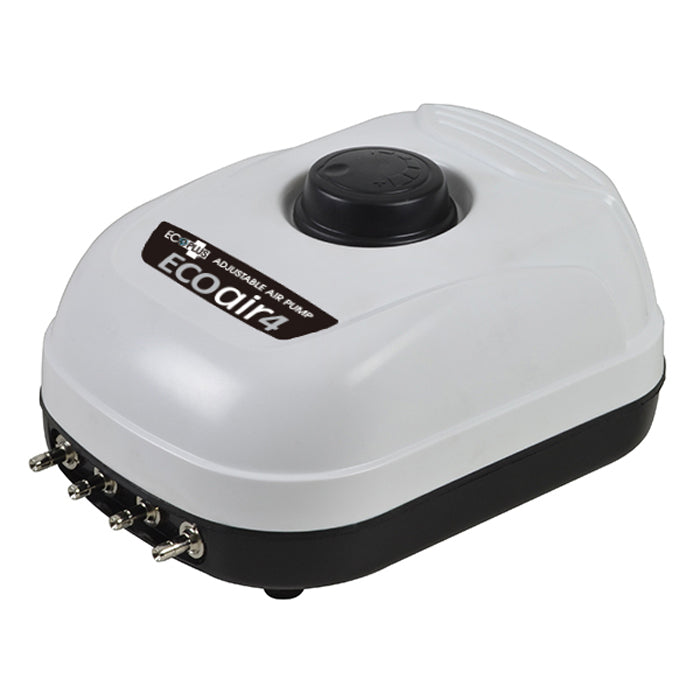
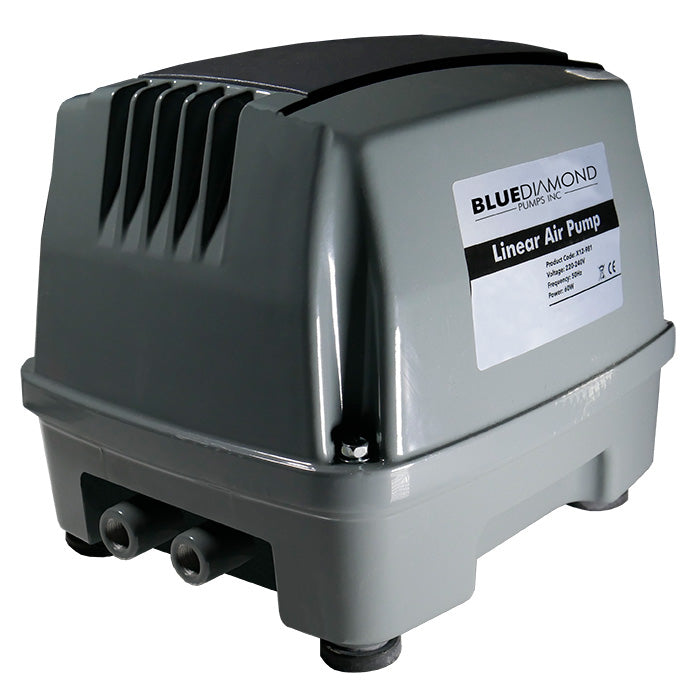
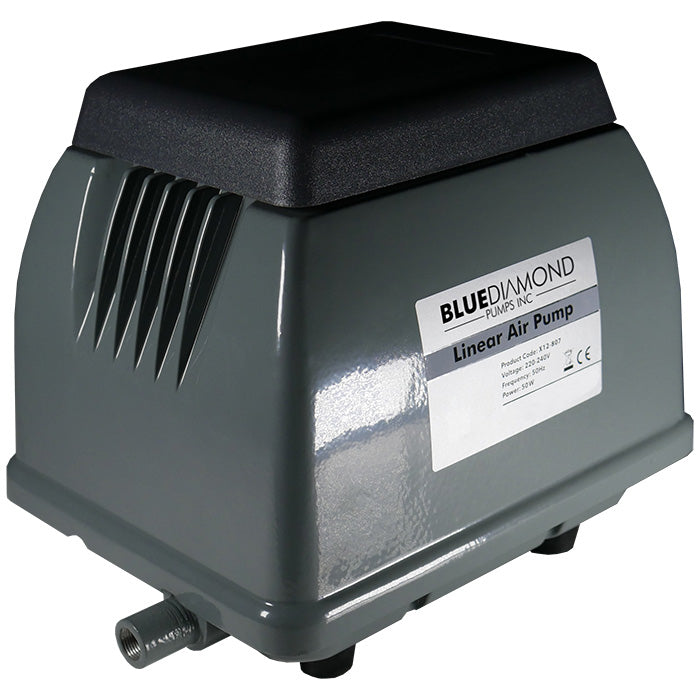
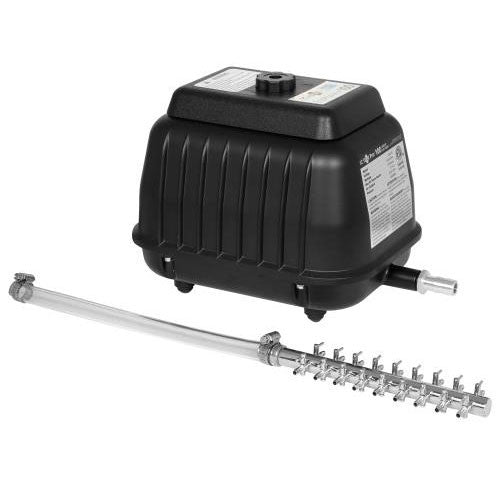
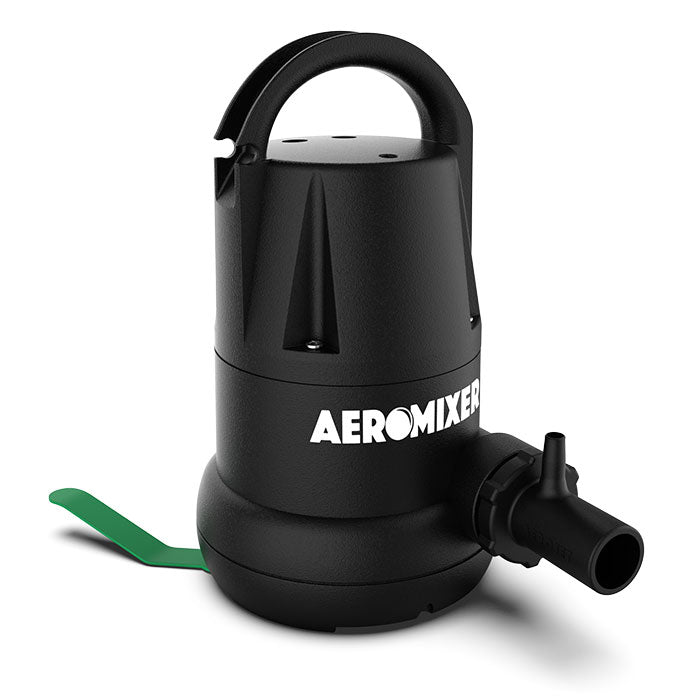
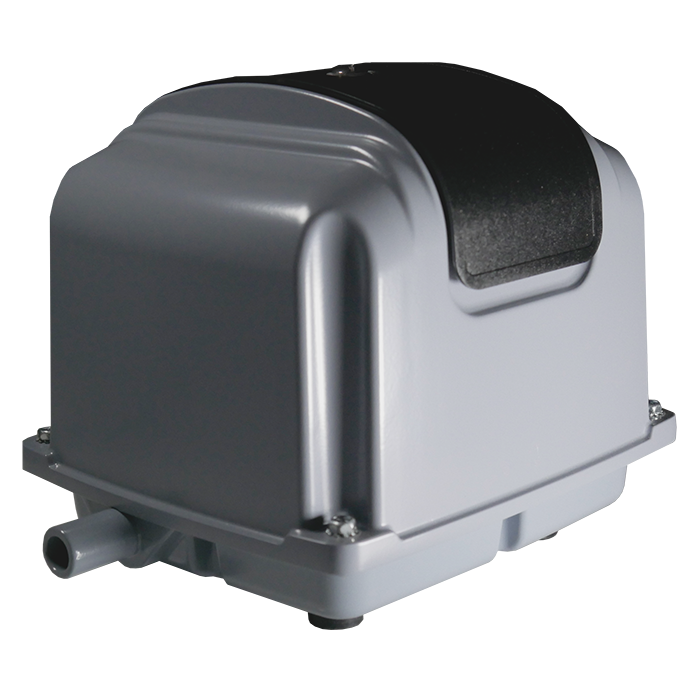
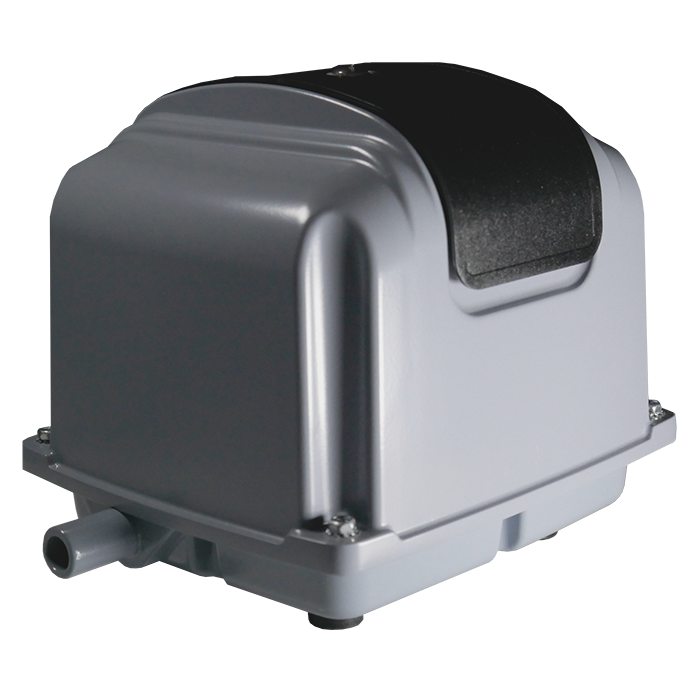
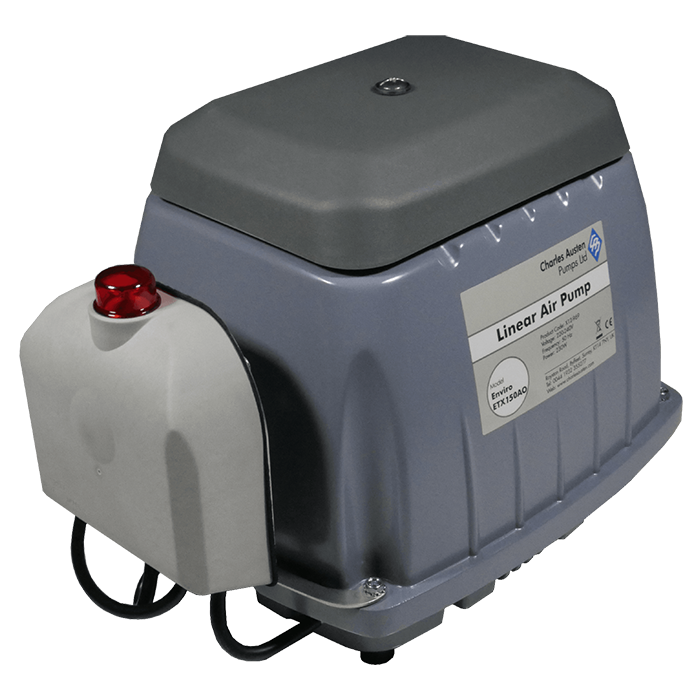
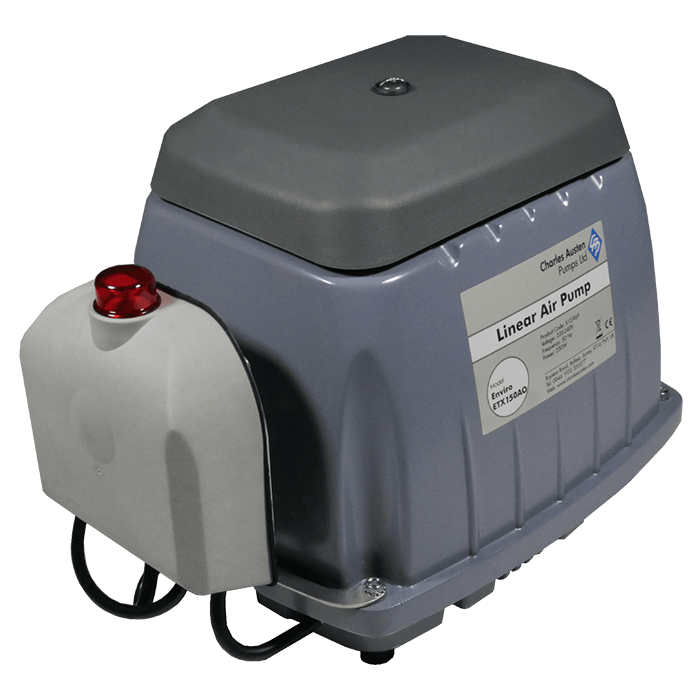
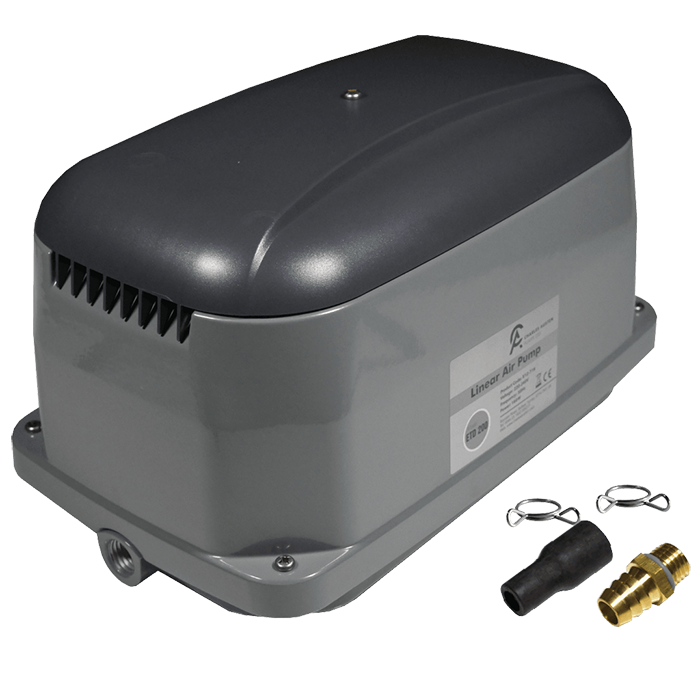
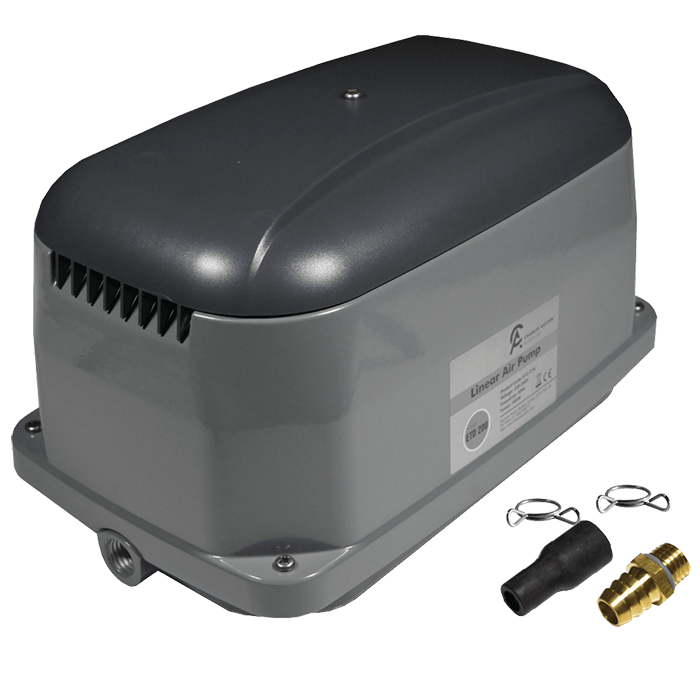
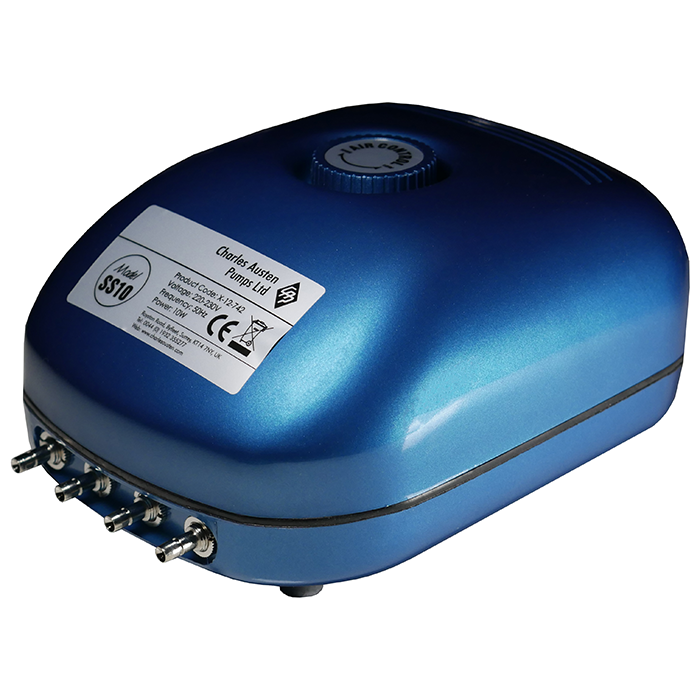
Air Pumps, Air Stones & Diffusers from Active Aqua, Active Air & EcoPlus
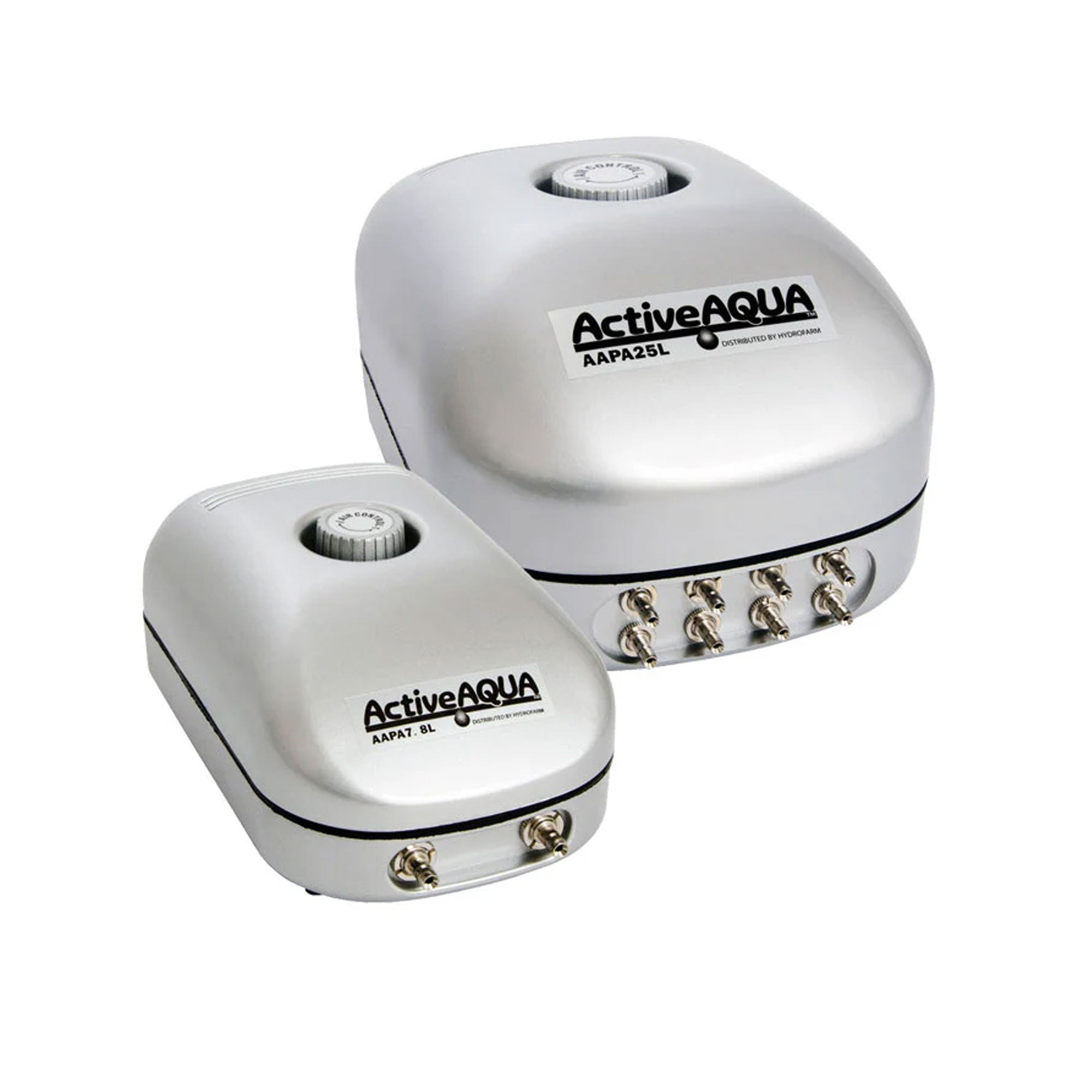
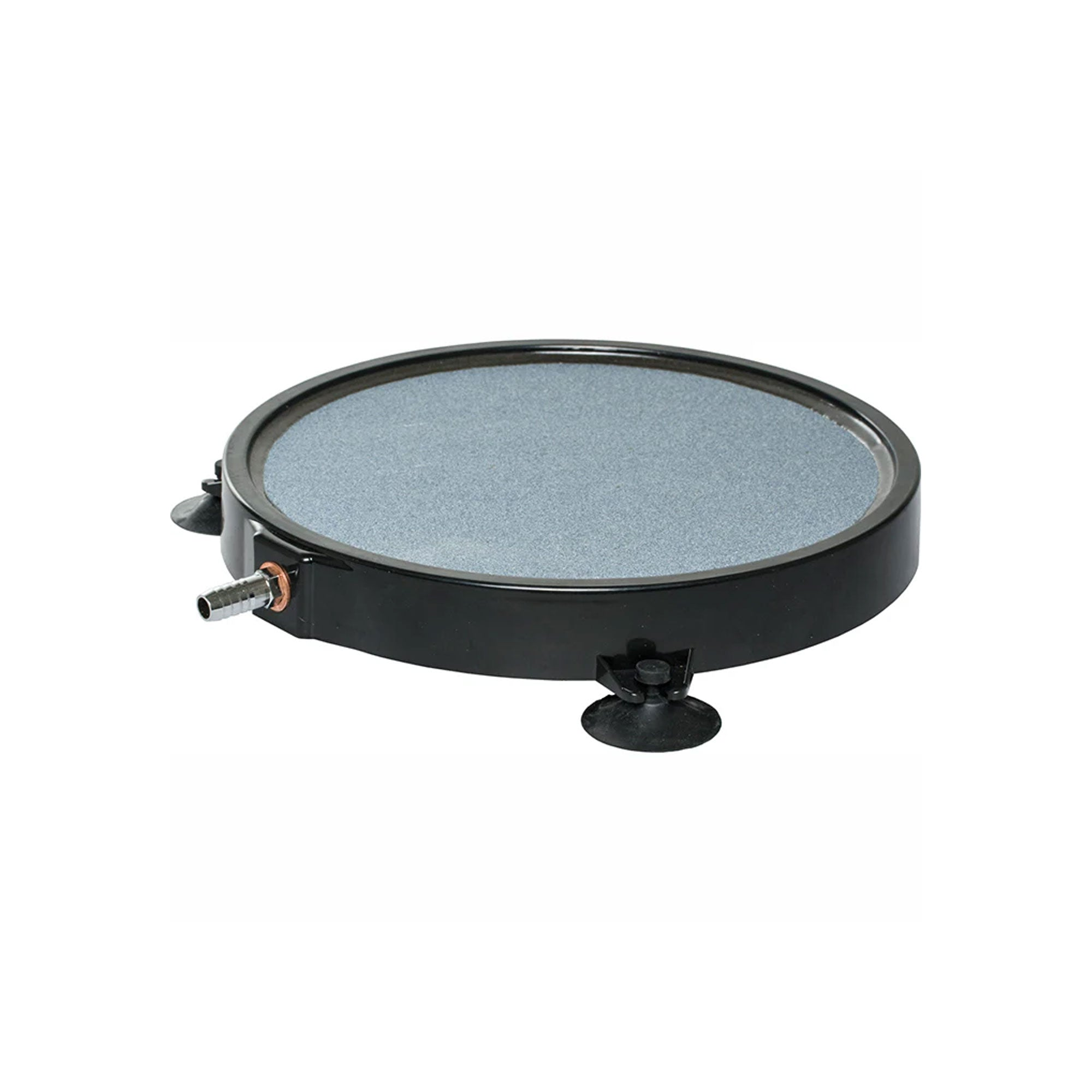
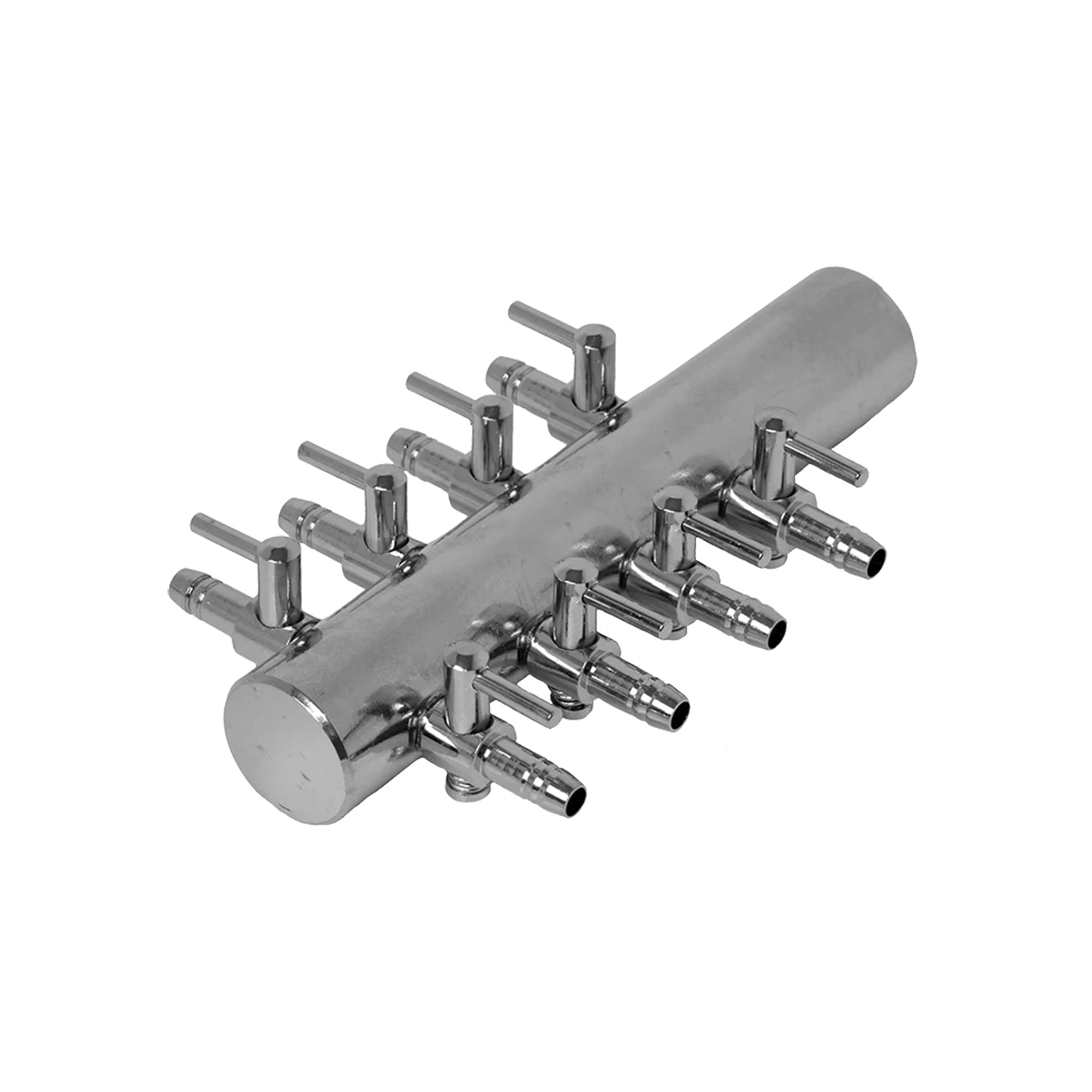
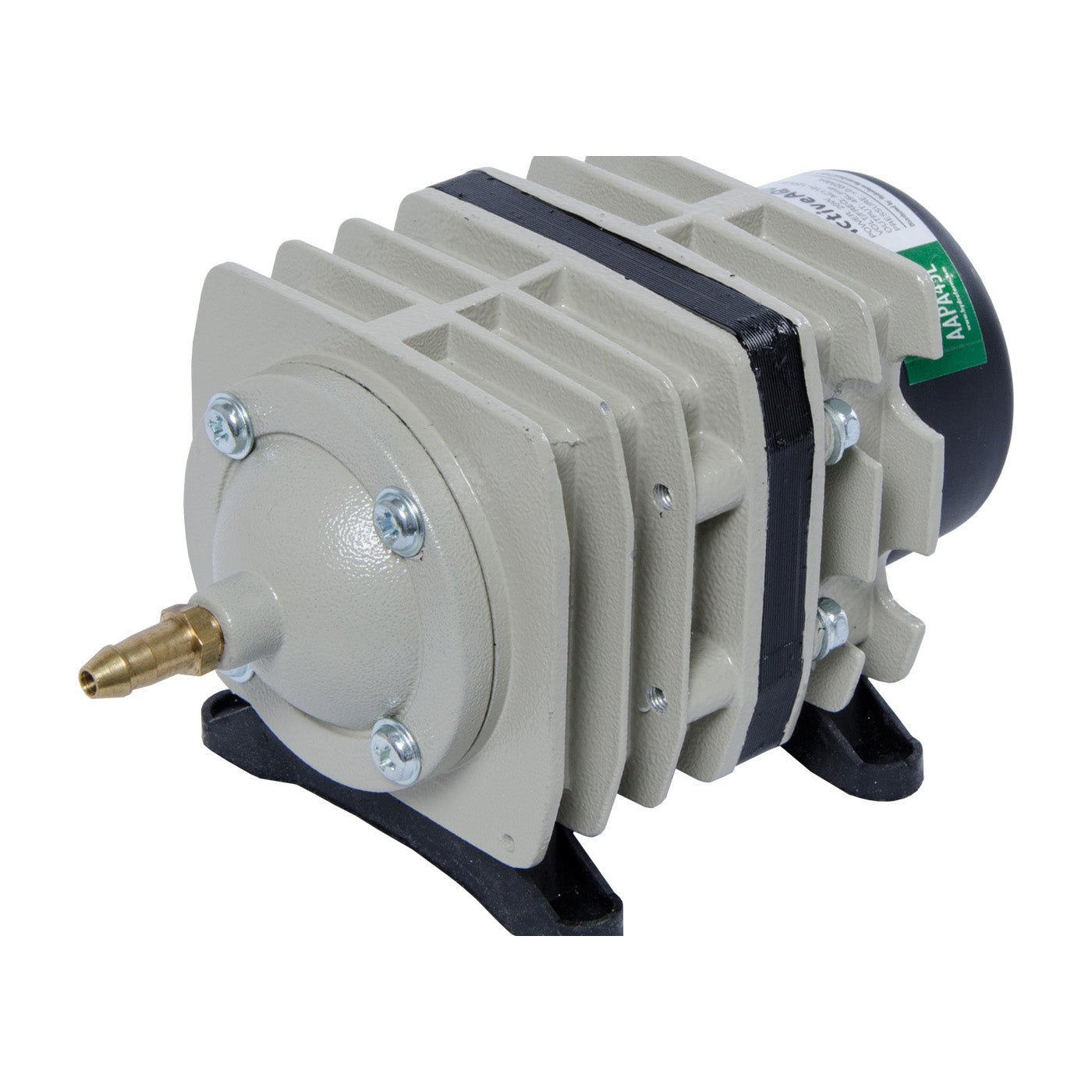
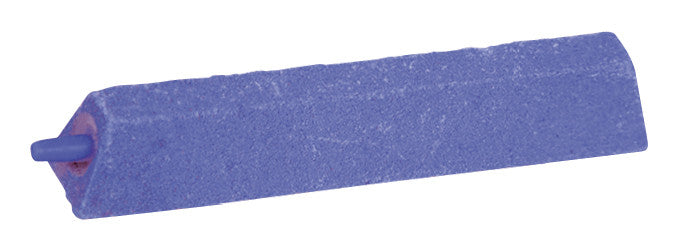
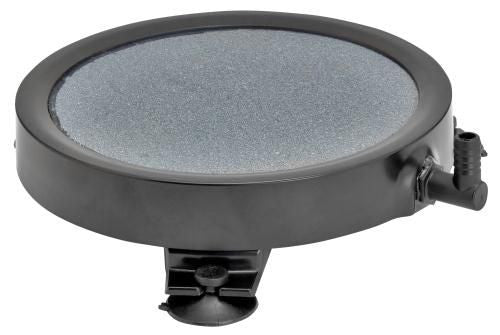
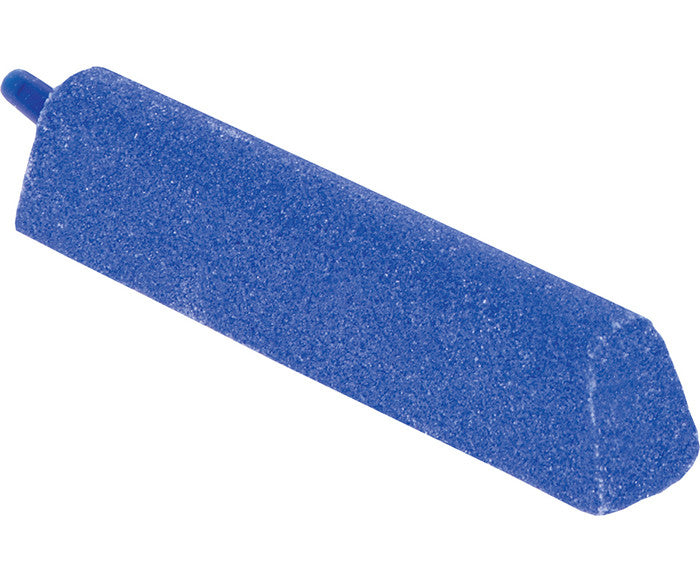
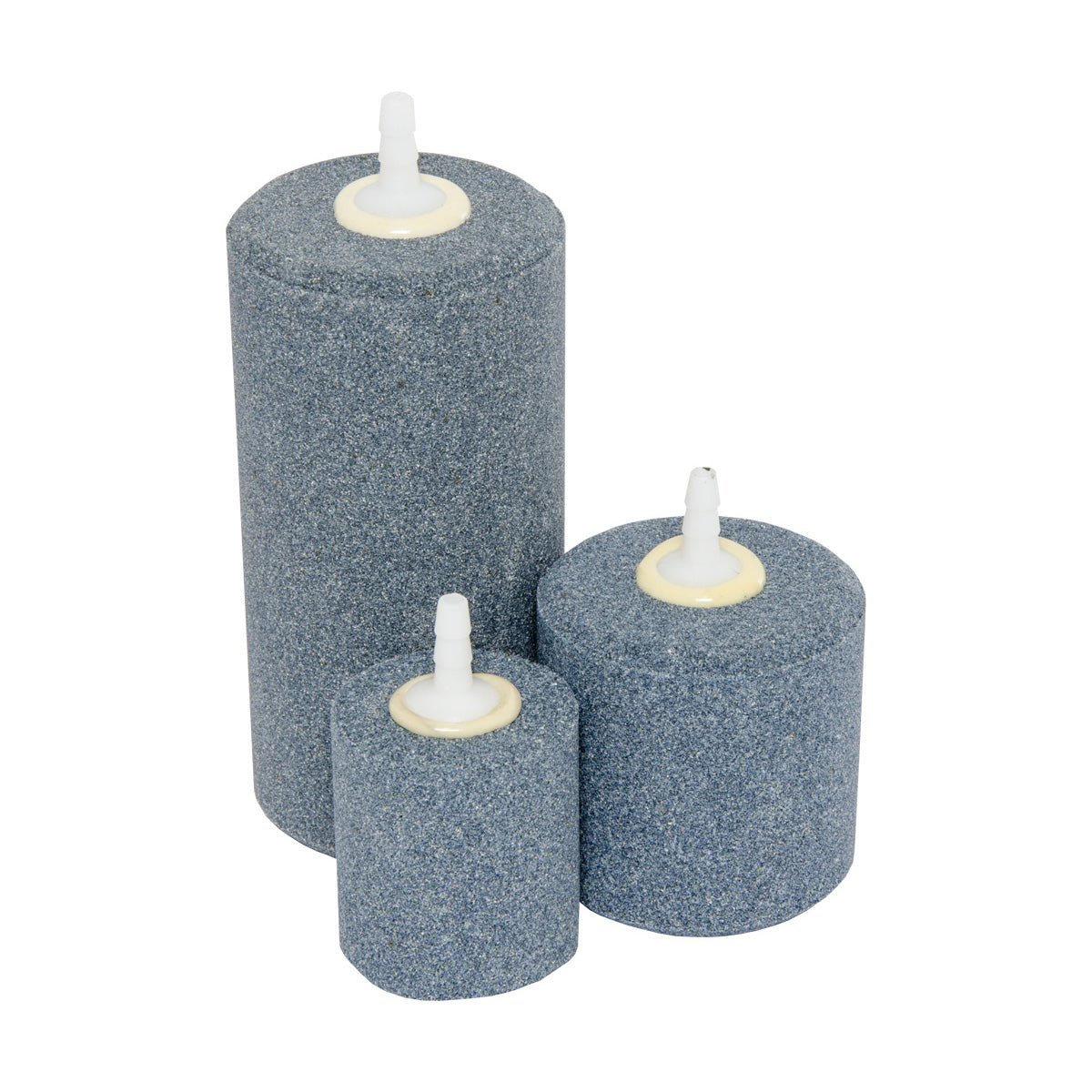
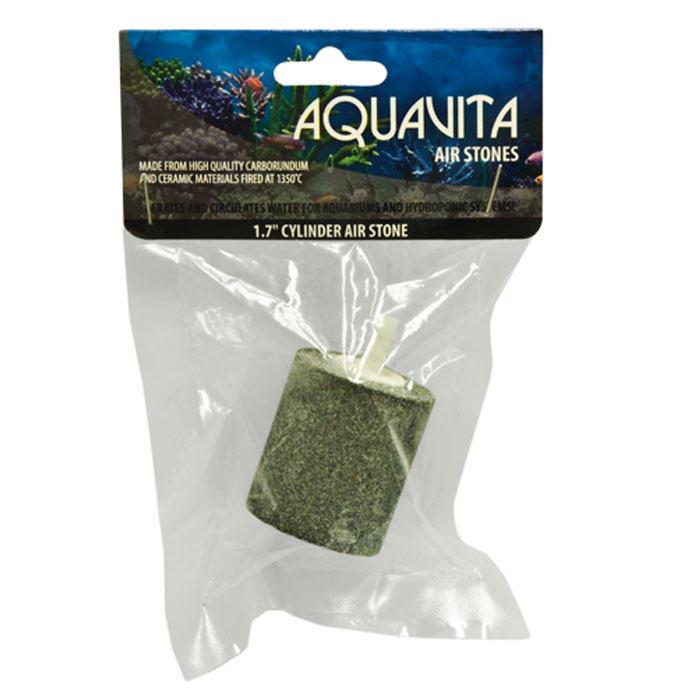
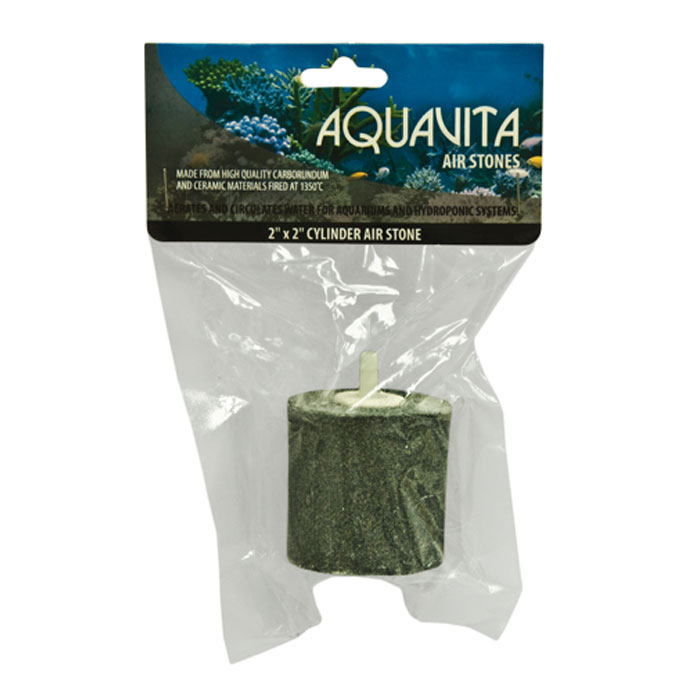
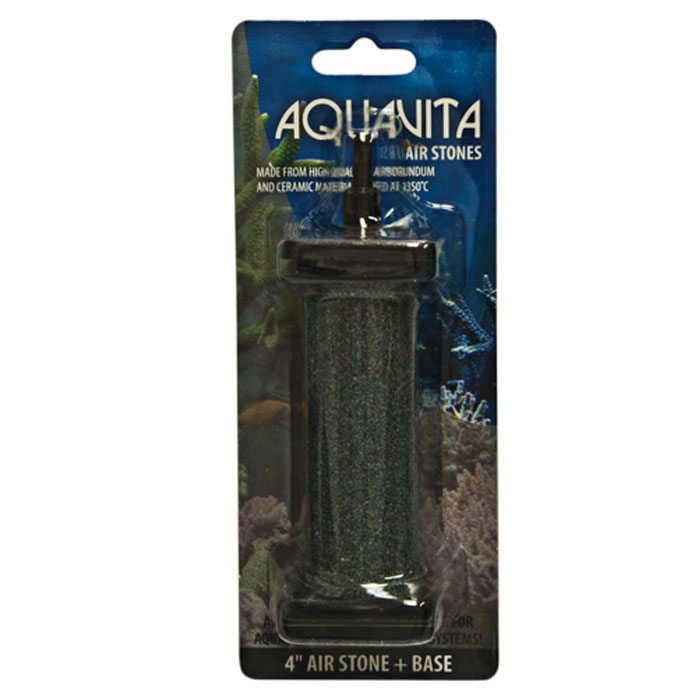
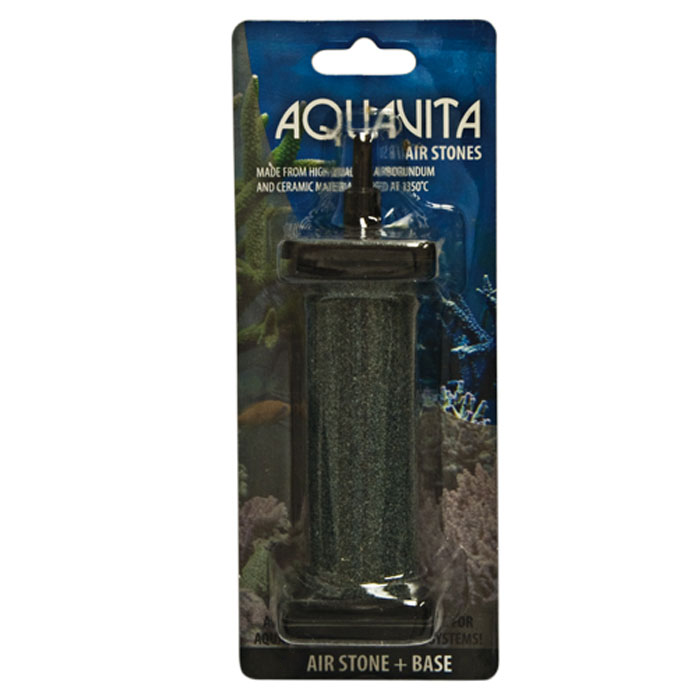
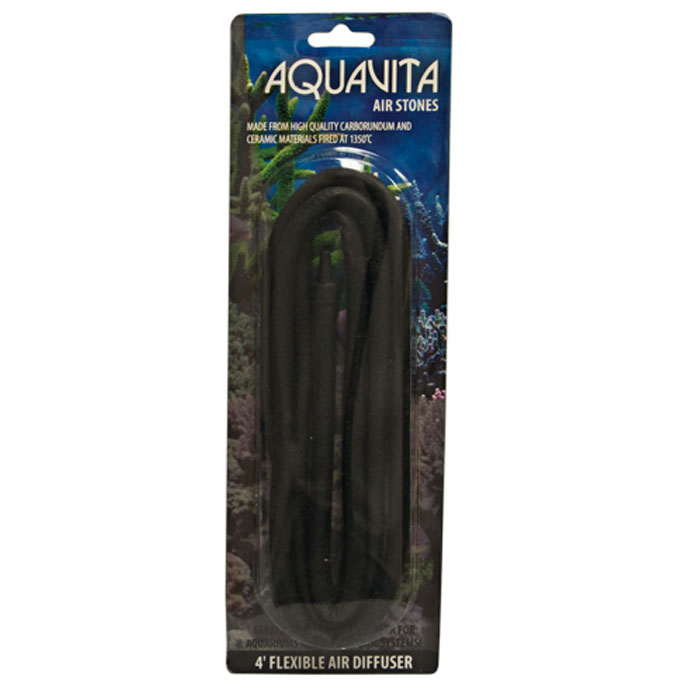
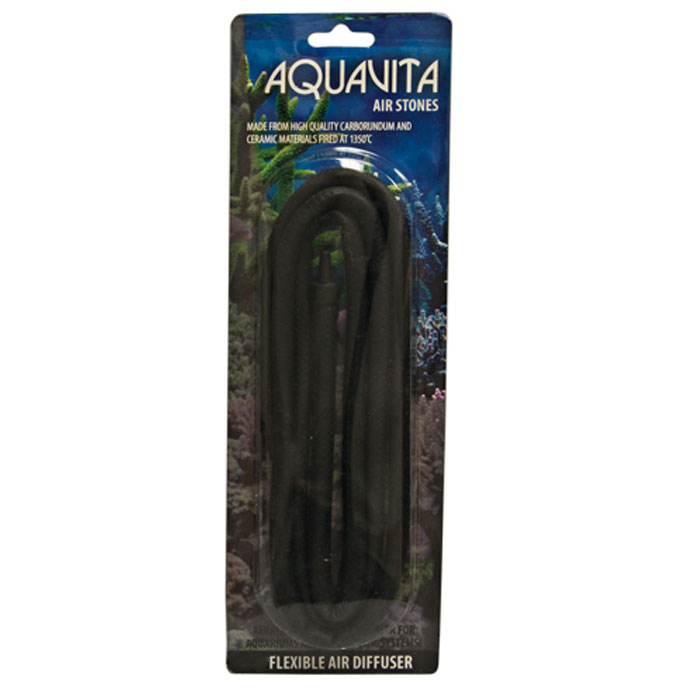
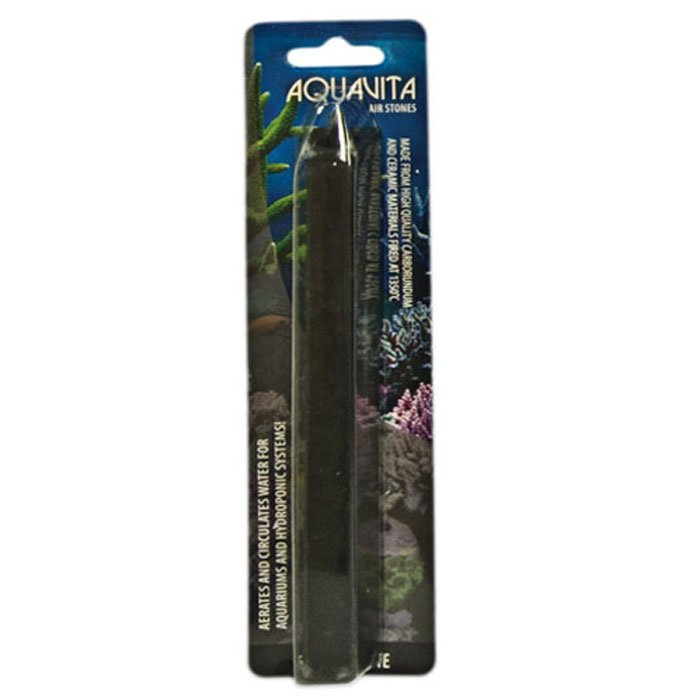
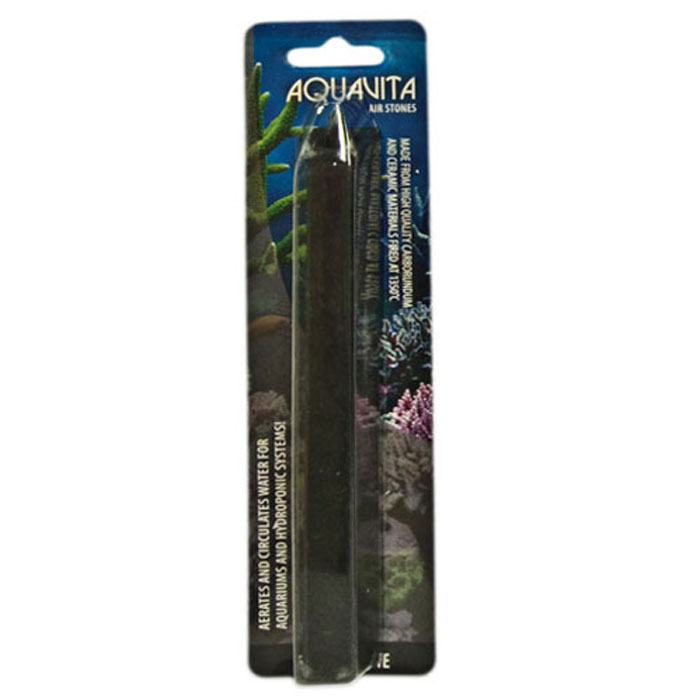
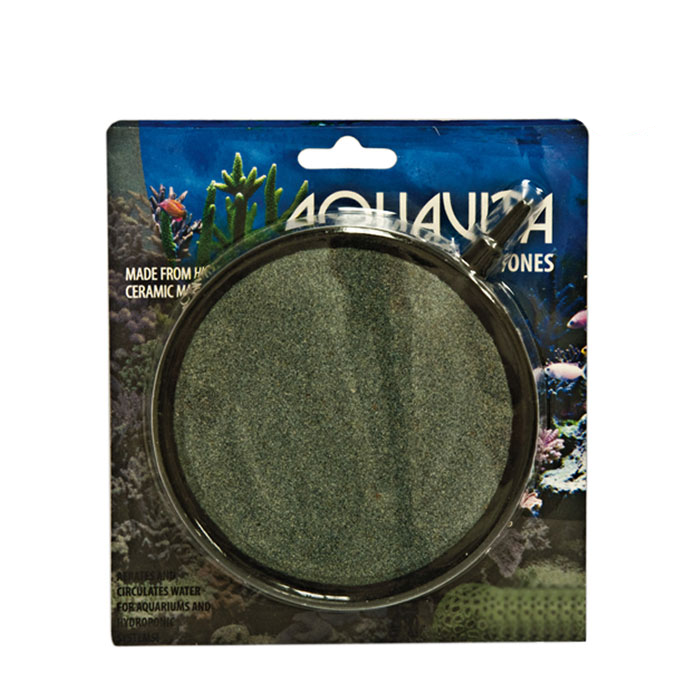
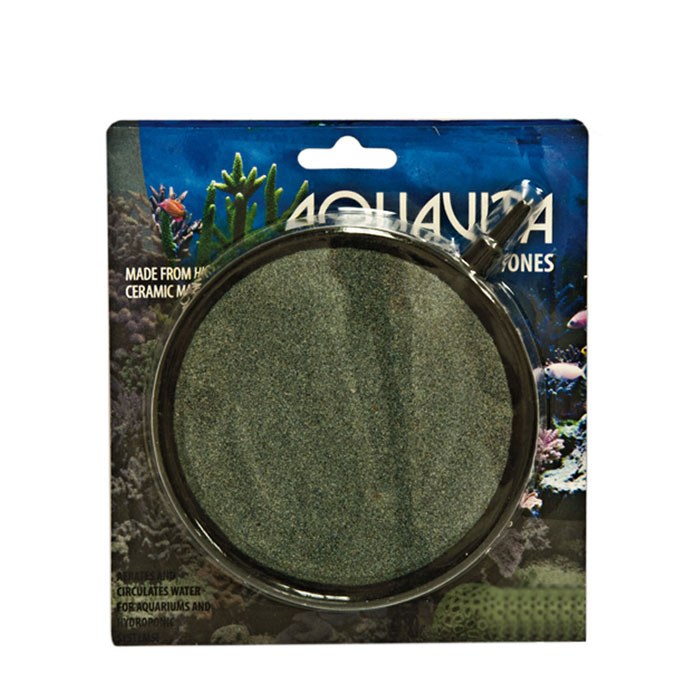
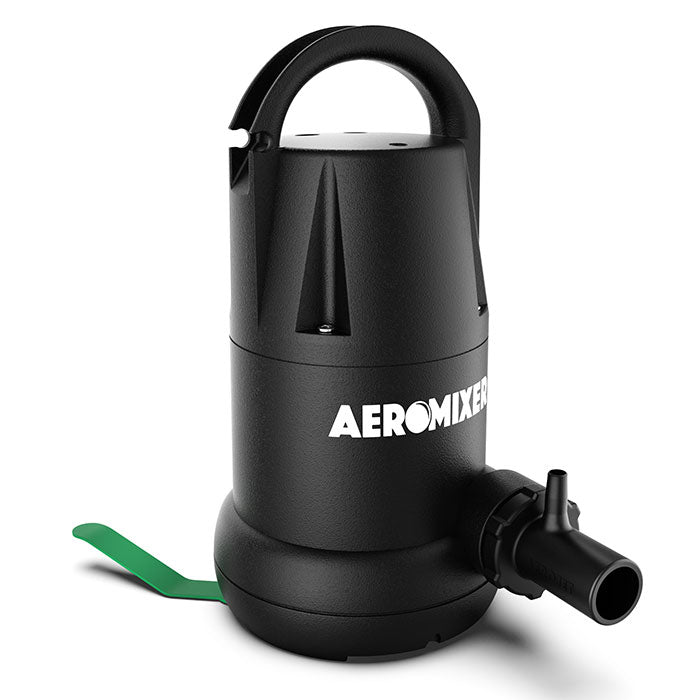
Hydrobuilder stocks single-outlet and multi-outlet air pumps from Active Aqua, Active Air, and EcoPlus, rated from small hobby reservoirs up to large commercial tanks. Air stones and disc diffusers are available in cylindrical, disc, and custom-length formats. Finer pore sizes produce smaller, more numerous bubbles that transfer oxygen more efficiently into the solution than coarser stones. Airline tubing, check valves, and multi-outlet manifolds are stocked to complete aeration setups for systems with multiple reservoirs or bucket arrays.
Sizing Your Air Pump: LPM by System Scale
Air pumps are rated in liters per minute (LPM). For hobby DWC setups with 5–20 gallon reservoirs, 1–40 LPM is typically sufficient. Mid-scale recirculating systems with larger central reservoirs (50–100+ gallons) generally need 40–100 LPM. Commercial operations managing multiple large reservoirs may require pumps rated at 200+ LPM. When in doubt, size up — over-oxygenation is not a practical concern, while under-oxygenation consistently limits growth and opens the door to root disease.
Which Systems Need Air Pumps Most
DWC and RDWC systems have an absolute requirement for air pumps and stones — roots spend their entire life submerged, making dissolved oxygen non-negotiable for plant survival. Ebb and flow systems benefit significantly from reservoir aeration during flood cycles, when roots are temporarily submerged. Drip and aeroponic systems have better inherent oxygenation but still see measurable improvements in root health and nutrient uptake with reservoir aeration in place. For any recirculating system, aeration is one of the cheapest and most impactful investments you can make in plant performance.
Aeration in Cloning & Propagation
Aeroponic cloning machines rely on misting pumps rather than air stones, but hydroponic cloning systems that use a water-bath approach benefit from the same dissolved oxygen principles as DWC. Adding a small air pump and stone to a hydroponic cloning machine improves oxygenation at cutting stems and measurably accelerates root development.
Explore our DWC hydroponic systems collection for complete oxygenated reservoir setups, or browse water pumps for nutrient solution circulation. Learn more in our guide to air stones and diffusers. Fast shipping.
Air Pumps & Air Stones FAQ
How do I know if my air pump is big enough for my hydroponic reservoir?
The most reliable test is observation: your air stone or diffuser should produce vigorous, fine bubbling throughout the full reservoir volume with no dead spots or areas of stagnant water. A practical sizing guideline is 1 LPM per gallon of reservoir volume as a minimum — a 10-gallon reservoir needs at least 10 LPM output. For DWC with large root masses that displace reservoir volume and reduce dissolved oxygen, size up to 2 LPM per gallon. Remember that air pump output decreases with back pressure as tubing length increases — measure the actual LPM output at the air stone, not just the pump's free-air rating.
What is the difference between cylindrical air stones and disc diffusers?
Cylindrical air stones are the traditional format — inexpensive, widely compatible with standard airline tubing, and produce a column of medium-size bubbles. Disc or membrane diffusers (also called micro-diffusers or nanobubble diffusers) use a finer pore structure to produce much smaller bubbles across a larger surface area. Smaller bubbles transfer oxygen more efficiently into solution because they have more total surface area relative to their volume and rise more slowly through the water, giving them longer contact time. For high-performance DWC where dissolved oxygen is a critical variable, disc diffusers outperform cylindrical stones. Replace air stones every 3–6 months as mineral deposits clog pores and reduce output.
Can I run too much aeration in a DWC reservoir?
In practical terms, no — more dissolved oxygen in the root zone consistently improves plant performance and root health up to the saturation point of water at your reservoir temperature. There is no toxicity threshold for oxygen in hydroponic reservoirs. The main consideration with very high aeration is that vigorous bubbling can accelerate pH drift upward by outgassing CO2 from solution — monitor pH more frequently if you significantly increase aeration. With nutrient concentrates containing silica or powder nutrients, high turbulence can also cause some precipitation, so use standard aeration rather than maximum for powder-based programs like Athena Pro Line.
Do drip and ebb and flow systems need air pumps?
Not strictly required, but beneficial. Drip and ebb and flow systems have better inherent root zone oxygenation than DWC because roots experience periods without submersion. However, adding reservoir aeration in ebb and flow systems measurably improves dissolved oxygen during flood cycles when roots are submerged, and aerating the nutrient reservoir in any recirculating system prevents the stagnant conditions that favor pathogen development. Even a small air pump with a single air stone in the reservoir is a low-cost insurance policy against root disease in any hydroponic system type.