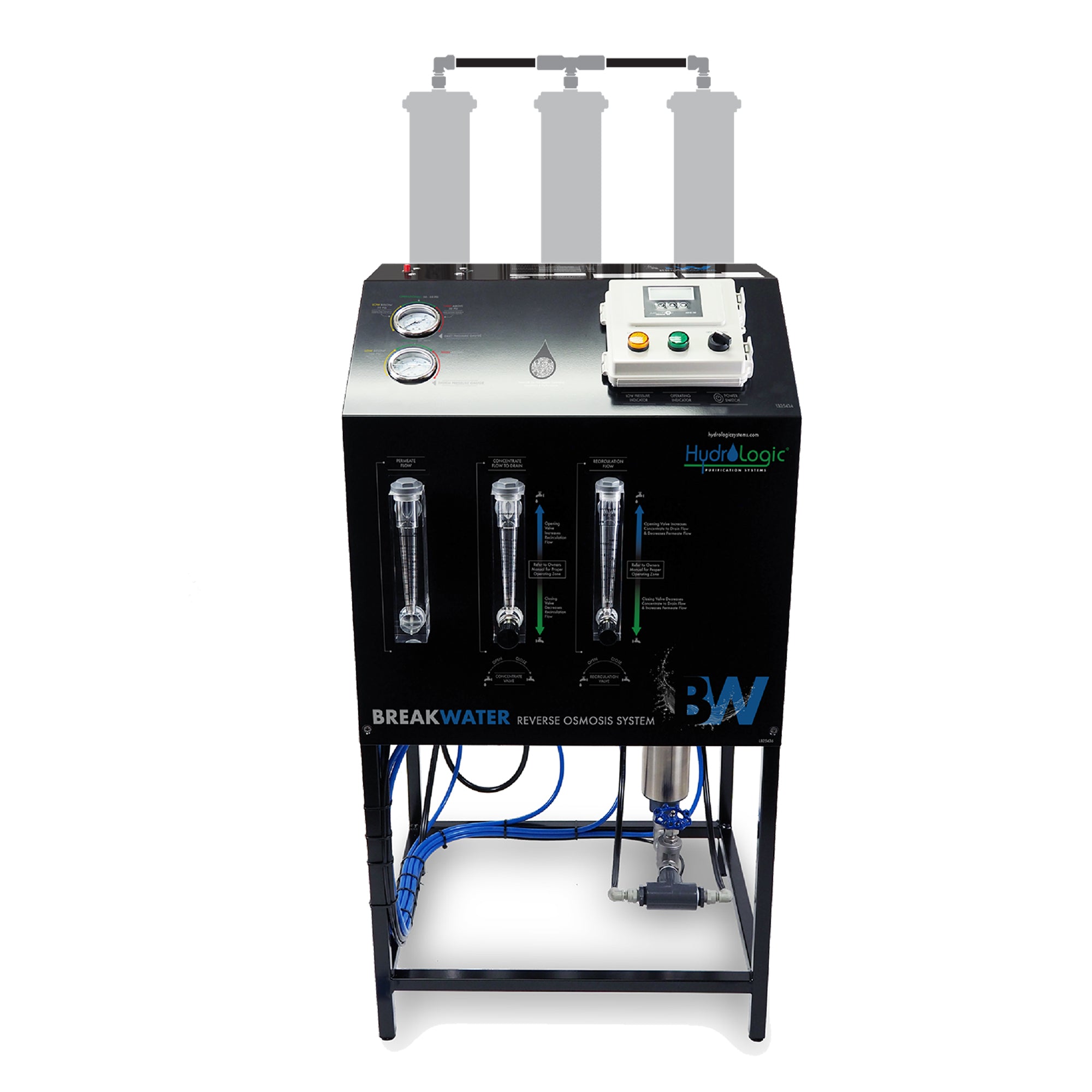
Hydro-Logic Complete RO Water Filter Systems
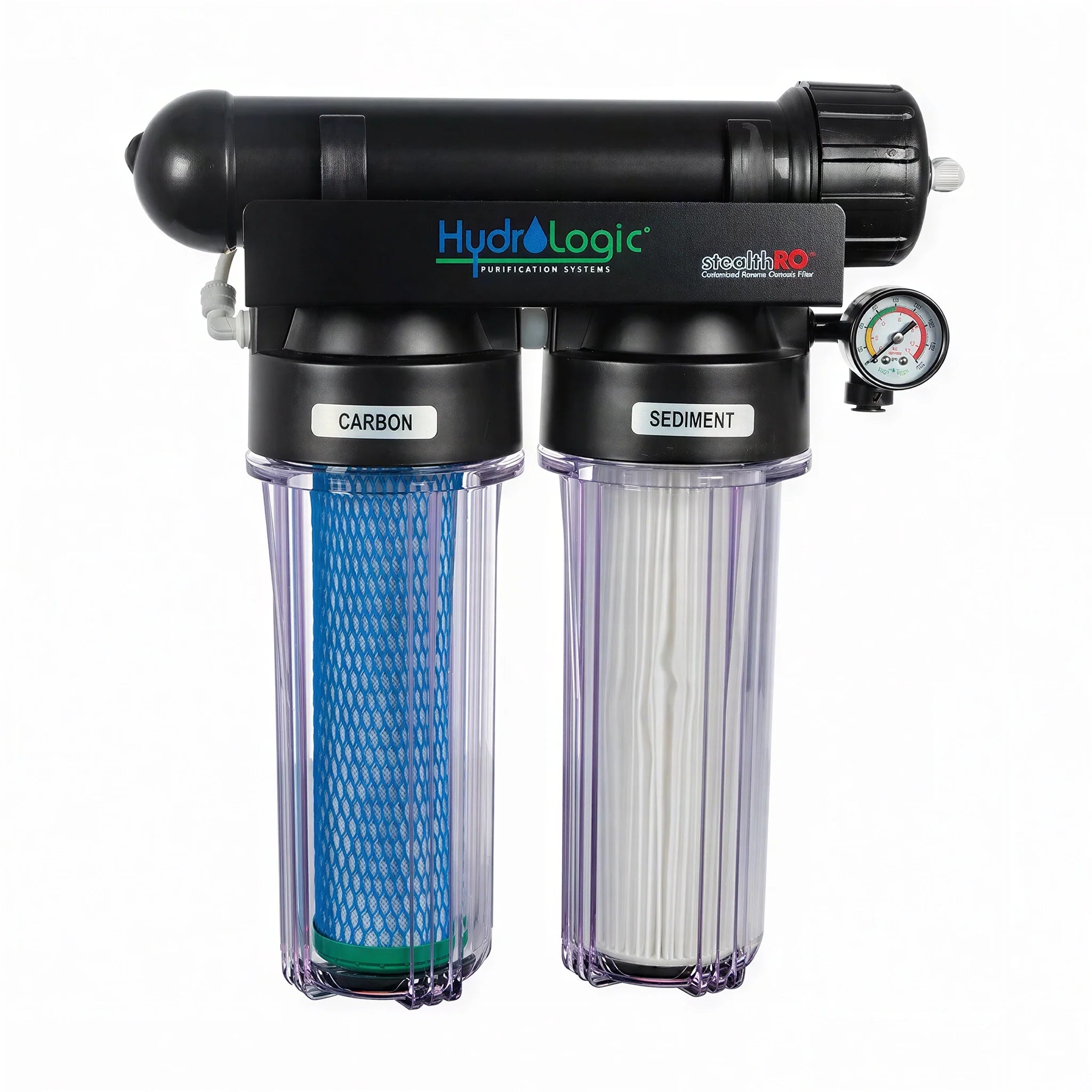
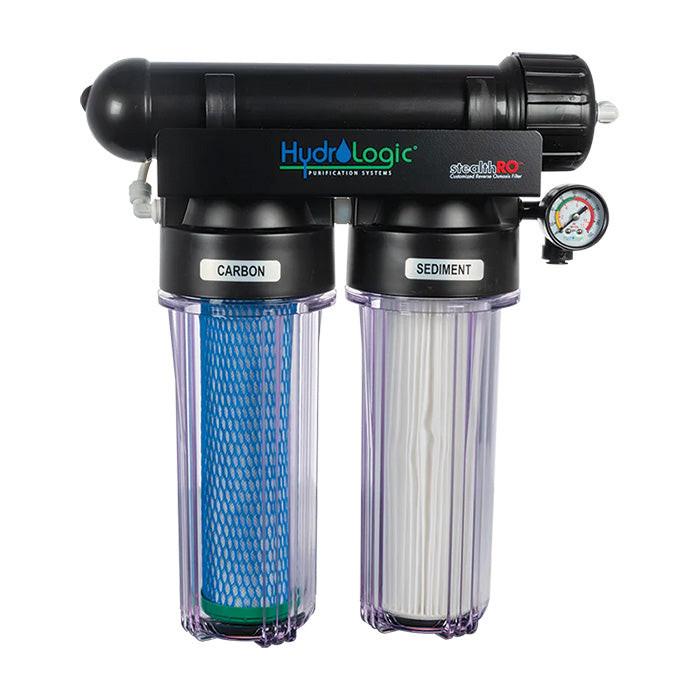
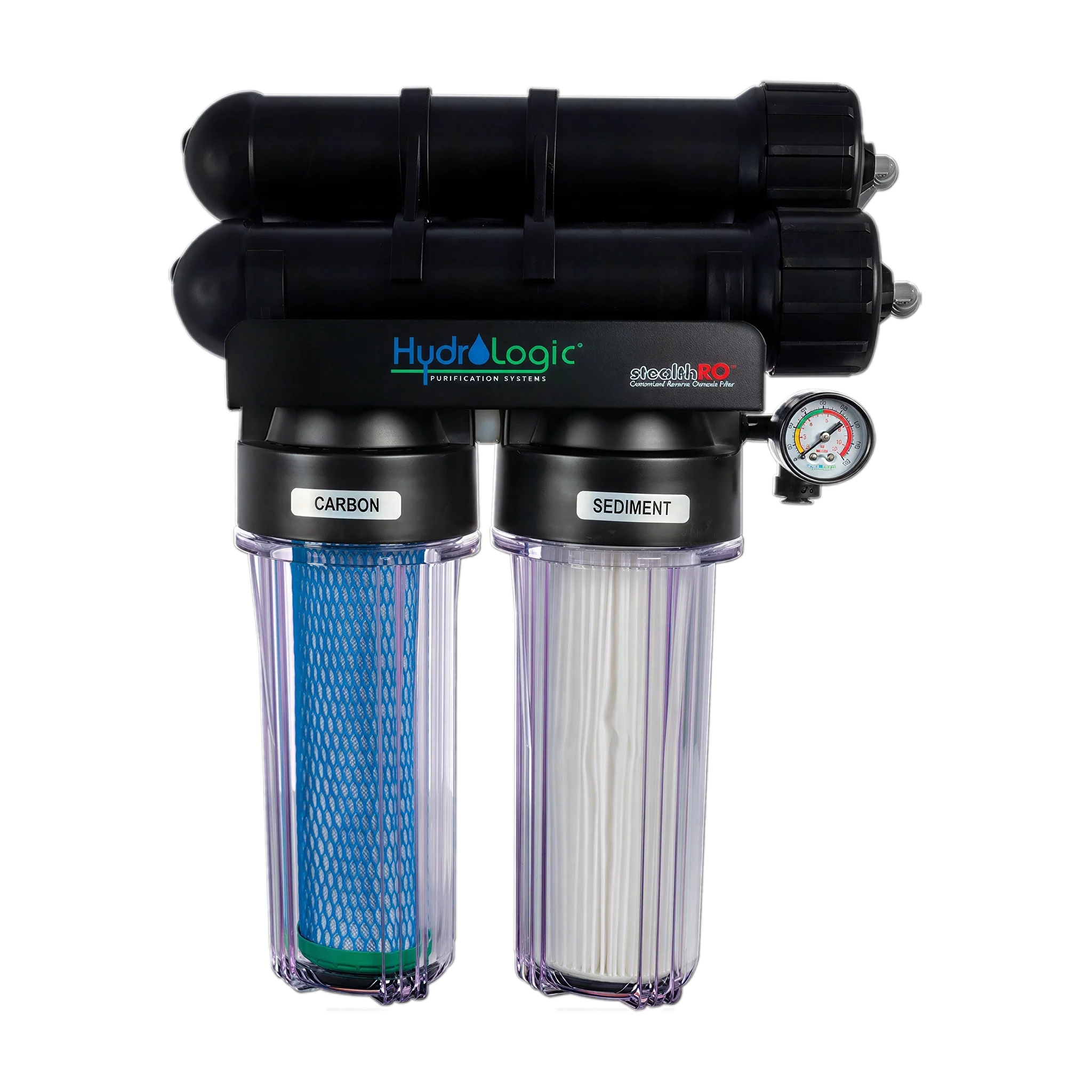
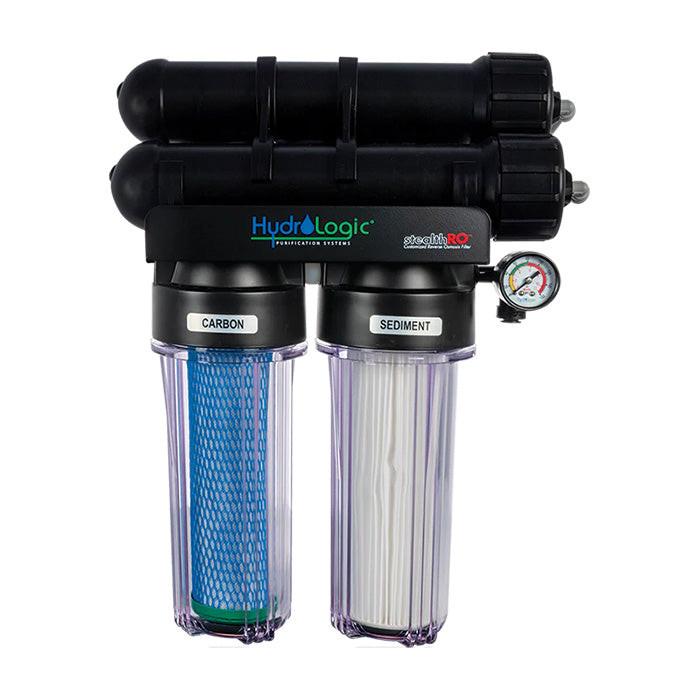
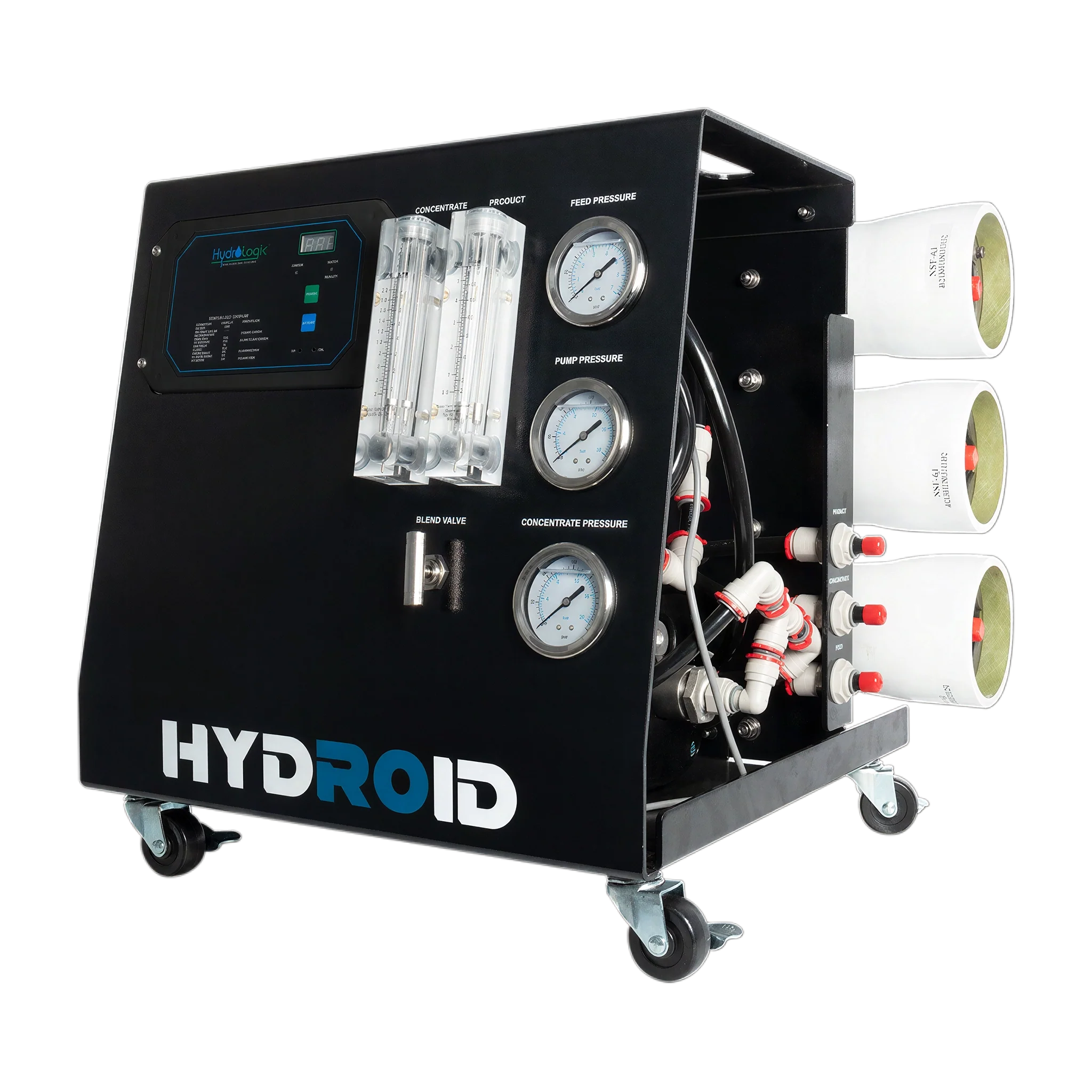
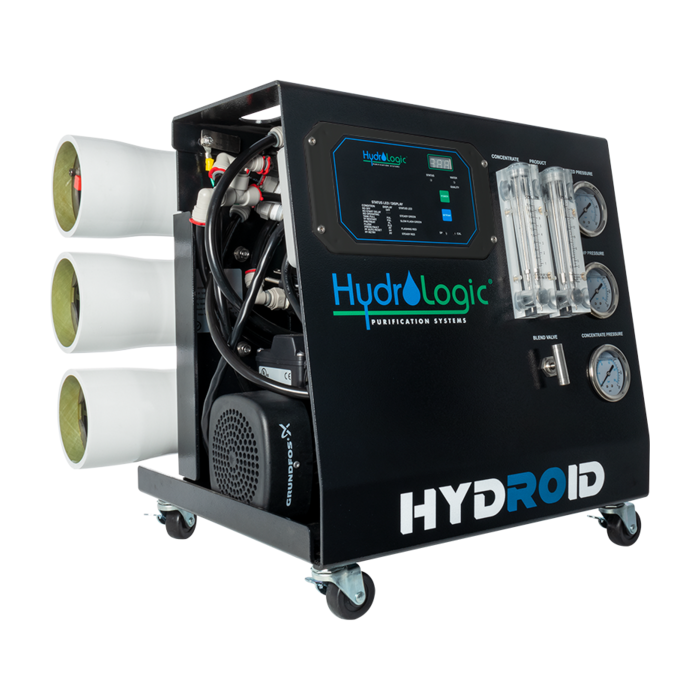
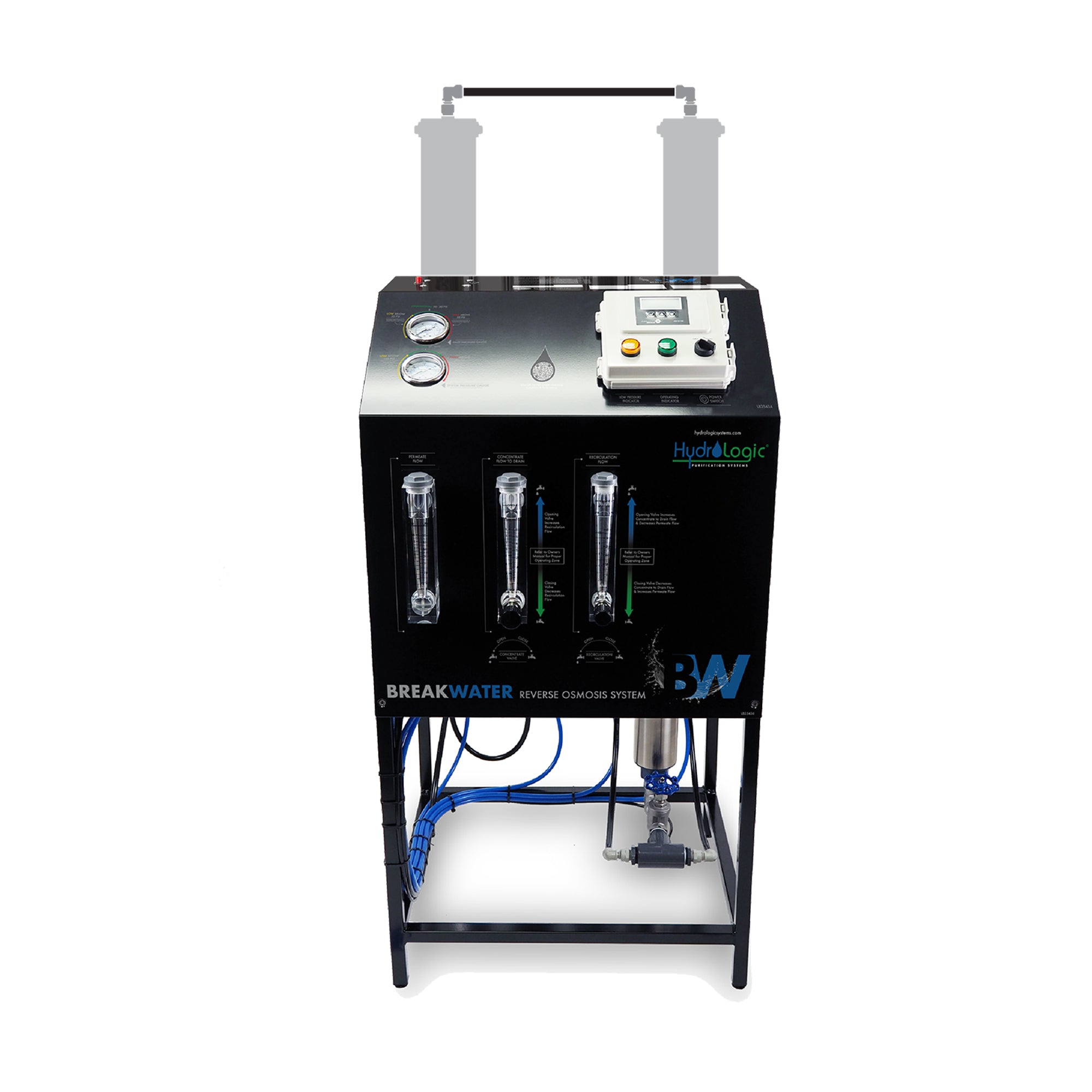
Hydro-Logic produces a complete line of reverse osmosis water filtration systems for hydroponic, greenhouse, and agricultural water treatment -- from the compact Stealth RO75 (75 GPD) and Small Boy for hobbyist and small commercial use through the Merlin series and HYDROID commercial systems producing up to 4,500 GPD for large-scale facilities. All Hydro-Logic RO systems remove dissolved minerals, chlorine, chloramine, and heavy metals from source water, producing purified water with near-zero TDS (total dissolved solids) that gives growers complete control over their nutrient solution composition. Hydro-Logic is one of the primary water filtration brands at Hydrobuilder alongside AXEON and GrowoniX.
System Range -- Small Boy to HYDROID Commercial
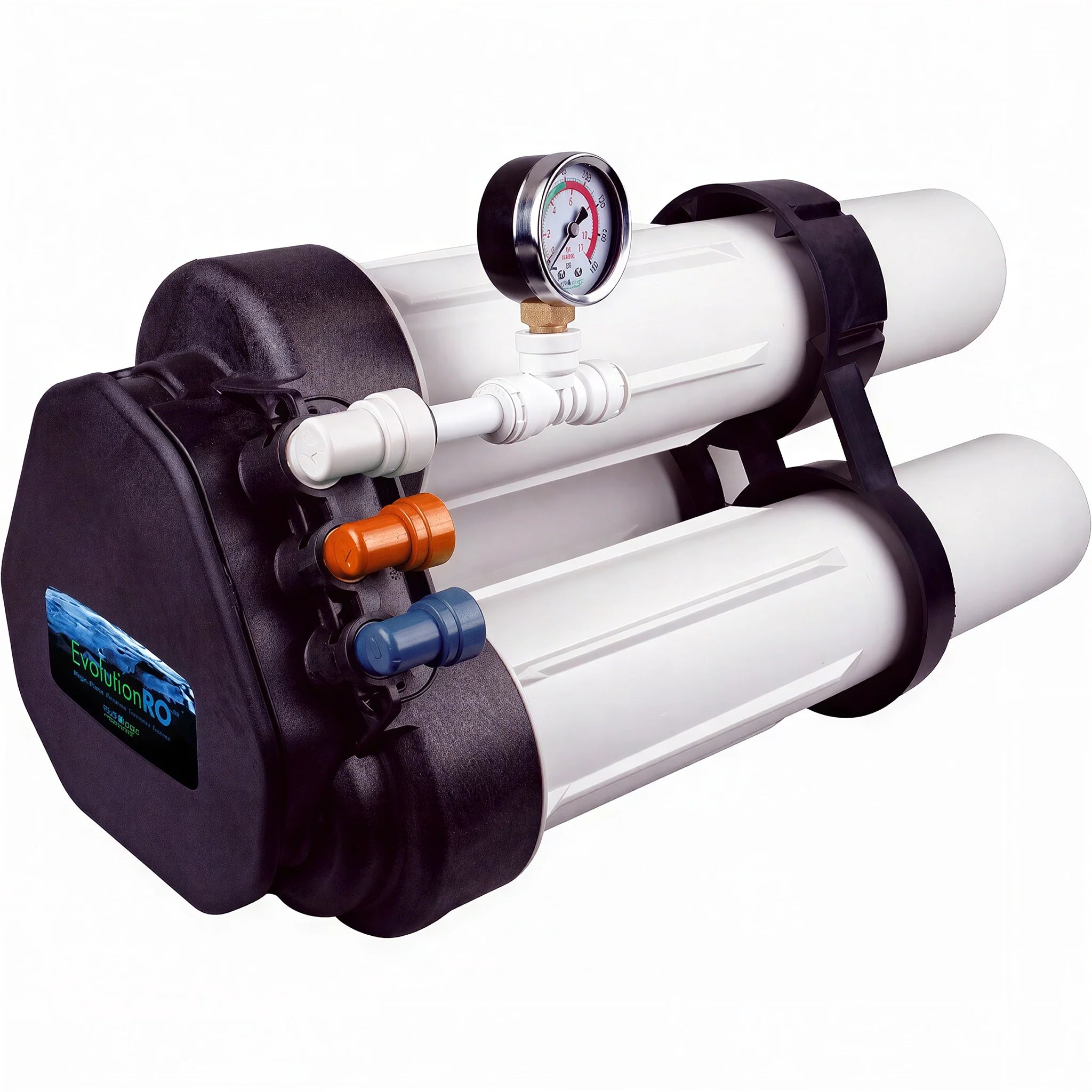
The Hydro-Logic Stealth RO75 and Small Boy are compact under-sink-style RO systems for hobby growers producing 75-100 GPD of RO water. The Evolution-RO series scales from 100 GPD through 1000 GPD for mid-range commercial operations. The Merlin Commercial RO produces 3,000-5,000 GPD for large greenhouse and warehouse farm applications. The HYDROID Compact Commercial system at 4,500 GPD uses Hydro-Logic's encapsulated membrane technology for easier membrane service. All systems ship with installation hardware, bypass fittings, and tubing for standard installation configurations.
Choosing a System GPD Rating
Size your RO system to produce at least 1.5-2 times your daily water demand -- RO membranes produce water continuously at a slow rate and require reserve capacity for peak demand periods. A commercial greenhouse using 500 gallons per day needs a system producing at least 750-1000 GPD. Browse Hydro-Logic parts and upgrade kits for replacement filters and membranes, or see all water filtration systems. Expert support at 888-815-9763.
Hydro-Logic RO Systems FAQ
How does a reverse osmosis system work?
Reverse osmosis forces pressurized water through a semi-permeable membrane with pores small enough to block dissolved mineral ions, heavy metals, organic compounds, and most other contaminants. Source water pressure (typically 60-100 PSI) drives water across the membrane; purified water (permeate) passes through and is collected, while the concentrated rejected minerals exit in a separate waste water stream. A Hydro-Logic system pre-filters source water through sediment and carbon cartridges before the RO membrane -- sediment removes particulates that foul the membrane, and carbon removes chlorine/chloramine that would degrade the membrane material. The result is purified water with typically 90-97% reduction in TDS depending on membrane efficiency and source water pressure.
What is the difference between Hydro-Logic Stealth RO and Evolution-RO?
The Stealth RO series (75-150 GPD) is Hydro-Logic's compact, wall-mountable entry line -- designed for hobby growers and small operations needing under 150 GPD. The Stealth RO uses standard 2.5x10 inch filter housings with readily available replacement cartridges. The Evolution-RO series (100-1000 GPD) uses larger format housings and membranes for higher throughput, with commercial-grade component quality appropriate for operations where the RO system runs continuously. Evolution-RO systems are available with KDF/catalytic carbon options and UV upgrade kits for broader contaminant removal. For systems above 500 GPD, the Merlin and HYDROID commercial platforms provide the flow rate and durability needed for large-scale facility water treatment.
How often do RO membranes need to be replaced?
RO membranes in residential and light commercial use typically last 2-4 years before performance degrades below the original rejection rate. Membrane life depends heavily on source water quality, pre-filtration maintenance, and total water volume processed. The primary signs of membrane degradation are increasing TDS in the RO output (monitor with an inline TDS meter) and reduced production flow rate. Pre-filter maintenance is critical to membrane longevity -- replace sediment pre-filters every 6 months and carbon pre-filters every 6-12 months to prevent contaminants from reaching and fouling the membrane. A membrane that processes pre-treated water with consistent pre-filter replacement will significantly outlast one that processes unfiltered source water directly.