CO2 Controllers & PPM Monitors for Grow Rooms
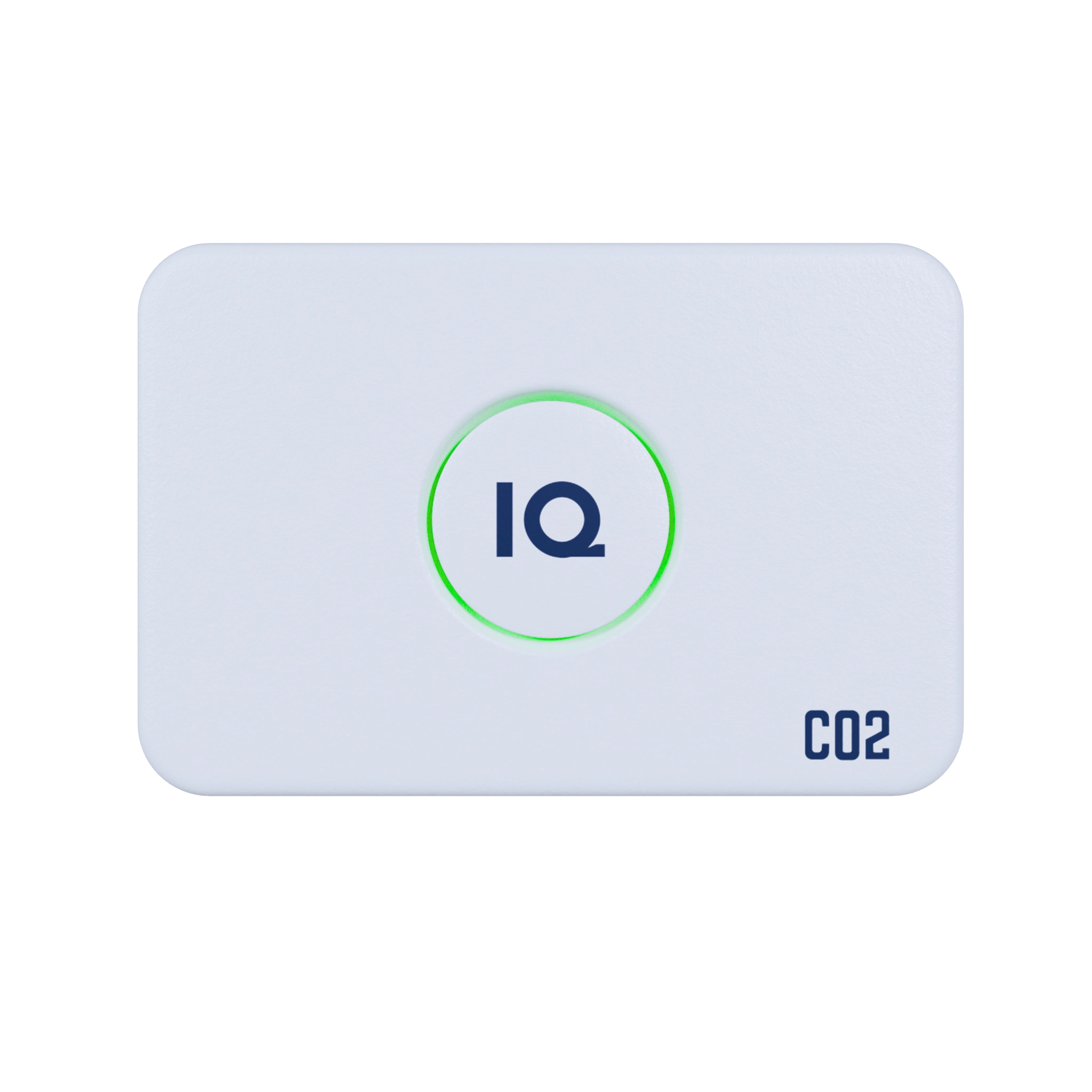
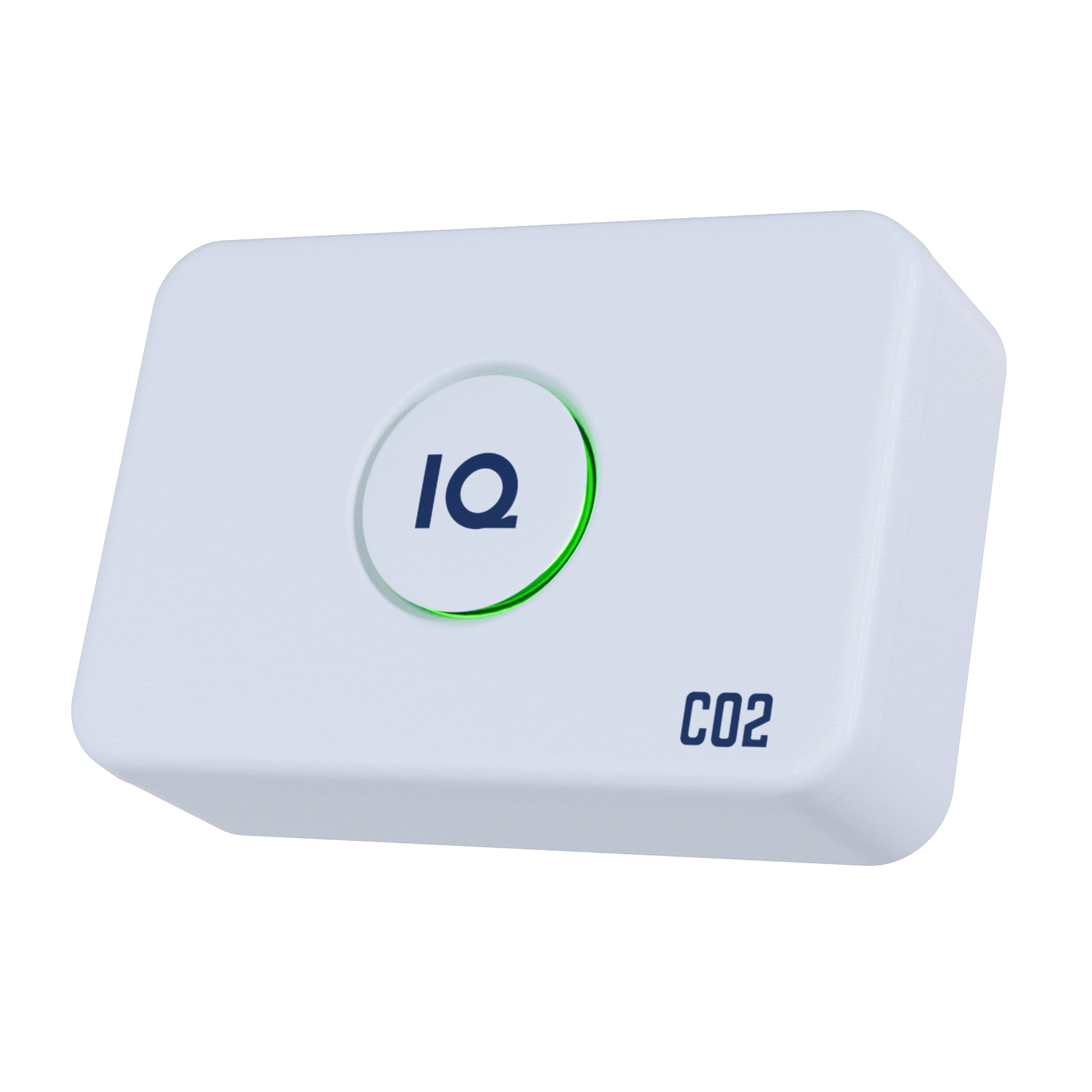
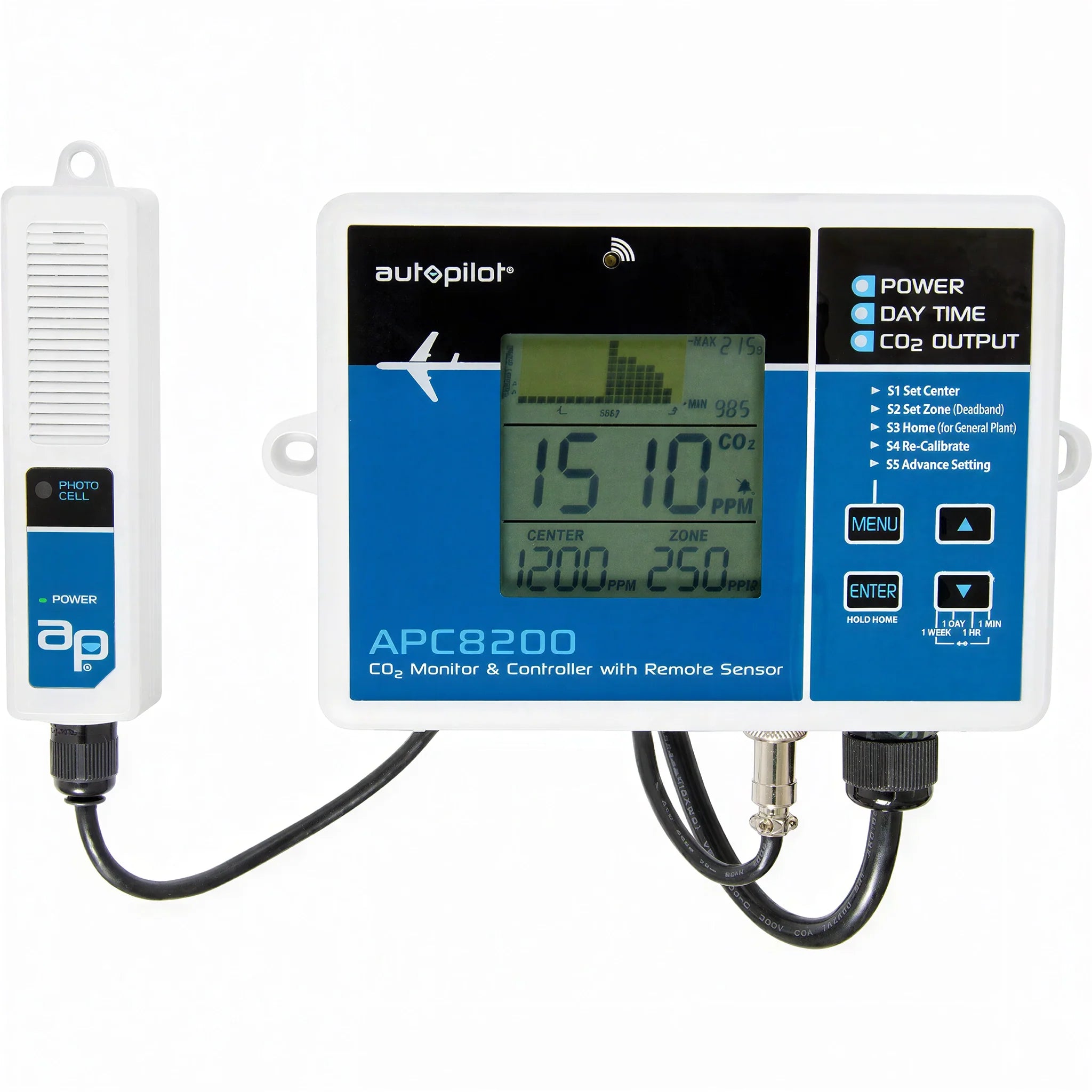
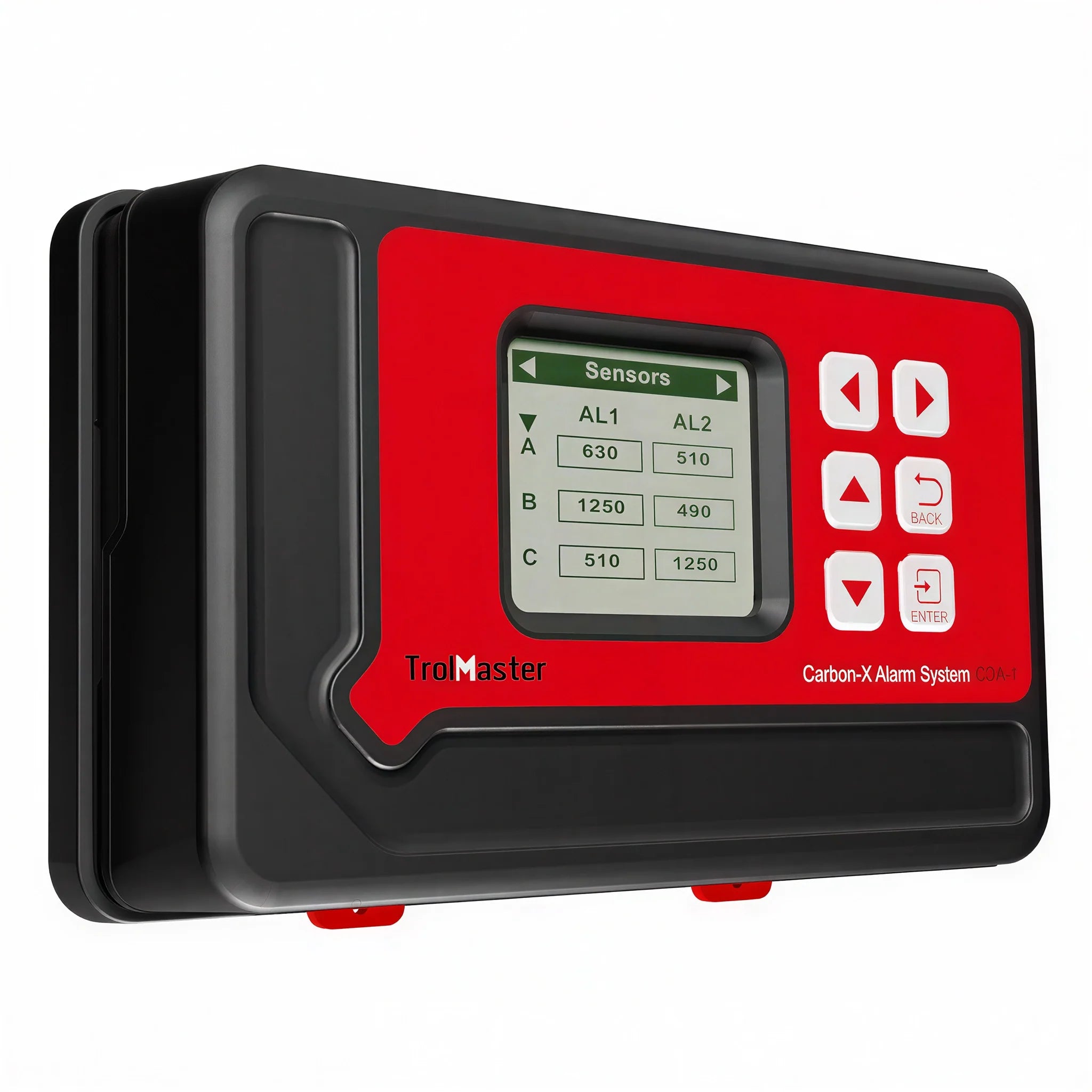
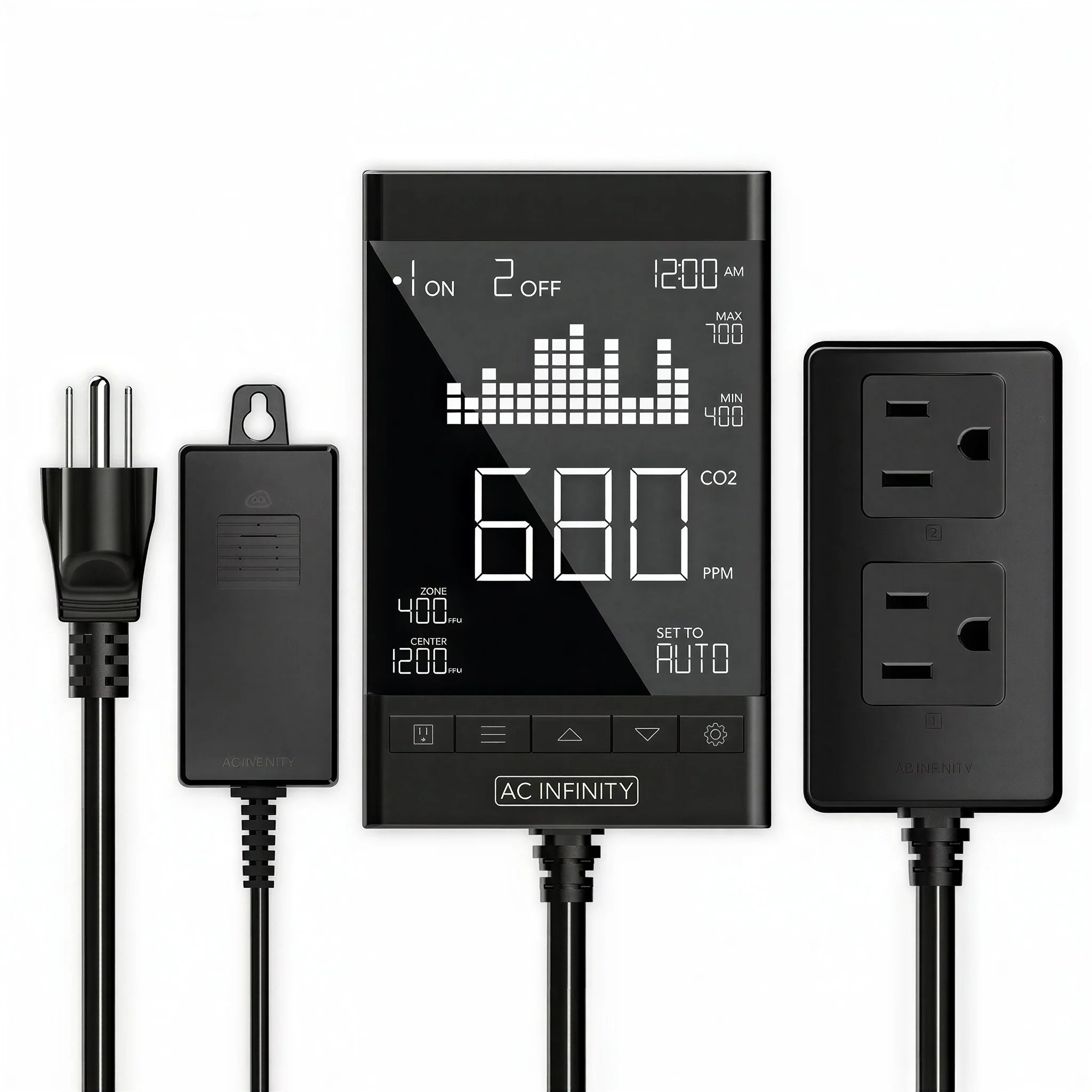
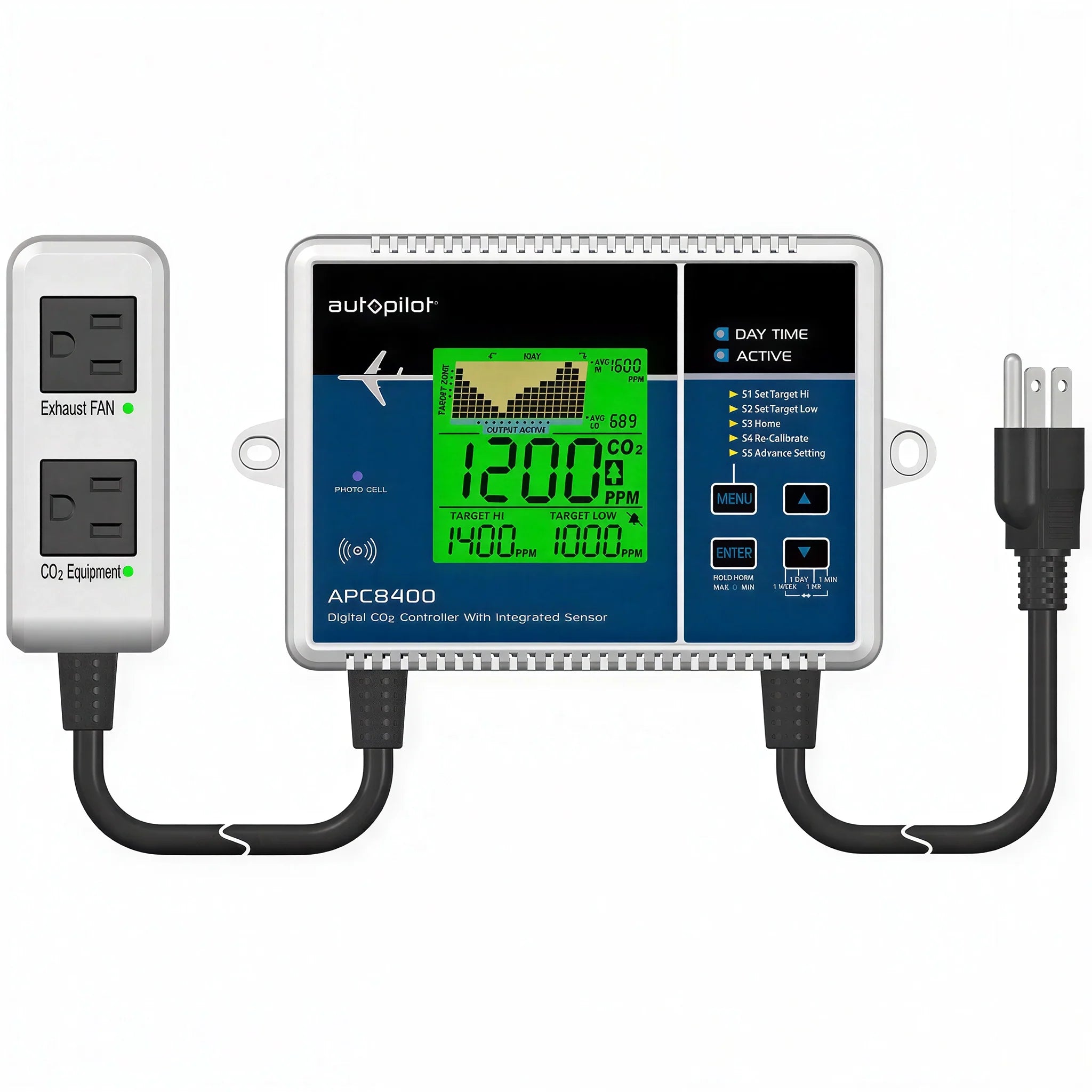
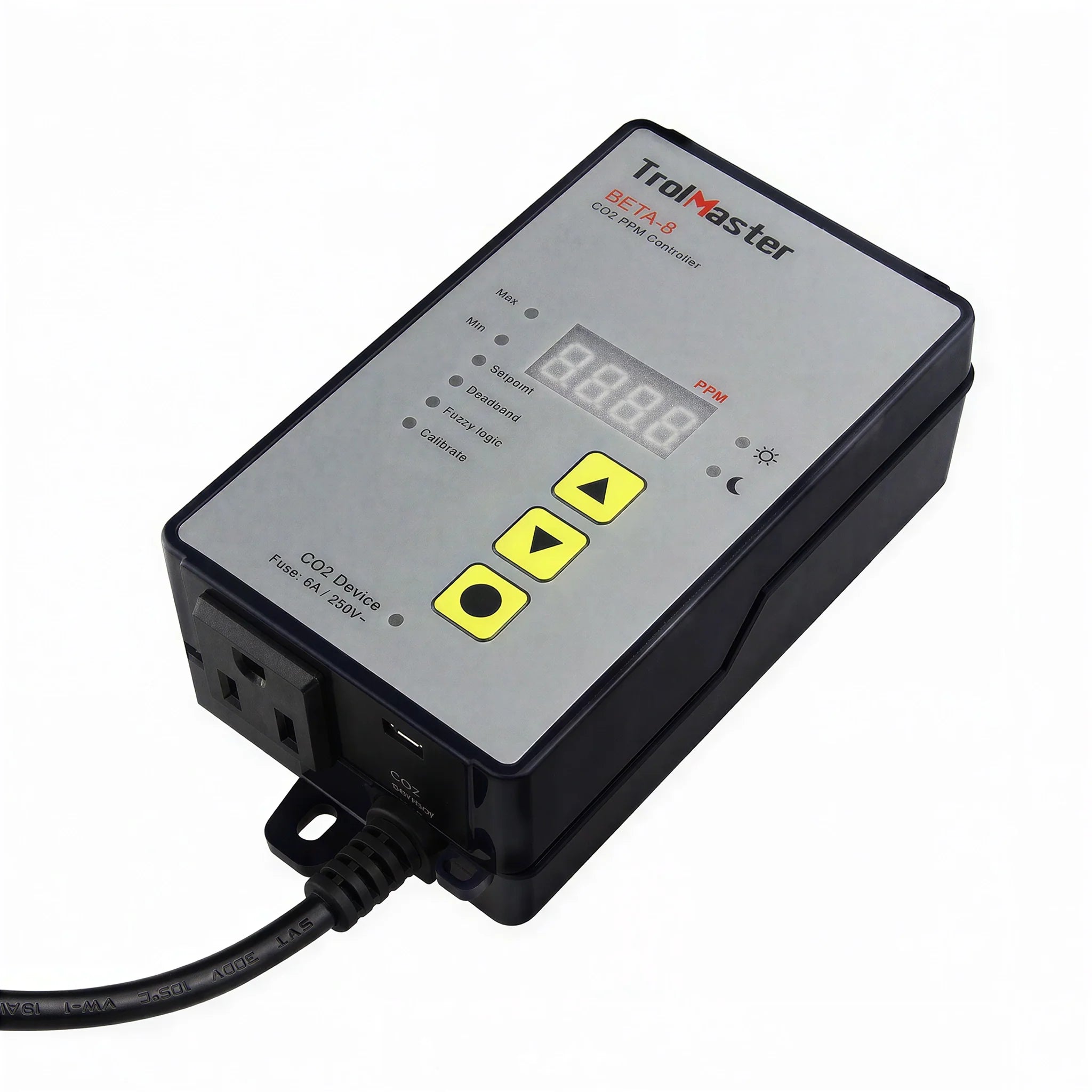
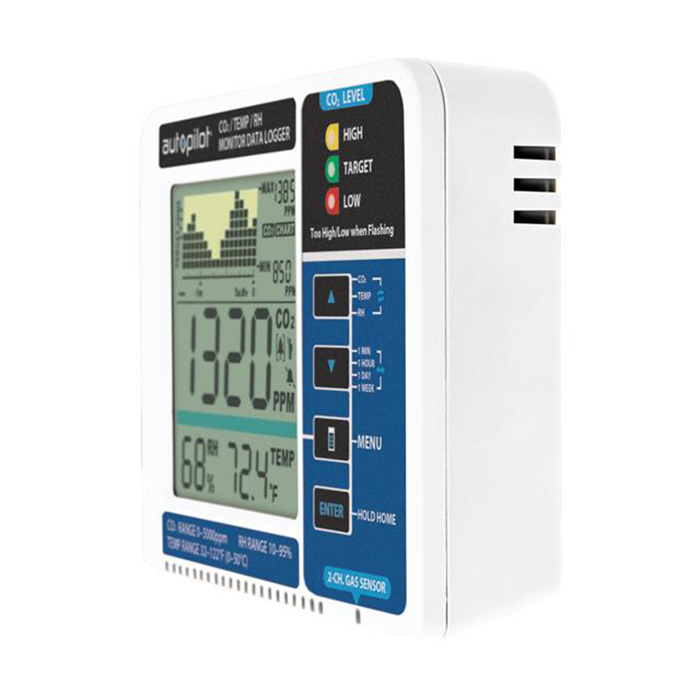
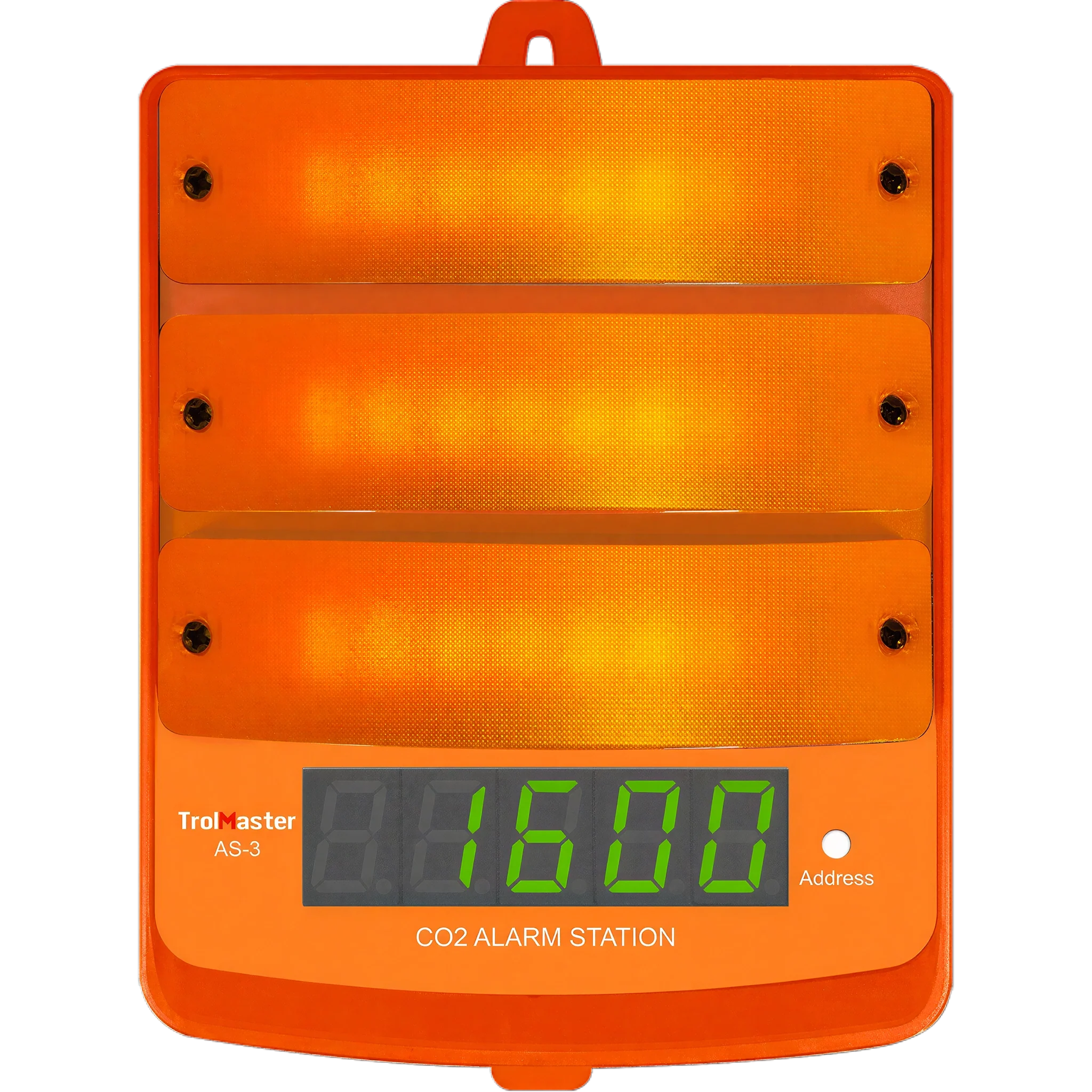
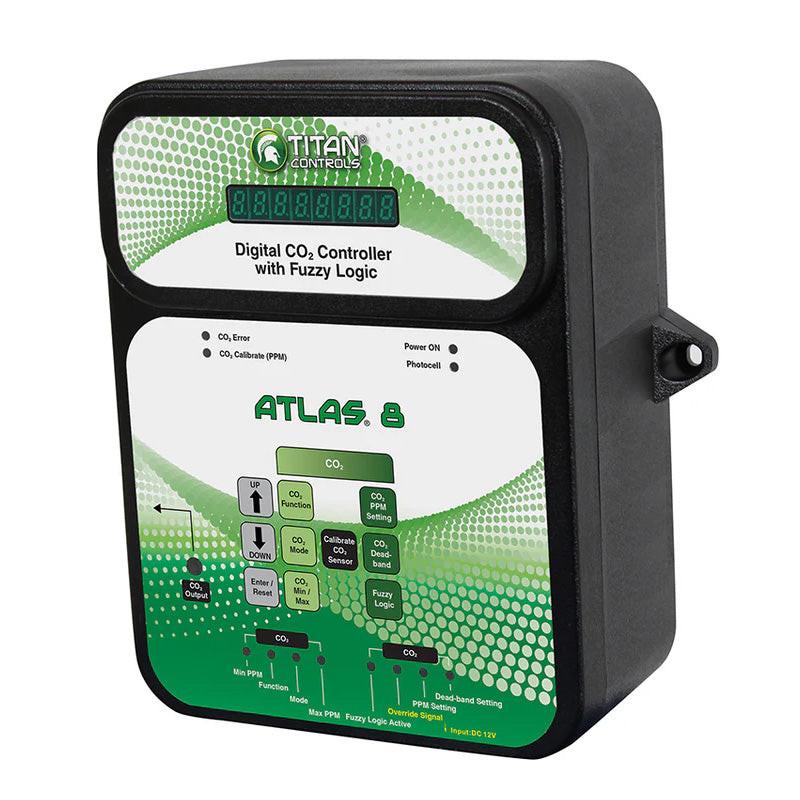
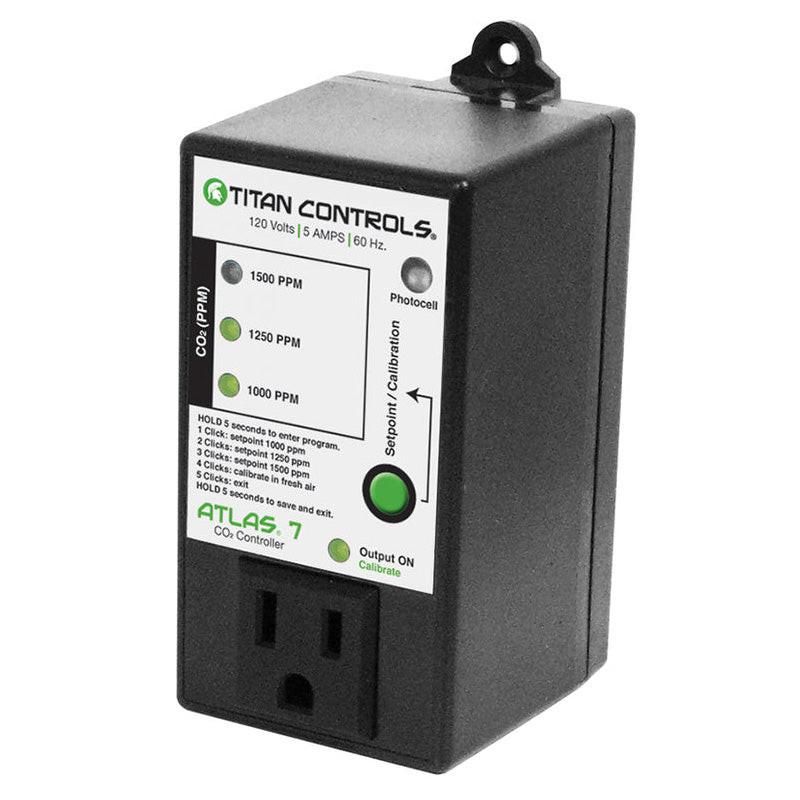
CO2 controllers are the automated management layer for CO2 enrichment systems -- monitoring actual CO2 concentration in the grow space via infrared sensor and opening or closing the CO2 source (tank solenoid valve or burner) to maintain a target PPM setpoint. Where a simple timer doses CO2 on a fixed schedule regardless of actual room concentration, a CO2 controller doses on demand: when PPM drops below setpoint (due to plant uptake or air exchange), the controller opens the CO2 source; when target is reached, it closes it. The result is more precise PPM management, more efficient CO2 use, and less risk of over-enrichment that wastes CO2 and can stress plants at very high concentrations.
Infrared CO2 Sensors vs. Electrochemical Sensors
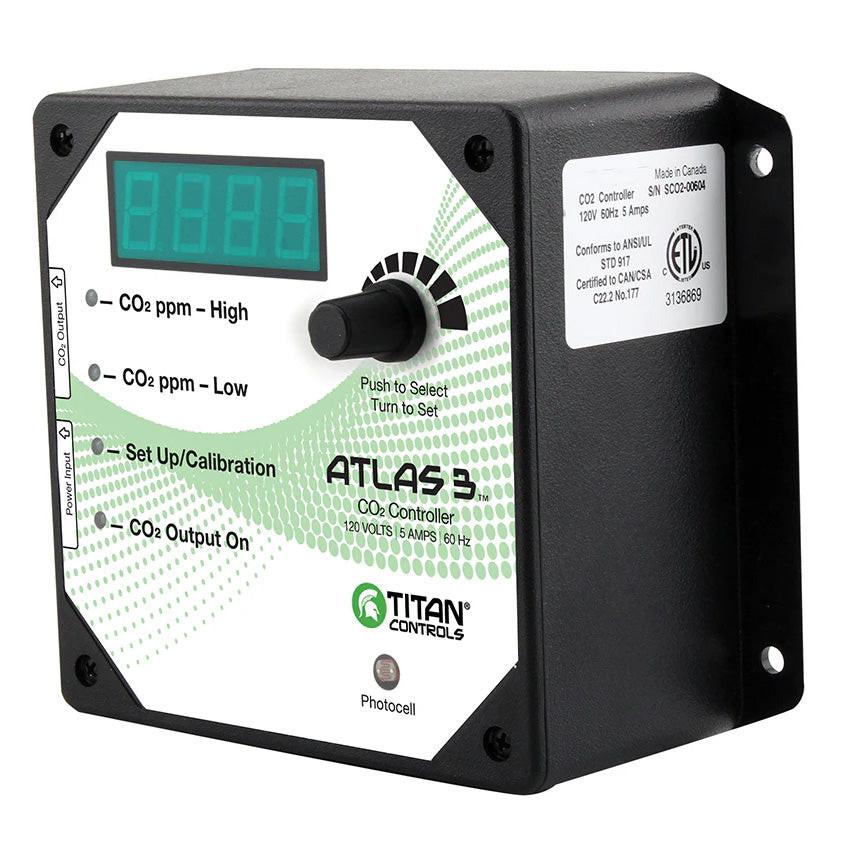
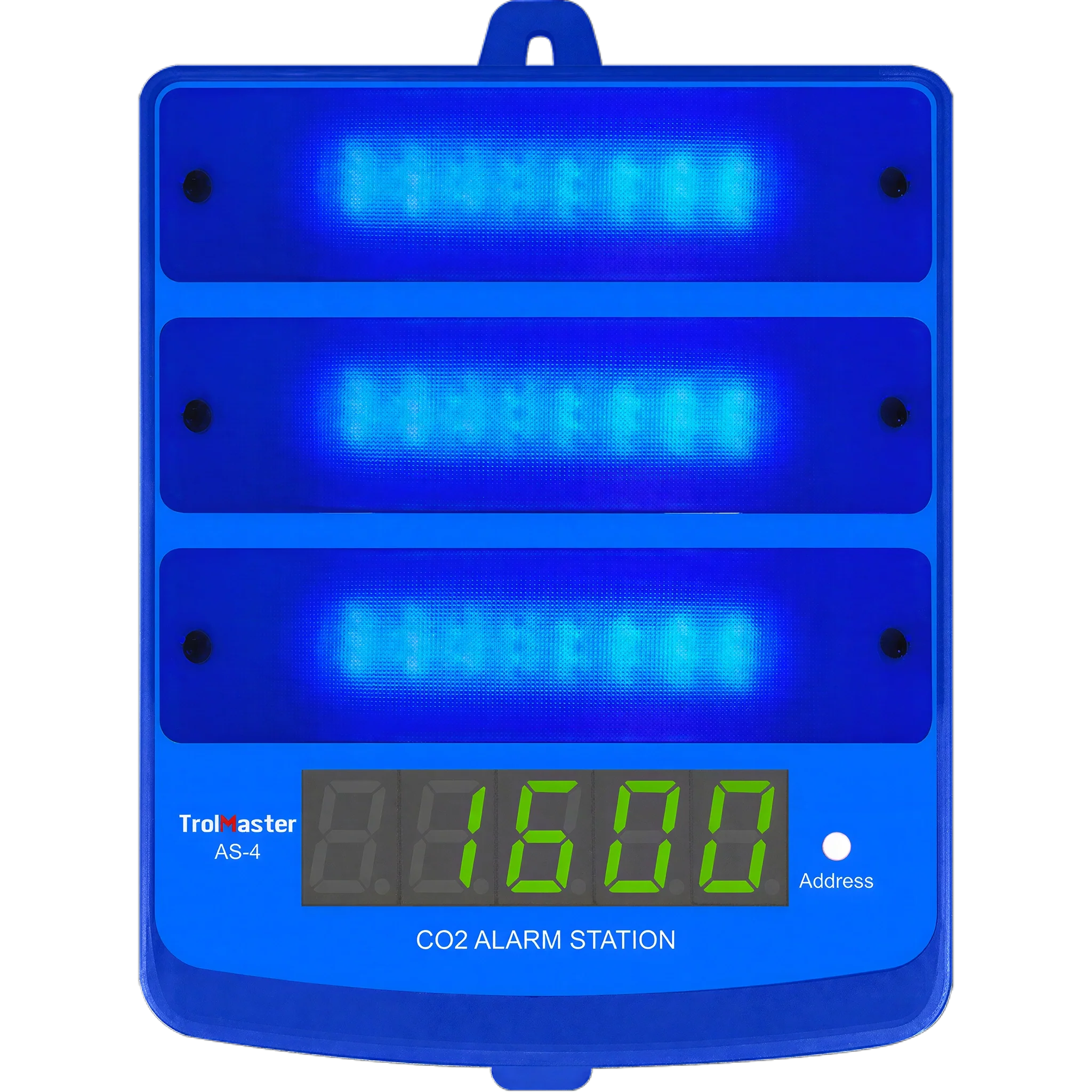
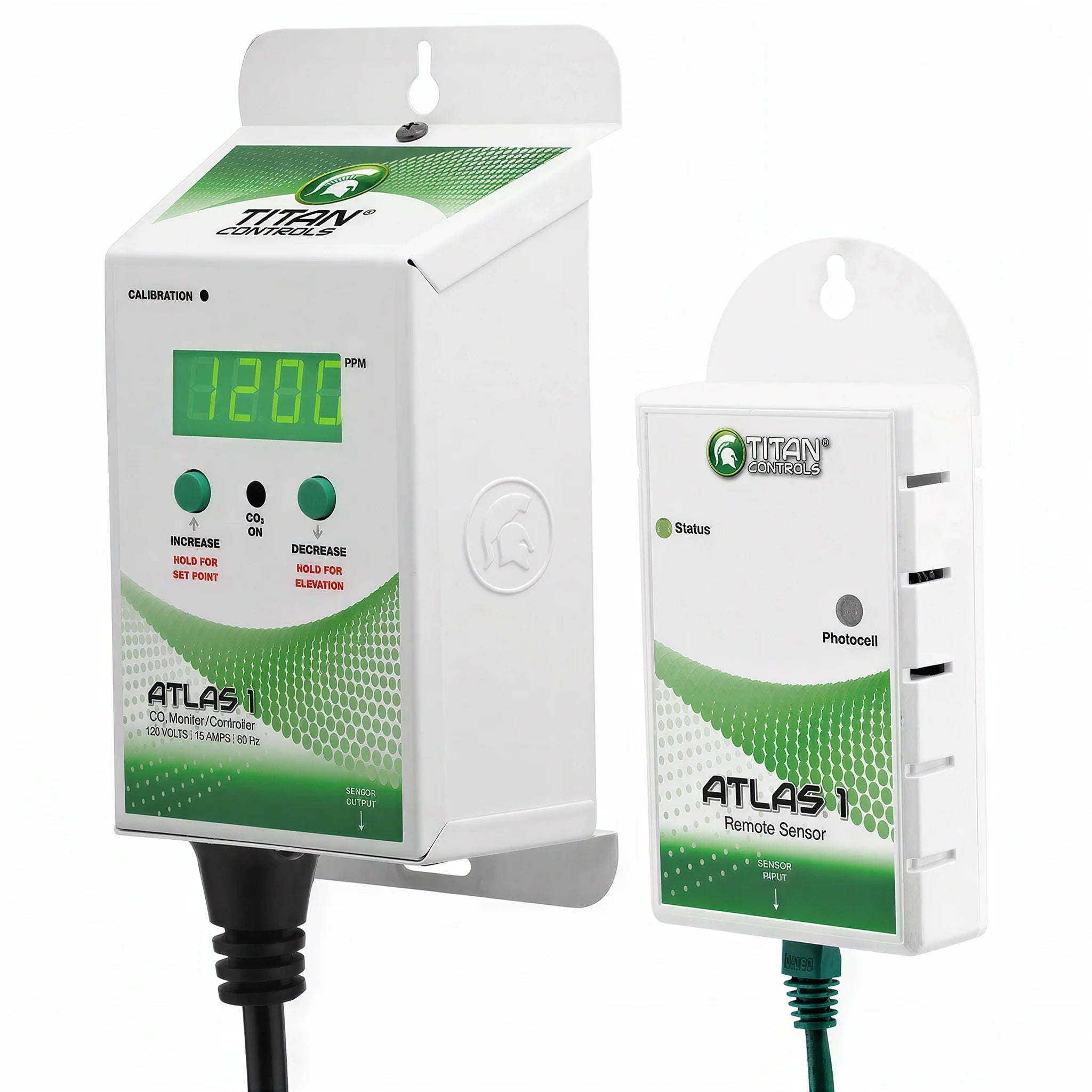
CO2 controllers use either infrared (NDIR) or electrochemical sensing technology. Infrared sensors (NDIR -- non-dispersive infrared) shine an infrared light through a sample of air and measure how much CO2 absorbs it -- a highly accurate, stable, and long-lived sensing method with a typical calibration interval of 1-2 years. Electrochemical sensors use a chemical reaction to measure CO2 -- lower cost but with more drift over time, requiring more frequent recalibration. For grow room CO2 management where PPM accuracy directly affects crop performance, NDIR infrared controllers are the recommended choice. All Titan Controls, TrolMaster, and other qualified CO2 controllers in this collection use infrared sensing. Use our CO2 Calculator to model target enrichment rates and tank consumption for your room. See our updated beginner's guide to CO2 for complete enrichment guidance.
Day/Night Control & Photocell Integration
CO2 enrichment is only effective and appropriate during the photoperiod when plants are actively photosynthesizing. During the dark period, plants switch to respiration -- consuming oxygen and producing CO2 rather than consuming it. Running CO2 enrichment during the dark period wastes gas and provides no plant benefit. Most CO2 controllers include a photocell or light sensor input that automatically disables CO2 dosing when lights are off -- ensuring enrichment only runs during the light period. Alternatively, CO2 controllers can connect to your environment controller (TrolMaster Hydro-X, for example) which manages all equipment on coordinated day/night schedules. Expert support available.
CO2 Controllers FAQ
What is the difference between a CO2 timer and a CO2 controller?
A CO2 timer opens the solenoid on a fixed schedule regardless of actual CO2 concentration -- it pulses CO2 for a set duration at set intervals whether the room is at 400 PPM or already at 1,400 PPM. A CO2 controller monitors actual PPM via an infrared sensor and doses only when concentration drops below setpoint, closing the solenoid when target is reached. Controllers are significantly more efficient than timers (reducing tank consumption by 30-50% in many setups) and provide more consistent PPM management. The added cost of a quality infrared controller pays back in reduced CO2 tank consumption within 1-3 months for most setups running CO2 continuously.
What CO2 PPM should I target in my grow room?
Ambient outdoor CO2 is approximately 400-420 PPM. For sealed grow rooms with light intensity above 600-800 umol/m2/s PPFD, enriching to 1,000-1,500 PPM measurably increases photosynthesis rates. Above 1,500 PPM provides diminishing returns for most crops and can cause stress at very high concentrations. CO2 enrichment only benefits grows where light is not the limiting factor -- if your PPFD is below 600 umol/m2/s, the plants cannot use additional CO2 efficiently regardless of concentration. Use our CO2 Calculator to model the right enrichment target for your specific room and lighting configuration.
Where should I position a CO2 sensor in the grow room?
Position the CO2 sensor at canopy level in the center of the growing area -- where plants actually experience the CO2 concentration you are managing. CO2 is slightly heavier than air and tends to settle; a sensor positioned above the canopy may read higher concentrations than plants at canopy level actually experience in a room with good air circulation. Avoid positioning the sensor adjacent to the CO2 source outlet (will read artificially high immediately after dosing), near strong airflow from fans (will read artificially low), or near the exhaust fan intake (where outgoing air is depleted). In large rooms, multiple sensors at different zones are more accurate than a single central sensor.