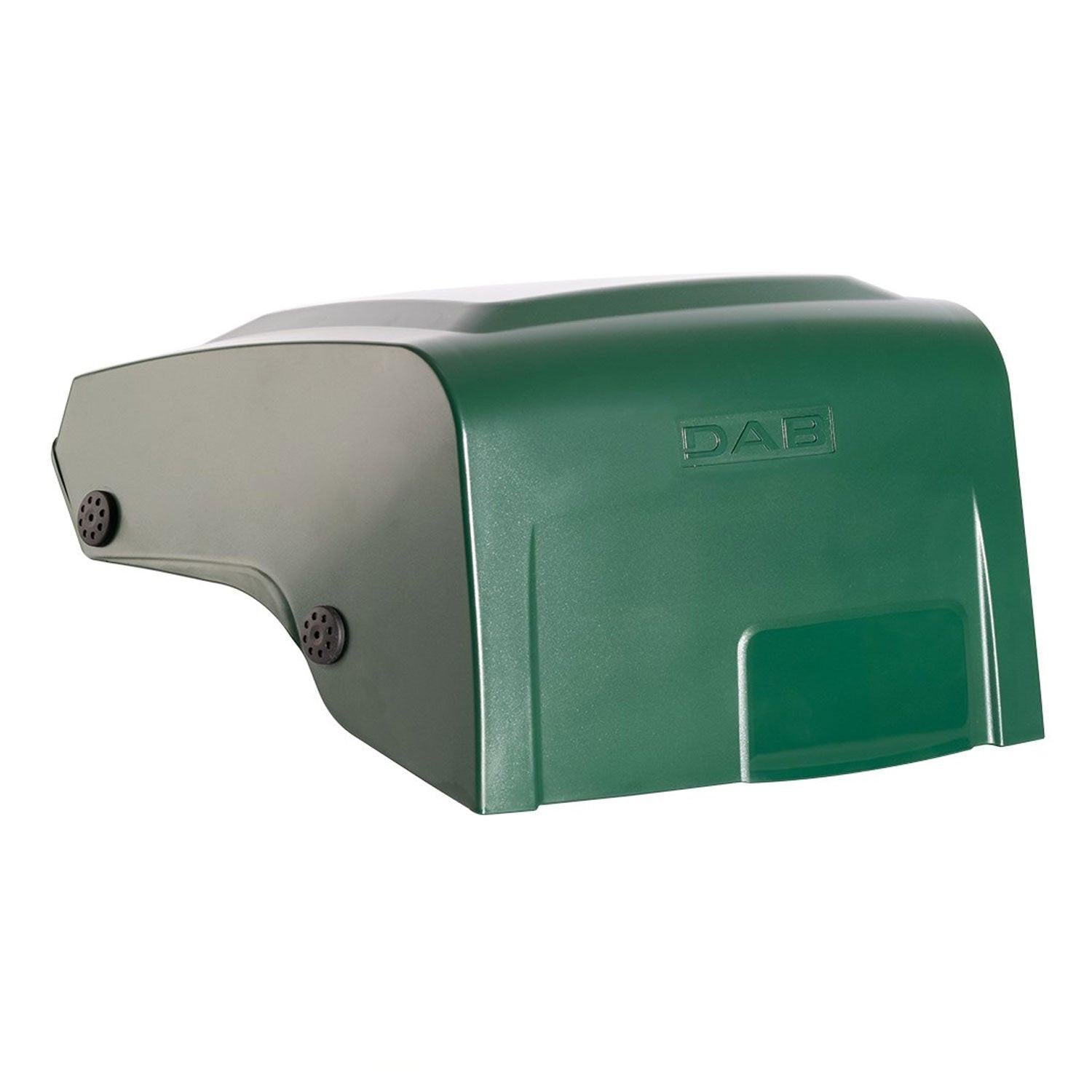
Water Pump Accessories & Replacement Parts
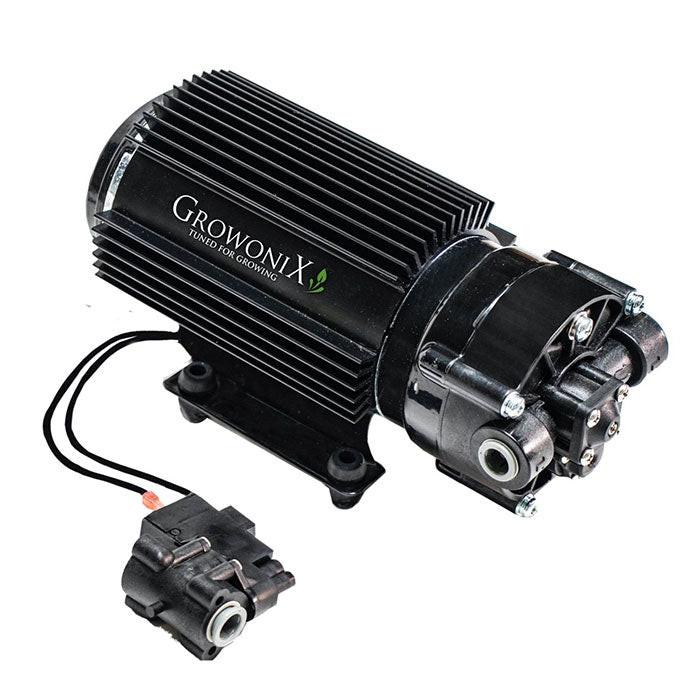
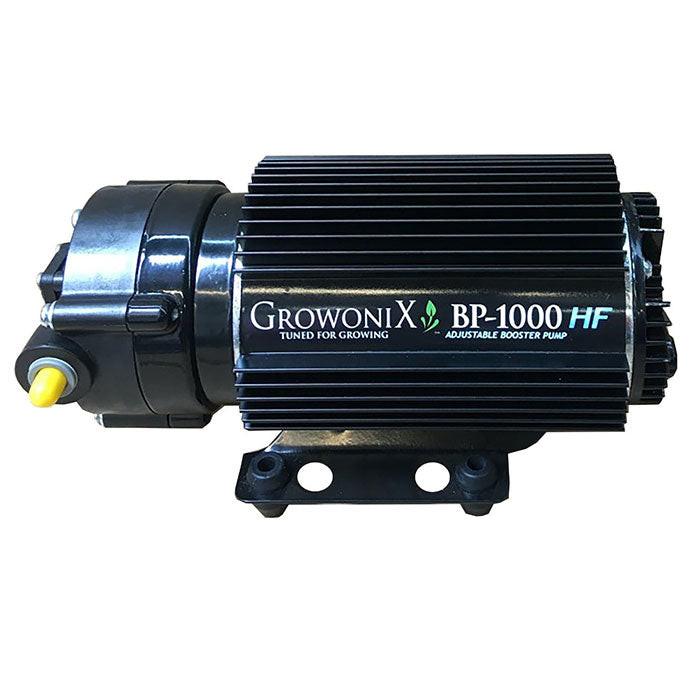
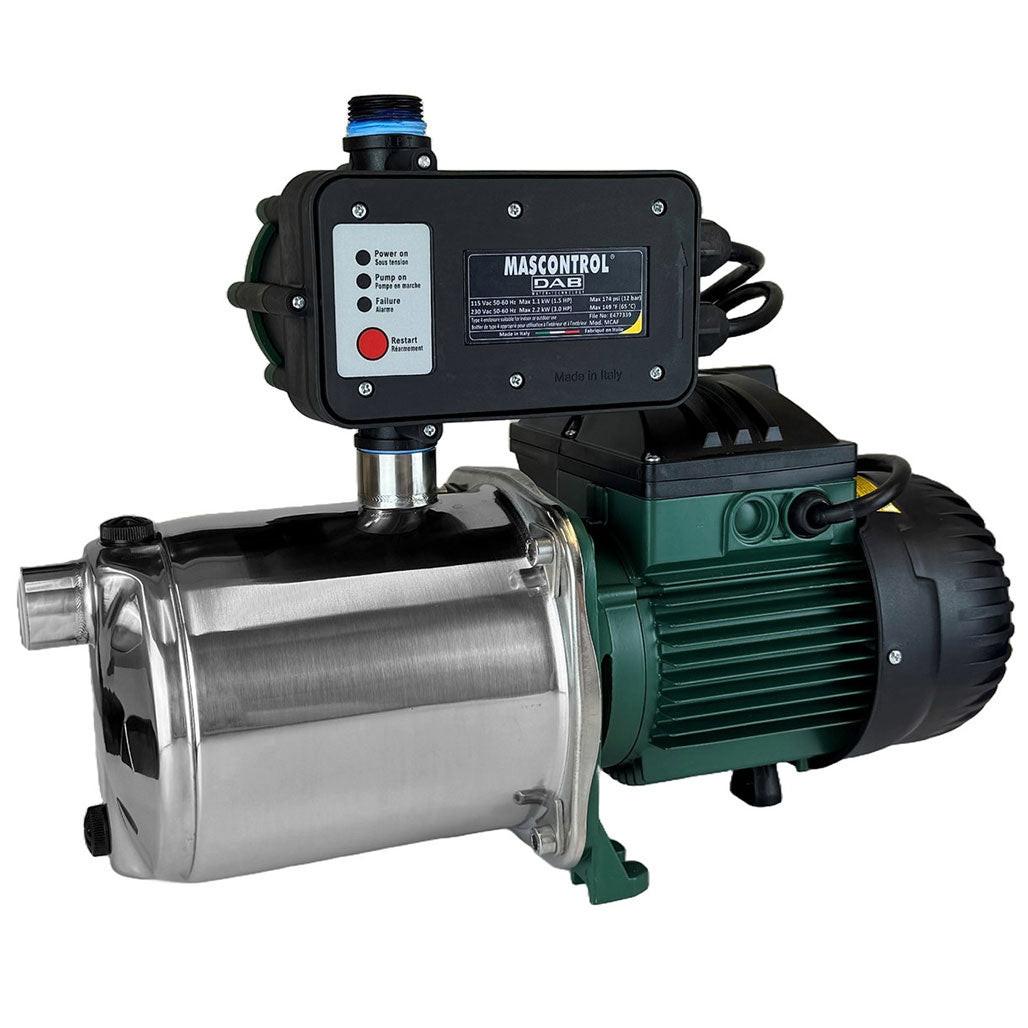
Submersible and inline water pumps used in hydroponic reservoirs, irrigation systems, and water chiller circuits require periodic maintenance and occasional part replacement to maintain their rated flow and pressure output. Pump accessories cover the components that wear through regular operation -- intake strainer screens that protect the impeller from debris, replacement impeller assemblies that restore flow rate after wear, and fittings that connect the pump outlet to the distribution system. Having common replacement parts on hand prevents extended production downtime when a pump issue arises during a critical growth period.
Most Commonly Needed Accessories
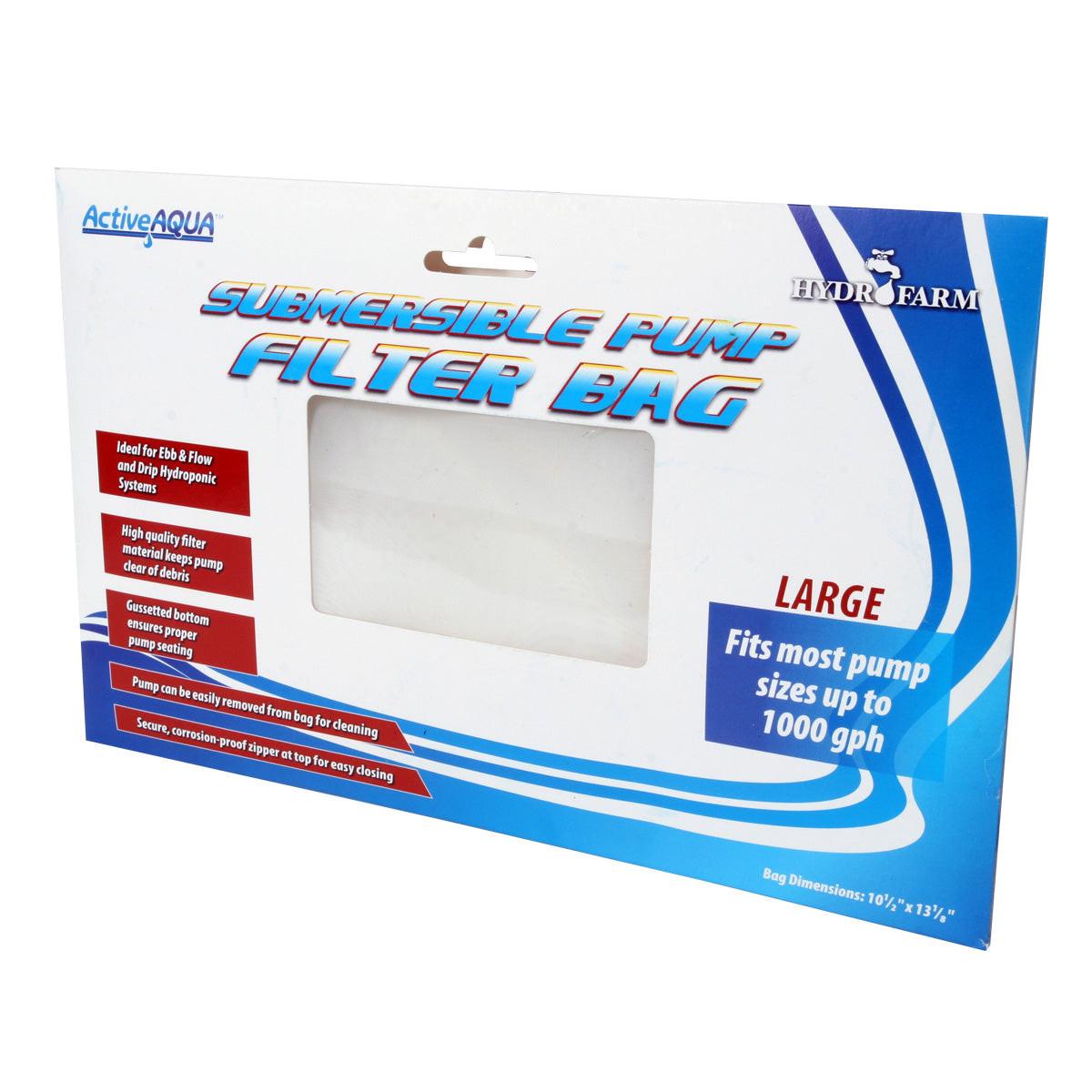
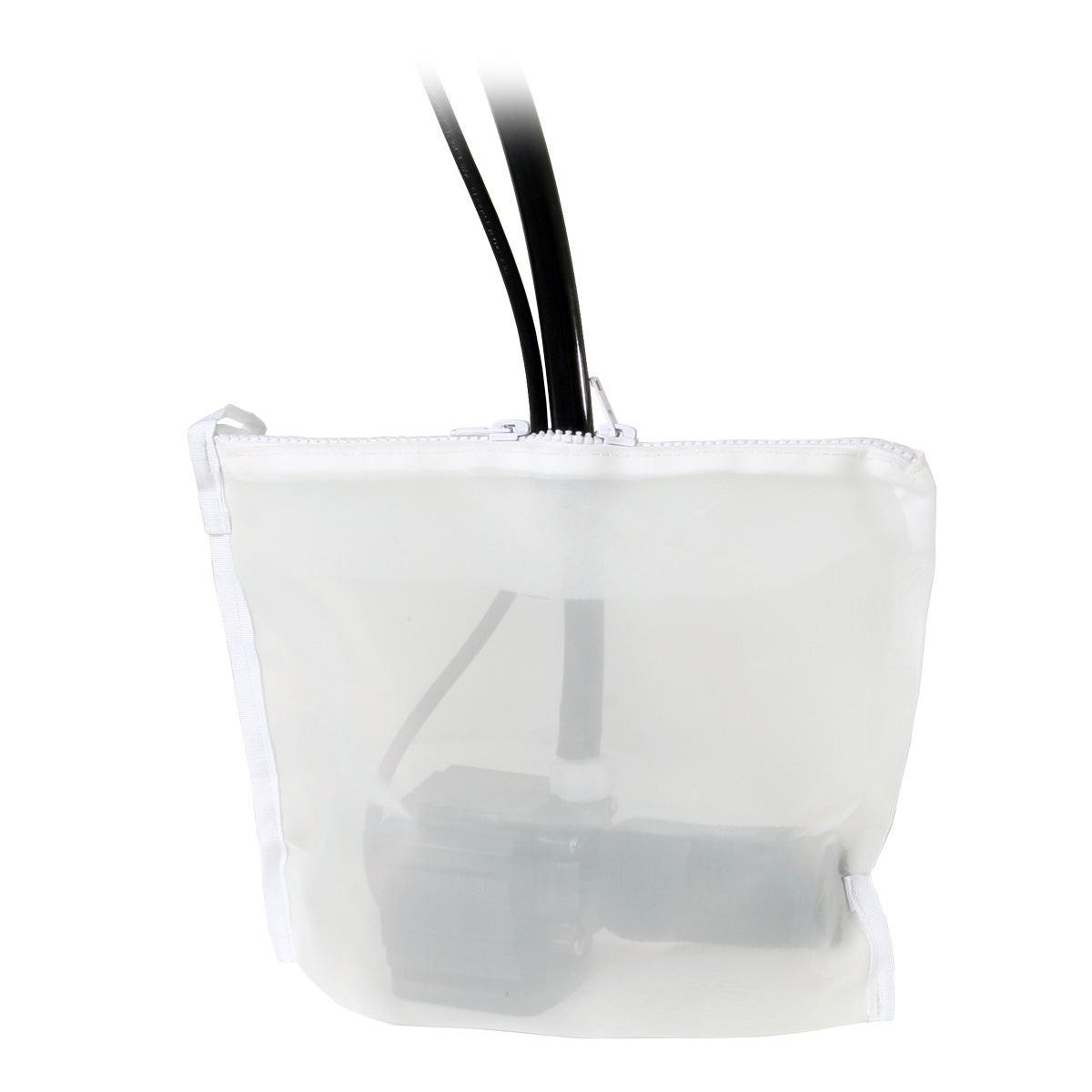
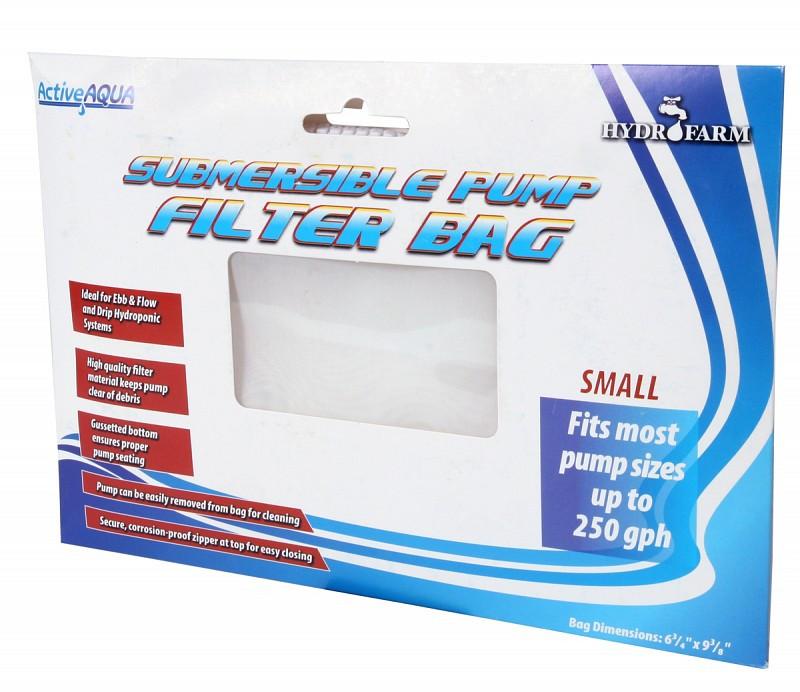
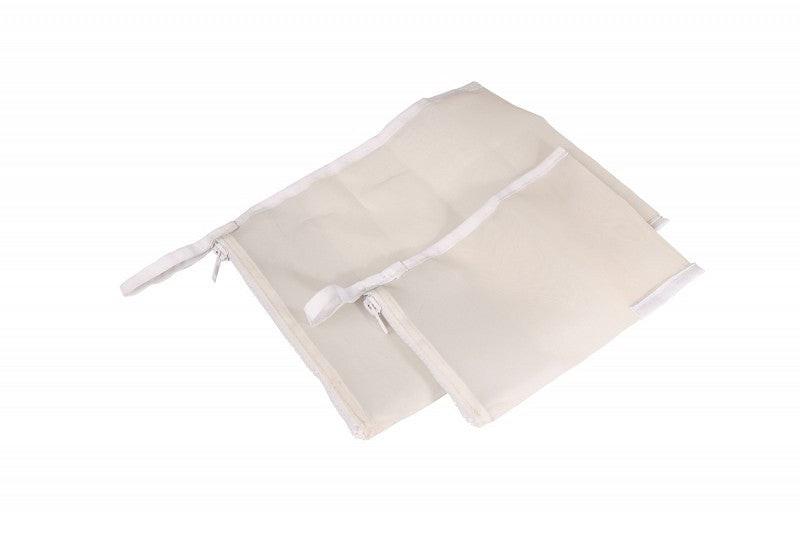
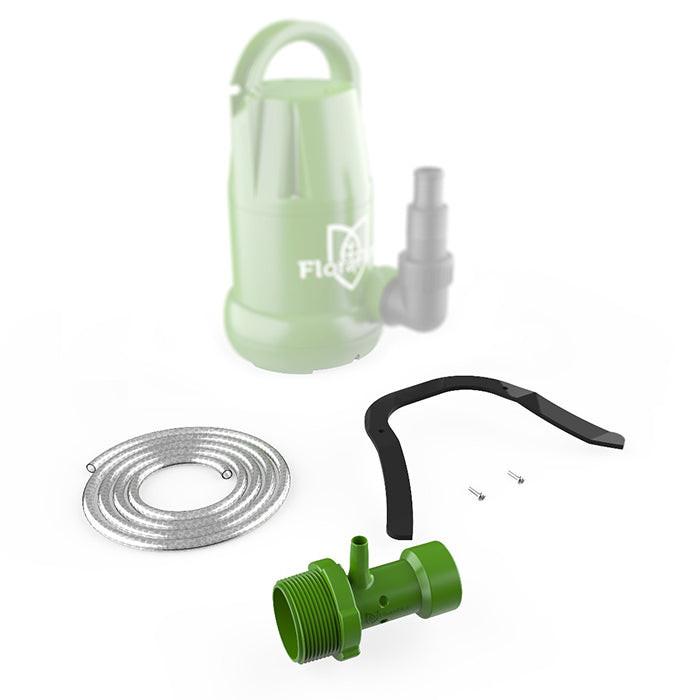
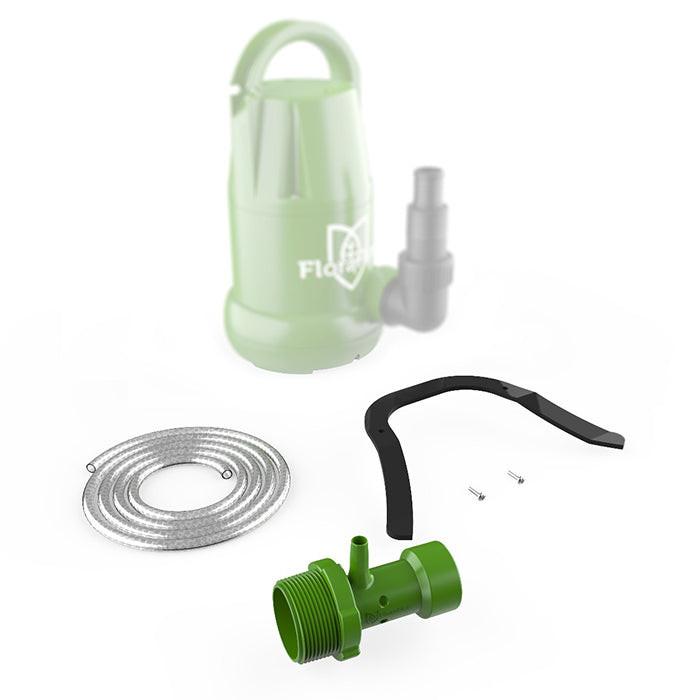
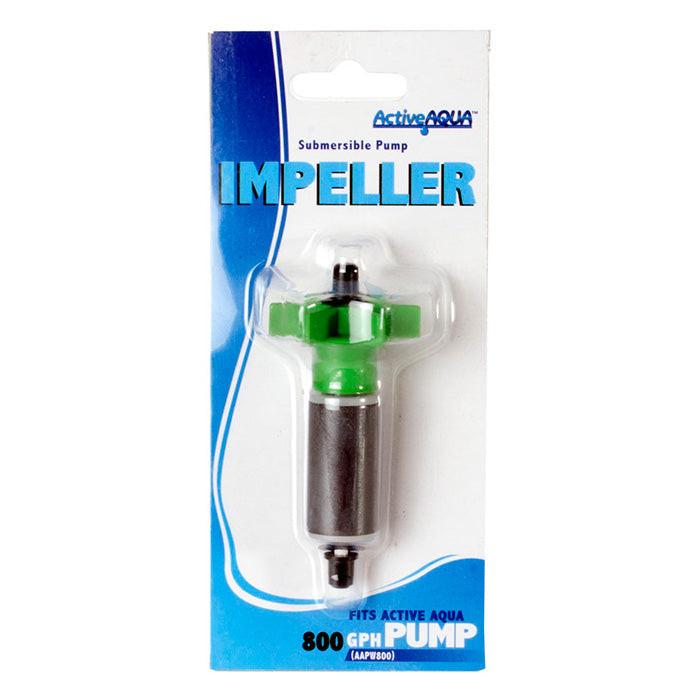
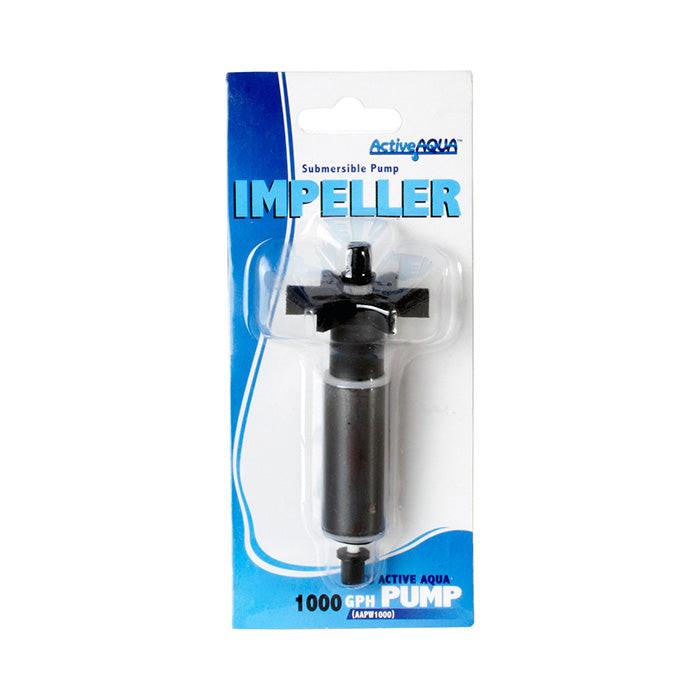
Intake strainer screens are the first line of defense against pump impeller damage -- they prevent large debris particles from entering the pump body and stalling or damaging the rotating impeller. Clean strainer screens regularly; a partially clogged strainer reduces pump flow rate without any other obvious symptom. Replacement impellers restore full pump flow rate when the original impeller has worn or been damaged by debris that passed the strainer -- verify the replacement impeller is specified for your exact pump model and wattage. Pump outlet fittings (barb adapters, threaded adapters, and quick-connect fittings) allow adapting the pump outlet to your specific distribution tubing or manifold connection. Browse our full water pumps collection for complete pump options alongside accessories.
Pump Maintenance Schedule
Inspect and clean submersible pump strainer screens monthly in production use, more frequently in organically enriched reservoirs where biological deposits accumulate faster. Check impeller action annually by verifying flow rate against the pump's rated GPH -- a pump delivering significantly less than rated flow at the same head height indicates impeller wear or partial strainer clogging. Replace pump seals and O-rings when any seeping is detected at the pump body connections. Fast shipping.
Water Pump Accessories FAQ
How do I know if my submersible pump impeller is worn?
Compare current pump output against its rated flow rate at the same installation head height. Fill a measured container (5-gallon bucket) and time how long the pump takes to fill it; compare to the expected fill time based on the rated GPH. A pump at 70% or less of rated flow under normal conditions typically has a worn or fouled impeller. Before replacing the impeller, clean the strainer screen and inspect the impeller for debris wrapping -- plant roots and algae commonly wrap the impeller shaft and reduce flow without actual impeller wear.
Are pump replacement parts brand-specific?
Yes -- impellers, seals, and other internal pump components are specific to the pump brand and model. A replacement impeller for an EcoPlus 396 GPH pump is not interchangeable with a MaxFlo or Active Aqua pump of similar GPH rating. Identify your pump's exact model number (on the label attached to the pump body) before ordering replacement parts. Outlet barb fittings are more standardized -- most pumps use 1/2-inch or 3/4-inch standard barb outlets that accept generic fittings of the correct size.
How do I clean a submersible pump?
For routine cleaning: remove the pump from the reservoir, separate the pump body from the intake screen per the disassembly instructions (usually one or two tabs or screws), remove any root material or debris from around the impeller, rinse the impeller chamber and screen with clean water, and reassemble. For mineral scale buildup: soak the disassembled pump body in dilute citric acid solution (1-2 tablespoons per quart of water) for 30-60 minutes to dissolve scale from the impeller and housing, then rinse thoroughly before returning to service. Avoid soap or detergent inside the pump body -- residues are difficult to rinse completely and may affect nutrient solution chemistry.
What flow rate pump do I need for my reservoir and drip system?
Total required flow rate is the sum of all drip emitter outputs plus any reservoir return flow. Example: 30 emitters at 1 GPH each = 30 GPH minimum pump output at the installation head height. The head height (vertical distance from the reservoir water surface to the highest emitter) reduces pump output significantly -- check the pump's performance curve (GPH at various head heights) rather than using the rated zero-head GPH. For most indoor drip systems with moderate head heights (2-4 feet), select a pump rated for 1.5-2x your calculated flow requirement to ensure adequate delivery as the pump ages and flow naturally declines.
How long should a submersible pump last in a hydroponic system?
Quality submersible pumps in properly filtered, clean hydroponic systems last 2-5 years with routine maintenance. Pump life shortens significantly with: unfiltered debris that reaches the impeller; dry-run events (running without water, which overheats the motor); highly acidic or alkaline solutions outside the pump's chemical resistance rating; and continuous operation without the occasional brief shutdown that allows the motor to cool. Replace pump oil-filled capacitors and seals at the manufacturer's recommended service interval for maximum service life in commercial applications.