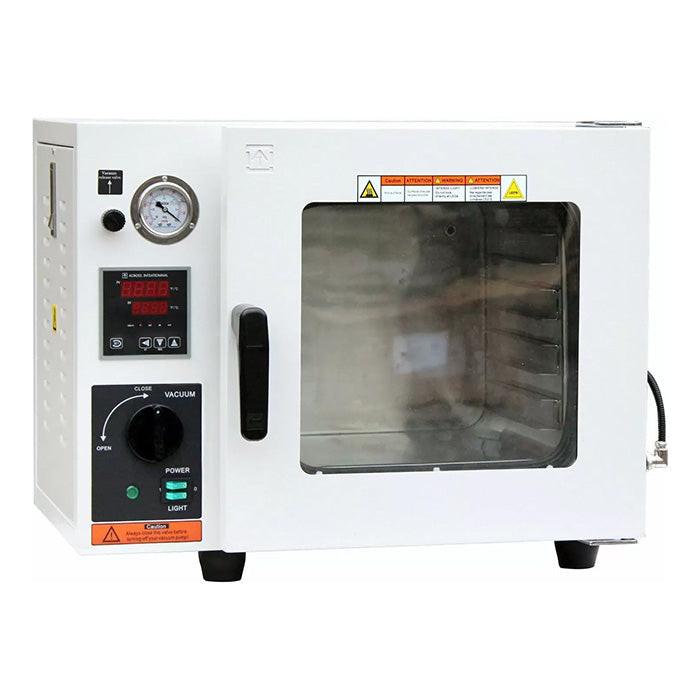
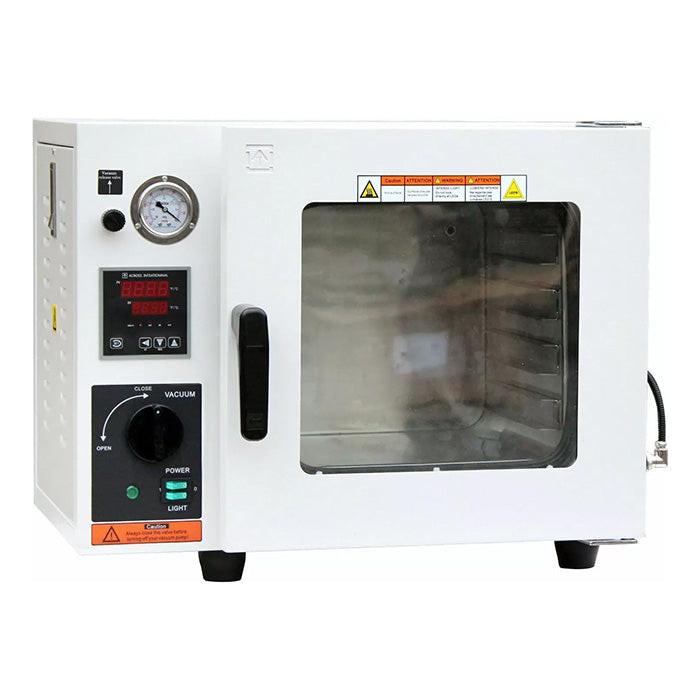
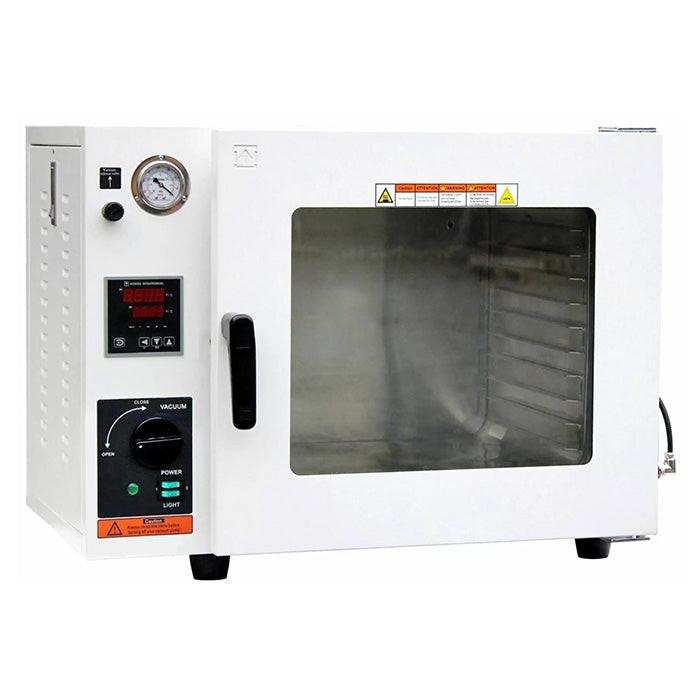
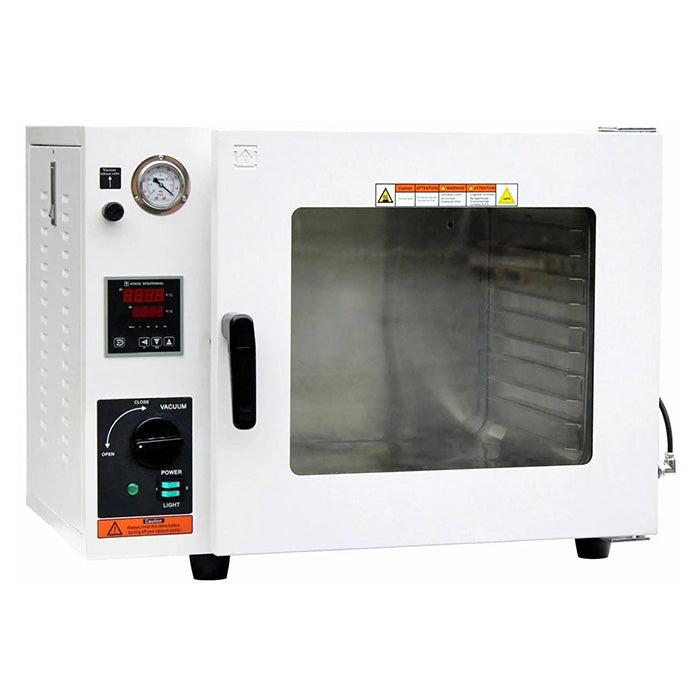
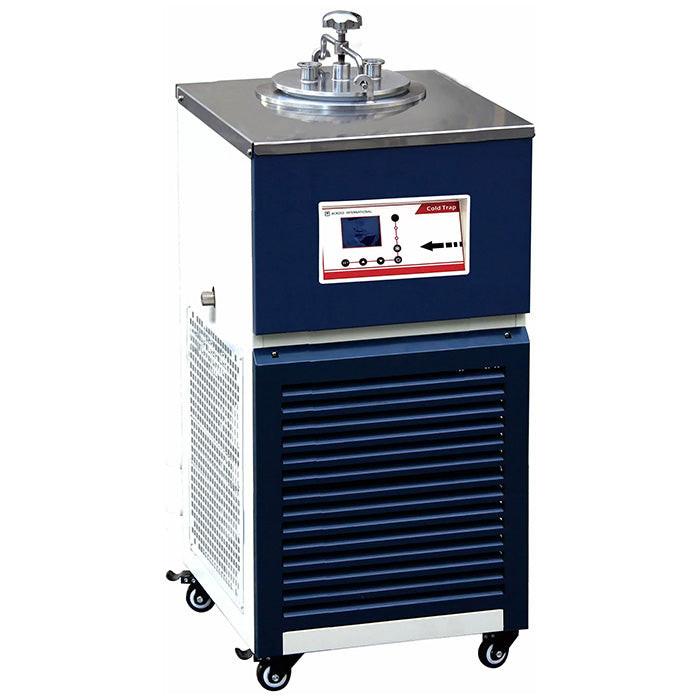
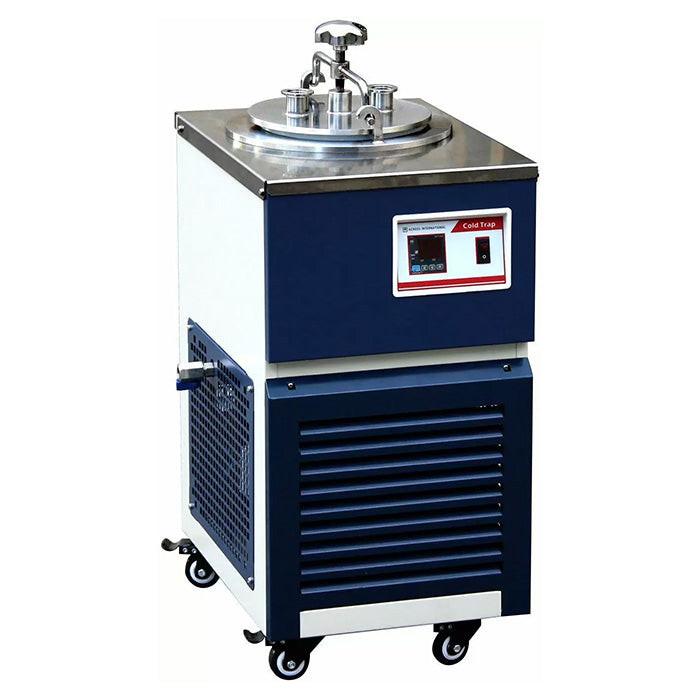
Vacuum Purge Chambers & Vacuum Pump Systems
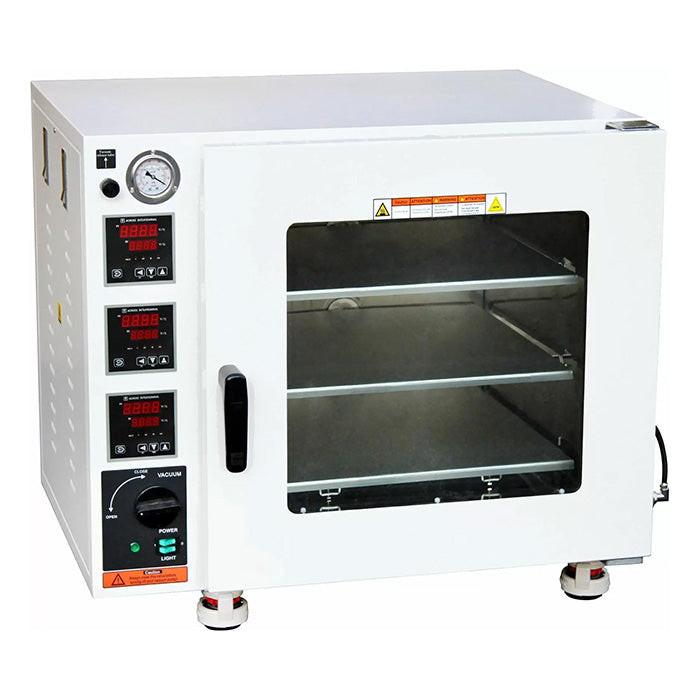
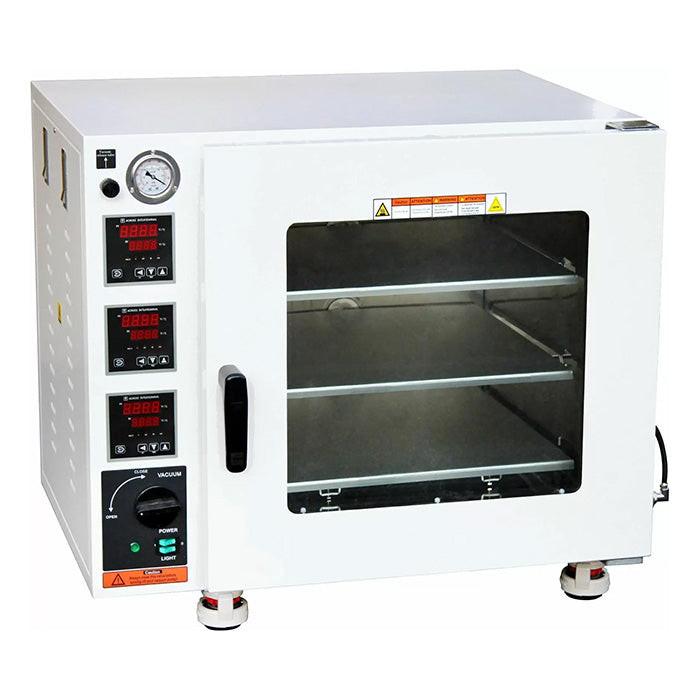
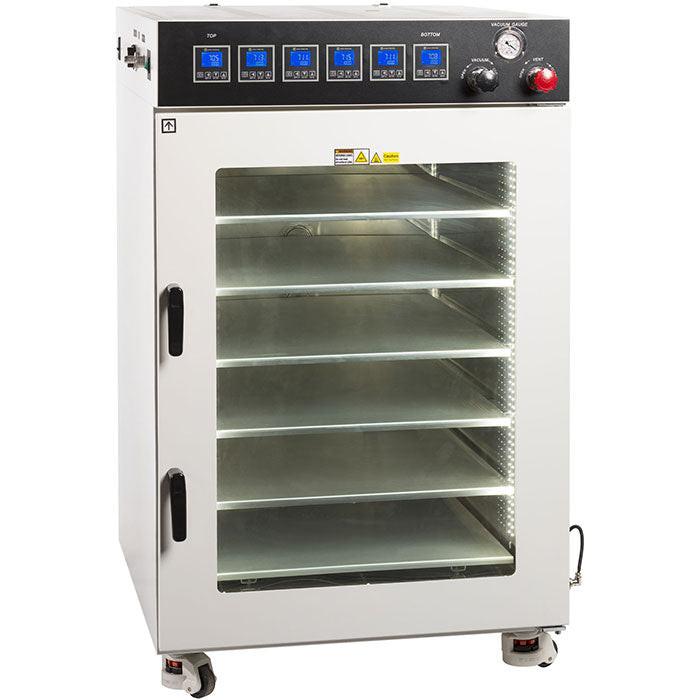
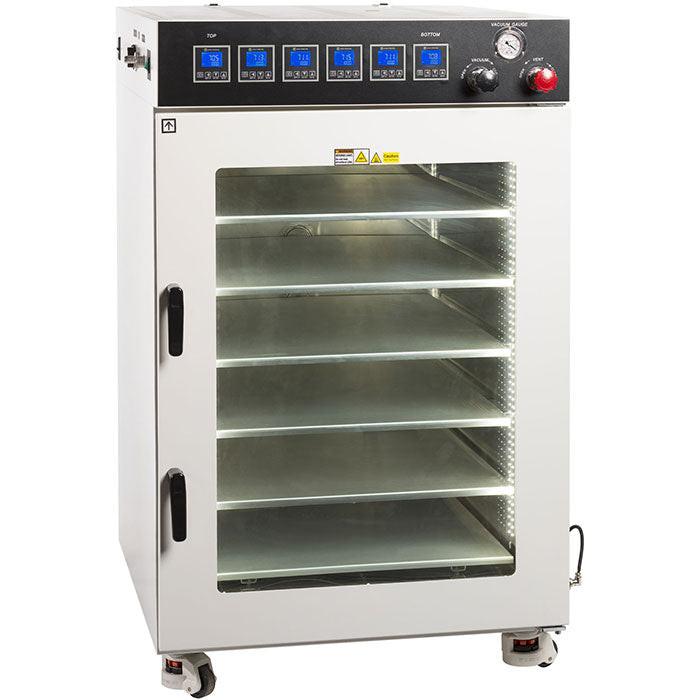
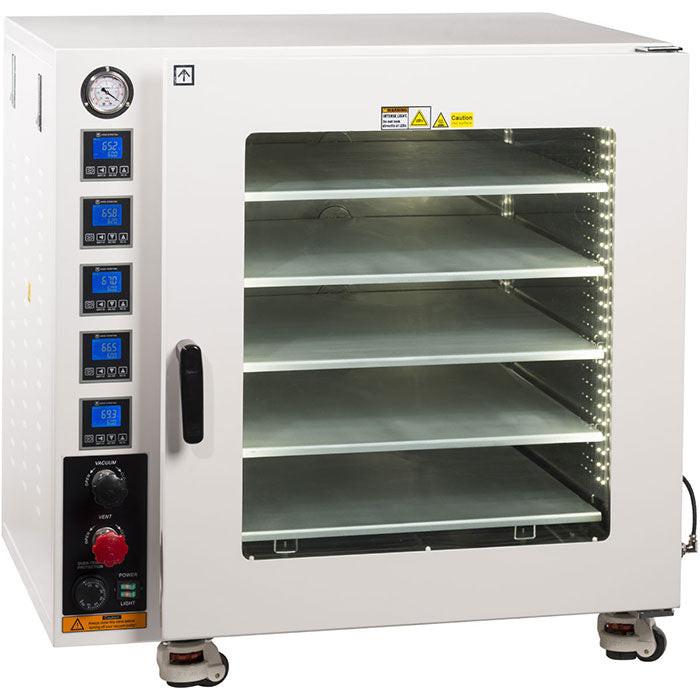
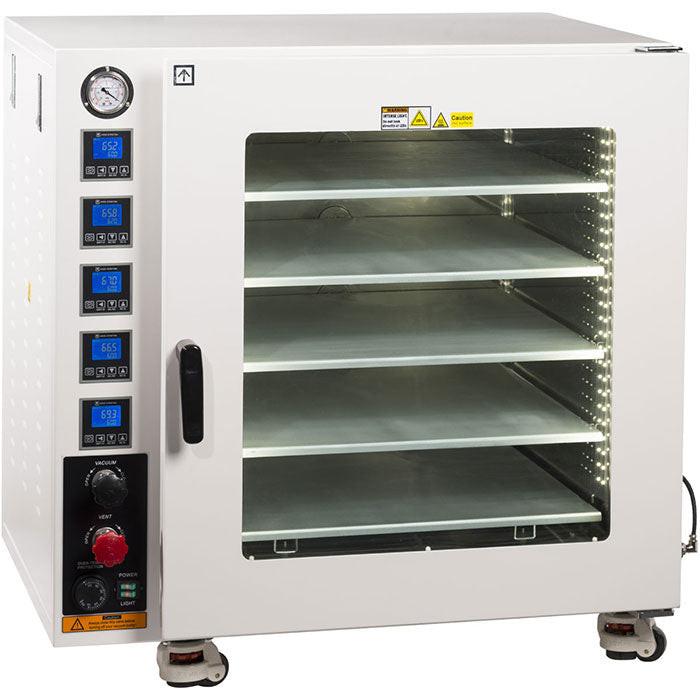
Vacuum purge chambers use sub-atmospheric pressure to remove residual solvents from botanical extracts produced through hydrocarbon or CO2 extraction methods. When extract is placed in a sealed chamber connected to a vacuum pump, the reduced pressure lowers the boiling point of residual solvents -- allowing them to vaporize and be drawn out of the extract at temperatures low enough to preserve heat-sensitive compounds. The vacuum purge process is a final refinement step in solvent-based extraction workflows, not applicable to solventless methods like rosin pressing or cold water extraction.
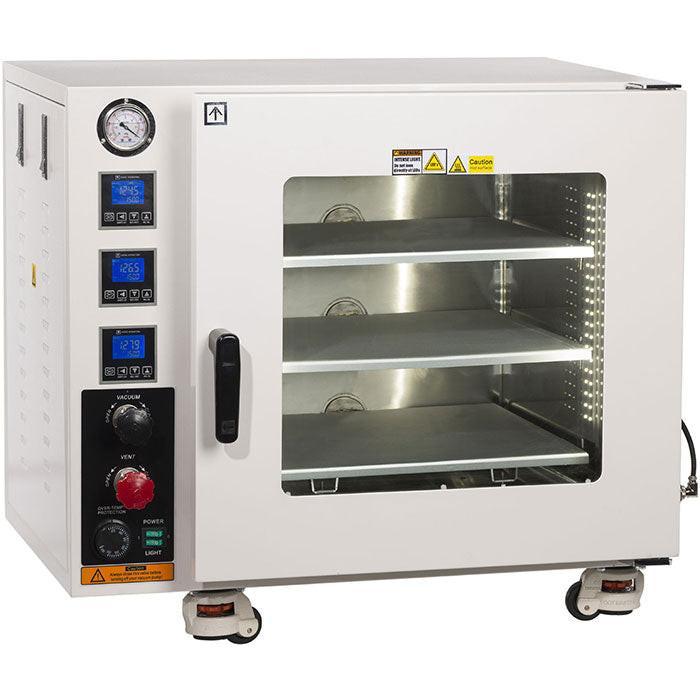
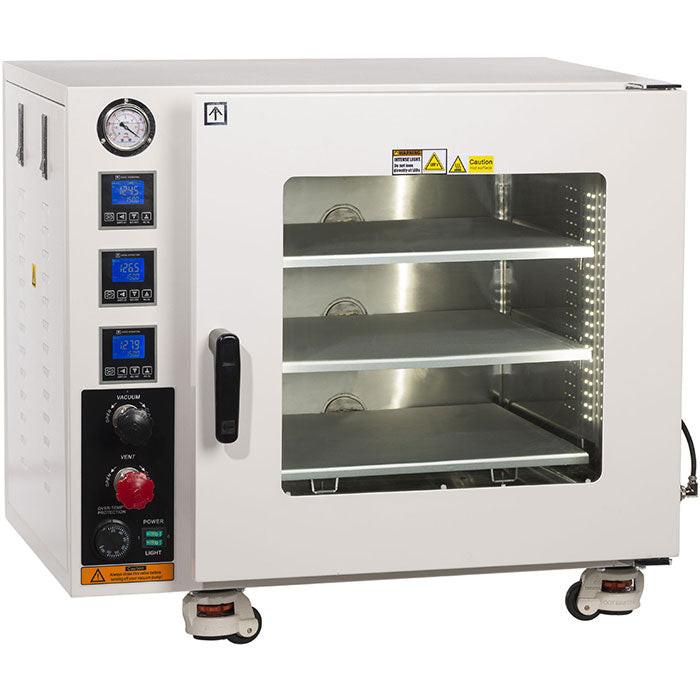
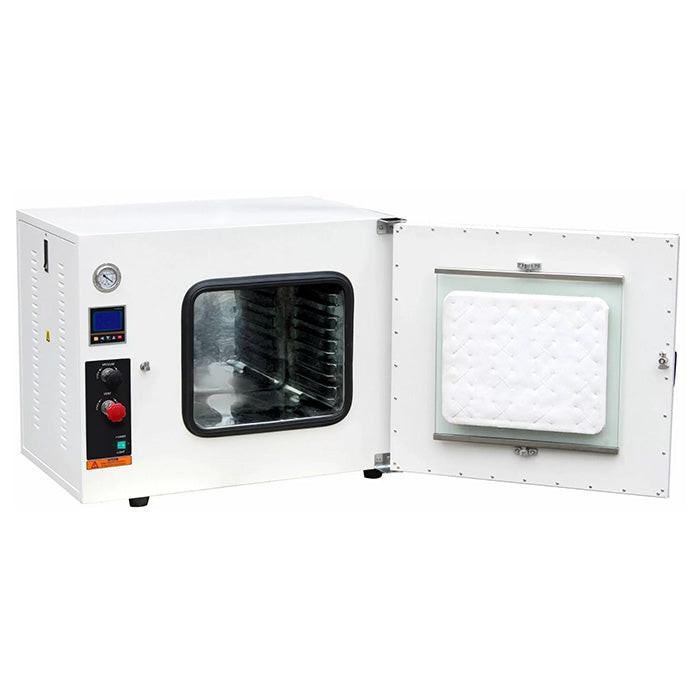
Vacuum Chambers
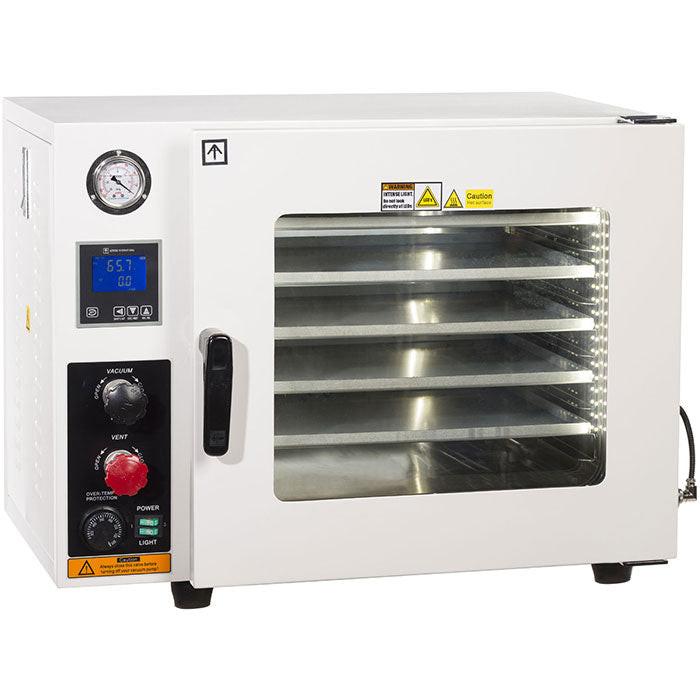
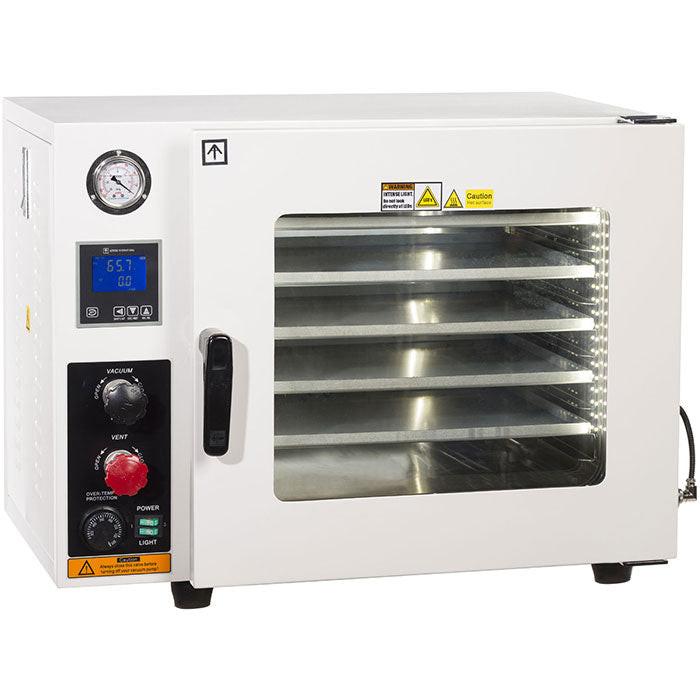
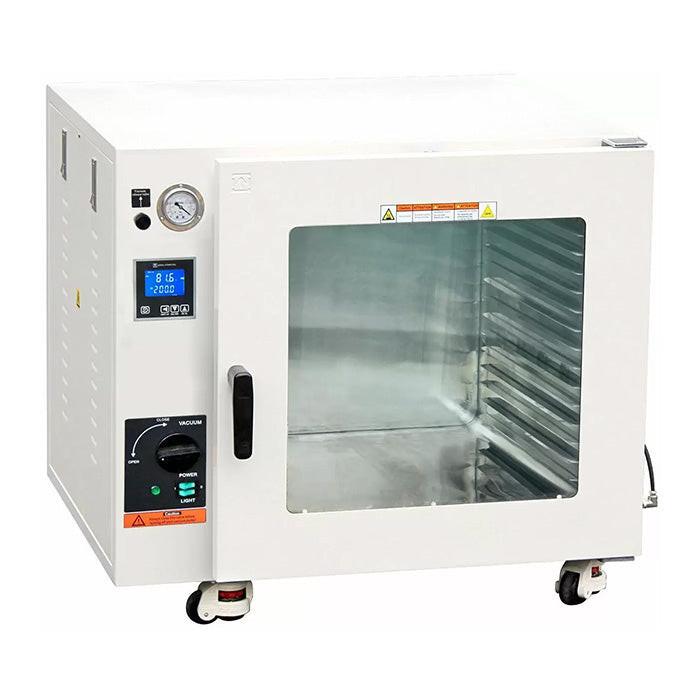
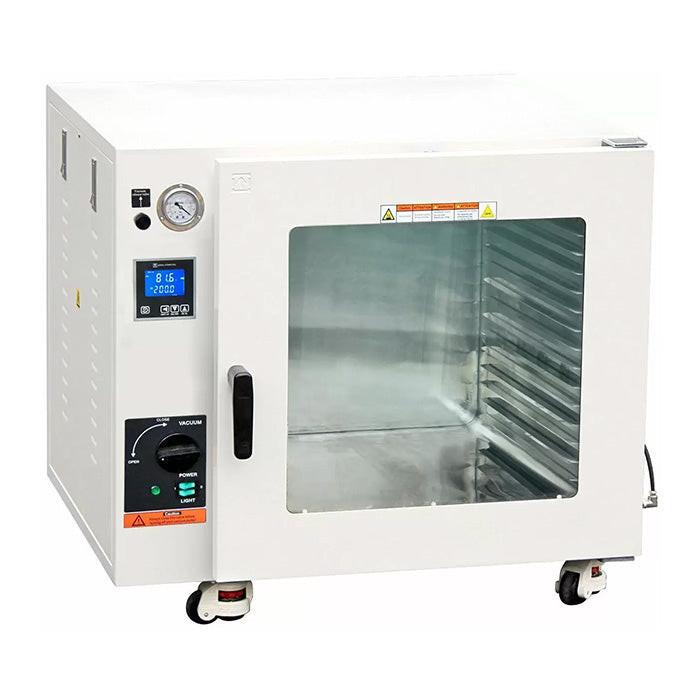
Stainless steel vacuum chambers are the standard for botanical extract purging -- corrosion-resistant, easy to clean, and compatible with the solvents and residues involved in extraction. Chamber sizes range from 1.5-liter countertop units for personal-scale purging through 12-liter and larger commercial chambers for production operations. Silicone mat inserts provide a non-stick collection surface inside the chamber that makes removing purged extract significantly easier than scraping from bare stainless. A built-in temperature-controlled heating mat (typically 85-110 degrees F) accelerates solvent evaporation during purging while keeping process temperatures low enough to preserve quality.
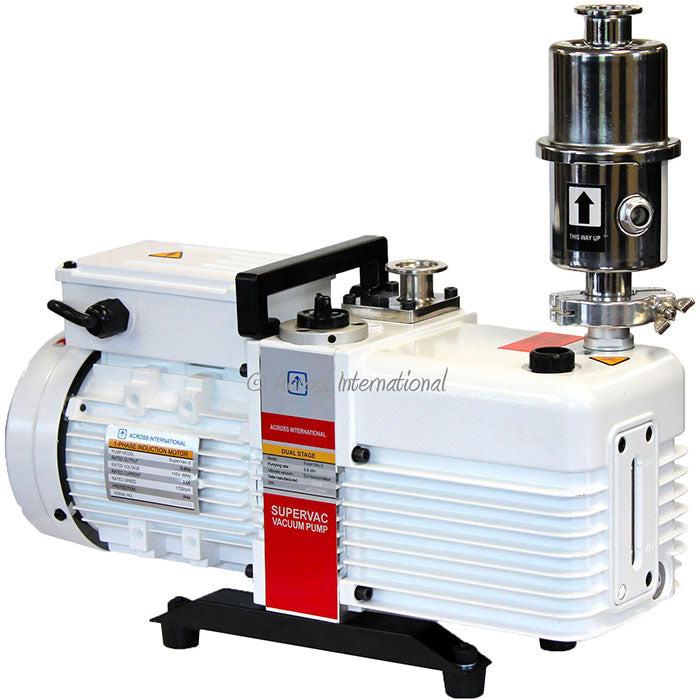
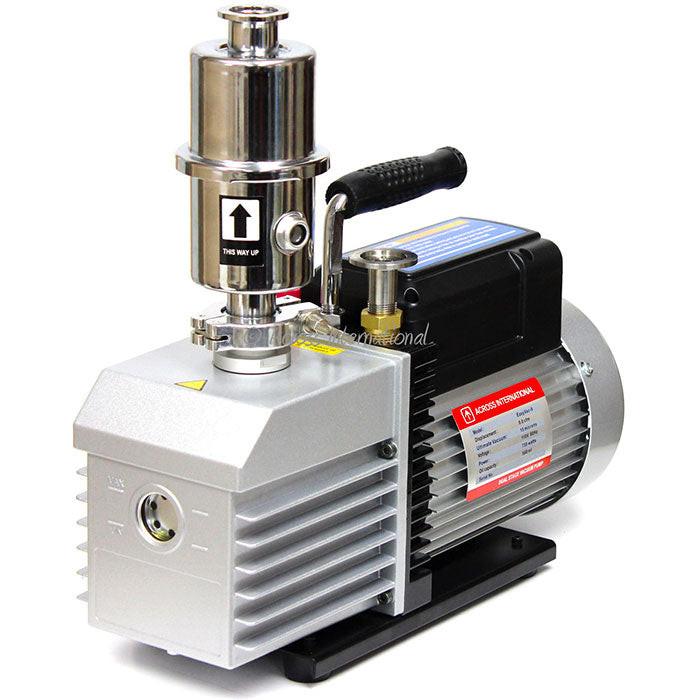
Vacuum Pumps
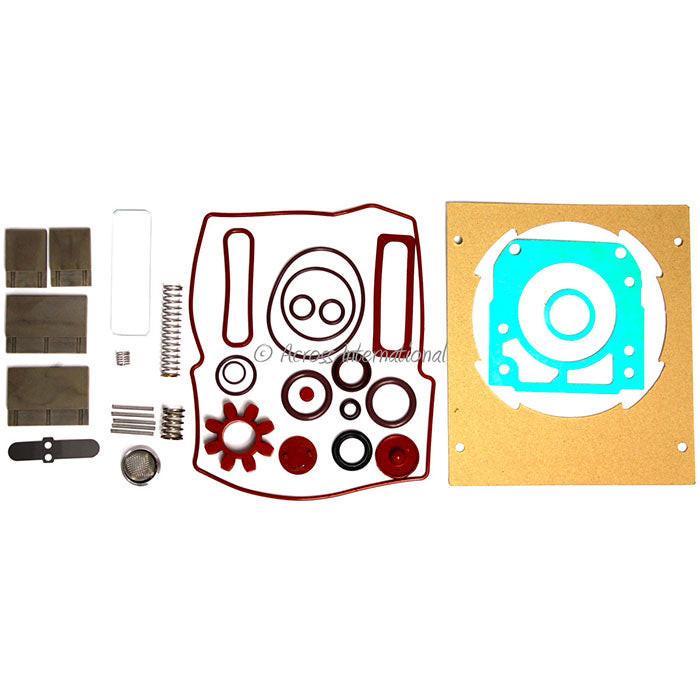
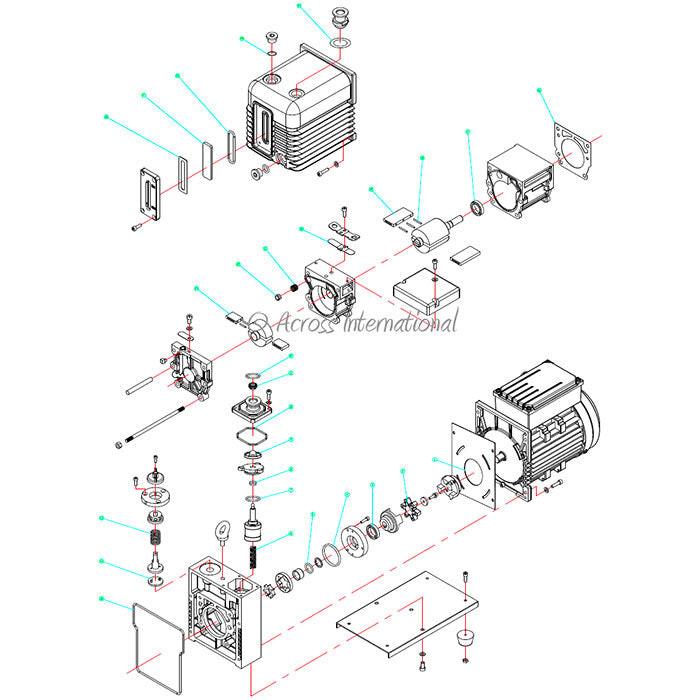
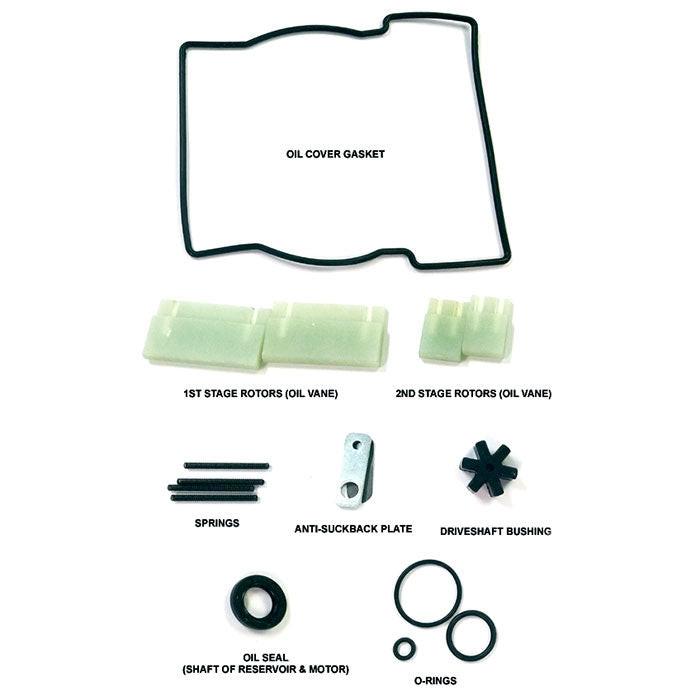
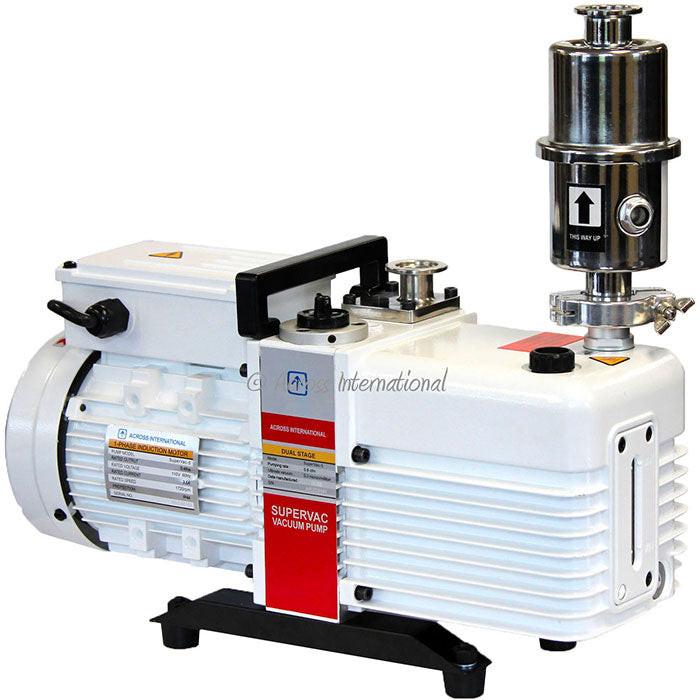
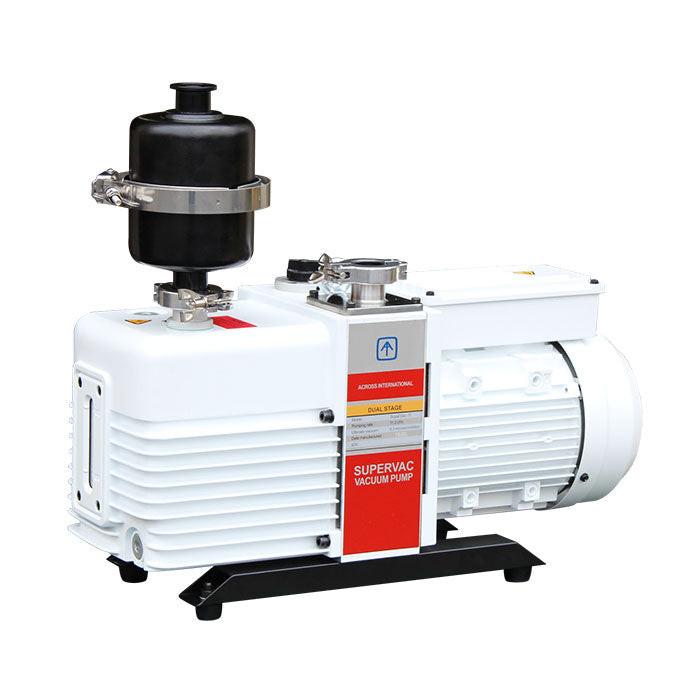
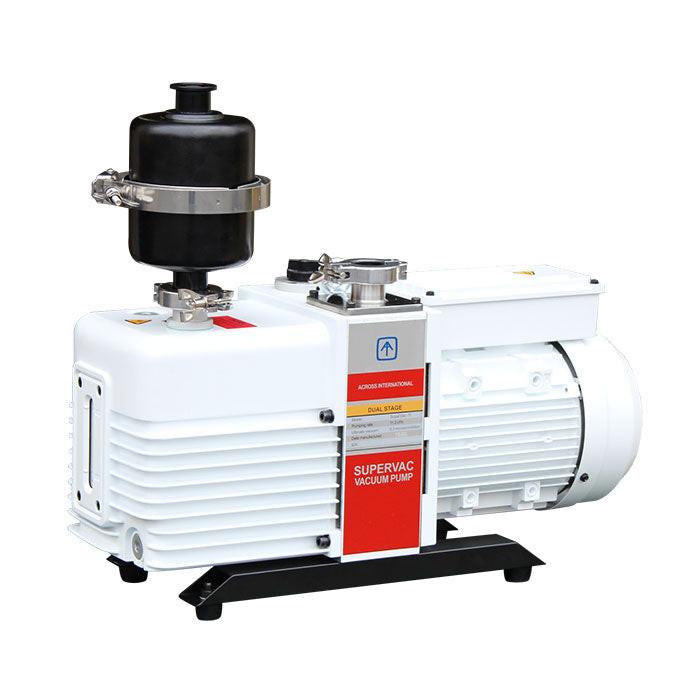
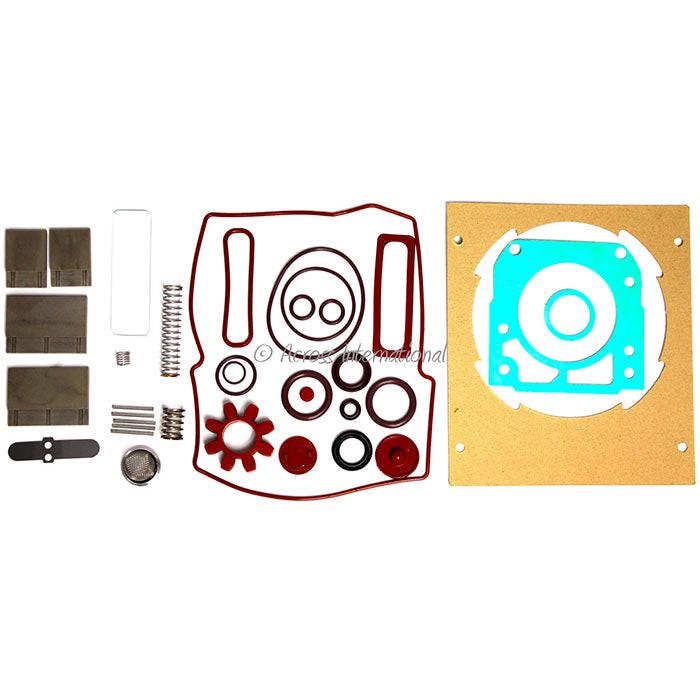
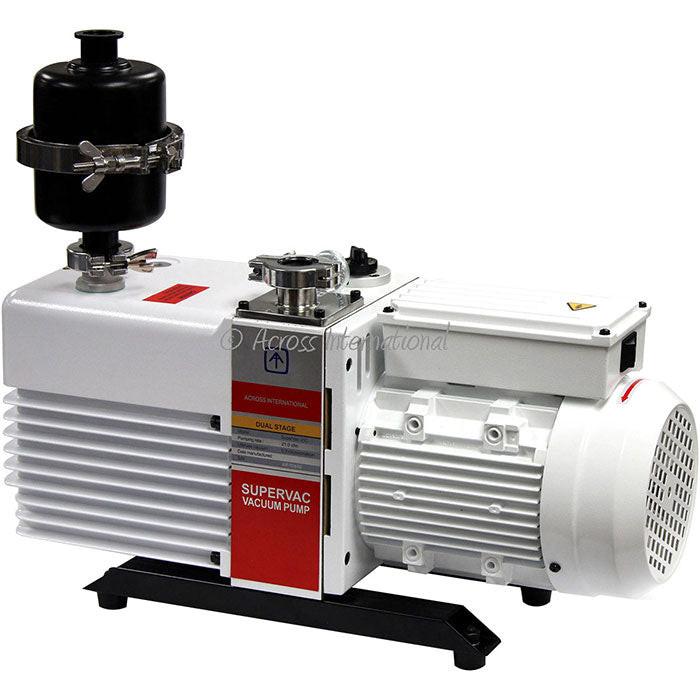
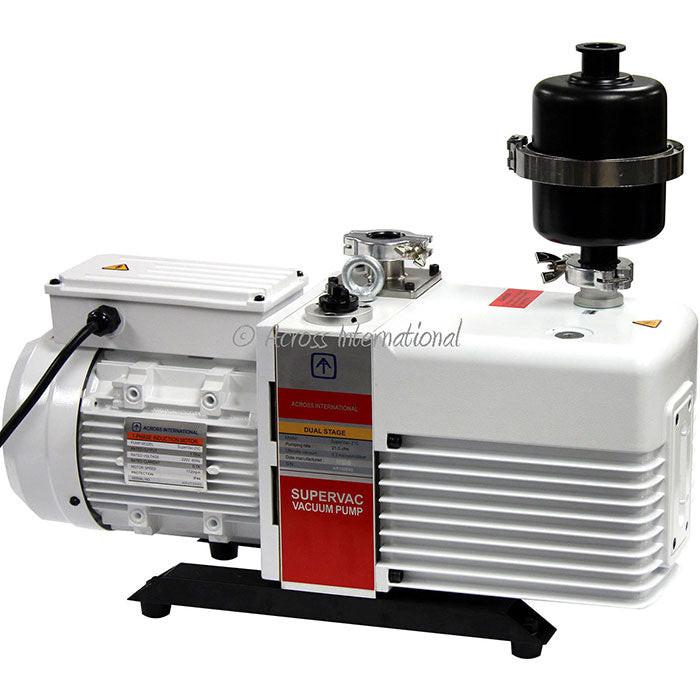
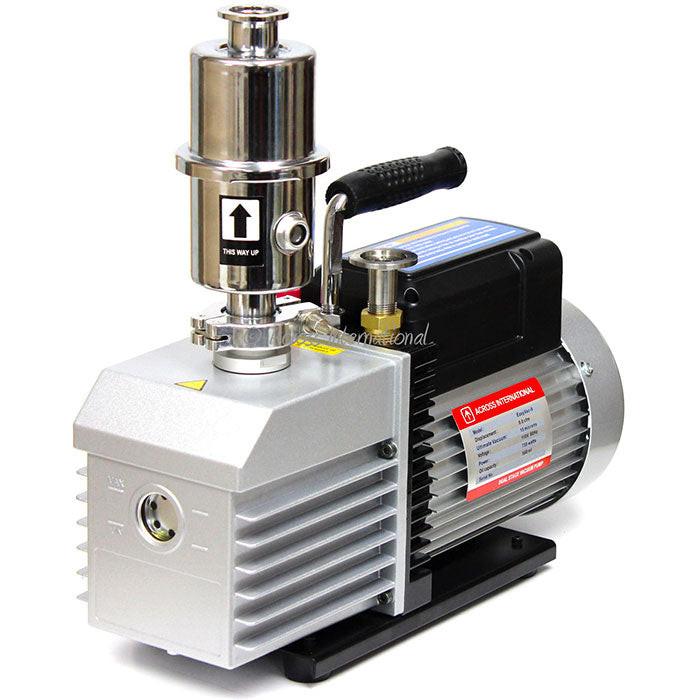
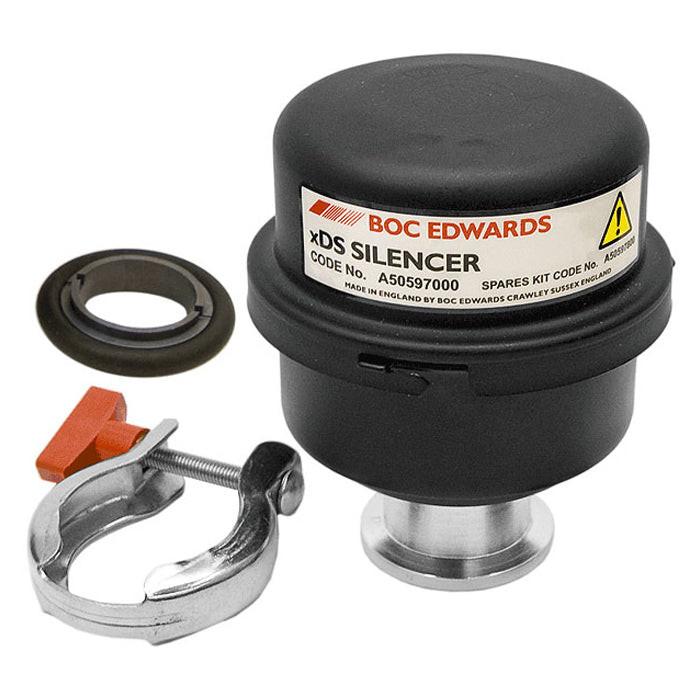
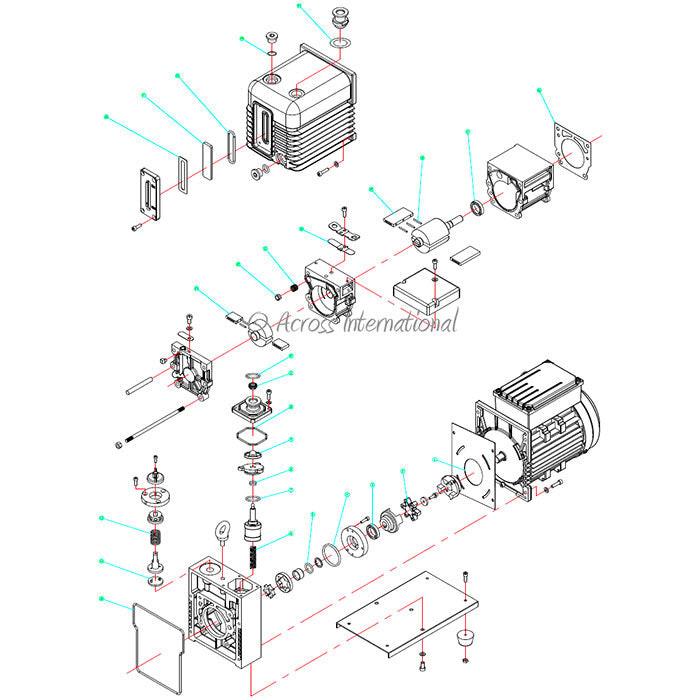
Two-stage rotary vane vacuum pumps reach the deep vacuum levels (50-100 microns Hg) required for effective solvent purging -- single-stage pumps do not achieve adequate vacuum depth for complete solvent removal from thick extracts. Key specifications: ultimate vacuum level (lower microns = deeper vacuum = more complete solvent removal), CFM displacement rate (determines how quickly the chamber reaches target vacuum), and whether the pump includes an oil trap on the exhaust to prevent solvent contamination of the pump oil. Regular oil changes are the primary maintenance requirement for rotary vane vacuum pumps -- solvent-contaminated oil reduces pump performance significantly. Fast shipping.
Vacuum Purge Equipment FAQ
What is vacuum purging used for?
Vacuum purging removes residual solvents from botanical extracts produced through butane, propane, or CO2 extraction. After extraction, trace amounts of the solvent remain in the extract -- the vacuum purge process draws these residual solvents out by lowering their boiling point under reduced pressure. The result is a purer extract with solvent residuals reduced to acceptable levels. Vacuum purging is not used for solventless extracts (rosin press, cold water, dry sift) because no solvents are introduced during those processes.
What vacuum level do I need for effective purging?
Effective solvent purging requires a vacuum level of 50-200 microns Hg (absolute pressure). At this vacuum depth, the boiling point of common extraction solvents drops significantly, allowing them to volatilize at process temperatures of 85-110 degrees F that are low enough to preserve extract quality. Single-stage vacuum pumps typically reach only 500-1,000 microns Hg -- insufficient for thorough solvent removal from thick extracts. Two-stage rotary vane pumps reach 10-50 microns Hg ultimate vacuum, providing adequate depth for complete purging with proper technique.
How long does vacuum purging take?
Purge time depends on extract consistency, chamber temperature, vacuum depth, and residual solvent quantity. Thin extracts (shatter, pull-and-snap): 24-72 hours at 95-105 degrees F under deep vacuum, with periodic releases and re-application of vacuum. Thicker extracts (budder, wax): 3-6 hours at 90-100 degrees F. Budder-style extracts that have been whipped: 1-3 hours. Visual cues indicate purge completion: bubbling from the extract surface indicates active solvent evaporation; when bubbling stops under vacuum, the accessible solvent has been removed. Residual solvent testing by an analytical laboratory is the only way to verify complete purge.
What size vacuum chamber do I need?
Match chamber volume to your batch size with room for expansion -- extracts can expand significantly in volume when placed under vacuum as dissolved gases and solvents volatilize. Fill the chamber to approximately 25-30% of total chamber volume to prevent extract from expanding to contact the chamber walls or lid seal. For a 10-gram batch: a 1.5-liter chamber is adequate. For 50-100 gram batches: a 3-6 liter chamber. For commercial 200+ gram batches: a 12-liter or larger chamber. Undersizing the chamber with overfull batches risks extract contaminating the vacuum line and pump.
How do I maintain a vacuum pump for purging applications?
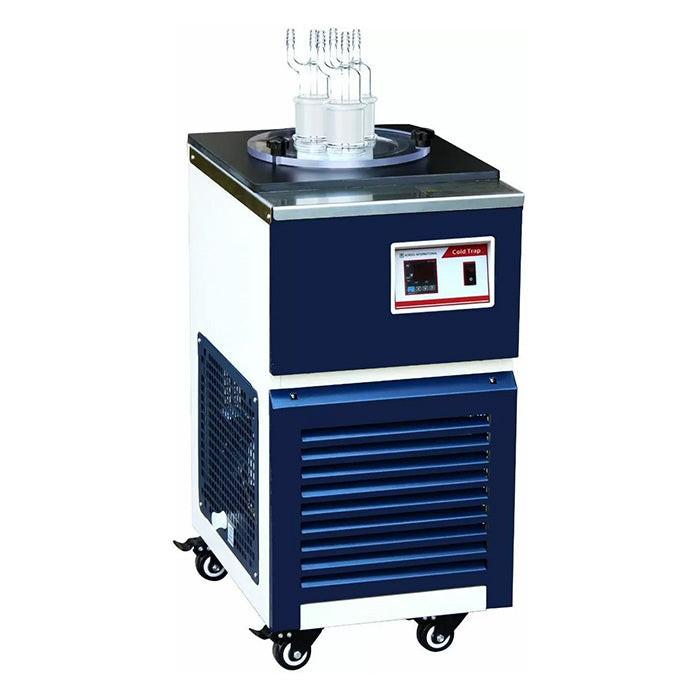
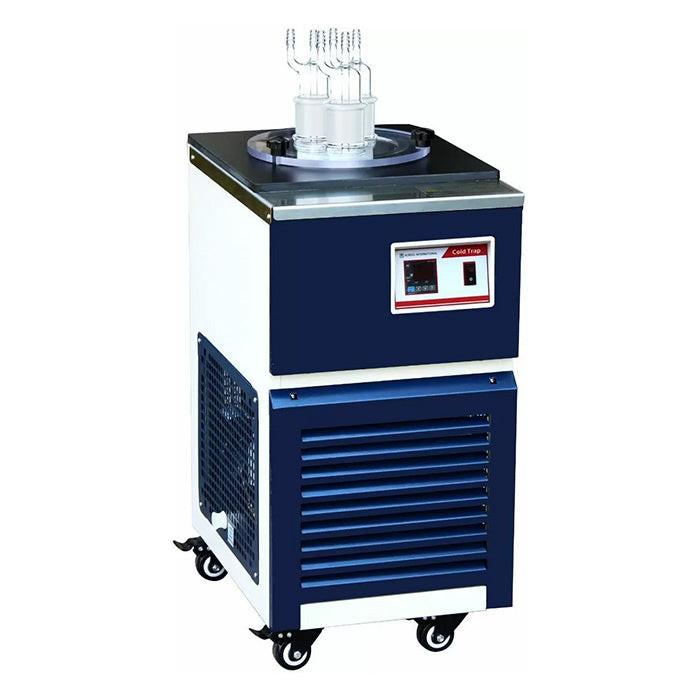
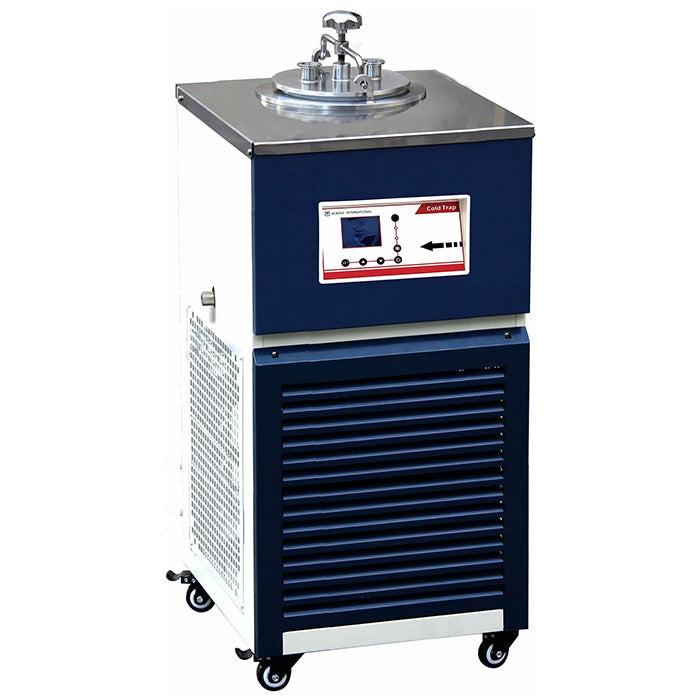
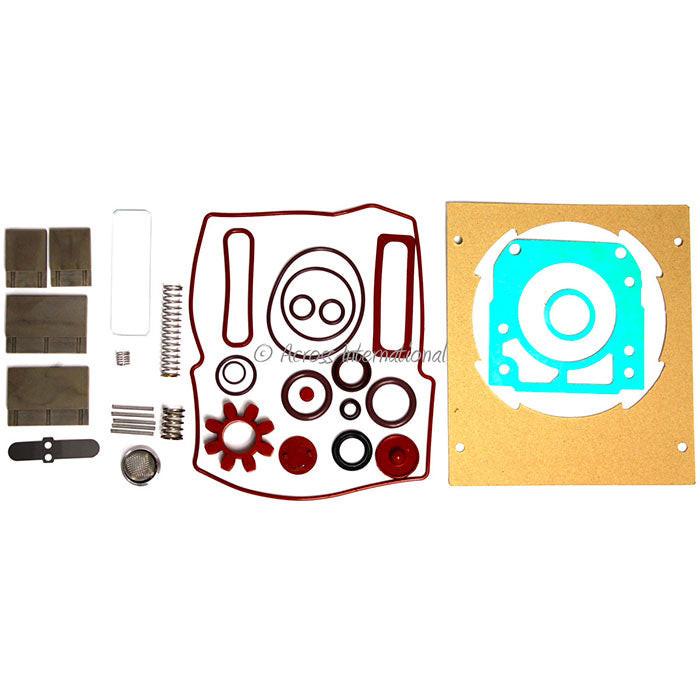
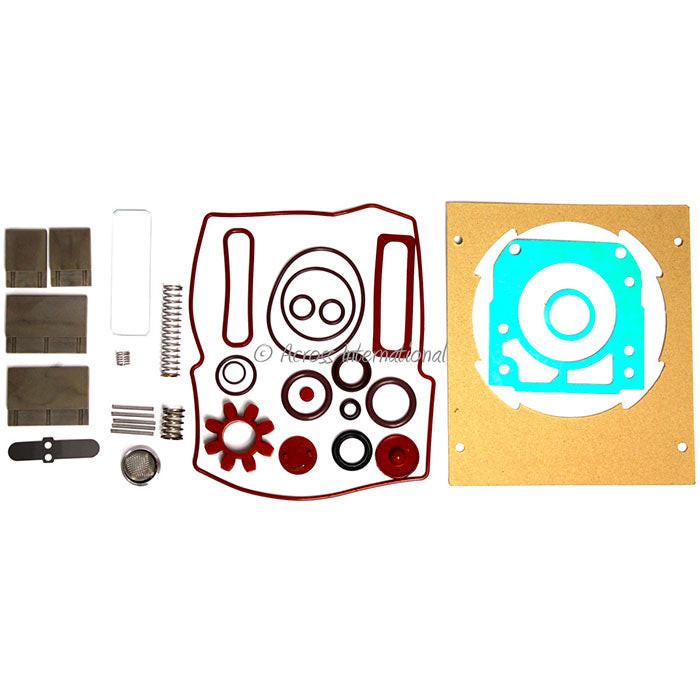
The primary maintenance requirement is regular oil changes. Solvent vapors drawn through the pump contaminate the oil, reducing viscosity and pump performance -- solvent-contaminated oil significantly degrades ultimate vacuum level and pump lifespan. Change oil after every 8-10 hours of purge duty or whenever the oil appears dark or smells strongly of solvents. Use only the manufacturer-specified vacuum pump oil type -- do not substitute automotive or other oils. Install an oil mist filter on the pump exhaust to capture oil vapor, and optionally a cold trap on the intake line to condense solvent vapors before they reach the pump.