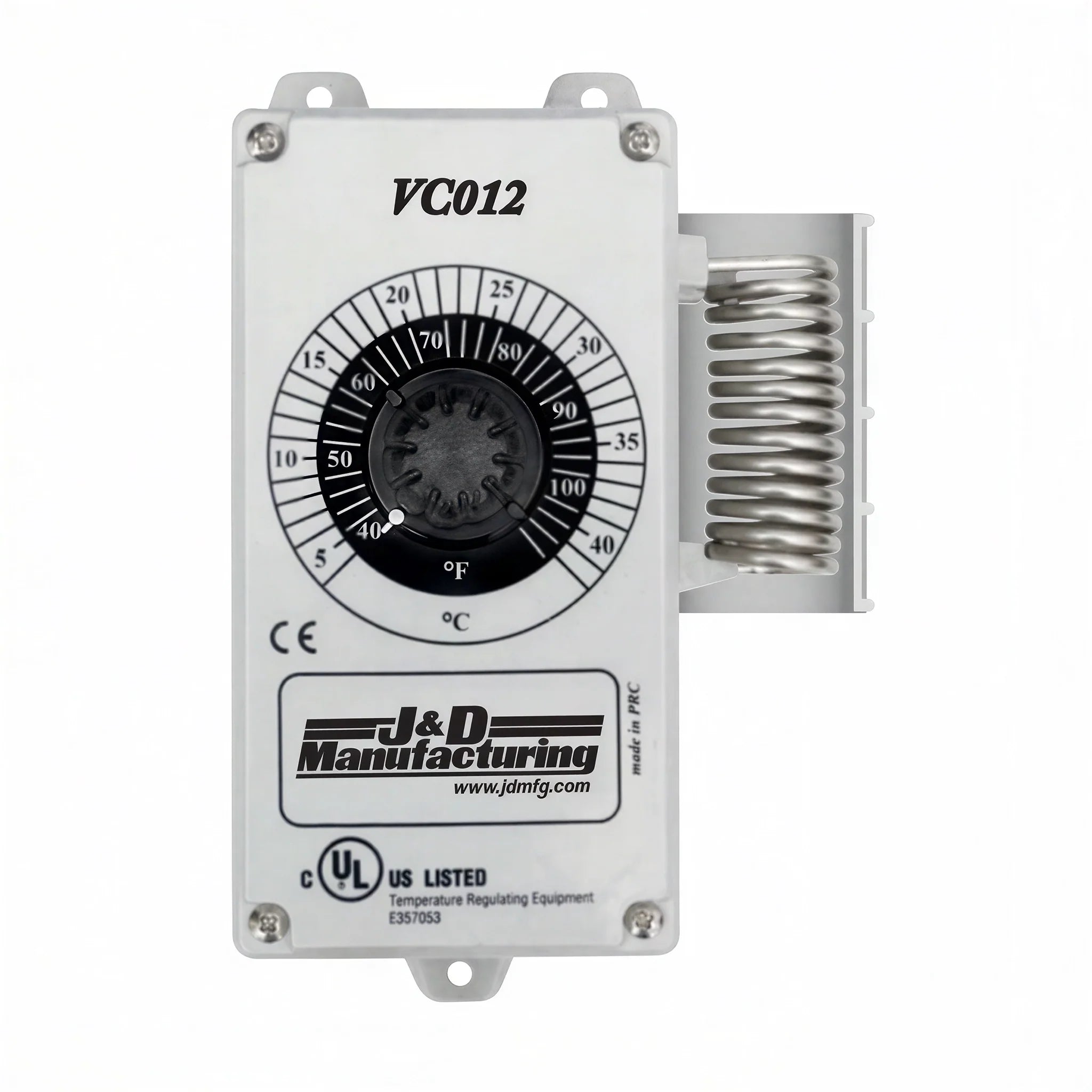
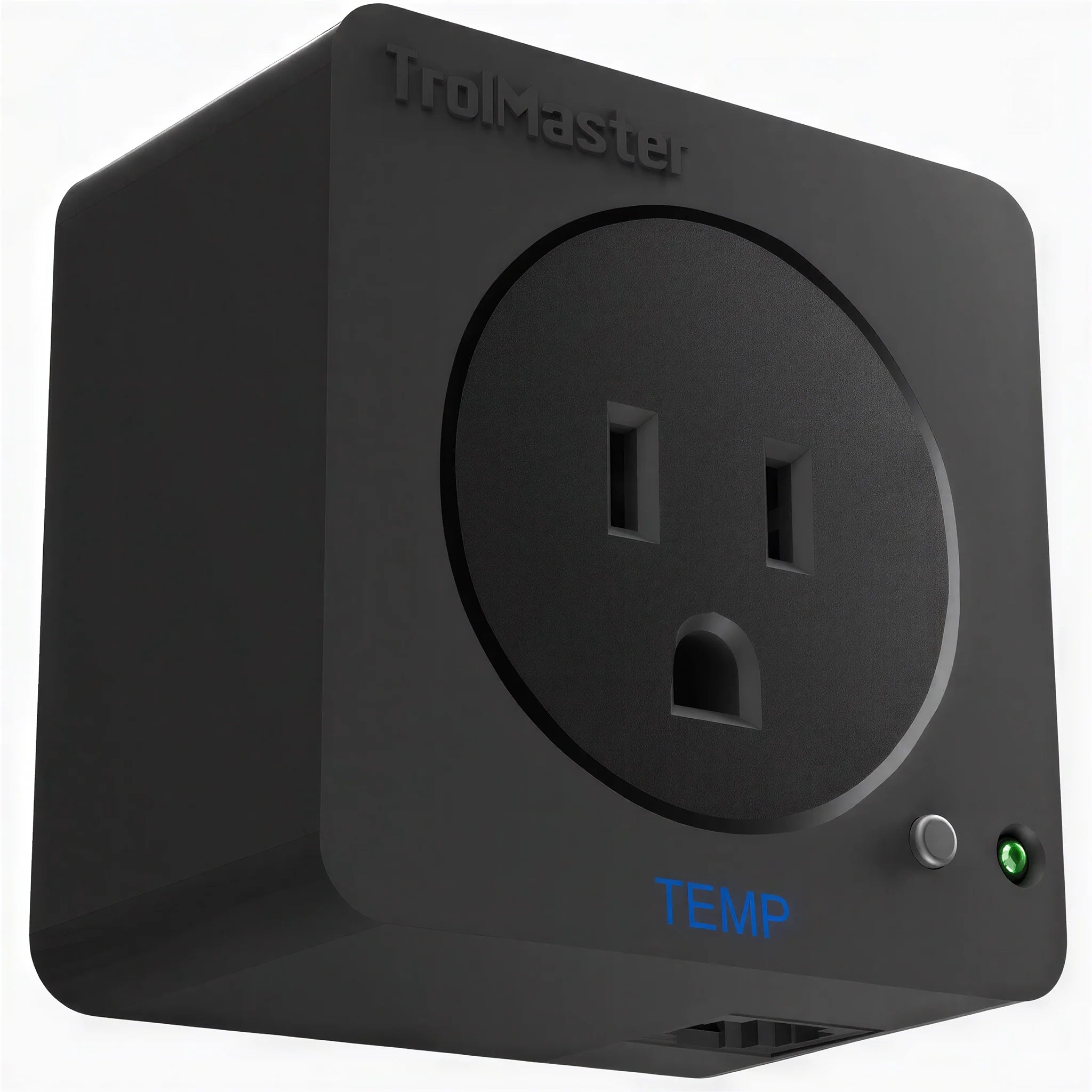
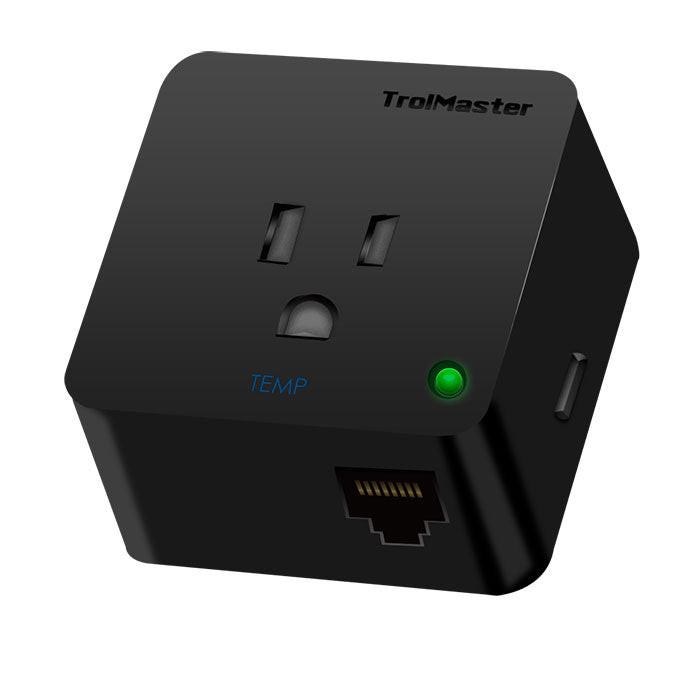
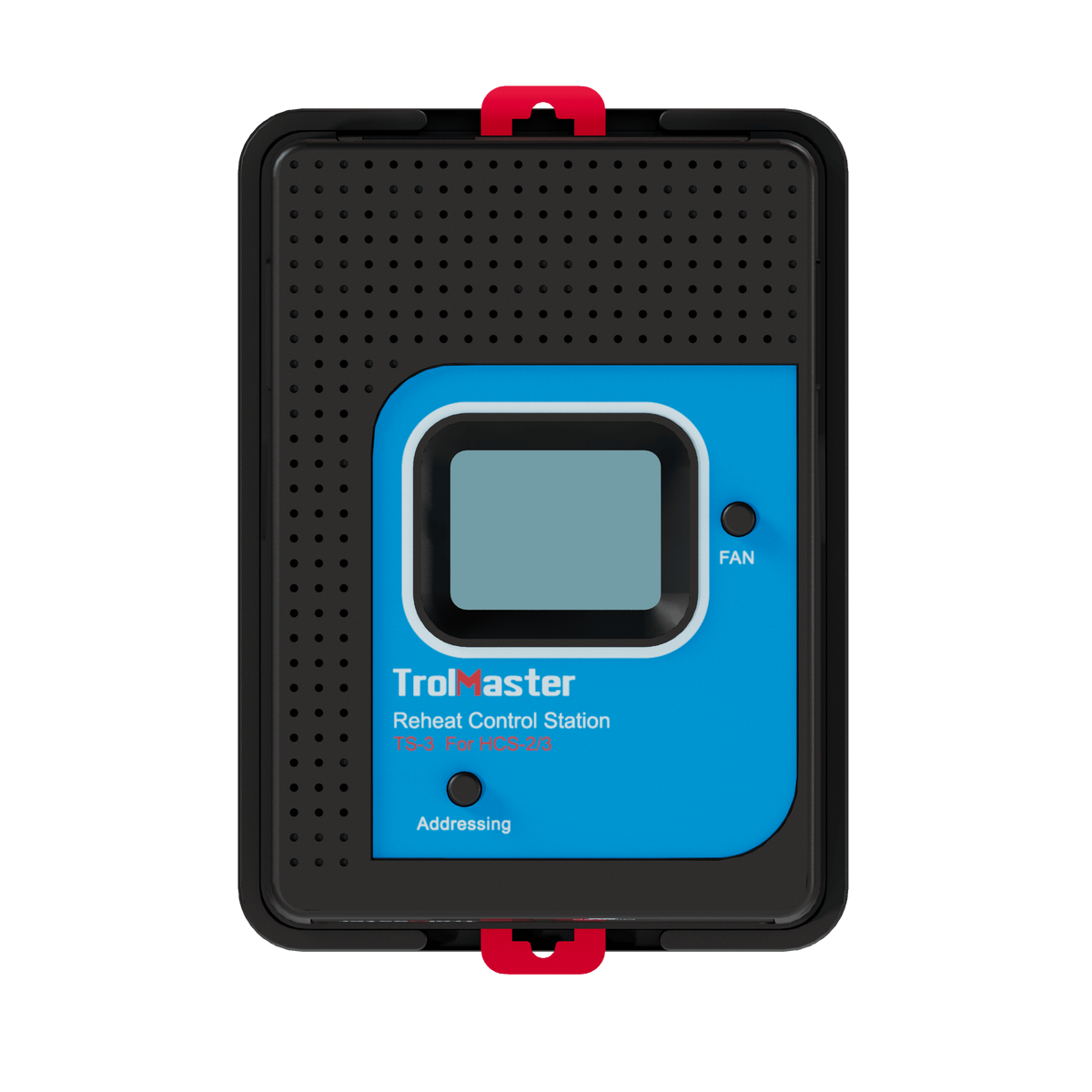
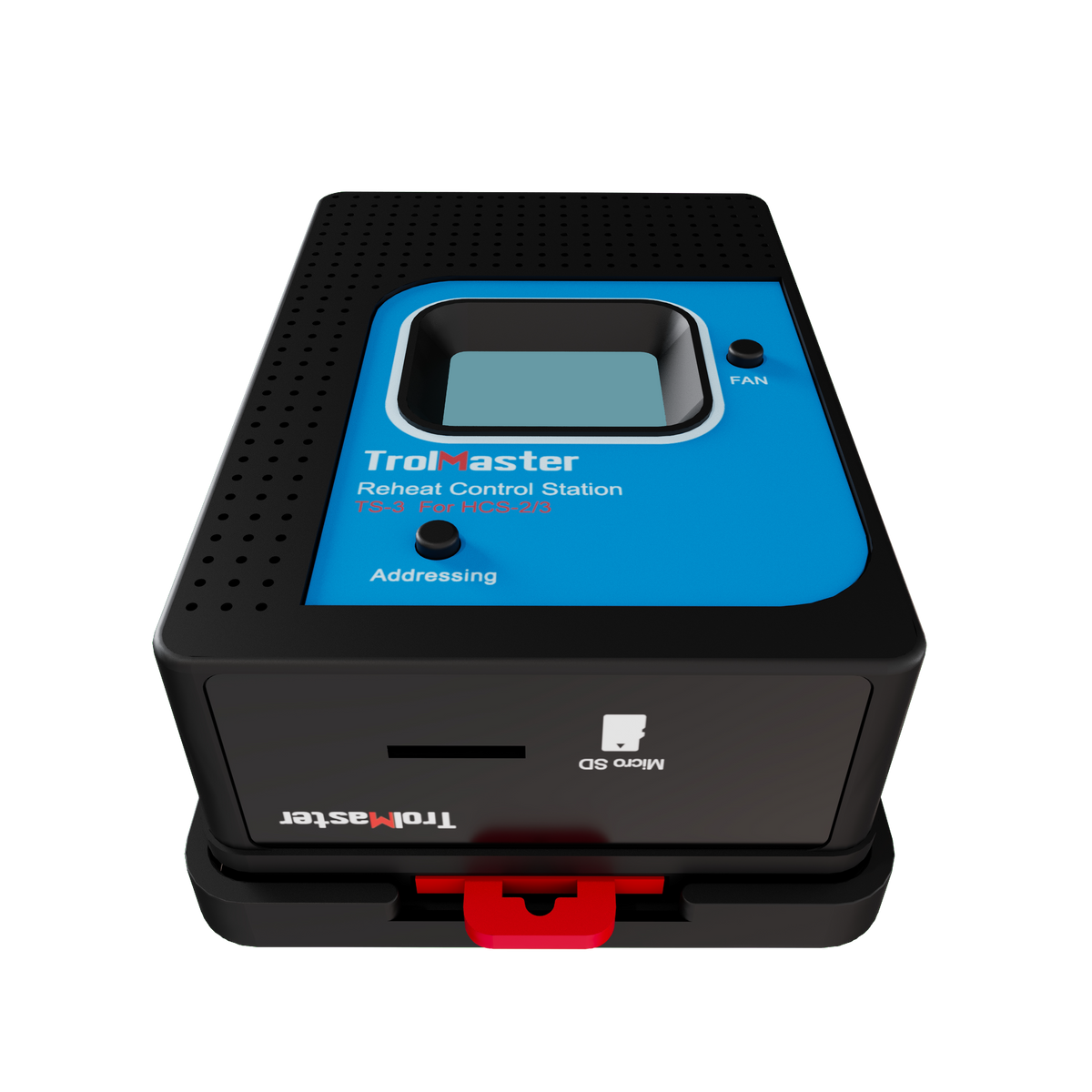
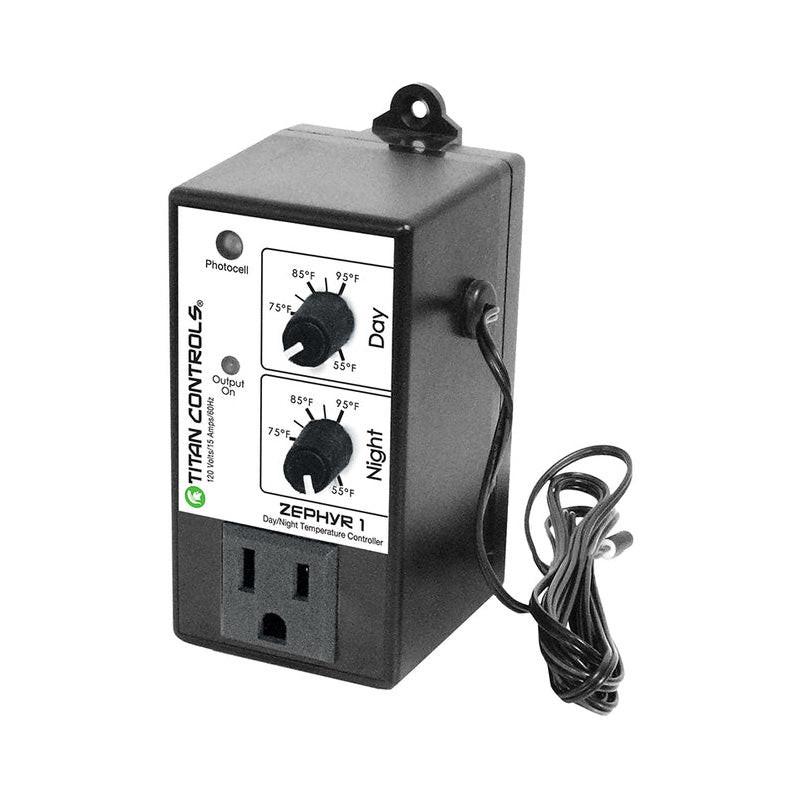
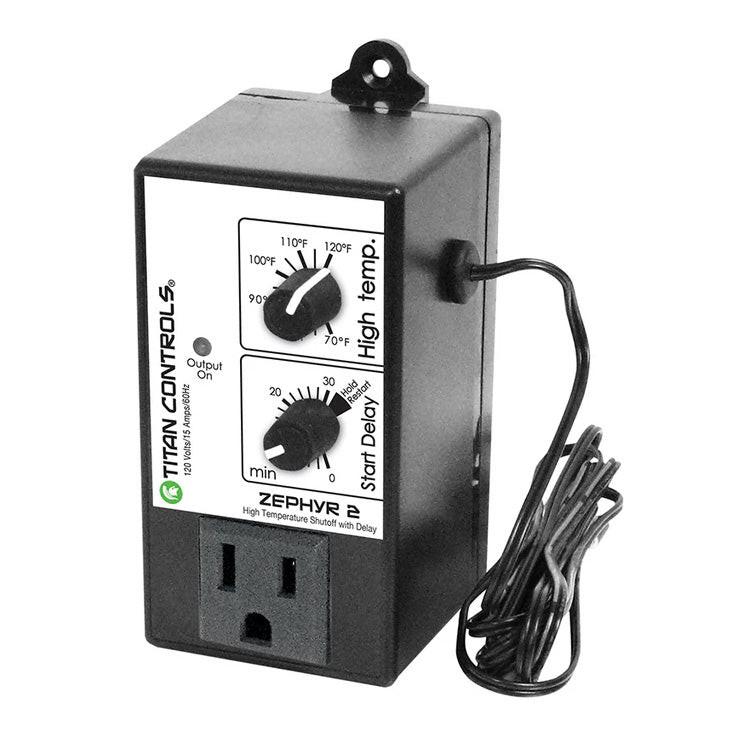
Temperature Controllers for Grow Rooms & Tents
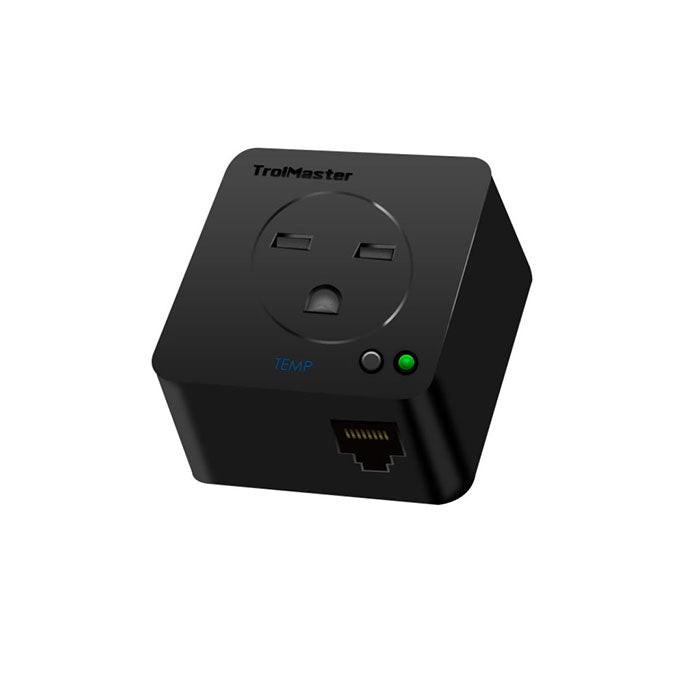
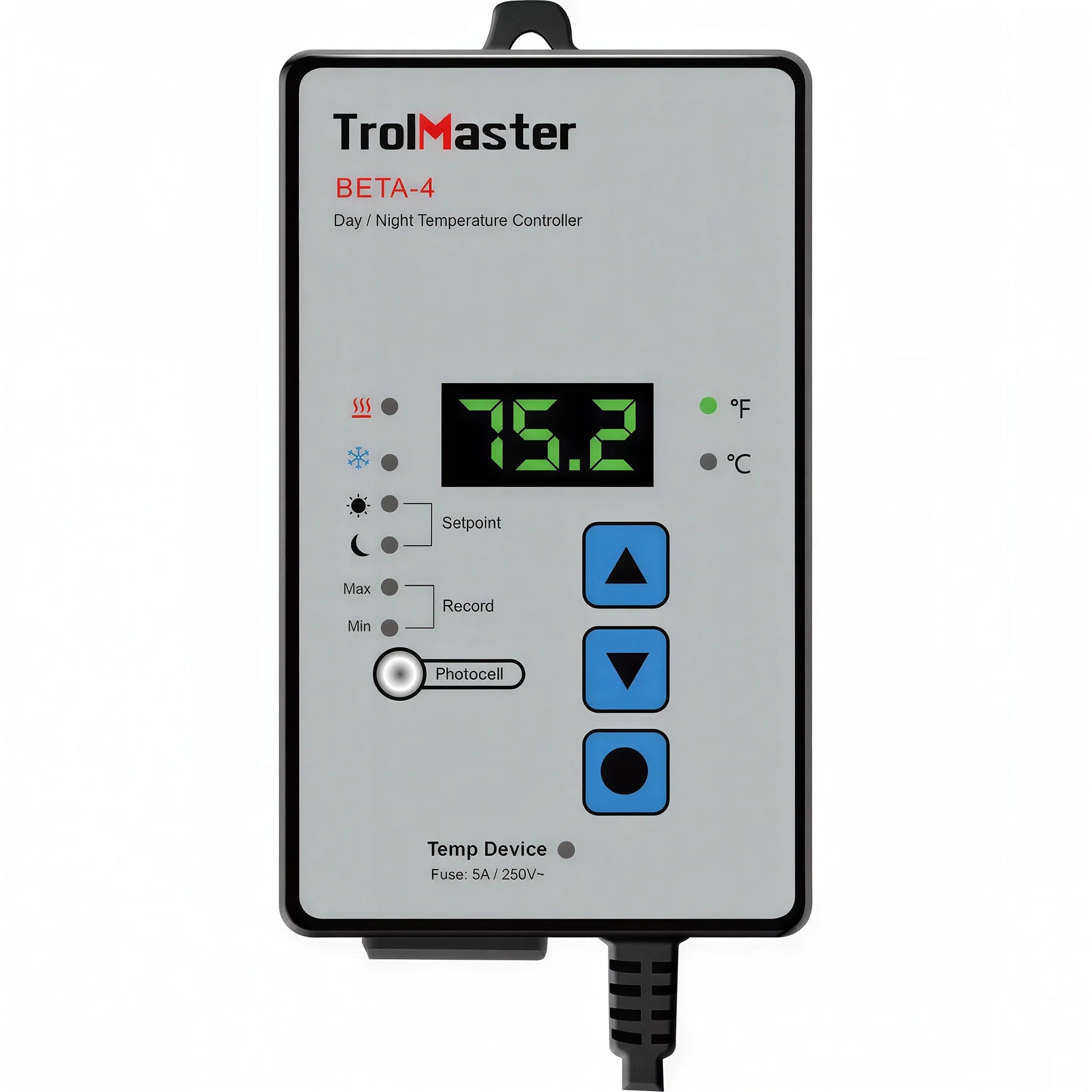
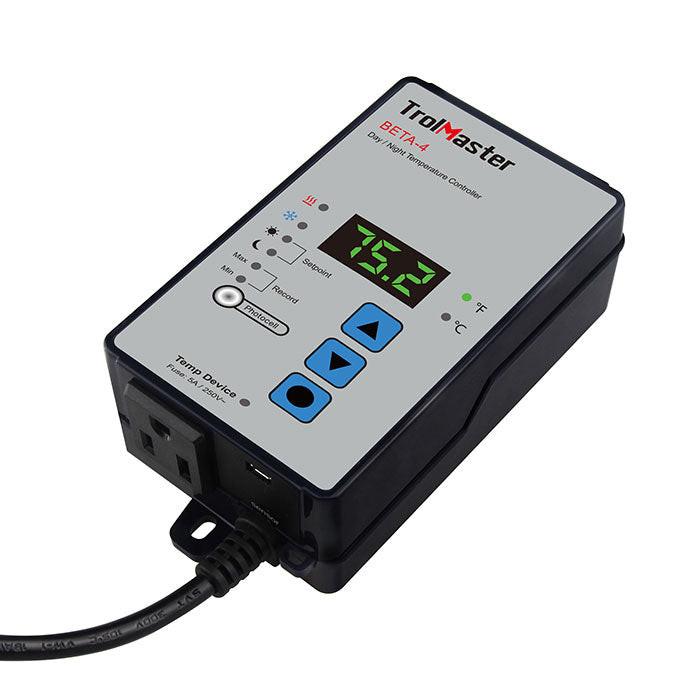
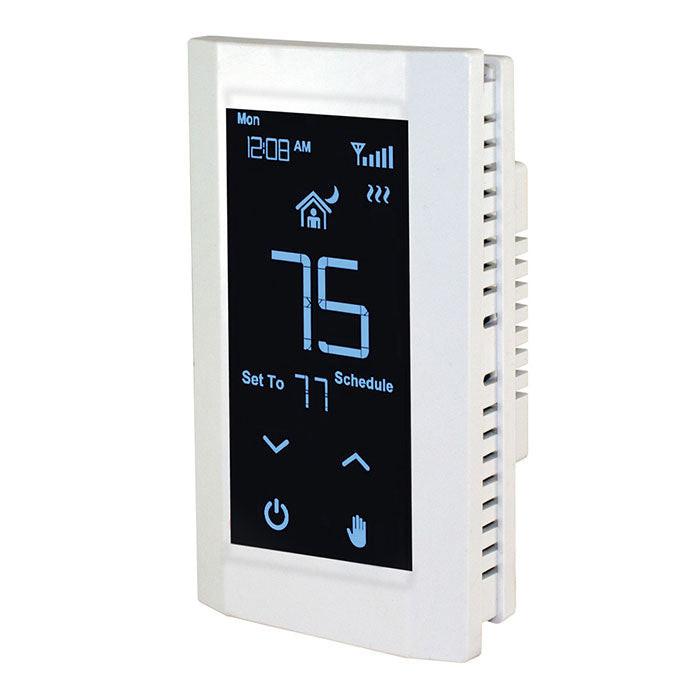
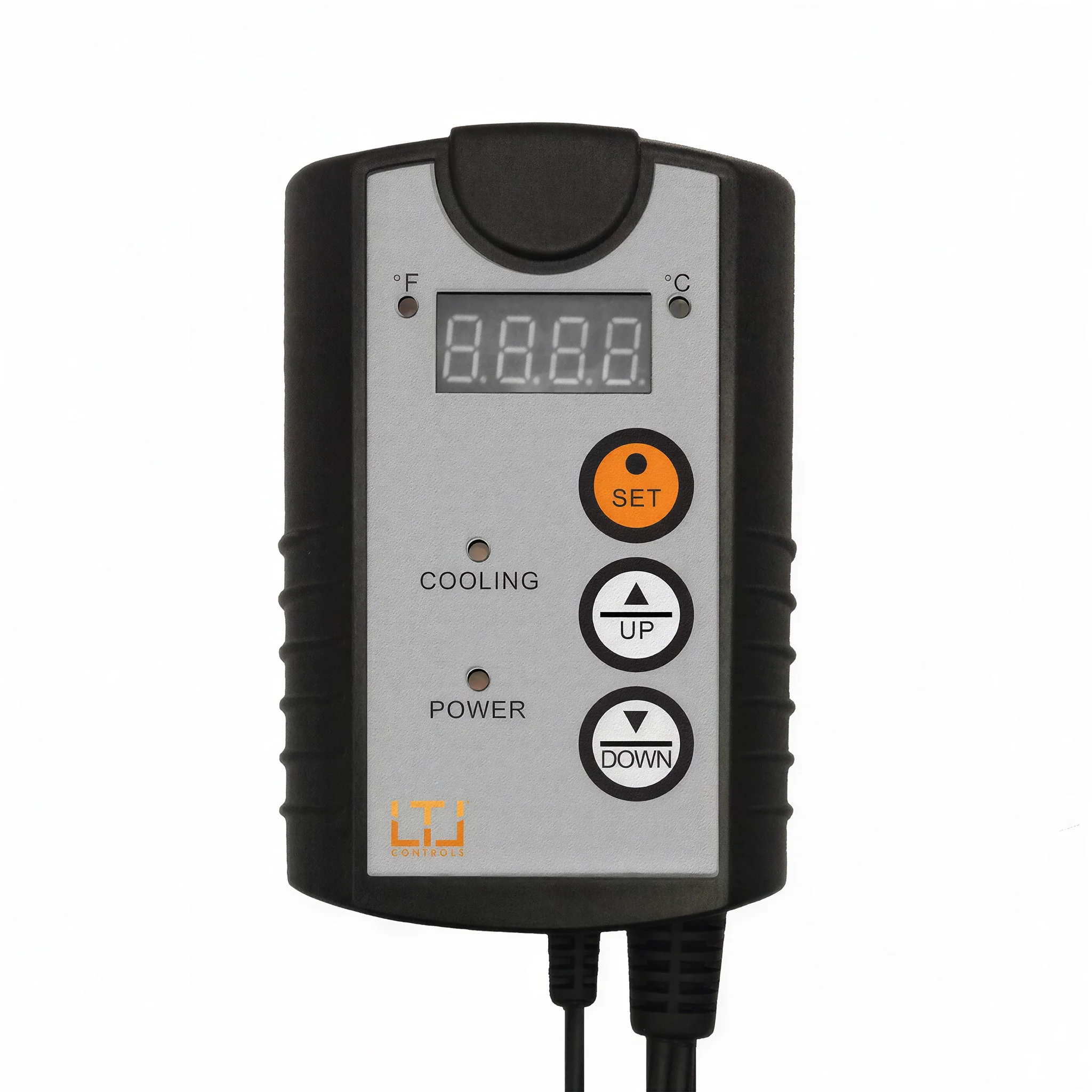
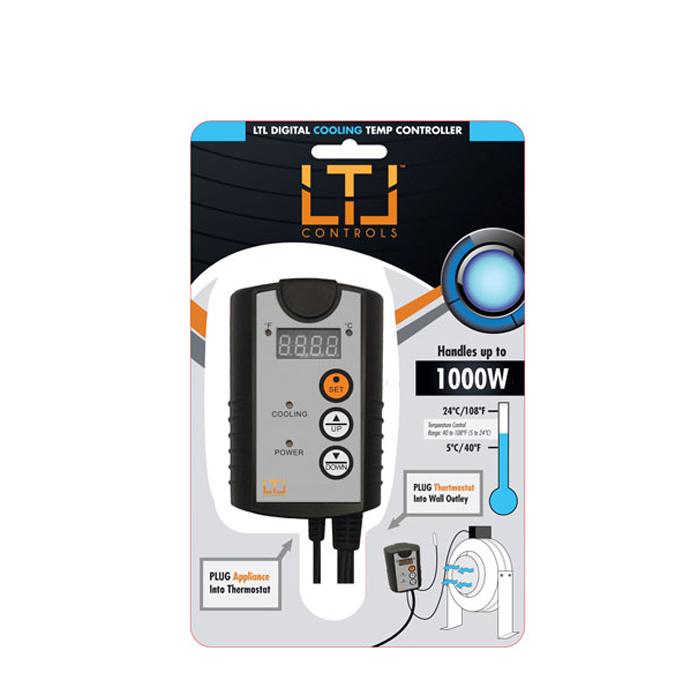
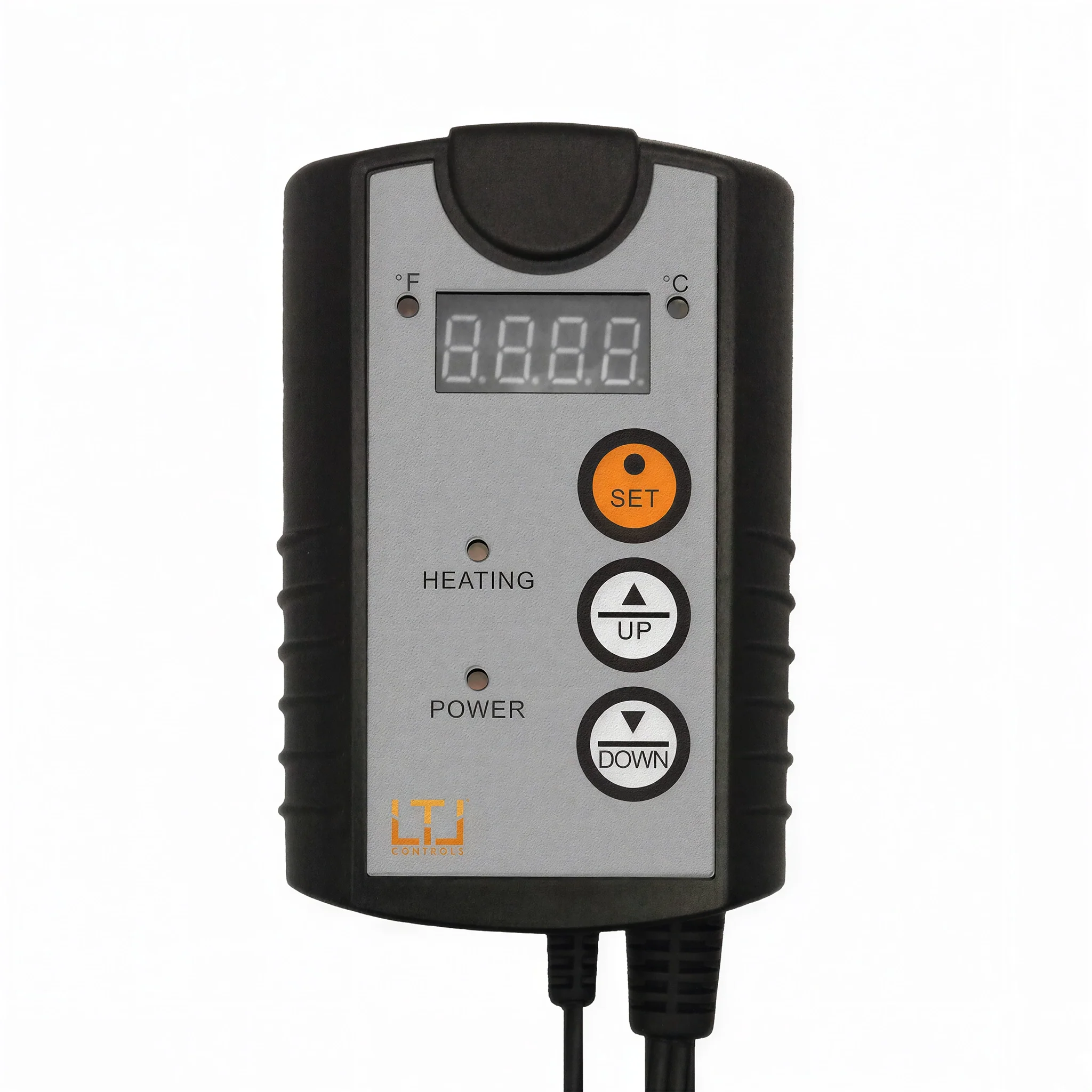
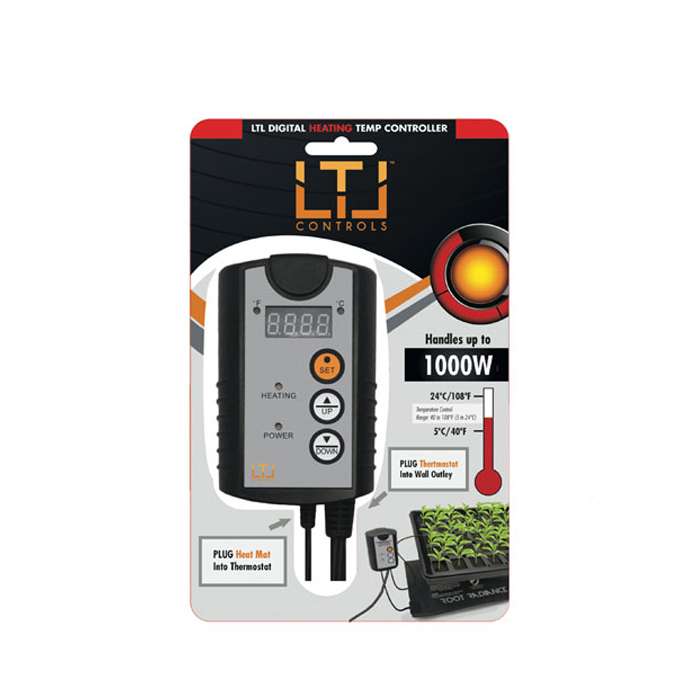
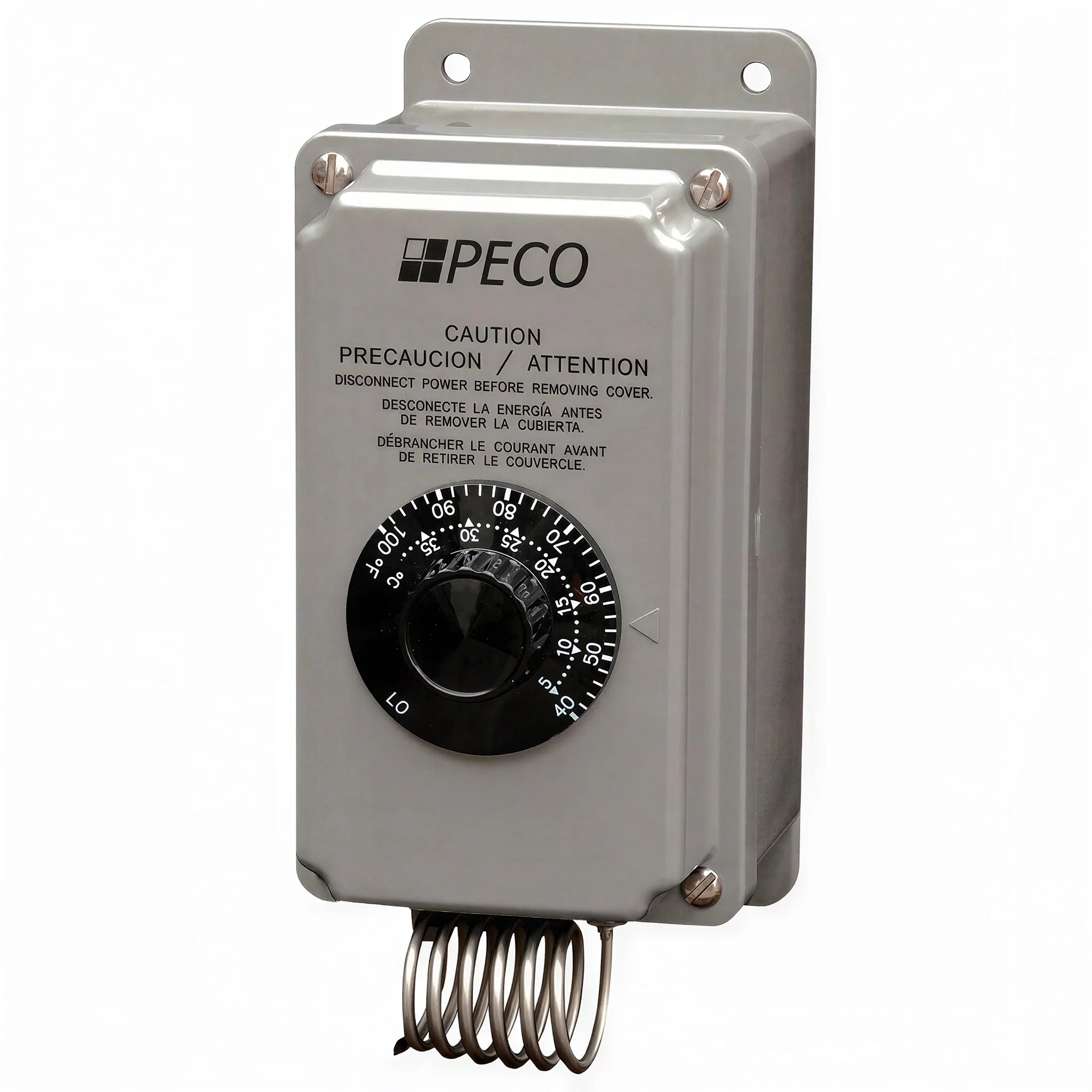
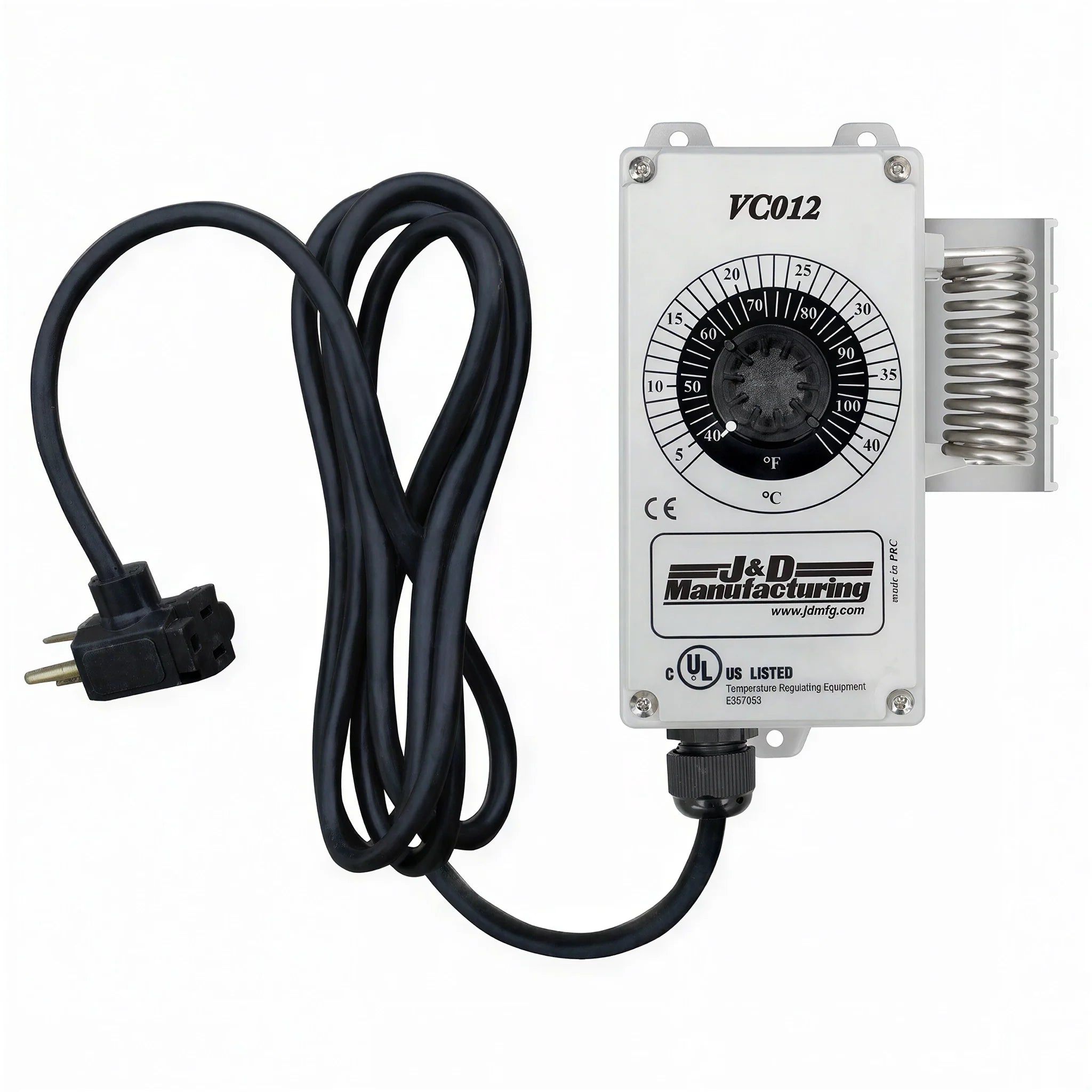
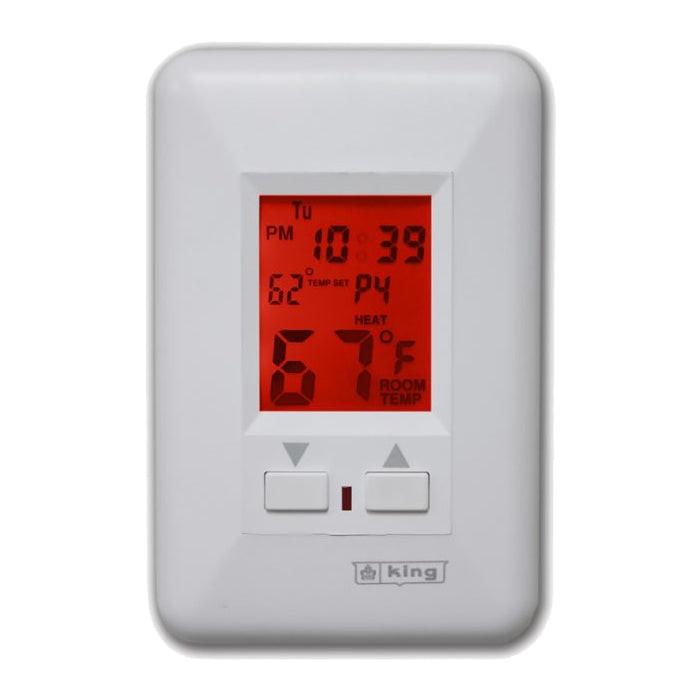
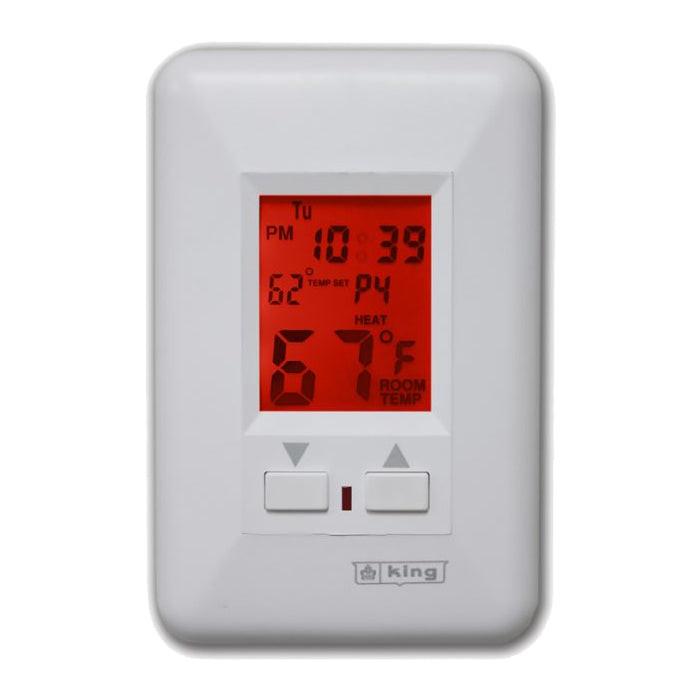
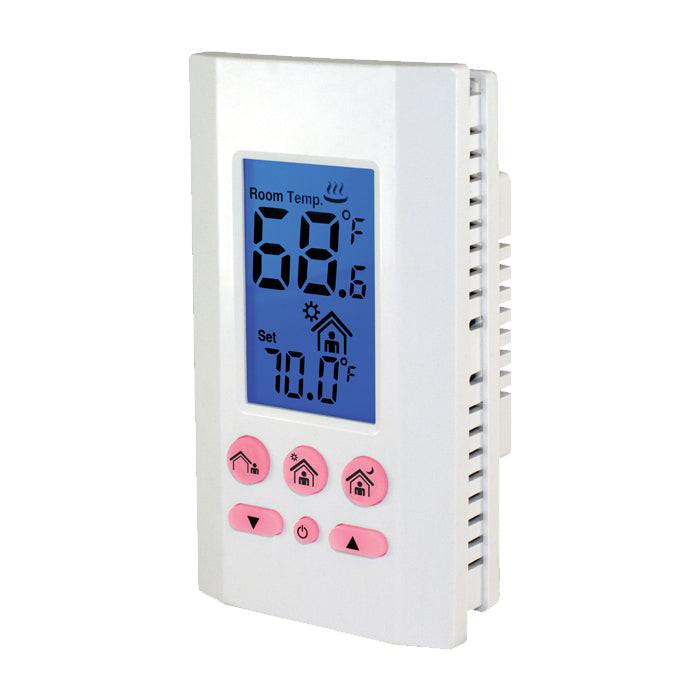
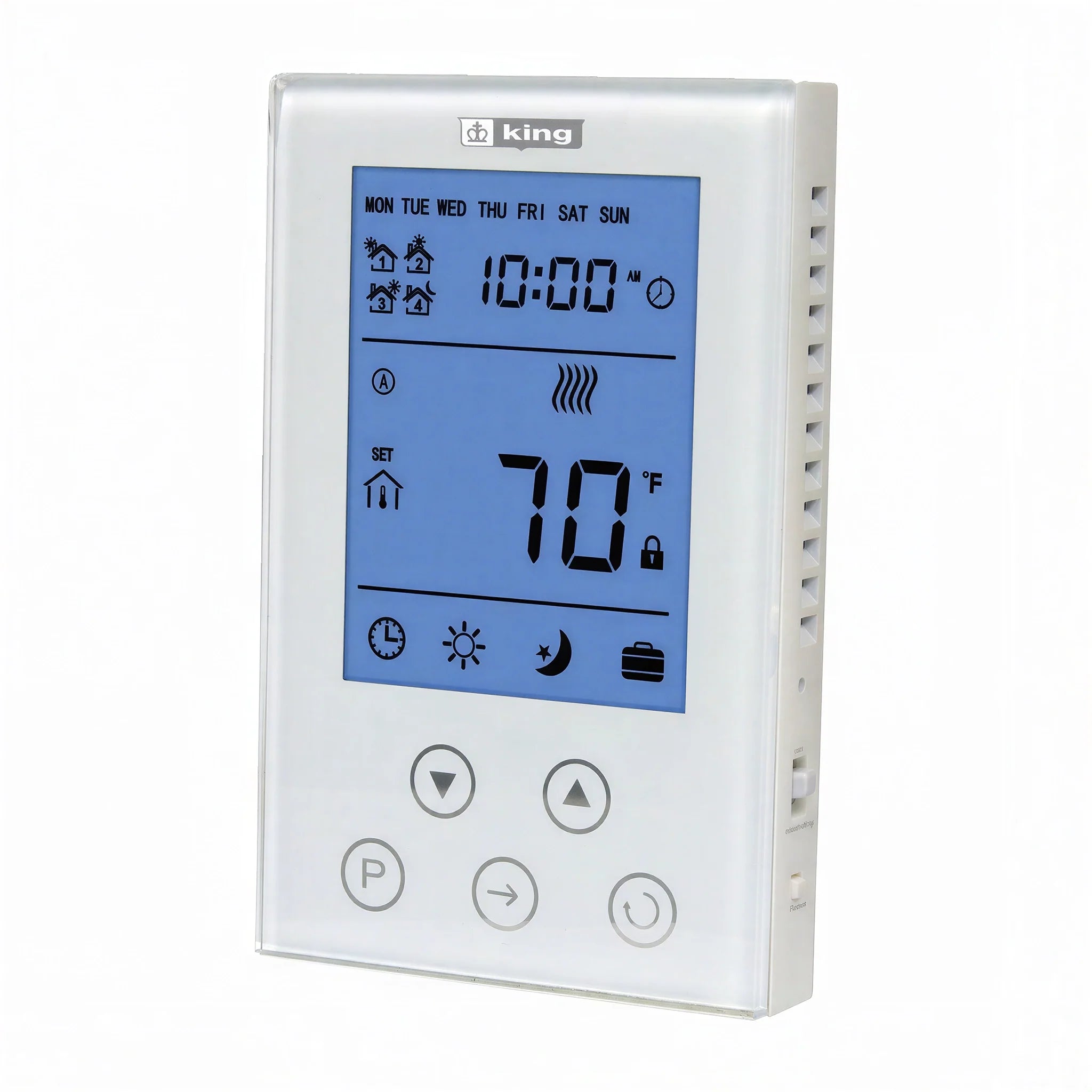
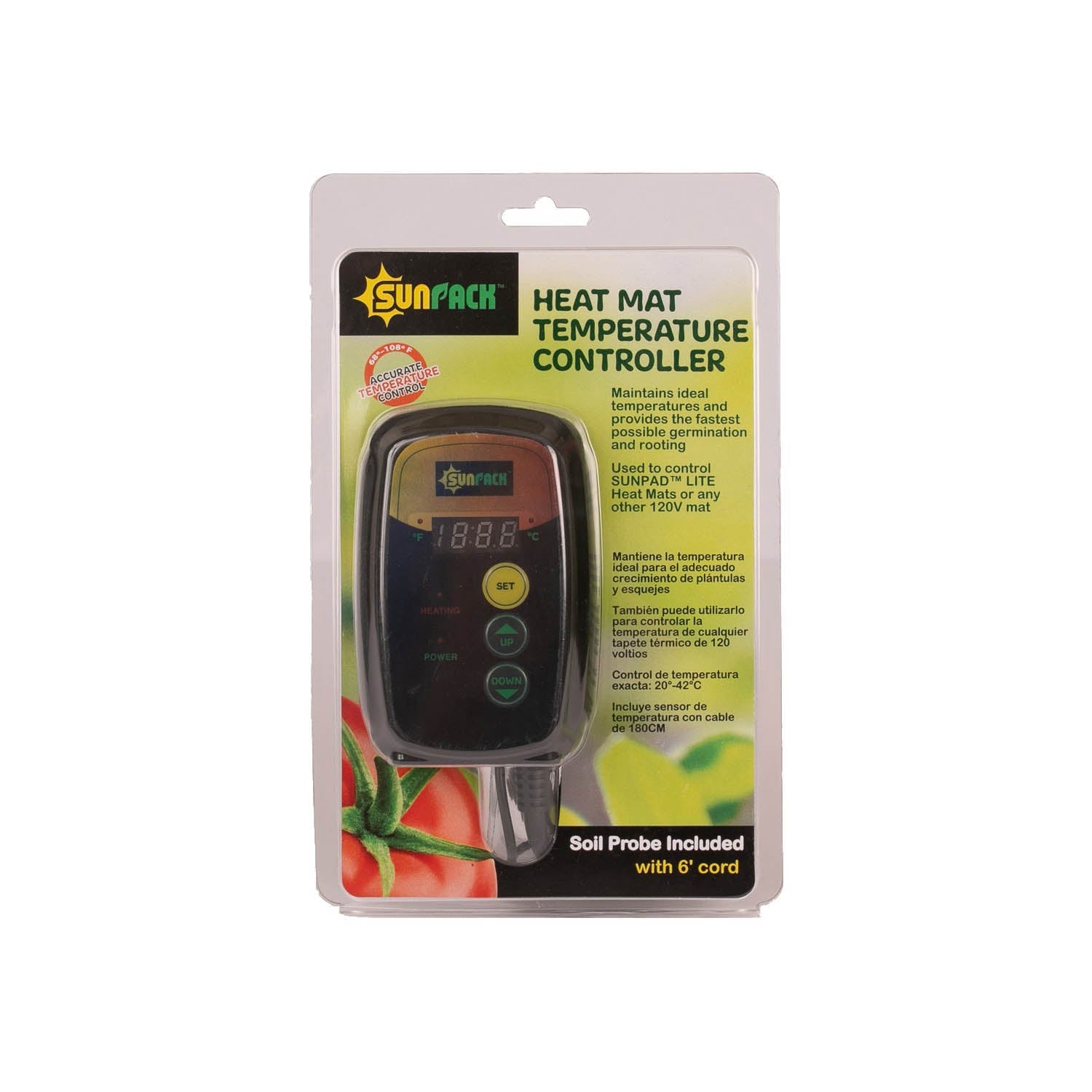
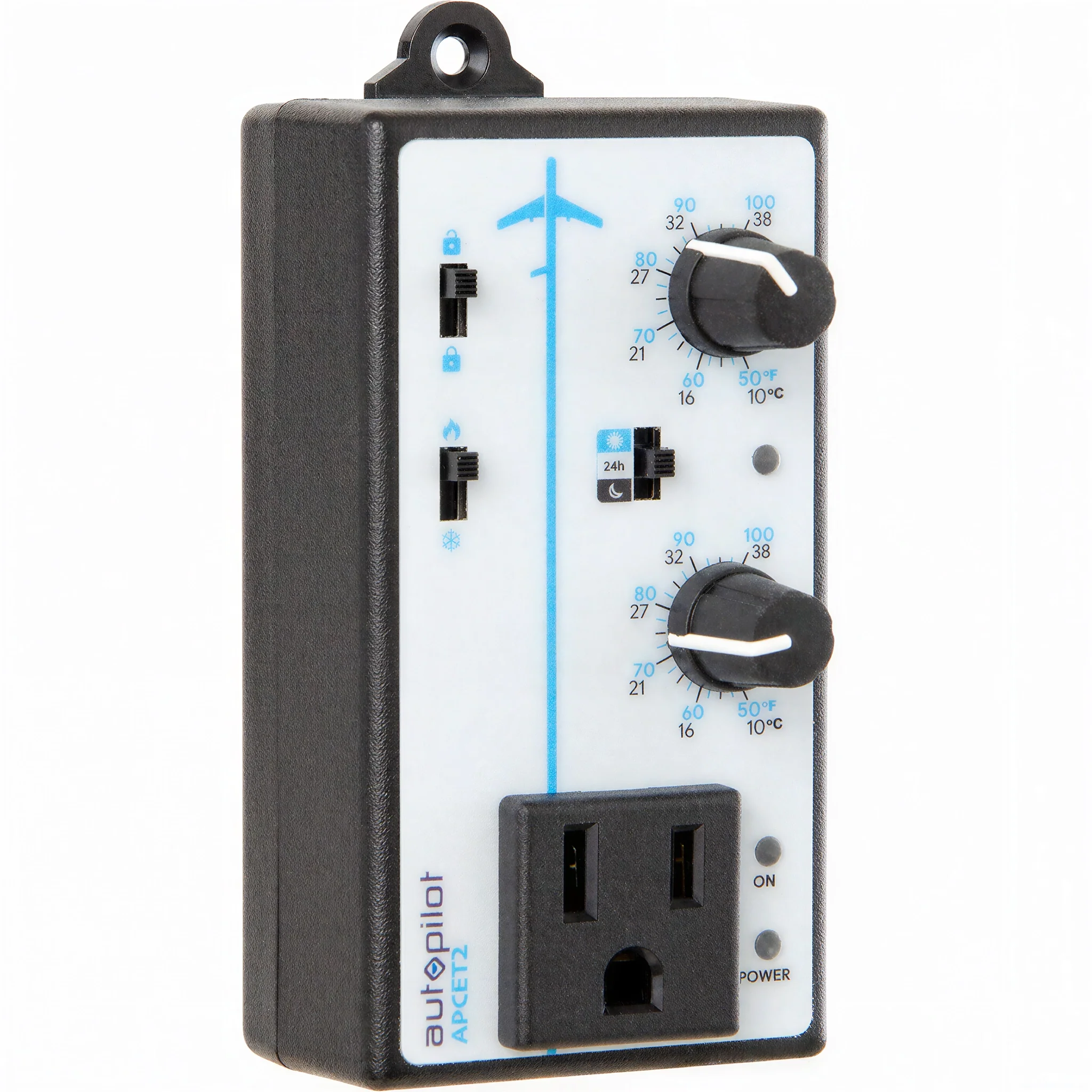
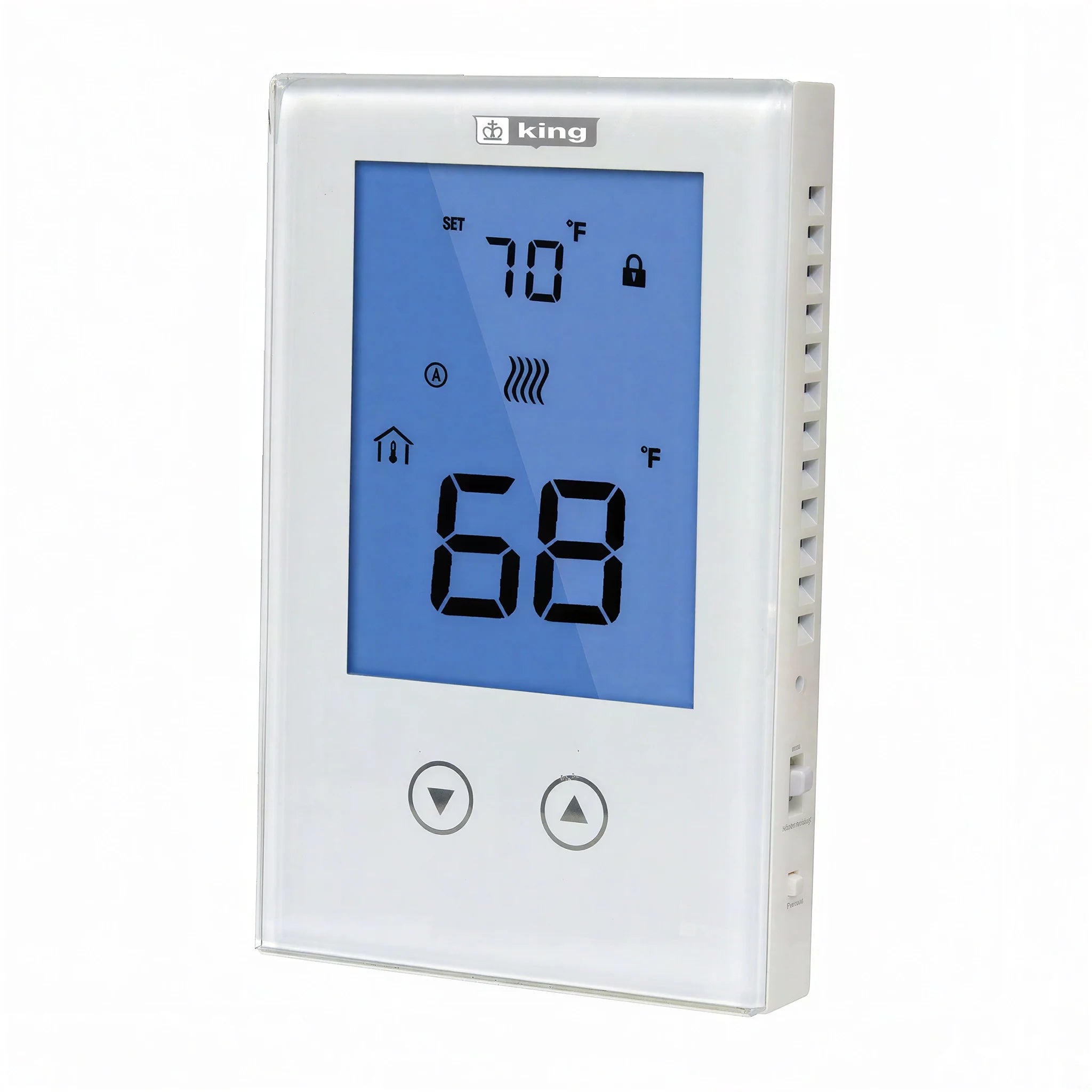
Temperature controllers are standalone single-function control units that maintain a target temperature setpoint by switching a heater or air conditioner on and off based on a temperature sensor reading. Like standalone humidity controllers, they provide setpoint-based temperature automation at lower cost and simpler setup than full multi-function environment controllers - the right choice when temperature is the primary unmanaged variable in an otherwise stable growing environment. Available in heating-only, cooling-only, and dual-stage configurations that control both a heater and an AC unit from a single controller with separate setpoints for each.
Heating Controllers vs. Cooling Controllers
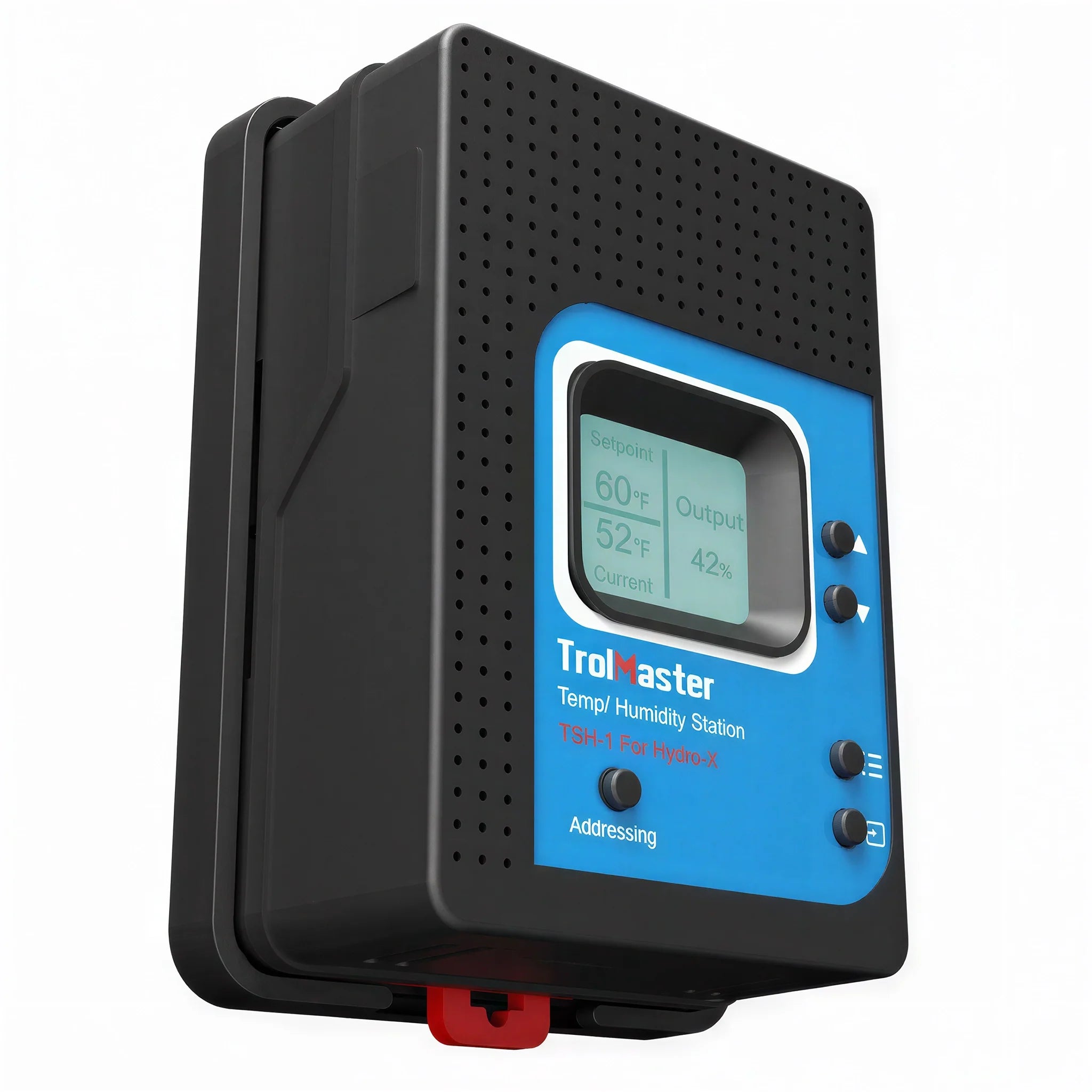
Heating-only temperature controllers activate a connected heater when temperature drops below the setpoint - used in cold garages, basements, and winter greenhouses where maintaining minimum temperature is the control requirement. Cooling-only controllers activate a connected AC unit or exhaust fan when temperature rises above the setpoint - the more common application in active growing environments where grow lights generate heat. Dual-stage controllers manage both heating and cooling from a single unit: the heating outlet activates when temperature drops below the low setpoint; the cooling outlet activates when temperature rises above the high setpoint, with a differential gap between them to prevent rapid cycling. For complete VPD-based climate automation integrating temperature and humidity together, upgrade to a full multi-function environment controller like TrolMaster Hydro-X.
Probe Placement & Accuracy
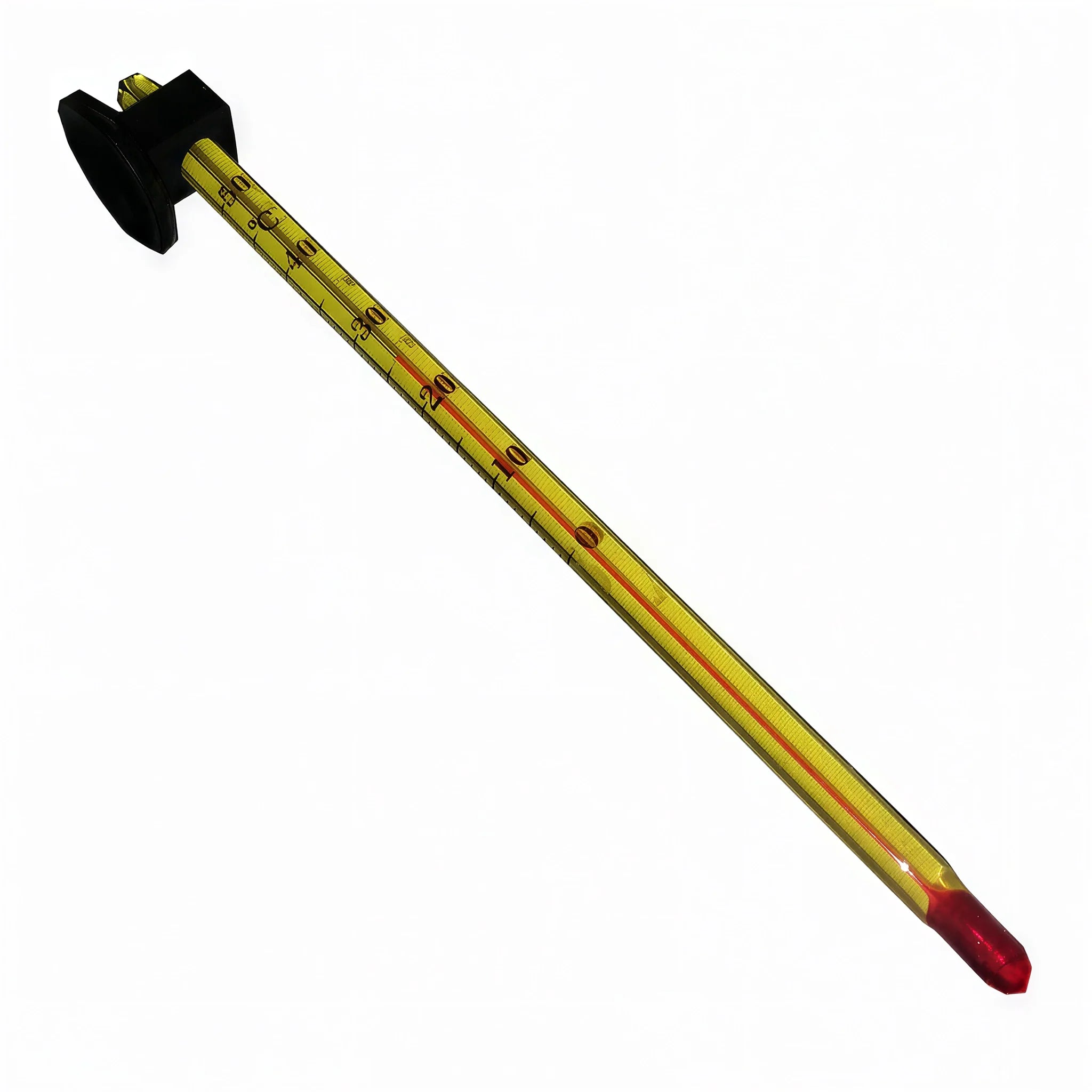
A temperature controller is only as good as the accuracy and placement of its sensor probe. Position the probe at canopy level in the center of the growing area - the same location recommended for all environmental sensors. Avoid positioning near heat sources (lights, ballasts, dehumidifiers) or cool spots (AC outlets, tent walls) that read atypically relative to canopy conditions. For grow rooms where a fixed external wall probe is convenient, verify by cross-referencing with a calibrated canopy-level thermometer periodically - wall probes frequently read 2-5 degrees F differently than canopy center in active growing environments. Fast shipping.
Temperature Controllers FAQ
What temperature should I maintain in my grow room?
Target 75-85 degrees F during the light period for most common crops, and 65-75 degrees F during the dark period. The light-to-dark temperature differential (DIF) influences plant stretch - a larger drop at lights-off promotes more compact internodal spacing. For VPD-based management, temperature targets are set in conjunction with humidity targets to achieve the correct leaf-surface vapor pressure deficit for each growth stage - use our VPD Calculator to determine the coordinated temperature/humidity combination that hits your target VPD rather than managing temperature in isolation.
What is the difference between a temperature controller and a thermostat?
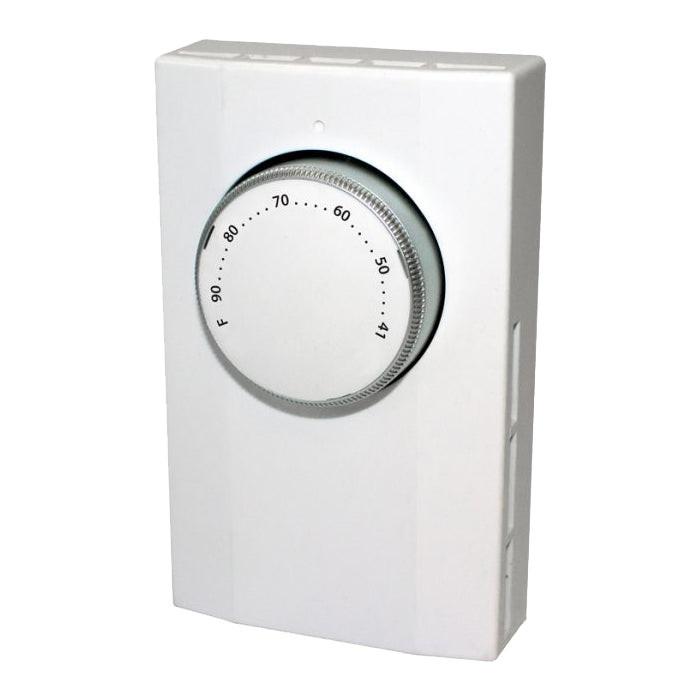
A thermostat is the temperature-sensing switching mechanism embedded in many heaters, AC units, and environment controllers. A standalone temperature controller is an external unit that replaces or overrides the built-in thermostat of connected equipment - it uses its own probe for more accurate placement and provides an external setpoint display and adjustment interface. External temperature controllers are preferred over relying on equipment built-in thermostats because the equipment's own sensor is positioned at the equipment's intake, which often reads differently from the canopy center where you want control accuracy.
Can I use a temperature controller with any heater or AC unit?
Most temperature controllers work by switching the outlet power on and off, which works with any heating or cooling equipment that starts automatically when powered on. Verify your specific heater or AC unit restarts automatically after power is restored without requiring a button press - most basic space heaters and portable AC units restart automatically; some digital display models require manual confirmation after power interruption. Also verify the controller outlet's current rating exceeds the equipment draw - a 15A controller outlet running a 12A heater is appropriate; trying to run a 15A heater on a 10A controller outlet will trip the controller breaker.
Should I use a temperature controller or a full environment controller?
Standalone temperature controllers are appropriate when temperature is your only unmanaged variable and humidity and CO2 are already managed or not critical. Full multi-function environment controllers (TrolMaster Hydro-X, Titan Controls Atlas, Autopilot Master) are the better investment when you need coordinated temperature, humidity, CO2, and lighting control - the per-function cost is lower than purchasing individual single-function controllers, and VPD-based control (which manages temperature and humidity together as a pair) is only possible with an integrated system.
What happens to plants if grow room temperature gets too high?
Above 85-90 degrees F, most crops experience heat stress: stomata close to reduce water loss, photosynthesis rate drops, enzyme activity is impaired, and CO2 uptake decreases - slowing growth and reducing yield. Sustained temperatures above 90 degrees F cause visible symptoms: leaf curl, bleaching at canopy level closest to lights, and accelerated transpiration leading to wilting even in well-watered plants. At extreme temperatures (above 95+ degrees F), tissue damage occurs. Temperature stress is compounded by low humidity - high temperature with low humidity drives excessive transpiration and VPD well above plant tolerance; manage temperature and humidity together.