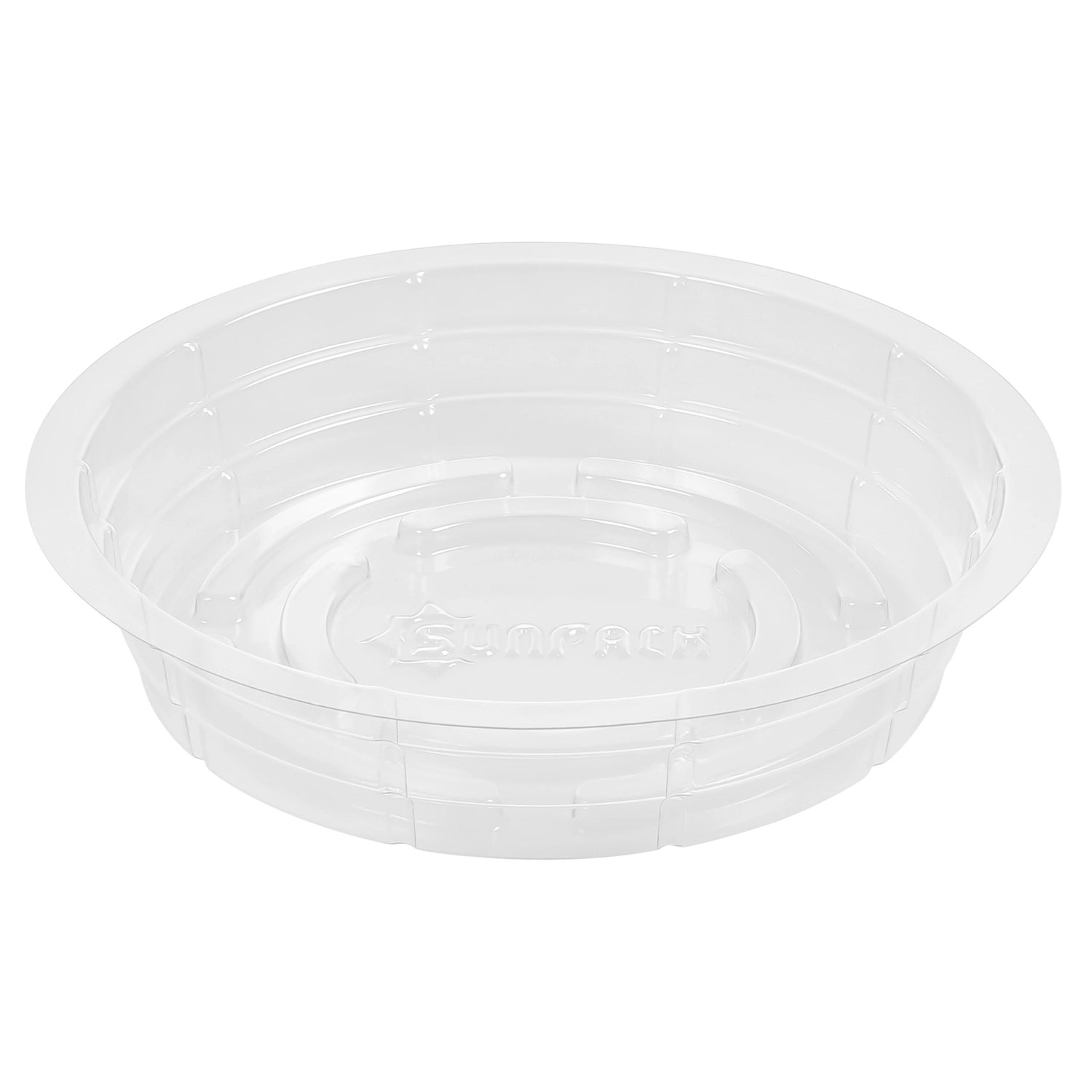
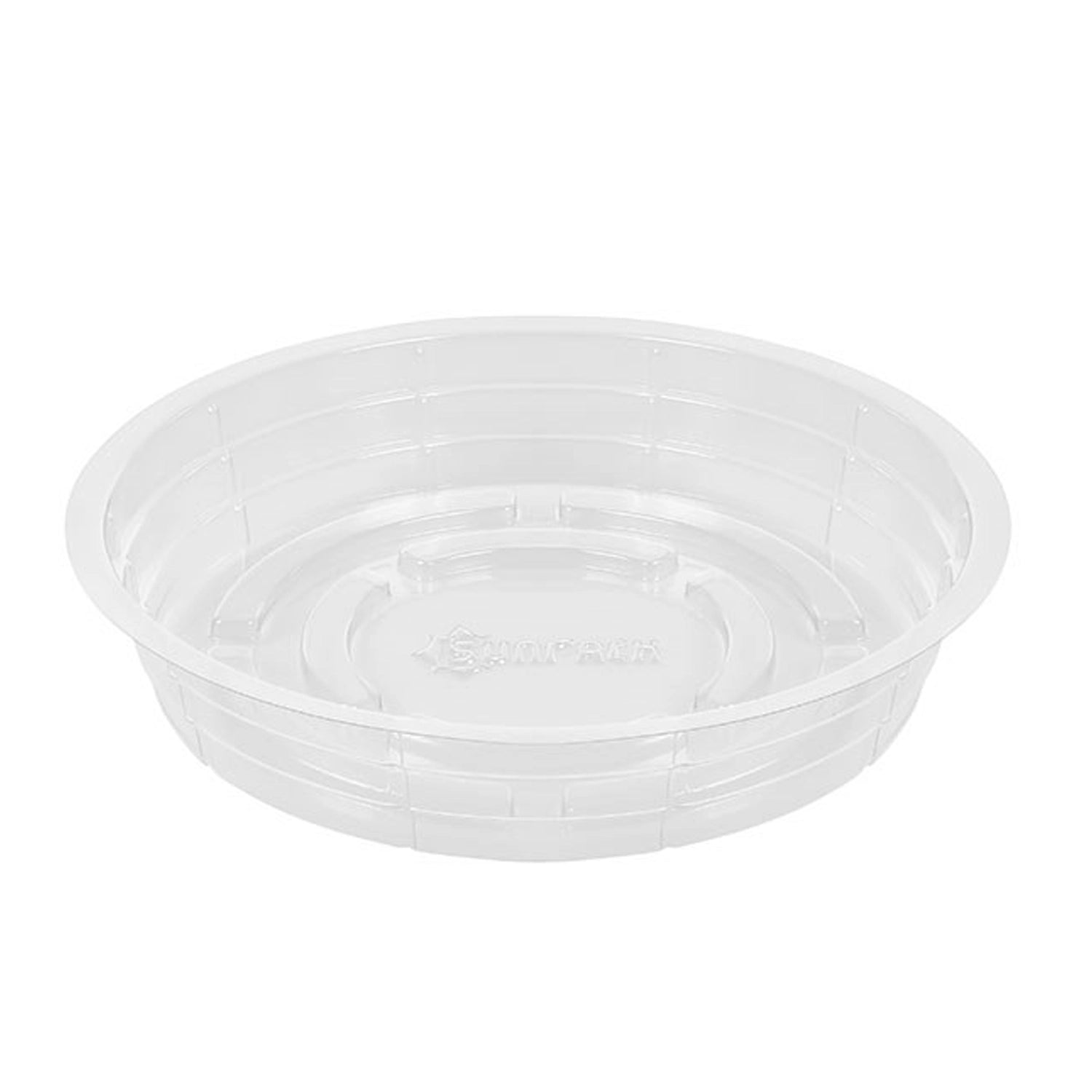
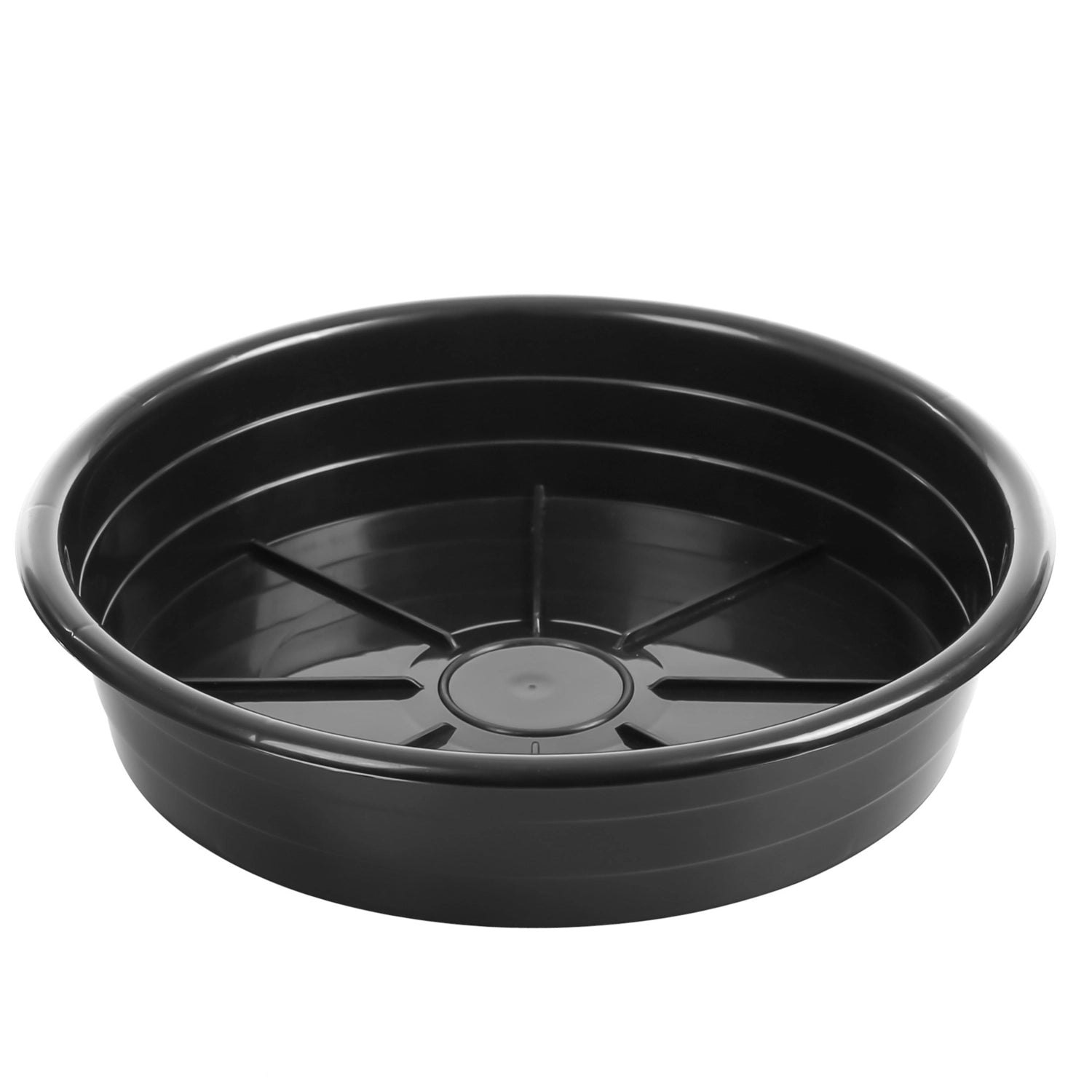
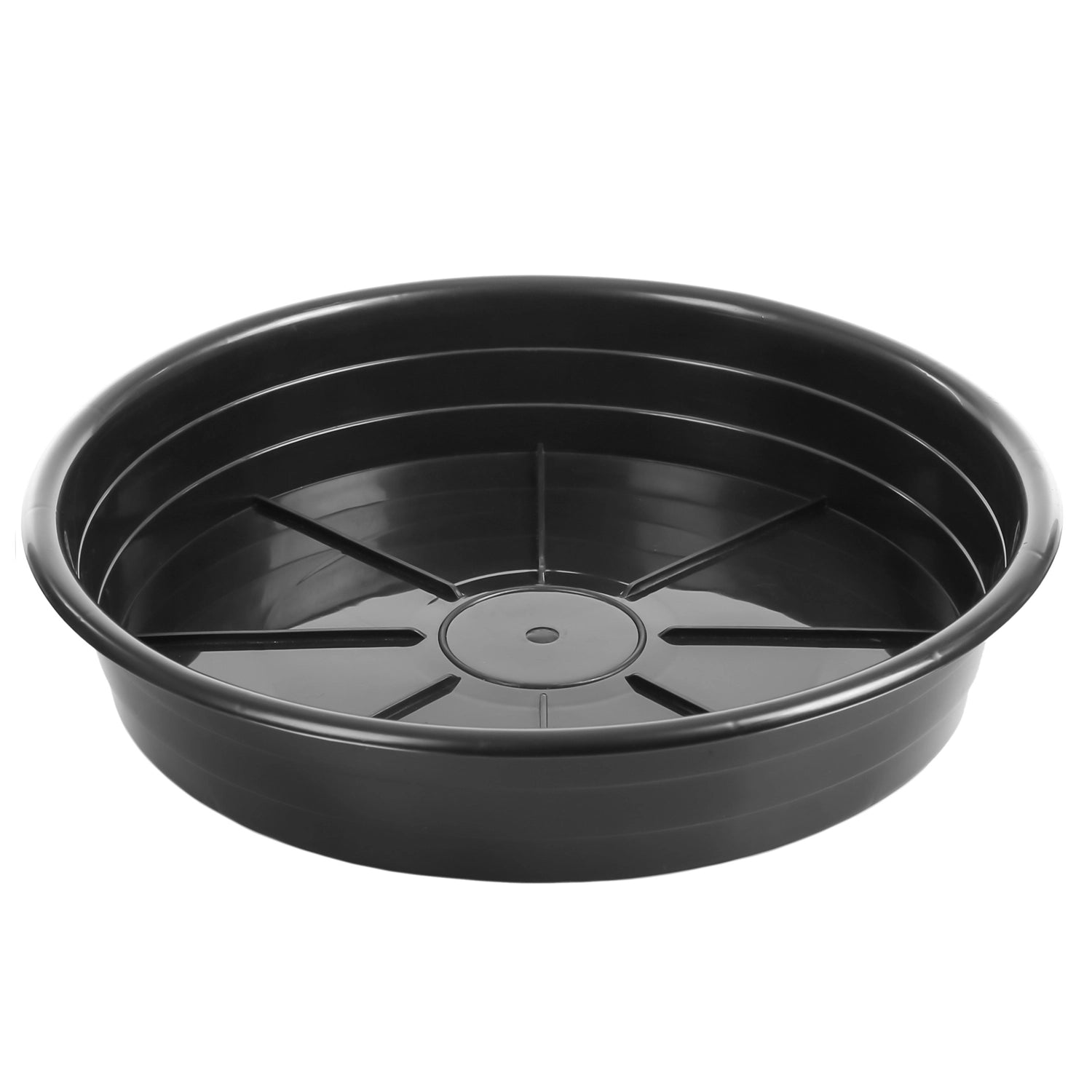
Plant Saucers & Drip Trays for Pots & Containers
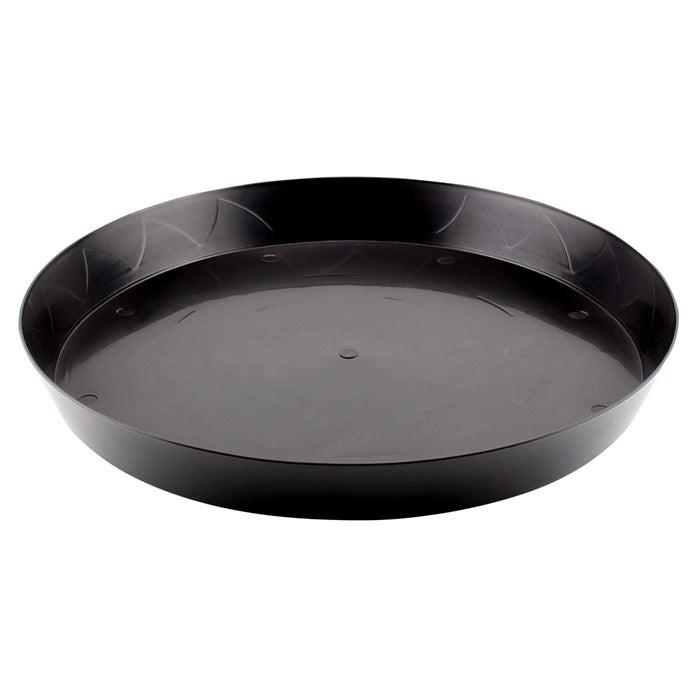
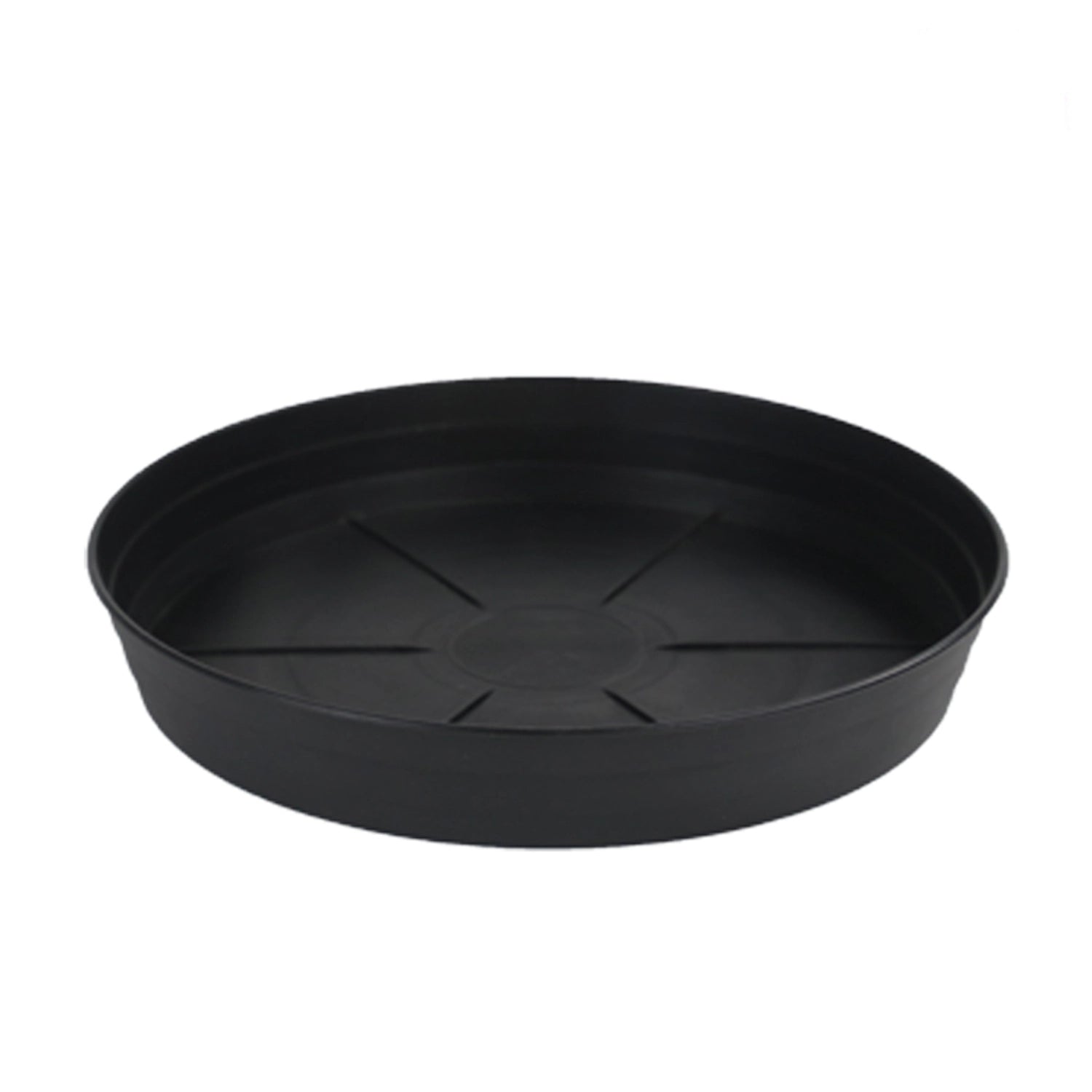
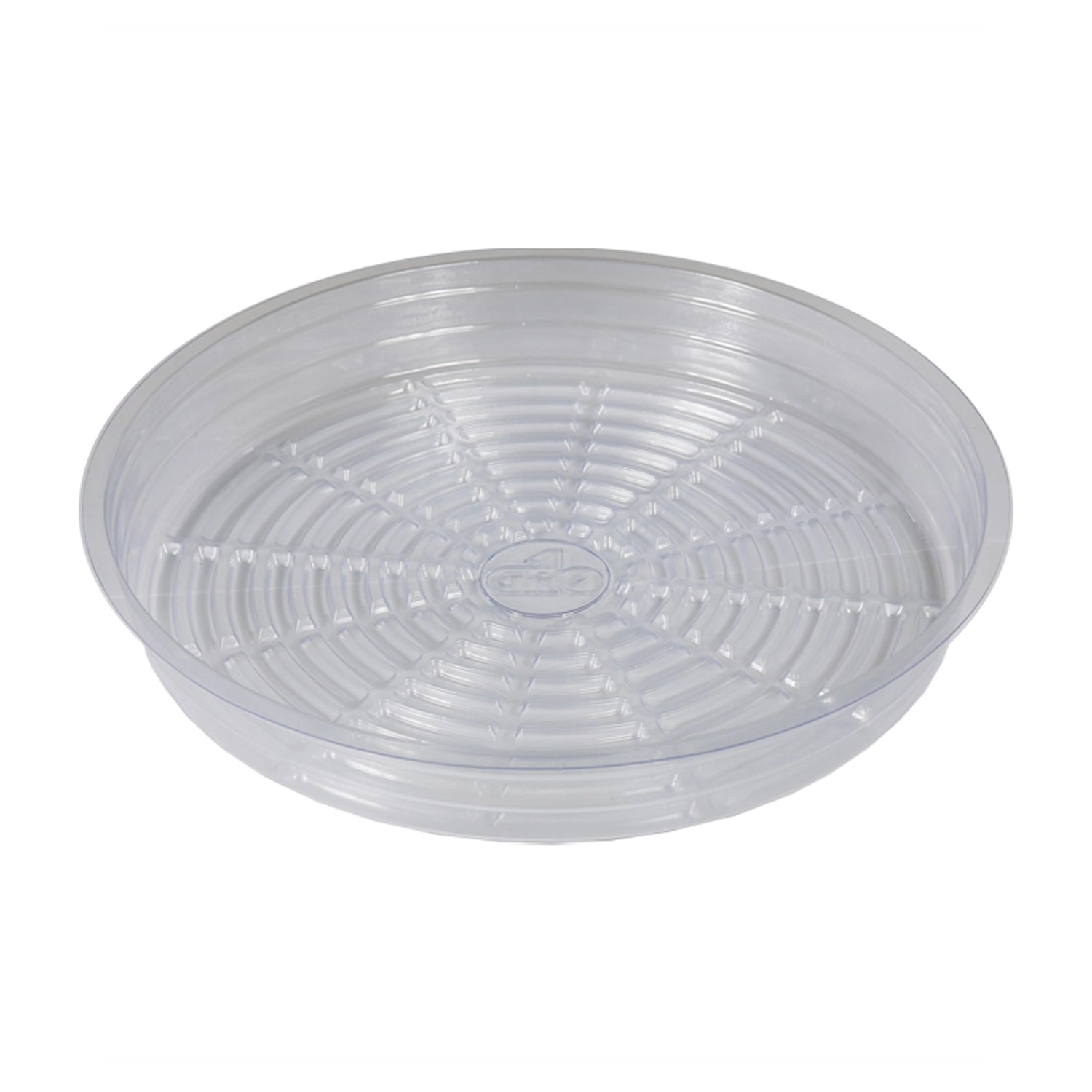
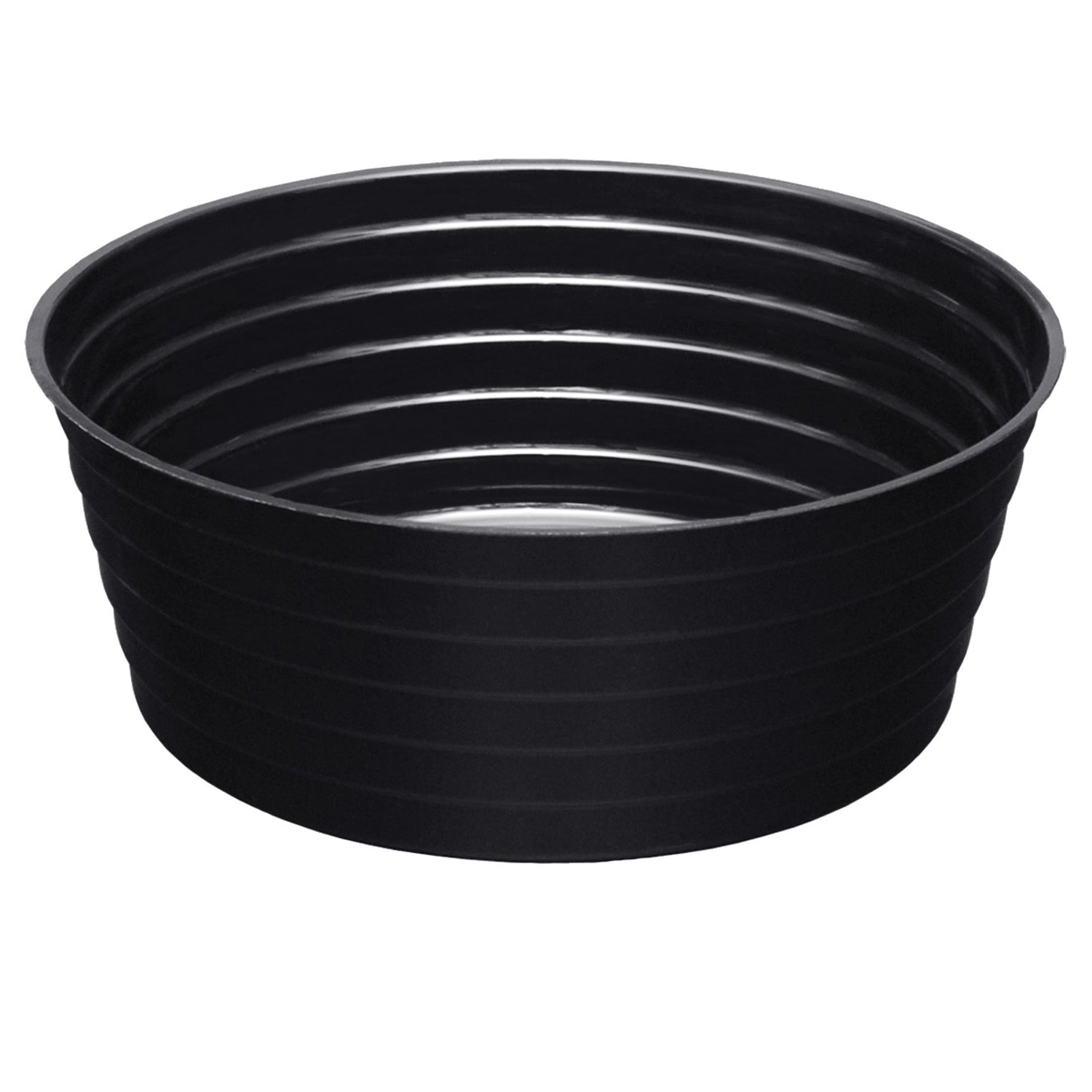
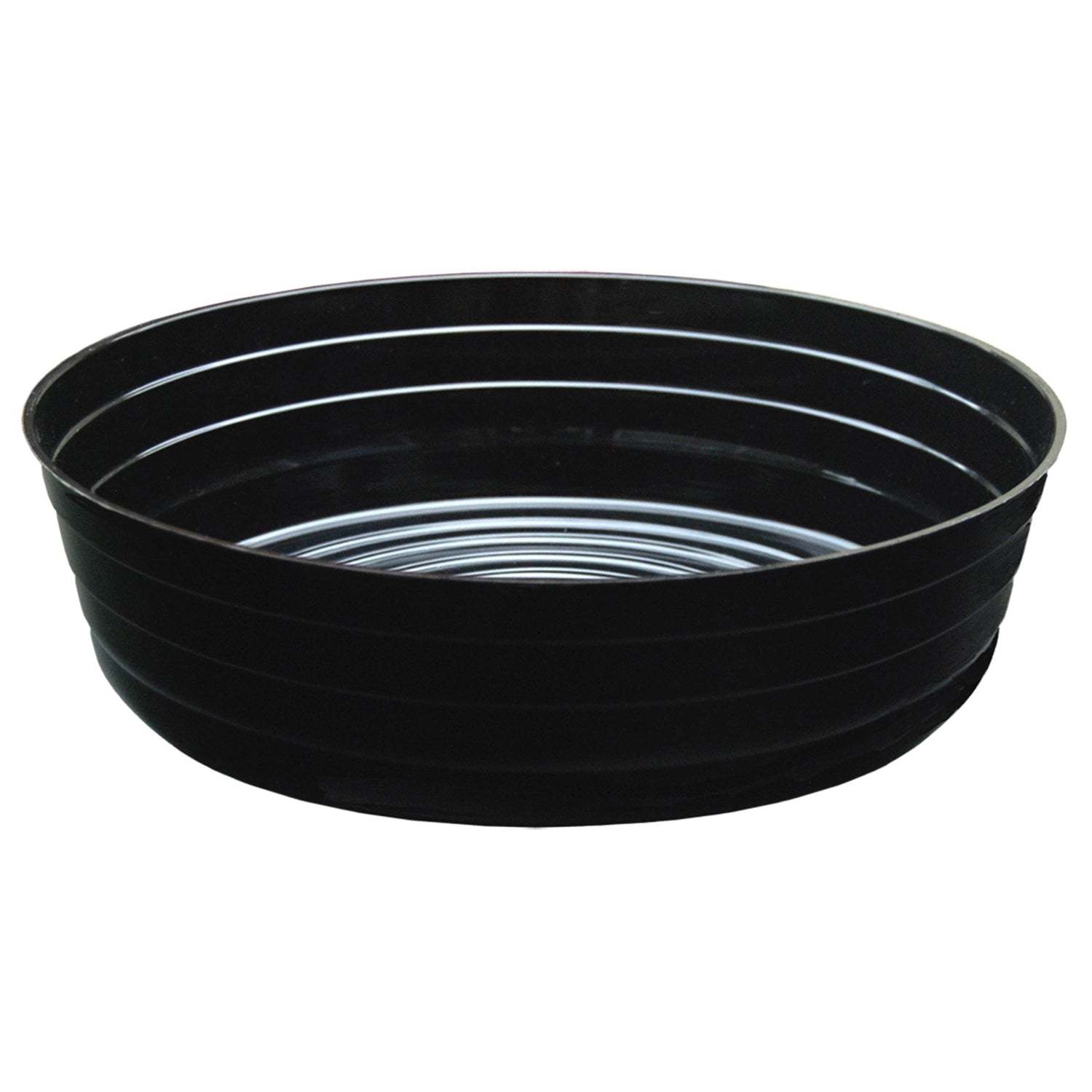
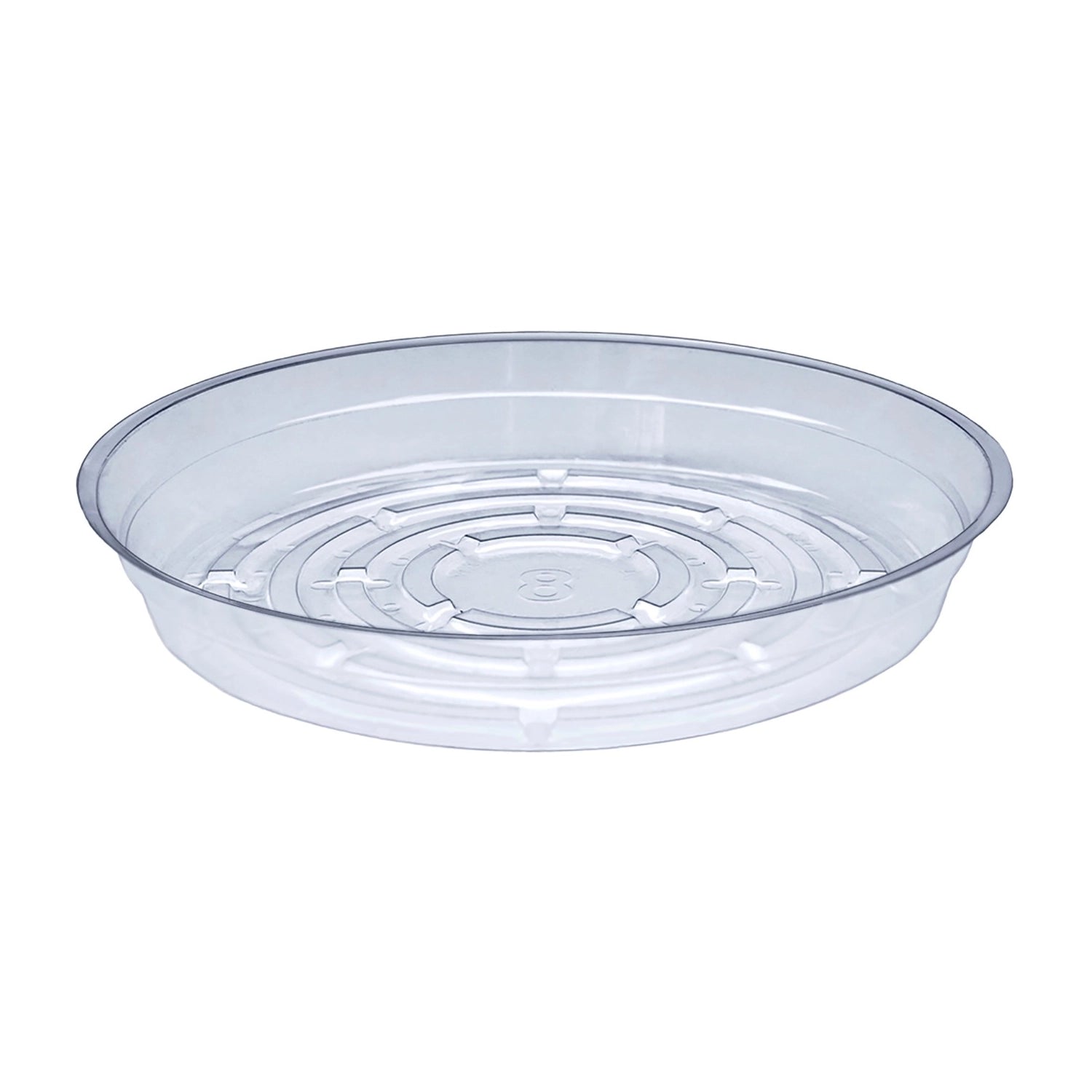
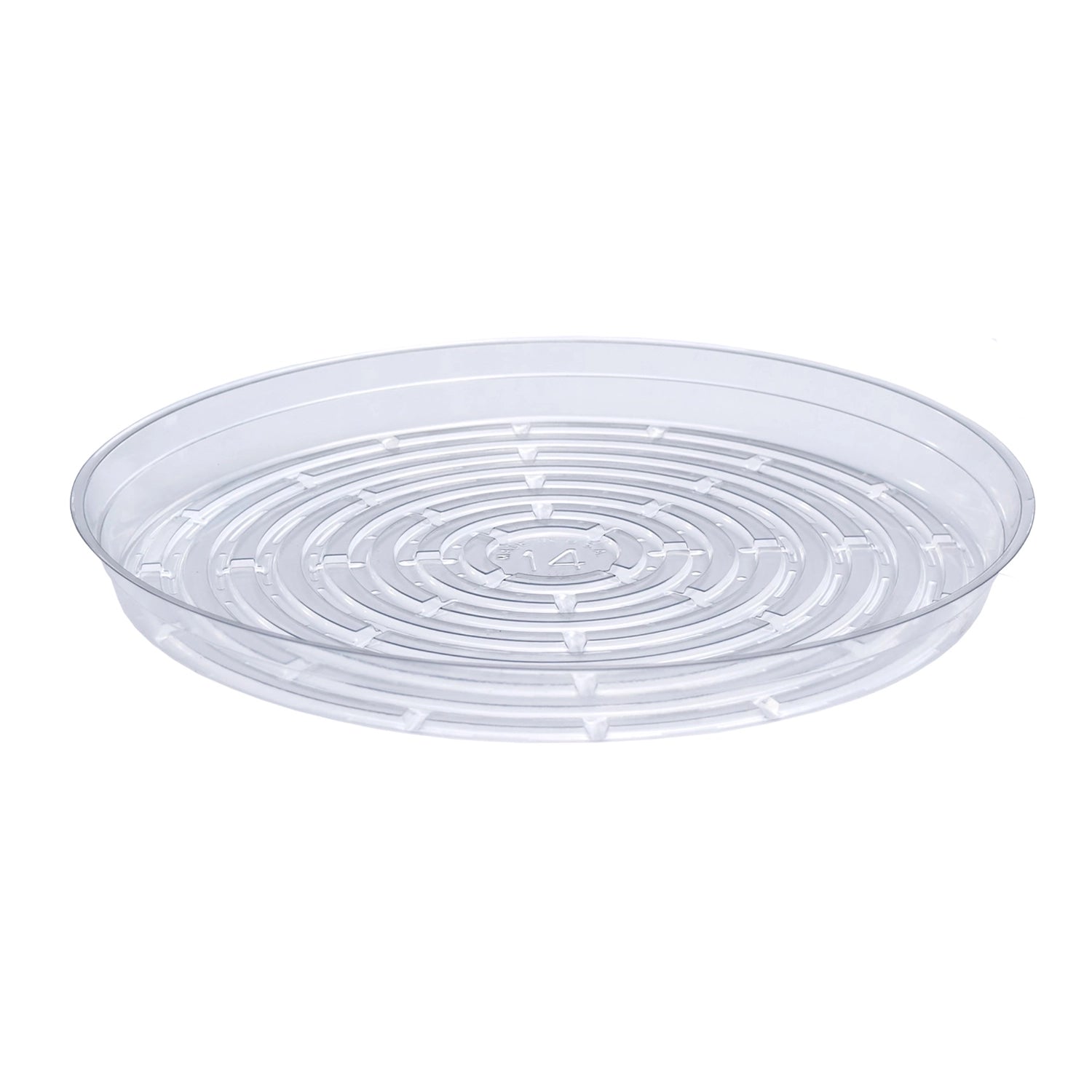
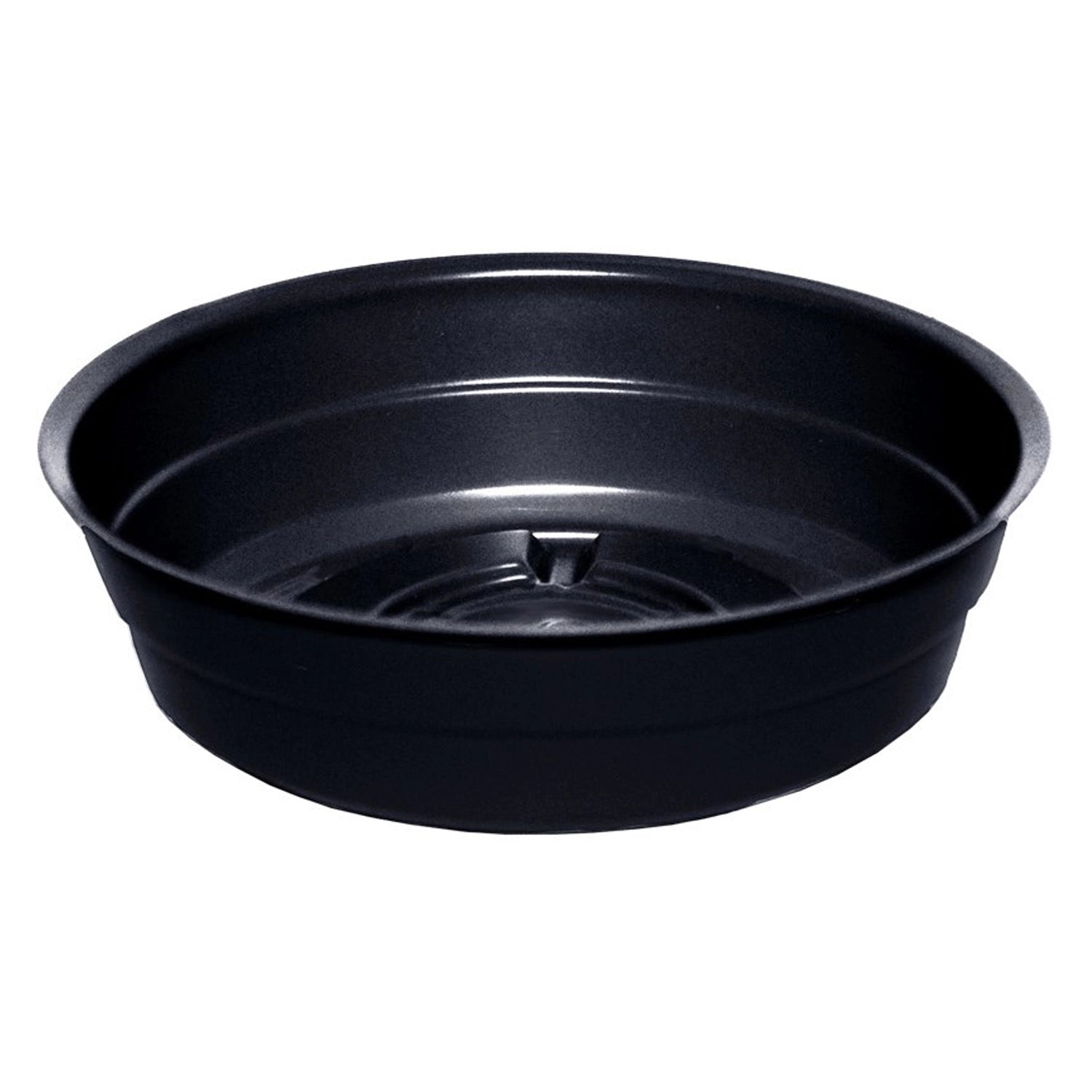
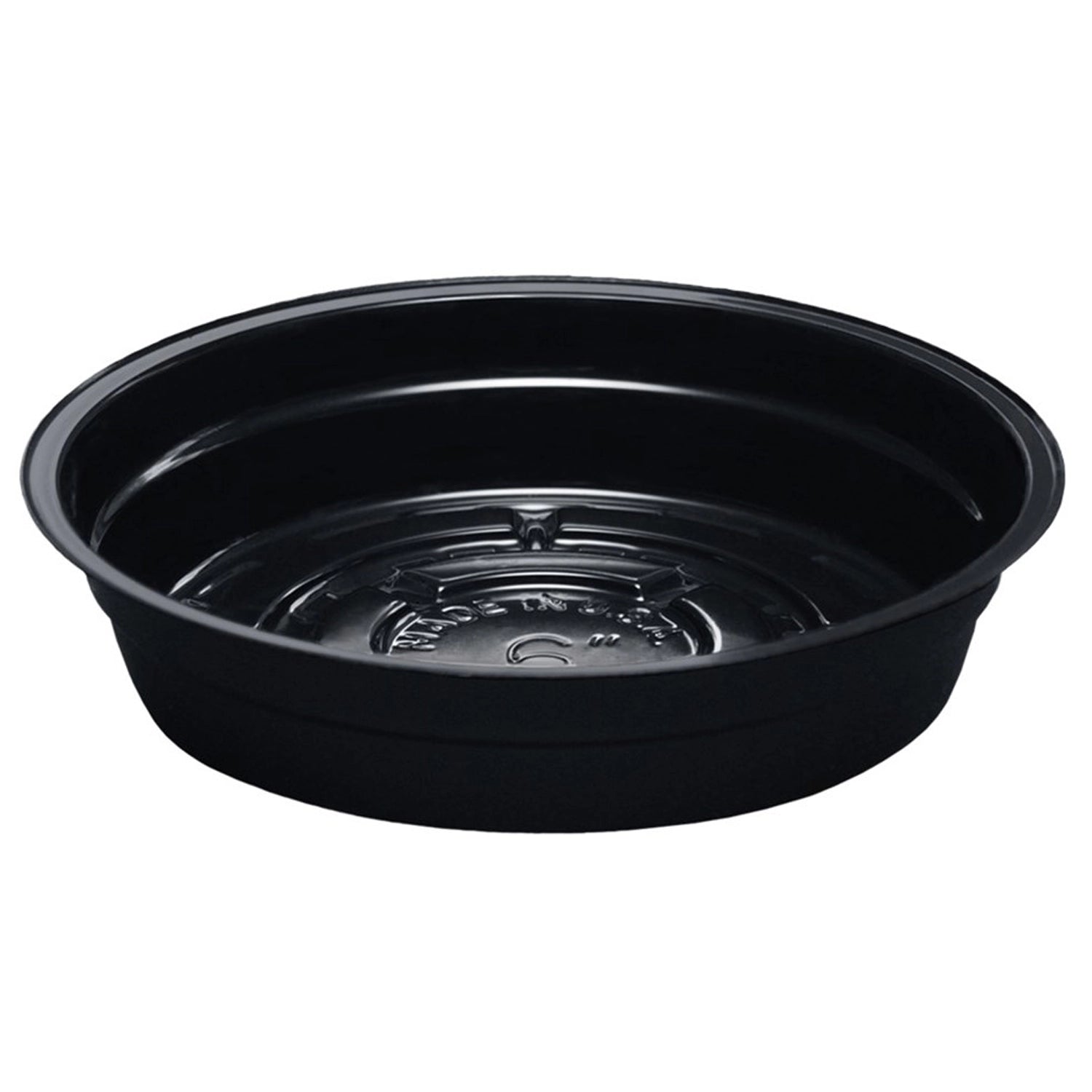
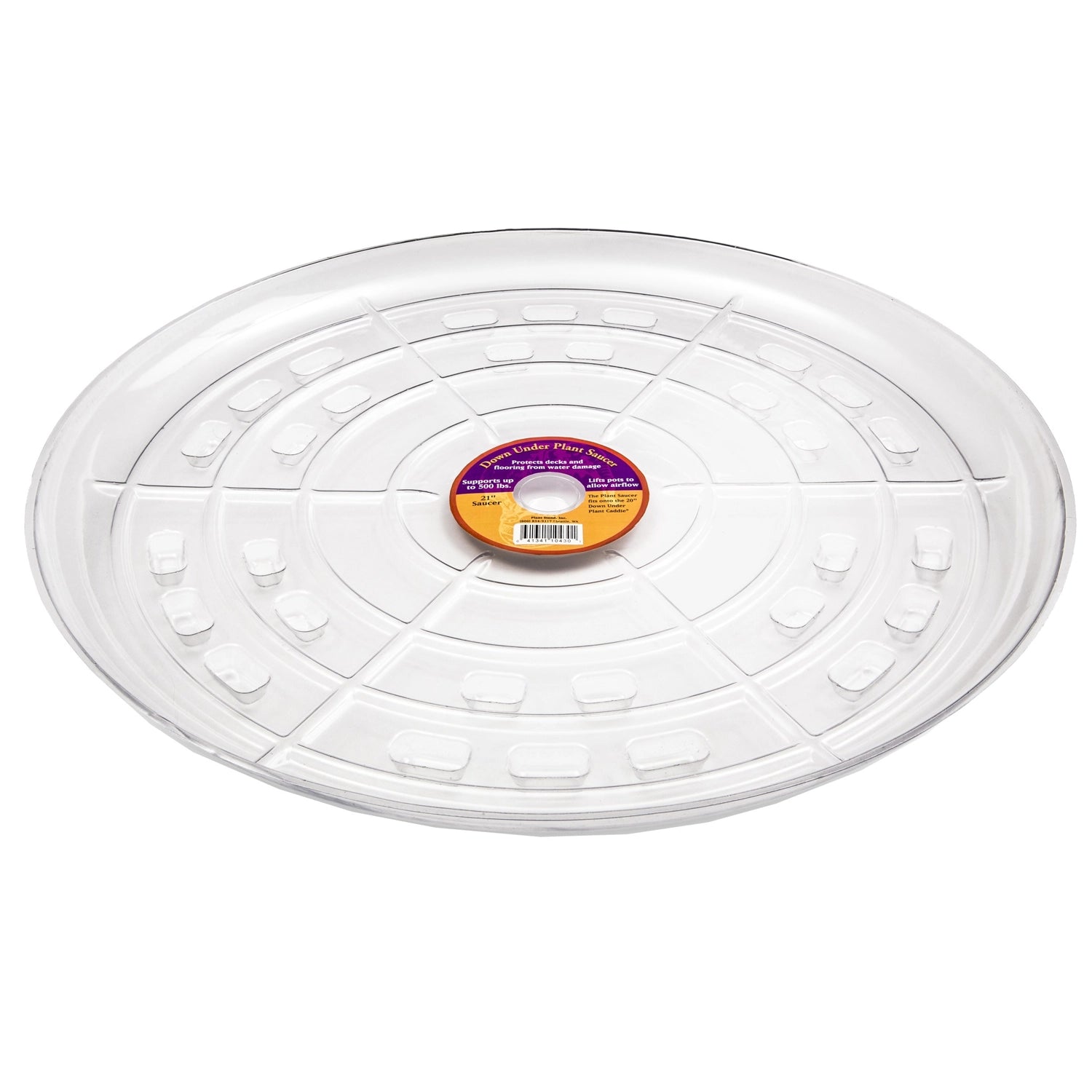
Plant saucers and drip trays catch irrigation runoff and drainage water from container plants, protecting floors, benches, and growing surfaces from water damage and staining. In indoor growing environments where drainage water contains dissolved nutrients and plant debris, saucers prevent nutrient-rich runoff from accumulating on surfaces where it encourages algae, fungus gnats, and other moisture-related problems. Saucers are available in hard plastic, flexible rubber, and ceramic formats in sizes matched to standard pot diameters from 6-inch through 24-inch and larger.
Saucer Selection
Match saucer diameter to pot outer diameter -- the saucer must be large enough to catch all drainage from the pot's drainage holes, which typically extend to the full diameter of the pot base. Hard plastic saucers are the most common -- inexpensive, easy to clean, and available in sizes matching most standard pot diameters. Flexible rubber saucers conform to uneven surfaces and to the round base of fabric pots, which sit unevenly on flat plastic saucers. Deep-lip saucers (saucers with 2-3 inch walls rather than a flat dish format) hold more drainage water without overflow -- useful for plants that drain a large volume per irrigation event. For commercial growing bench setups, flood tables and dedicated irrigation trays provide a higher-capacity drainage collection solution than individual saucers.
Drainage Management
Allow collected drainage water to sit in the saucer for 30-60 minutes after irrigation -- any excess beyond what the plant can reabsorb in that window should be emptied to prevent roots sitting in standing water. Prolonged standing water in saucers elevates humidity at the soil surface, promotes fungus gnat breeding, and can cause root rot in the lowest container drainage zones. For large collections of potted plants, a sump pump or submersible pump in a central collection tray removes drainage water automatically. Fast shipping.
Plant Saucers FAQ
What size saucer do I need for my pot?
The saucer diameter should match or slightly exceed the outer base diameter of the pot. Most pot manufacturers sell matching saucers sized to their pot lines. A general guideline: a 5-gallon pot with an approximate 10-12 inch base diameter needs a 12-14 inch saucer. A 10-gallon pot with a 14-16 inch base needs a 16-18 inch saucer. If the saucer is too small, drainage water flows off the saucer edge onto the floor or bench -- the saucer provides no protection. When in doubt, size up by 2 inches to ensure complete drainage capture.
Should I leave water in the saucer after watering?
Remove standing saucer water 30-60 minutes after irrigation -- long enough to allow the plant to reabsorb some of the drainage, but not so long that roots sitting at the drainage zone remain in standing water for extended periods. Permanent standing water in saucers is one of the most common causes of root rot in container plants, particularly in lower-light environments where evaporation from the saucer is slow. For plants with high water needs in warm conditions, some standing water for a few hours is acceptable; for plants prone to overwatering in cool conditions, empty saucers promptly.
Can I use saucers with fabric pots?
Yes -- saucers work with fabric pots, though the round base of a fabric pot does not sit flat against a standard hard plastic saucer because the soft fabric sides conform to the saucer surface unevenly. Flexible rubber saucers conform better to the fabric pot base. Alternatively, elevate the fabric pot on a wire mesh platform over a hard saucer -- this allows air circulation under the pot (important for the air pruning function of the fabric) while catching drainage below. Some growers skip saucers for fabric pots entirely and instead use dedicated fabric pot trays or flood tables for drainage management.
Do ceramic and decorative saucers work as well as plastic?
Ceramic saucers function as drainage catchers as effectively as plastic, but have some practical differences: ceramic is heavy and can break if dropped; unglazed ceramic can absorb mineral deposits and water, becoming difficult to clean; and matching ceramic saucer sizes to specific pot bases can be harder than with purpose-made plastic saucer lines. For decorative display growing where appearance matters, a glazed ceramic saucer provides a polished look. For functional production growing, plastic or rubber saucers are more practical for their light weight, durability, and easy cleaning.
What is the difference between a saucer and a pot tray?
A saucer is a single container-scale disc sized to go under one pot. A pot tray (or flood tray/grow tray) is a larger flat-bottomed tray that holds multiple pots and collects drainage from all of them simultaneously. Saucers are appropriate for individual container plants in spaces where each plant is managed independently. Grow trays are more practical for production setups with many plants in rows or on benches -- one tray handles the drainage from a dozen or more containers, simplifying drainage management for large collections.